Logo Krupa Gallery
News
10 April 2026

How to Avoid Writing a Narrative Novel: Sean Ashton in Conversation with Anna Aslanyan

10 April 2026
6:30 – 8:30 PM
1 Pakenham St
WC1X 0LA


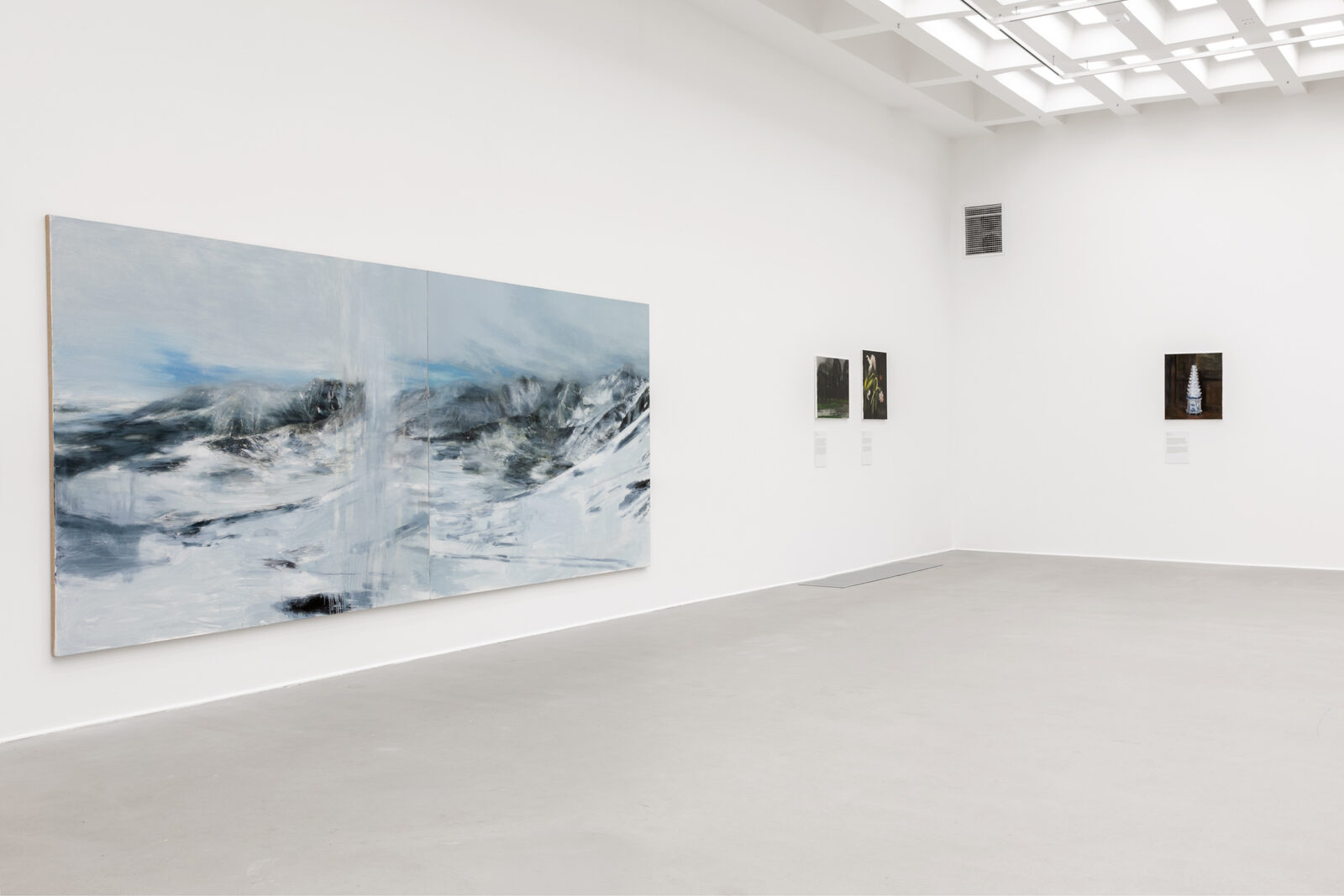
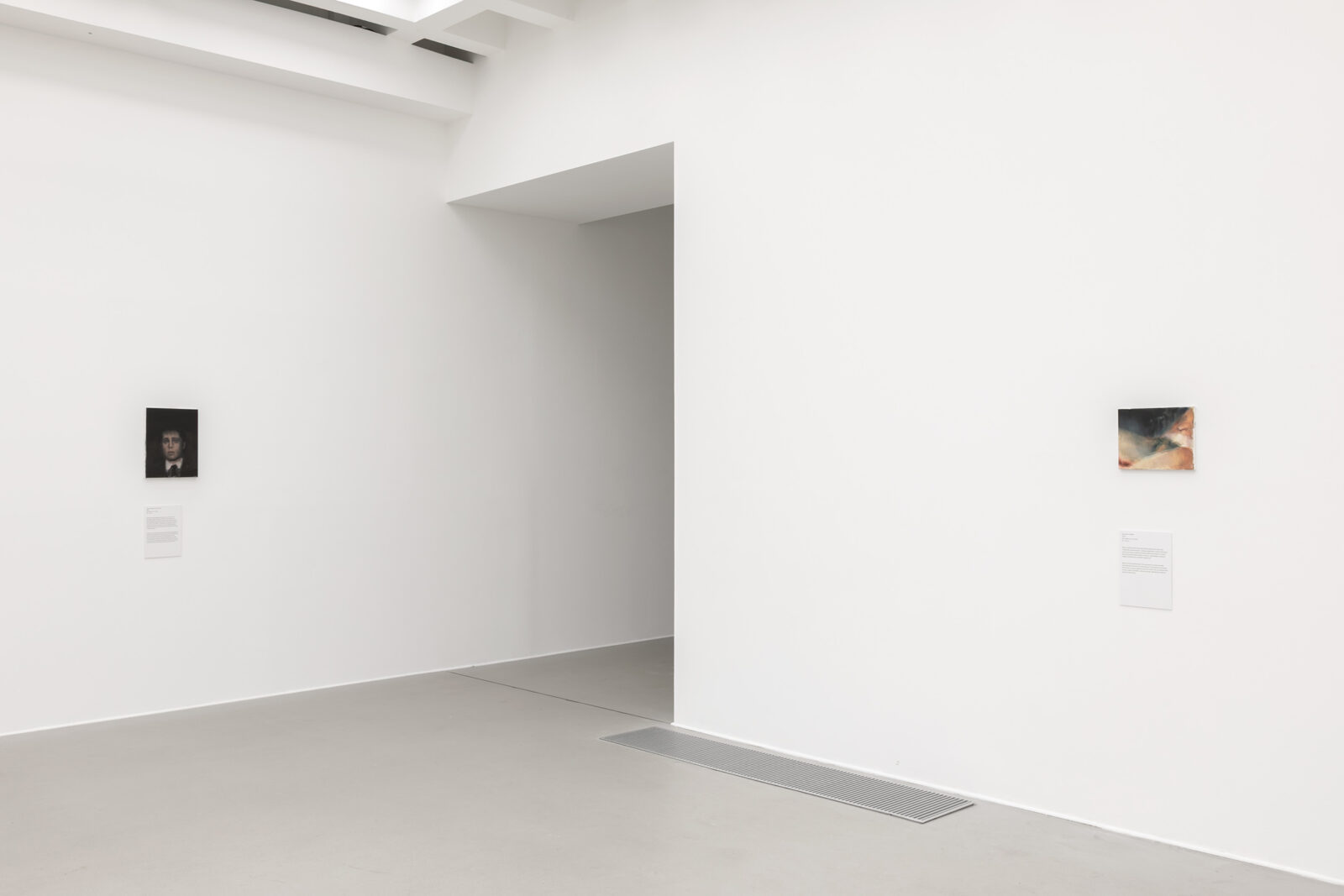
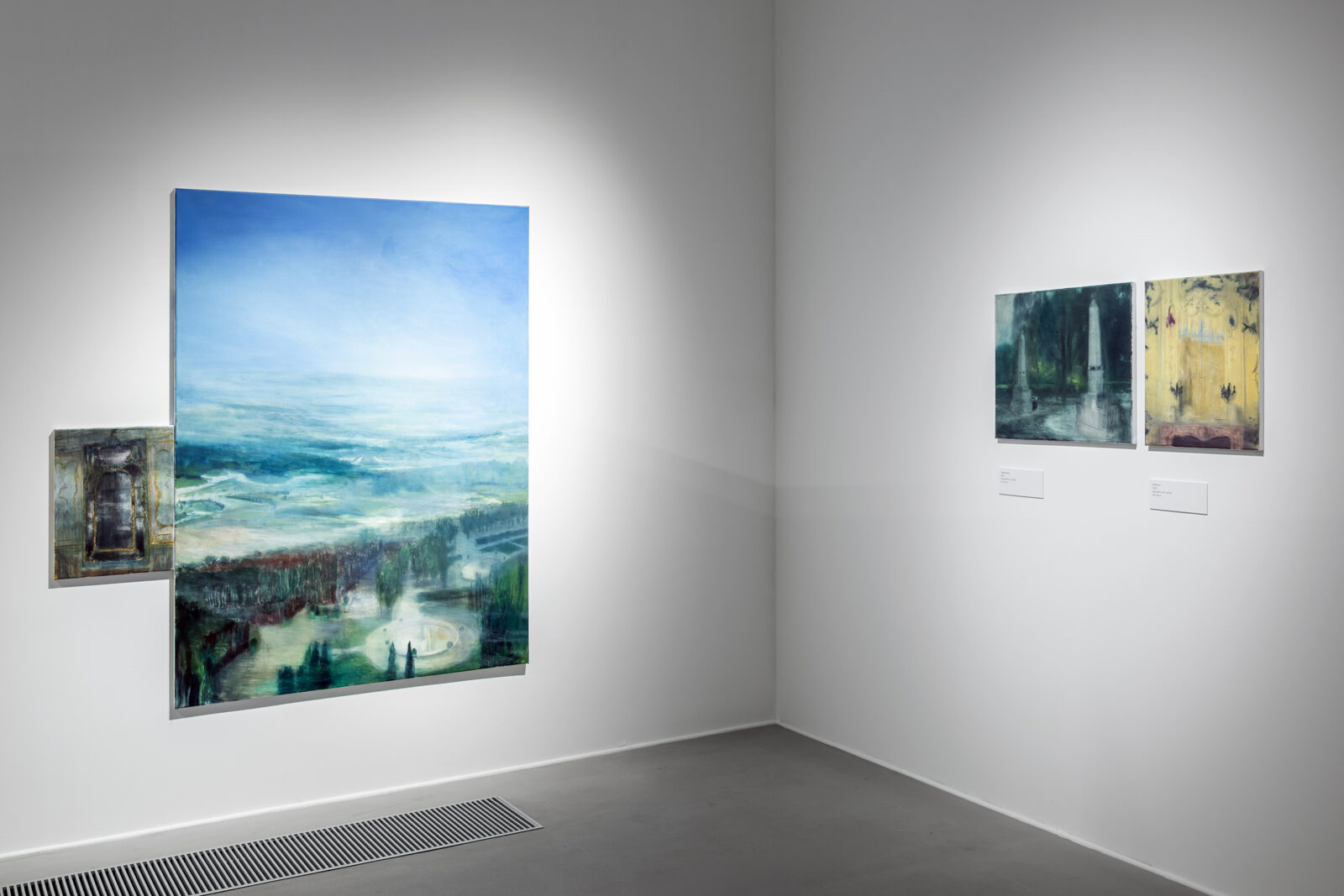
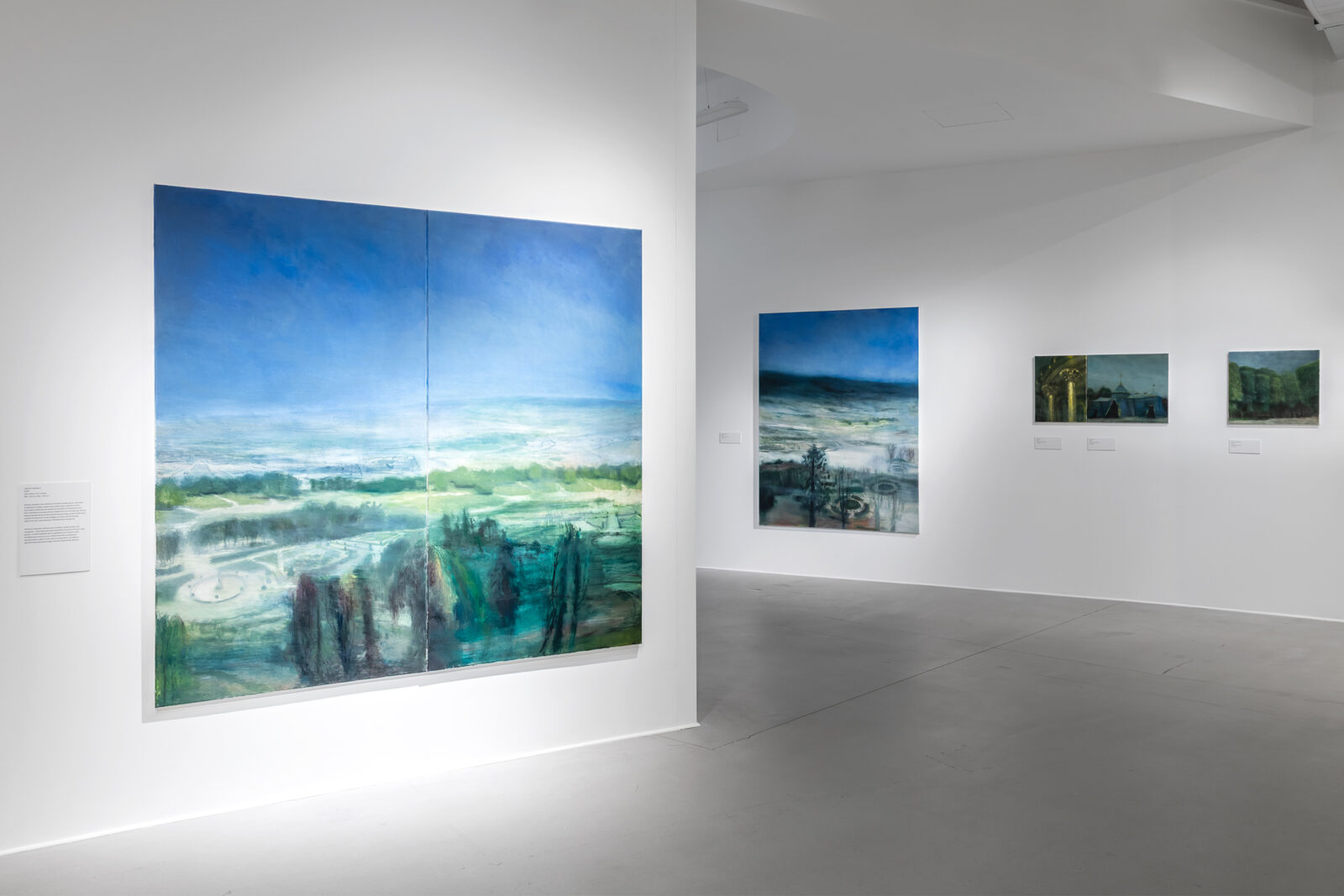
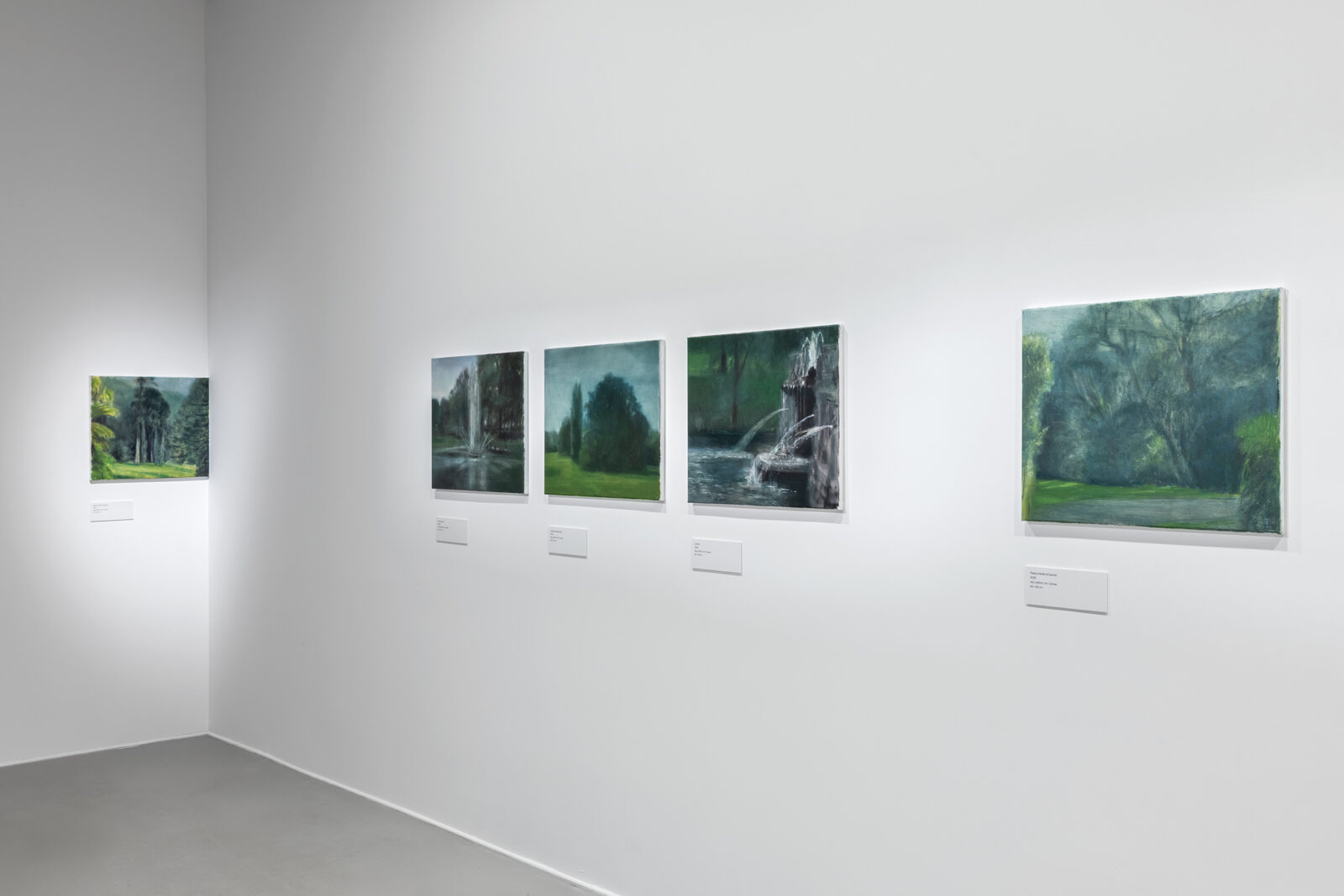
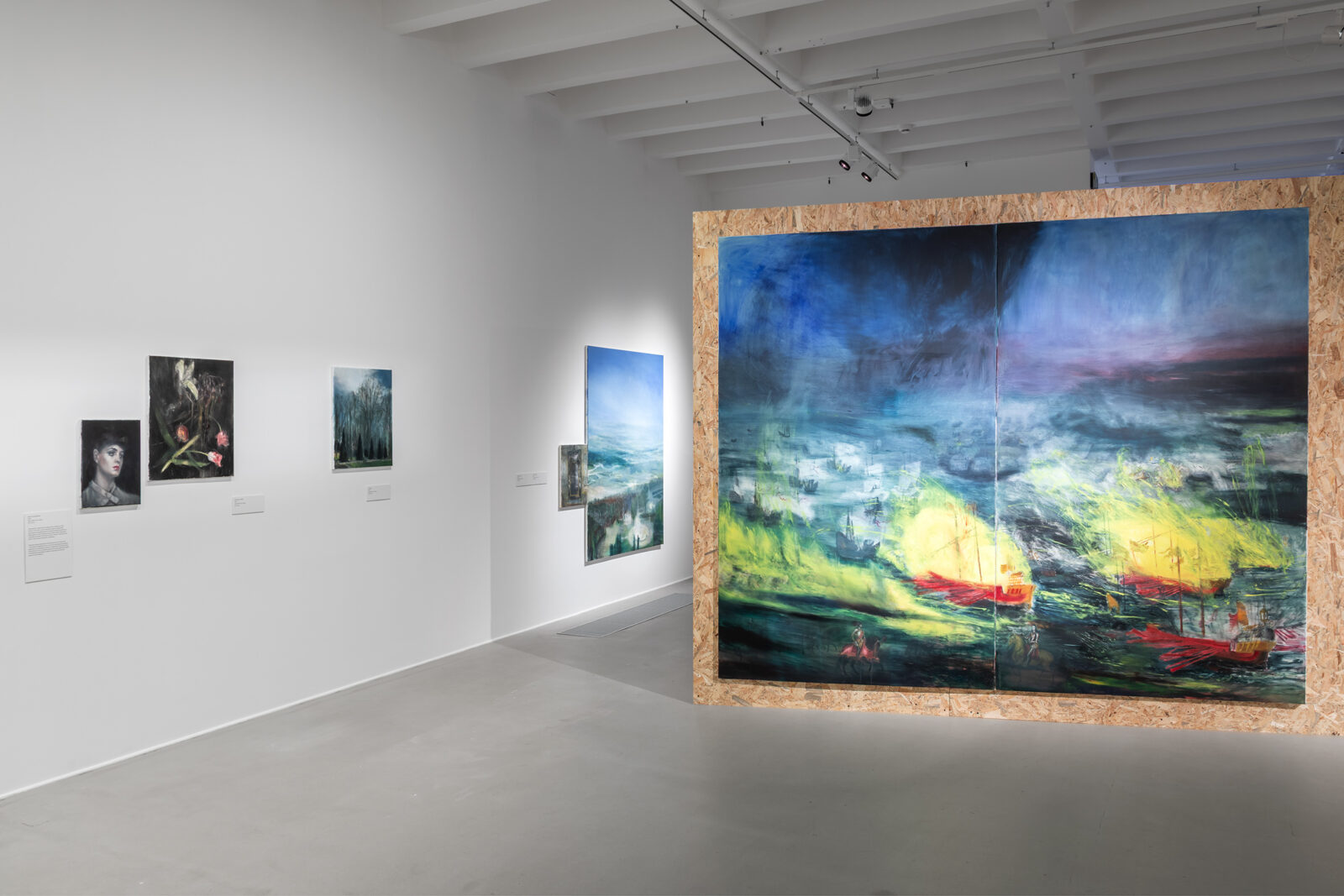
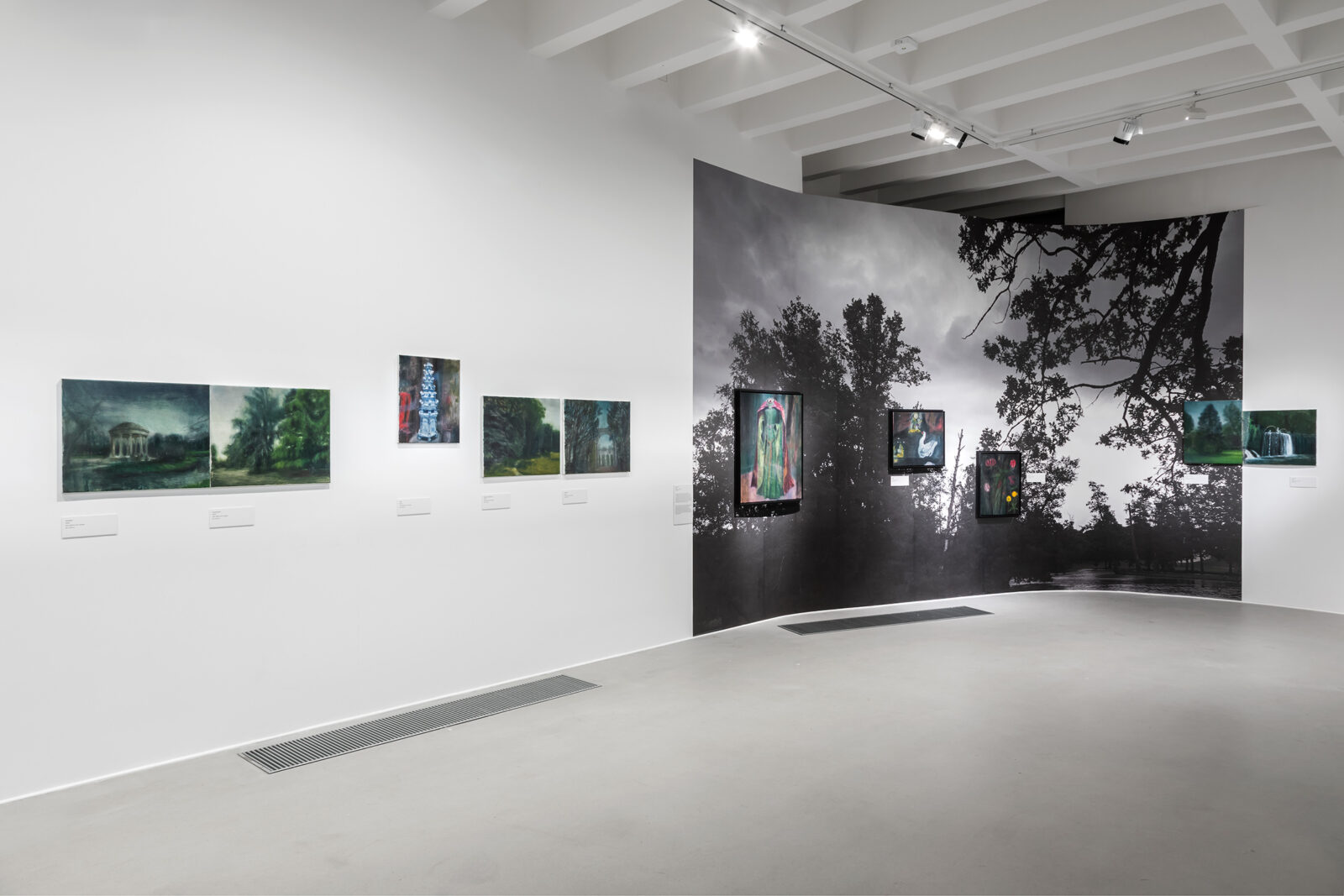
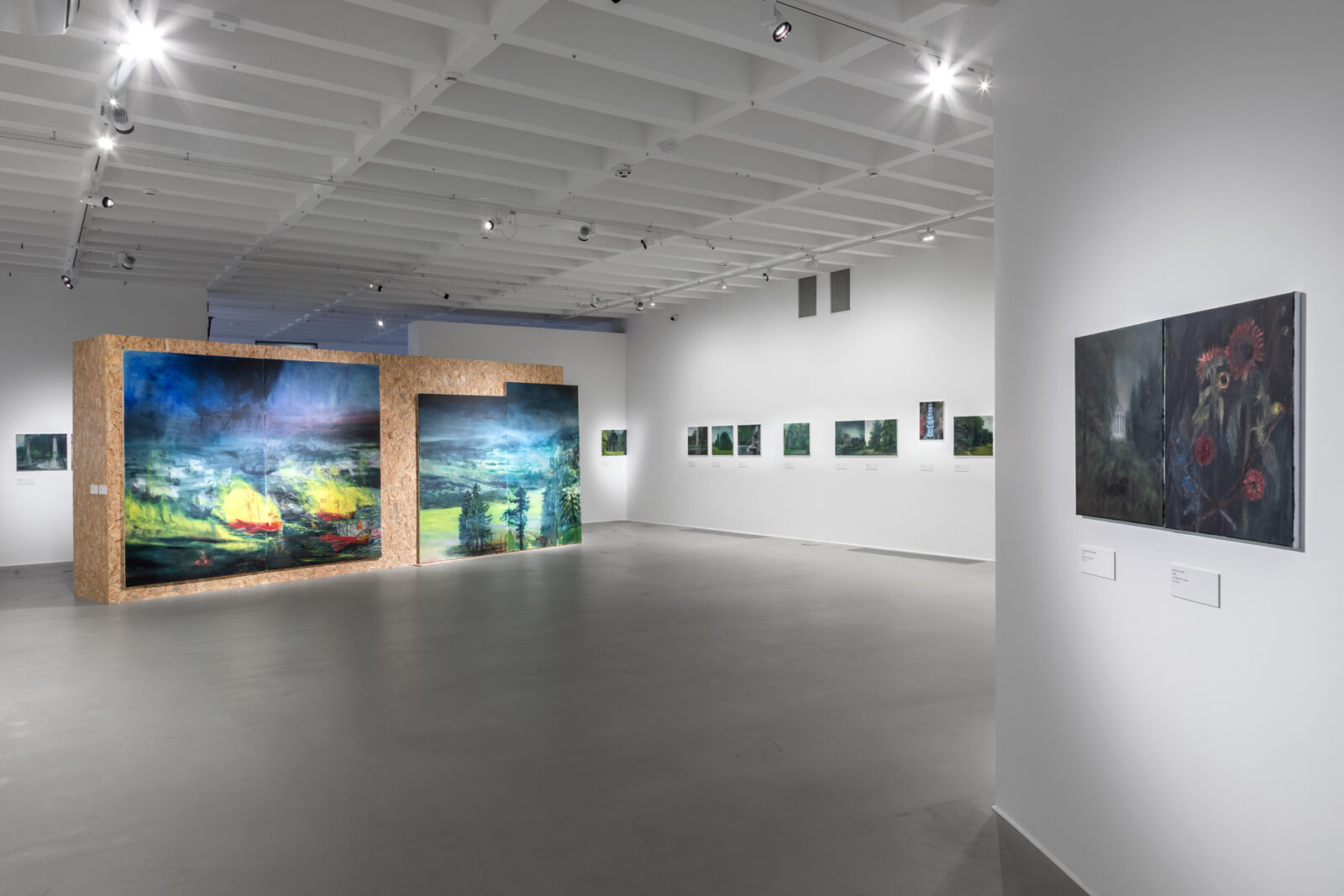
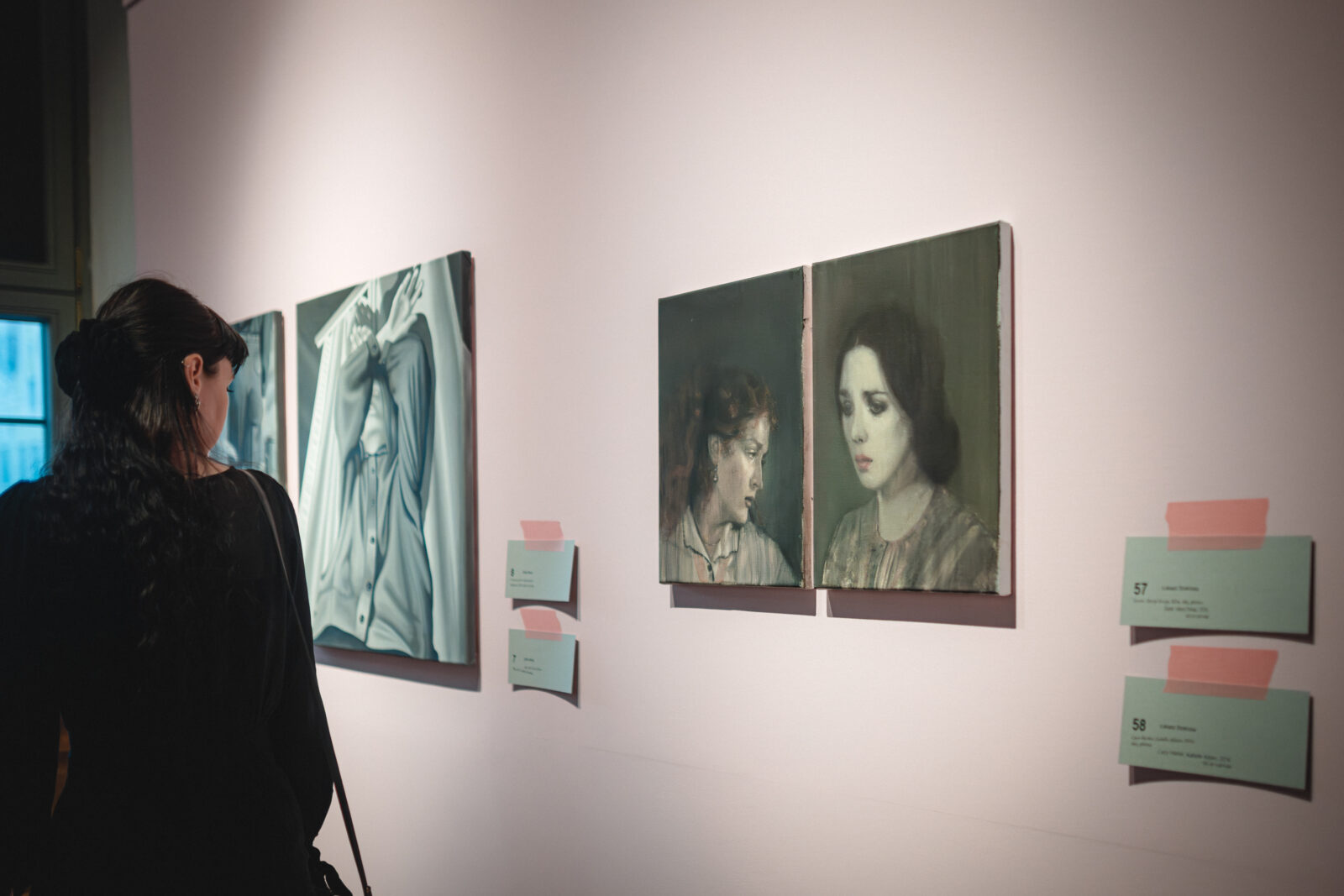
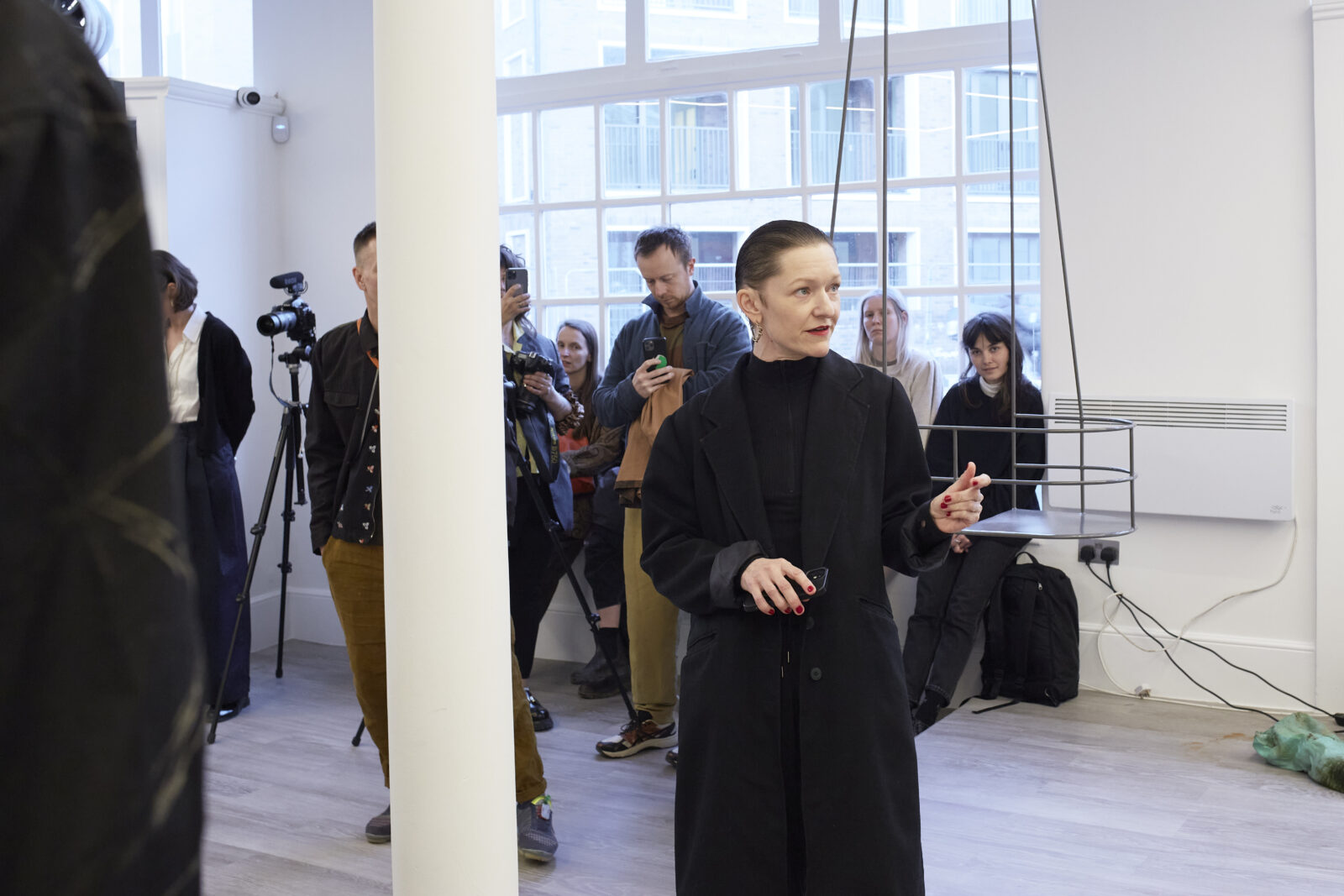
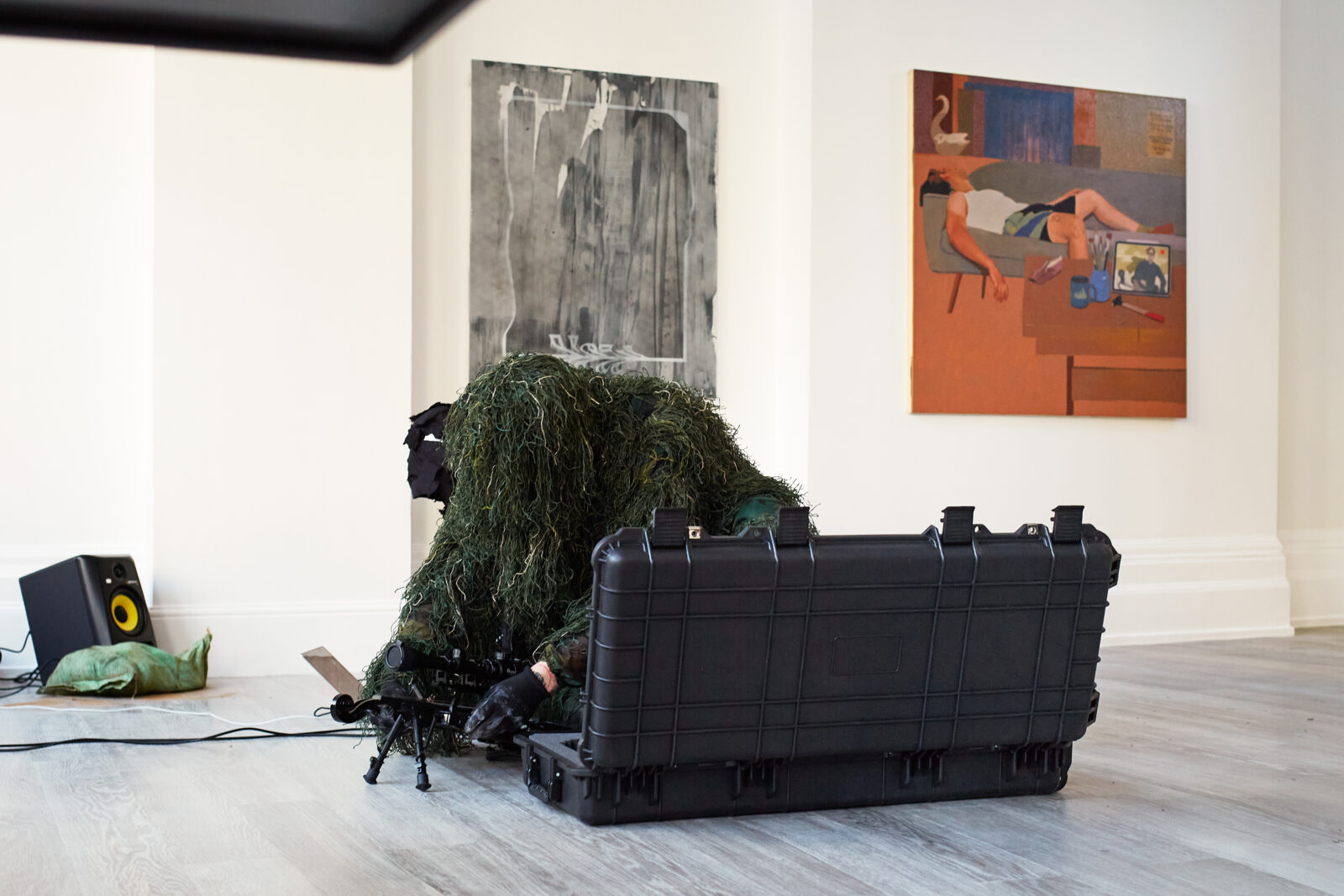
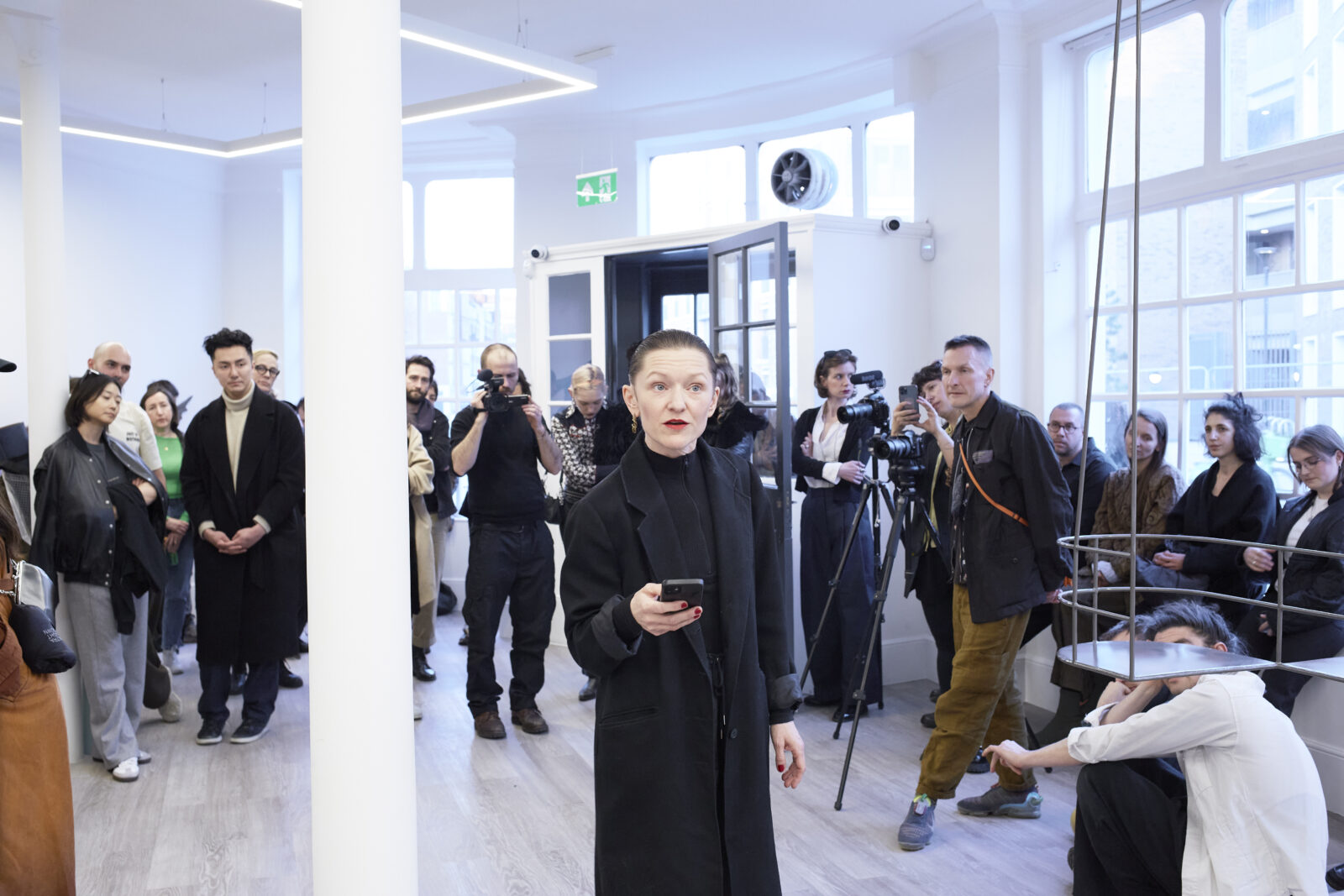
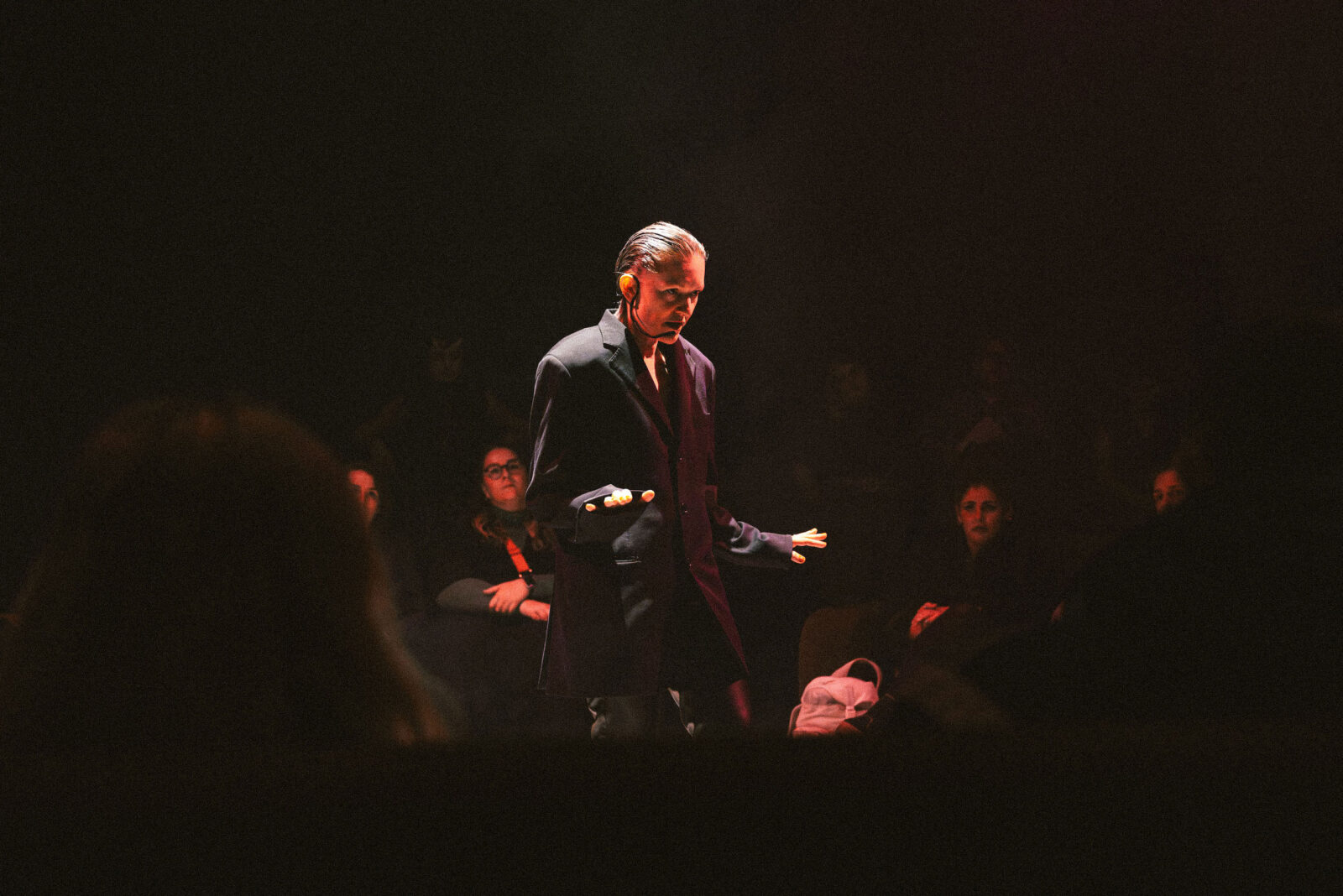
Krupa Gallery invites you to an event devised by Adriana Jaroslavsky, Nuria López Blanco, Loulou Siem and Ana María Chamucero, as part of their current exhibition 𝘏𝘰𝘸 𝘵𝘰 𝘈𝘷𝘰𝘪𝘥 𝘉𝘦𝘪𝘯𝘨 𝘞𝘳𝘢𝘱𝘱𝘦𝘥. The artists have invited Sean Ashton to read from his novel 𝘔𝘢𝘴𝘴𝘪𝘷𝘦 𝘔𝘢𝘴𝘴𝘪𝘷𝘦 𝘖𝘪𝘭 𝘚𝘵𝘪𝘤𝘬 (Ma Bibliothèque, 2025), composed entirely of sentences that begin with the verbs expect, suppose and avoid. Described by critic Michael Hampton as ‘an unrelenting catalogue of the faded, dead and dying, pop culture piledriven hard into the highbrow’, 𝘔𝘢𝘴𝘴𝘪𝘷𝘦 𝘔𝘢𝘴𝘴𝘪𝘷𝘦 𝘖𝘪𝘭 𝘚𝘵𝘪𝘤𝘬 is the second of three novels written to constraints (𝘓𝘪𝘷𝘪𝘯𝘨 𝘪𝘯 𝘵𝘩𝘦 𝘓𝘢𝘯𝘥 and the forthcoming 𝘈 𝘝𝘪𝘭𝘭𝘢𝘨𝘦 𝘰𝘧 𝘜𝘯𝘤𝘭𝘦𝘴).

Ashton will be in conversation with writer and translator Anna Aslanyan, author of 𝘋𝘢𝘯𝘤𝘪𝘯𝘨 𝘰𝘯 𝘙𝘰𝘱𝘦𝘴: 𝘛𝘳𝘢𝘯𝘴𝘭𝘢𝘵𝘰𝘳𝘴 𝘢𝘯𝘥 𝘵𝘩𝘦 𝘉𝘢𝘭𝘢𝘯𝘤𝘦 𝘰𝘧 𝘏𝘪𝘴𝘵𝘰𝘳𝘺 (Profile, 2021) and several articles on literary constraints, including the Oulipo group and Georges Perec.

Join us for readings and insights from the artists, whose current show is the first of several projects that will use ‘avoidance’ as a curatorial conceit.

Free tickets via Eventbrite.

News Targi
17 - 19 April 2026


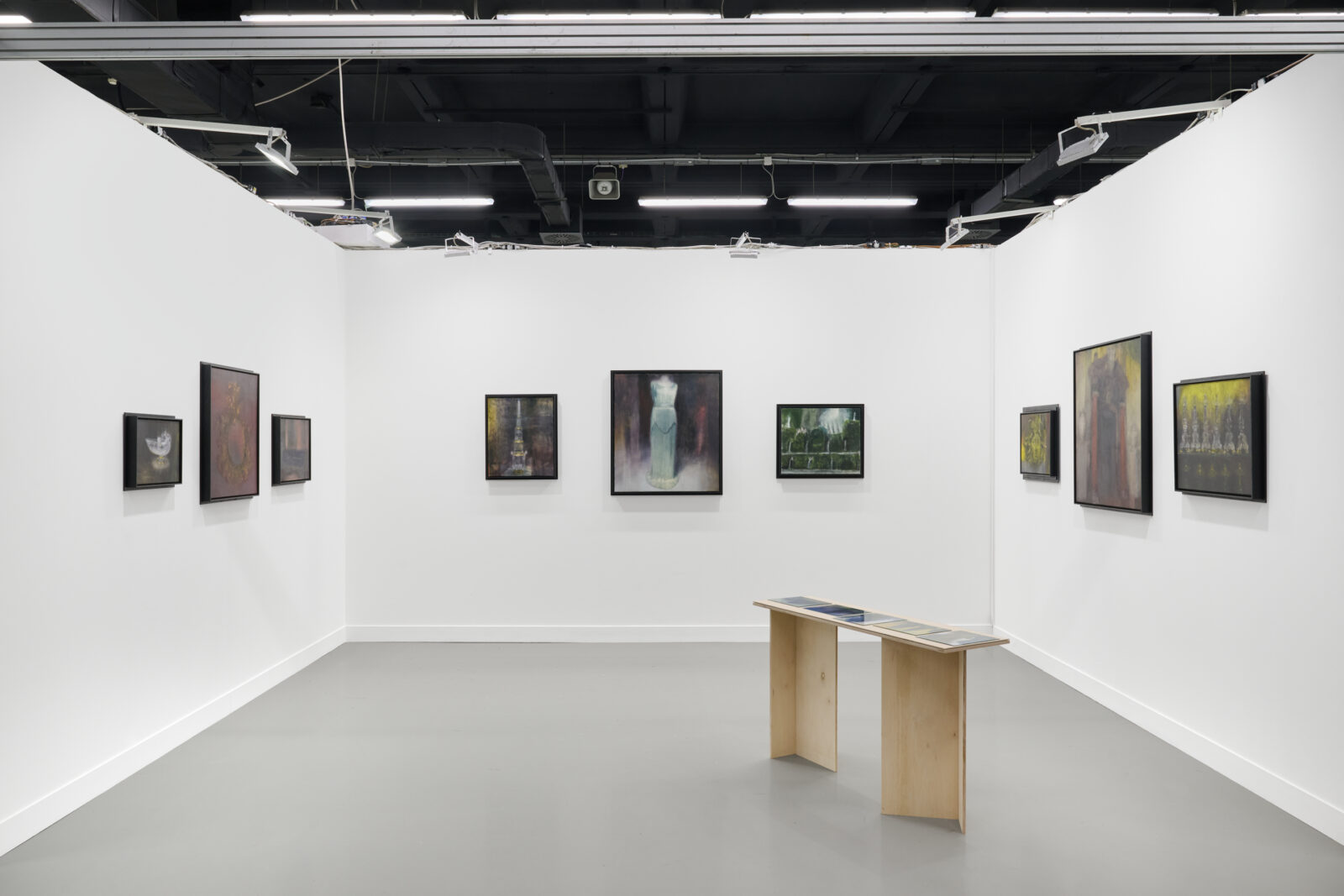
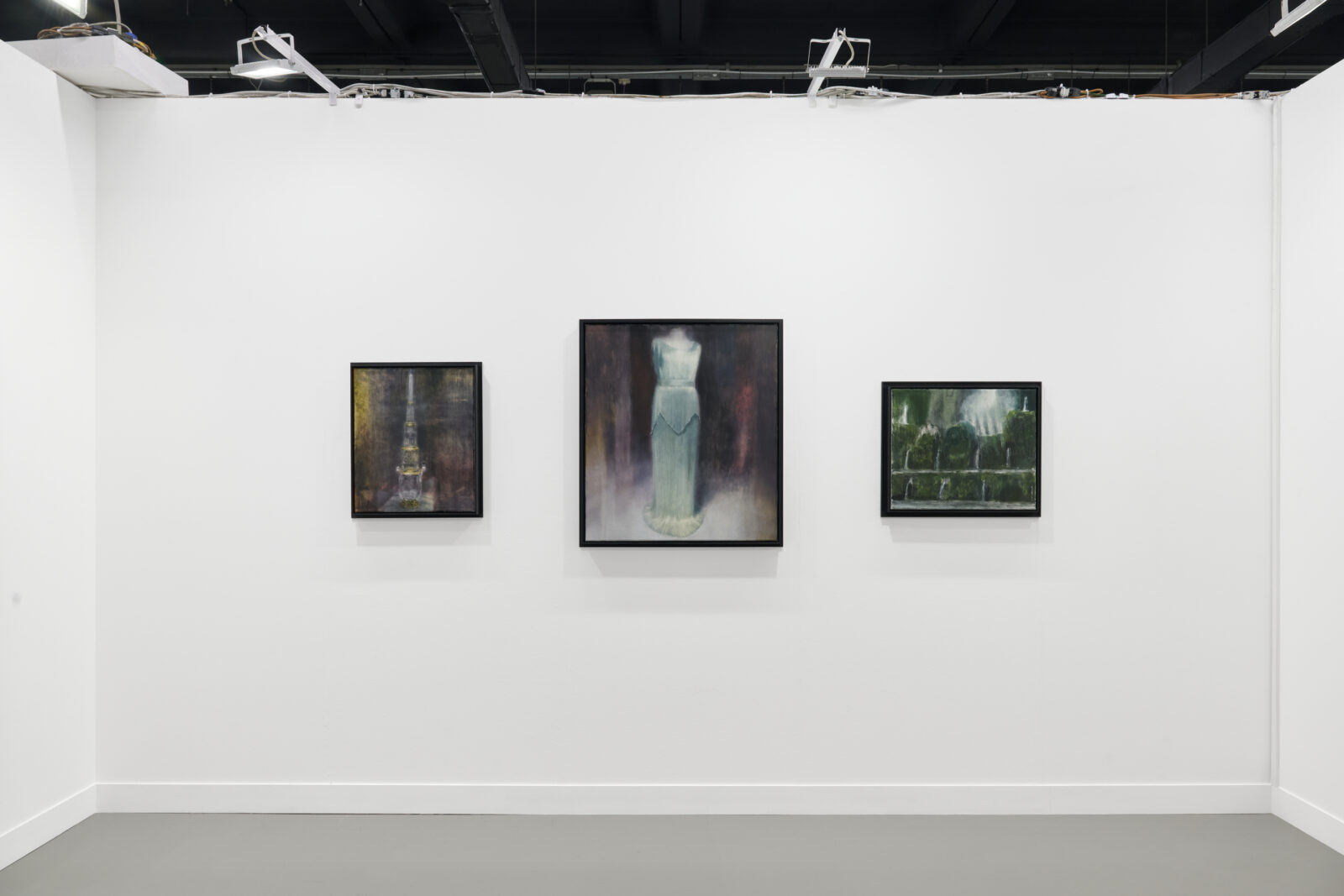
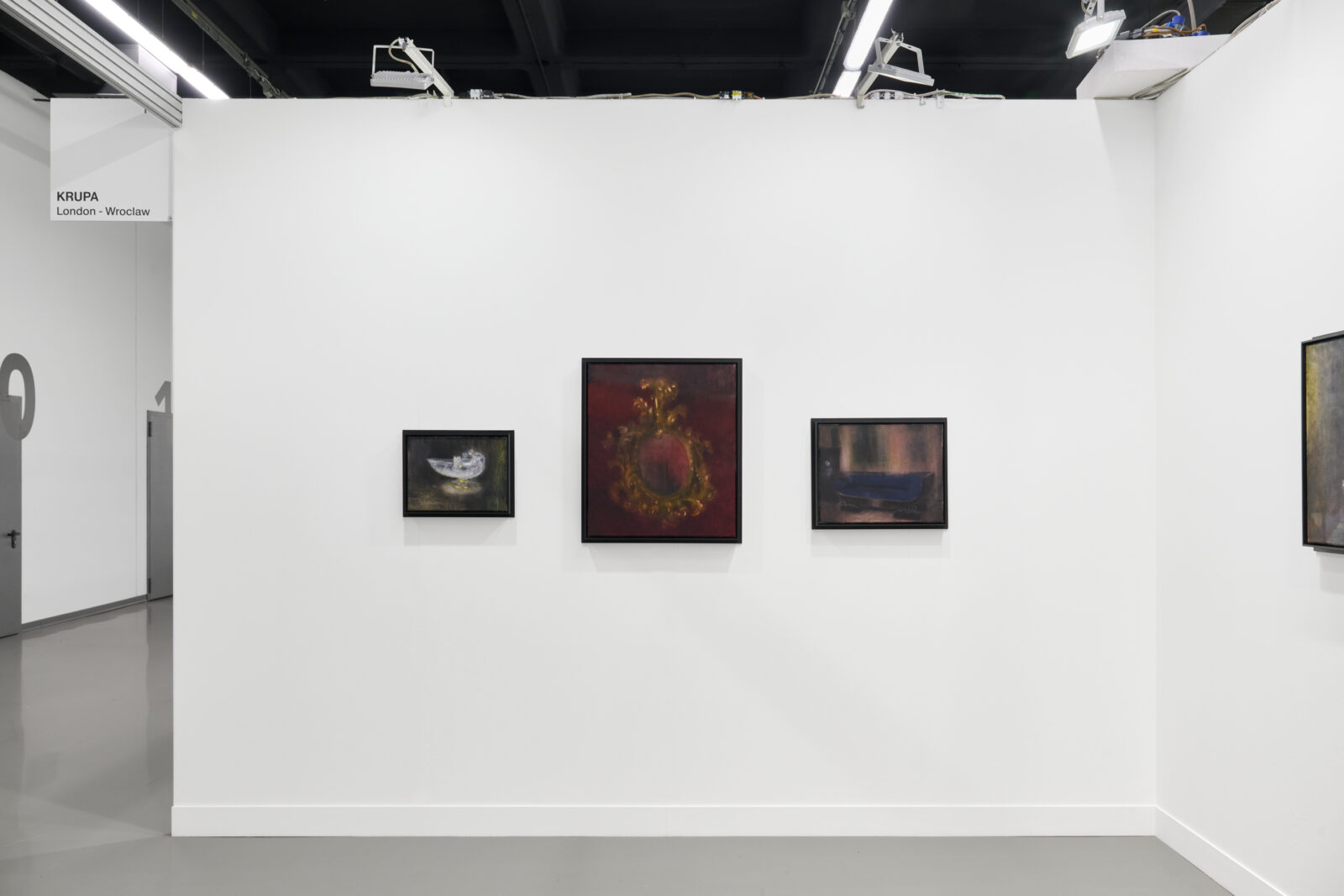
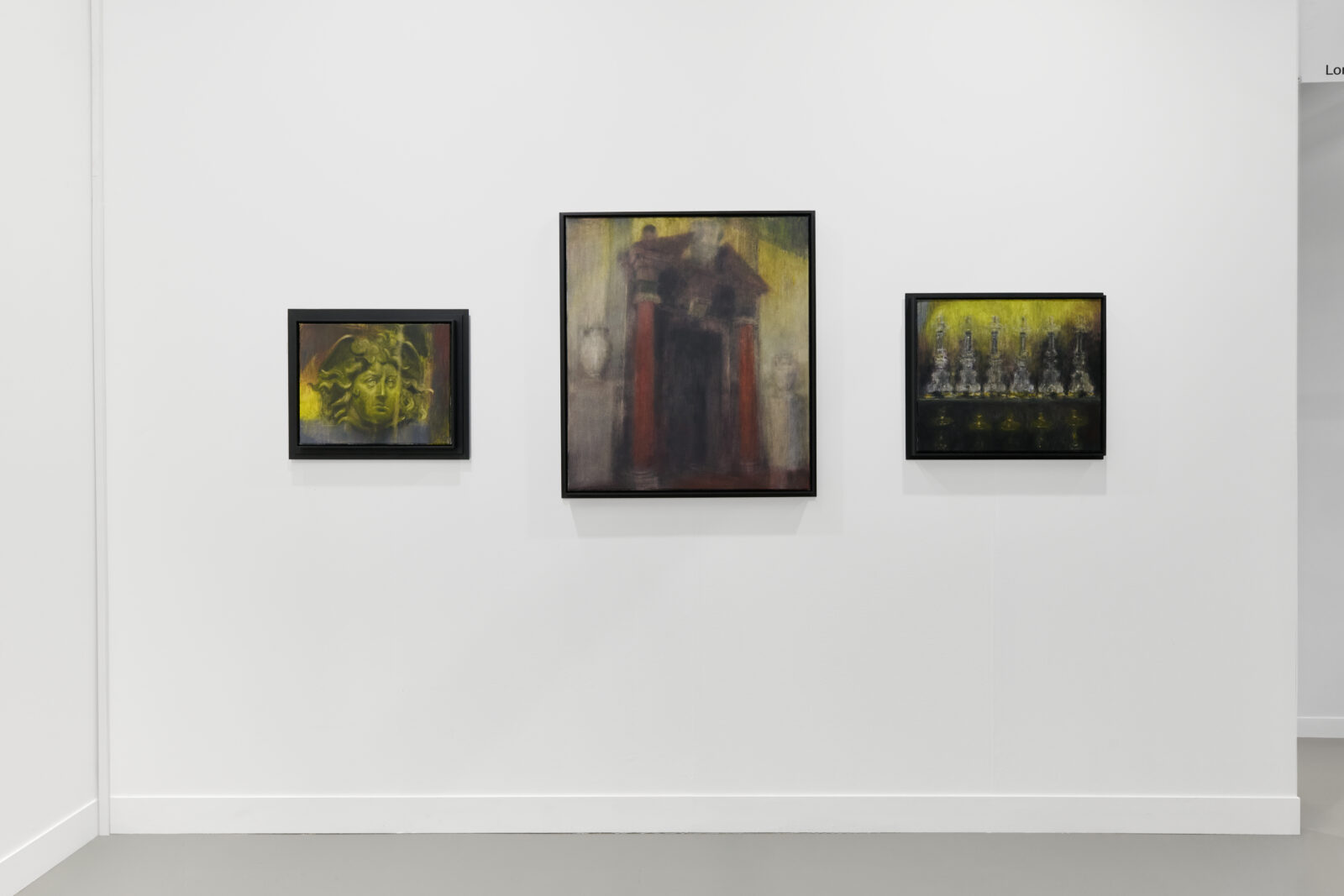
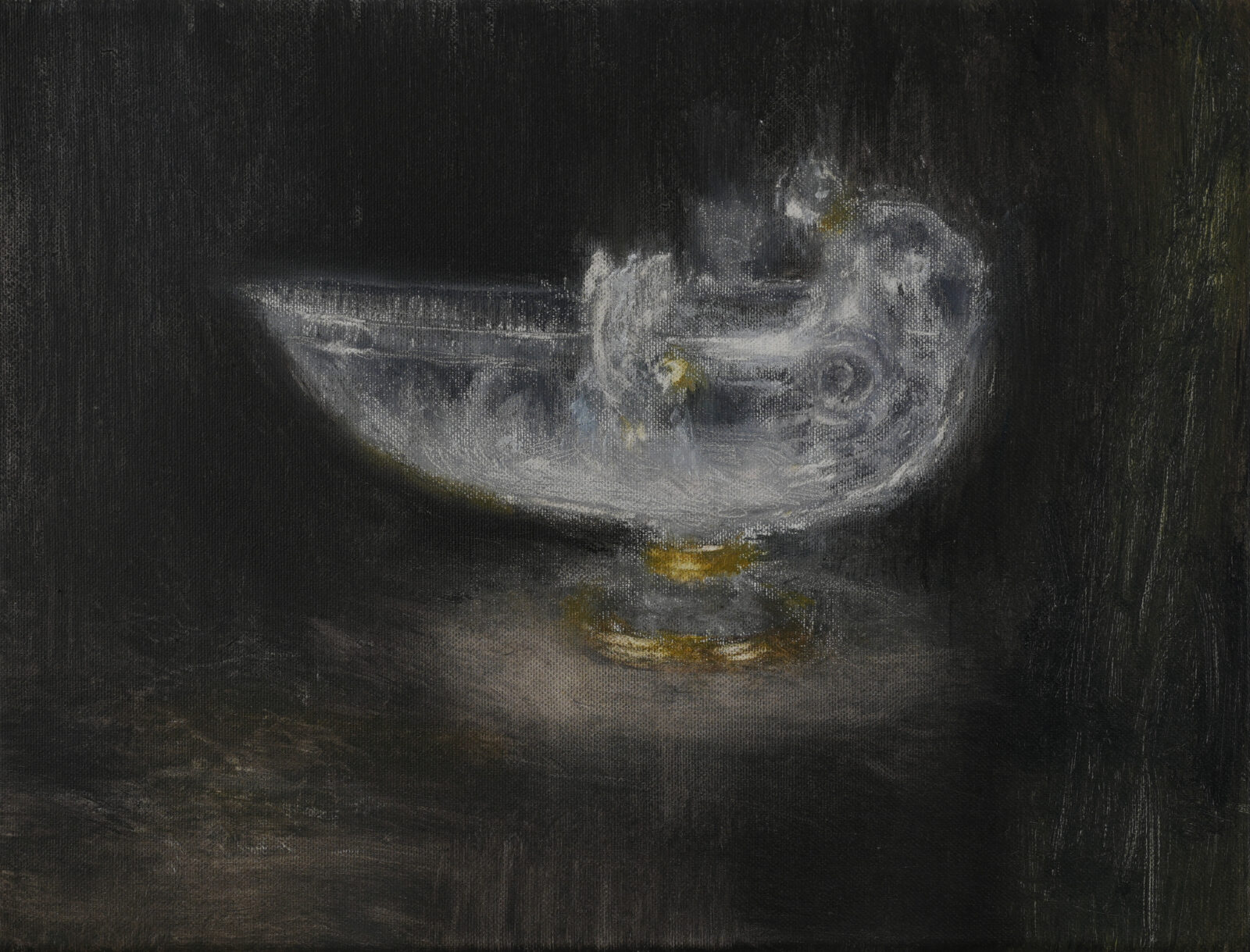
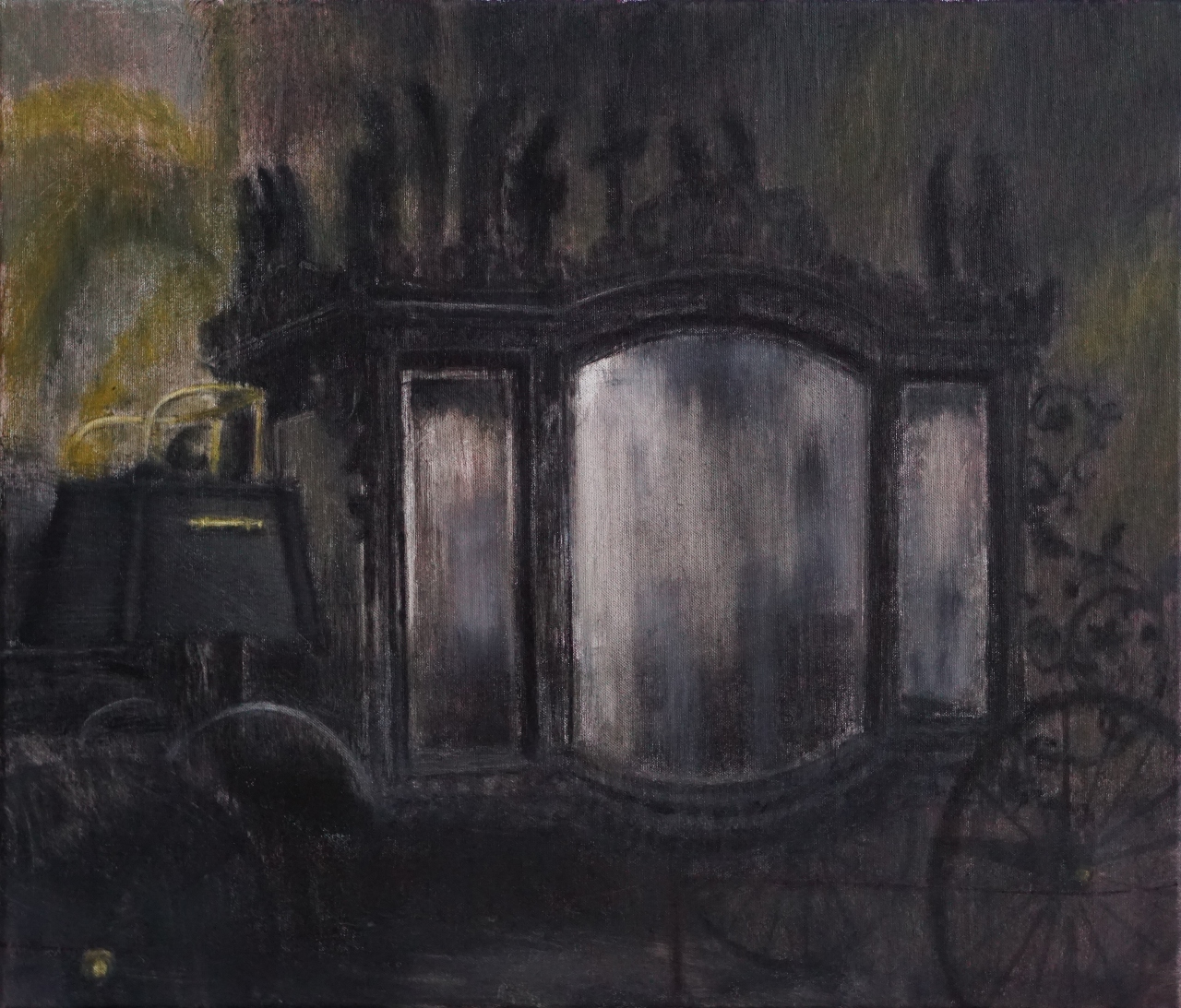
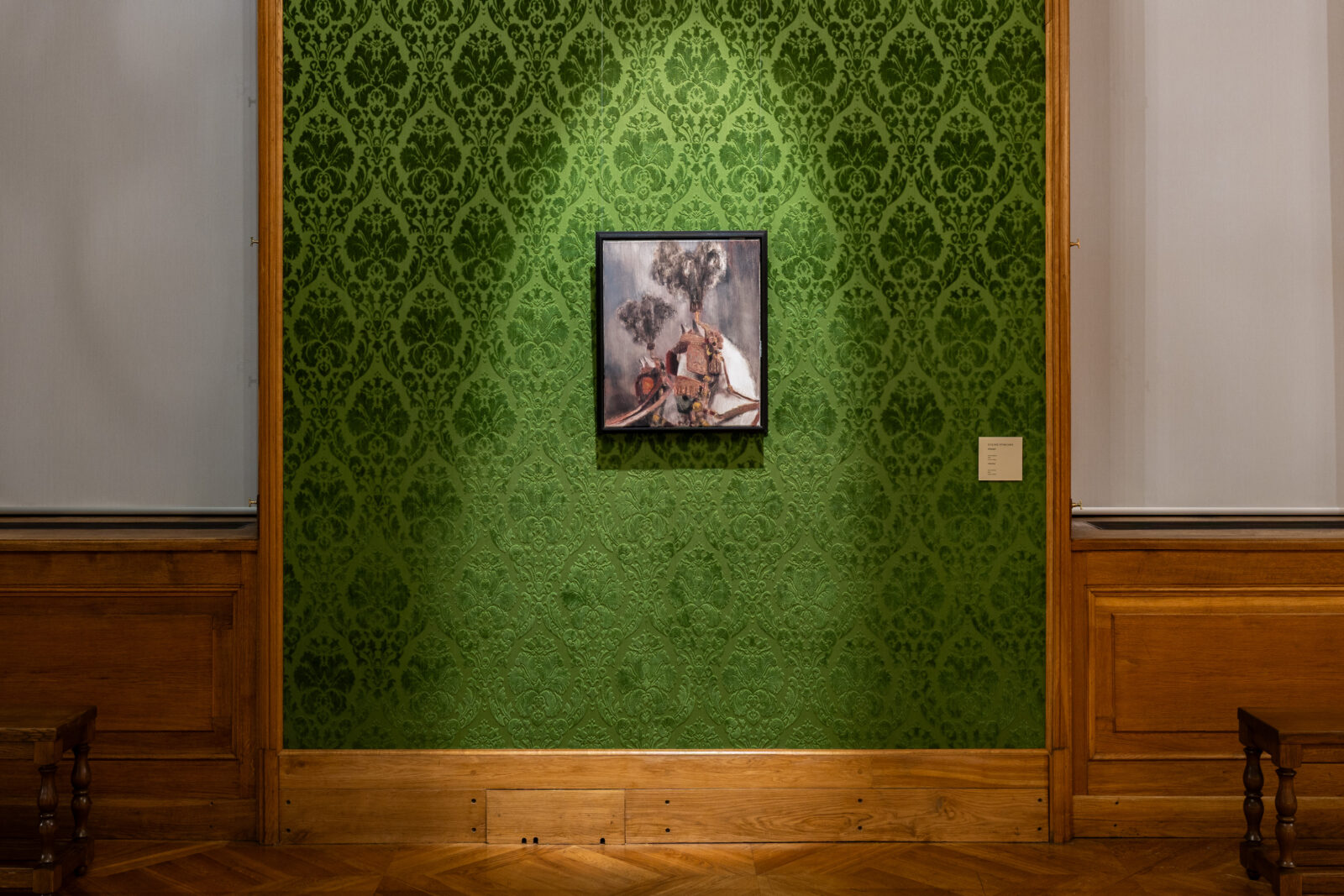
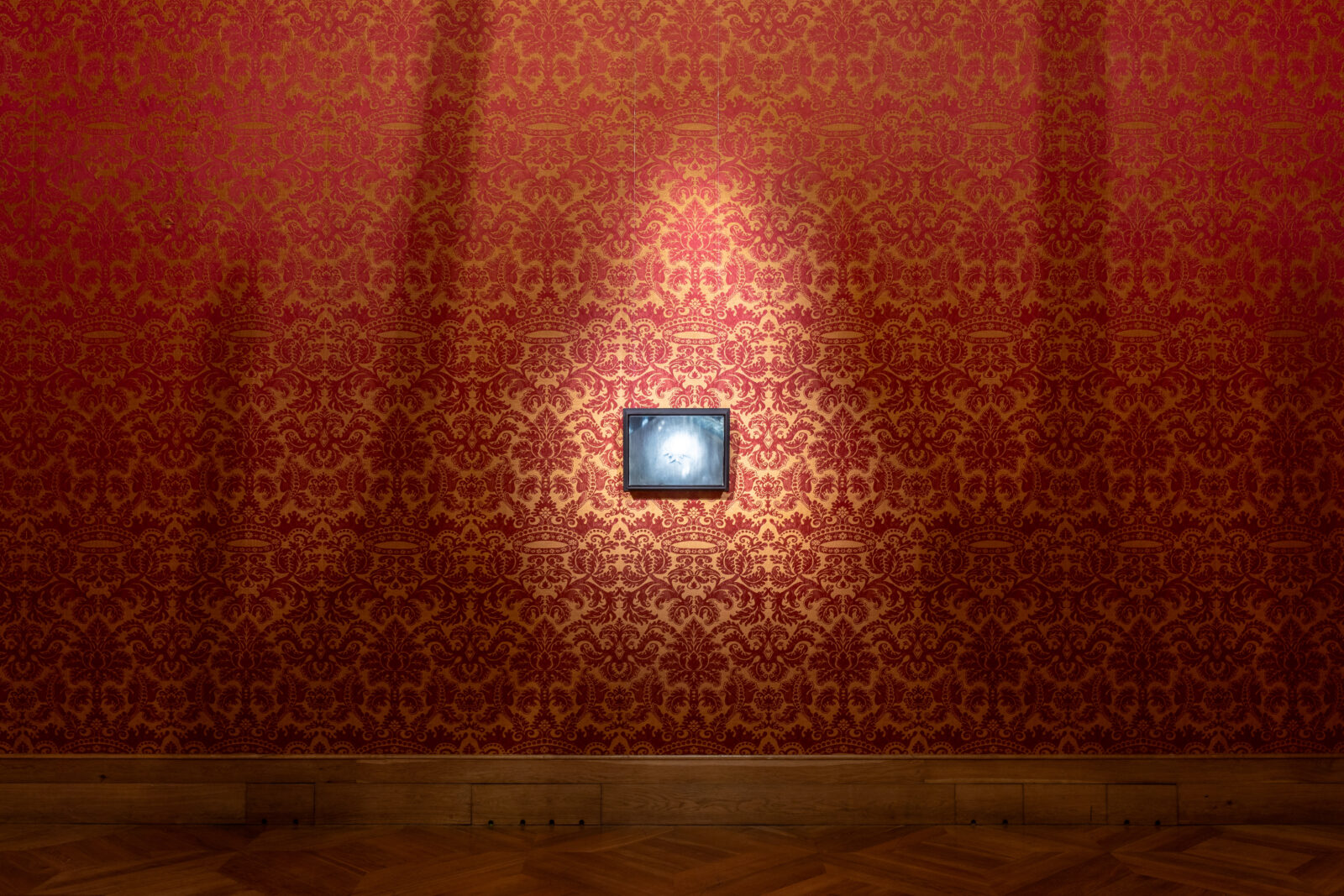
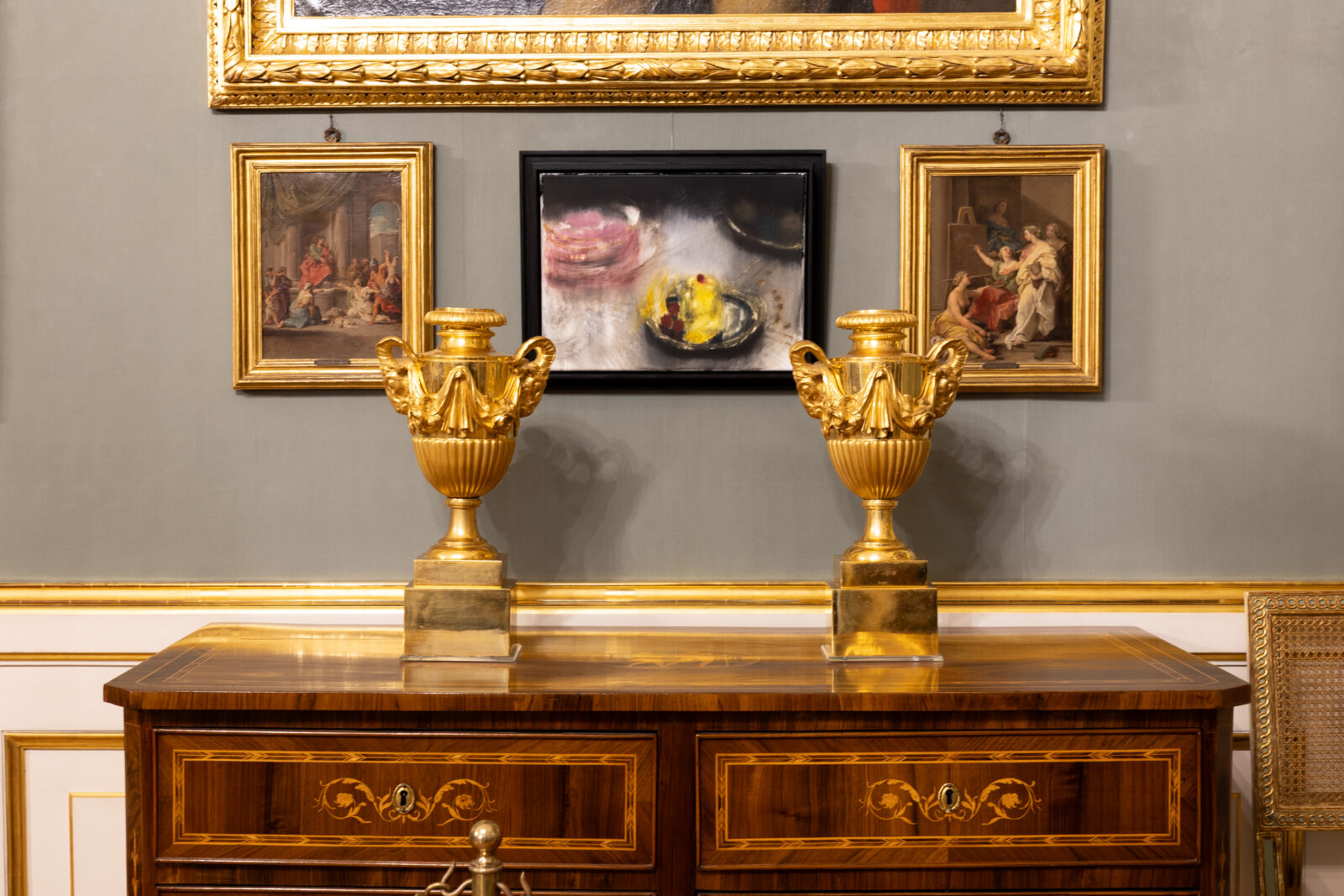
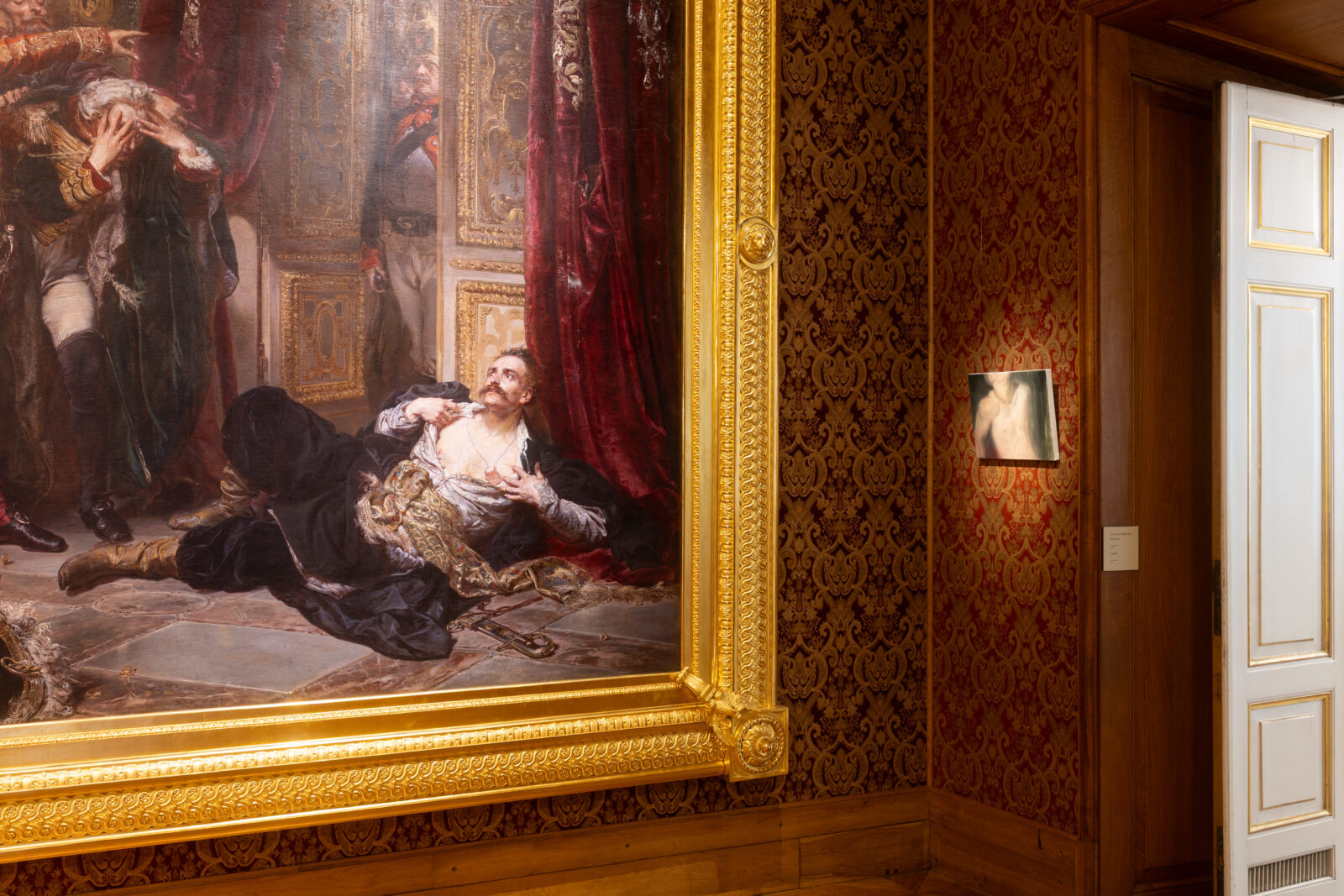
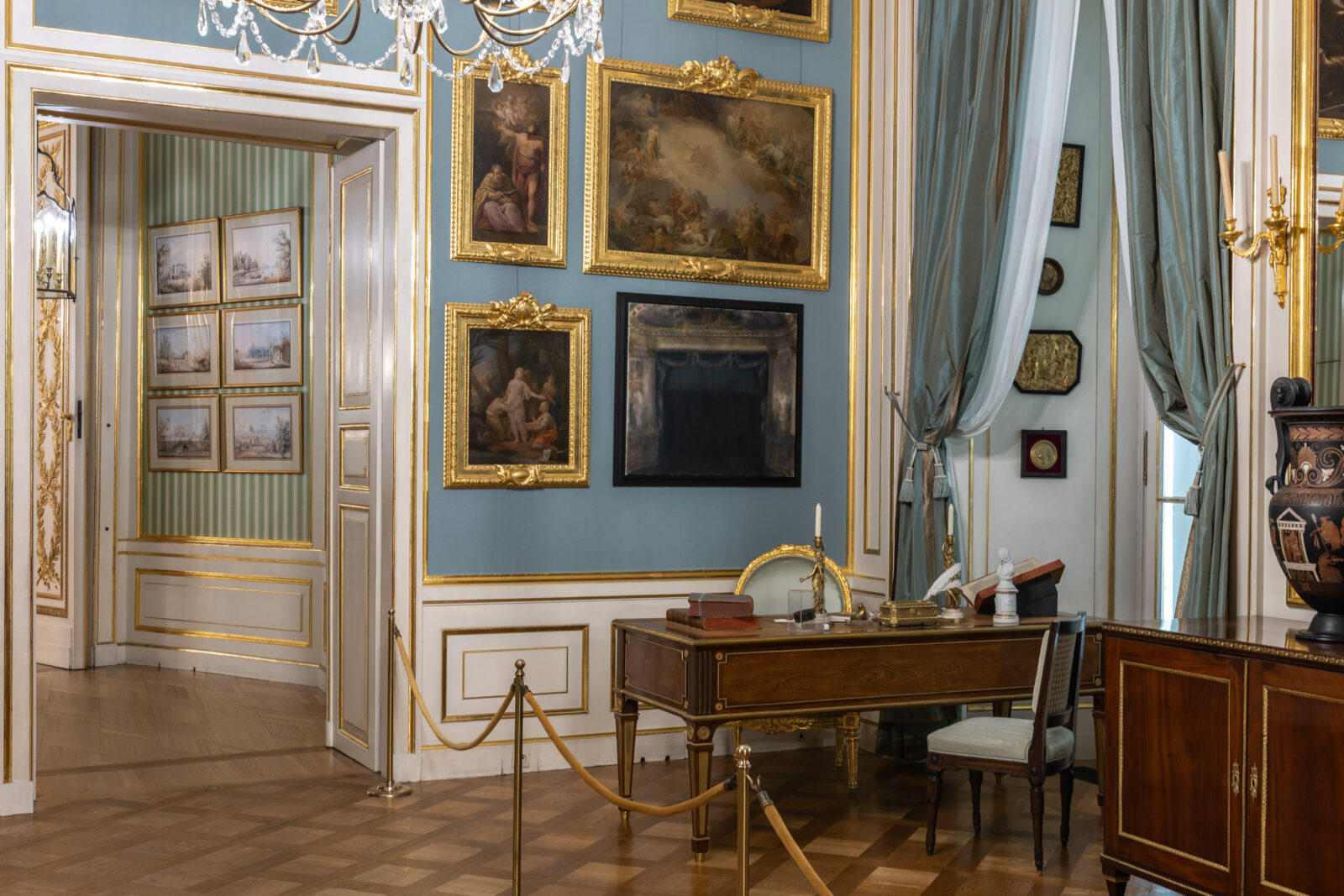
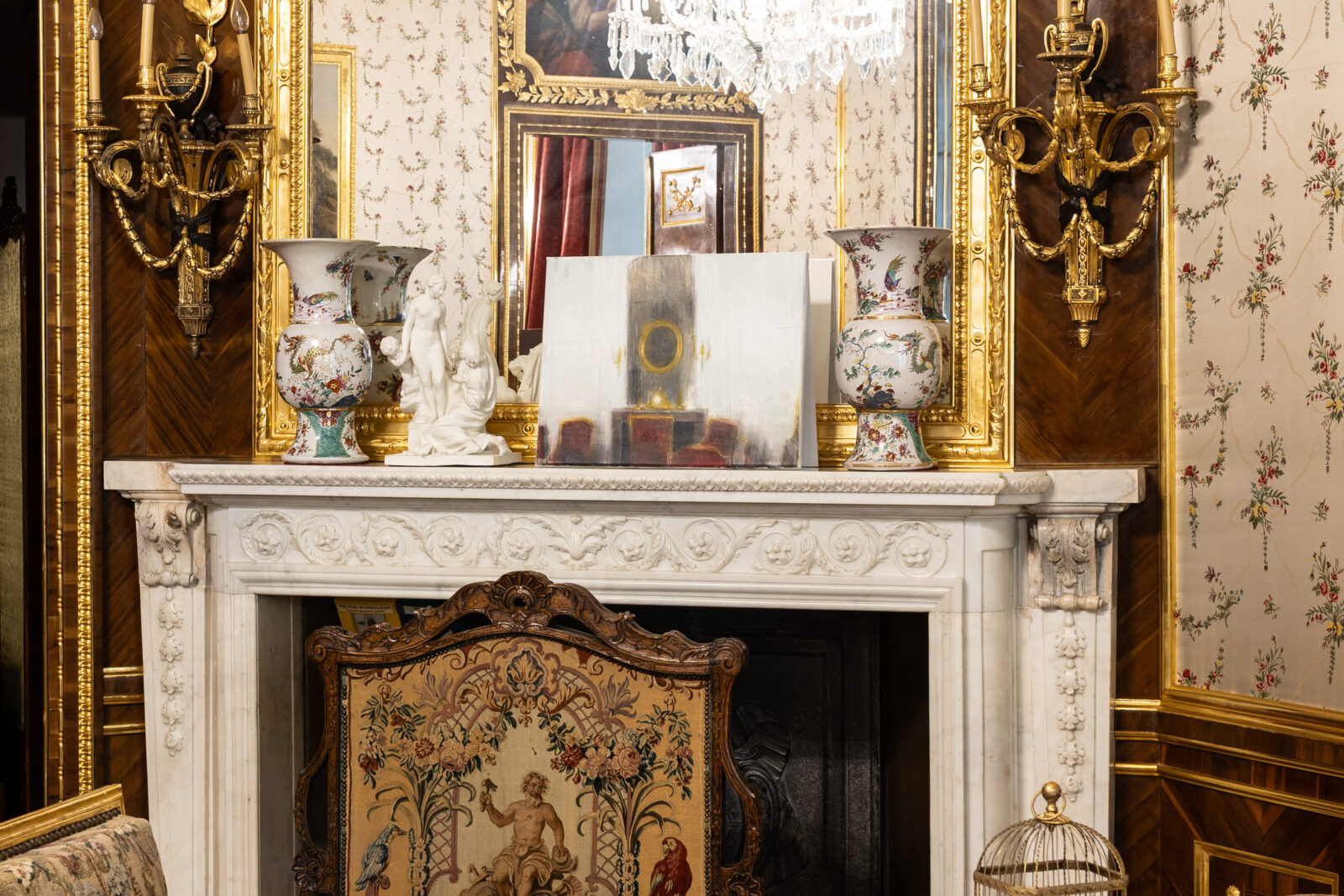
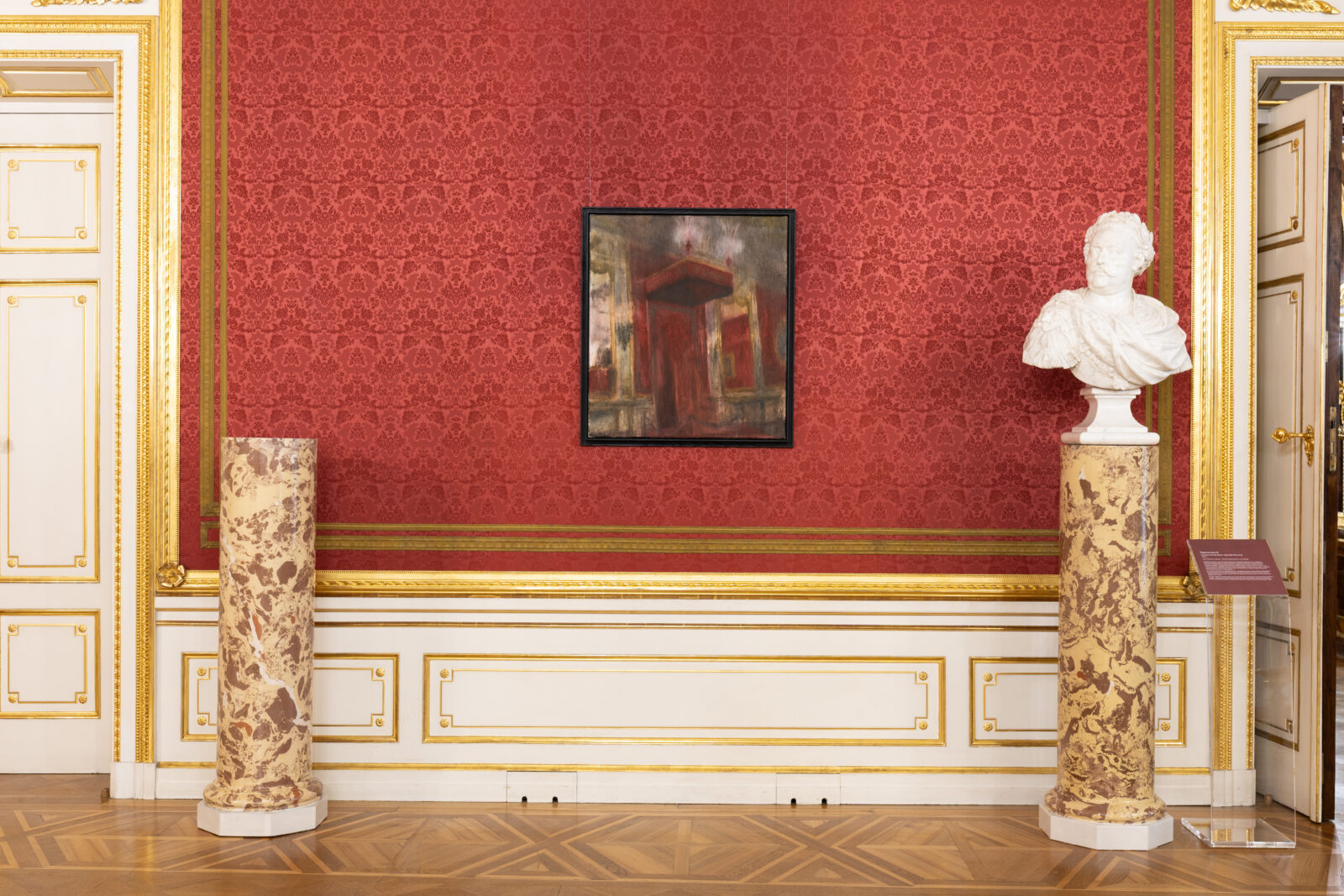
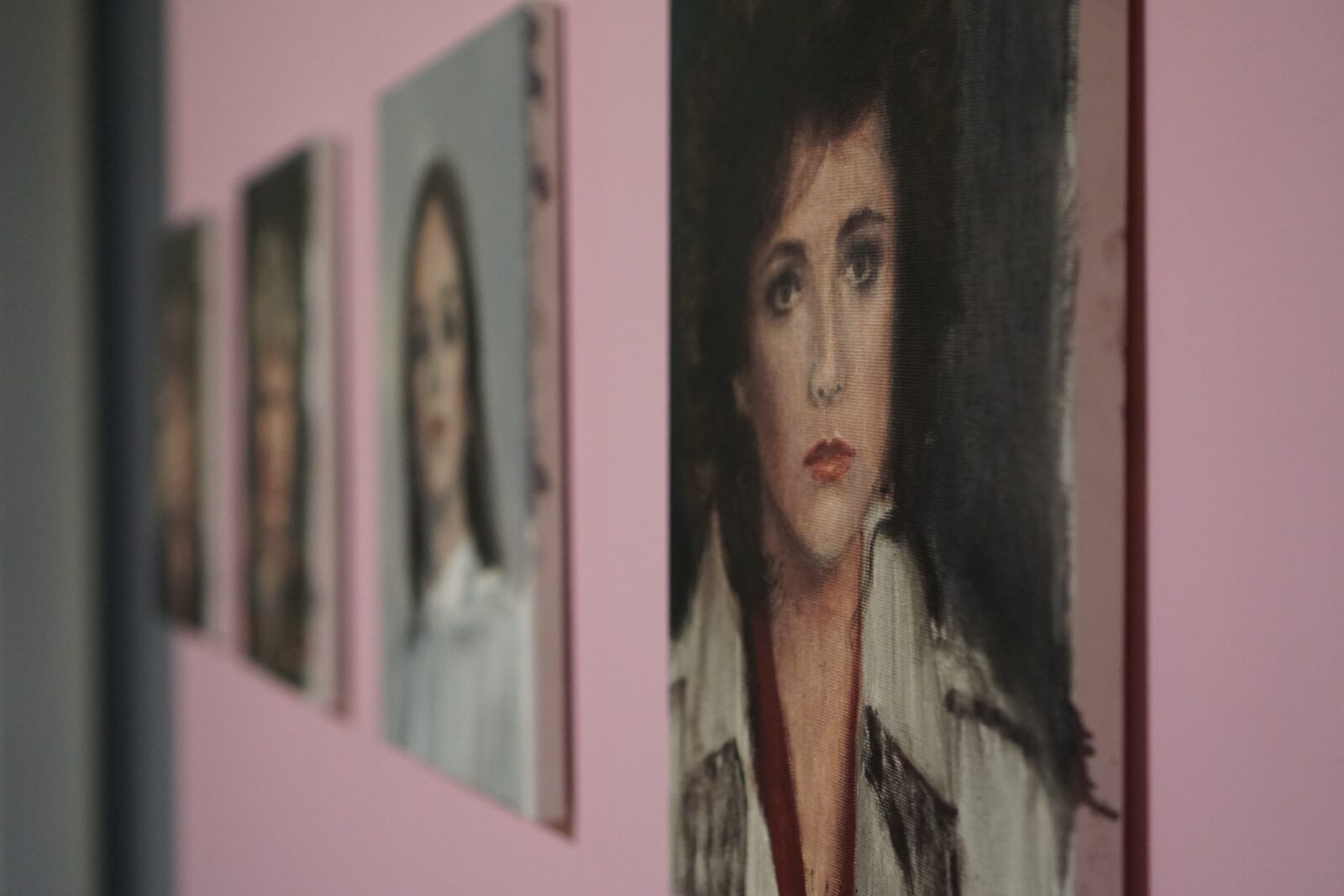
Łukasz Stokłosa, Palazzo Querini Stampalia, 2026, oil on canvas 40x50 cm.JPG Łukasz Stokłosa, Palazzo Querini Stampalia, 2026, oil on canvas 40x50 cm.JPG 
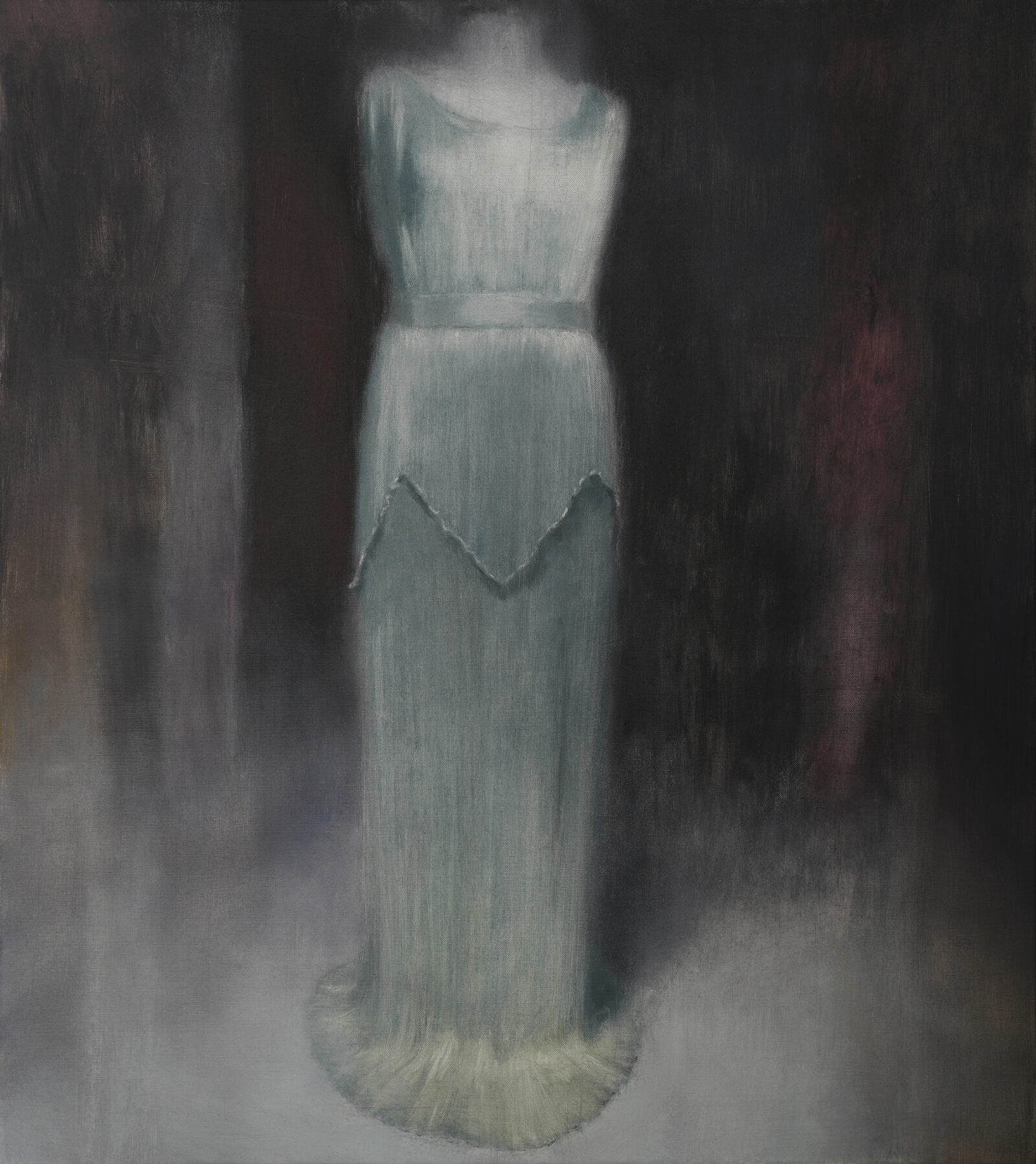
Łukasz Stokłosa, Mariano Fortuny 1934, 2026, oil on canvas, 90x80 cm.JPG Łukasz Stokłosa, Mariano Fortuny 1934, 2026, oil on canvas, 90x80 cm.JPG 
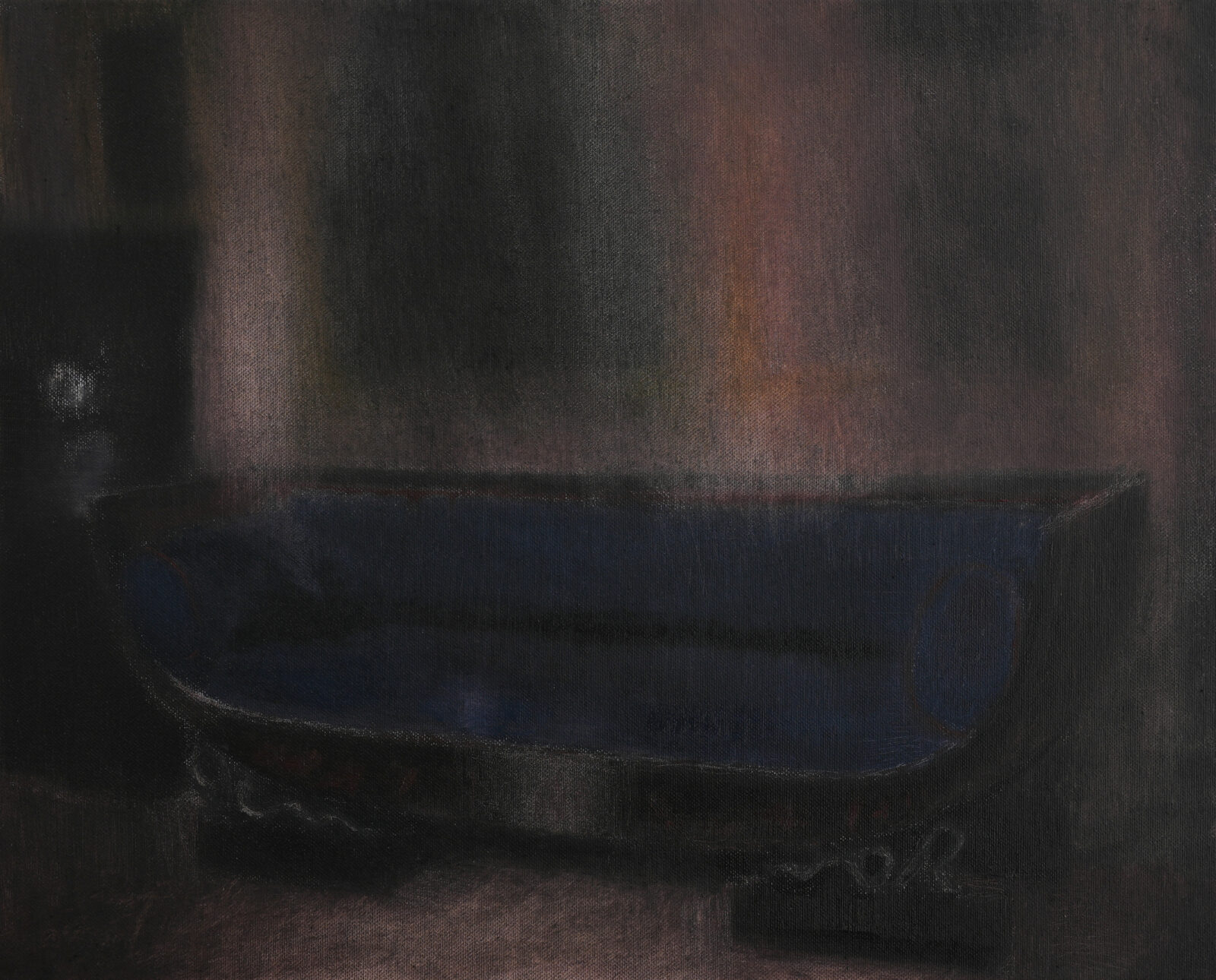
Łukasz Stokłosa, Hôtel de la Marine, 2026, oil on canvas, 30x40 cm.JPG Łukasz Stokłosa, Hôtel de la Marine, 2026, oil on canvas, 30x40 cm.JPG 
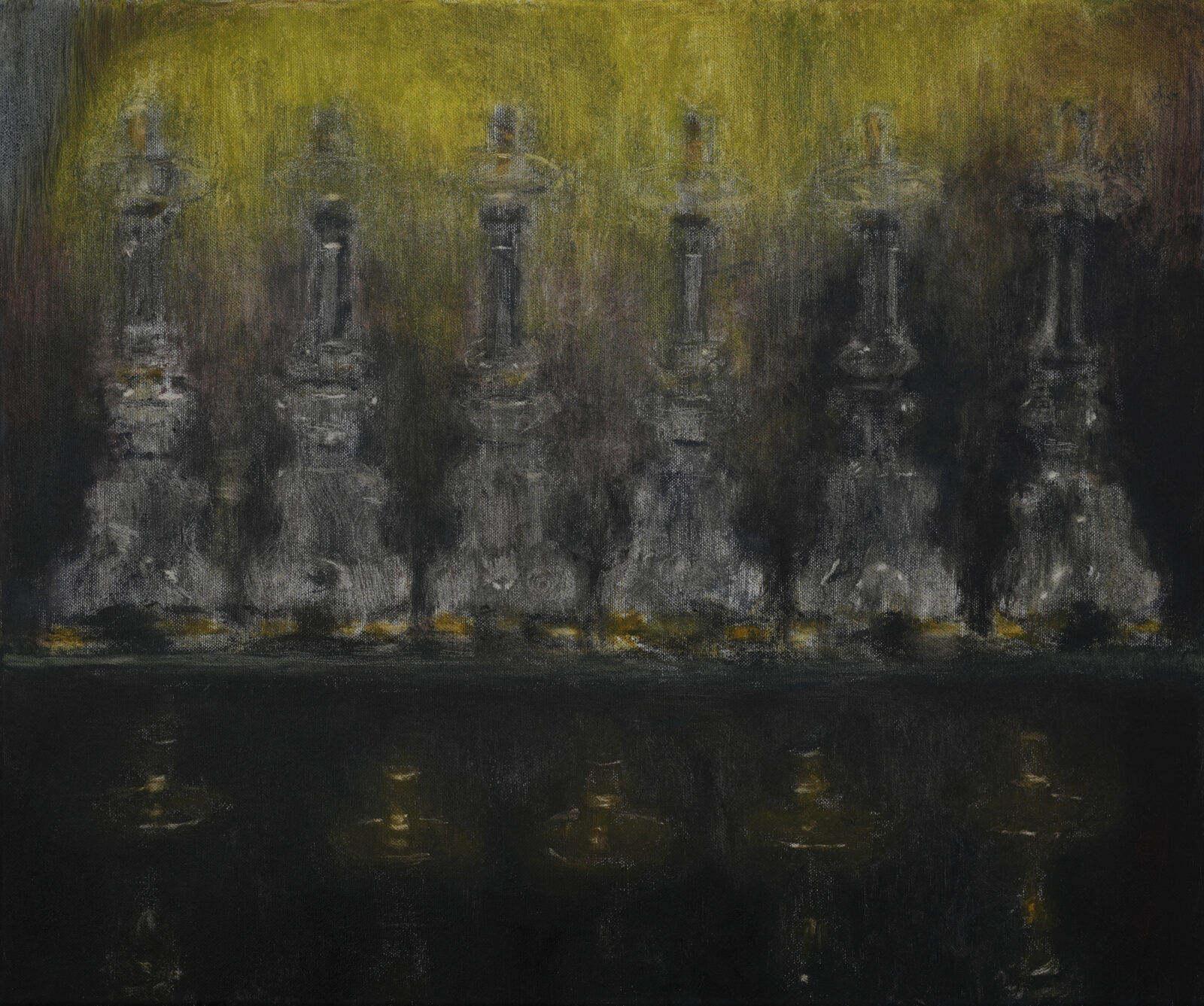
Łukasz Stokłosa, Milano, 2026, oil on canvas, 50x60 cm.JPG Łukasz Stokłosa, Milano, 2026, oil on canvas, 50x60 cm.JPG 

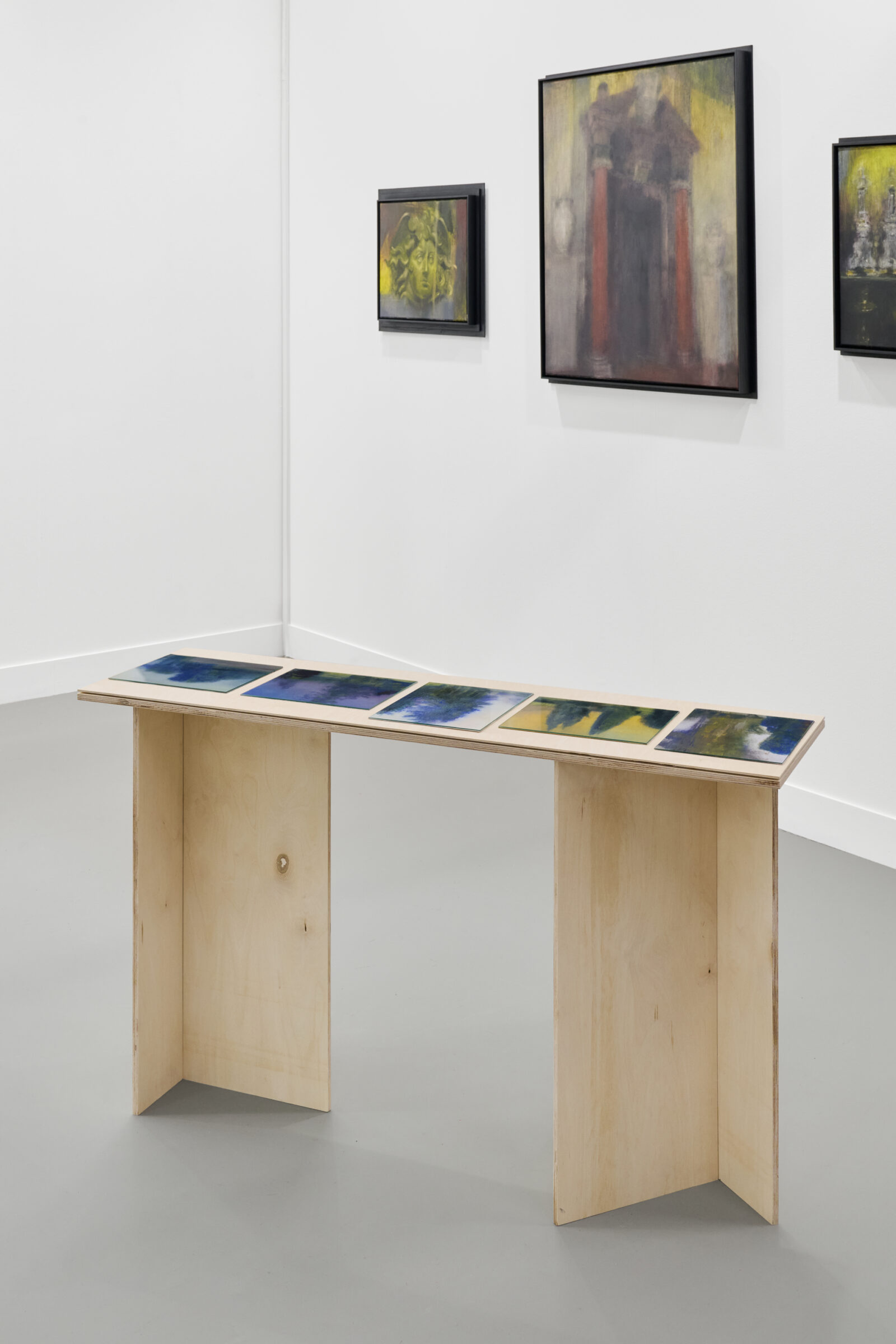
We are pleased to announce our participation in Miart 2026, one of Europe’s leading modern and contemporary art fairs, taking place from 17 to 19 April in Milan. We will be showing works by Łukasz Stokłosa.

Łukasz Stokłosa (b. 1986) lives and works in Kraków. Stokłosa draws inspiration primarily from
mass culture, film, television series, and the aesthetics of camp. His work focuses on history
and its contemporary interpretations. He devotes particular attention to the painting traditions
of the old masters, whose influence can be seen in his approach to painterly material, as well
as in the composition and textual layers of his works. His paintings are at times rich with
homoeroticism, complex and layered with ambiguity; they evoke the mood of noir cinema:
simultaneously alluring and unsettling, inviting deeper reflection.

For this presentation, painted specifically for the fair, Stokłosa focuses on his most prominent
series: interiors of castles and palaces — spaces that for centuries were sealed from public life,
sheltering the idealised existence of those who inhabited them, yet which have since been
inverted into their opposite: now fully accessible, but hollowed of original meaning, functioning
as simulacra of themselves.

Stokłosa paints only places he has visited in person, working from photographs taken on his
phone — a method that lends the compositions a distinctly contemporary quality that viewers
recognise from their own image-making, held in tension with his baroque-inspired painting style.
He does not transcribe these photographs directly, but subtly alters them: shifting furniture,
adjusting colours, displacing details — making his works symbols of symbols, representations of
representations.

The paintings navigate this double register with deliberate ambiguity. On one hand, they engage
the democratisation of these spaces; on the other, they mourn the loss of original function and
the histories buried behind closed doors and overgrown in formal gardens. They are
simultaneously homage and critique — celebrating the craftsmanship and architectural ambition
of the 16th, 17th, and 18th centuries while implicating the exploitation and war that funded their
creation. And running through all of it is camp: the sheer performativity of aristocratic life, its
theatricality and self-conscious excess, rendered in paint with the same knowing distance.

Selected solo exhibitions include: False views at Bunkier Sztuki, Kraków (2026), The Shining at
Royal Castle in Warsaw (2026), Once upon a time at Rose Easton, London (2025), Elegies
(2025) and Sol Victus (2024) at the Wawel Royal Castle in Kraków, Cries & Whispers at Tureen,
Dallas (2024) and Perihelion at AMITY, New York (2023). He has also been featured in many
group exhibitions, such as I Will Reveal Myself To You Through My Gaze at KRUPA, Wrocław
(2026), Let Me Tell You About Halfdreams at the National Museum in Gdańsk (2025), Let Them
See Us! Image. Attire. Body at Royal Castle in Warsaw (2025), Nostalgia: Seekers of Fading
Stars at MOCAK, Kraków (2025) and The Discomfort of Evening at Zachęta – National Gallery
of Art, Warsaw (2022). His work has been presented at international art fairs, including NADA
Miami (2024) and Vienna Contemporary (2024).

News
28 January — 5 April 2026

Łukasz Stokłosa

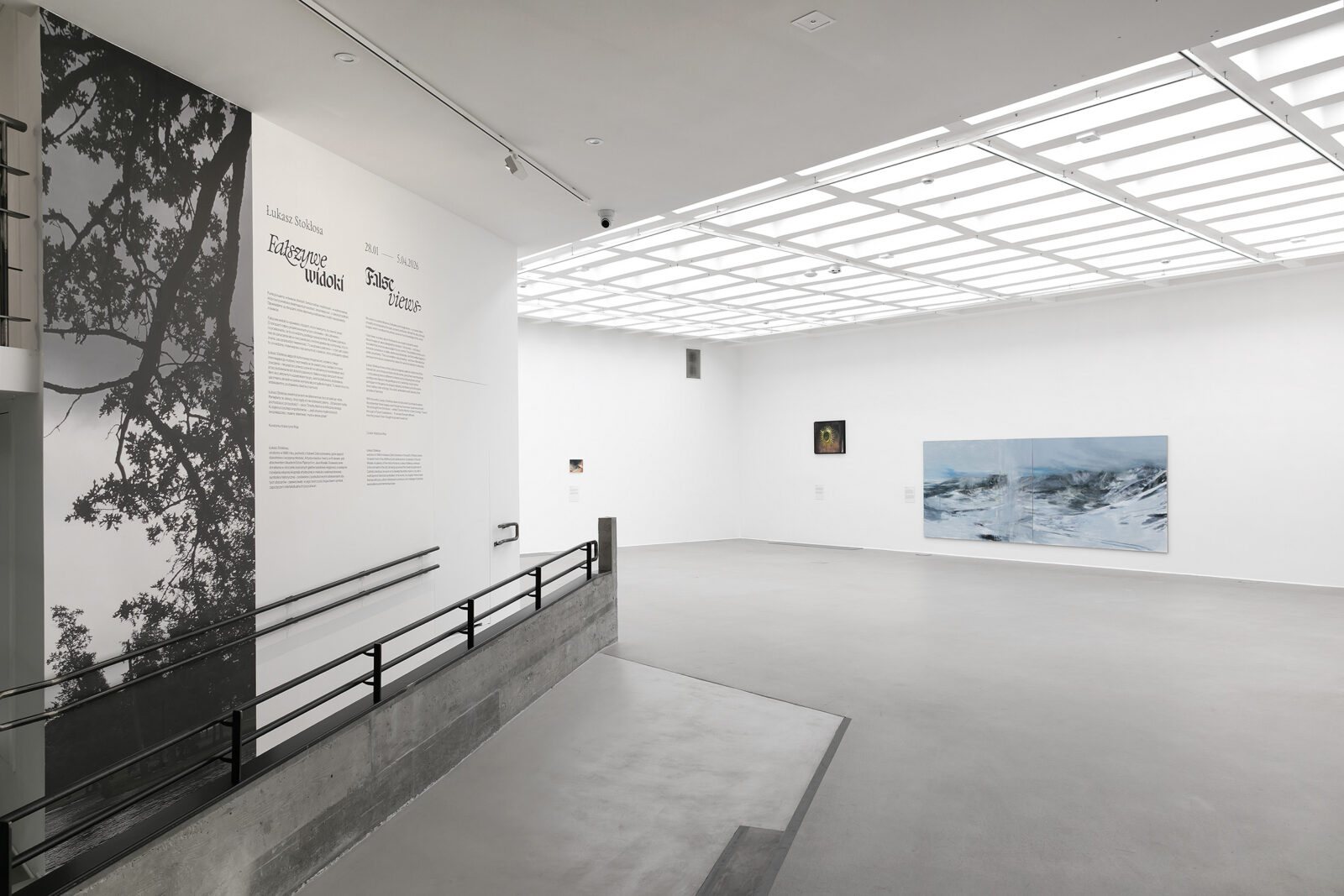
Solo exhibition by Łukasz Stokłosa – False views in Bunkier Sztuki in Krakow

Address: Bunkier Sztuki
plac Szczepański 3a
31-011 Kraków

Opening hours:
Tuesday – Sunday: 11 AM – 7 PM

Łukasz Stokłosa, False views, Bunkier Sztuki. Photos - Rafał Sosin Łukasz Stokłosa, False views, Bunkier Sztuki. Photos - Rafał Sosin 

We’re pleased to announce that works by Łukasz Stokłosa will be on view at his solo show in Bunkier Sztuki in Kraków, Poland, beginning 28 January 2026.

The exhibition will present a diverse range of works by Stokłosa, one of the most intriguing painters of the current generation. A graduate of the Kraków Academy of the Fine Arts, he works with figurative painting, drawing inspiration from mass culture, film, and TV. He is particularly drawn towards camp aesthetics, and his paintings — full of tension and mystery — attract and haunt the viewer simultaneously. Multilayered, they often blur the lines between beauty and kitsch, with a hidden depth, reminiscent of noir film stills.

Curator: Katarzyna Wąs

Coordinator: Joanna Sewielska

News
16 January — 15 February 2026
 

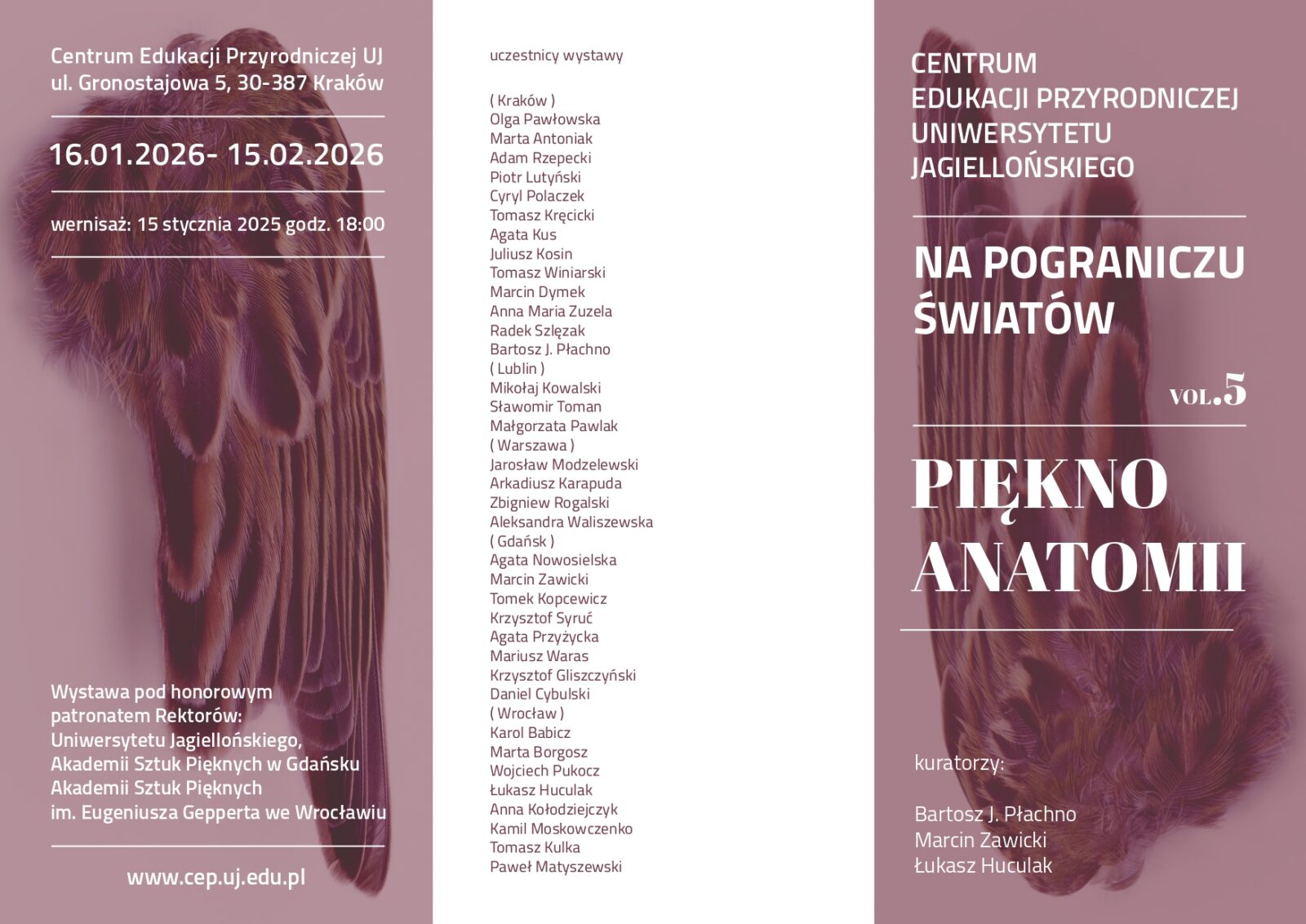
From January 16 to February 15, an exhibition of artistic works will be held at the Jagiellonian University’s Nature Education Center. “On the border of worlds V. The beauty of anatomy”, organized under the honorary patronage of the Rectors of the Jagiellonian University, the Academy of Fine Arts in Gdańsk and the Academy of Fine Arts. Eugeniusz Geppert in Wrocław.

Participating artists: Olga Pawłowska, Marta Antoniak, Adam Rzepecki, Piotr Lutyński, Cyryl Polaczek, Tomasz Kręcicki, Agata Kus, Juliusz Kosin, Tomasz Winiarski, Marcin Dymek, Anna Maria Zuzela, Radek Szlęzak, Bartosz J. Płachno, Mikołaj Kowalski, Sławomir Toman, Małgorzata Pawlak, Jarosław Modzelewski, Arkadiusz Karapuda, Zbigniew Rogalski, Aleksandra Waliszewska, Agata Nowosielska, Marcin Zawicki, Tomasz Kopcewicz, Krzysztof Syruć, Agata Przyżycka, Mariusz Waras, Krzysztof Gliszczyński, Daniel Cybulski, Karol Babicz, Marta Borgosz, Wojciech Pukocz, Łukasz Huculak, Anna Kołodziejczyk, Kamil Moskowczenko, Tomasz Kulka, Paweł Matyszewski.

News
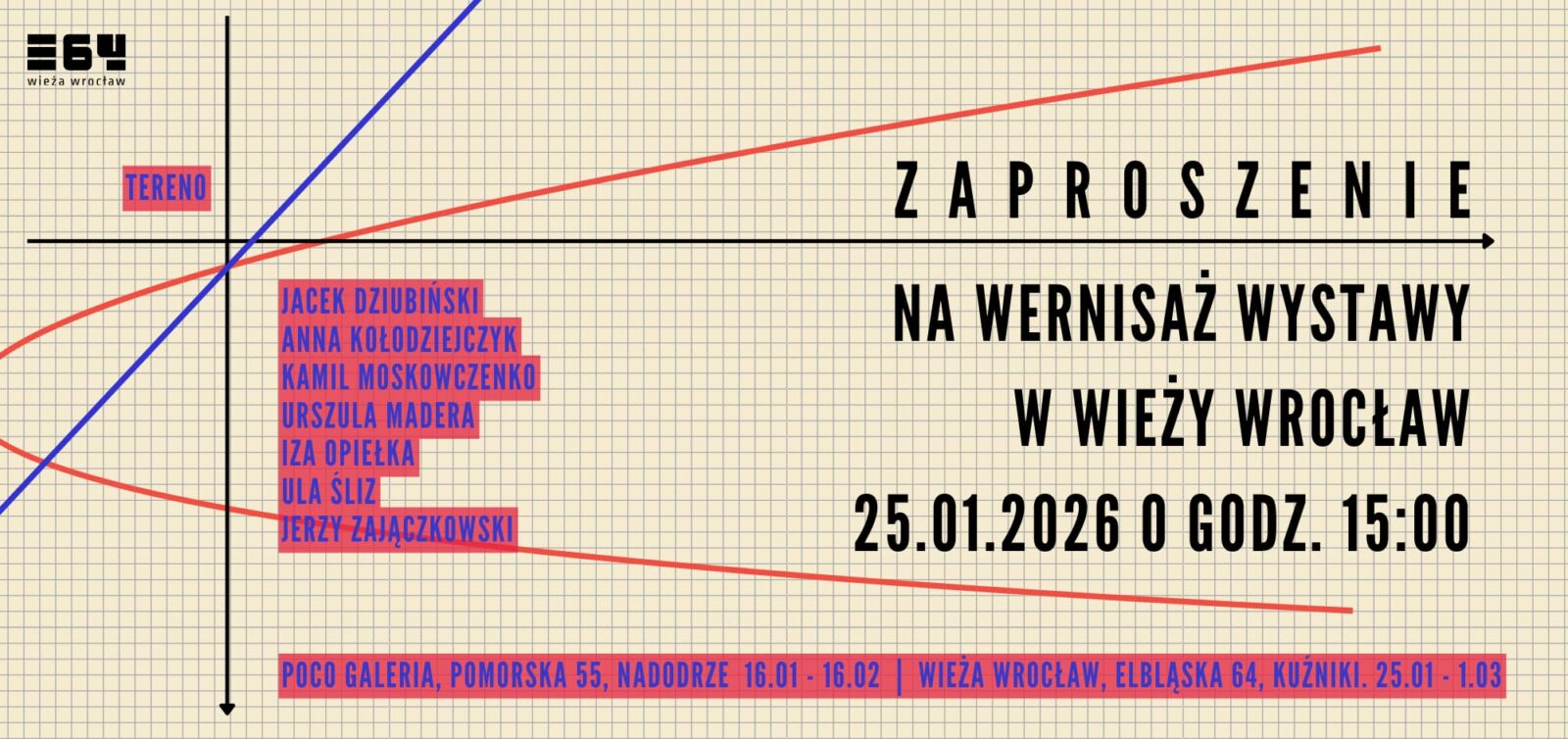
25.01.—01.03., 16.01.—16.02.
Iza Opiełka in Poco Gallery and Wieża Wrocław

Wernisaż wystawy w Wieży Wrocław: 21.01.2026, 15:00
Elbląska 64, Kuźniki,Wrocław
25.01.—01.03.

Wernisaż wystawy w Poco Galerii: 16.01.2026, 19:00
Pomorska 55, Nadodrze, Wrocław
16.01.—16.02.


Obszary potencjalności


Przywoływany tytułem wystawy „Teren 0” nacechowany jest neutralnością i znaczeniową sterylnością. Kwestionując jakąkolwiek sugestię obecności, ale i – odwrotnie – braku, nasuwa on wyobrażenie przestrzeni semantycznie nienaruszonej, wyizolowanej od wszelkich narracji i w związku z tym wolnej od treściowych odniesień, związków, zależności, przesunięć i tarć. W obrębie sztuki to właśnie całe pole abstrakcji wraz z niewyczerpanym wizualnym potencjałem wykorzystywanych przez nią form może być czytane jako swego rodzaju teren 0. Wypowiedź oparta na znaku, który w swojej oderwanej od przedstawieniowości naturze neguje jednoznacznie komunikacyjno-informacyjną funkcję, pozbawiona jest interpretacyjnego ciężaru leżącego u podstaw figuratywizmu. I choć oczywiście również abstrakcyjne dzieło nie mogłoby zaistnieć bez emocjonalnego i intelektualnego wkładu jej autora, to wkład ten nie opuszcza pewnej umownej strefy i nie dominuje nad całym procesem recepcji.

Taki stan rzeczy – „stan 0”, w którym znak, pozostając neutralnym, nieobciążonym znaczeniami i niezaangażowanym w żadną konkretną treść, staje się jednocześnie pretekstem i bodźcem do mnożenia kolejnych form zgodnie z zasadami malarskiej spójności i zharmonizowania lub, wręcz przeciwnie, wbrew im – naturalnie wpisany jest w twórczość Jacka Dziubińskiego, Anny Kołodziejczyk, Urszuli Madery, Kamila Moskowczenko, Izy Opiełki, Urszuli Śliz i Jerzego Zajączkowskiego. Sugerująca moment początku, ale i otwarcie na nieskończoność tytułowa liczba 0 tym bardziej podkreśla motyw namnażania obecny w sztuce prezentowanych artystek i artystów. Z kolei akcentowany „teren” ten akt intensyfikacji i narastania rozciąga w przestrzeni, wskazując przy tym na obecne w ich praktyce zainteresowanie zagadnieniem przekraczania dwuwymiaru. Okazuje się więc, że takie rozumienie tytułu – uwzględniające kwestie progresji i przestrzenności – może służyć jako uniwersalna ścieżka odczytywania wszystkich obecnych na wystawie twórczych postaw, przy czym każda z nich w swojej autonomii, zupełnie inaczej rozkłada akcenty zorganizowane wokół tych problemów.

Jerzy Zajączkowski wątek narastania i przestrzenności bezpośrednio wpisuje w kontekst ruchu. Jego obrazy, konstruowane na bazie systematycznej multiplikacji prostego, barwnego znaku w regularne struktury oparte o motyw fali, zdają się kołysać i drgać, testując tym samym granice optycznej iluzji. Jednak nie tylko to wrażenie nieustającego, jednostajnego pulsowania pozwala artyście śmiało wkraczać w przestrzeń. Zajączkowski w tym celu odważnie działa również formą – aluminiowe podłoża, na których umieszcza swoje wyraziste punkty, wycina on w nieregularne kształty o płynnych granicach oraz wygina w trójwymiarowe, quasi-rzeźbiarskie obiekty.

Podobny – choć dopuszczający zdecydowanie większą dozę kompozycyjnej destabilizacji – rodzaj dynamiki cechuje utrzymane w monochromatycznej gamie szarości prace Izy Opiełki. Linearne sekwencje rozplanowane na płótnie na podobieństwo rozlanego na ekranie glitchu czy diagonalnie przecinające obraz łańcuchy z regularnych, eliptycznych ogniw już w samych swoich formach wkodowane mają szerokie spektrum ruchu: falowanie, zderzanie się, wicie, wirowanie. I oczywiście – namnażanie, które objawia się również w stosowanej przez artystkę autorskiej technice budowania obrazu za pomocą powtarzania warstw z wykorzystaniem ręcznie wycinanych szablonów. Fakturowość, która rodzi się w wyniku tego procesu również

metaforycznie dotyka wątku przestrzeni, który w przypadku twórczości Opiełki wykracza daleko poza materialny zasięg, eksplorując także jej cyfrowy wymiar.

Temat nawarstwiania rozumiany jako poszerzanie pola wizualnego często pojawia się także w twórczości Urszuli Madery za sprawą opracowanej przez nią metody malowania (i szycia) pod i nad powierzchnią płótna. Osiągany w ten sposób efekt wyłaniania się i piętrzenia kształtów nie jest jednak bynajmniej jej jedynym sposobem na wprowadzanie dynamiki w obręb dzieła. Twórczynię interesuje w tym kontekście przede wszystkim działanie sprzecznościami – do uzyskania wrażenia ruchu dąży poprzez wykorzystanie maksymalnie uproszczonych, statycznych środków formalnych. W konsekwencji zgeometryzowane pola koloru nasuwają się na siebie jak płyty tektoniczne, a rozrzucone diagonalnie po płaszczyźnie obrazu proste wprowadzają dyskomfort kierunkowych napięć. W sztuce Madery redukcja form wziętych wprost z widzialnej rzeczywistości oraz osadzenie ich w sytuacjach sugerujących ciągłe przeobrażenia, stanowi więc poniekąd odzwierciedlenie psychologii ludzkiego widzenia.

Również Urszula Śliz w swoich próbach przekroczania dwuwymiarowości płaszczyzny sięga do bardzo różnorodnych metod dotyczących kwestii kompozycyjnych, warsztatowych oraz ekspozycyjnych. Dlatego na jej płótnach formy zsyntetyzowane do sferycznych, czarnych elementów łączą się w wirującą jedność, a cierpliwie multiplikowane drgające linie układają się na papierze w pełne głębi struktury. Najdobitniej jednak jej dążenia odzwierciedlają się w pracach kolażowych, w których artystka pozwala swobodnie przenikać się rozmaitym fragmentom wizualnego języka, począwszy od fotograficznych notatek, poprzez rysunki, na jednolitych płaszczyznach koloru skończywszy. W ten sposób też Śliz zręcznie łączy ze sobą dwa nierozerwalnie istniejące zagadnienia – przestrzeni oraz czasu.

Prezentowani w ramach wystawy artyści eksplorują przestrzenne konteksty również poprzez bezpośrednie odwoływanie się do najbardziej monumentalnie i ekspansywnie osadzonych w trójwymiarze wizualnych form – do architektury. Na przykład w inspirowanym modernistycznymi budowlami malarstwie Jacka Dziubińskiego nieregularne, zgeometryzowane kształty – choć płasko naniesione wyrazistym kolorem na jasne tło – stają się polem kreacji domniemanego trójwymiaru. O tym, jak silnie prace artysty testują wyobraźnię przestrzenną widza świadczą zresztą obrazy i rzeźby pochodzące z serii o wymownym tytule „Ćwiczenia w/z przestrzeni”. Modelując przy pomocy linii prostych nieoczywiste bryły i układy nawiązujące do tak zwanych figur niemożliwych, Dziubiński balansuje na granicy rzeczywistej formy i złudzenia optycznego, zaś wszystkie ze swoich percepcyjnych eksperymentów przeprowadza z użyciem wciąż multiplikowanych, rygorystycznie uproszczonych elementów.

Z kolei Anna Kołodziejczyk, szeroko eksplorując w swojej twórczości motyw ruin, zdaje się poszukiwać czegoś pomiędzy przestrzennością a sugestią przestrzenności, a więc i – czegoś pomiędzy architekturą a malarstwem. Dlatego też na jej płótnach płaskie połaci czystego koloru o nieregularnych, poszarpanych brzegach zakomponowane są względem siebie z zachowaniem iluzji głębi. Architektoniczne szczątki obrazowane przez Kołodziejczyk ze względu na swój niepewny status wydają się przy tym stanowić idealny przykład umownej formy zerowej. Przynależące do tytułowego terenu 0 nie są ani brakiem ani obecnością – mnożąc się jak ornament mogą funkcjonować na płótnach artystki wyłącznie w kontekście estetyzacji.

O ile Anna Kołodziejczyk, dążąc do narracyjnej neutralizacji wizualnego znaku główną osią swojej sztuki czyni ślady kulturowej działalności człowieka, Kamil Moskowczenko w tym samym celu przygląda się procesom zachodzącym w naturze. Obszerne połaci koloru, umieszczane na jego płótnach powtarzalnymi, szybkimi i szerokimi gestami, zawsze silnie osadzone są w ruchu,

ujawniając kierunek pociągnięć pędzla. Warstwowo na siebie nachodząc, tworzą one utrzymane w diagonalnych napięciach struktury wytwarzające iluzję głębi – są niczym ciasne wejścia do grot, które roztaczają przed widzem wizję zyskania dostępu do jakiejś nieokreślonej tajemnicy. Choć właściwie nie do końca wiadomo, w której skali operuje Moskowczenko – mikro czy makro. Jego obrazy równie dobrze, jak niewielkim wycinkiem skalistego pejzażu mogą być bowiem kompozycją z samodzielnie zestawionych minerałów.

Dla wymienionych artystów tytułowy teren 0 rozumiany w kontekście malarstwa abstrakcyjnego staje się więc symbolicznym obszarem kreacyjnego potencjału – potencjału, który, aktywowany i wprawiony w ruch neutralnym znakiem, okazuje się być nieskończony. Różnorodność i oryginalność przedstawionych postaw twórczych, które, krzyżując się w ramach wspólnej ekspozycji stają się kolejnym polem wizualnej otwartości, jest na to najlepszym dowodem.


Katarzyna Zahorska

News

Anna Maria Zuzela

Anna Maria Zuzela has won the Grand Prix in an art competition run by Seka Art

Anna Maria Zuzela, I Feel Like When I Talk About Something, It Becomes Real, 2025, oil on canvas 160x180 cm Anna Maria Zuzela, I Feel Like When I Talk About Something, It Becomes Real, 2025, oil on canvas 160x180 cm 

We’re pleased to announce that Anna Maria Zuzela has won the First Prize in the competition “New Wave” organised by Seka Art. 

Zuzela has also been selected as a finalist in the “Loostro” competition in Ostrowiec Świętokrzyski.

Congratulations!

News
16 January — 27 September 2026
Łukasz Stokłosa, Łańcut, 2024, oil on canvas, 60 x 70cm Łukasz Stokłosa, Łańcut, 2024, oil on canvas, 60 x 70cm 
Fot. Zamek Królewski w Warszawie Fot. Zamek Królewski w Warszawie 

The occasion for exhibiting Łukasz Stokłosa’s paintings at the Castle is the conservation work currently being carried out on Jan Matejko’s Sermon of Piotr Skarga. A shared fascination with the past connects both artists, allowing for an encounter between two painterly interpretations of history.

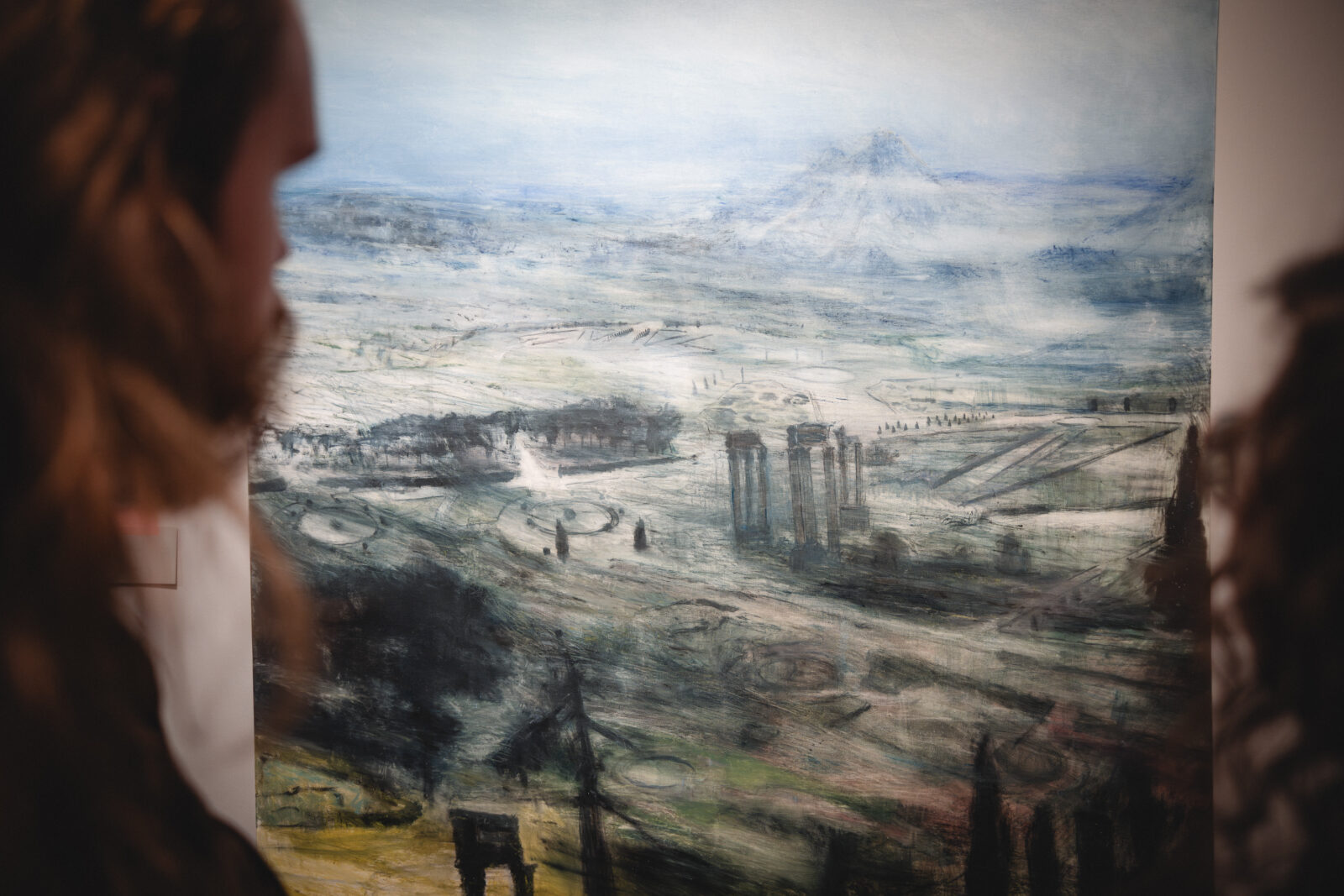
Stokłosa’s paintings function as a commentary on the historical painting that pervades the Castle’s walls. They invite us, as viewers, to reflect on the meaning and role of former seats of power. Interiors of Venice’s Ca’ Rezzonico, Charlottenburg, Fontainebleau, Versailles, the Royal Łazienki, or the Royal Castle are captured in photographic-like shots and transformed by Stokłosa into a painterly spectacle of emptiness and silence. Places once vibrant with courtly life, politics, entertainment, love, and intrigue become aesthetic specimens of the past, turned into museum spaces. Curatorially arranged, filled with precious objects and traces of former glory, they usually persist detached from their original meanings, coming to life only in the presence of tourists. The interiors and objects depicted by Stokłosa allow us to encounter a world that has passed, yet still remains significant to our sense of identity.

News
6 February — 22 March 2026
(Polski) Radek Brousil, tytuł, data, technika, (Polski) Radek Brousil, tytuł, data, technika, 

We’re happy to announce Radek Brousil’s solo exhibition Date with a Plant at the Josef Sudek Studio, Prague, curated by Jan Gajdusek.

Radek Brousil’s project “Date with a Plant” further explores the artist’s sustained inquiry into chronopolitics—the ways in which time is structured and regulated—and translates it into a
photographic study of a single living organism. Building on earlier iterations at his institutional exhibition at the Prague City Gallery Colloredo-Mansfeld Palace and recent
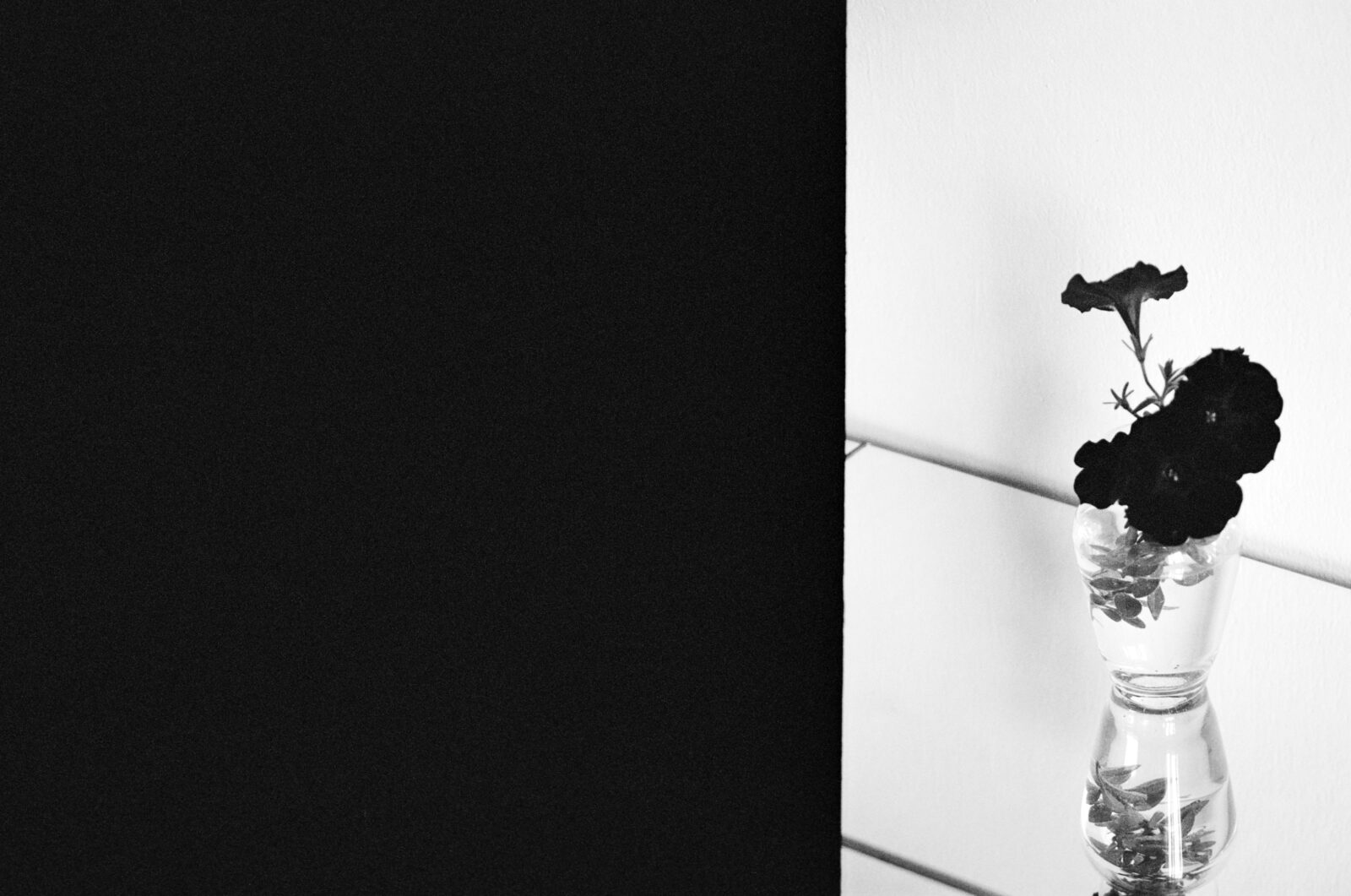
exhibitions at the Krupa Gallery in London and Wrocław, Brousil turns his attention to a black surfinia flower: a plant whose velvety, light-absorbing pigmentation creates the illusion of
pure opacity. Here, darkness is not a mere backdrop, but an active agent: a conceptual material used to unsettle the inherited regimes of visibility. It becomes a visual field that
refuses transparency and extractive clarity so often demanded by photography as a medium.

The project unfolds through a time-lapse sequence captured for over 25 hours, deliberately exceeding the supposedly universal 24-hour timeframe governing contemporary life. This
conscious deviation functions as a quiet gesture of refusal. By stretching the day, Brousil demonstrates how both time and image can become sites of negotiation—technical
processes that are never neutral and always embedded within the politics of human (and nonhuman) rhythms. The pre-existing structures dictated by light, or lack of thereof, are
exposed in black-and-white photographs. As such, they extend the commentary not only to the critique of contemporary systems ruling the present, but also the nature of the medium
itself. Photography, the product of light, air, moisture, and chemical compounds, relies on each of its elements to exist. In this sense, the light becomes a subject standing in for
passage of time, inviting the viewer to consider how darkness constructs alternative temporalities.

6 February — 22 March 2026

News
28 November 2025 — 1 March 2026
From left to right: Paweł Baśnik, "Hybrid (I)", "Hybrid (II)", "Hybrid (III)", "Death of the Father", oil on canvas. Exhibition view from BODY: Several Views on Nudity at the Municipal Gallery in Częstochowa. Photos by Robert Jodłowski. From left to right: Paweł Baśnik, "Hybrid (I)", "Hybrid (II)", "Hybrid (III)", "Death of the Father", oil on canvas. Exhibition view from BODY: Several Views on Nudity at the Municipal Gallery in Częstochowa. Photos by Robert Jodłowski. 

We are pleased to announce that Paweł Baśnik’s works are part of the exhibition BODY: Several Views on Nudity at the Municipal Gallery in Częstochowa.

The body grounds us in reality; it is a kind of “vehicle for being in the world,” yet corporeality also holds many metaphors. It functions as a tool through which, moving from sensing and reacting to self-analysis, we enter a more universal realm of reflection and communication. The works selected for the exhibition create a rich dialogue between individual expression and the universal themes of human experience.

The exhibition presents a broad understanding of the nude in contemporary Polish art. We treat the nude as an act (actus) occurring in the space between the biological body and the body as a cultural artefact (act). The show guides the viewer through a full spectrum of perspectives on the body — from idealisation to conscious deconstruction — revealing that the nude is more than the image of nakedness: it is a universal language for describing the human condition.

The exhibition is divided into several thematic areas of bodily representation: from traditional nudes, that is, corporeal exemplifications of experiences such as beauty, love, and ecstasy; to the body as a site of identity formation; the ephemeral or “disembodied” body situated on the boundary between worlds; and finally, the body treated as a purely plastic form. A key thematic sphere that opens further discussion includes images of the posthuman body — a place where new identities emerge — as well as works created with the use of the latest technologies, offering visions of a future still unpredictable for us.

Artists featured in the exhibition:
Agnieszka Apoznańska, Michał Bajsarowicz, Paweł Baśnik, Andrzej Bednarczyk, Zdzisław Beksiński, Judyta Bernaś, Anna Bidzilia, Jan Dubrowin, Lena Dąbska, Marta Deskur, Monika Falkus, Wiesław Garboliński, Teresa Gierzyńska, Zbylut Grzywacz, Katarzyna Górna, Yaroslava Holysh, Marcin Jaszczak, Joanna Jeżewska-Desperak, Krzysztof Koniczek, Jadwiga Kosikowska, Agata Lankamer, Przemysław Lasak, Jan Lebenstein, Pola Minster, Piotr Naliwajko, Józef Nowak, Jerzy Nowosielski, Marta Olejniczak, Zofia Pałucha, Małgorzata Pawlak, Martyna Pinkowska, Małgorzata Rusiecka, Leszek Rózga, Alina Sibera, Janina Skolik-Kędziora, Leszek Sobocki, Franciszek Starowieyski, Paweł Szlotawa, Janusz Szpyt, Jacek Sztuka, Krystyna Szwajkowska, Jacek Waltoś, Wacław Wantuch, Szymon Wypych, Leszek Żegalski.

News
21 November 2025 – 11 January 2026

BWA Zielona Góra

al. Niepodległości 19, 65-048 Zielona Góra, Poland

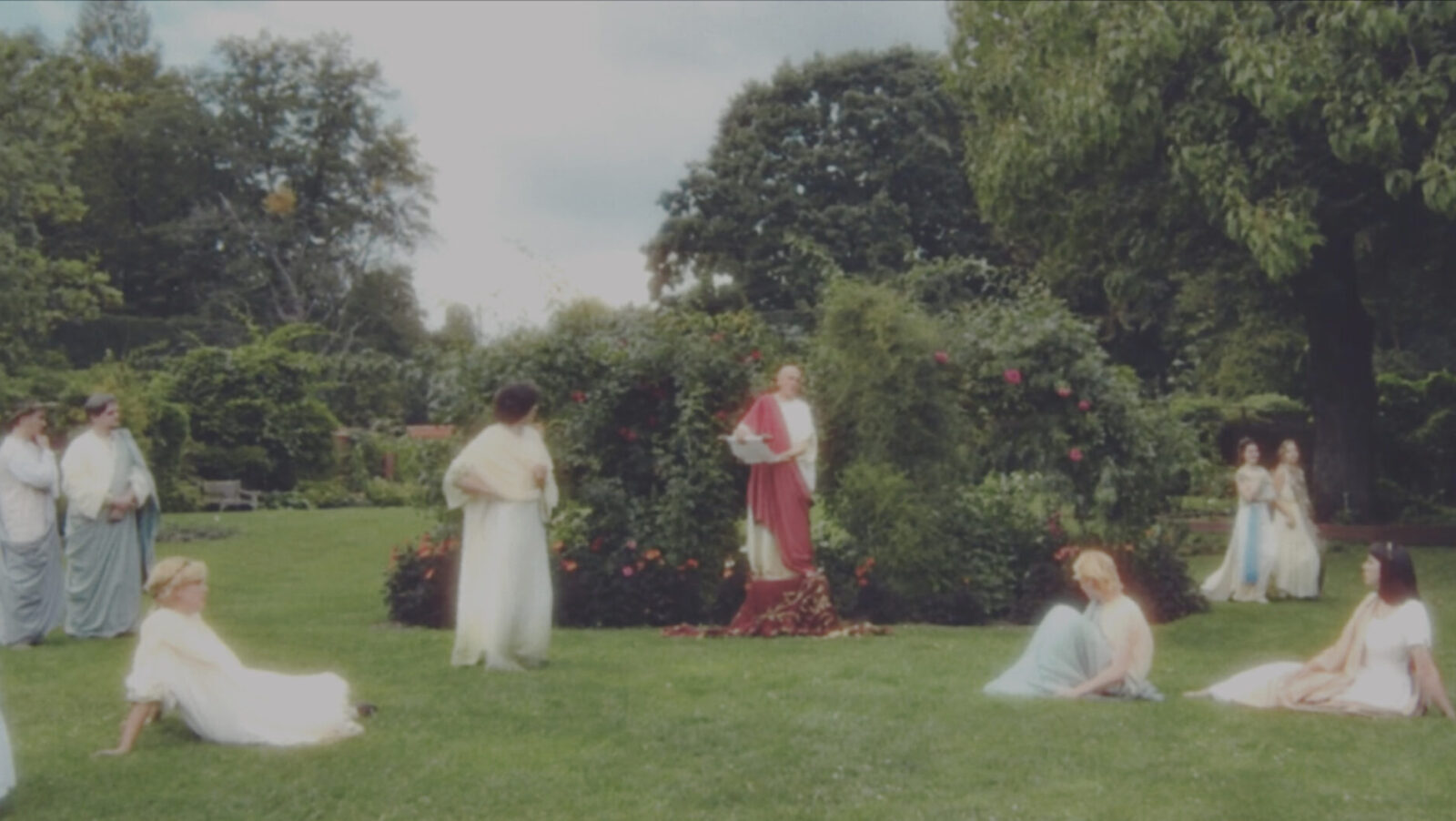
Still from "Plutarch's Speech" by Paweł Baśnik, Justyna Baśnik, Jędrzej Sierpiński, Marta Bratuś; 2025, 19'40'' Still from "Plutarch's Speech" by Paweł Baśnik, Justyna Baśnik, Jędrzej Sierpiński, Marta Bratuś; 2025, 19'40'' 
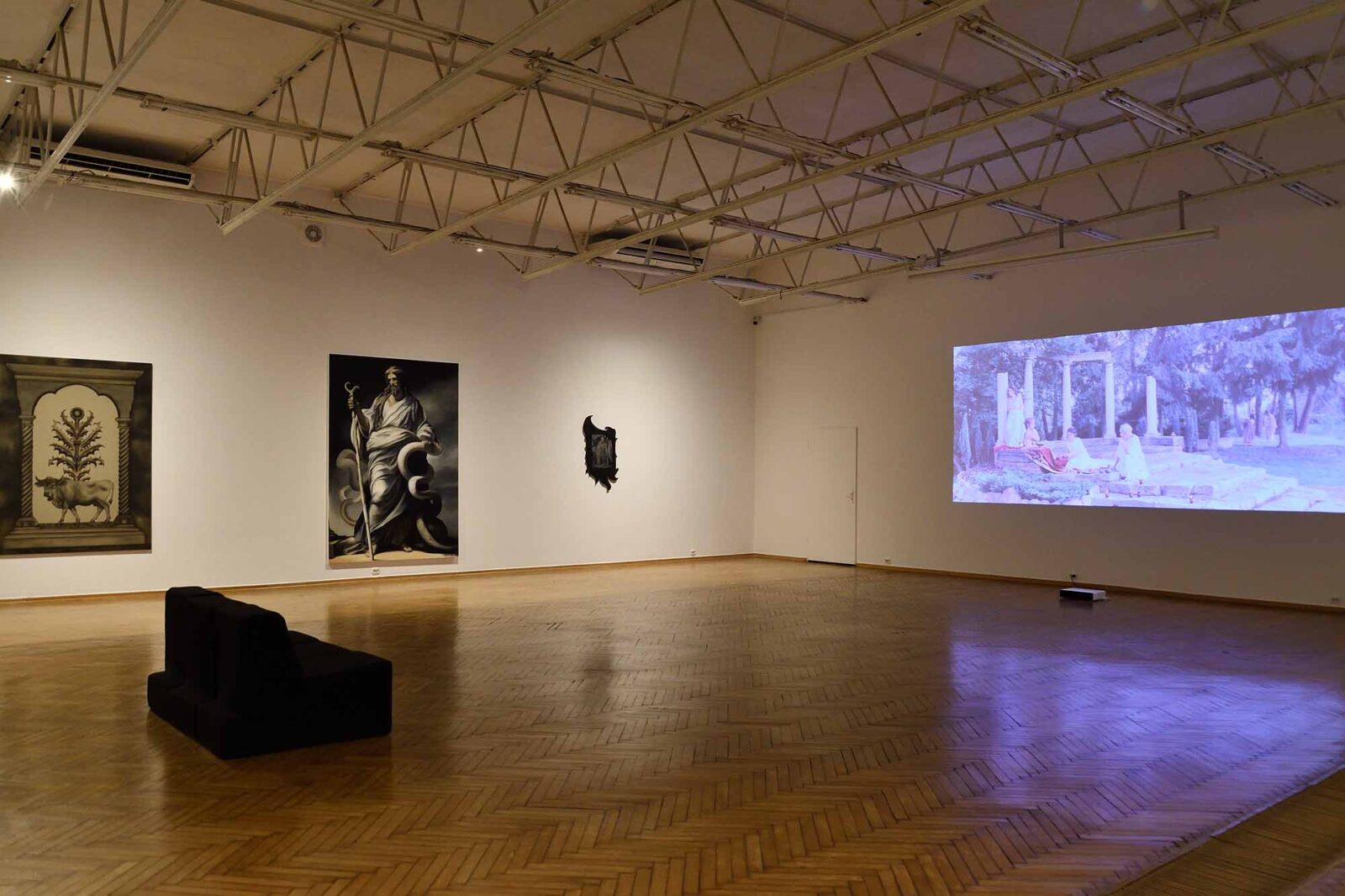
Exhibition view of "Plutarch's Speech" by the Nihilist Church. Photography by Karolina Spiak/BWA Zielona Góra Exhibition view of "Plutarch's Speech" by the Nihilist Church. Photography by Karolina Spiak/BWA Zielona Góra 

Paweł Baśnik, Justyna Baśnik, Nikita Krzyżanowska, and Jędrzej Sierpiński—the founding quartet of the Wrocław art collective Nihilist Church (Kościół Nihilistów)—are currently on view at BWA Zielona Góra with their new exhibition 𝘗𝘭𝘶𝘵𝘢𝘳𝘤𝘩’𝘴 𝘚𝘱𝘦𝘦𝘤𝘩 (Mowa Plutarcha). The show runs until 11 January 2026.

𝘗𝘭𝘶𝘵𝘢𝘳𝘤𝘩’𝘴 𝘚𝘱𝘦𝘦𝘤𝘩 brings attention to the often-marginalized topic of animal rights within contemporary art discourse. The works on view explore interspecies empathy, tracing its roots to ancient ideas of vegetarianism and ethical coexistence.

Alongside new paintings, the exhibition presents a premiere of a new costume film inspired by Plutarch’s text from the first century CE—a remarkably early ethical argument that crosses species boundaries not through religious doctrine but through reasoning that resonates strongly with today’s pro-animal activism.

Featuring an ensemble cast of artists and collaborators, including performers connected to the Wrocław Theatre Academy, the film reenacts Plutarch’s address using a Polish translation by historian Damian Miszczyński. The project is directed collaboratively by Justyna and Paweł Baśnik with filmmaker Marta Bratuś, starring Dariusz Lech in the leading role.

The project is supported by the Botanical Garden of the University of Wrocław, Wrocław Opera, and 66P – Subiektywna Instytucja Kultury.

News
10 October 2025 – 22 March 2026

Address: National Museum in Gdańsk / “Zielona Brama” Branch
Długi Targ 24, 80-828 Gdańsk, PL

Opening hours:
Tuesday–Sunday: 10–5PM
Monday: closed

Exhibition view, courtesy of Nation Museum in Gdańsku, photo Tomek Kamiński Exhibition view, courtesy of Nation Museum in Gdańsku, photo Tomek Kamiński 

How do young artists respond to the contemporary world? Starting on 10 October, the National Museum in Gdańsk offers another opportunity to see reality through their eyes. The second edition of the exhibition featuring the collection donated to the museum by mBank focuses on the realms of emotion, myth, intuition, imagination, and memory. It is the voice of a generation that seeks not only form in art, but meaning as well

News
10 October 2025 – 8 February 2026

Address: Plac Zamkowy 4, 00-277 Warsaw, PL

Opening hours:
Tuesday–Friday: 10–5PM (last entry at 4PM)
Saturday–Sunday: 10–6PM (last entry at 4:30PM)
Monday: closed

Exhibition view, courtesy of Zamek Królewski in Warsaw Exhibition view, courtesy of Zamek Królewski in Warsaw 

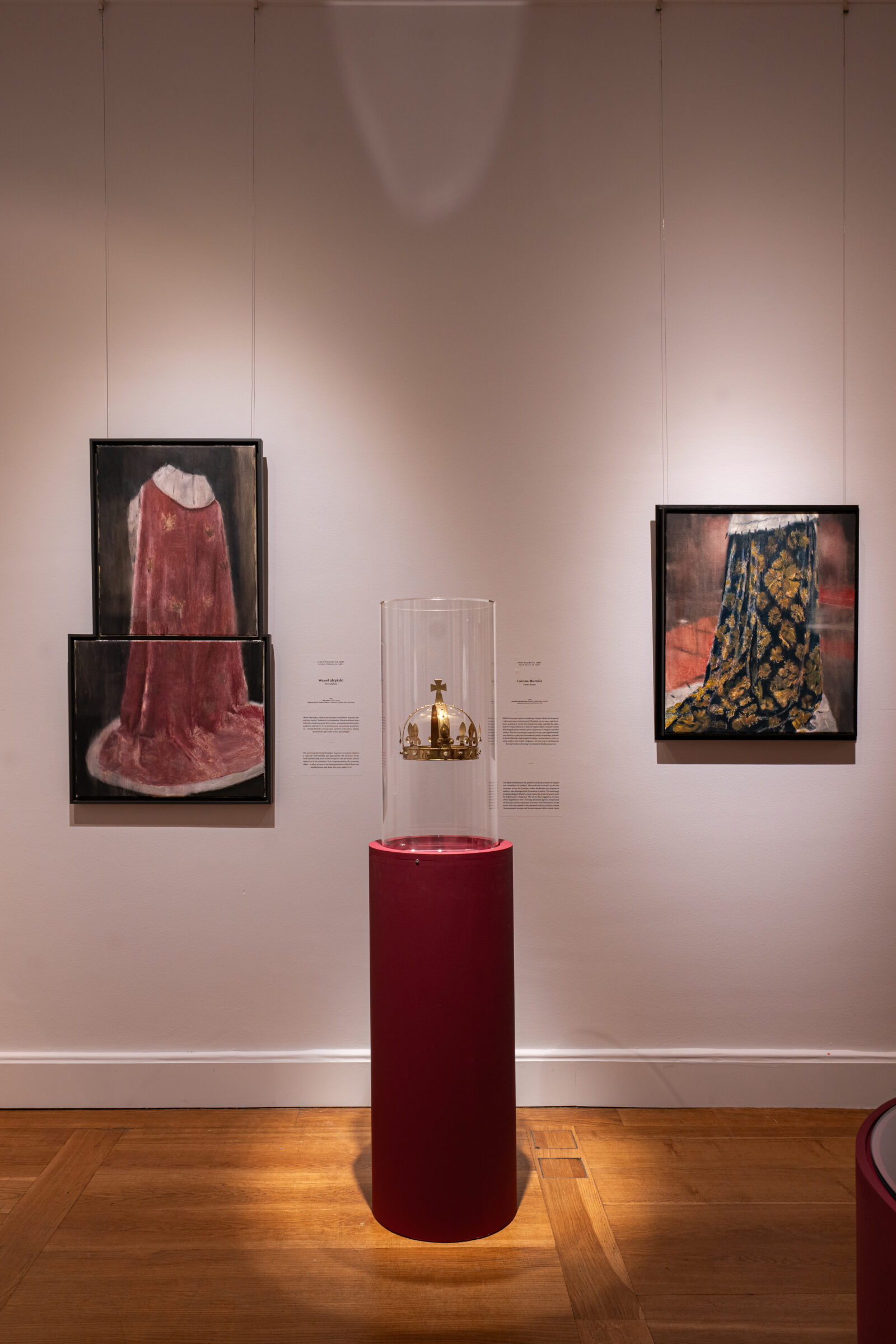
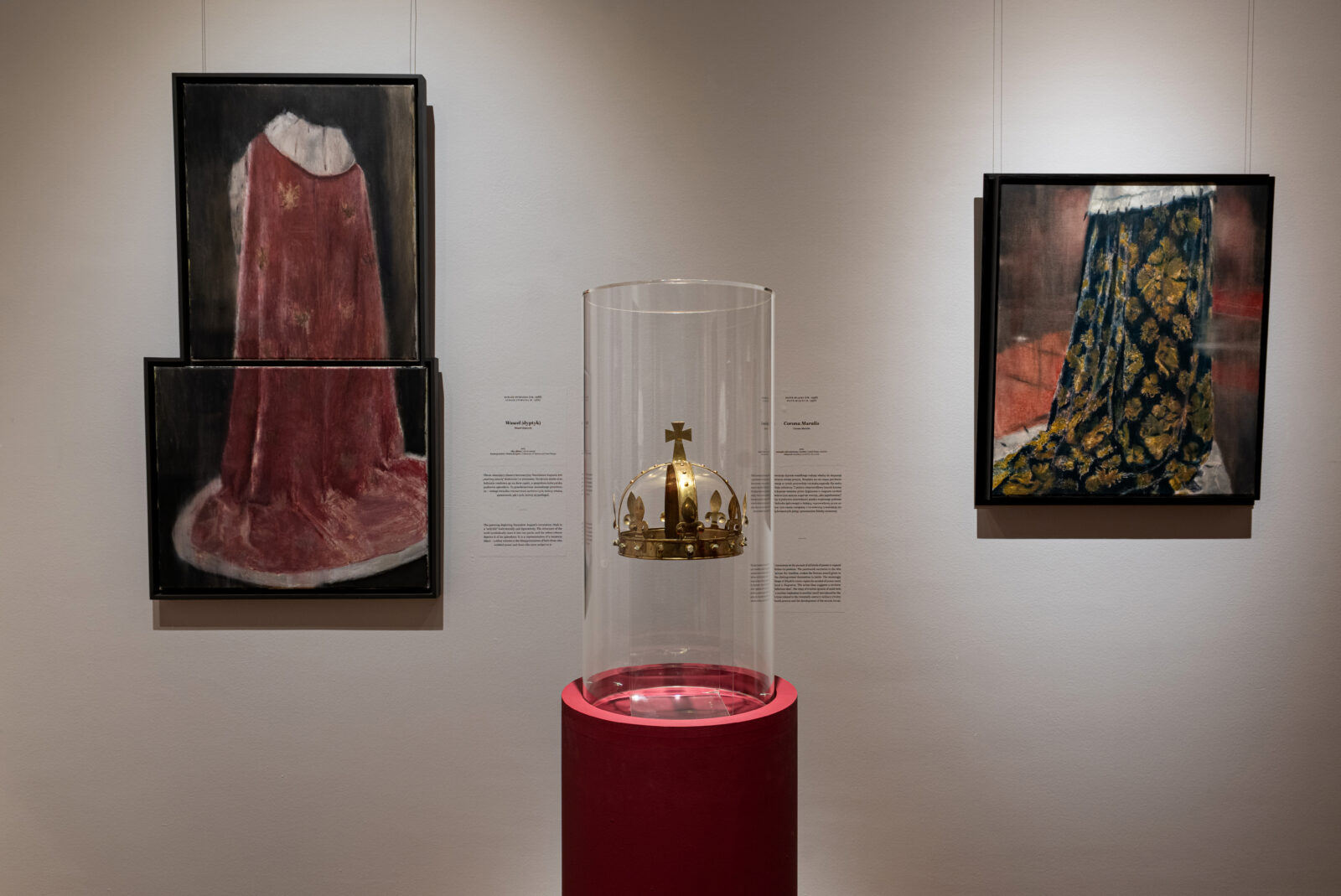
Łukasz Stokłosa’s artworks are currently on view at the Royal Castle in Warsaw as part of the 𝘓𝘦𝘵 𝘛𝘩𝘦𝘮 𝘚𝘦𝘦 𝘜𝘴! 𝘐𝘮𝘢𝘨𝘦, 𝘈𝘵𝘵𝘪𝘳𝘦, 𝘉𝘰𝘥𝘺 (𝘕𝘪𝘦𝘤𝘩 𝘯𝘢𝘴 𝘸𝘪𝘥𝘻ą! 𝘞𝘪𝘻𝘦𝘳𝘶𝘯𝘦𝘬, 𝘴𝘵𝘳ó𝘫, 𝘤𝘪𝘢ł𝘰) exhibition.

Clothing can function as a form of communication. From ceremonial garments worn by monarchs to the bold designs of today’s fashion innovators, what we wear continually conveys who we are – our identity, authority, social standing, aesthetic preferences, and beliefs.

This visual language can be unmistakably clear, yet it often reveals layers of meaning we may not intend to share. Clothing has the power to reinforce control and conformity, but it can just as easily become an expression of freedom and individuality. It mirrors shifts within society while remaining rooted in tradition, which it occasionally reinterprets with a touch of irony.

News
11 & 13 September 2025

Adam Boyd, Lauren Godfrey, Holly Graham, Nadia Hebson, George Richardson, Maria Zahle

Curated by George Vasey
With a text by Salena Barry

10 July — 20 September 2025

1 Pakenham Street, London, WC1X 0LA, UK

September events at KRUPA London

Curator and Artist Tour
6.30-7.30pm, Thursday 11th September

Join Curator George Vasey and the artists for a tour of the Harrow, March 31st2005… This will be an opportunity to hear about the ideas and inspirations behind the exhibition and artworks. The tour will last approximately 40 mins with time for conversation and questions.


Exhibition Brunch
10.30-12.30pm, Saturday 13th September

An opportunity to view Harrow, March 31st 2005… in a relaxed environment with coffee and pastries. The curator and some of the artists will be around for informal conversation and reflection on the exhibition.

News
30 April – 31 August 2025

Address: Szczepański Sq 3a, 31-011 Kraków, PL

Opening hours:
Tuesday – Sunday: 11–7PM

Exhibition view, courtesy of Bunkier Sztuki, photography: Rafał Sosin Exhibition view, courtesy of Bunkier Sztuki, photography: Rafał Sosin 
Exhibition view, courtesy of Bunkier Sztuki, photography: Paula Zarzycka Exhibition view, courtesy of Bunkier Sztuki, photography: Paula Zarzycka 

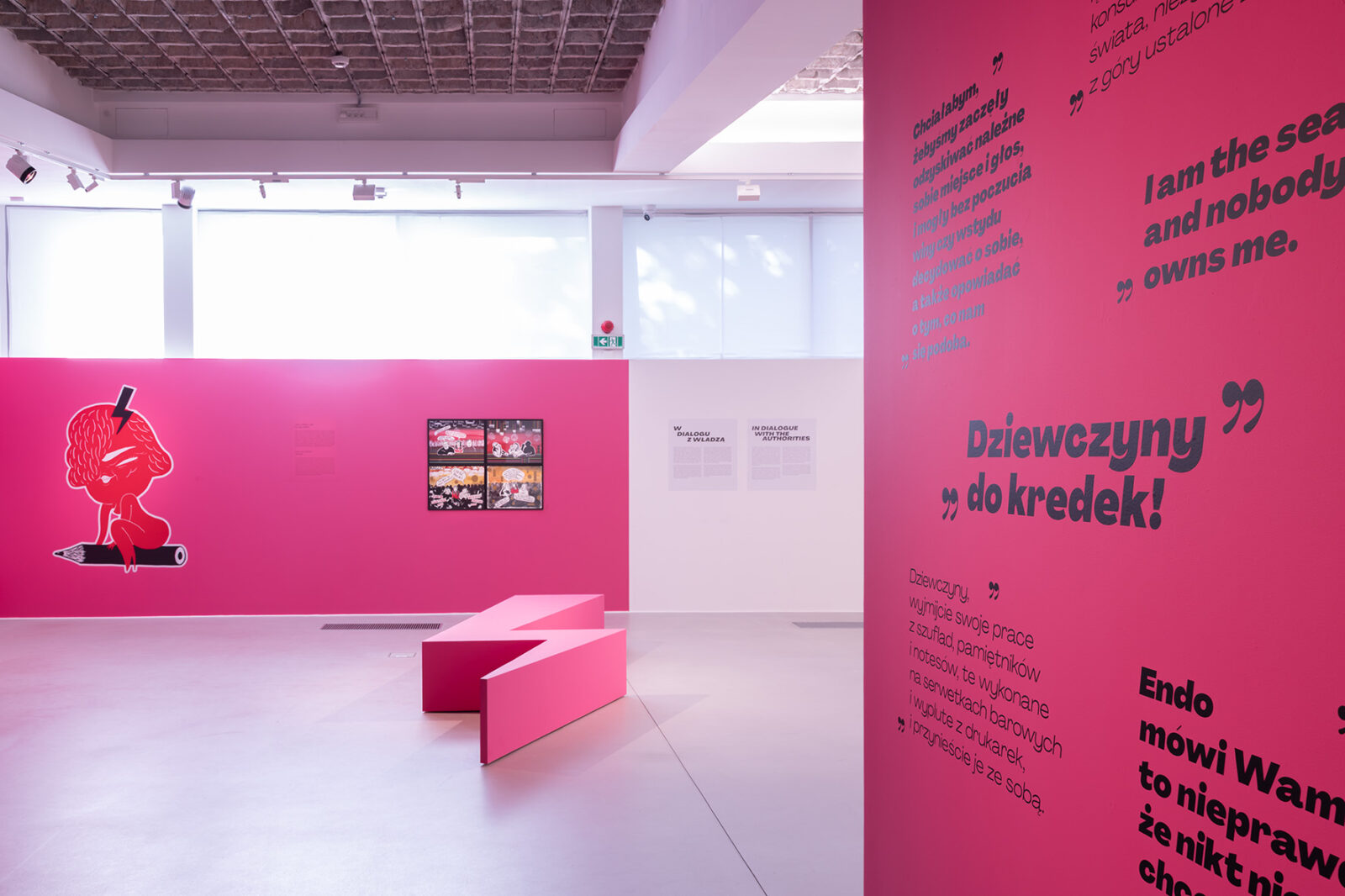
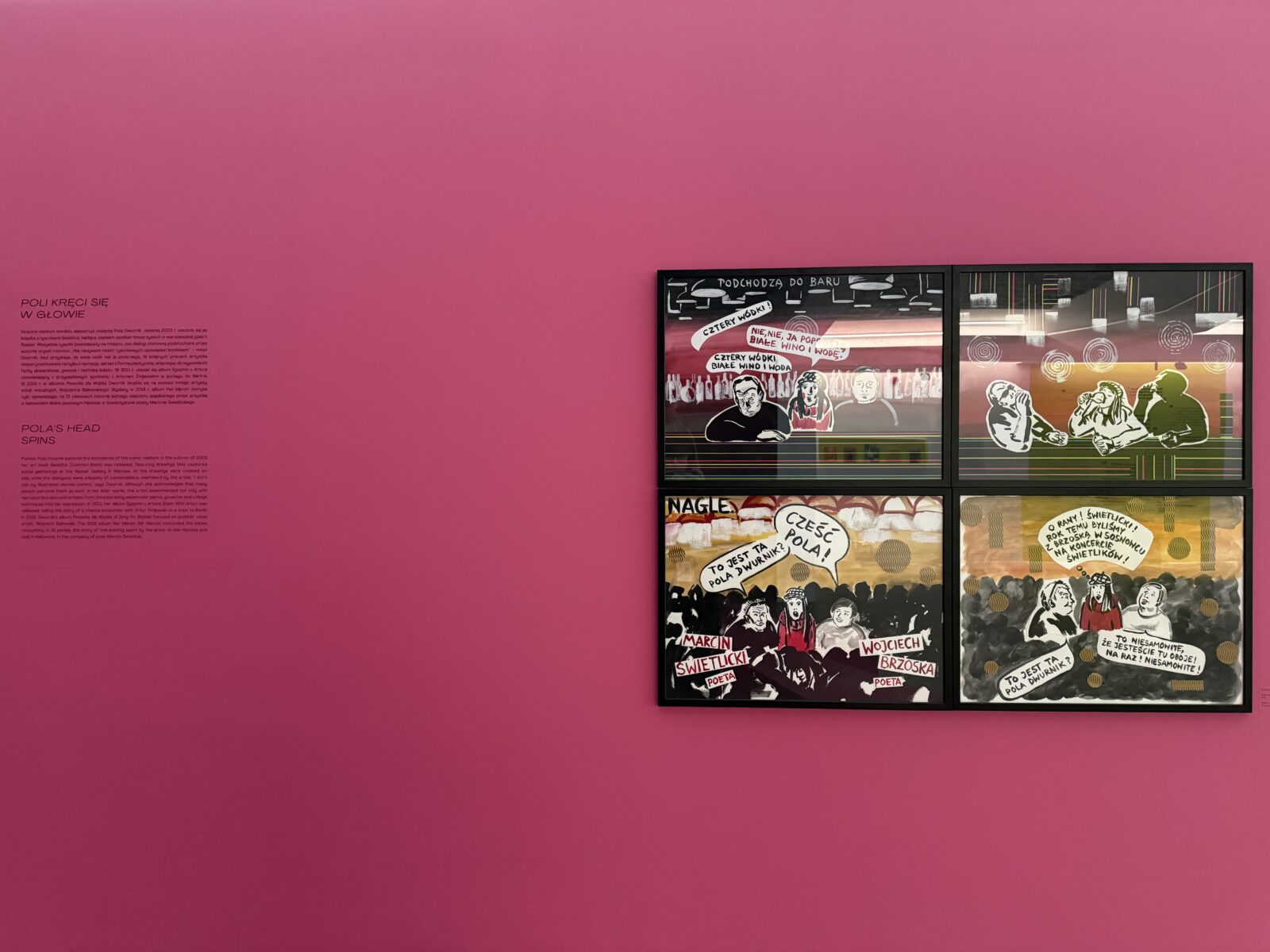
Although comics have a long history in Poland as part of popular culture, it is only in recent years that they have begun to be recognized as a fully fledged artistic medium. After 1989, the Polish comic scene entered a period of dynamic transformation—one that continues today—marked by a steady breaking of established conventions and dominant frameworks.

The exhibition In a Wide Frame offers a multifaceted account of these changes—from grassroots initiatives by artists seeking to capture and interpret social shifts, through the impact of the Internet, the blogosphere, and the emergence of a professional comics market, to works created for public institutions or social organizations that reflect specific political narratives.

News
24 April – 27 July 2025

Address: Rynek Starego Miasta 20, 00-272 Warsaw, PL

Opening hours:
Monday closed
Tuesday 10–5PM
Wednesday 10–5PM
Thursday 12–8PM
Friday 10–5PM
Saturday 10–5PM
Sunday 10–5PM

Courtesy of the Adam Mickiewicz Museum of Literature in Warsaw, photo by Maciej Bociański Courtesy of the Adam Mickiewicz Museum of Literature in Warsaw, photo by Maciej Bociański 

The Museum of Literature presents an exhibition devoted to the surprising relationships between the poetry book and the visual and audiovisual arts.

As the curators emphasize, a poem constantly moves between two natures. On the one hand, it refers to reality—indirectly, through meanings that lack physical form. On the other hand, once written down, it gains a tangible presence. When published as a book, it becomes an object that can function much like a work of art.

“Poems are not made of ideas but of words,” Stéphane Mallarmé reminded us. Yet when we speak about poetry, we often lose sight of this duality of its material. With the same language we use to ask for bread, we also construct poetic imagery. A poem can evoke intense, almost physical aesthetic sensations. Where does this sensory quality arise from? The sound of the words? Their notation? Their composition? Or perhaps from their texture, shape, or color? Could language possess properties similar to those of paint, ink, fabric, or resin?

News
24 April – 14 September 2025

Address: Lipowa 4, 30-702 Kraków, PL

Opening hours:
Tuesday–Sunday: 11–7PM
Monday: closed

Exhibition view, courtesy of MOCAK and the artist Exhibition view, courtesy of MOCAK and the artist 

The geopolitical events of recent years — armed conflicts, including the full-scale war in Ukraine, the COVID-19 pandemic, and their economic consequences such as inflation — have generated a widespread sense of uncertainty and a pessimistic outlook on the future.

In place of bold, futuristic visions, a turn toward nostalgia has emerged, resonating unexpectedly well with the present moment. Nostalgia, understood as a feeling of loss, in its reflective form combines longing with a sense of belonging. Svetlana Boym described it not only as “a longing for a home that no longer exists or has never existed,” but also as “a romance with one’s own fantasy.” The exhibition, featuring works by 22 artists connected to Kraków and born between 1979 and 2001, resembles a smile through tears — a gesture that, while masking sadness, can momentarily soften it.

The paintings, installations, and sculptures on display were created as an attempt to build a safe space for memories. They are returns to childhood experiences that may offer comfort. To a large extent, these are figurative works. The artists adopt distinctly narrative approaches, assuming the roles of storytellers of fairy tales, myths, urban legends, as well as stories drawn from films and television series.

News
20 July — 10 August 2025

Anna Maria Zuzela, Kacper Wiatrak

16th edition of The Best Artistic Diplomas organized by ASP Gdańsk

20 July — 10 August 2025

Opening hours: 12 — 6 PM

Address: Zbrojownia Sztuki, Targ Węglowy 6, Gdańsk

More info

source: ASP Gdańsk / fot.M. Pieniążek source: ASP Gdańsk / fot.M. Pieniążek 

Congratulations to Anna Maria Zuzela and Kacper Wiatrak for their outstanding accomplishments in the 16th Edition of Najlepsze Dyplomy Artystyczne (Best Artistic Diplomas), organized by ASP Gdansk!

Anna Maria Zuzela was honored with the Marshal of the Pomeranian Voivodeship Award (Nagroda Marszatka Województwa Pomorskiego) for her diploma project Imago, along with two solo exhibition prizes from PGS in Sopot and Artinfo.

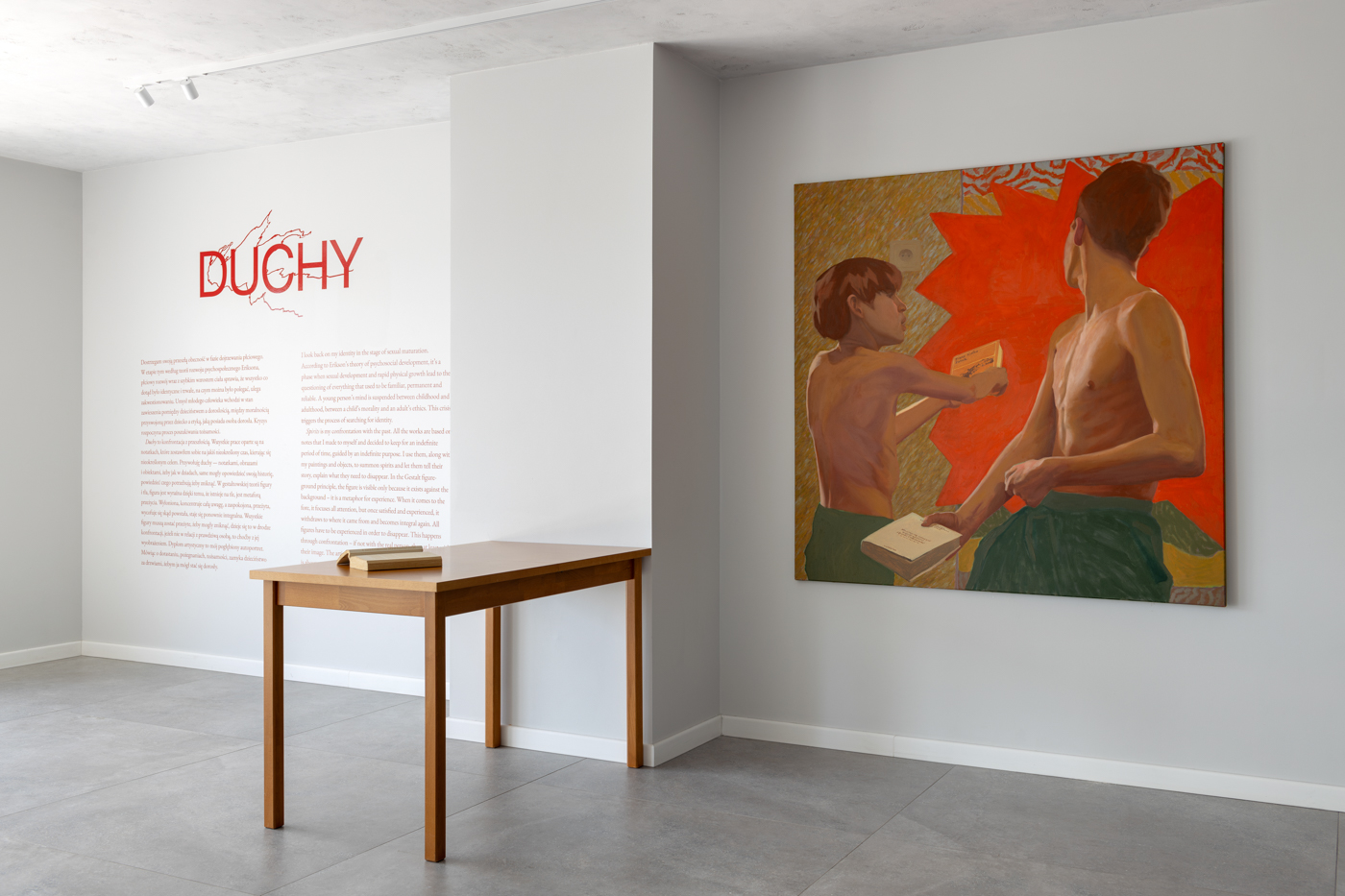
Kacper Wiatrak received the Top Award – Rectors’ Prize (Nagroda Rektorów) for his diploma project Duchy (Spirits), as well as a solo exhibition award from Galeria Przypływ. 

News
25 April 2025

Radek Brousil | What You See Is Not Here Tomorrow

25 April 2025

Księcia Witolda 48/70, 8th floor 50-203 Wrocław, PL

 
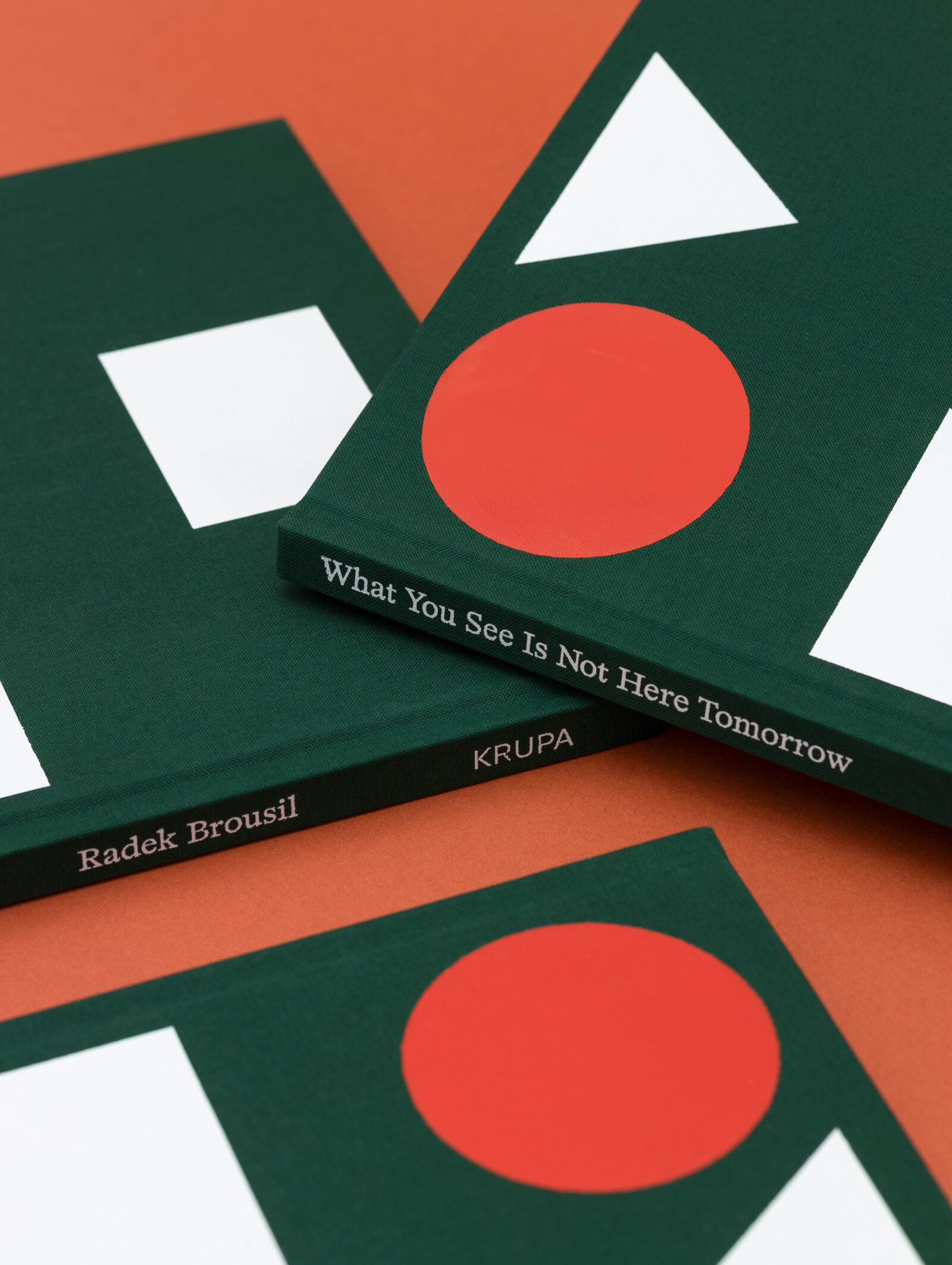
Book design Dan Solbach with Leon Stark Book design Dan Solbach with Leon Stark 

KRUPA warmly invites you to celebrate the launch of Radek Brousil’s catalogue for the solo exhibition What You See Is Not Here Tomorrow. 

Join us for this special occasion on 25 April, from 6–8 PM, at our Wrocław gallery. 

KSIĘCIA WITOLDA 48/70 8th FLOOR 
50-203, WROCŁAW, PL 

We are pleased to share that Radek Brousil will join us for the event; a guided tour of the exhibition with the artist will take place. Copies of the exhibition catalogue will be available at the venue. 

News Exhibitions
deadline: 31 March 2025

OPEN CALL: Diploma Exhibition at Krupa Gallery Wrocław

Submission deadline: 31 March, 2025
Announcement of results: 7 April, 2025
Applications should be sent to: kontakt@krupagallery.pl
Email subject: “Diploma Exhibition + Your Full Name”

OPEN CALL: Diploma Exhibition at Krupa Gallery Wrocław

OPEN CALL: Diploma Exhibition at KRUPA Gallery

As part of our annual tradition, KRUPA GALLERY Wrocław showcases selected diploma exhibitions by graduates of Fine Arts academies in Poland. We recognize that after leaving academic institutions, many artists face challenges in finding the right space to present their diploma projects to a wider audience. We also understand the significance of this moment as a formal entry into an independent artistic path. Our goal is to support emerging artists by providing an exhibition space and partial organizational assistance for their solo projects.

We are delighted to announce the next edition of this initiative, inviting graduates completing their studies this year. While past editions primarily featured graduates from the Academy of Fine Arts in Wrocław, we now welcome submissions from graduates of any Polish art institution at the master’s or doctoral level, across all visual arts disciplines.

In previous years, we had the pleasure of presenting the work of Paweł Baśnik, Monika Polak, Aleksander Baszyński, Zuzanna Janosz, and Kacper Wiatrak. This year, we are opening the call for submissions and will select at least one candidate.

Submission deadline: 31 March, 2025
Announcement of results: 07 April, 2025
Applications should be sent to: kontakt@krupagallery.pl
Email subject: “Diploma Exhibition + Your Full Name”

Requirements:

  • A PDF portfolio including your CV.
  • A separate PDF detailing your diploma project, including sketches, images of existing works, and a project description.

The exhibition will take place between July and August 2025 and will run for 2–3 weeks at KRUPA GALLERY in Wrocław, Poland. Exact dates will be agreed upon with the selected candidate.
We look forward to your submissions! 

News
08.03.2025

8 March 2025 4-6 PM

hosted by Natalia Januła

Agnieszka Szczotka, The Ark finissage performance Agnieszka Szczotka, The Ark finissage performance 
Kieron, The Ark finissage performance Kieron, The Ark finissage performance 
Agnieszka Szczotka, The Ark finissage performance Agnieszka Szczotka, The Ark finissage performance 
Agnieszka Szczotka, Alphabet, 2023, Credit: Kieran Irvine Agnieszka Szczotka, Alphabet, 2023, Credit: Kieran Irvine 
Aprigoat and David Aprigoat and David 
Hollie Miller & Craig Scott, Sonic Archetypes, 2020 Hollie Miller & Craig Scott, Sonic Archetypes, 2020 
Karolina Lebek Image from rhythms of fire performance in collaboration with Susannah Stark, part of a solo exhibition Vatra _ Watra _ ватра in 2018 Karolina Lebek Image from rhythms of fire performance in collaboration with Susannah Stark, part of a solo exhibition Vatra _ Watra _ ватра in 2018 

On the closing day of “The Ark” group exhibition, Krupa London presents four sound, voice, and movement performances hosted by one of participating artists Natalia Januła. Engaging bodies, space, and sonic landscapes, the event extends the artist’s interest in organic transformation and interconnected systems.
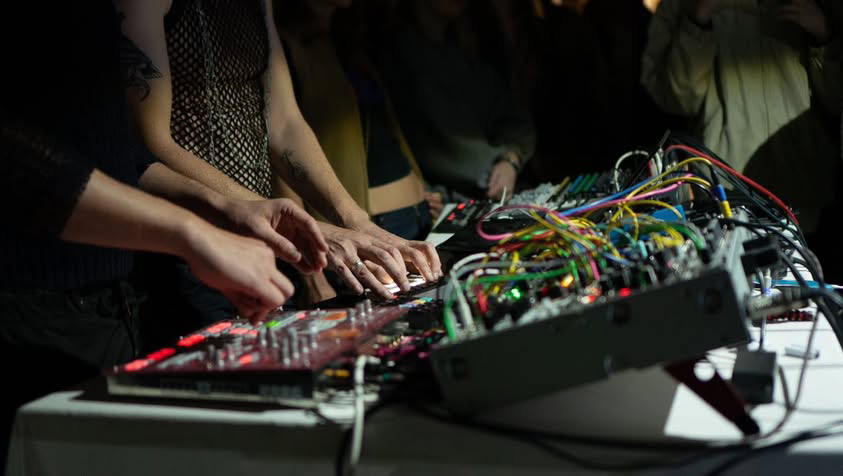
Hollie Miller & Craig Scott will explore the interplay of bodily movement and sound, using fetal motion sensors to activate an evolving sonic environment. Karolina Łebek will present an experimental composition intertwining folk instrumentation with digital soundscapes. Aprigoat & David will create a semi-improvisational performance merging modular synthesis and sample manipulation into surreal sonic narratives. Agnieszka Szczotka will perform a spoken word piece bridging memory, language, and presence.

Join us for activation of “The Ark”, where shifting forms and resonant bodies bring the exhibition into live motion.


THE ARK – closing event & performance programme 

Agnieszka Szczotka

Hollie Miller & Craig Scott

Aprigoat and David

Karolina Łebek

hosted by Natalia Janula

News
28.09.2024

Private: Wiktoria

WGW 2024: performance If I were a stone, I would carry myself

performance by Jagna Nawrocka and Bartosz Jakubowski in a somatic dialogue with sculptures by Wikotria
as part of the exhibition I Am in Cloud-Storage Hell at Warsaw Gallery Weekend 2024

28 September 2024 (Saturday), 5 PM

curator: Natalia Barczyńska

duration: 45 min

venue: Studio Bank, ul. Daniłowiczowska 18B

admission free of charge

choreograpahy, performance: Jagna Nawrocka, Jagna Nawrocka, Bartosz Jakubowski

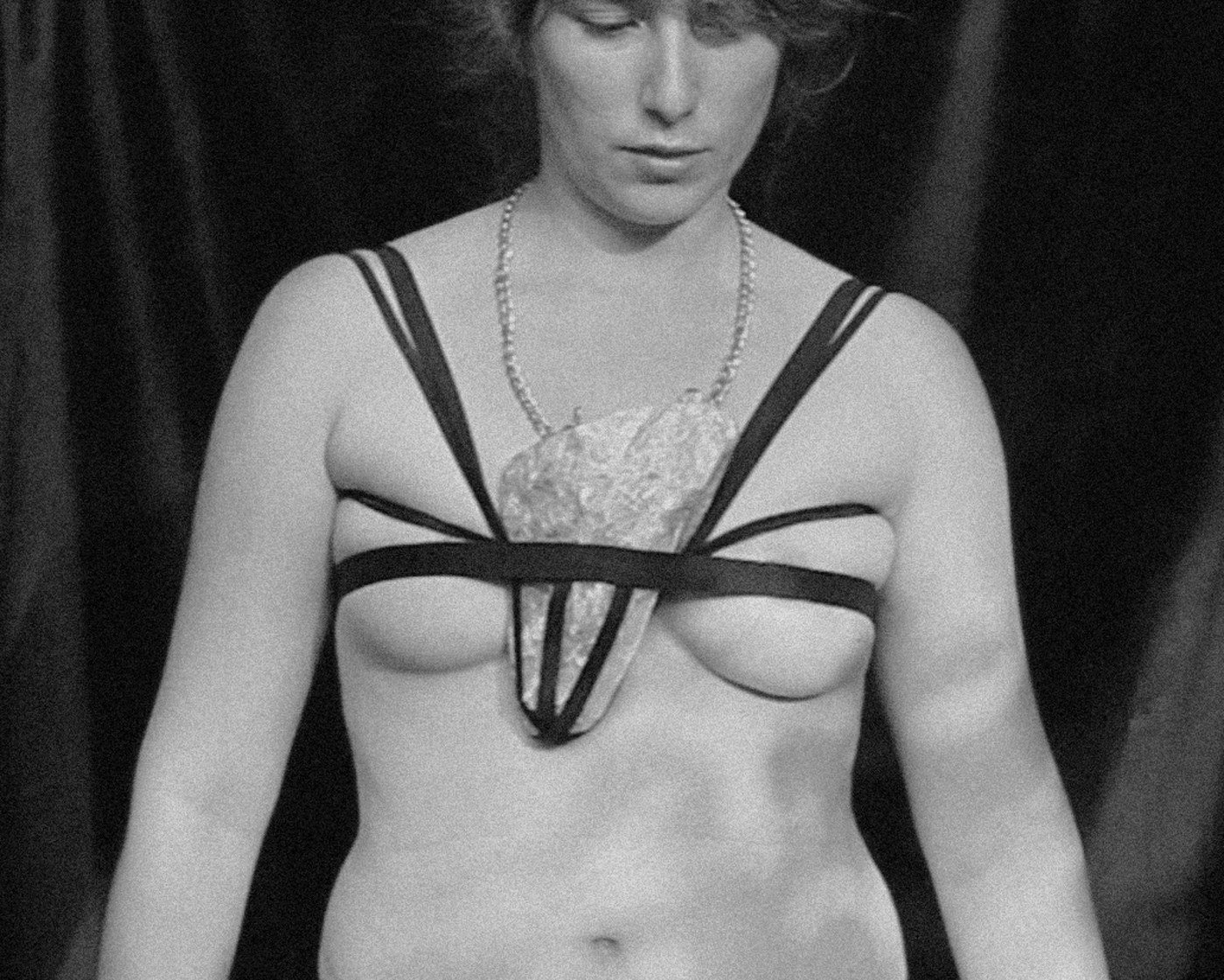
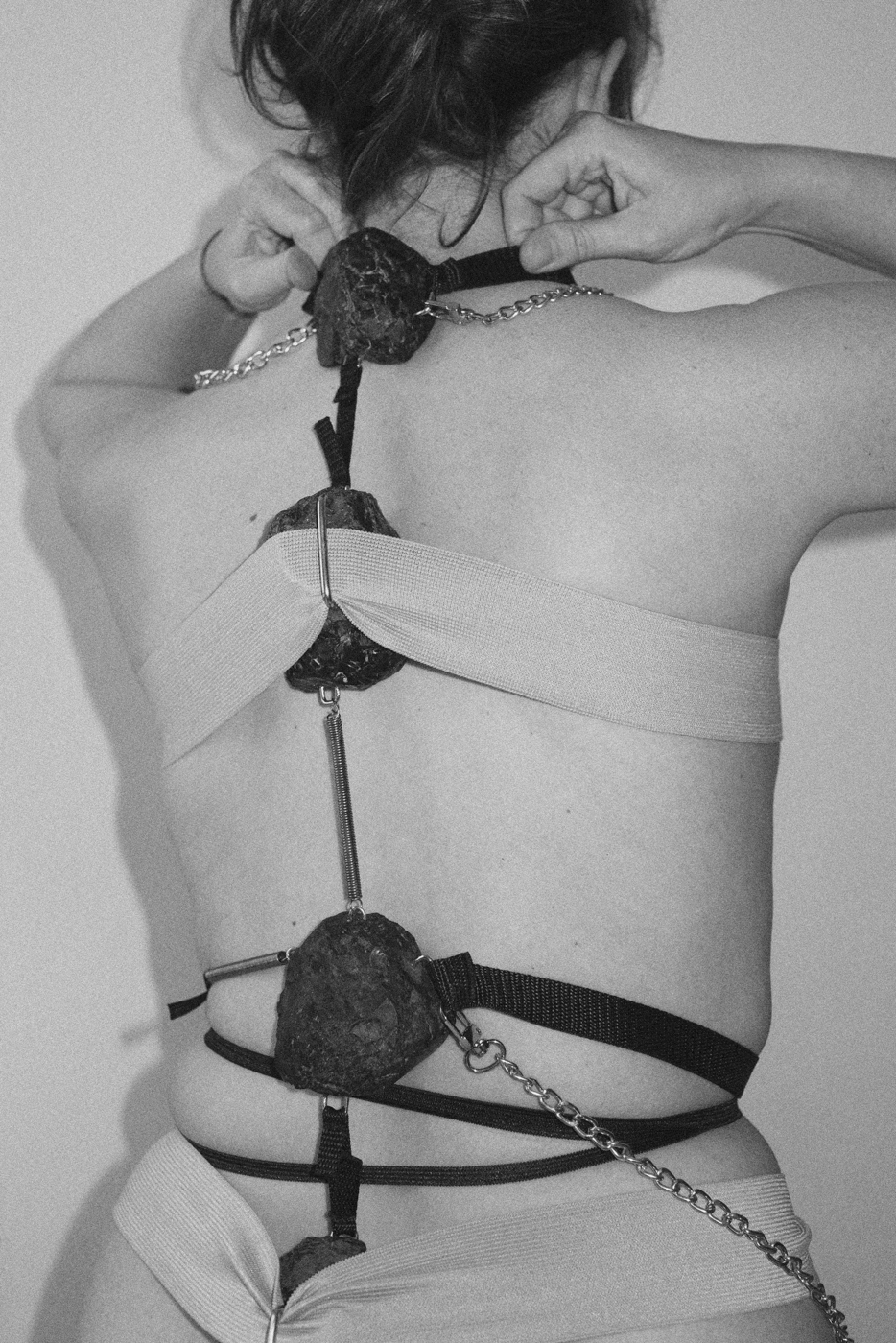
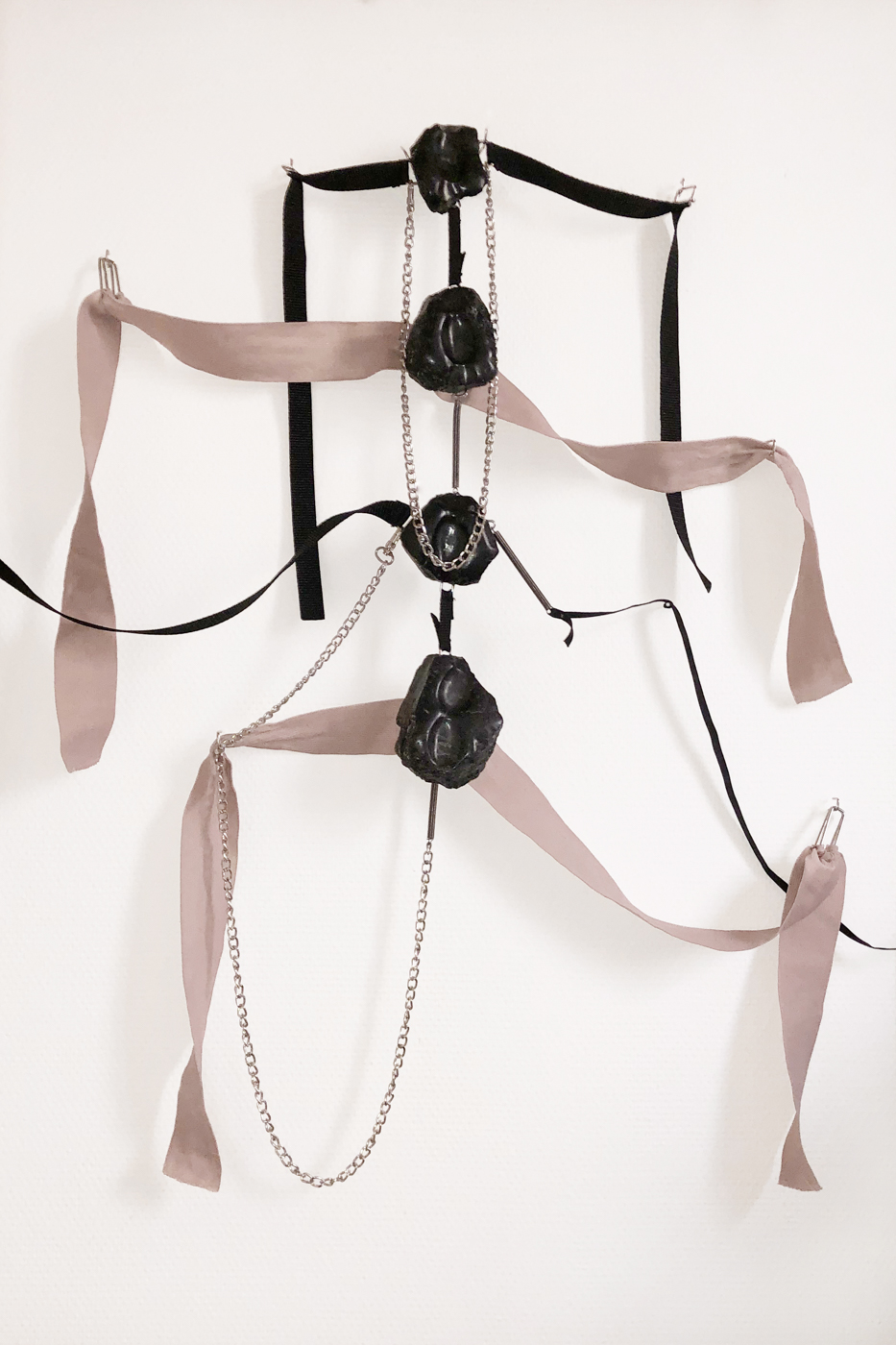
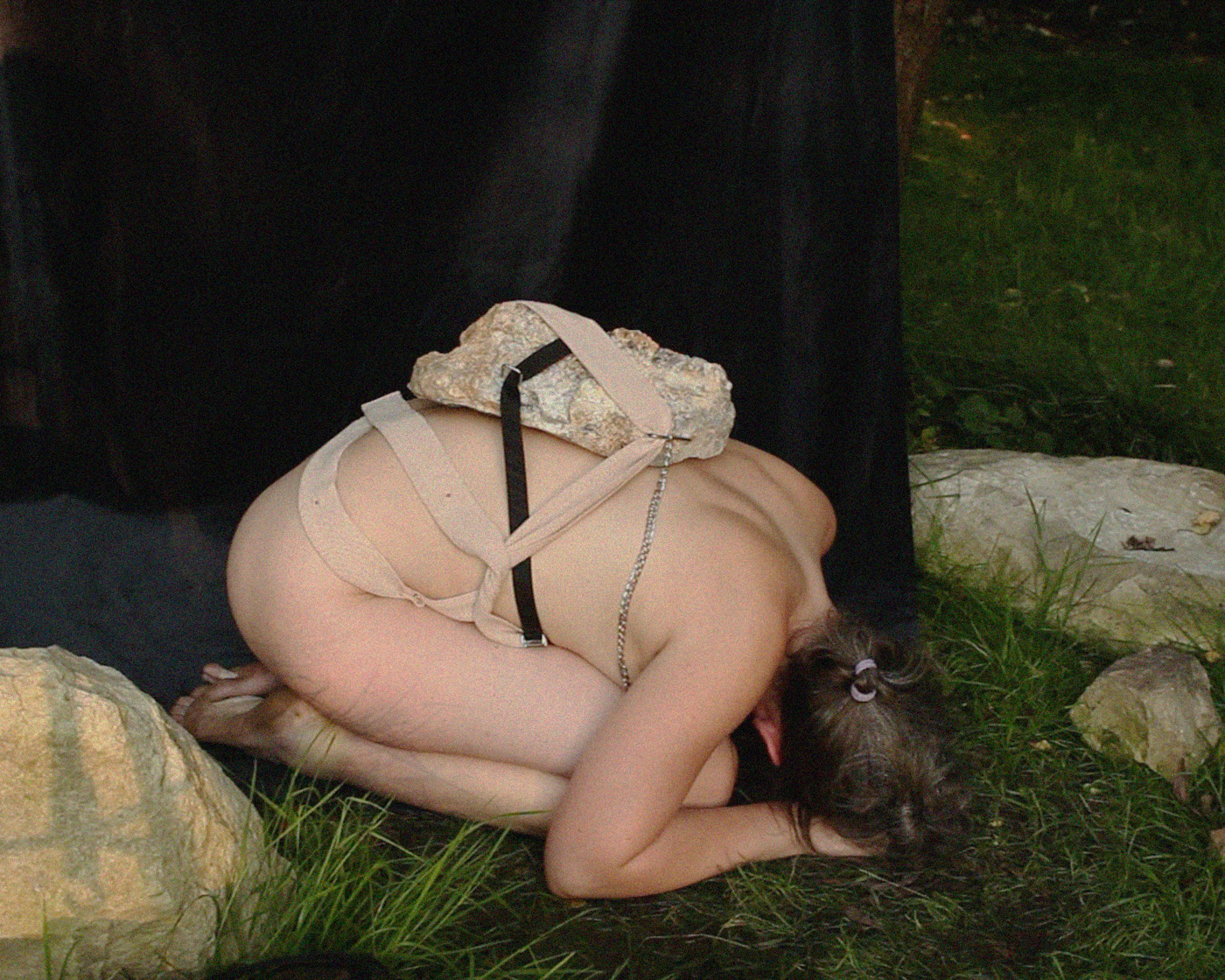
works used in the performance: Wiktoria – „Imprint-Sculptures. Wearable”, 2023-2024, carved raw stone, straps, belts, chains, body

Wiktoria – Imprint-Sculptures. Wearable, 2023-2024, carved raw stone, straps, belts, chains, body Wiktoria – Imprint-Sculptures. Wearable, 2023-2024, carved raw stone, straps, belts, chains, body 

The performance If I Were a Stone, I Would Carry Myself develops Wiktoria’s multithreaded project Imprint-Sculptures by focusing on rebuilding the lost relationship between humans and nature through physical contact with something most primal, from which we are constantly moving away. So far, the project has taken the forms of installation, video and photography, in which the most prominent role has been that of sculpture, or more precisely – what lies between sculpture and the body of the viewer.

Performative objects are tools for getting physically closer to nature through communion and touch by strengthening mental and spiritual bonds. Drawing on somatic healing methods, Nawrocka and Jakubowski will revive stone in order to delve deep into history, archaeology, acts of touch and sound. They will create a ritual choreography in tribute to nature, carrying the body into a sensory mythical story in which the performers use a stone key to open a portal to a utopian reality of multispecies love.

The works were inspired by the aesthetics of erotic fashion, BDSM, and the context of eco-sexual practices. Thanks to the contact between skin and stone and the firm attachment of the sculptures to the body, the work “becomes” anew with each successive contact. The healing properties of stone bring solace in a time of increasing overstimulation, when the body is alerting us to internal discomfort and tension. Stone as an amulet offers protection by transferring energy to strategic points, such as the lower abdomen, solar plexus and loins.


Wiktoria has graduated from the Academy of Fine Arts in Warsaw. She is currently completing her second master’s degree at Beaux-Arts de Paris, in the studio of Tatiana Trouvé. She lives and works in Paris, where she is a member of the Poush atelier and Aubervilliers. Since 2019 her practice has focused on restoring the relationship between humans and the environment. Her performative installations, objects, traces and ephemeral engravings are manifestations of a physical experience of our perception, revealing the memory of bodies and touch, and outlining a renewed and intimate relationship with nature in our consciousness. The works draw on the open and unlimited idea of sculpture, in which the boundary between object and body is indeterminate. The sculptures are both the material and the body that encompasses them, as well as the space between them.
Bartosz Jakubowski is an artist, performer and queer activist. He is interested in daydreaming, speculative history, and utopia as a survival strategy. His multi-sensory activities are based on working with archives and smells, as well as movement practice rooted in contact improvisation, Ilan Lev method and BMC. He is a member of the Queer Academy of Movement, co-founder of the X-Philes collective and the Score Me Queer radio program.

Jagna Nawrocka explores choreographic strategies used in working with camera and word, fabric, sculpture and performance. As a body-researcher, she is interested in speculative (post)artistic projects, focusing on somatic imagination and the production of collective knowledge through the exchange of sensory experiences. She is a member of the Queer Academy of Movement and initiator of the SCORE ME QUEER project; she conducts participatory performative research, Longing to be Long, and co-creates the Lios Labs residency program – an international research platform dedicated to the entanglements of art and ecology.
News Exhibitions
15-16 maja 2024


We are pleased to inform you that Piotr Krupa and Katarzyna Młyńczak-Sachs are among the speakers at Impact’24!

Impact’24 is an economic and technological event in Central and Eastern Europe, where experts from the largest global companies and organizations around the world participate in management, politics, law, science, and rhetoric.
This year, the event will take place in Poznań on May 15th and 16th, 2024, and among the main topics, culture will not be missing! At Impact ’24, the Krupa Art Foundation has prepared an exhibition of works from the collection, and Piotr Krupa and Katarzyna Młyńczak-Sachs will appear on one of the stages with a presentation entitled “Art Investors and Art Lovers”.

More information about all the speakers can be found here.

News
(Polski) 30.05.2021

(Polski) Unhappy Ending: performnace

(Polski) 10. Katowice JazzArt Festival 2021
data: 30 maja 2021, godz. 18
miejsce: Katowice Miasto Ogrodów (sala 211)
artystki: Ania Malinowska – poezja / Pola Dwurnik – malarstwo / Kamila Drabek – kontrabas

(Polski) Unhappy Ending: performnace

Sorry, this entry is only available in Polish.

News
February 2021


This is a mechanism by which it is possible to remain in the place that you live, without exposing others or being exposed, while still being able to experience the presence of resistance in three dimensions. In my own private apartment, you will be able to experience the encounter between body and law while managing to come out without a single scratch. Your guilt will accompany you throughout the spaces as you digest the resistance digitally. This is the possibility of staying in isolation and being present in all places in the real world.

Over the last few months, large-scale protests have been ongoing in Israel. A number of organizations, with the main one being the “Black Flags” movement, protest against a range of issues: against the Prime Minister, where the protesters are demanding his resignation due to the indictment against him; against the erosion of state institutions, emphasising harm to the rule of law system; against the treatment of the economic crisis created in Israel due to the corona pandemic; protests by sectors affected by the economic crisis, including the self-employed, employees, teachers, social workers, restaurateurs and people in the fields of sports and culture. Many civilians were injured due to police violence.

SEE THE PROJECT > thevirtualcanvas.site


ABOUT THE ARTIST

Regev Amrani (1988) is a video artist and sculptor and a graduate of the Bezalel Academy of Art and Design (BFA) in the Fine Art Department 2016. In changing settings, Amrani combines sculptural installations, sound, video works, and autobiographical information with contemporary social and political situations.
On the surface of many of his works there is a desire to distance masculine violence and sexuality. The ideas of impulse and desire are disinfected, purified and cleansed through various mechanical filtering objects. These mechanisms dismantle the physical experience of the body with the help of these filters.


The House of Protest is a part of The Virtual Canvas online exhibition.

News
December 2020

Post Noviki

Covid Playgrounds

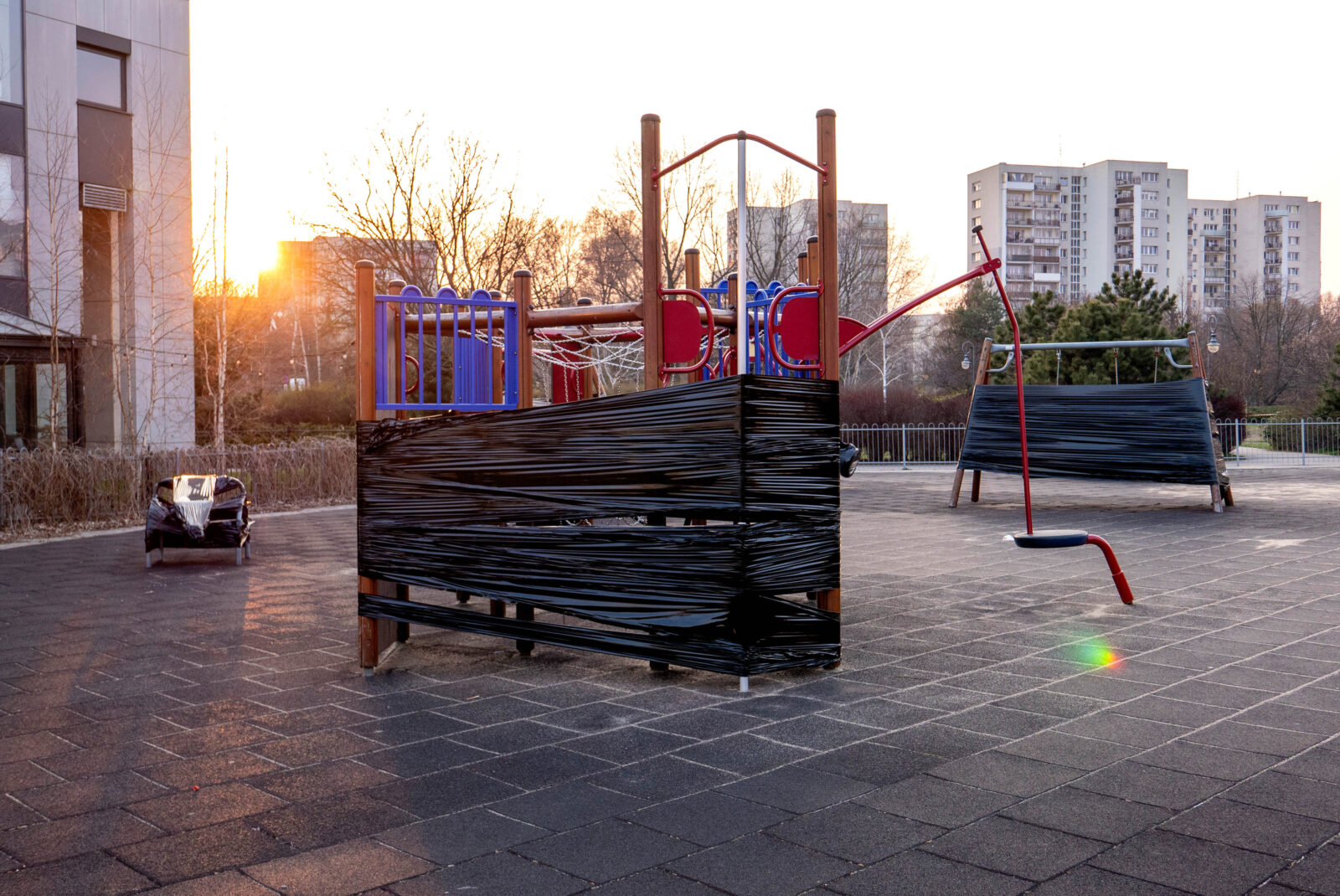
Post Noviki, Covid Playgrounds, 2020 Post Noviki, Covid Playgrounds, 2020 

The images used in “Covid Playgrounds” were taken in Warsaw during COVID-19 pandemic lockdown (April 2020), when several restrictions on the use of public space and social distancing were introduced to protect the public health.

Using the model of the popular children street game hopscotch (and incorporating “heaven” and “hell” fields which are typical elements to the Polish version of the game), Post Noviki explores the ironic, yet frightening development of the public space during a pandemic.
The work invites the viewer to contemplate on how COVID-19 will affect the way we use and perceive the public space and what the future of urban planning and city design in a post-COVID-19 world could be.


SEE THE PROJECT  > www.thevirtualcanvas.site


ABOUT THE ARTISTS

Post Noviki is a studio established by Marcin Nowicki and Katarzyna Nestorowicz, based in Warsaw, Poland.
Studio’s signature is a post critical approach to graphic design and the idea of constant redefining the borders of wide-ranging practice.
P-Noviki create works across various media, generally in close dialogue with artists and curators.

P-Noviki projects have been published, in IDPure, Slanted, Introducing Culture Identities (Gestalten), Pretty Ugly (Gestalten), It’s Nice That. They have served as external consultants at the Royal Academy of Art, The Hague, and at the Academy of Fine Arts in Warsaw. They lectured at art schools and universities across Europe and Asia, run workshops at the Jan van Eyck Academy in Maastricht and the Tehran Museum of Contemporary Art, displayed their commissioned and self-initiated project both in museums of contemporary art as well as graphic design shows, blurring boundaries between the disciplines.

noviki.net/


Covid Playgrounds is a part of The Virtual Canvas online exhibition.

News
December 2020
Why Quit, Compression, 2020 Why Quit, Compression, 2020 

Satisfying the housing needs of the society is one of the basic tasks of the modern world. Yet at the same time, the world is getting louder and more cramped than ever before. Regardless of what we want or plan, the space for rest is merging with the place of work.

The comfort of home is gradually commodified. Workplaces in co-working spaces and large corporations are made to look homely, while laptops are often marketed as devices to be used from the comfort of your own bed. Once given the possibility to work remotely, paid work has crept into the space of home. We work from the bedroom, the kitchen table, and the toilet.*

*Aleksandra Gordowy, Dom jako przestrzeń produktywna i nieproduktywna [Home as a productive and unproductive space], Bęc Zmiana, 2020

The text used in the work entitled “Compression” is based on articles in The Guardian describing the housing problems of British people during the Sars-Covid-19 epidemic.


SEE THE PROJECT  > www.thevirtualcanvas.site


ABOUT THE ARTISTS 

Why Quit (Karolina Balcer & Iwona Ogrodzka)
Collaboration, acquiring knowledge, the power of friendship and community building are important factors of our work. We have been working together closely since 2016, and the Why Quit initiative, launched in 2019, is the result of our experience, including the establishment of the bottom-up Wykwit Gallery (2015-2019), the Wykwitex Group (since 2017) and many joint projects, e.g. during our residency in KulturKontakt in Vienna (2018). Why Quit is a nomadic initiative which, apart from acting in a duet, attracts creative people to critically comment on social, political and economic situations. We believe that art can be one of the tools to put pressure on the structures that make up the harmful system.

why-quit.com


Compression is a part of The Virtual Canvas online exhibition.

Sign up for our newsletter!
Keep up with our activities