


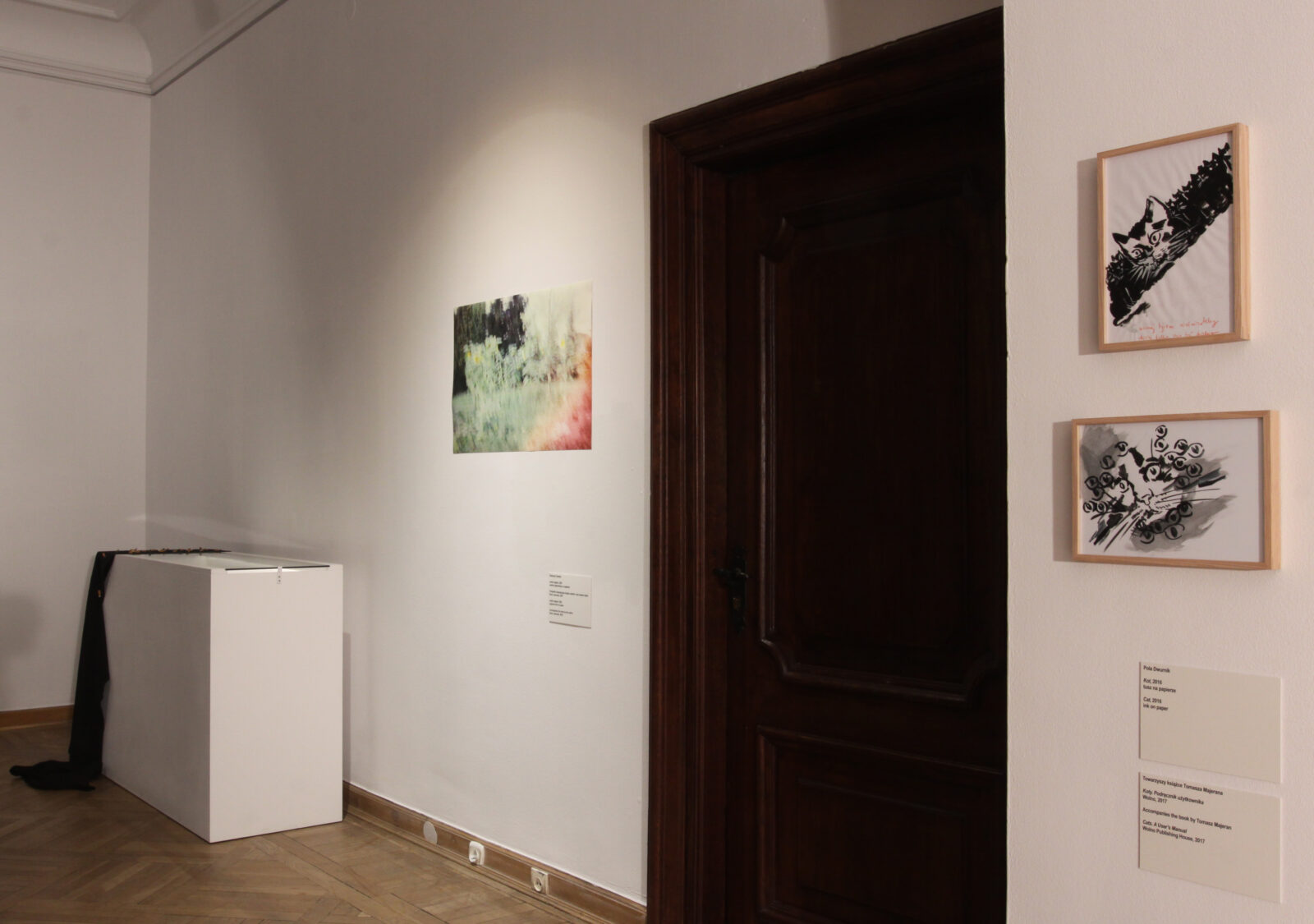
The Museum of Literature presents an exhibition devoted to the surprising relationships between the poetry book and the visual and audiovisual arts.
As the curators emphasize, a poem constantly moves between two natures. On the one hand, it refers to reality—indirectly, through meanings that lack physical form. On the other hand, once written down, it gains a tangible presence. When published as a book, it becomes an object that can function much like a work of art.
“Poems are not made of ideas but of words,” Stéphane Mallarmé reminded us. Yet when we speak about poetry, we often lose sight of this duality of its material. With the same language we use to ask for bread, we also construct poetic imagery. A poem can evoke intense, almost physical aesthetic sensations. Where does this sensory quality arise from? The sound of the words? Their notation? Their composition? Or perhaps from their texture, shape, or color? Could language possess properties similar to those of paint, ink, fabric, or resin?