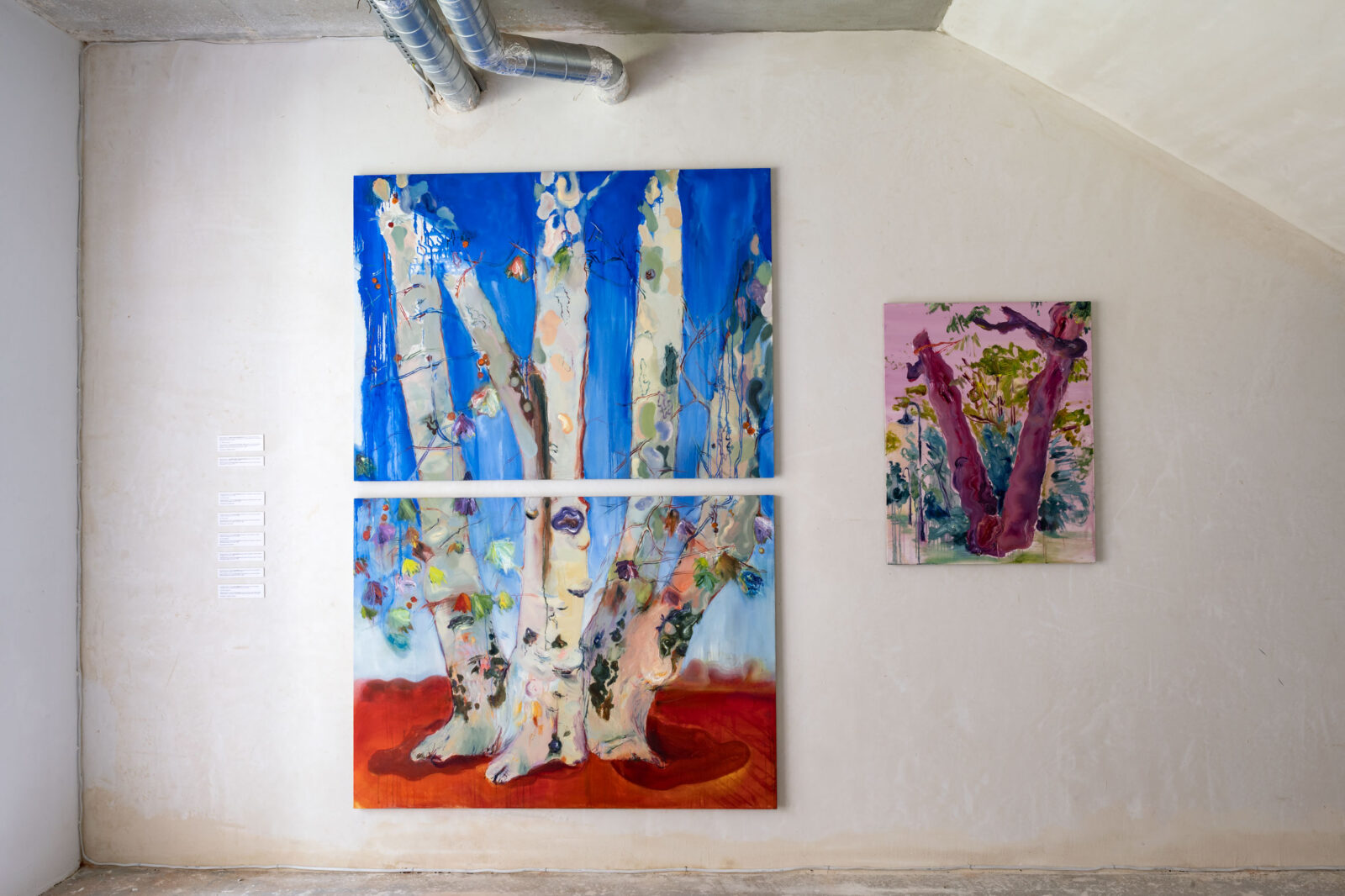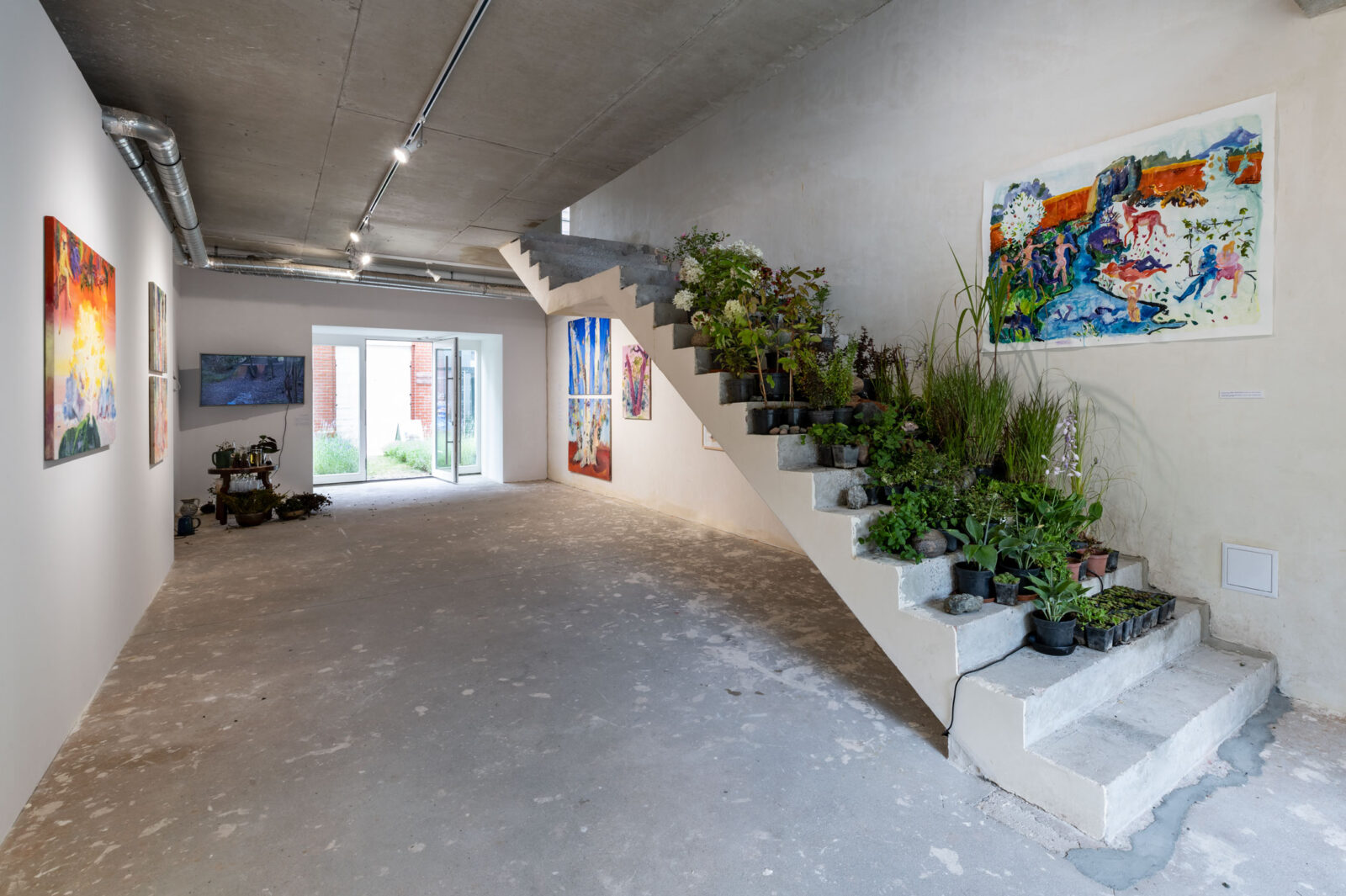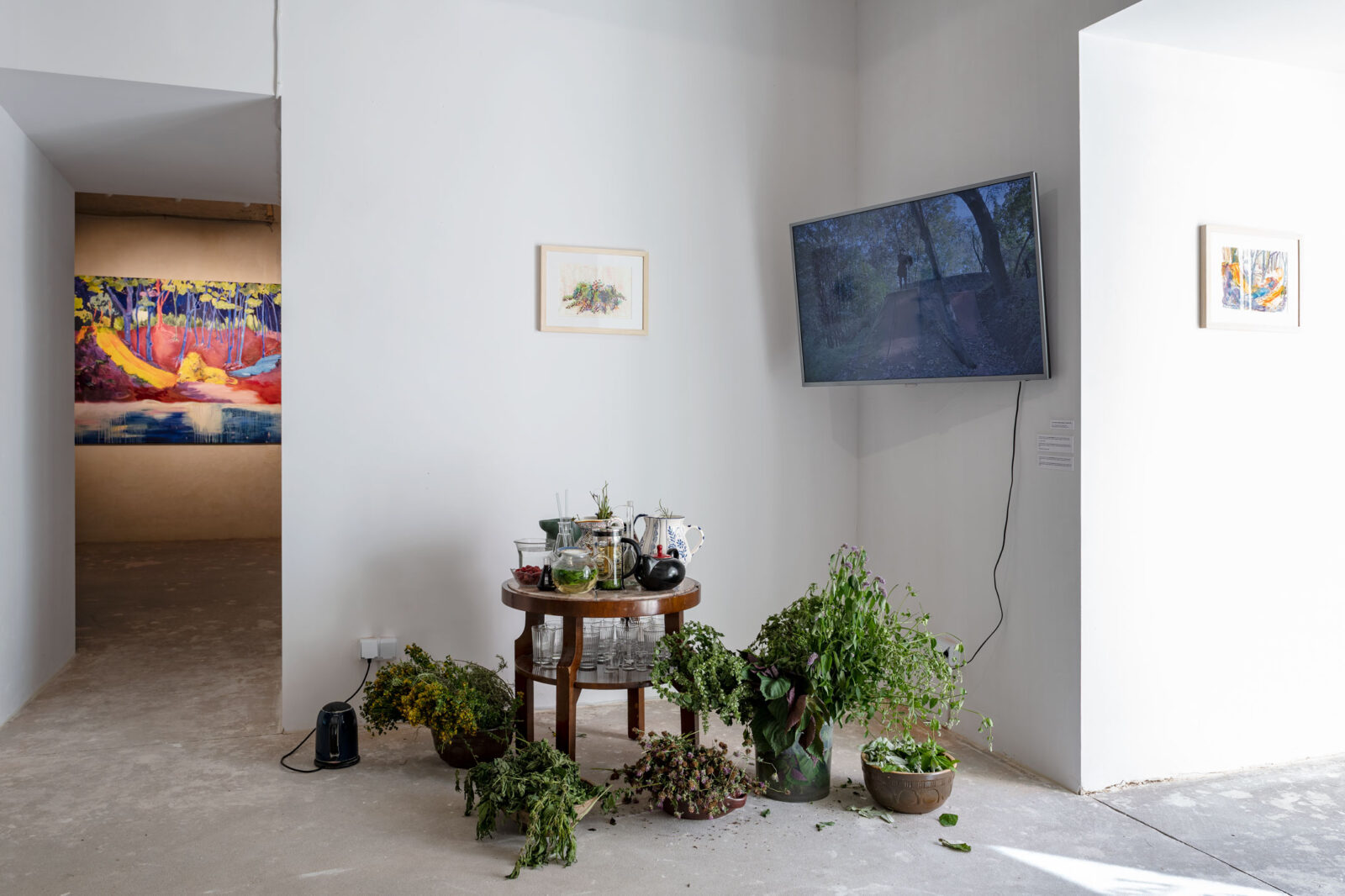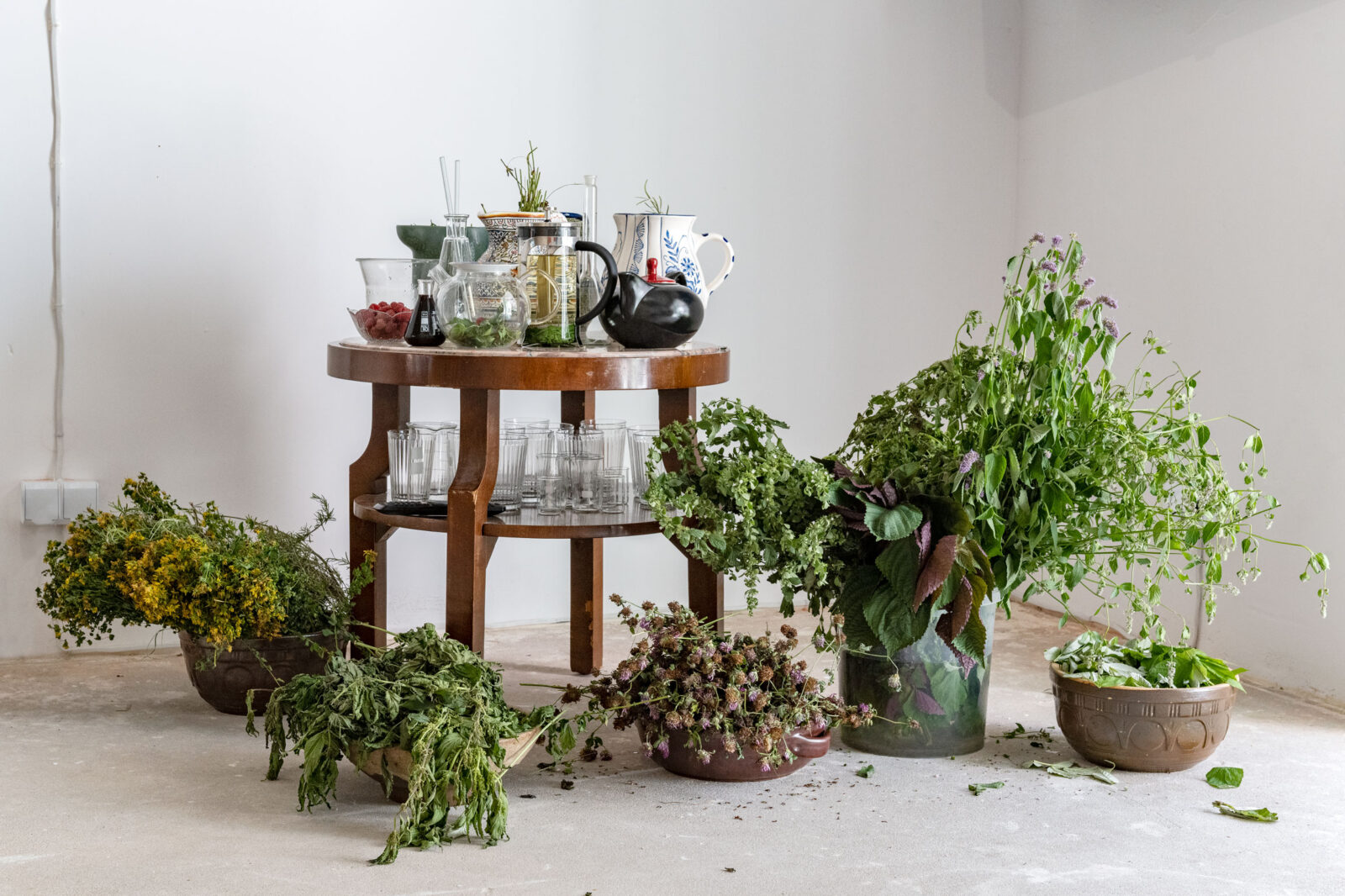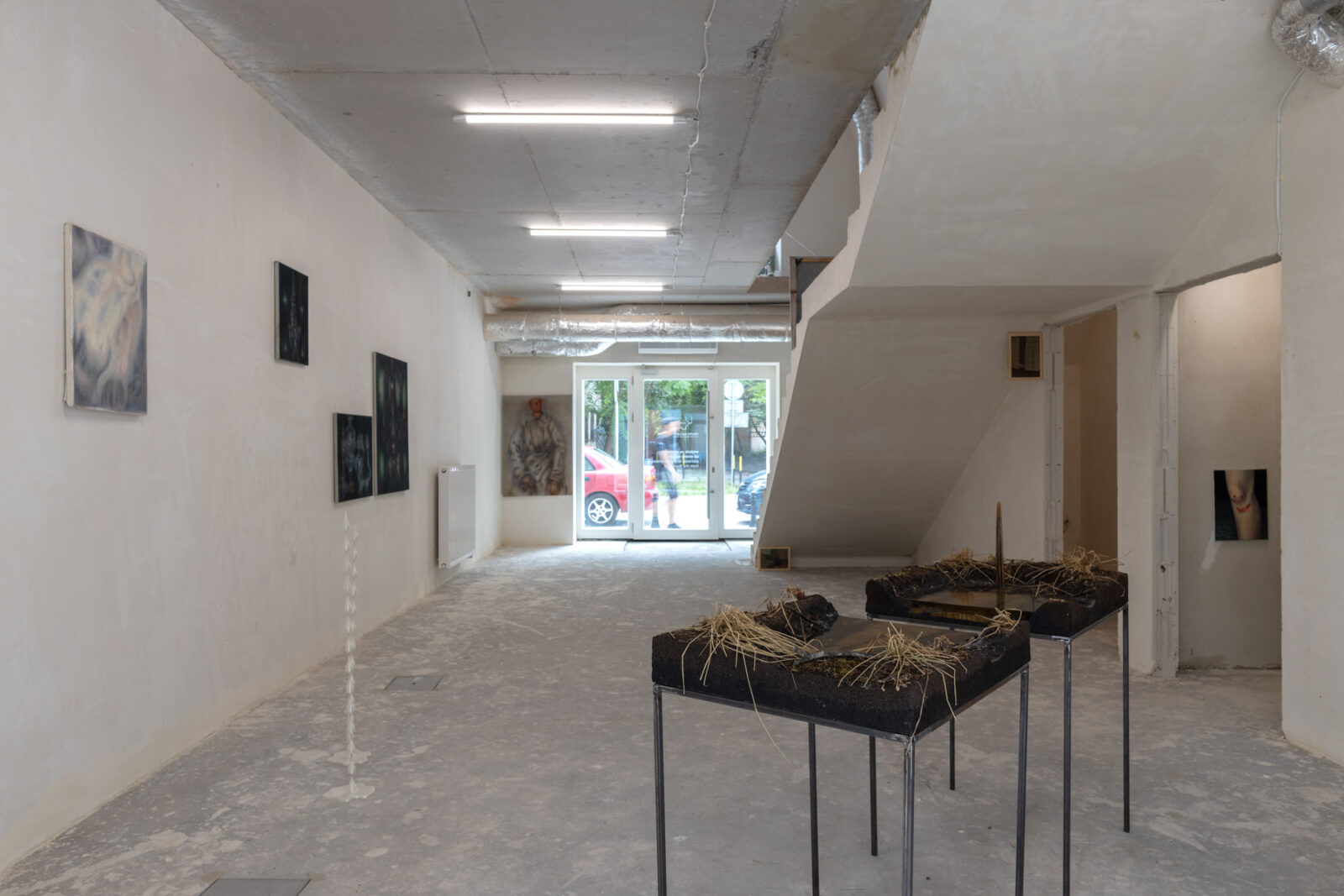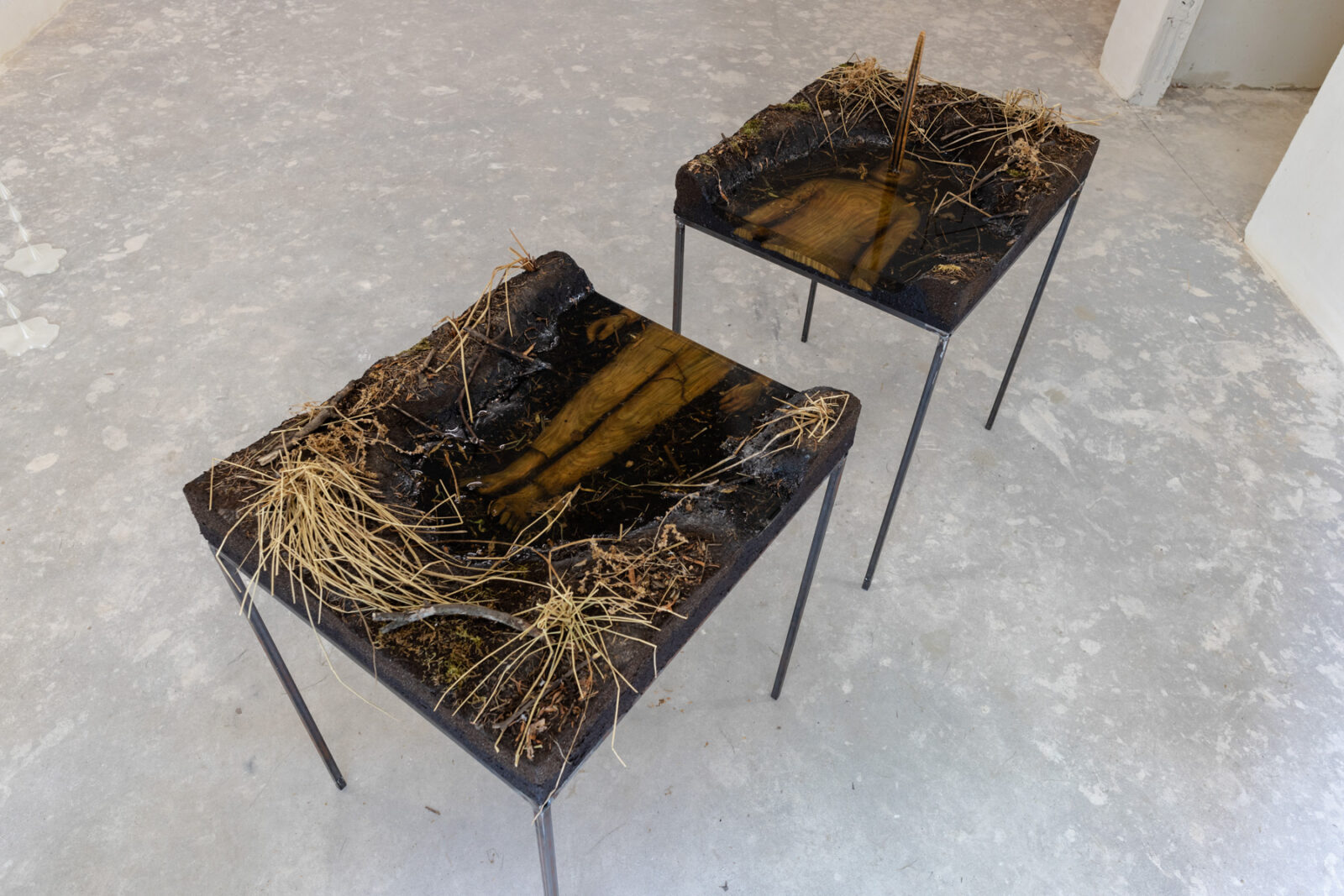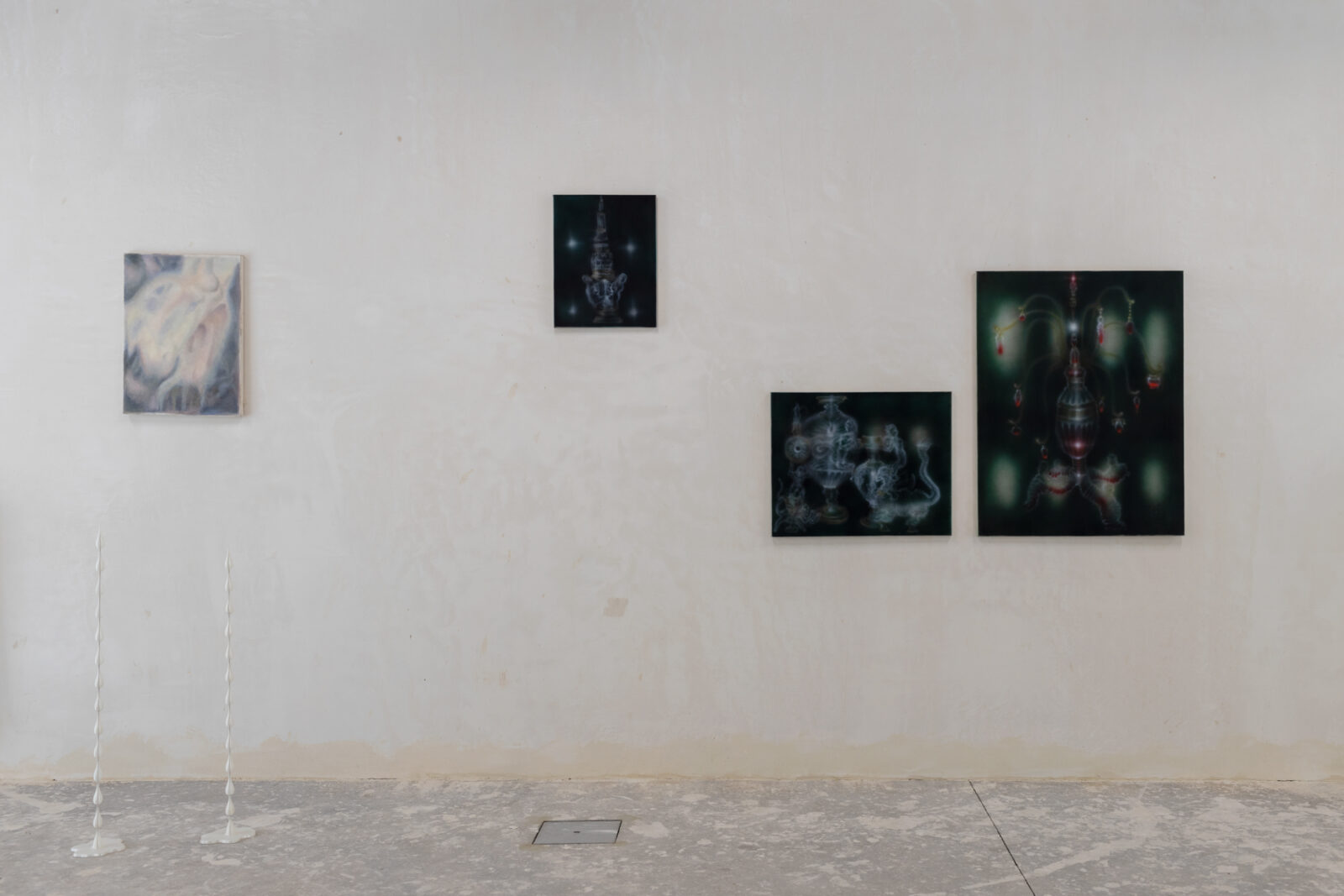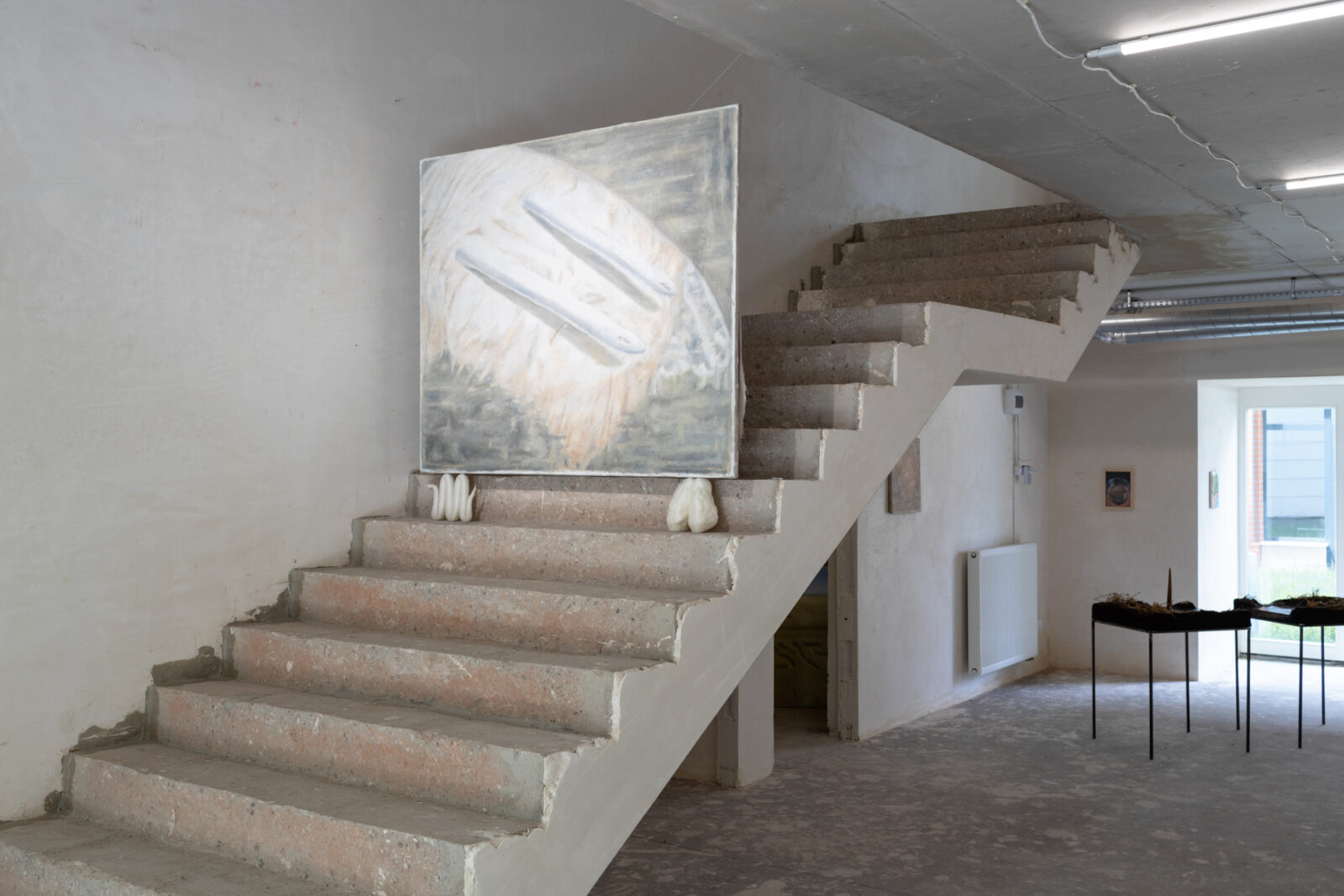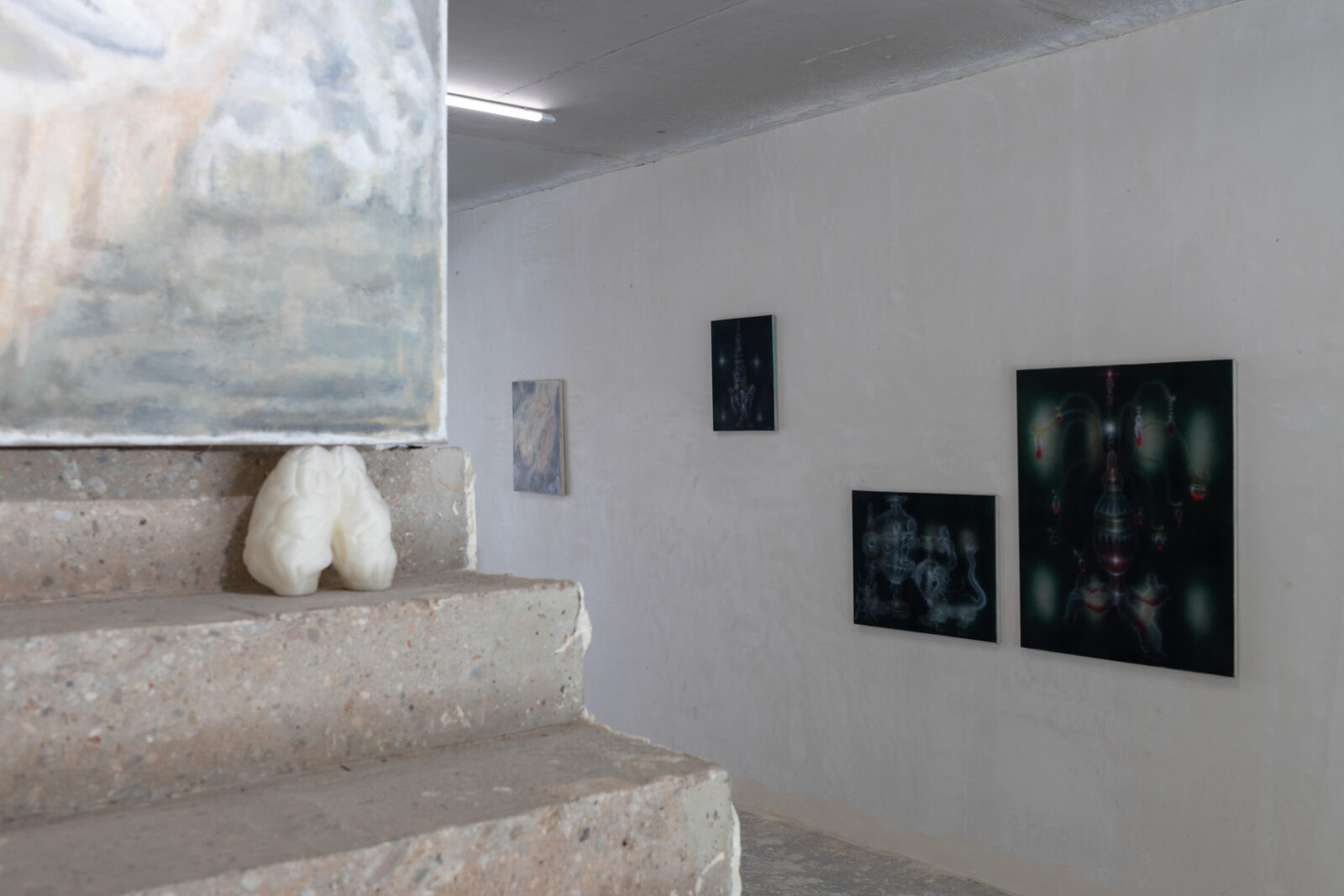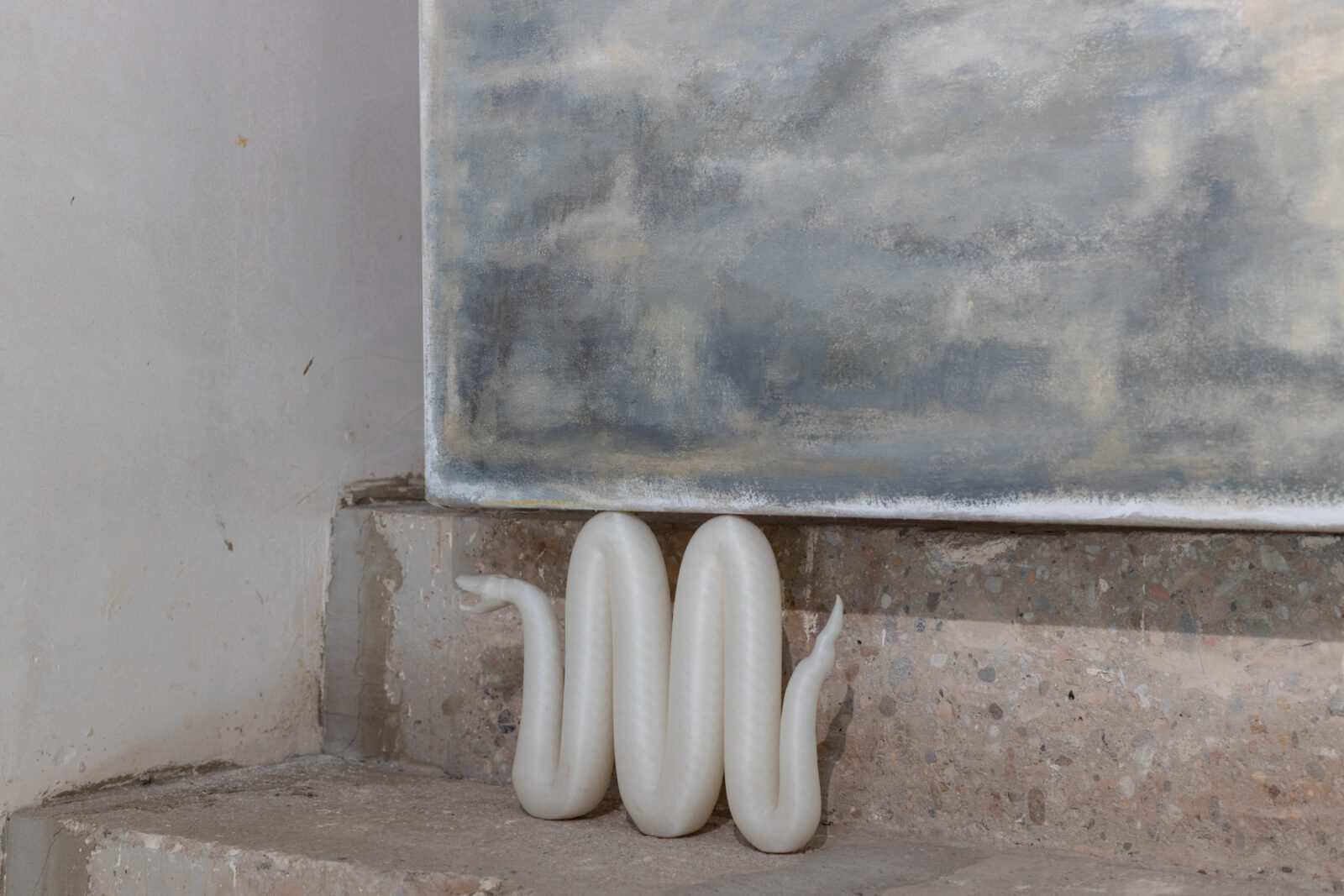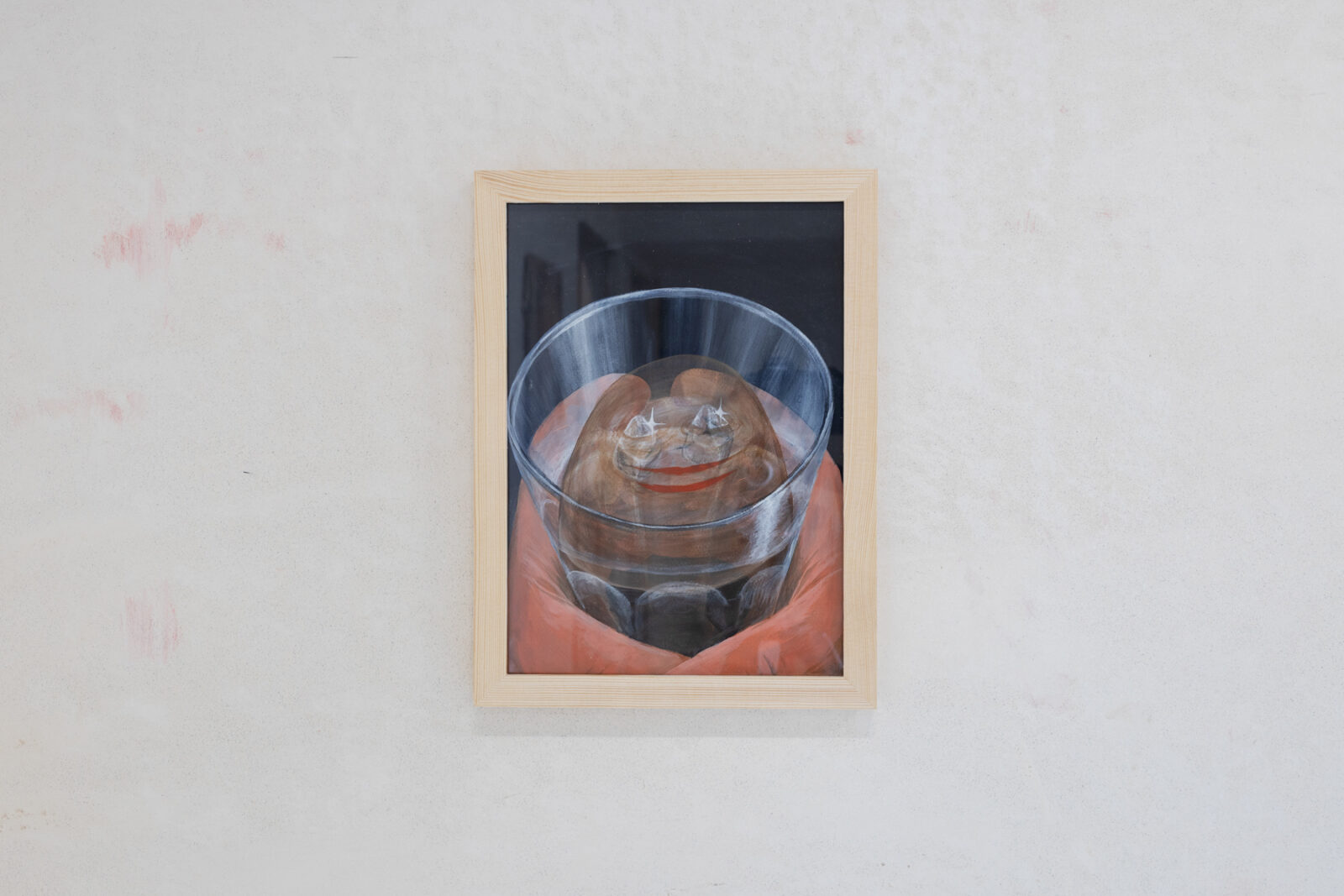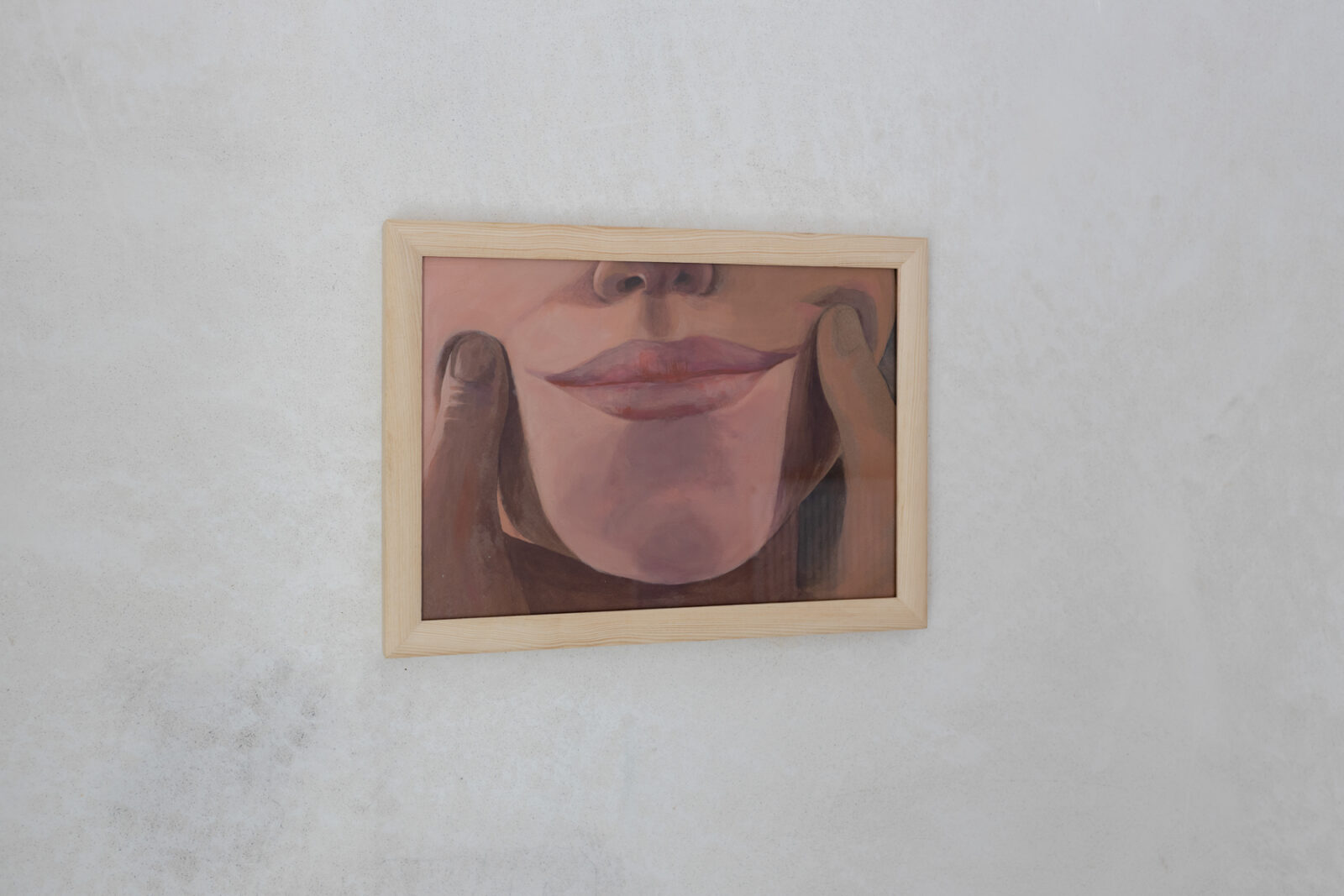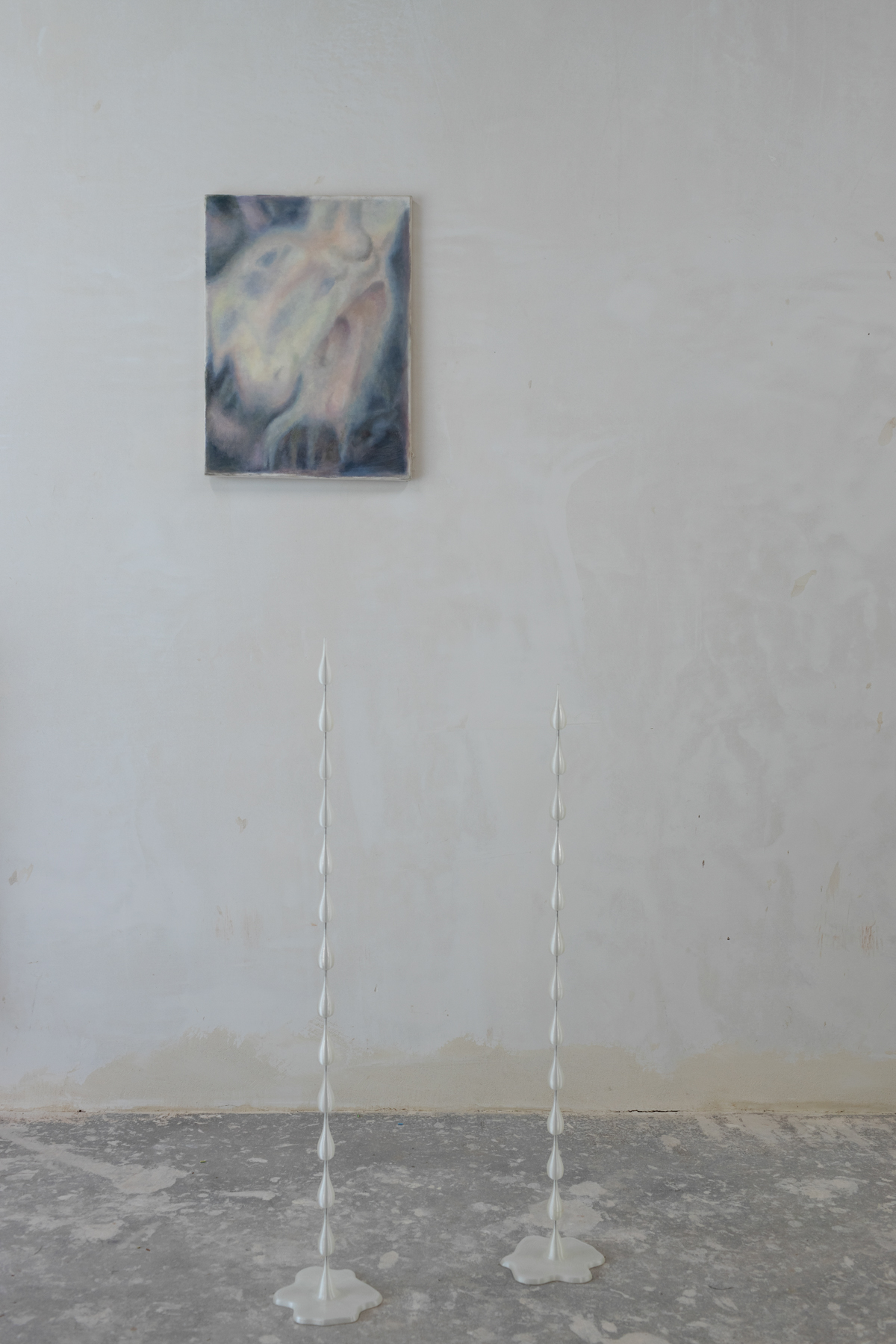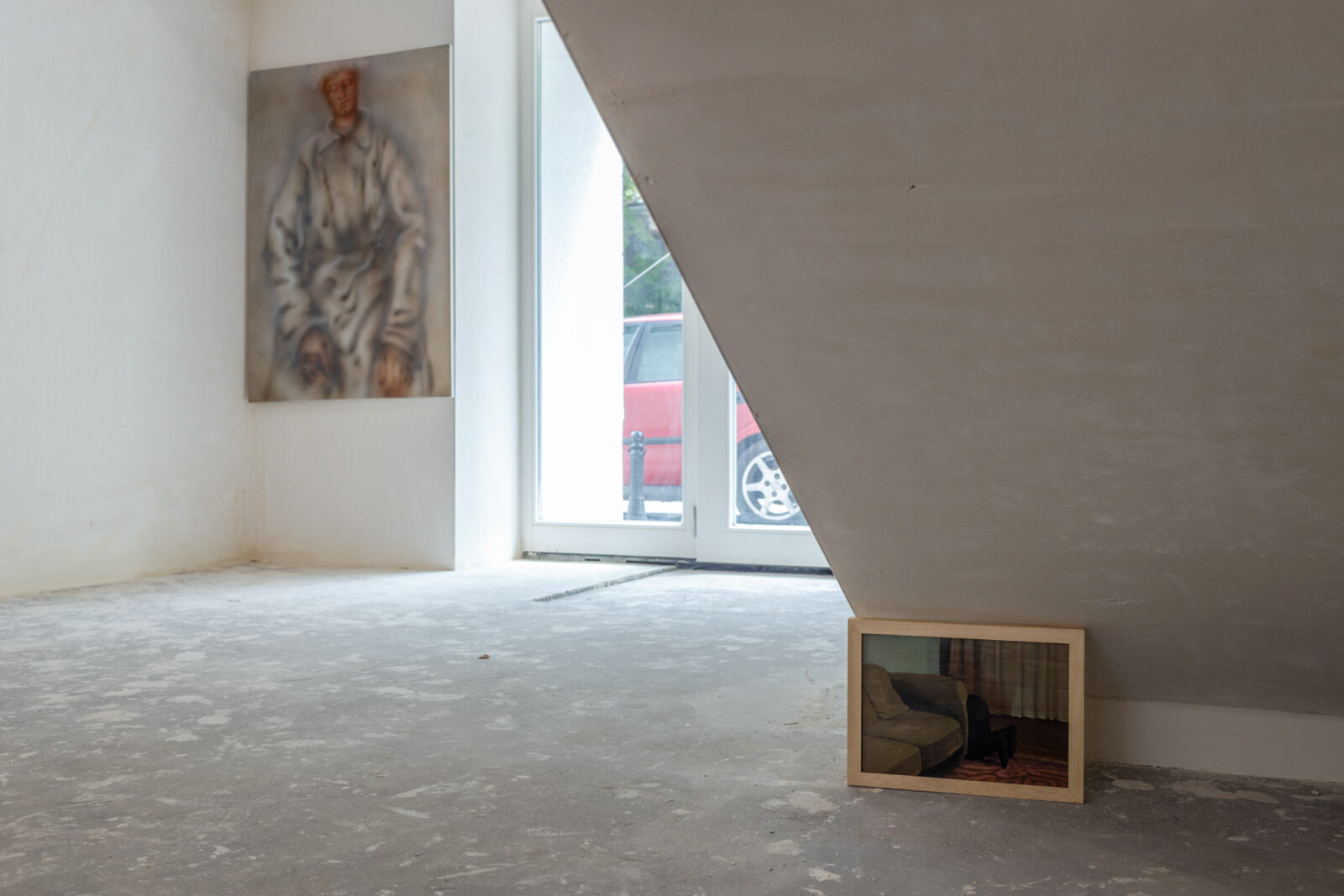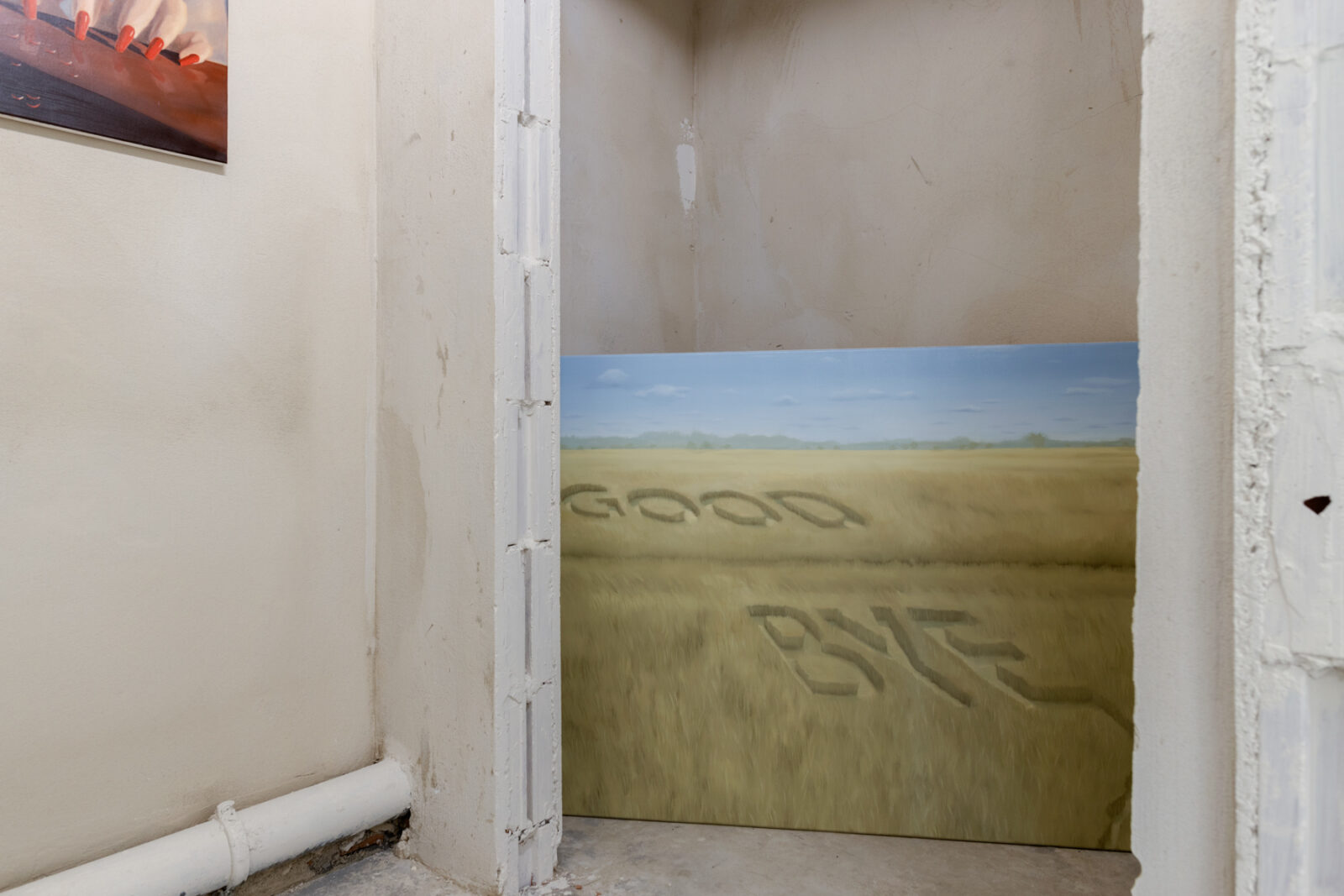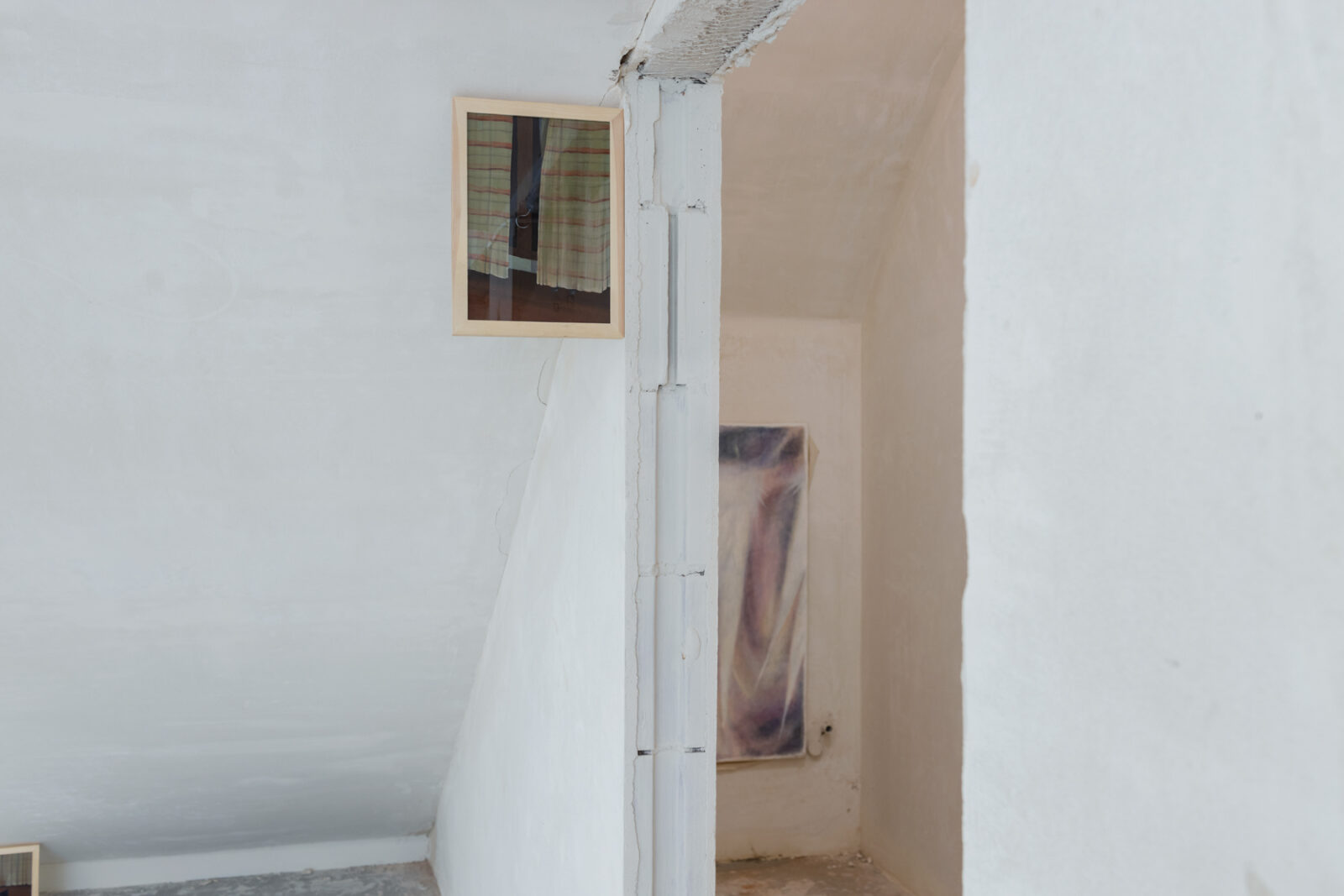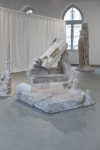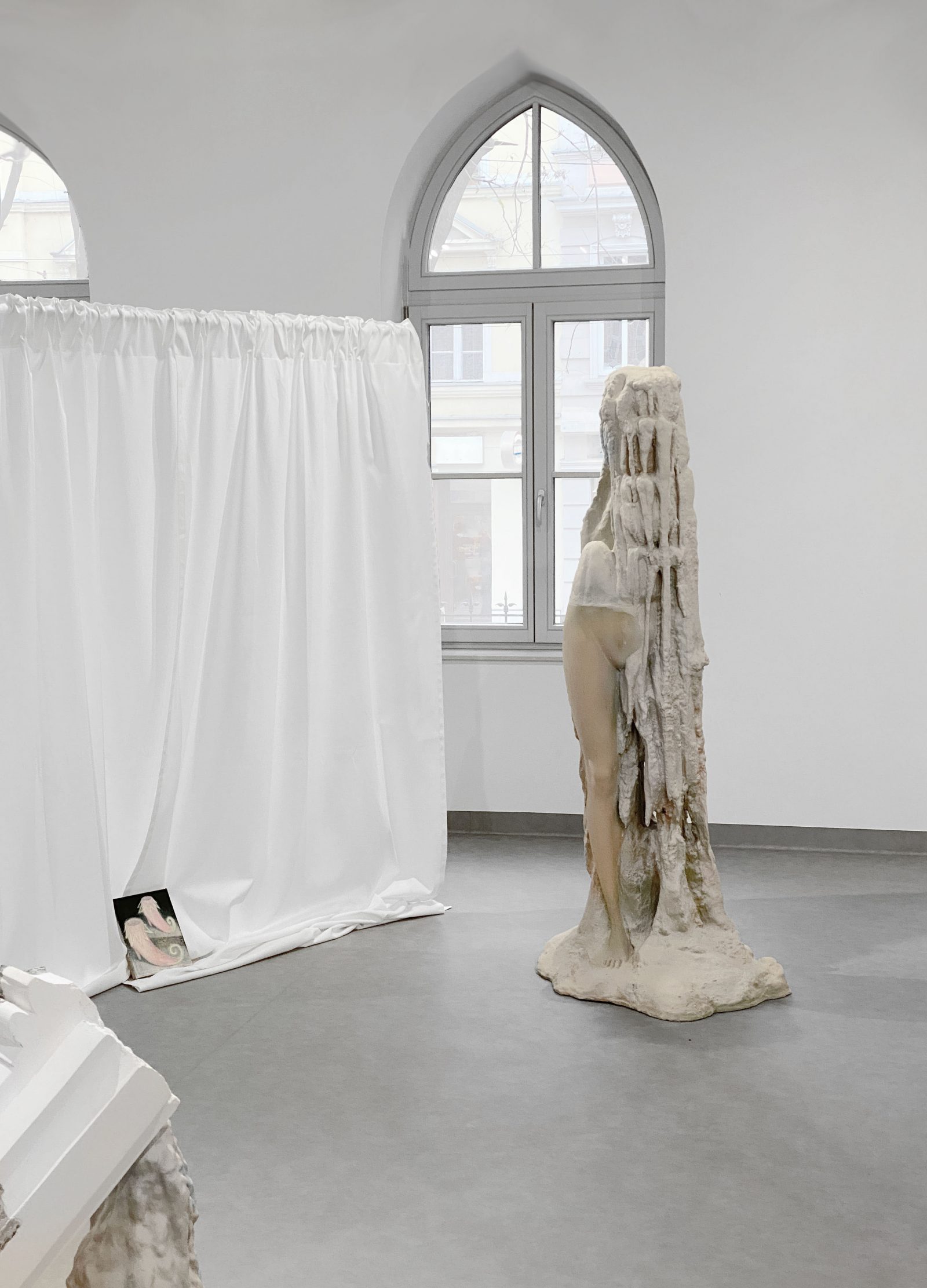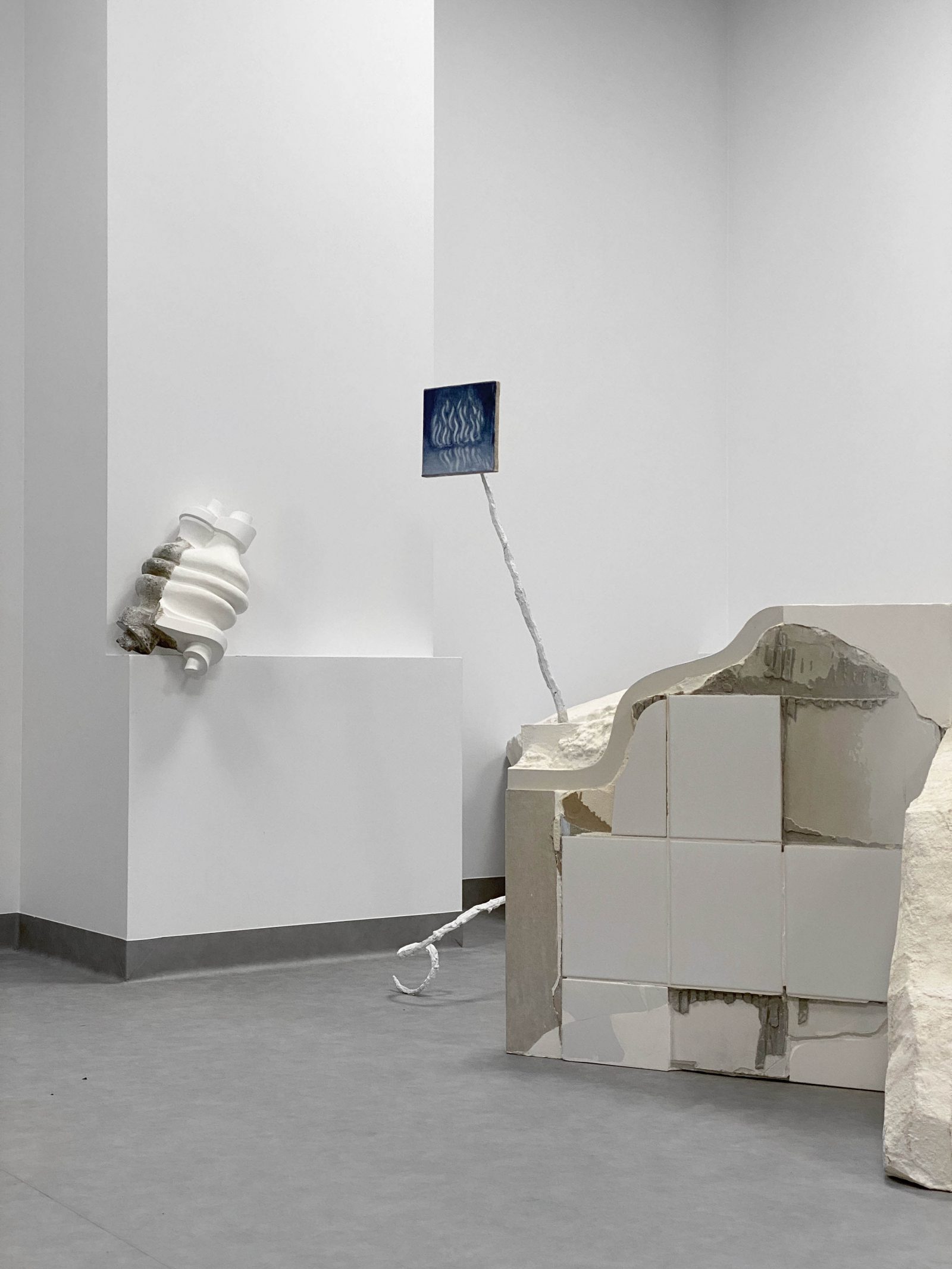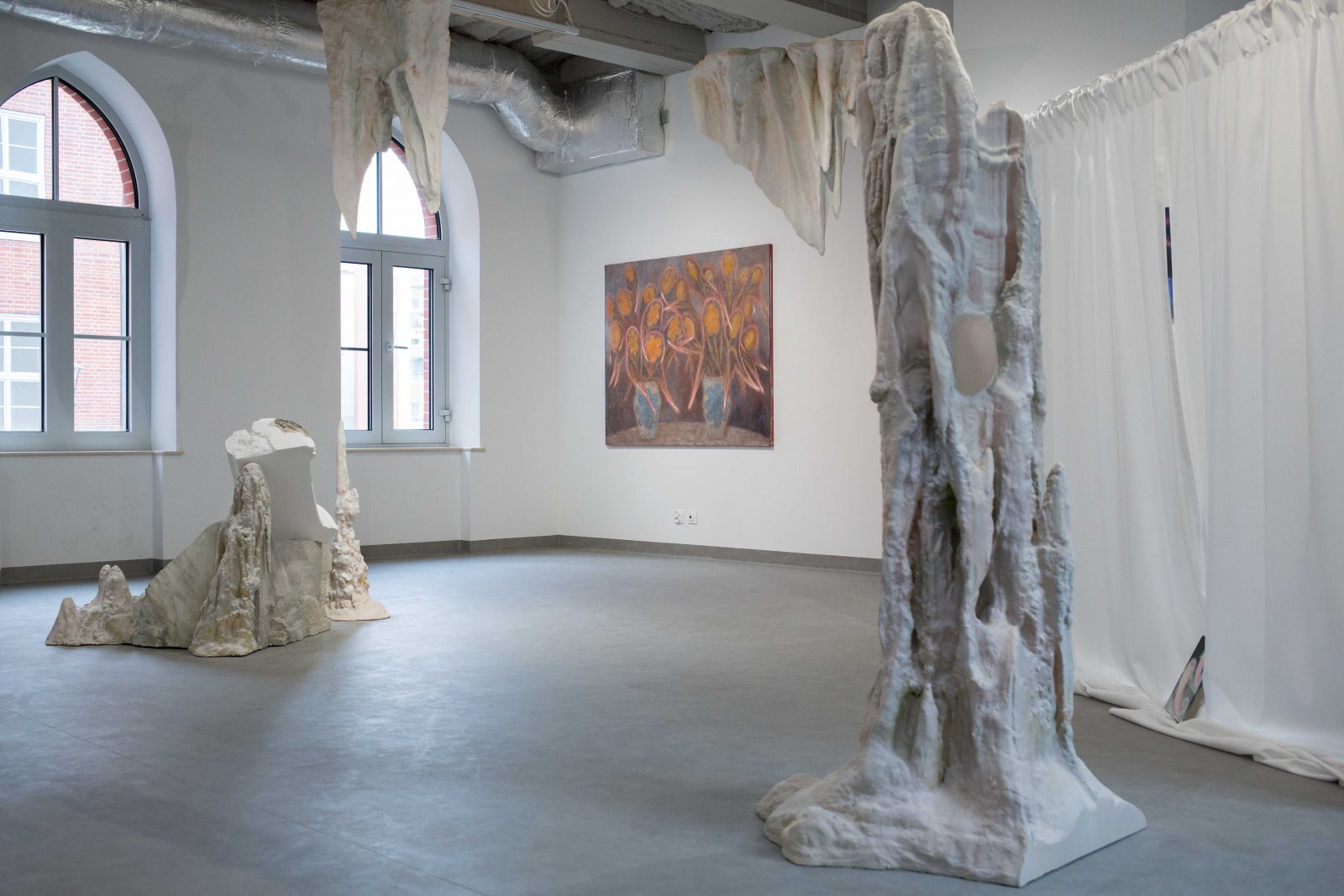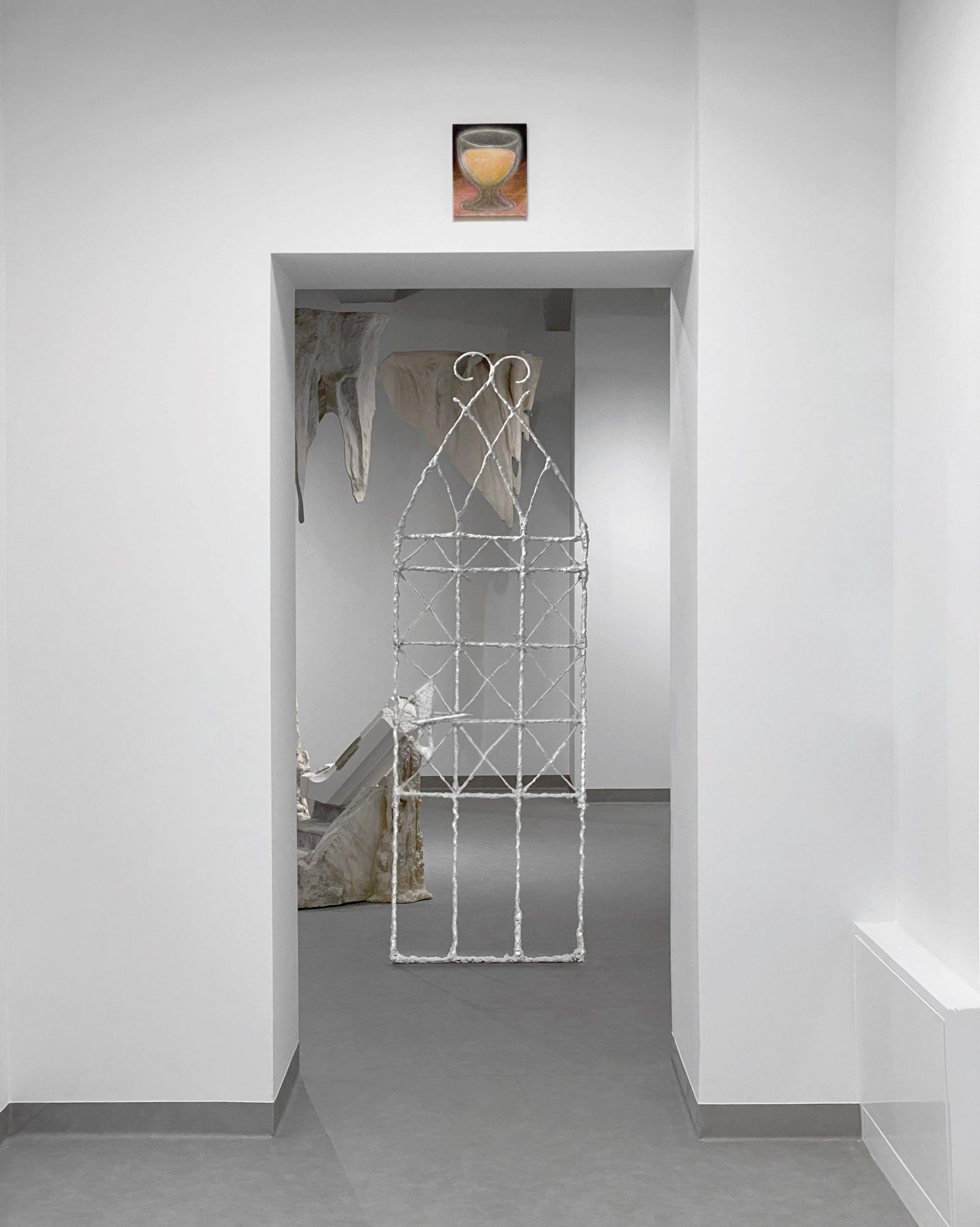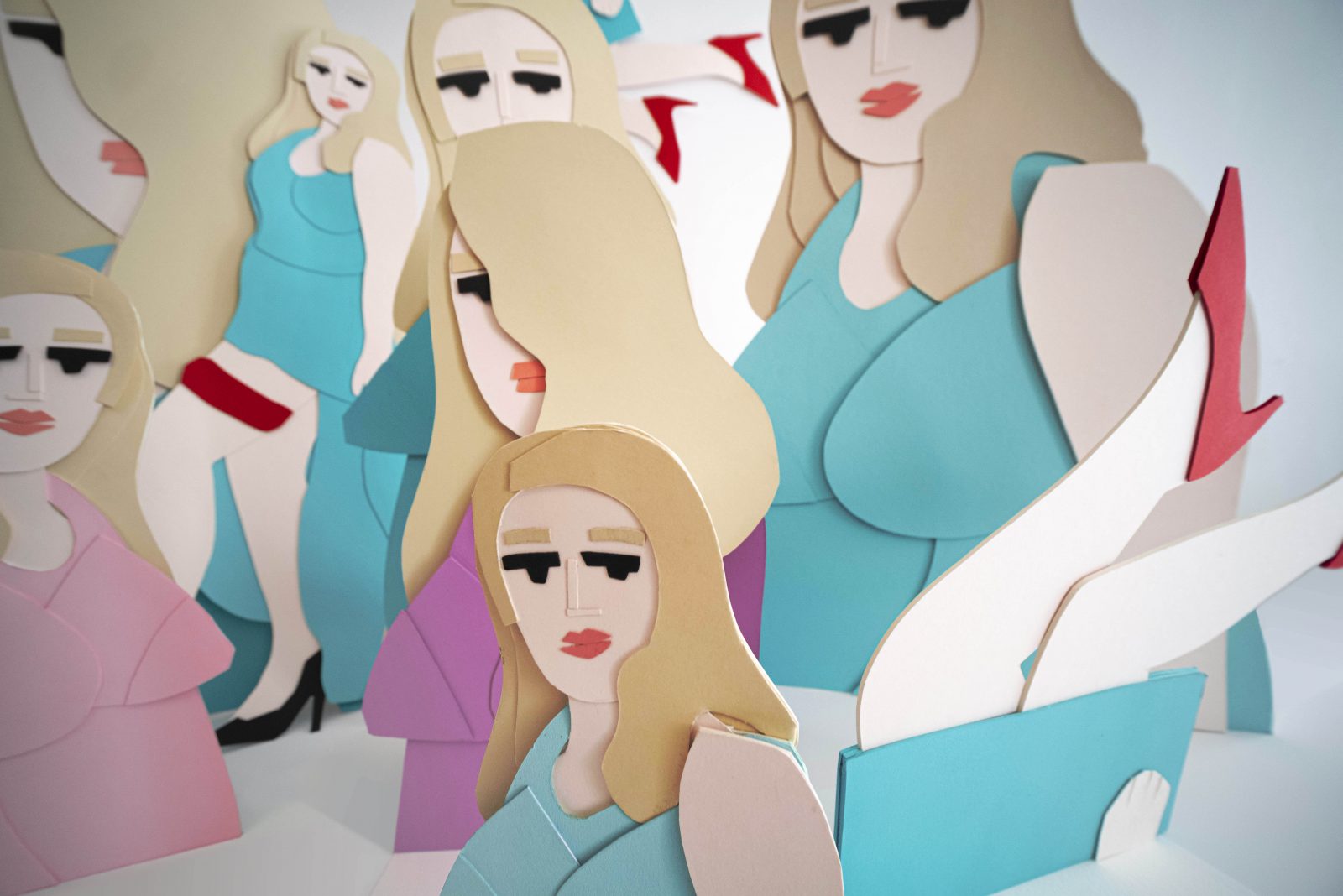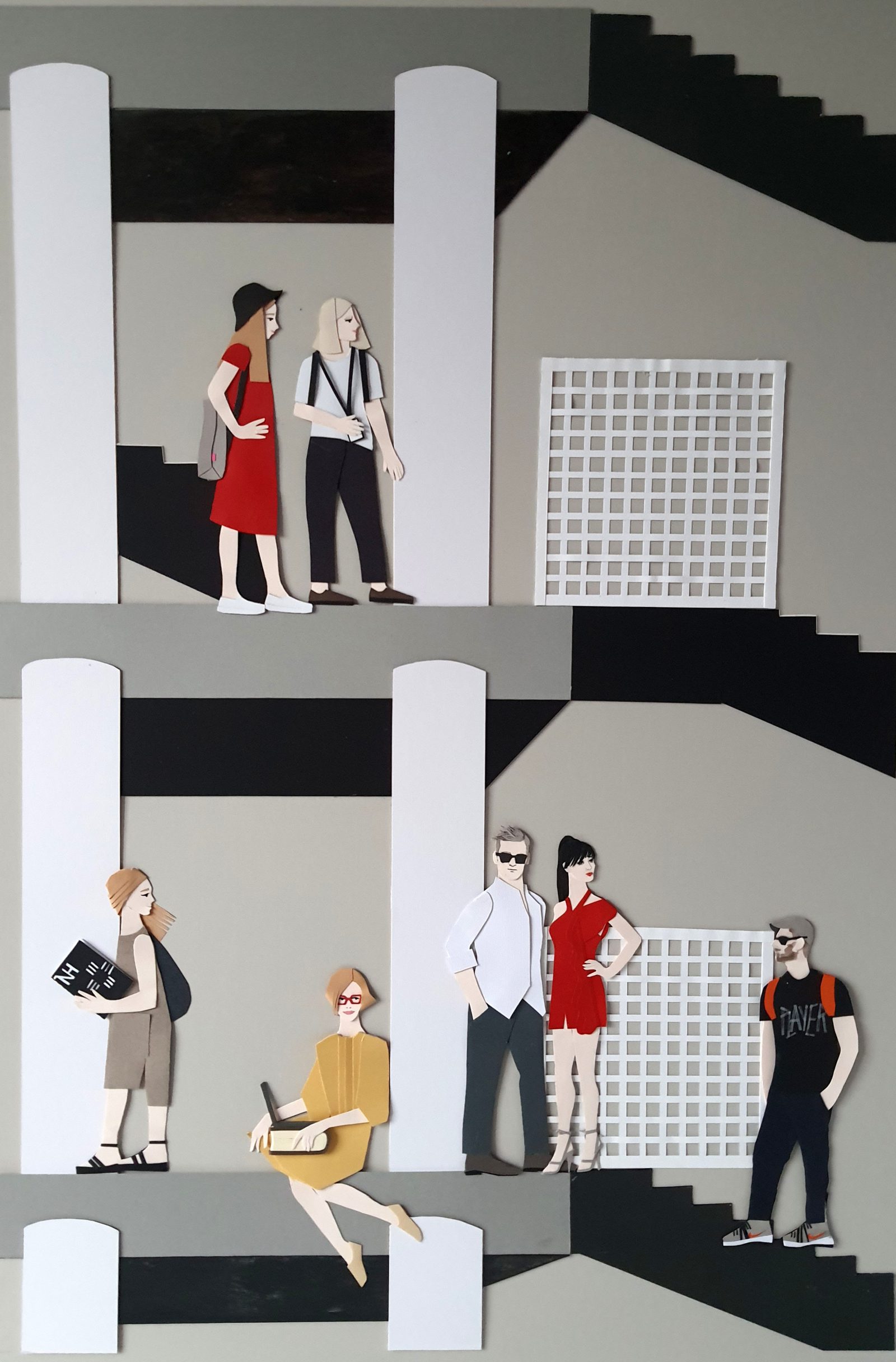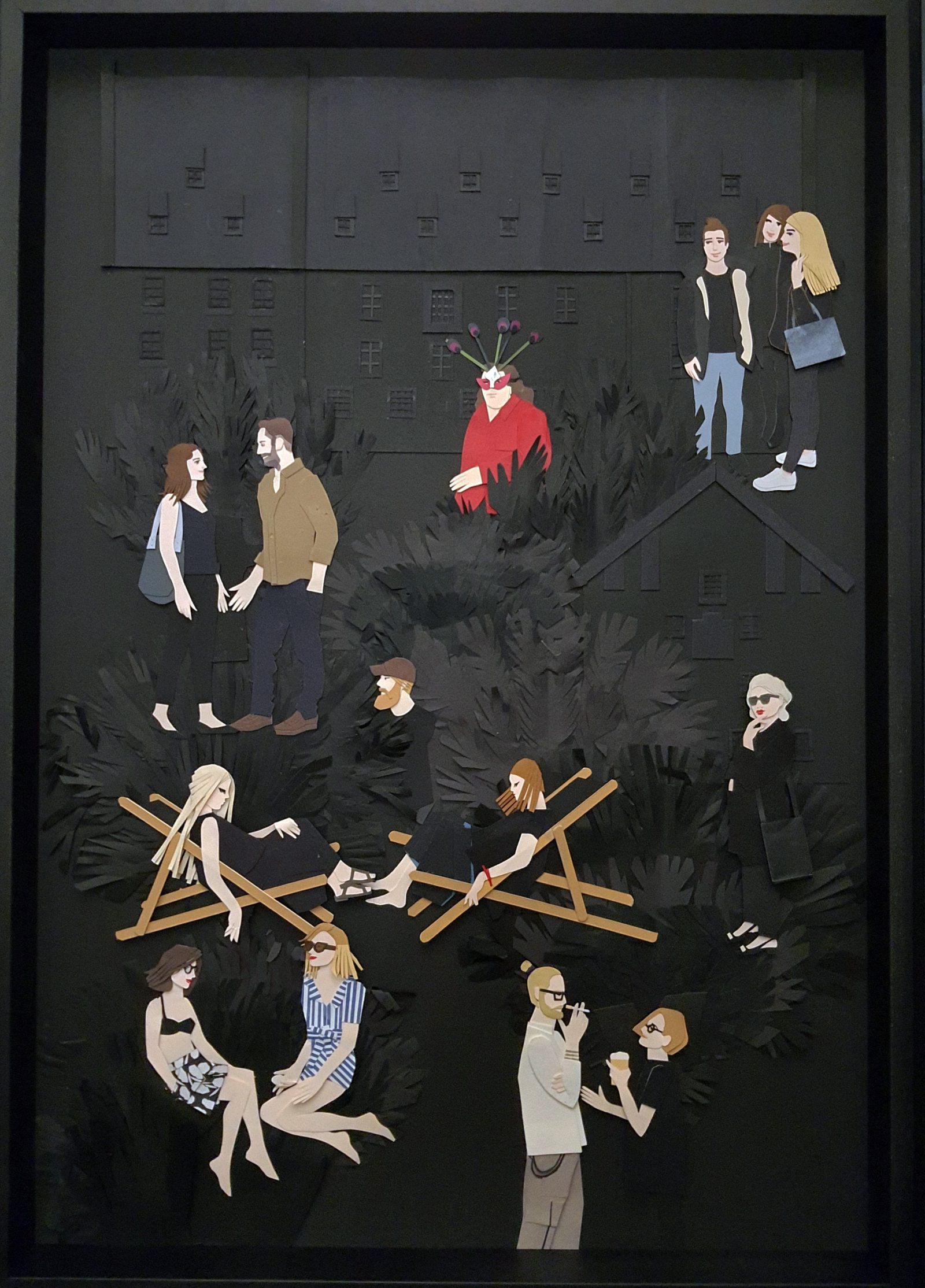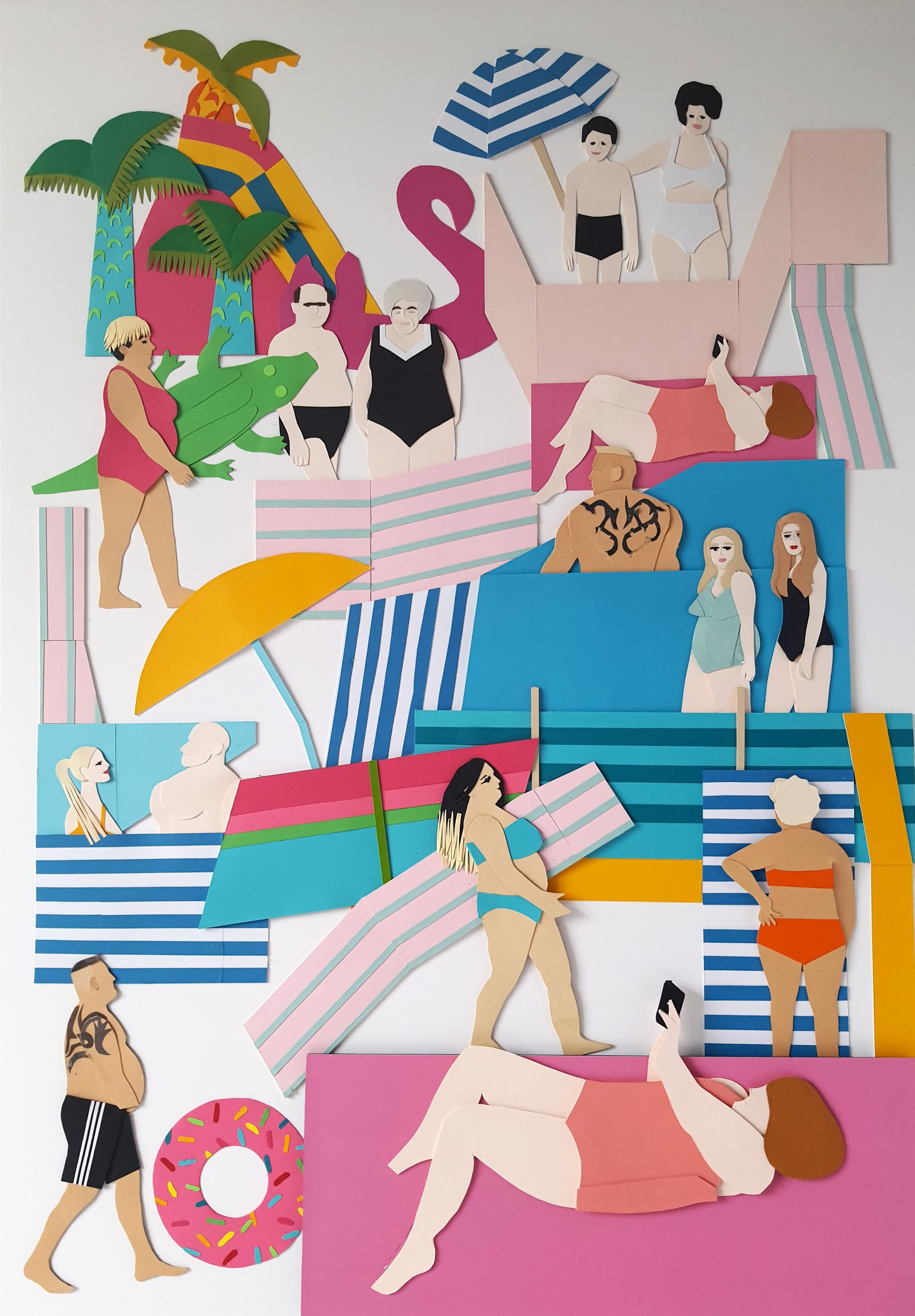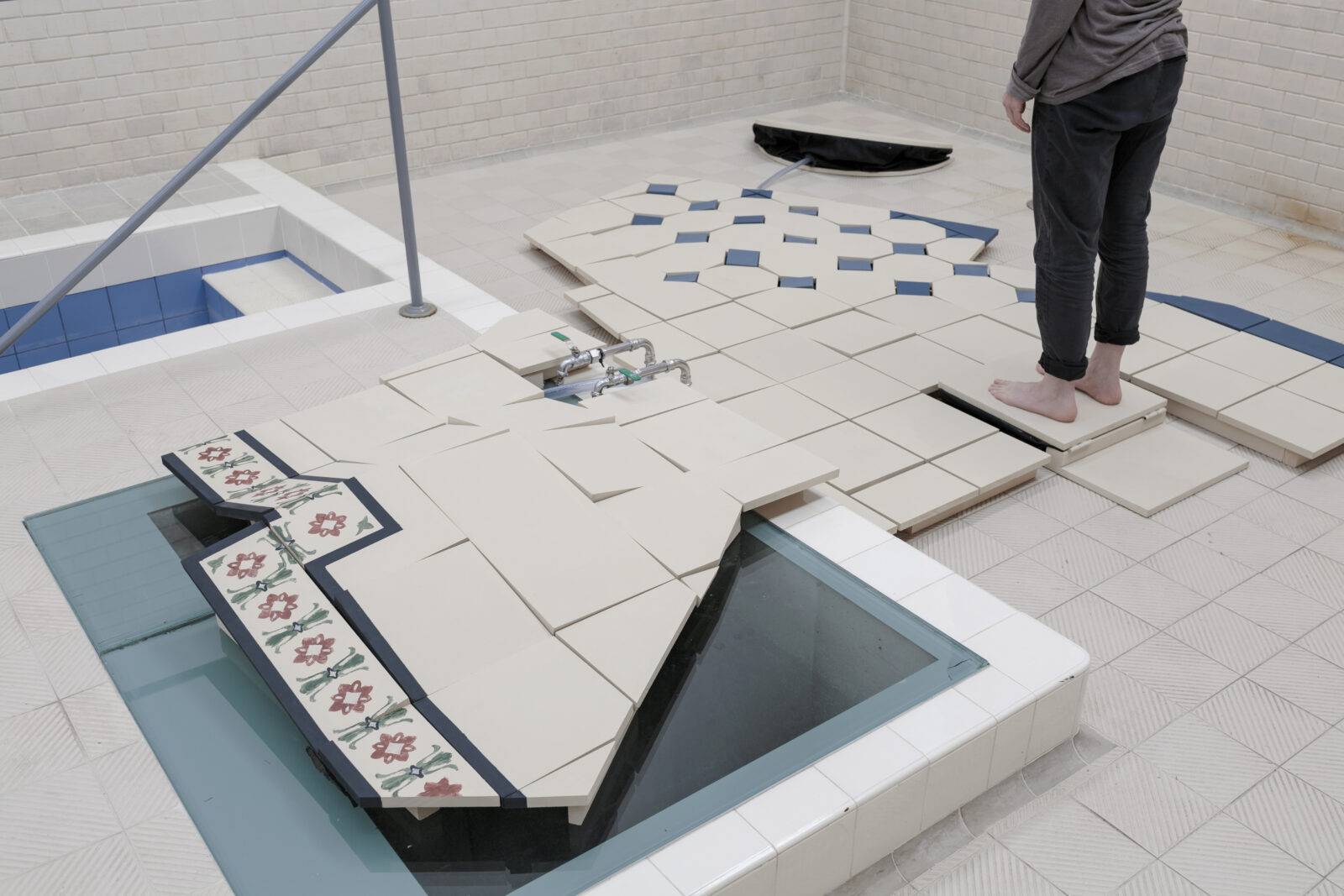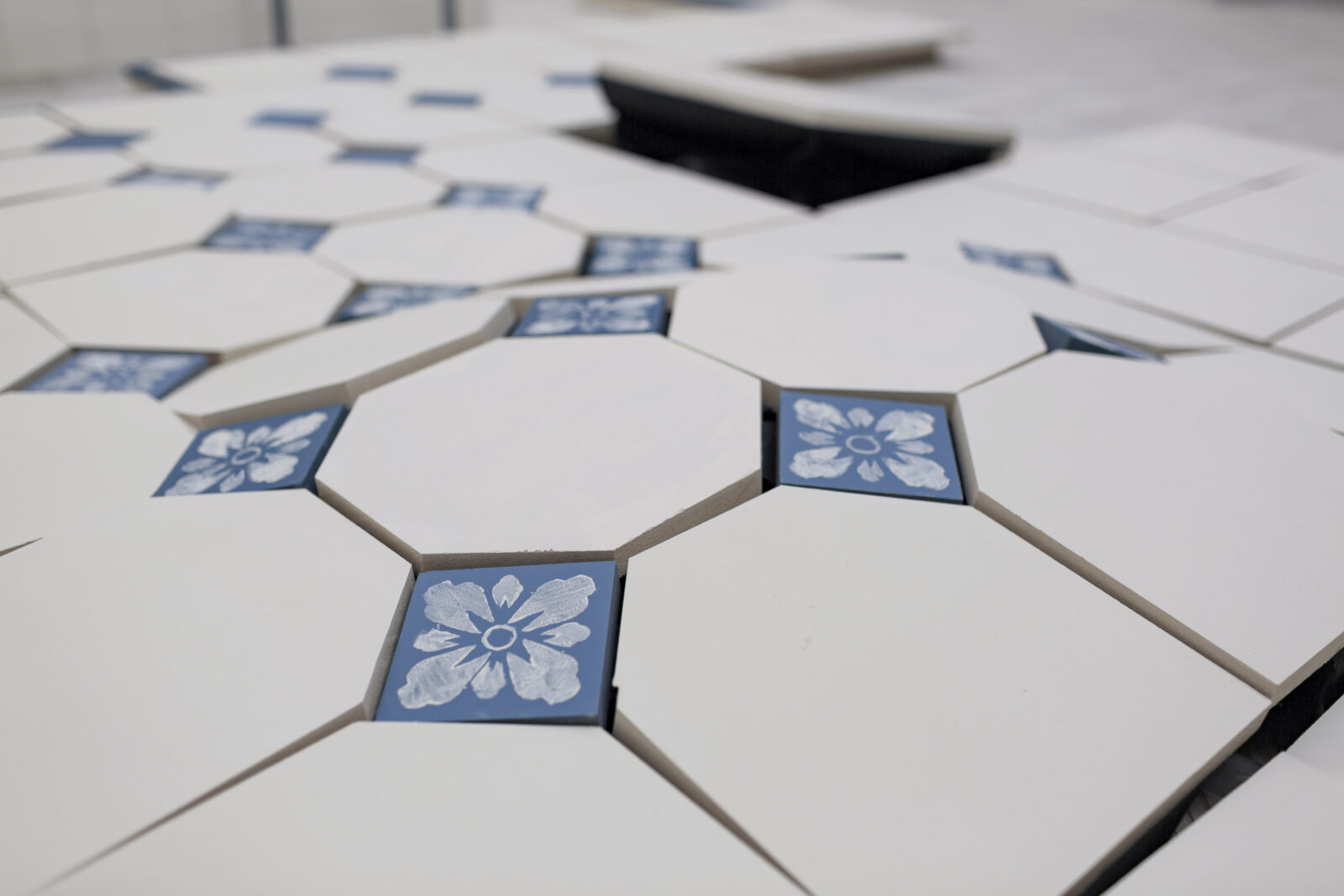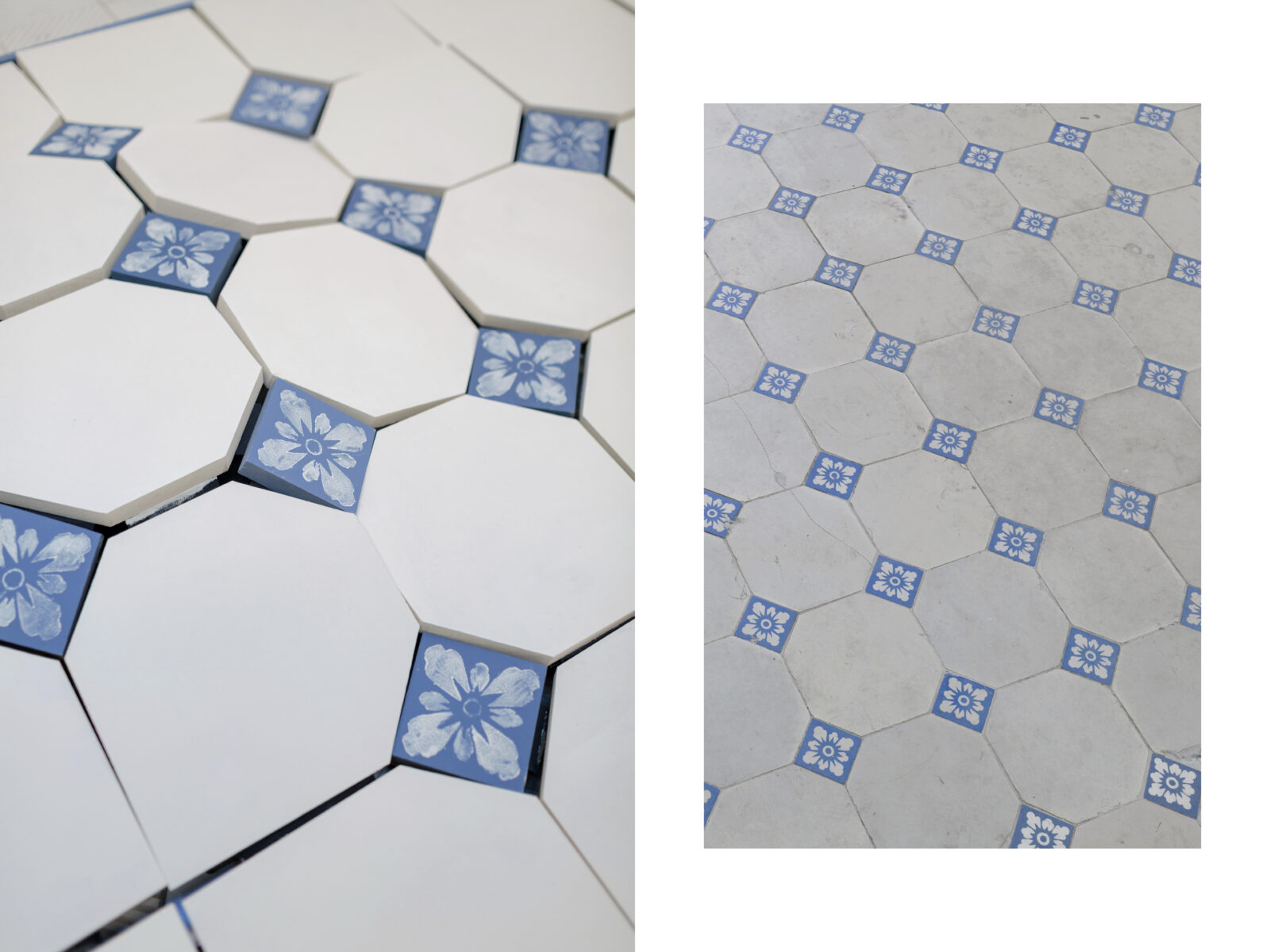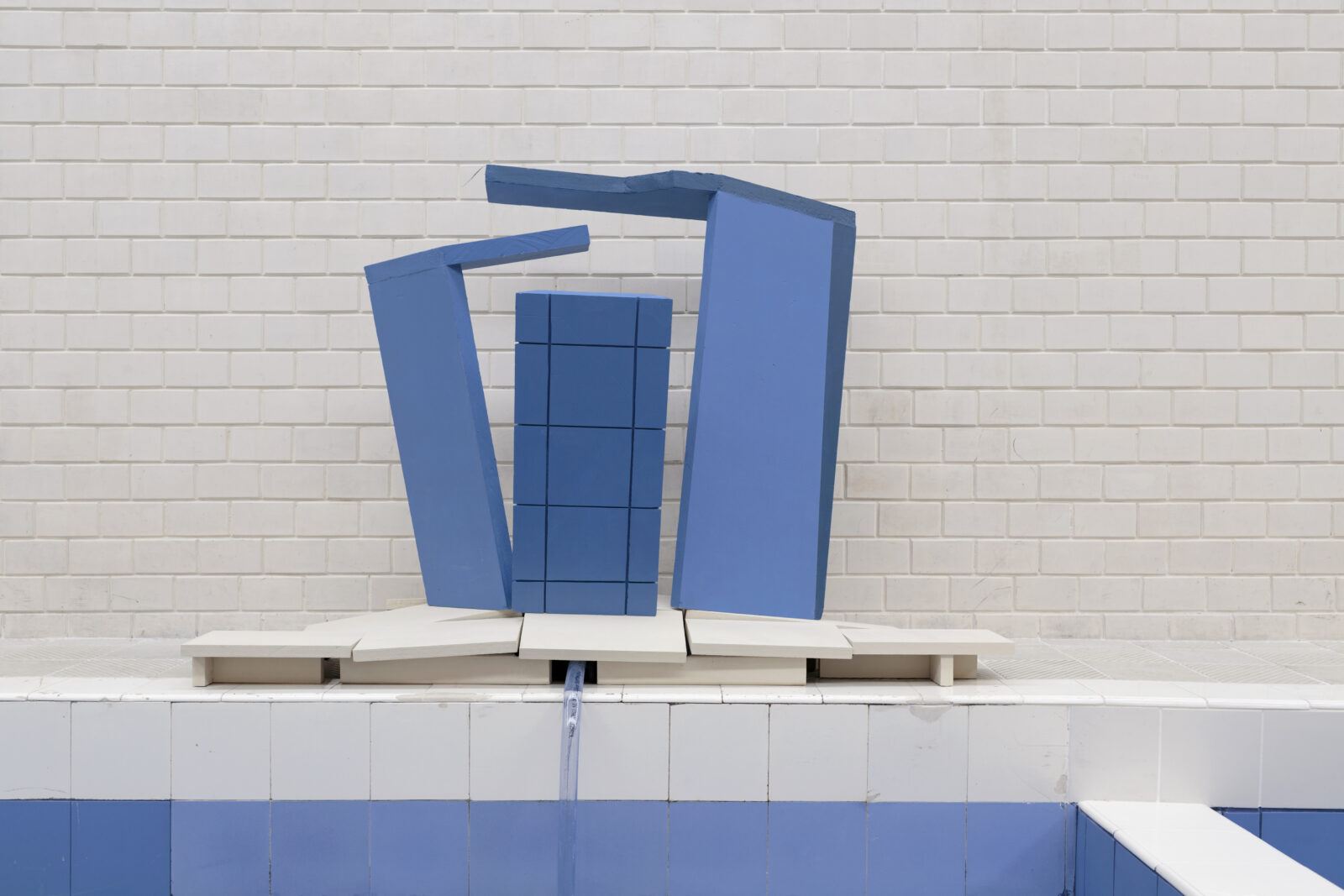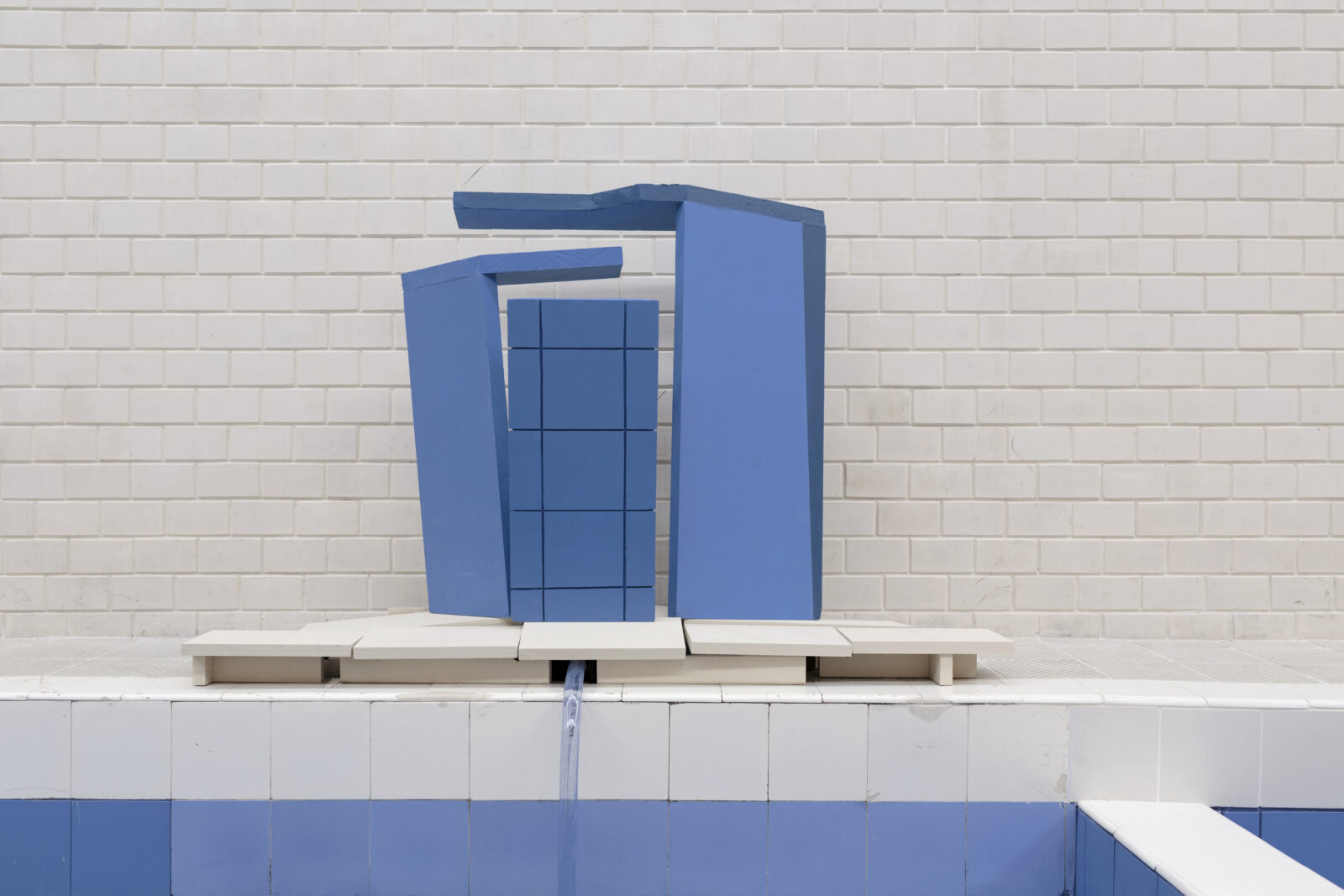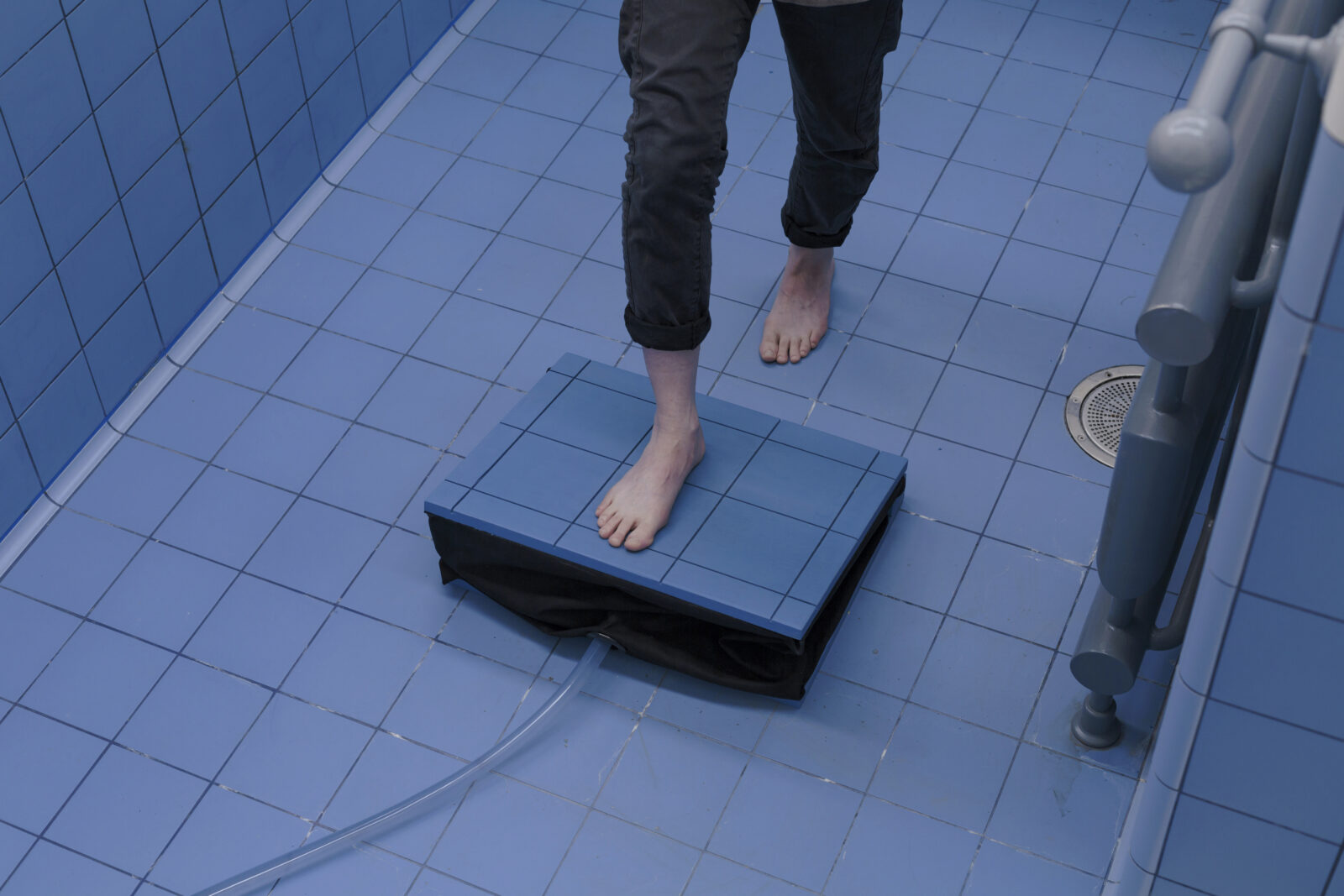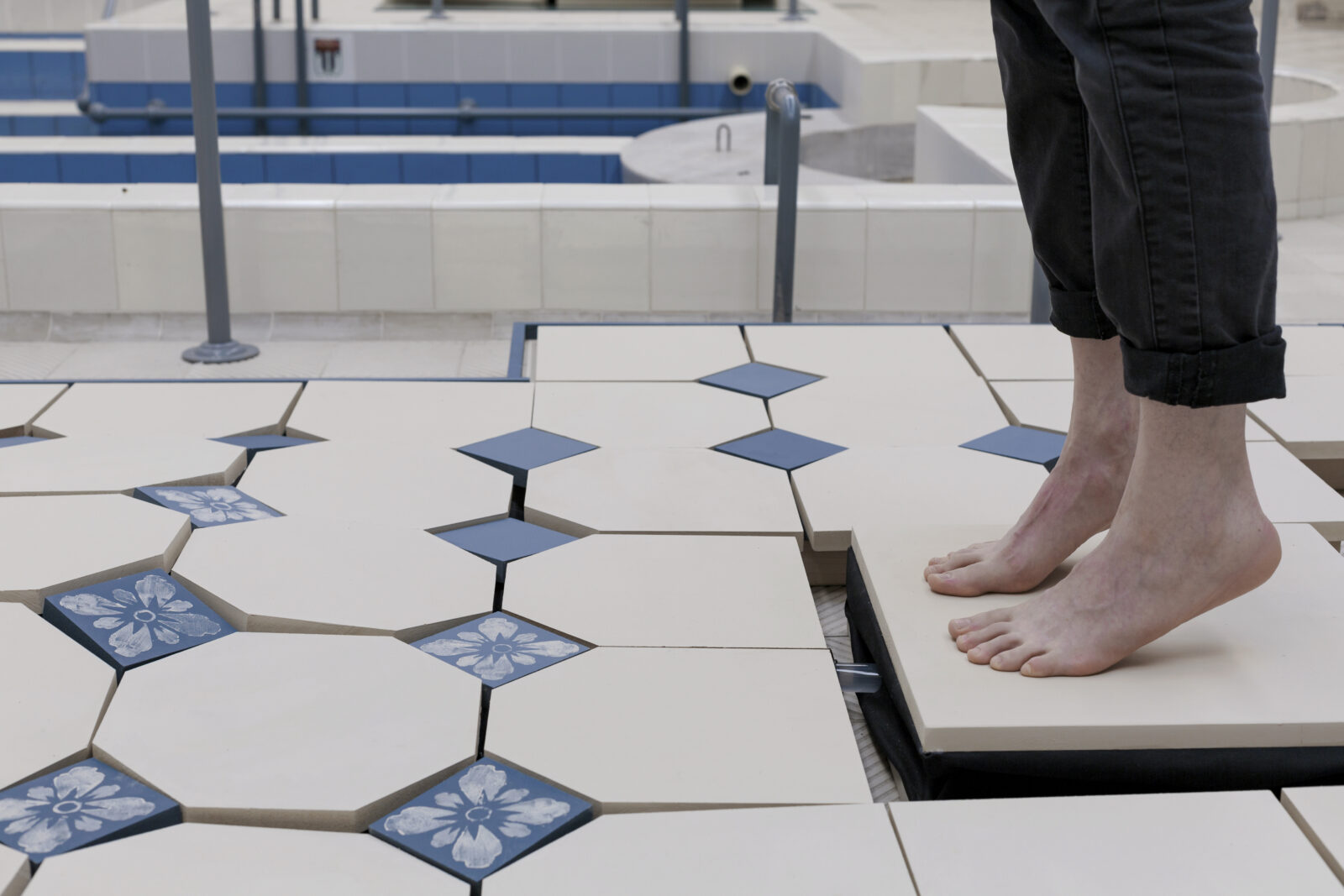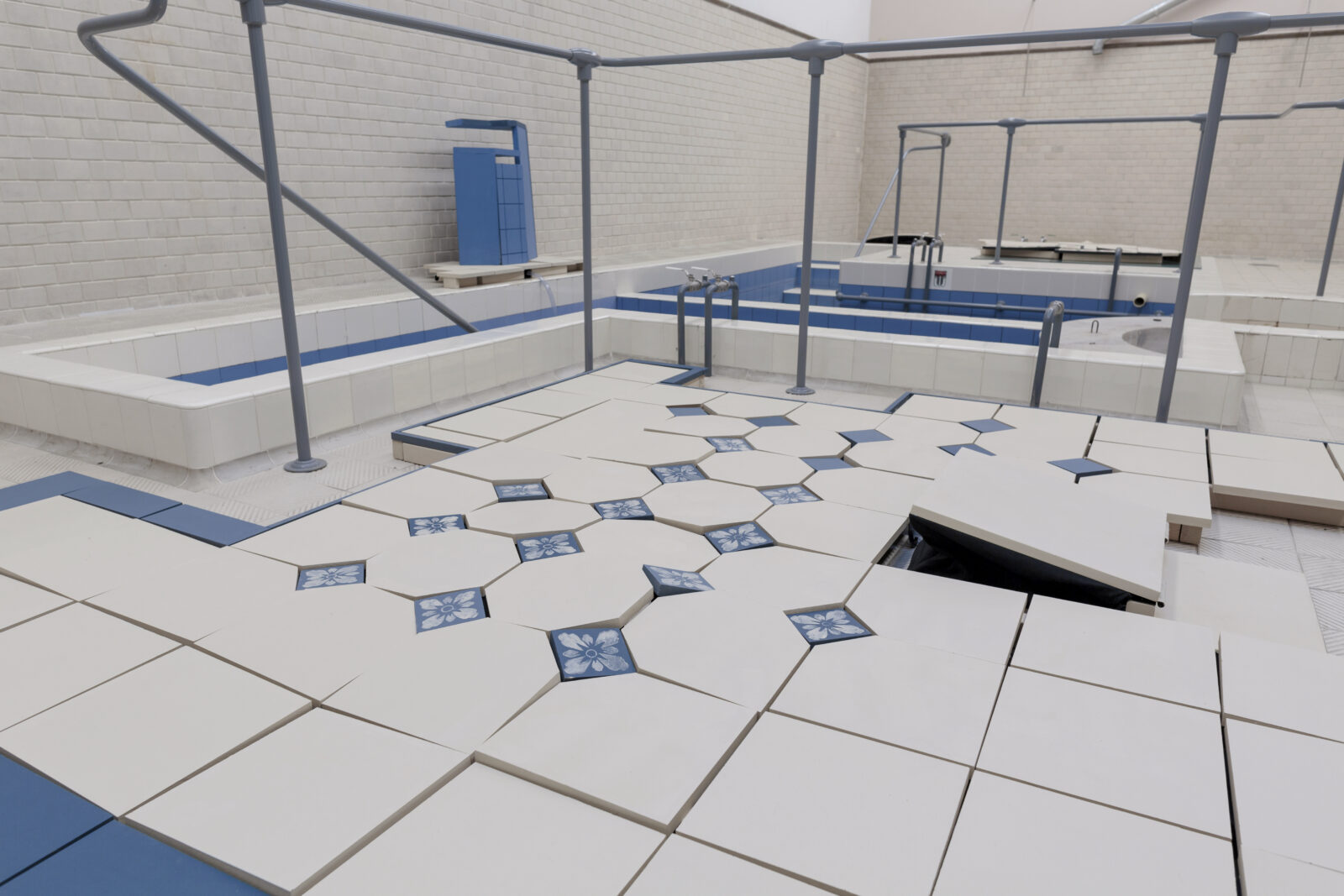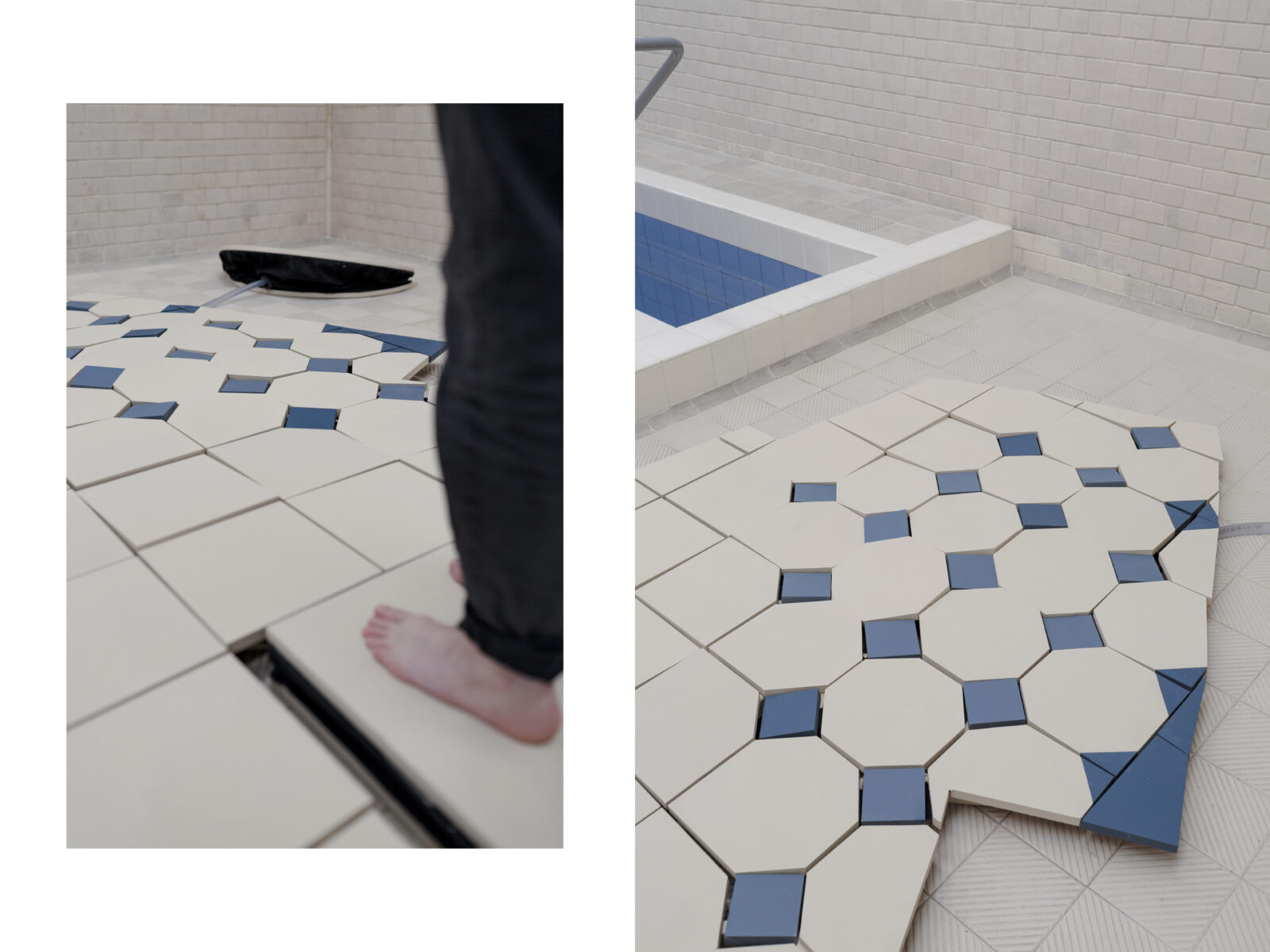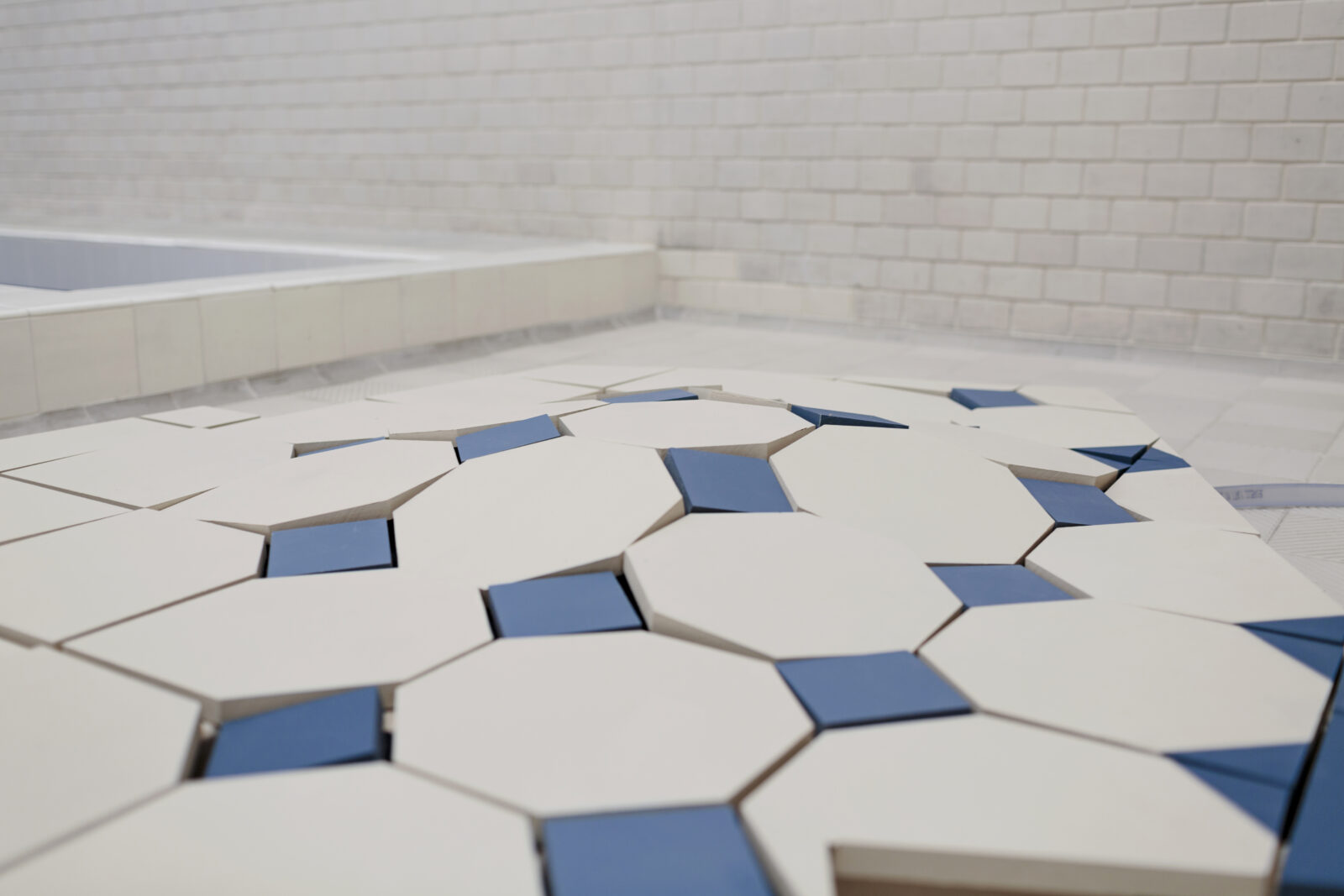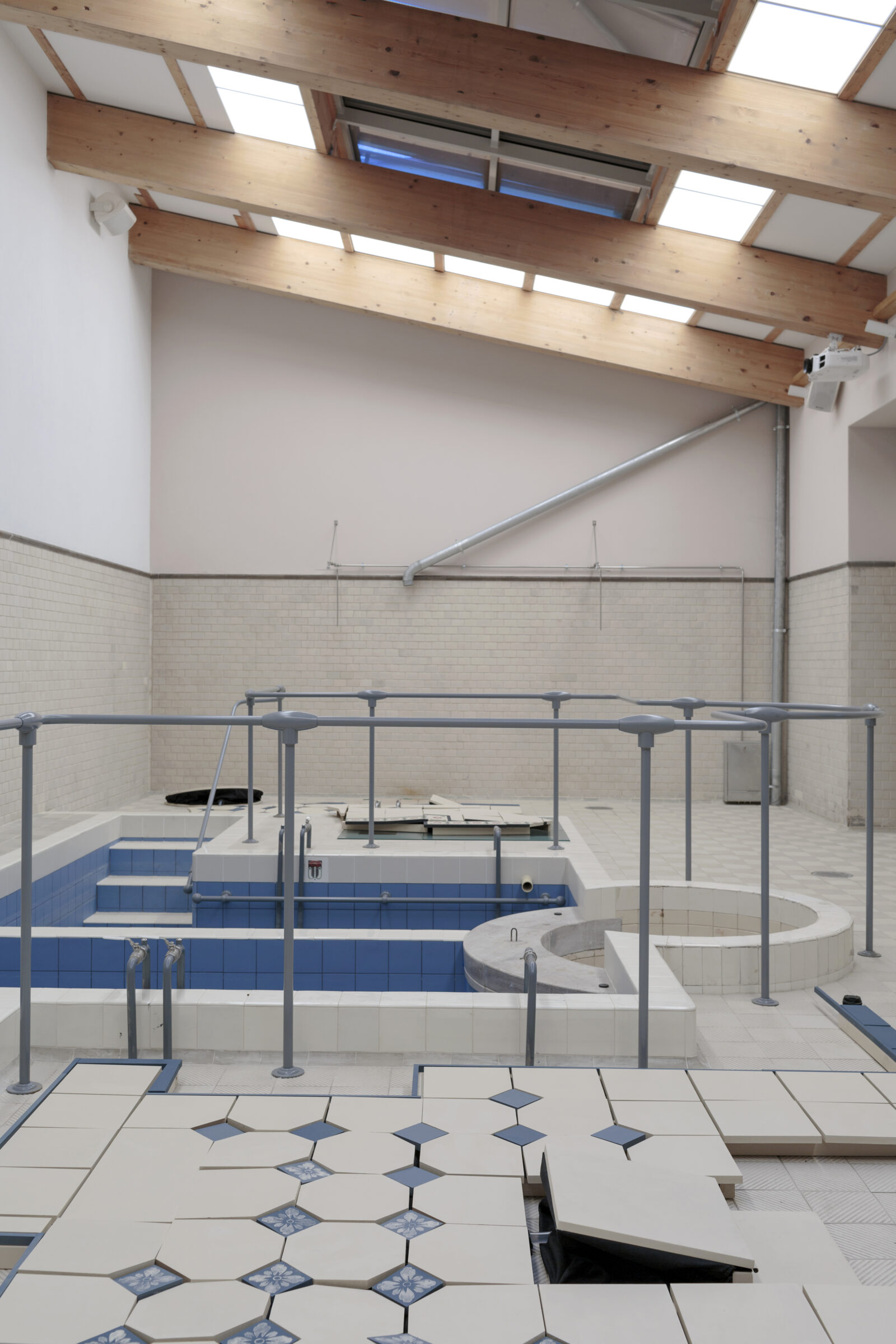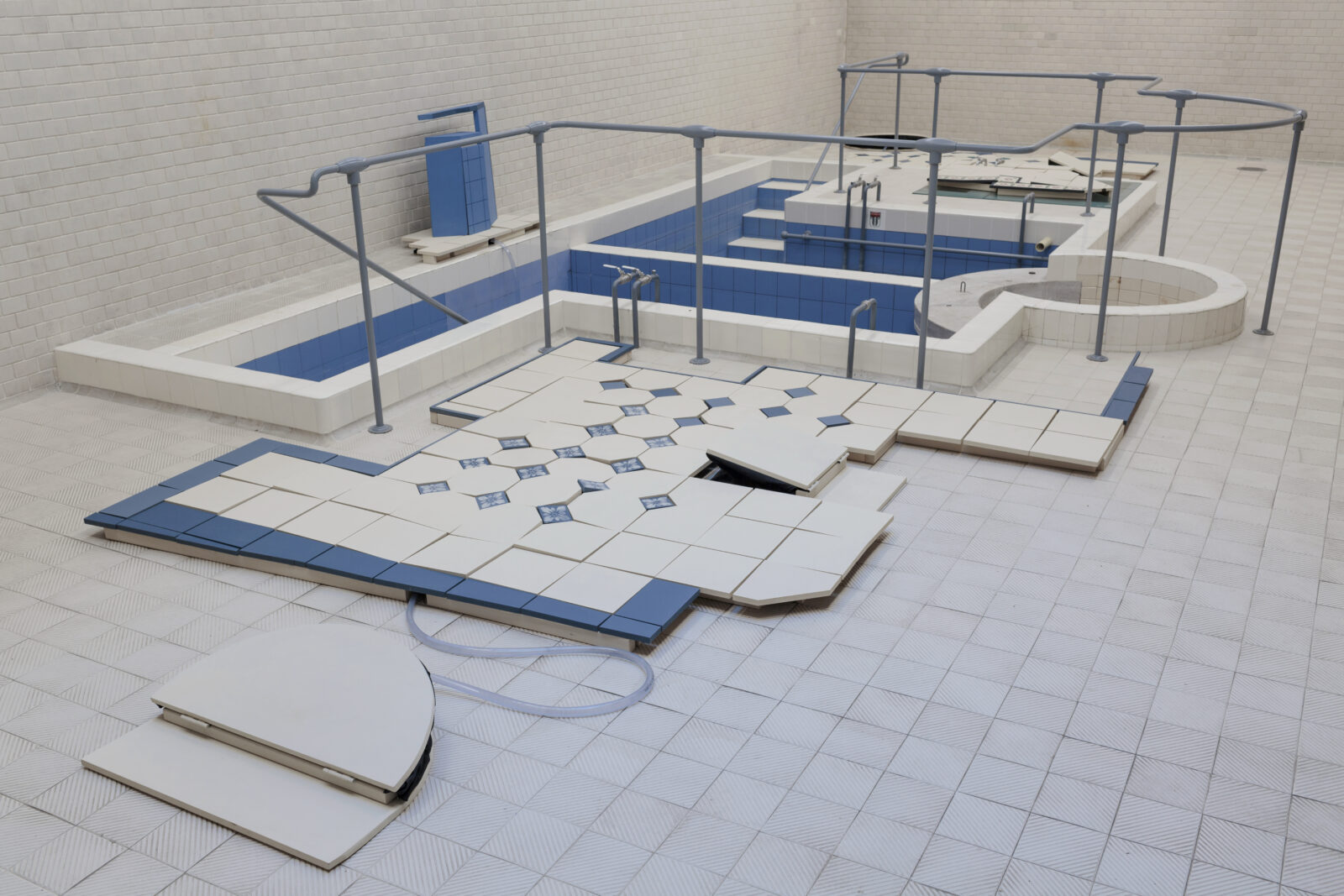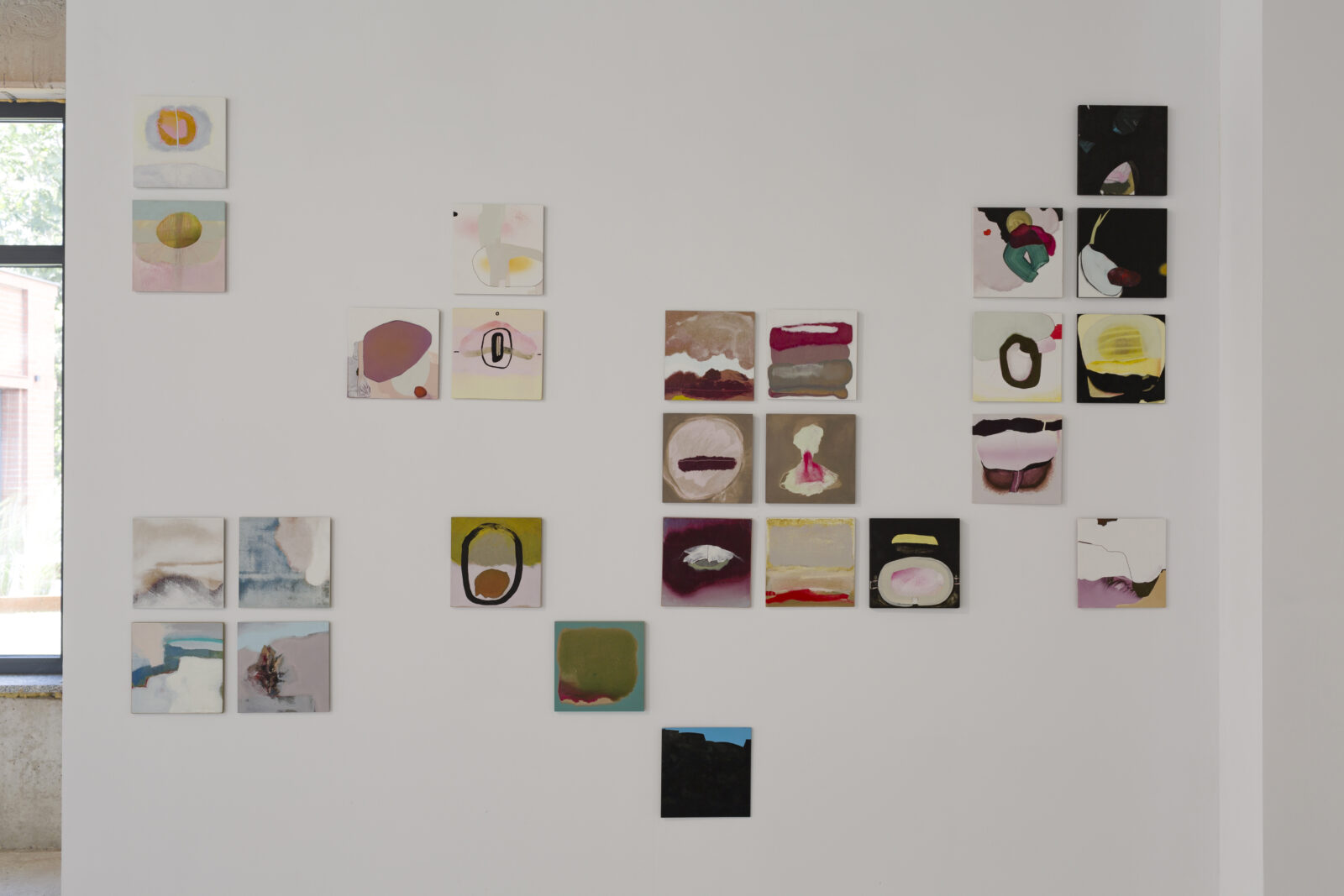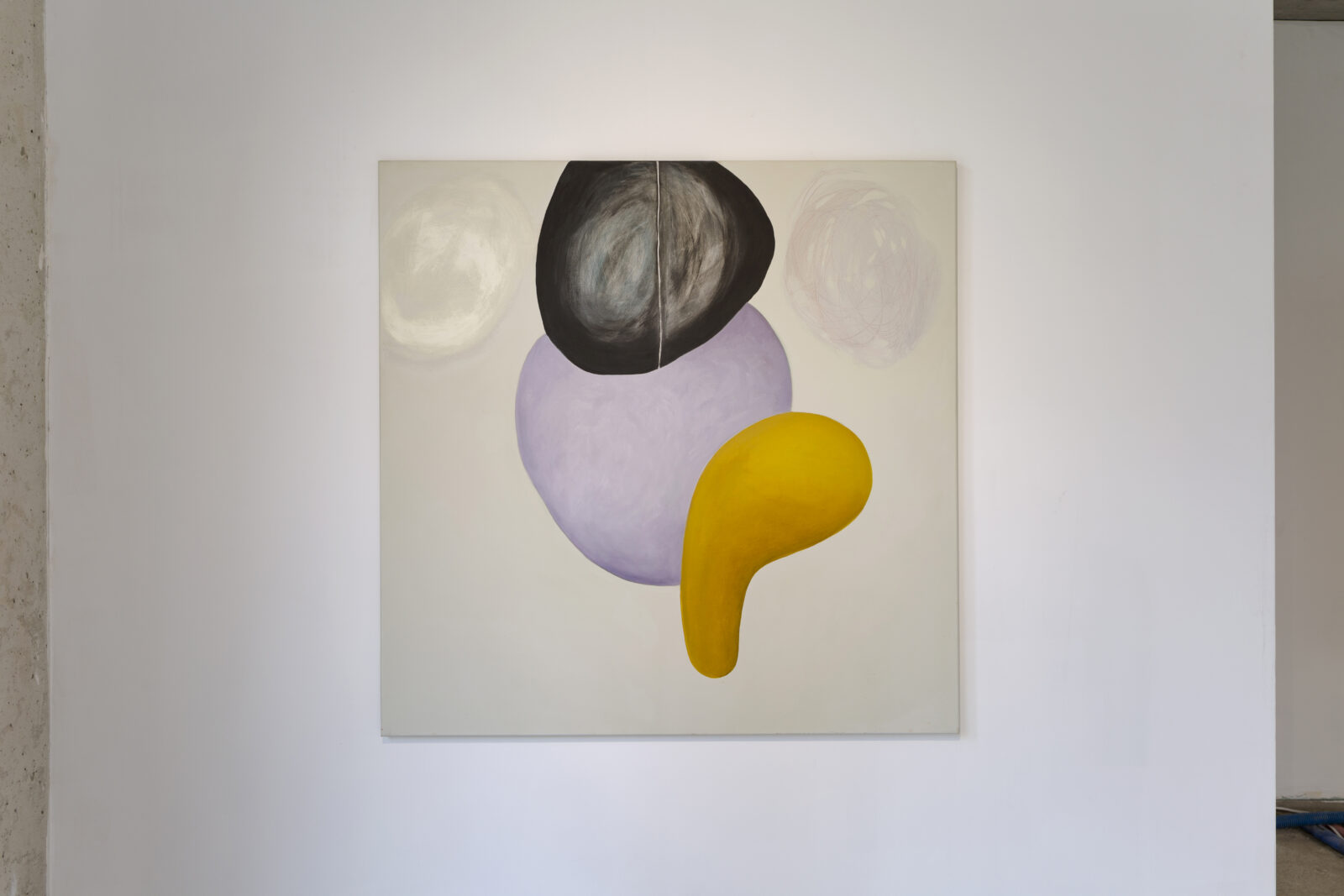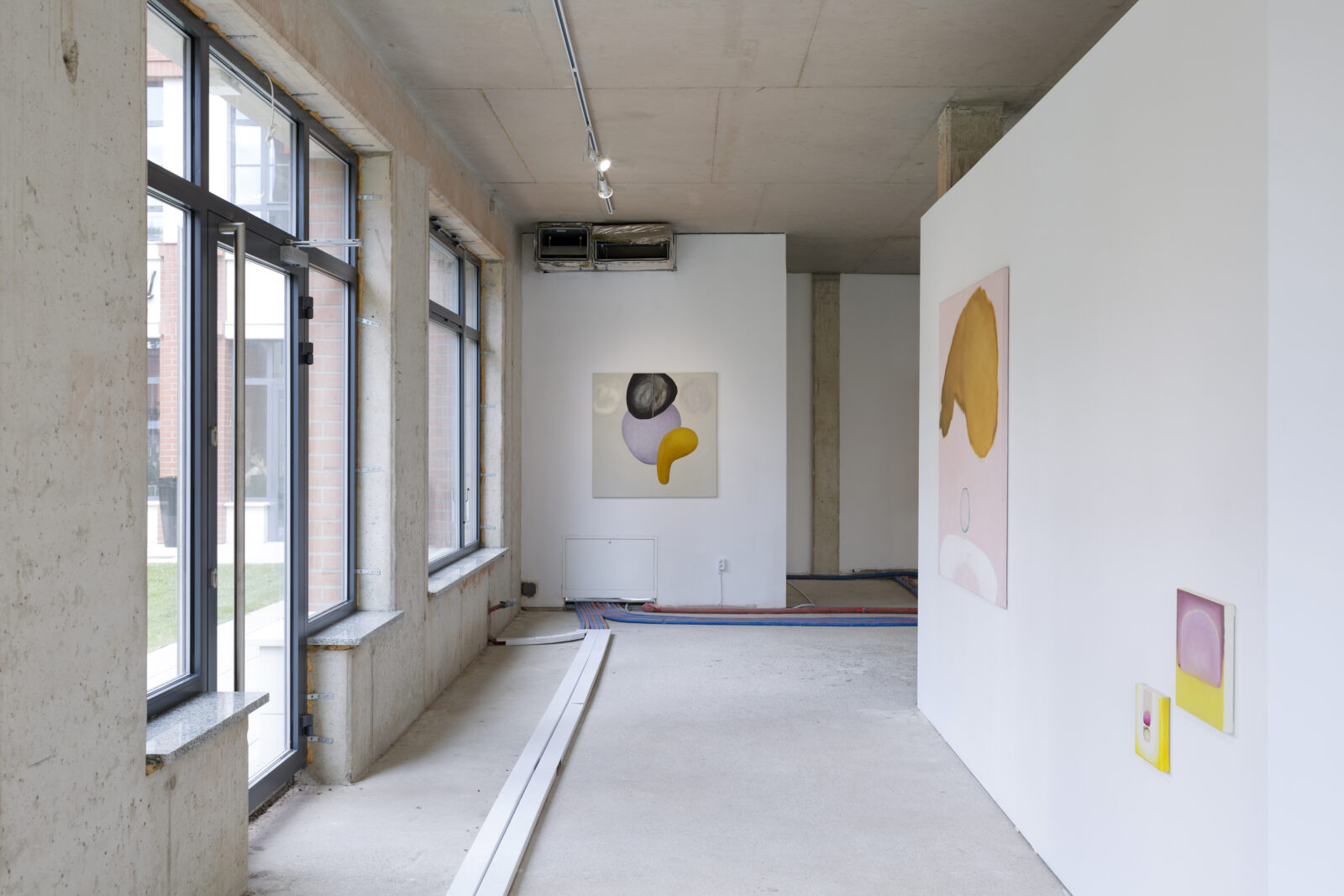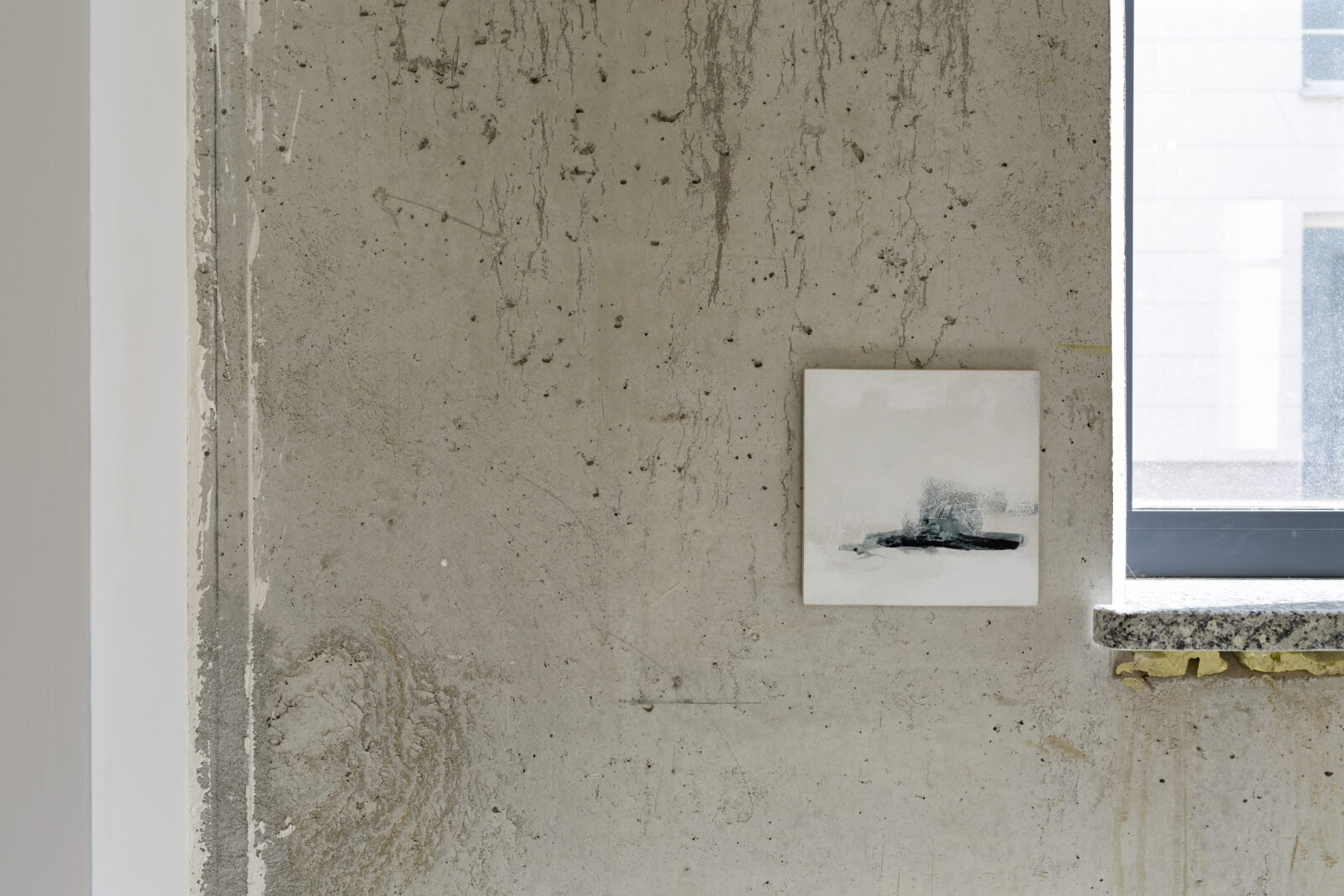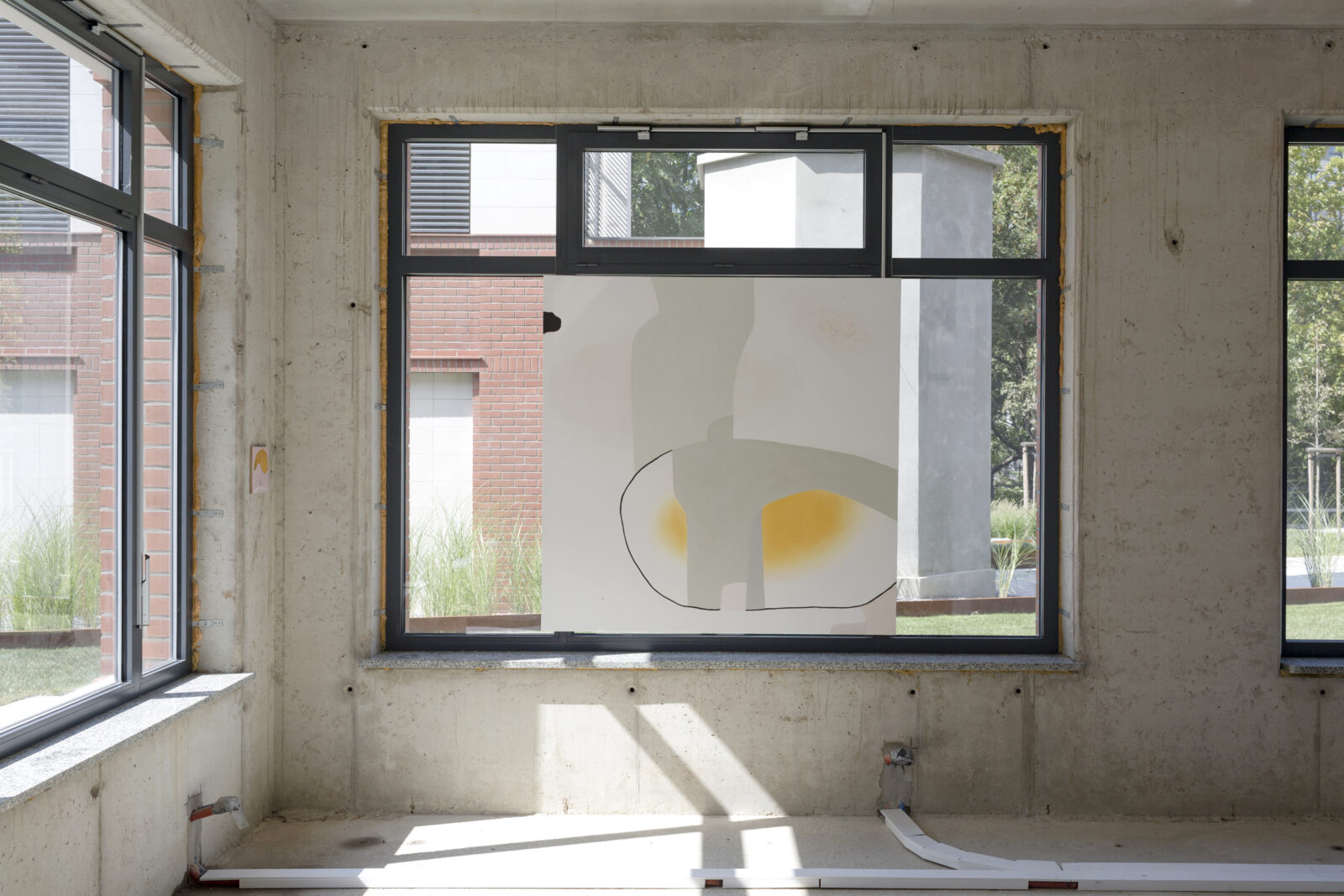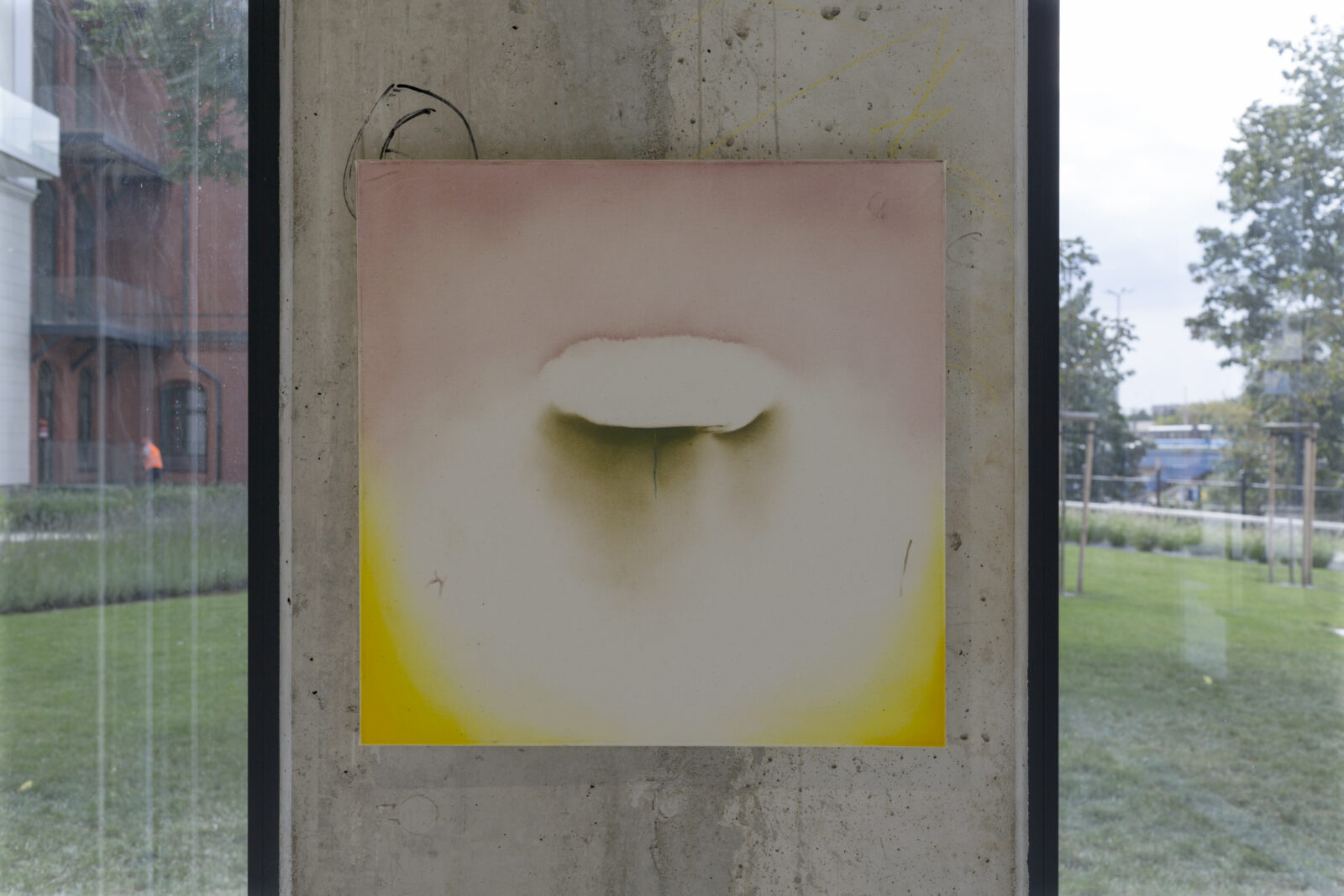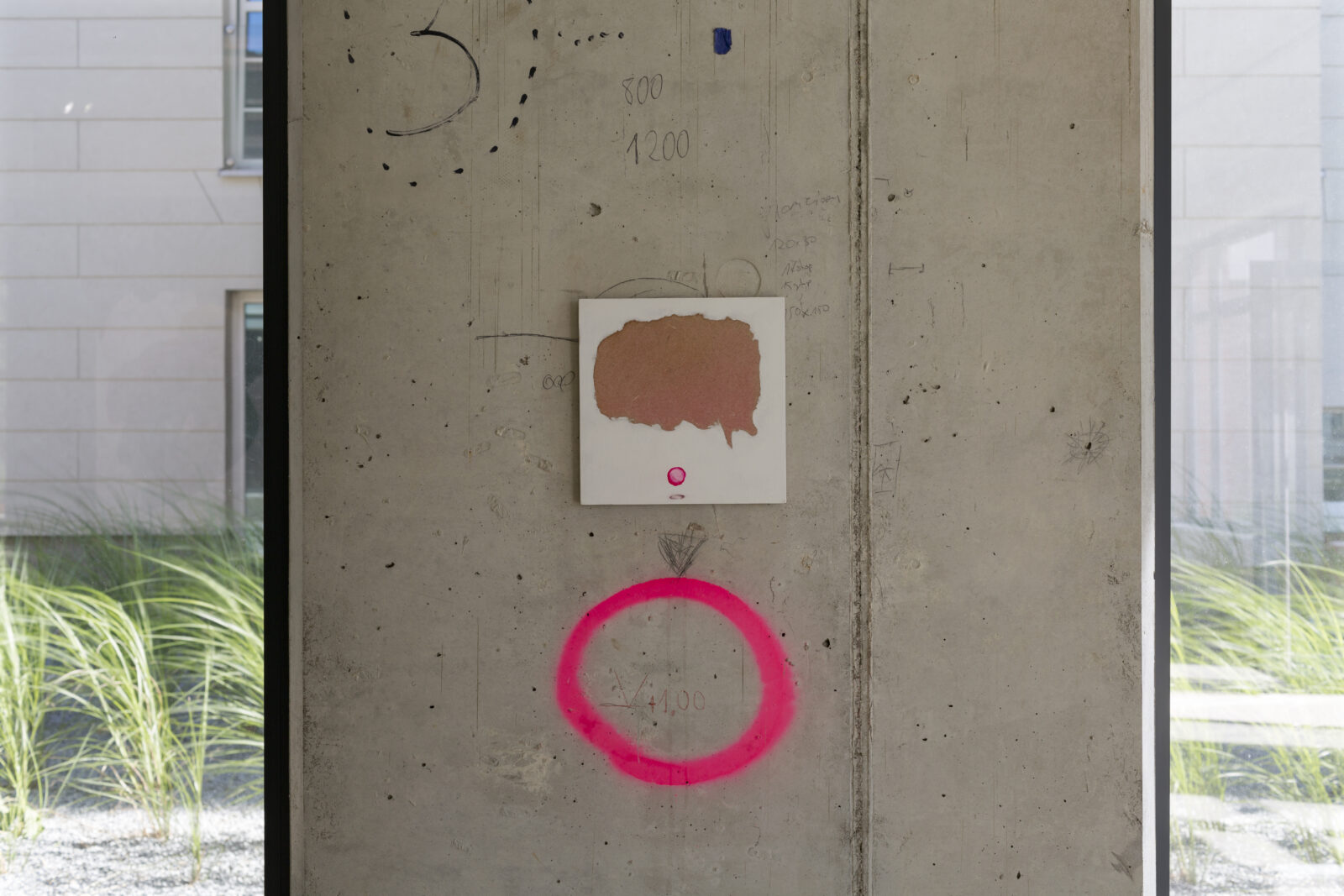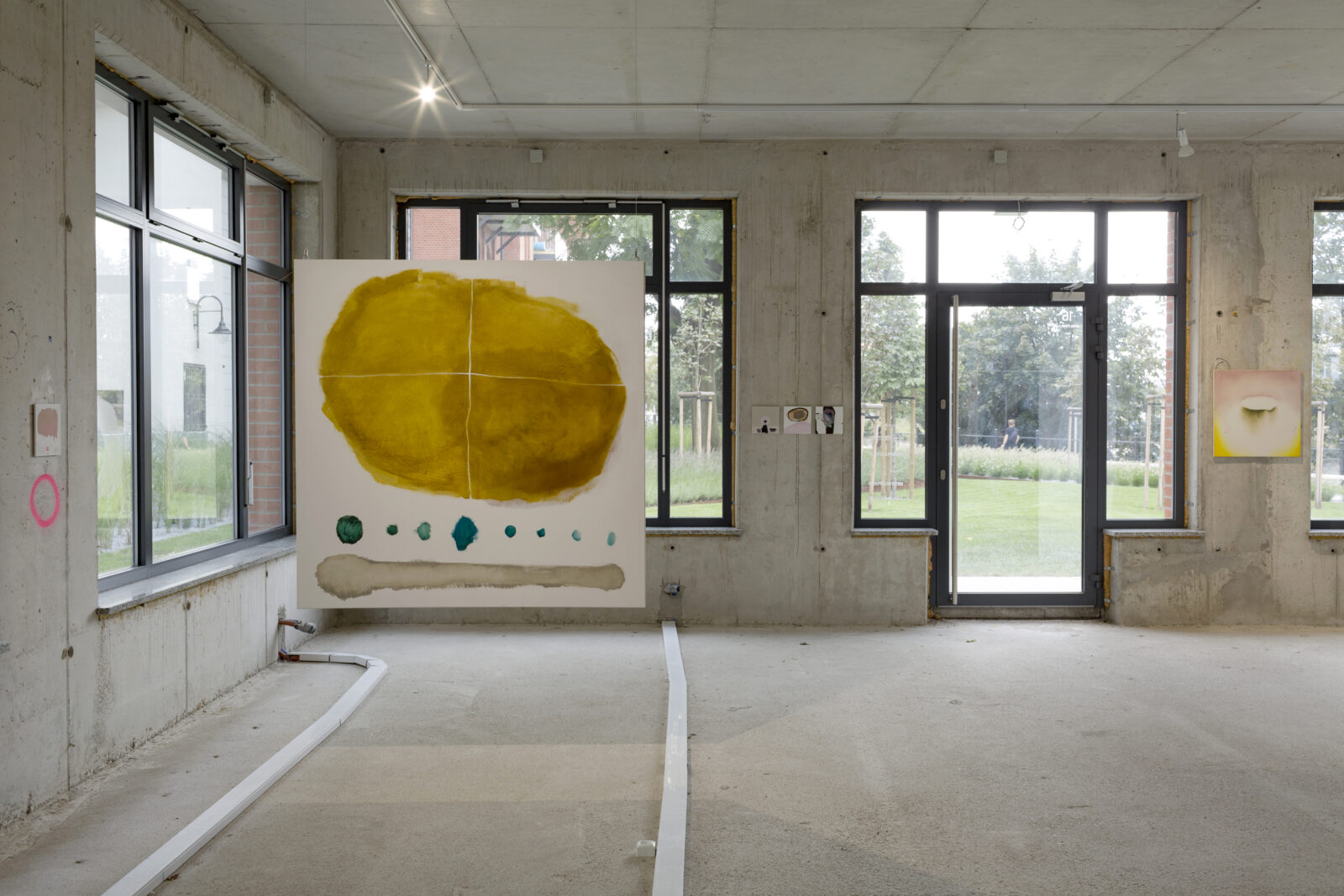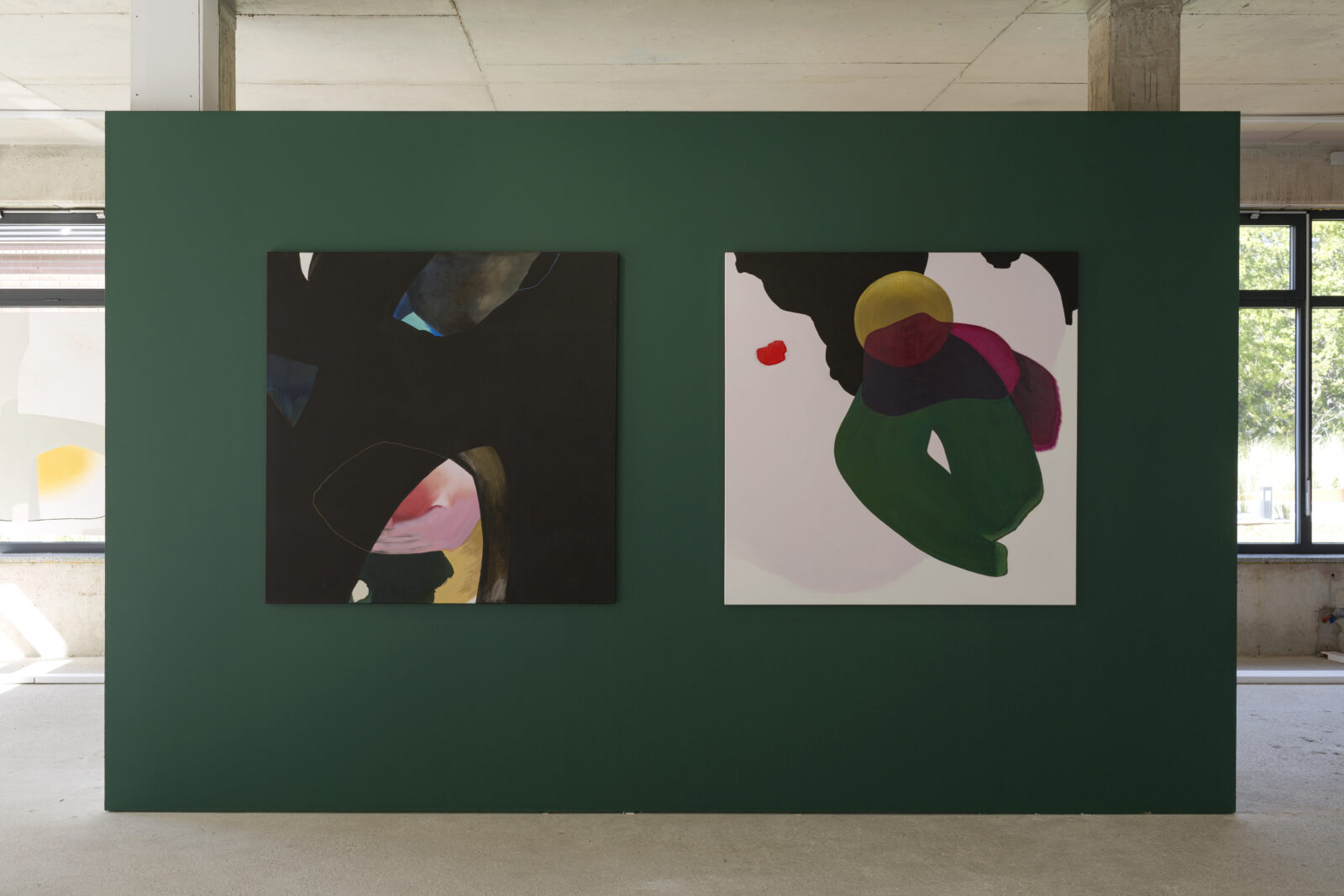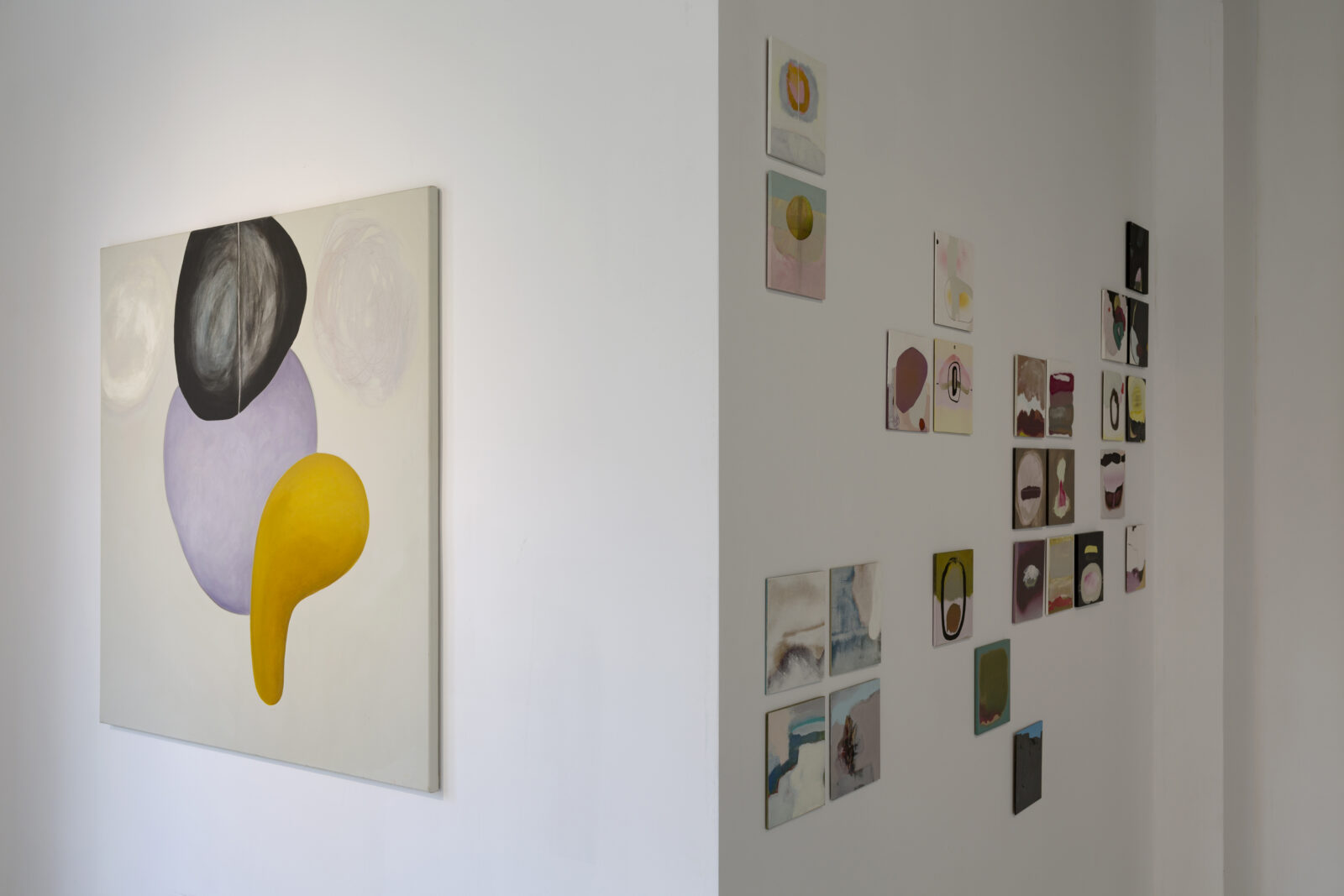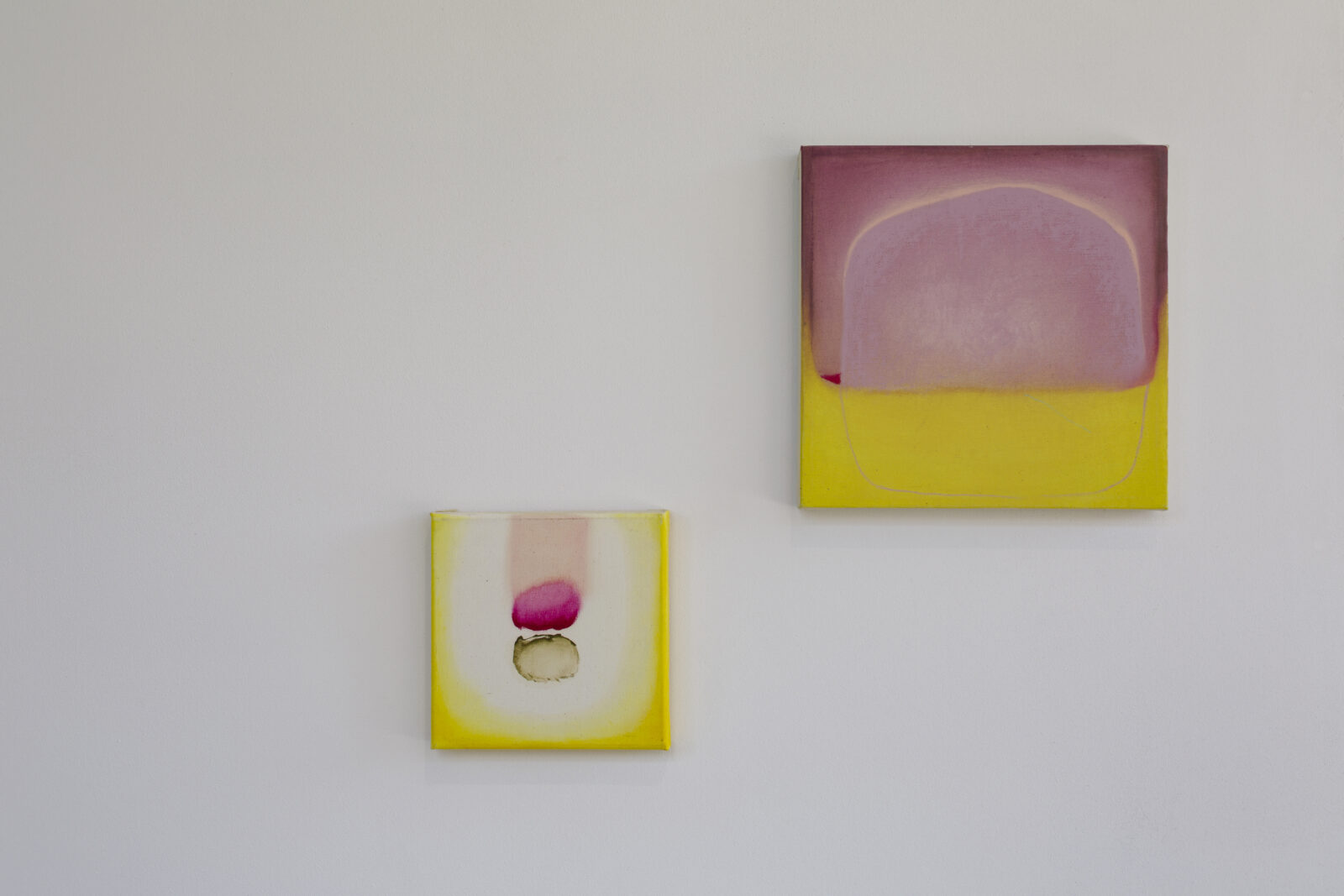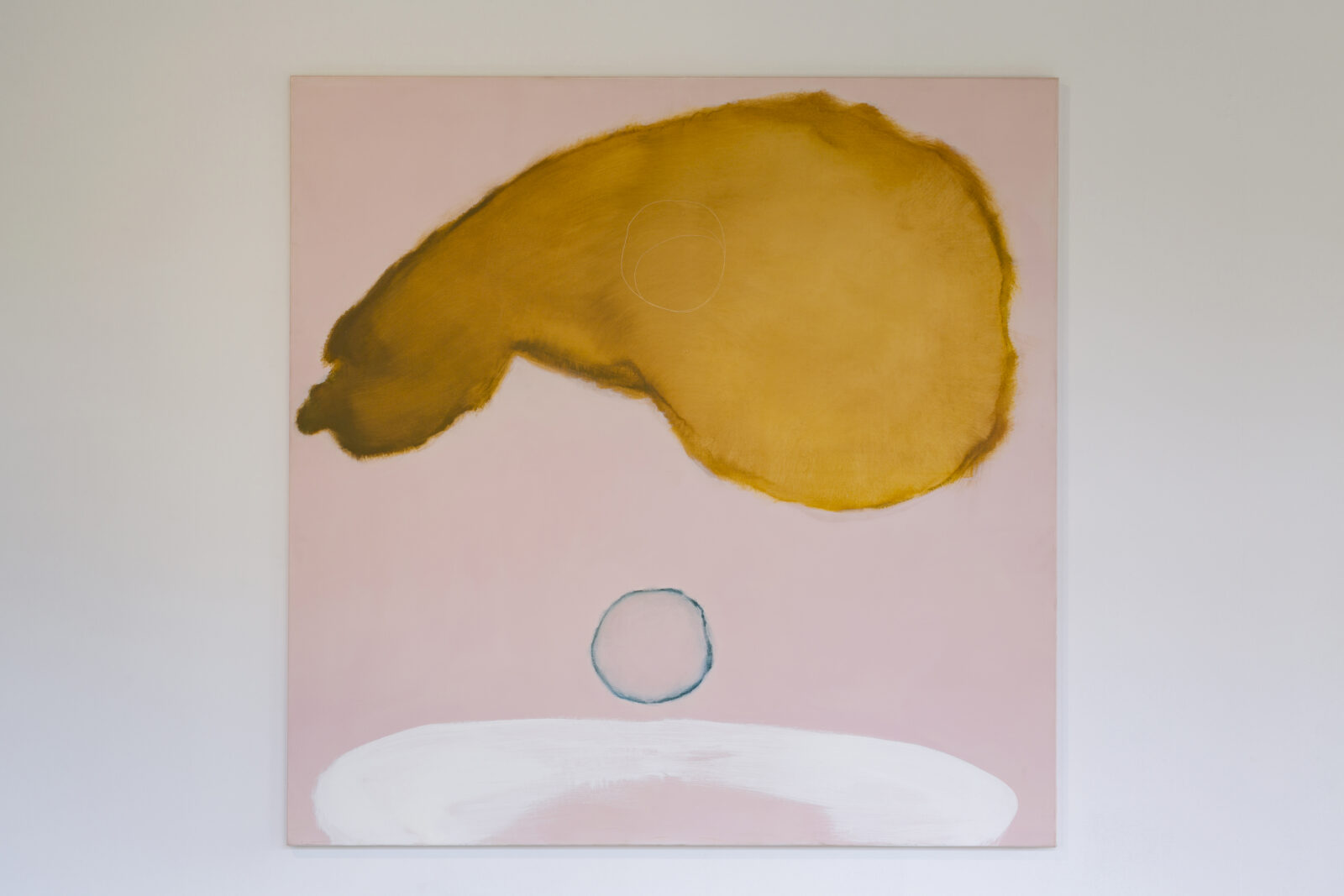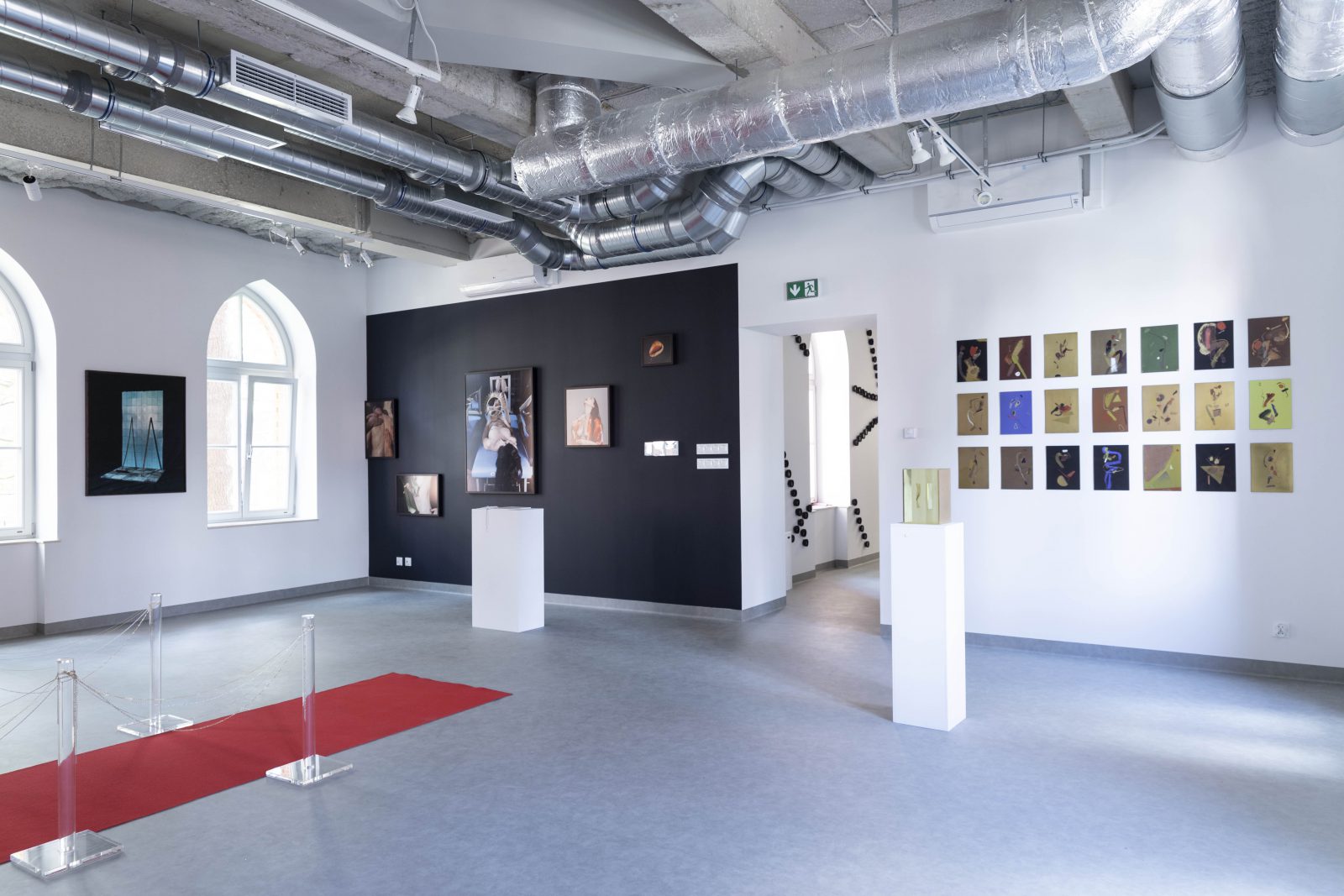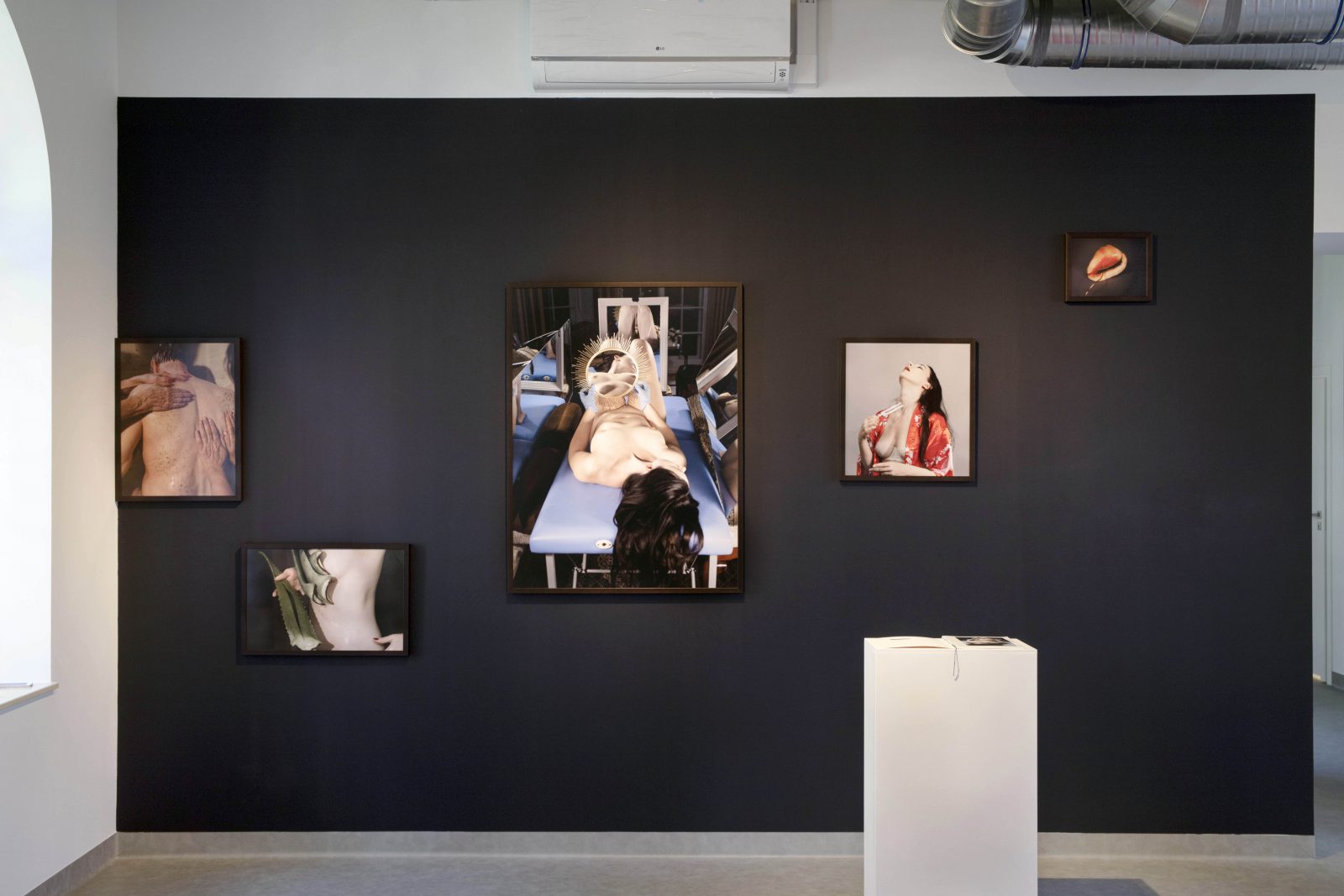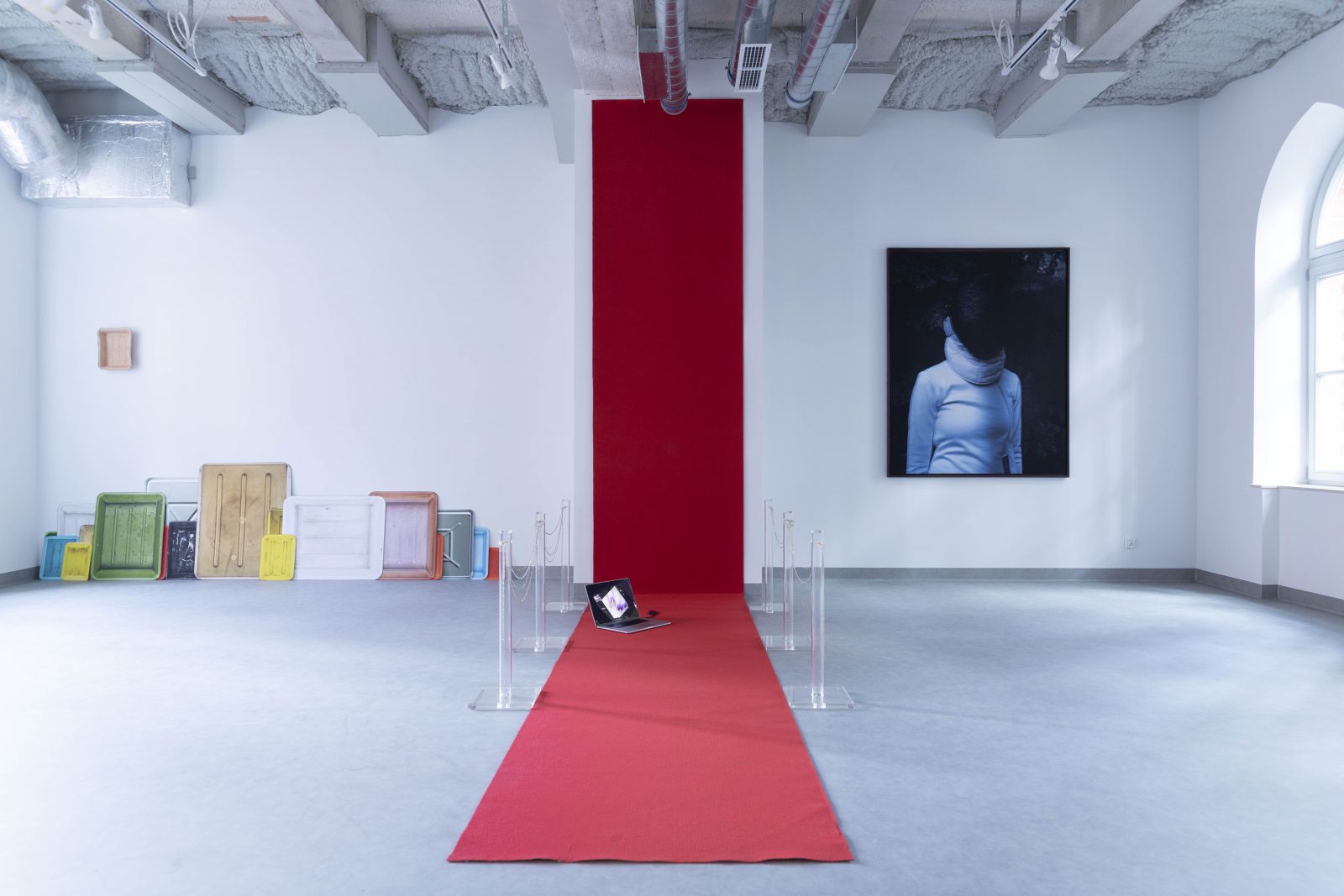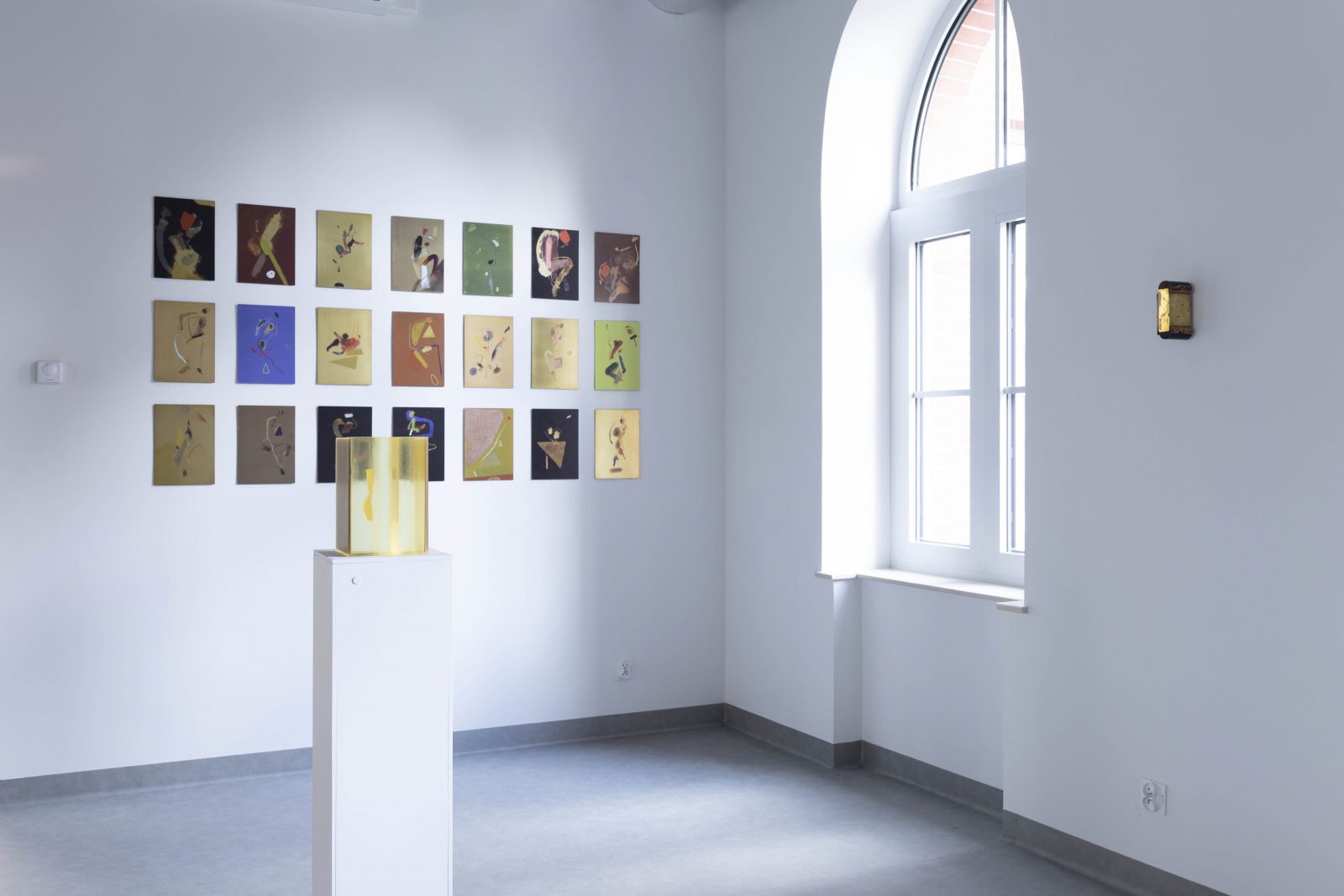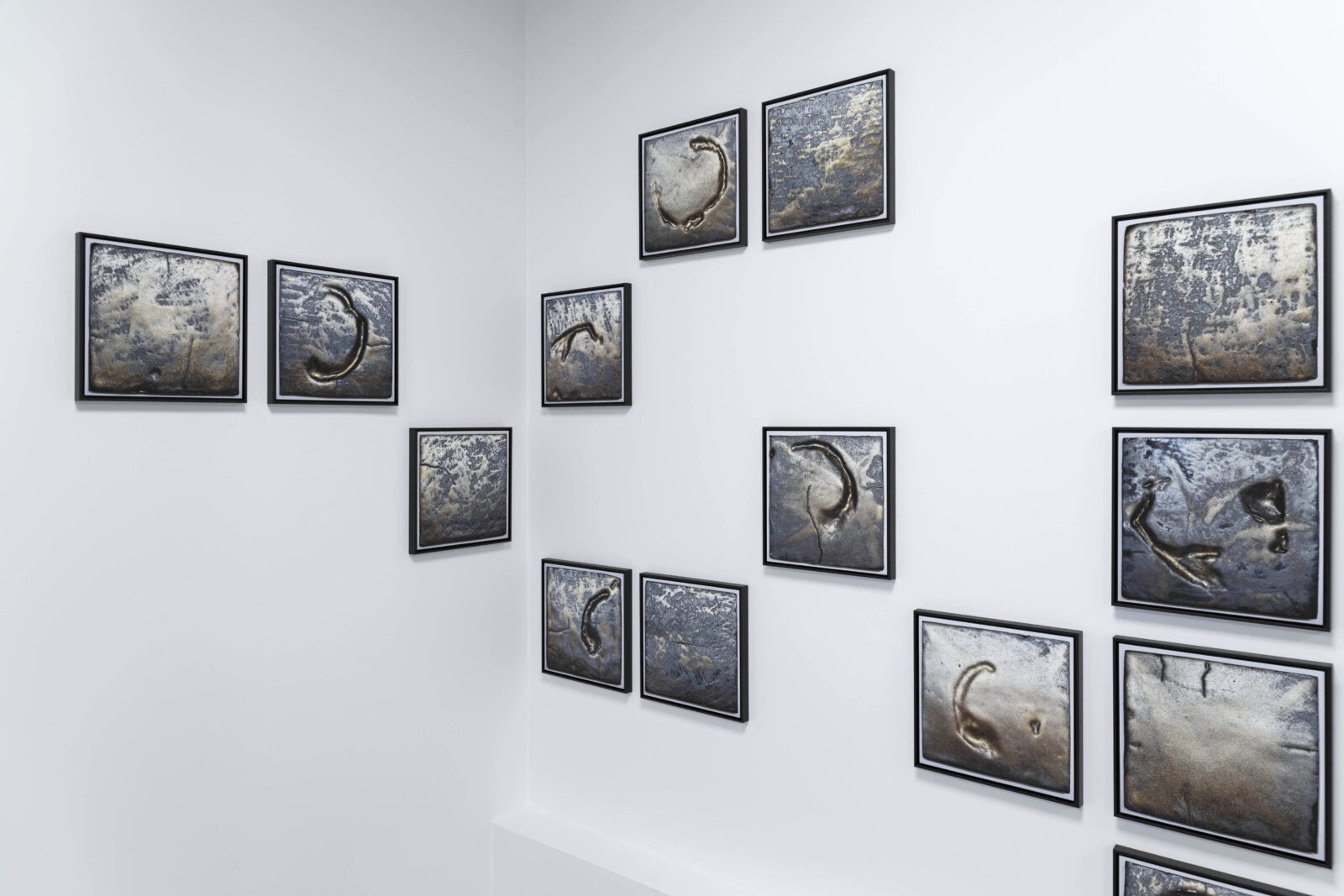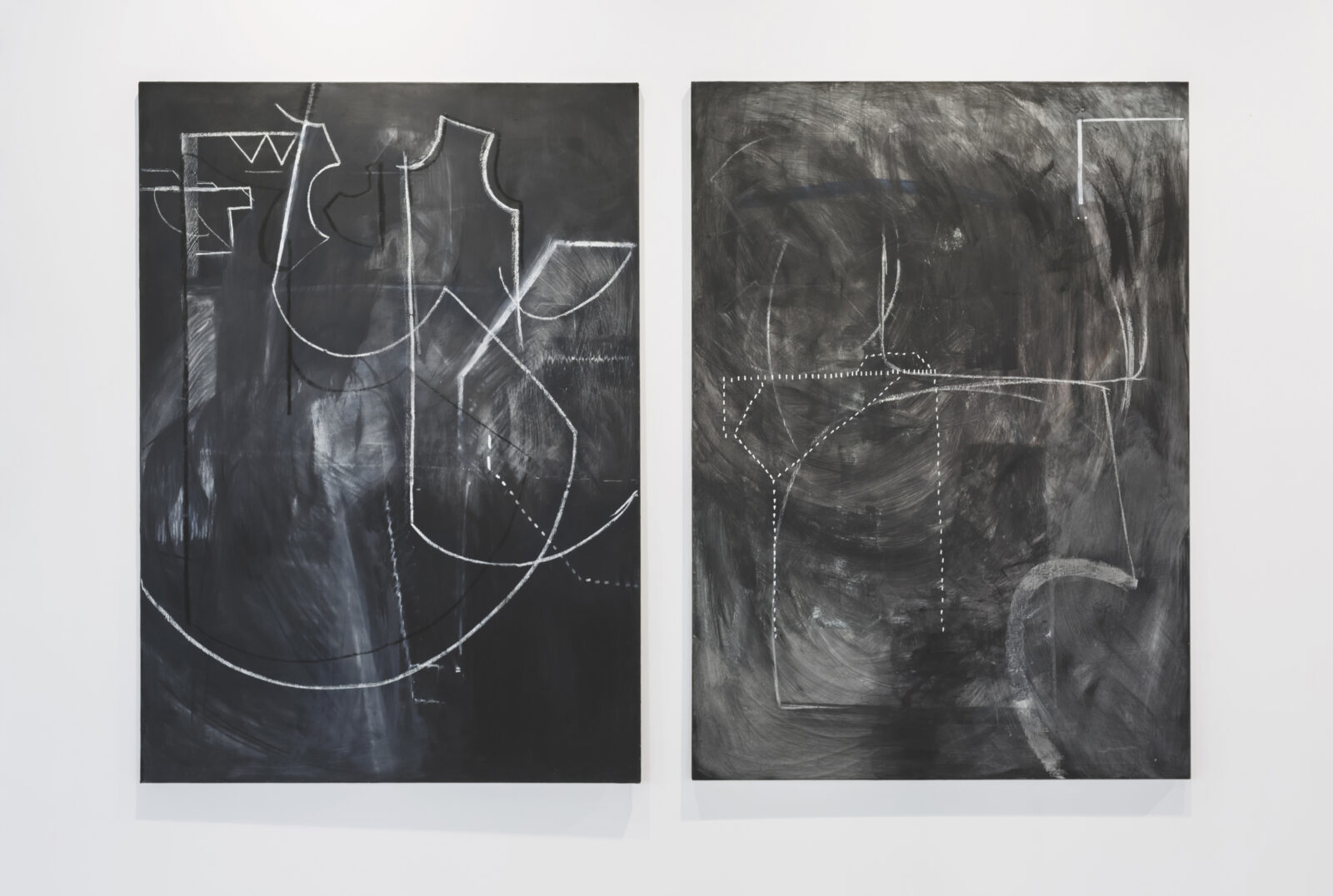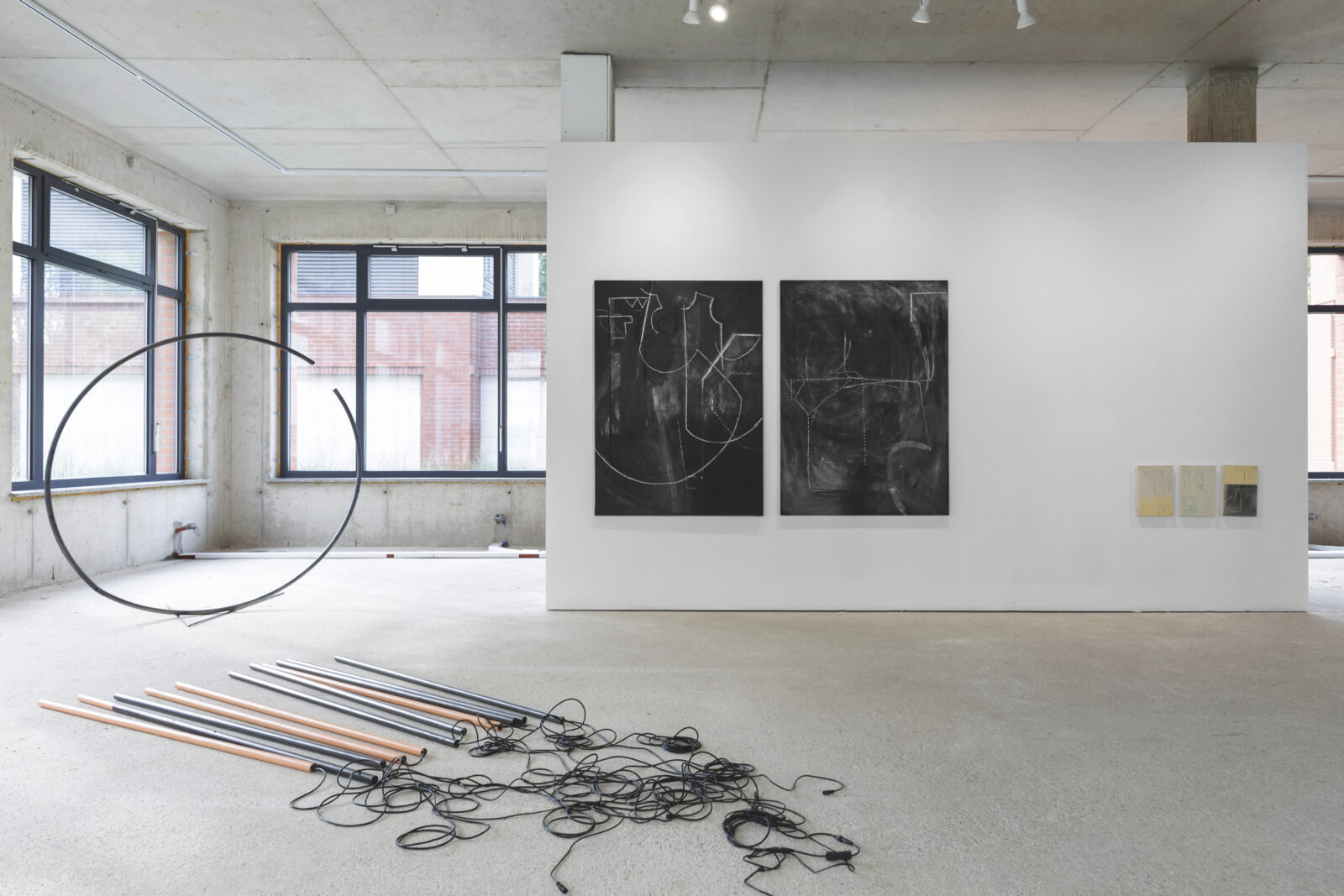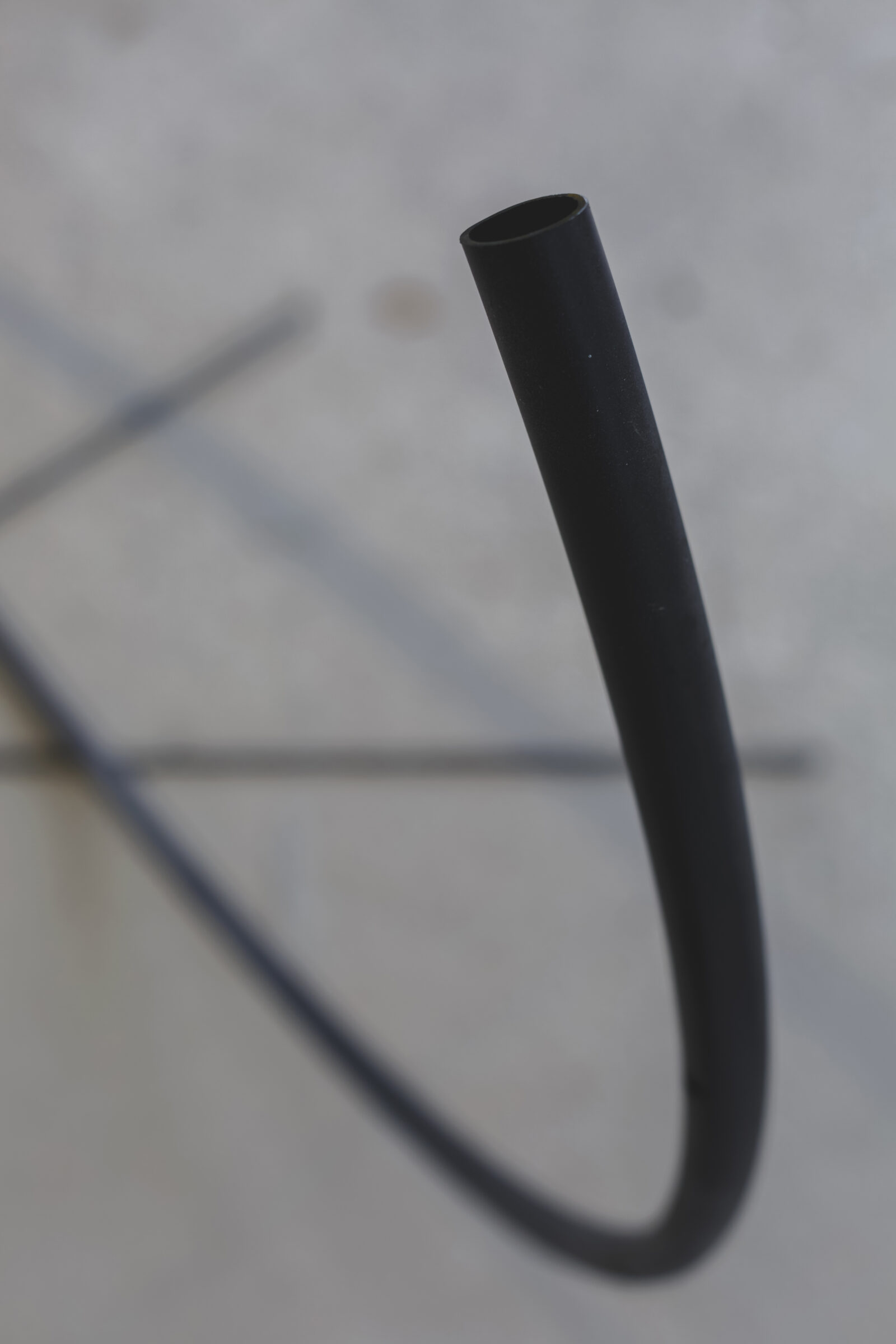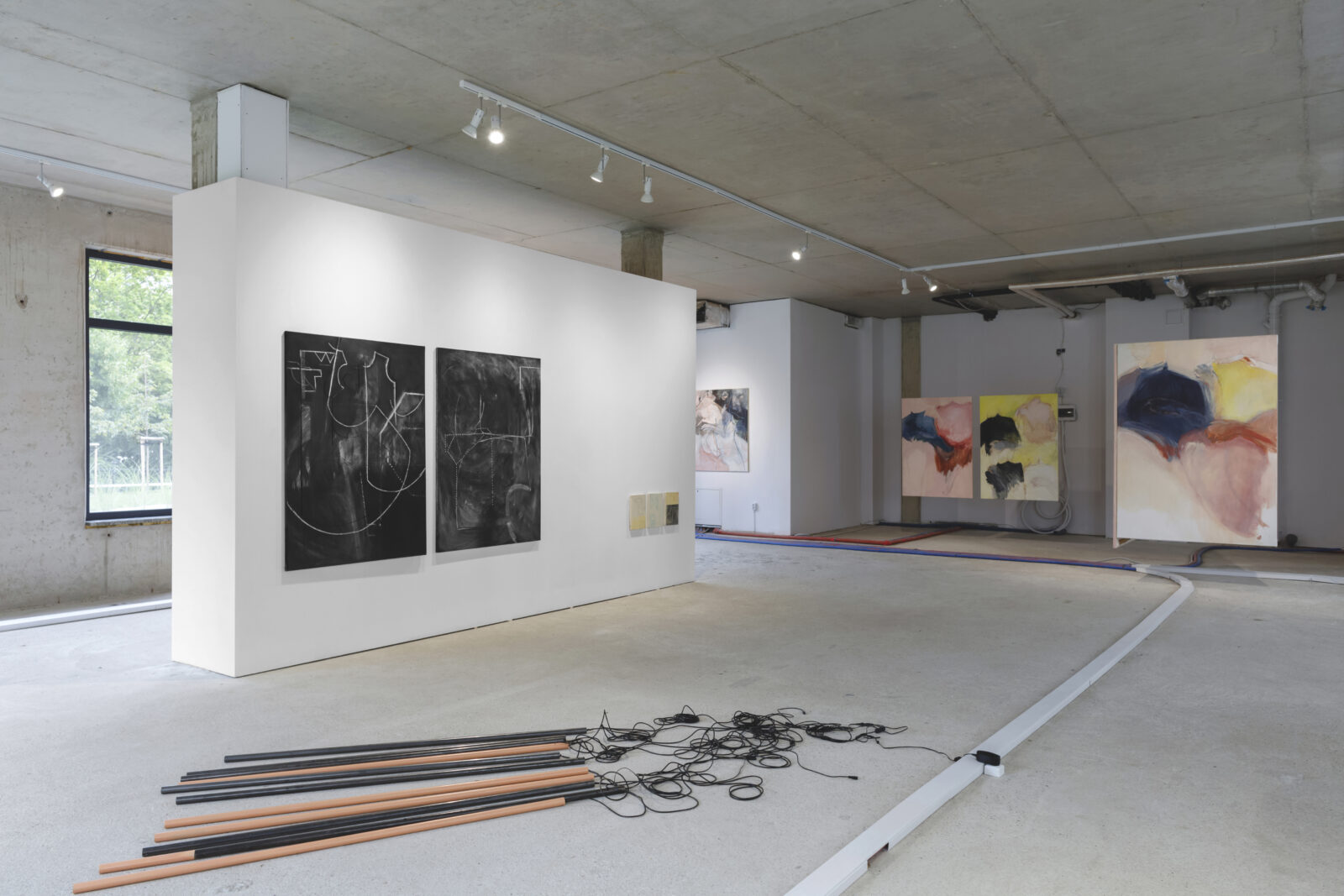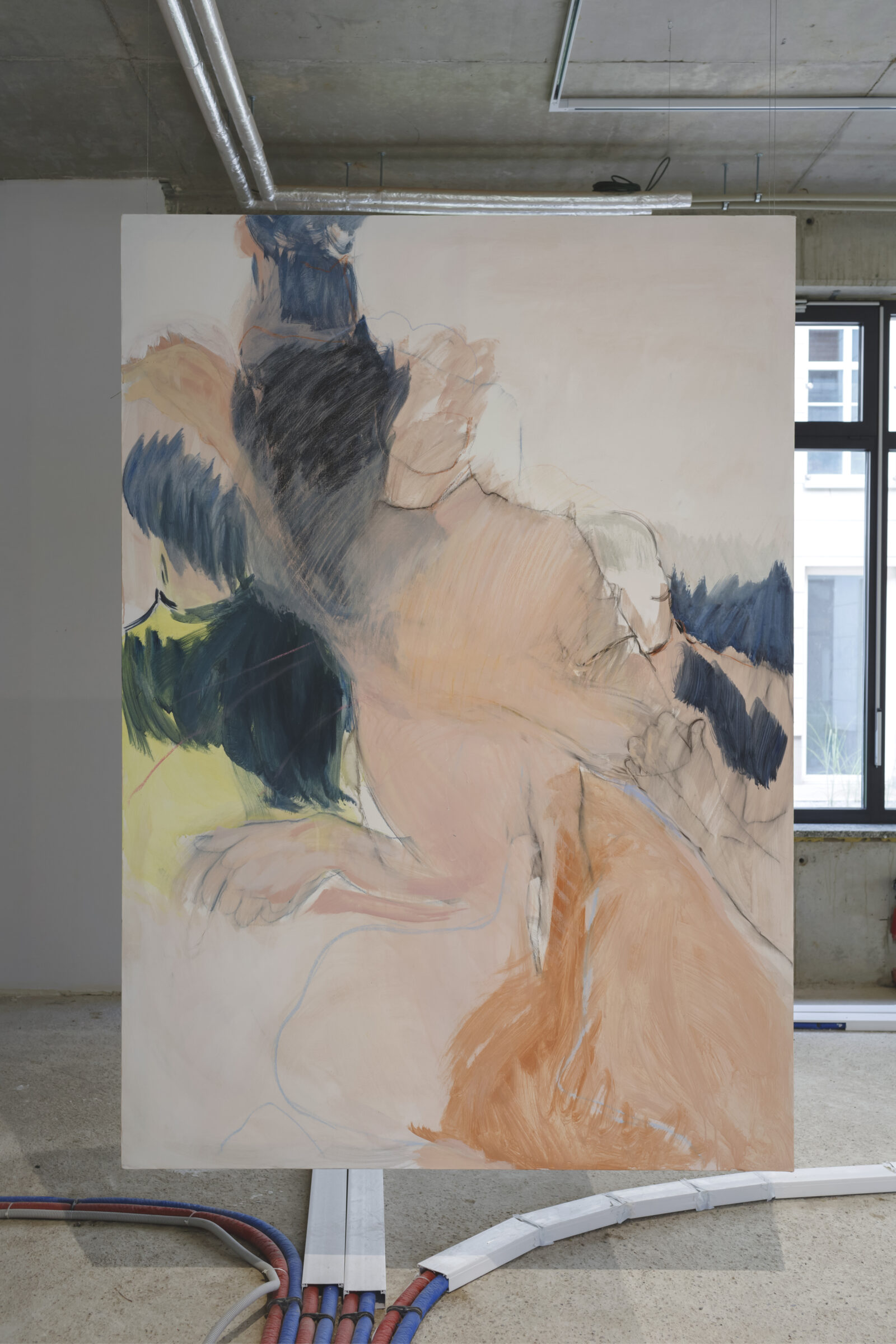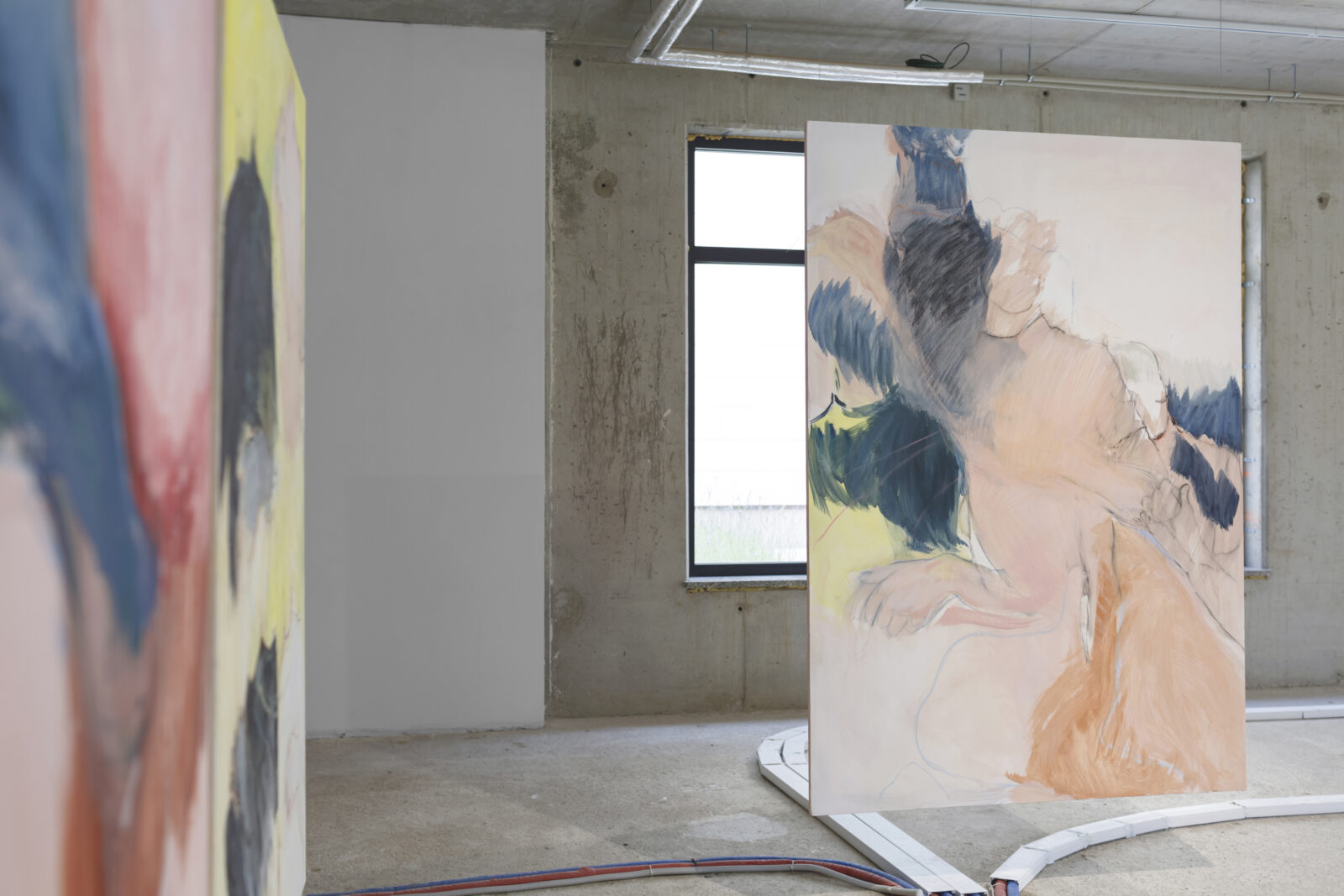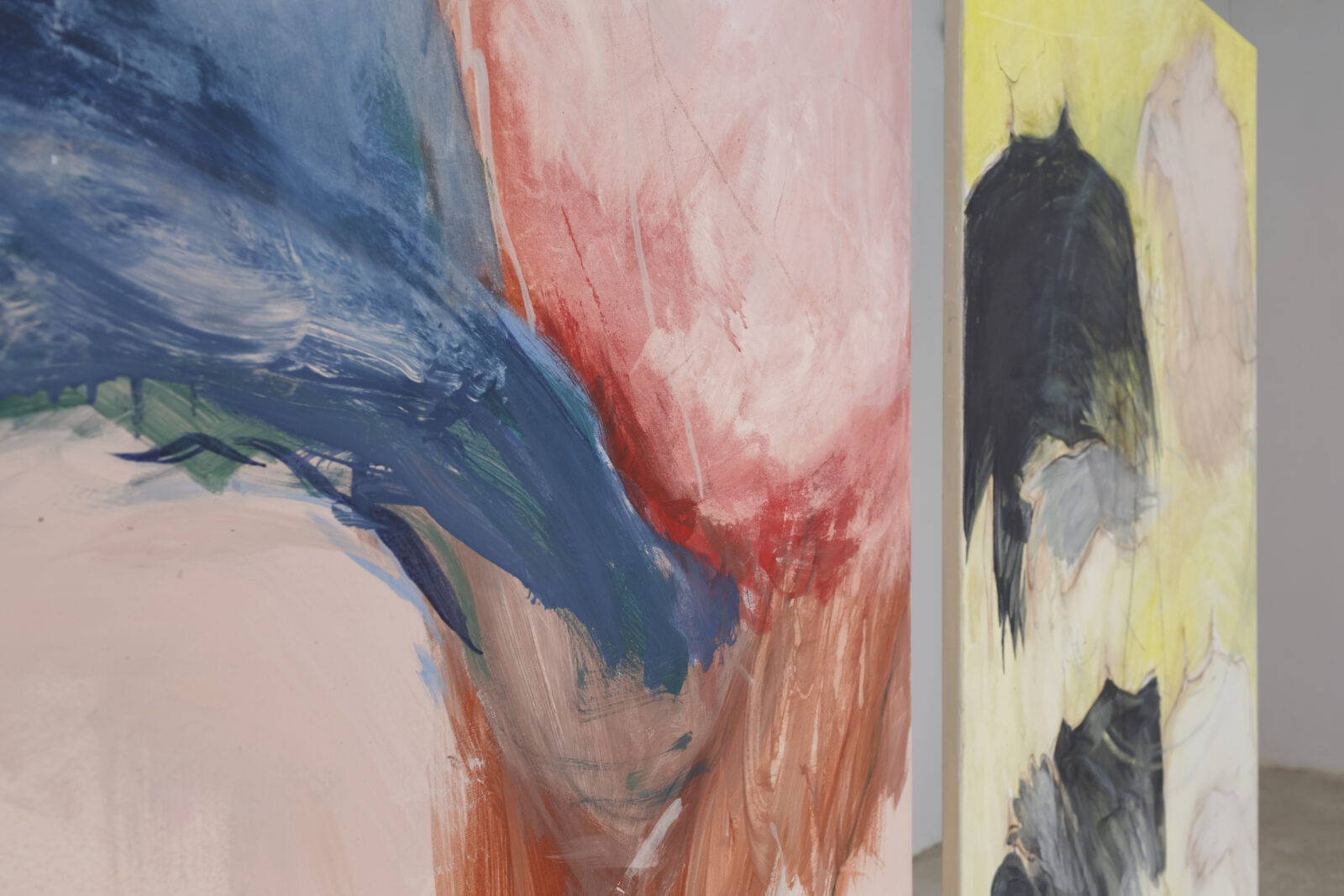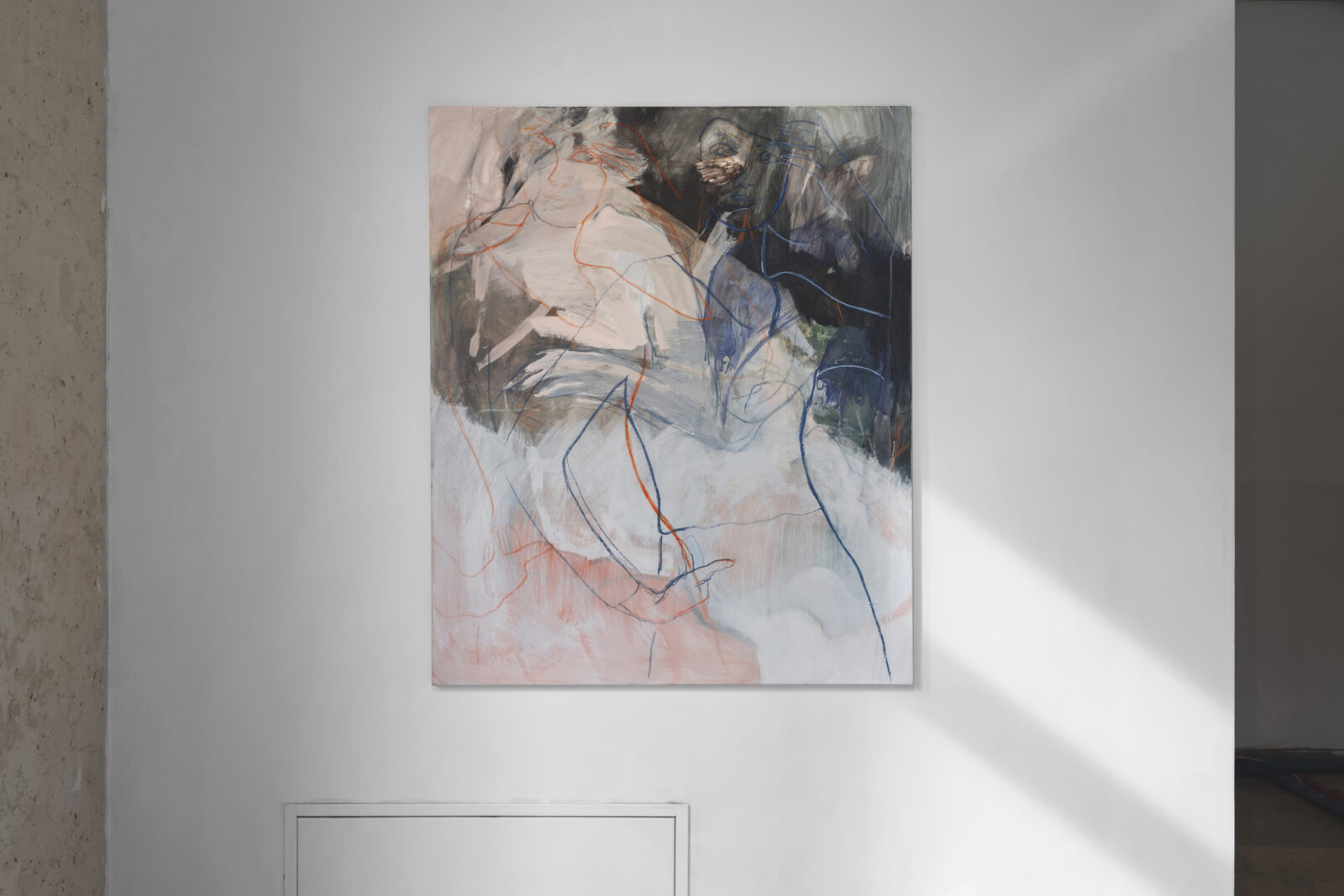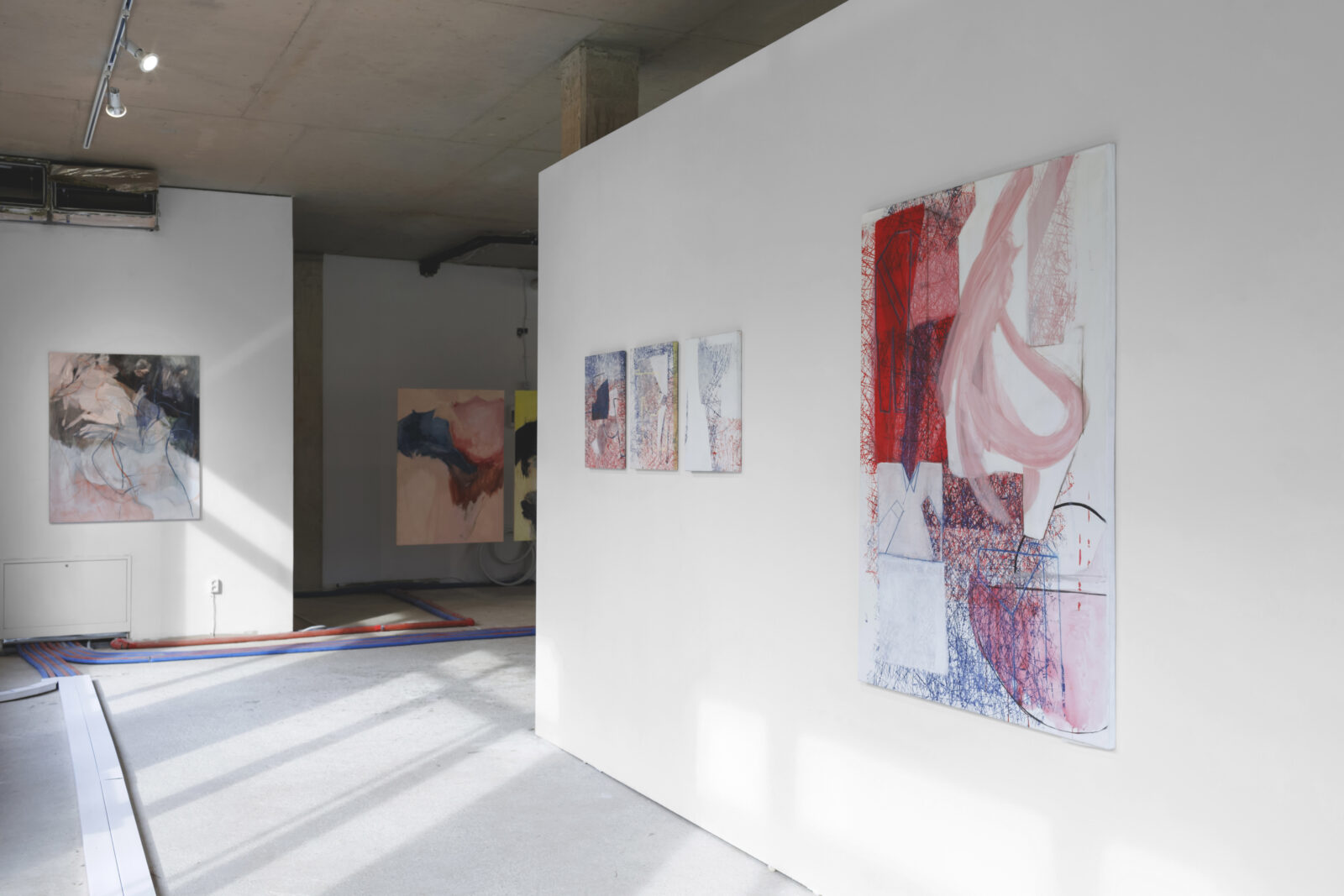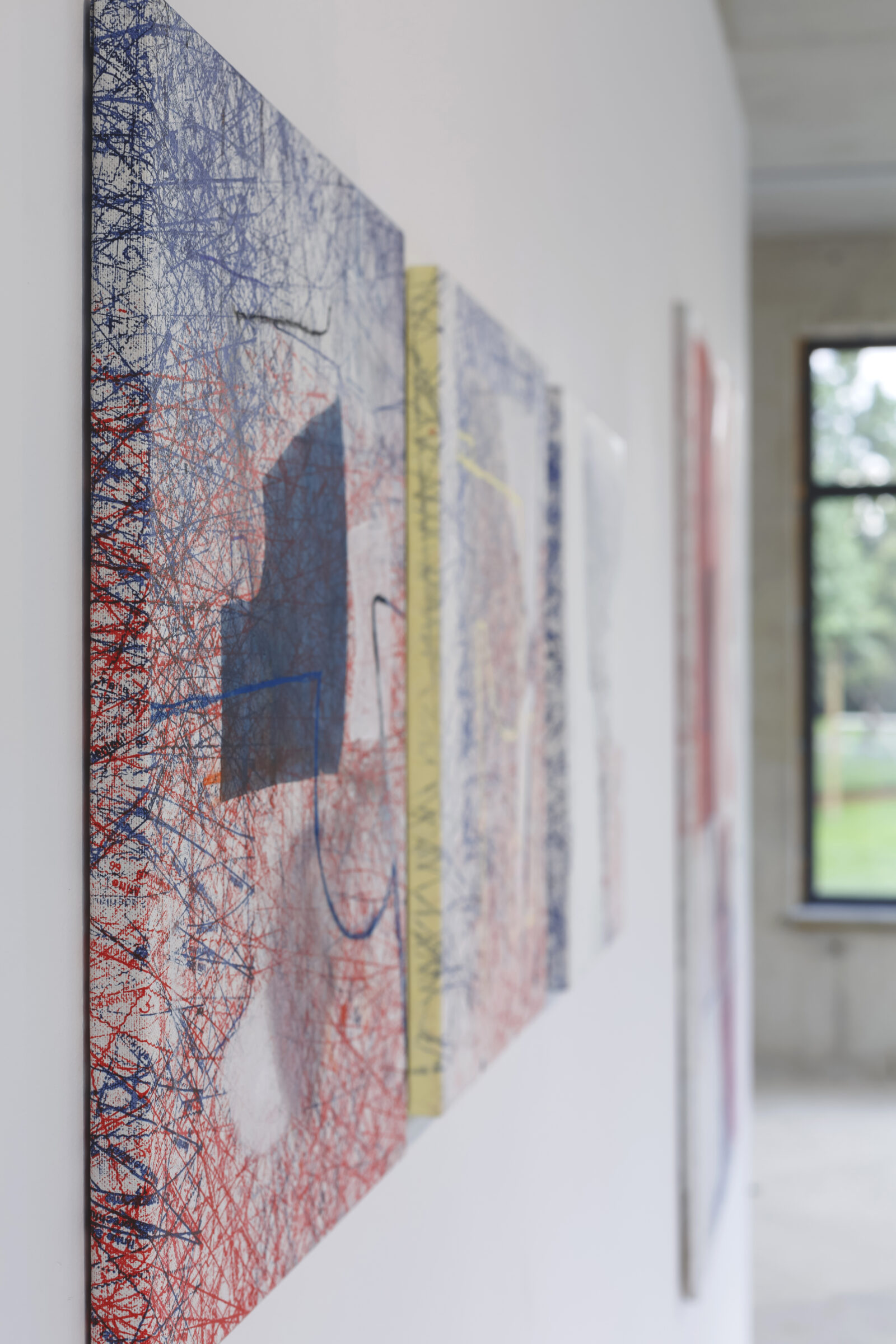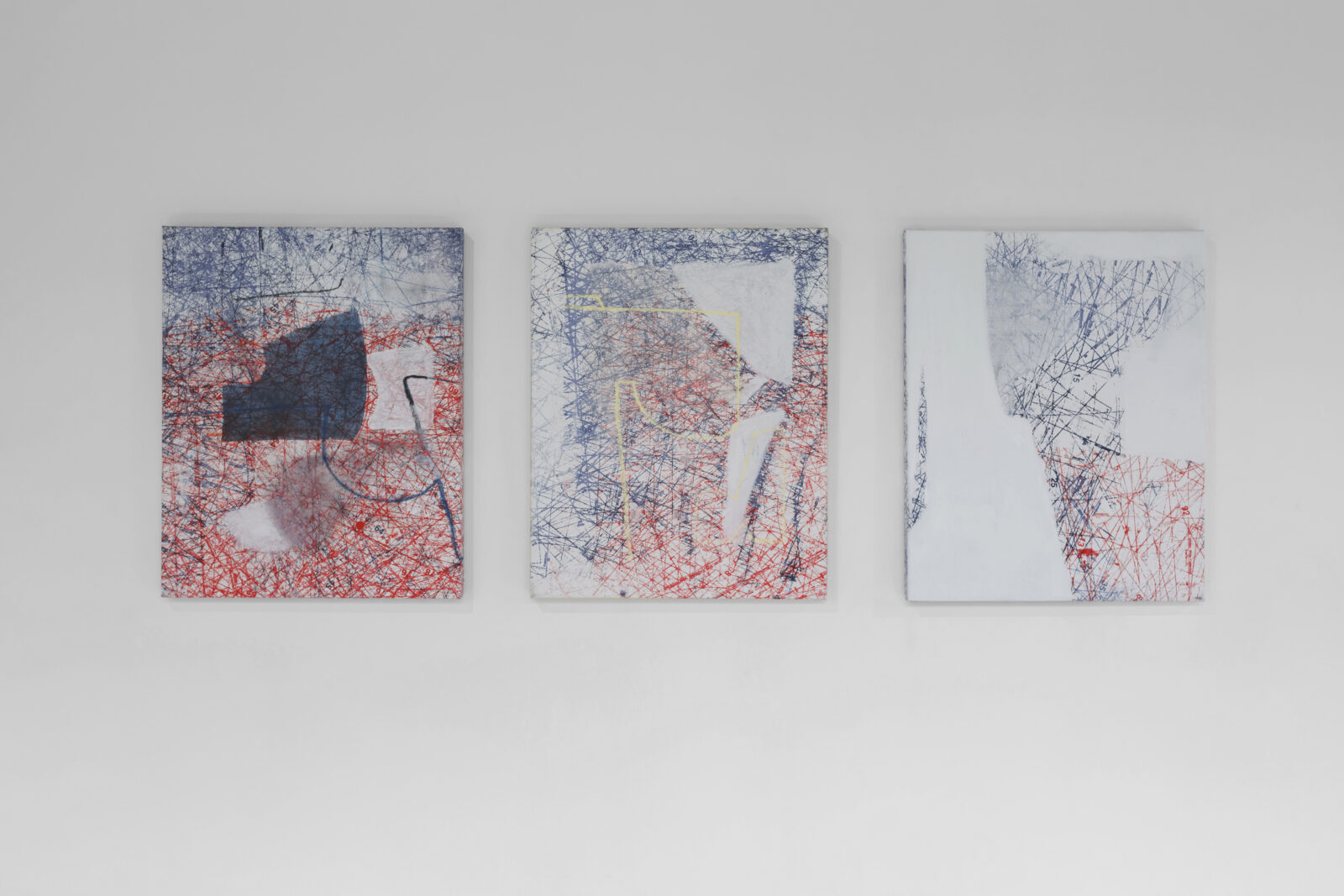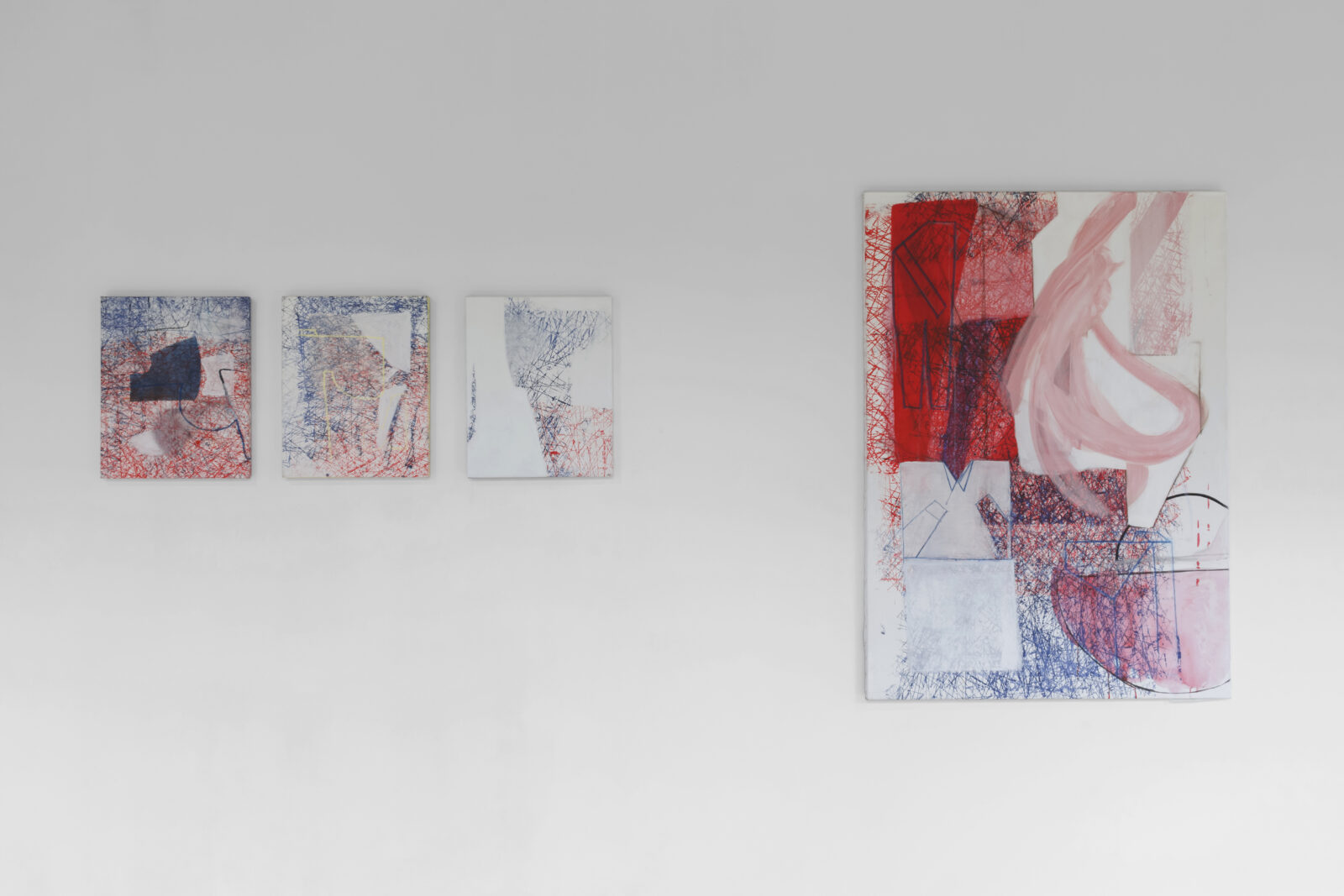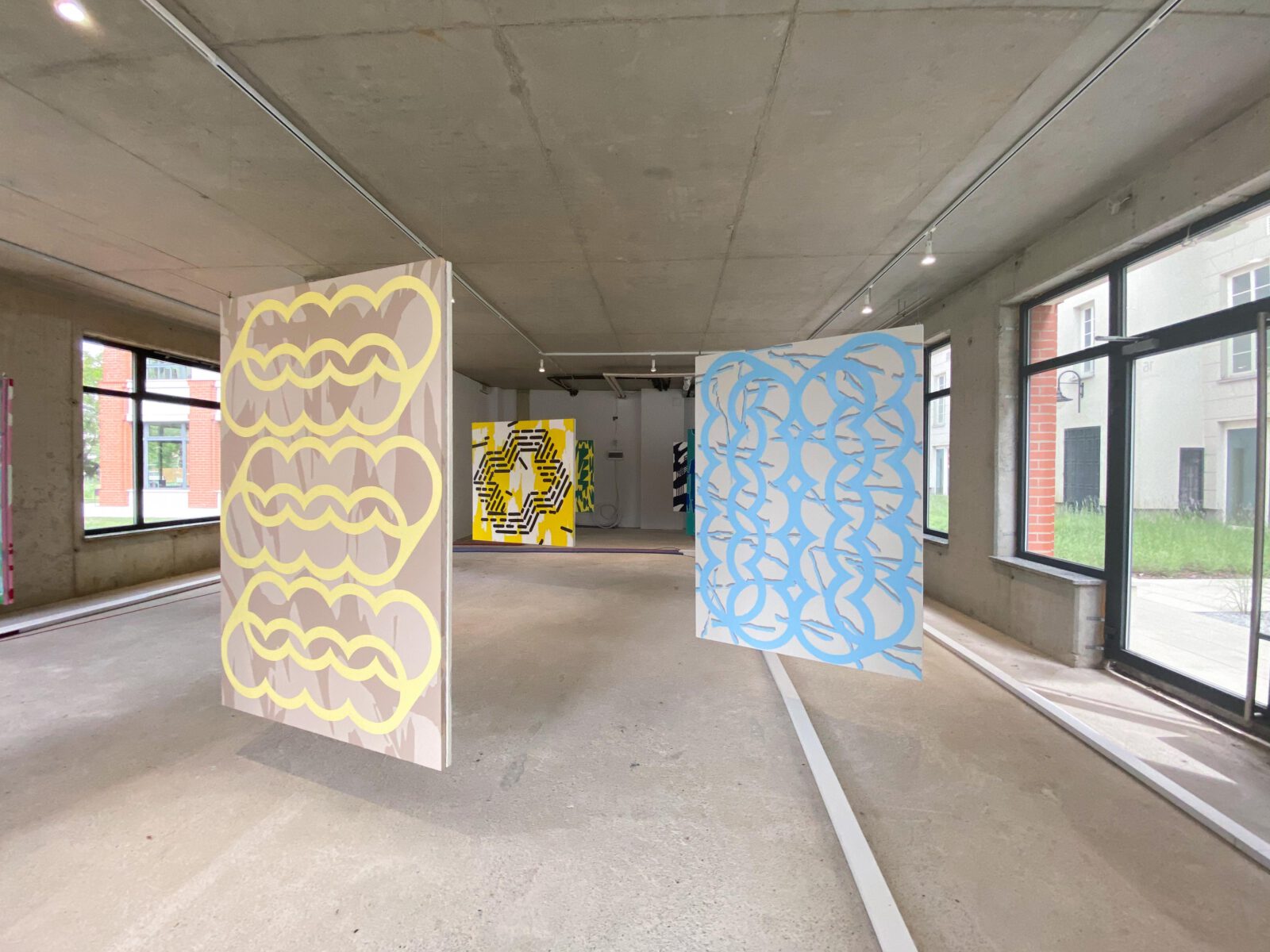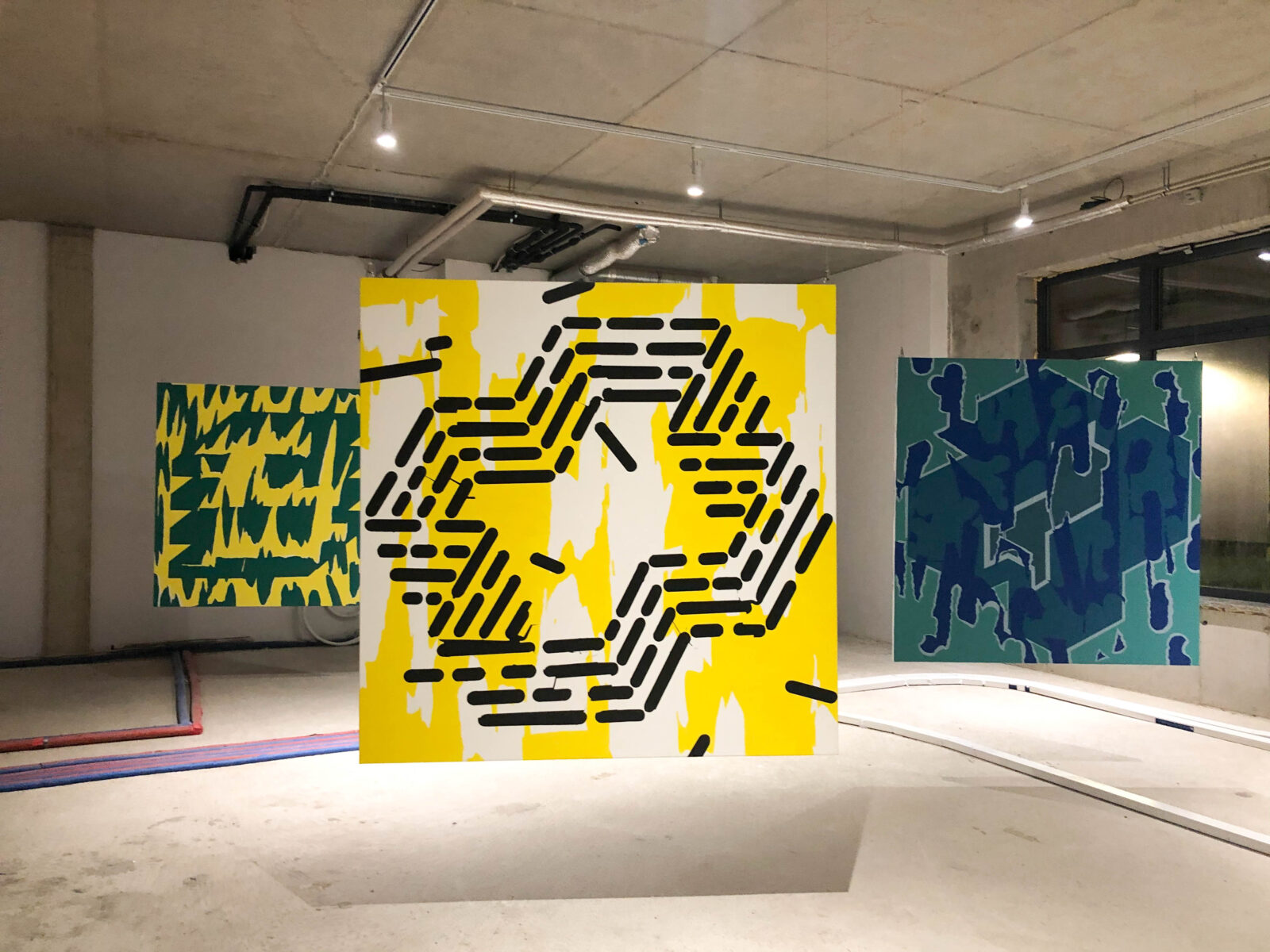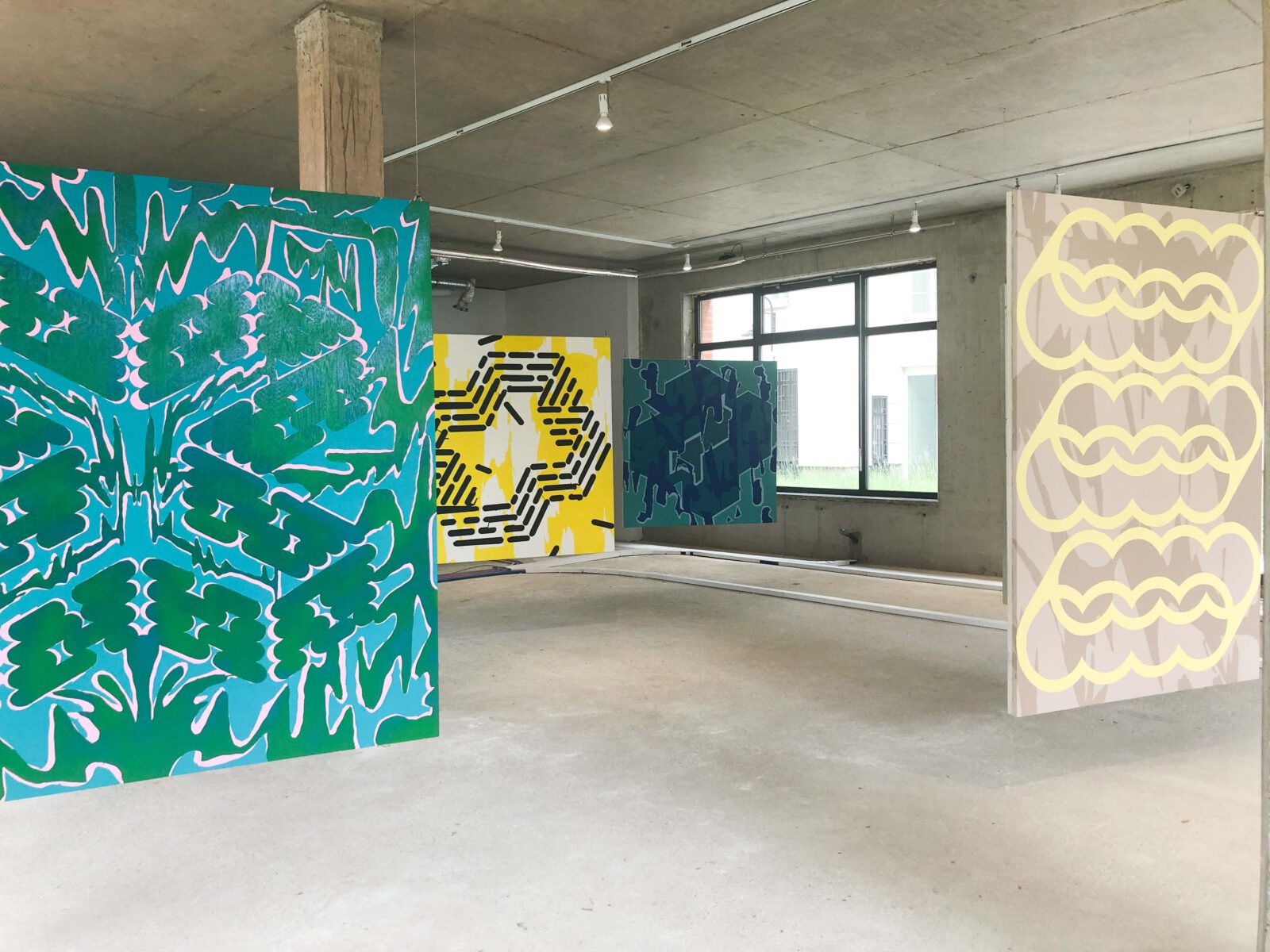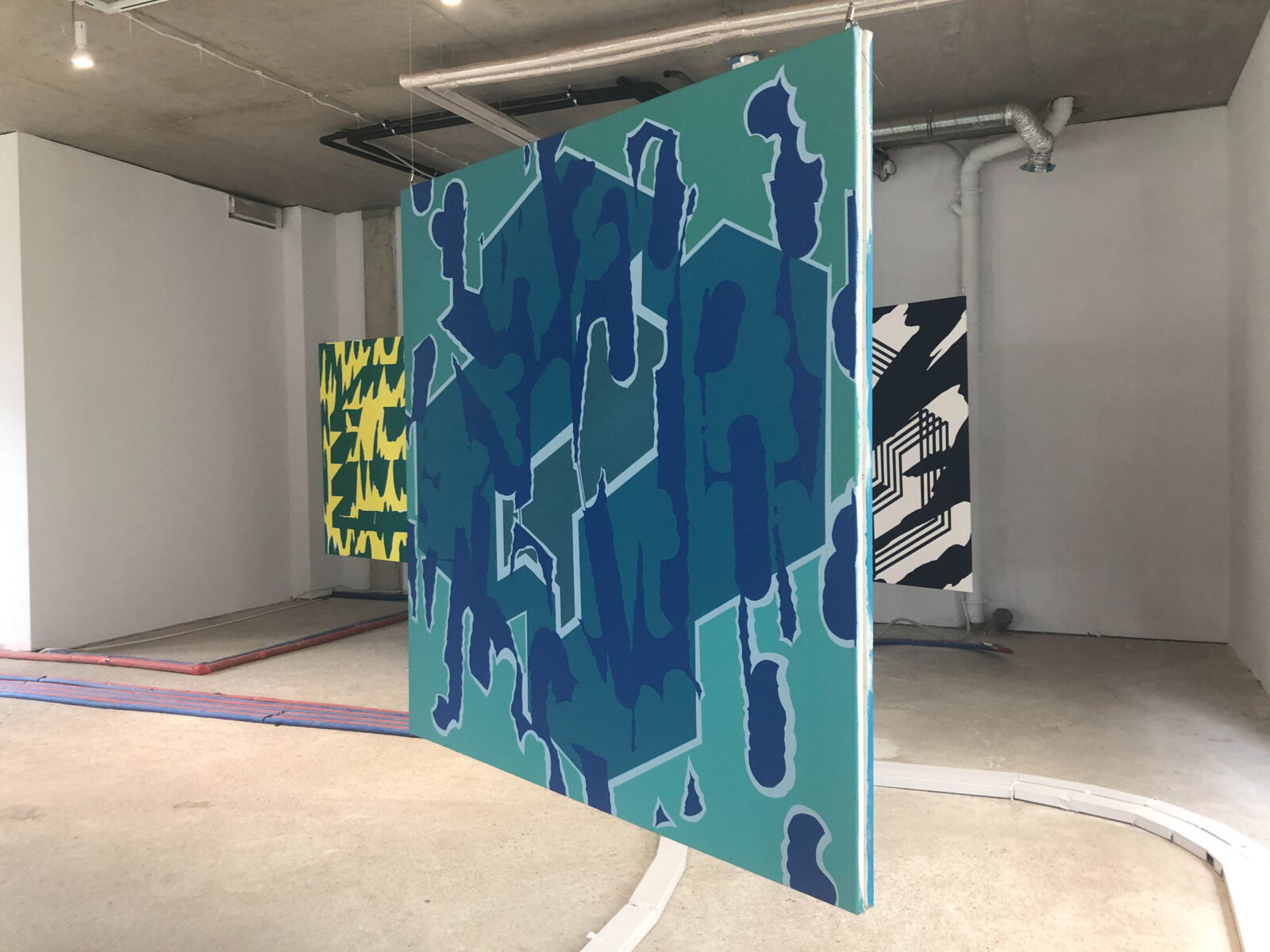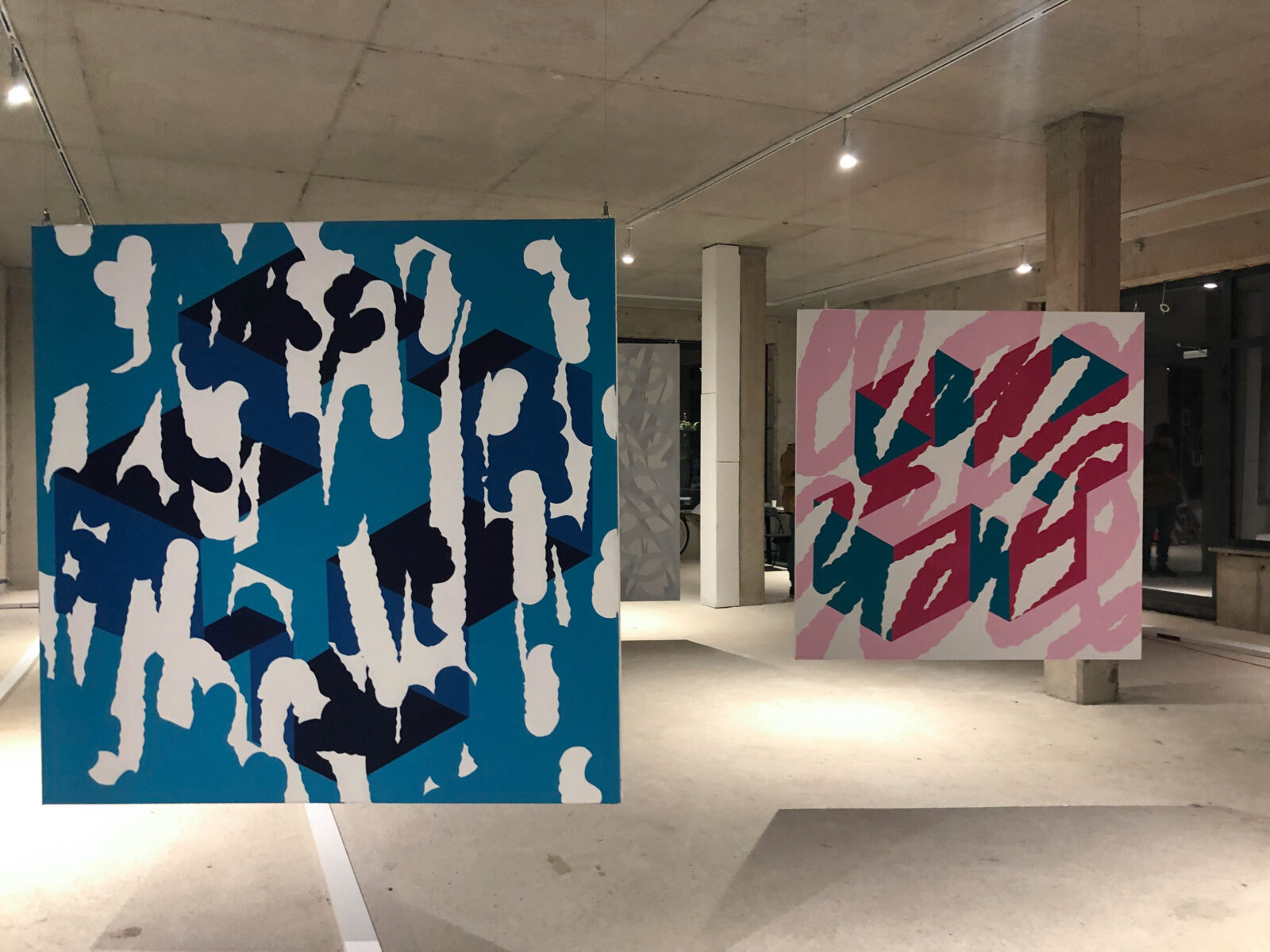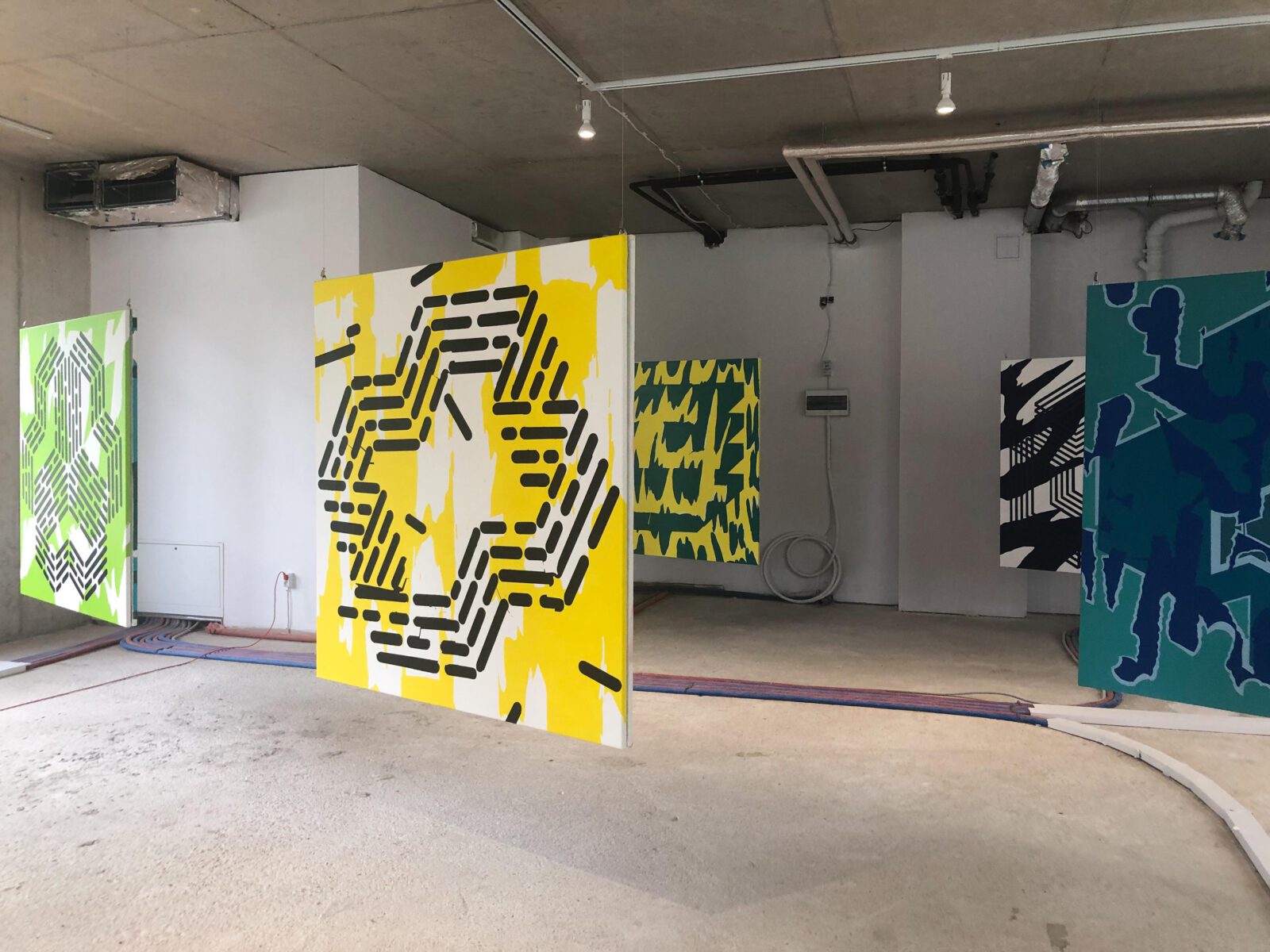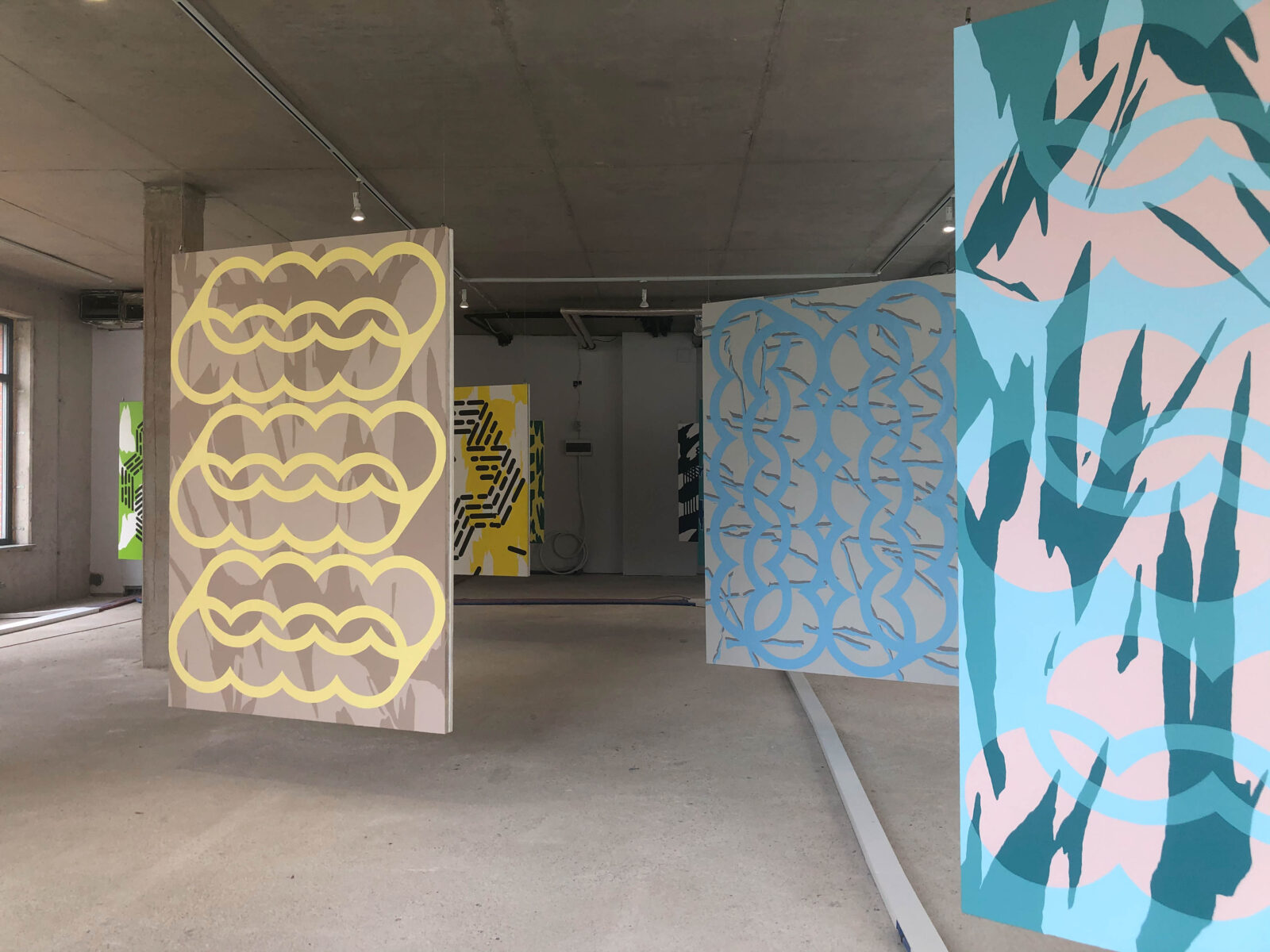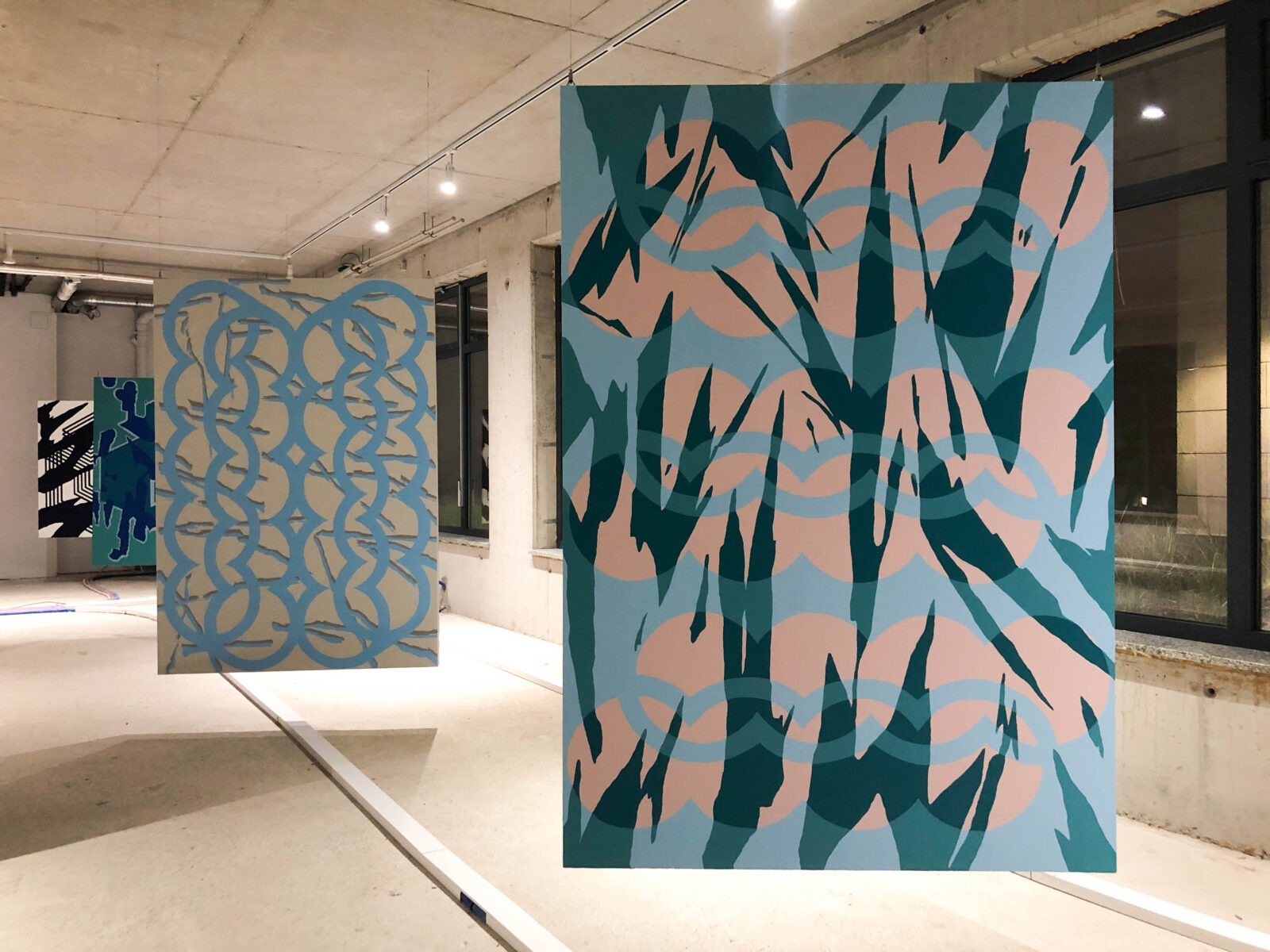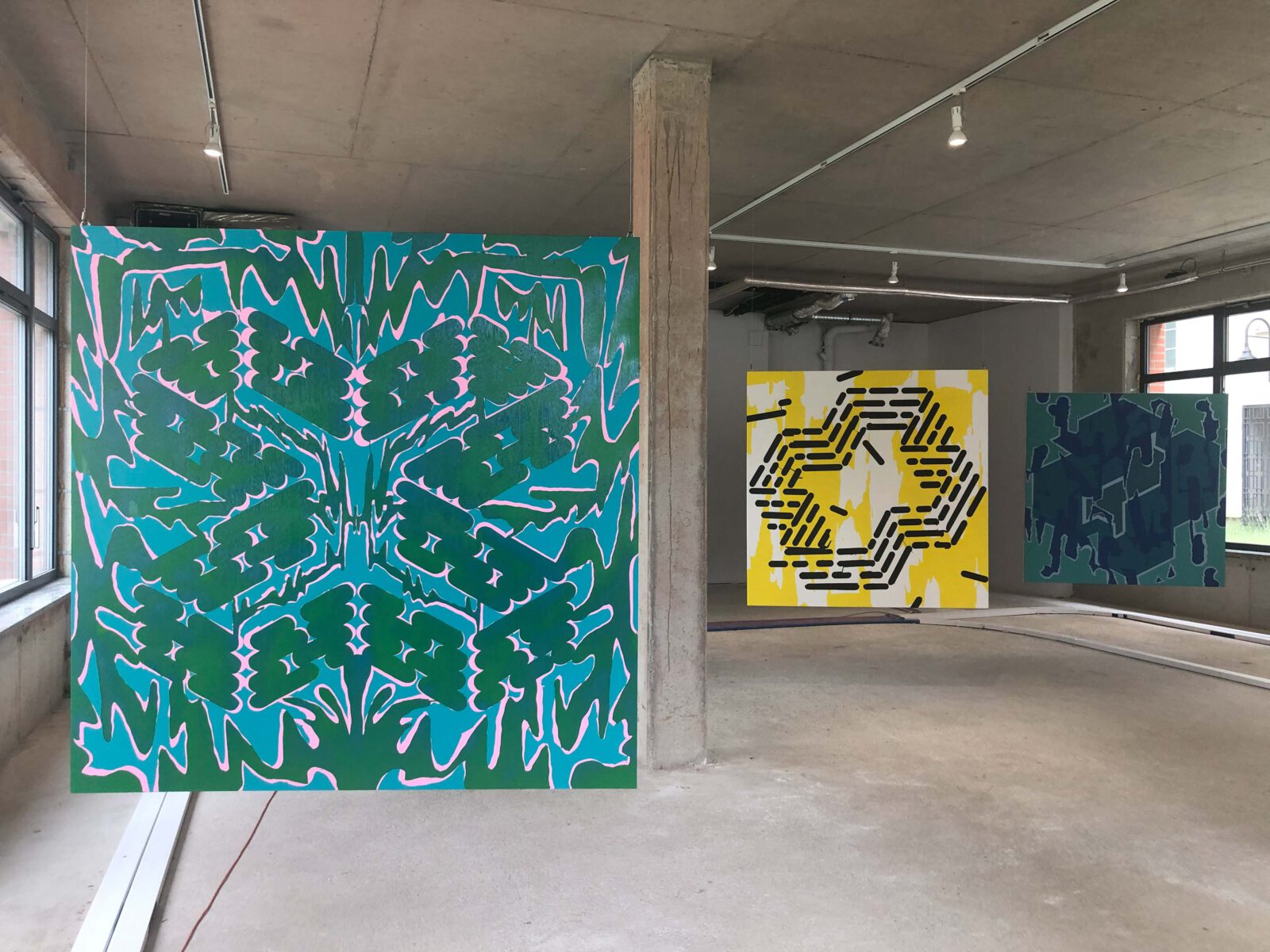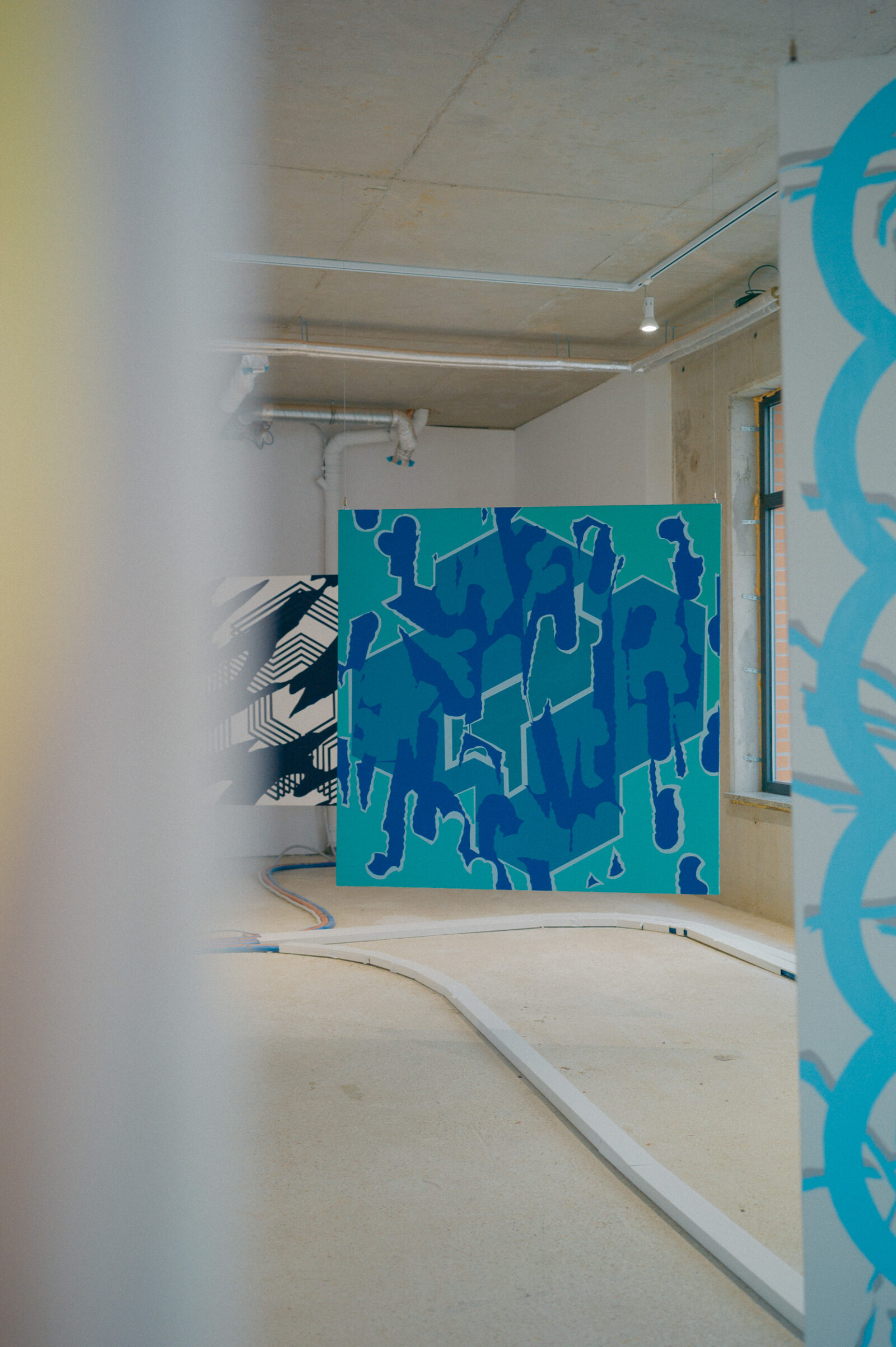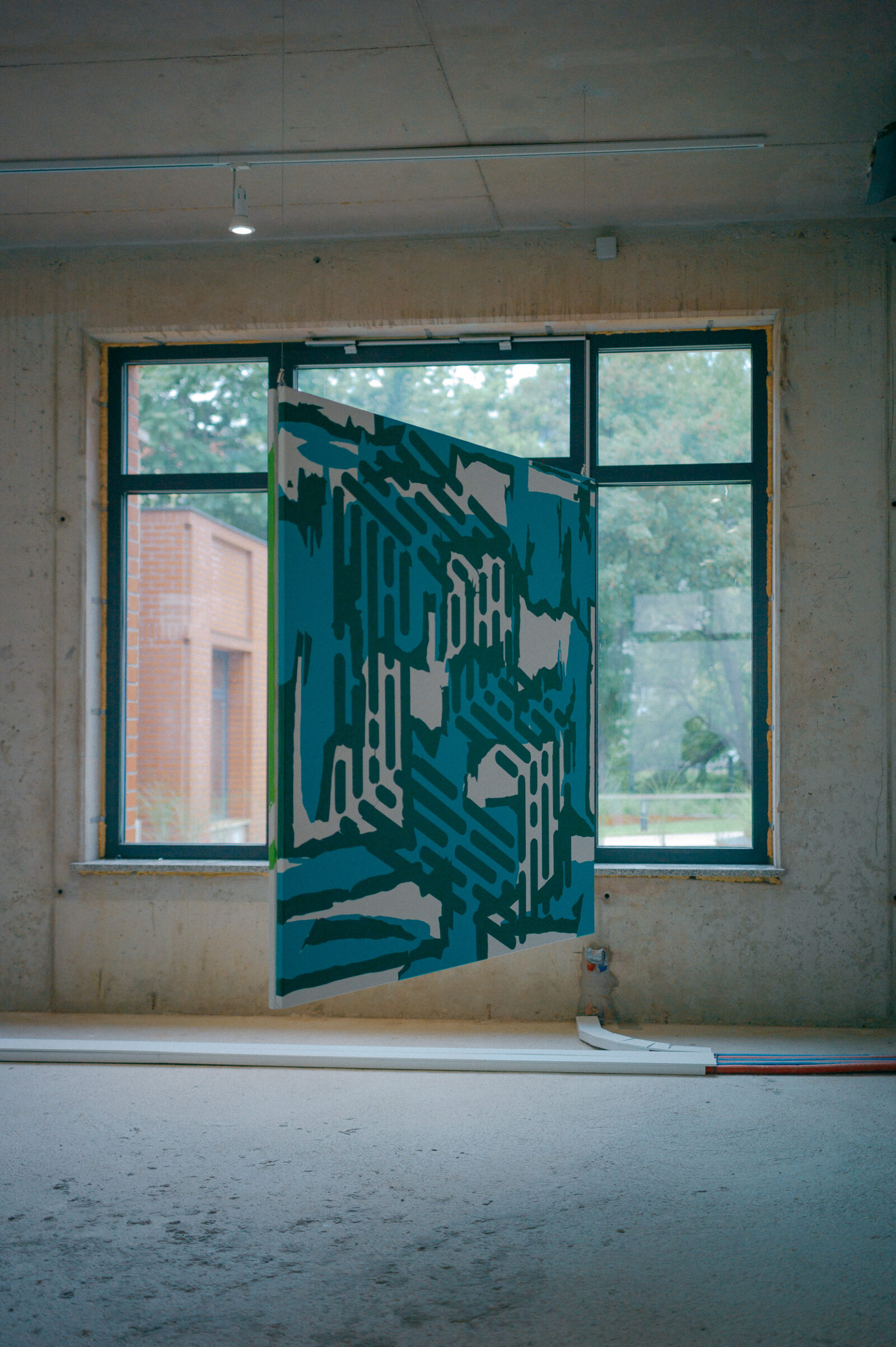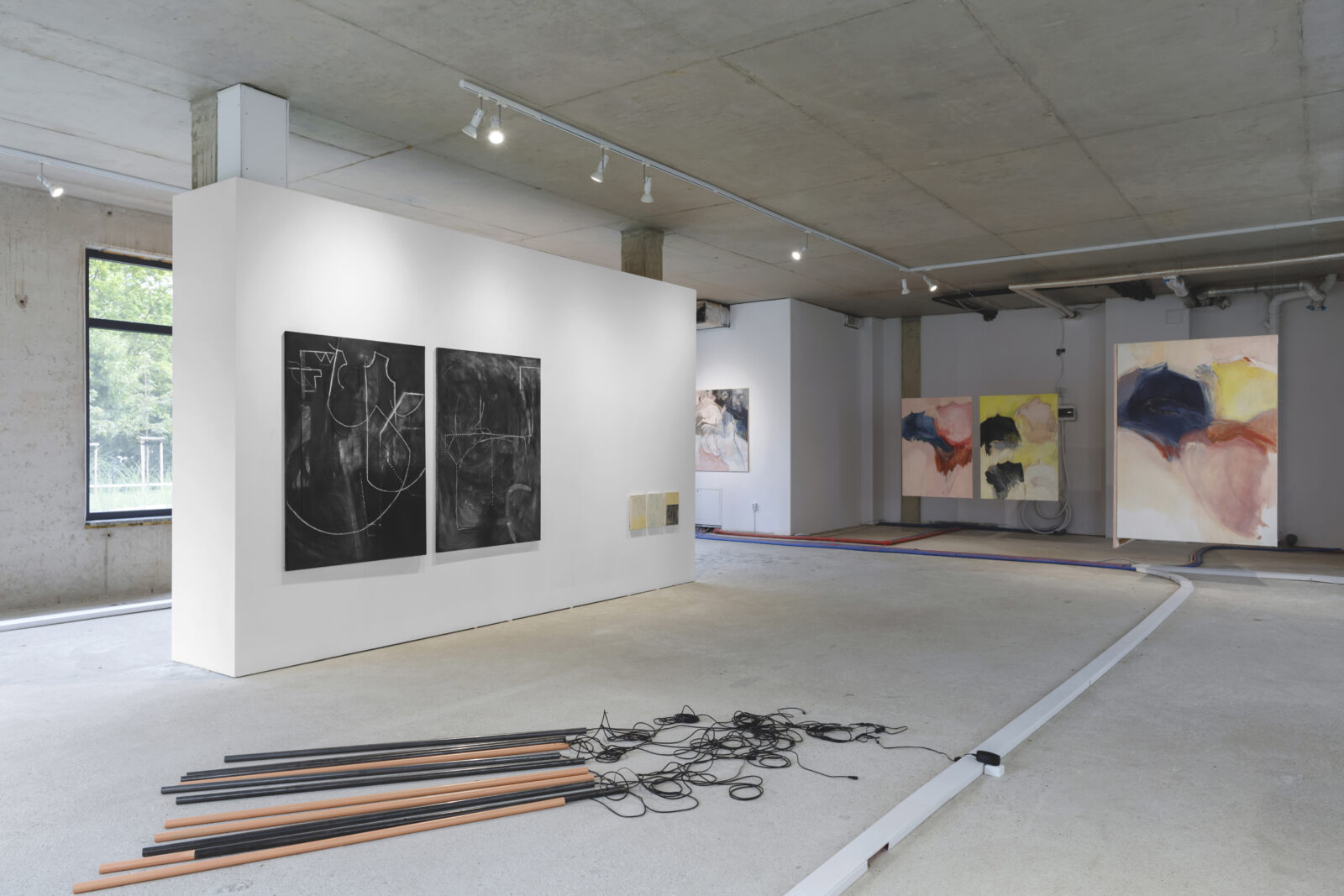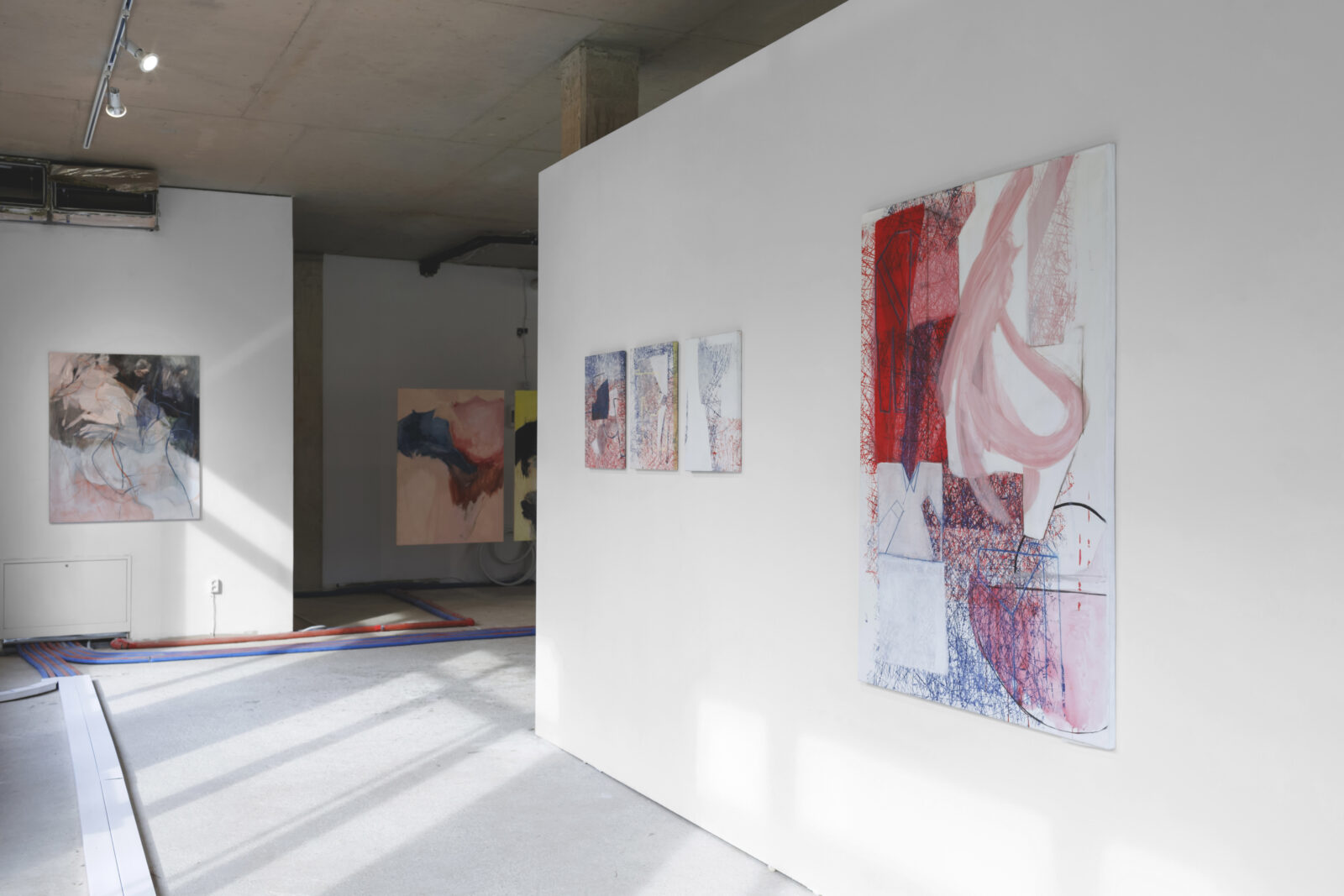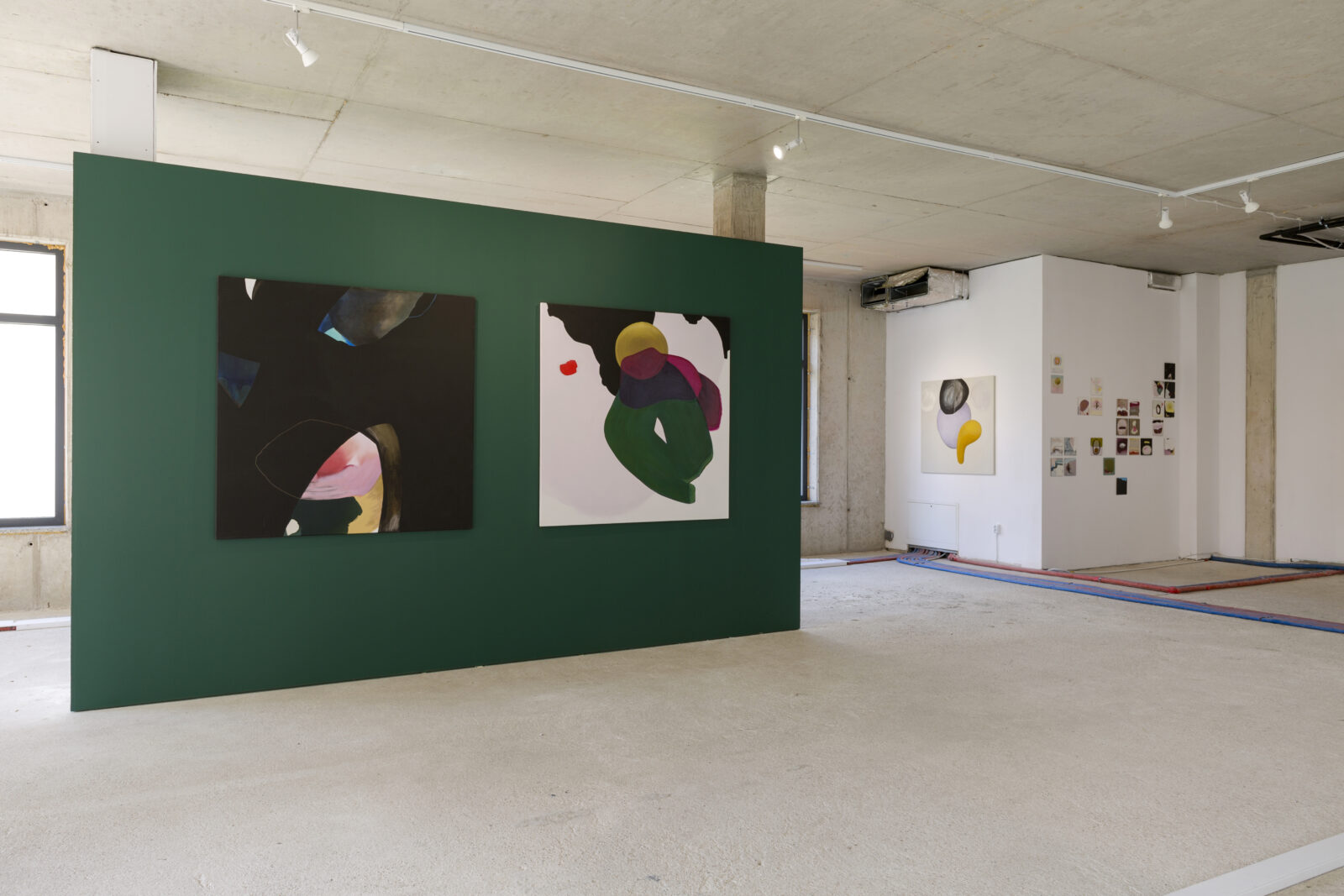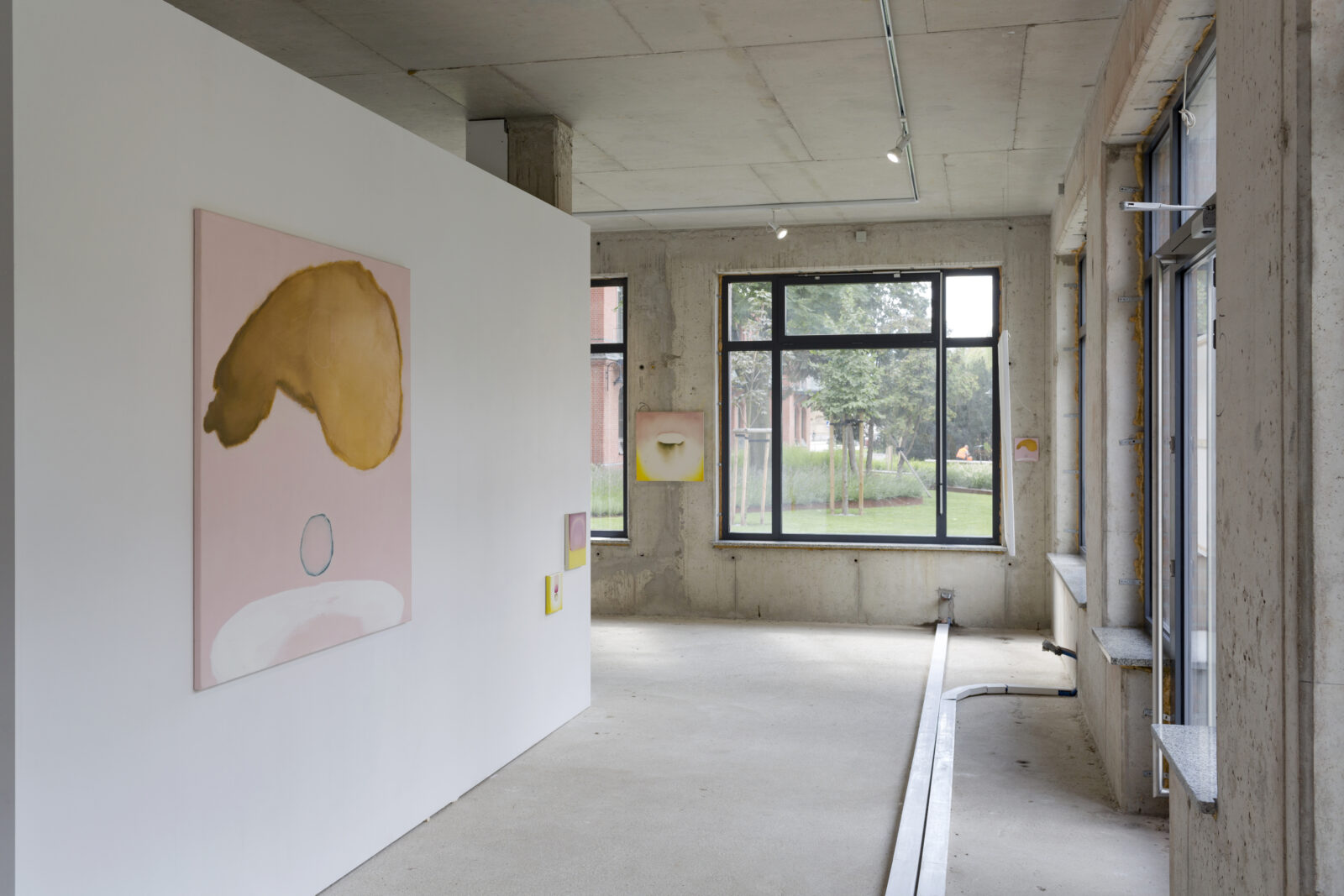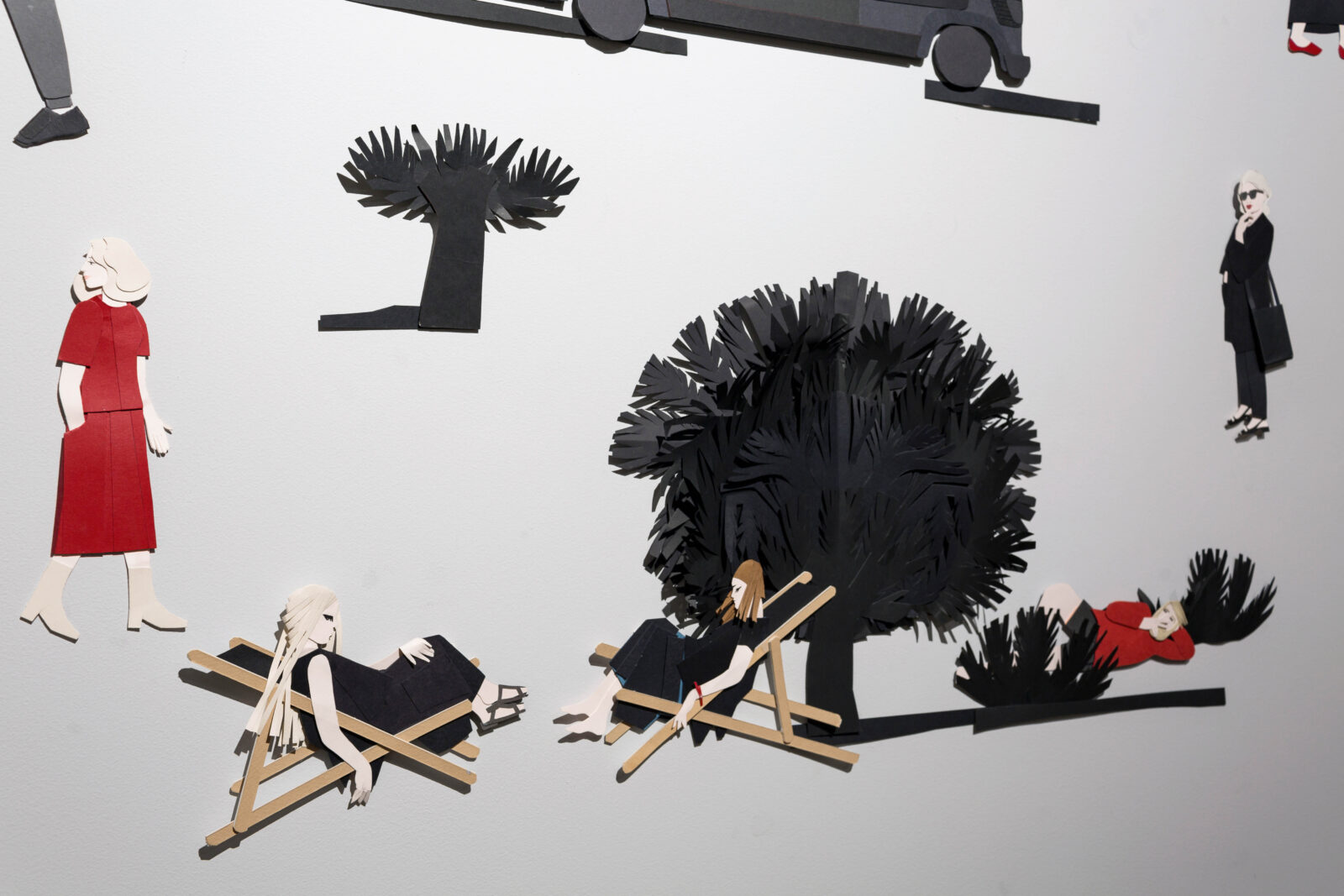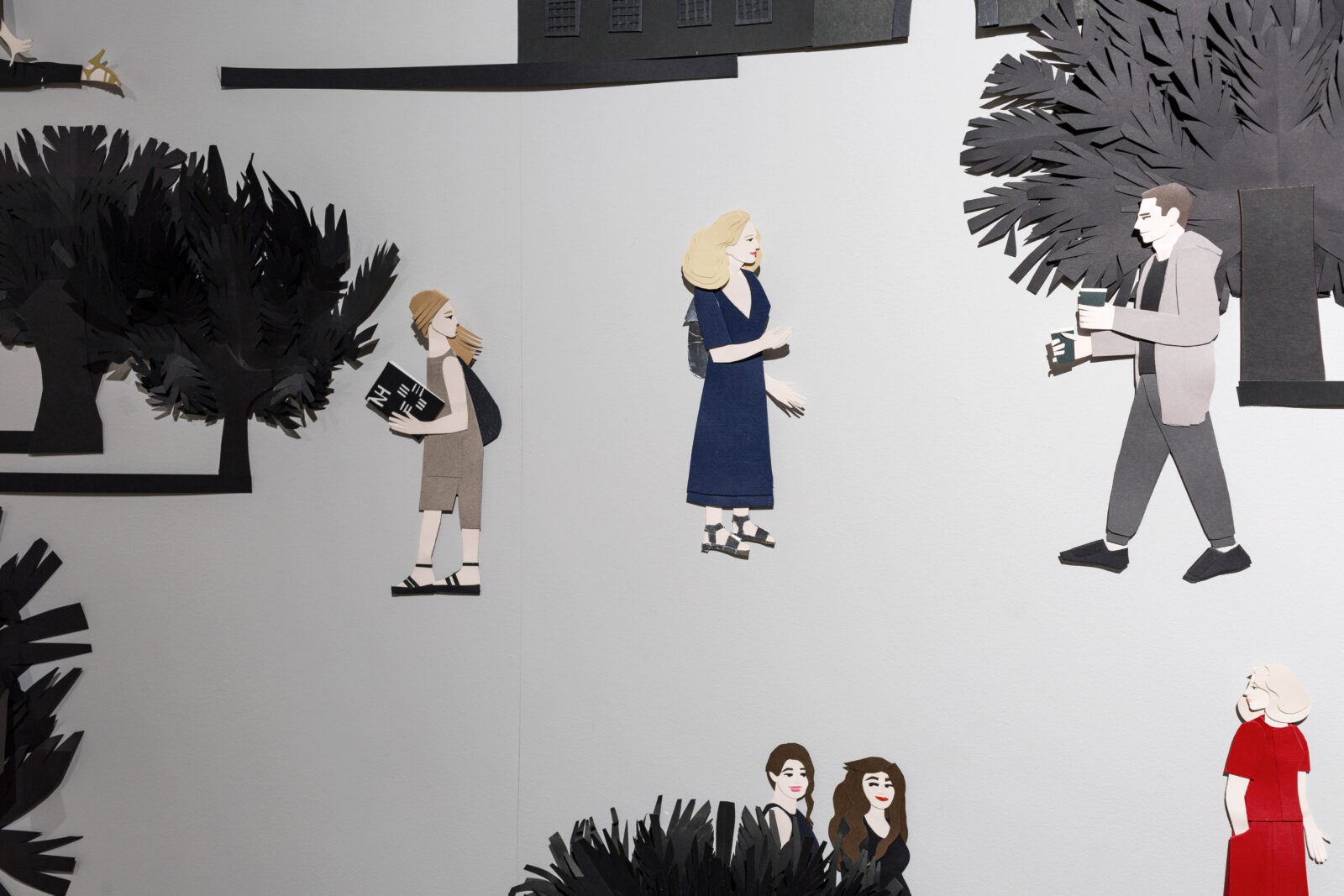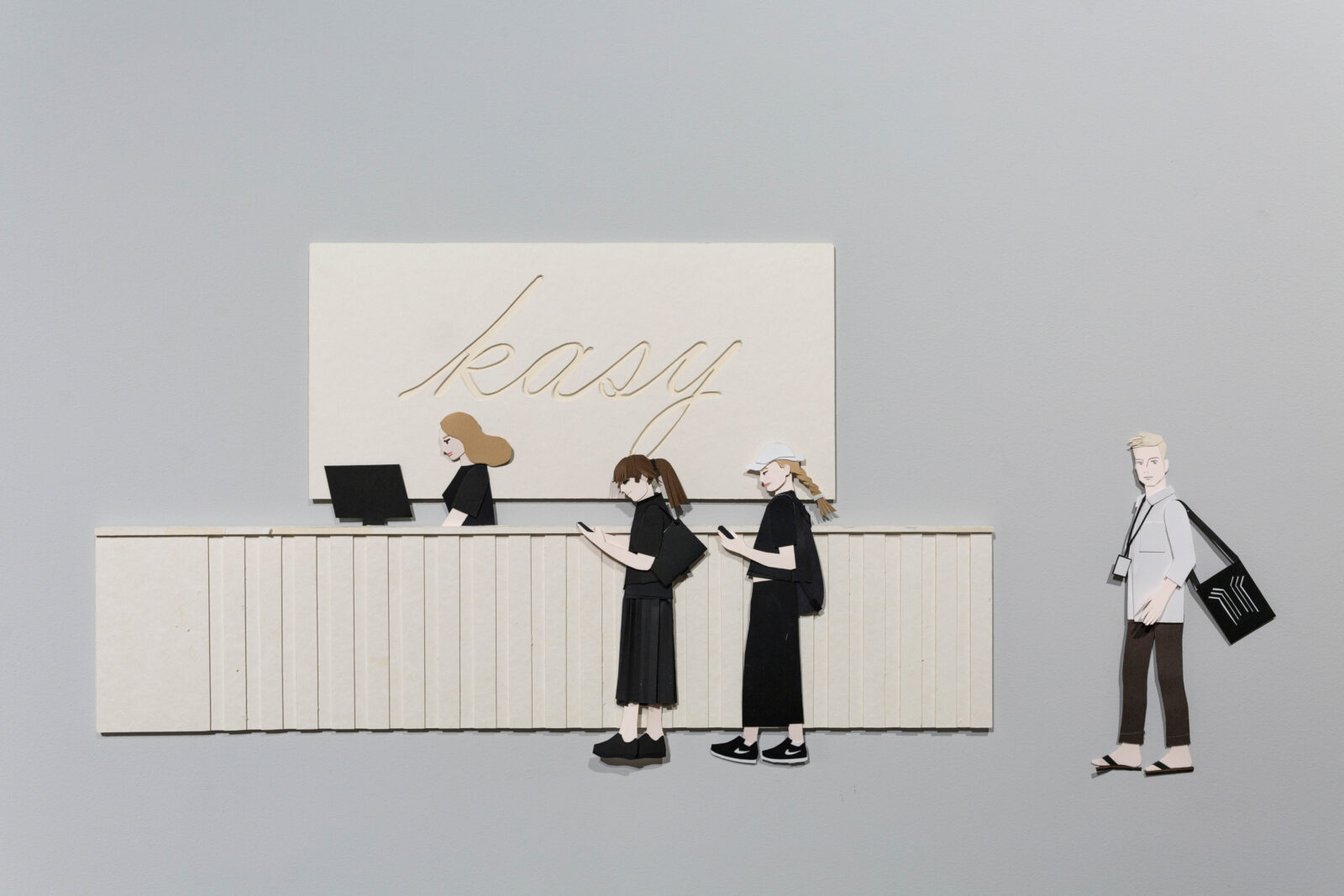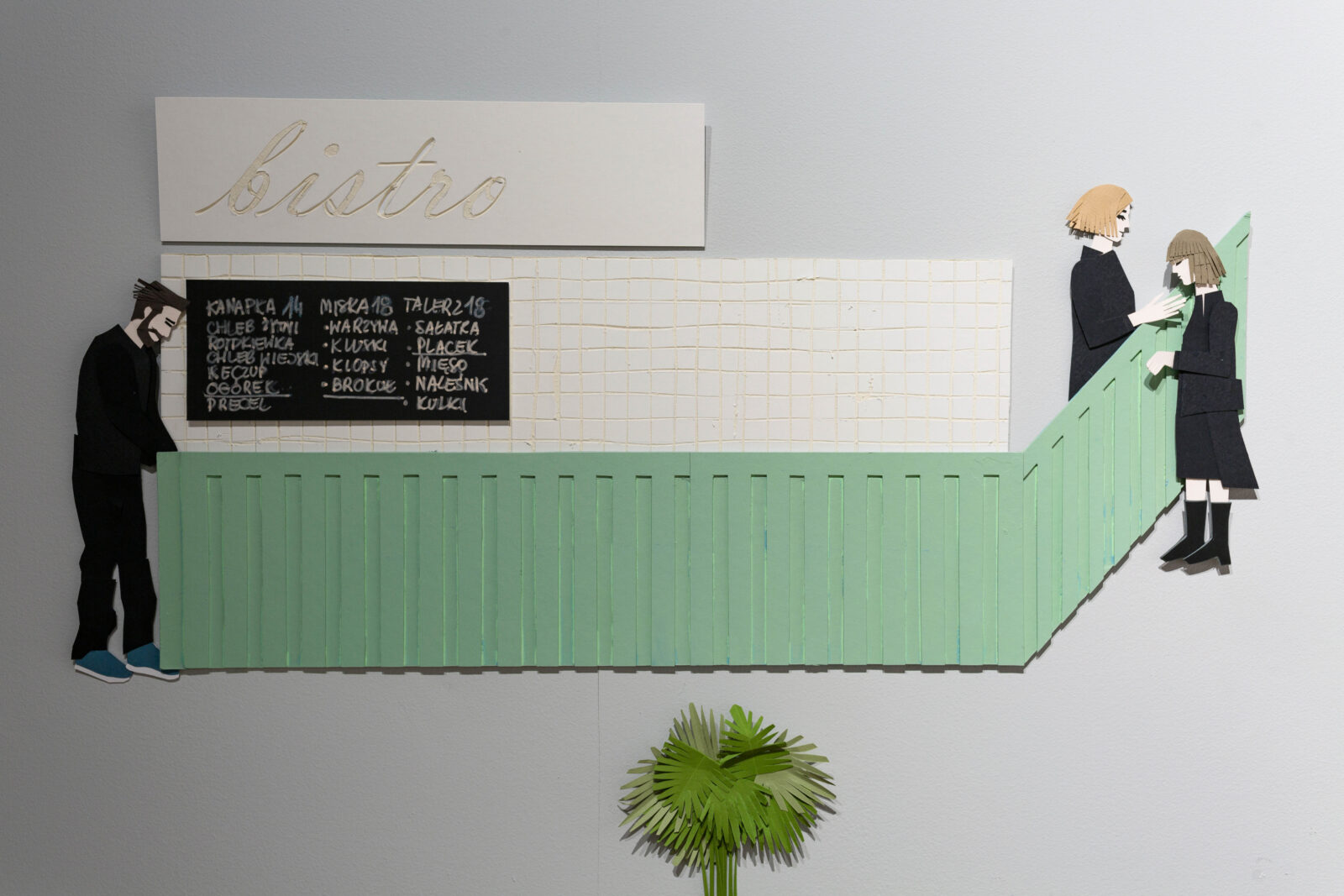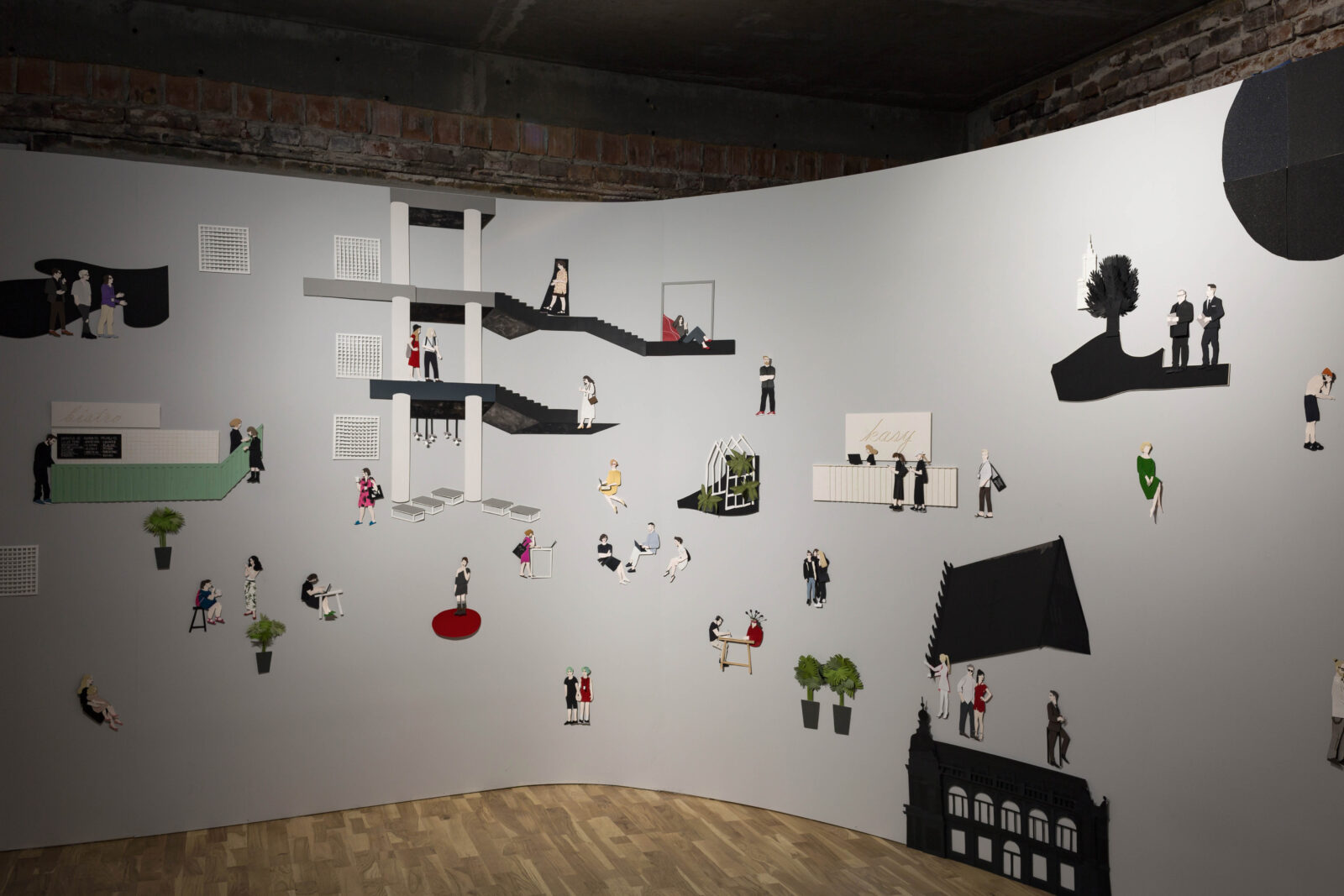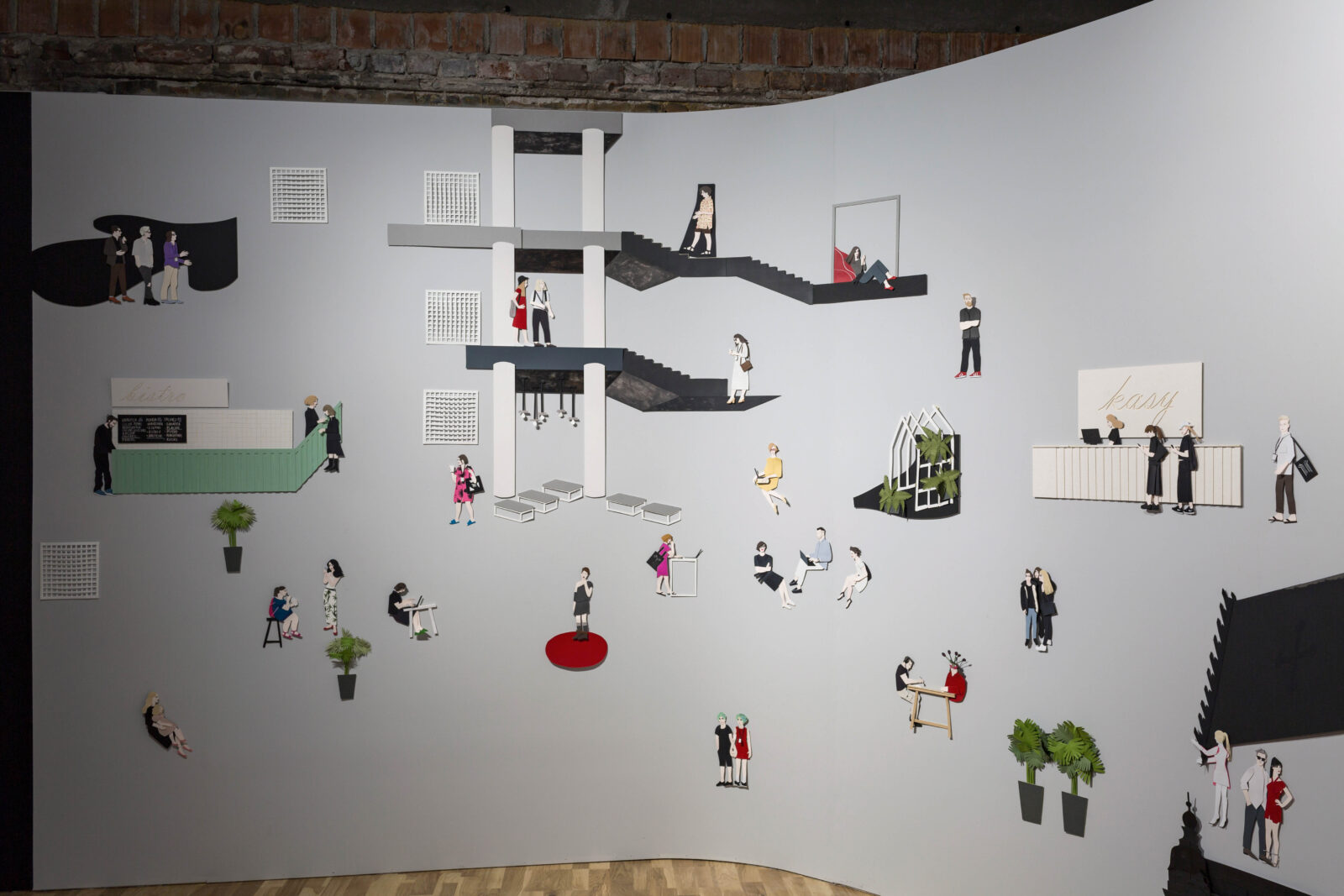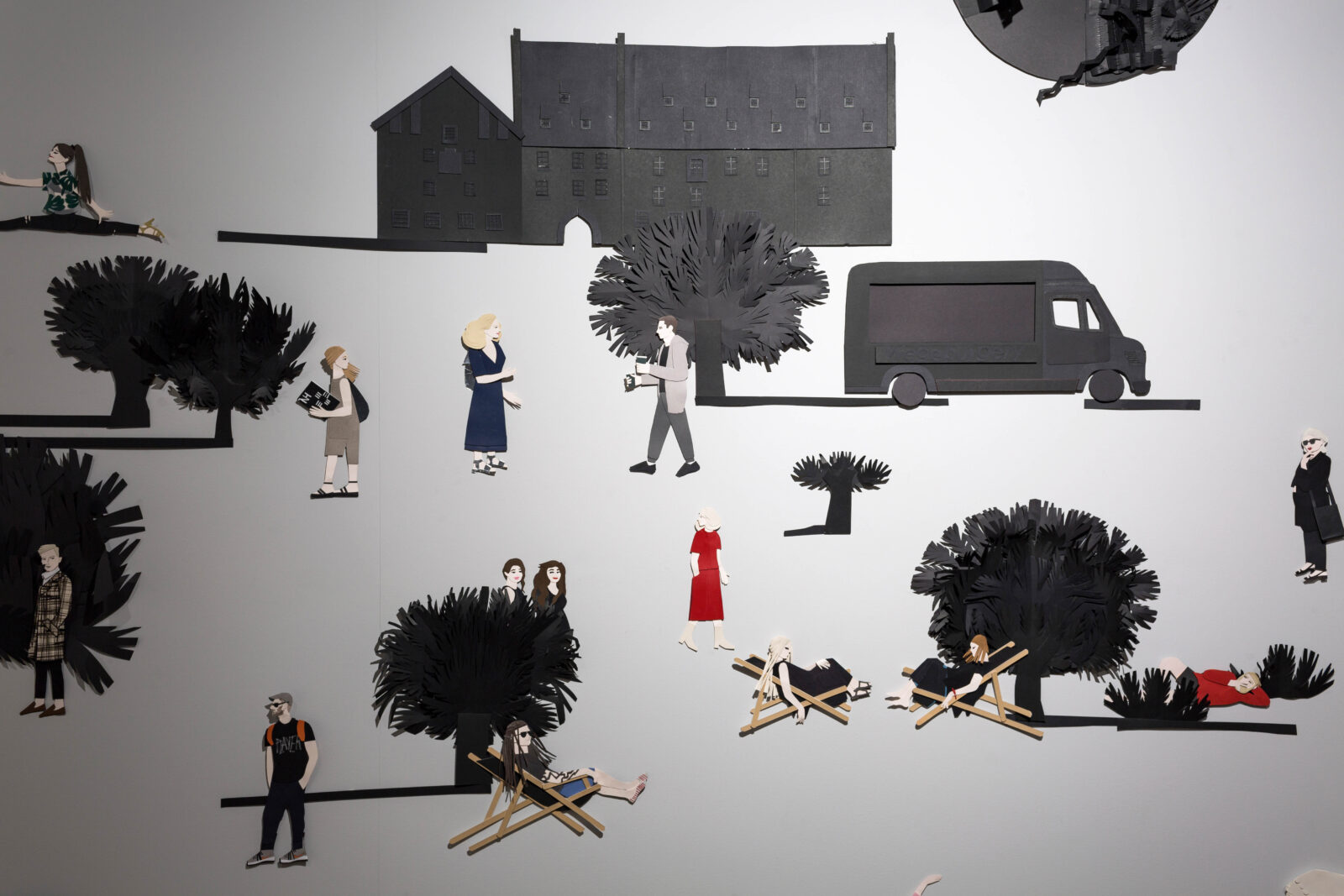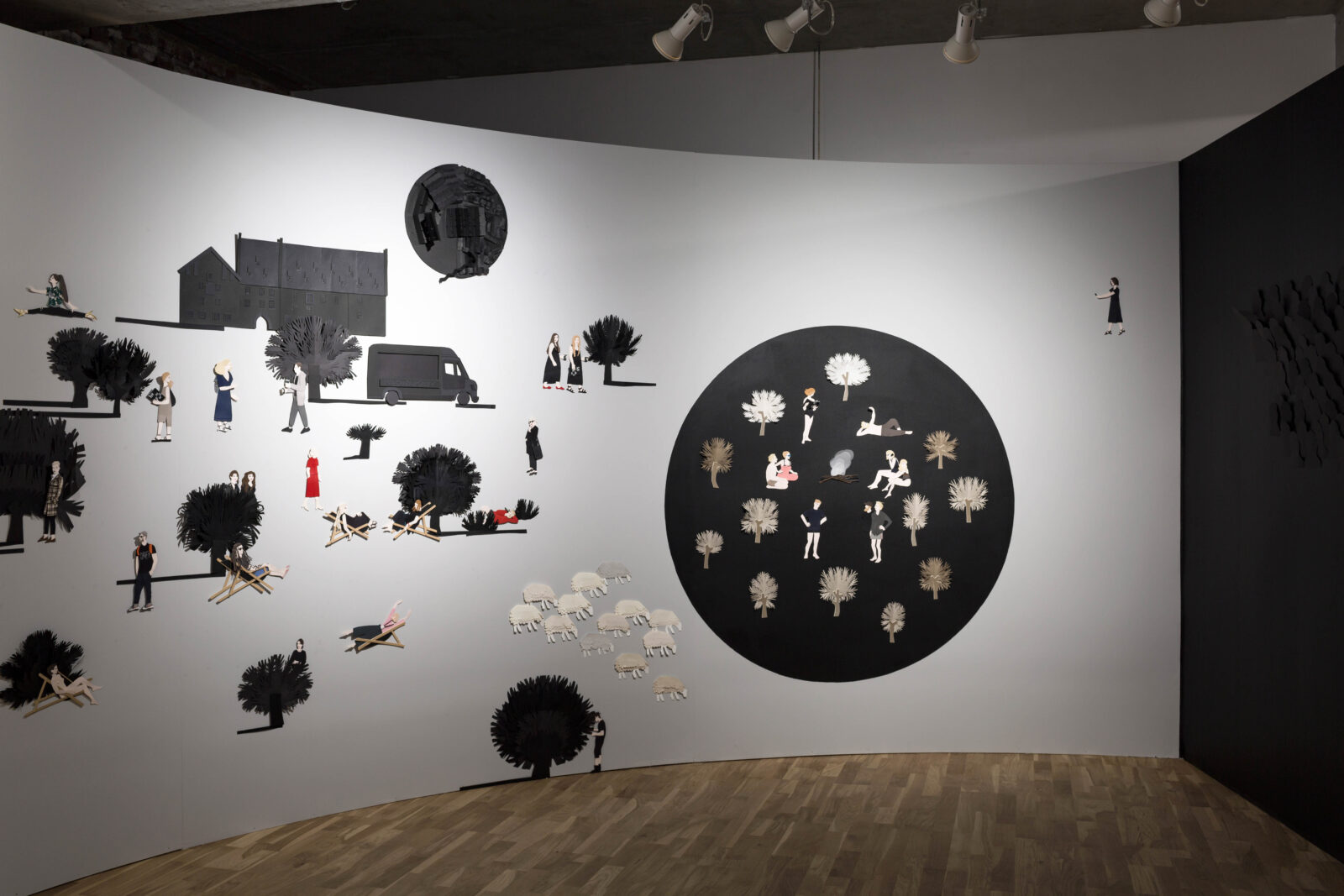



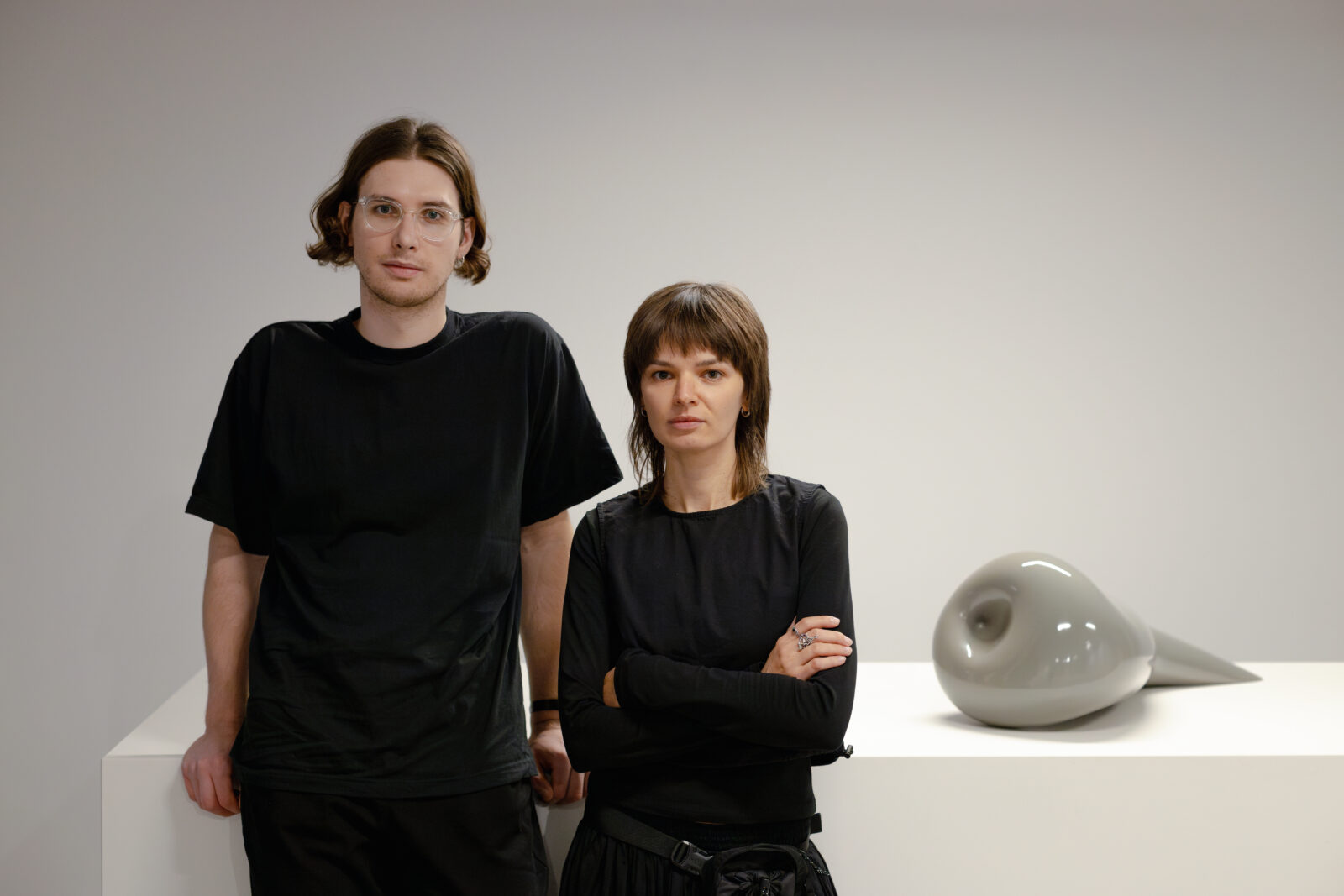
An exhibition by Kacper Wiatrak and Tewu
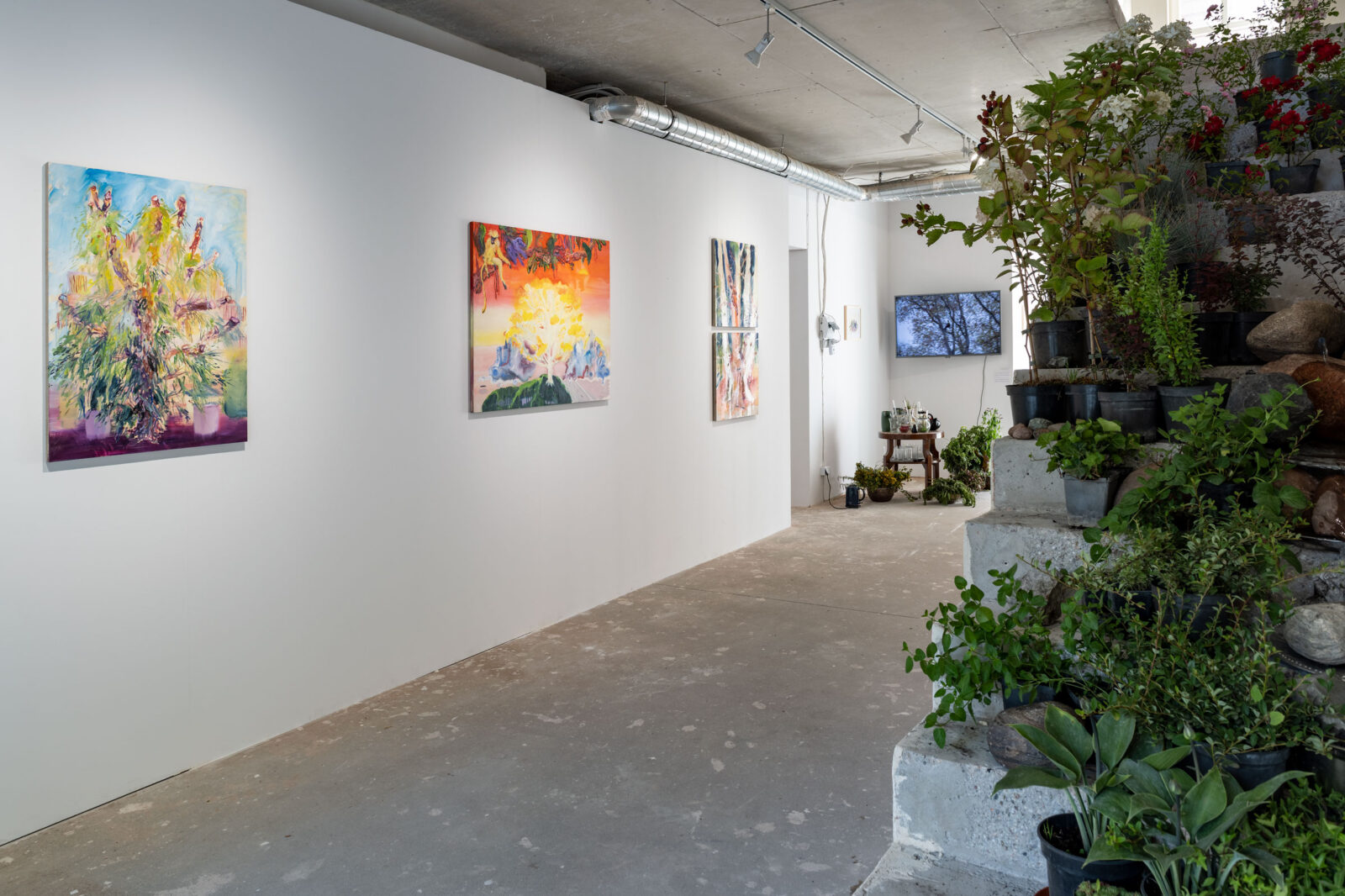
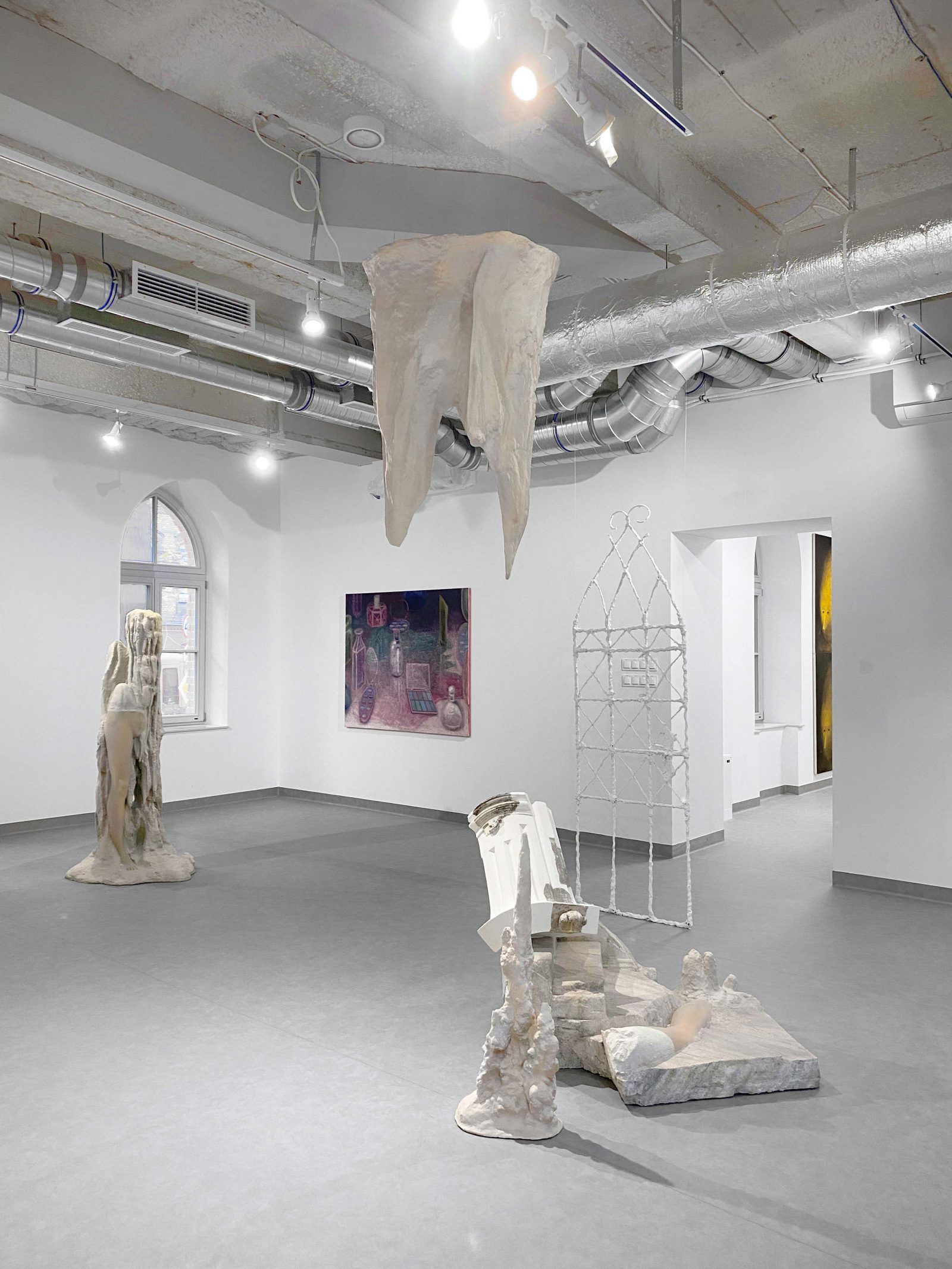
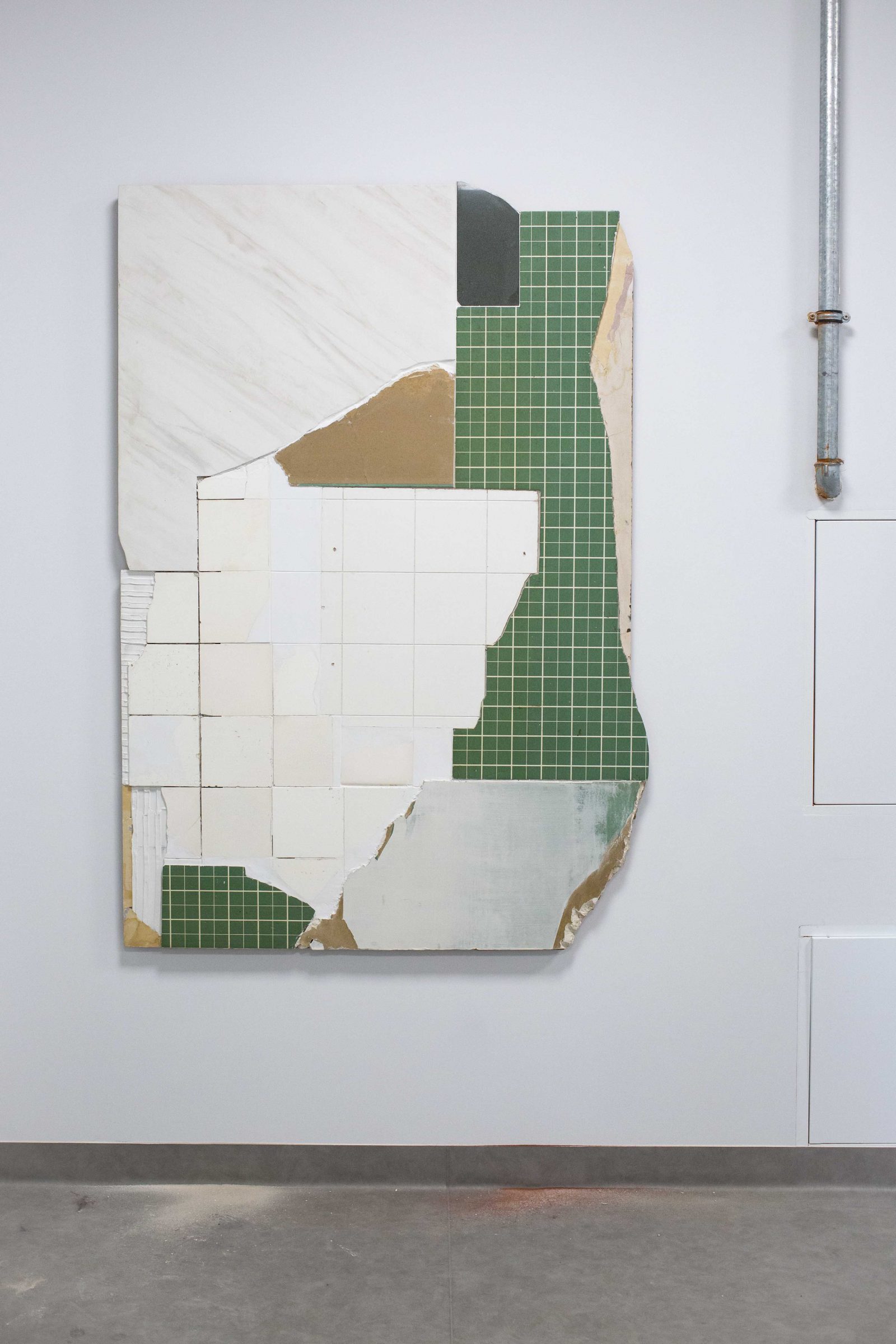
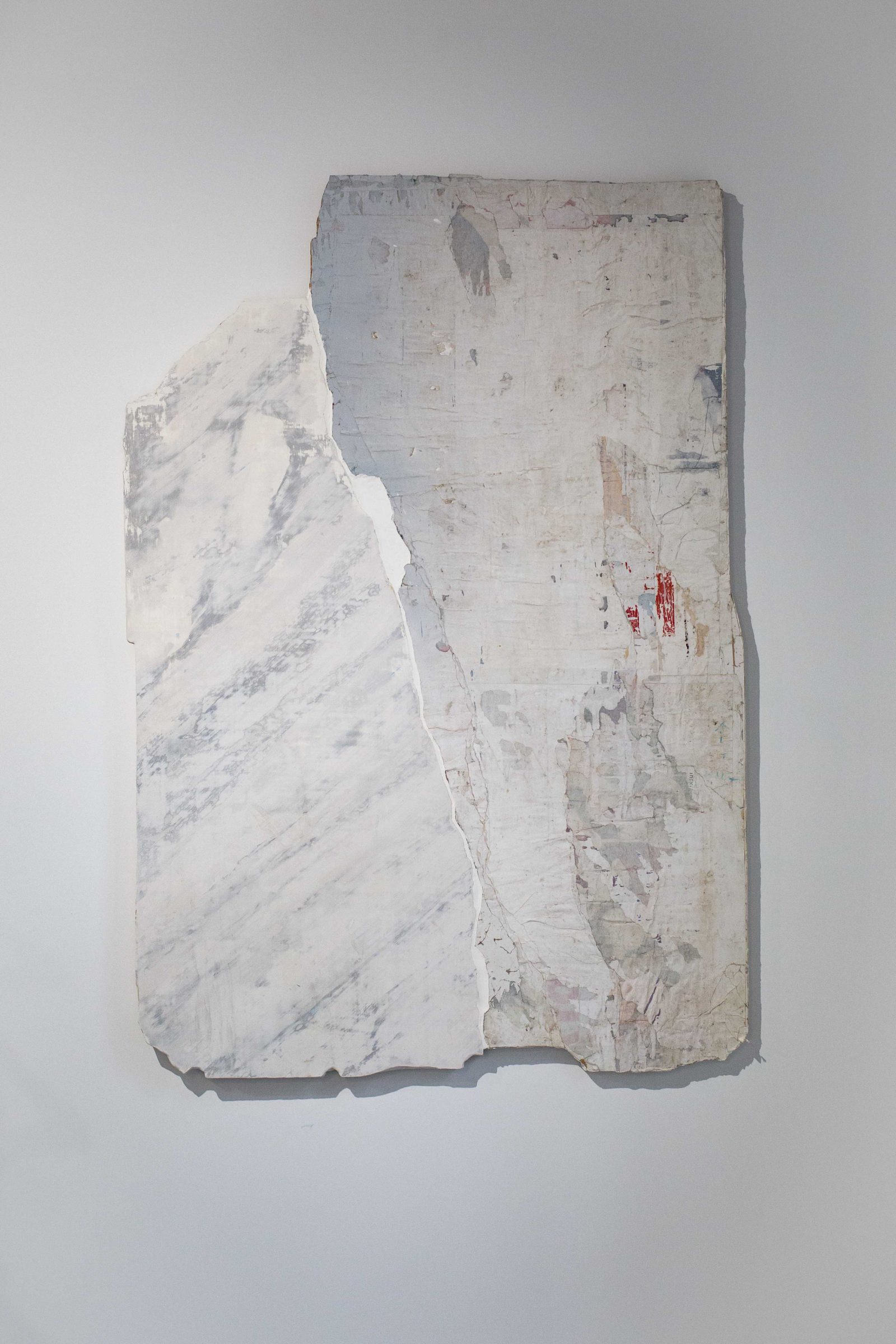
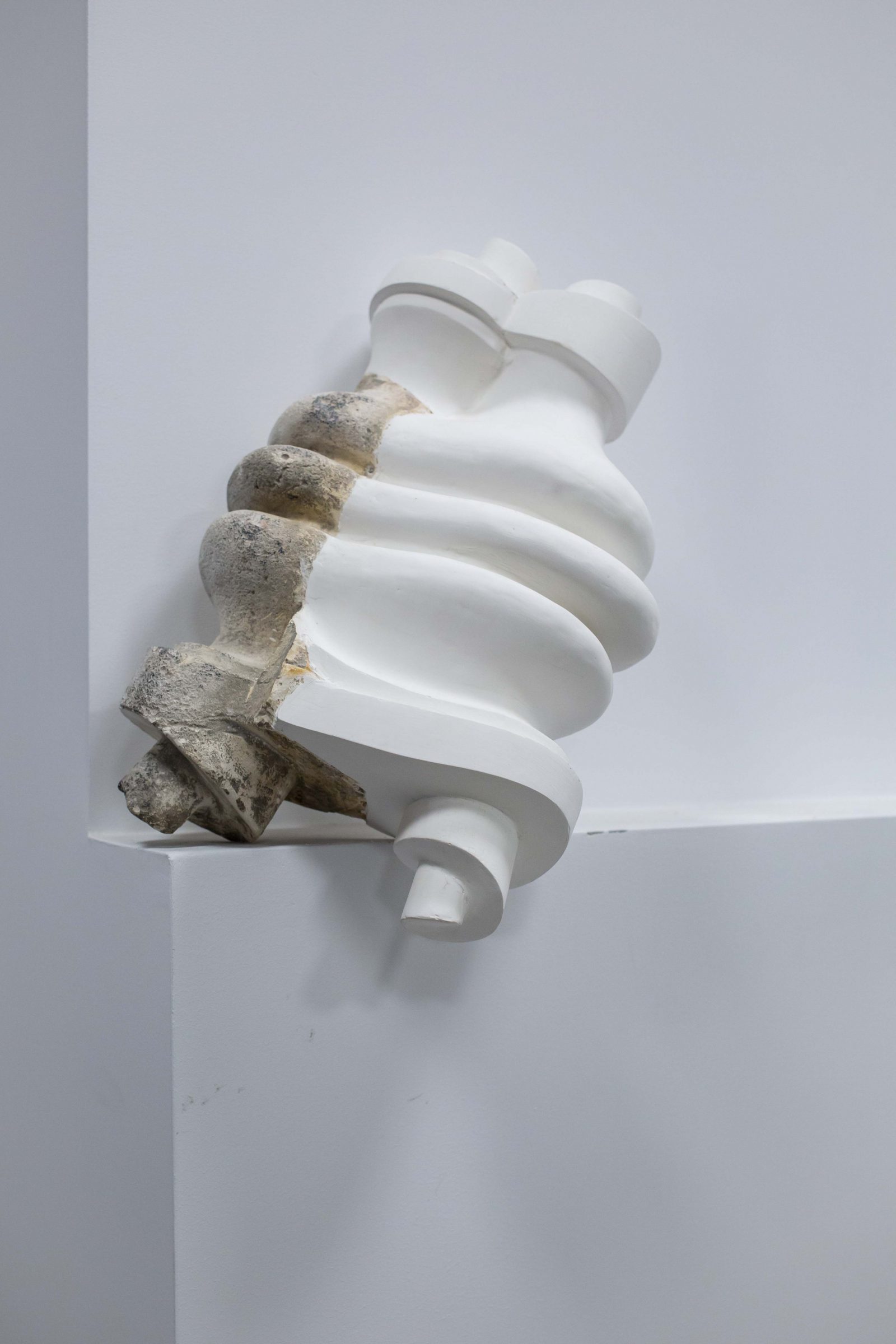
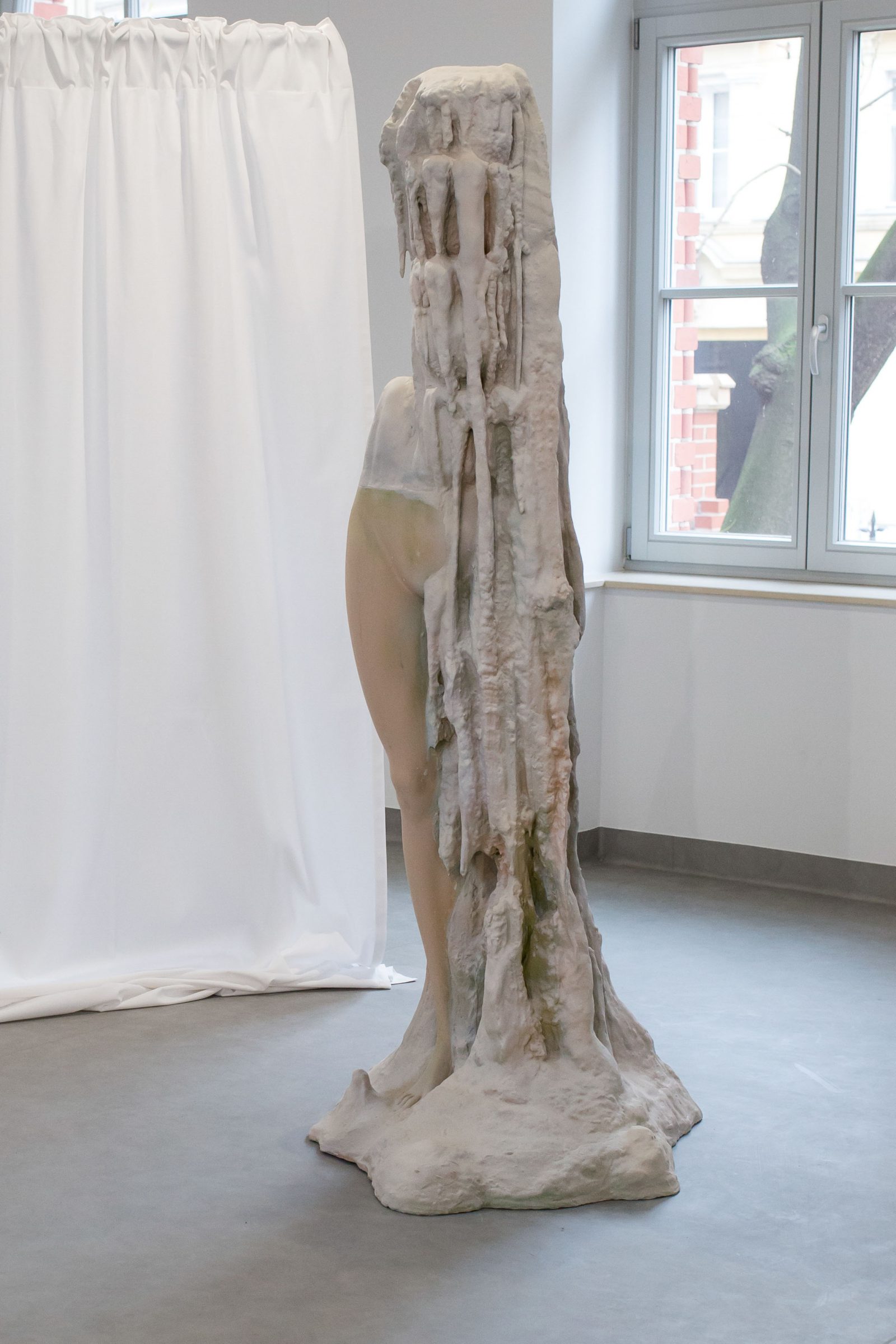
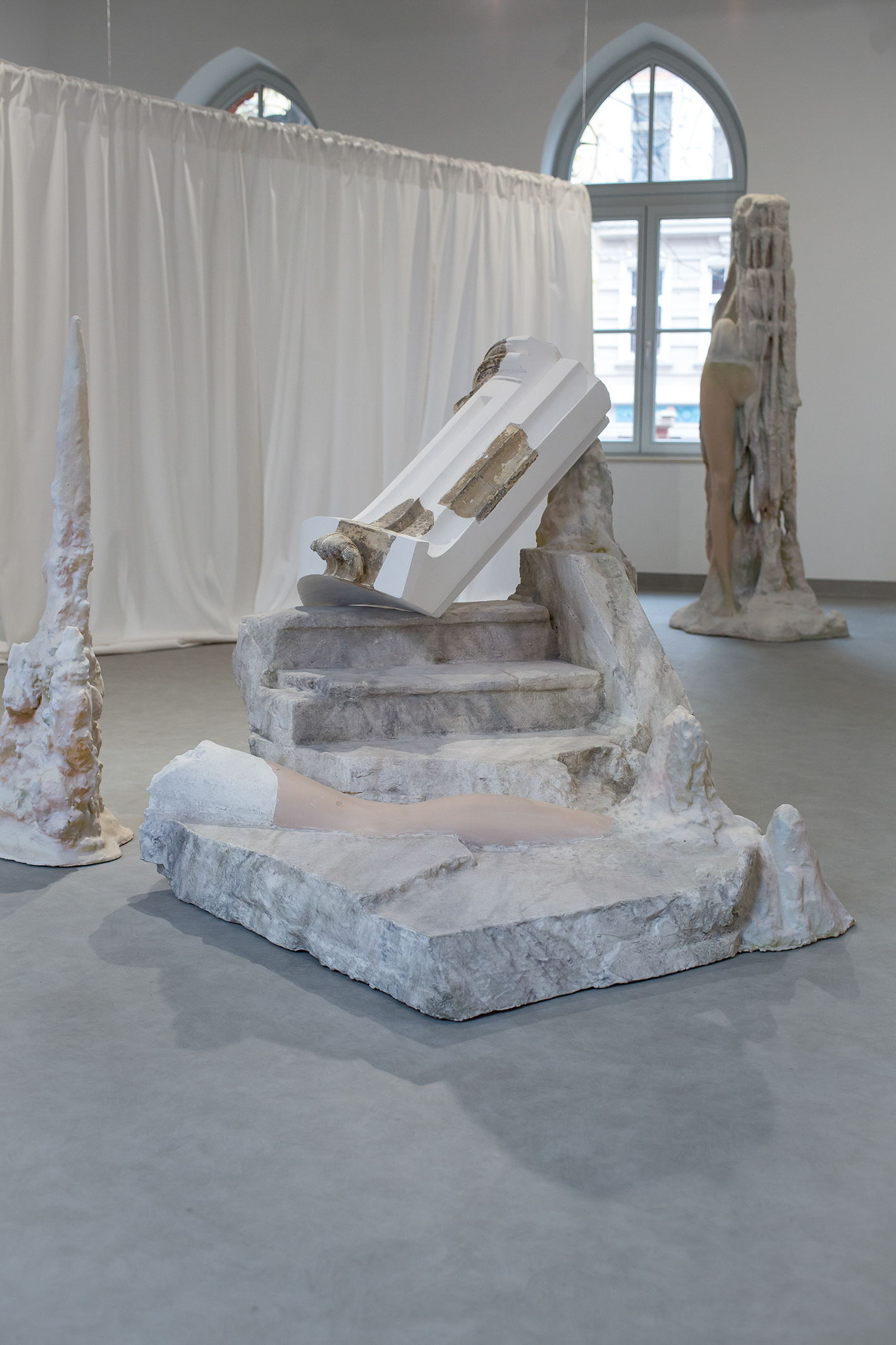
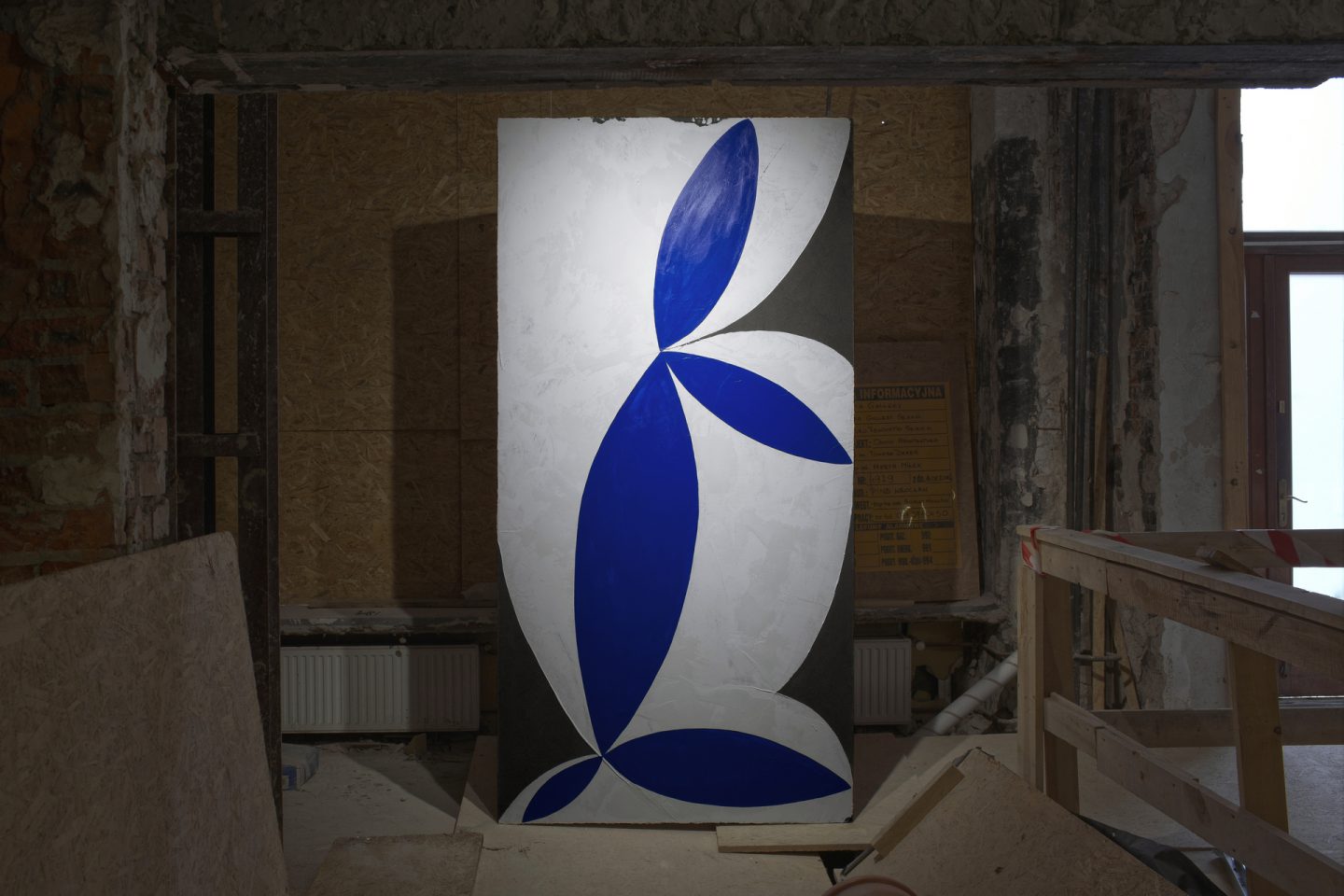
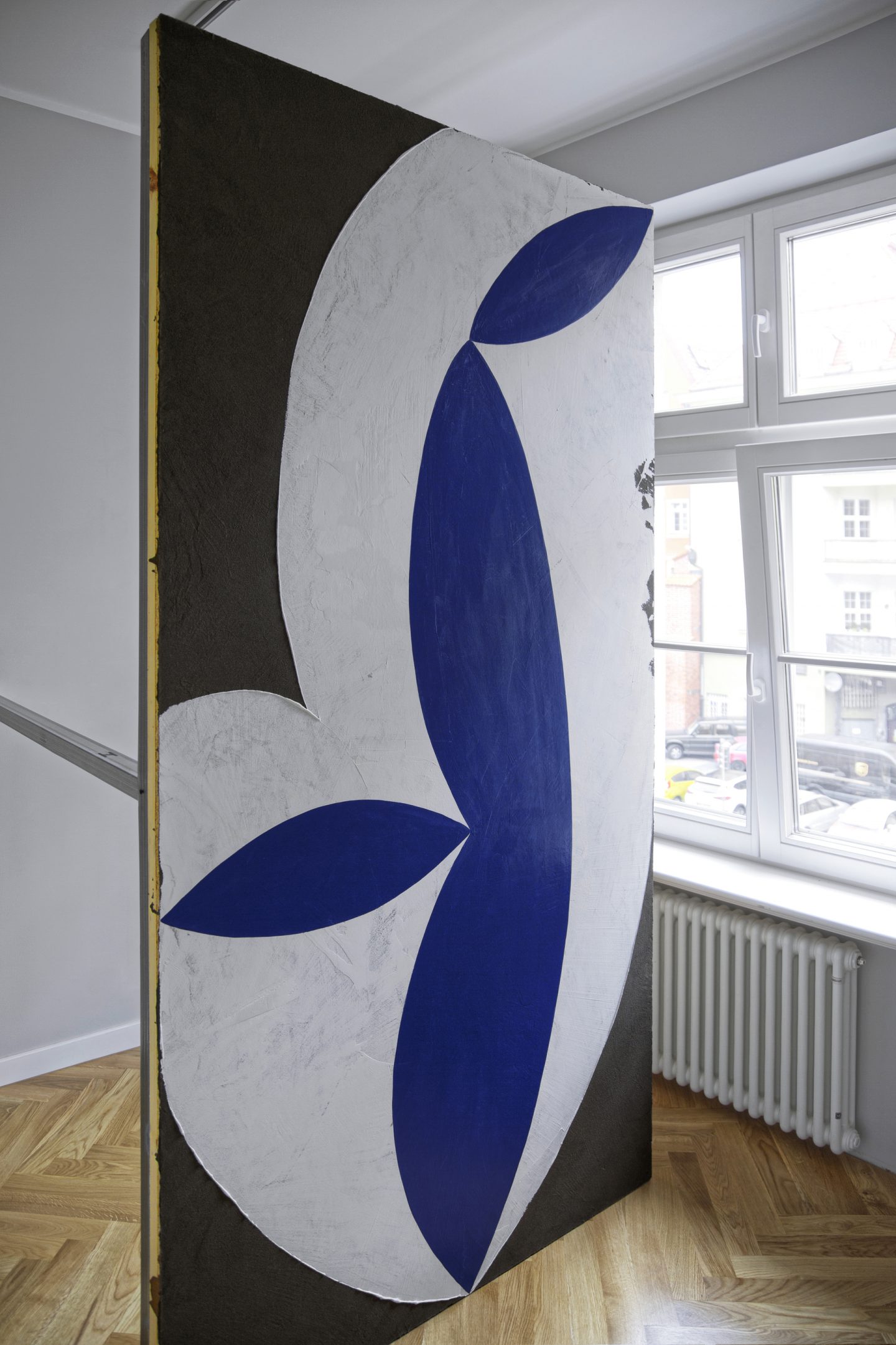
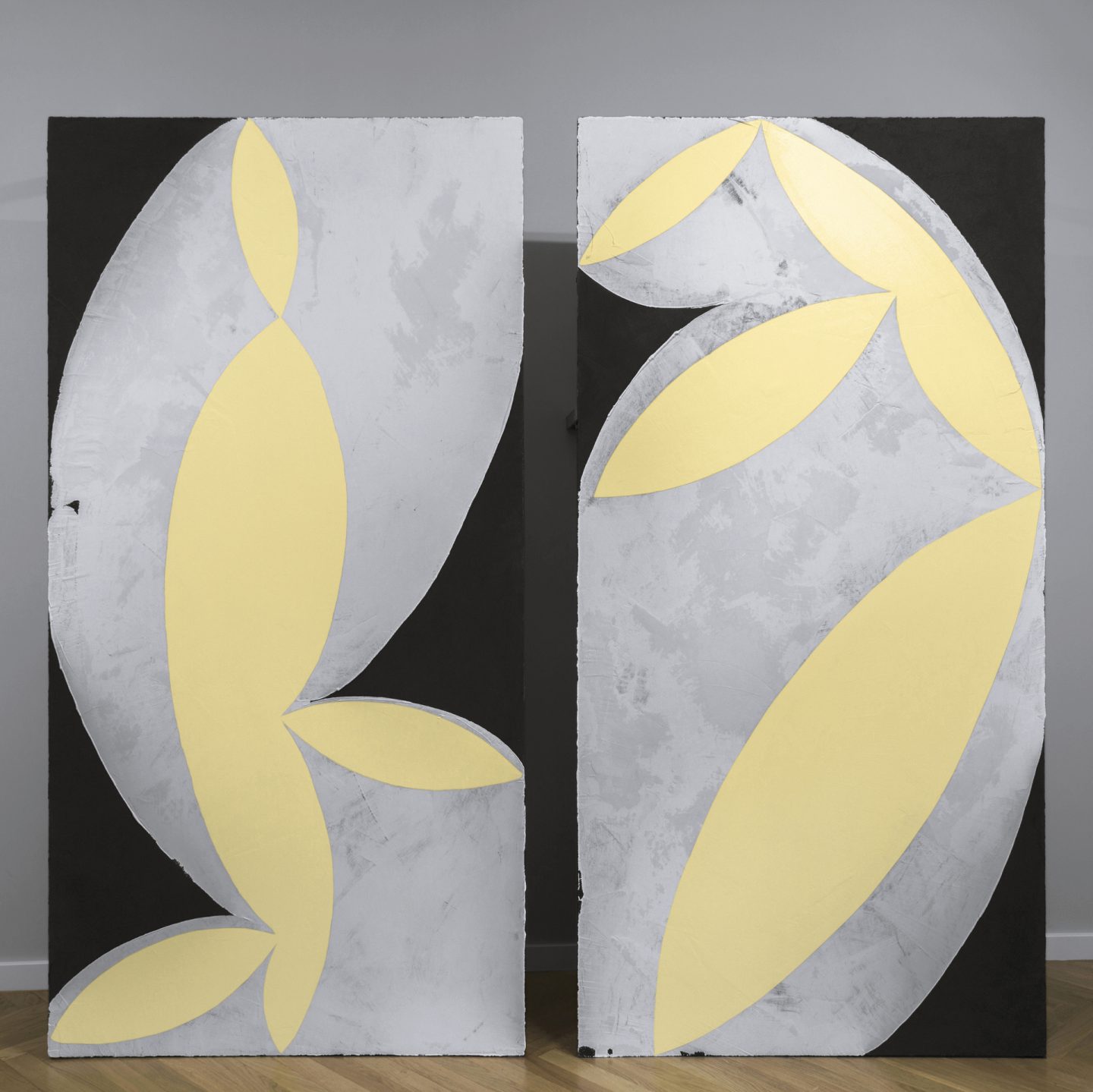
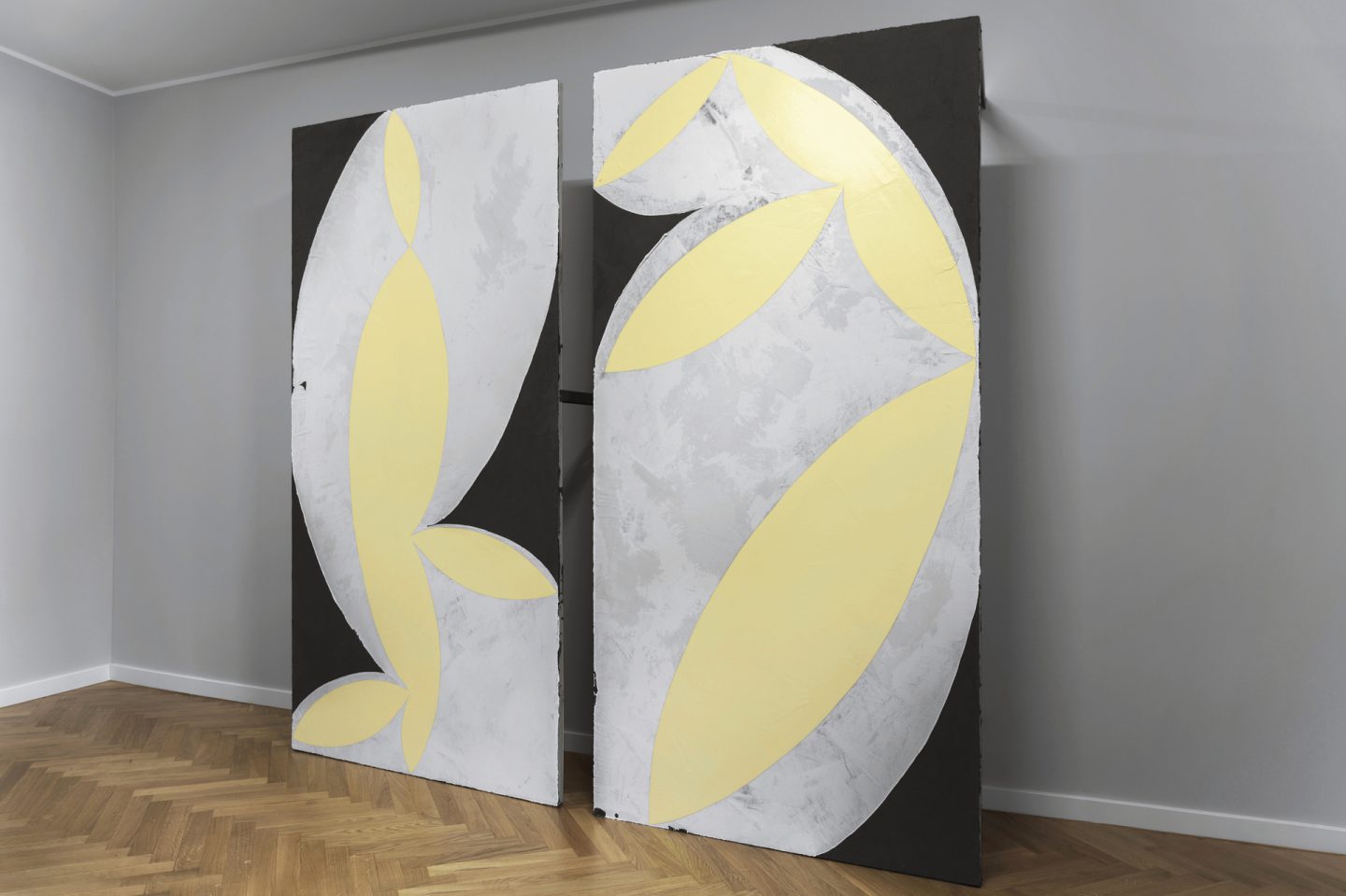
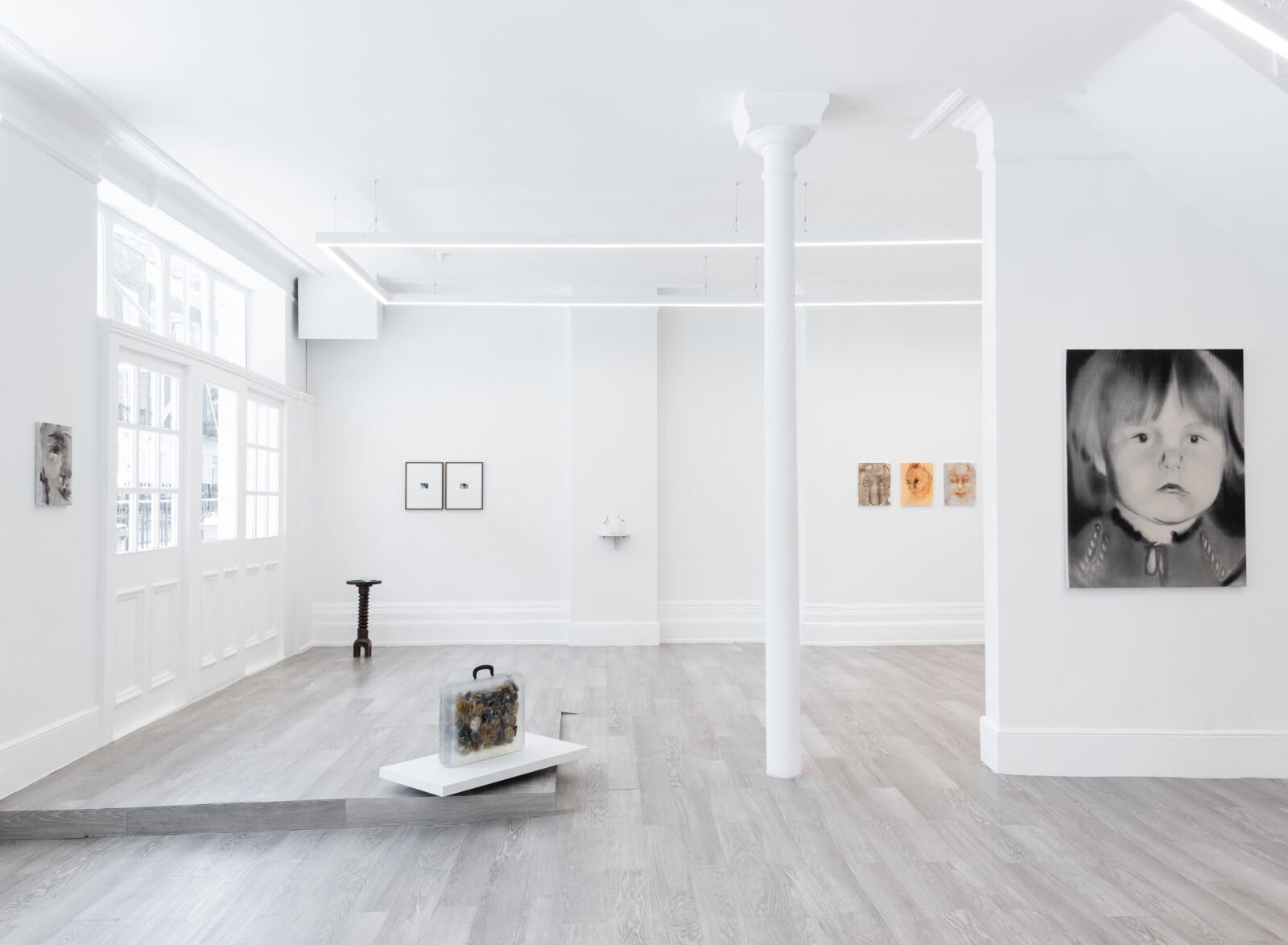
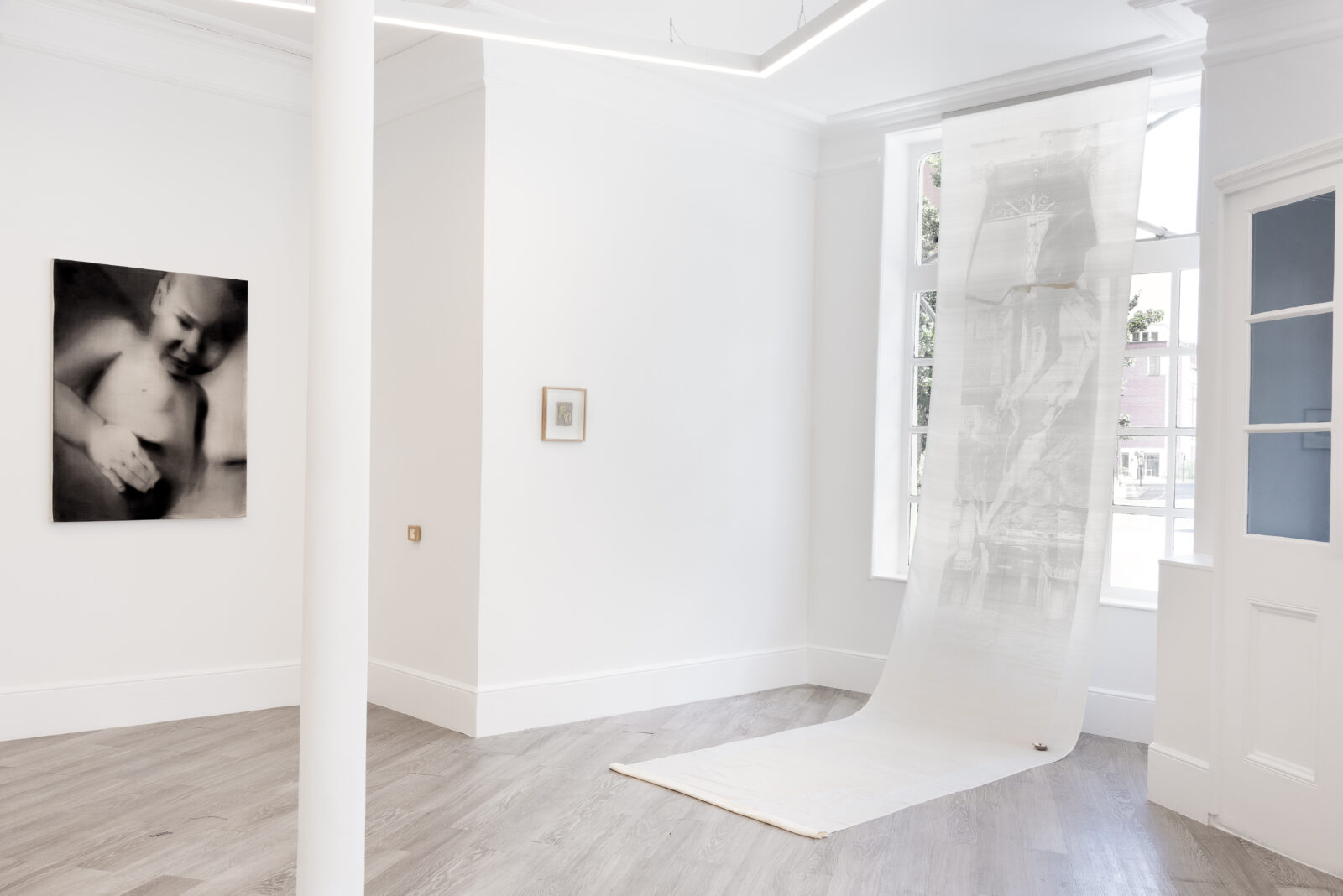
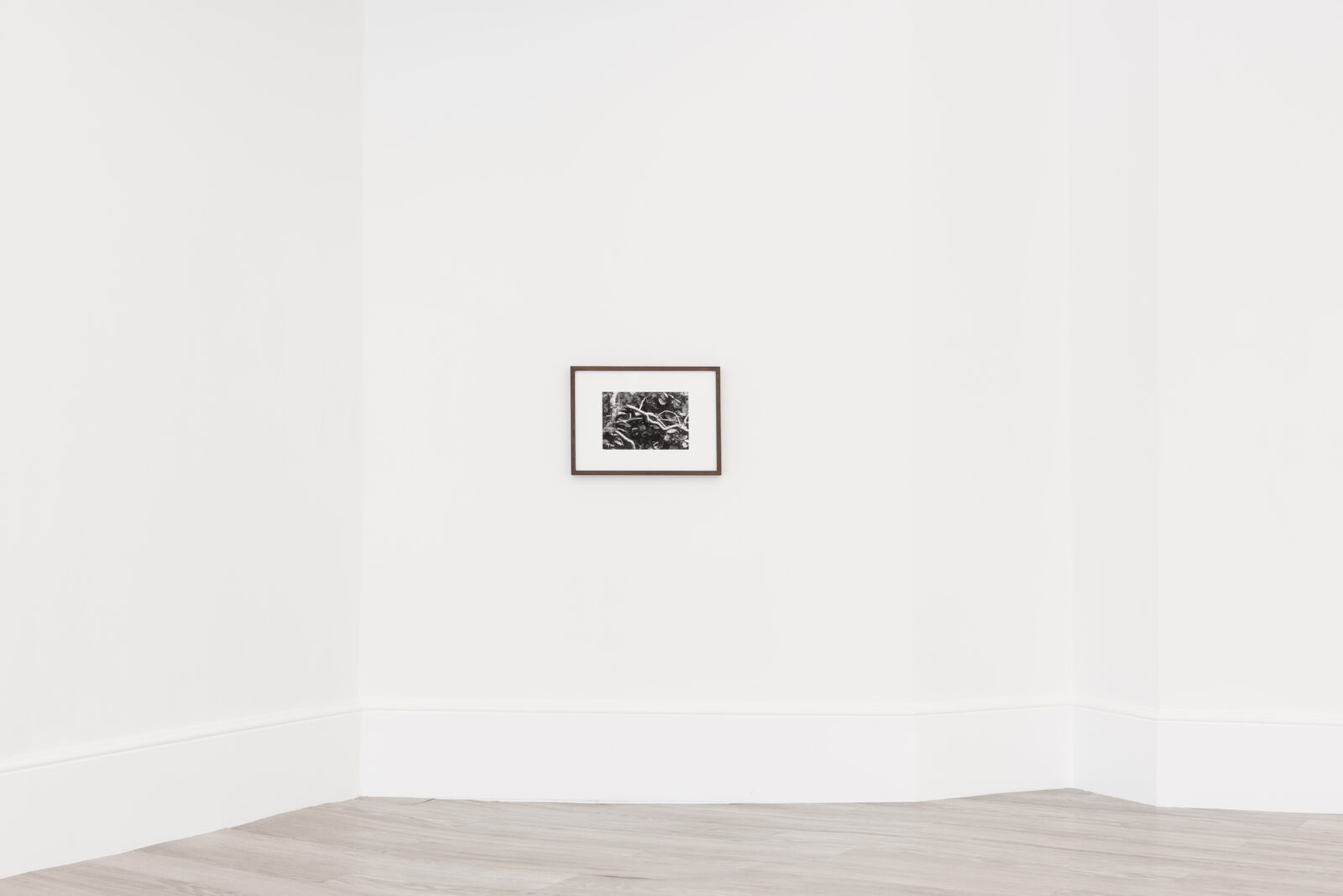
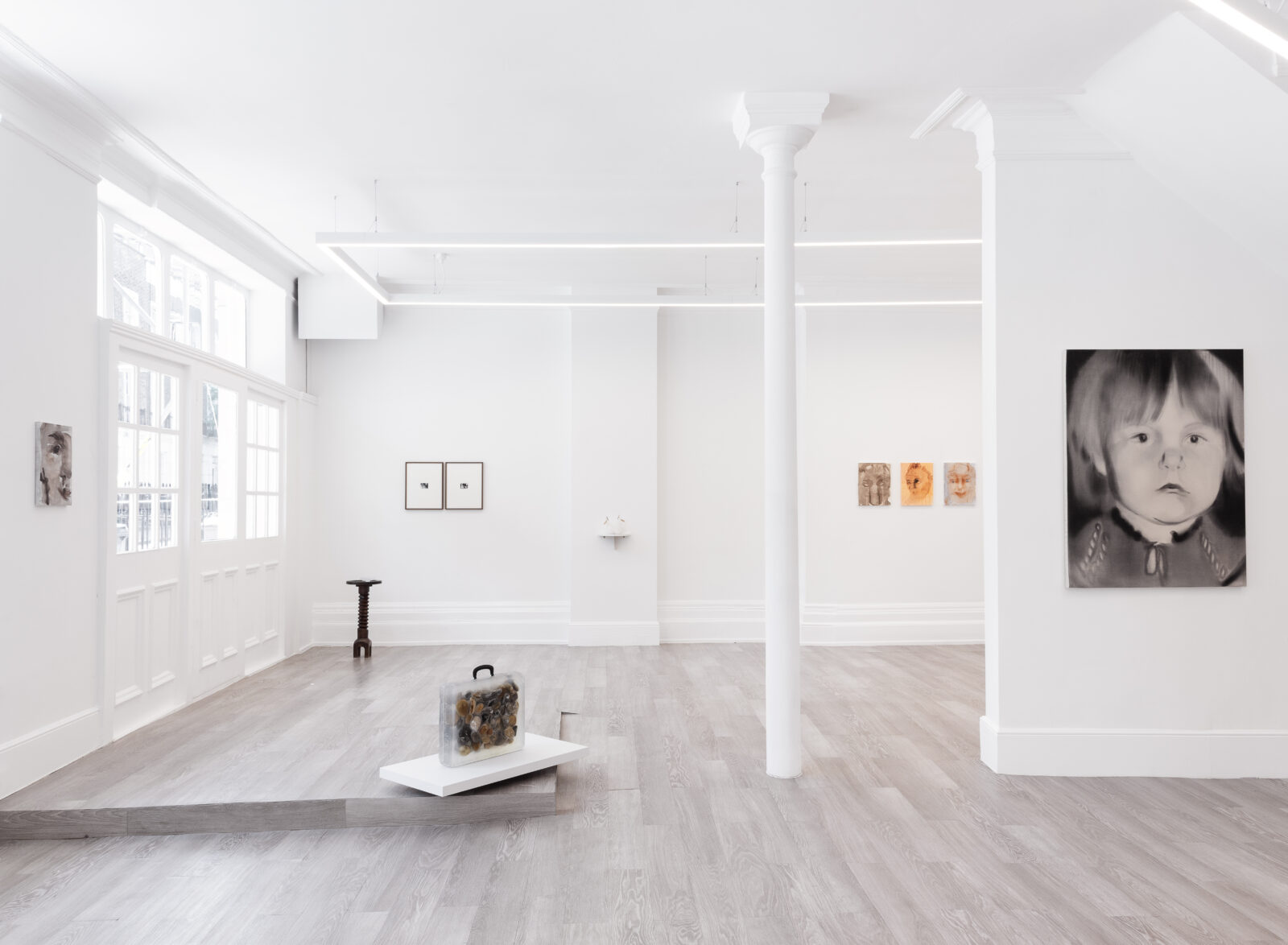
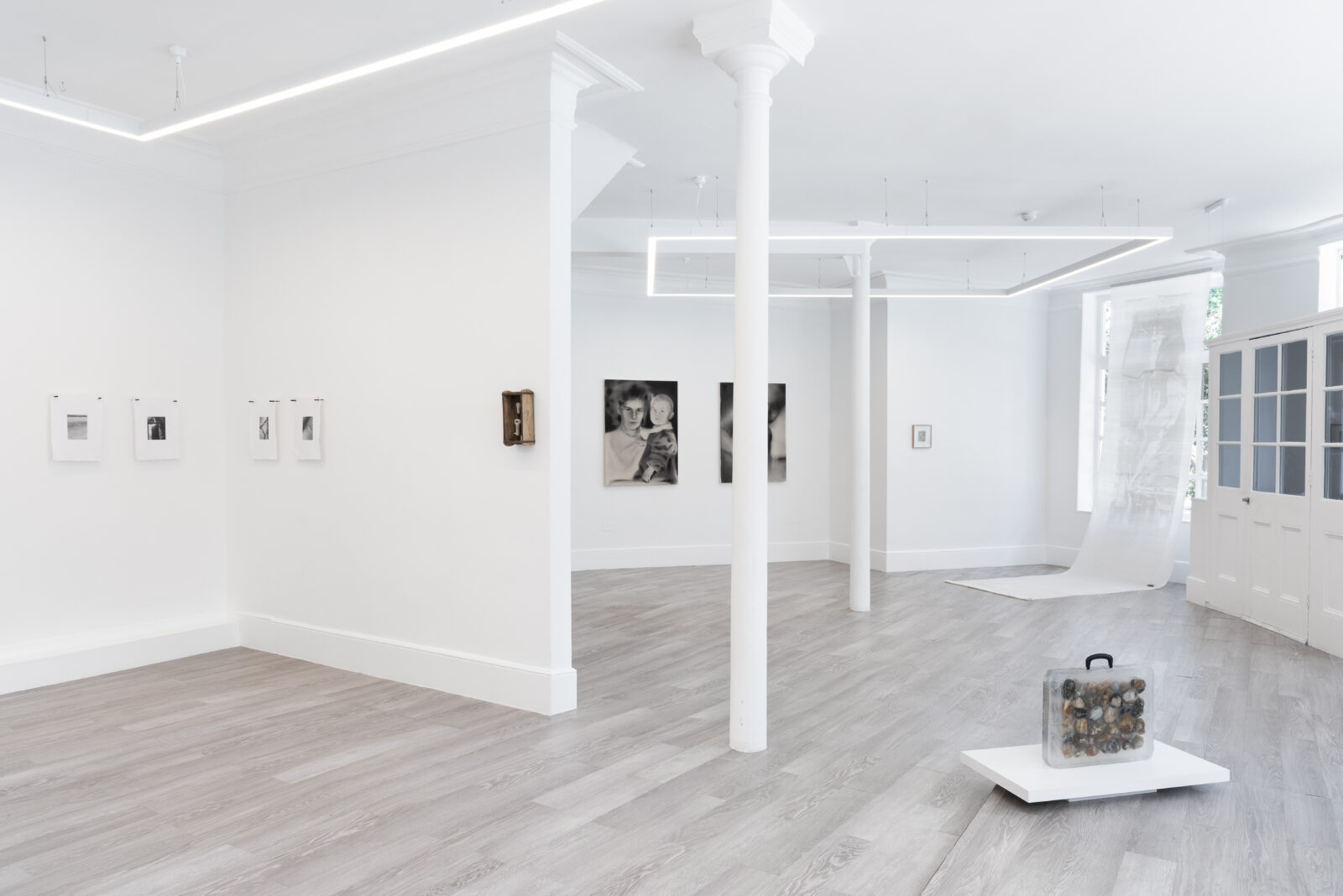
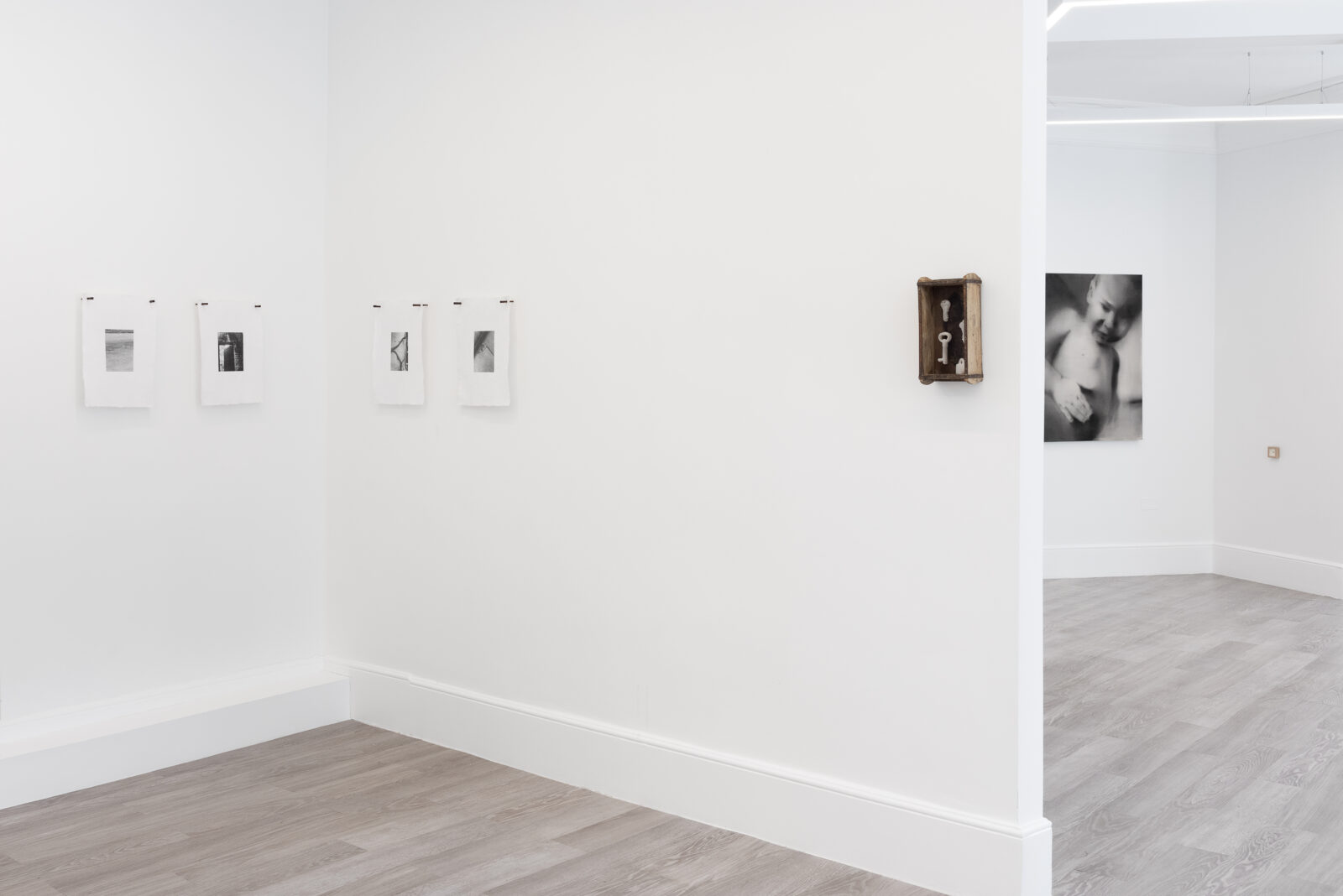
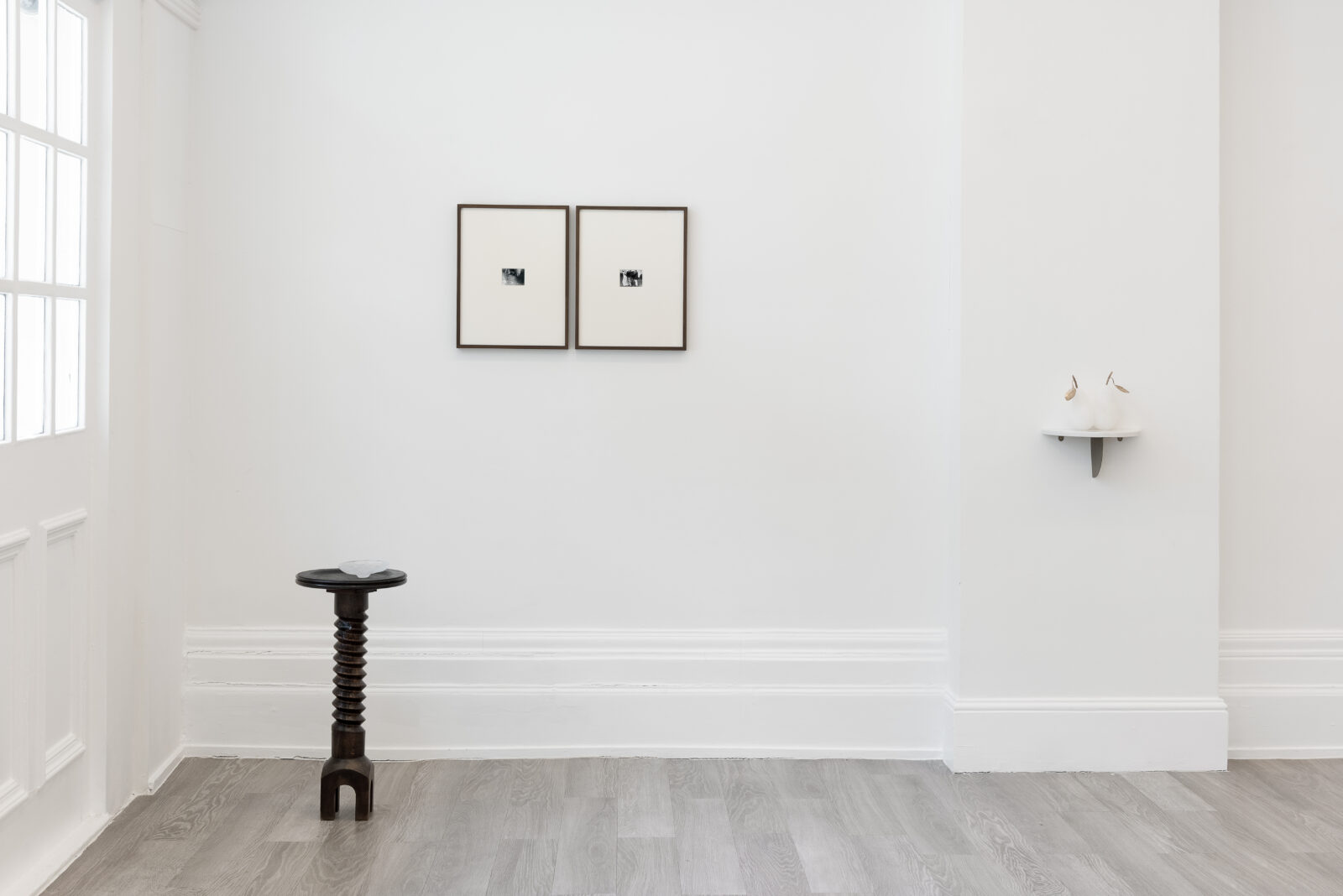
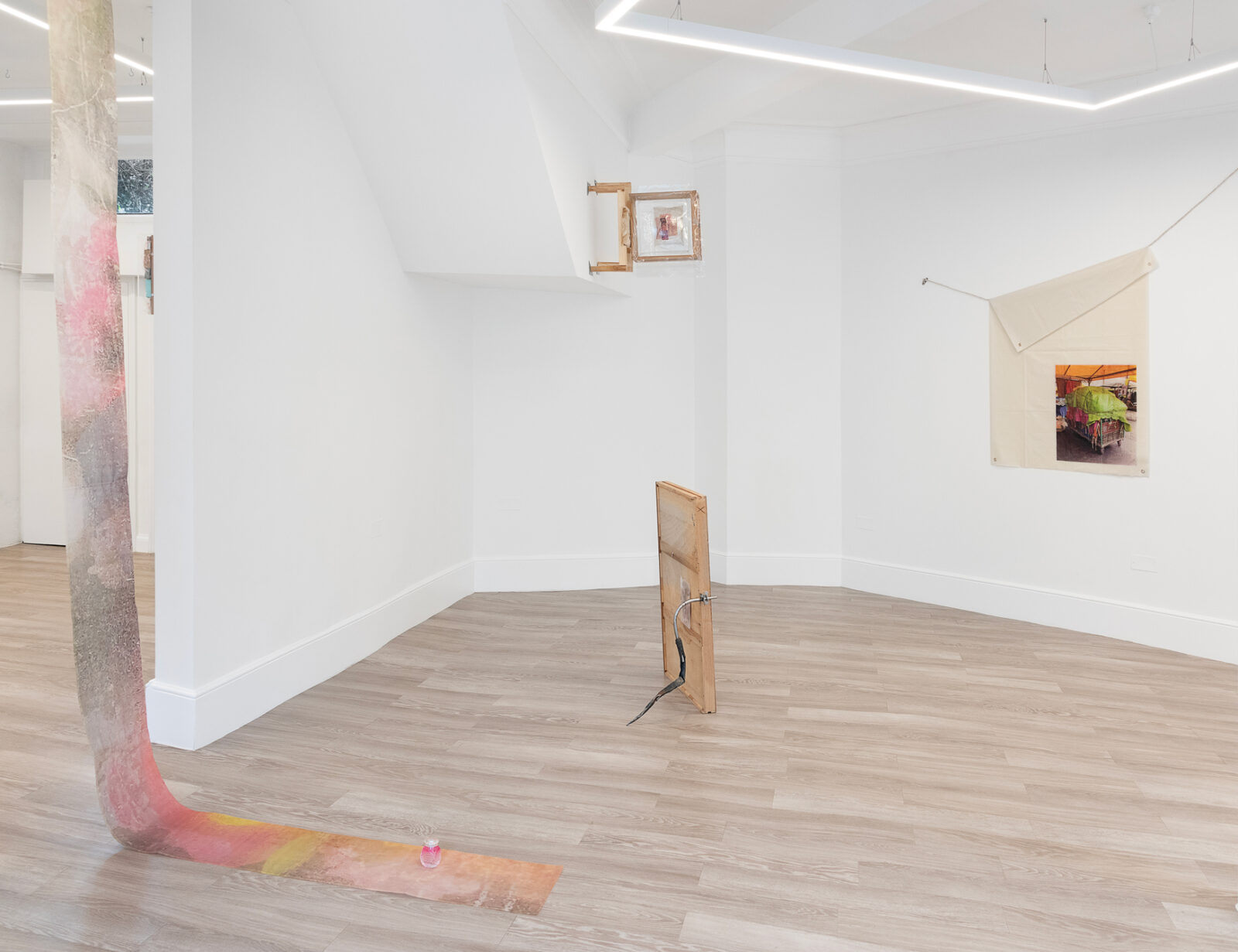
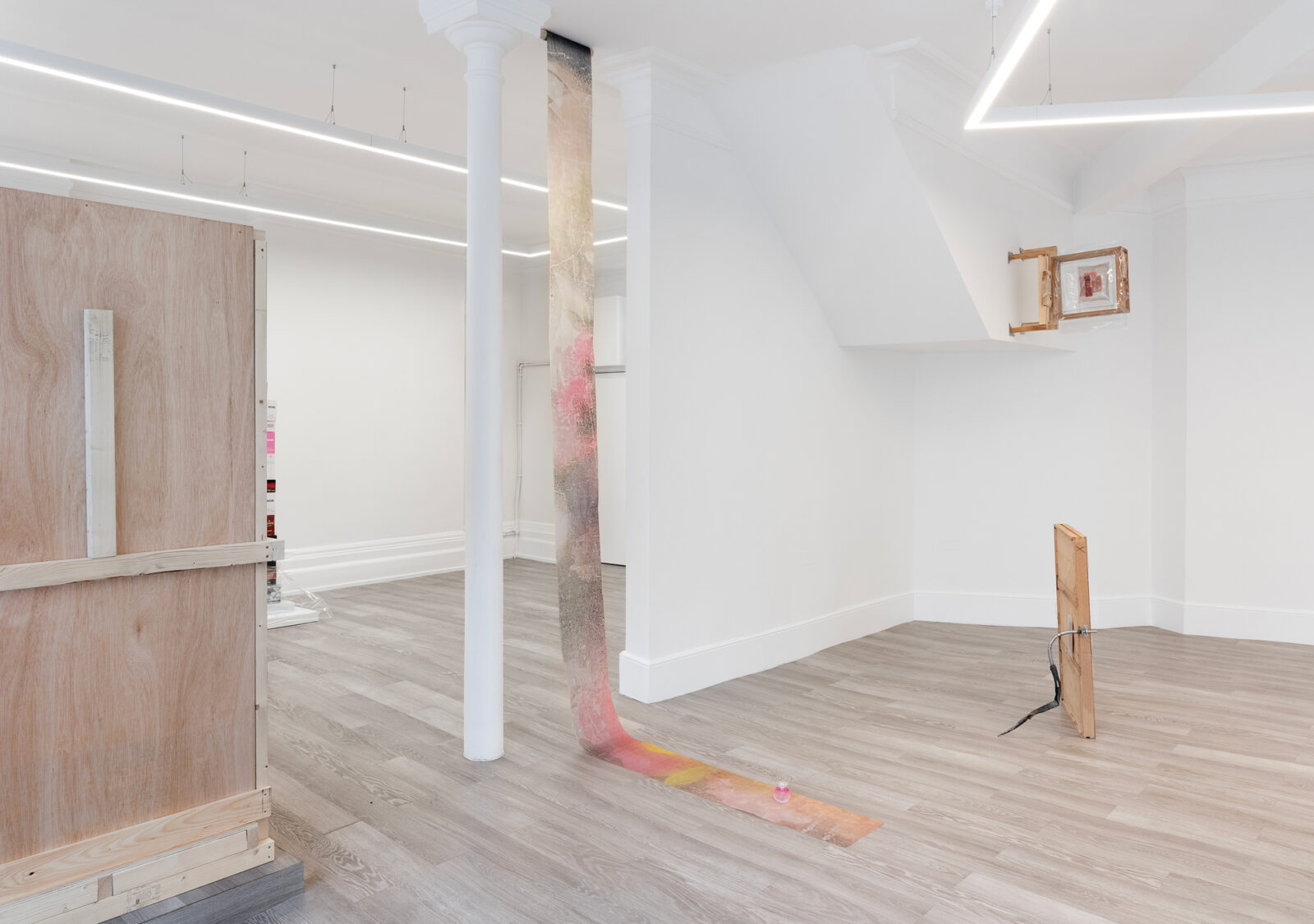
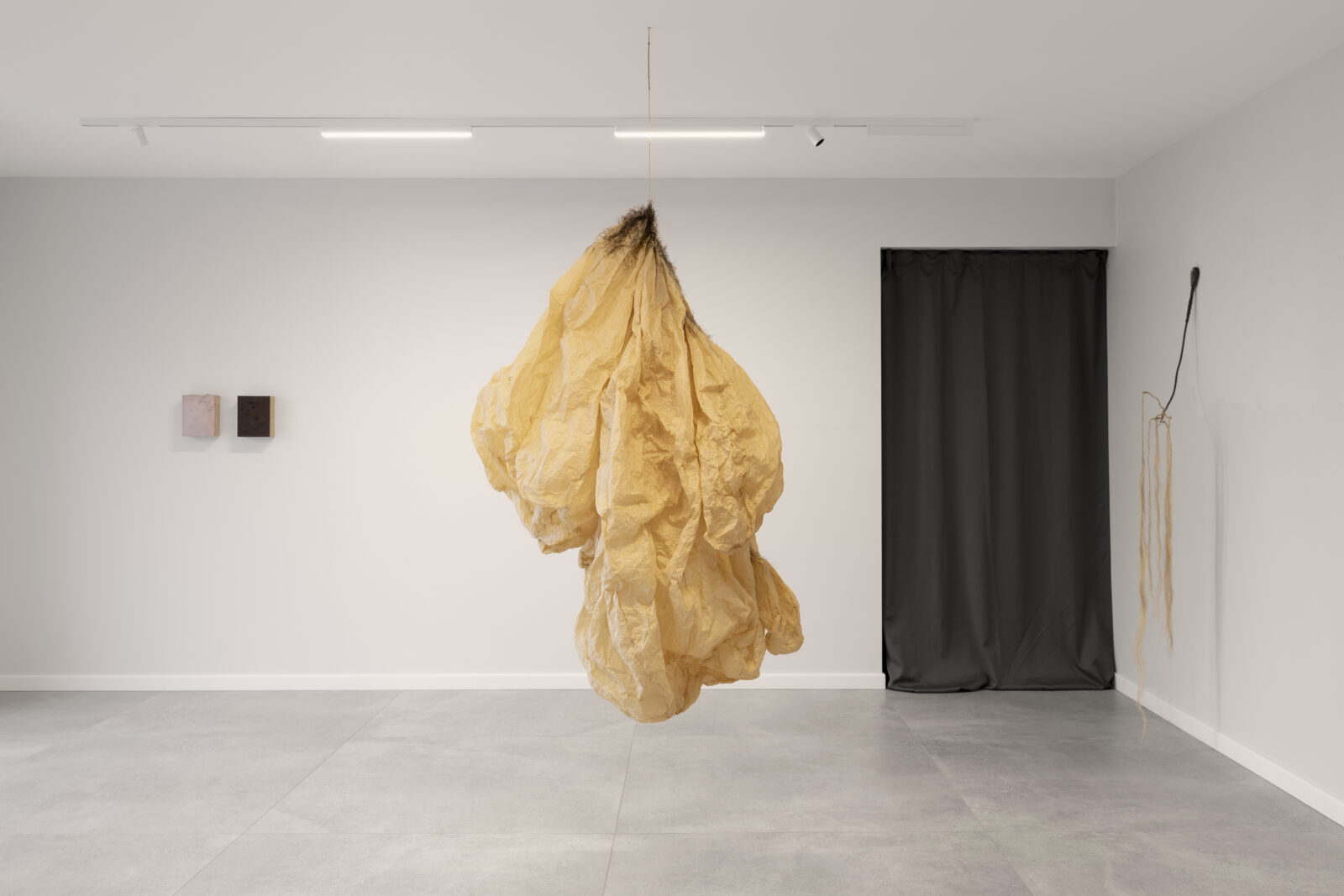
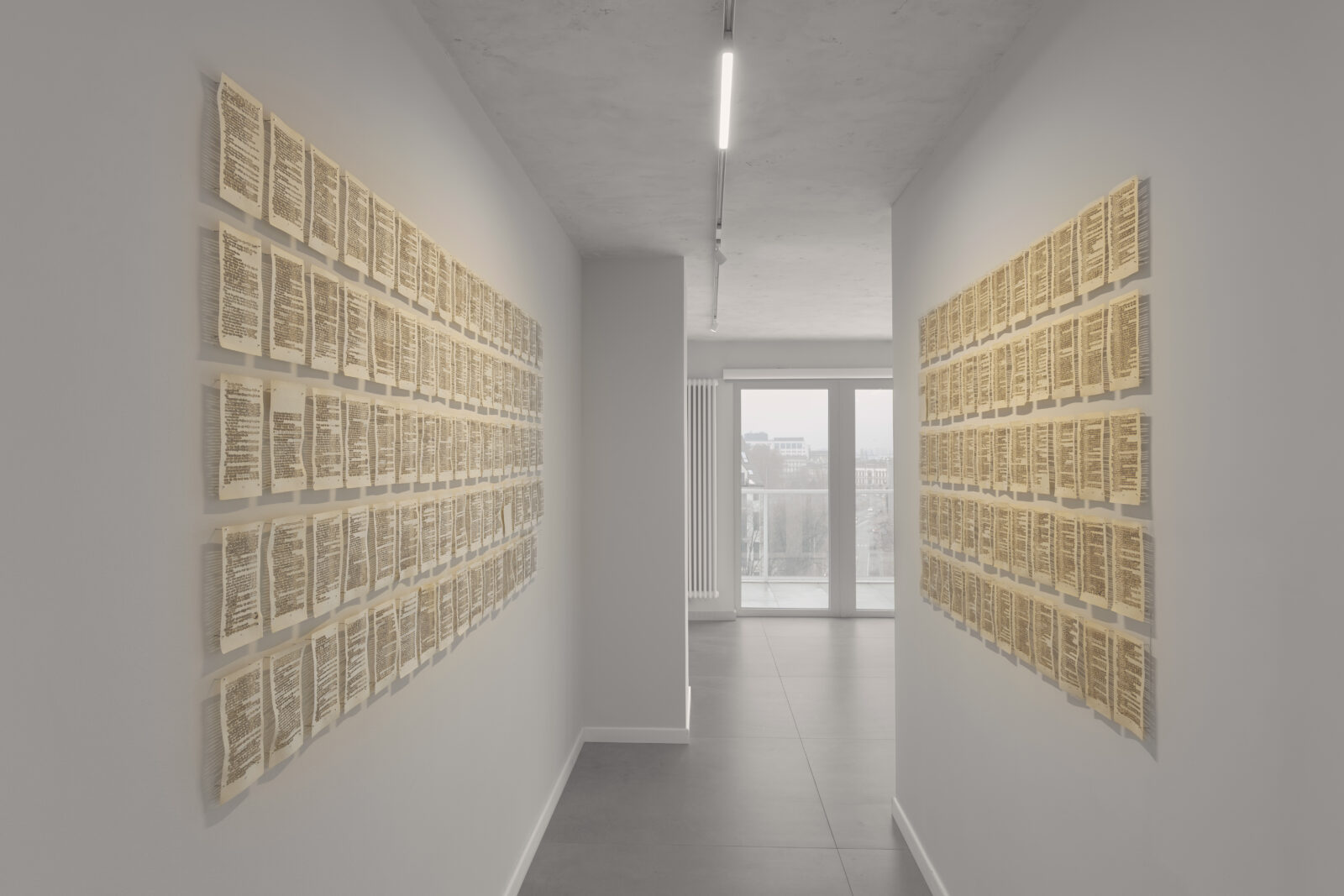
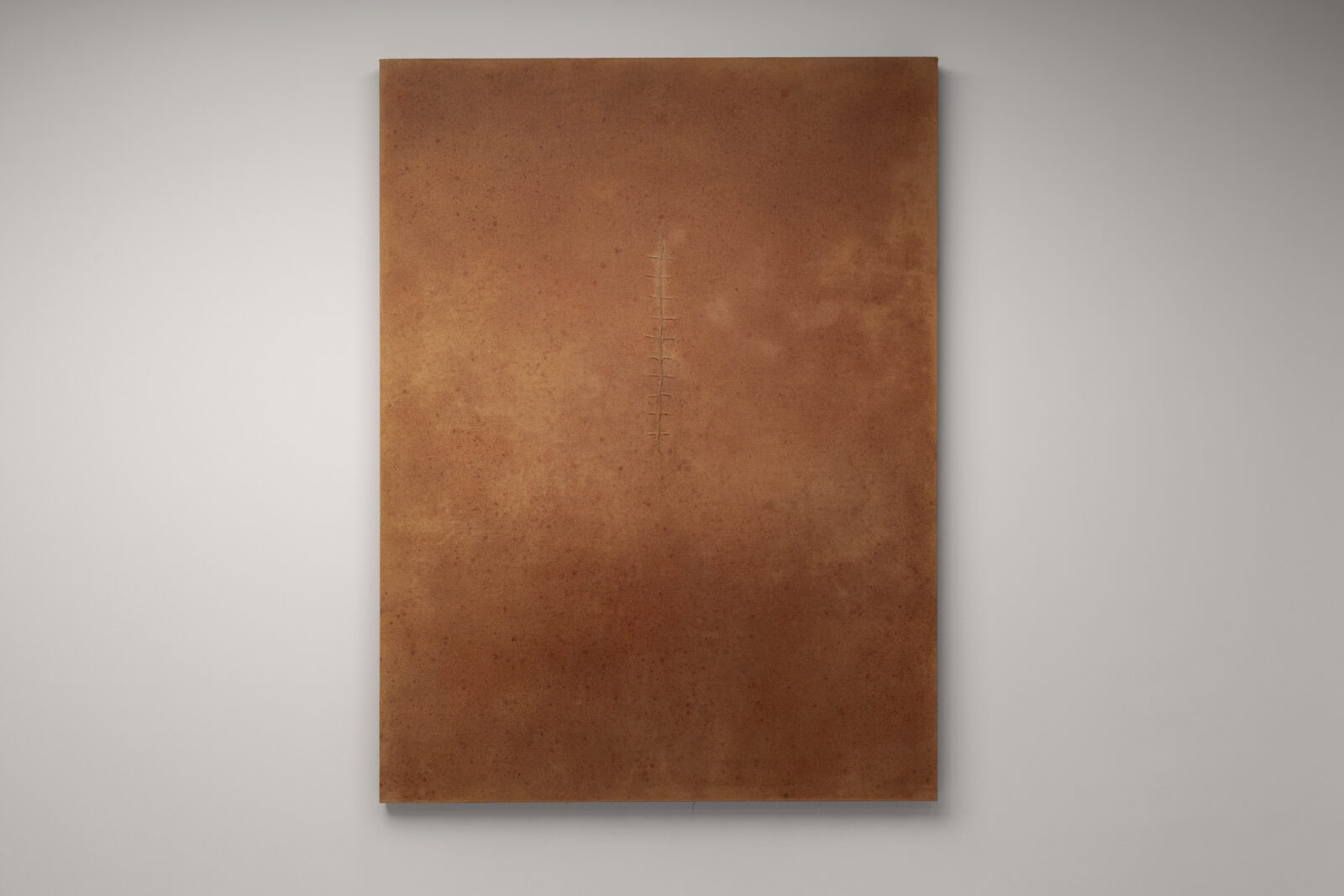
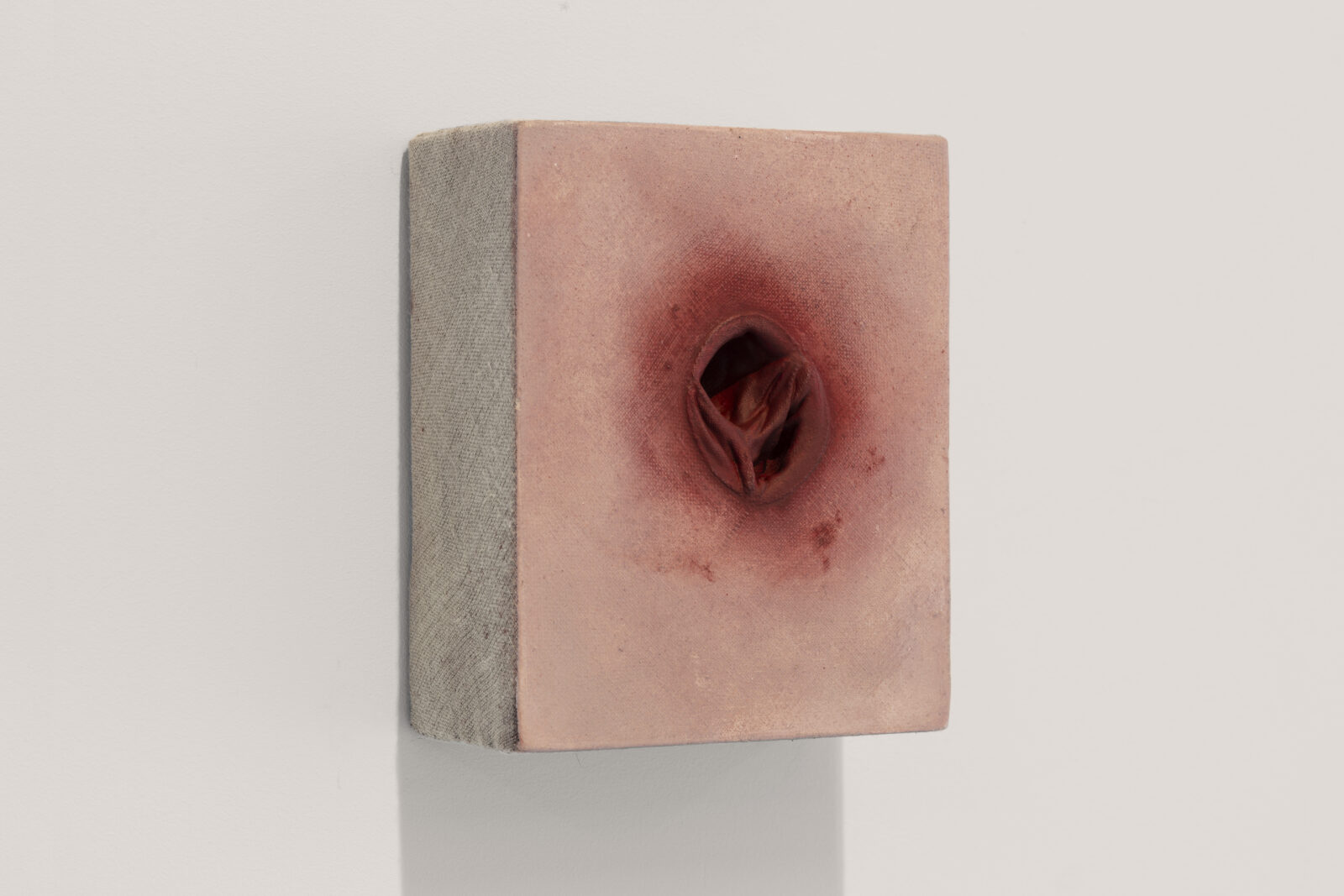
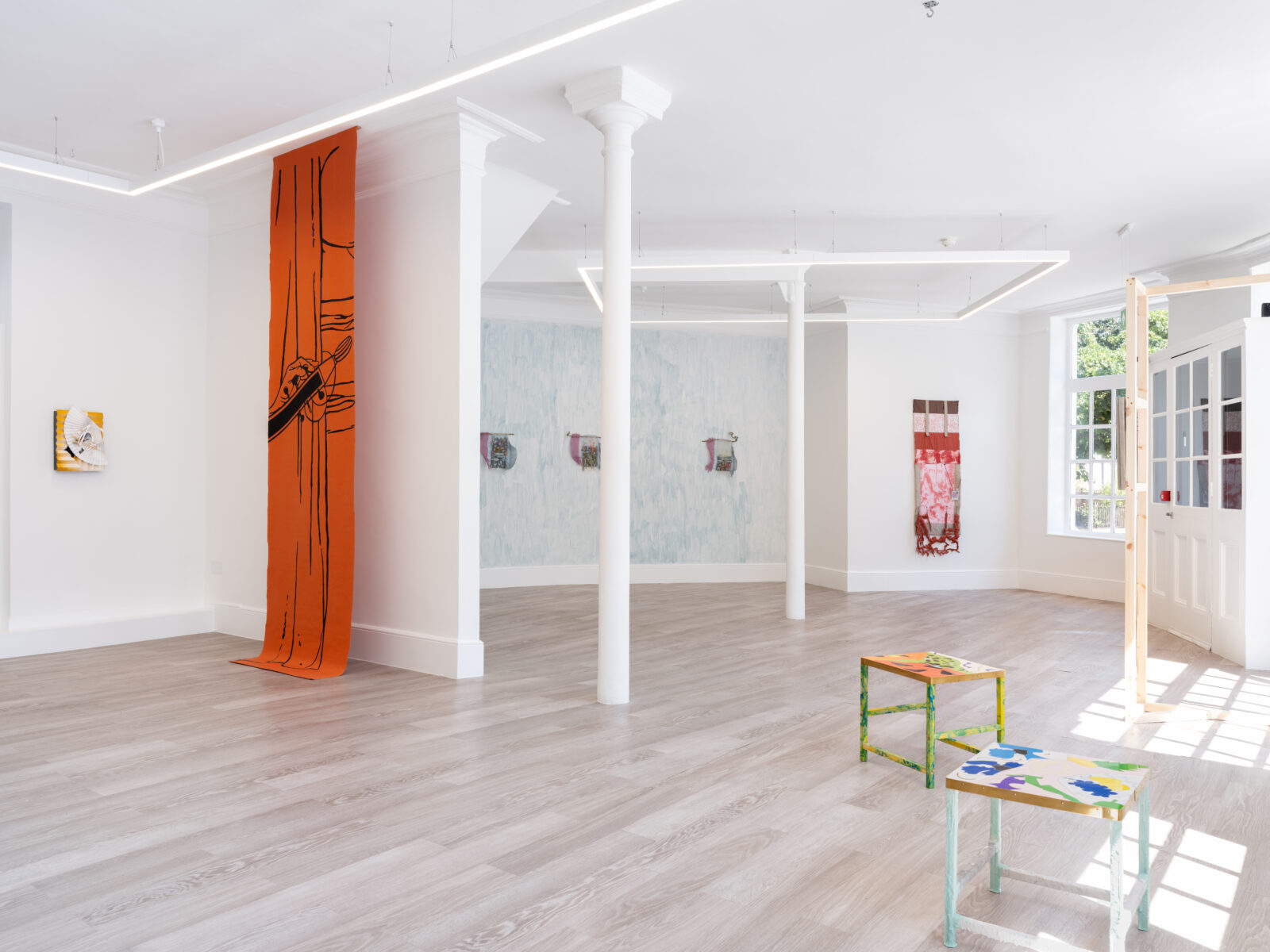
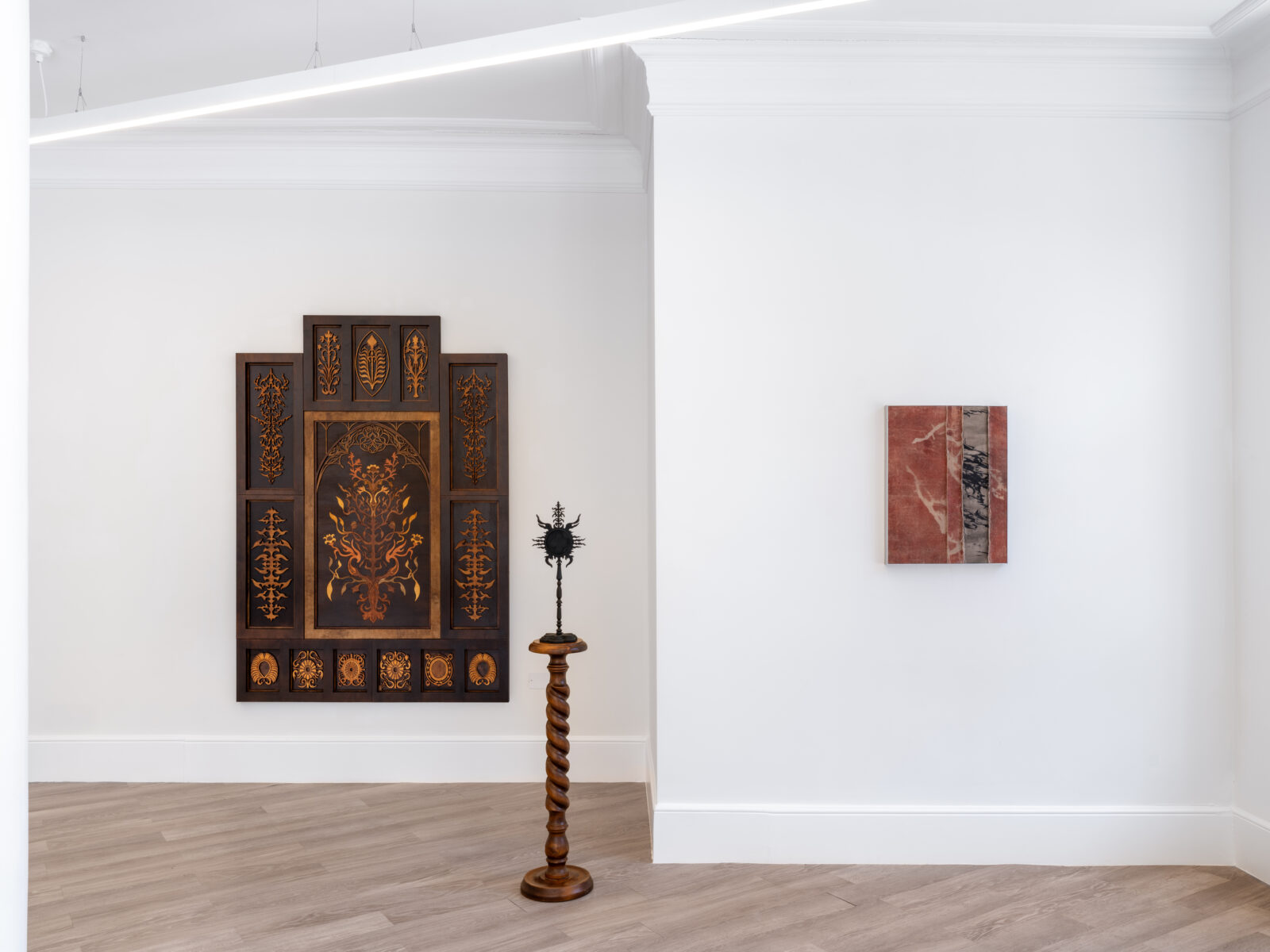
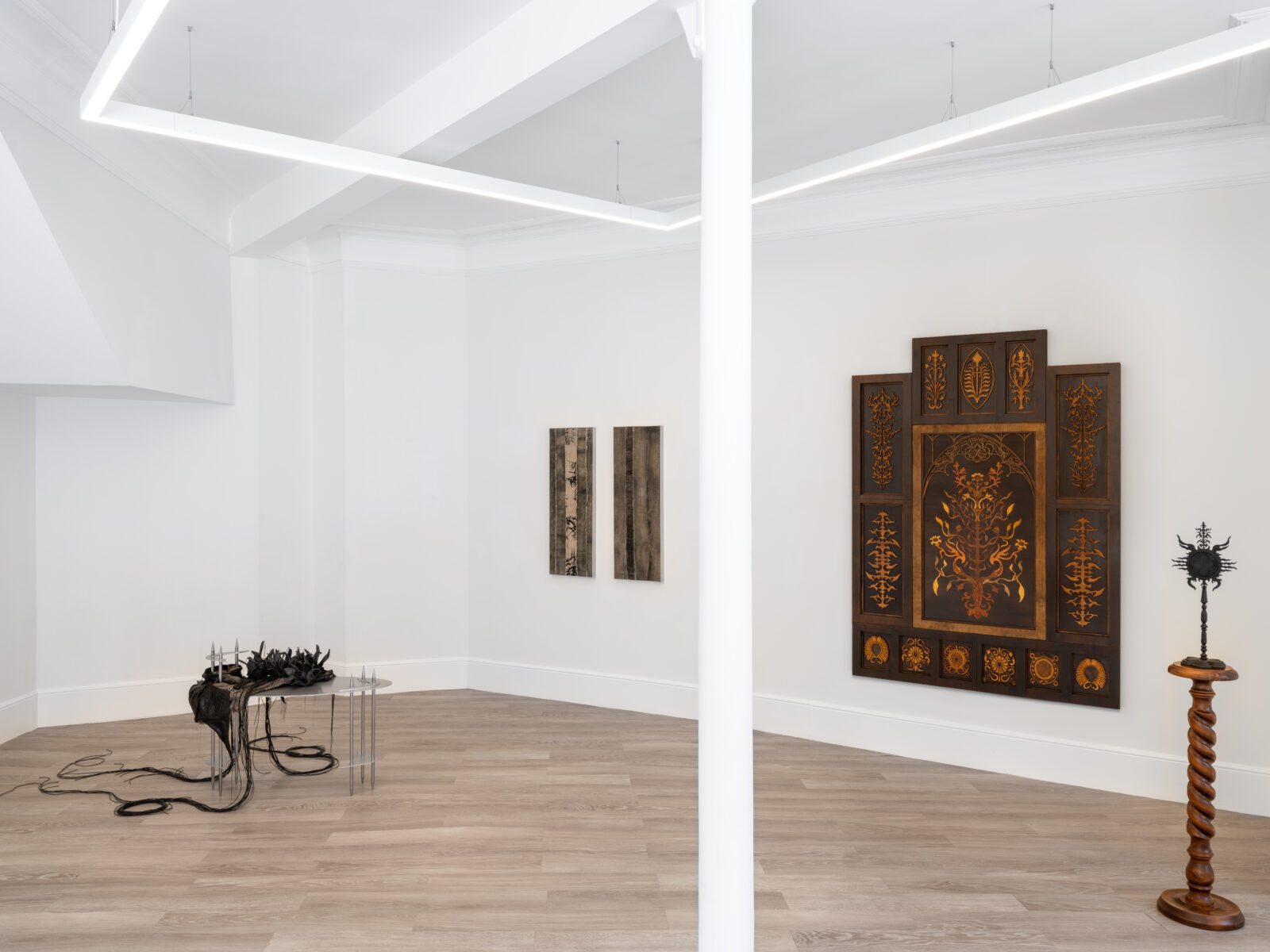
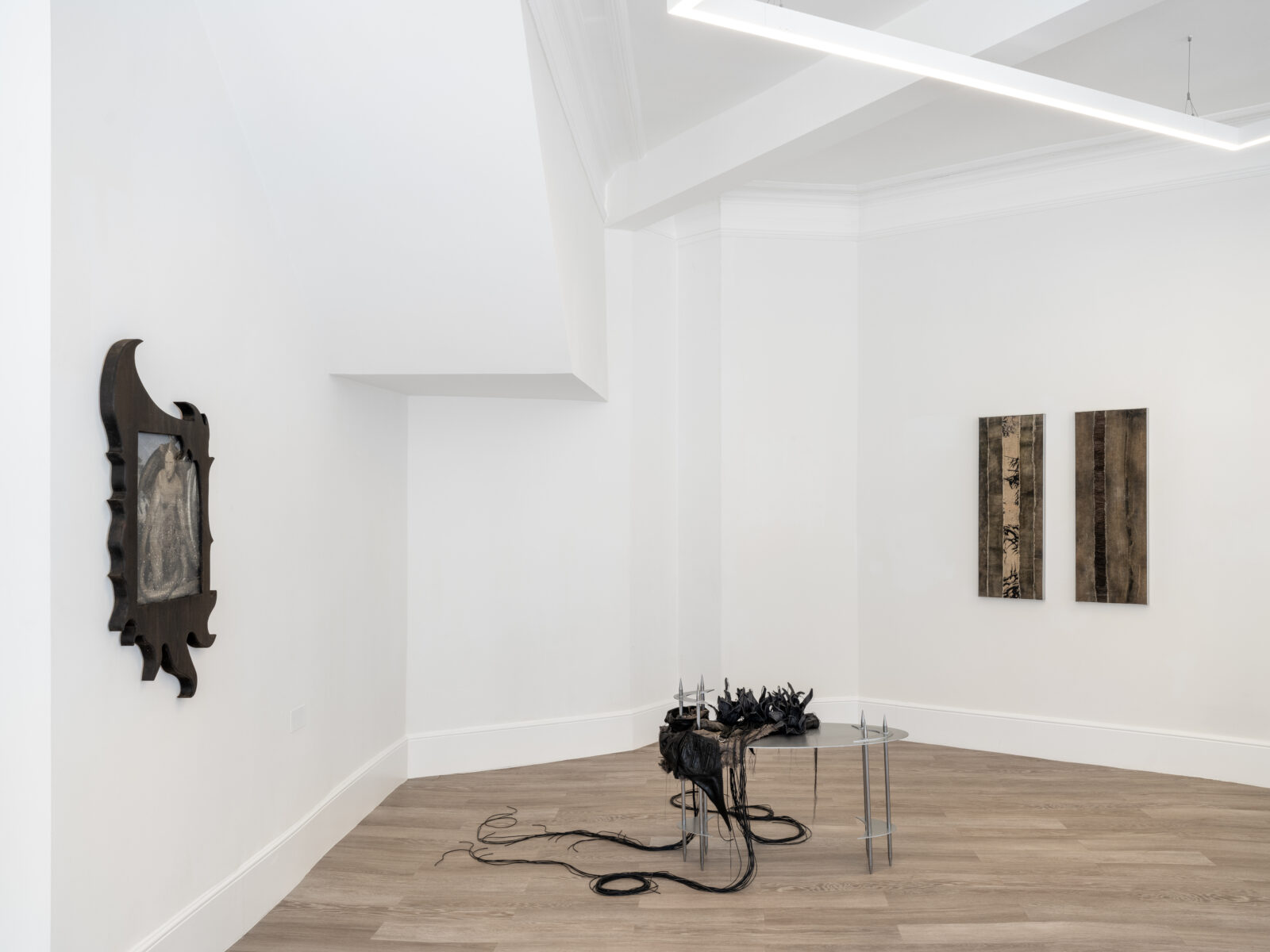
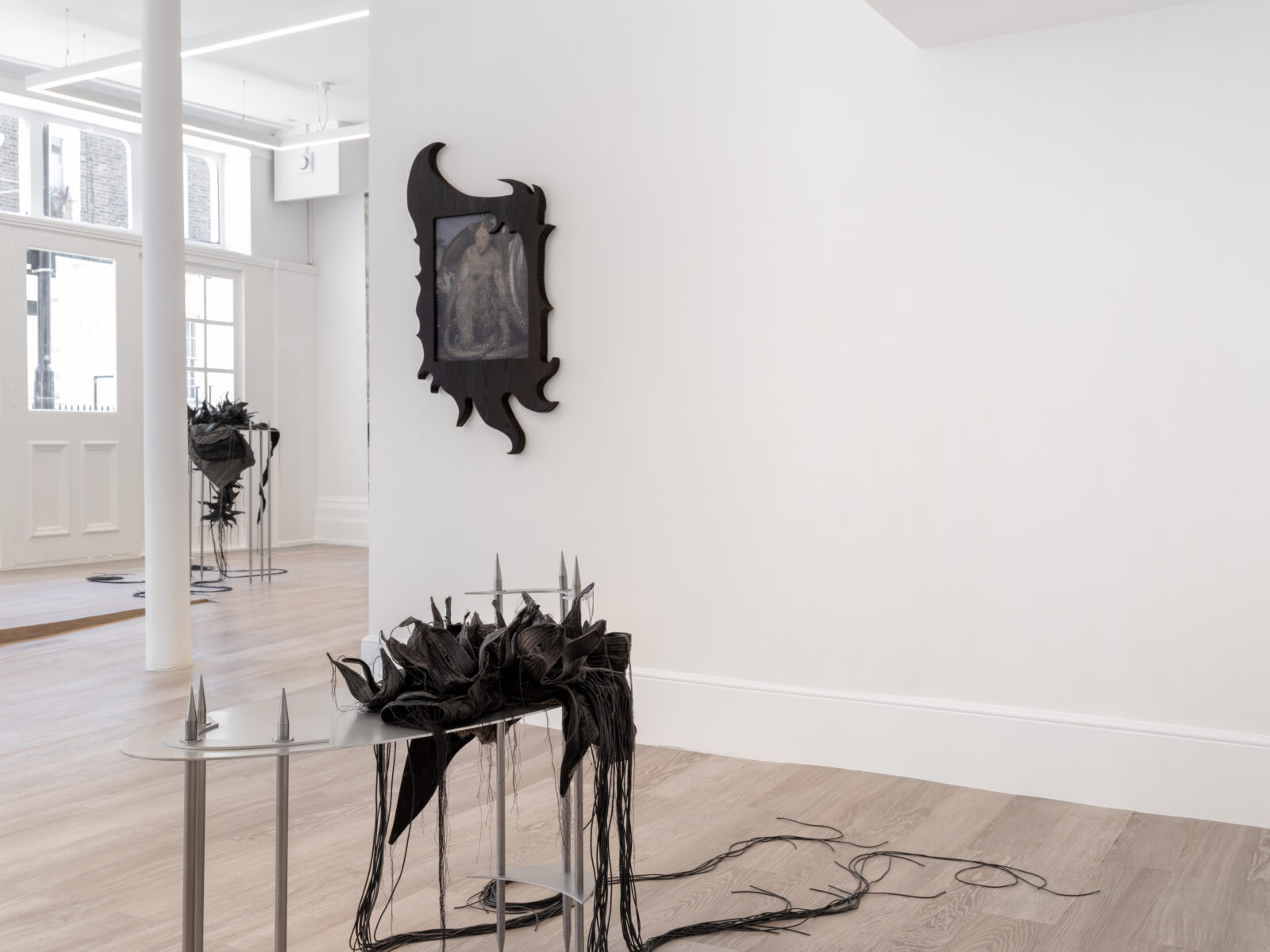
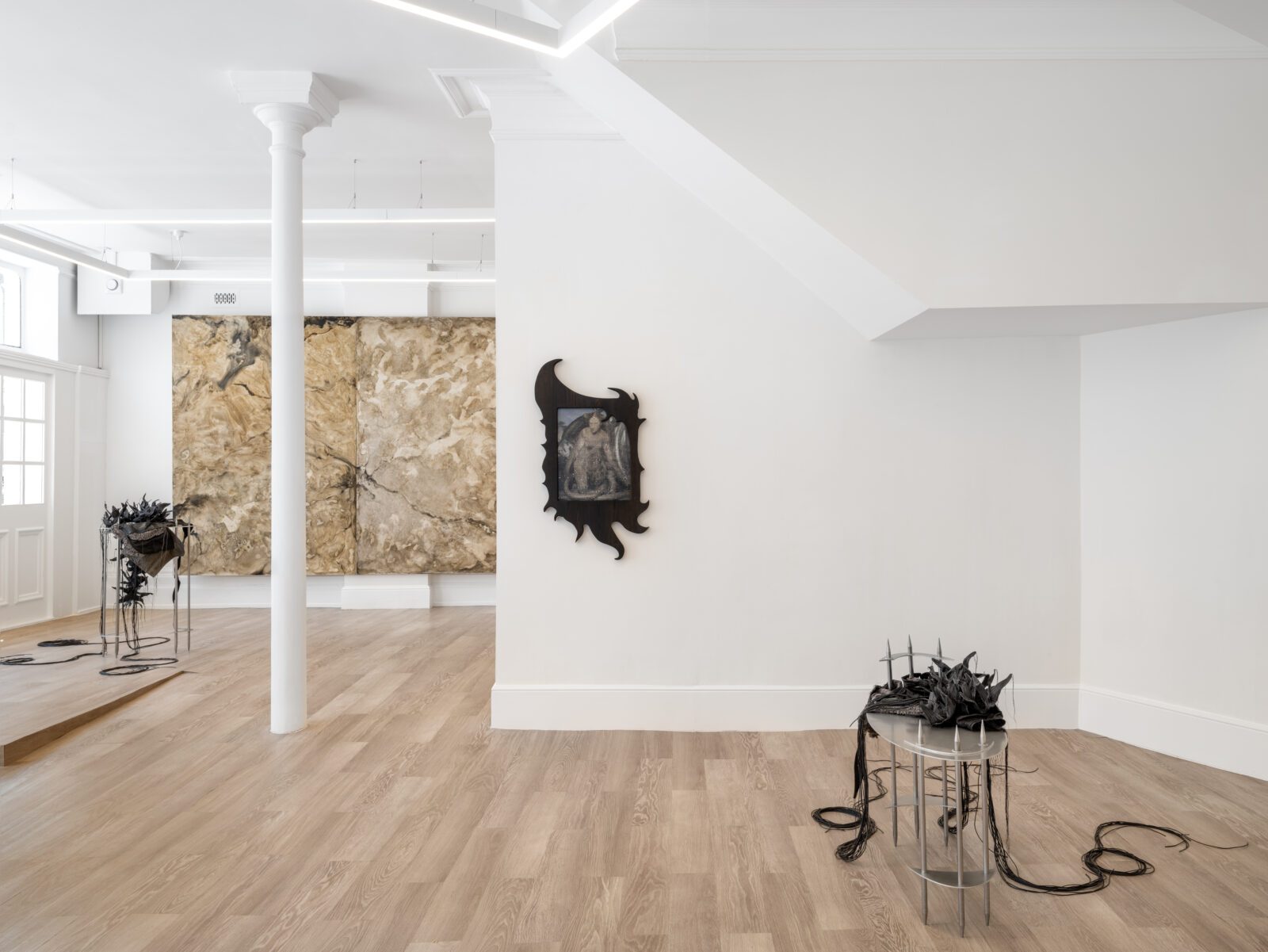
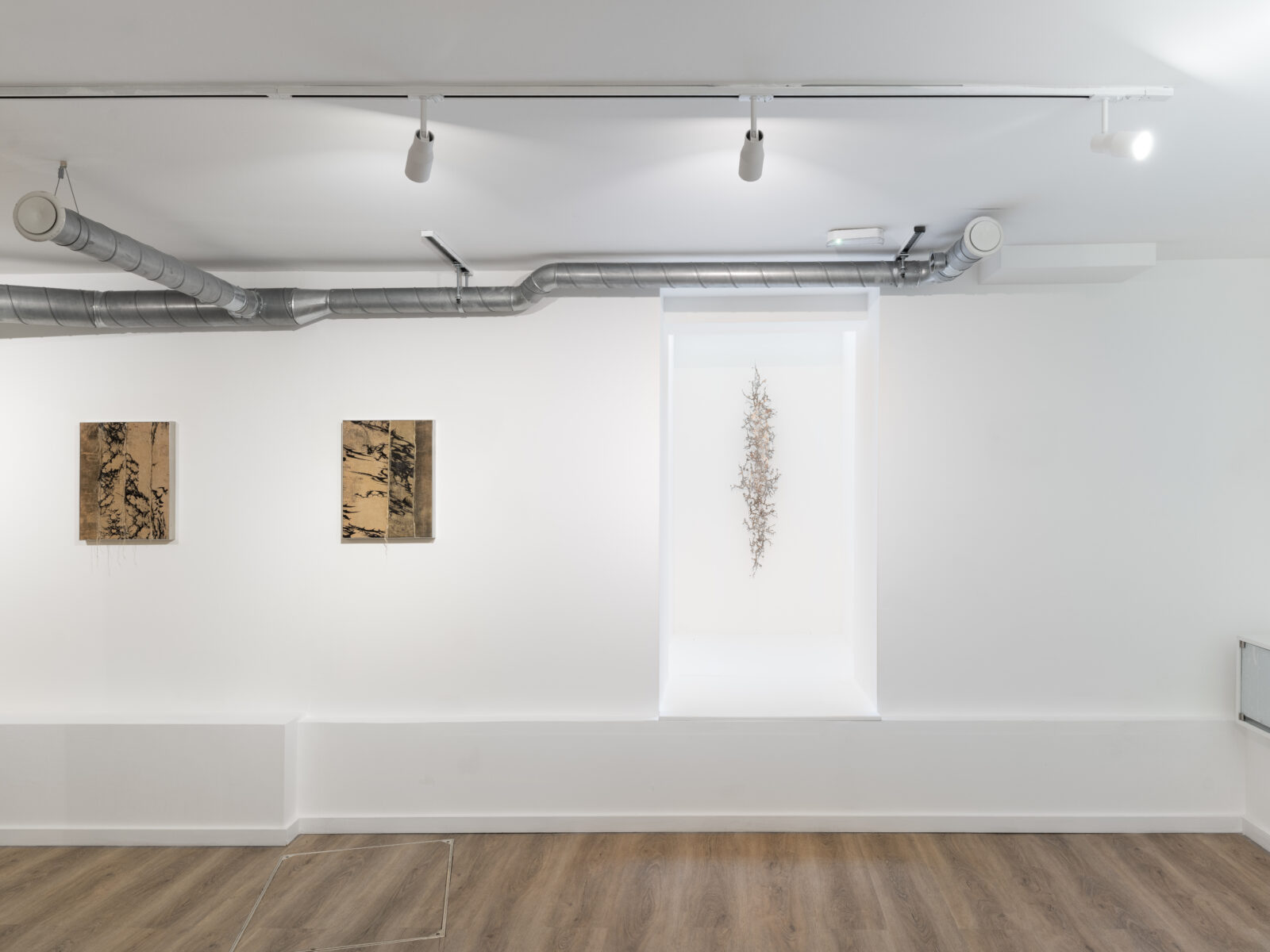
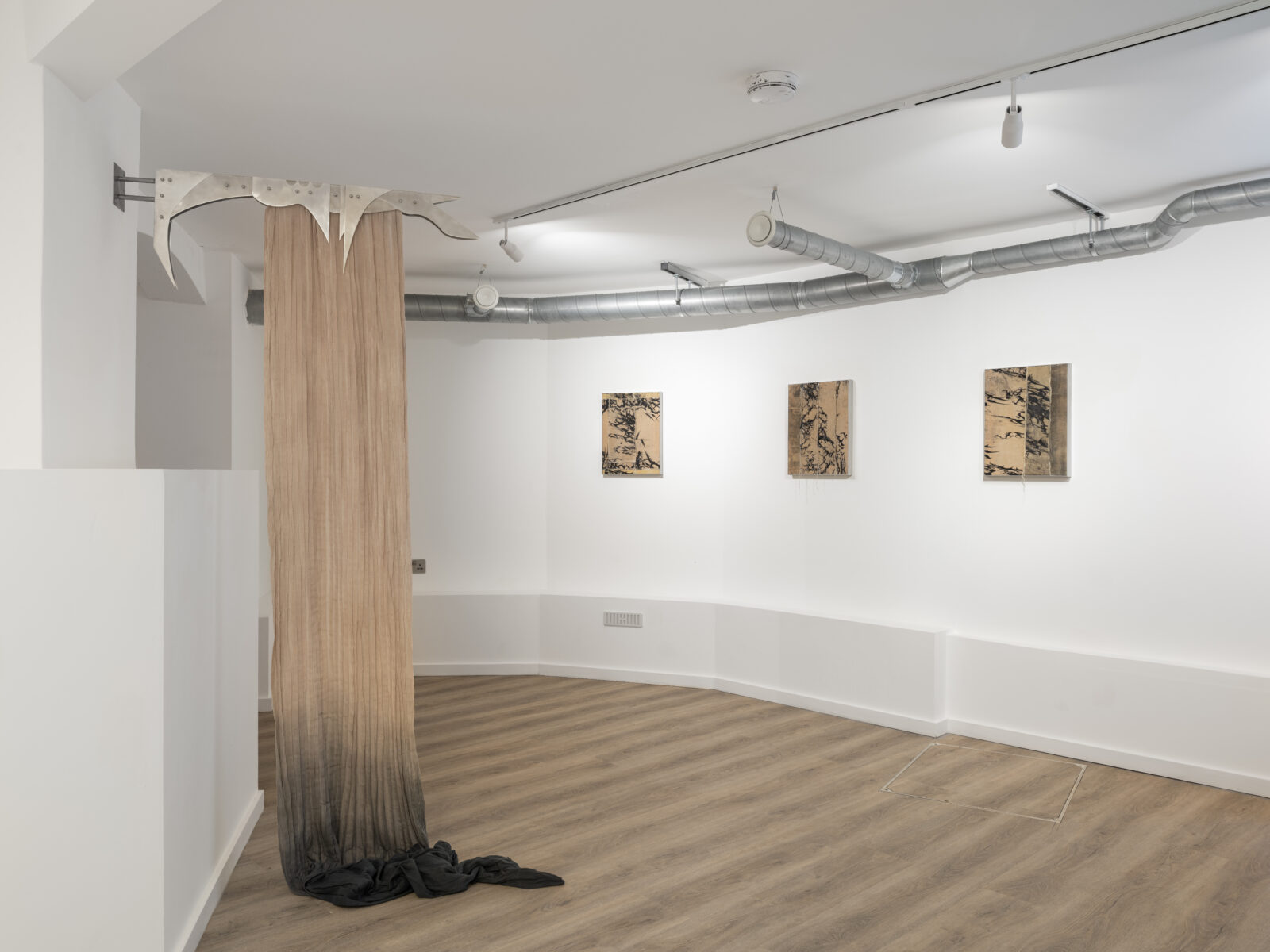
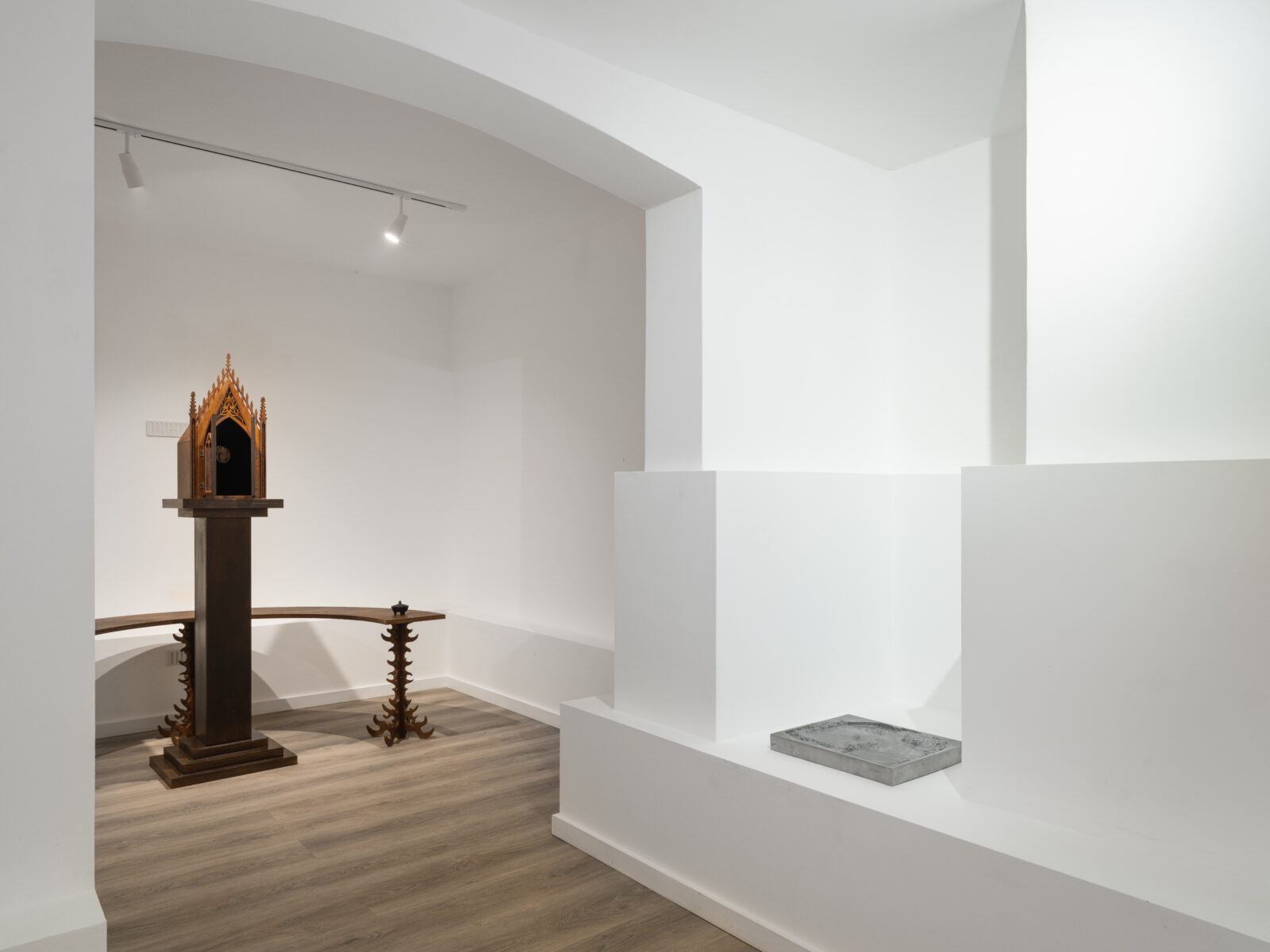
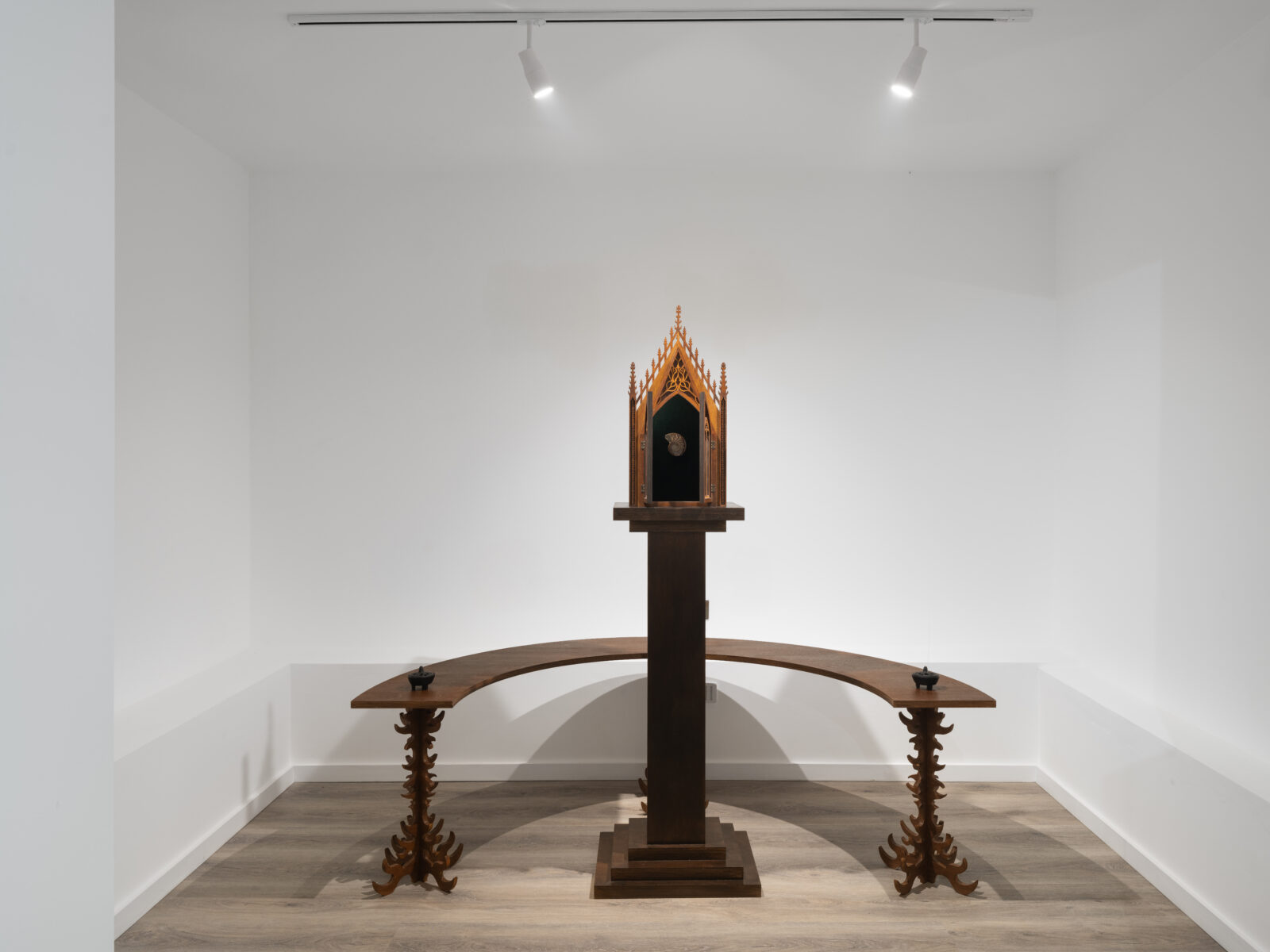
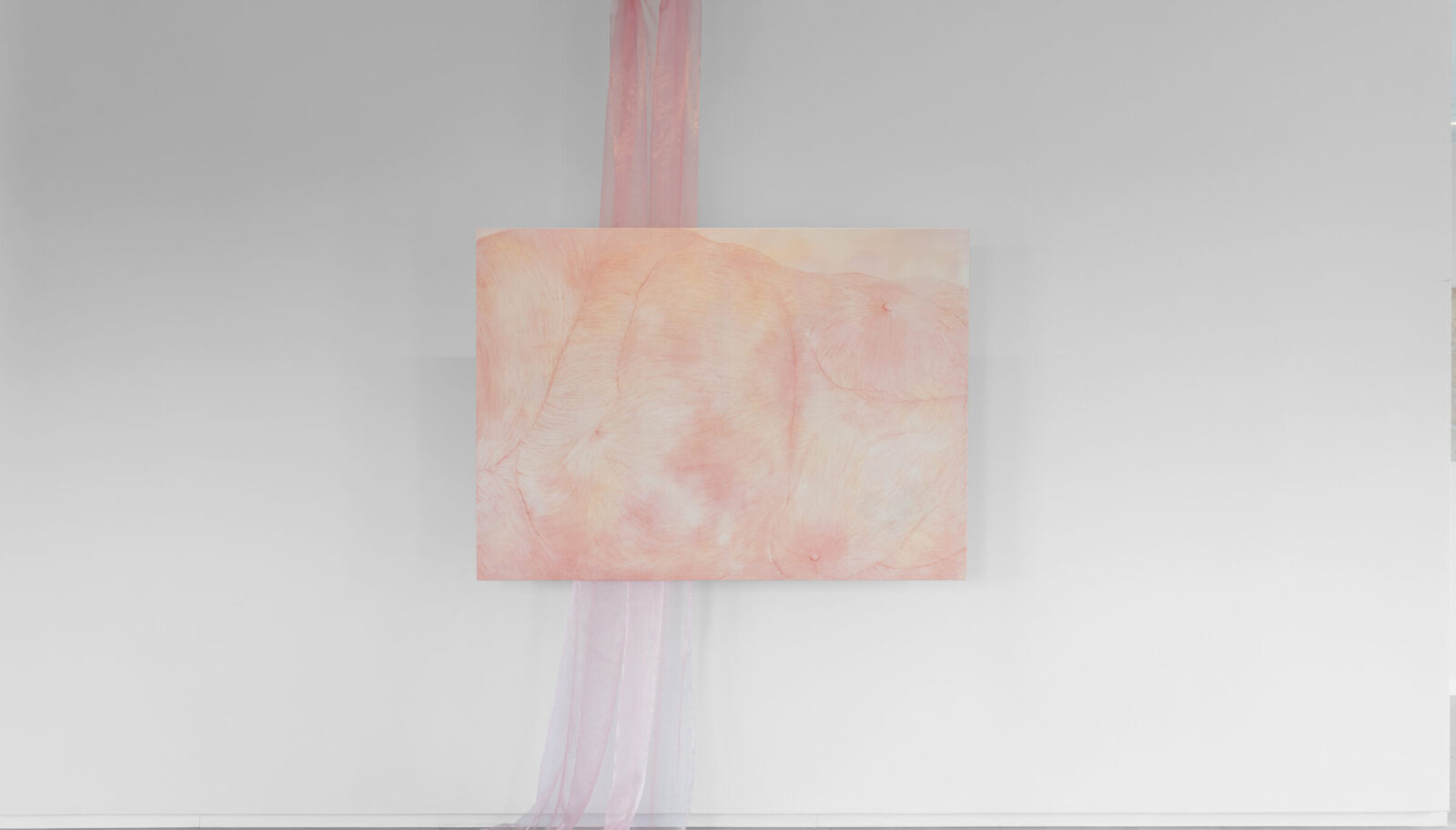
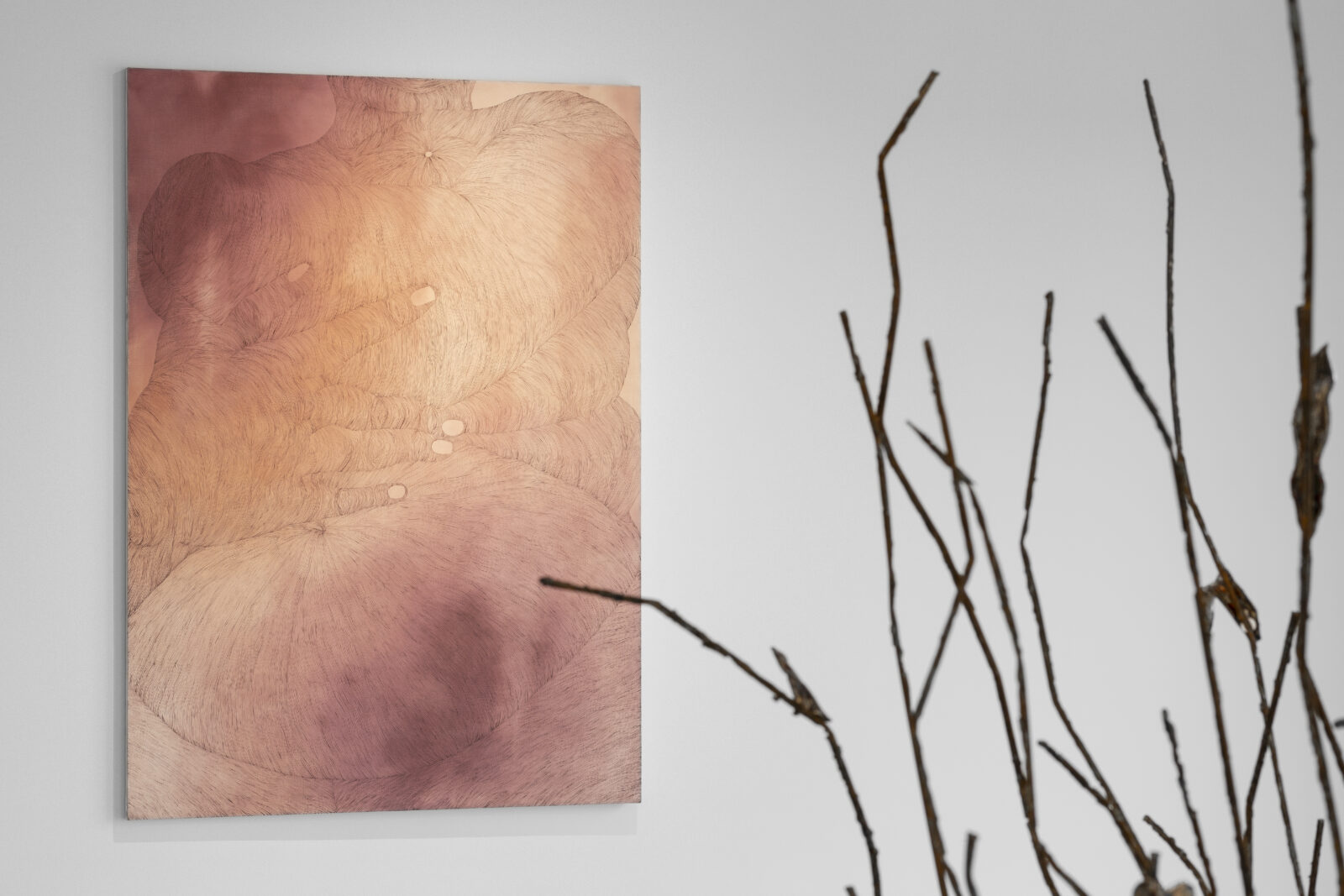
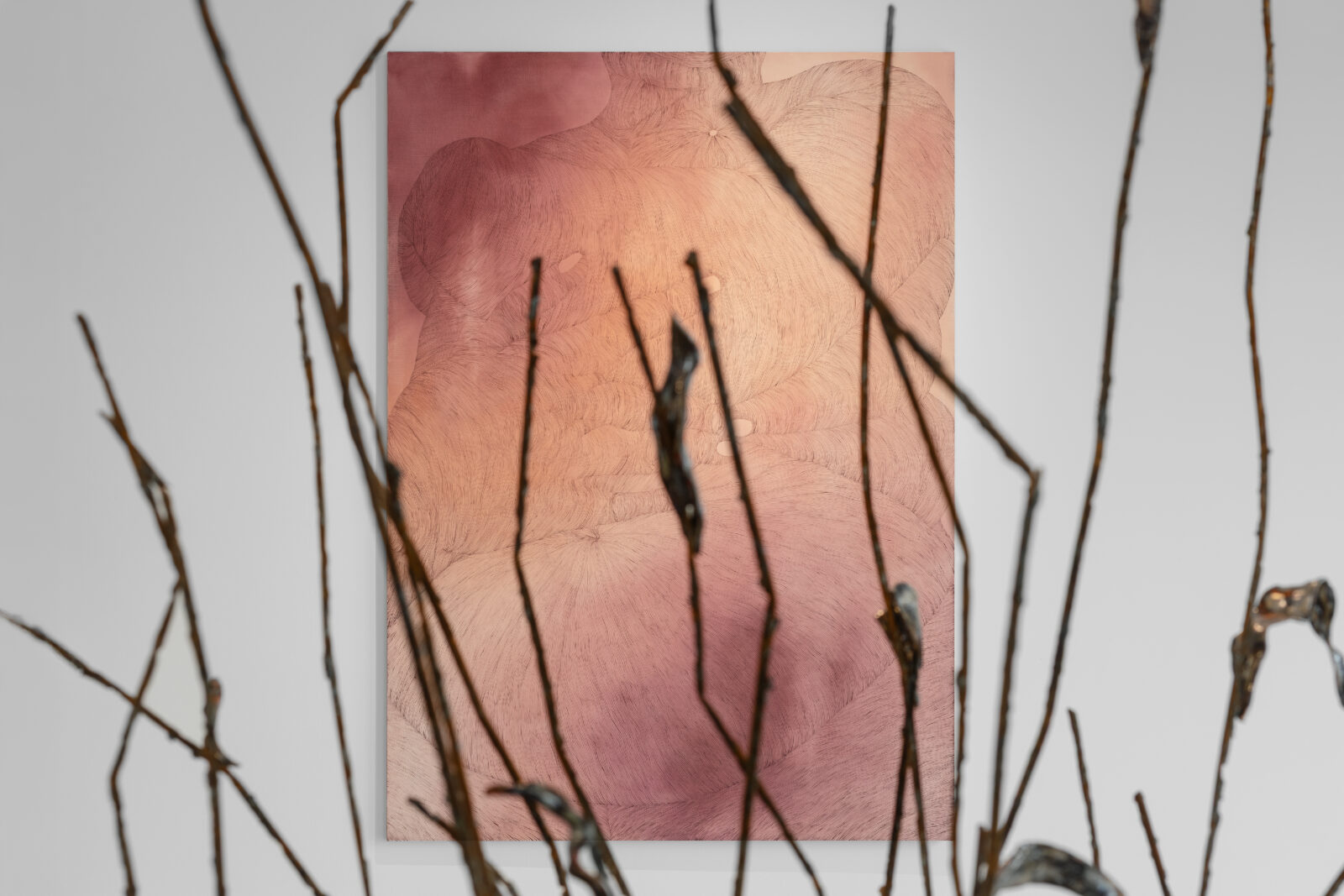
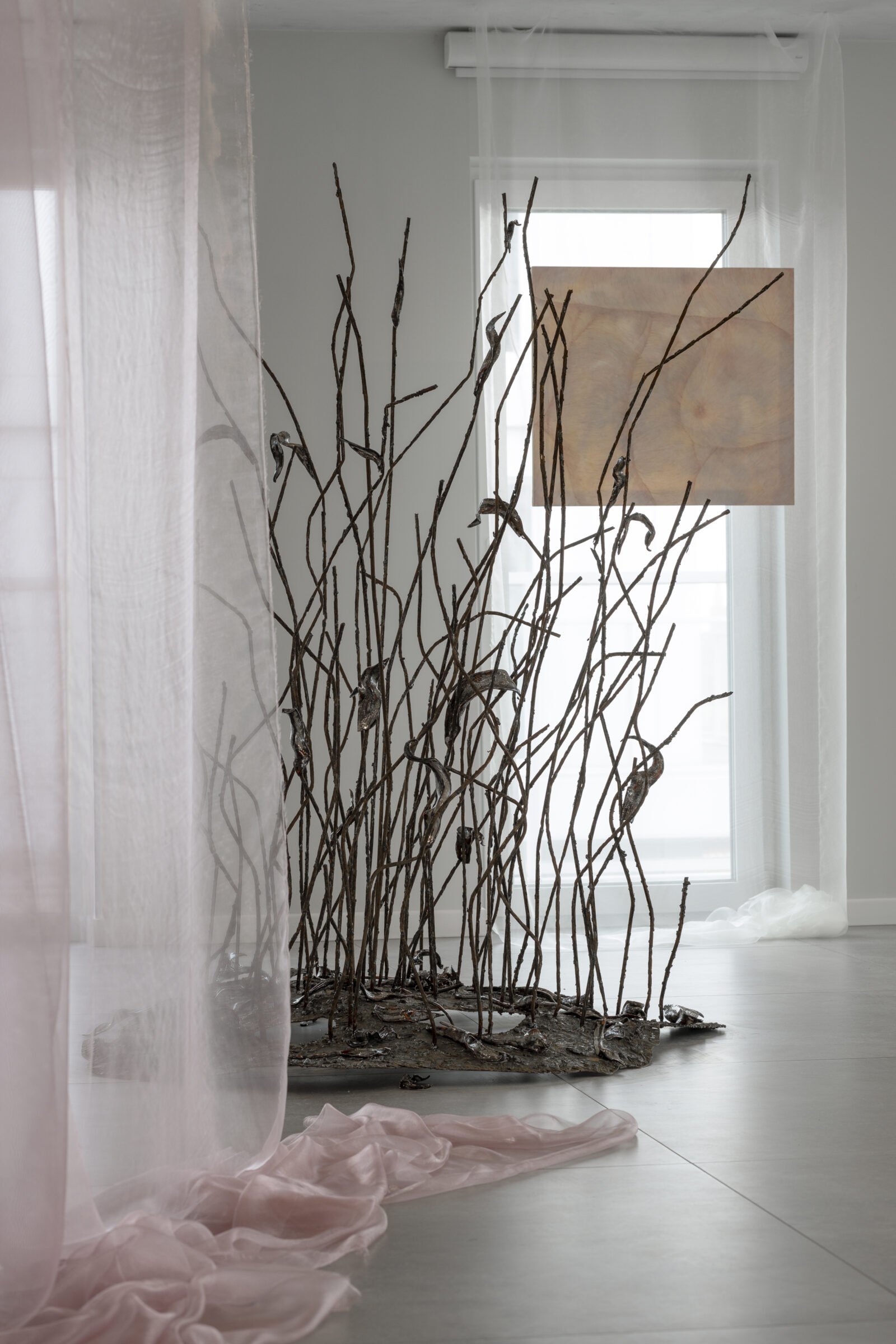
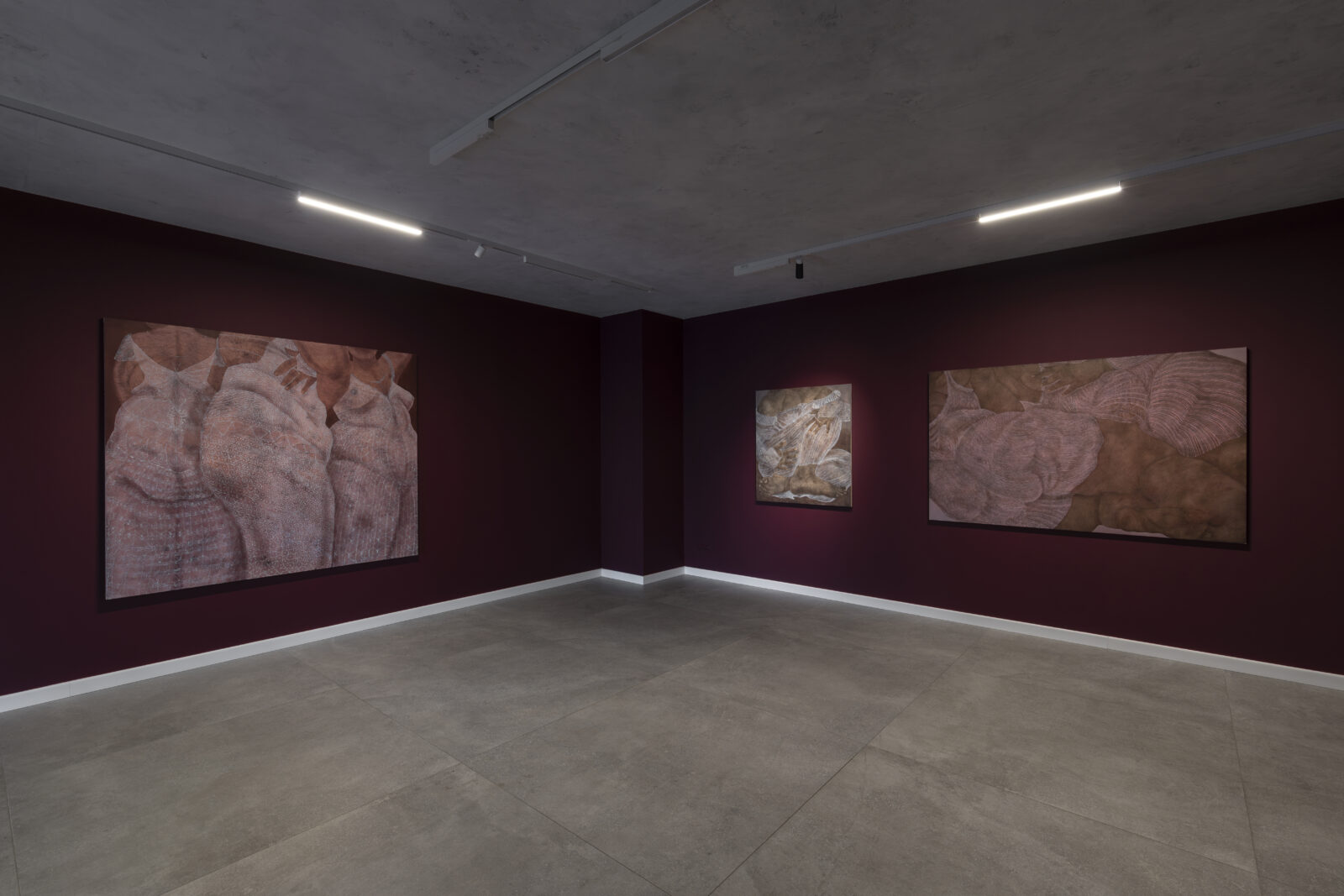
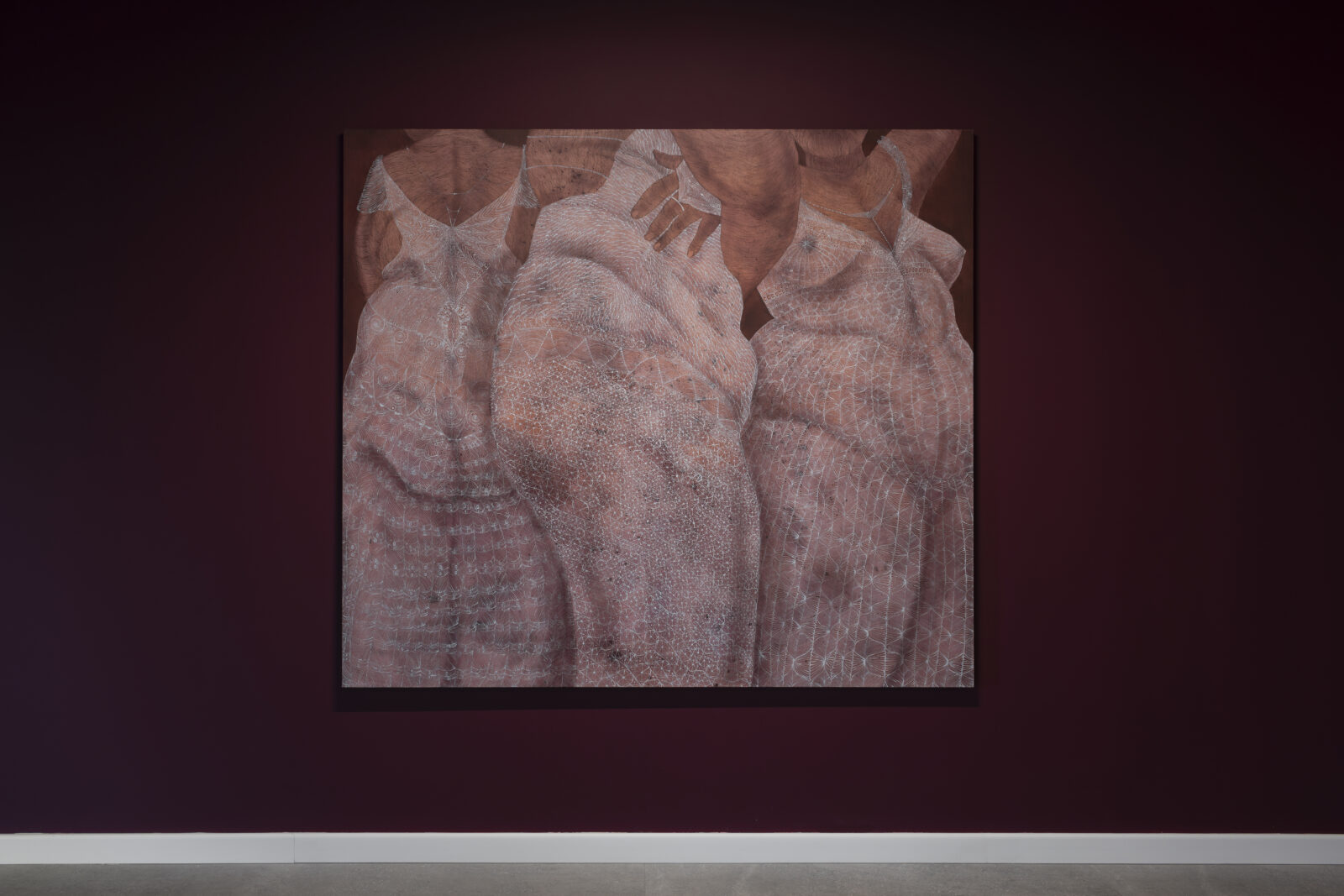
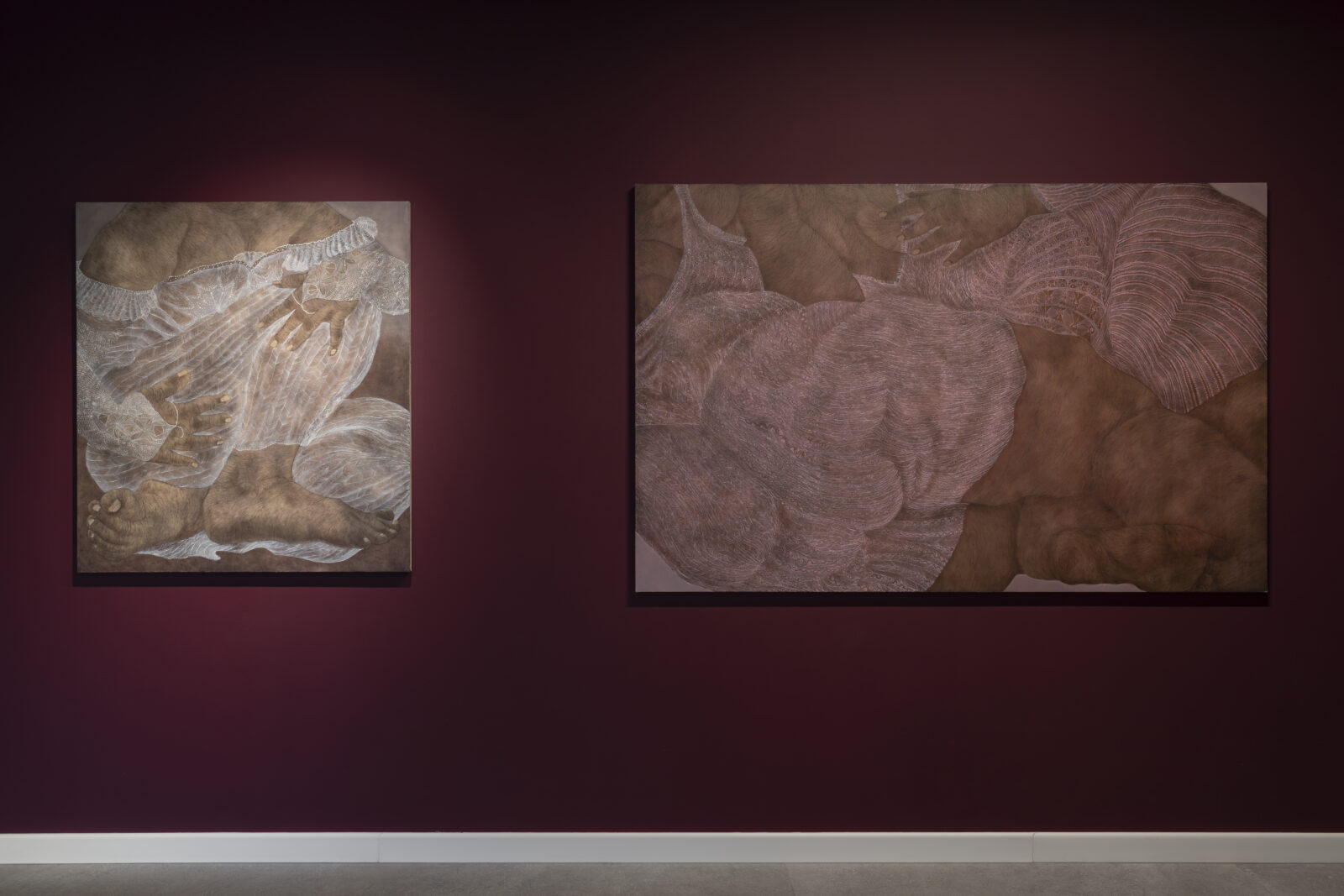
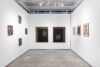
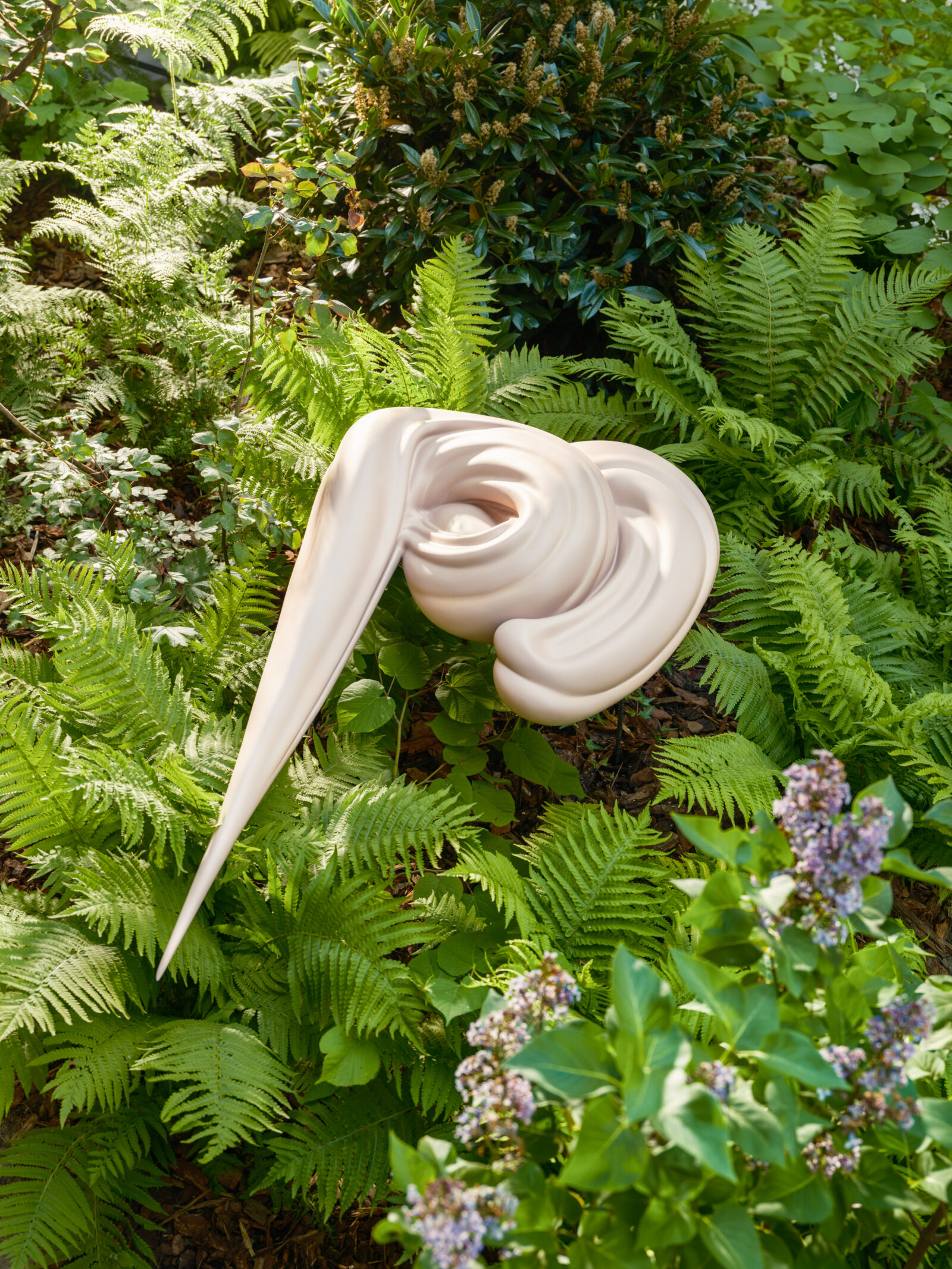
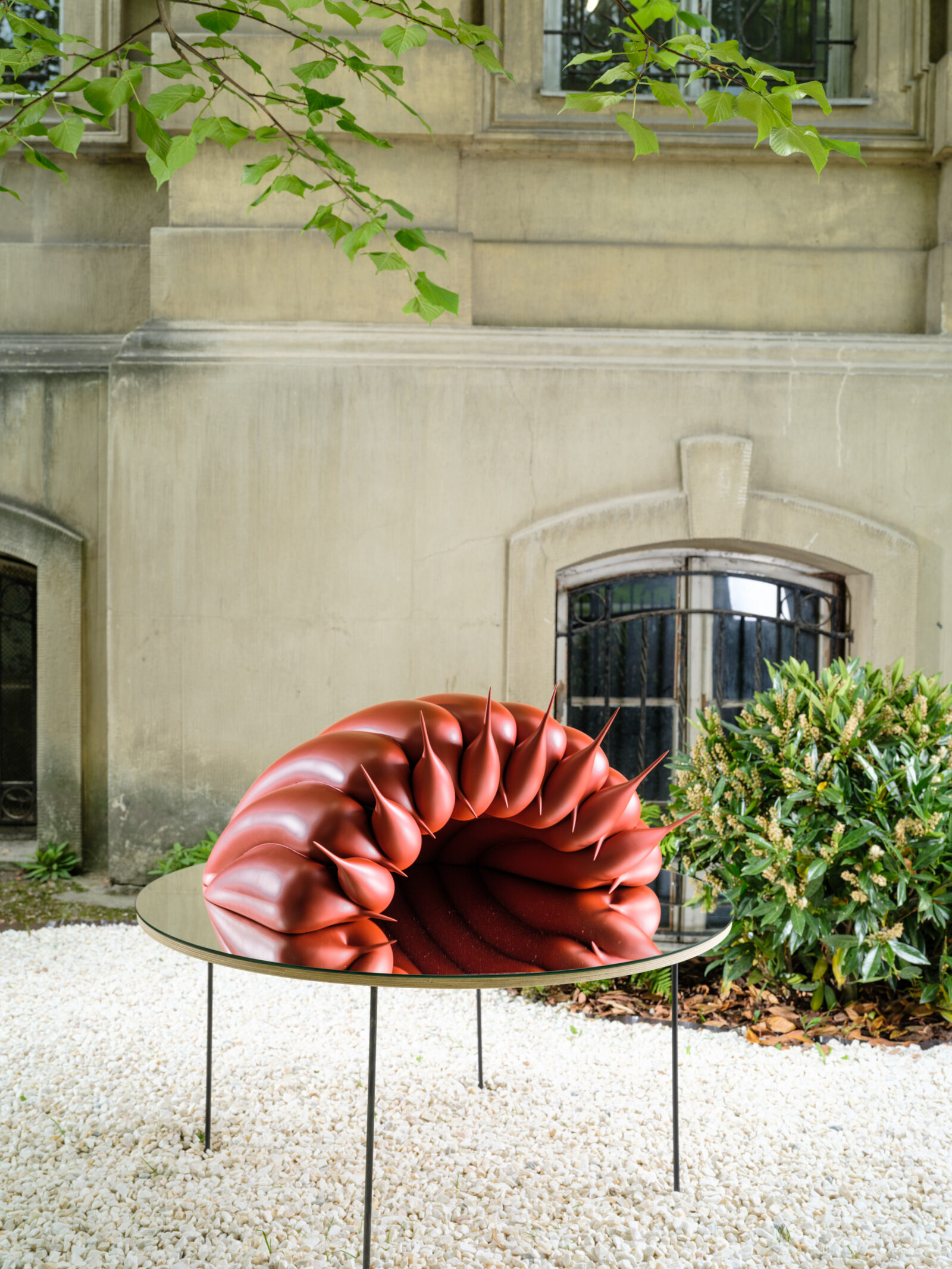
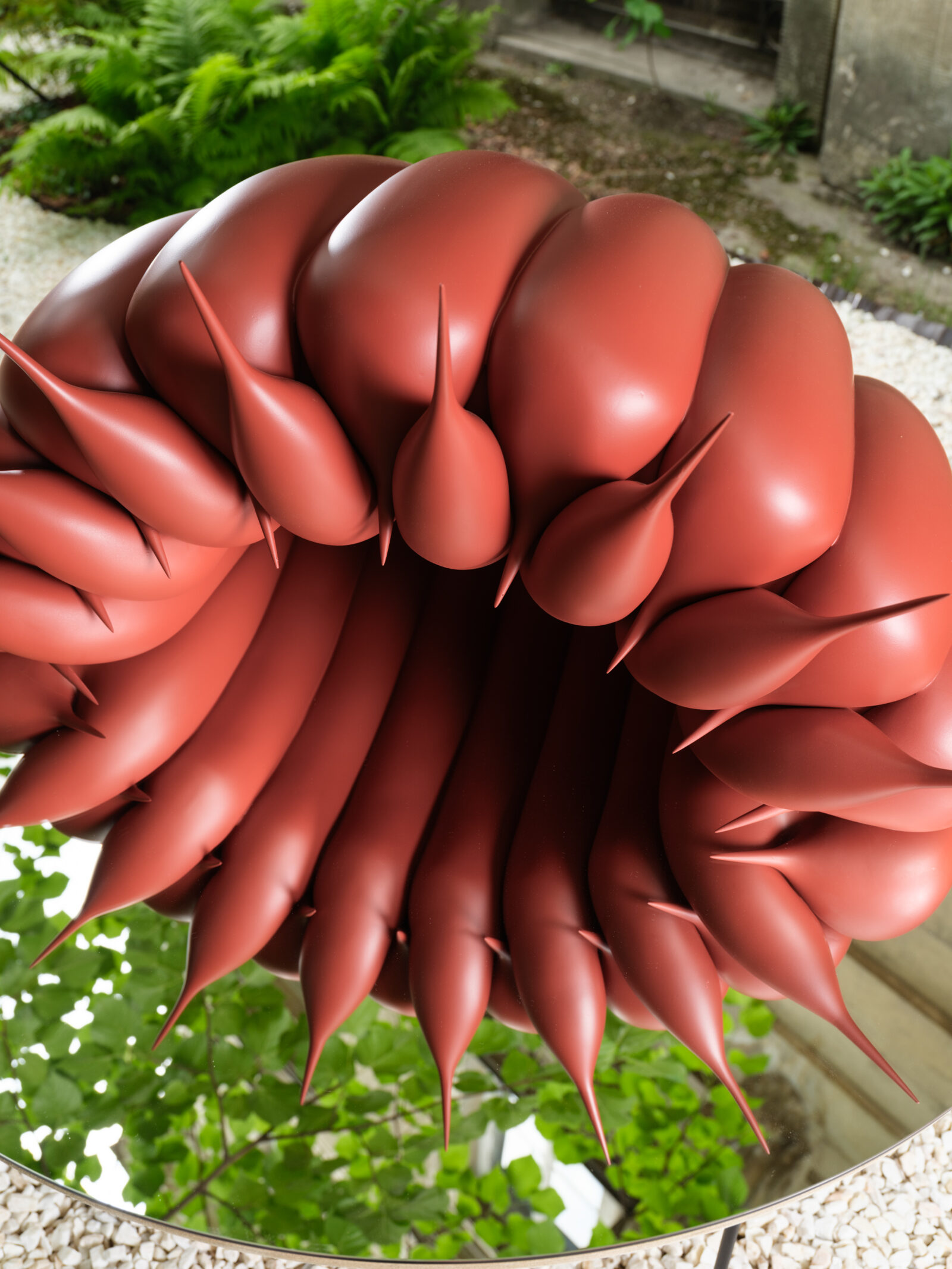
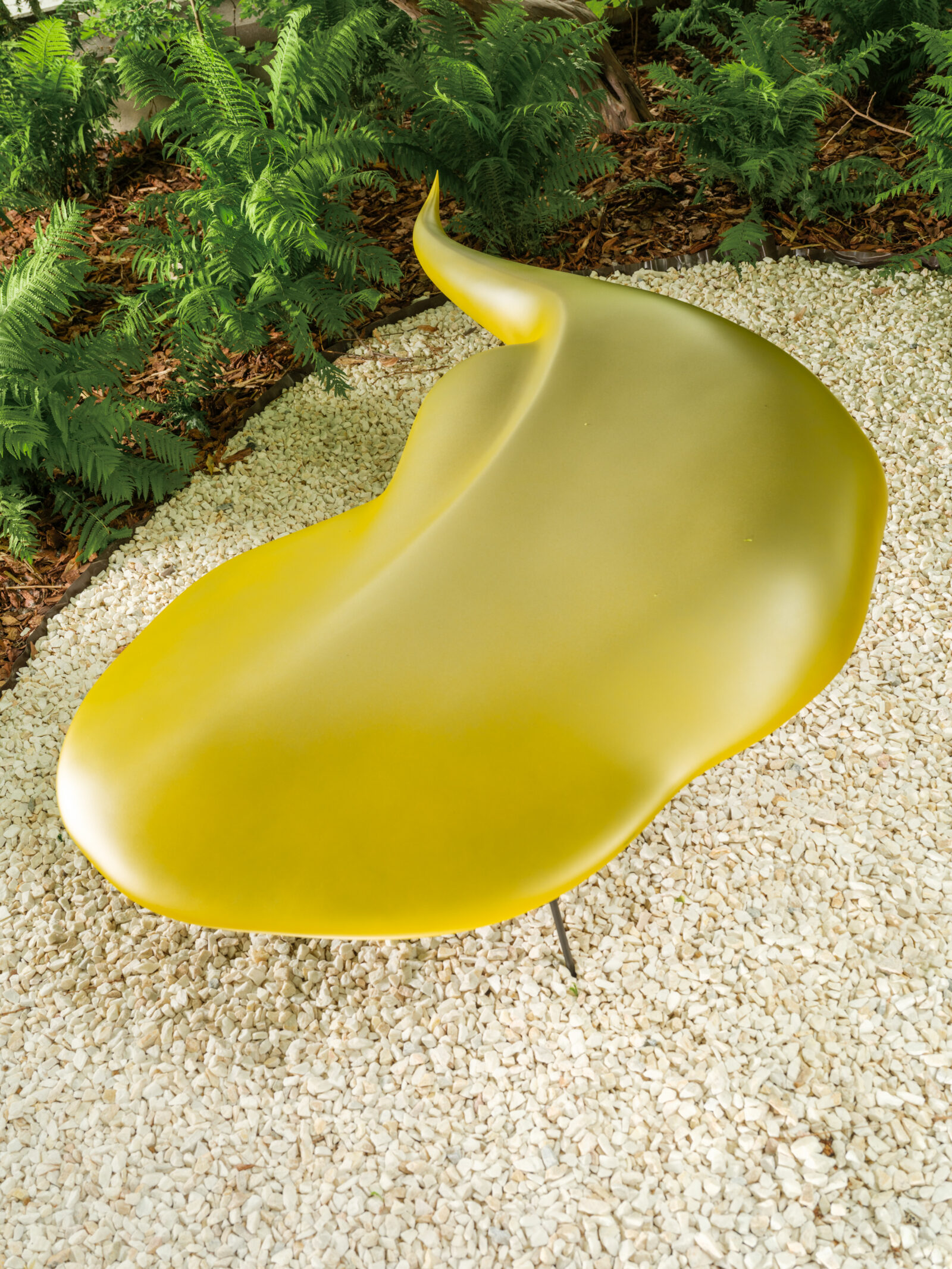
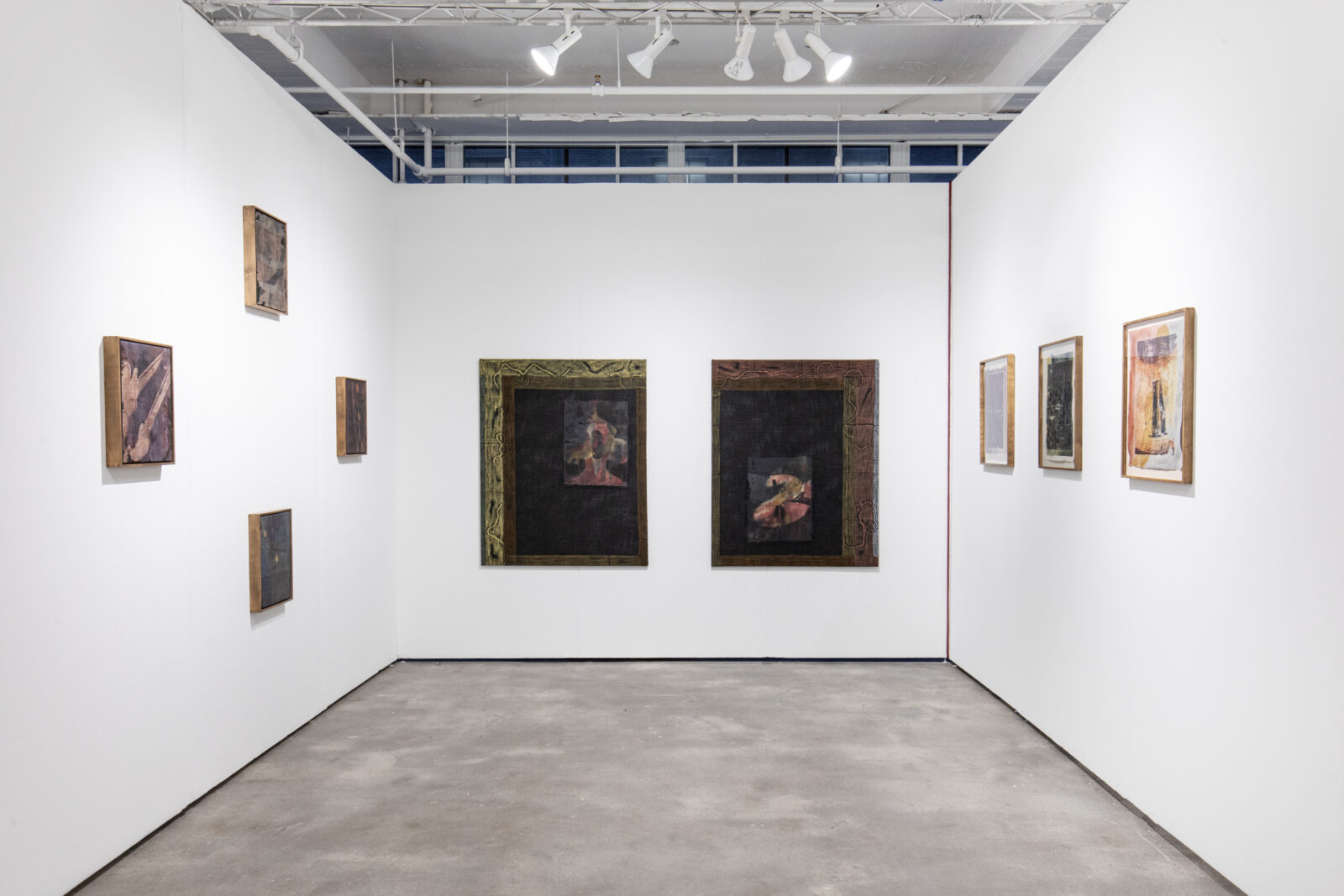
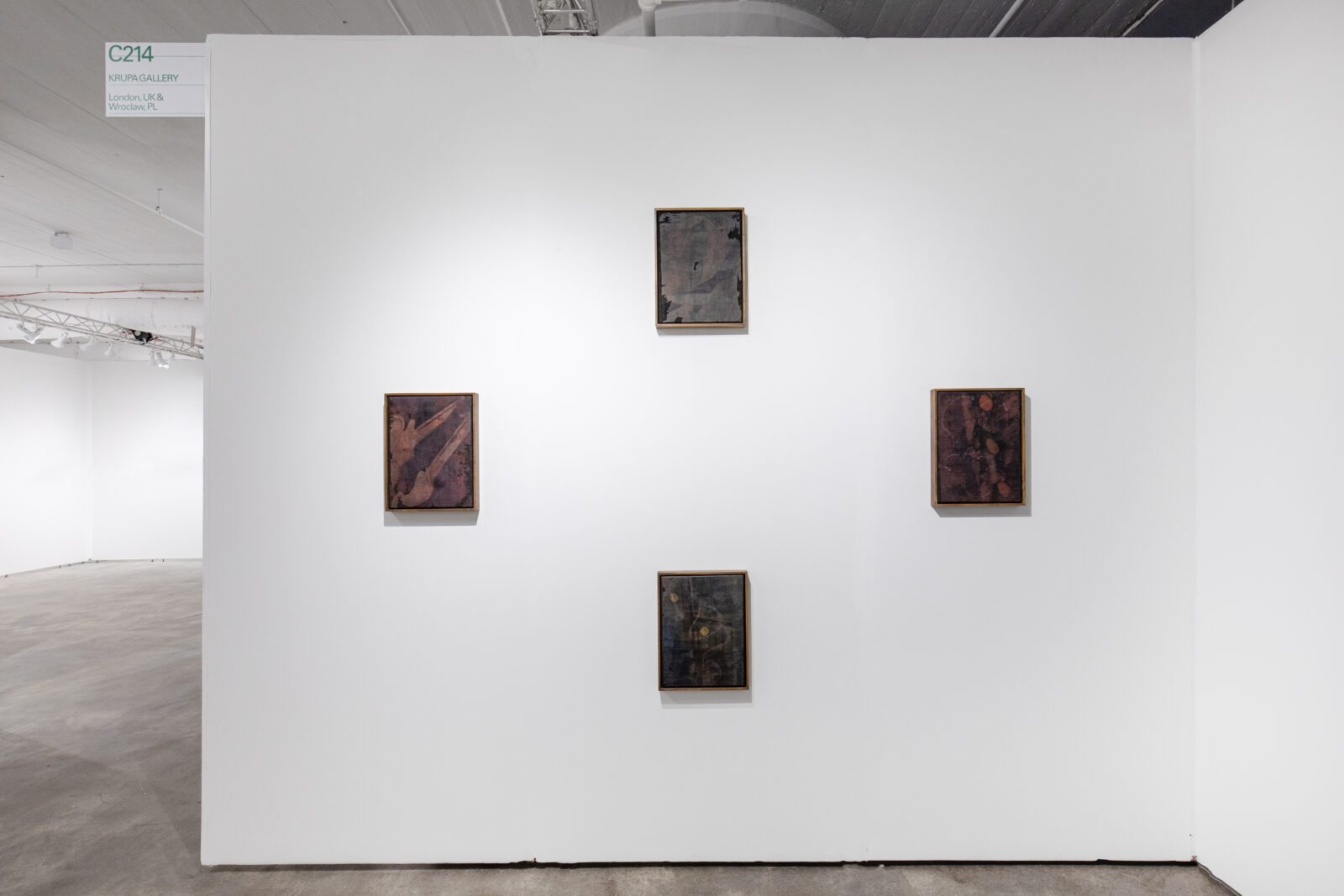
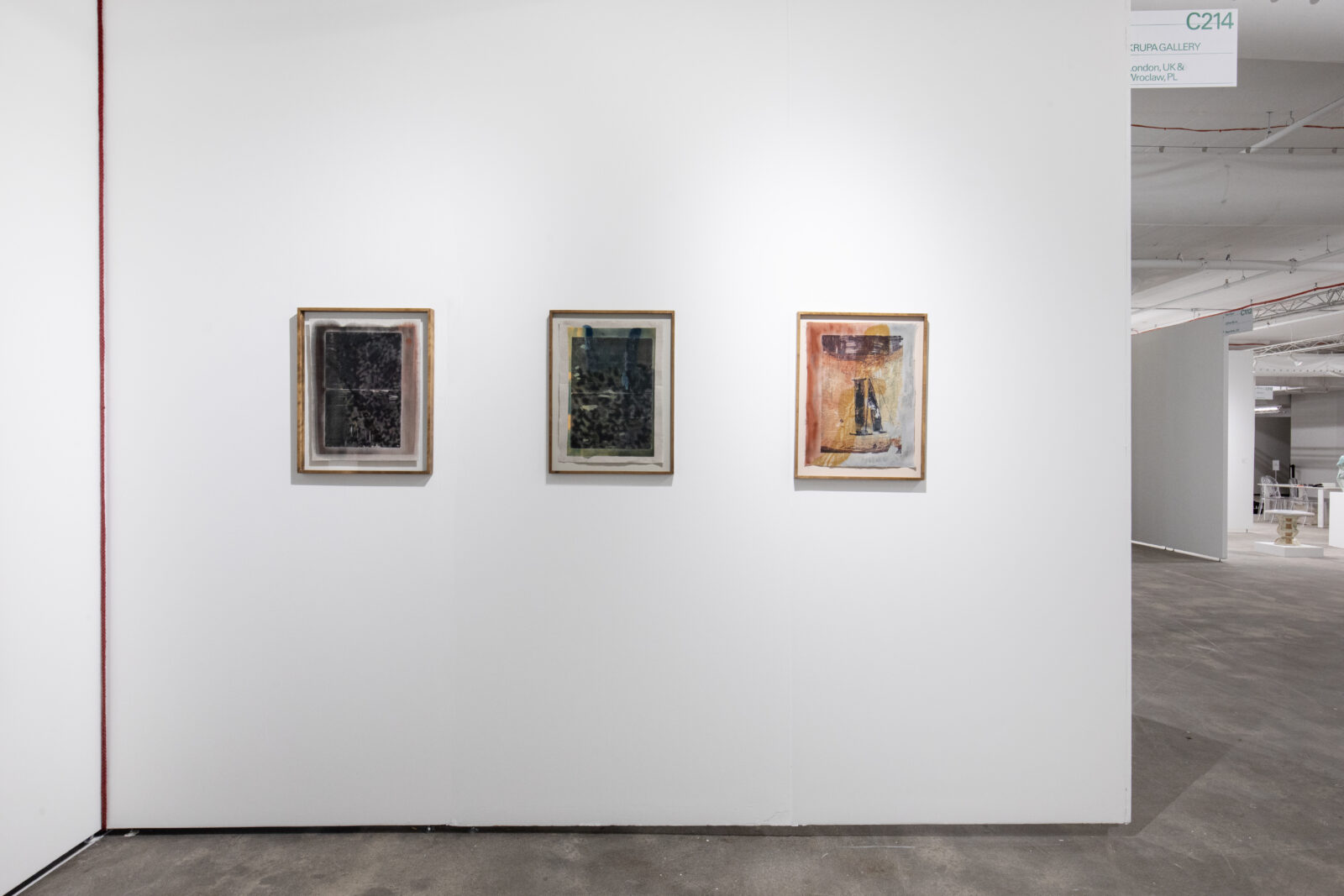
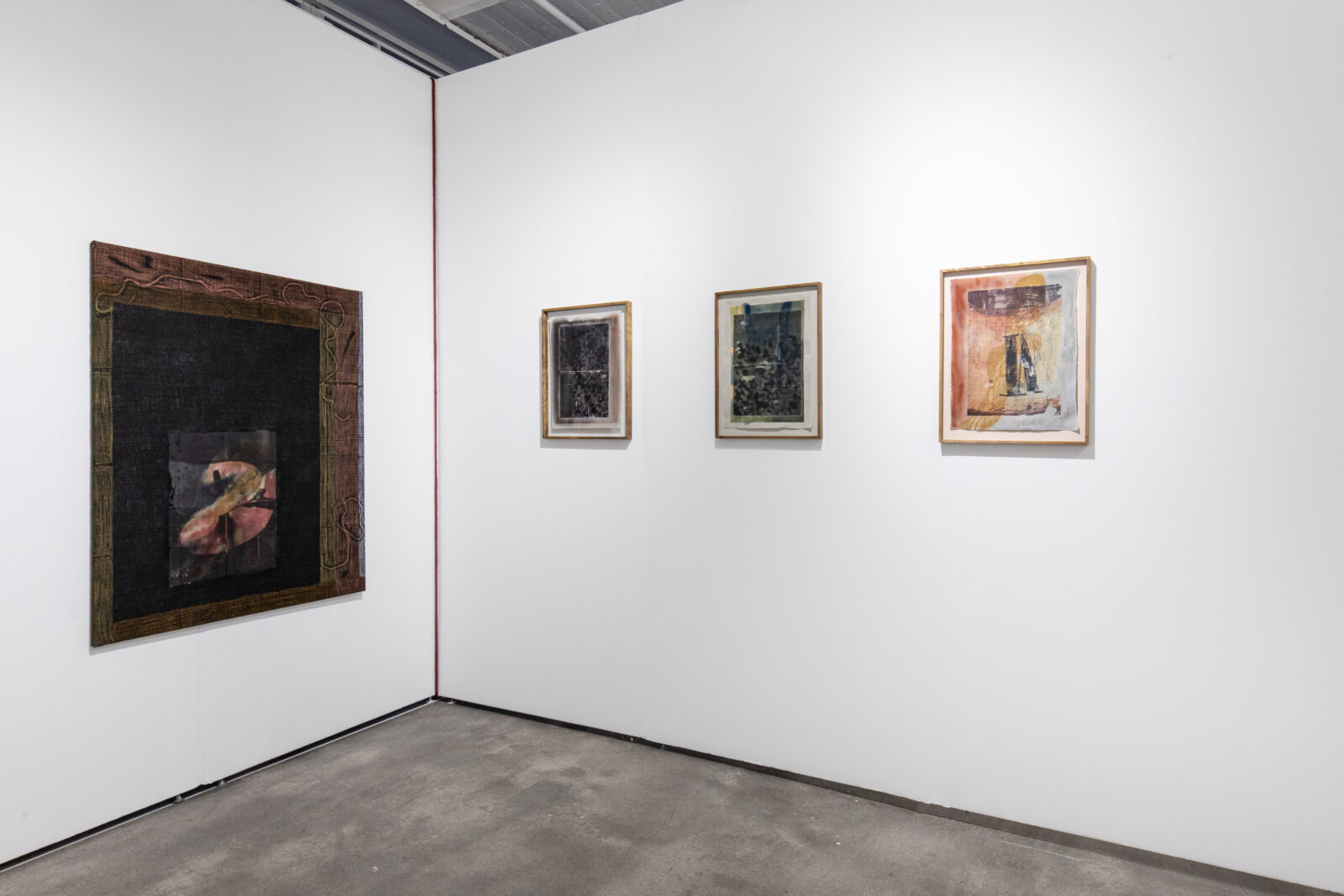
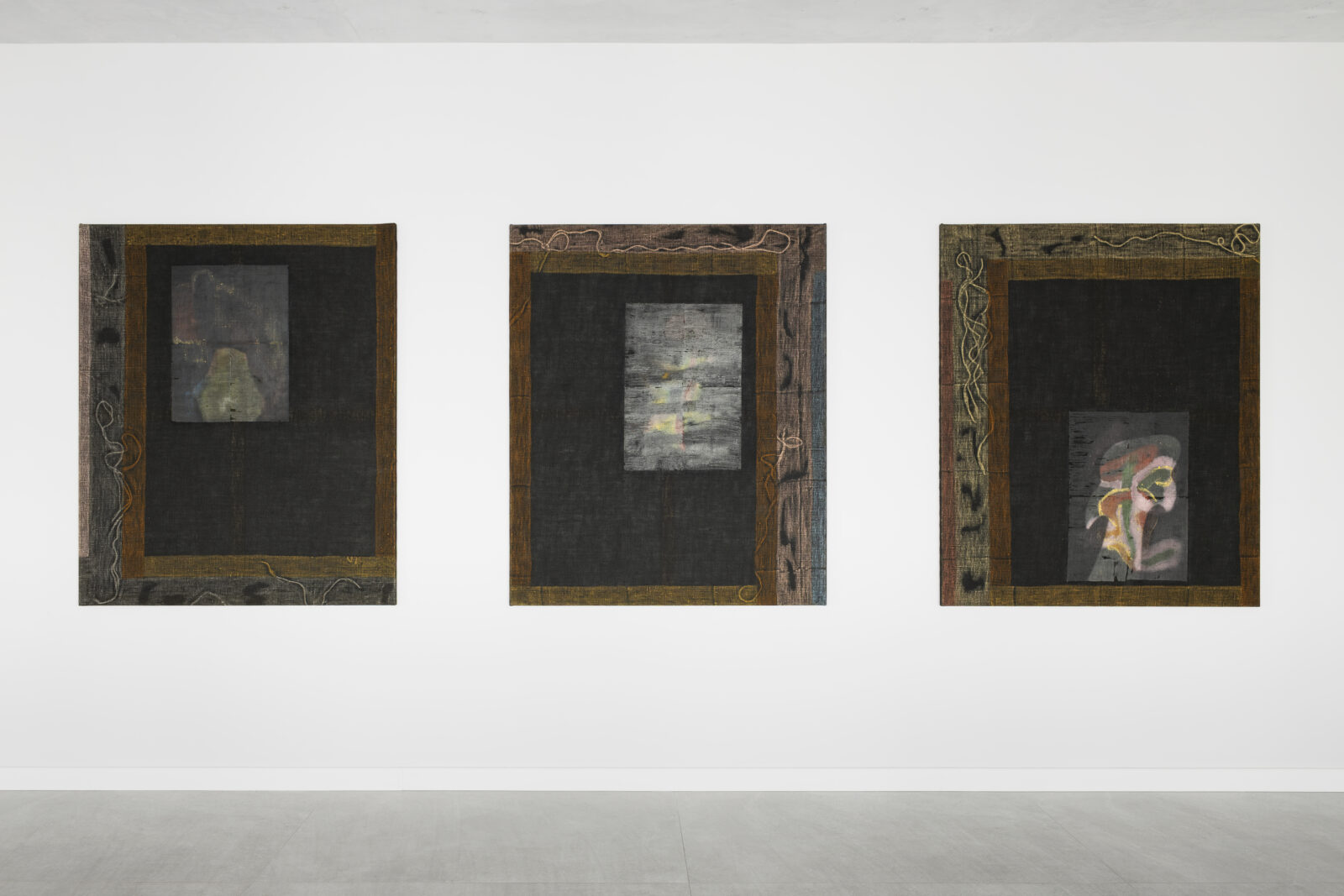
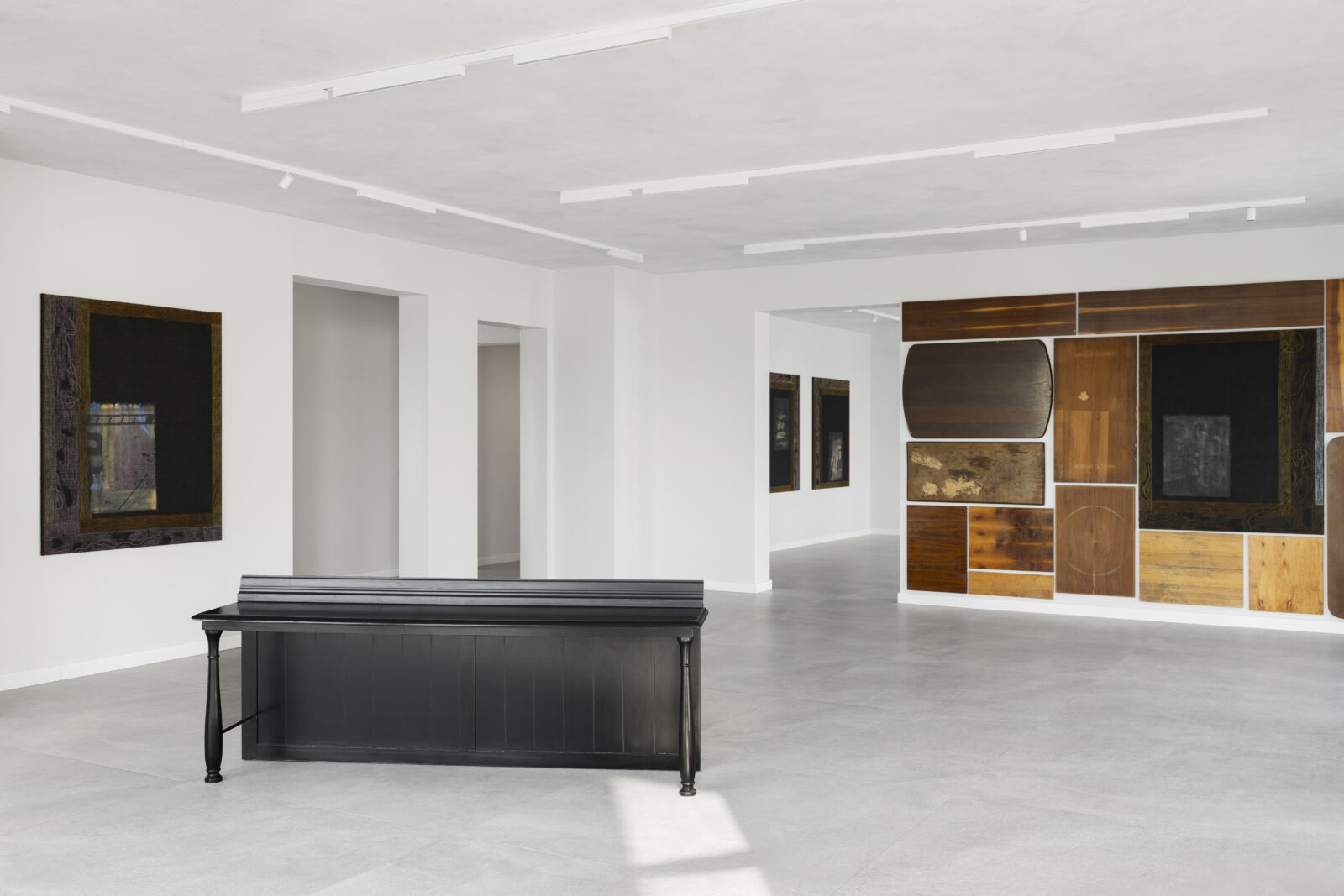
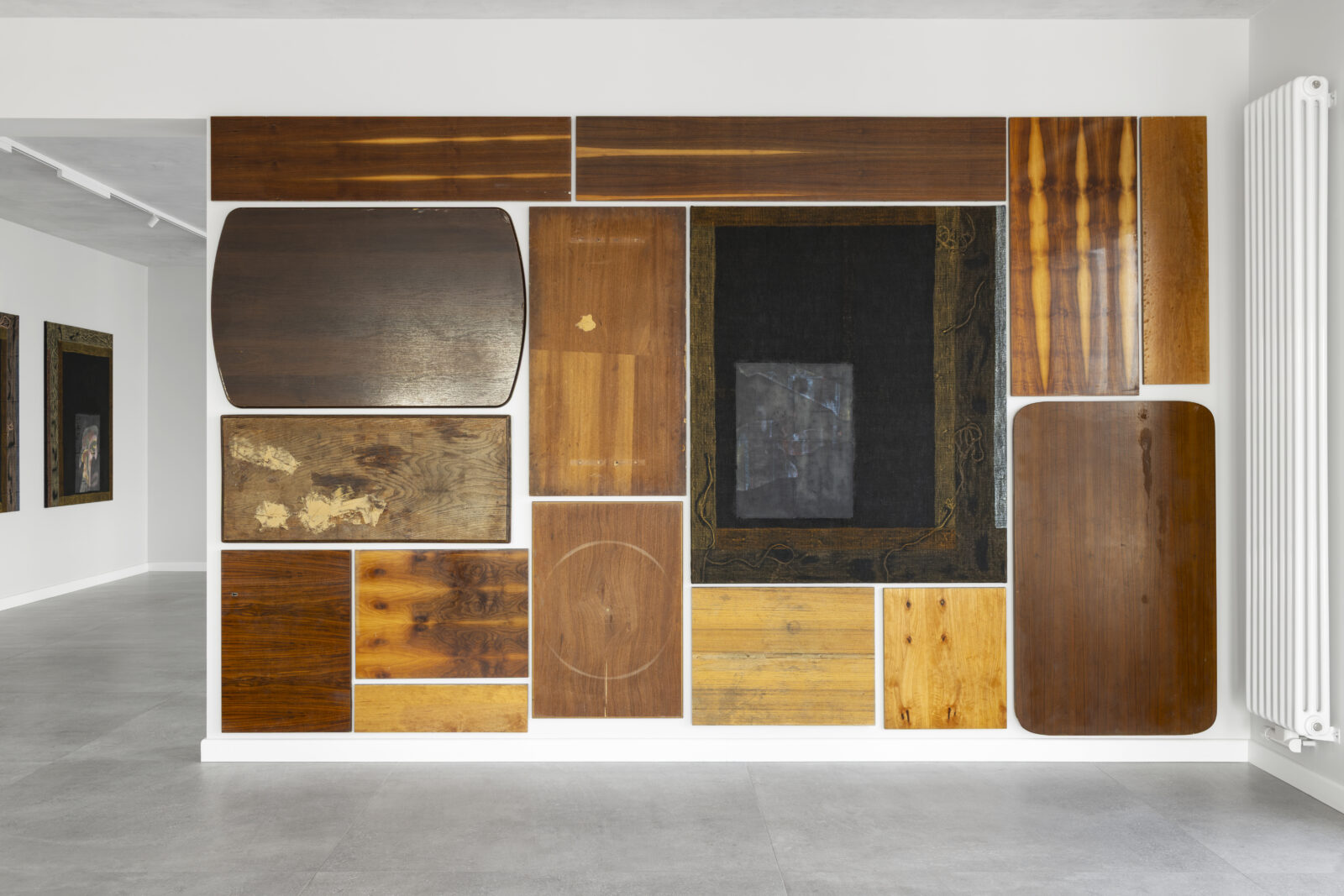
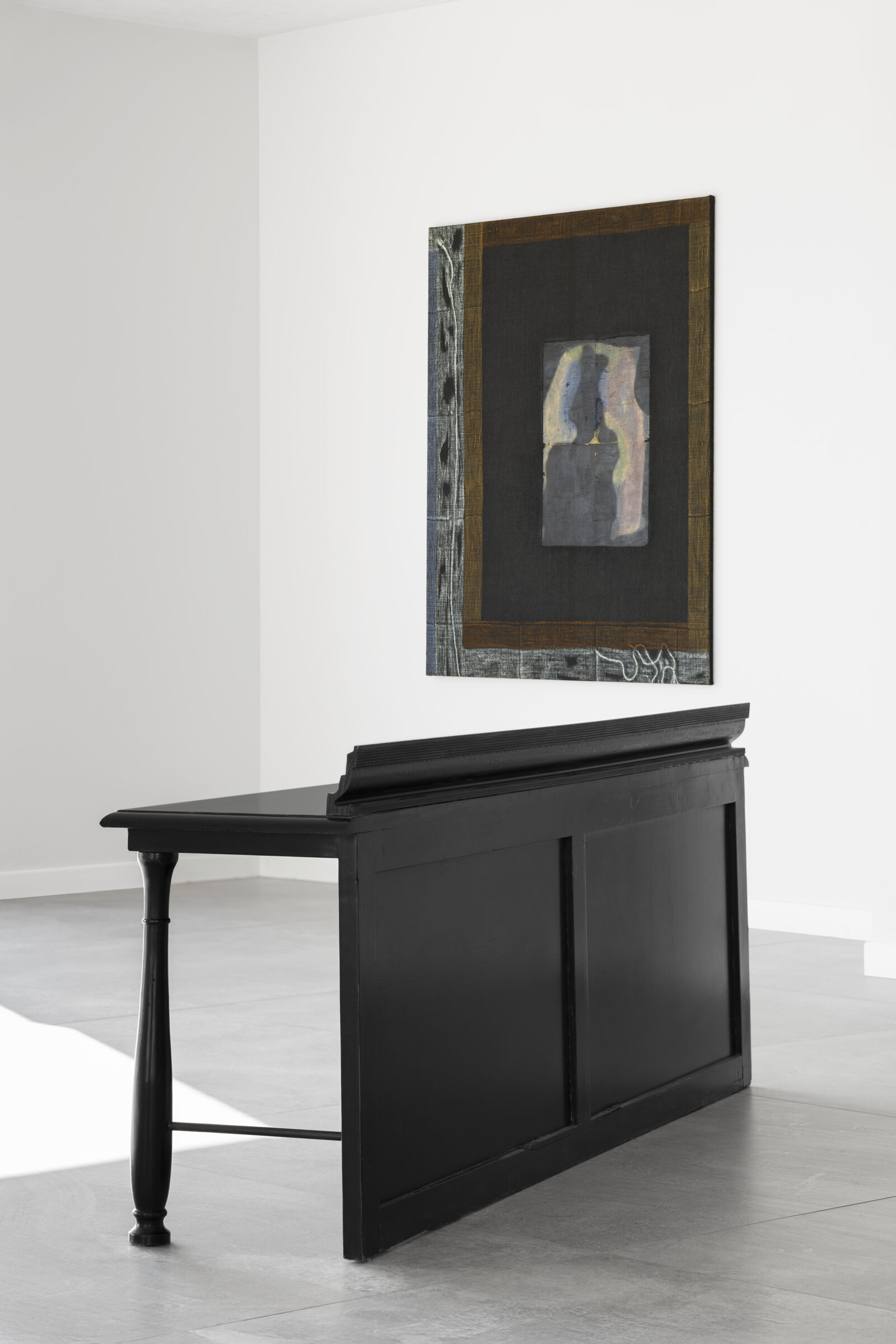
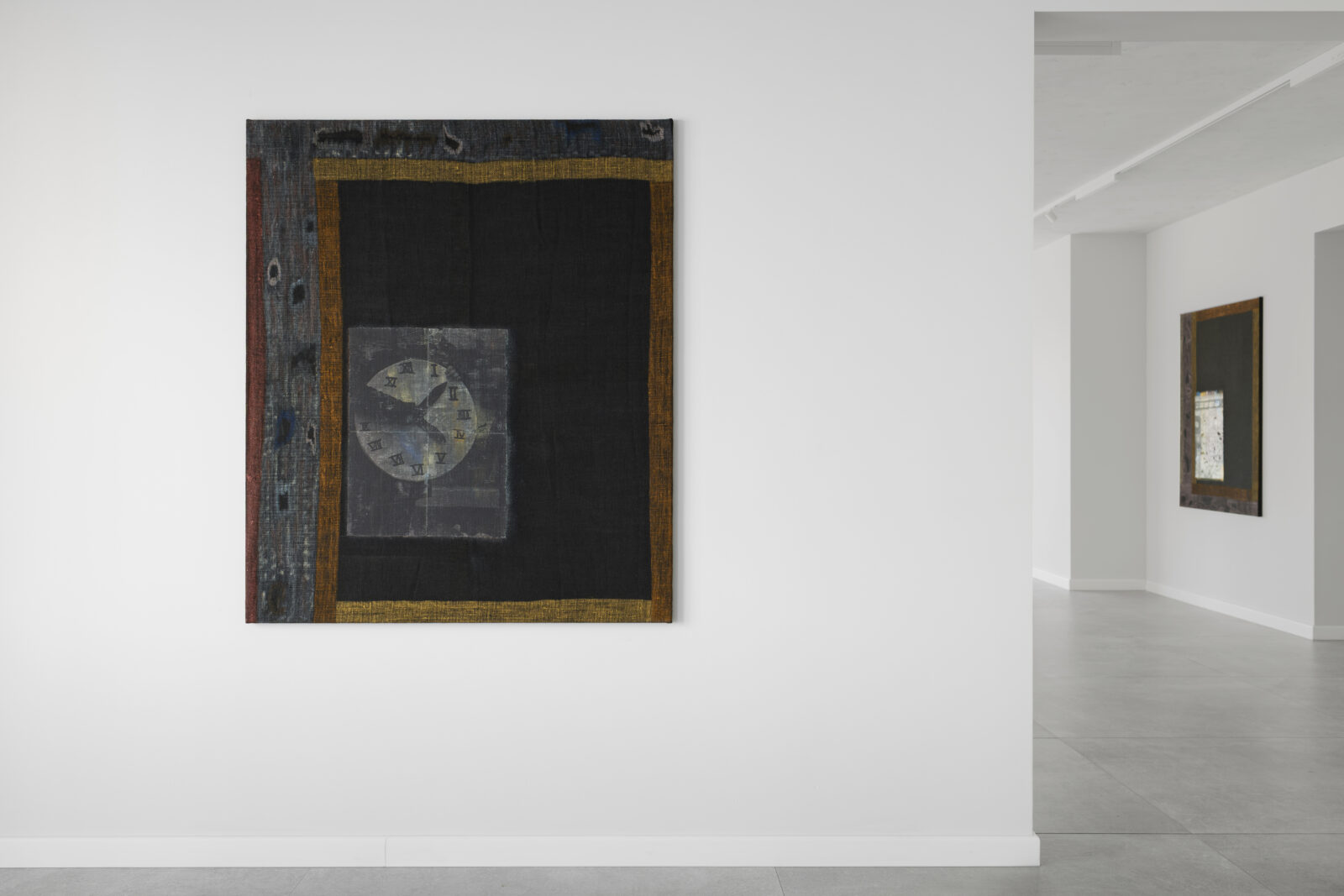
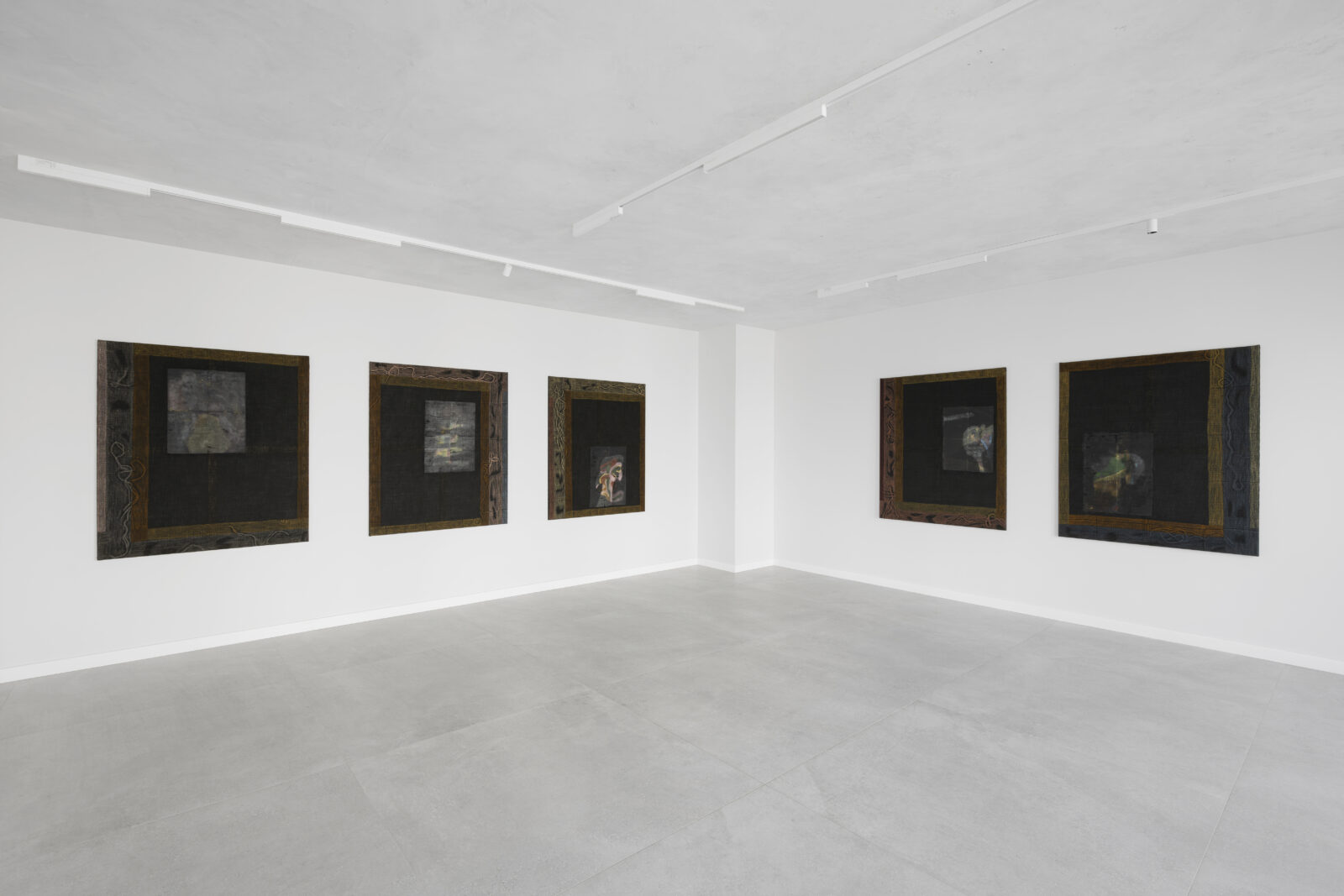
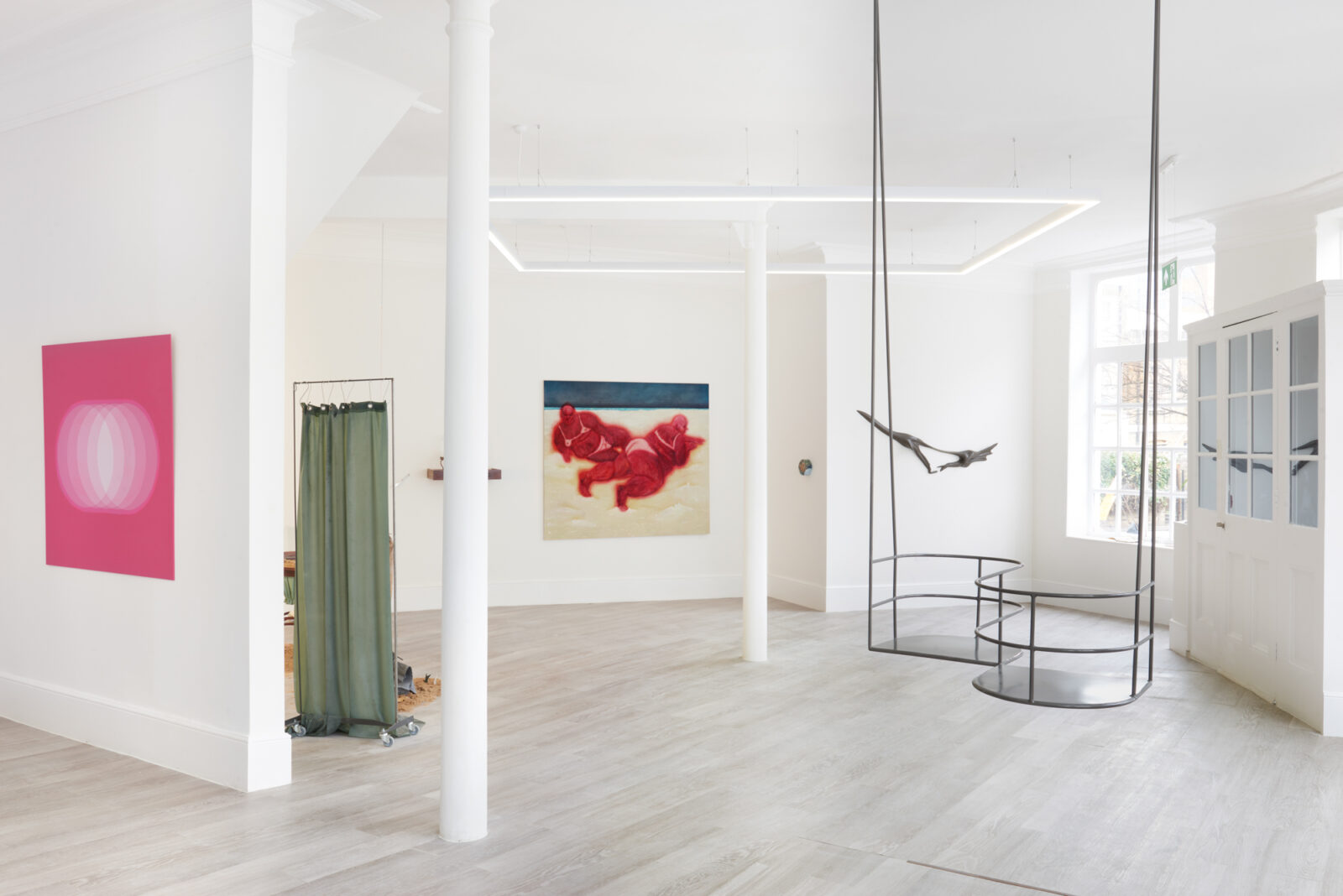
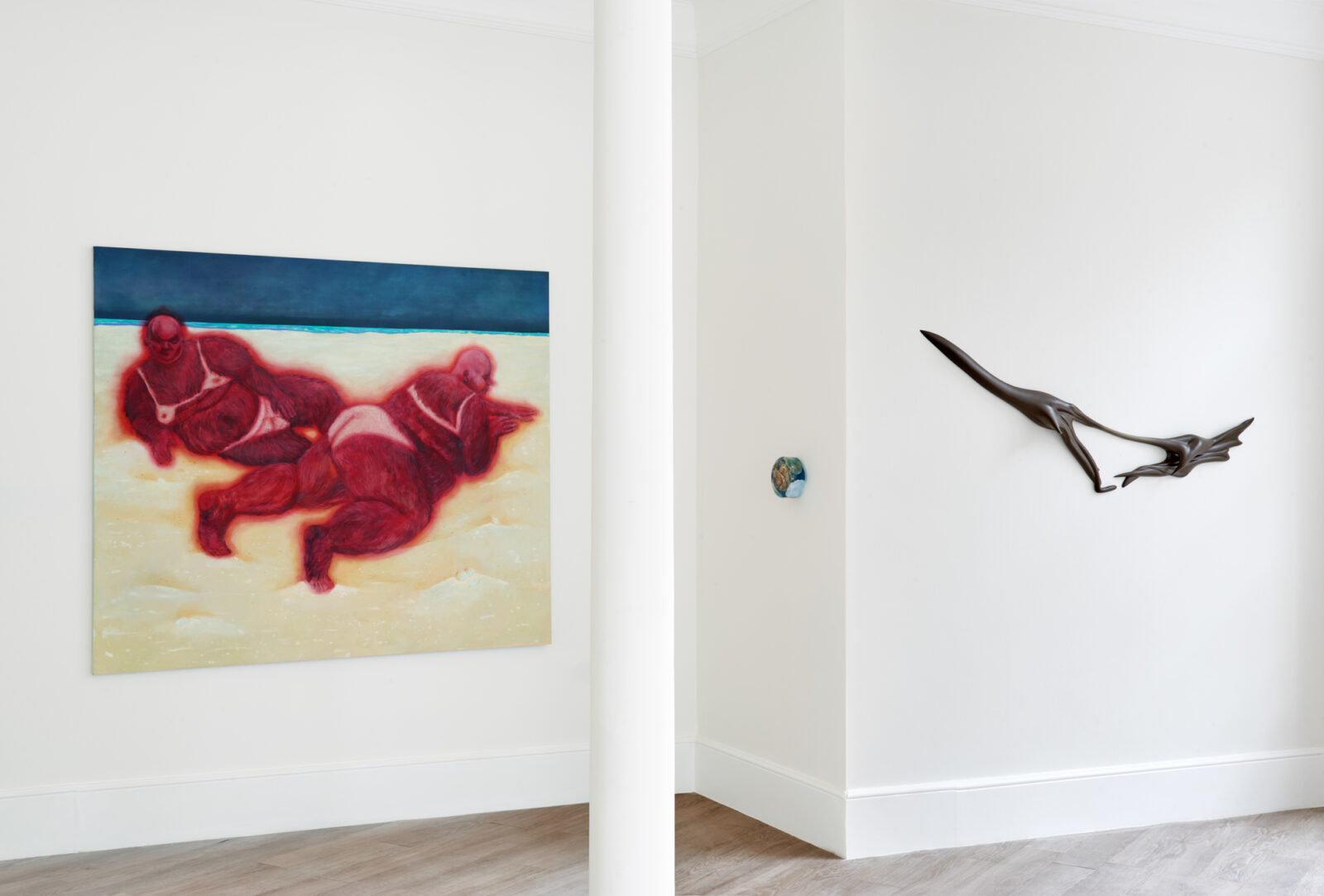
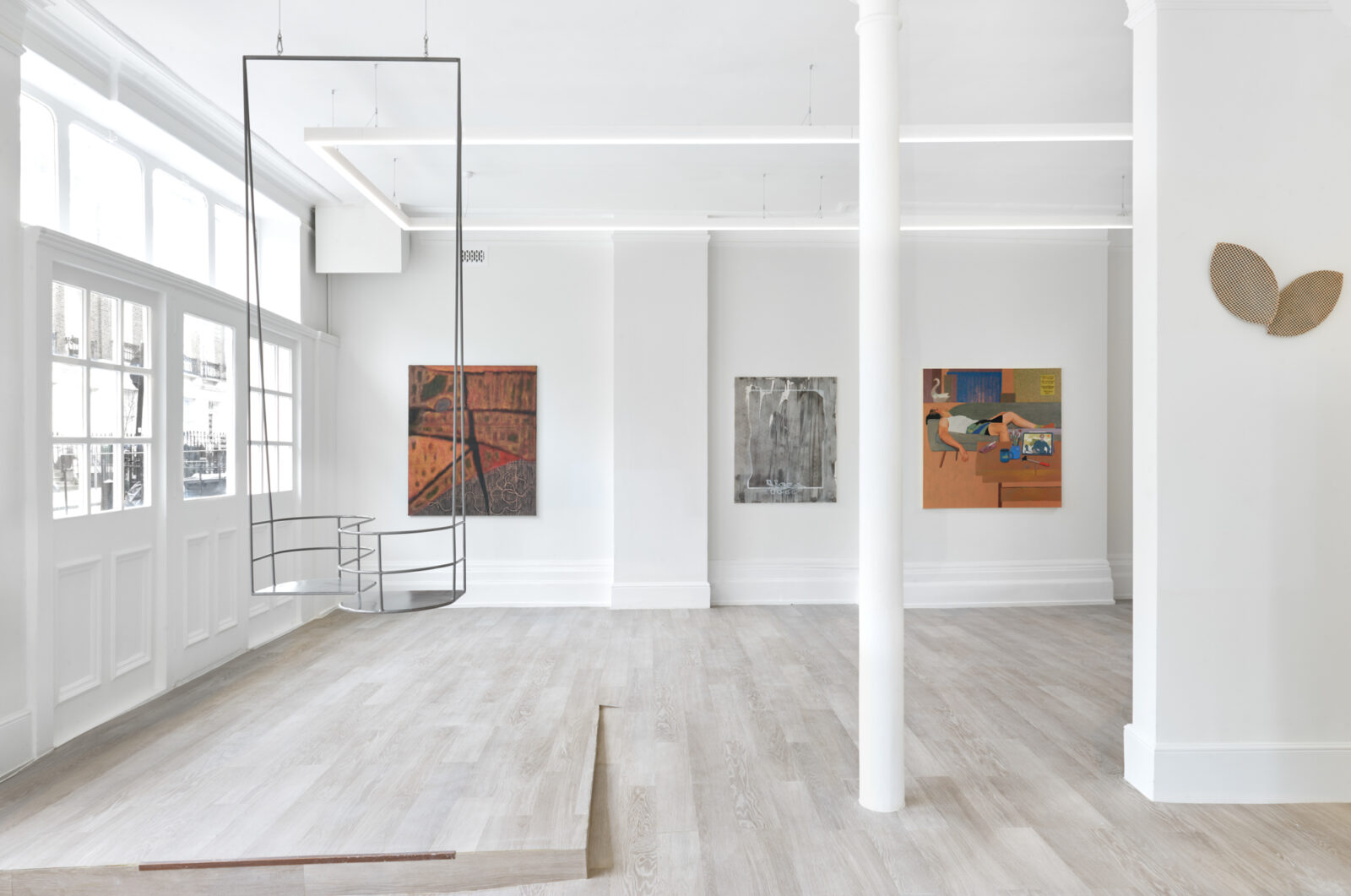
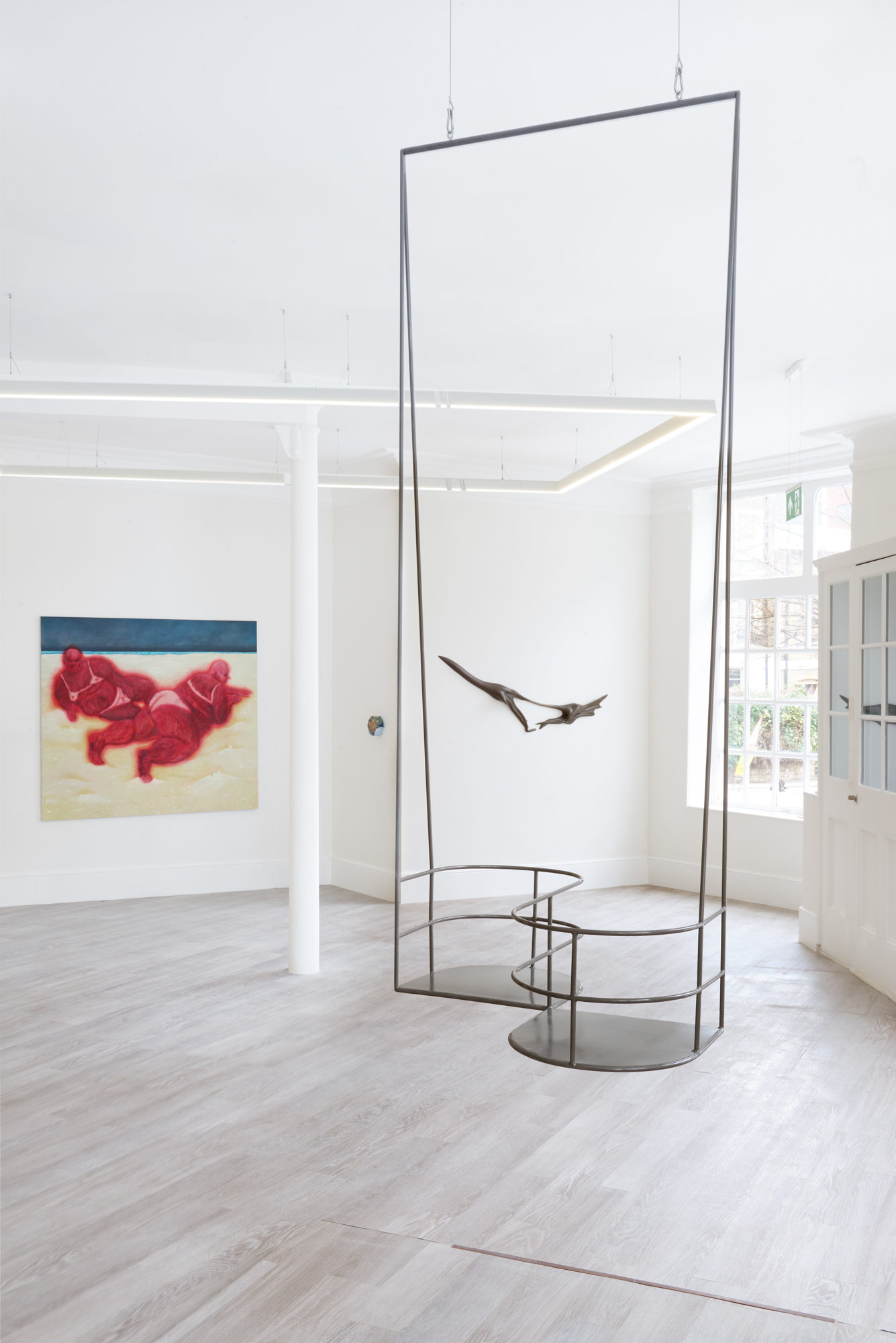
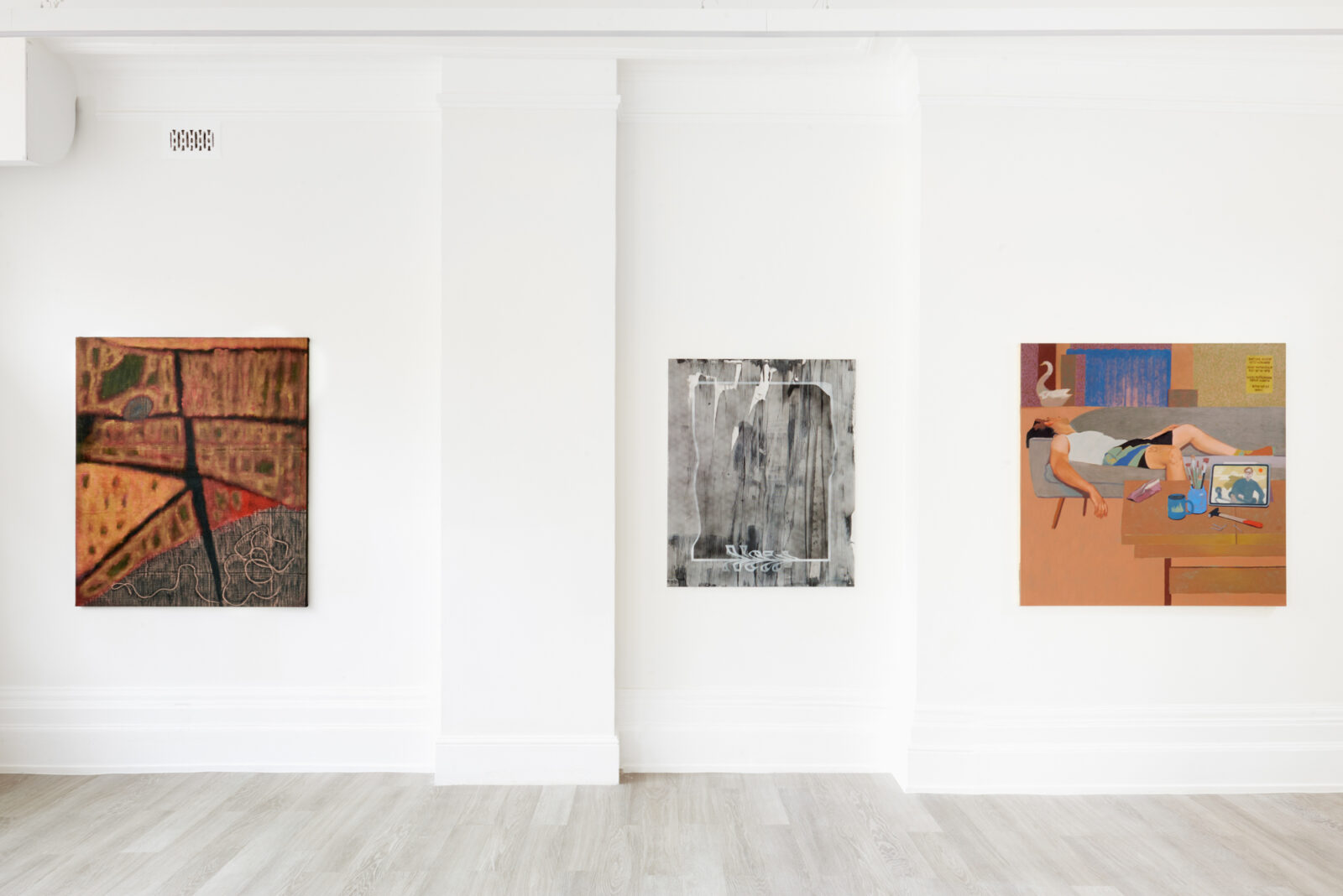
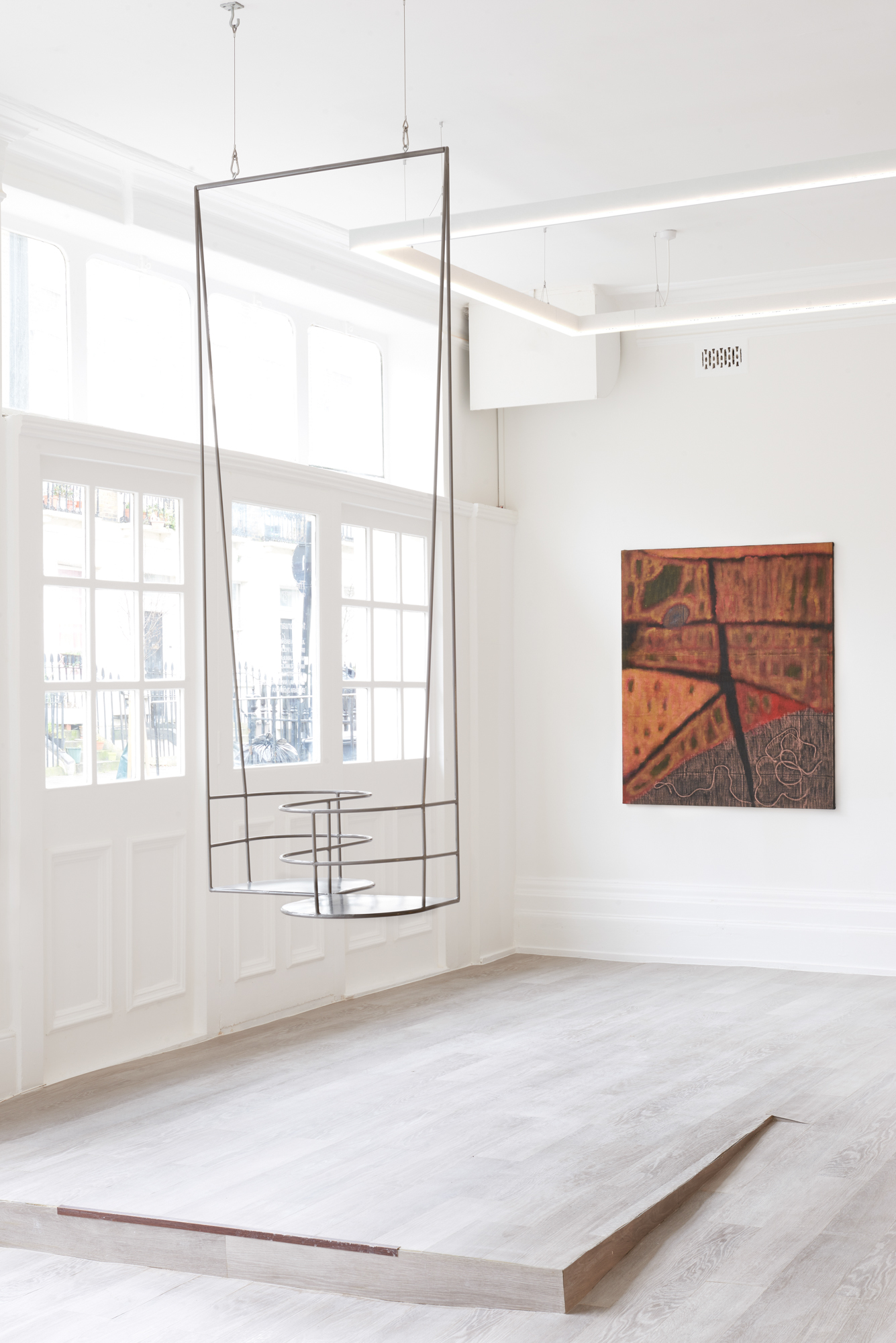
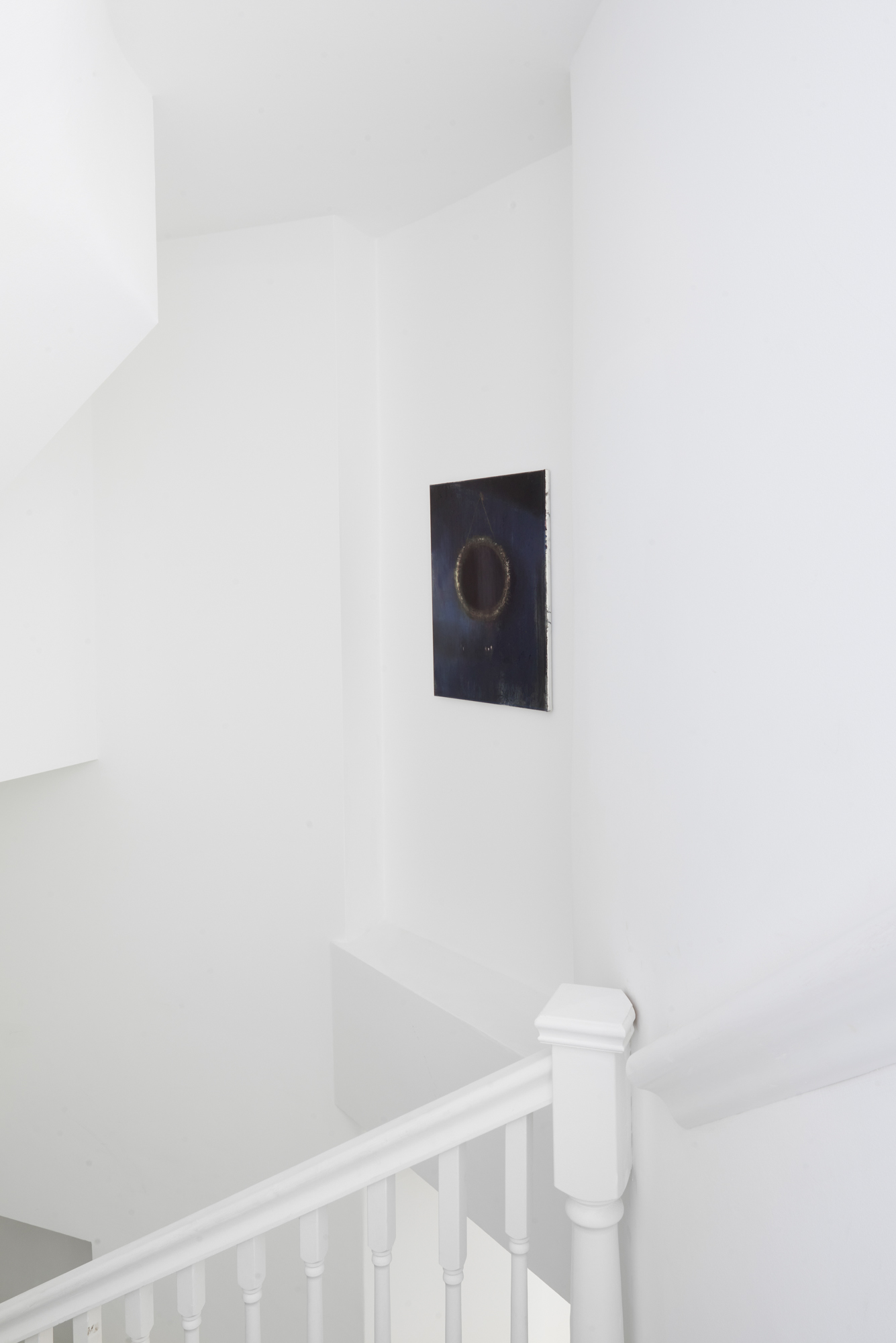
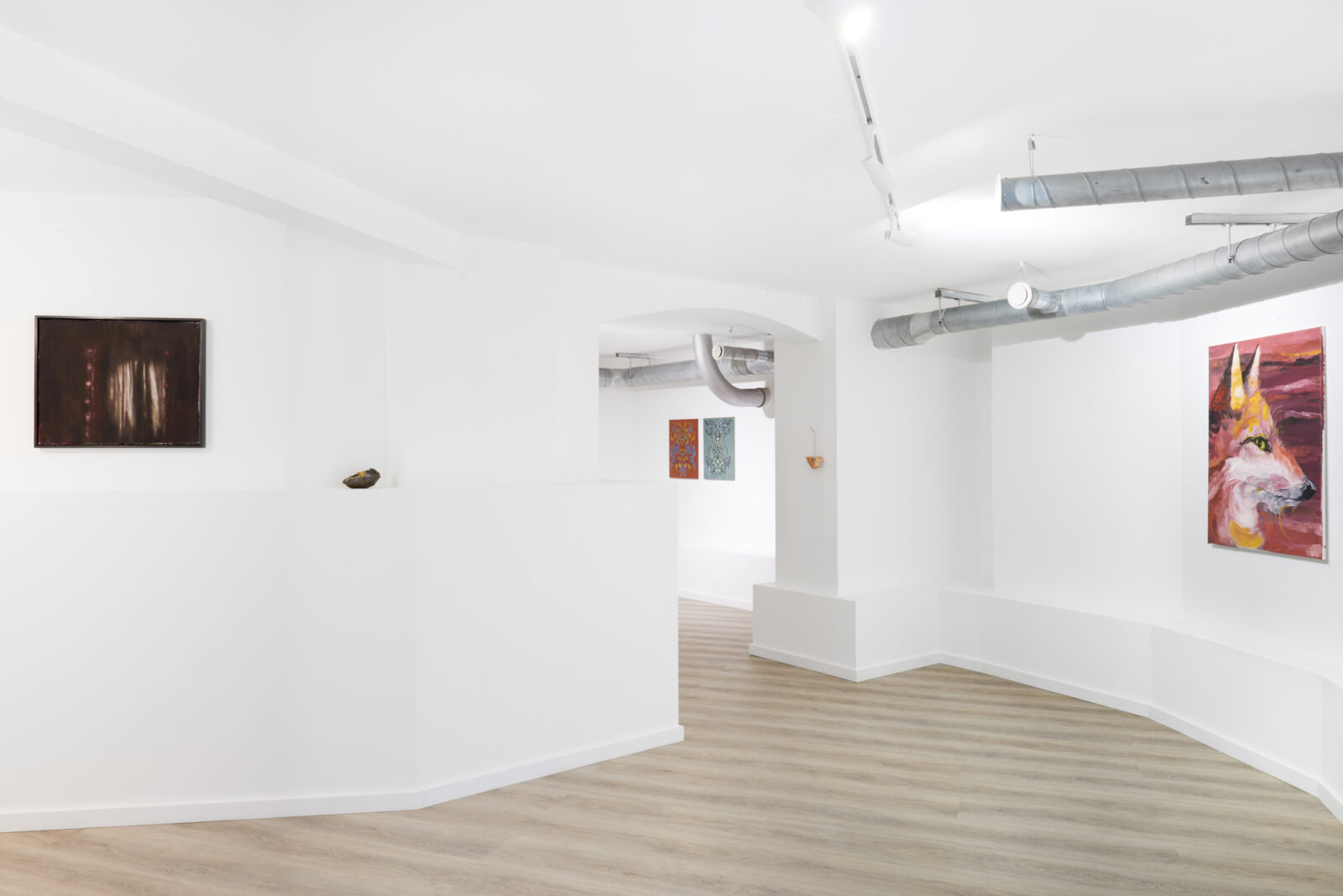
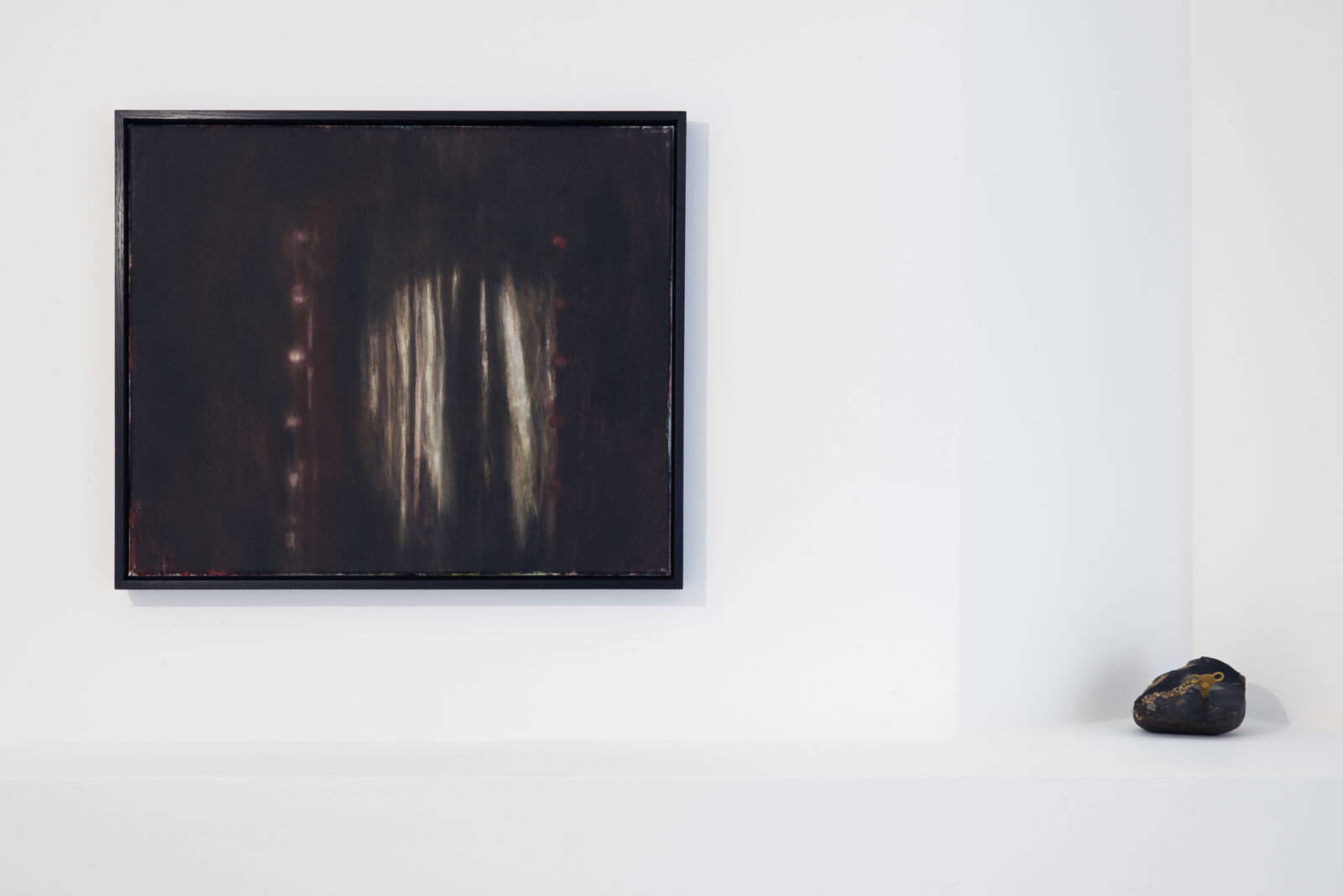
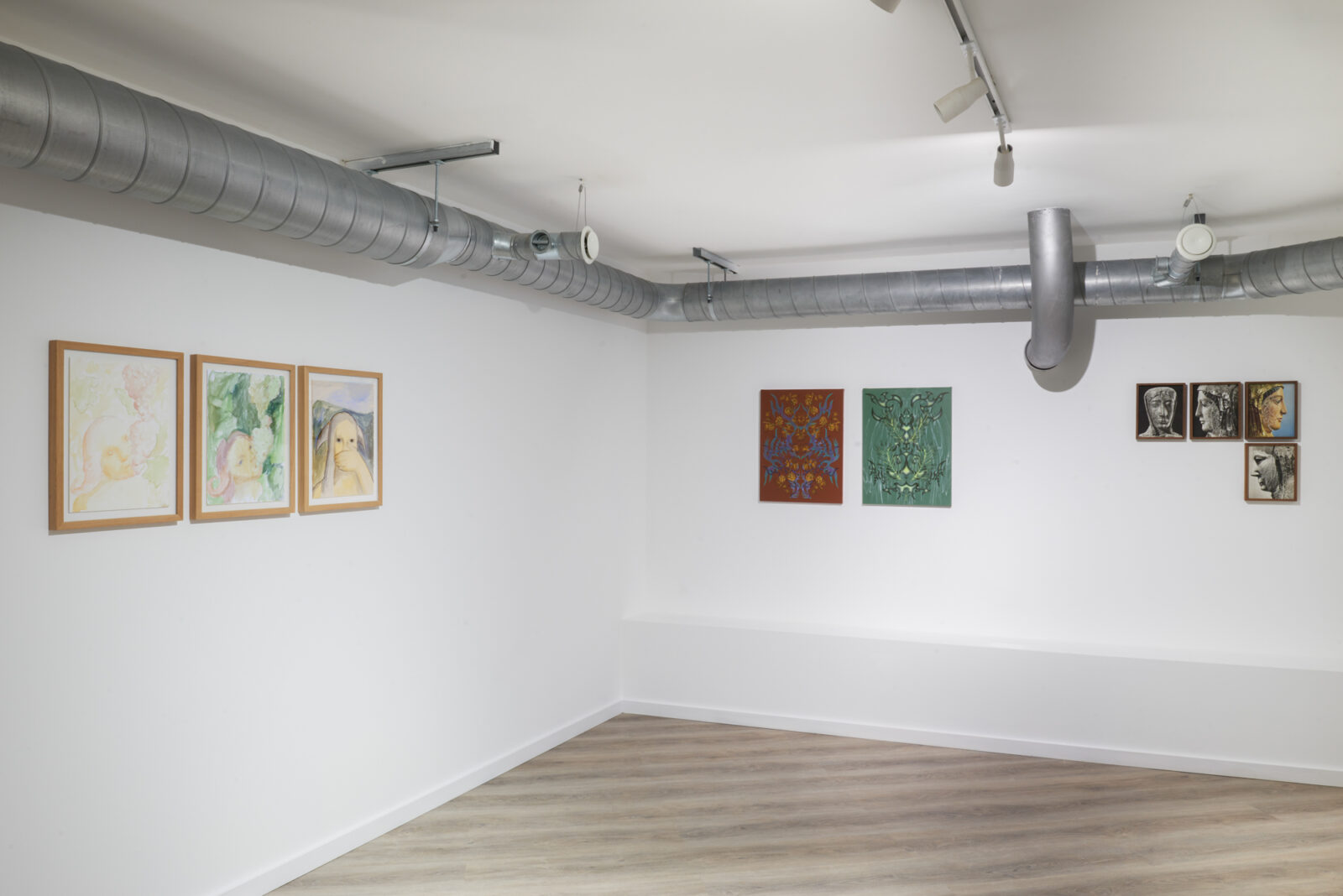
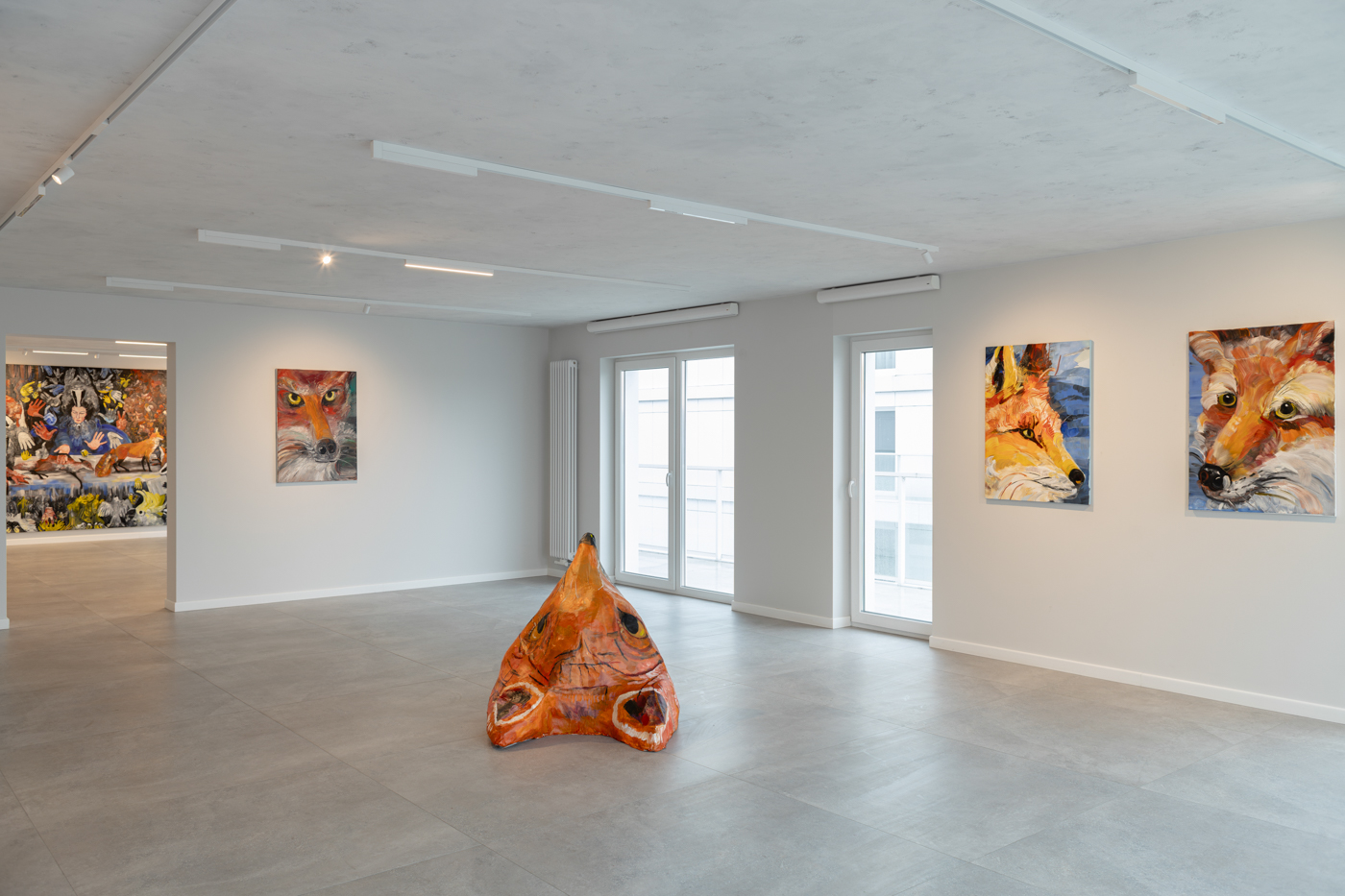
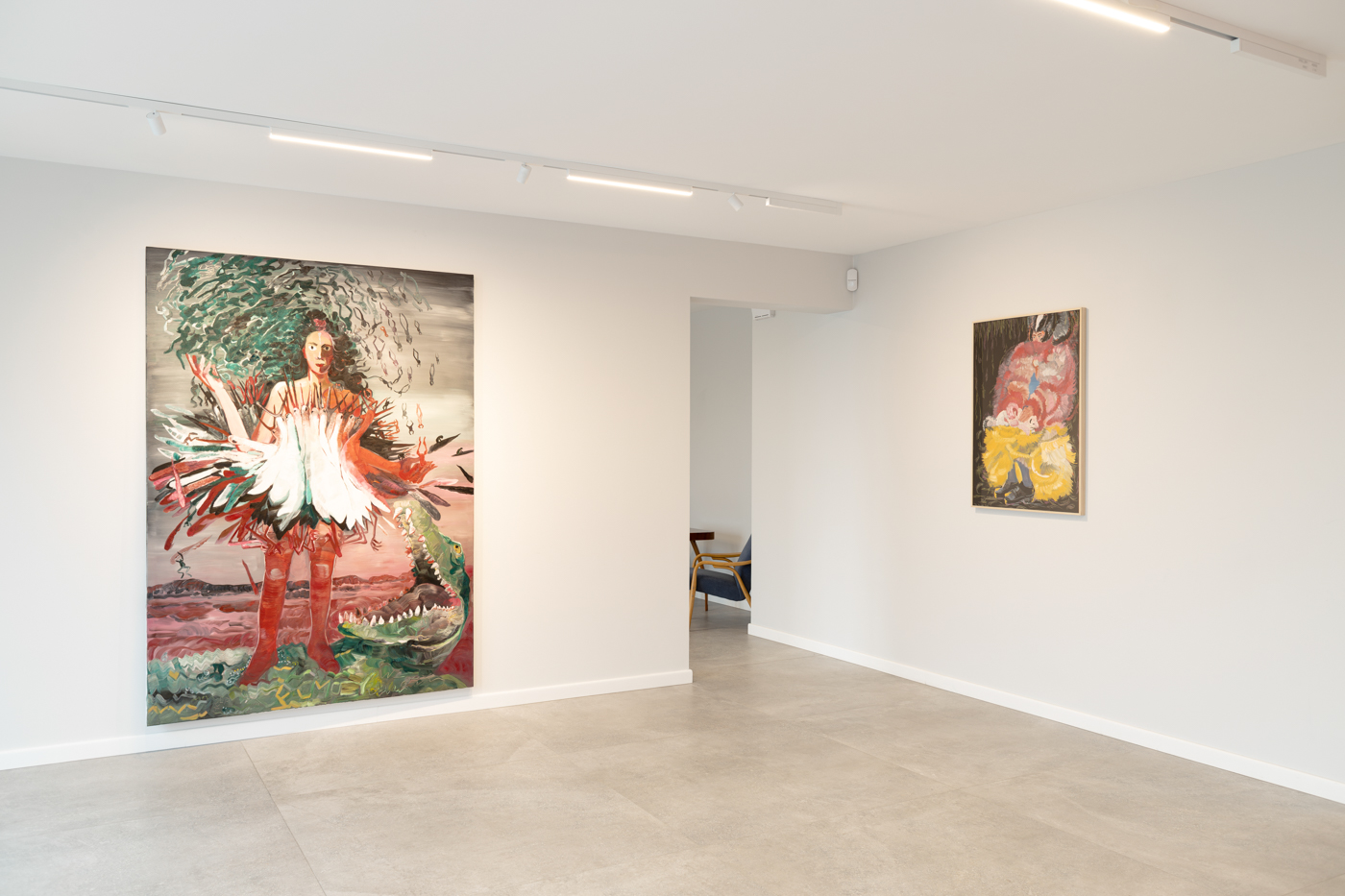
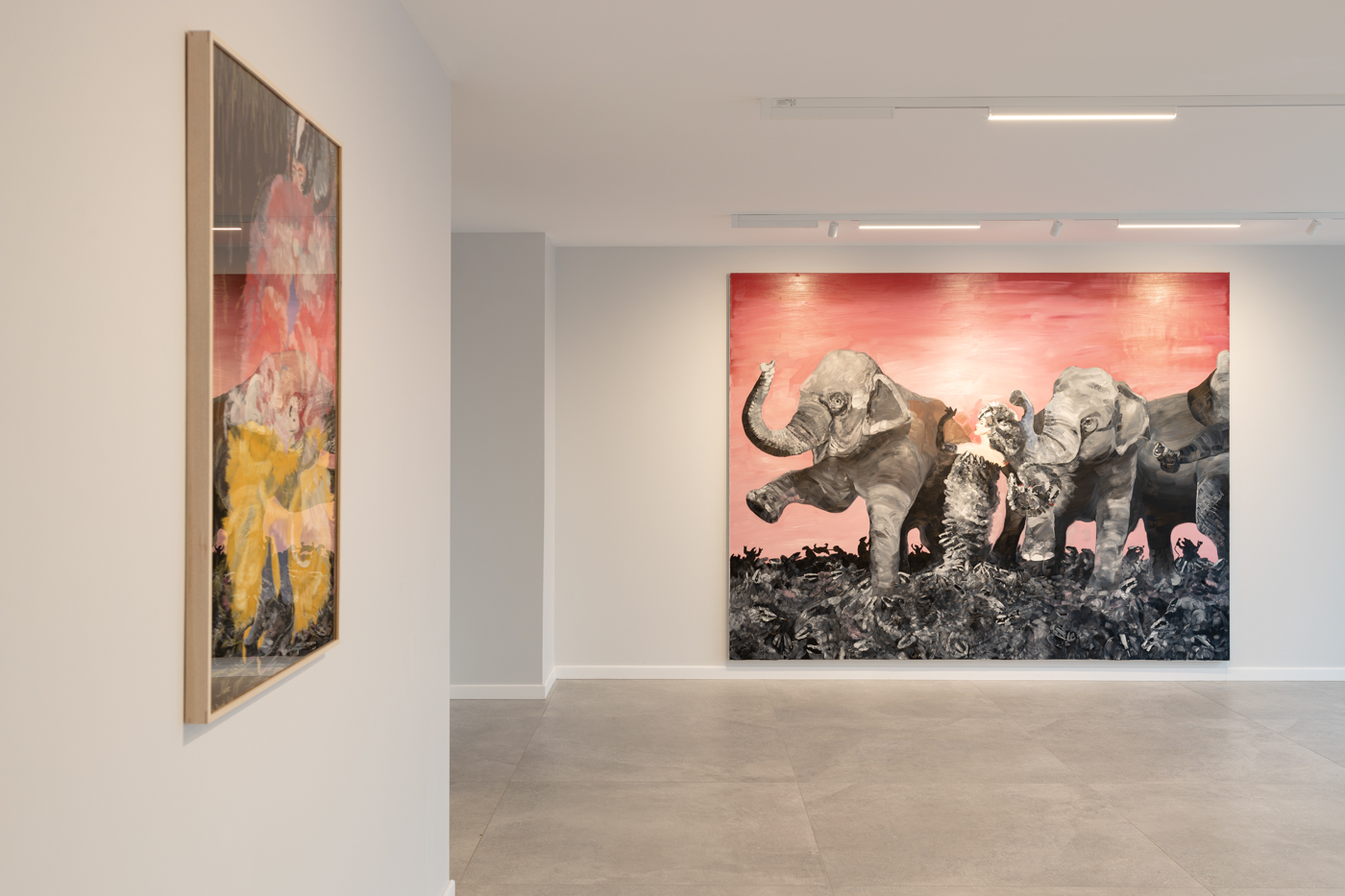
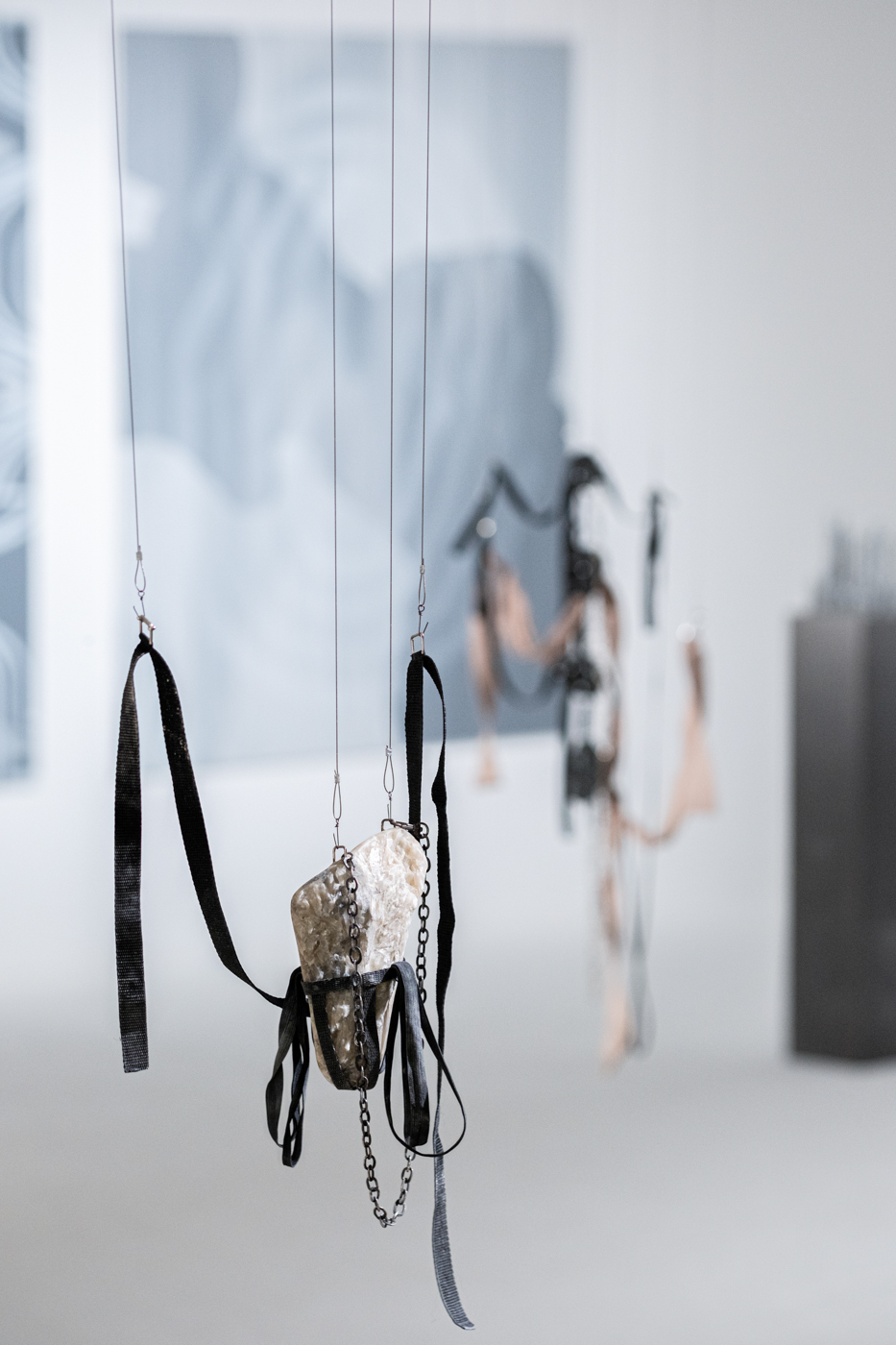
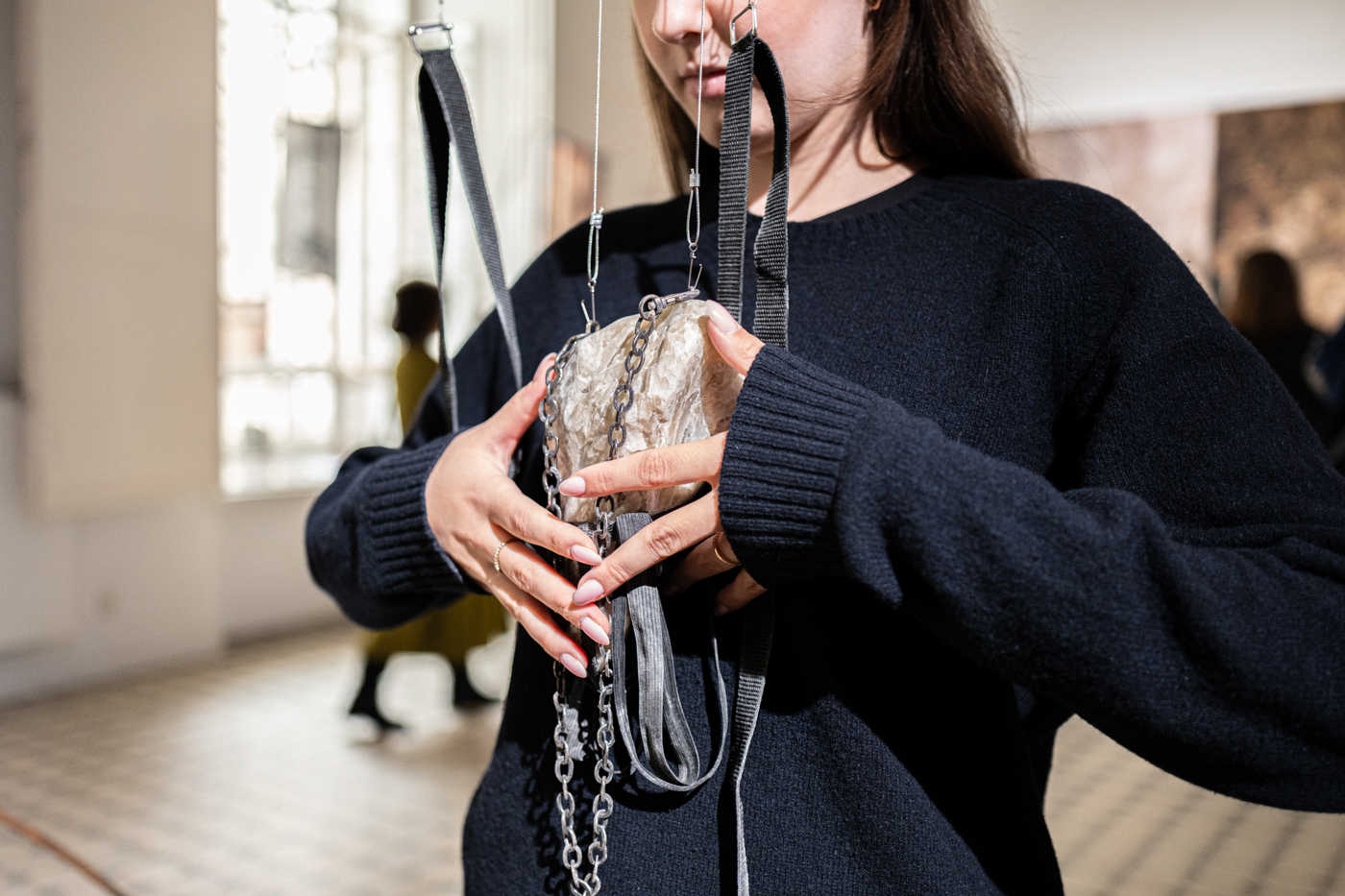
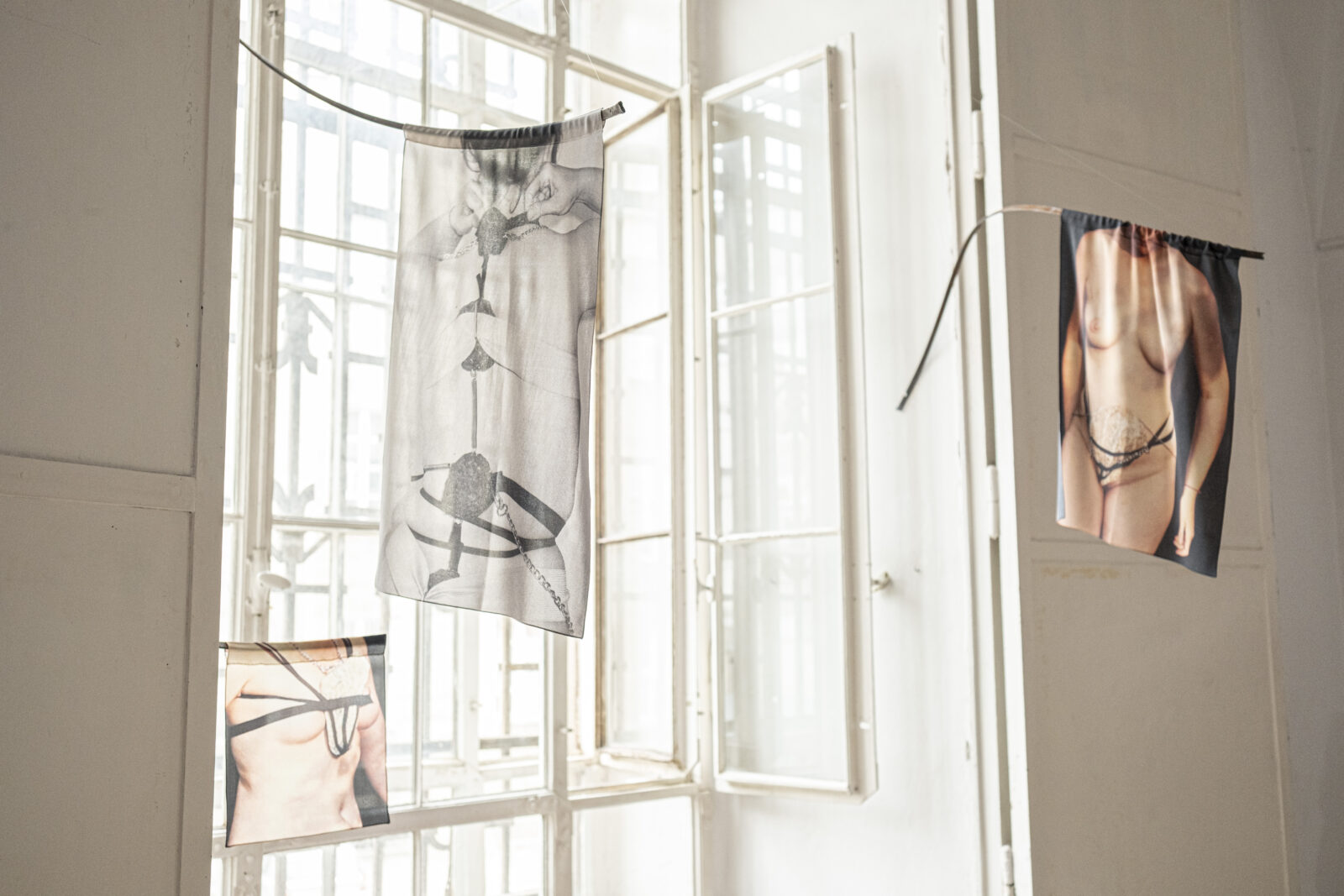
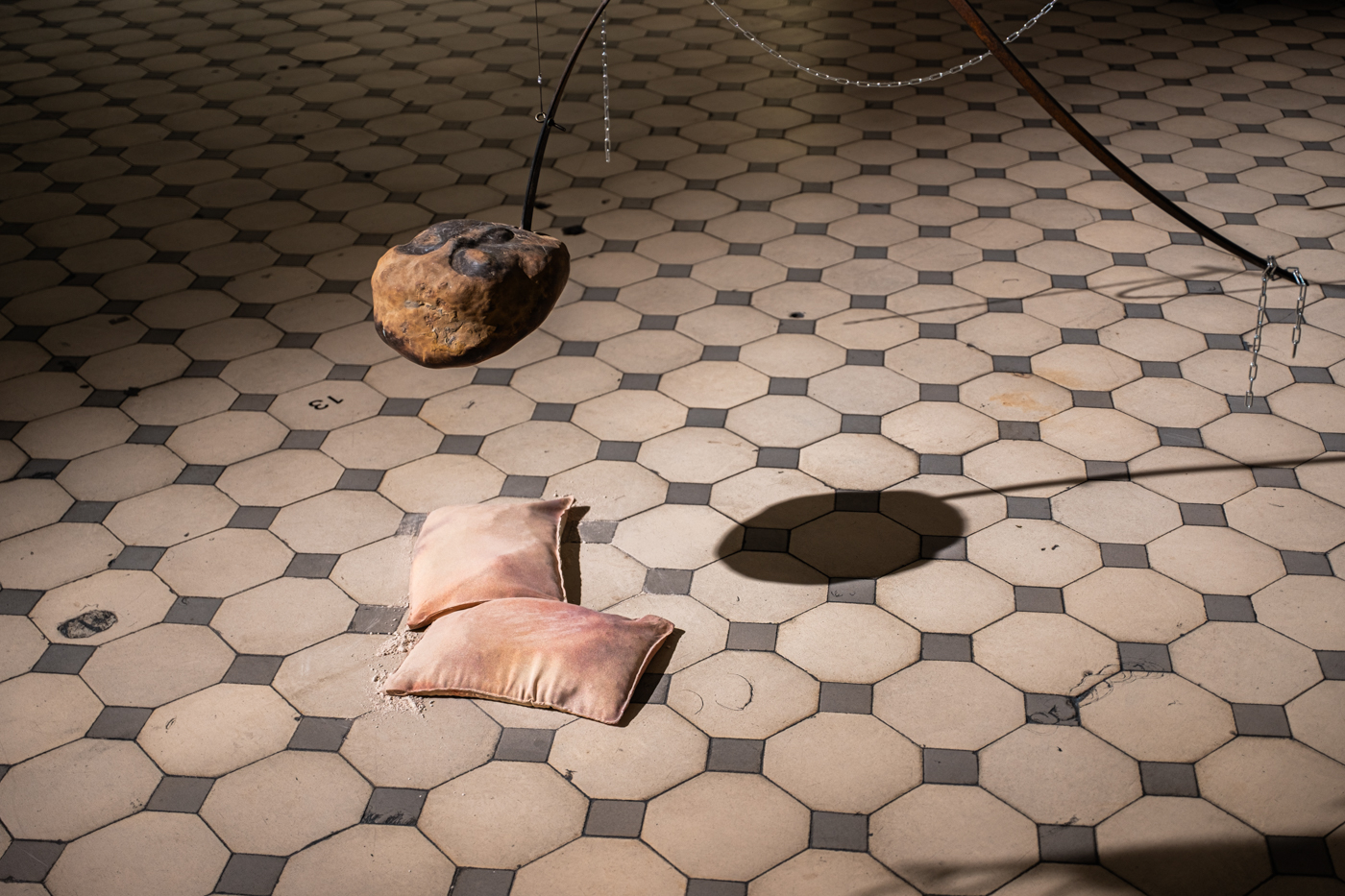
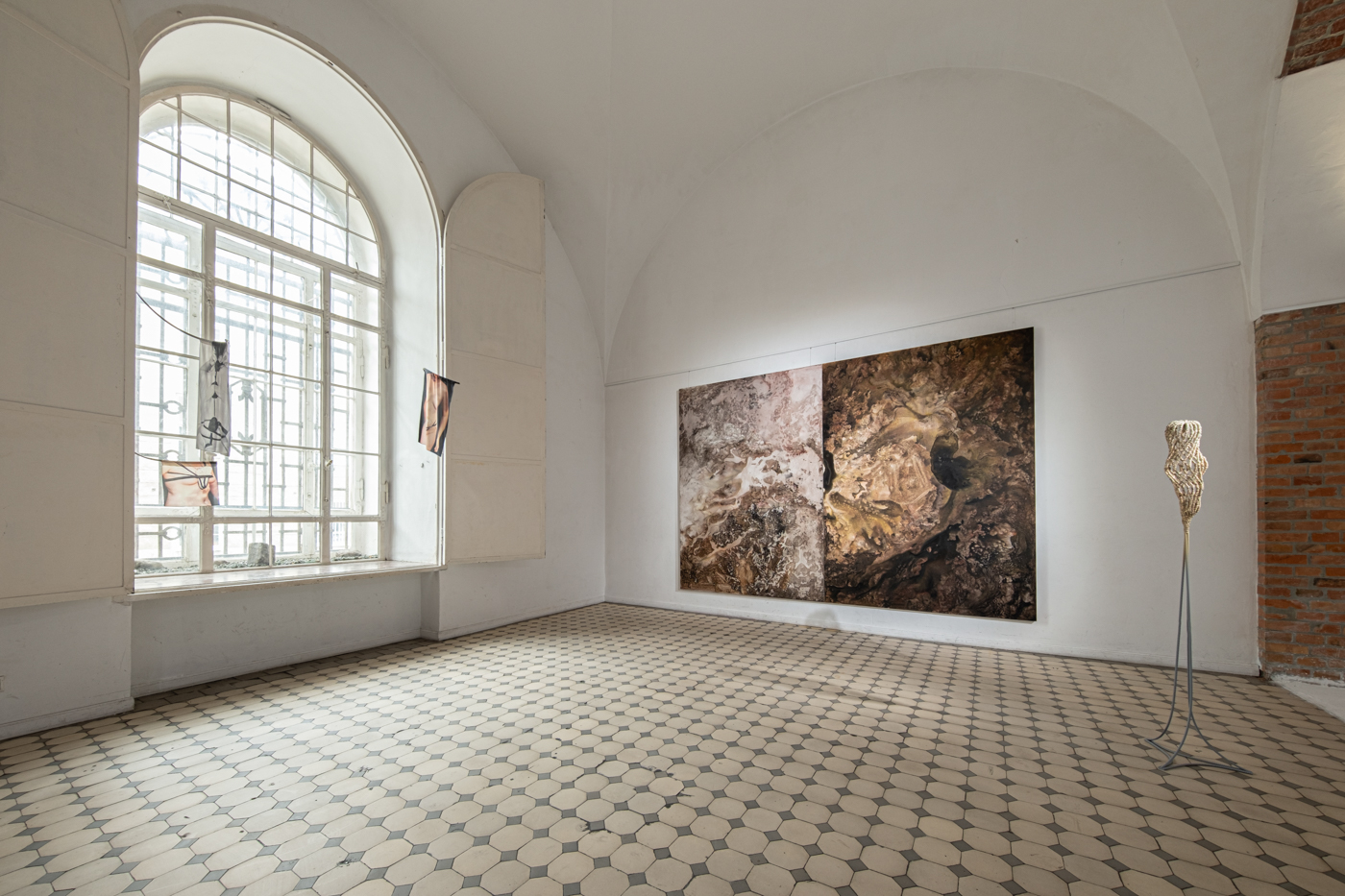
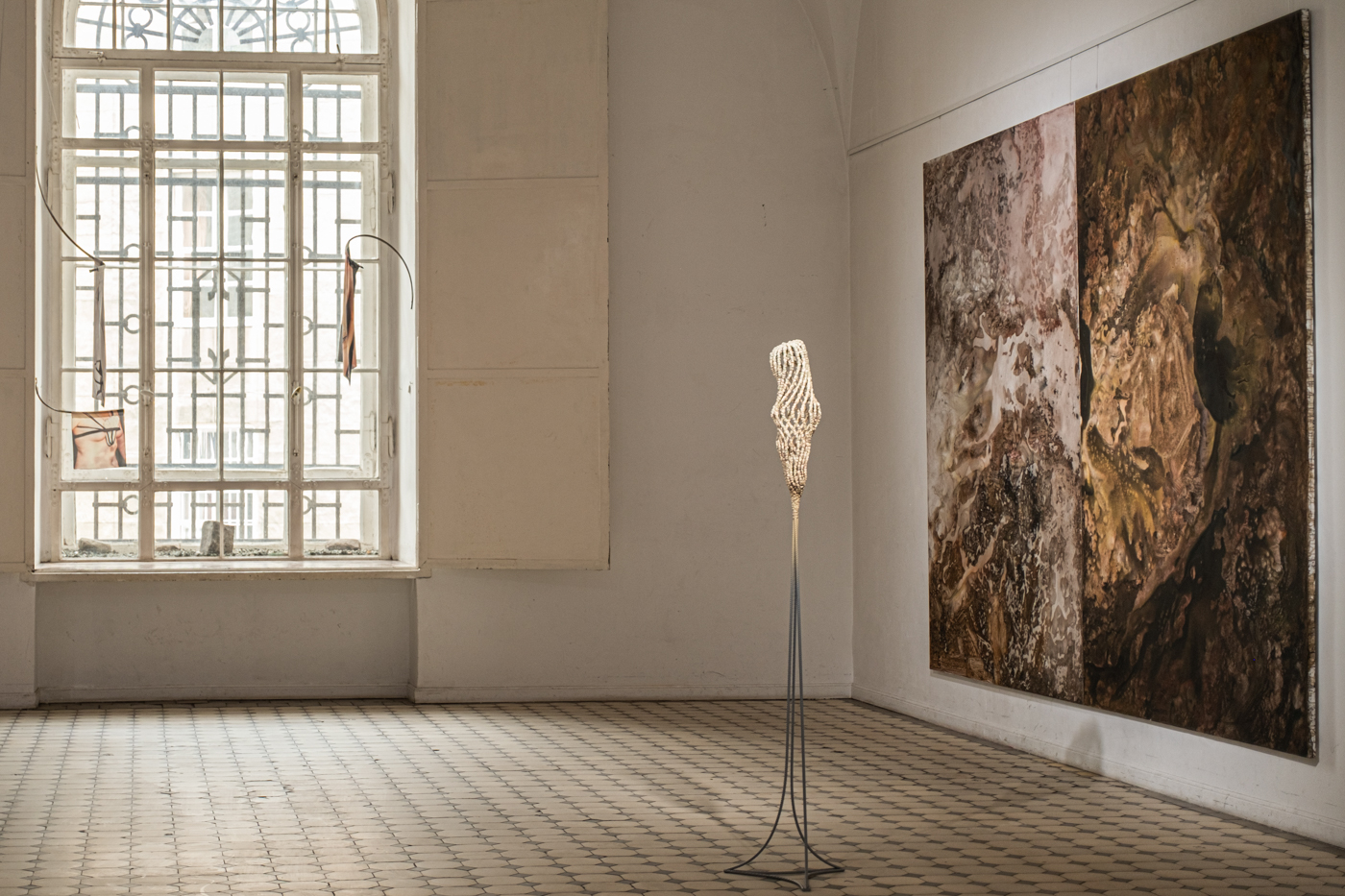
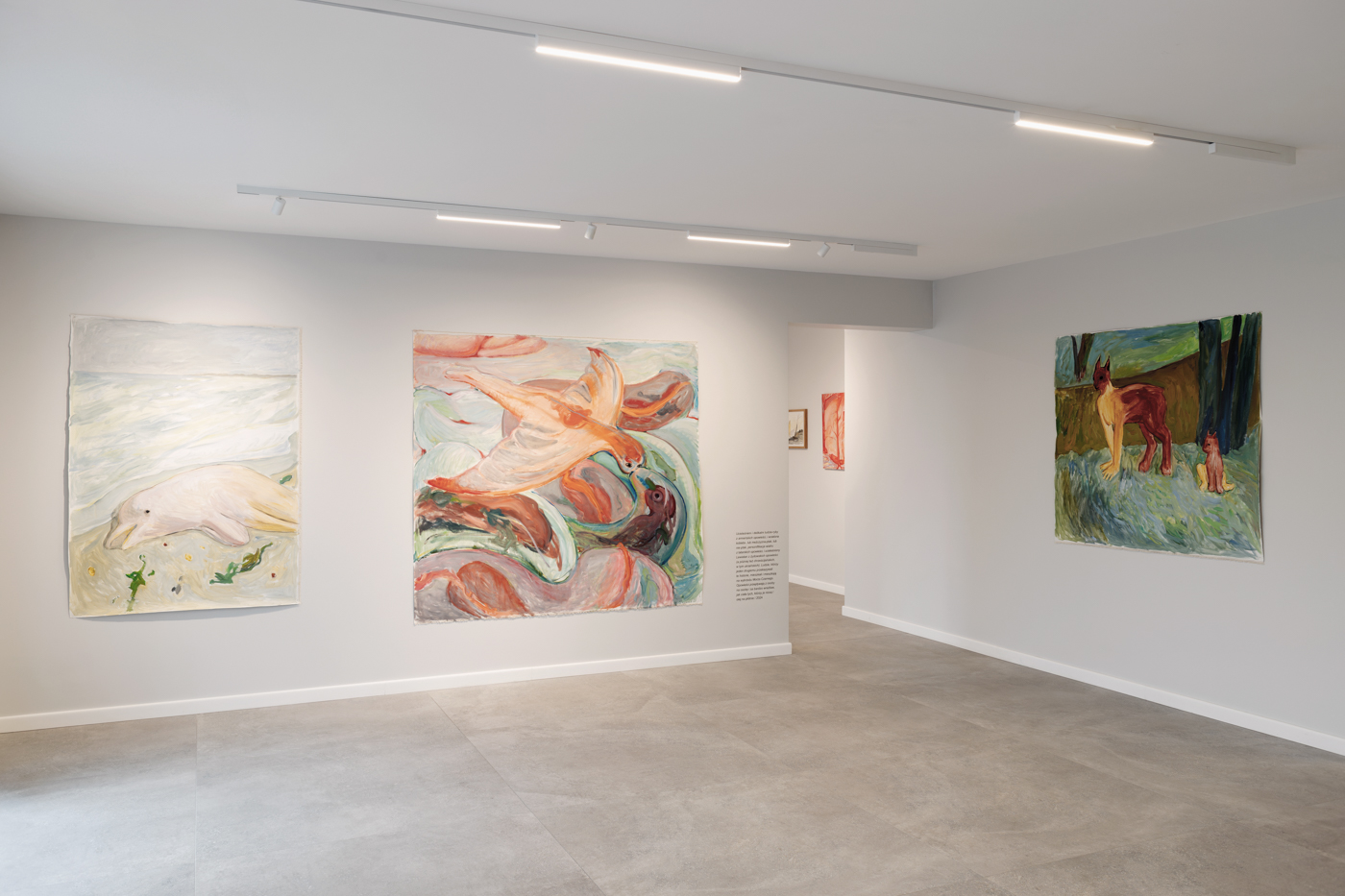
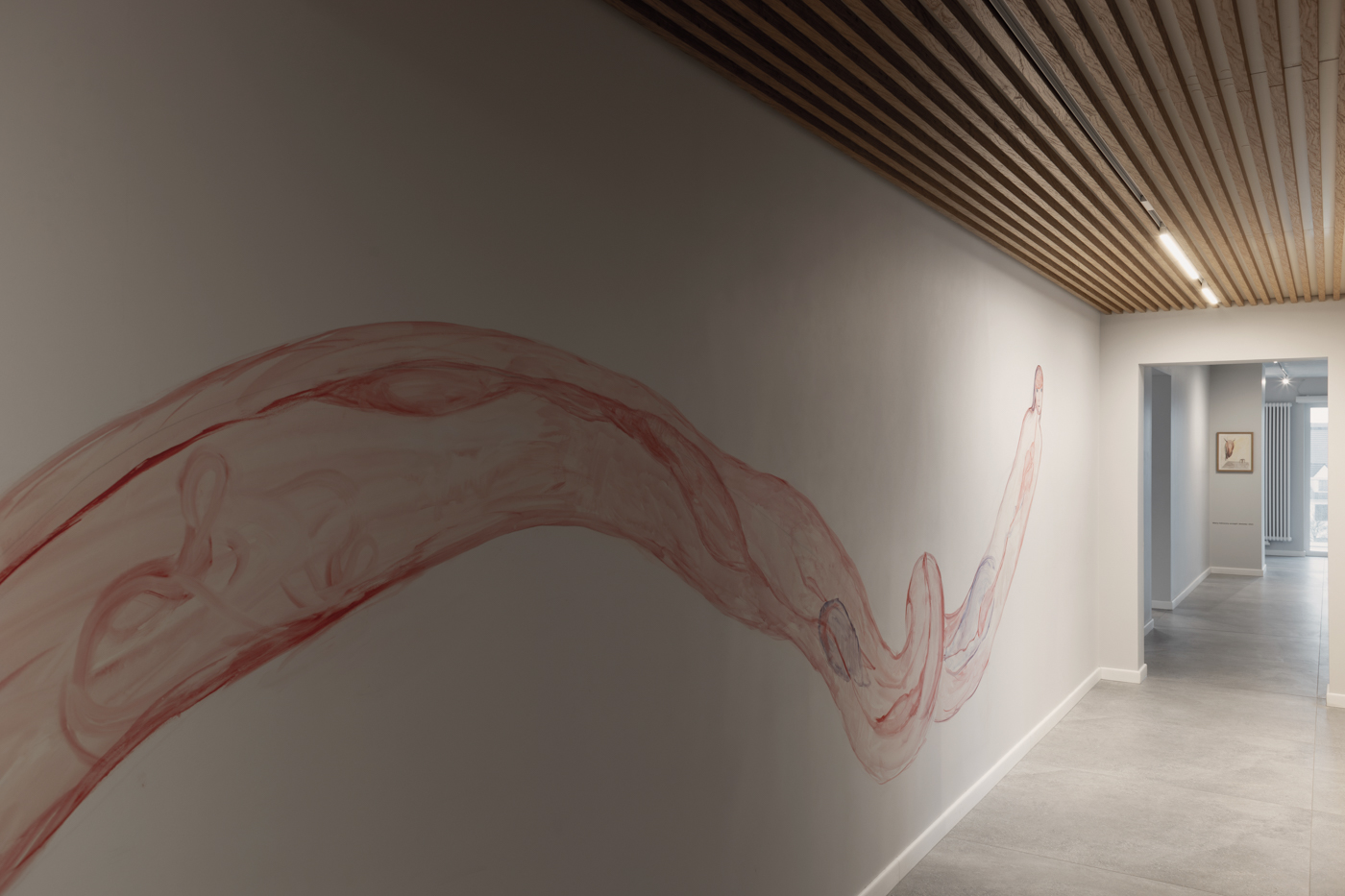
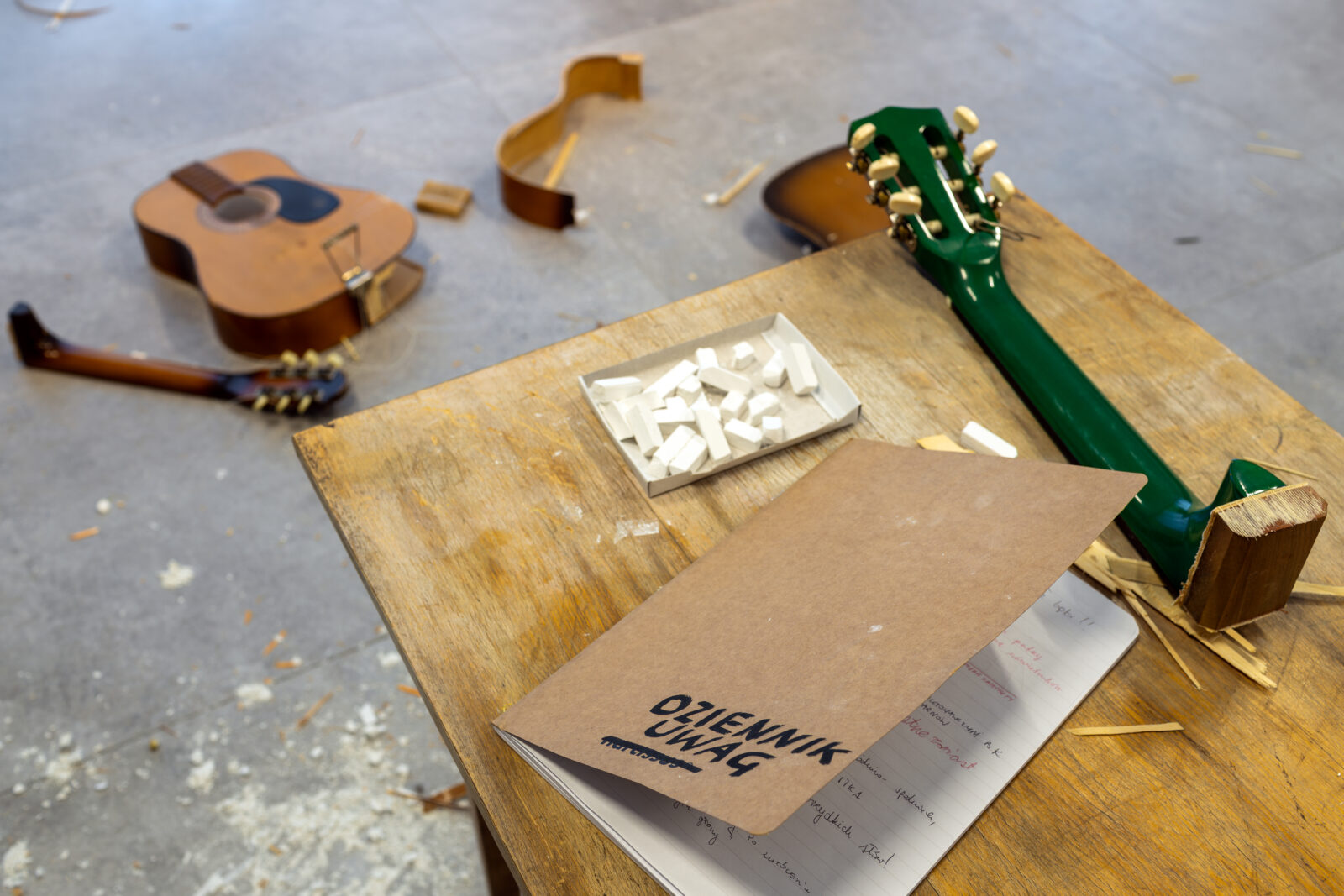
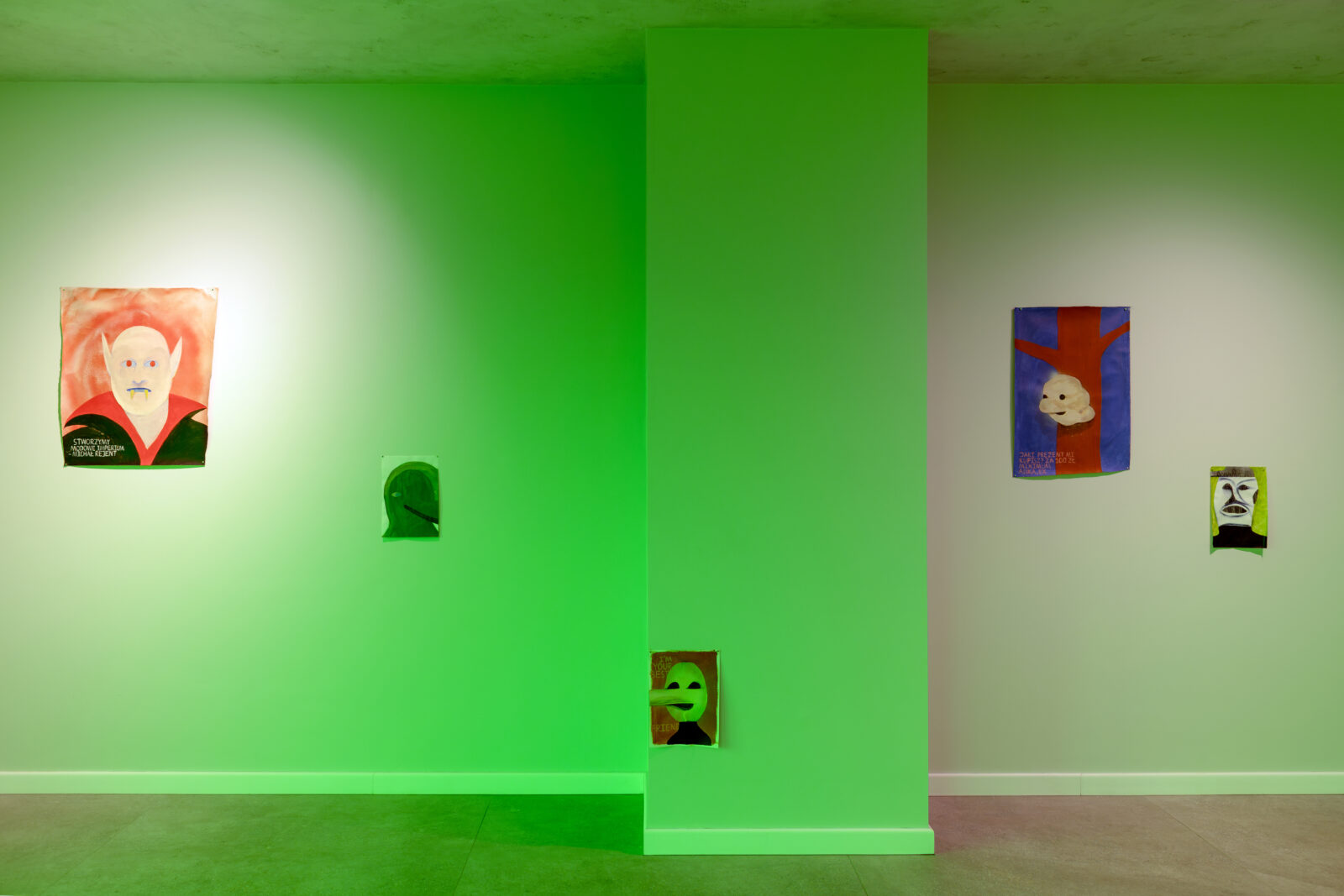
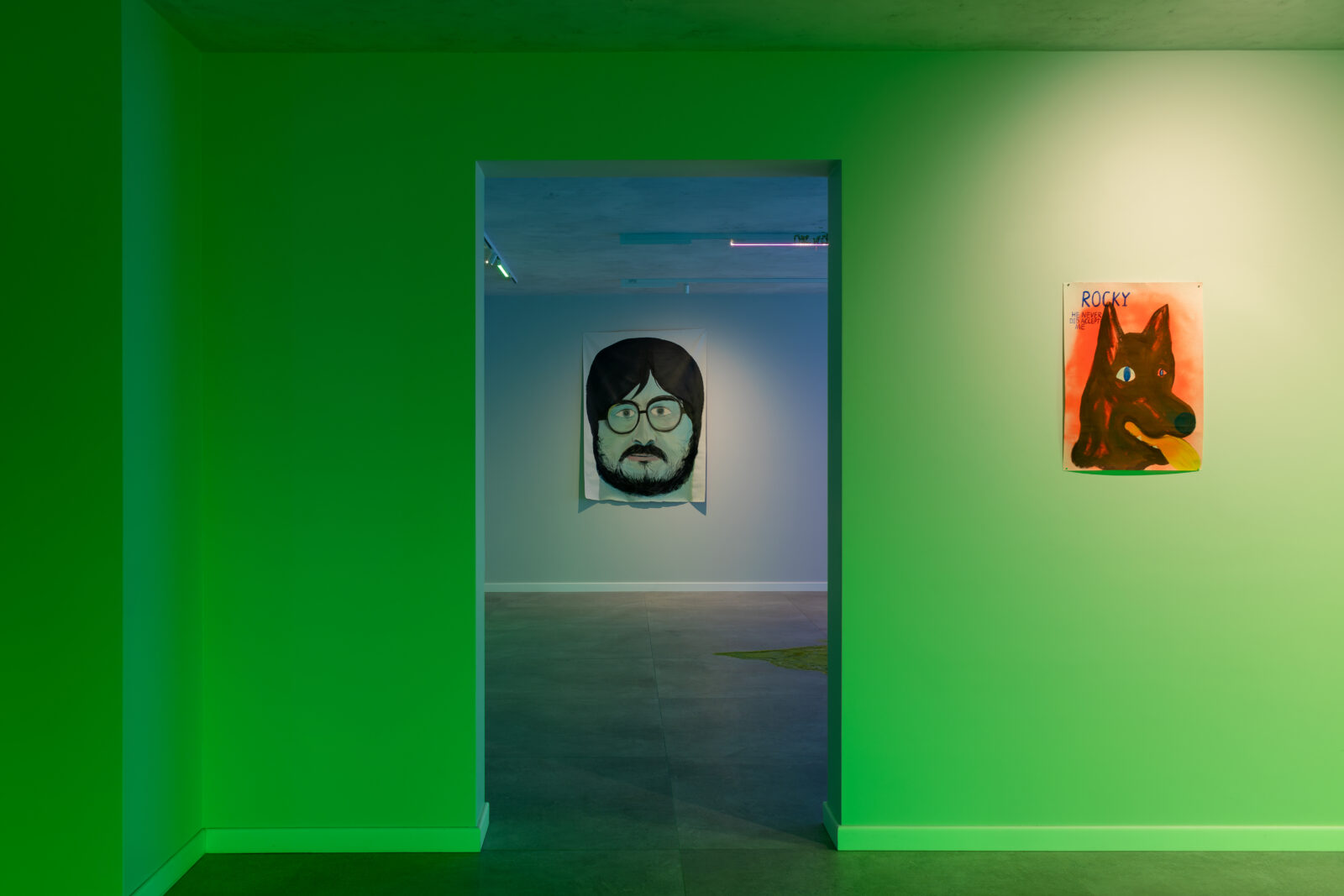
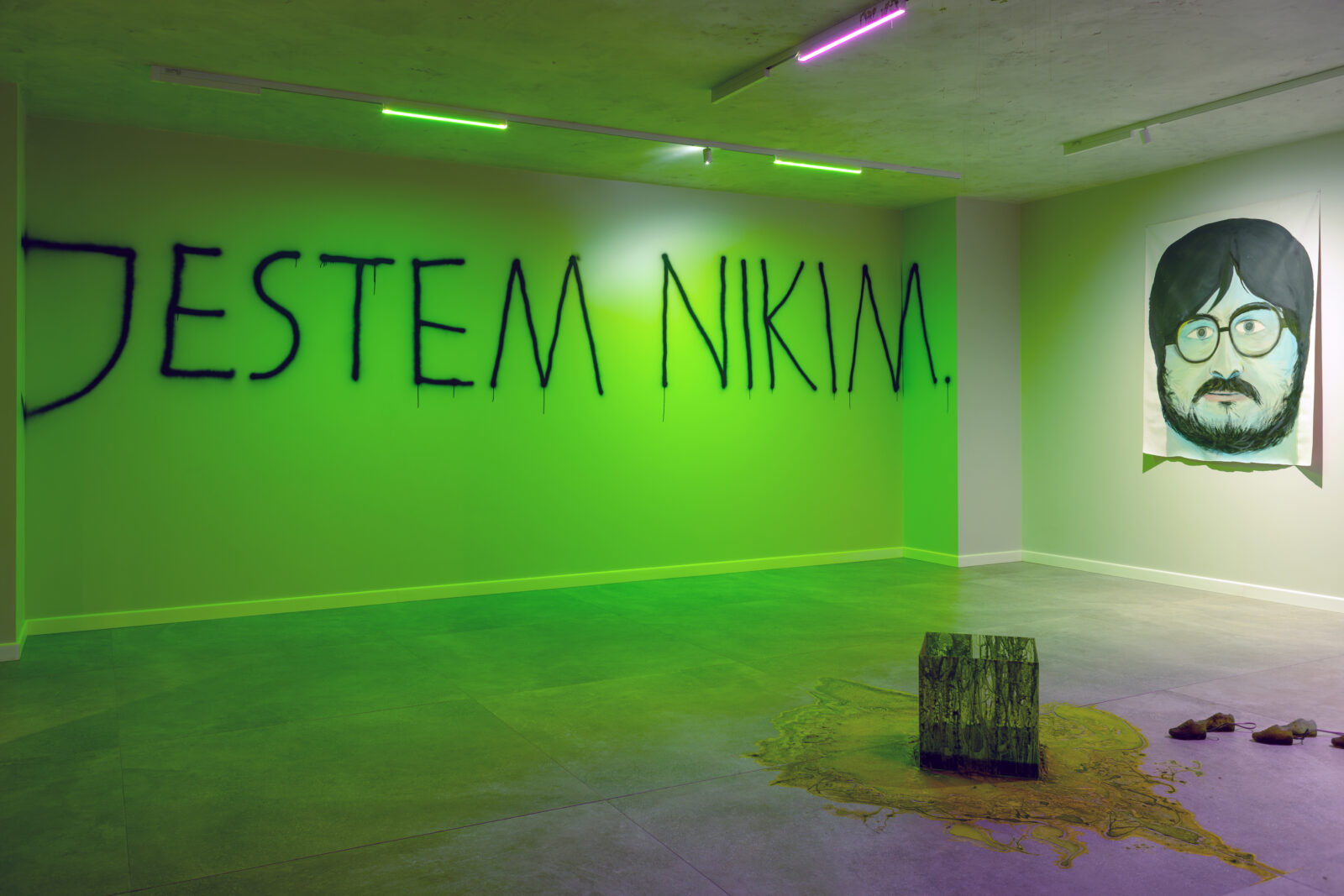
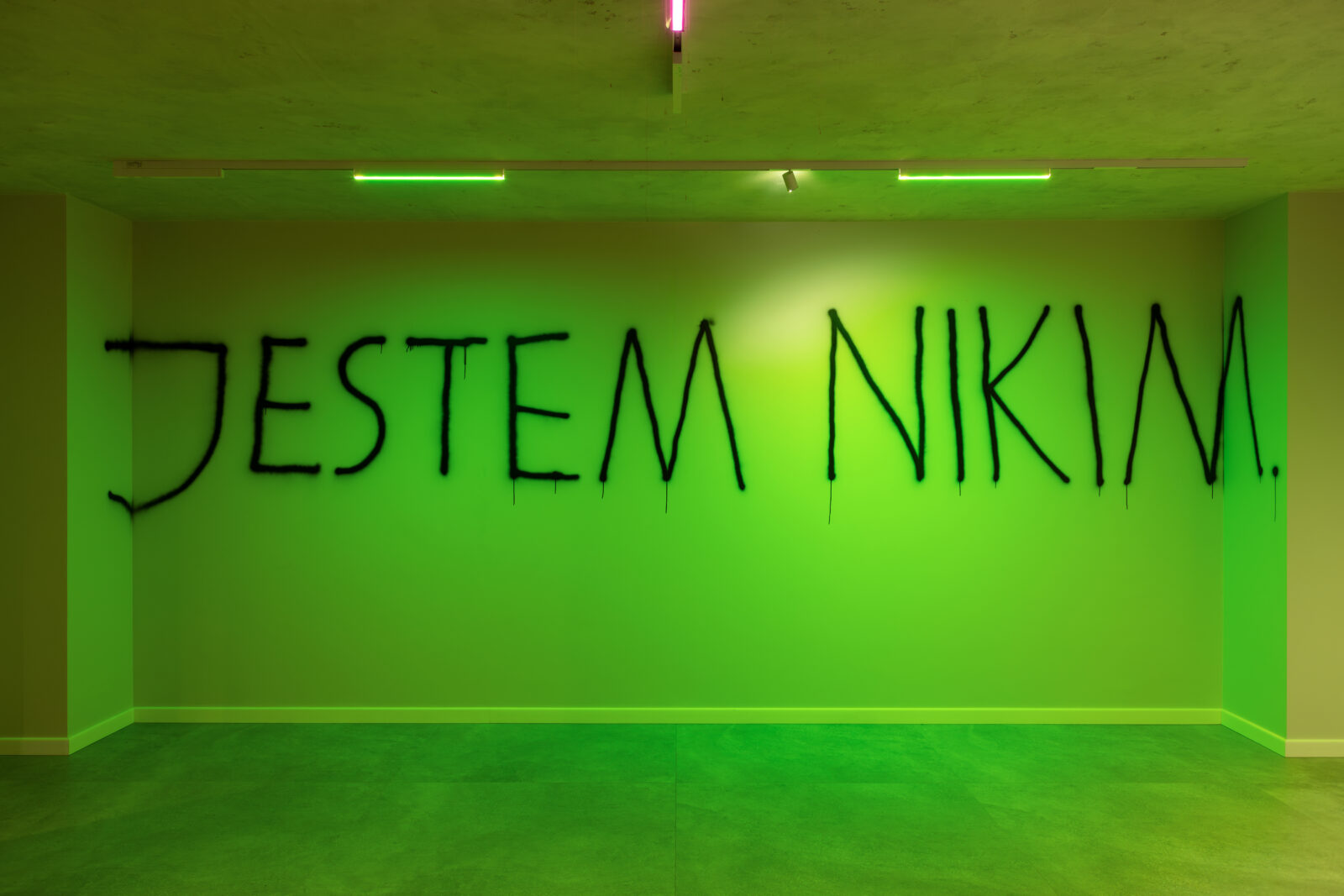
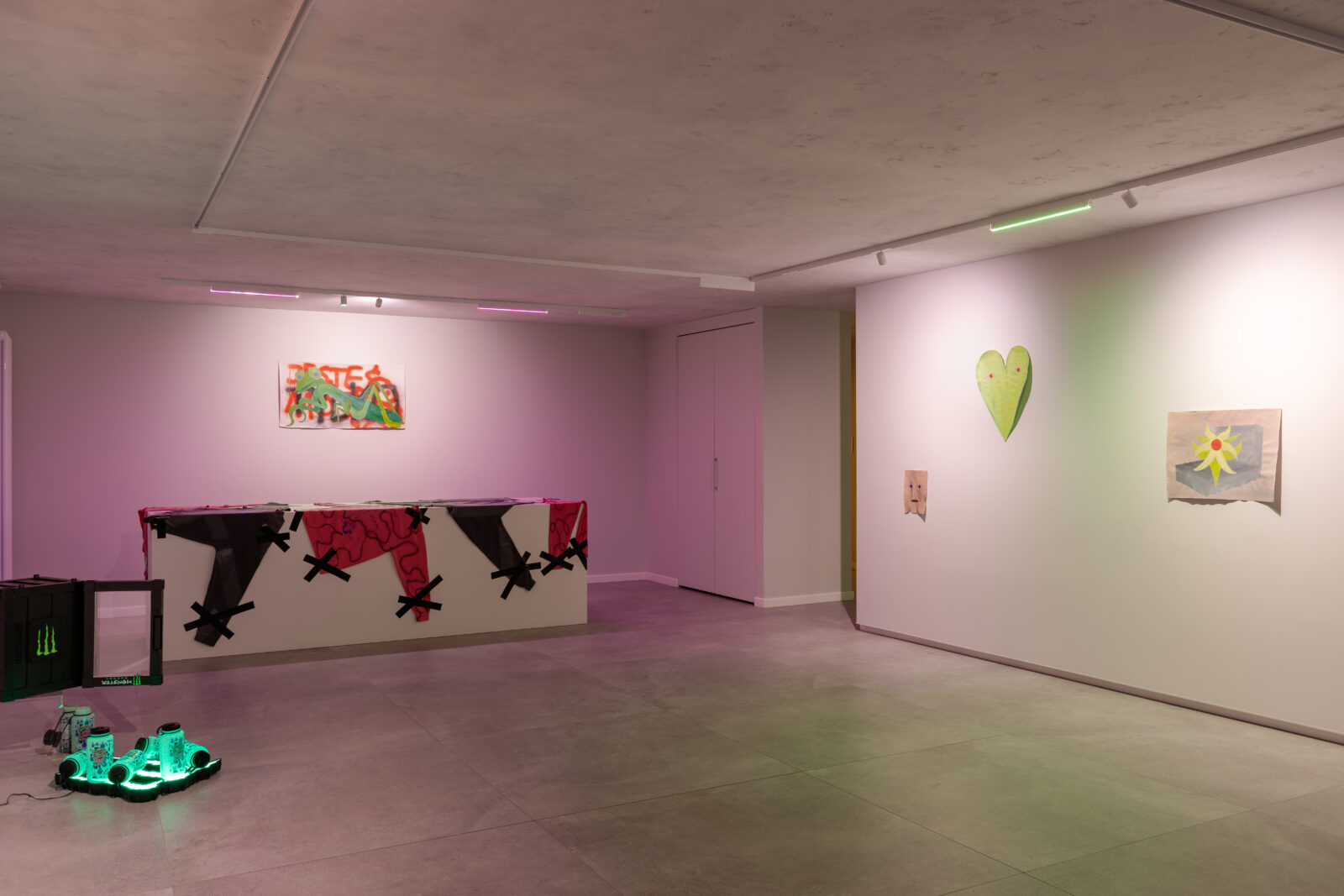
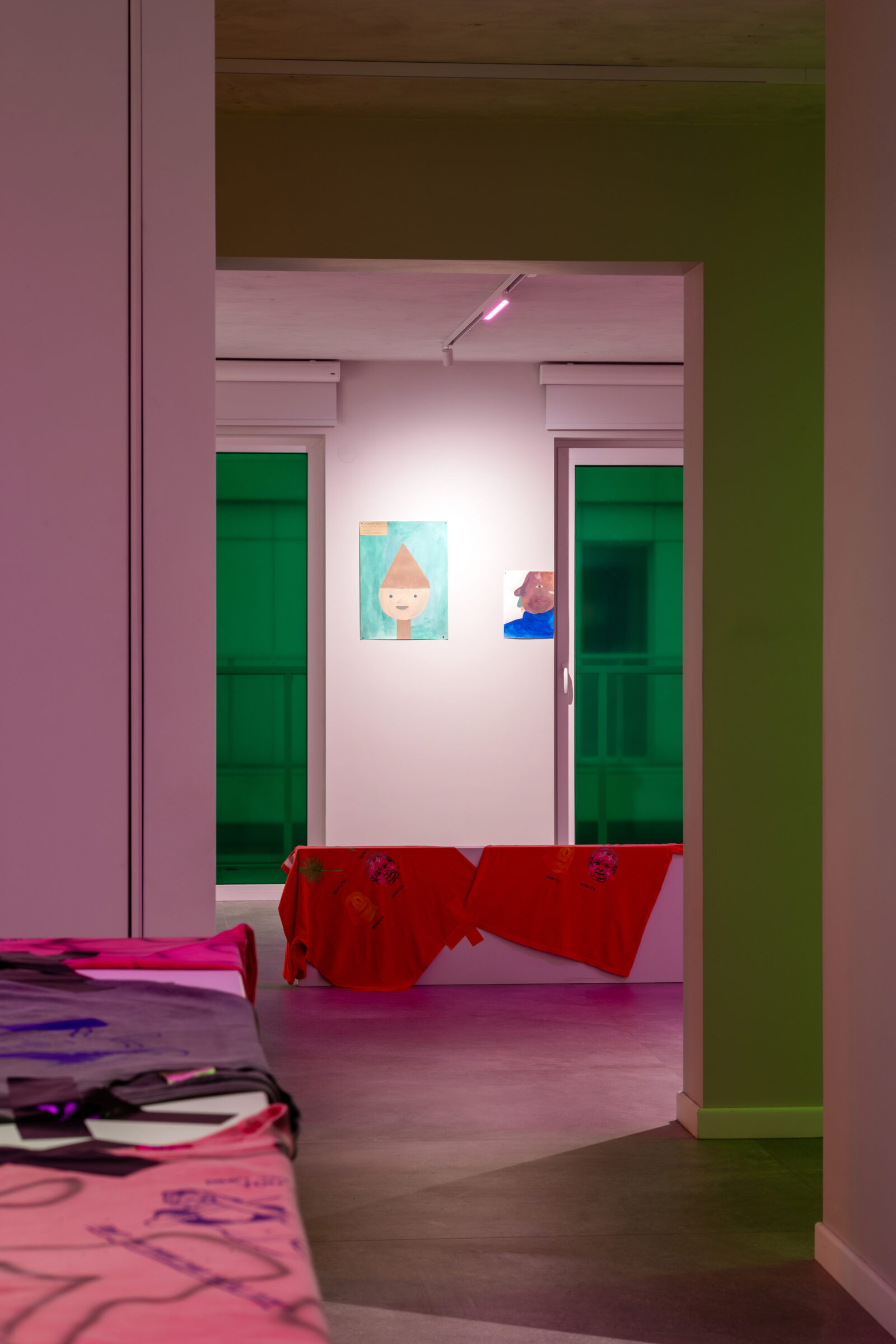
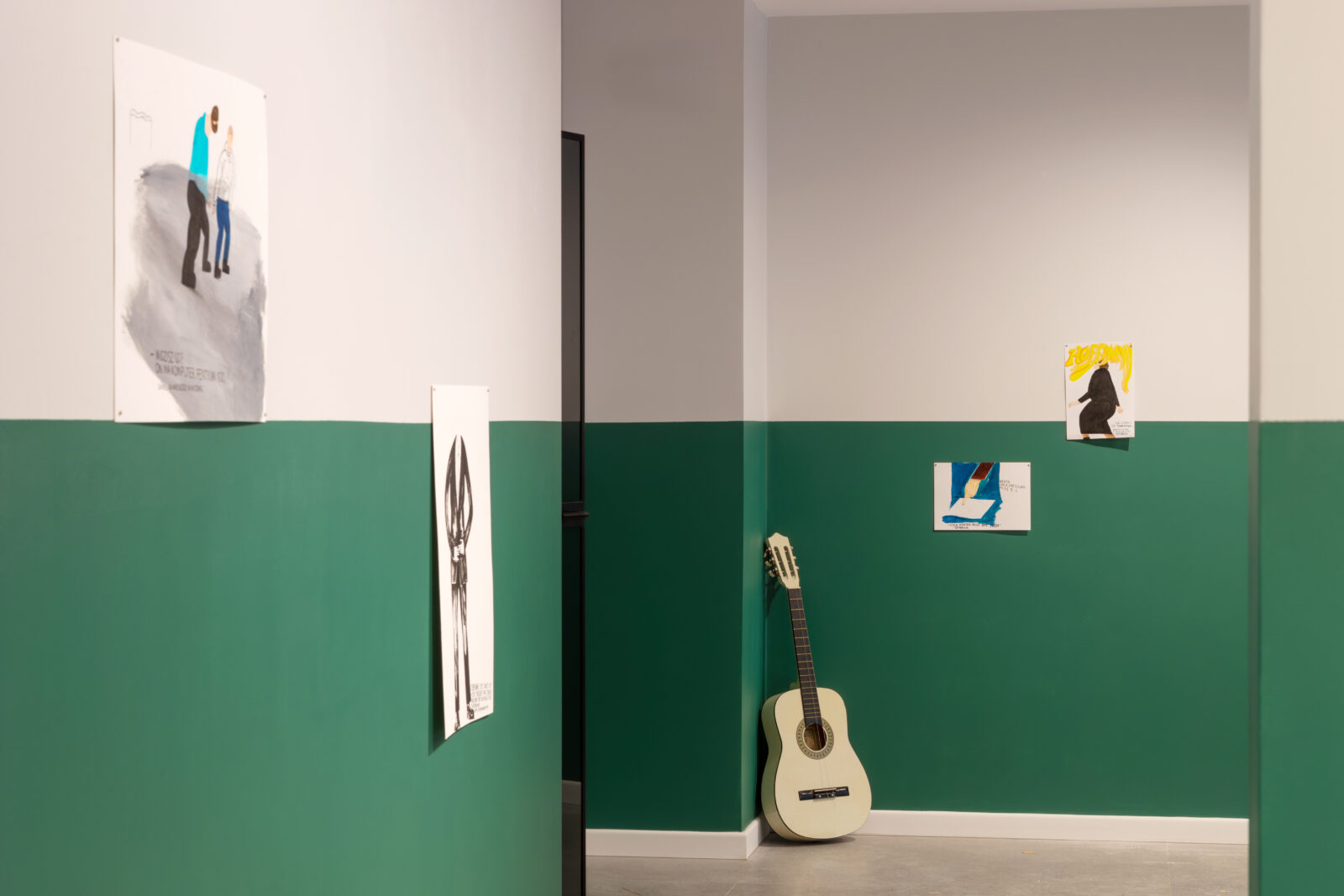
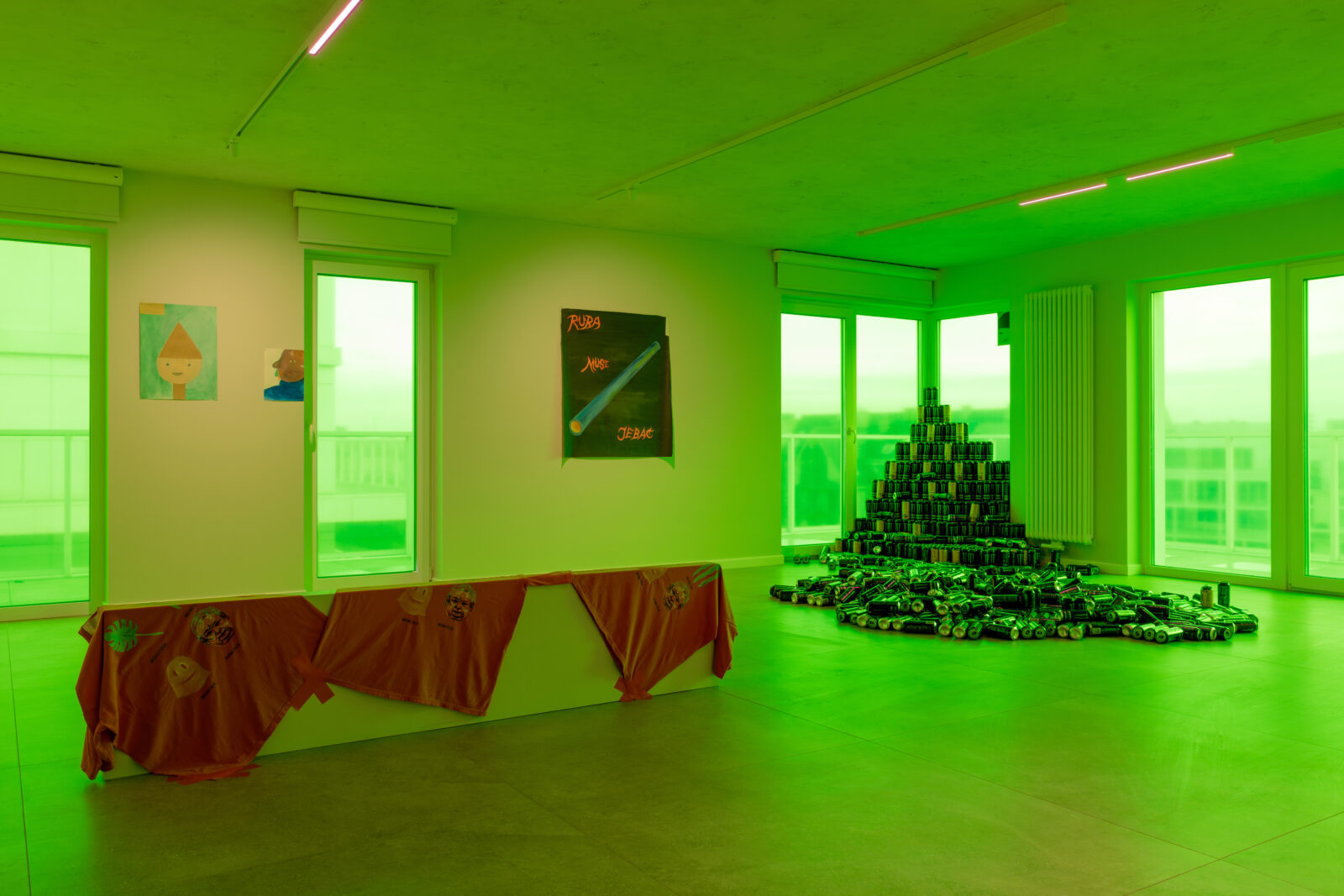
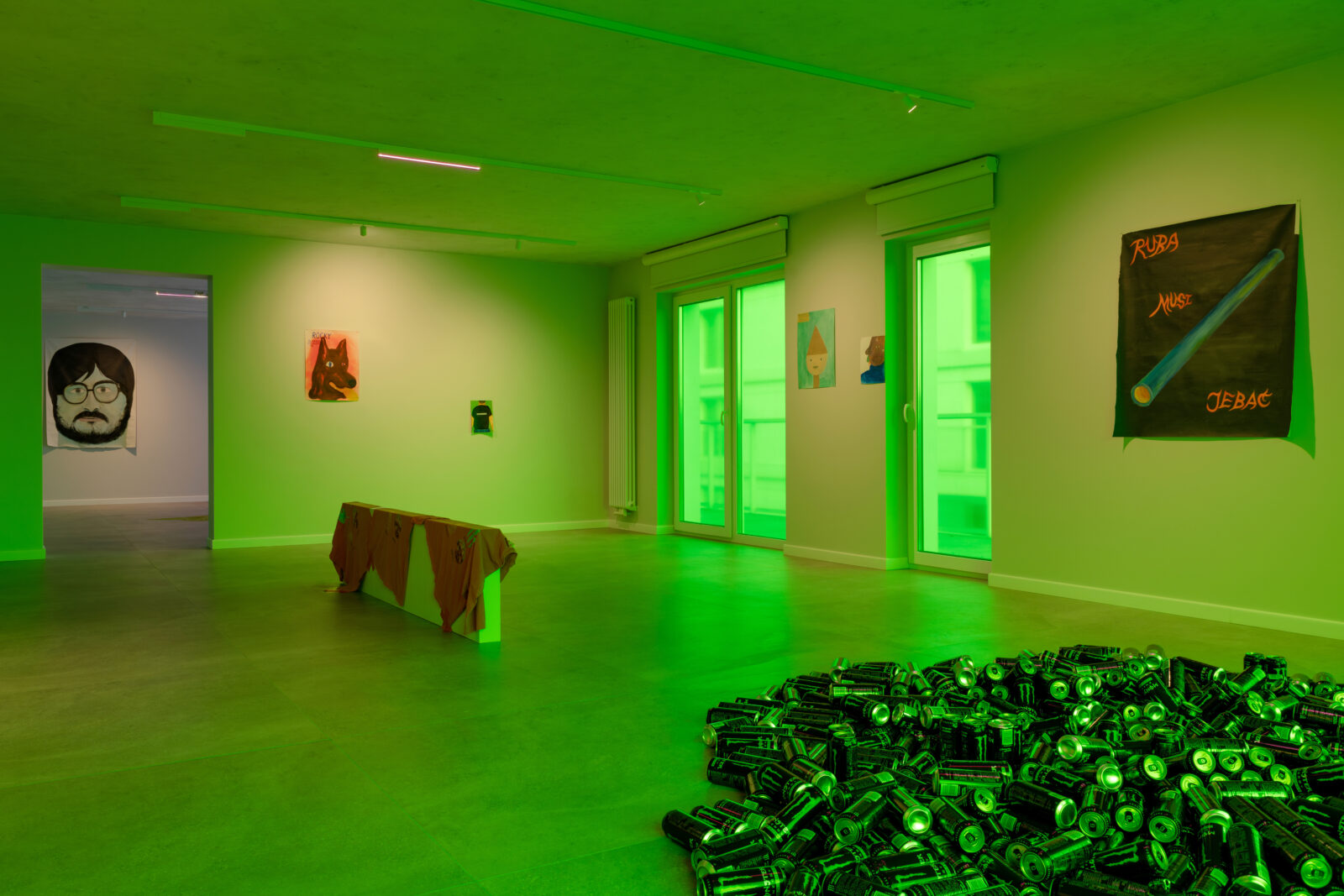
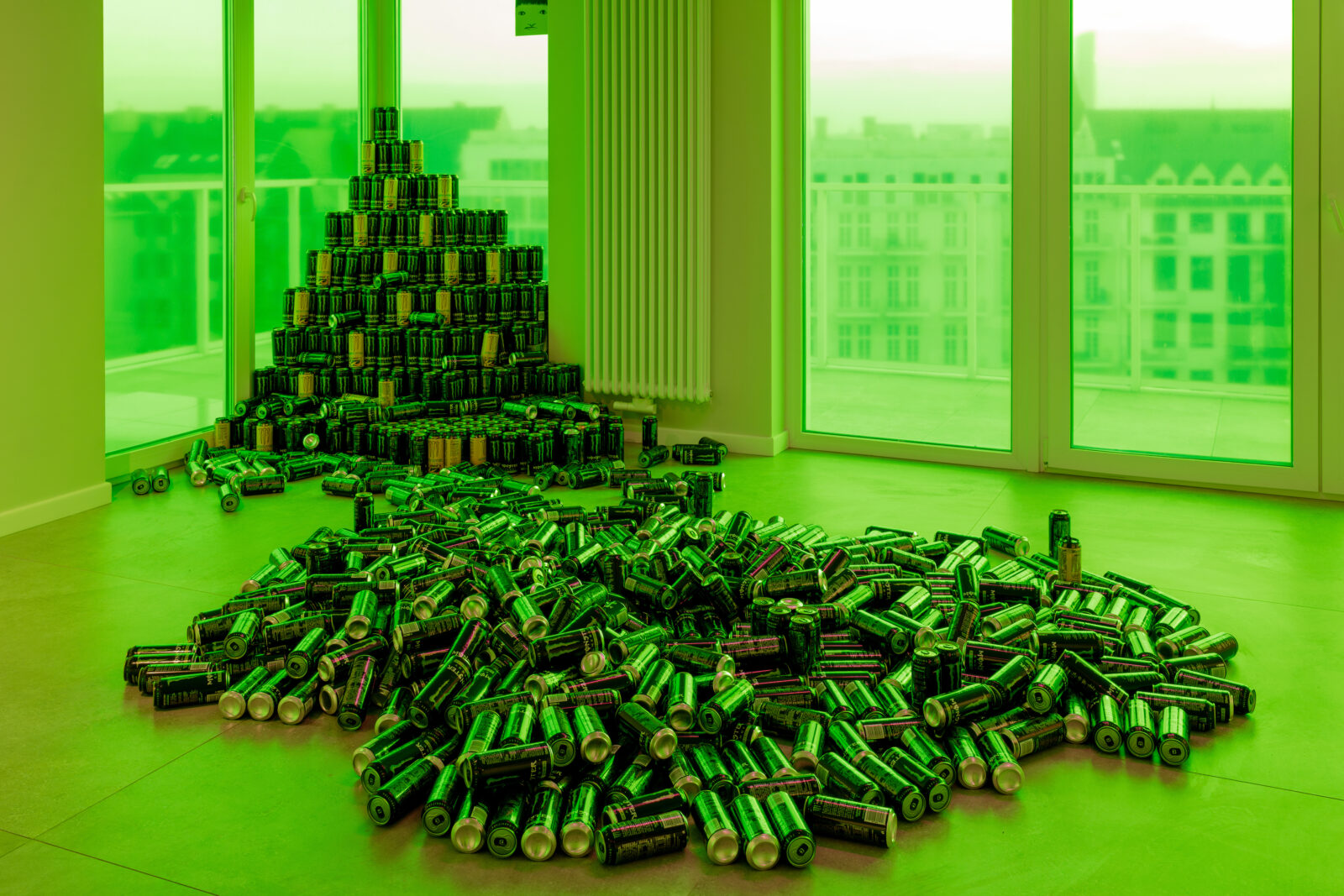
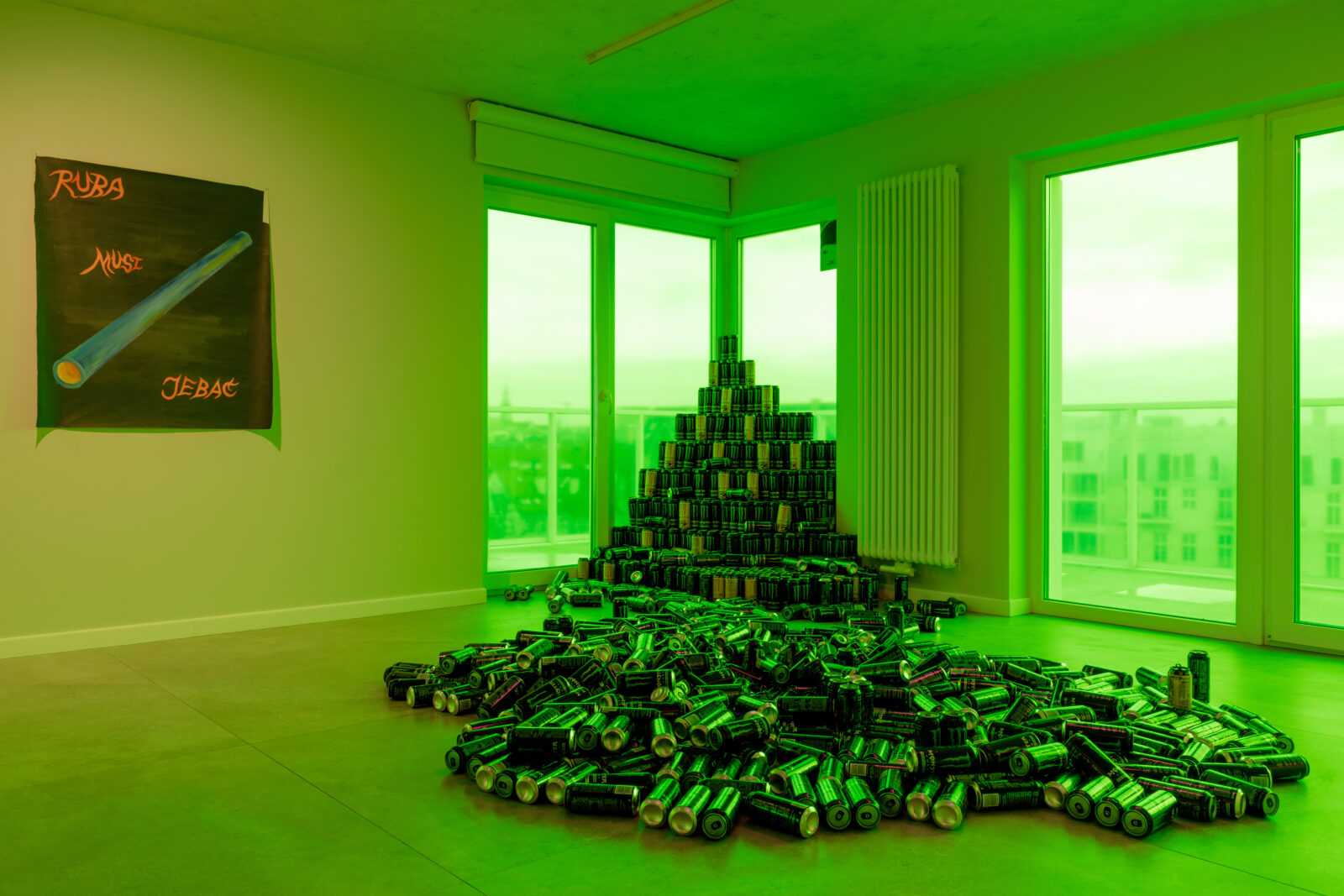
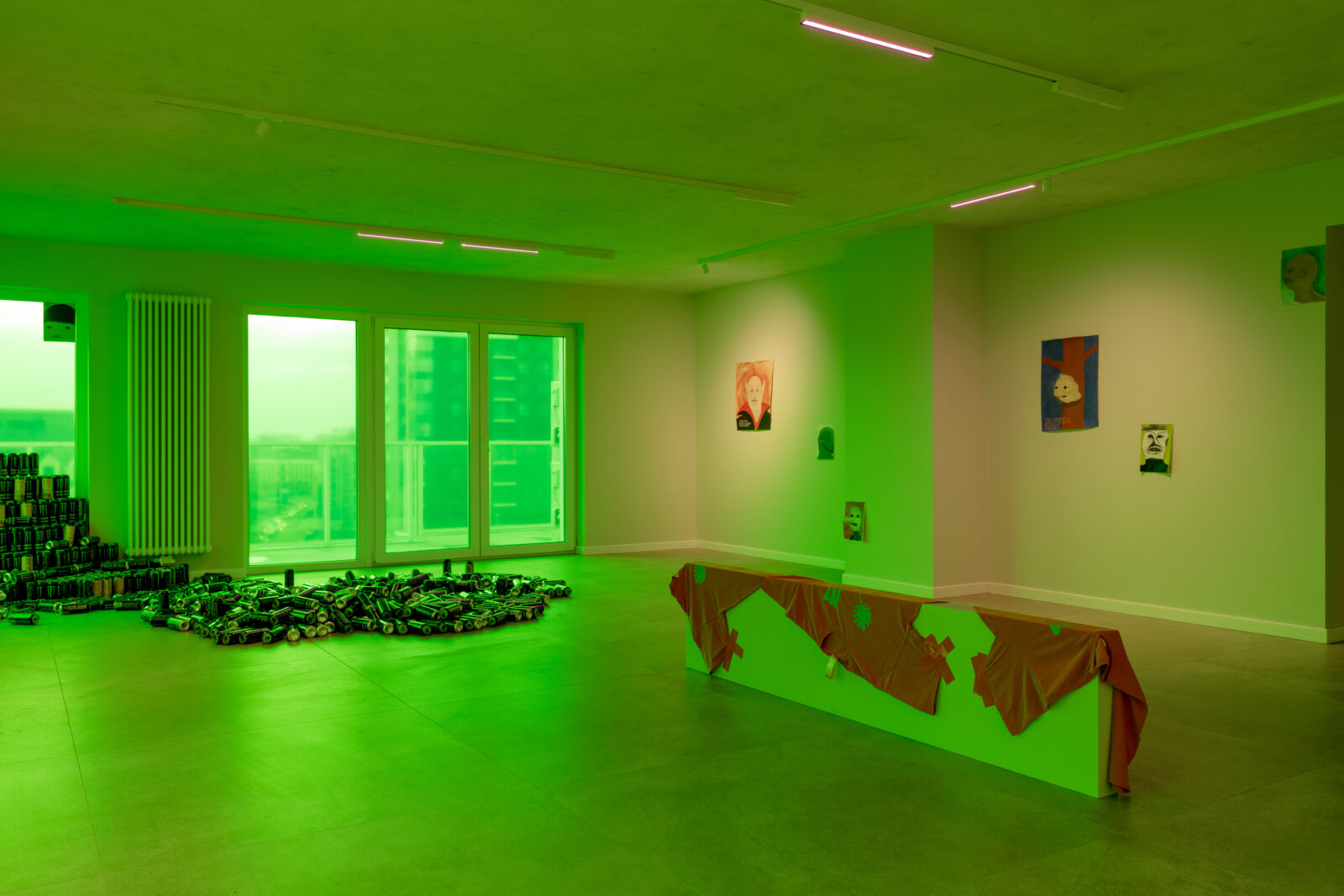
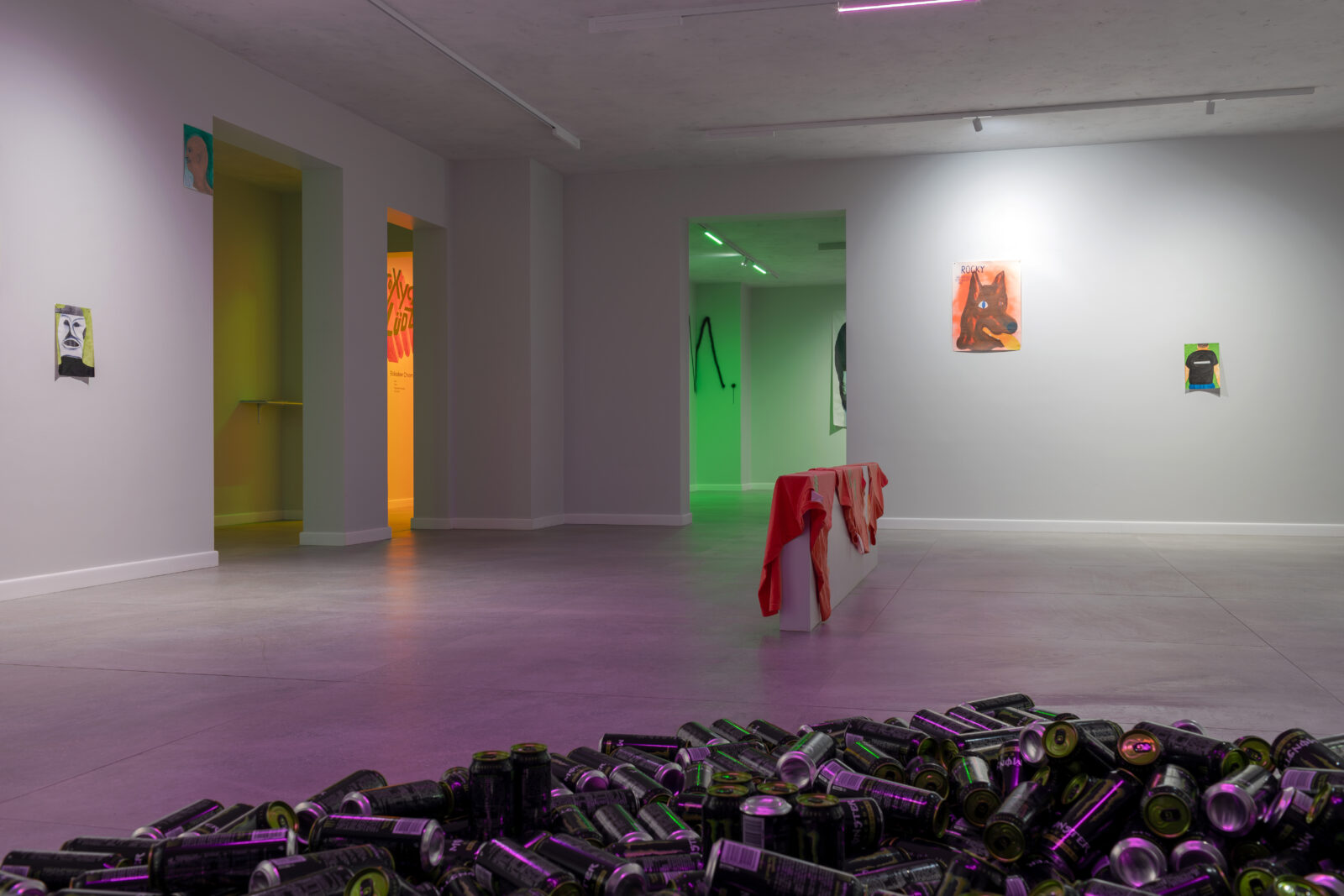
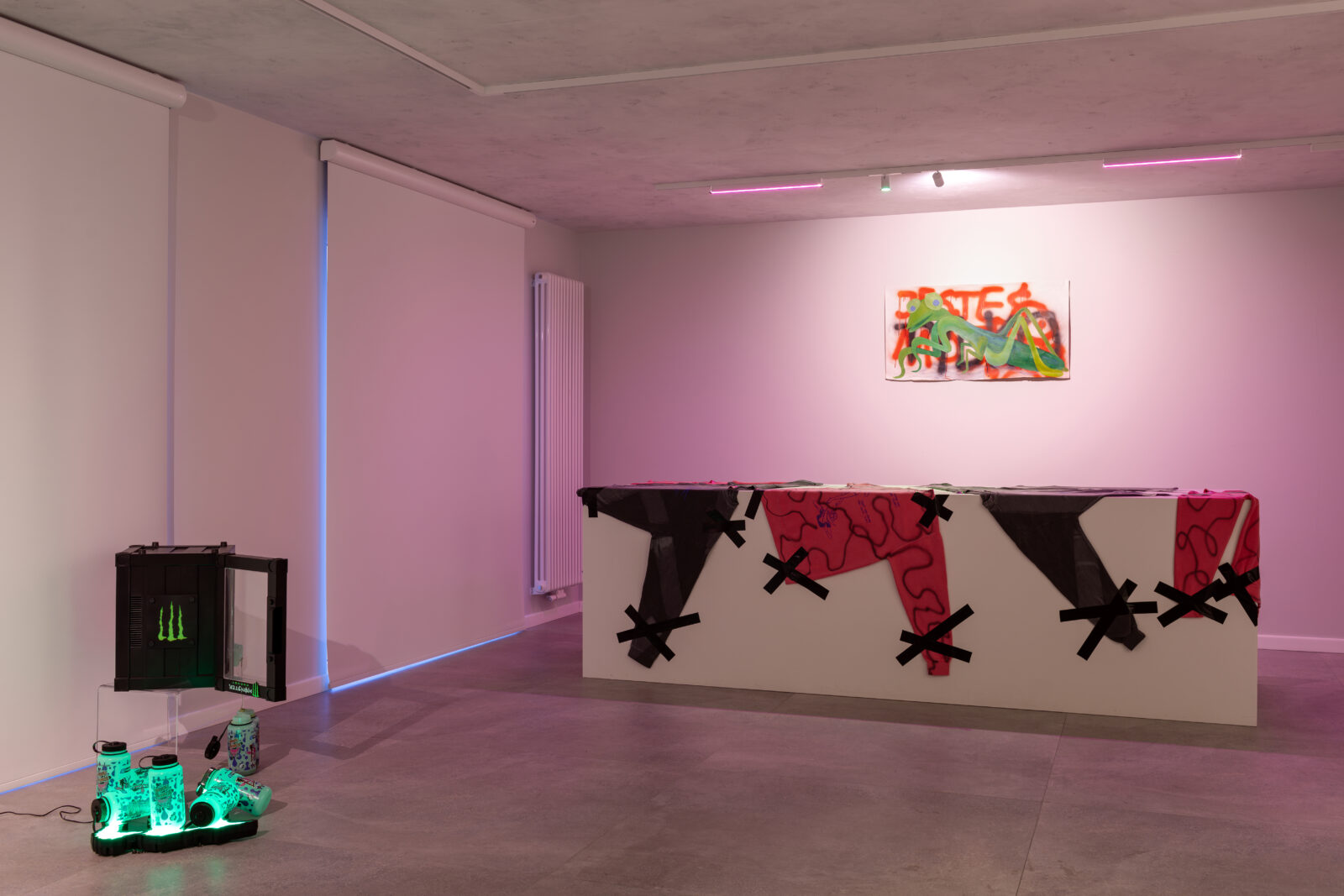
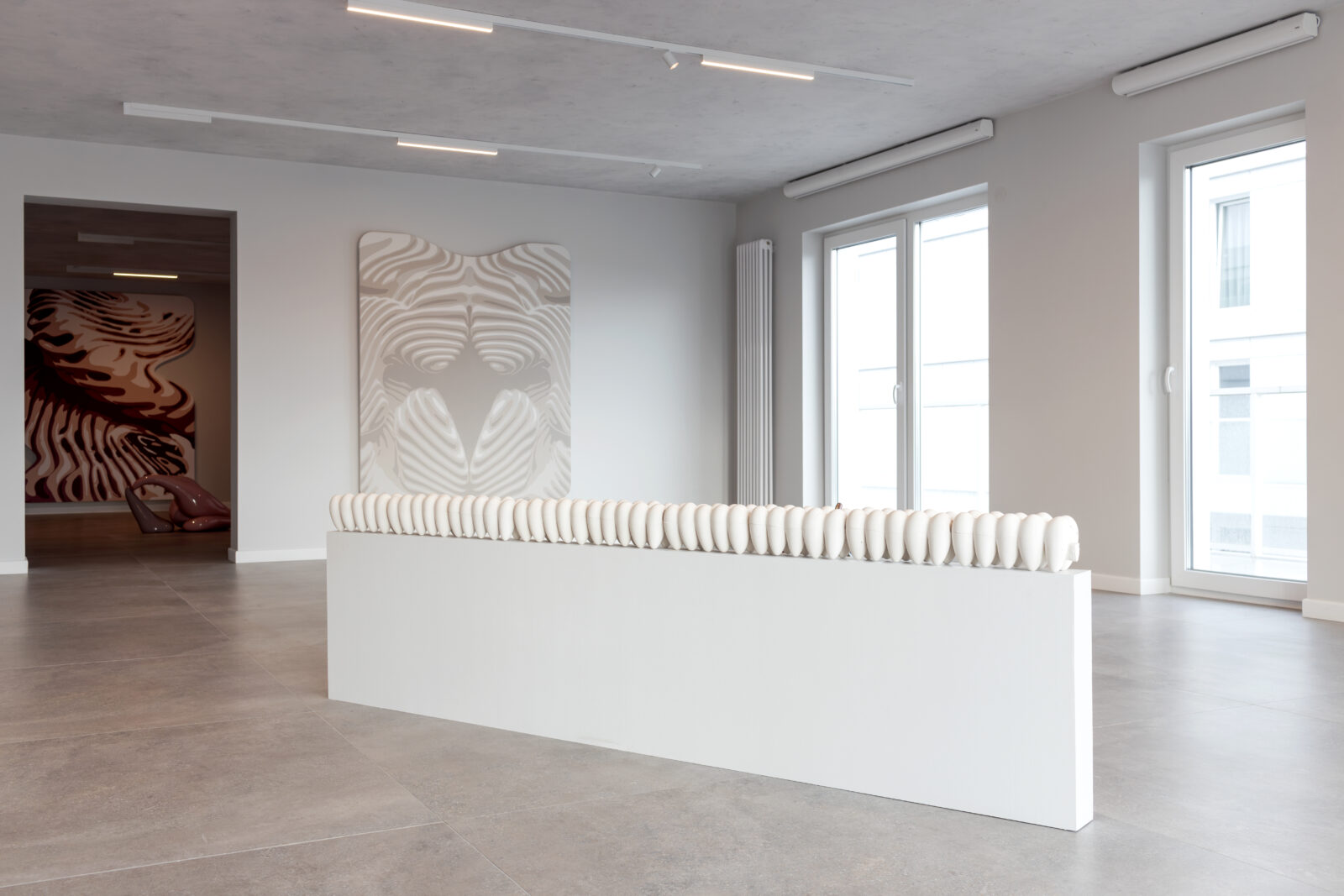
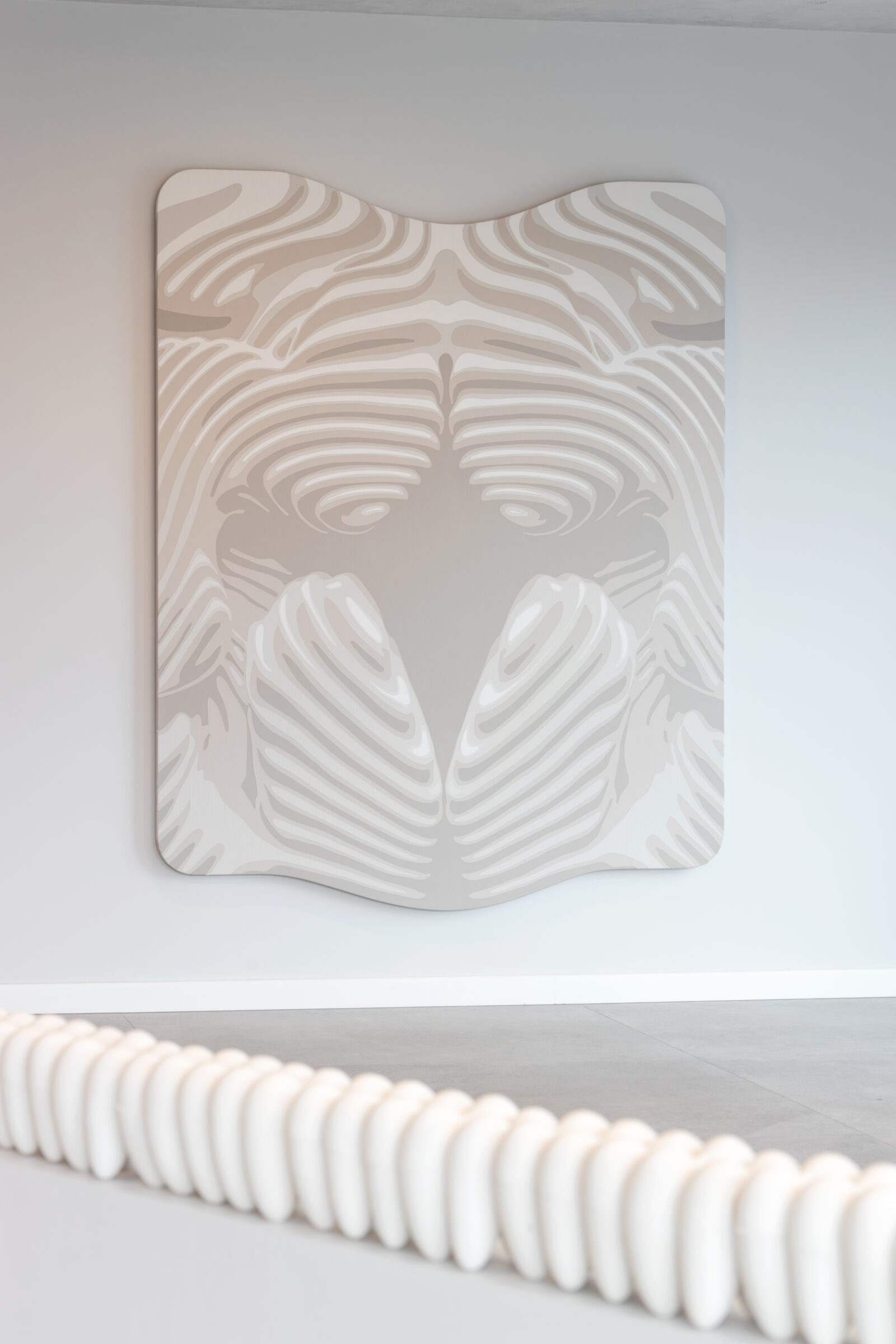
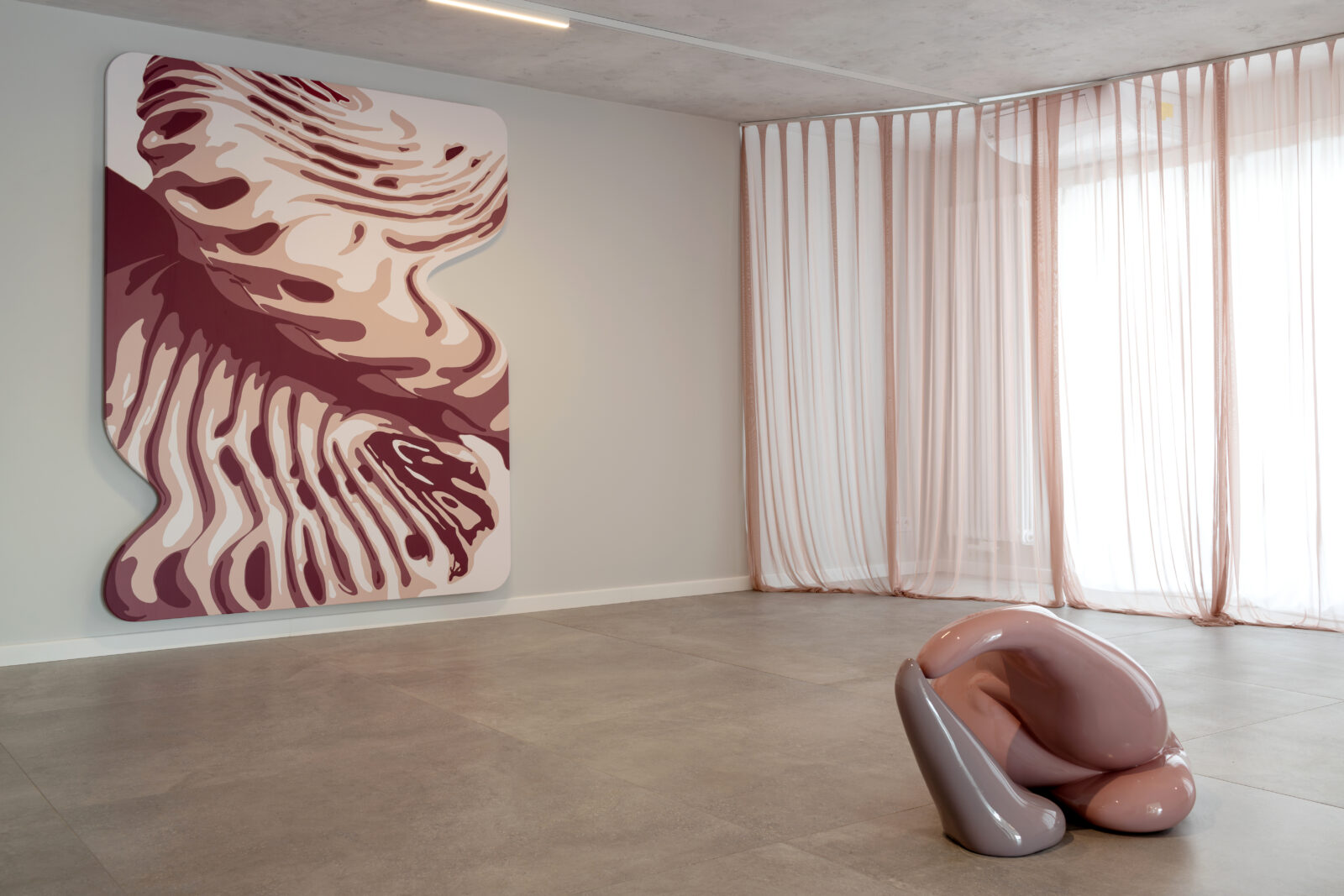
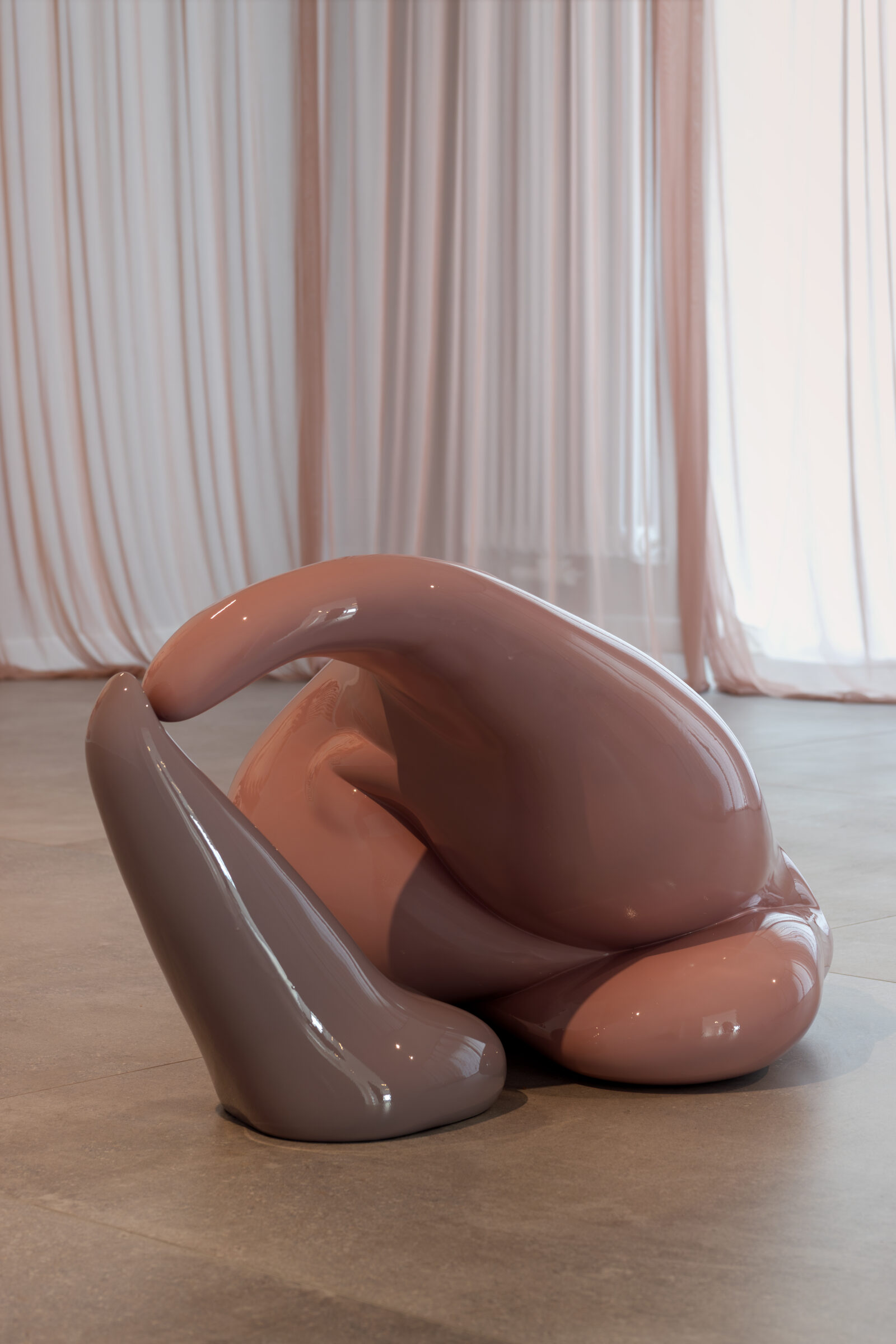
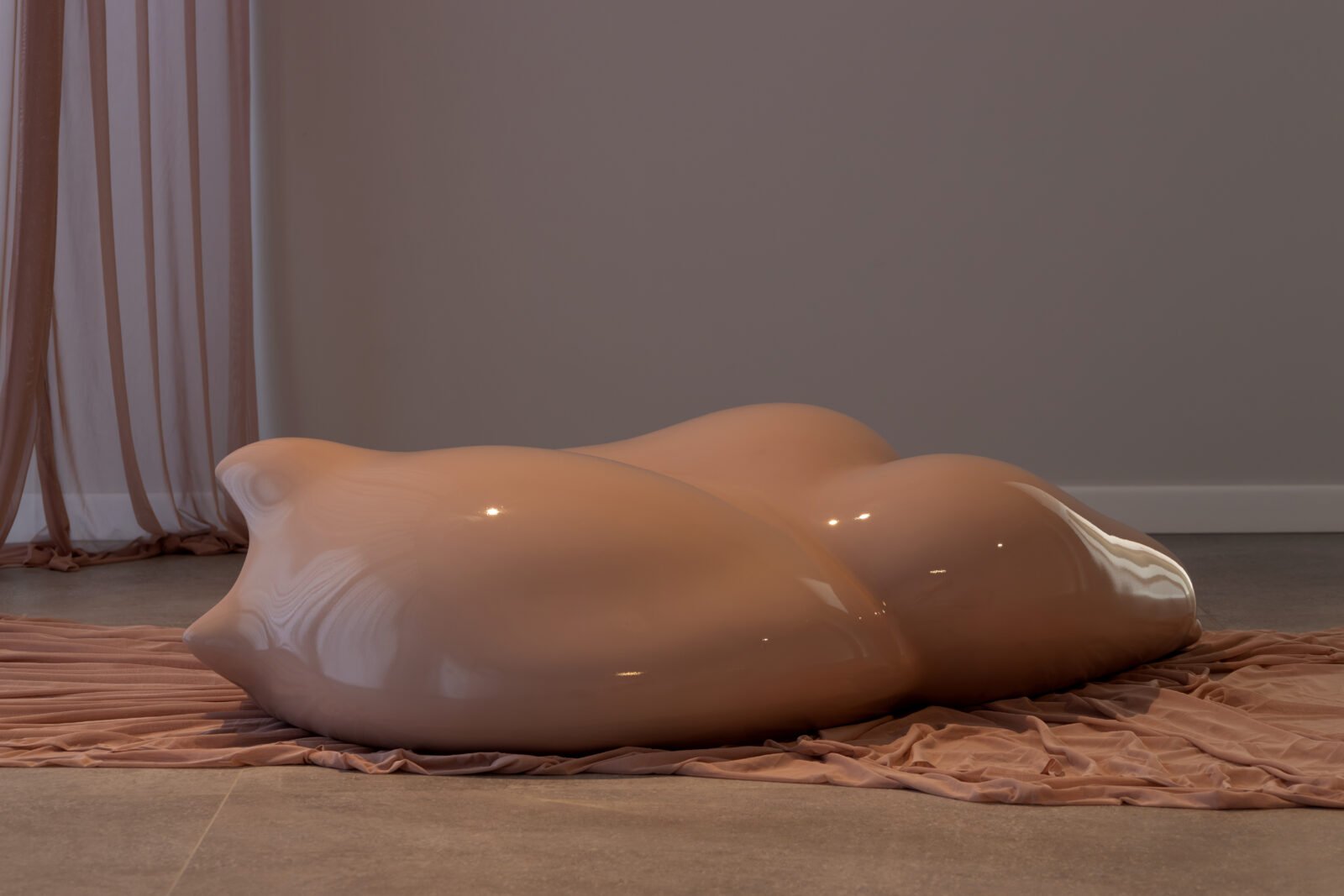
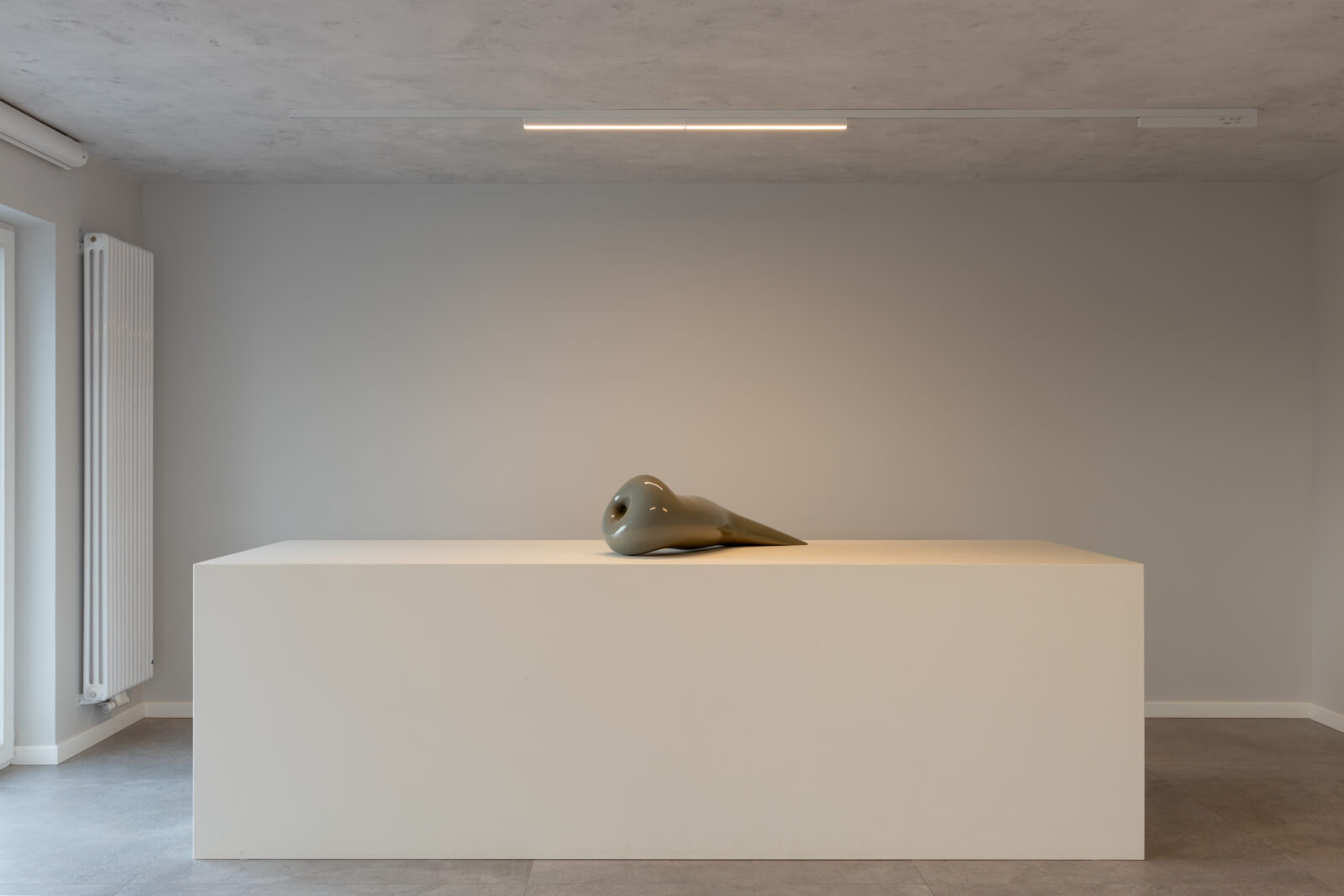
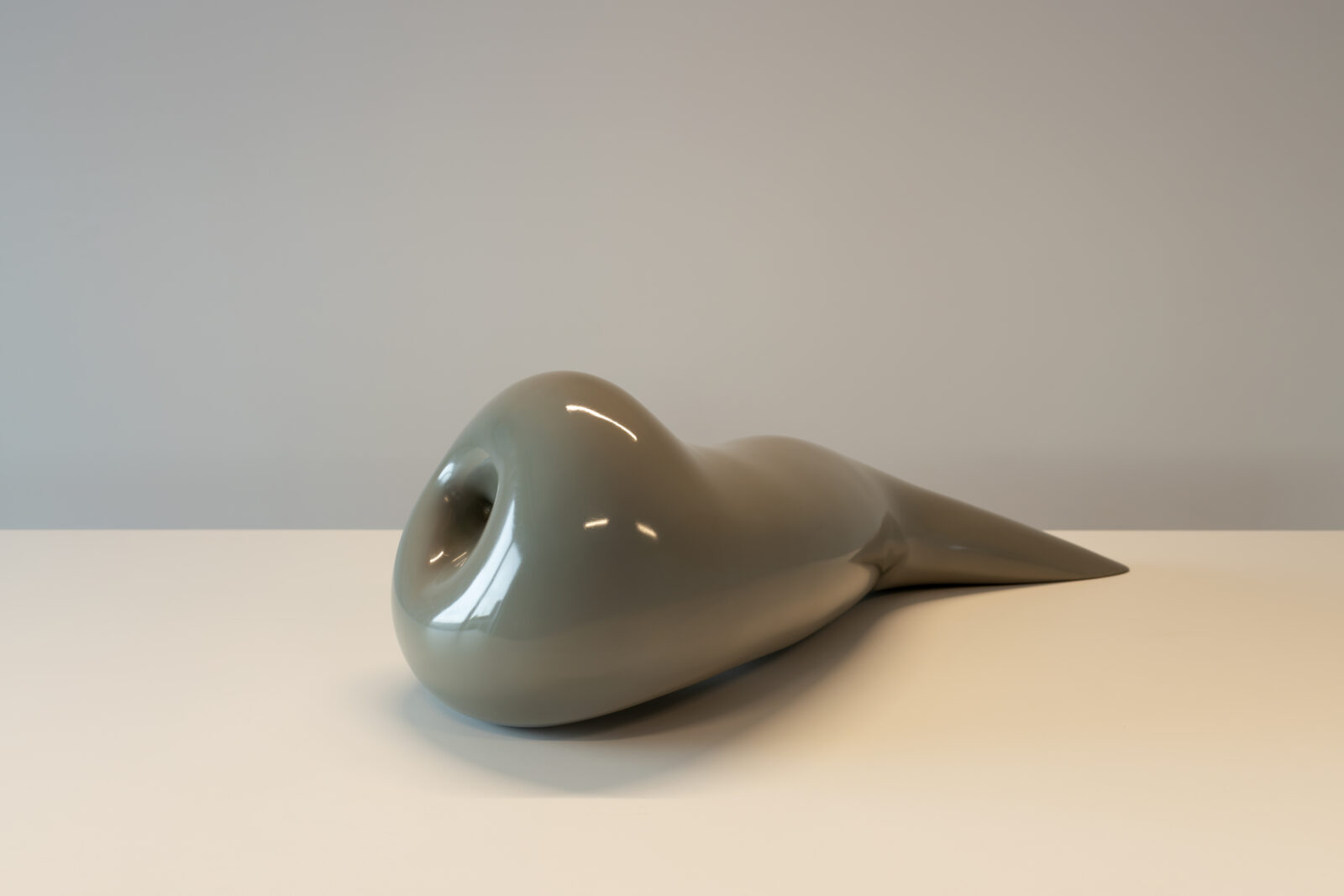
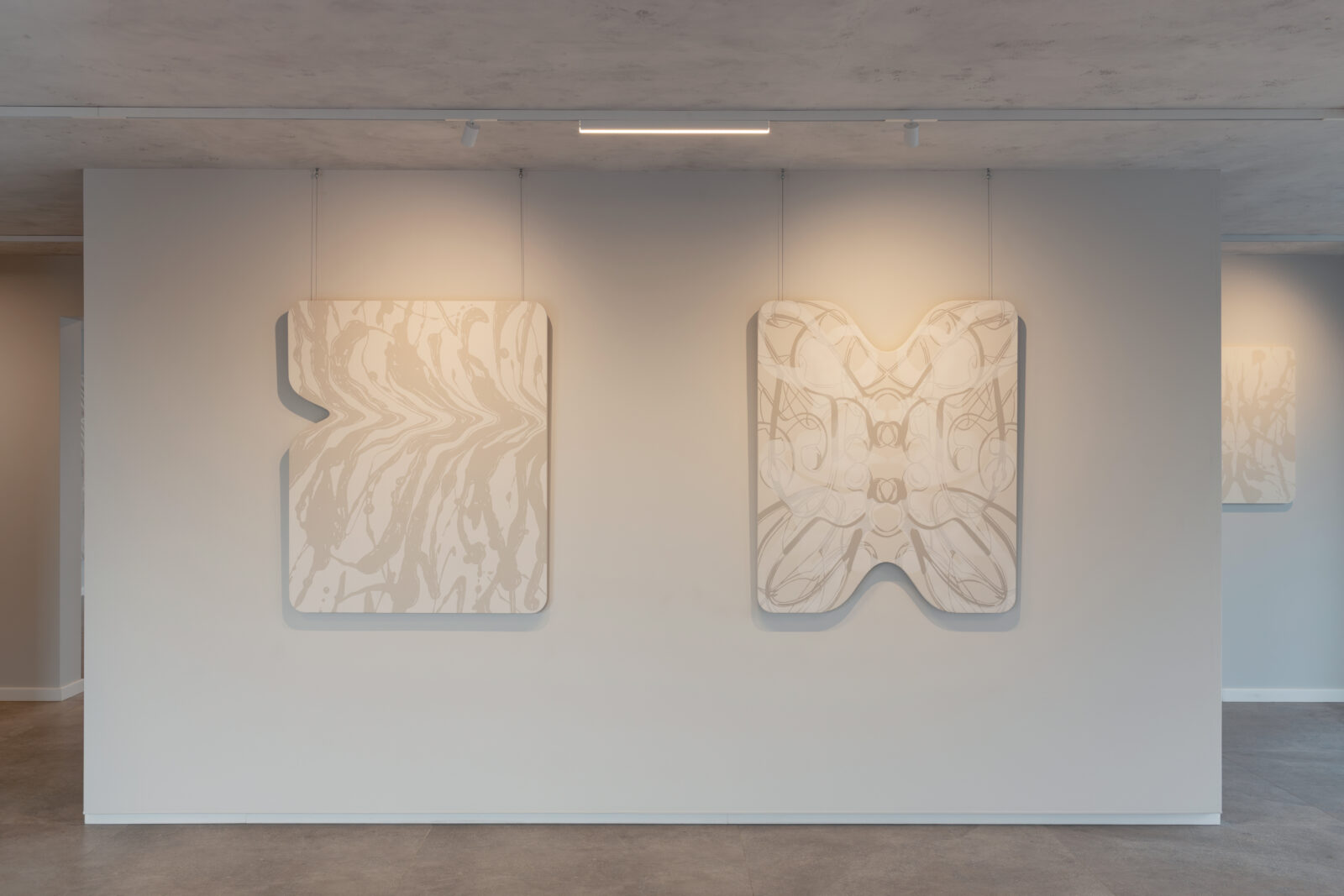
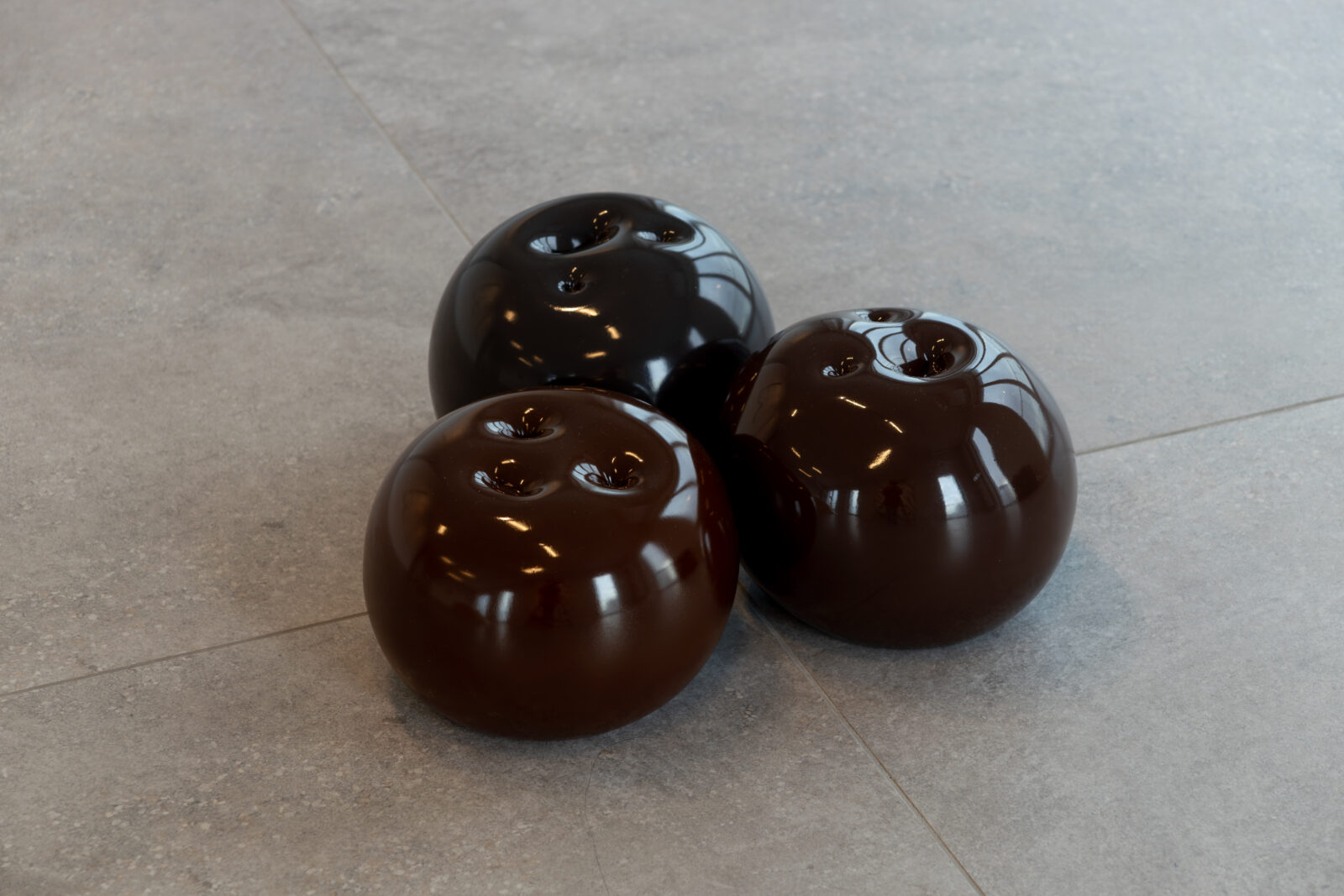
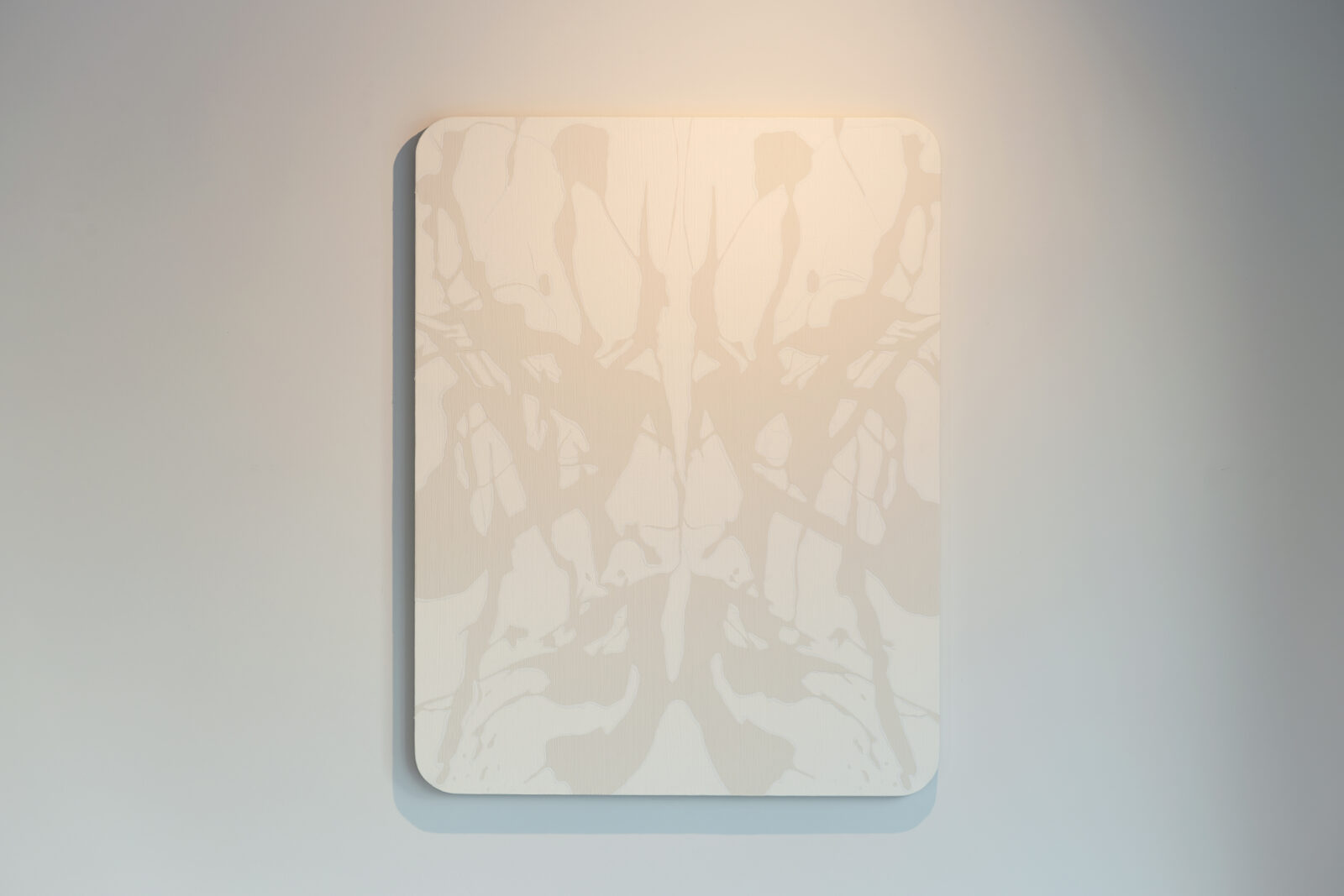
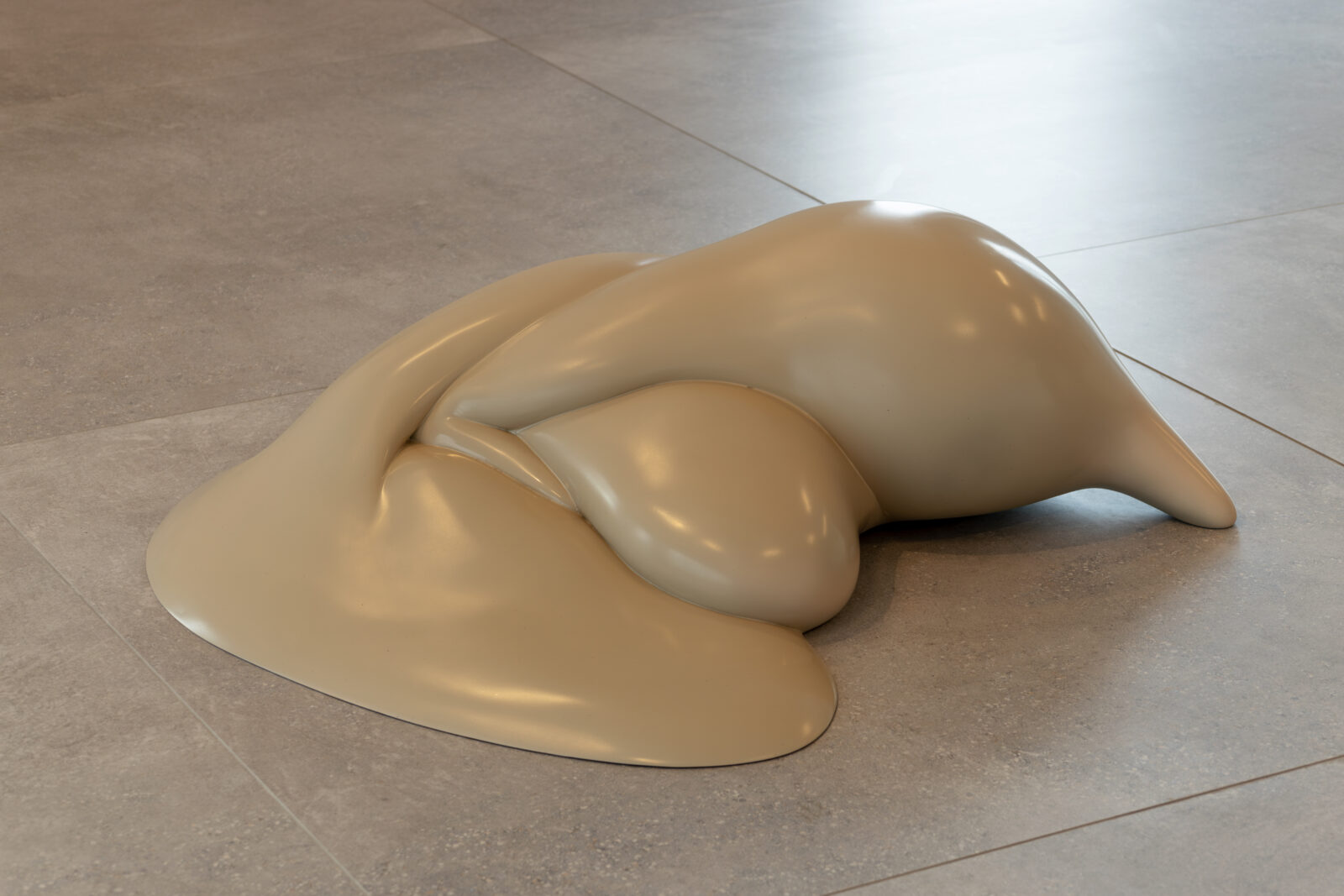
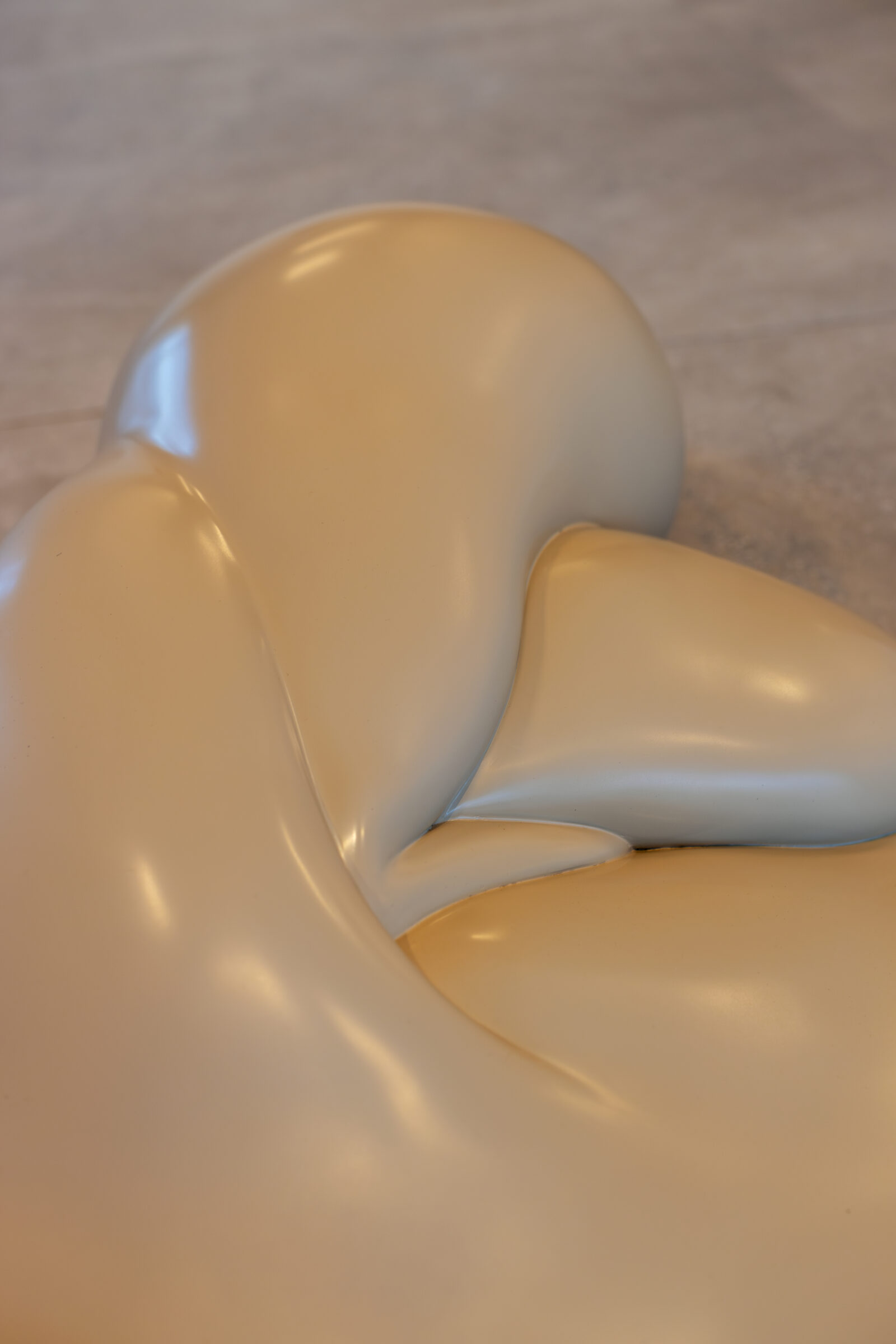
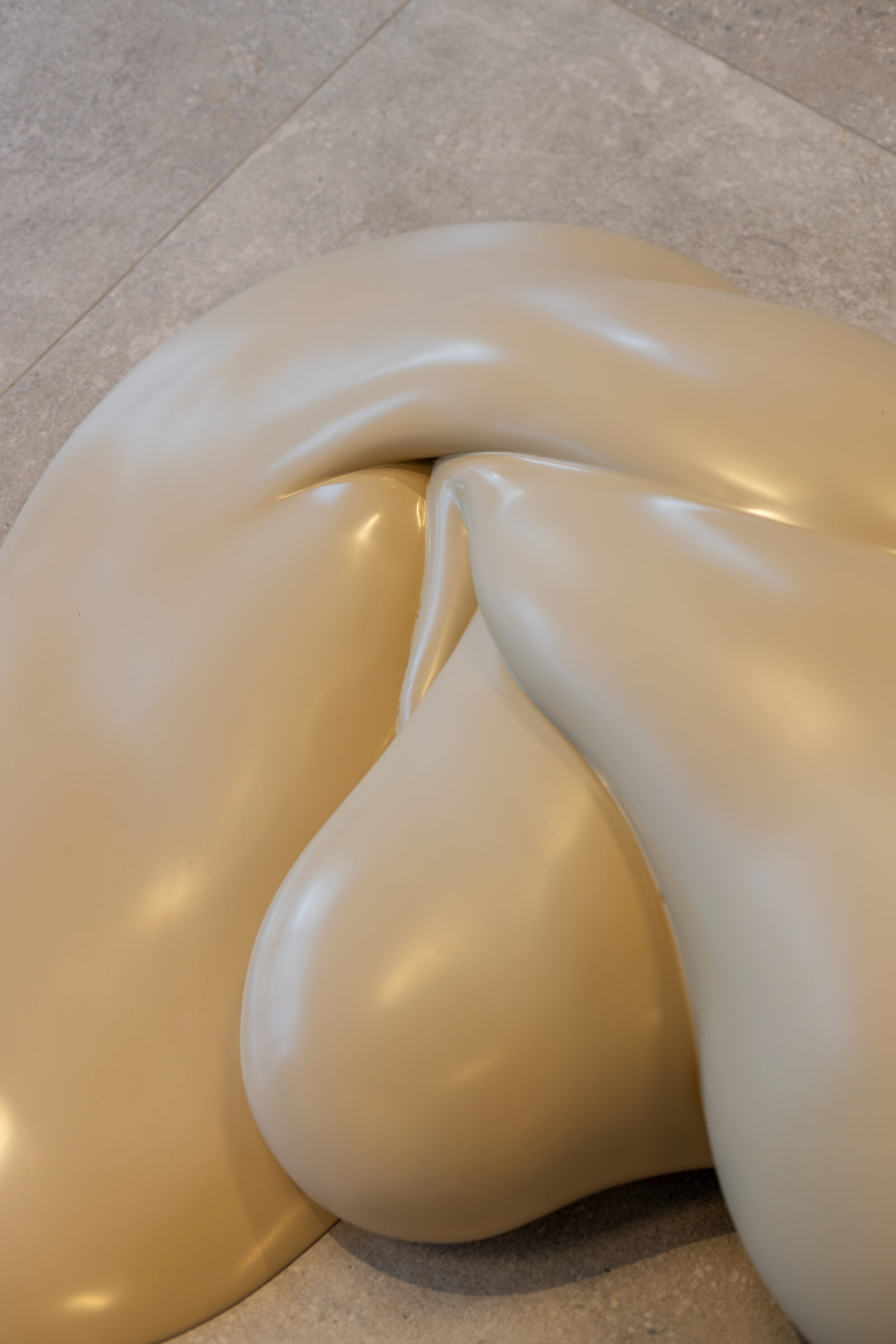
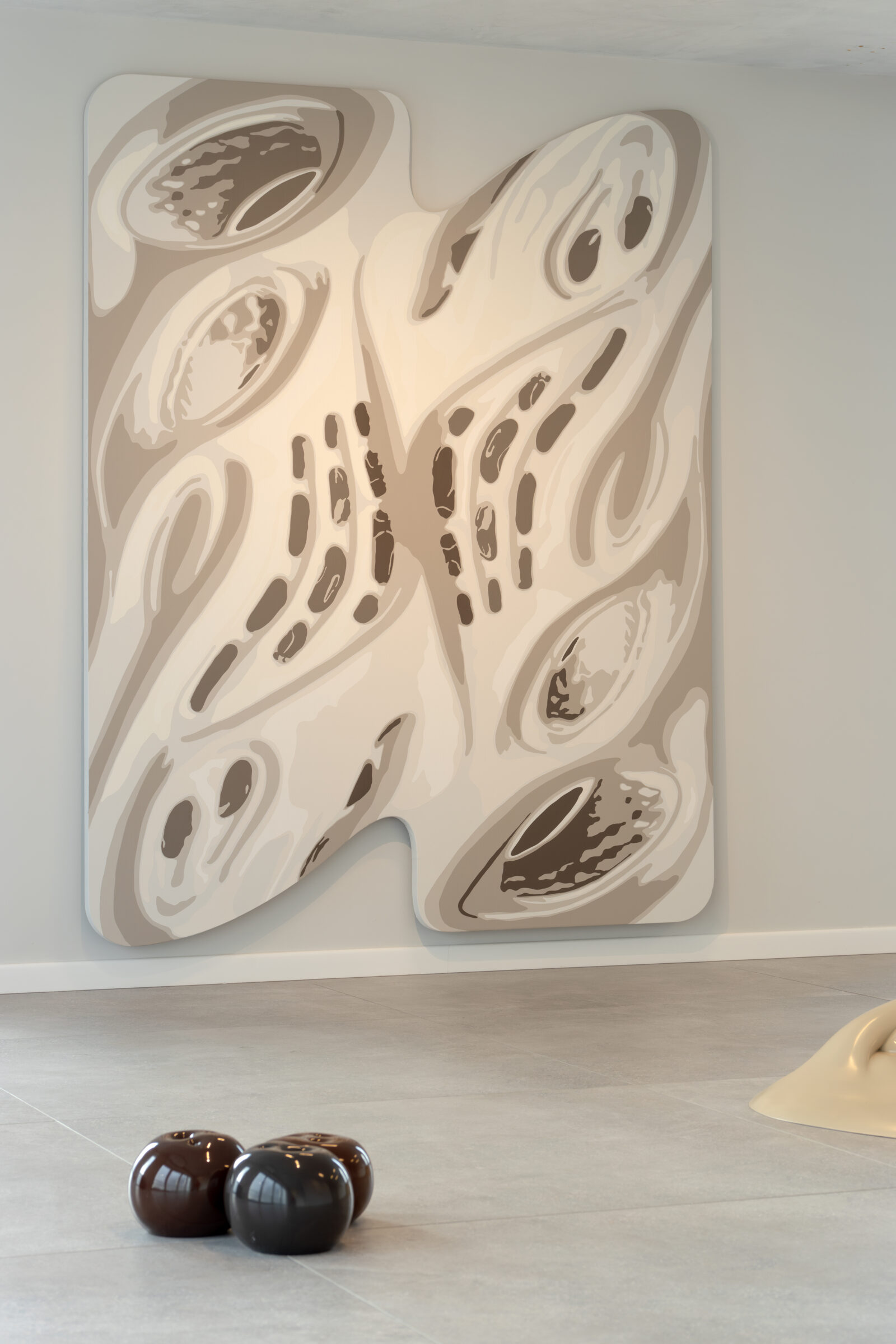
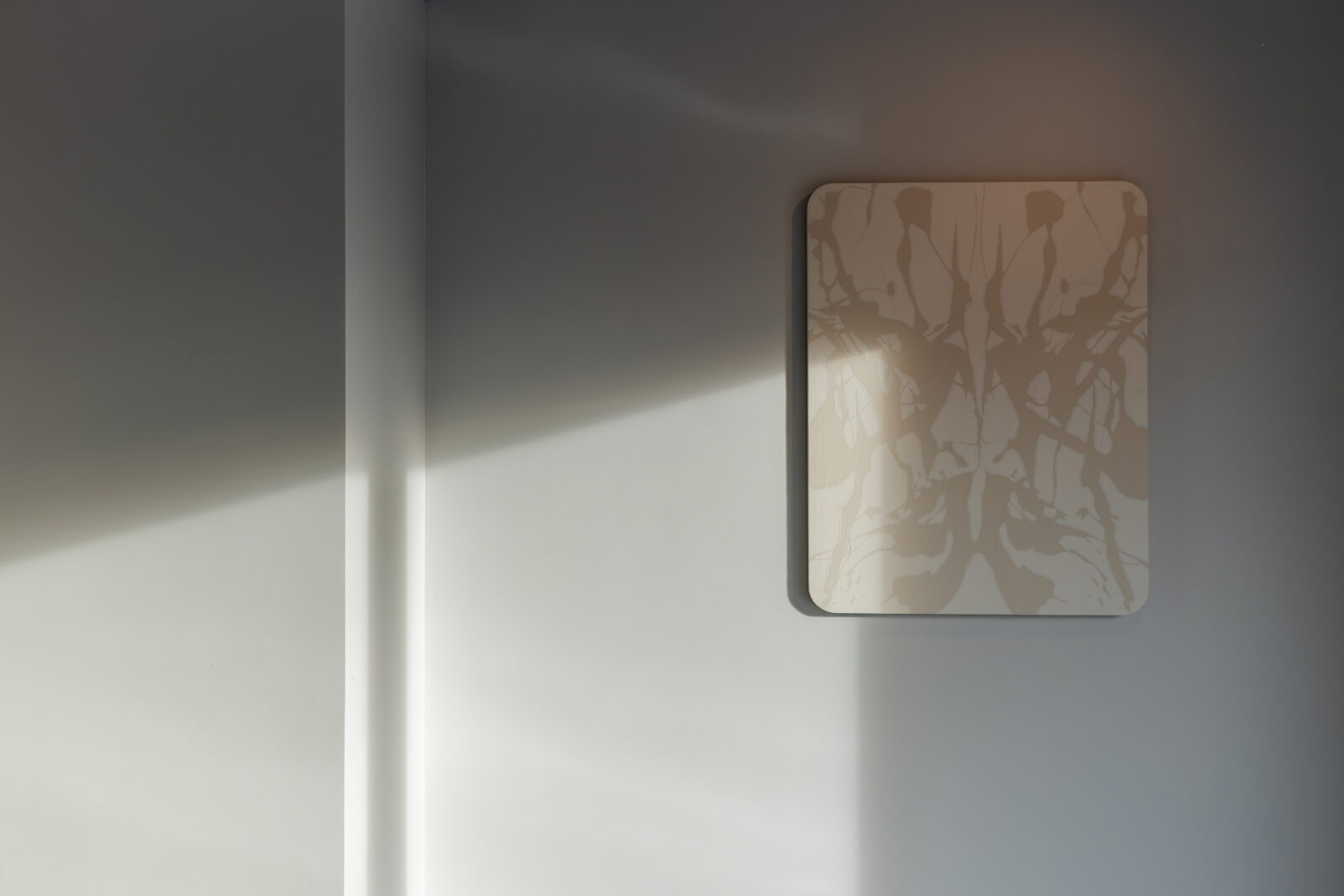
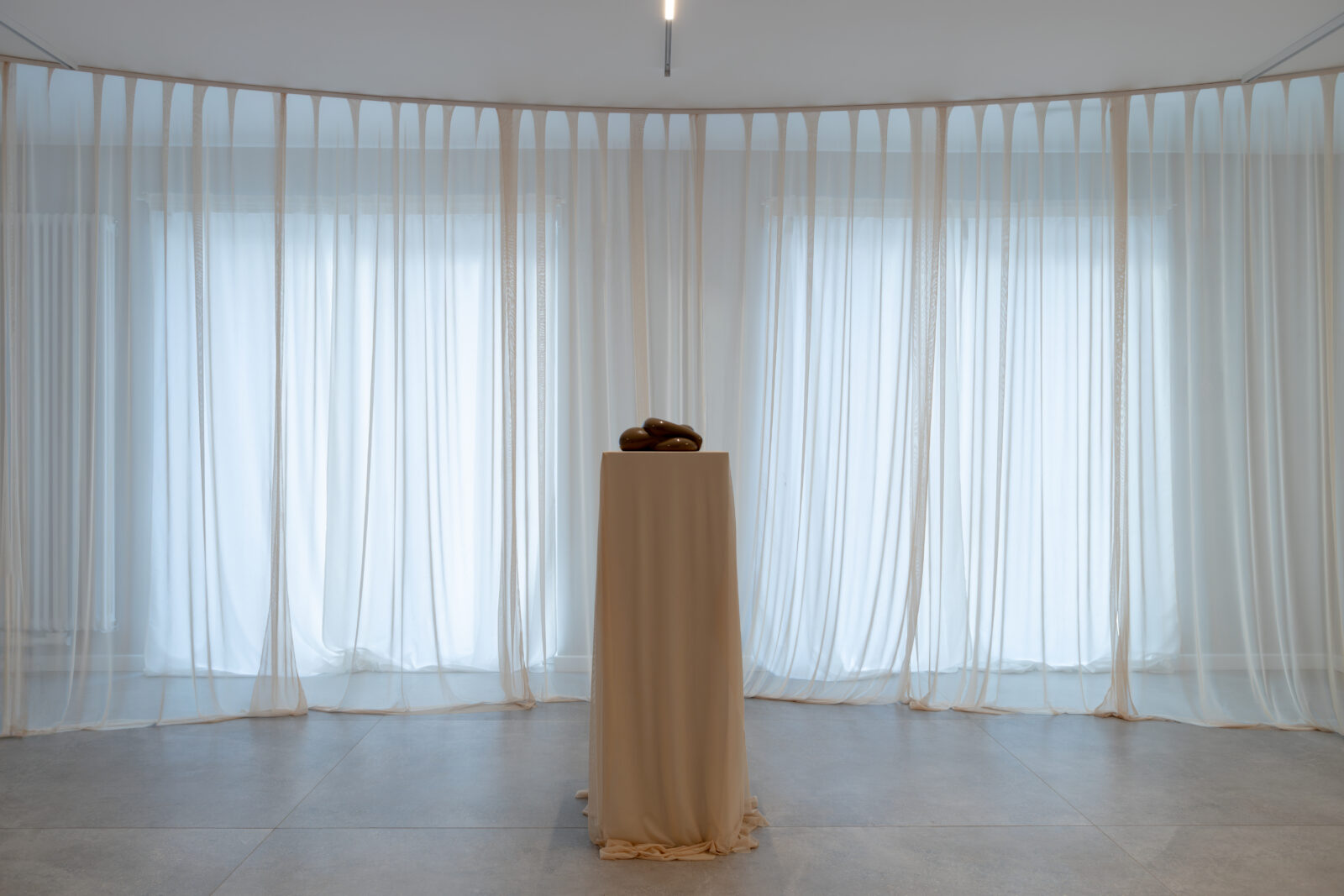
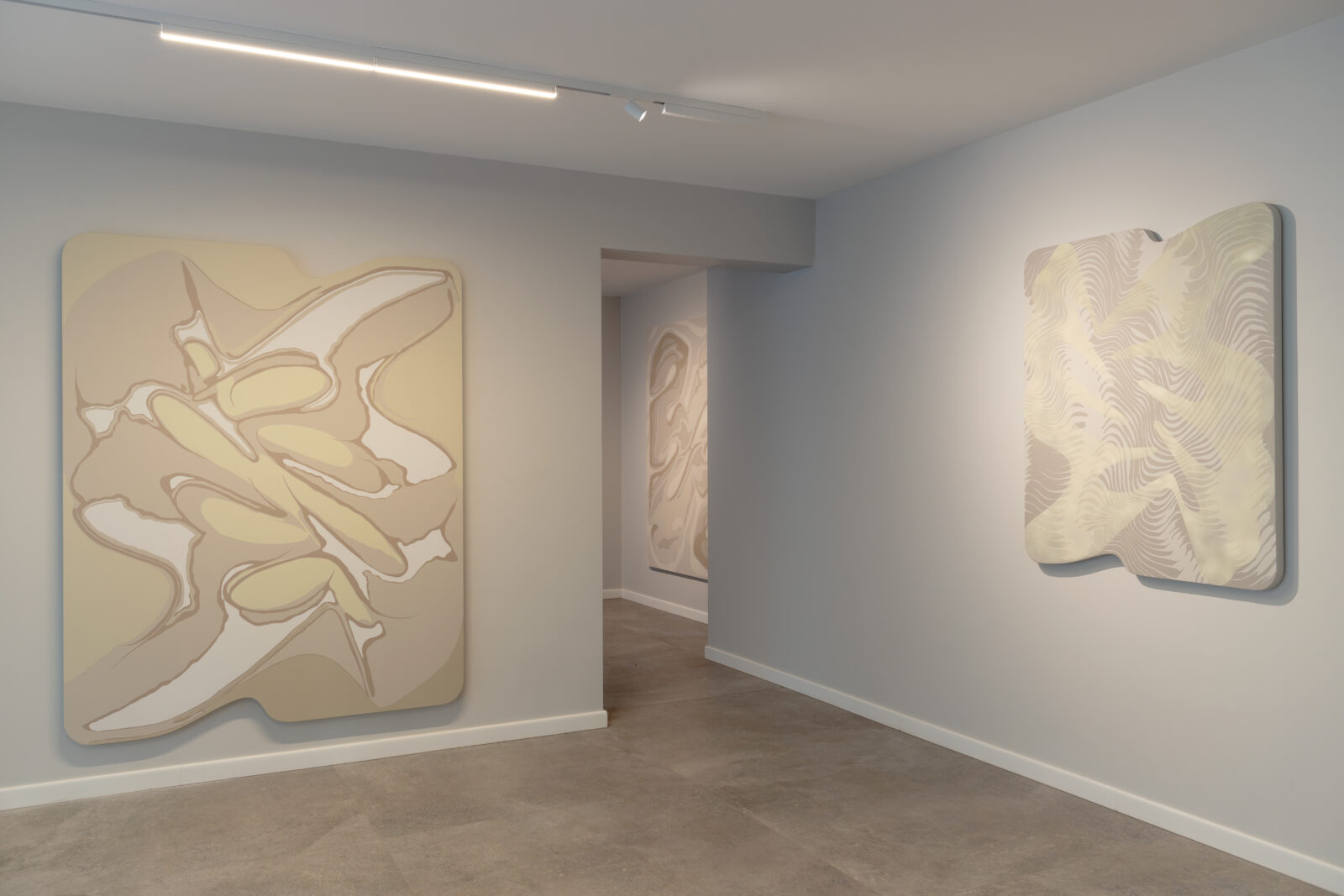
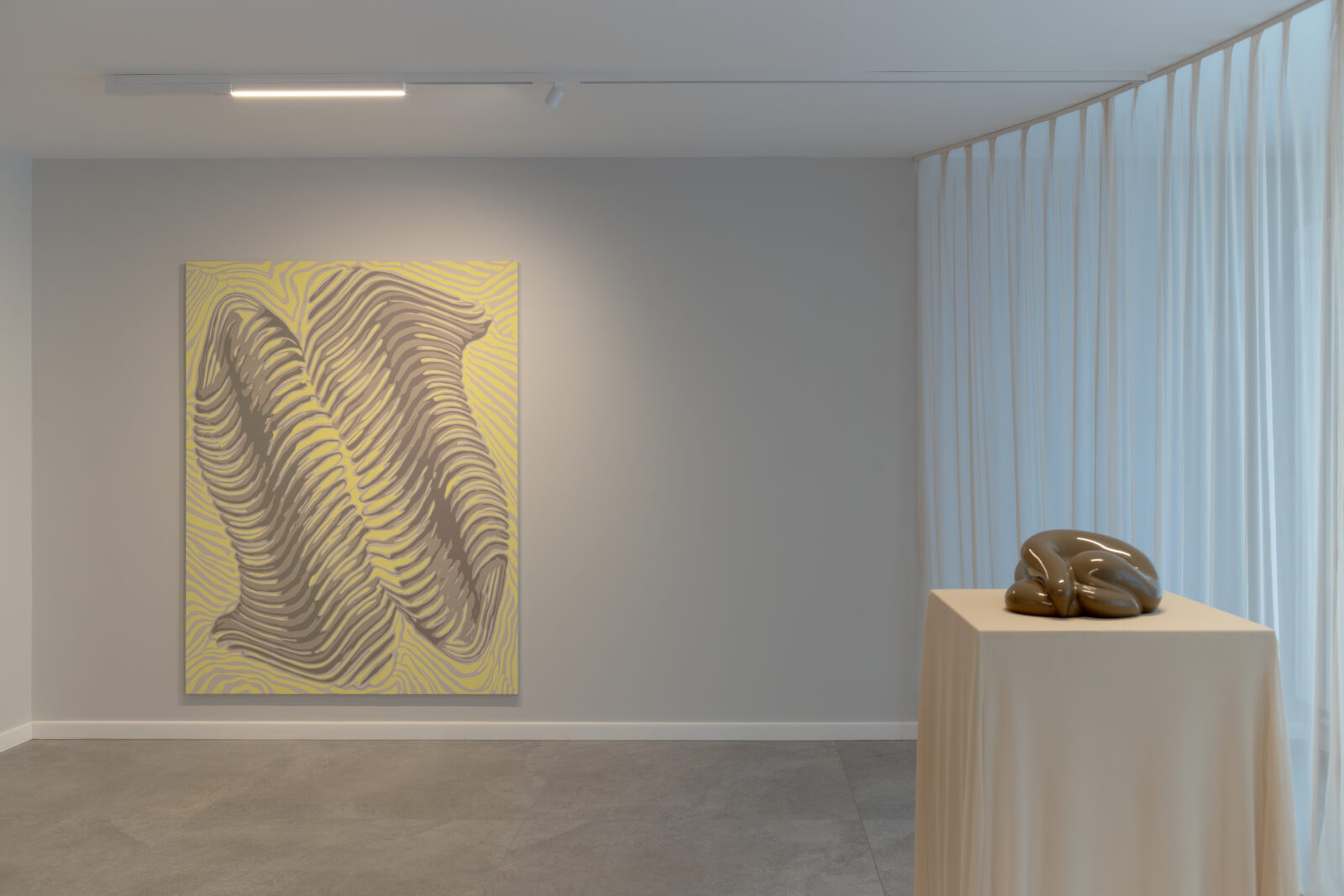
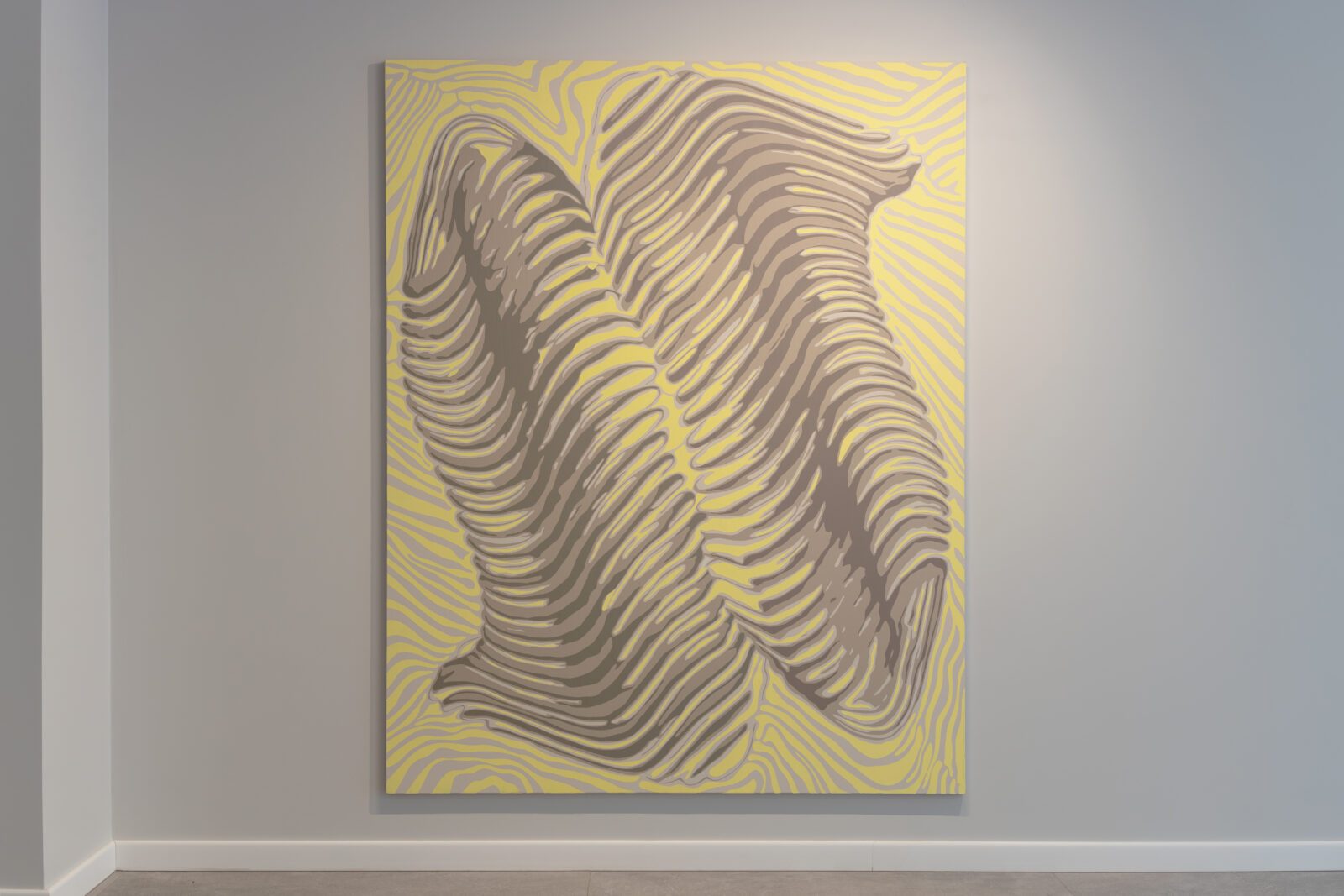
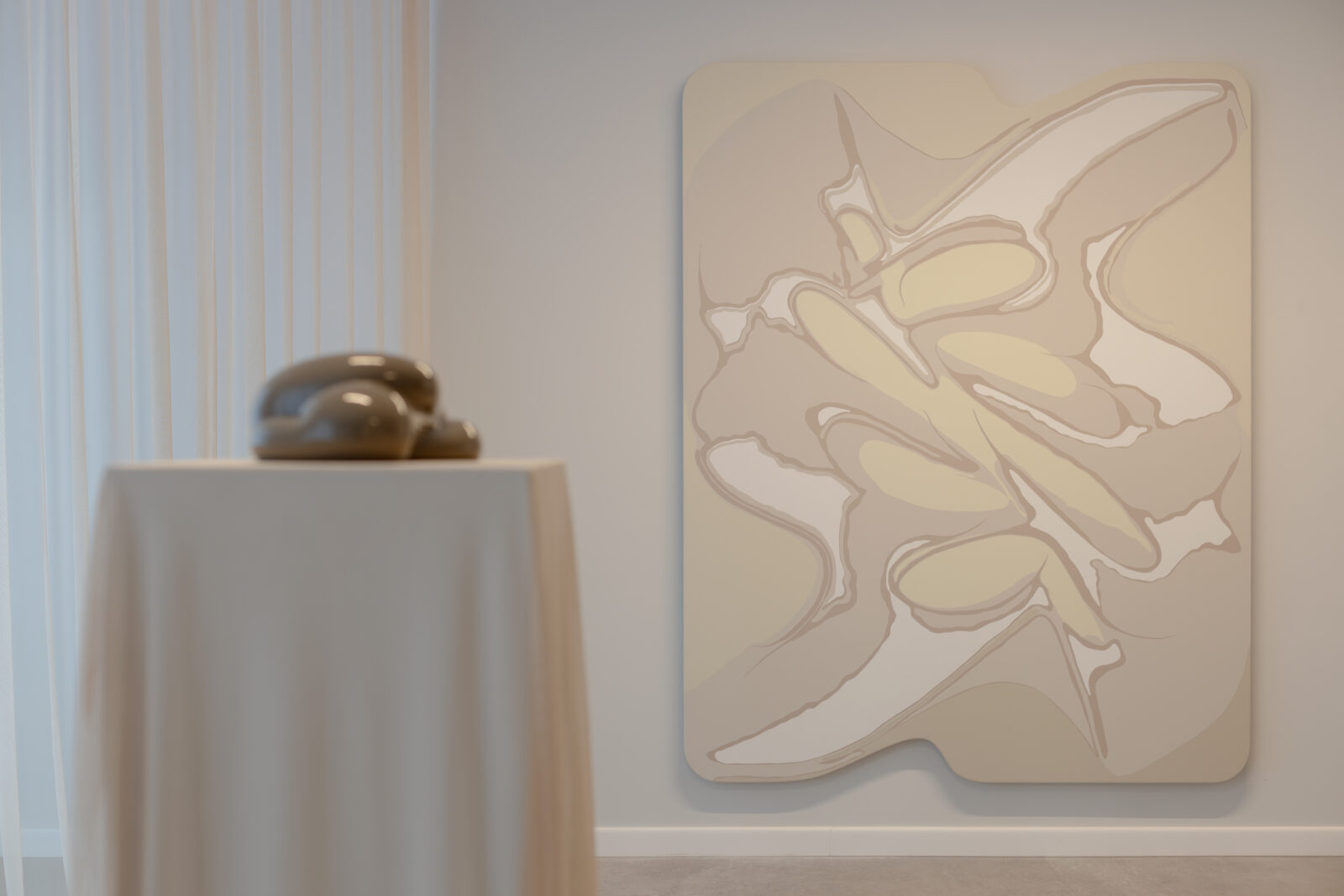
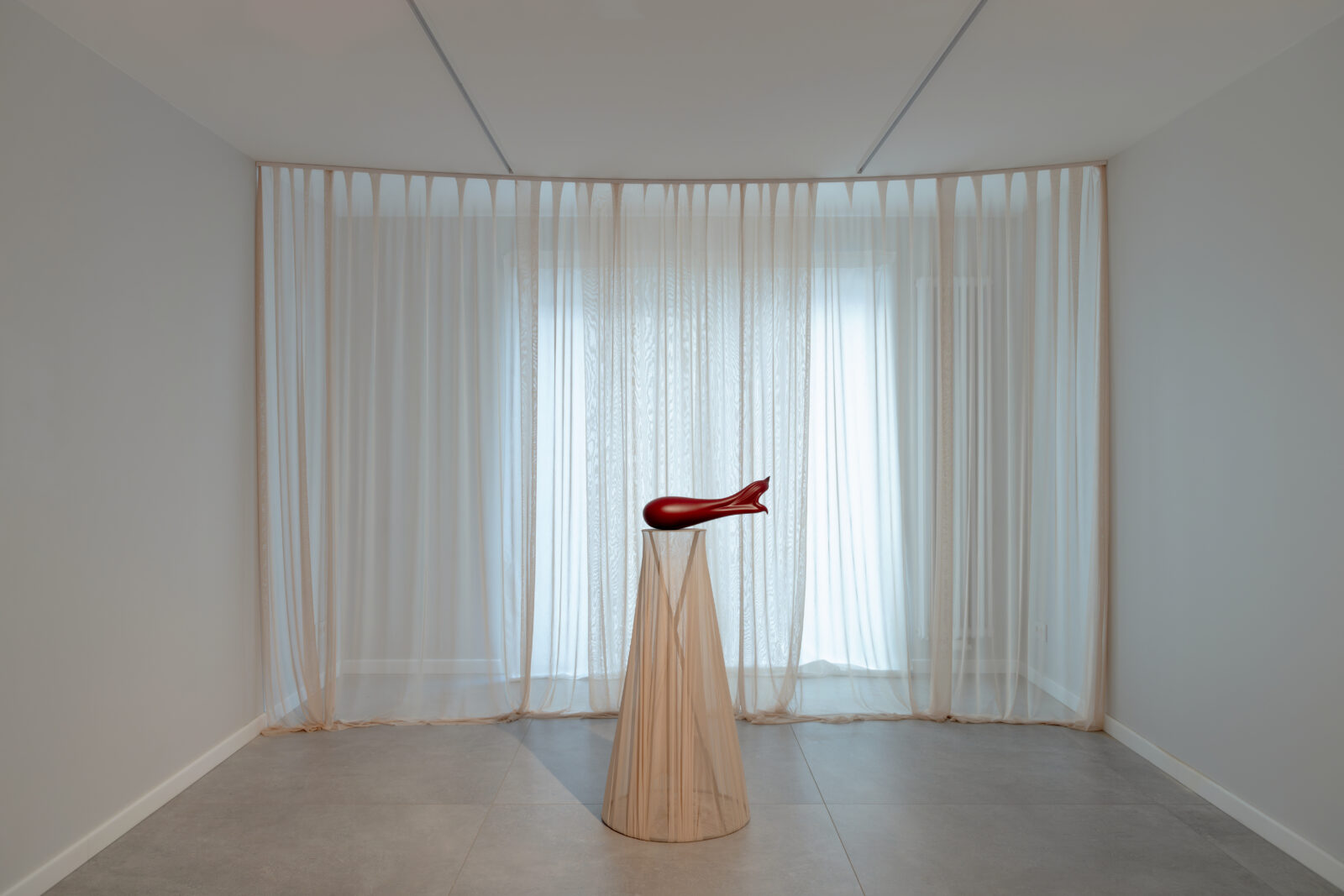
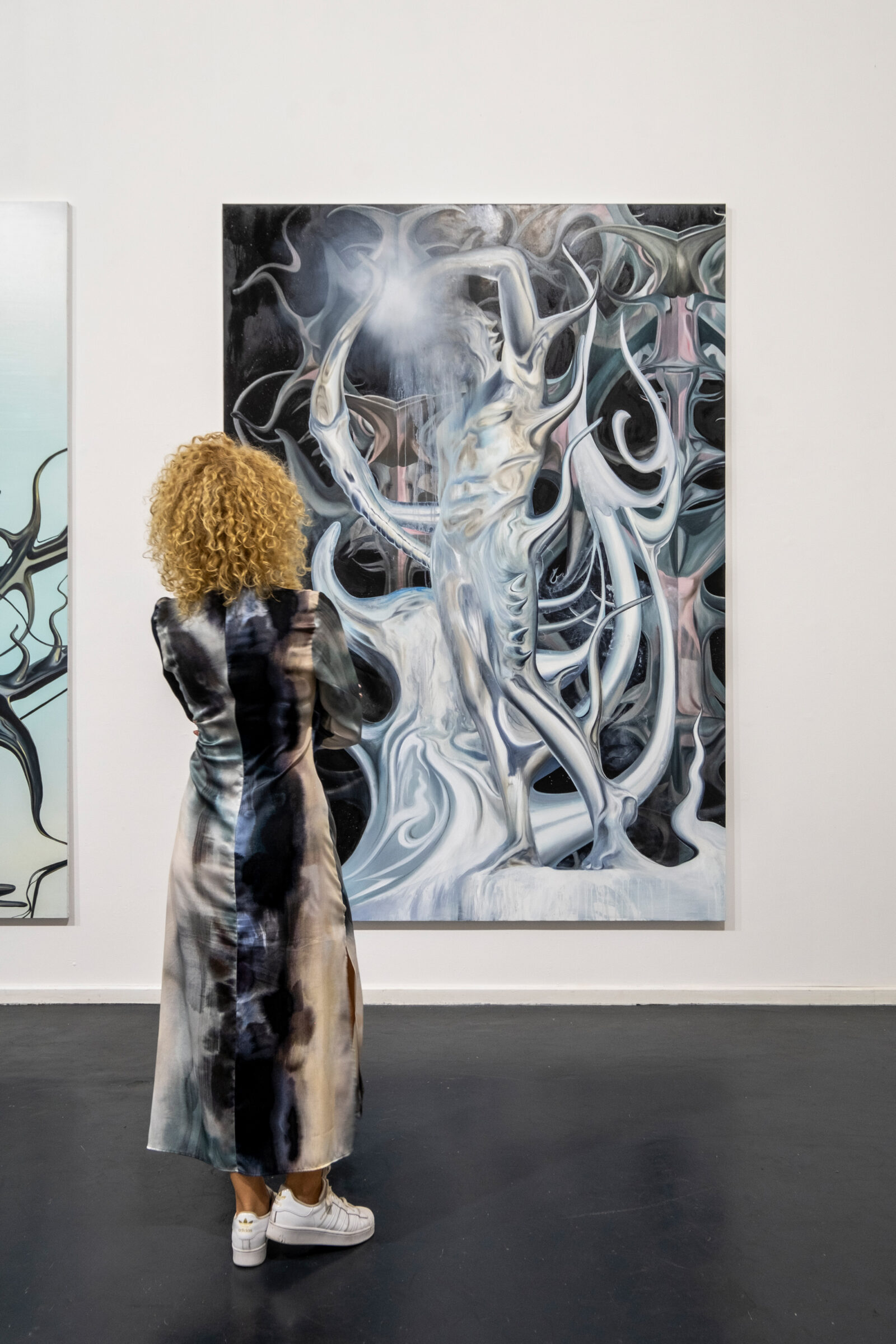
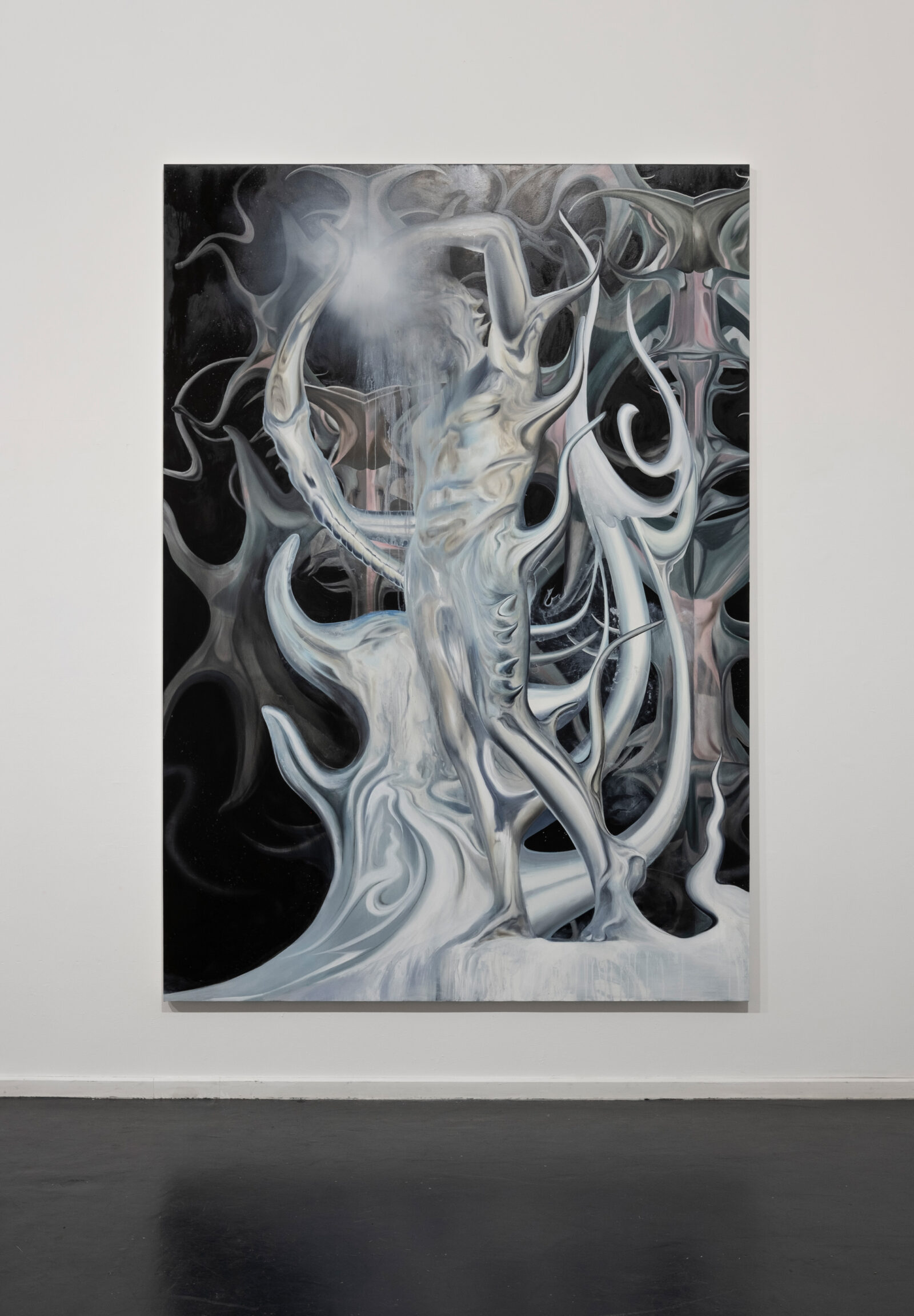
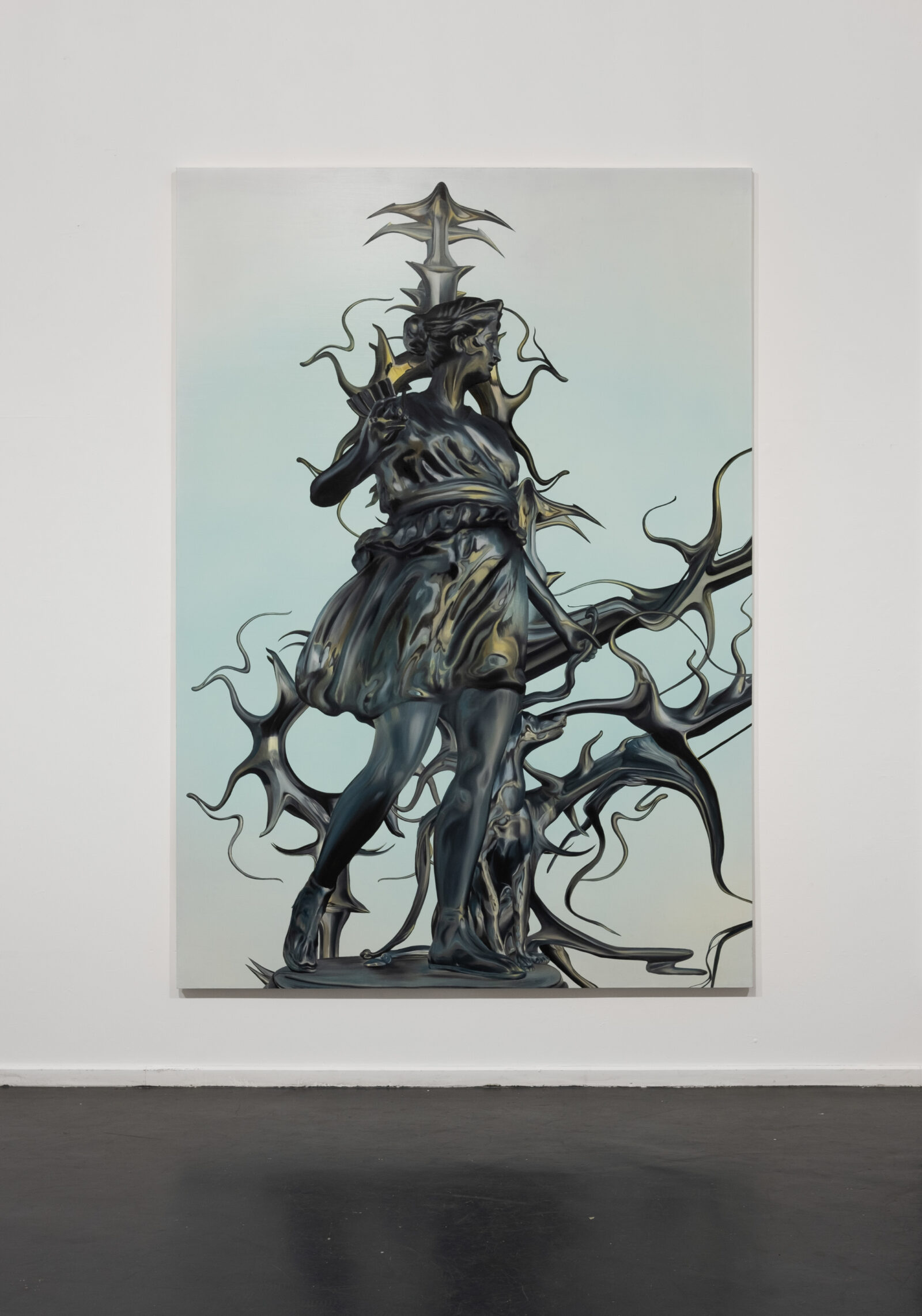
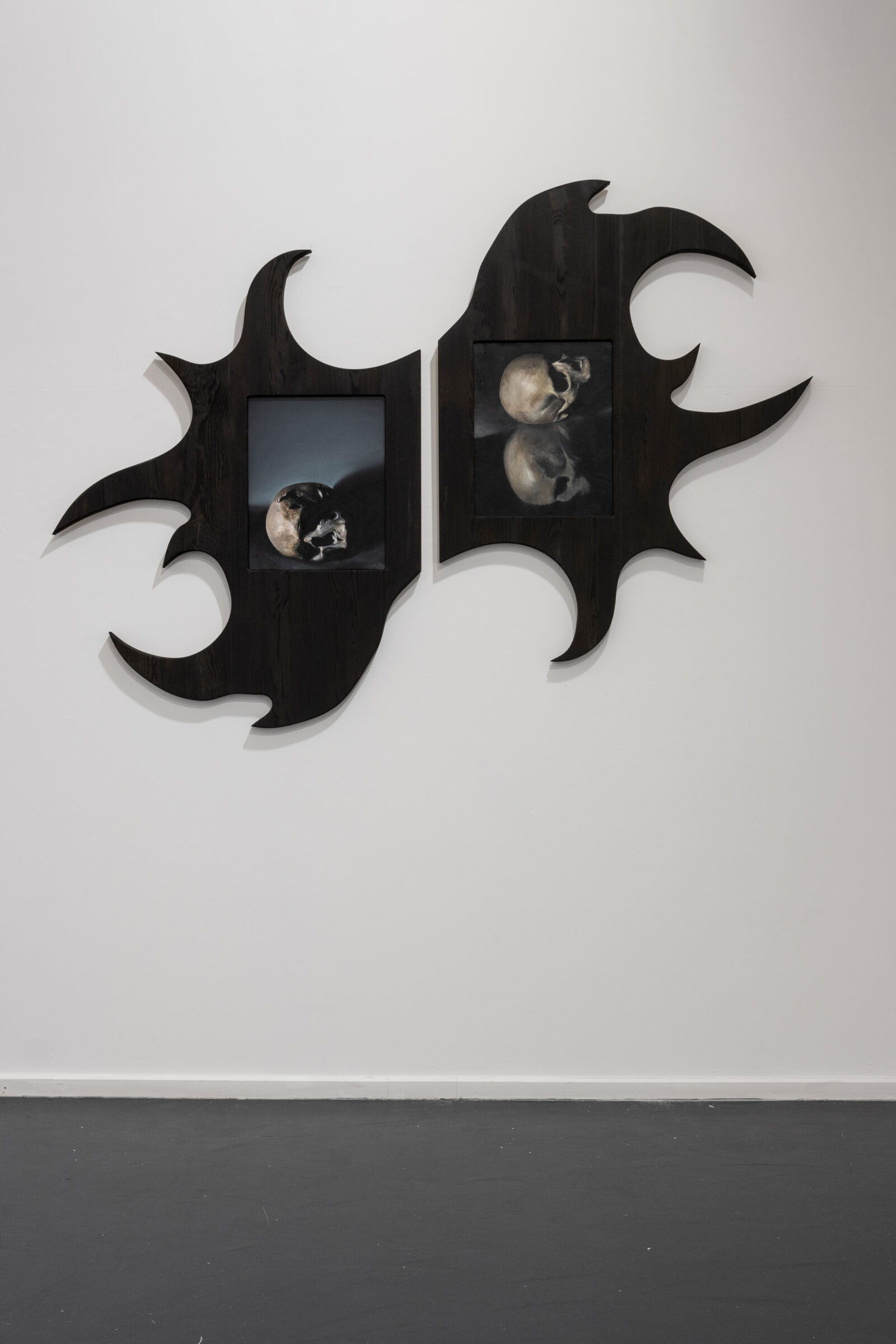
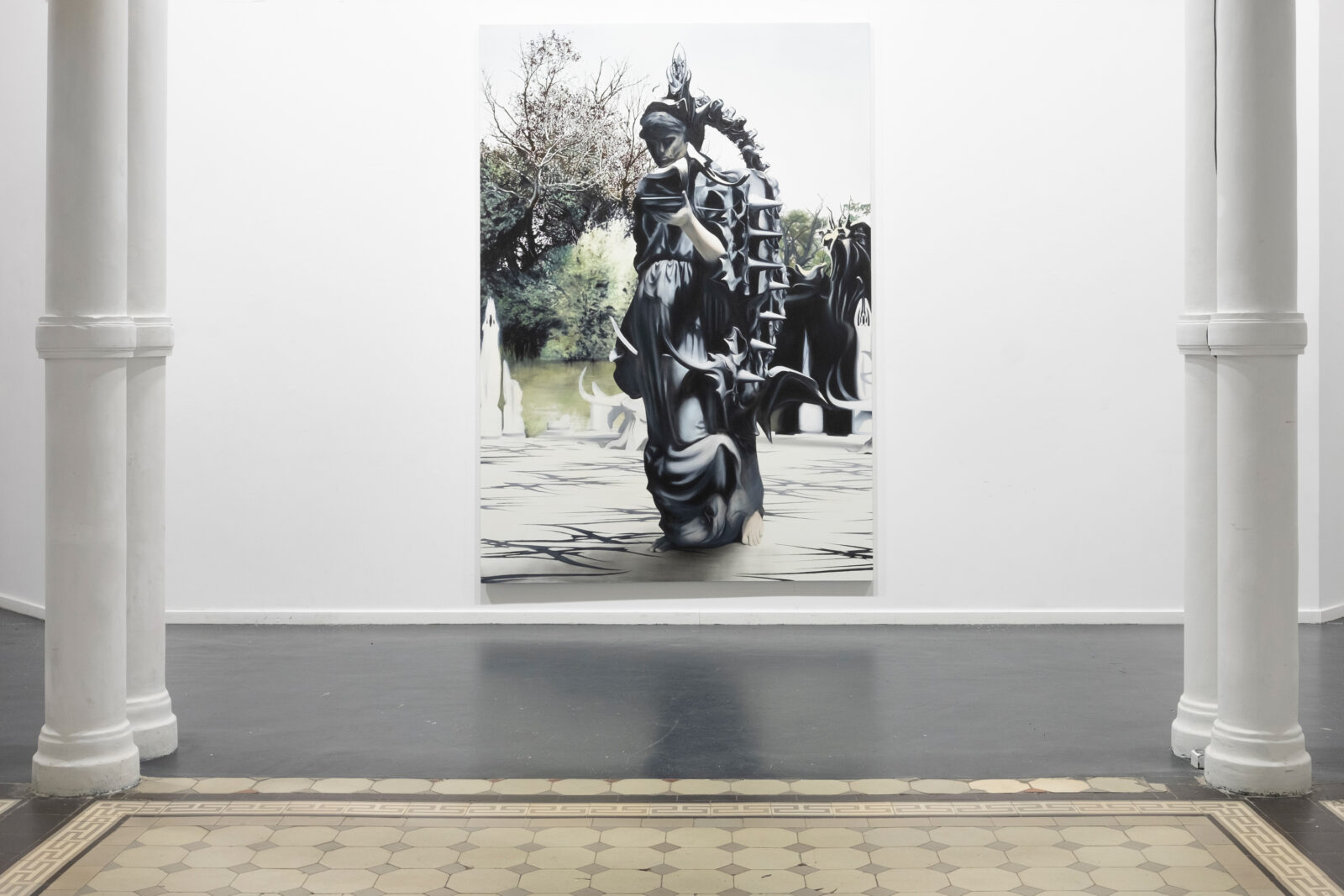
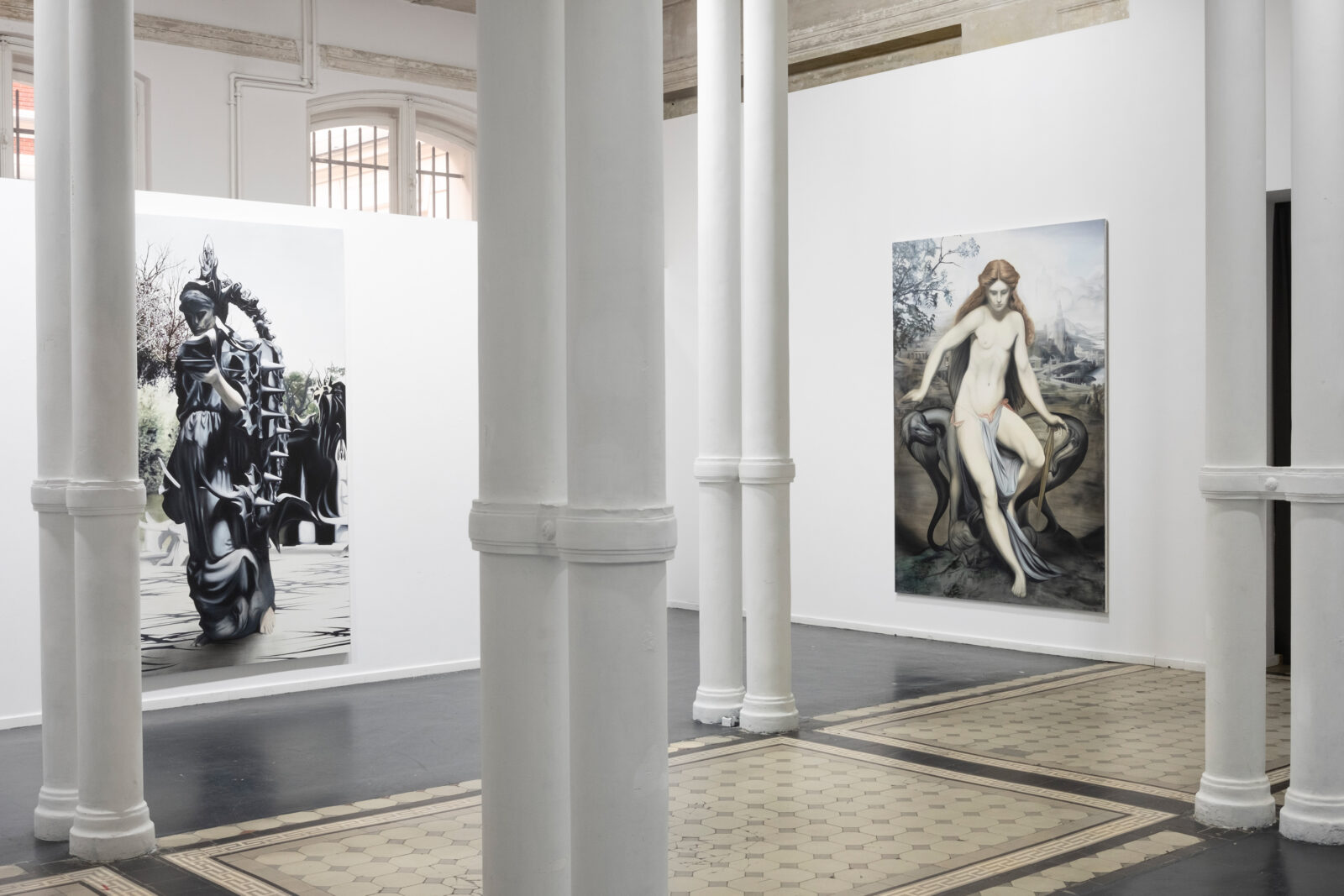
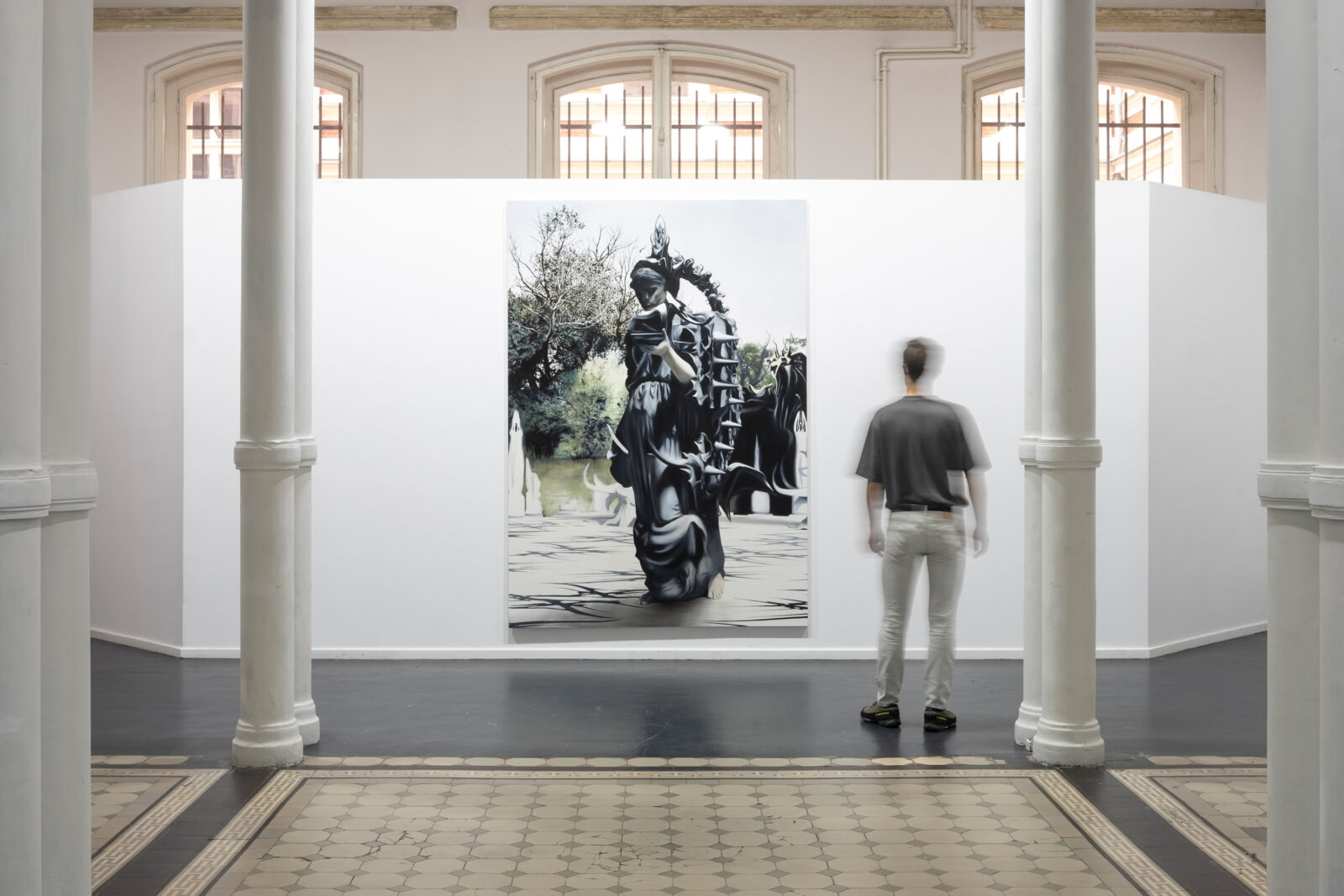
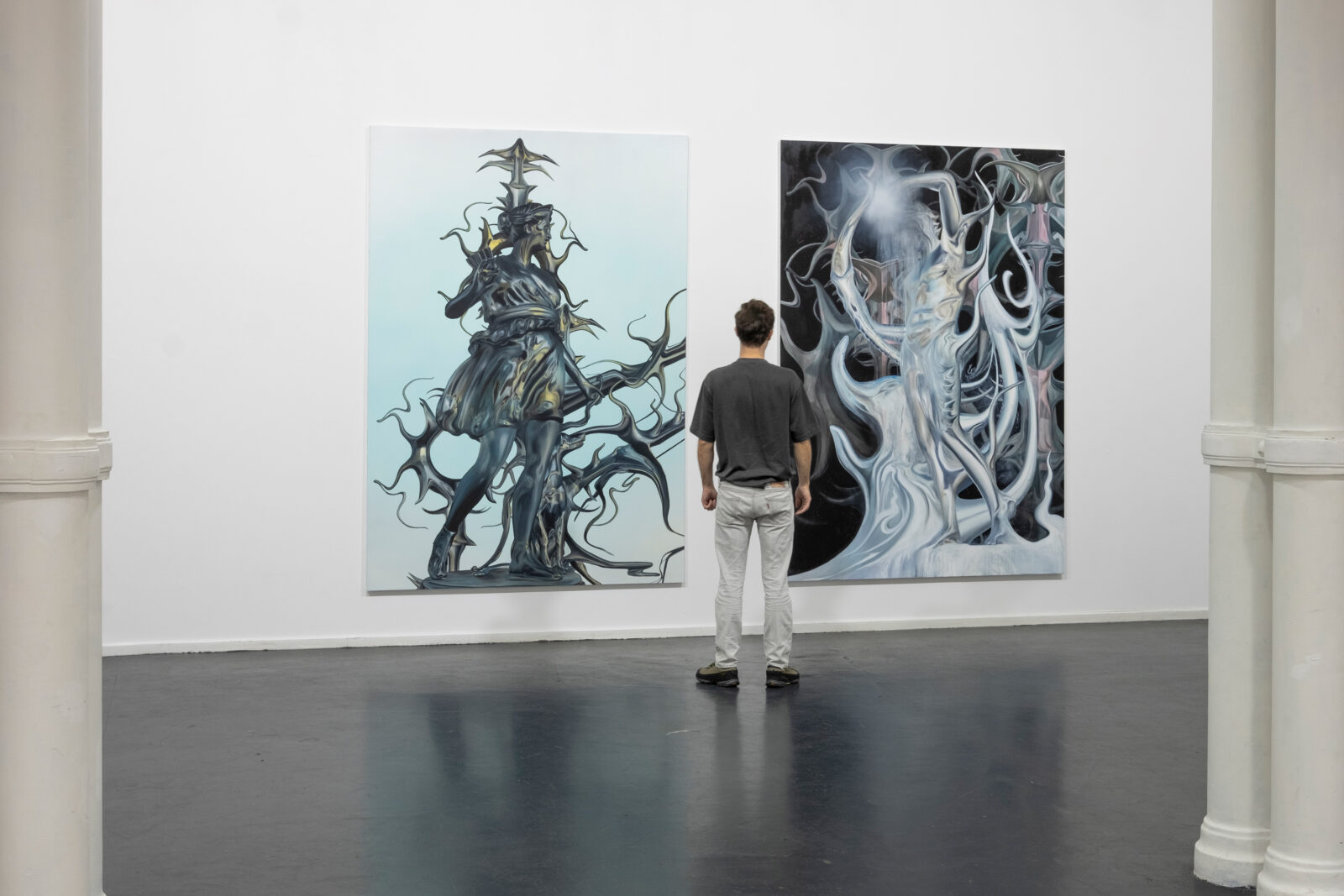
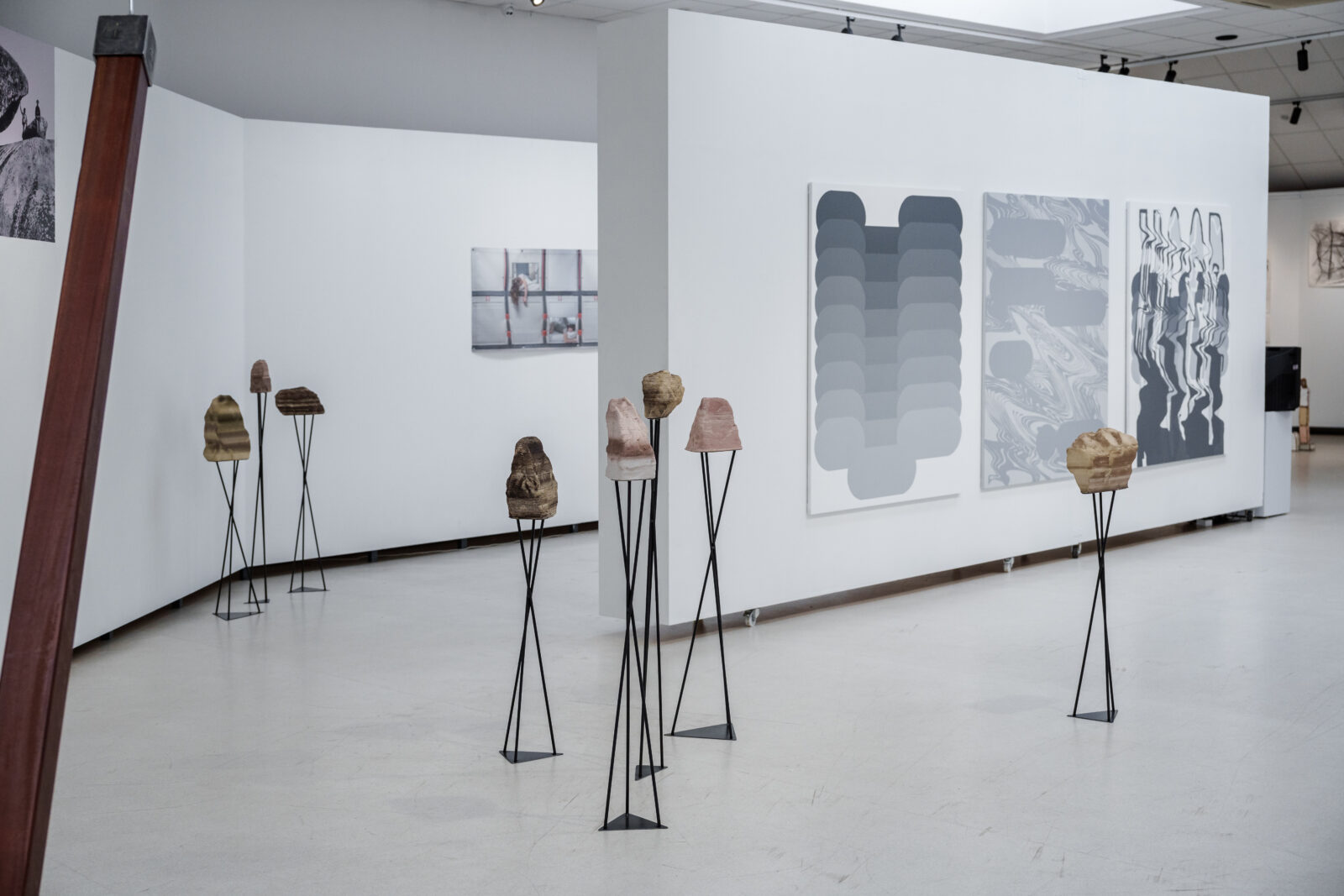
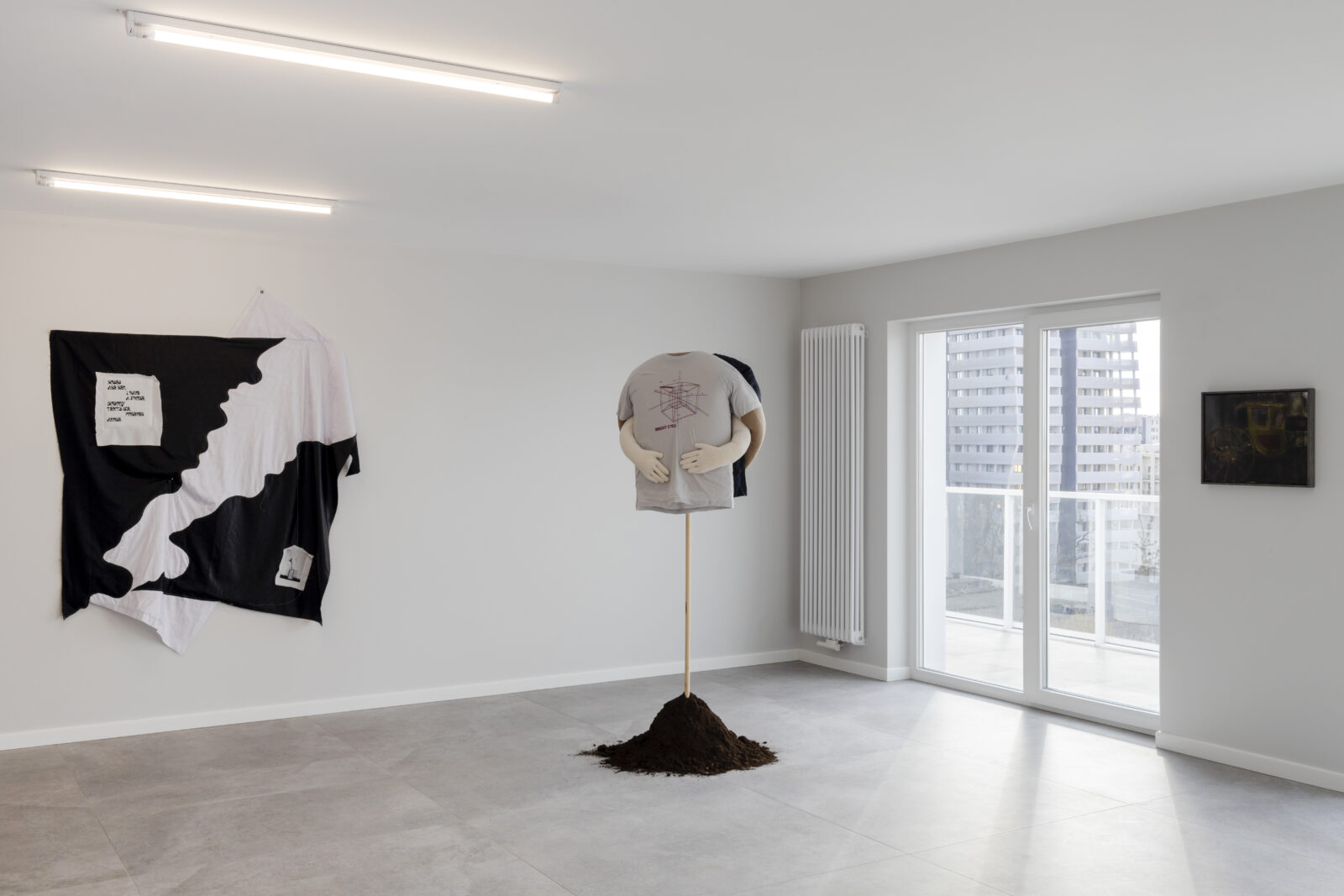
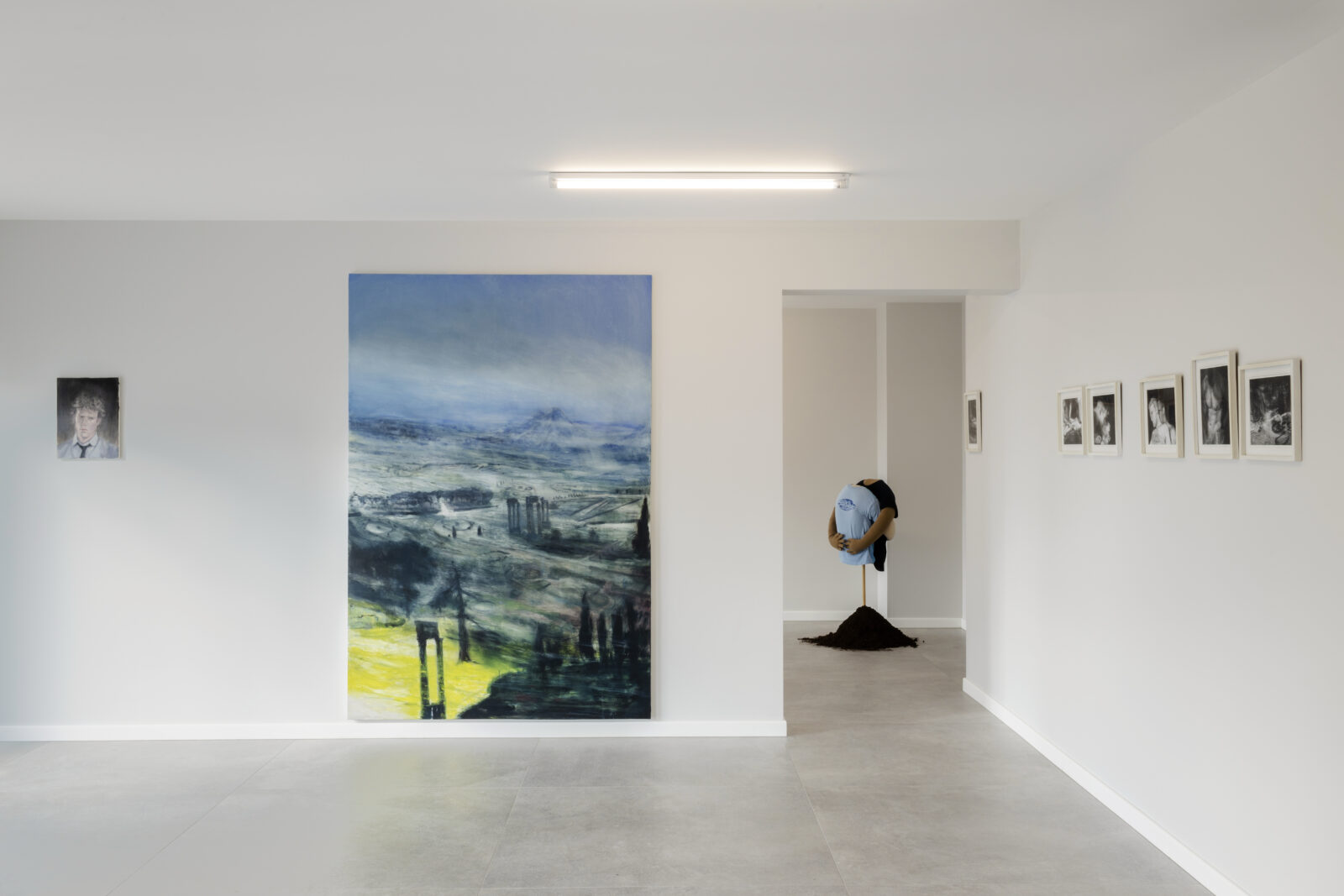
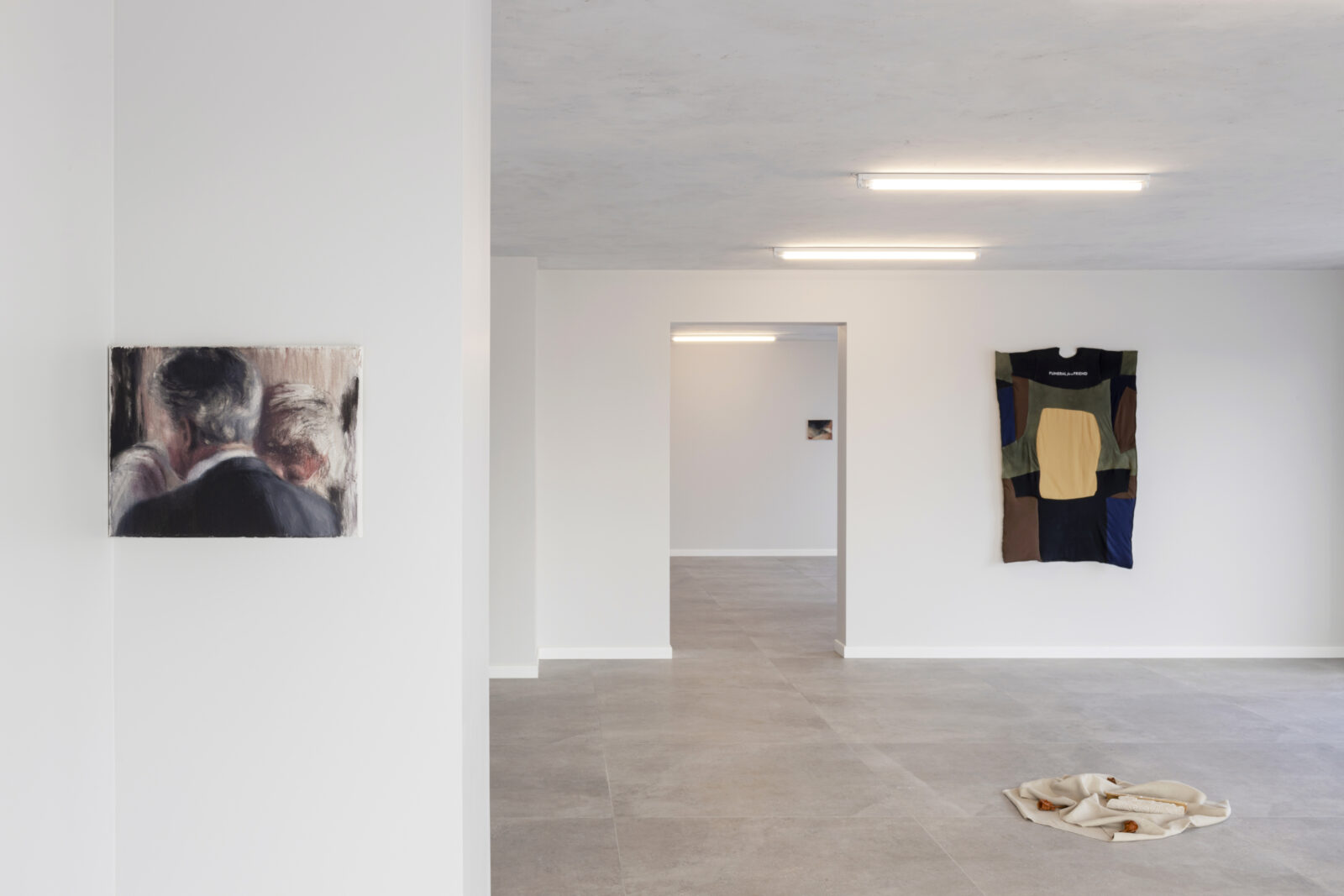
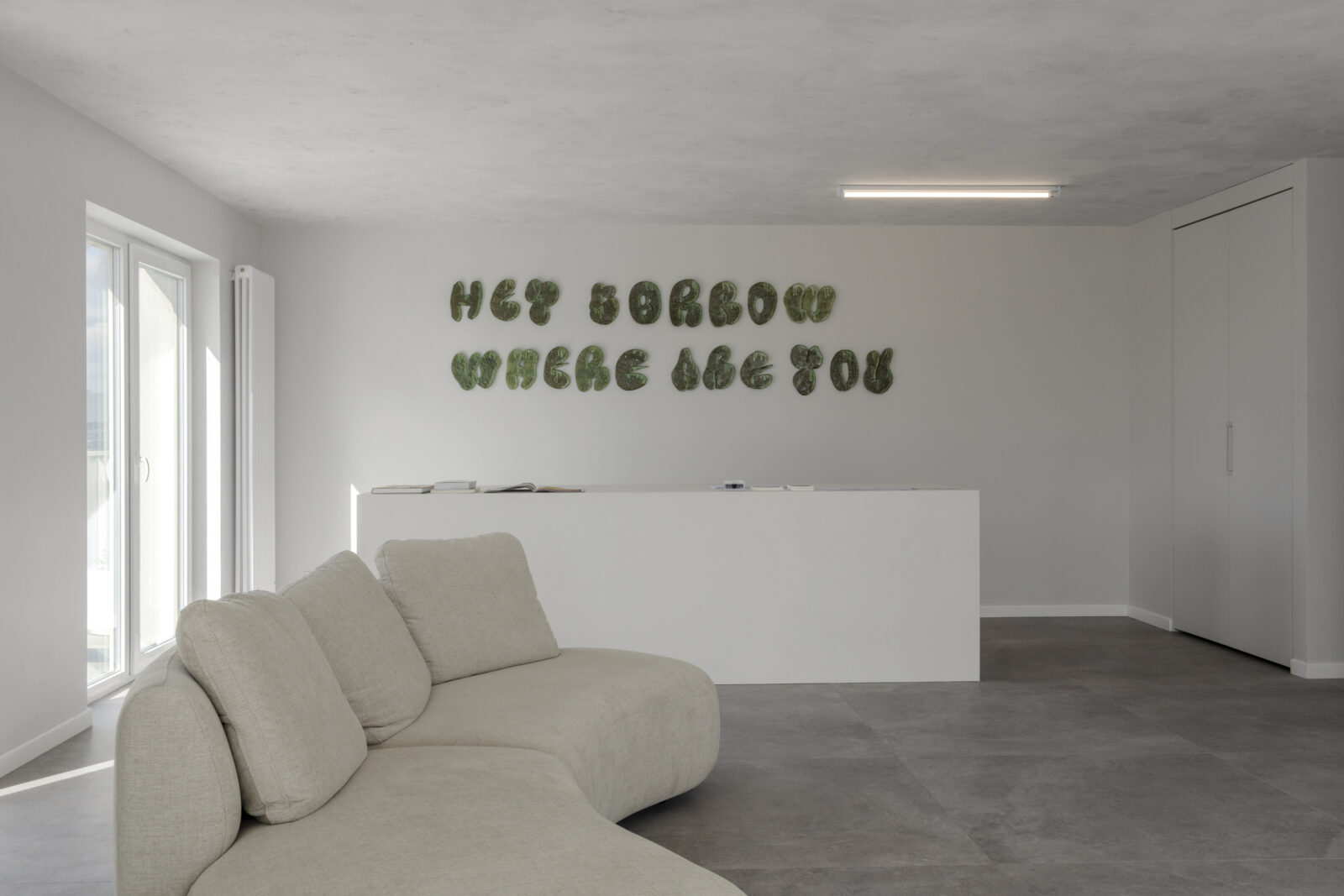
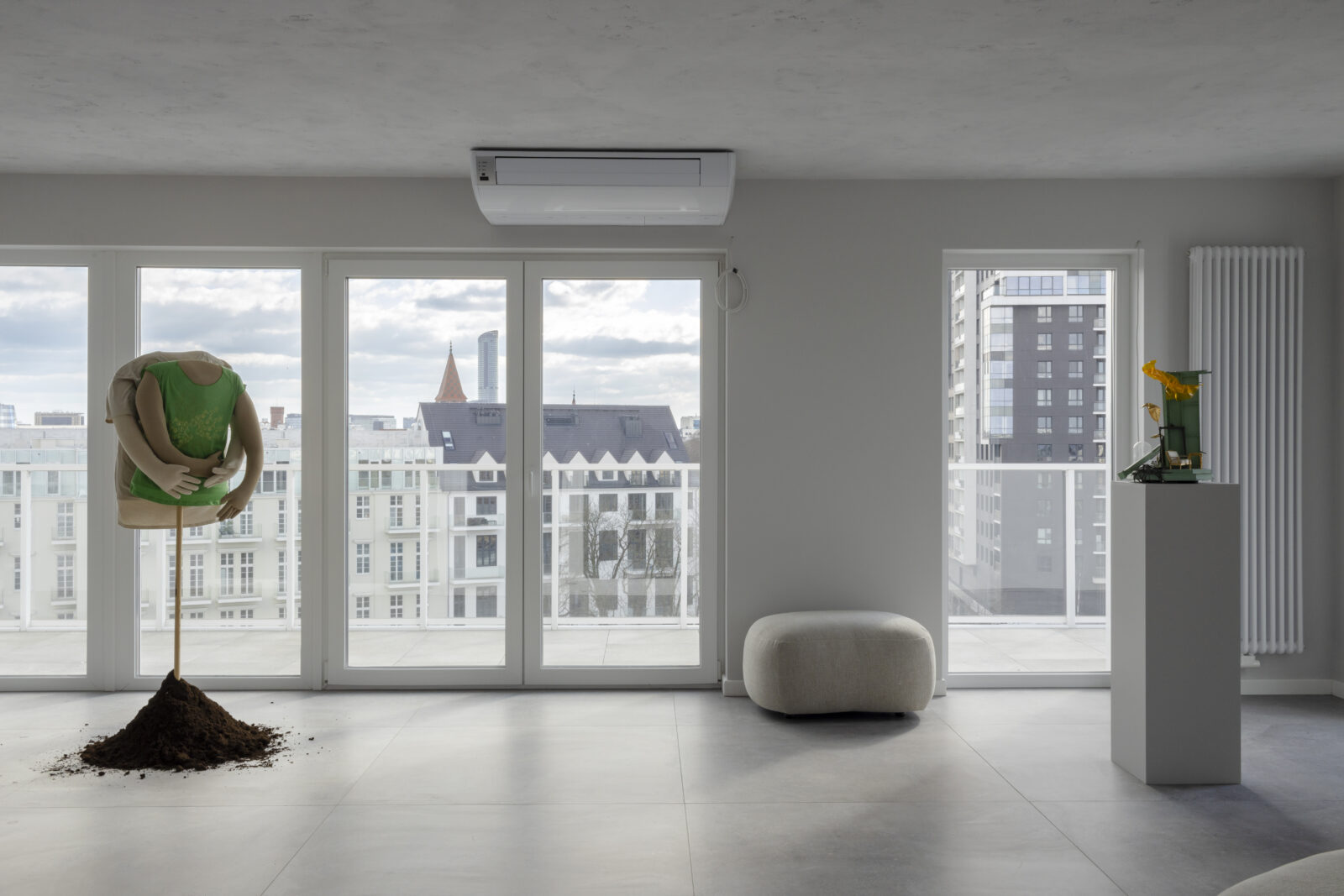
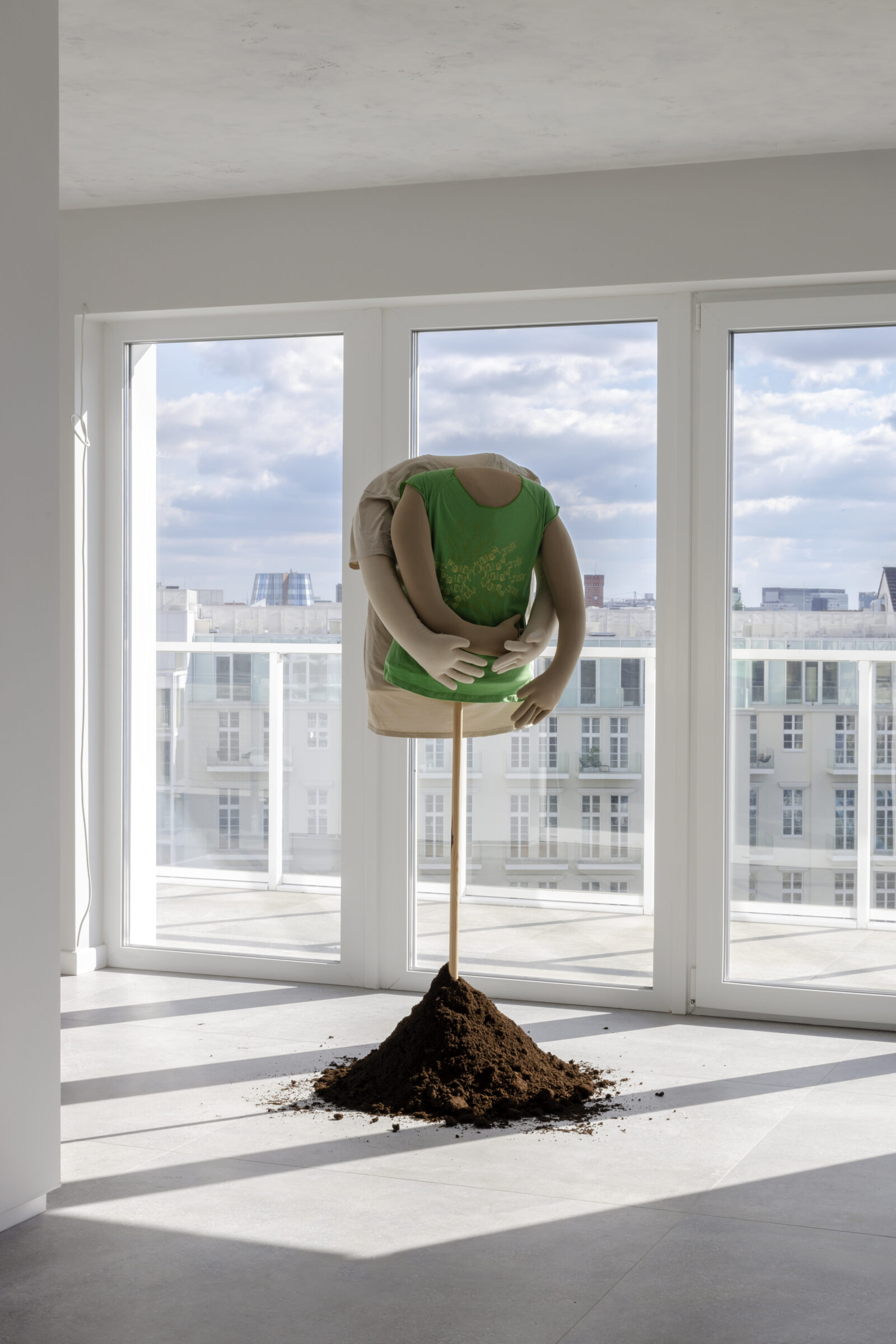
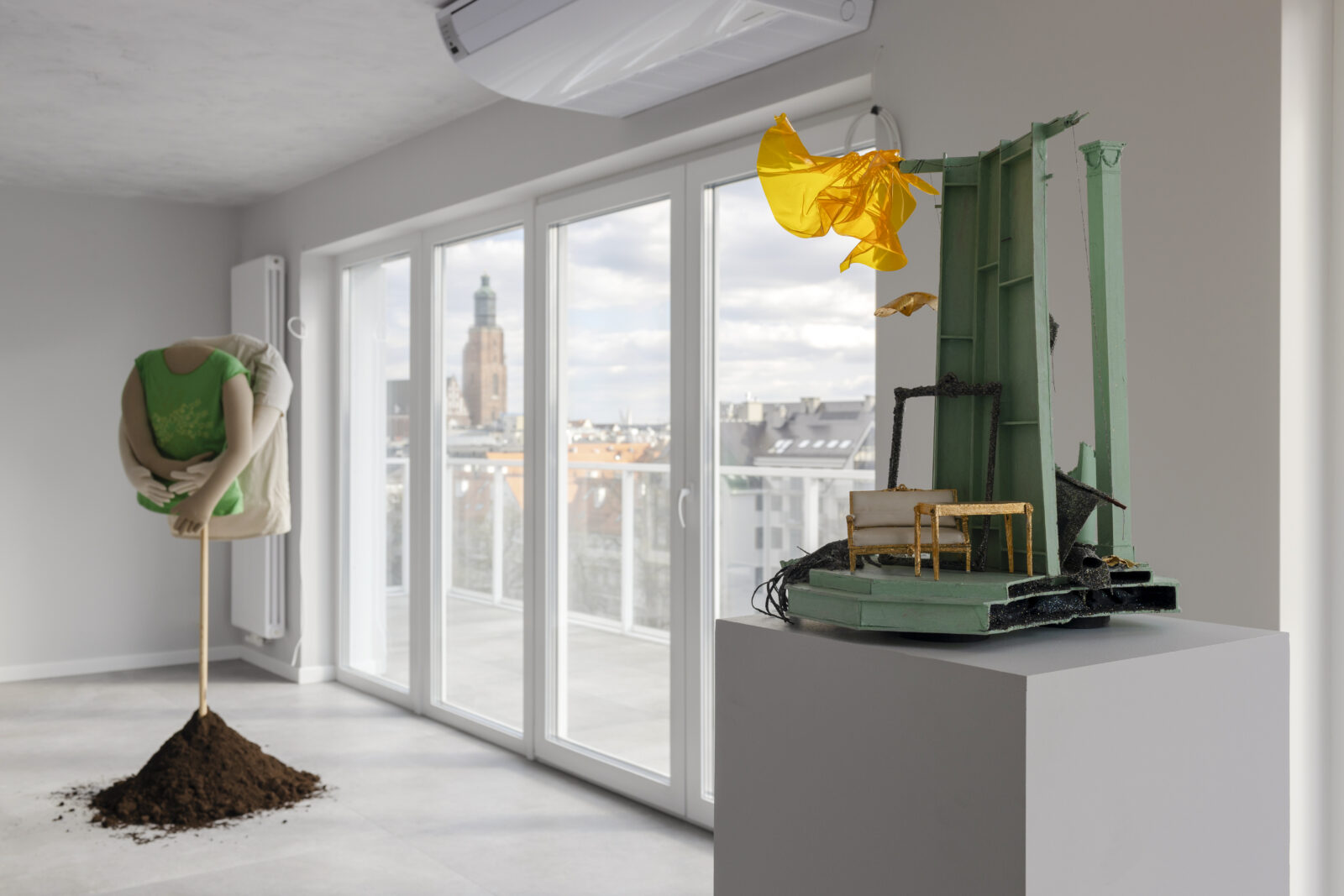
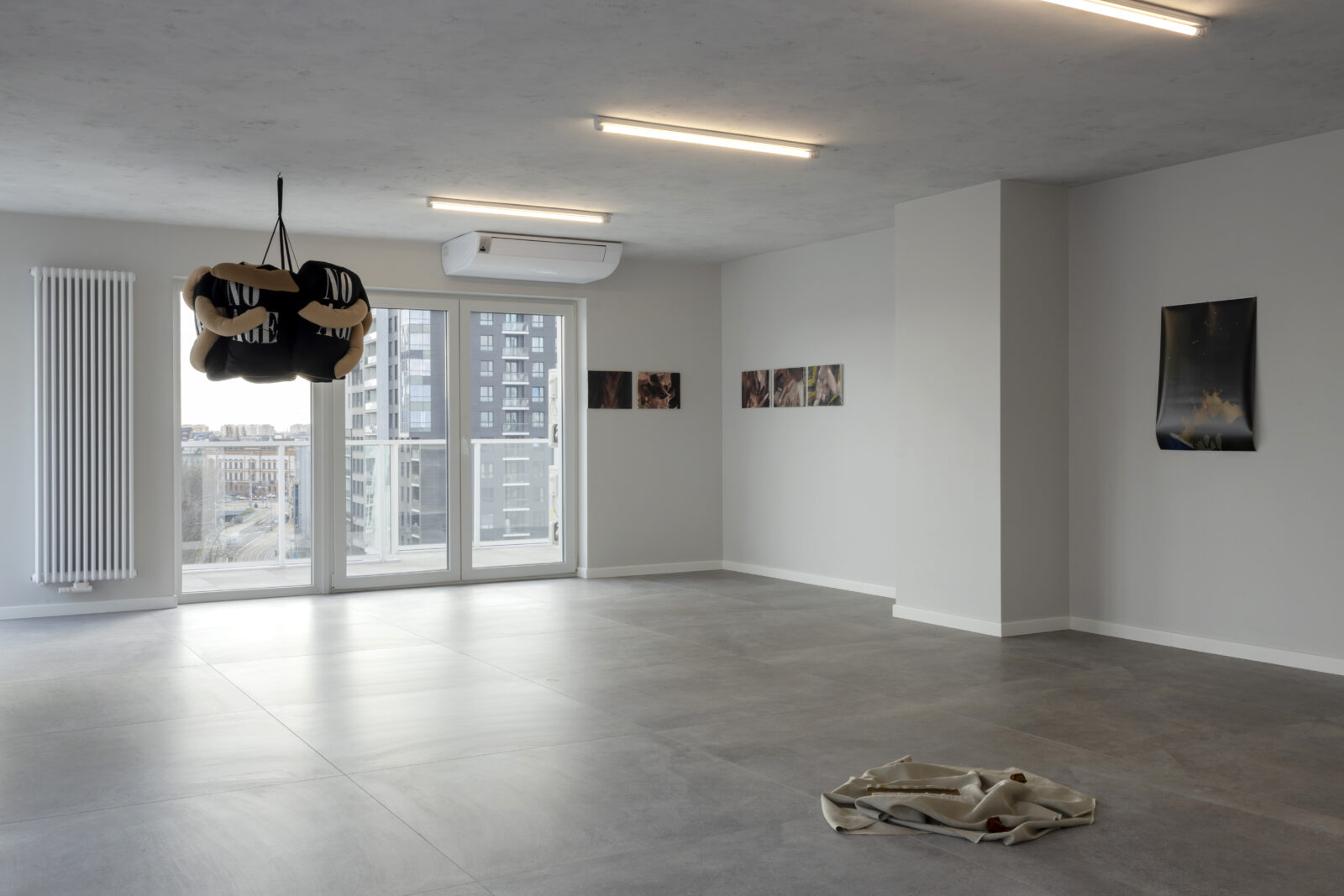
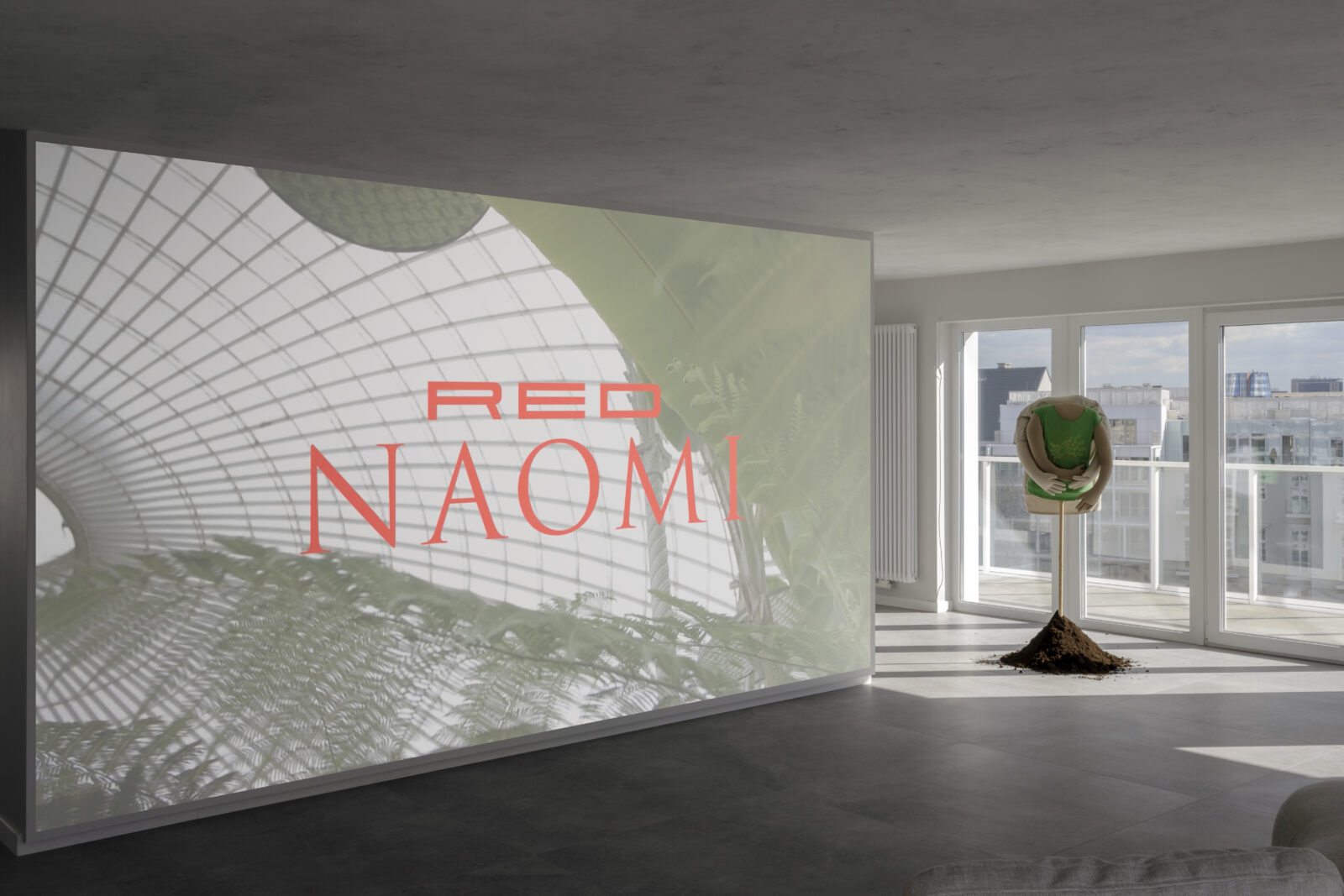
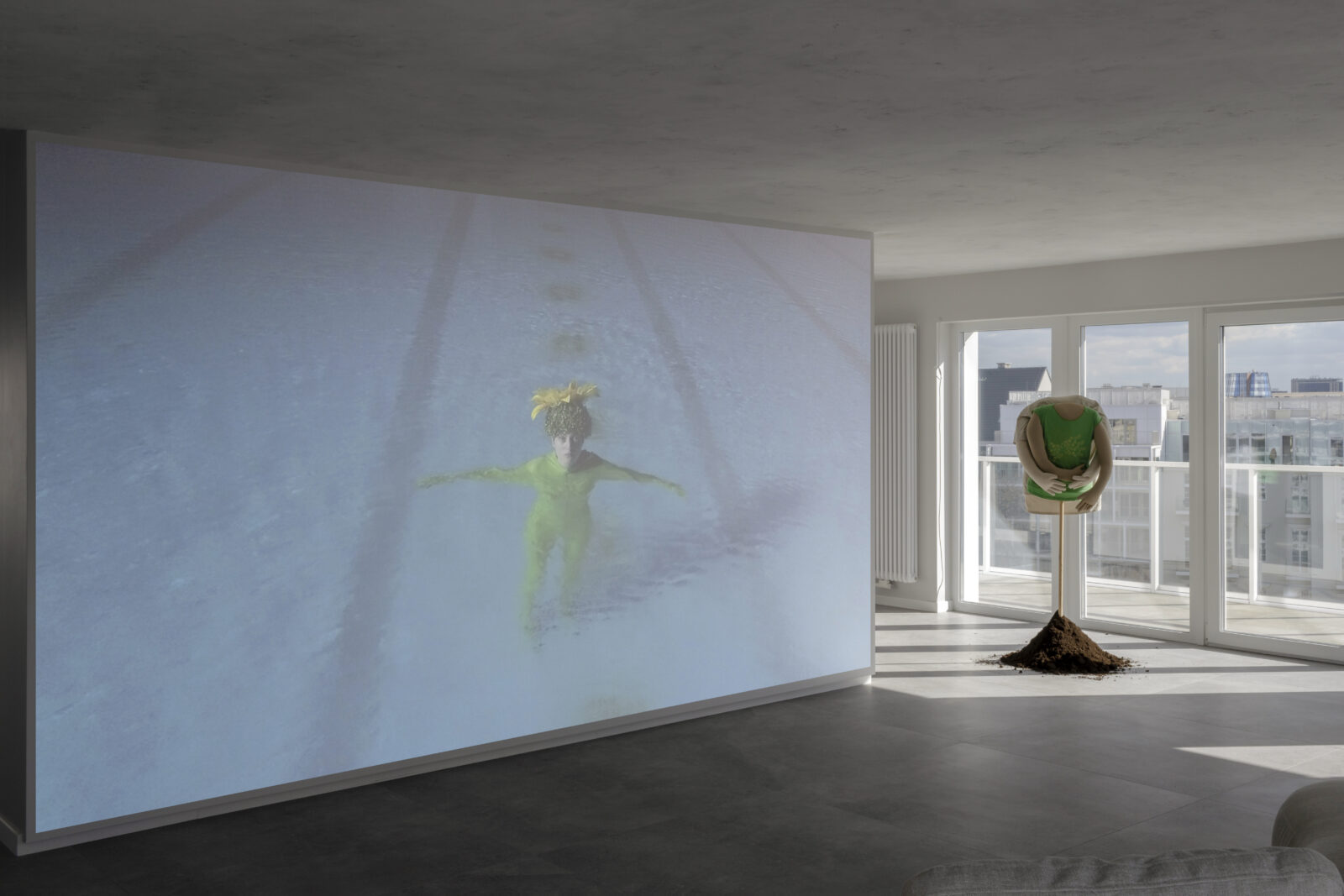
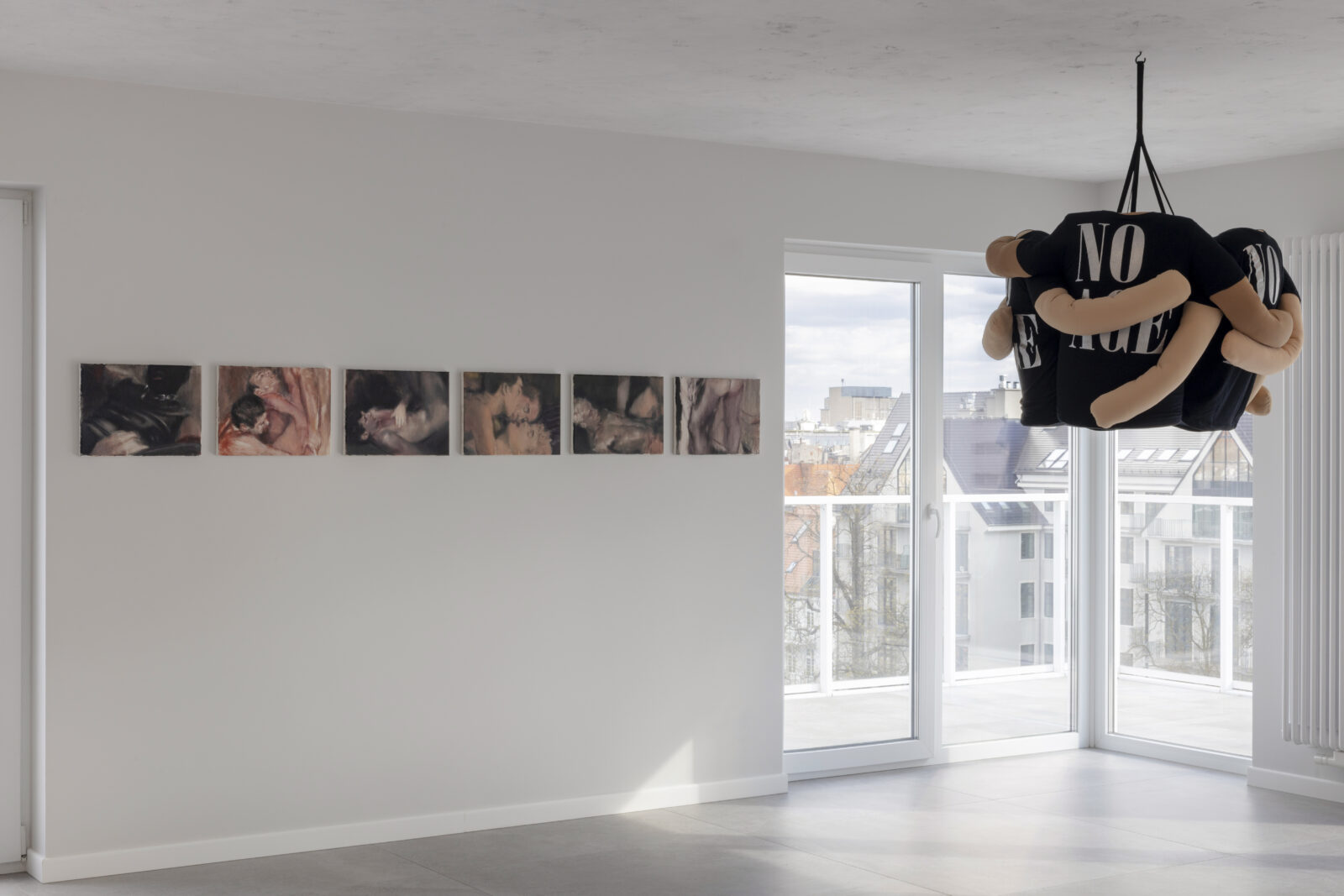
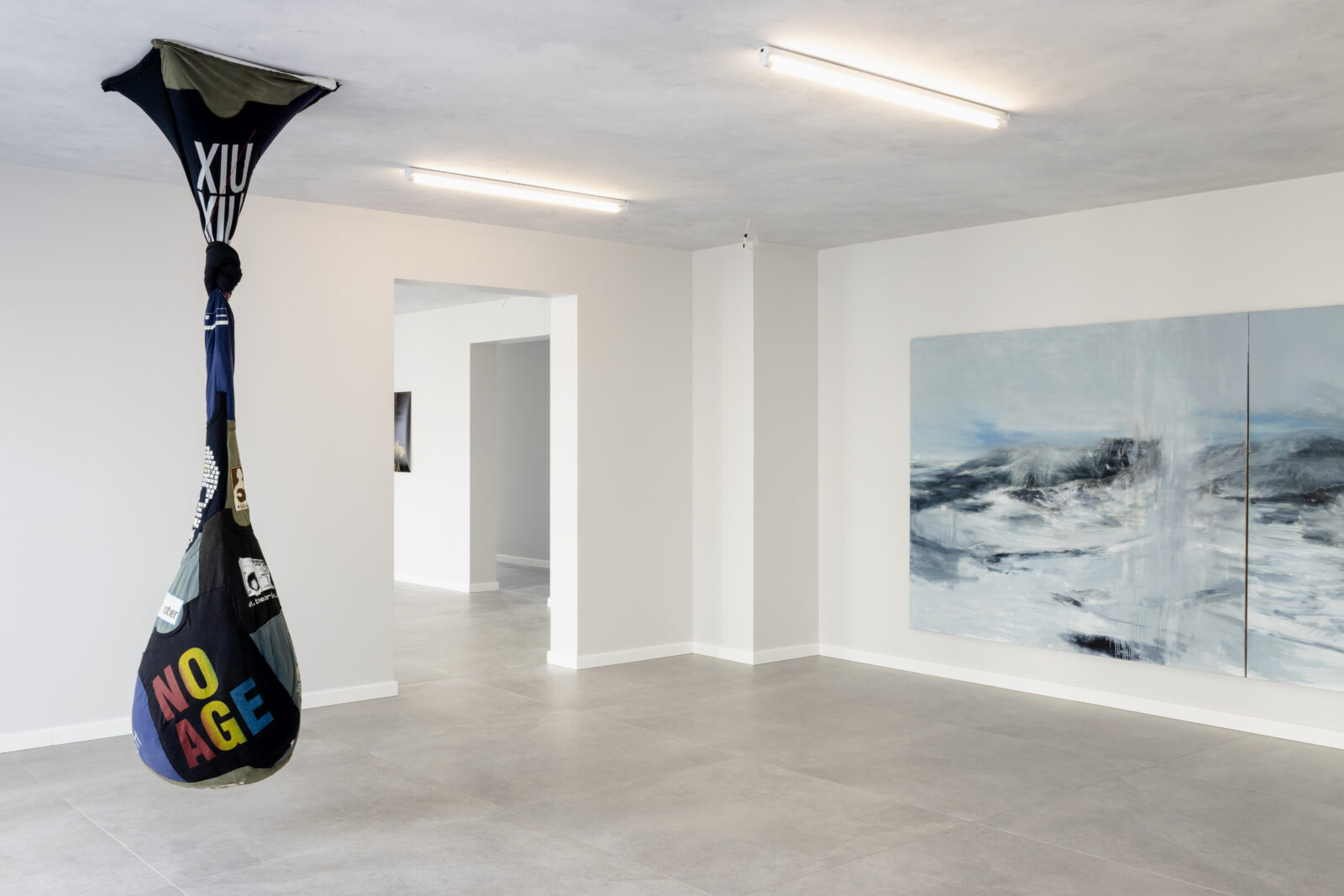
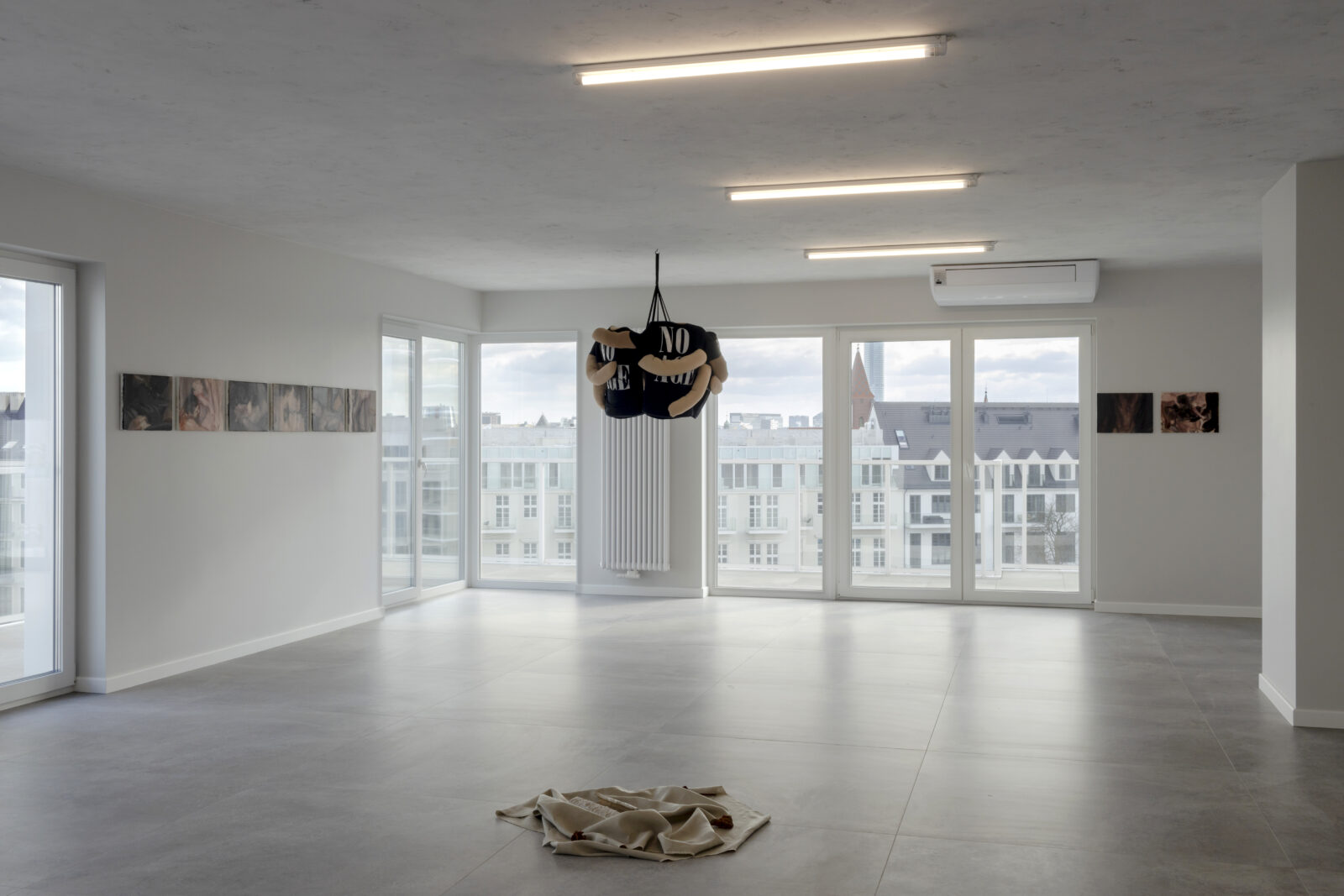
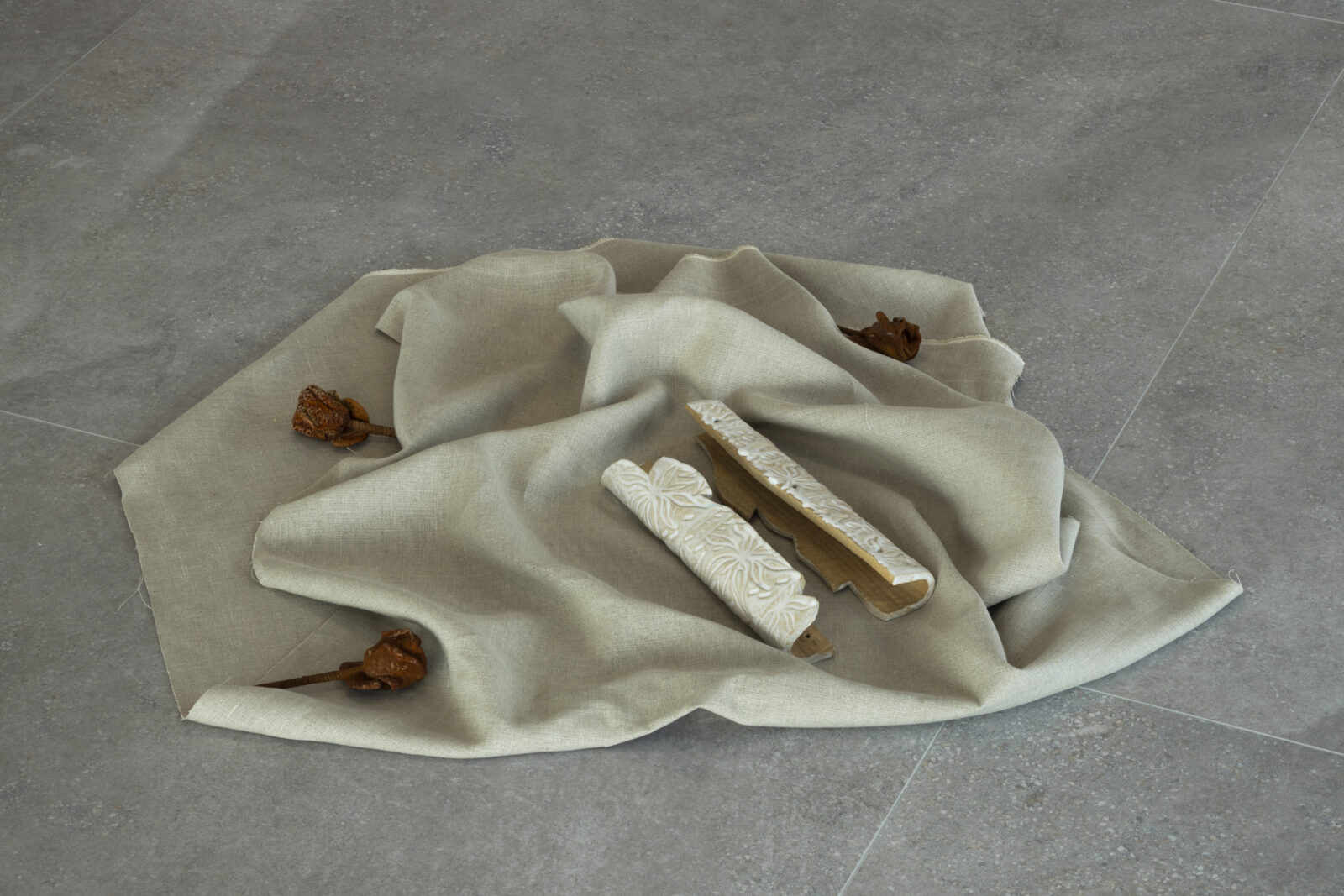
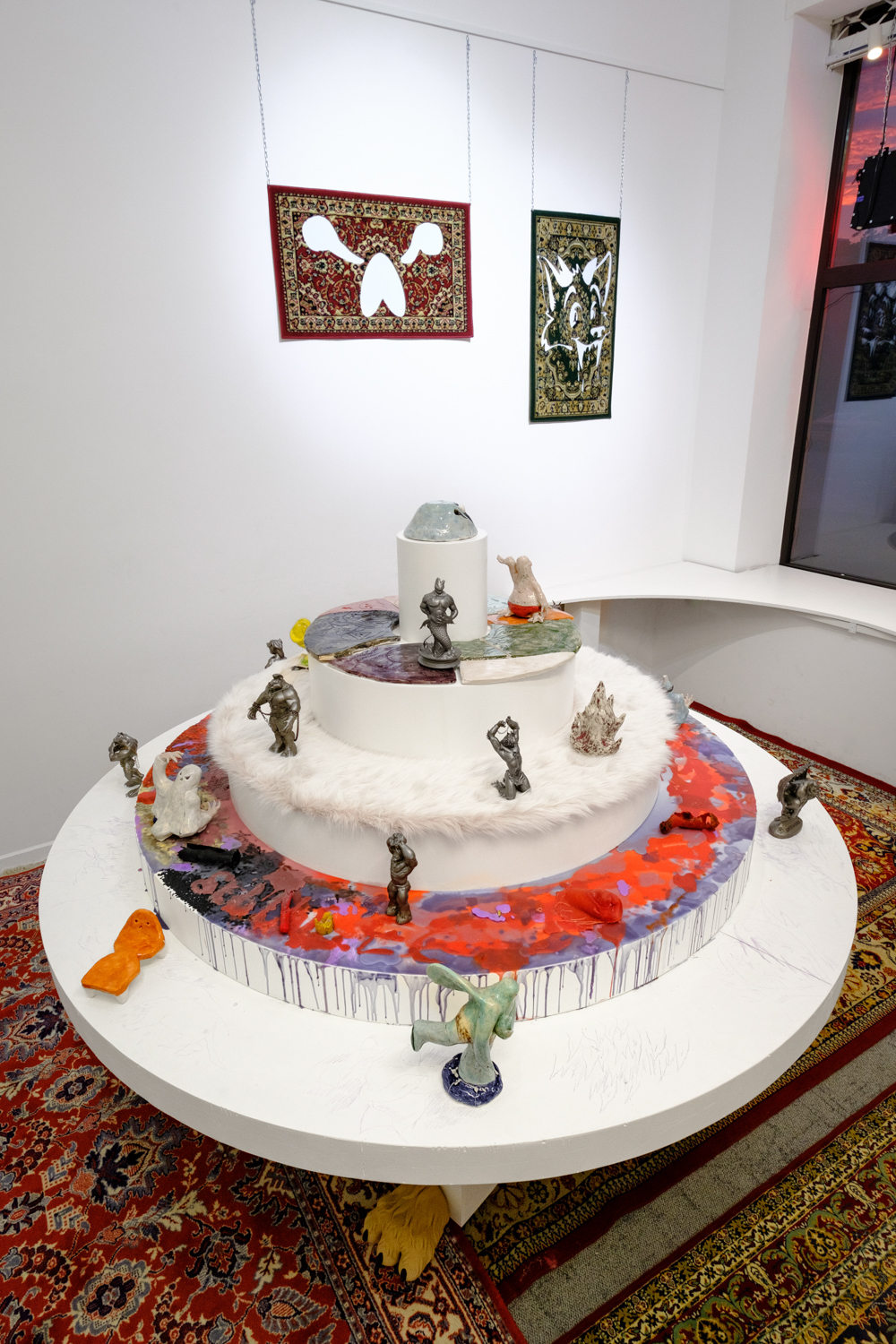
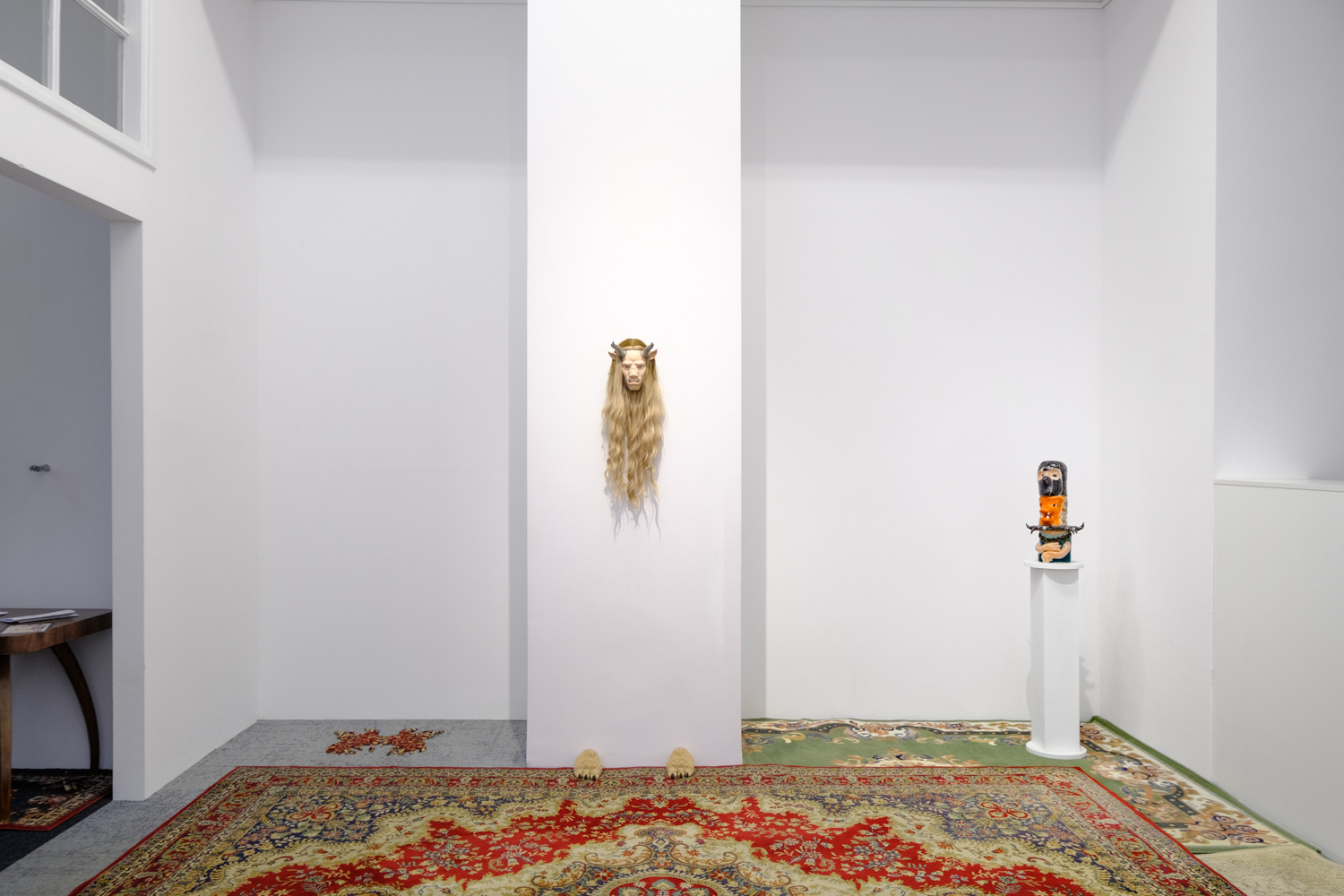
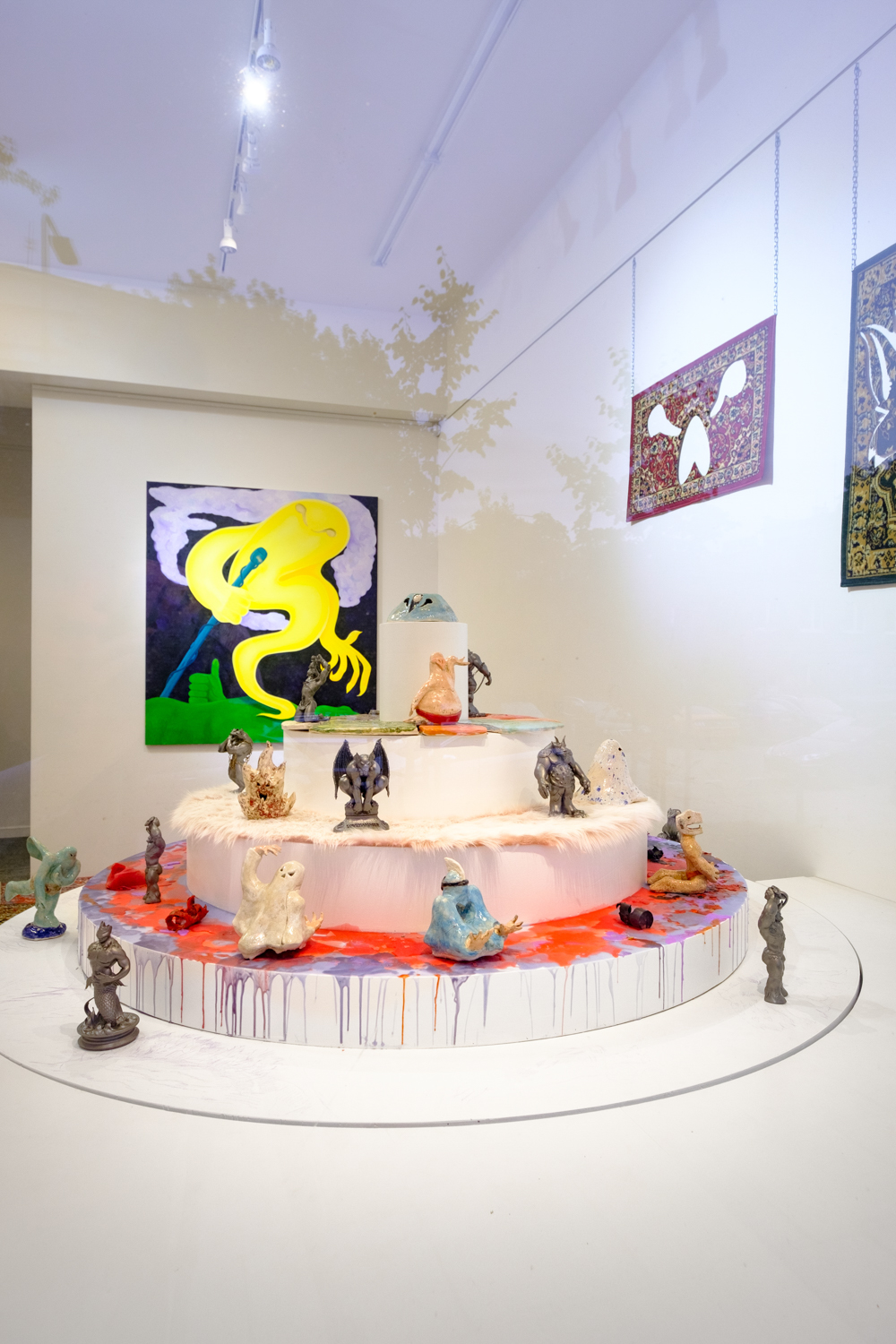
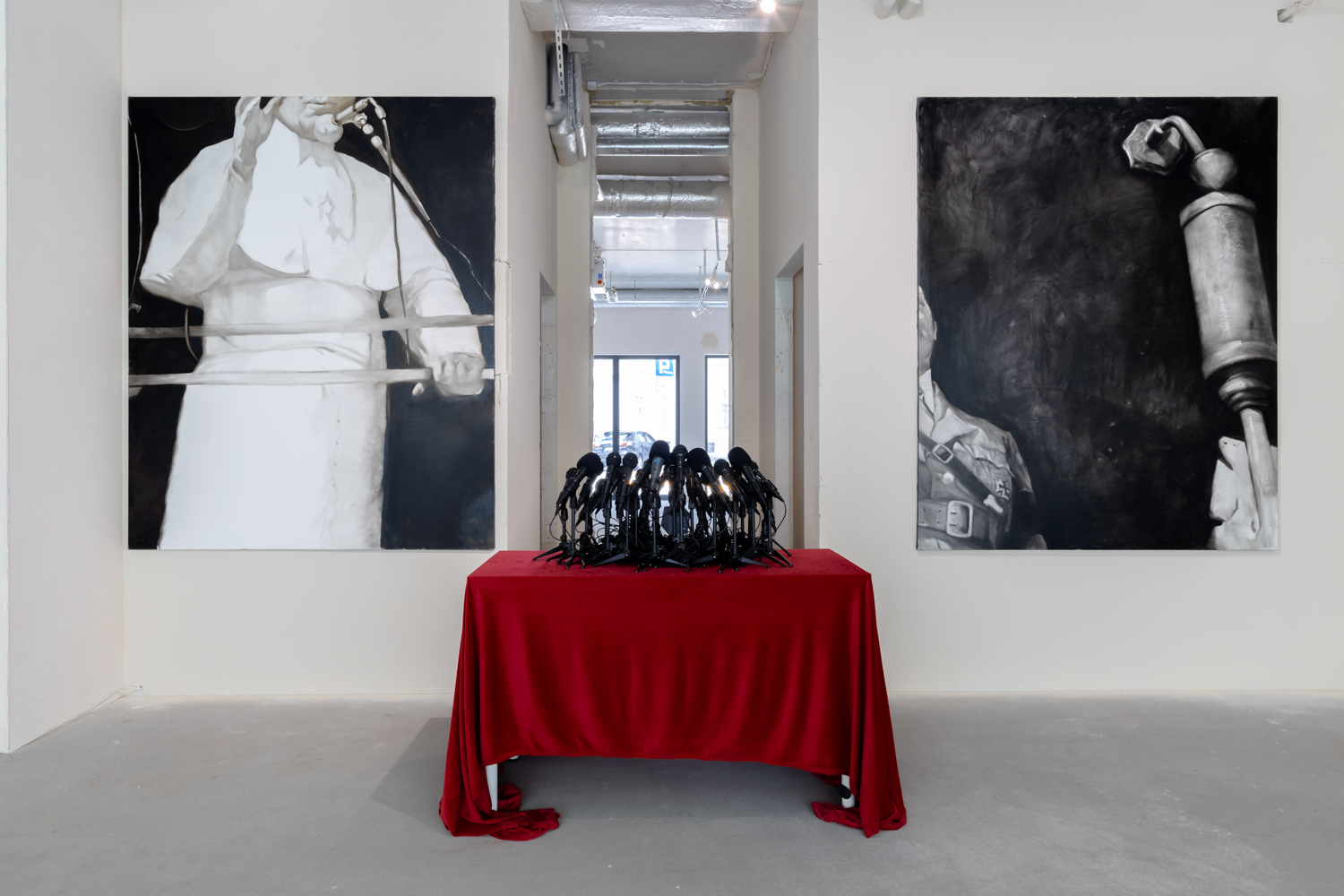
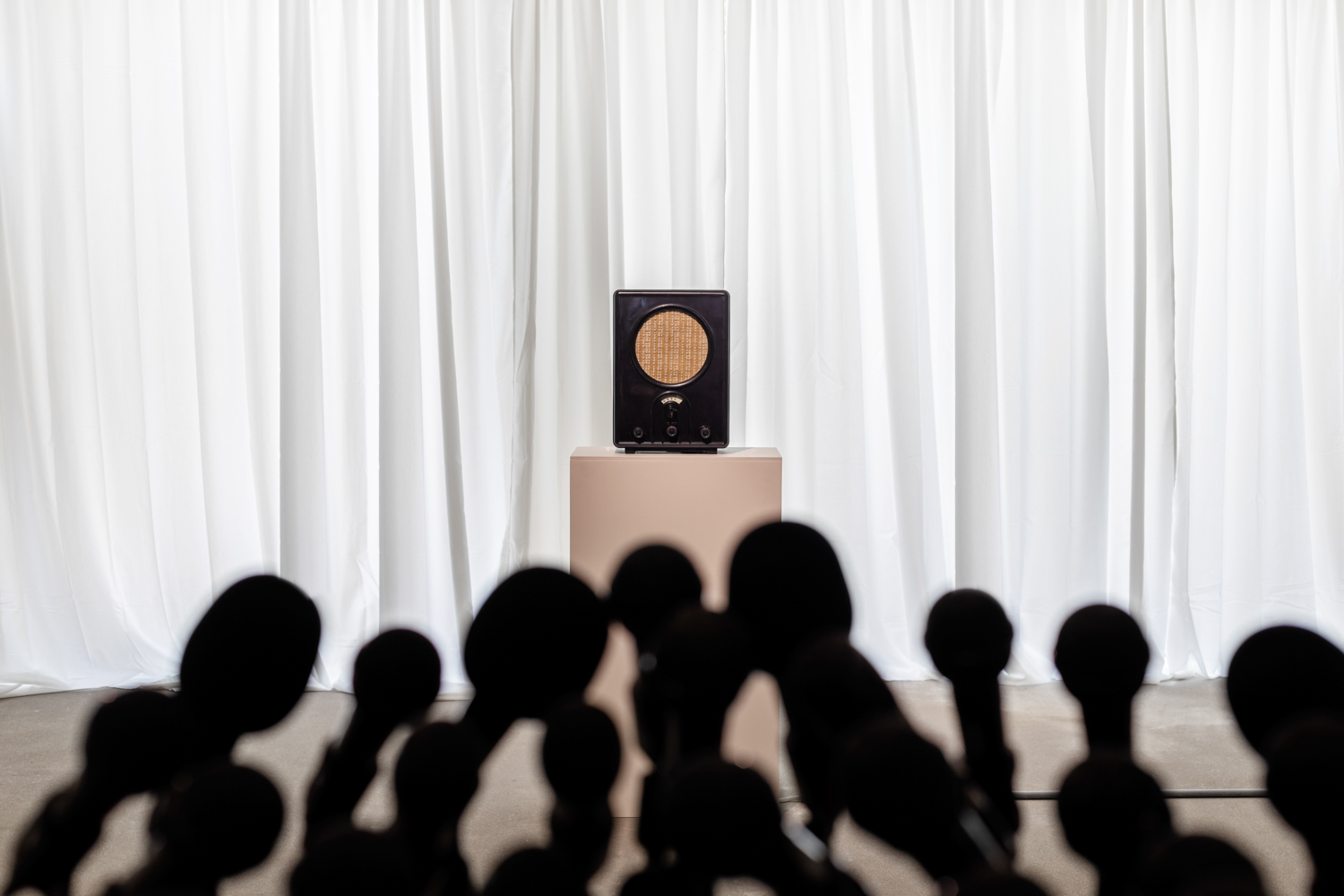
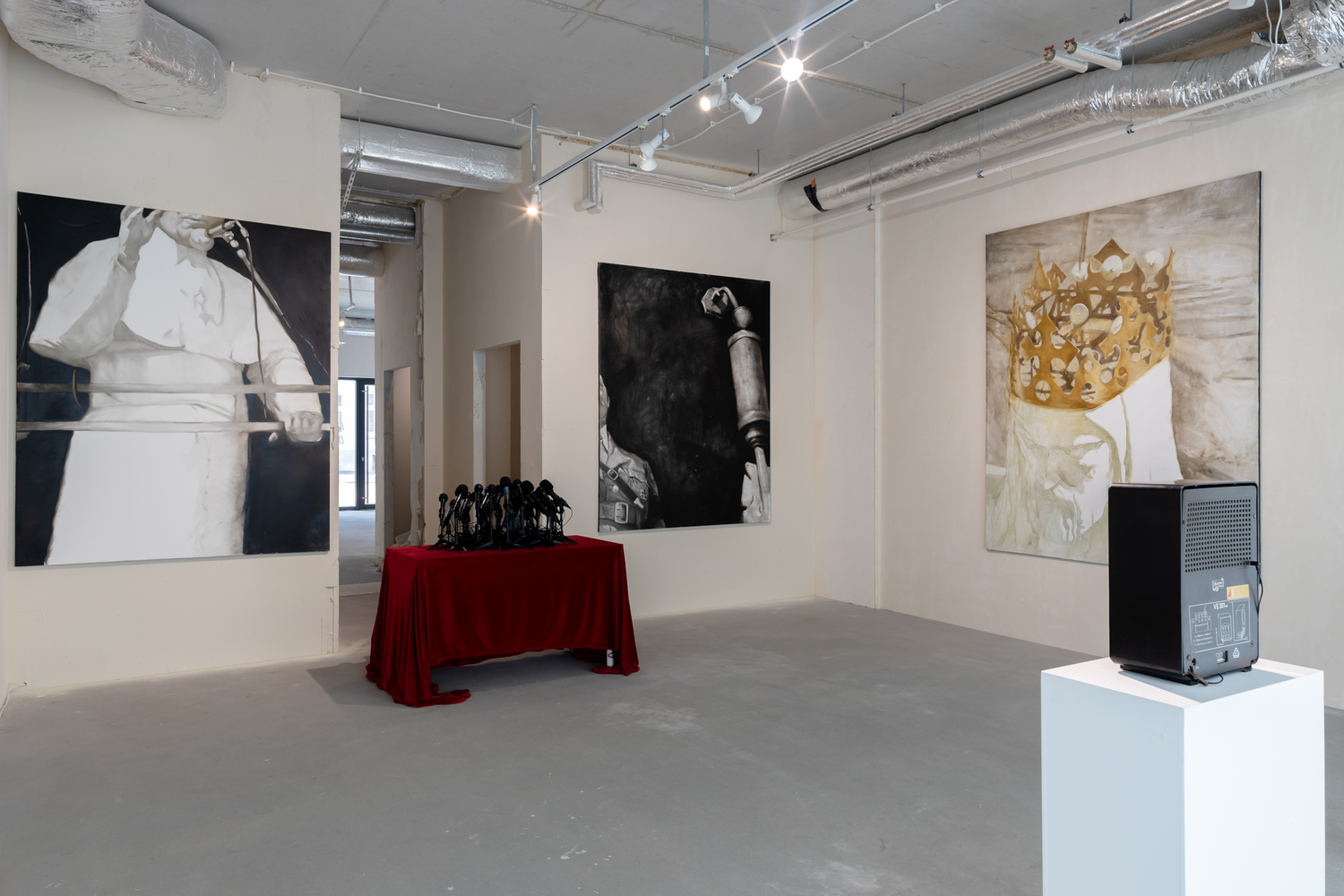
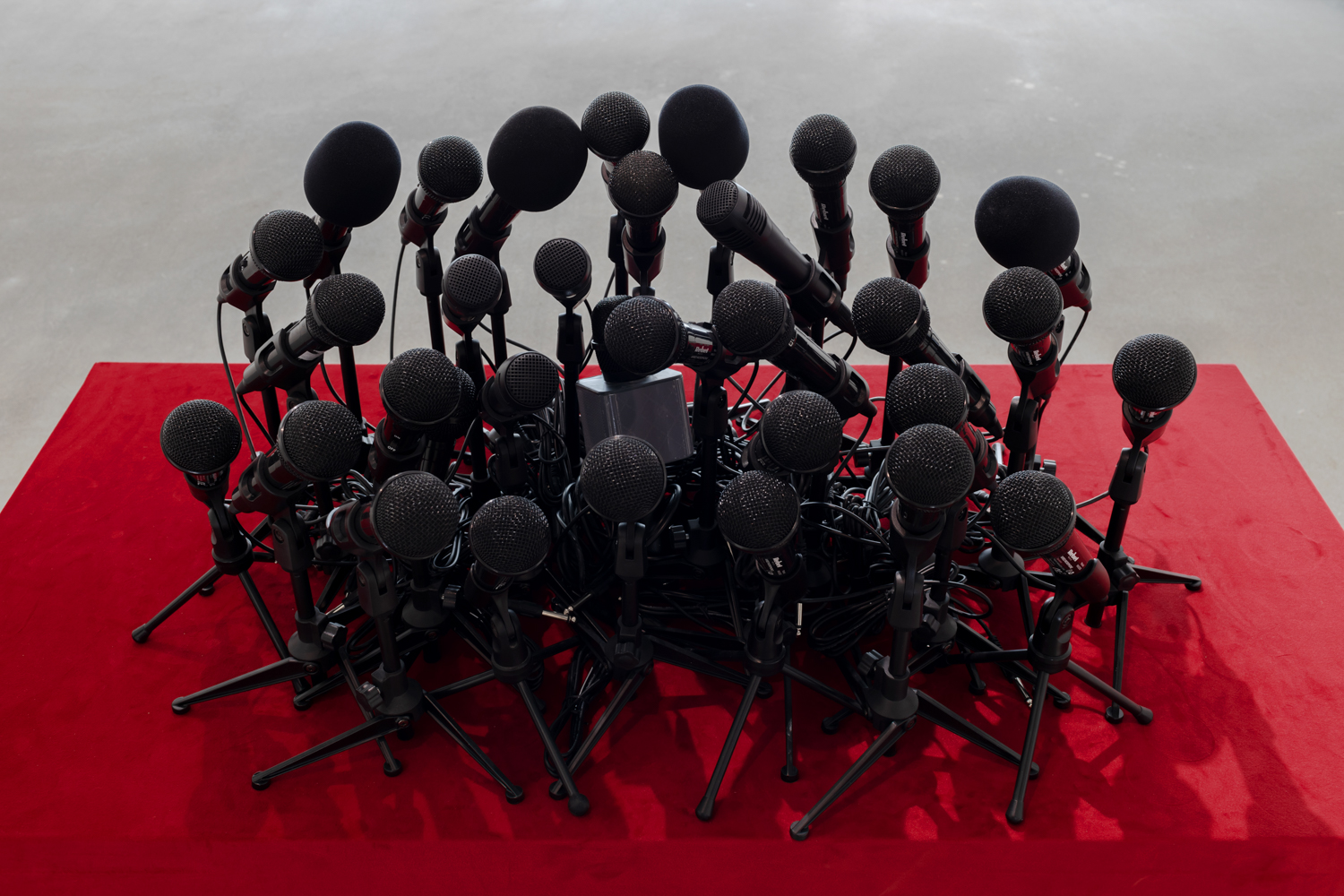
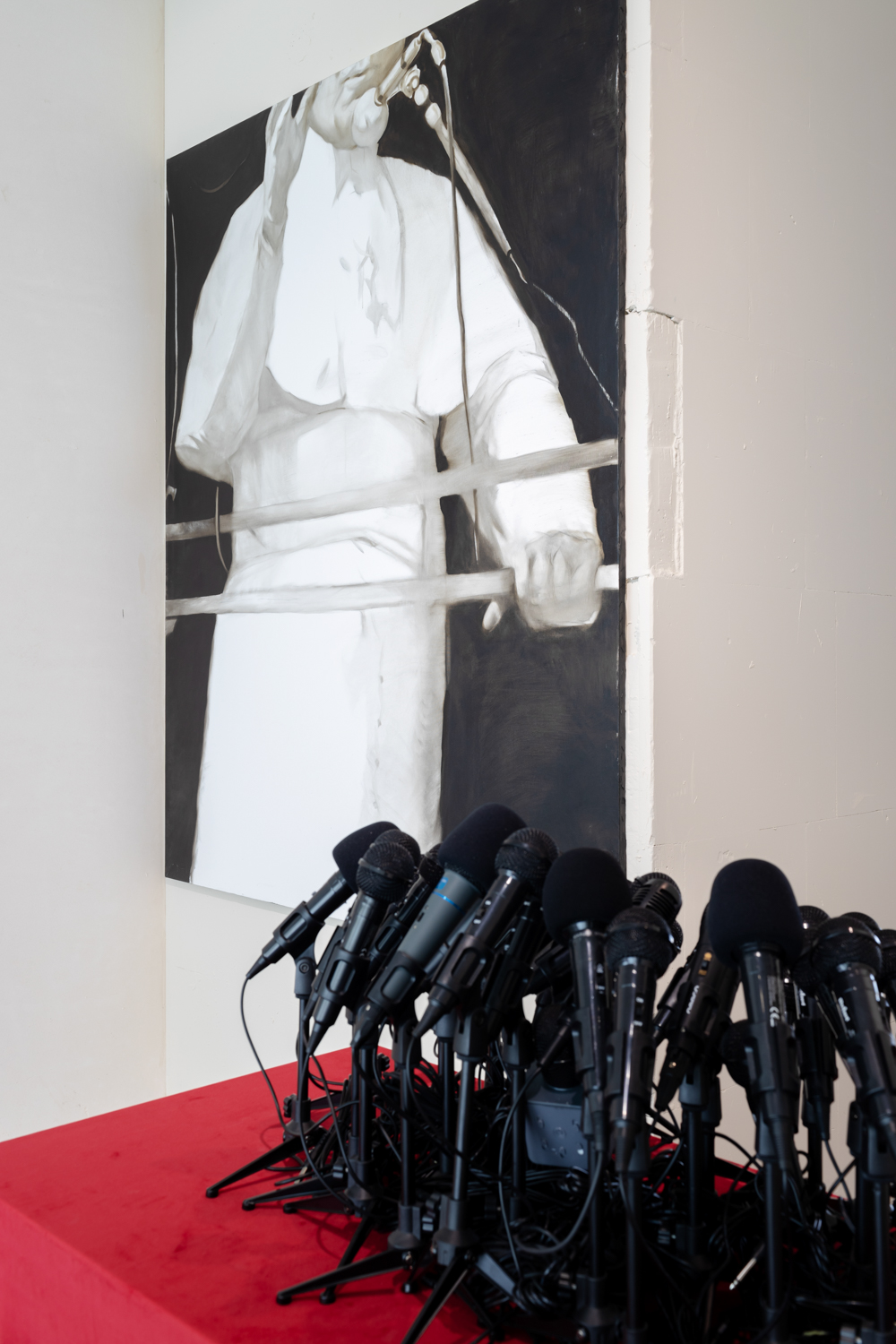
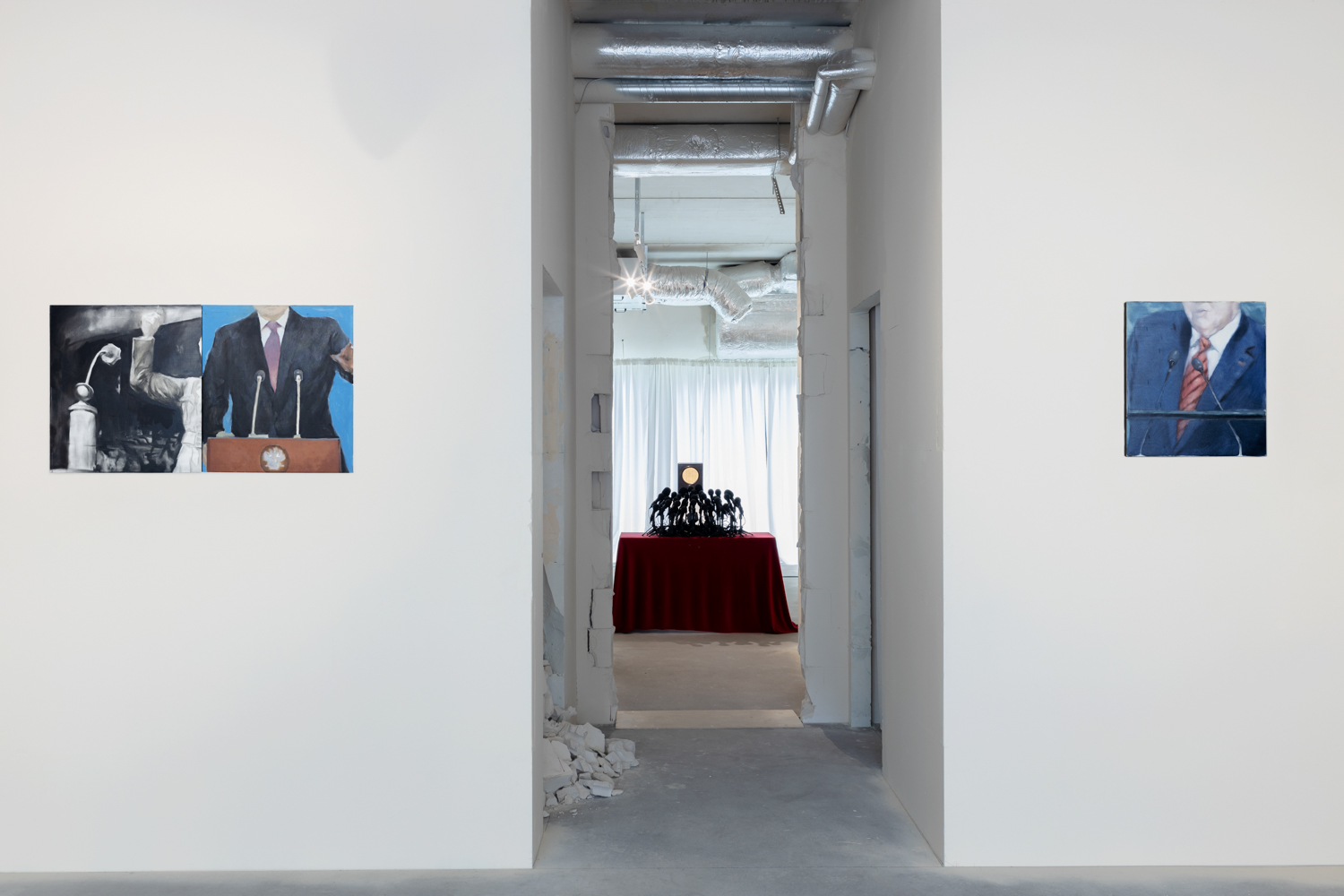
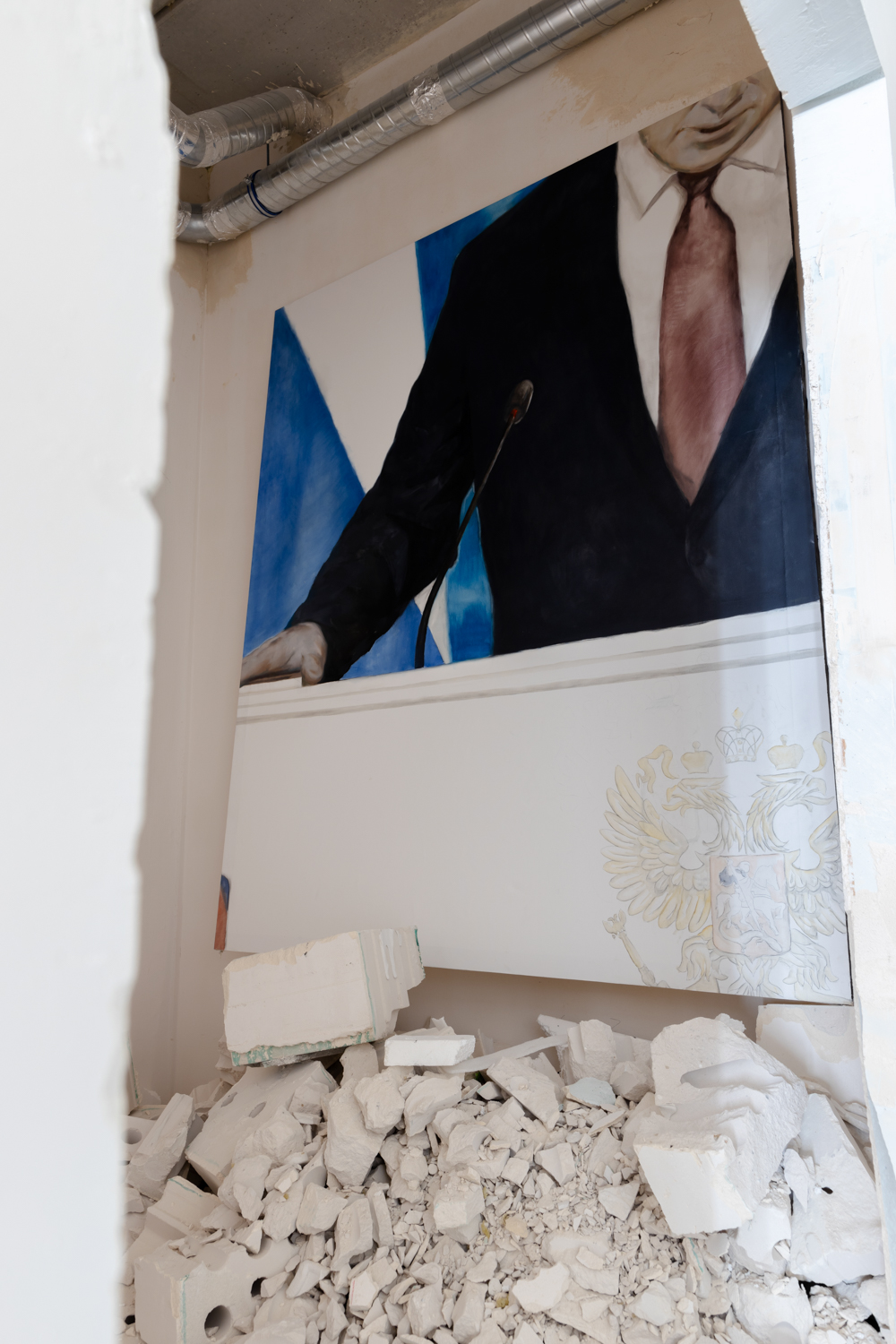
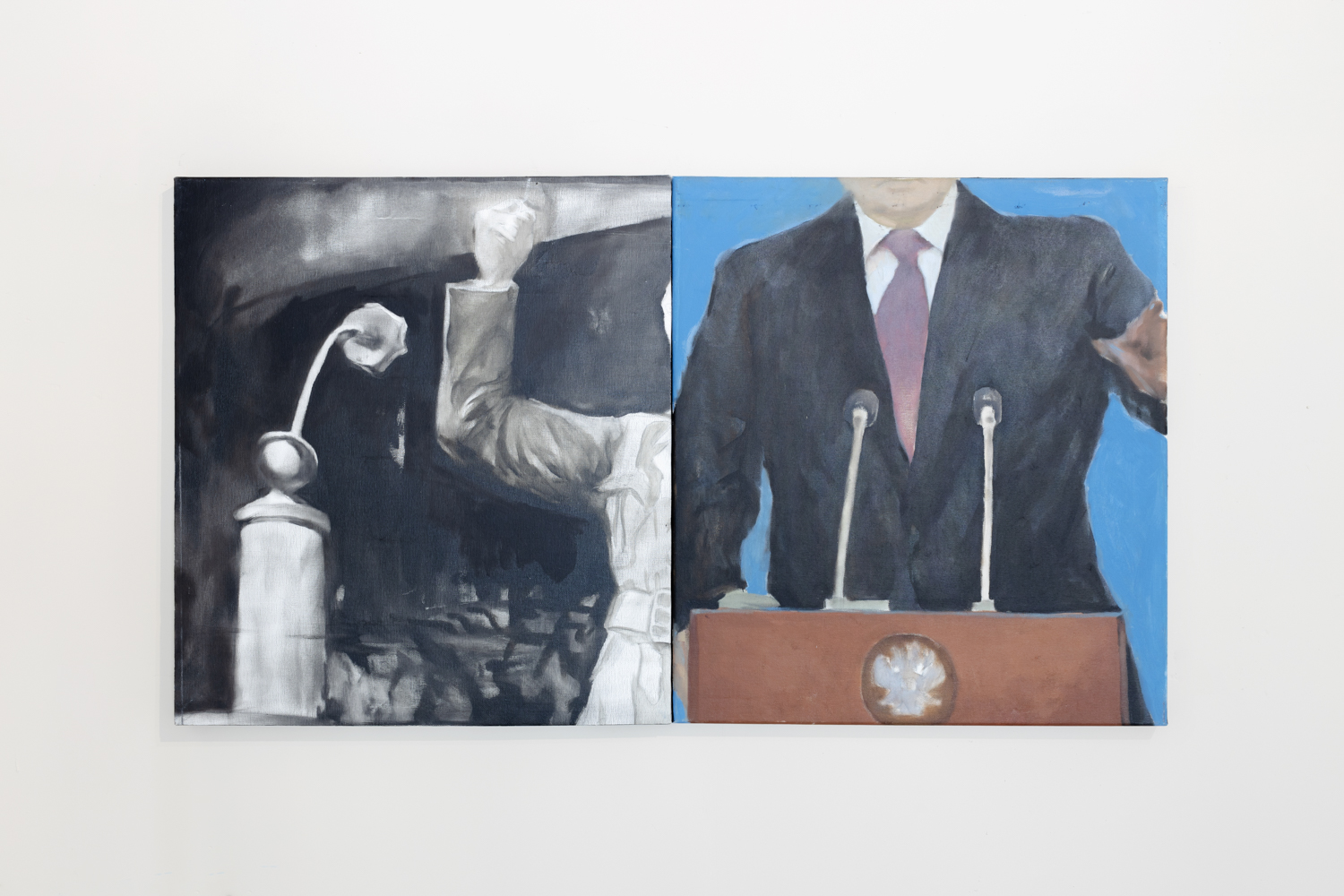
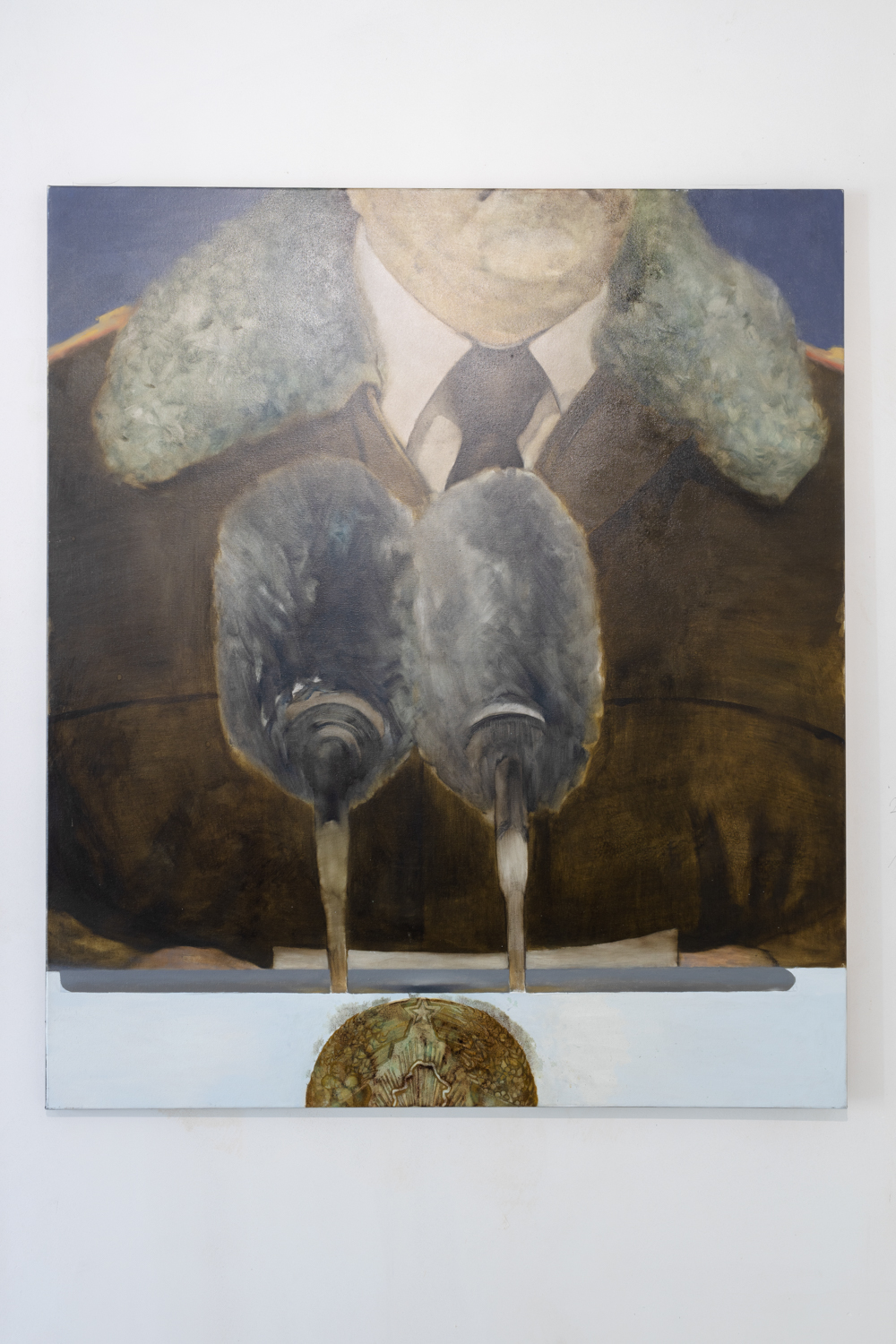
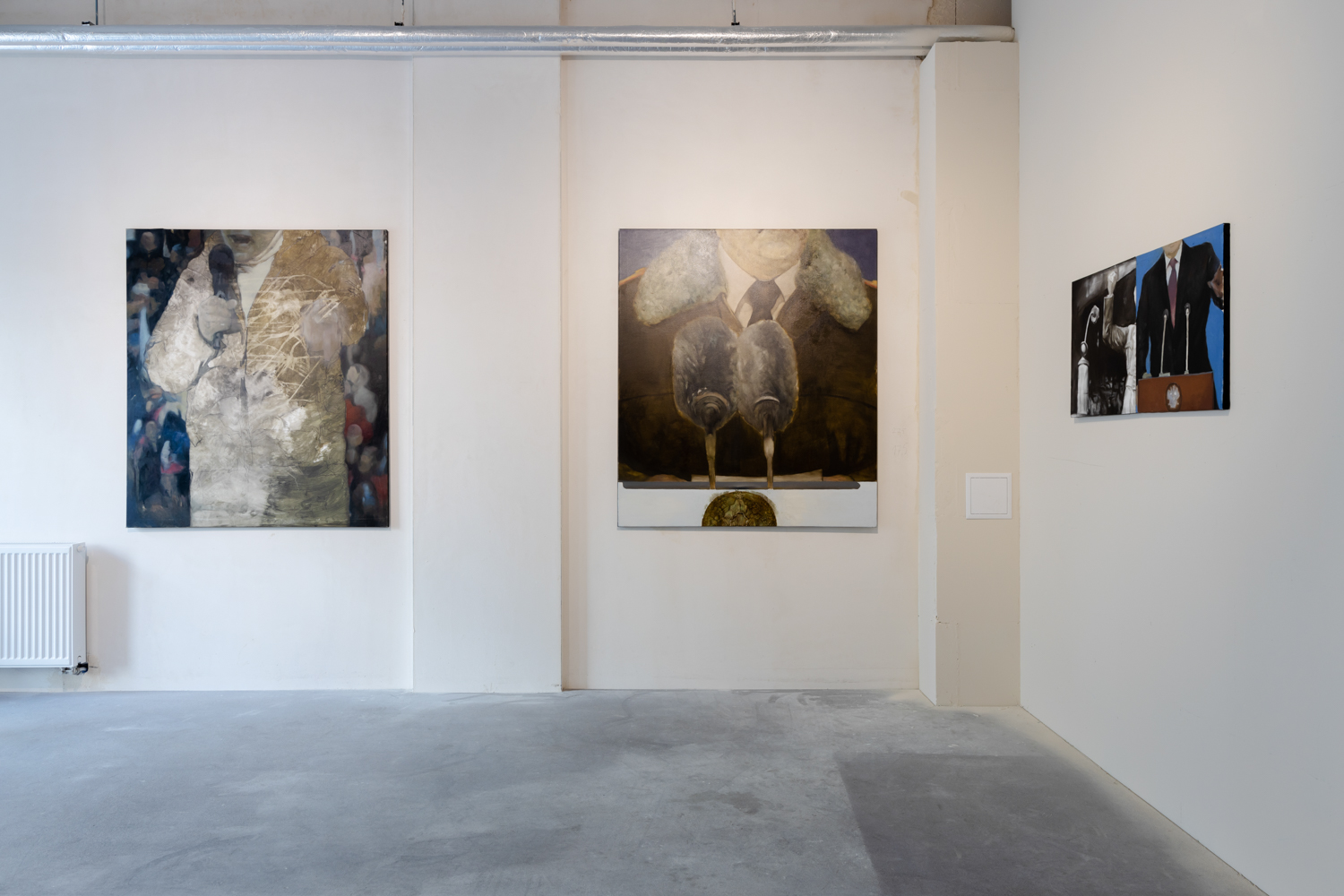
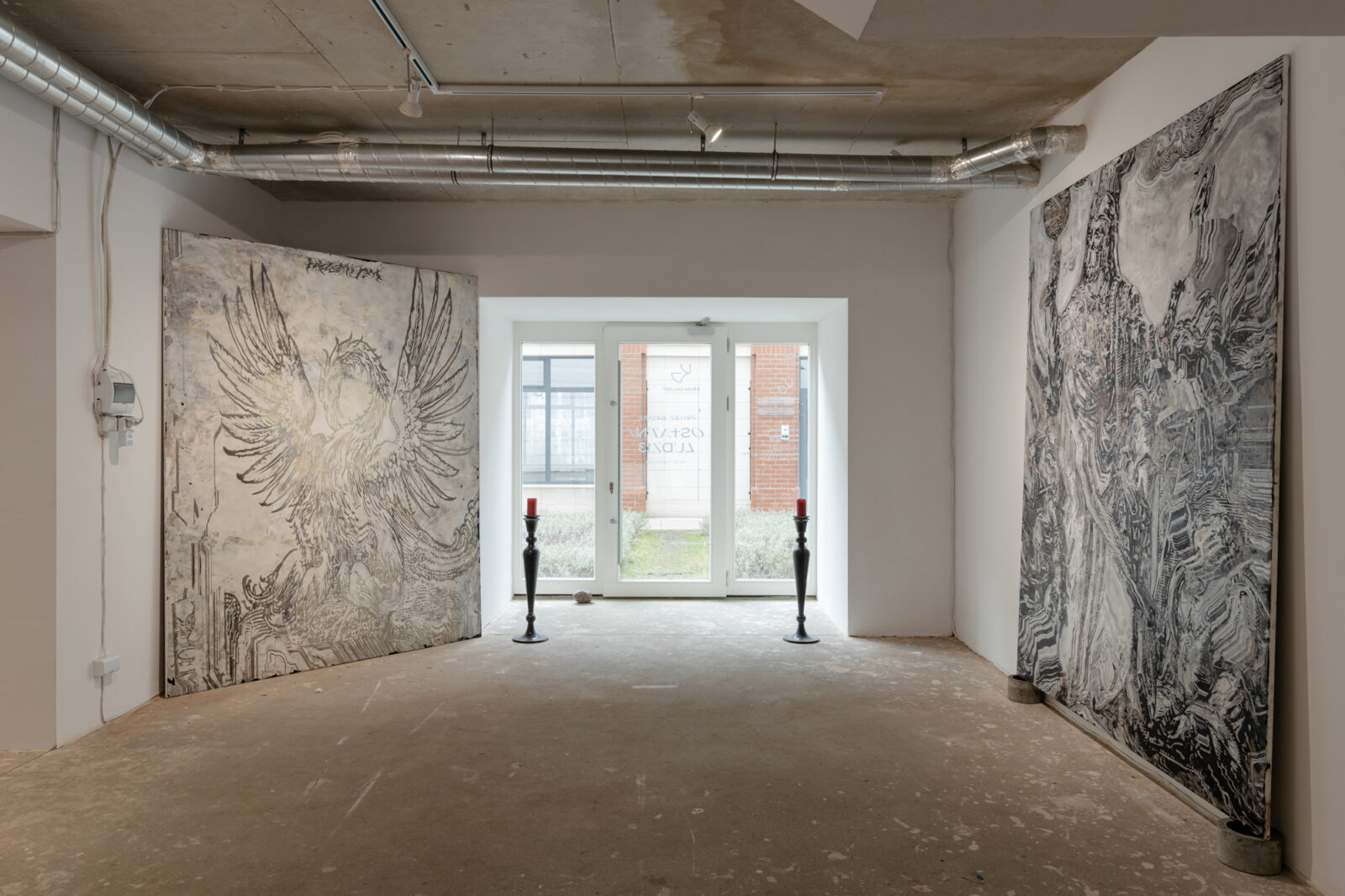
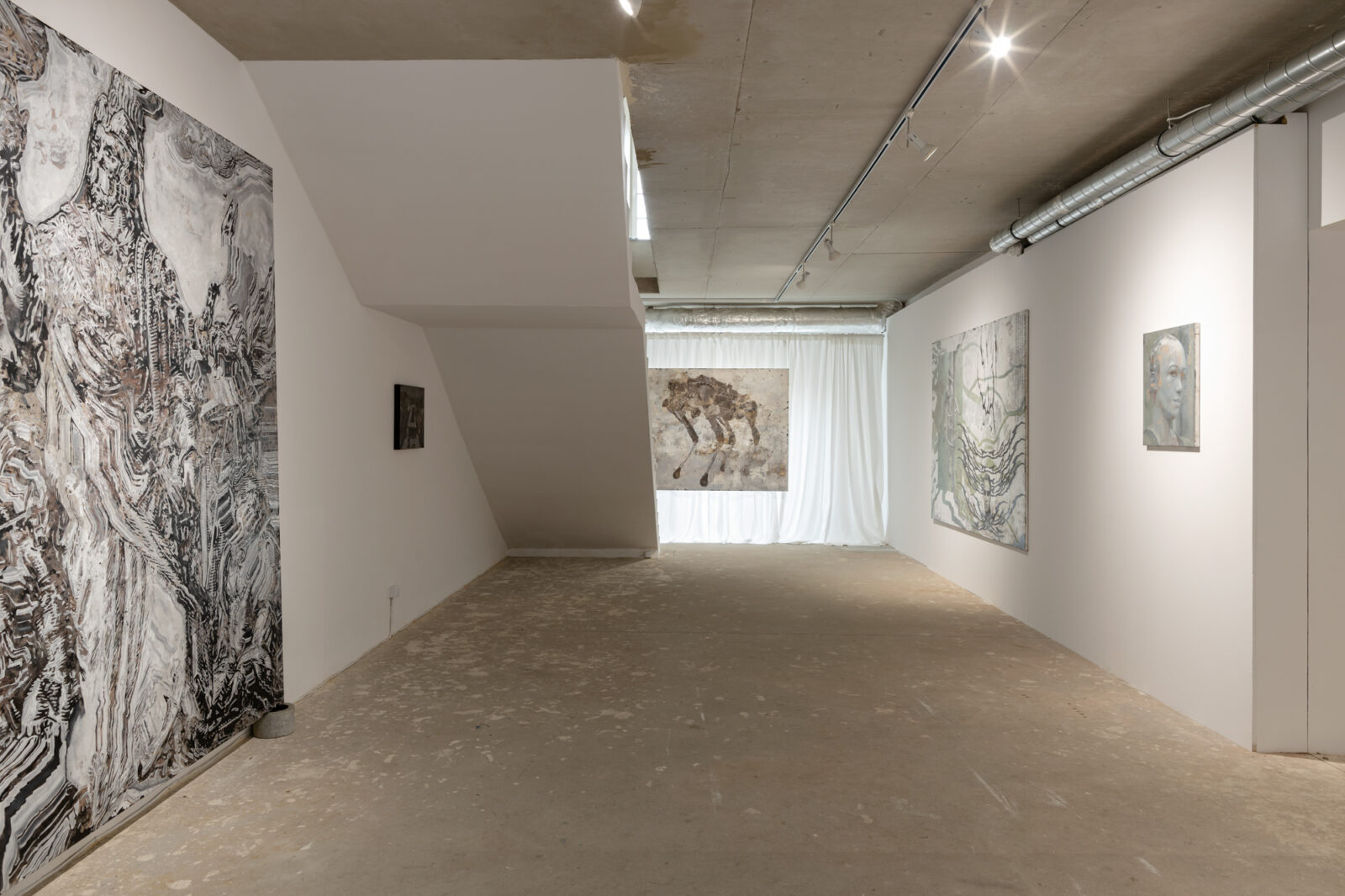
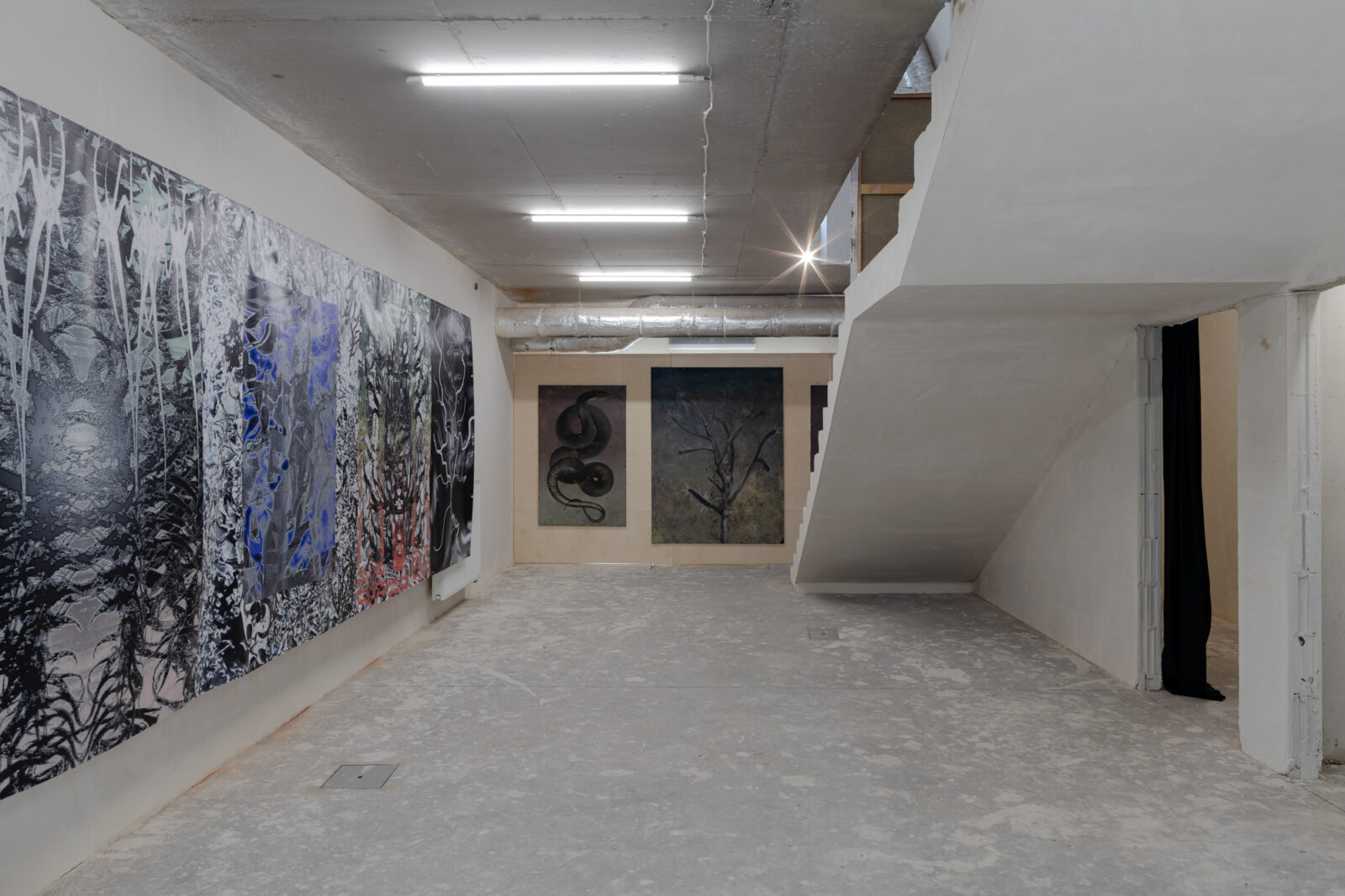
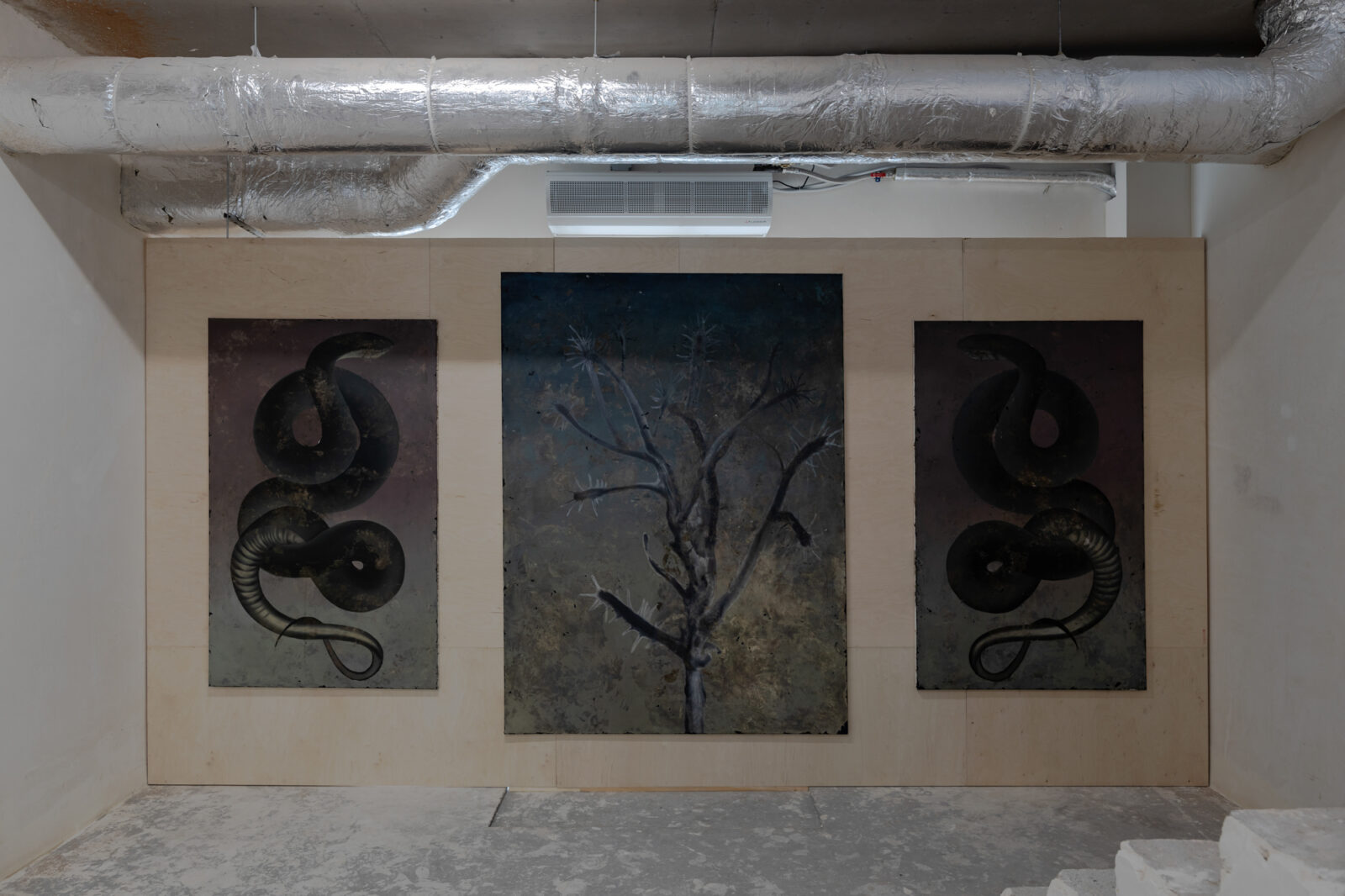
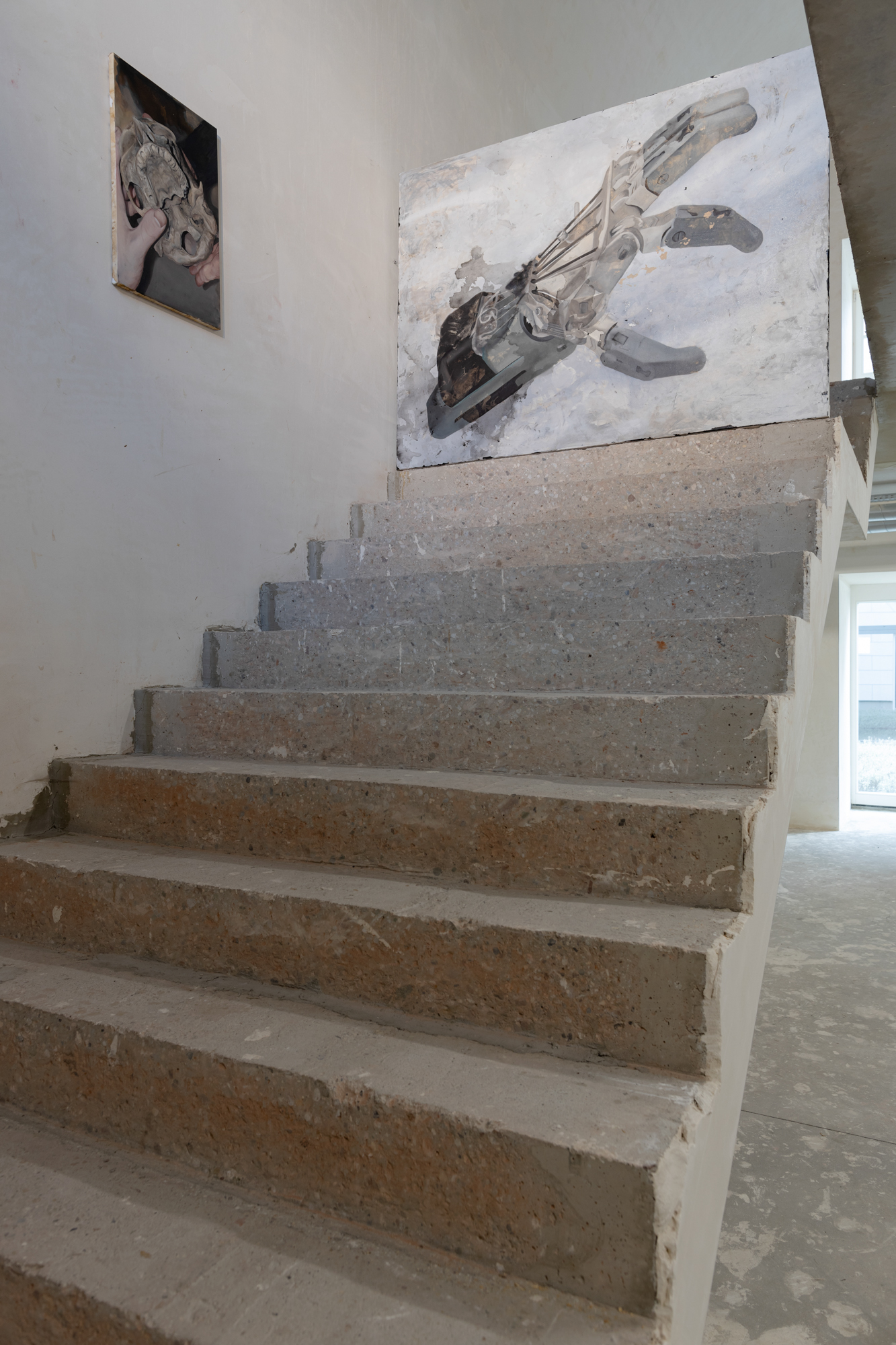
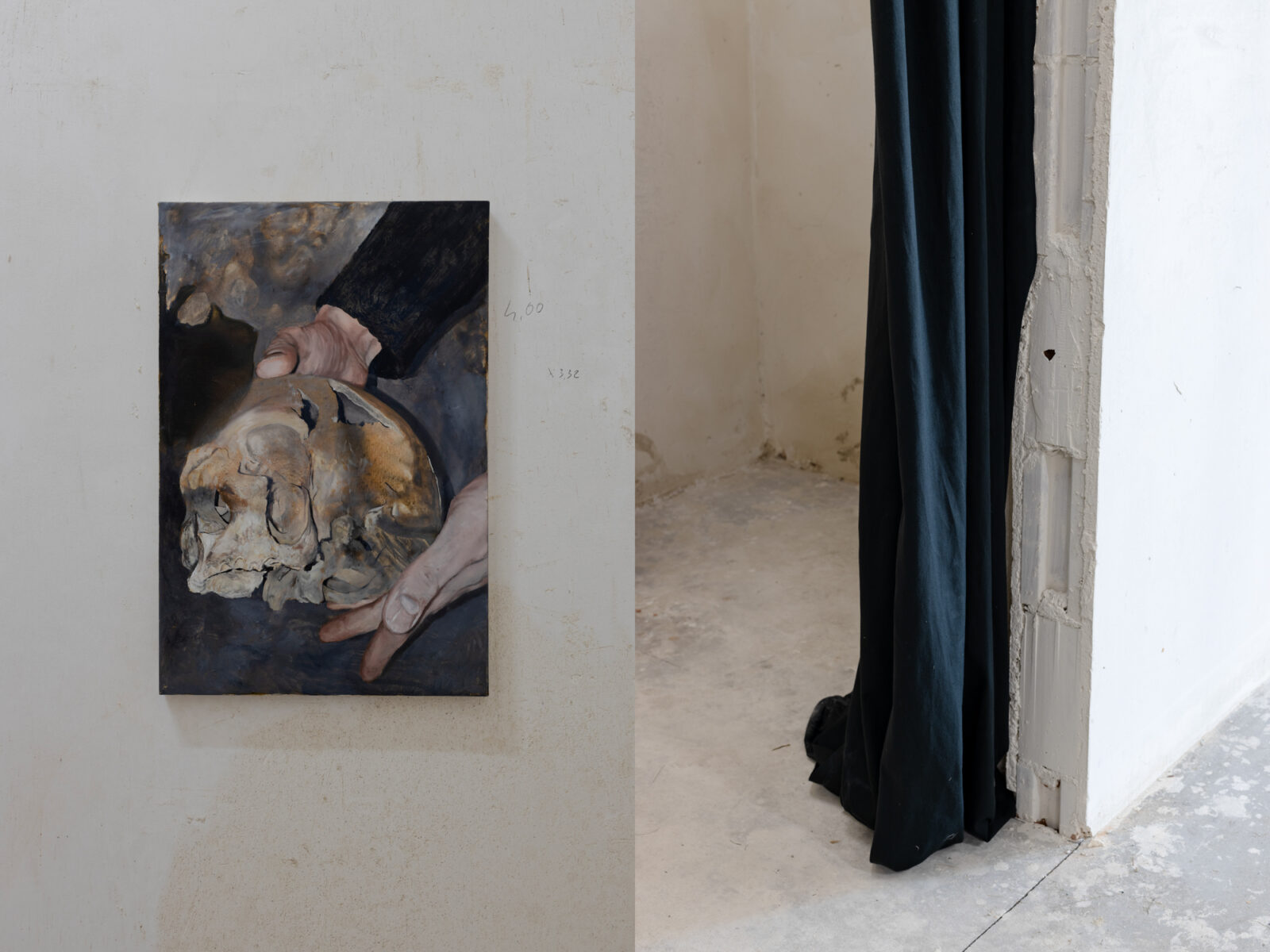
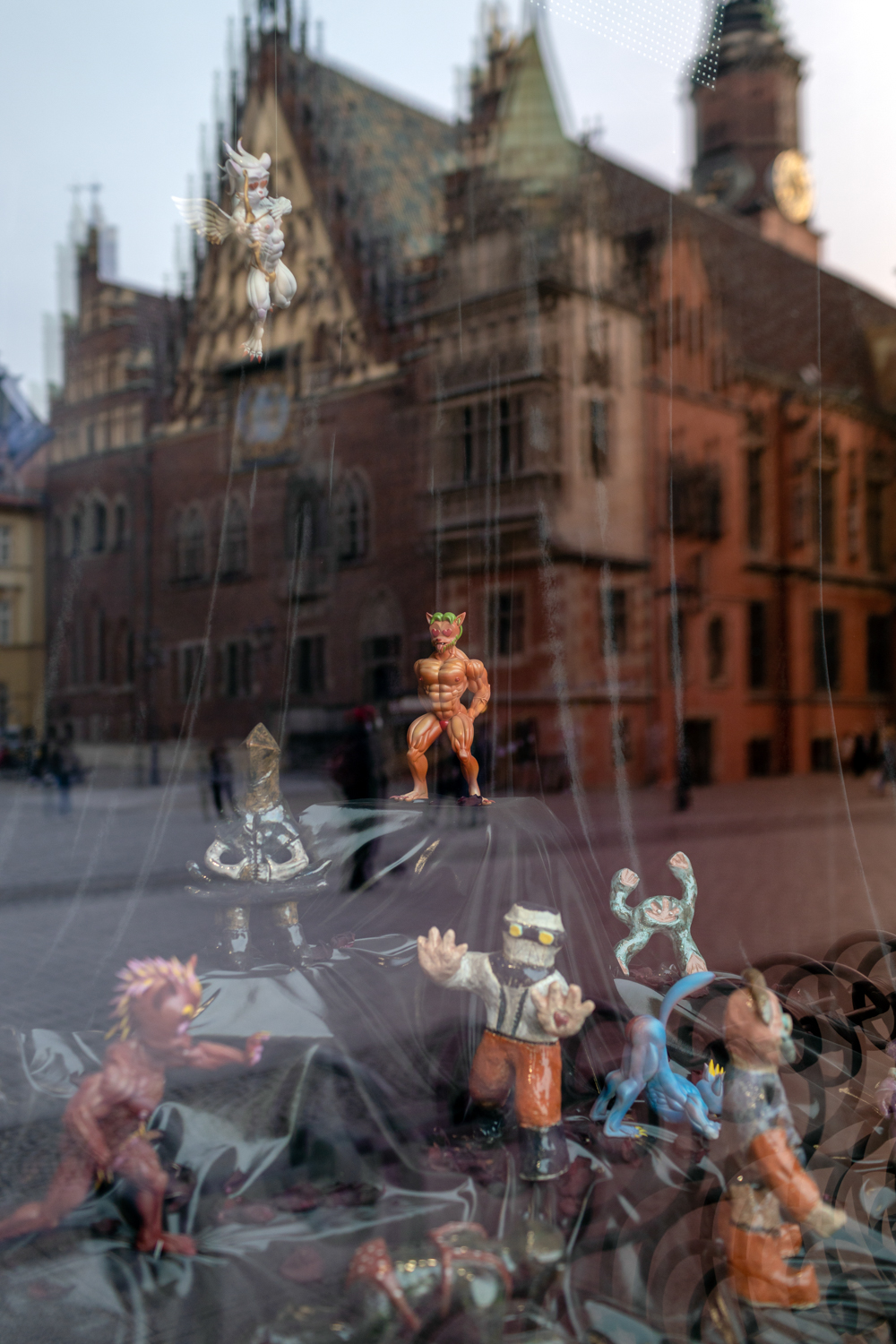
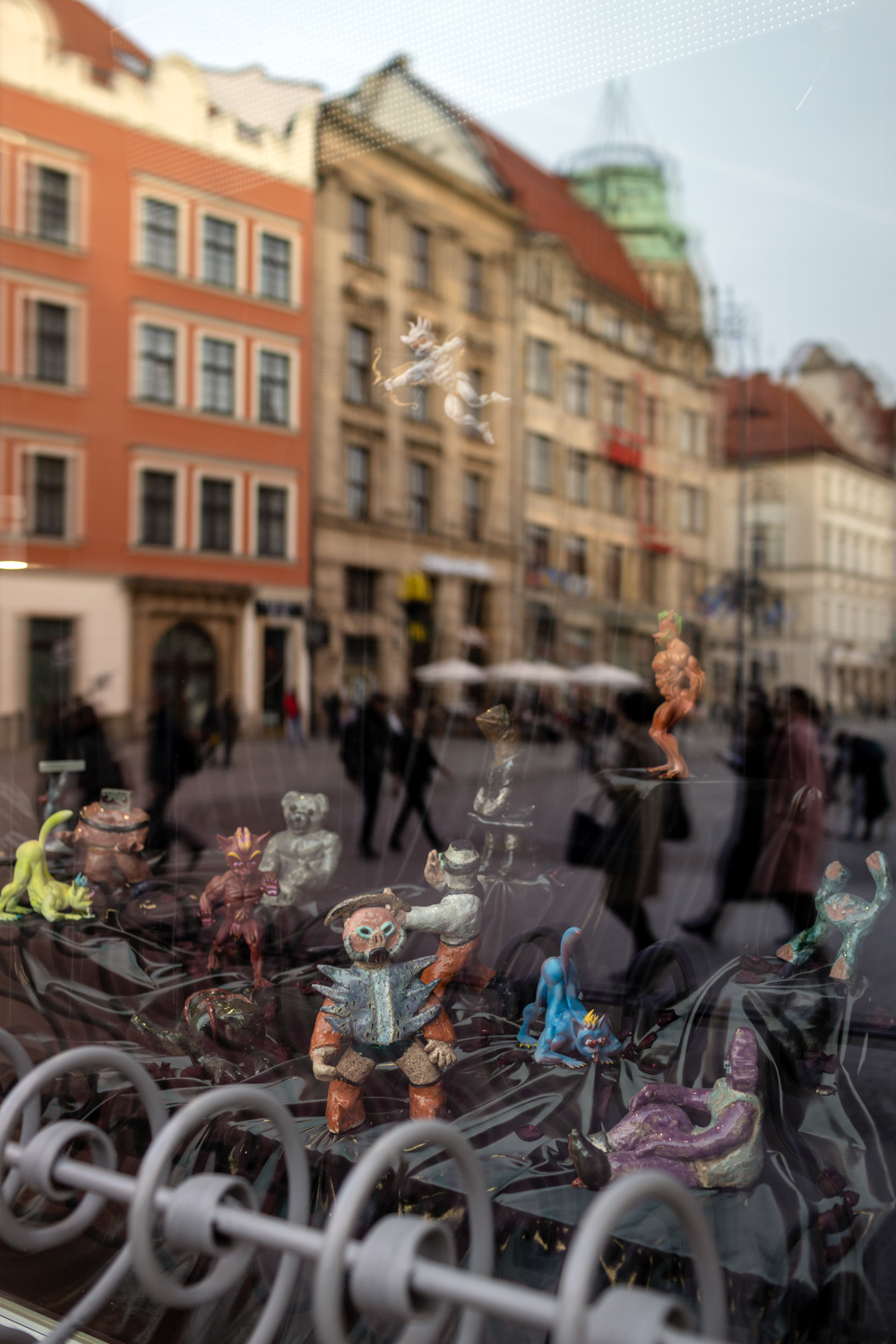
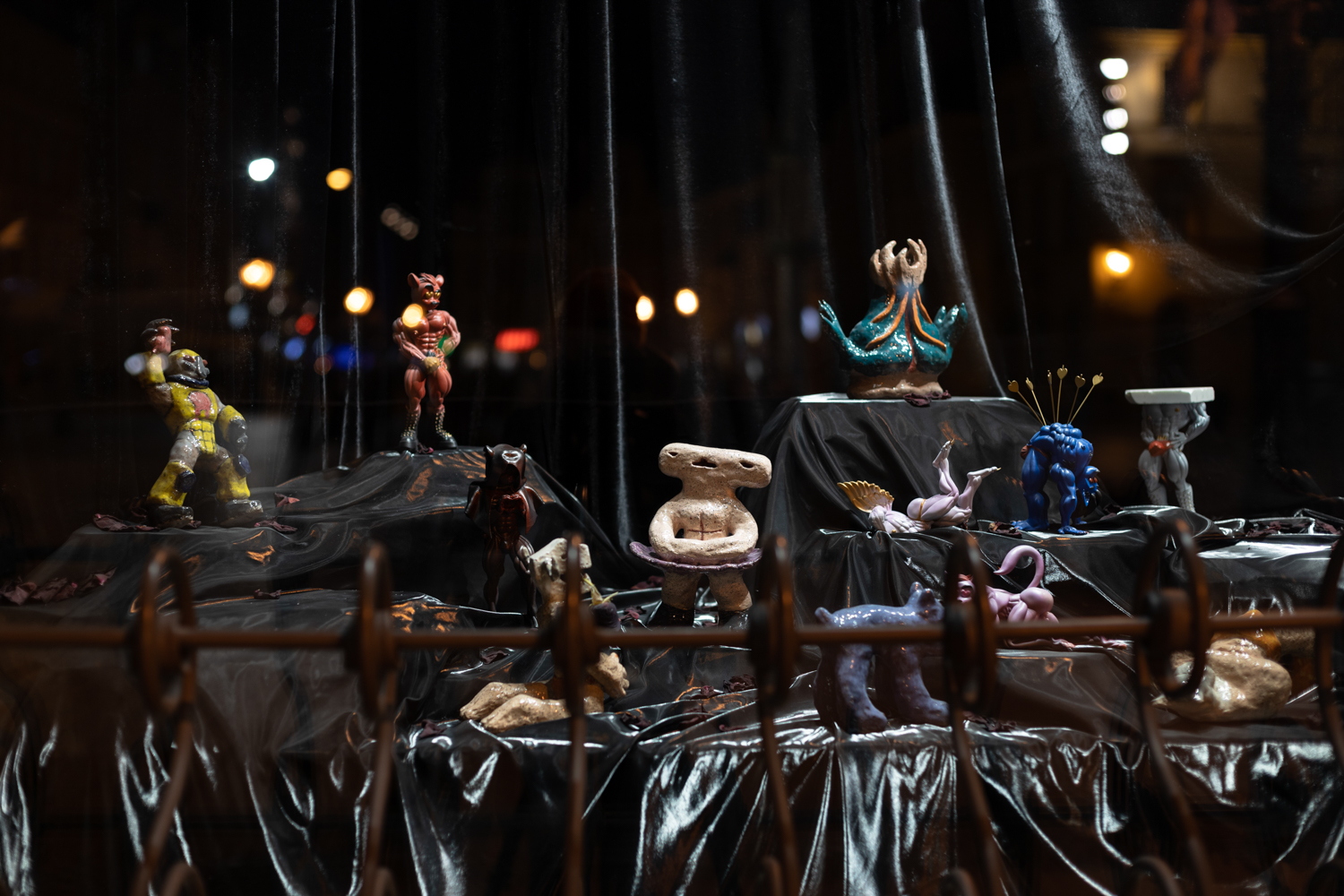
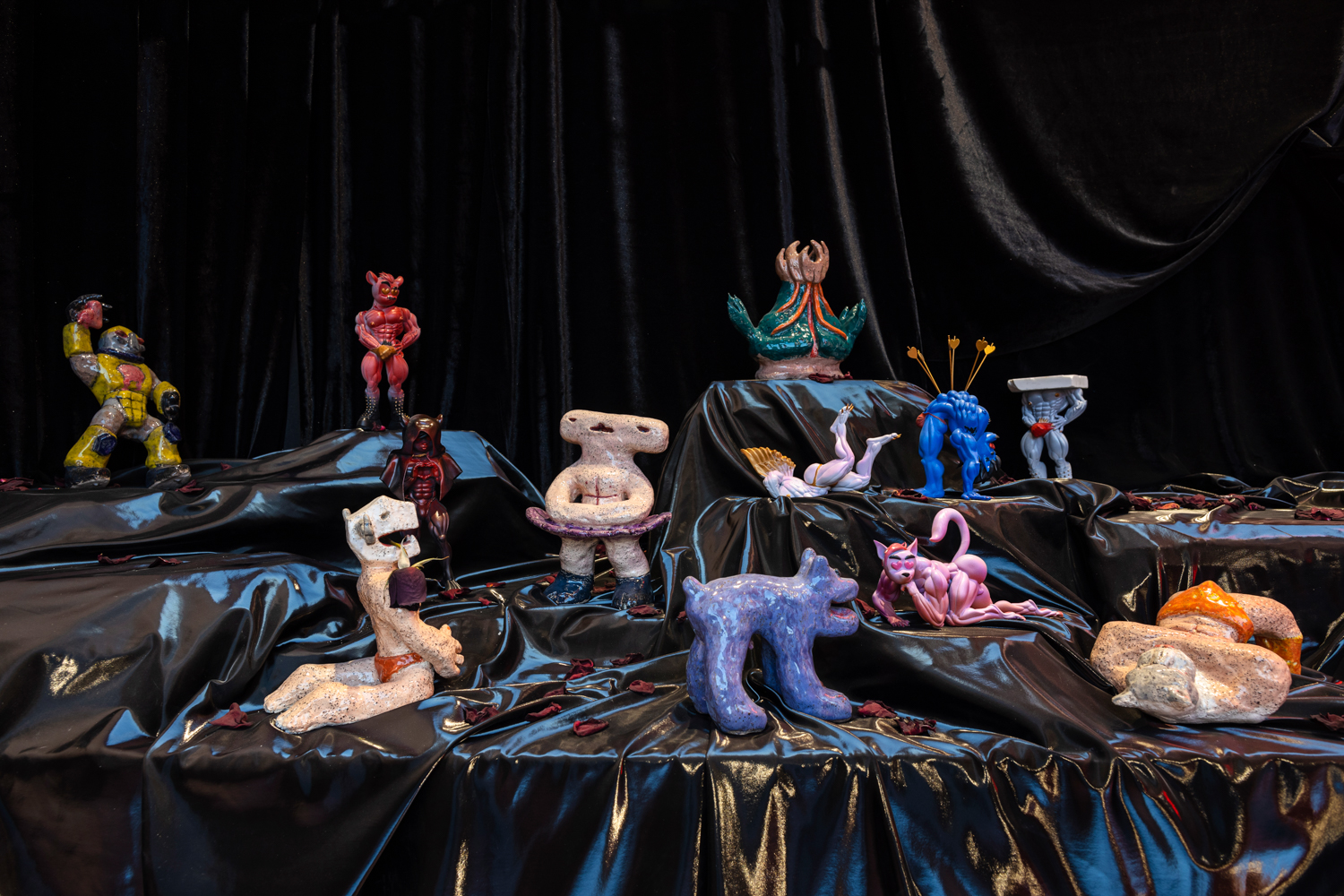
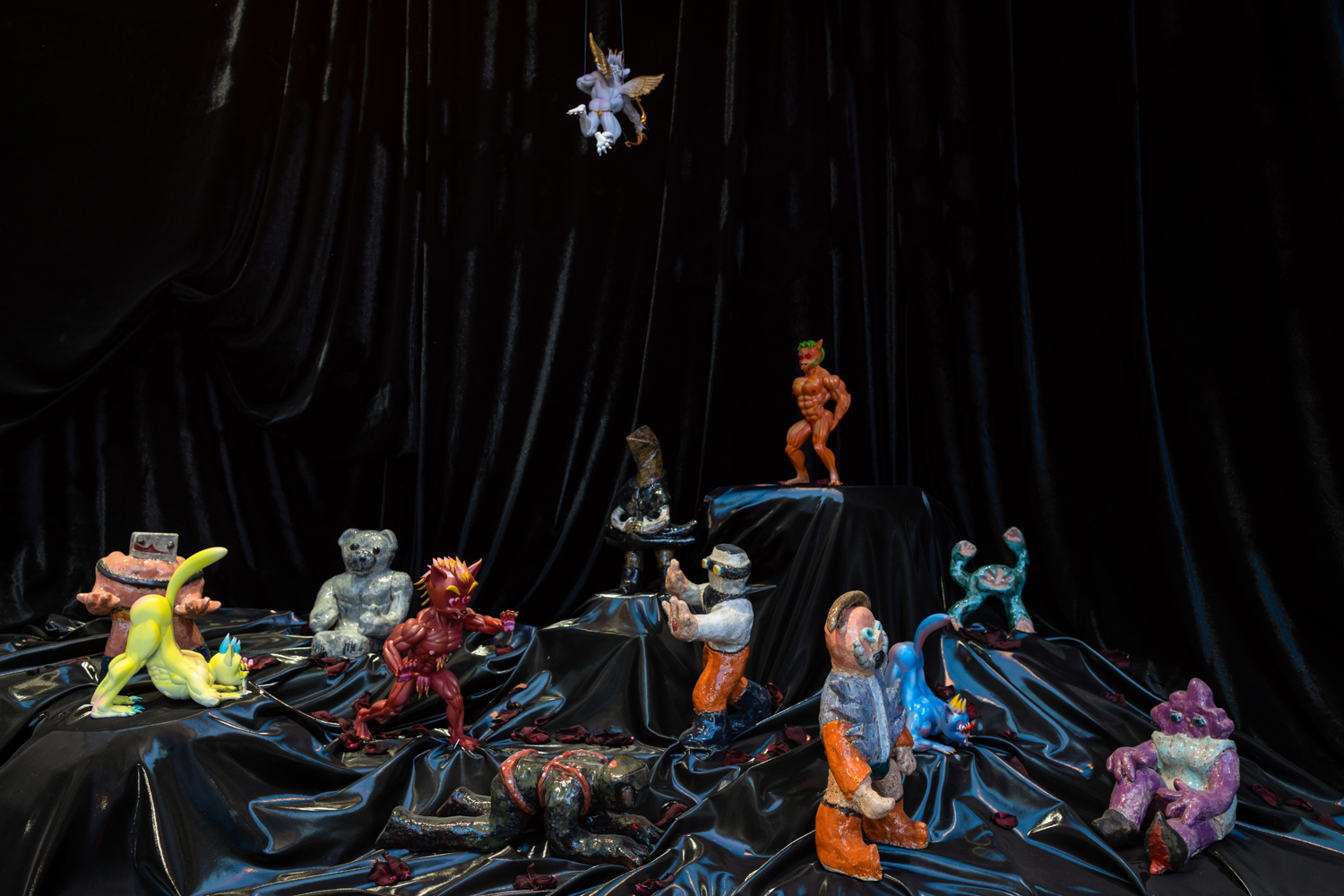
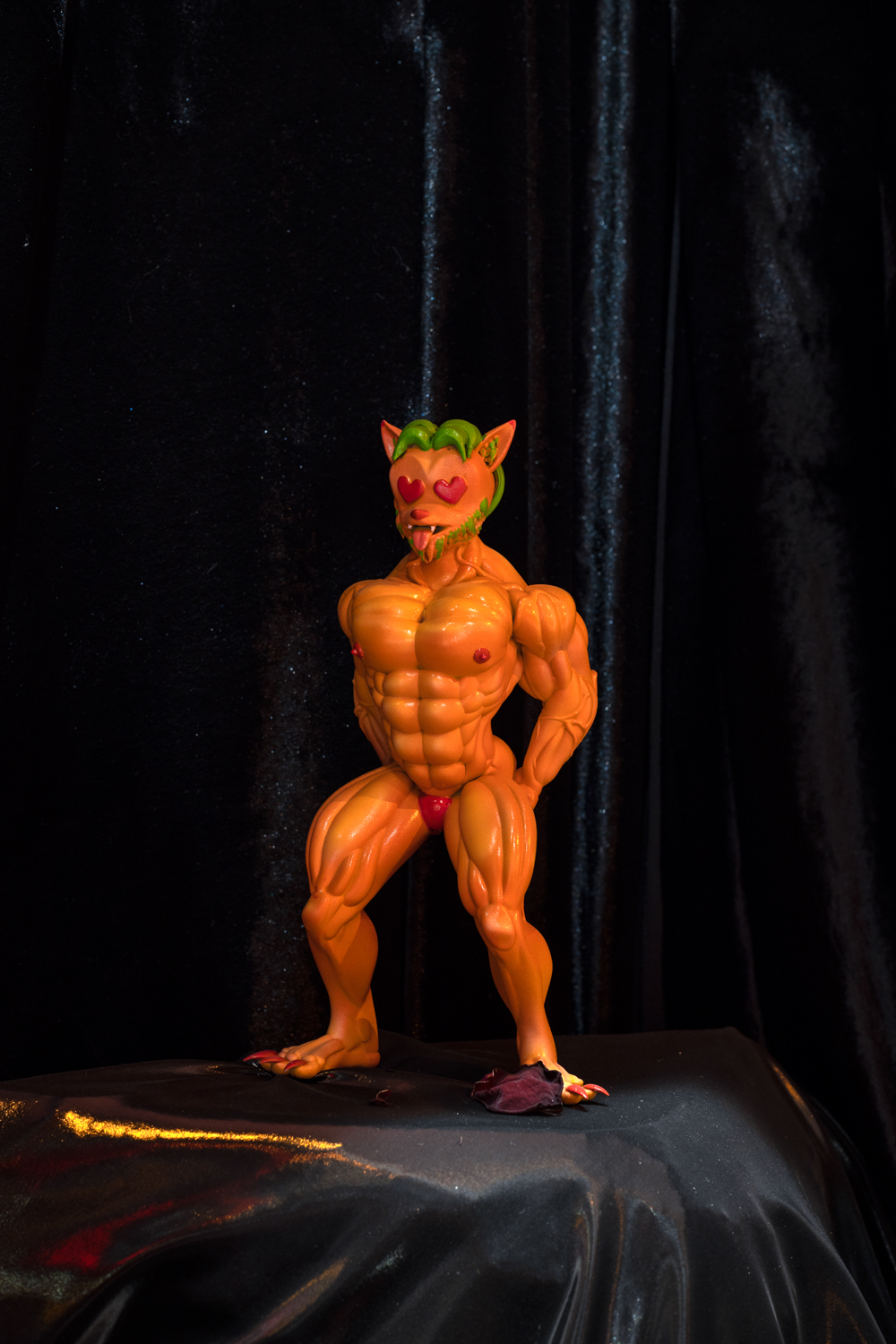
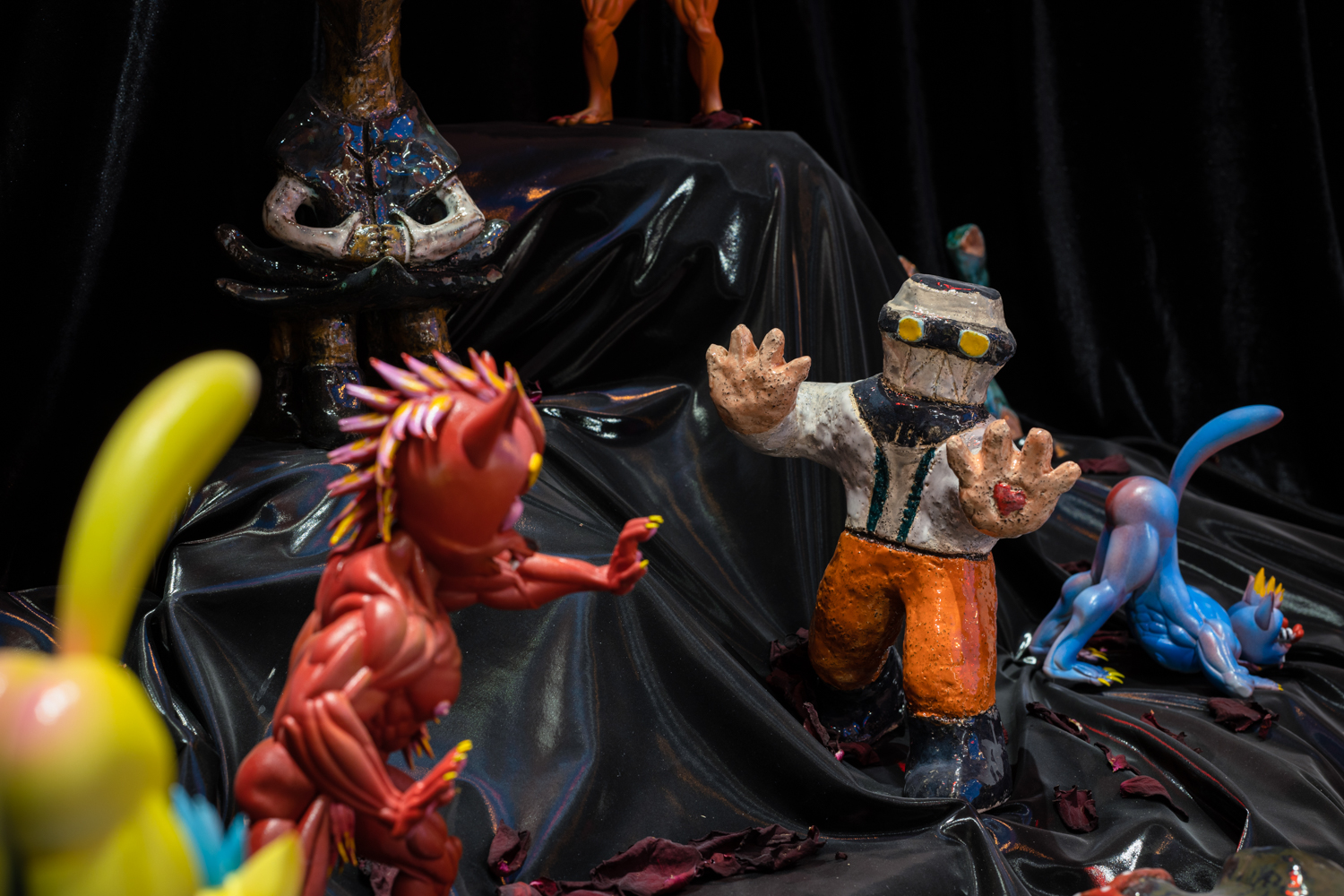
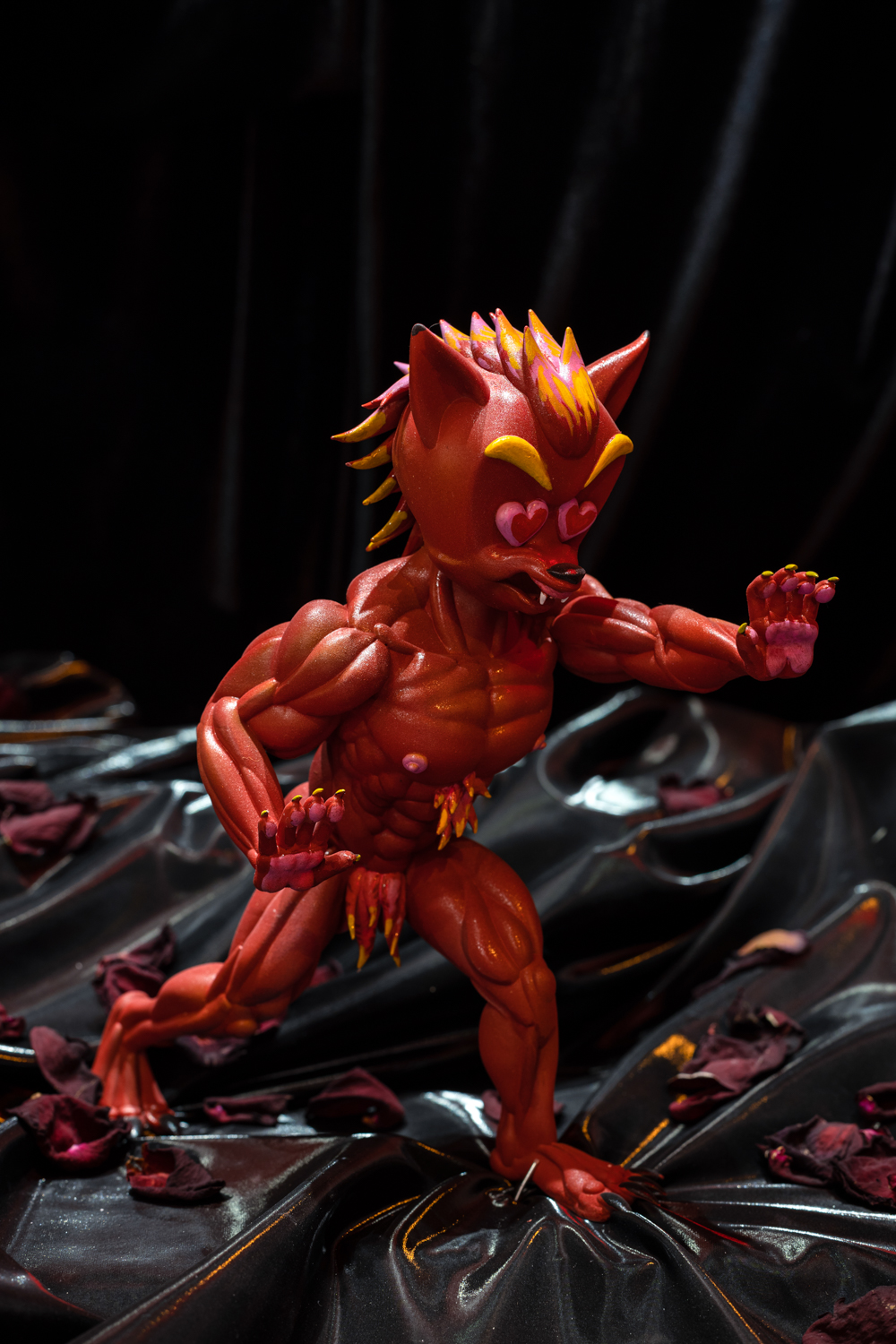
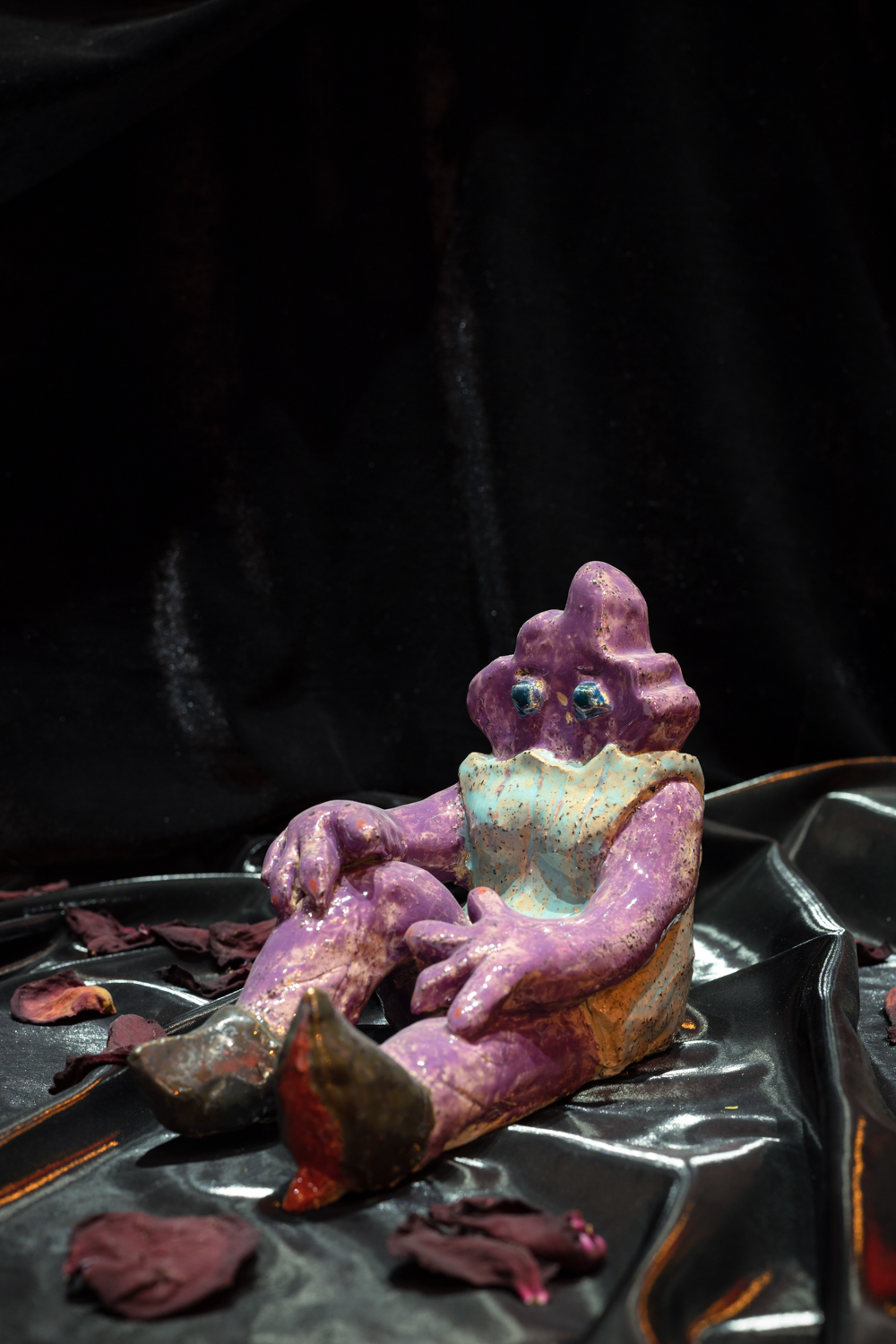
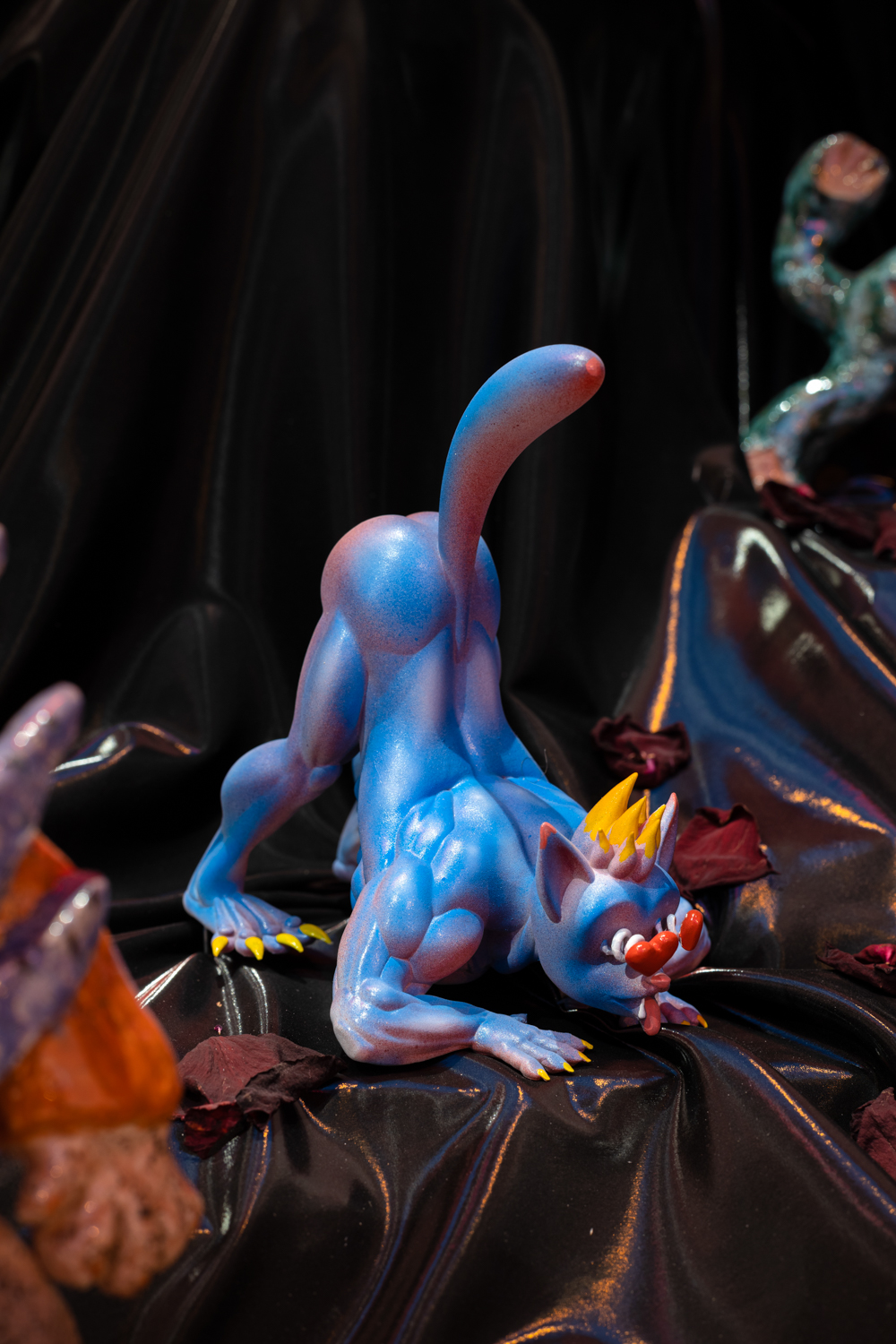
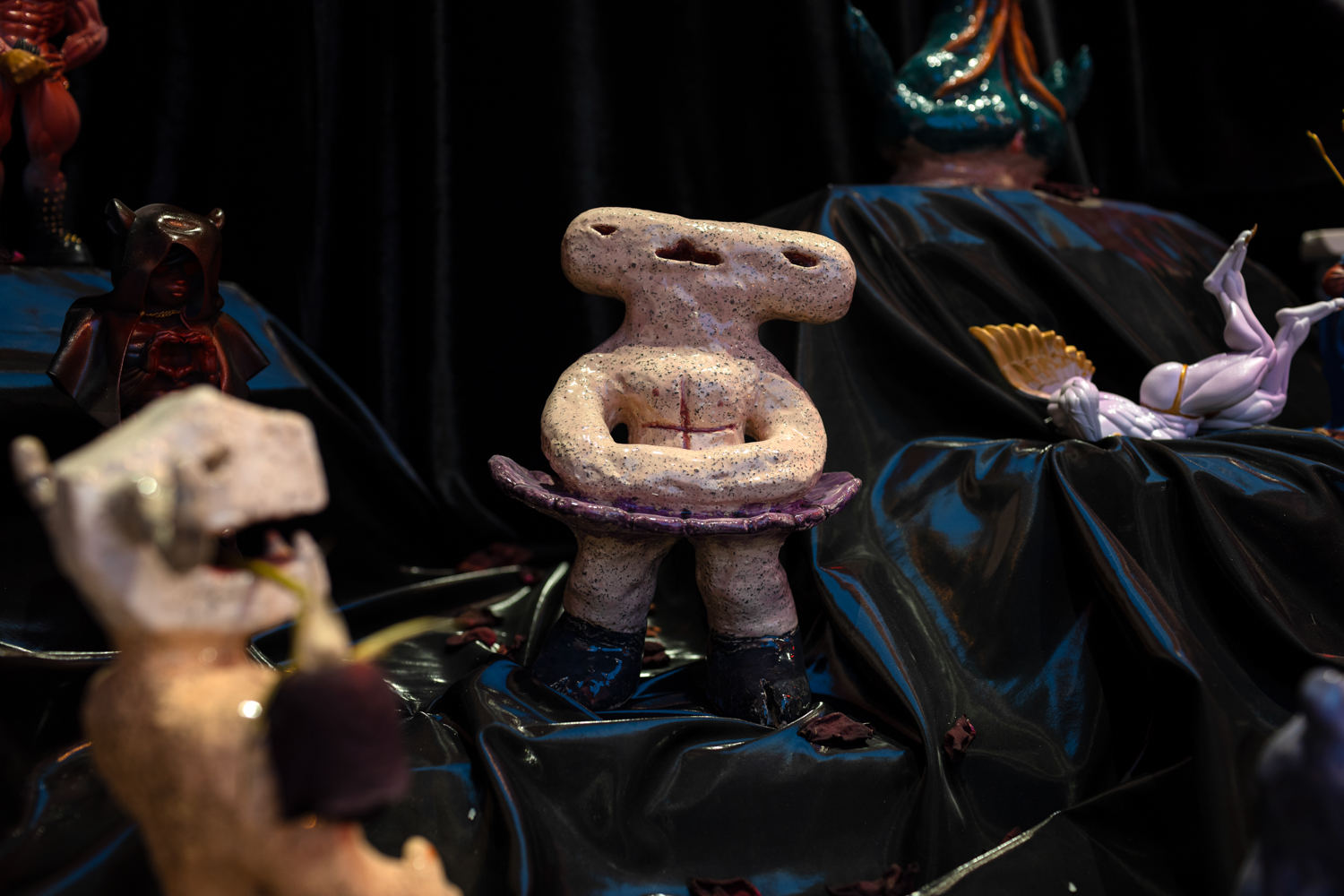
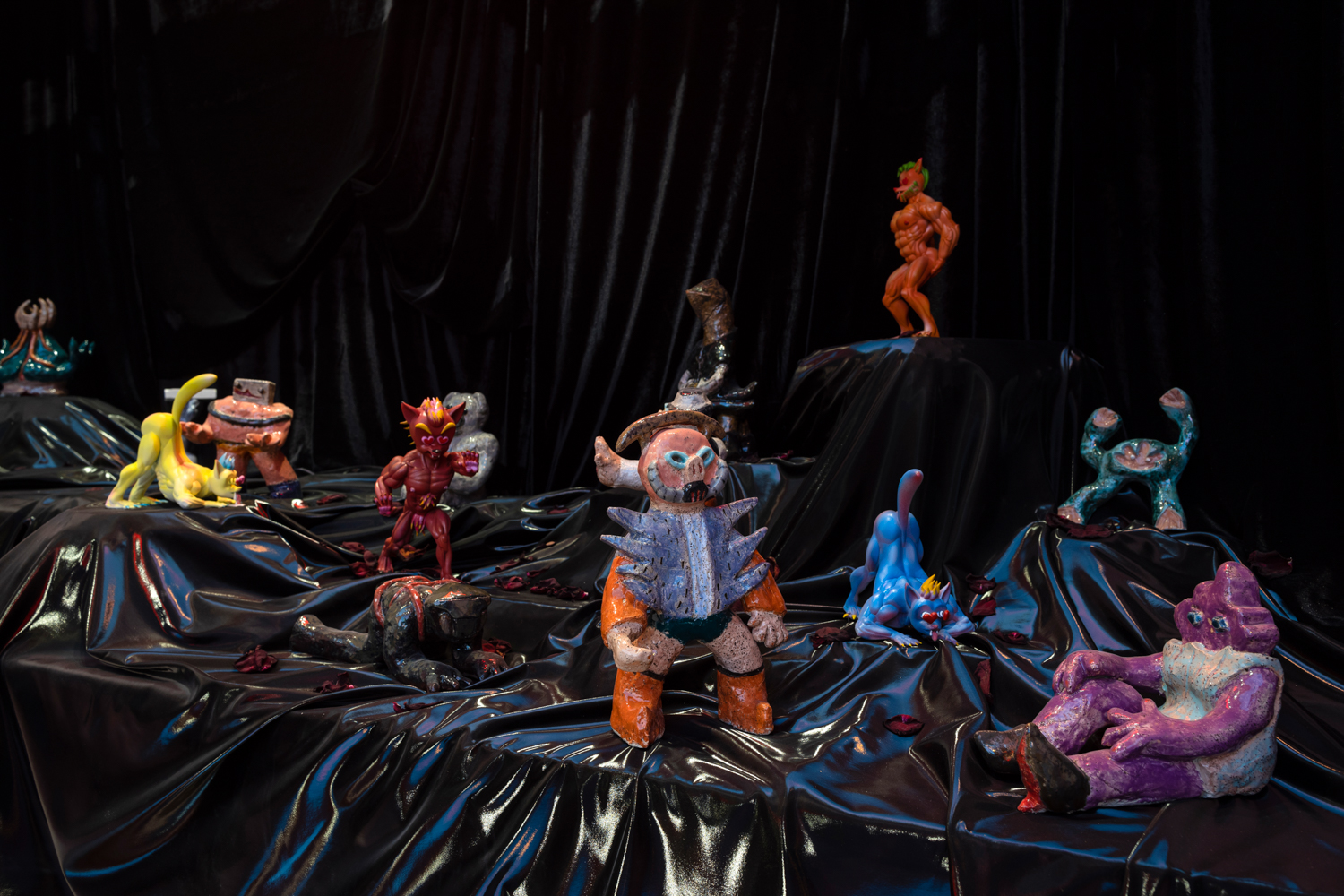
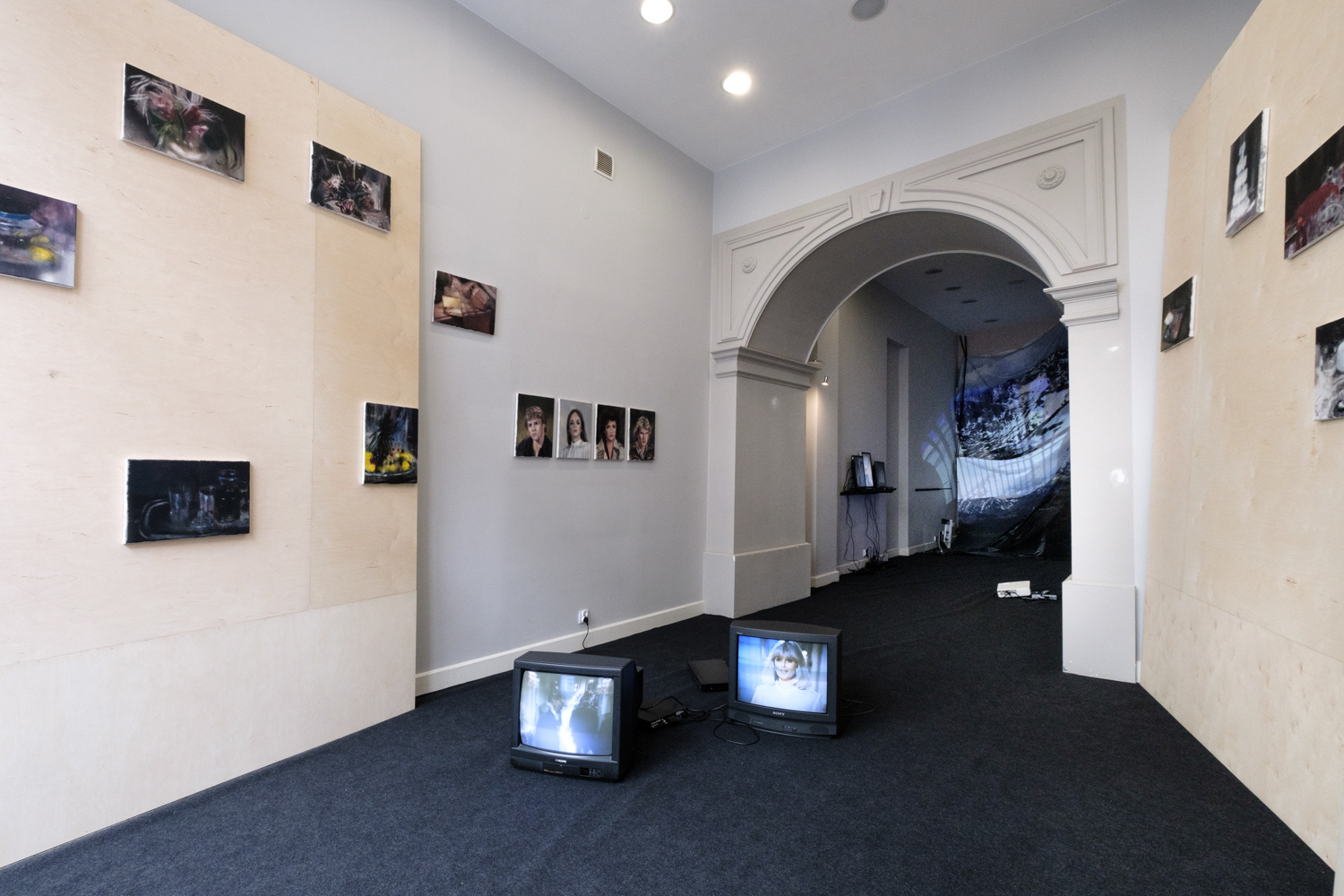
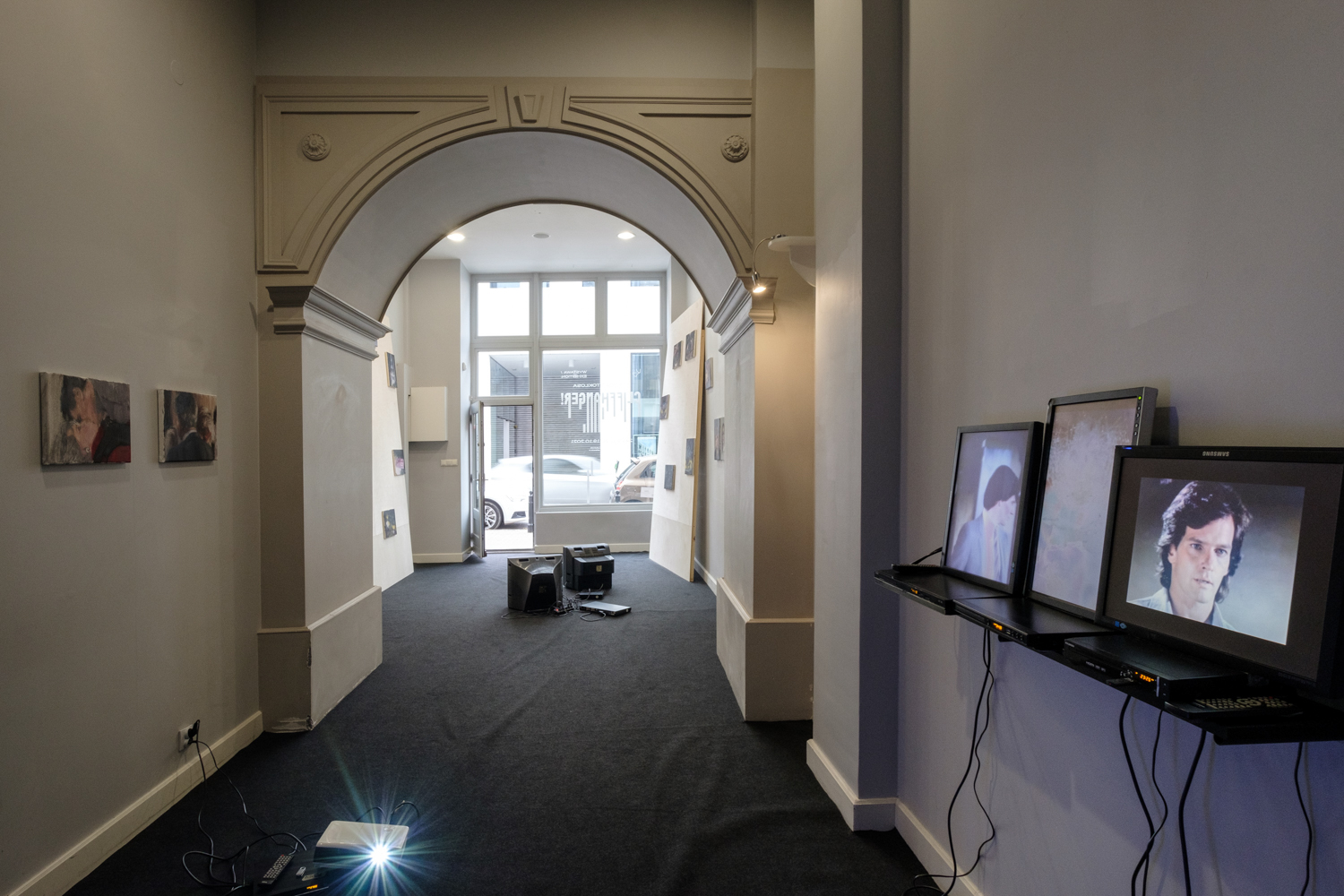
Olympiad I is an attempt to reconsider the history of Wrocław’s monuments as an artistic reflection on Polish history through the lens of Wrocław, Gdynia and Warsaw.
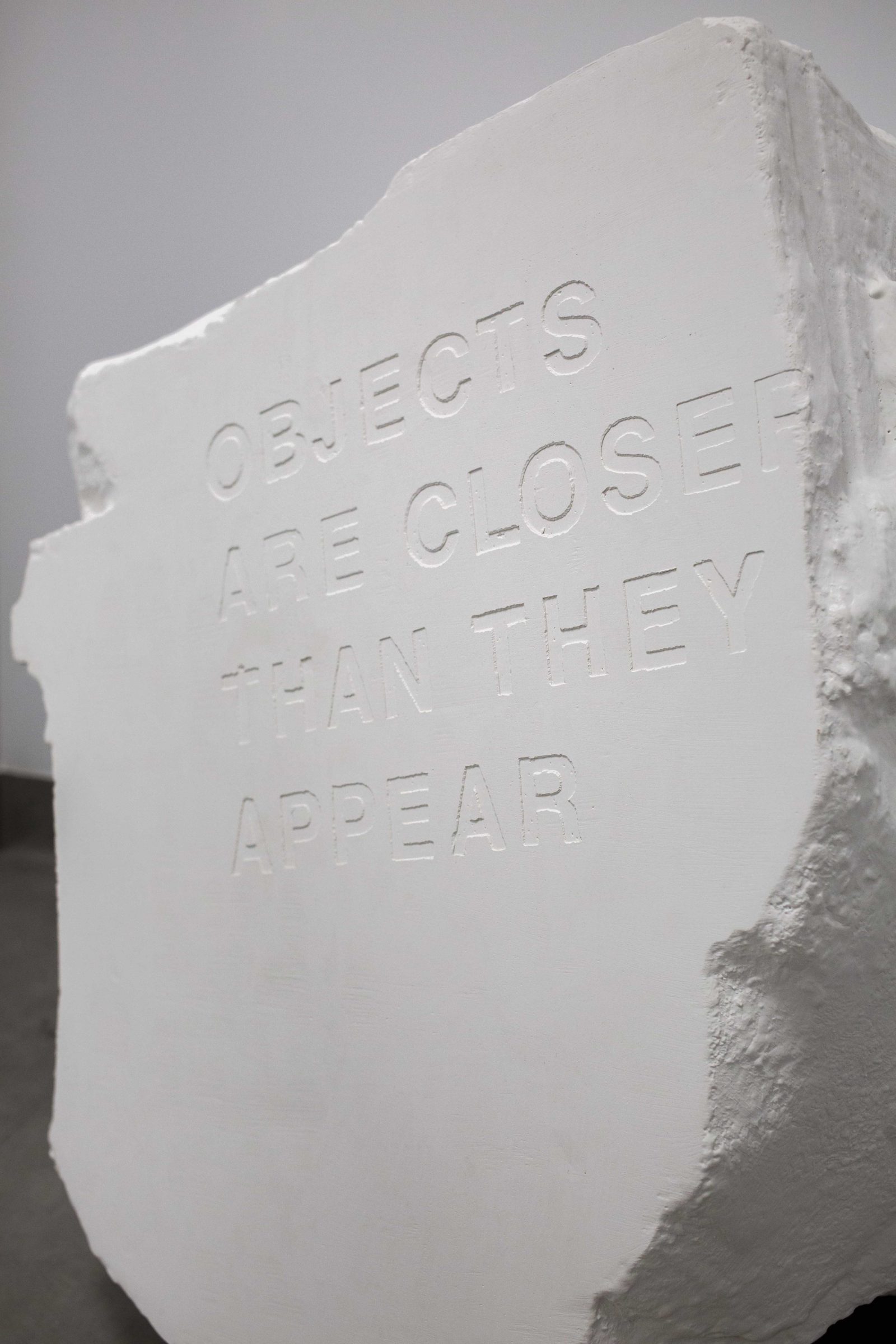
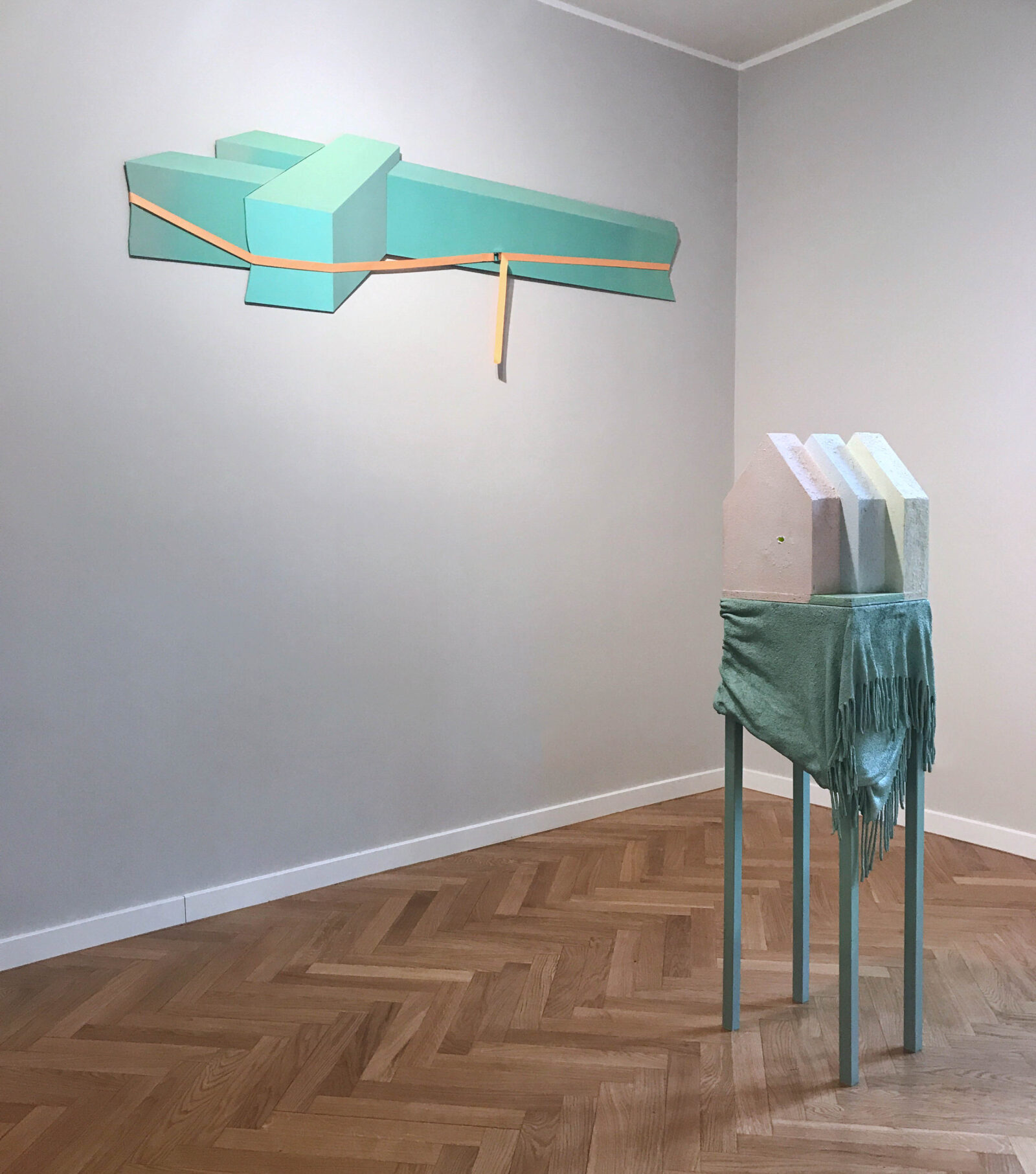
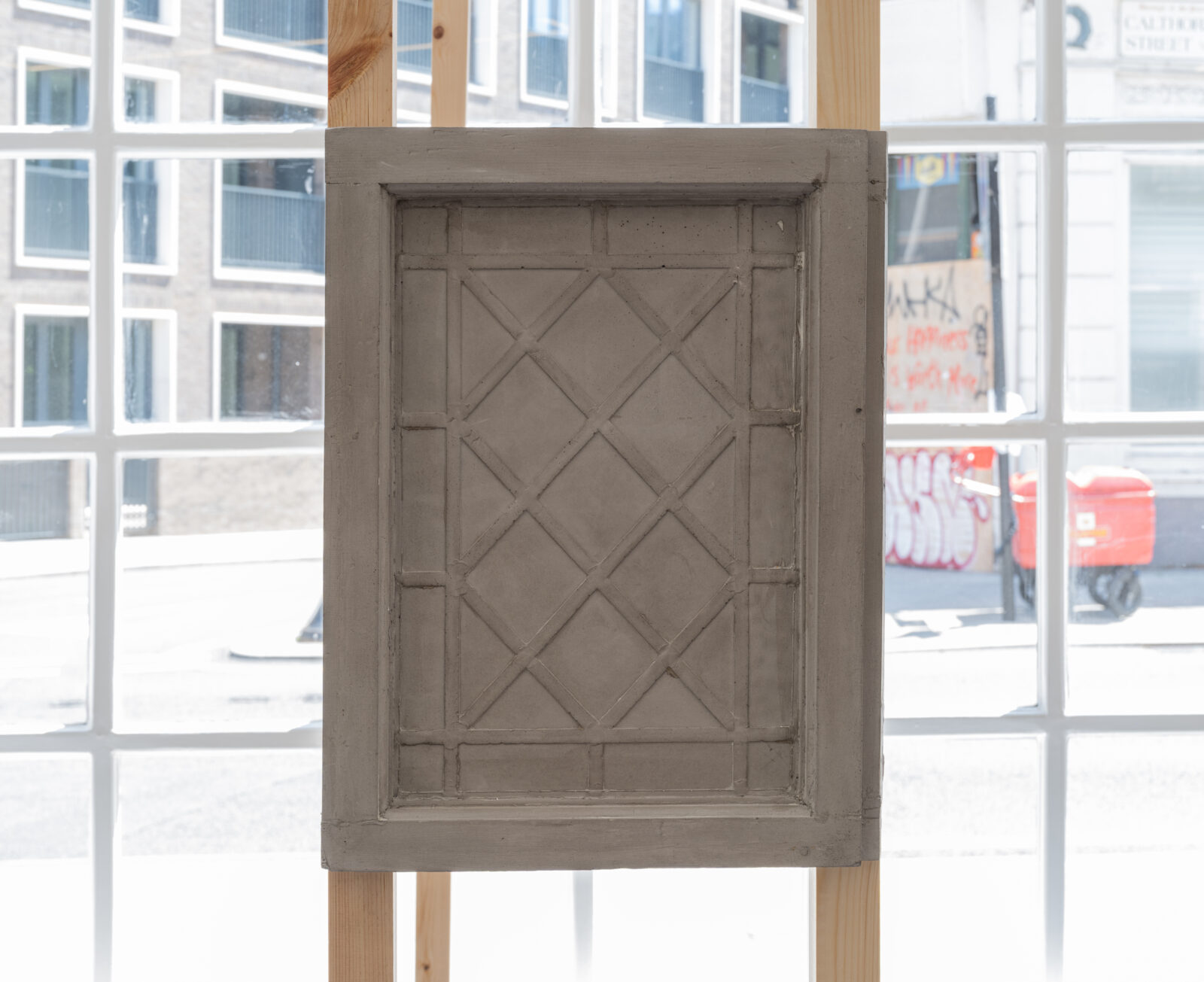
At the centre of the exhibition is the obelisk in Leśnica: an unassuming monument whose meaning has been repeatedly rewritten throughout history. Erected at the end of the nineteenth century as a Prussian Kriegerdenkmal, it originally commemorated victories in the wars against Denmark, Austria and France. During the interwar period, it was expanded with a semicircular wall bearing the names of local residents who had fallen in battle. After the Second World War, it was renamed the Monument to the Labour of Pioneer Railway Workers. Today, it bears yet another inscription, dedicated to the “Residents of Leśnica who died during the First World War.”
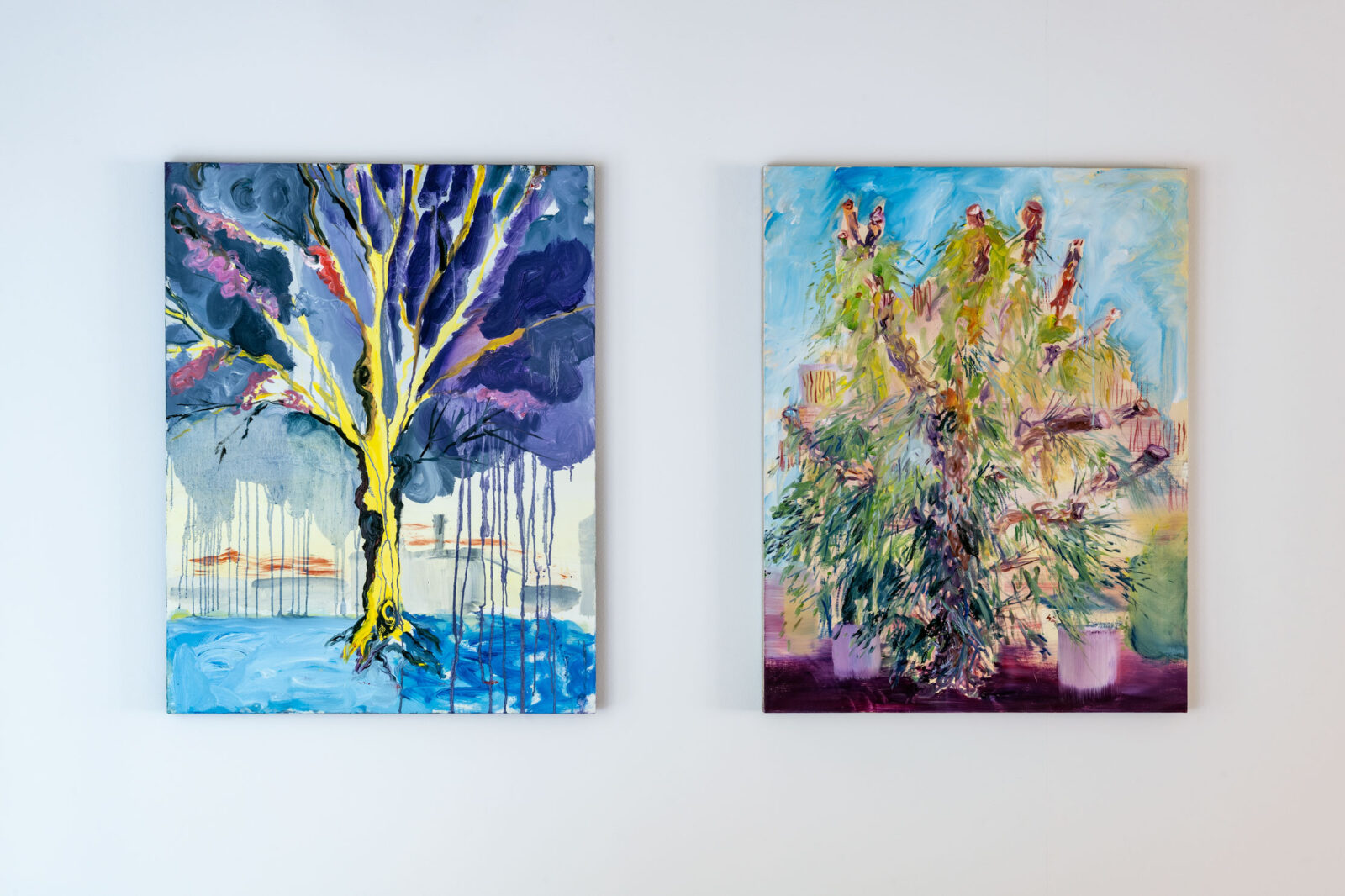
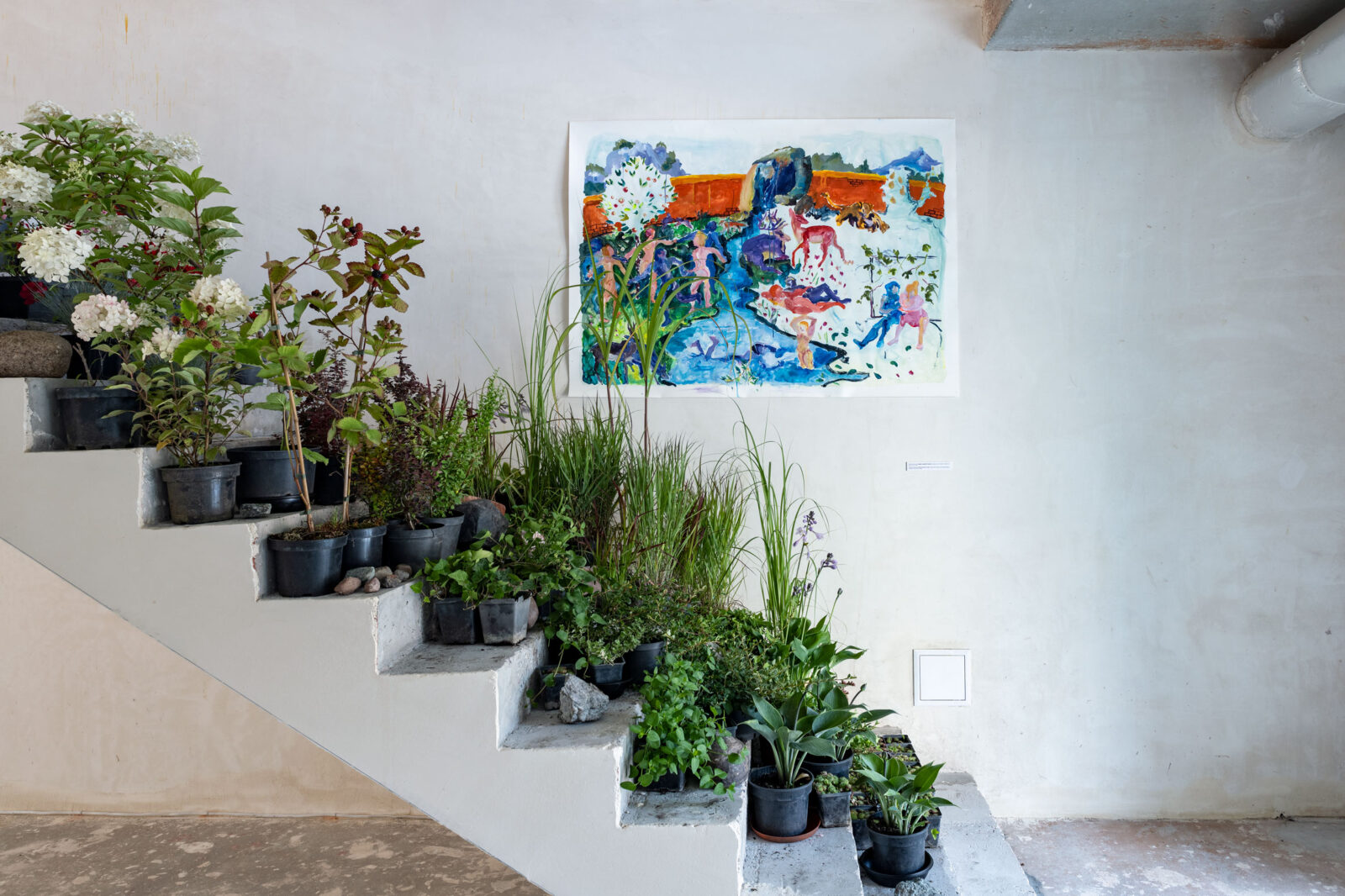
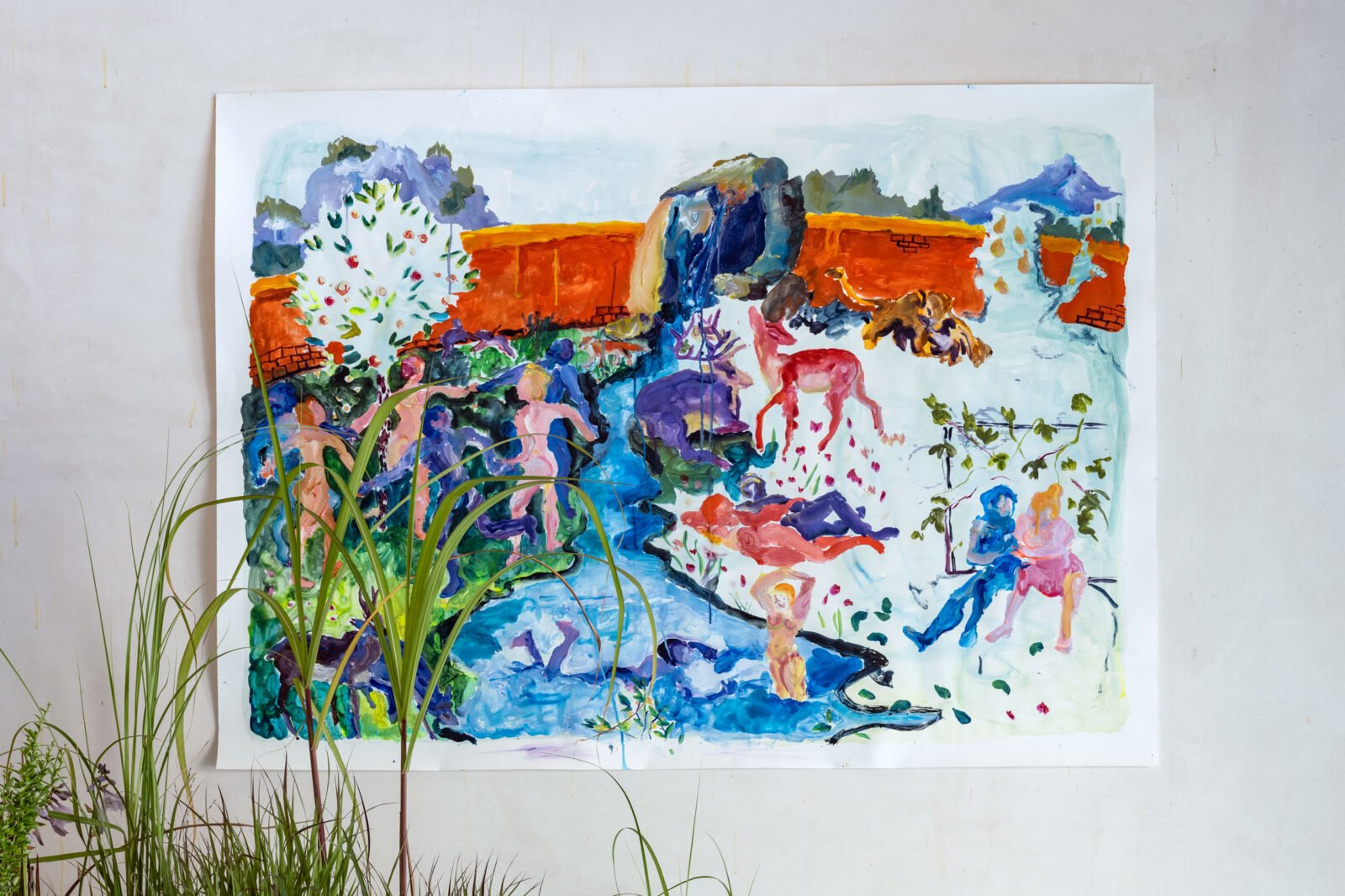
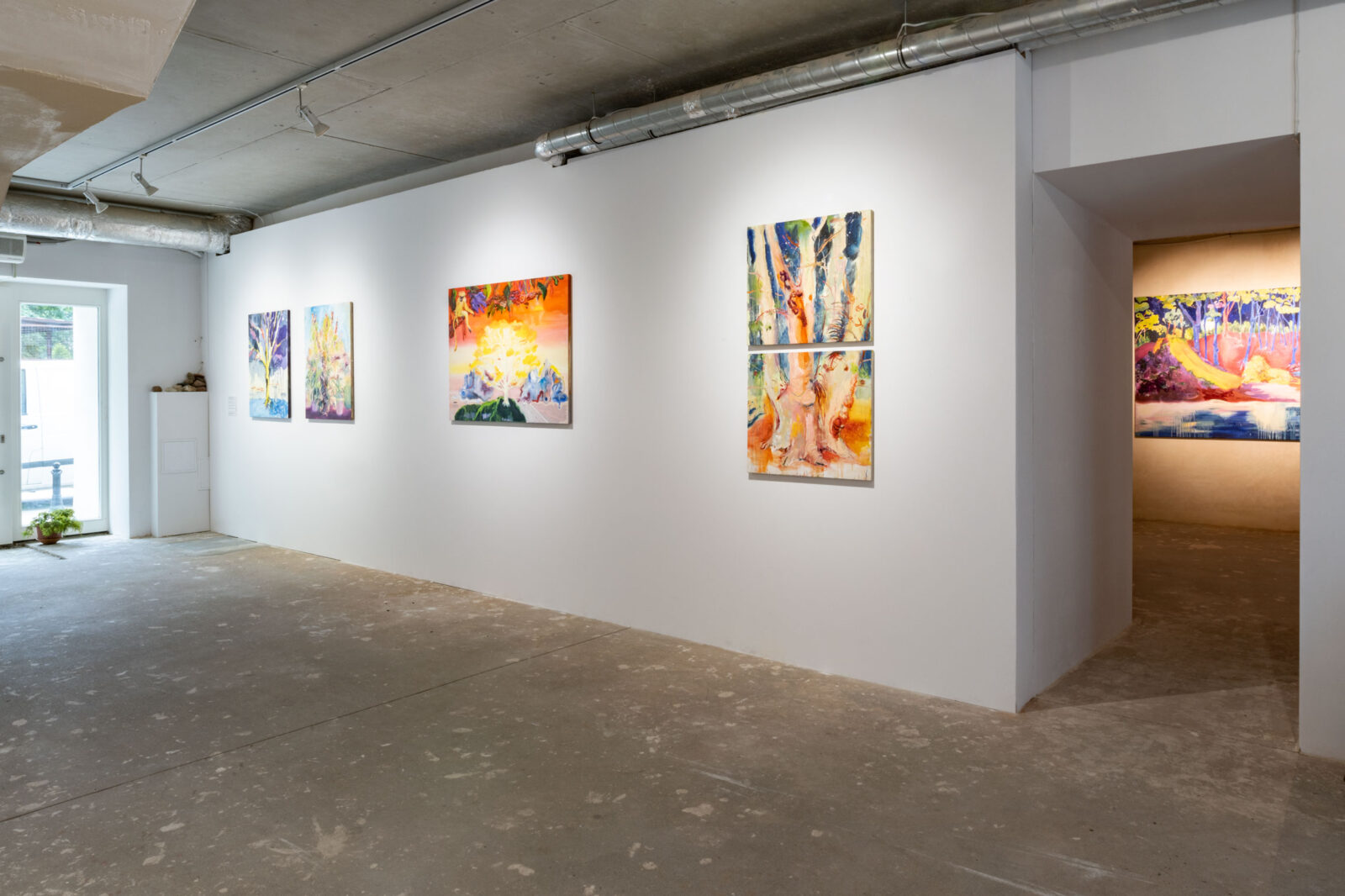
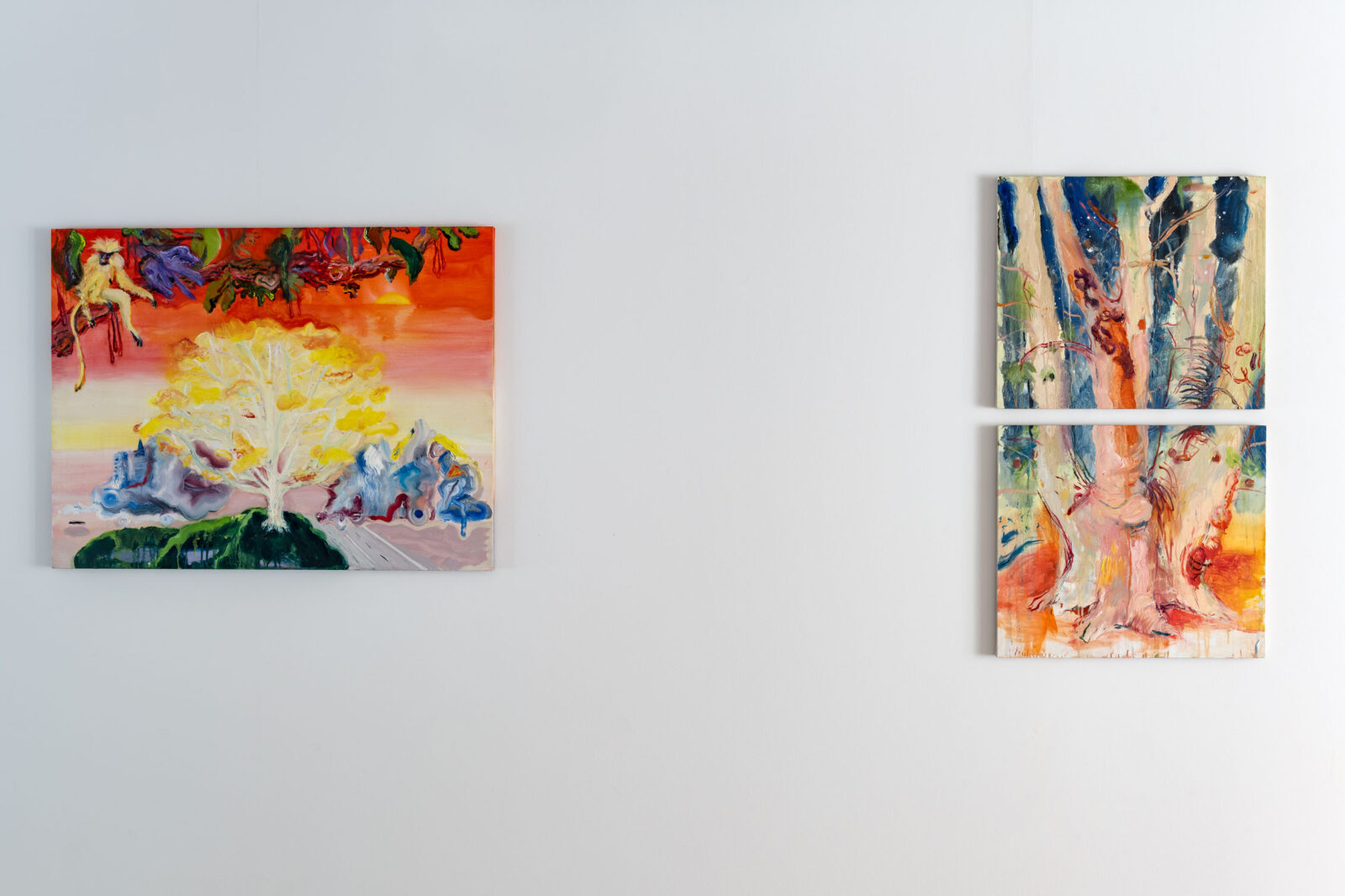
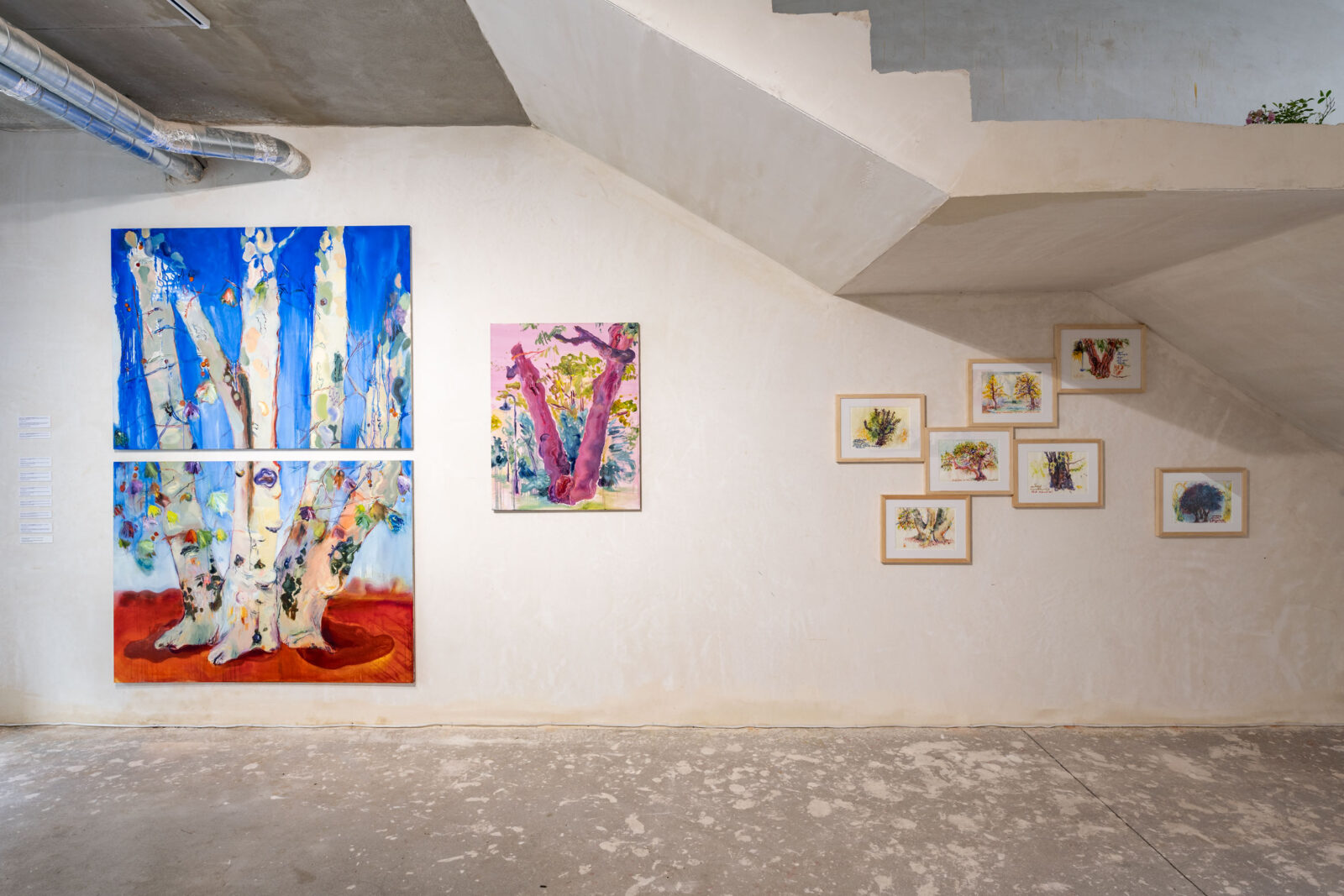
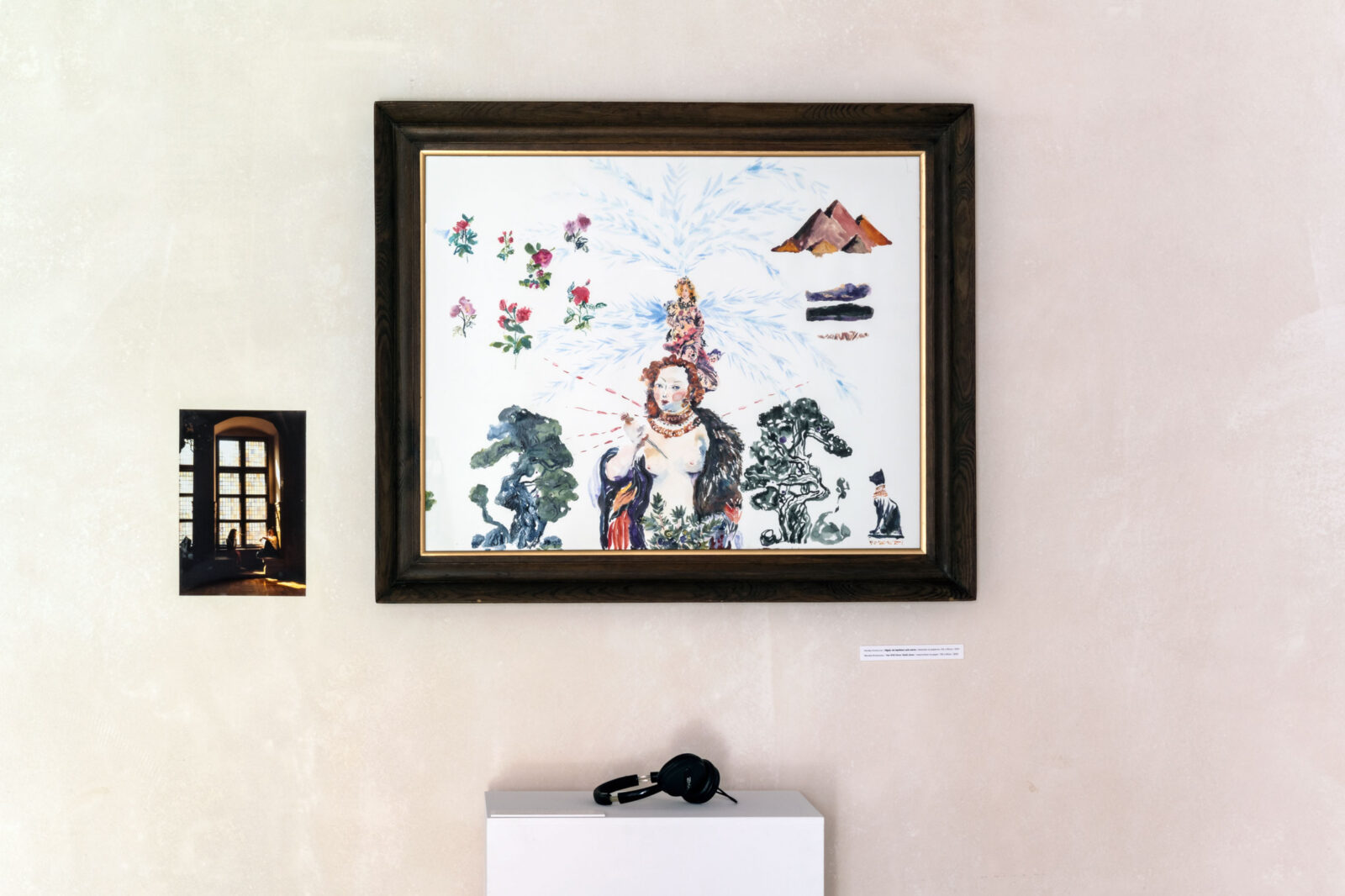
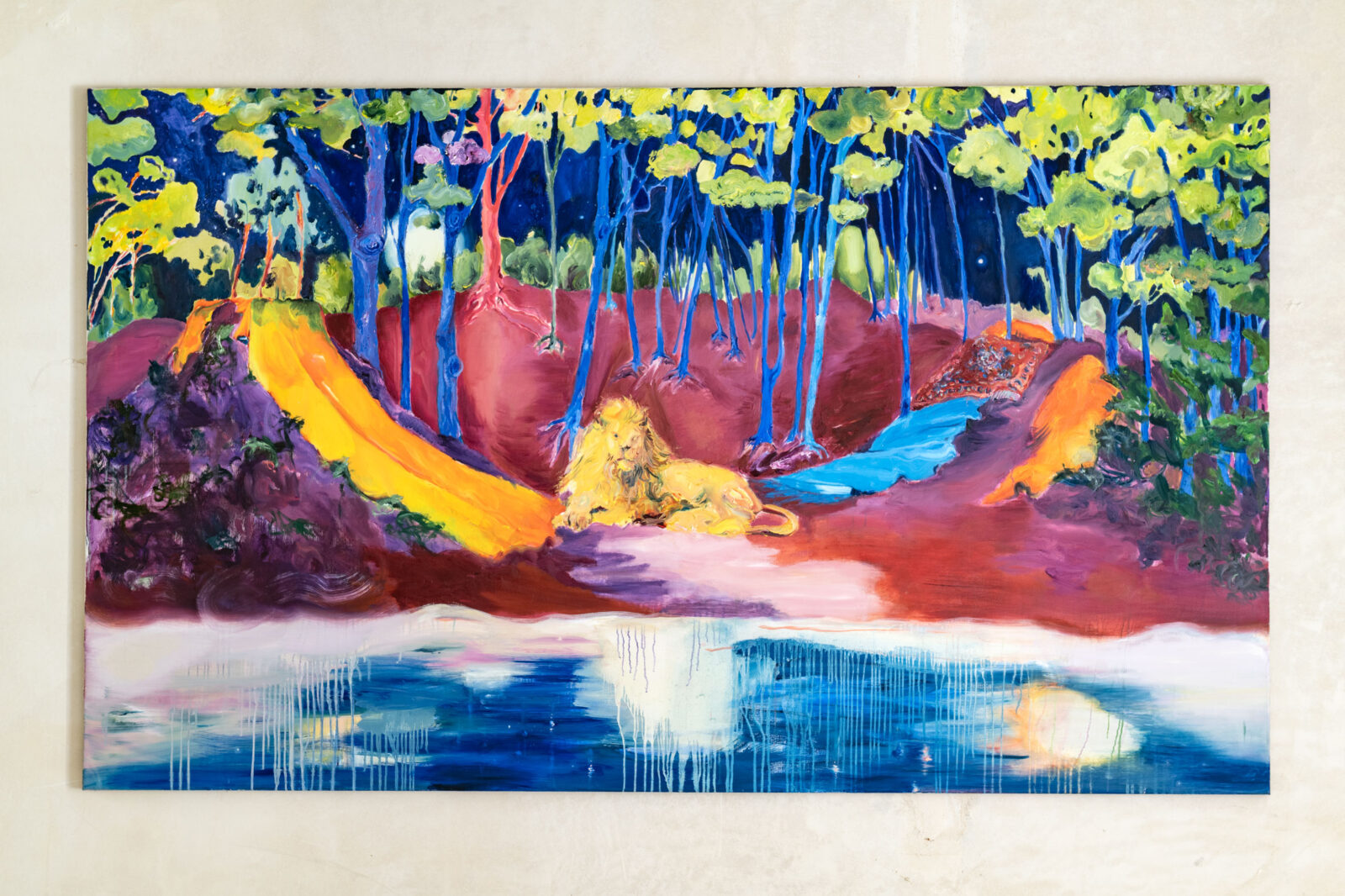
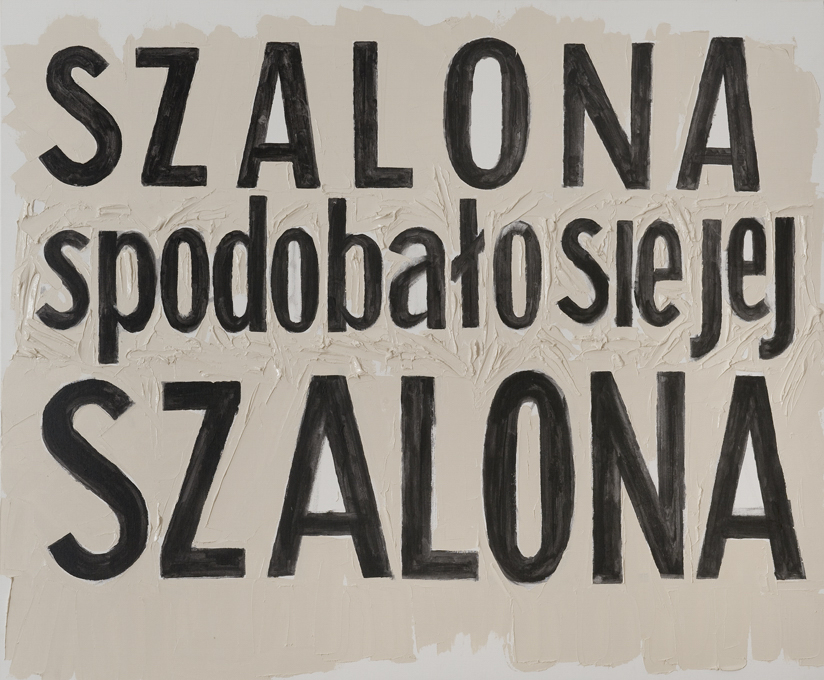
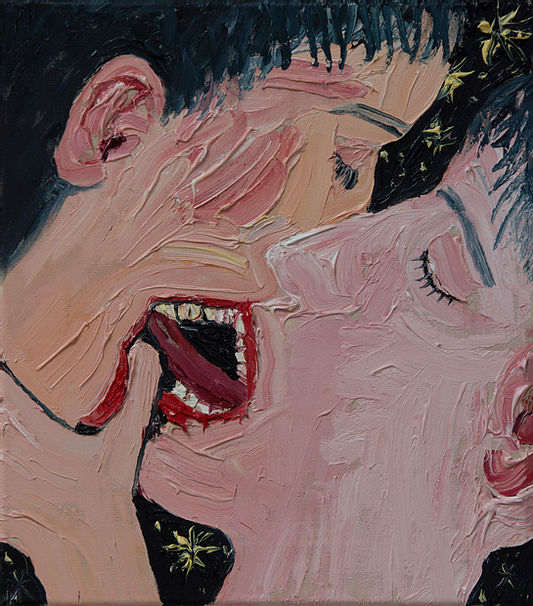
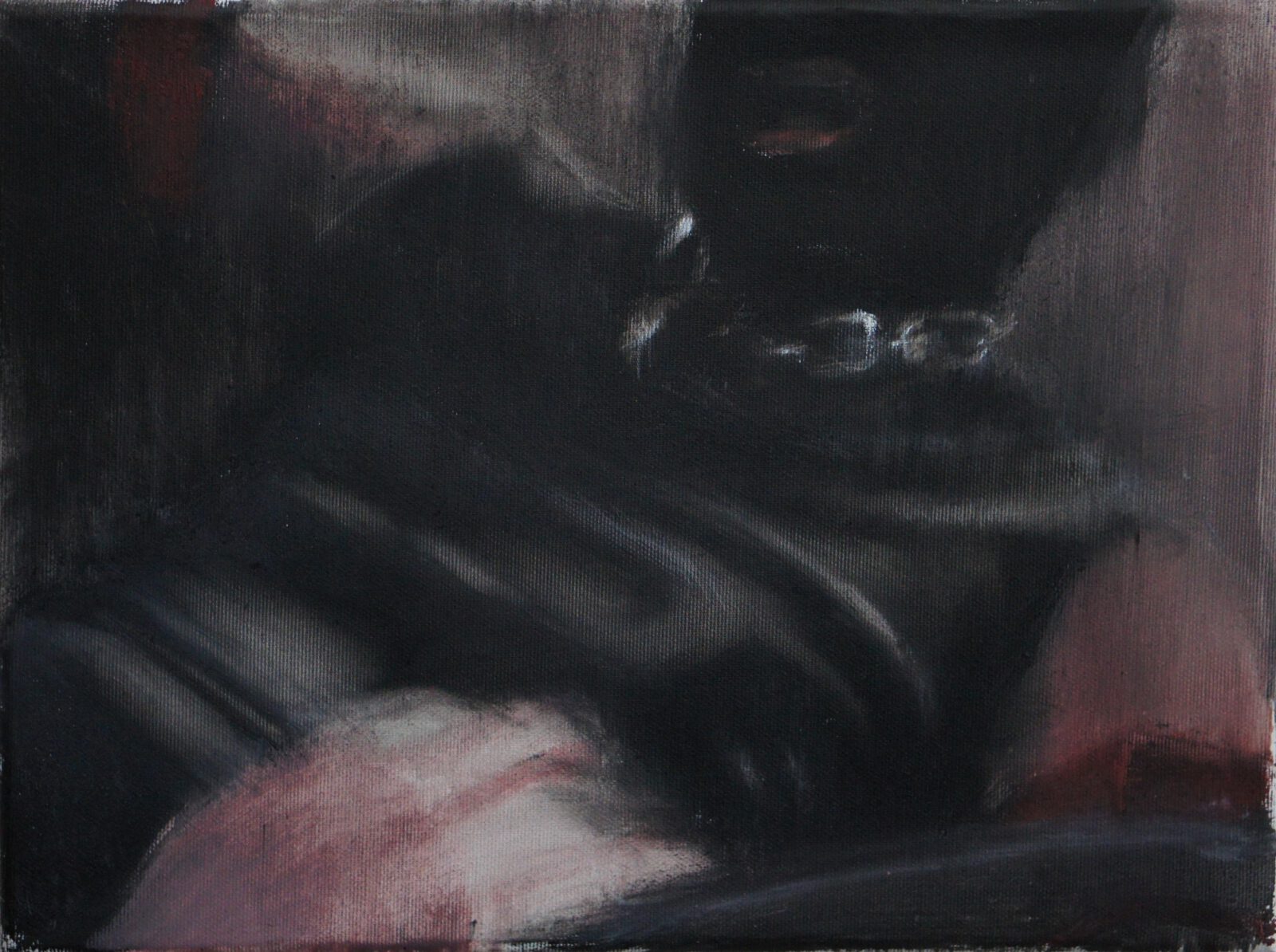
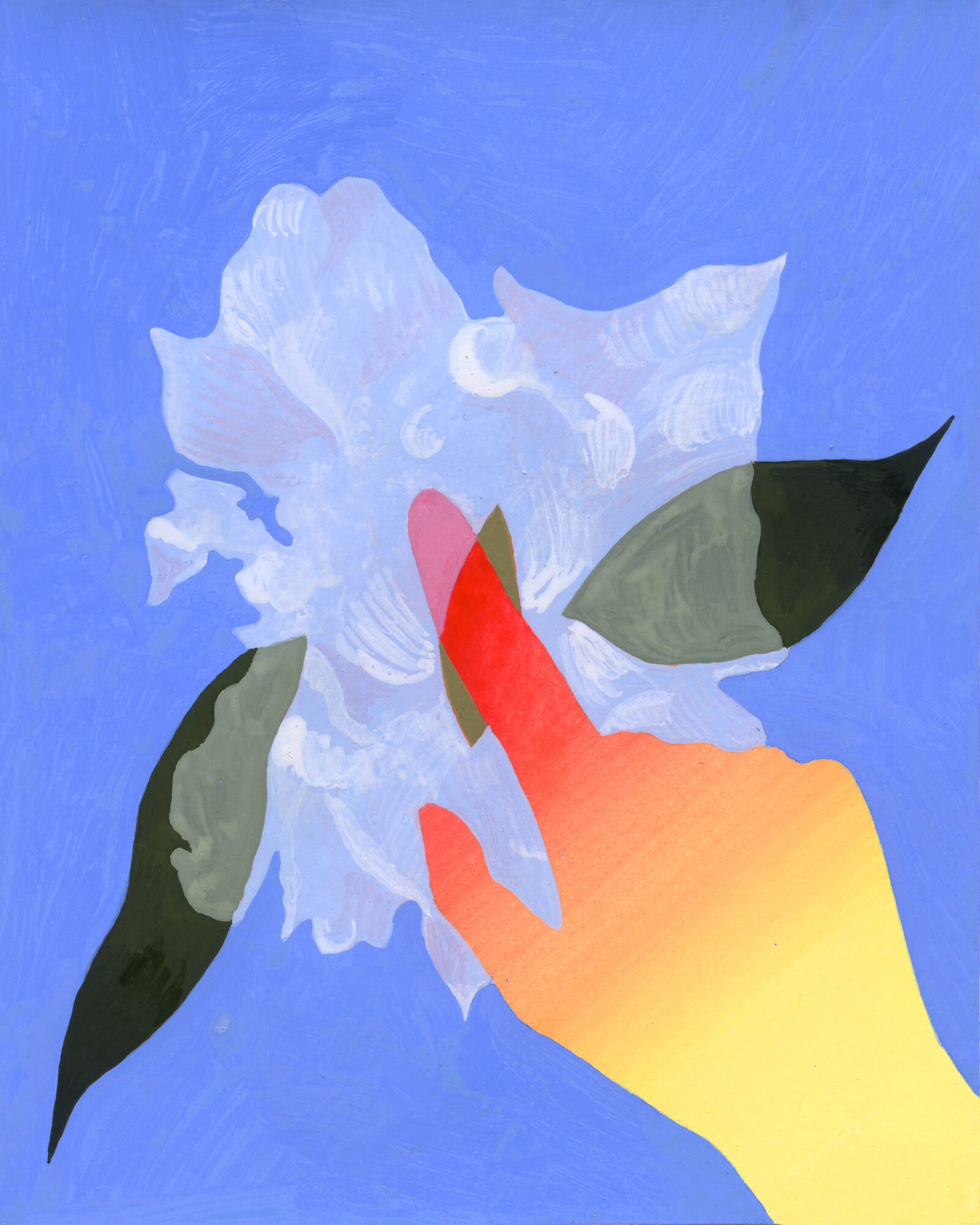
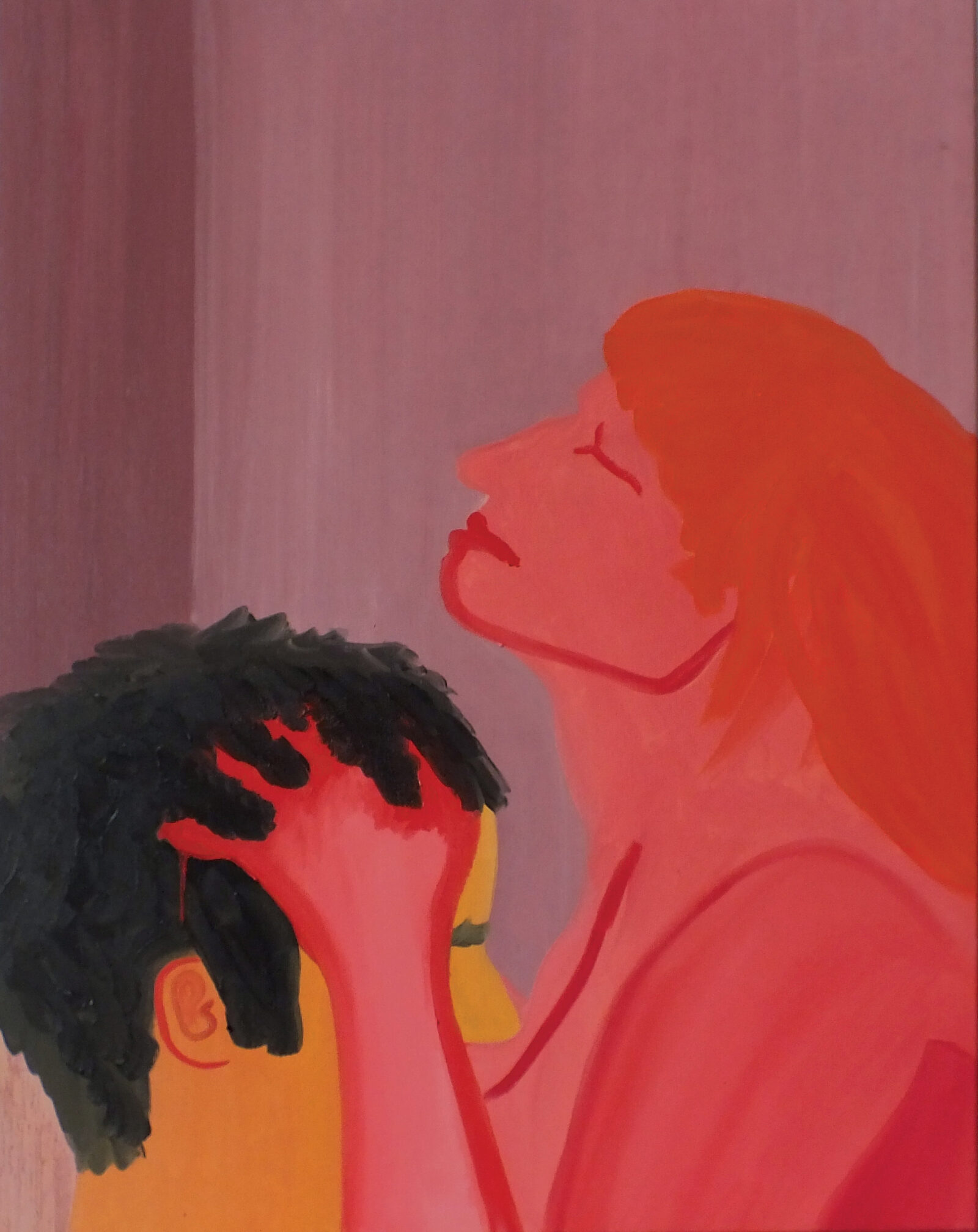
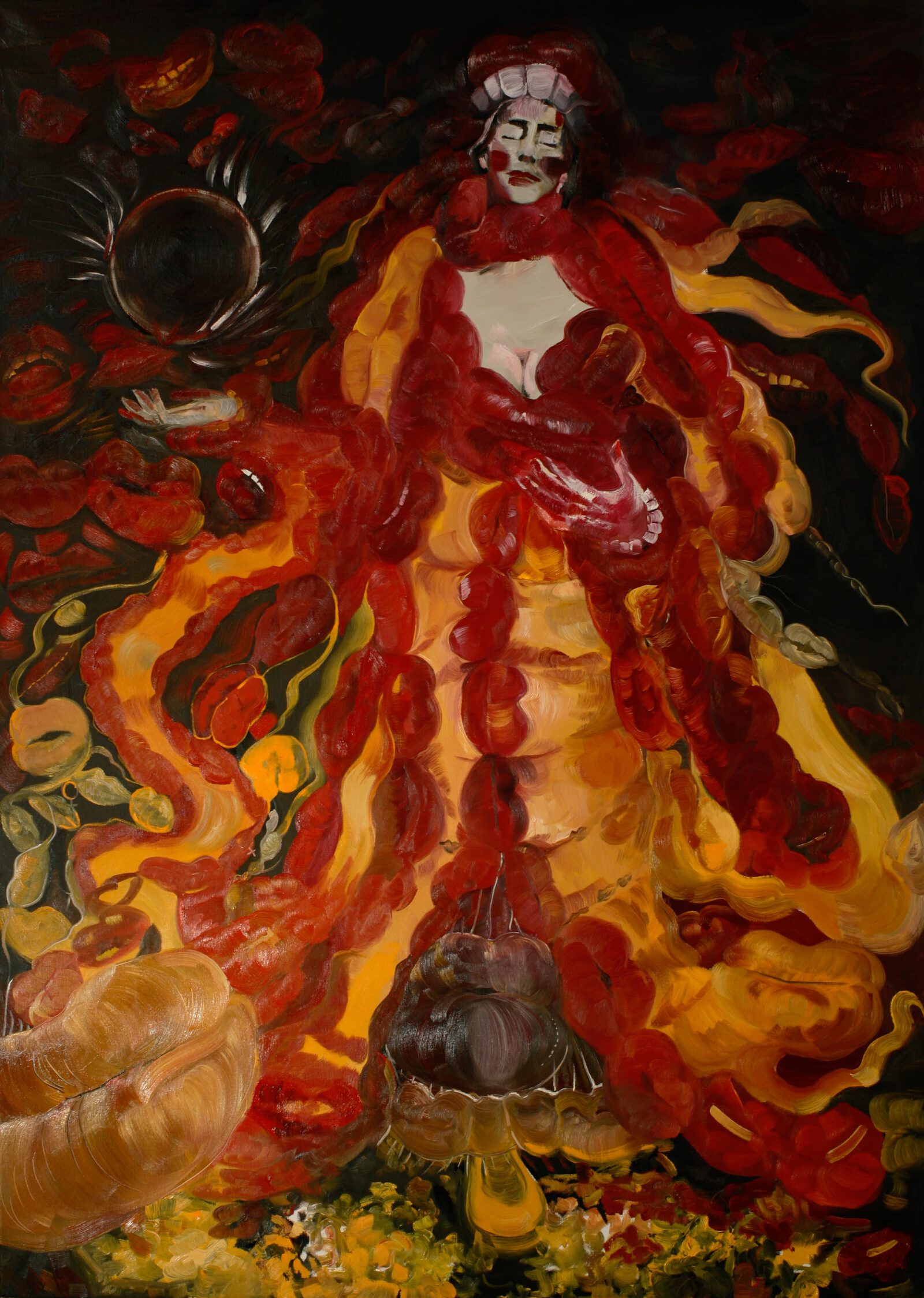
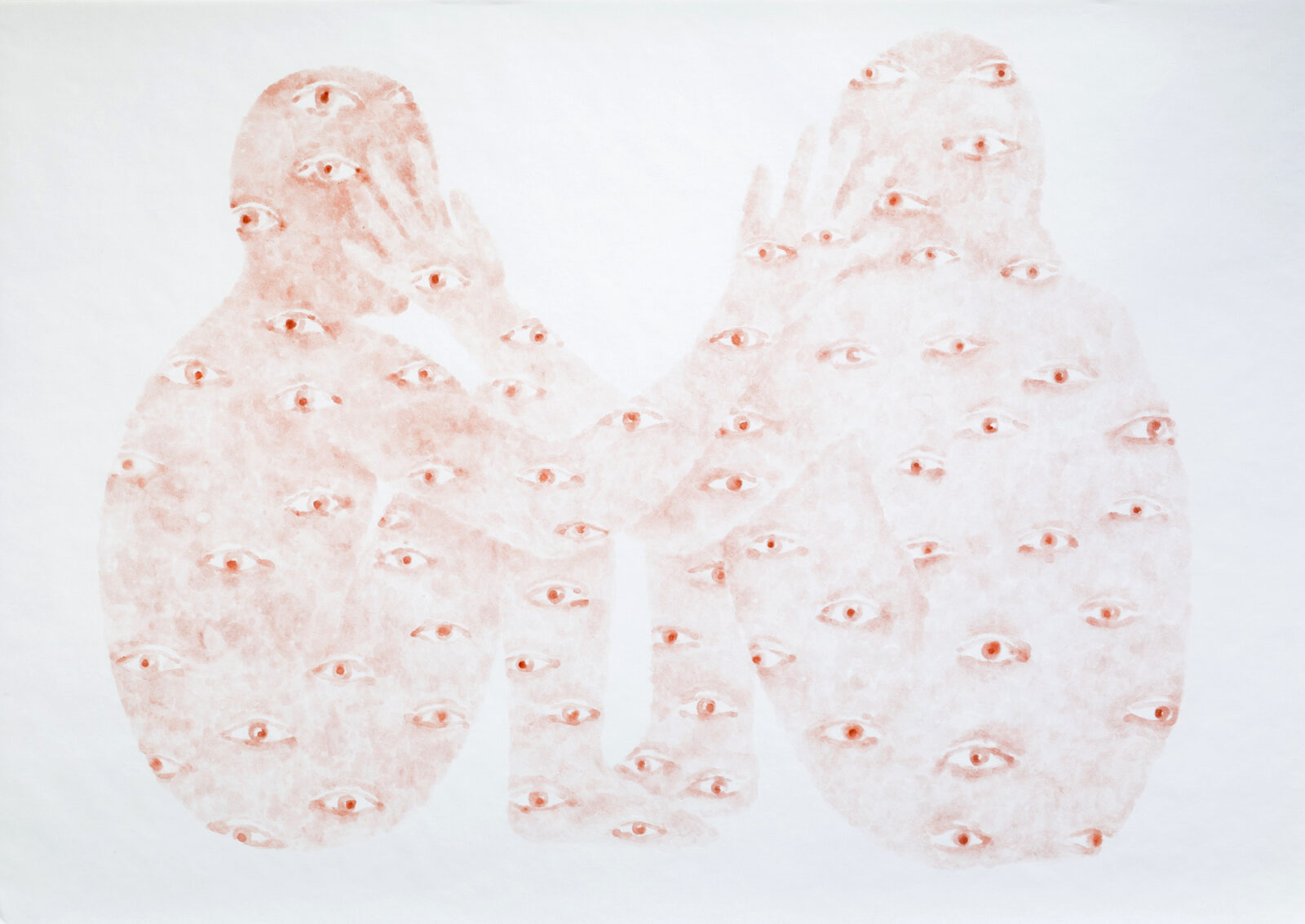
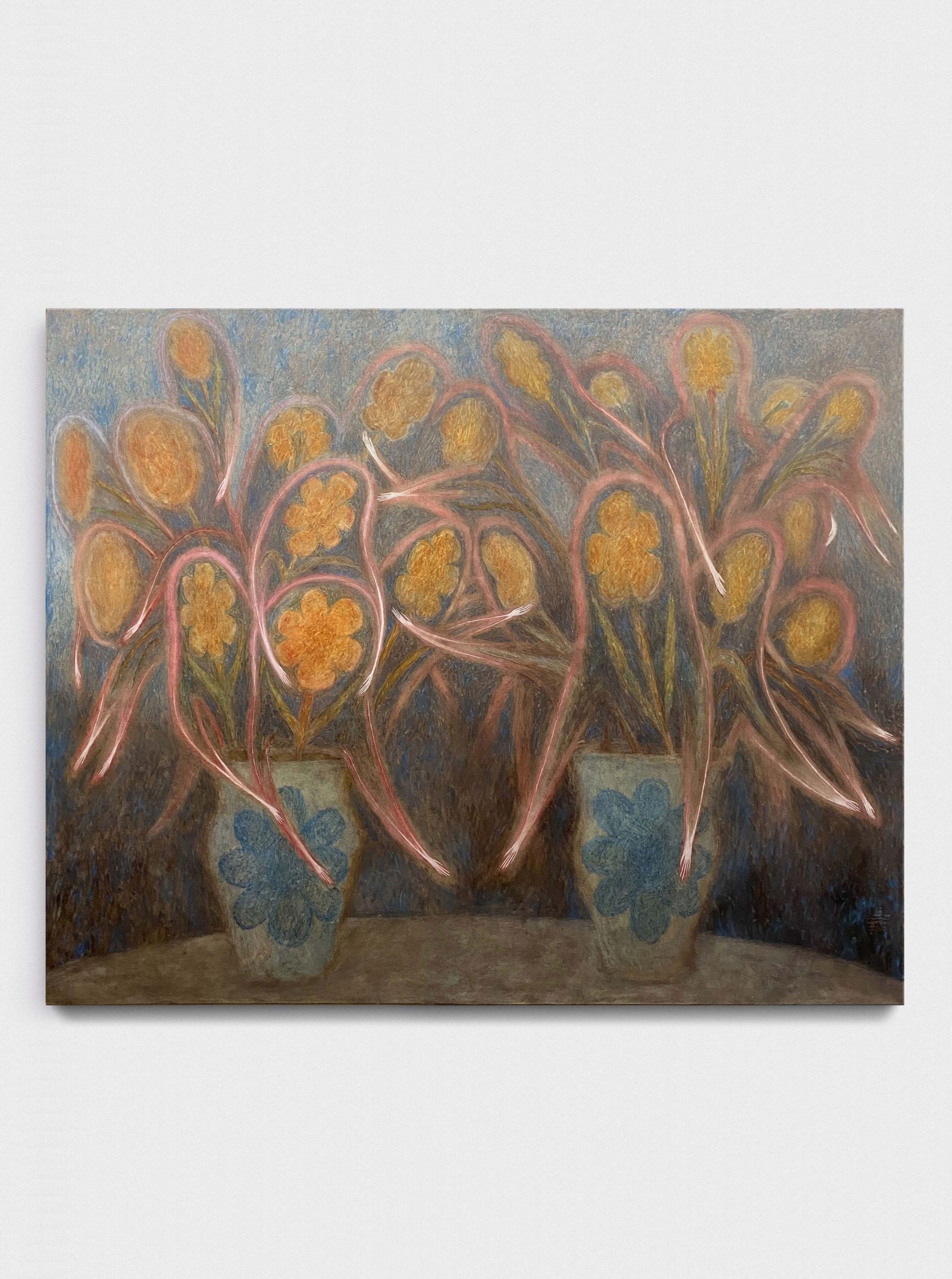
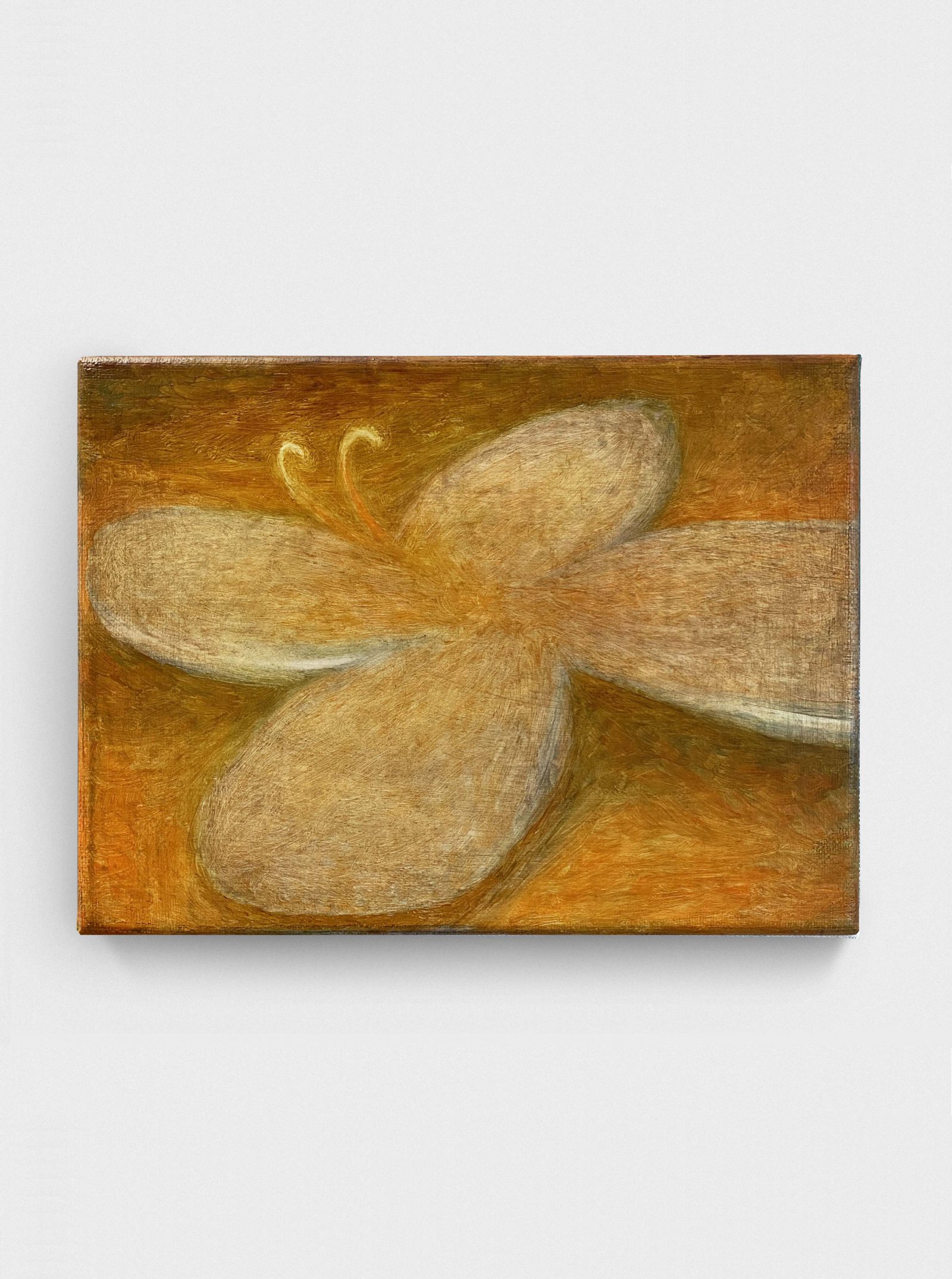
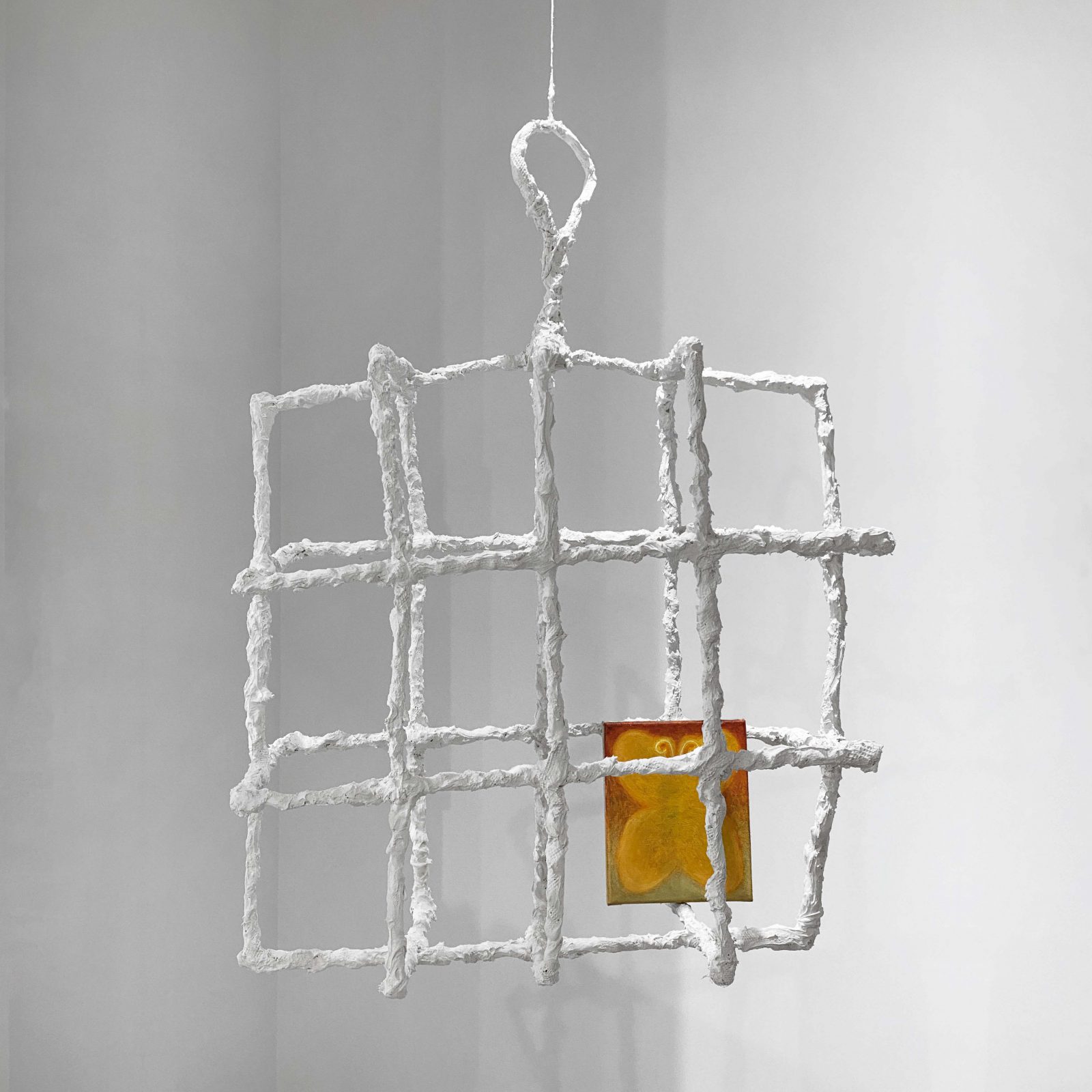
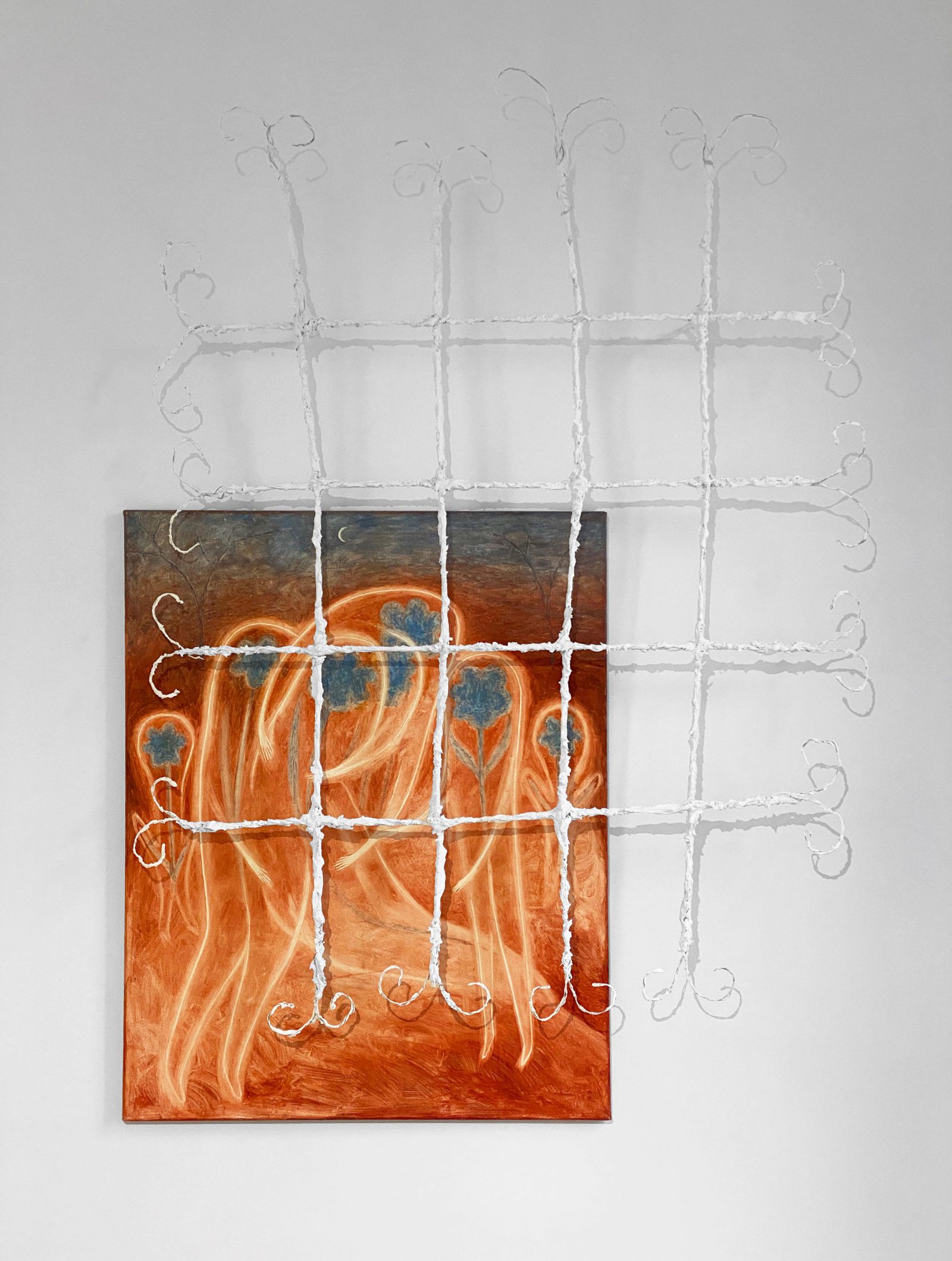
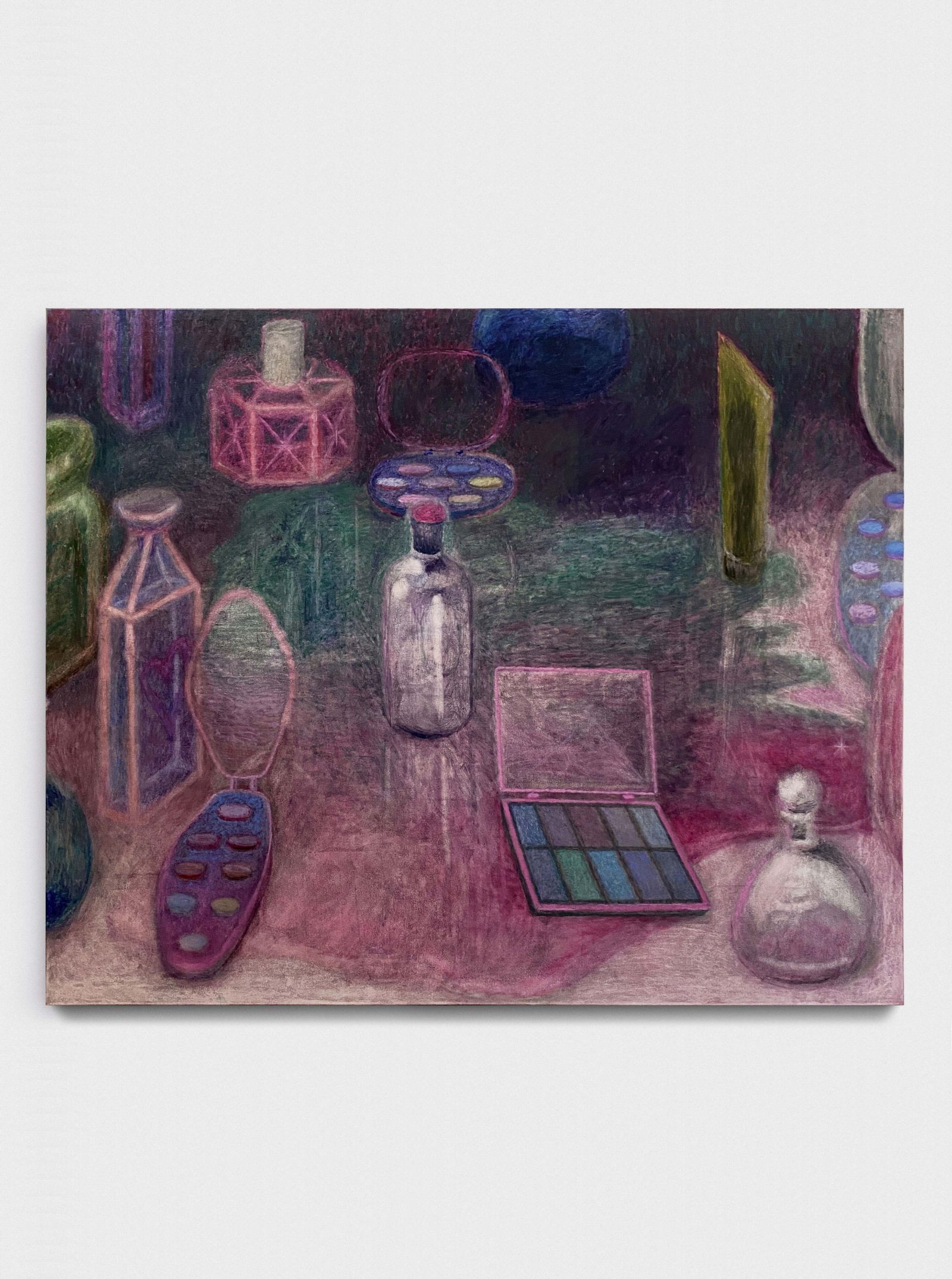
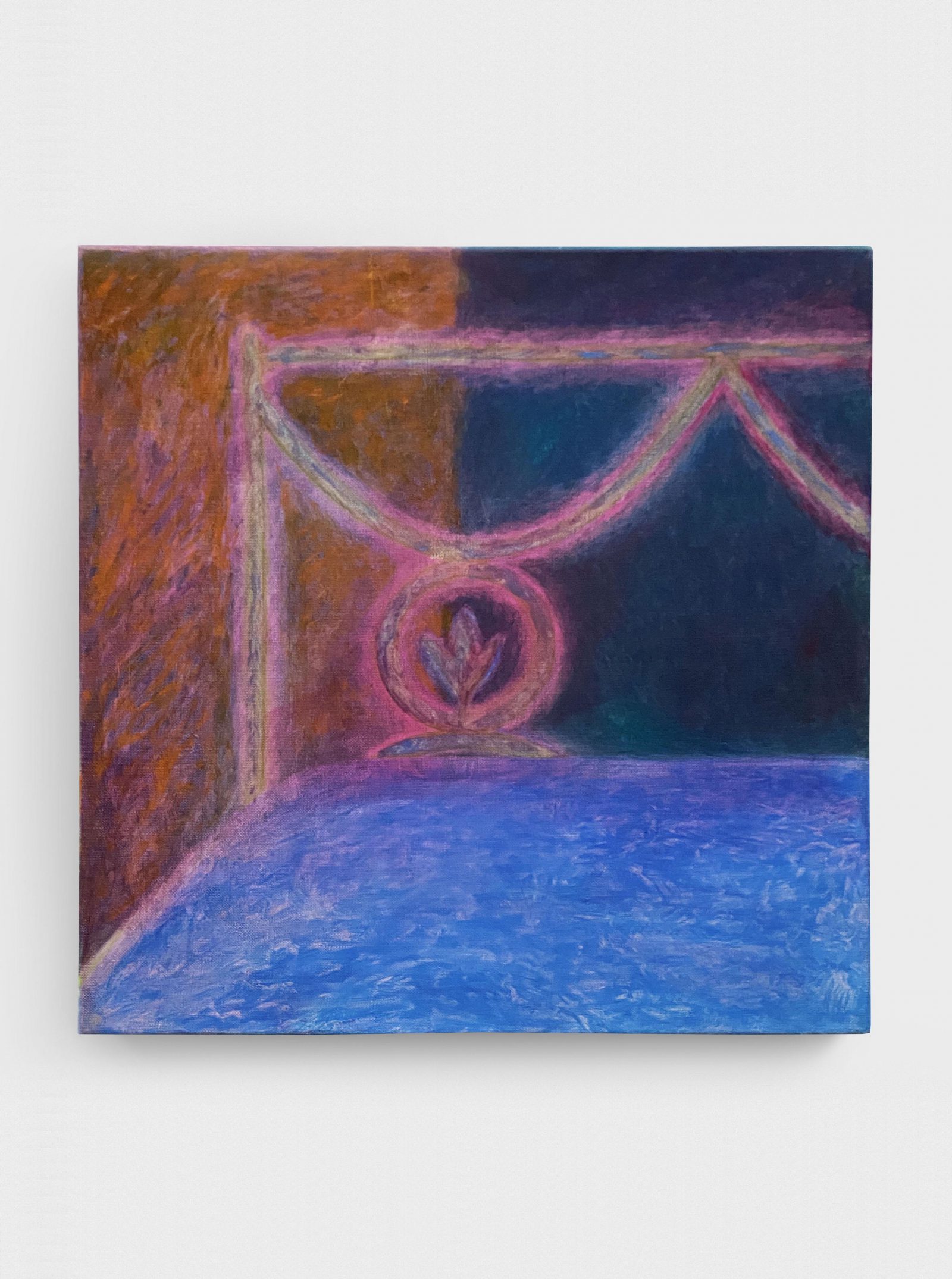
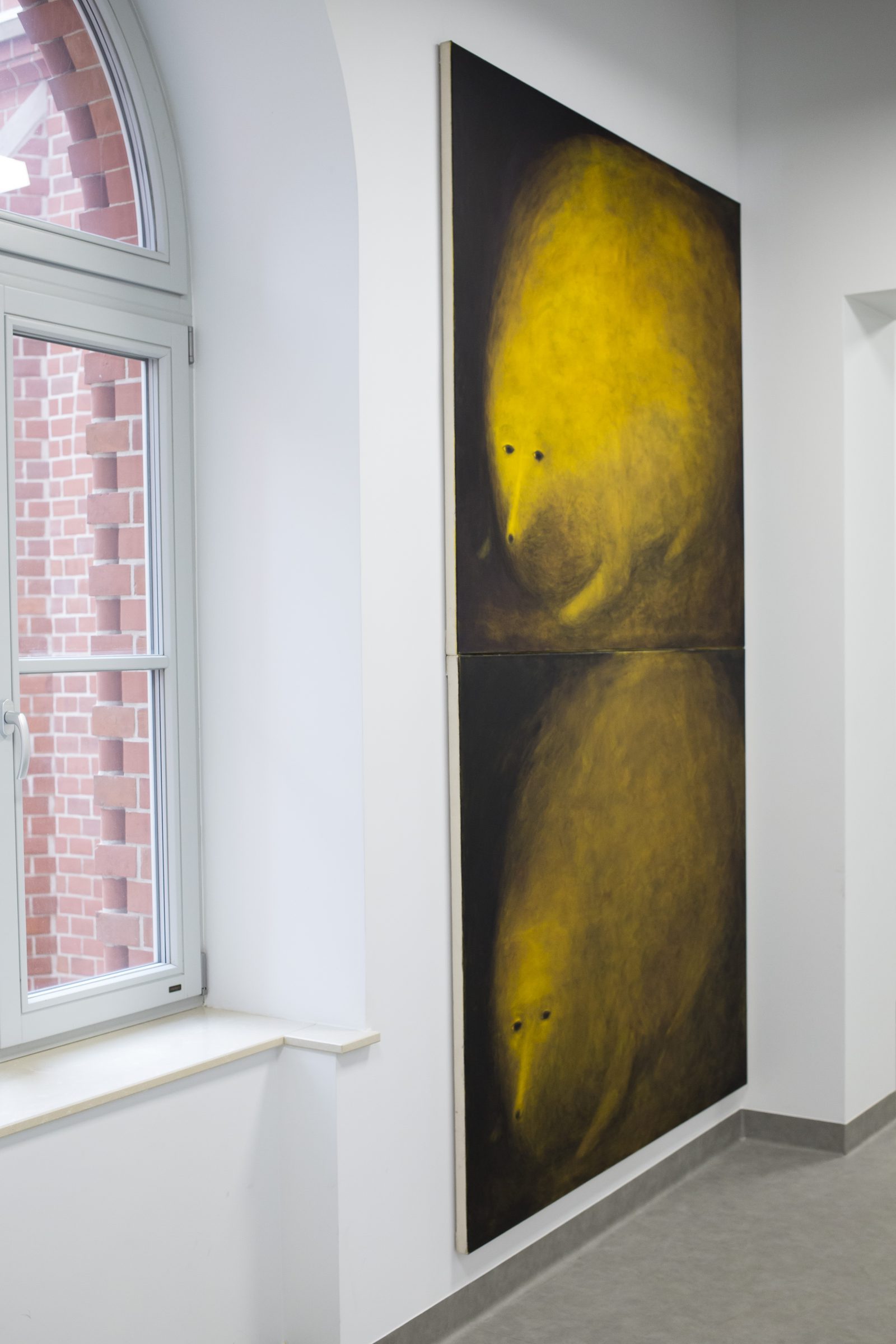
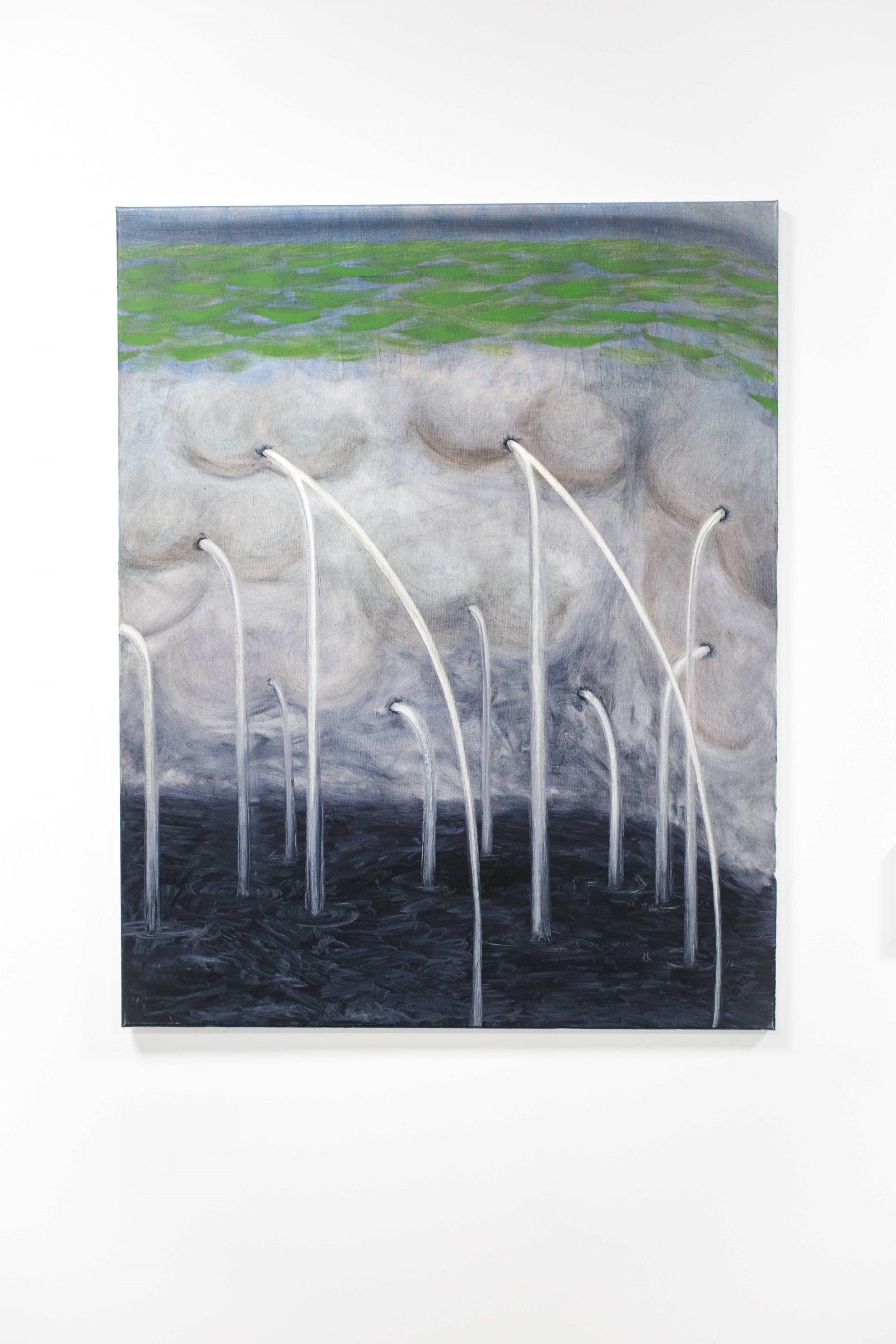
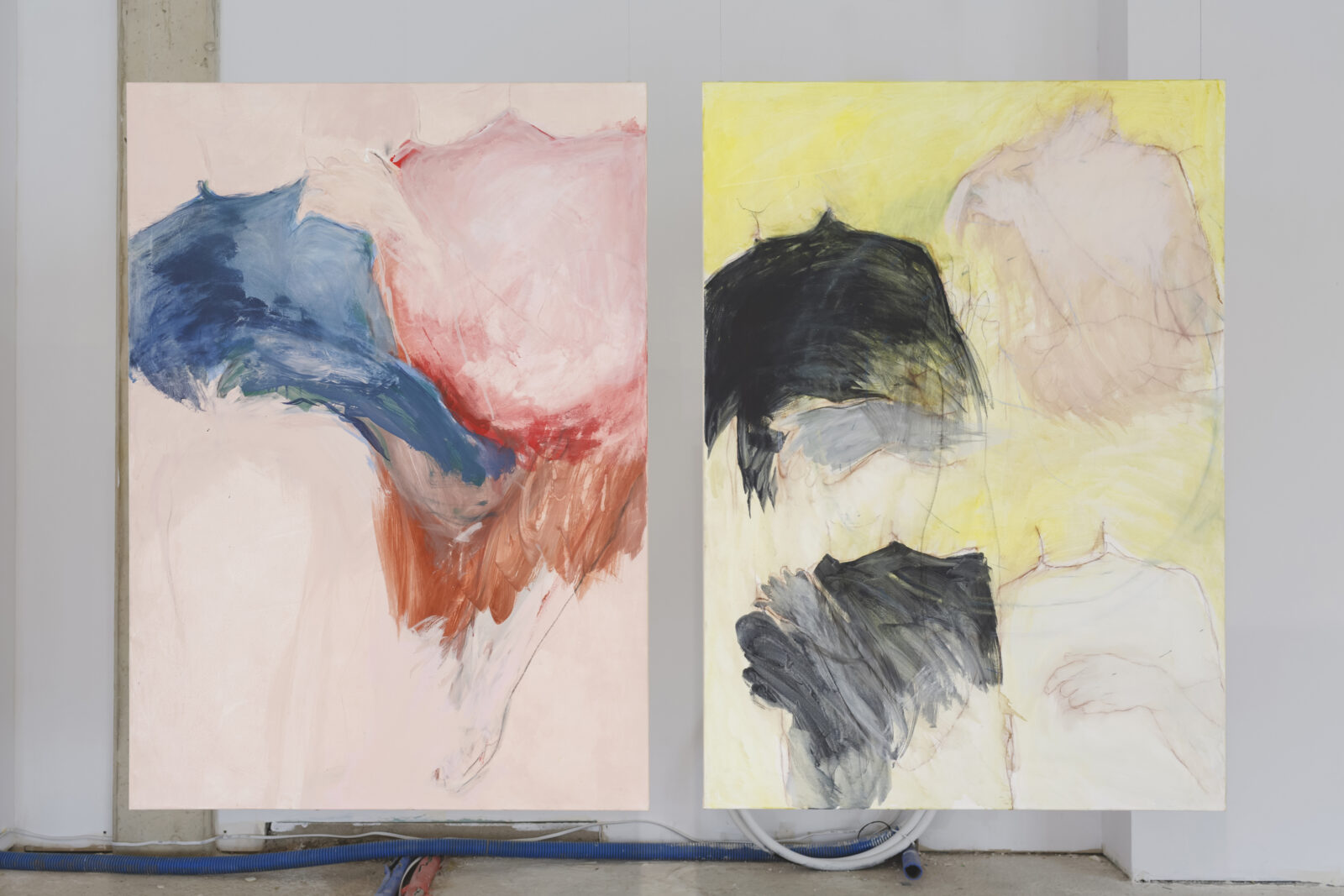
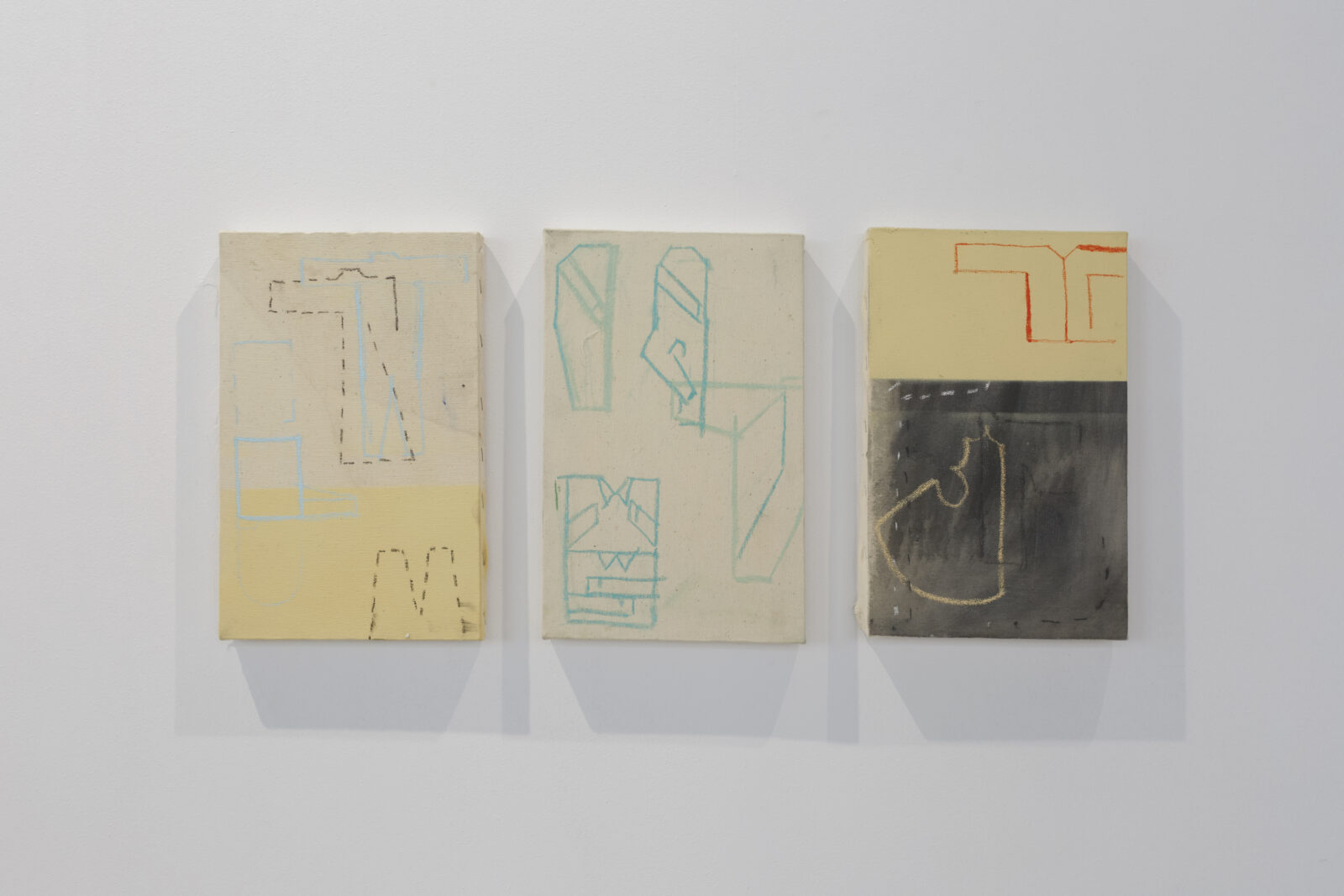
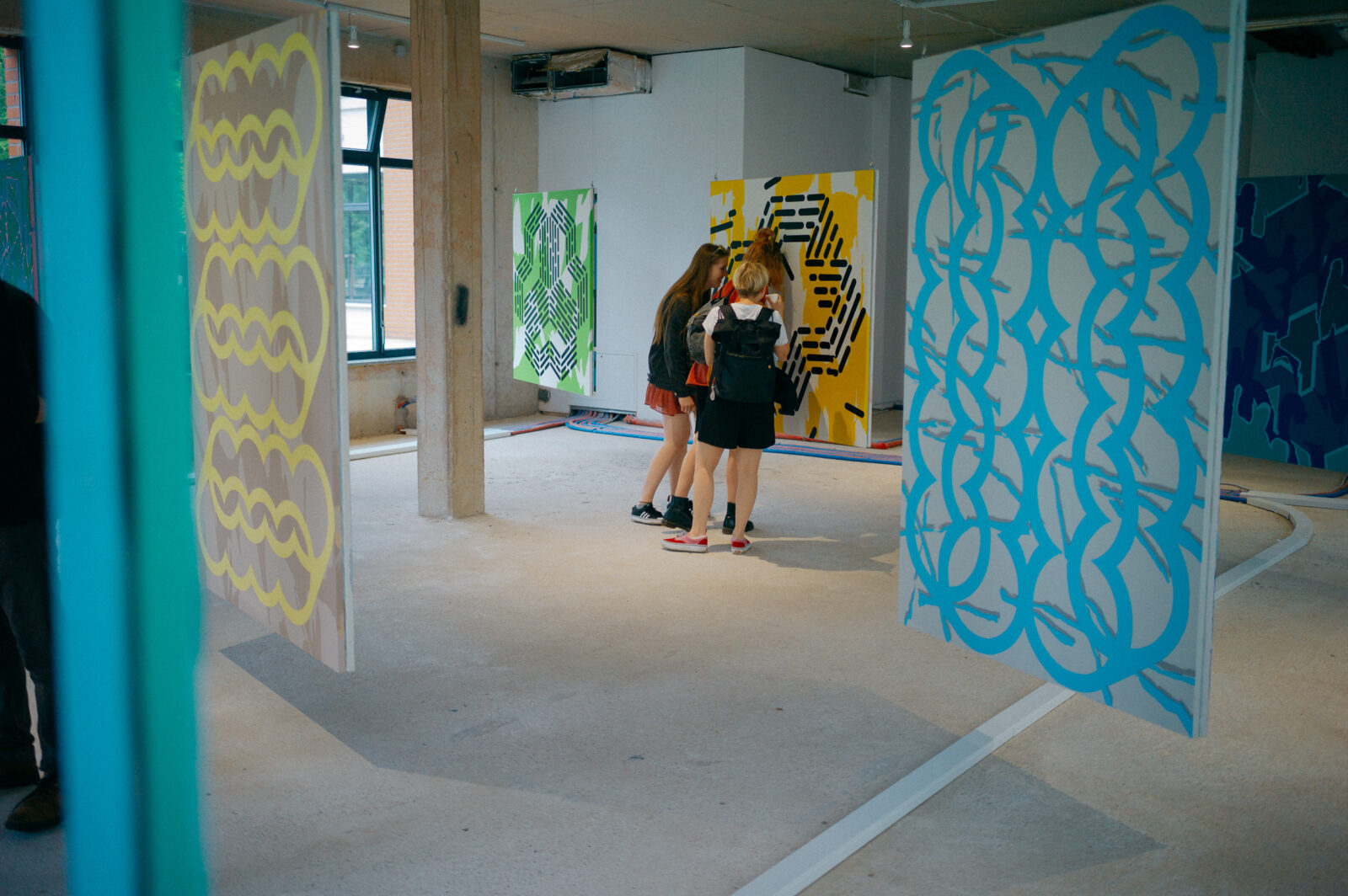
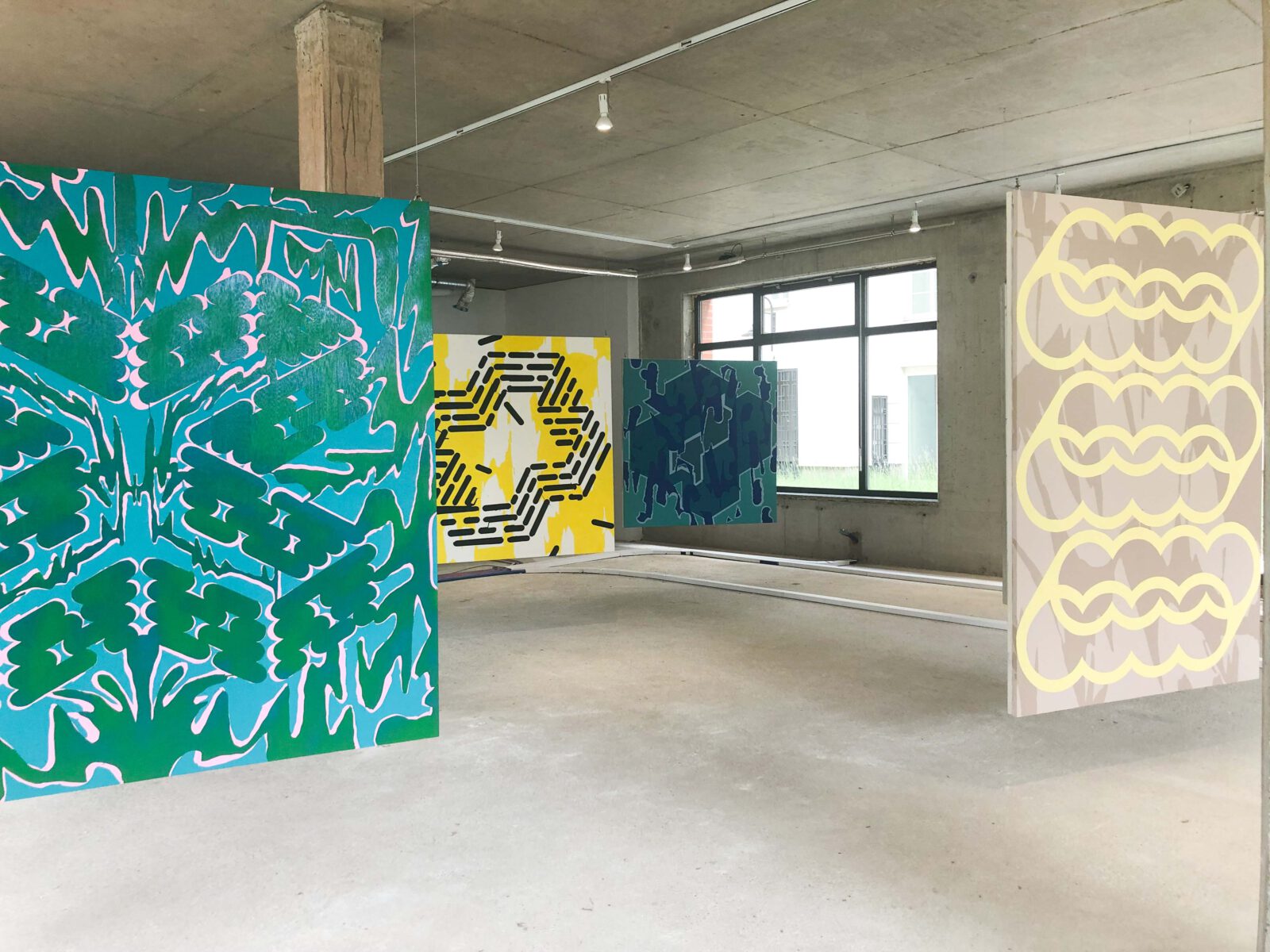
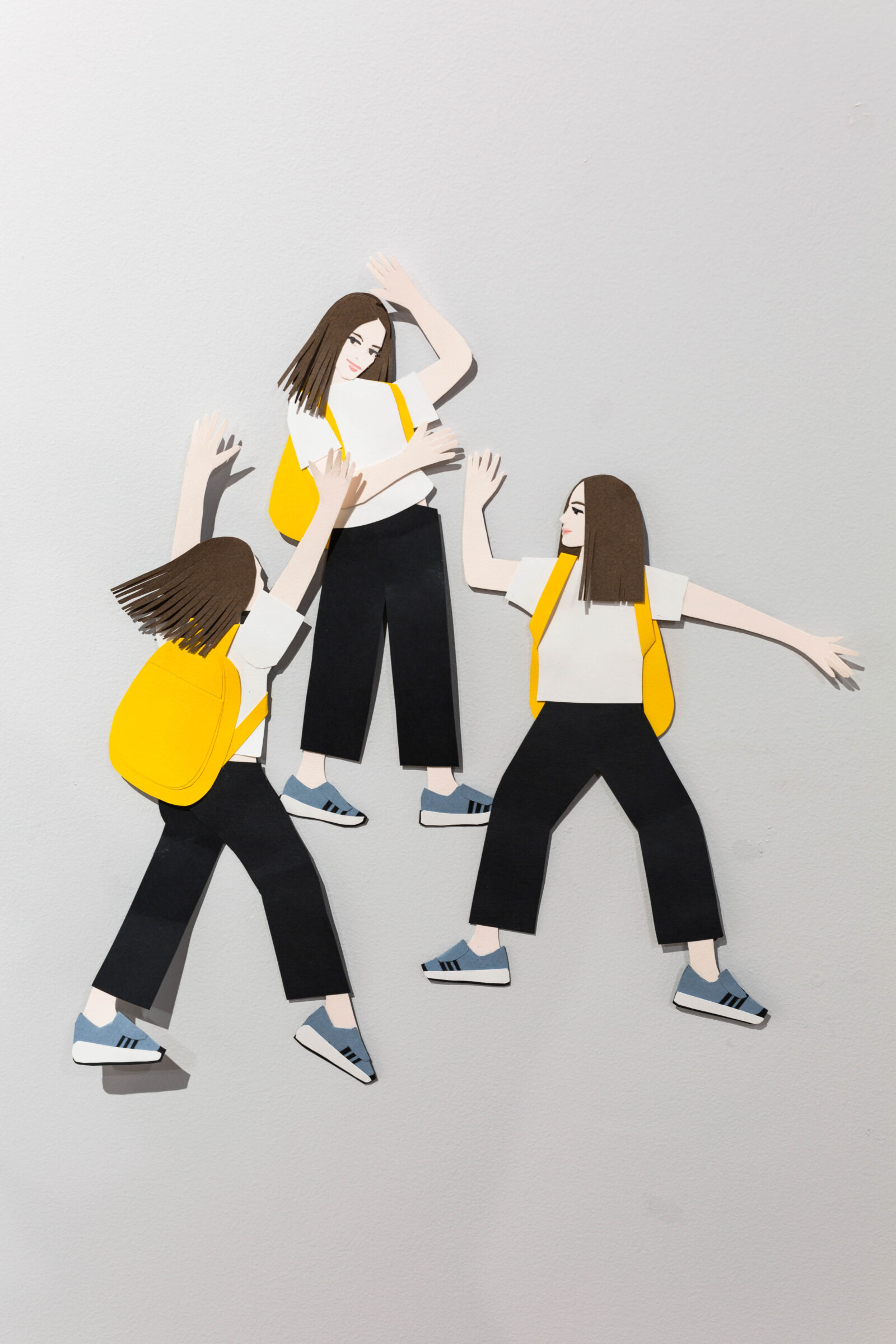
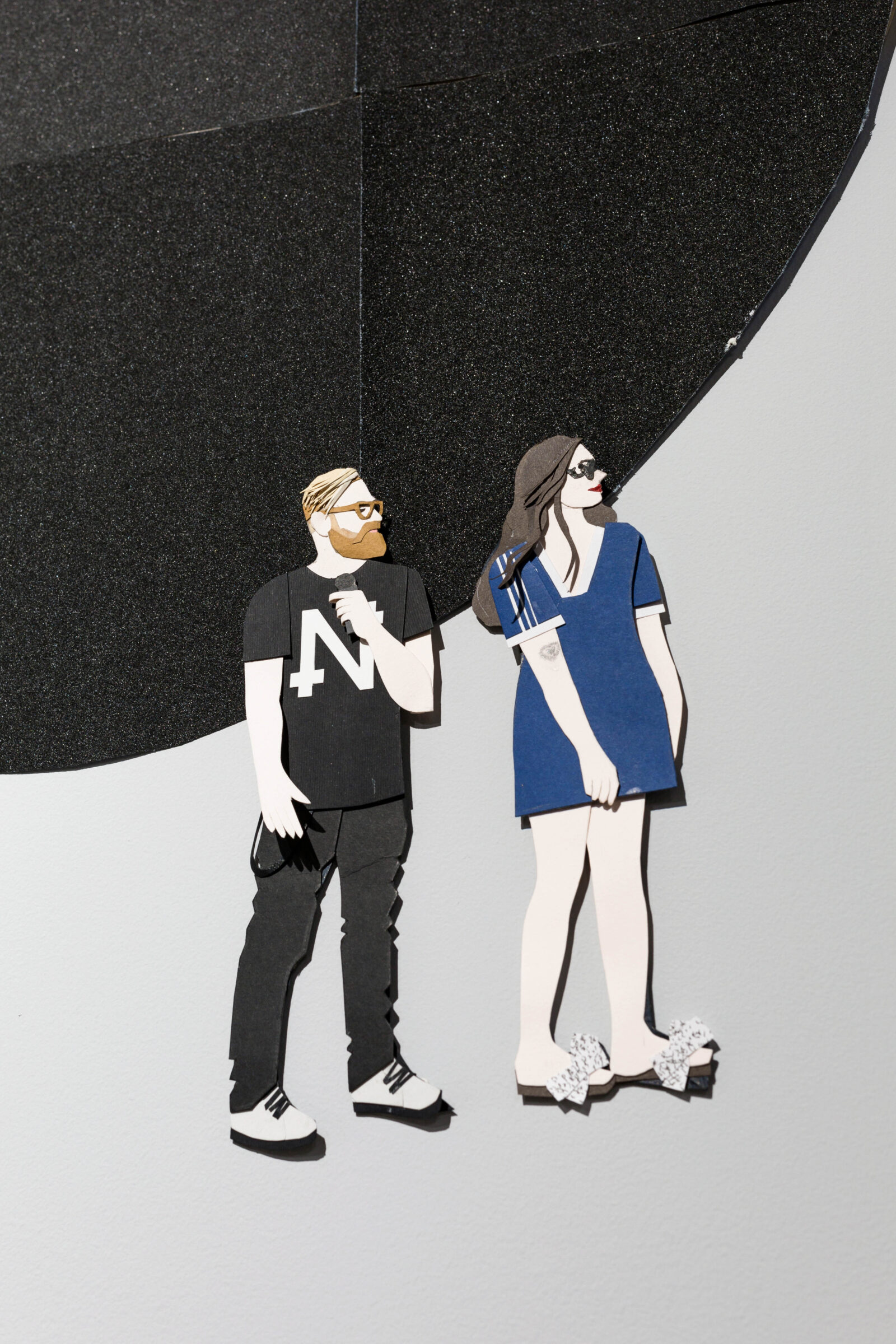
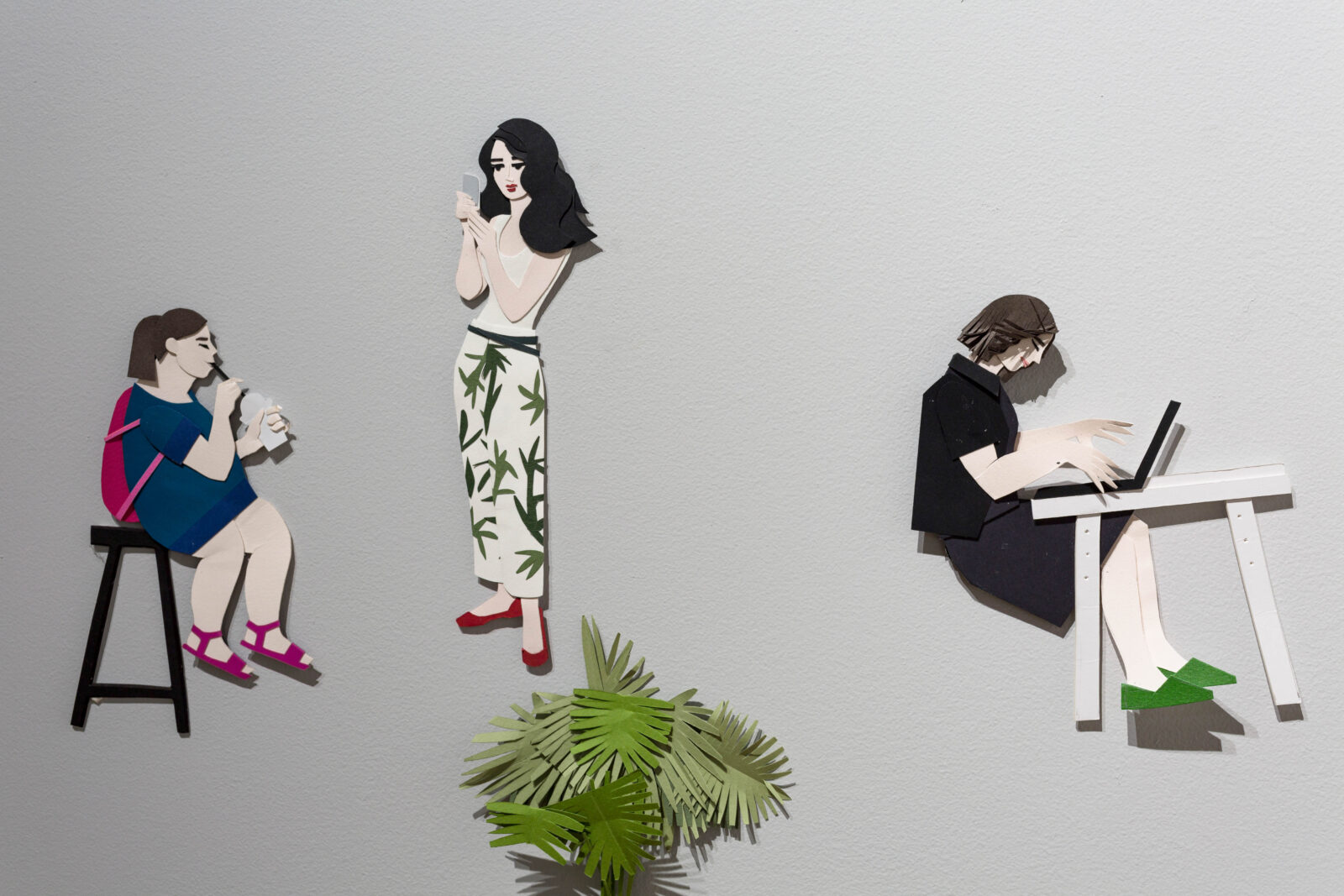
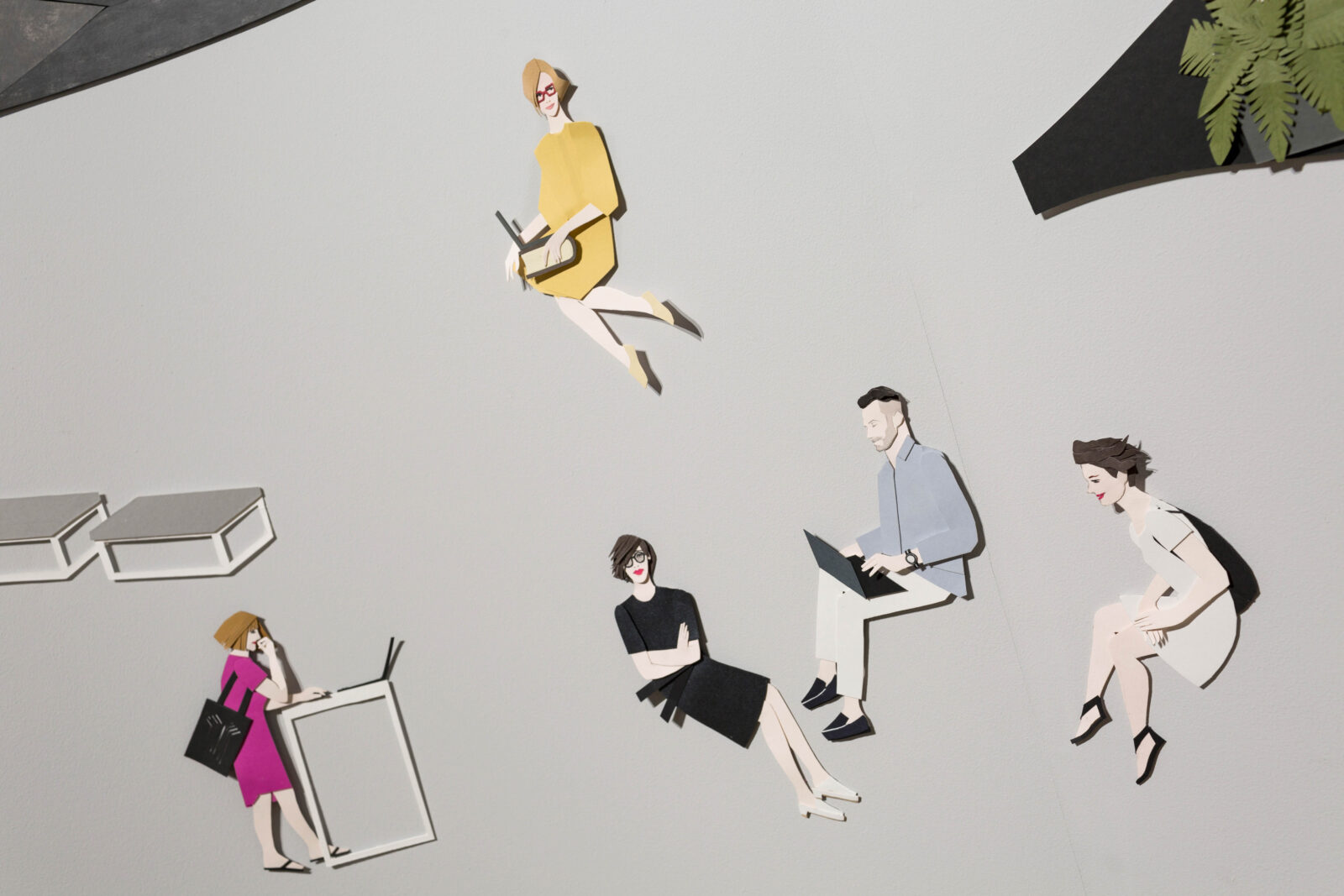
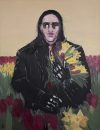
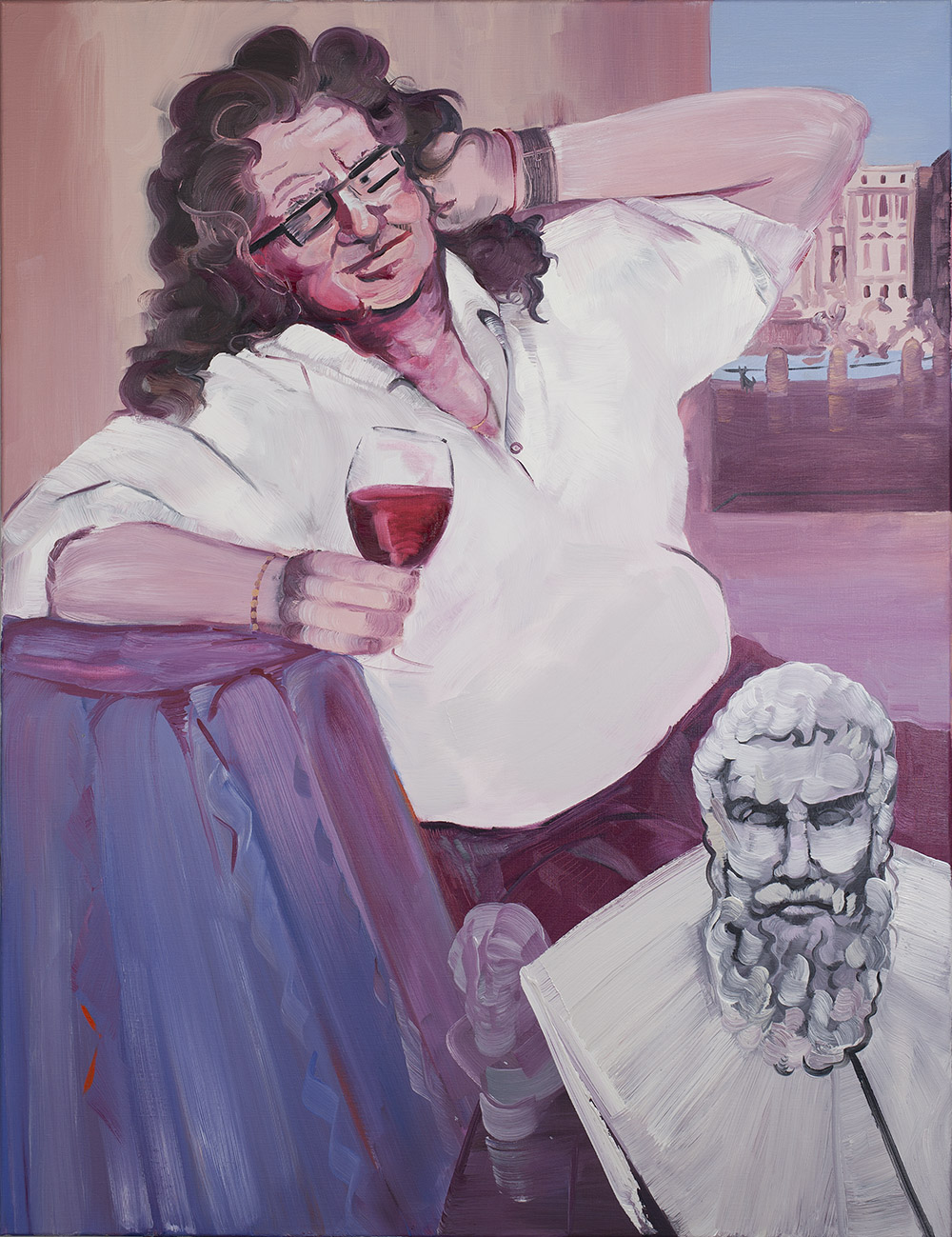
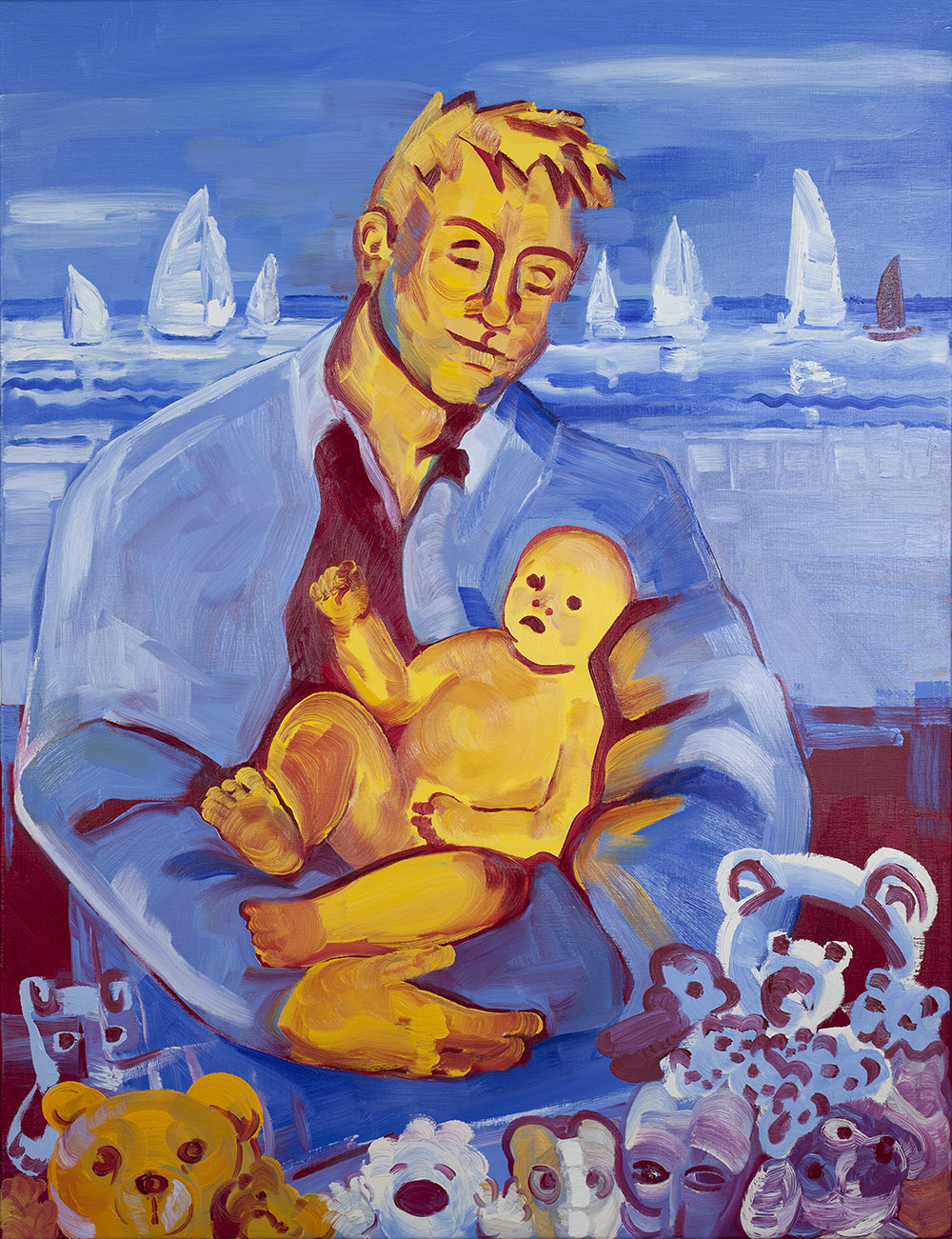
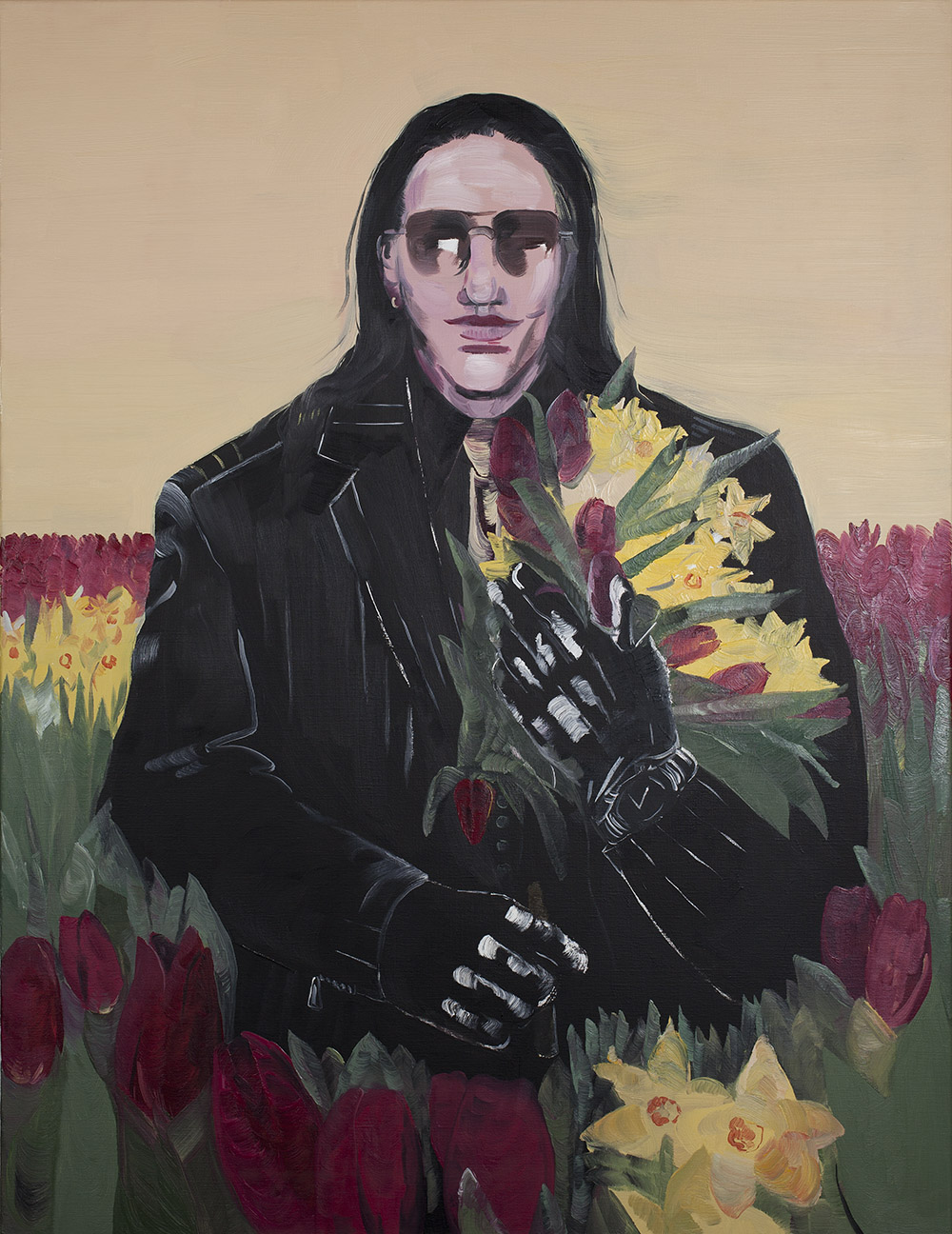
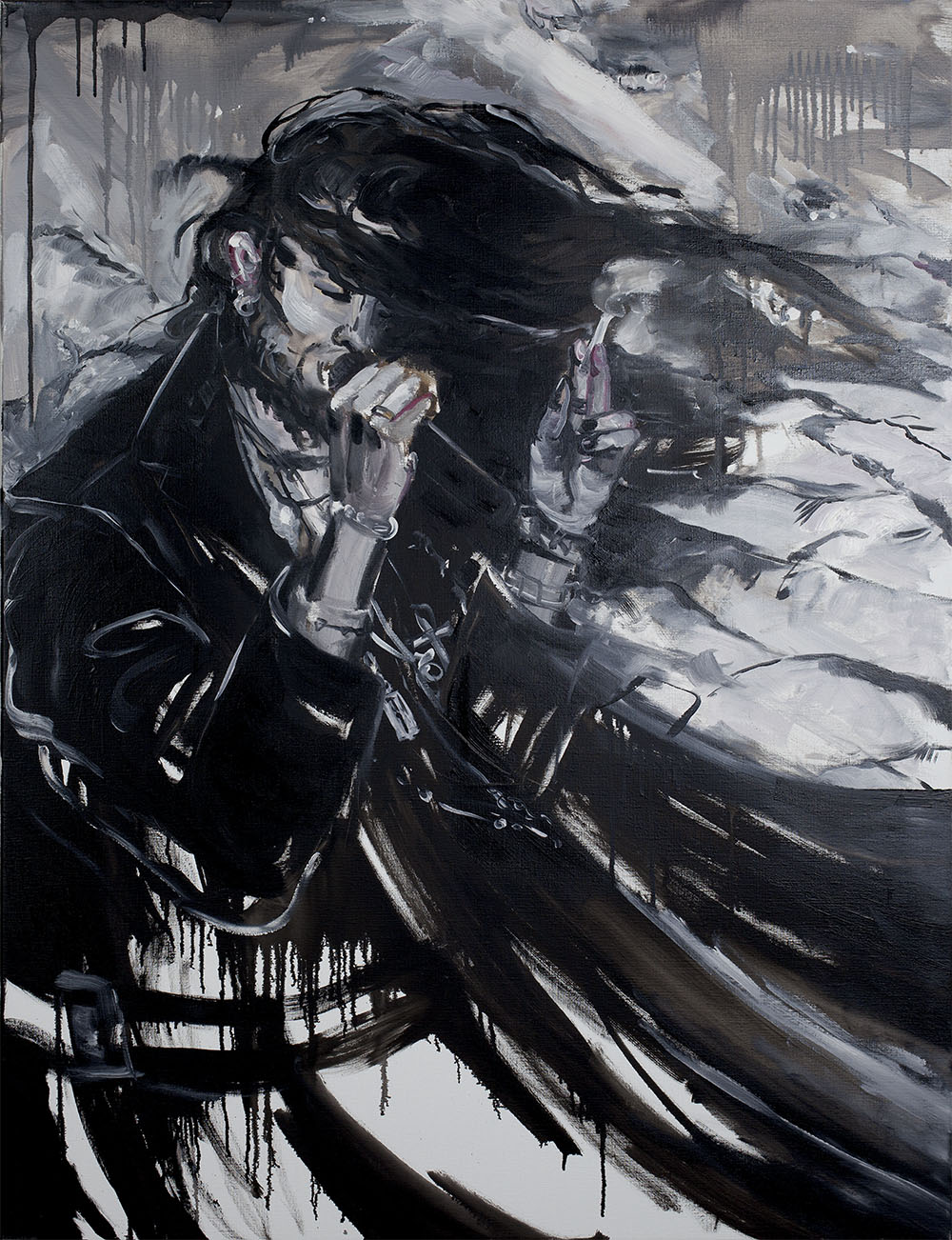
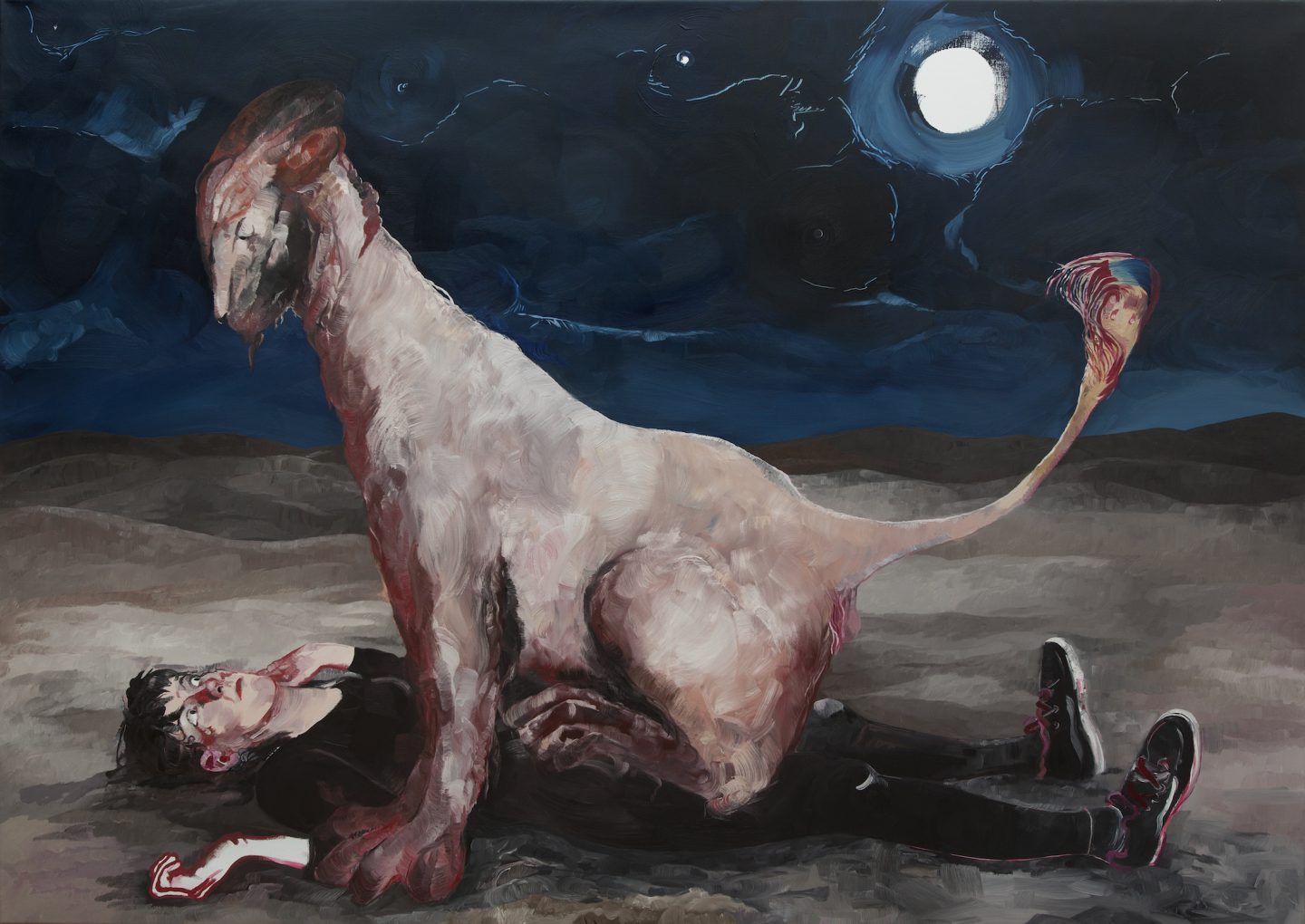
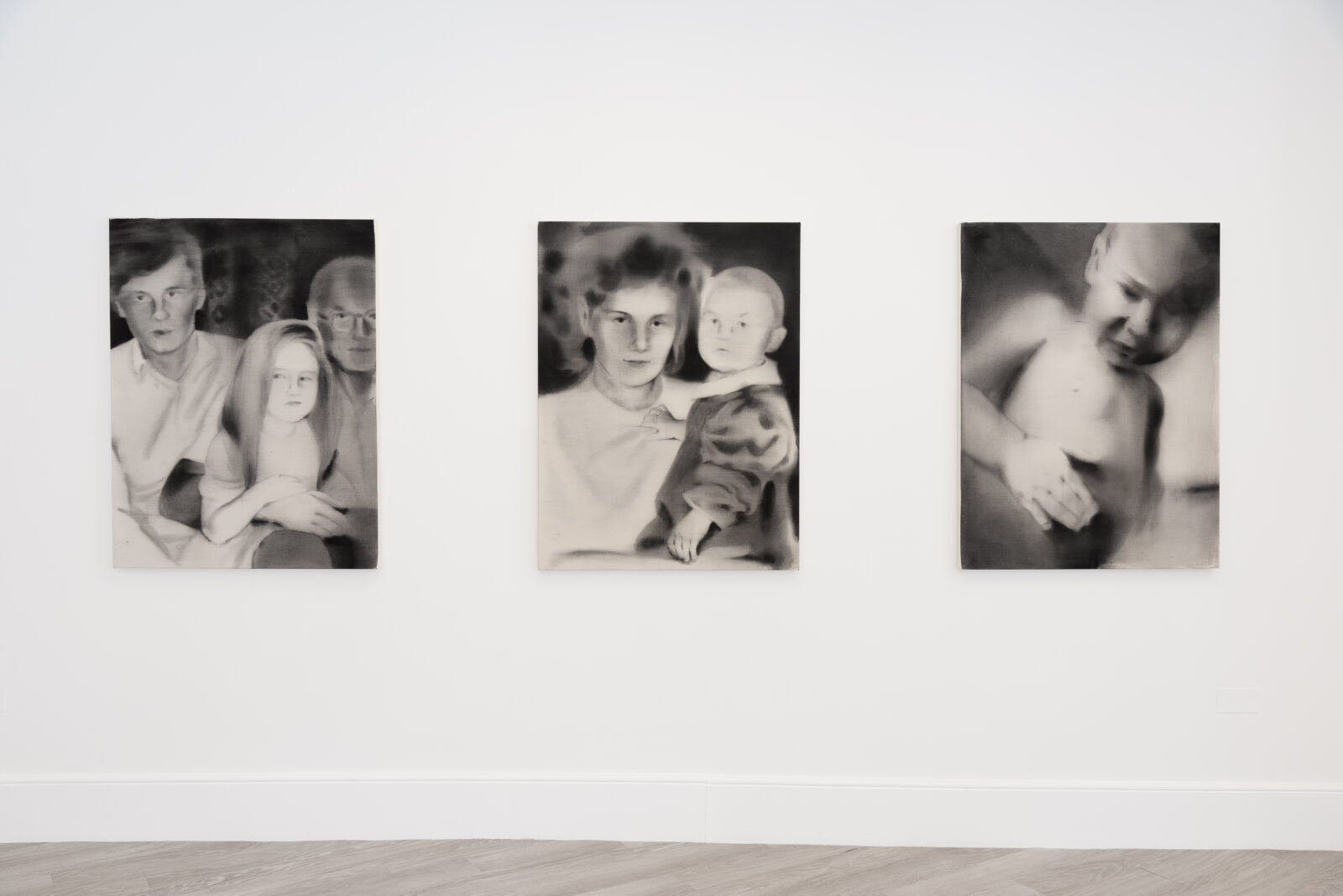
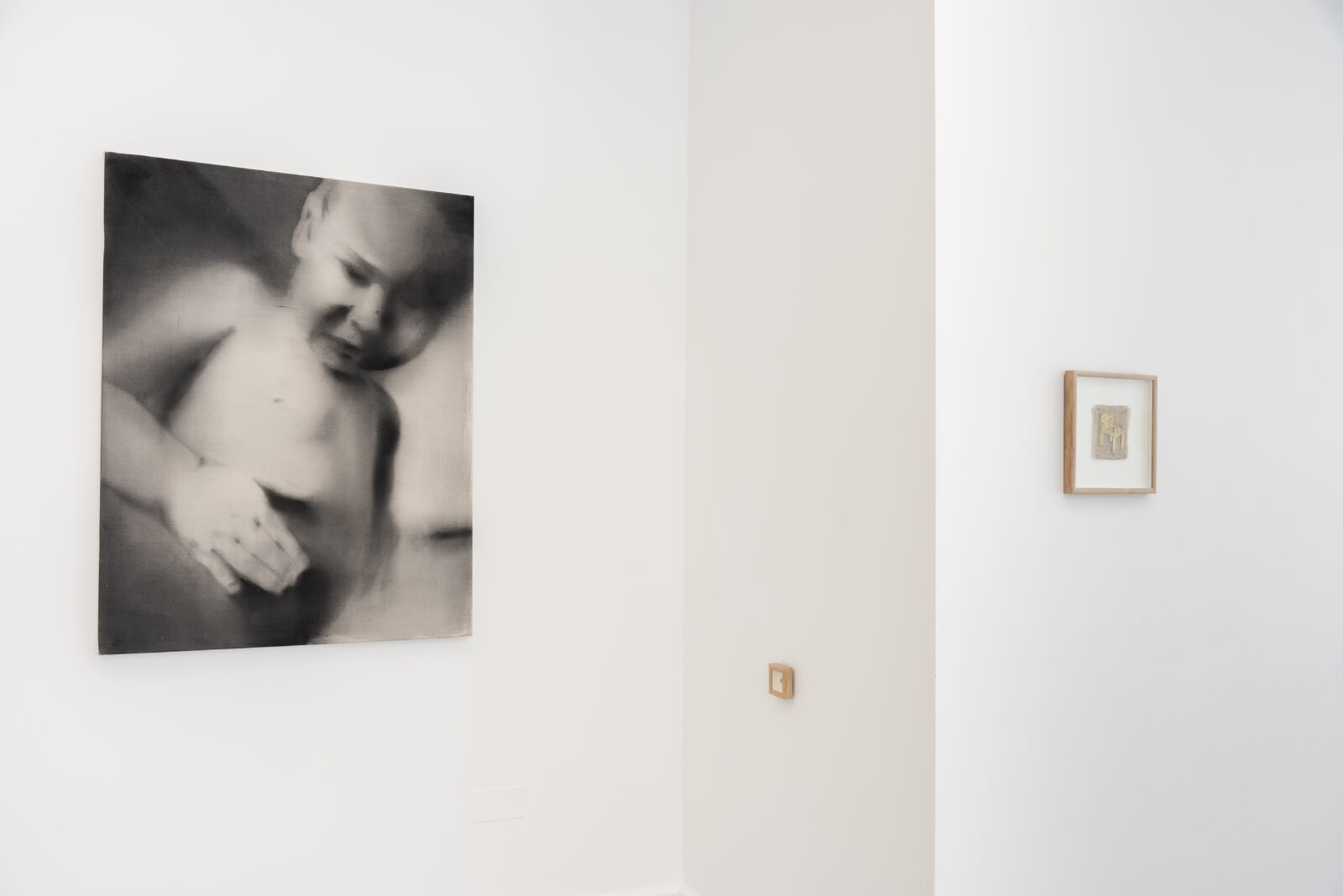
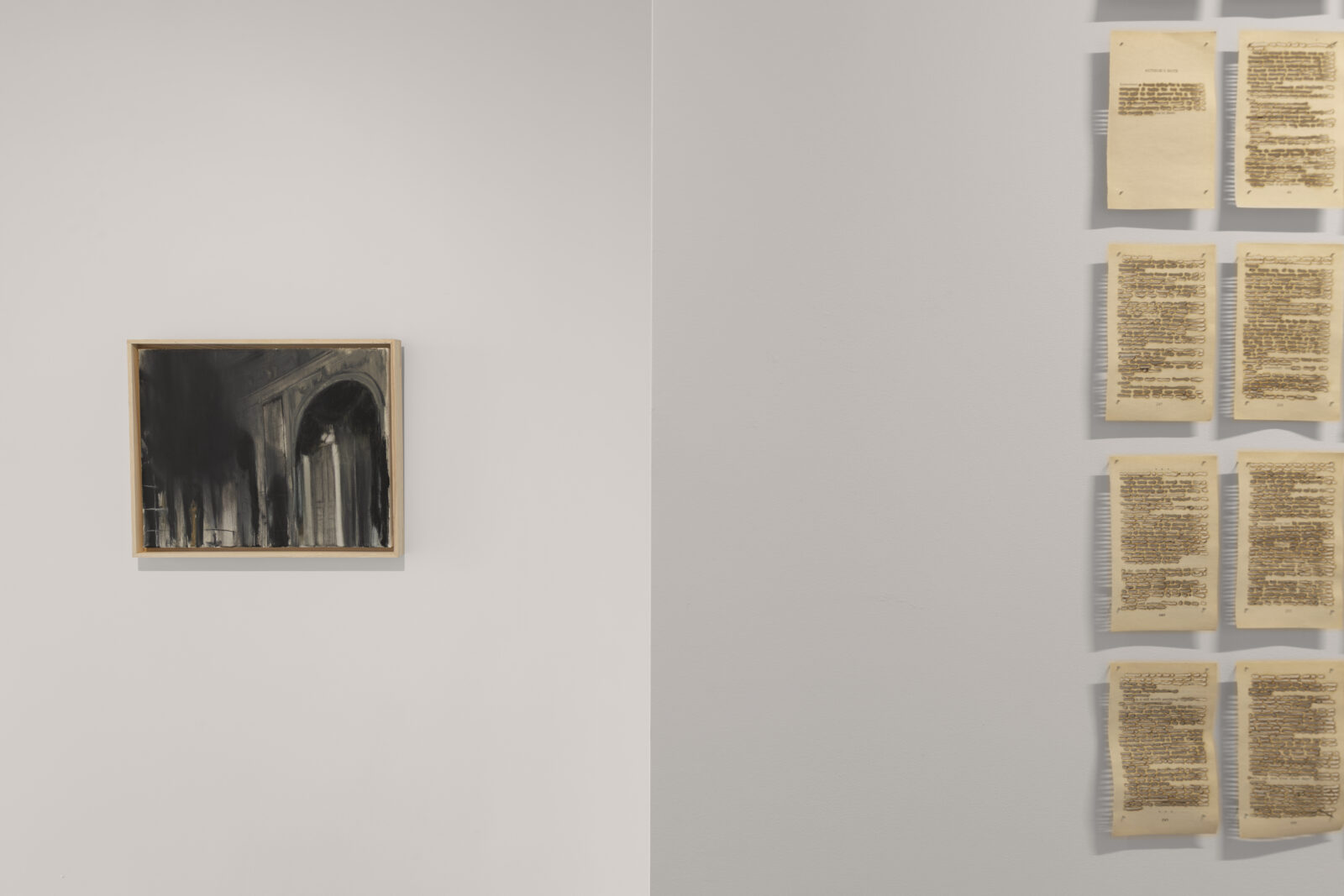
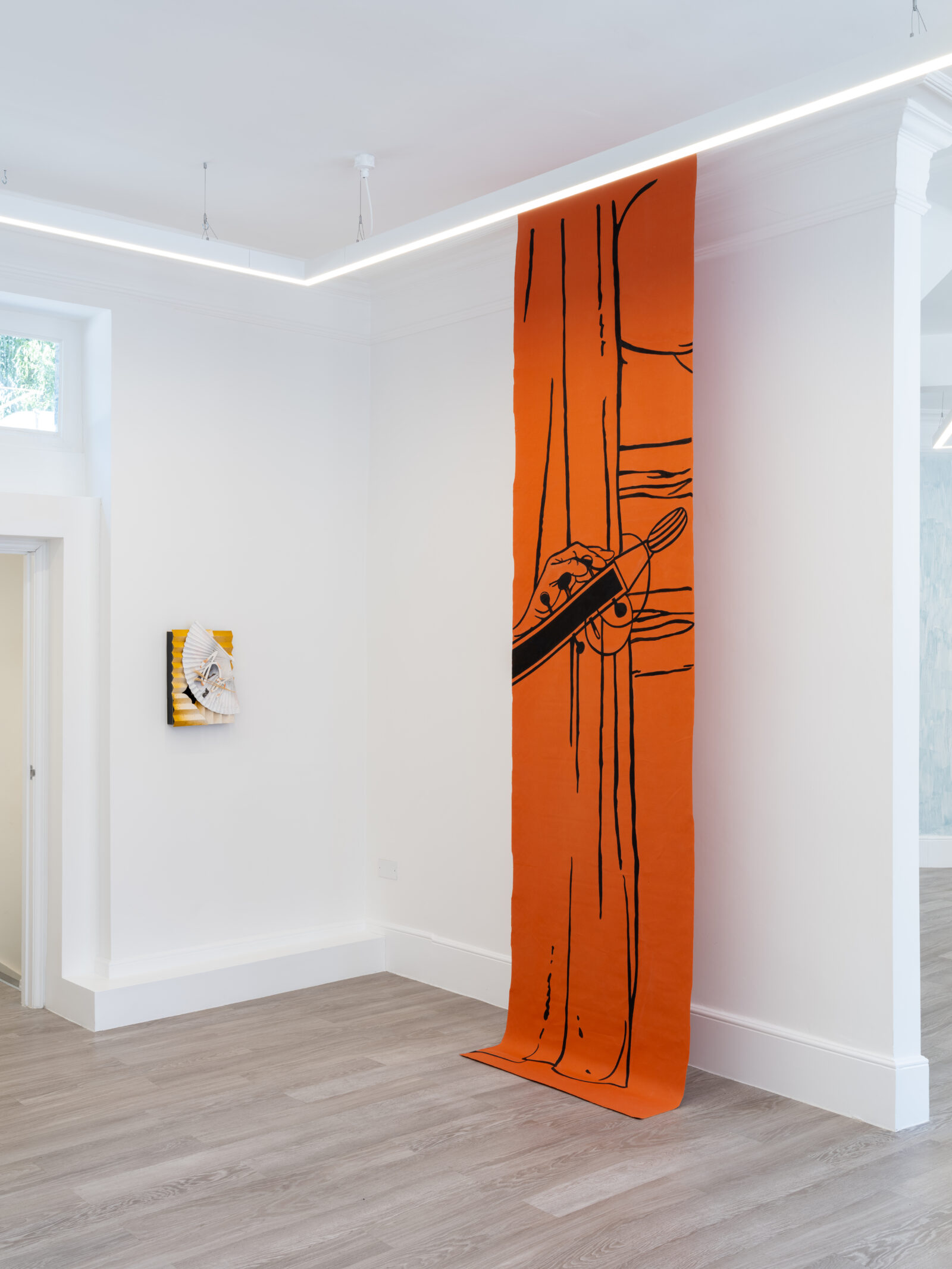
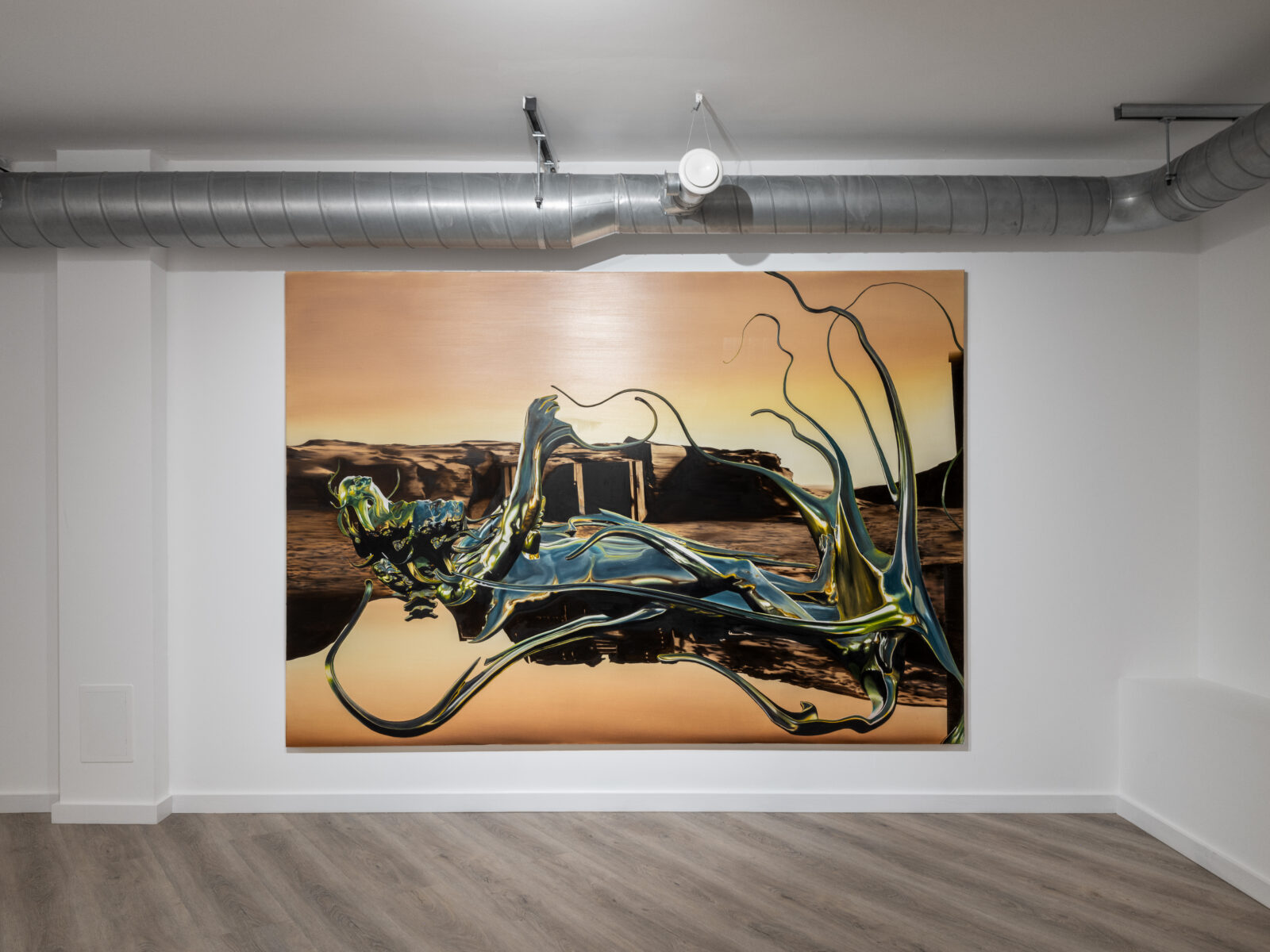
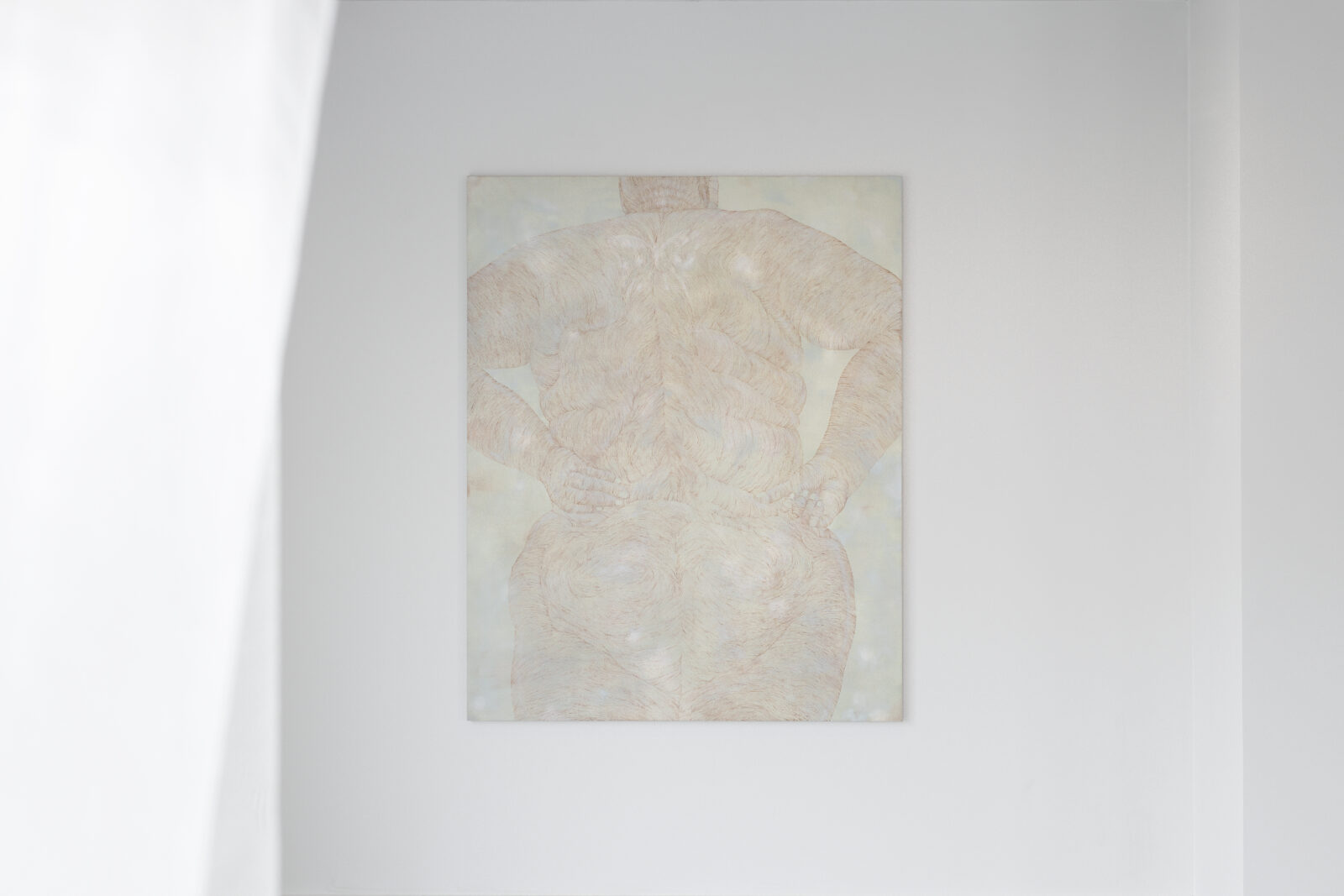
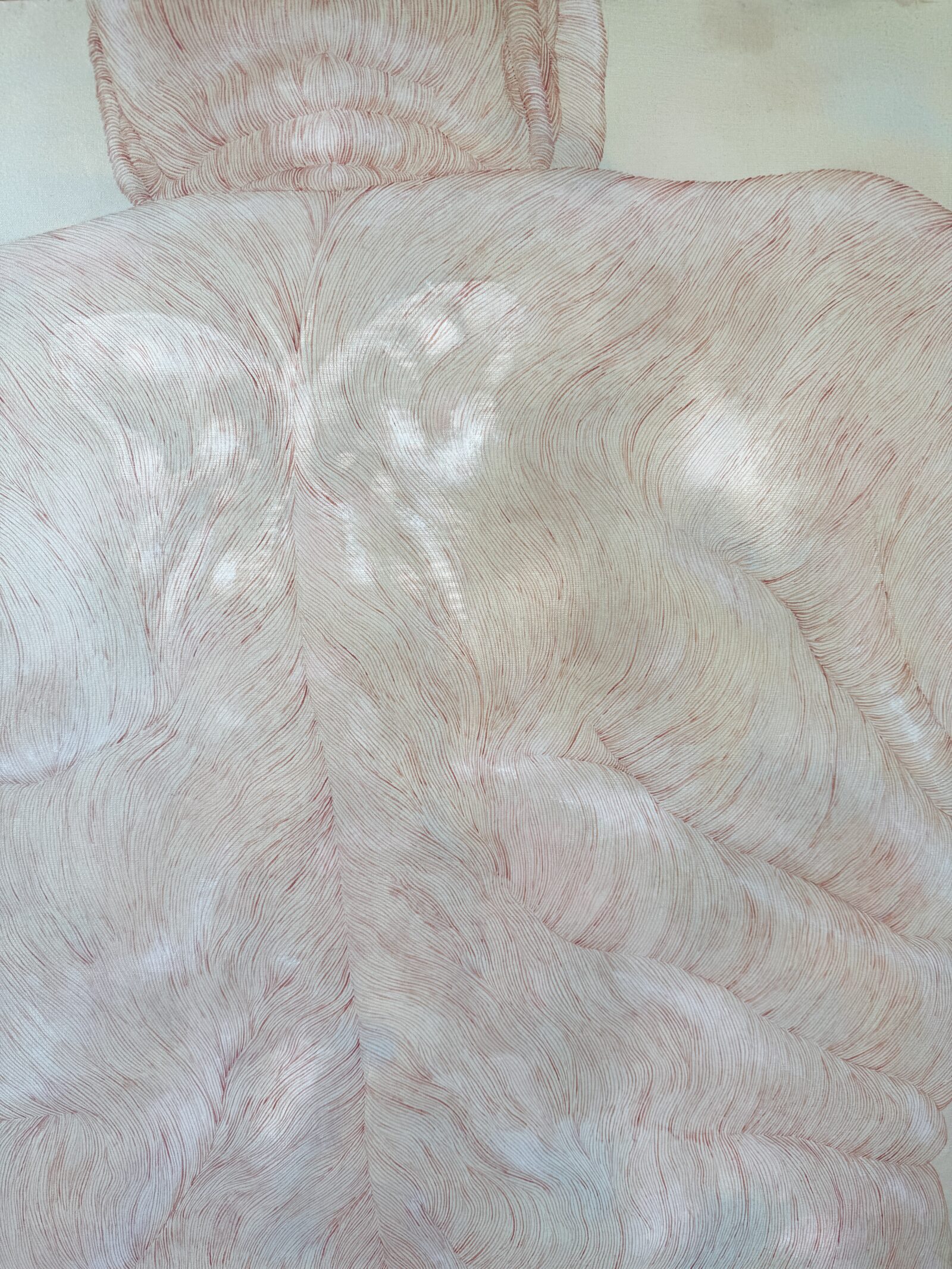
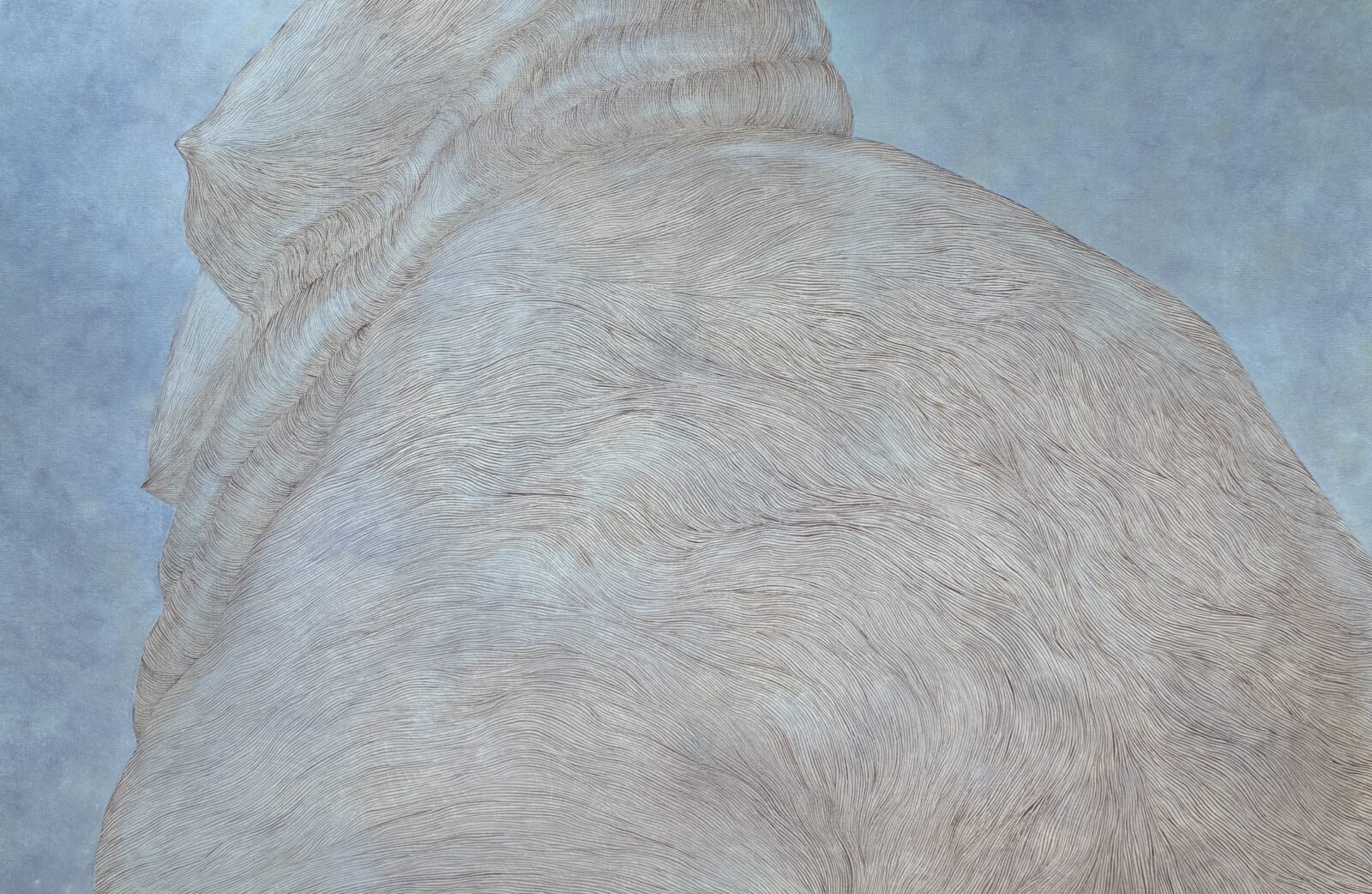
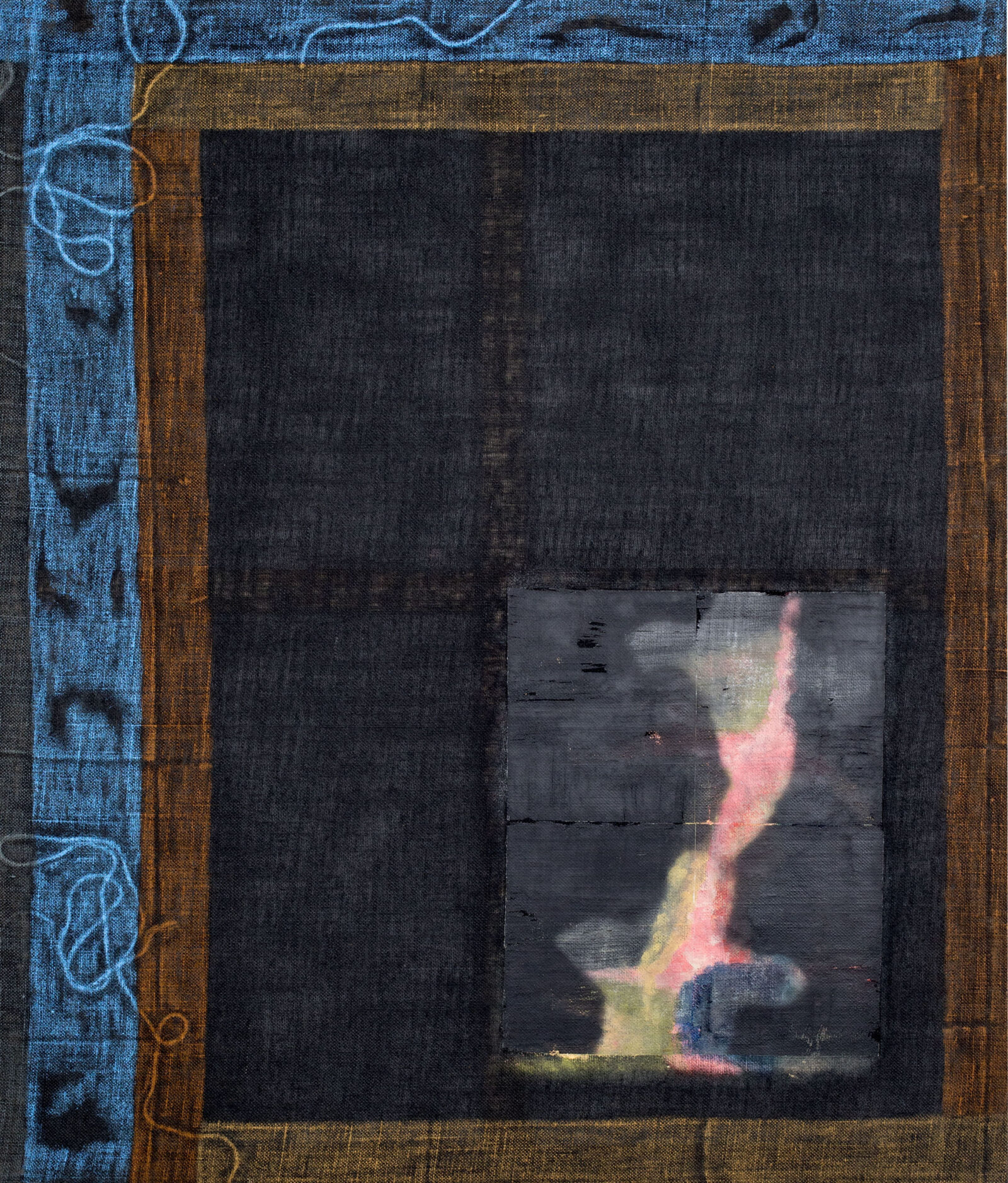
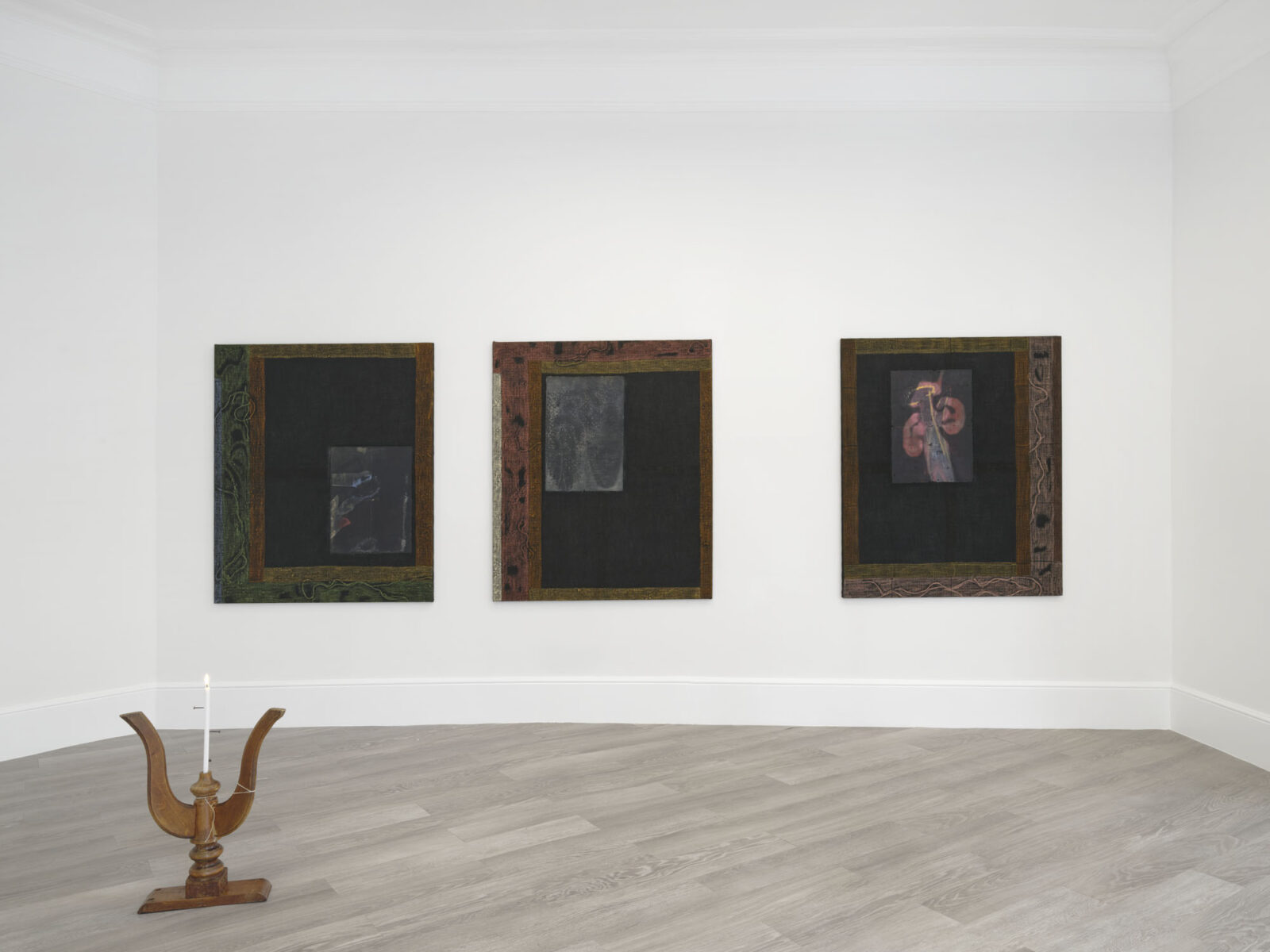
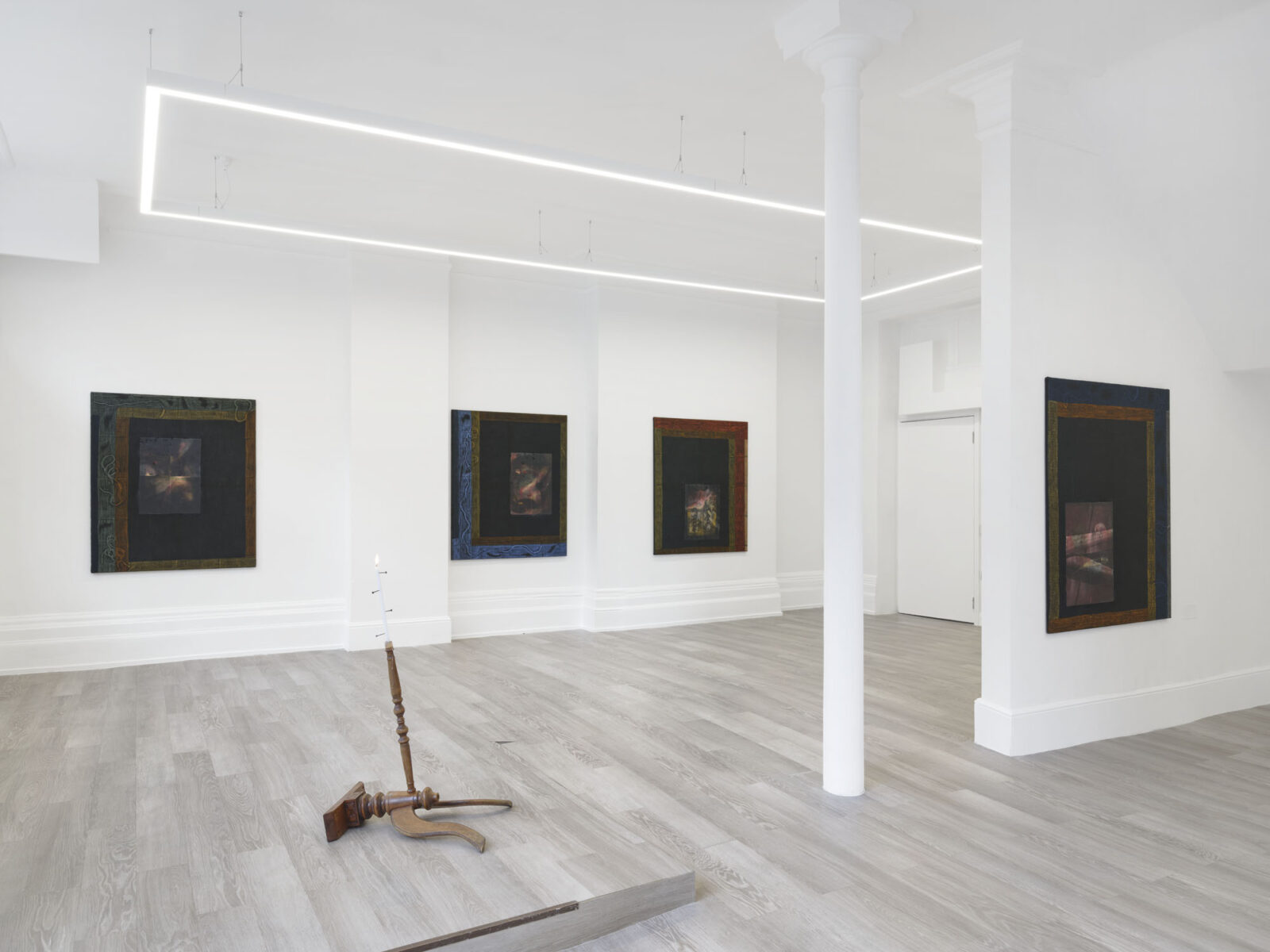
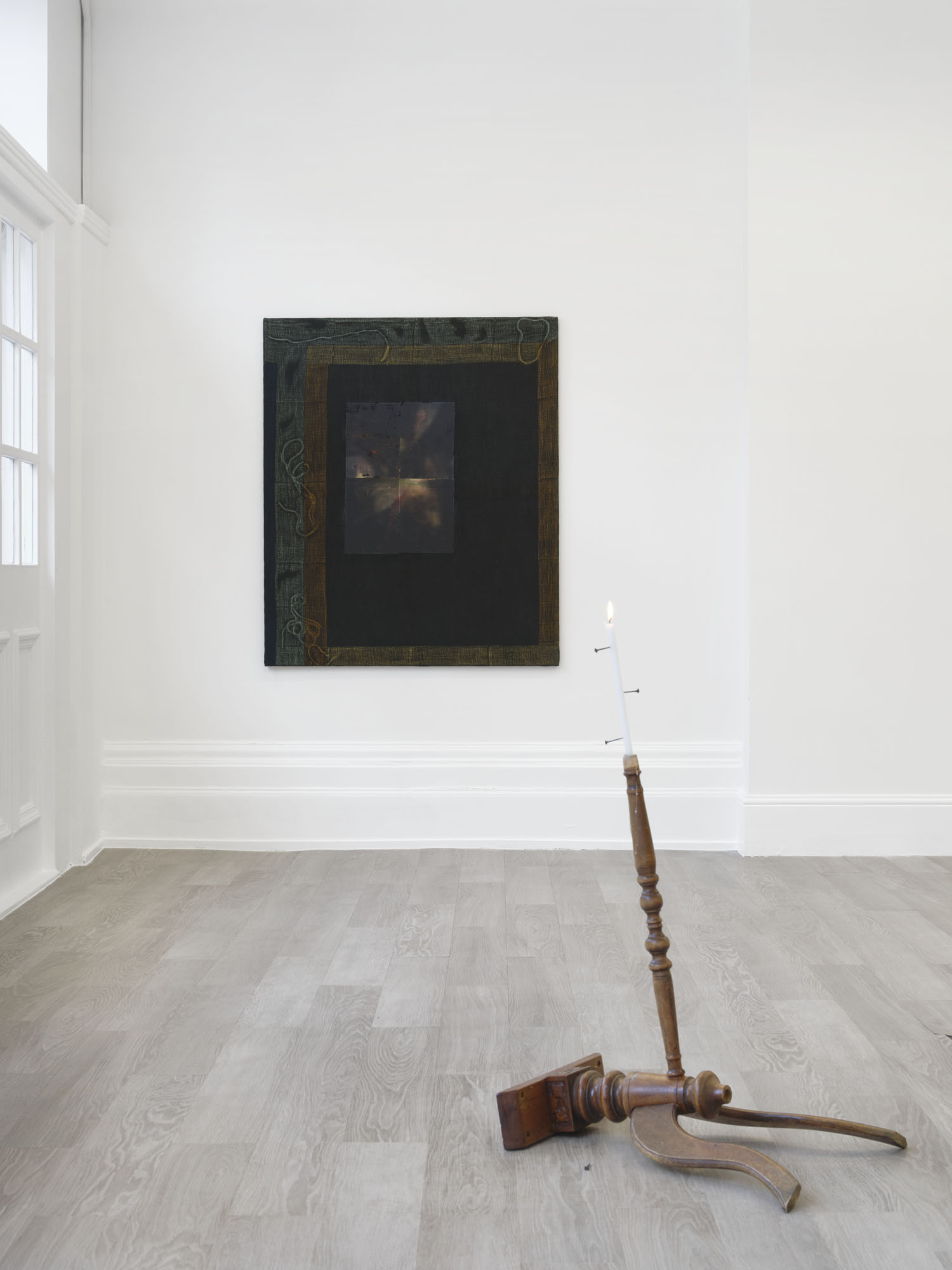
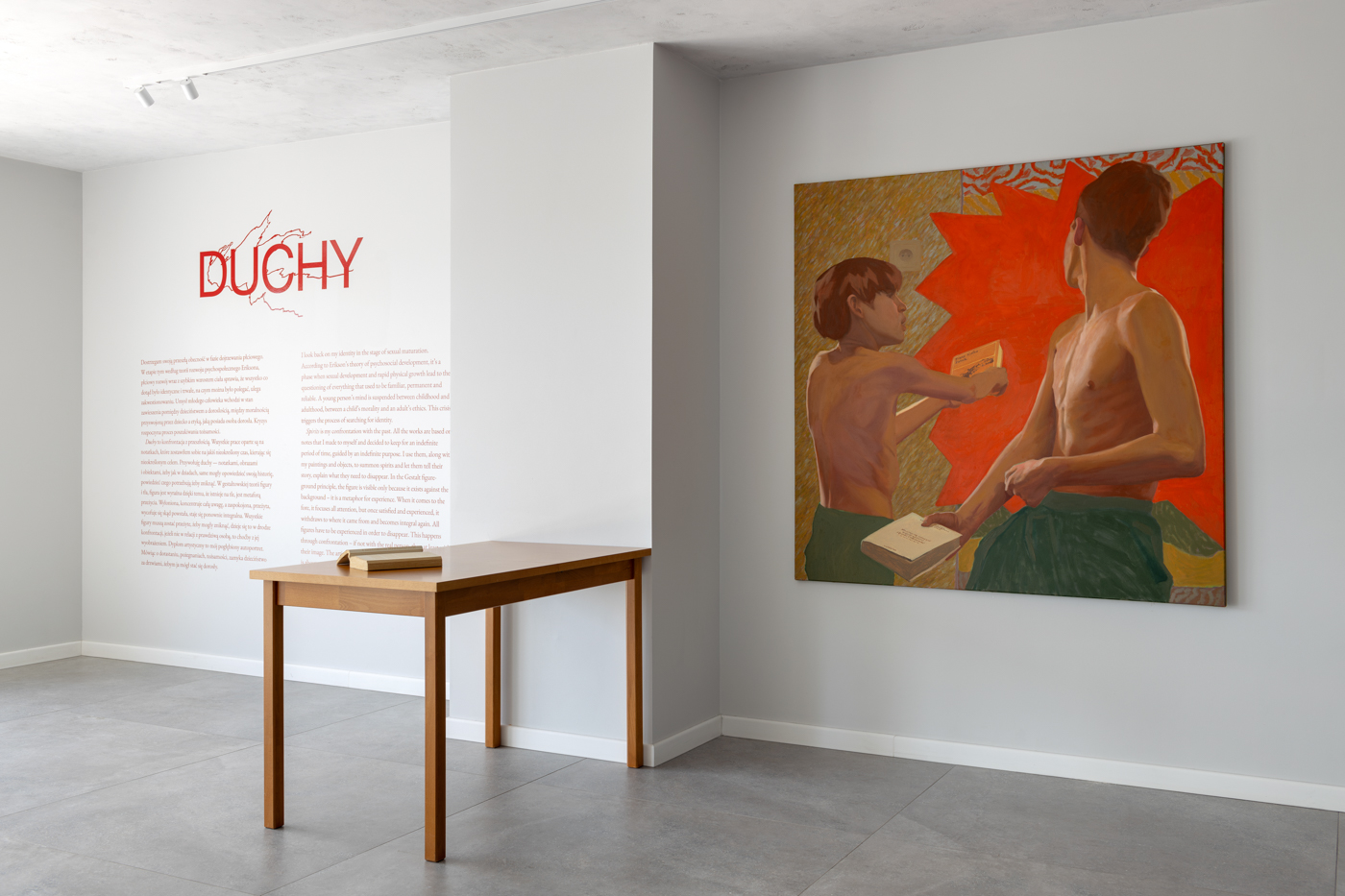
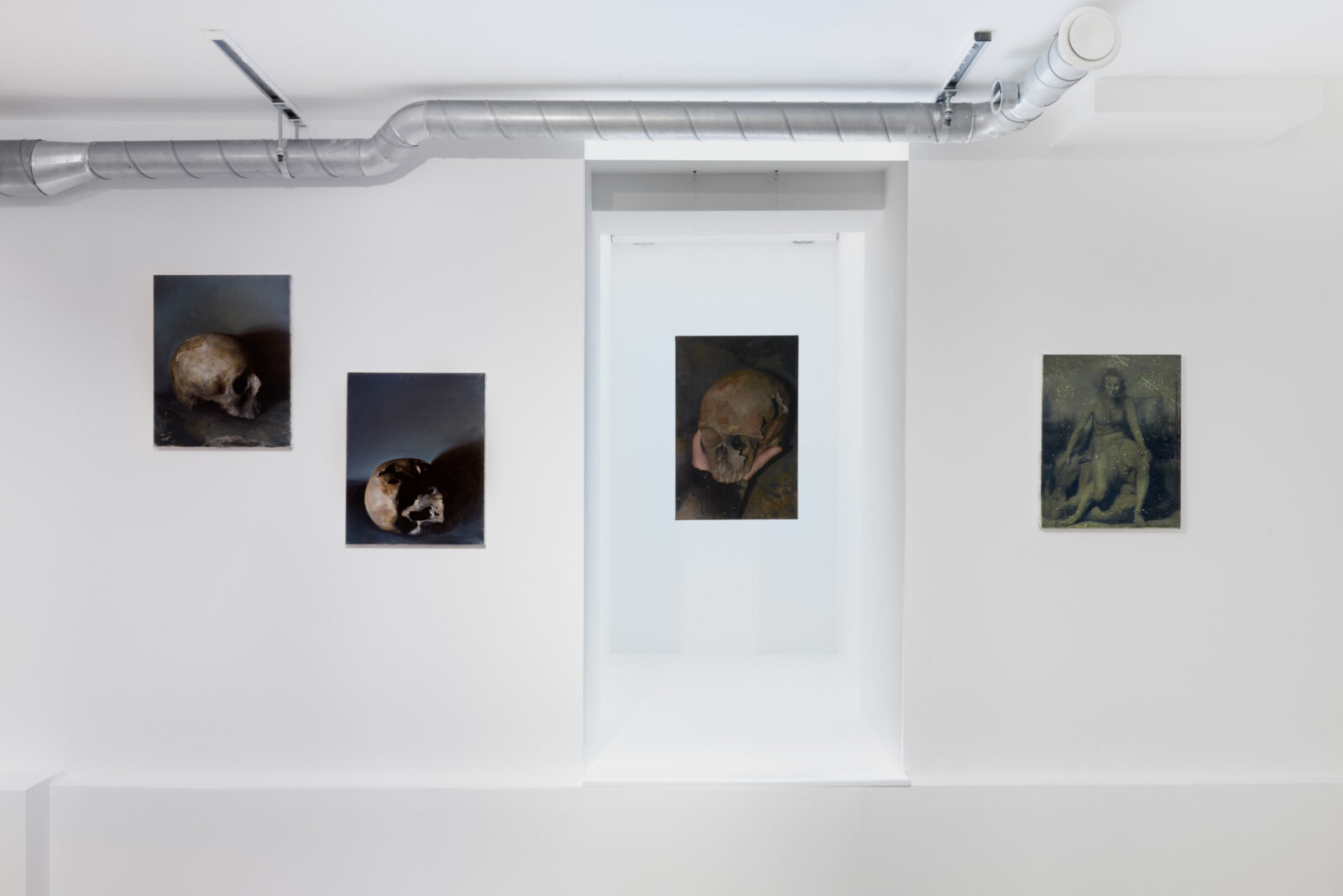
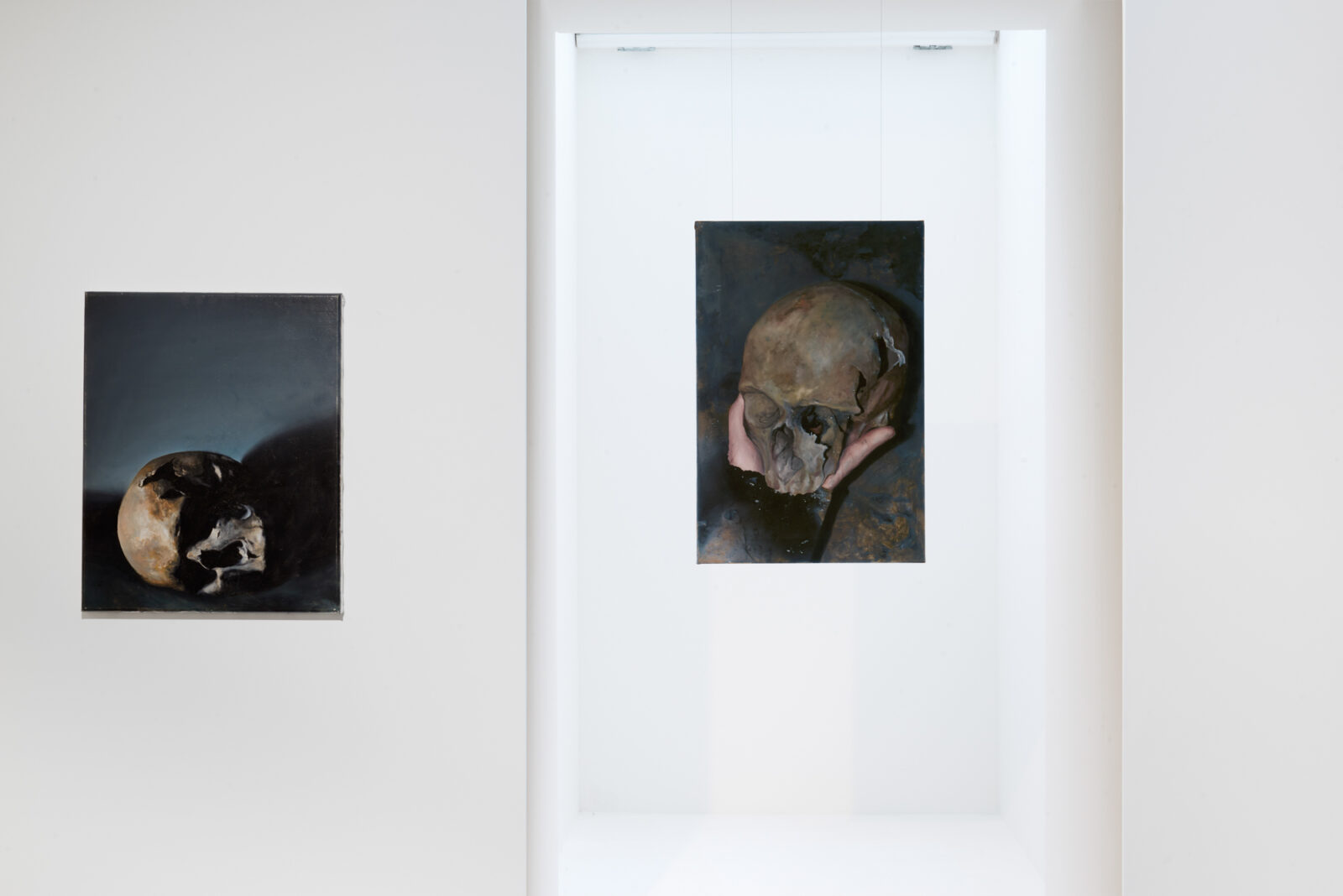
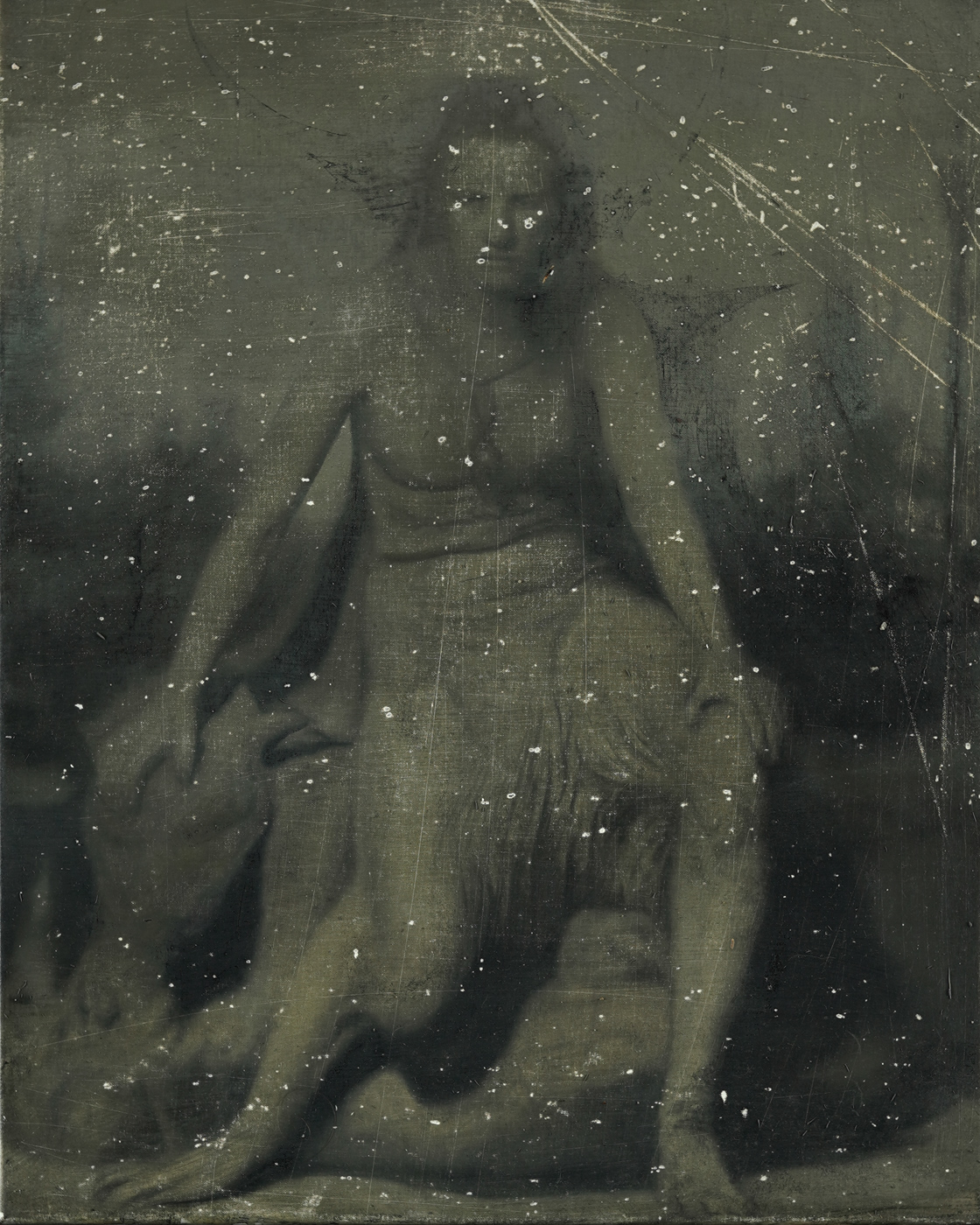
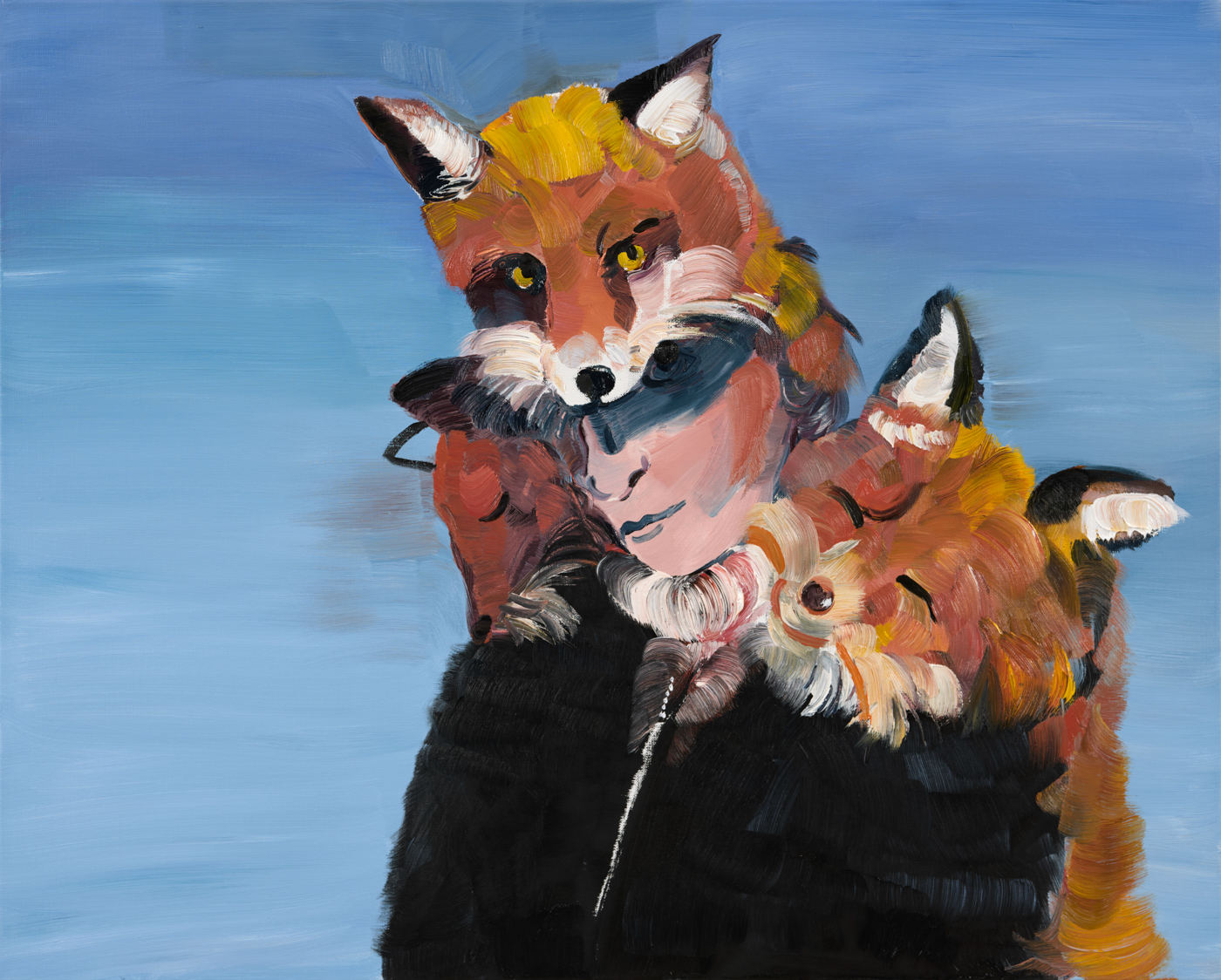
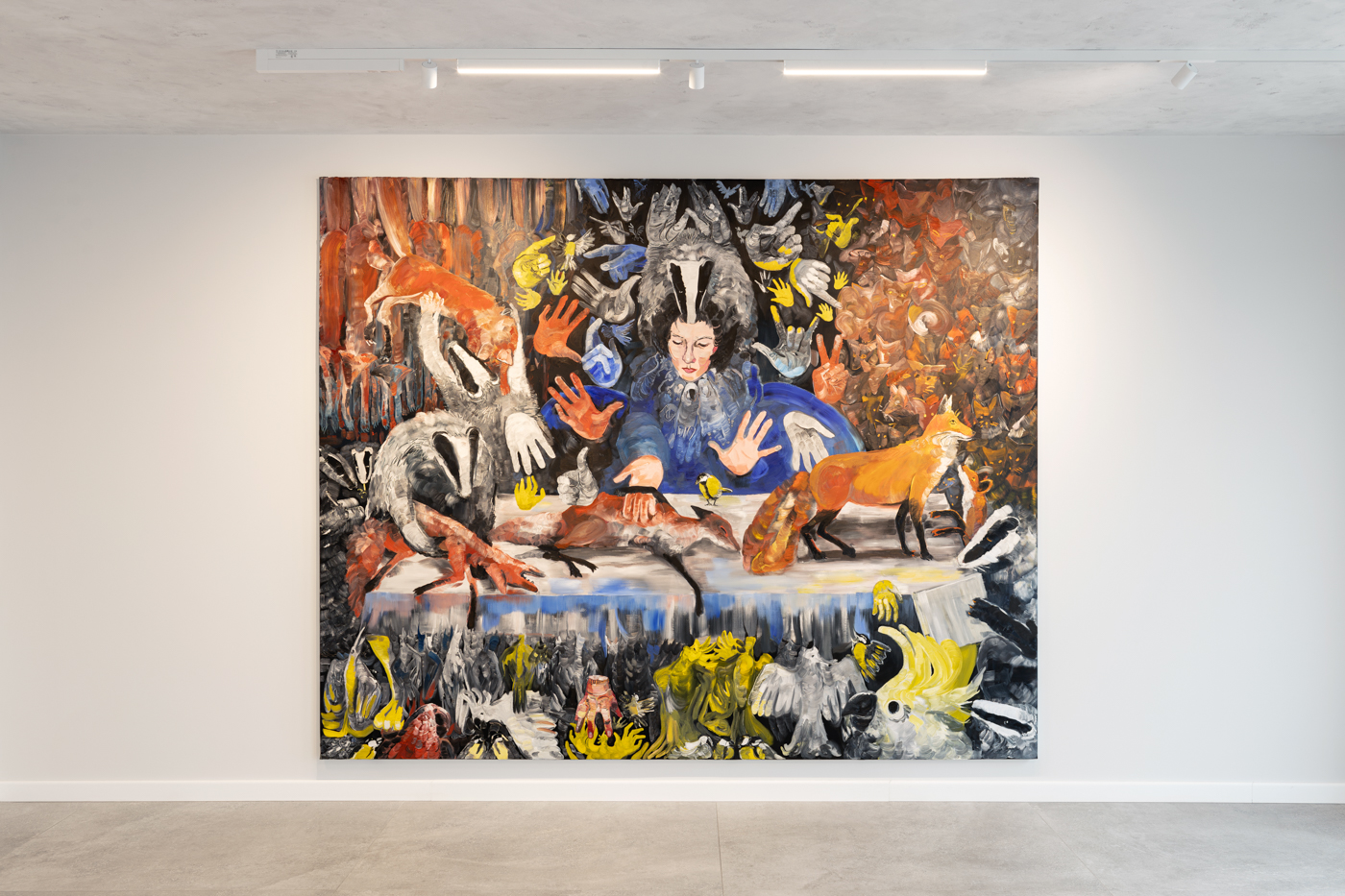
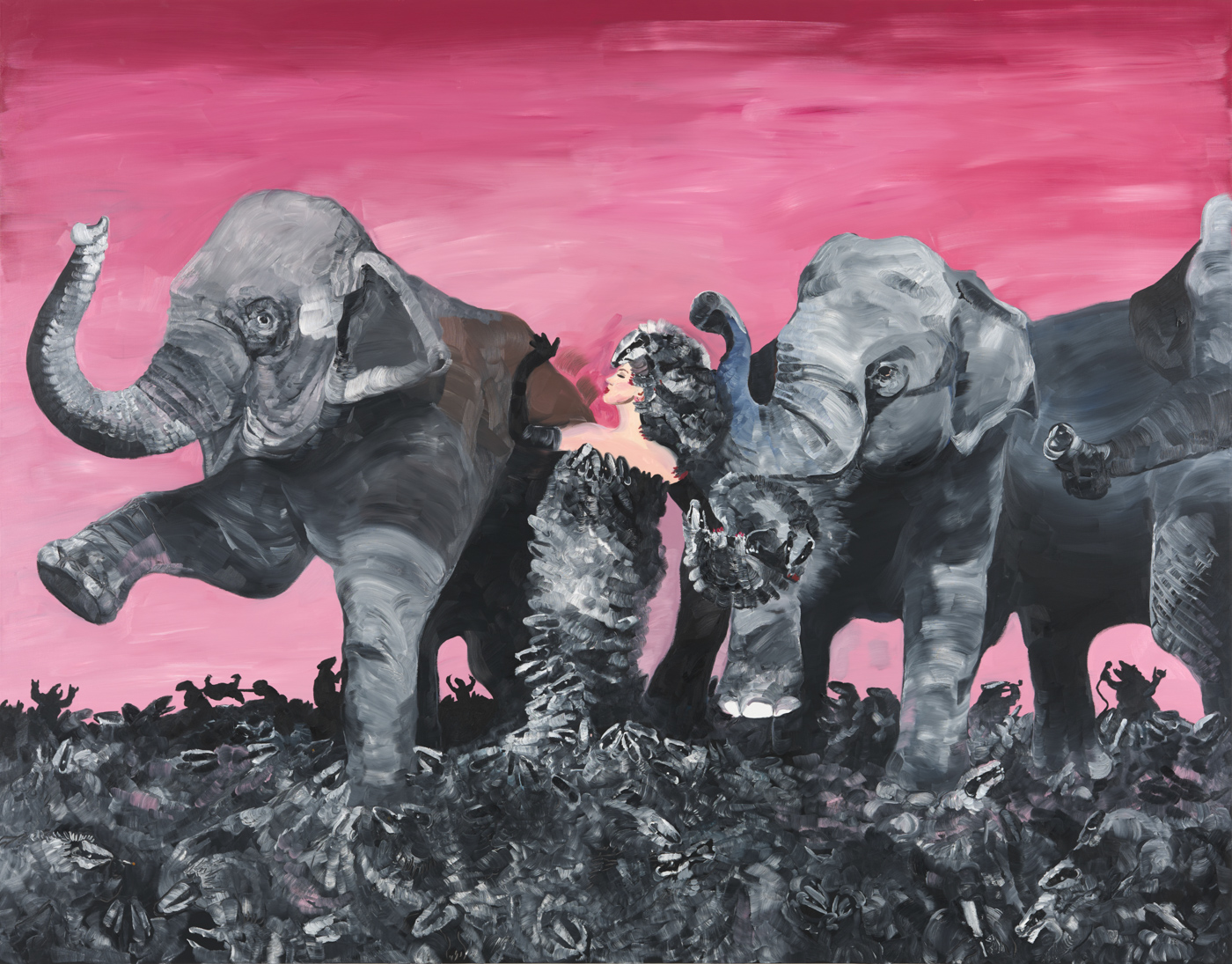
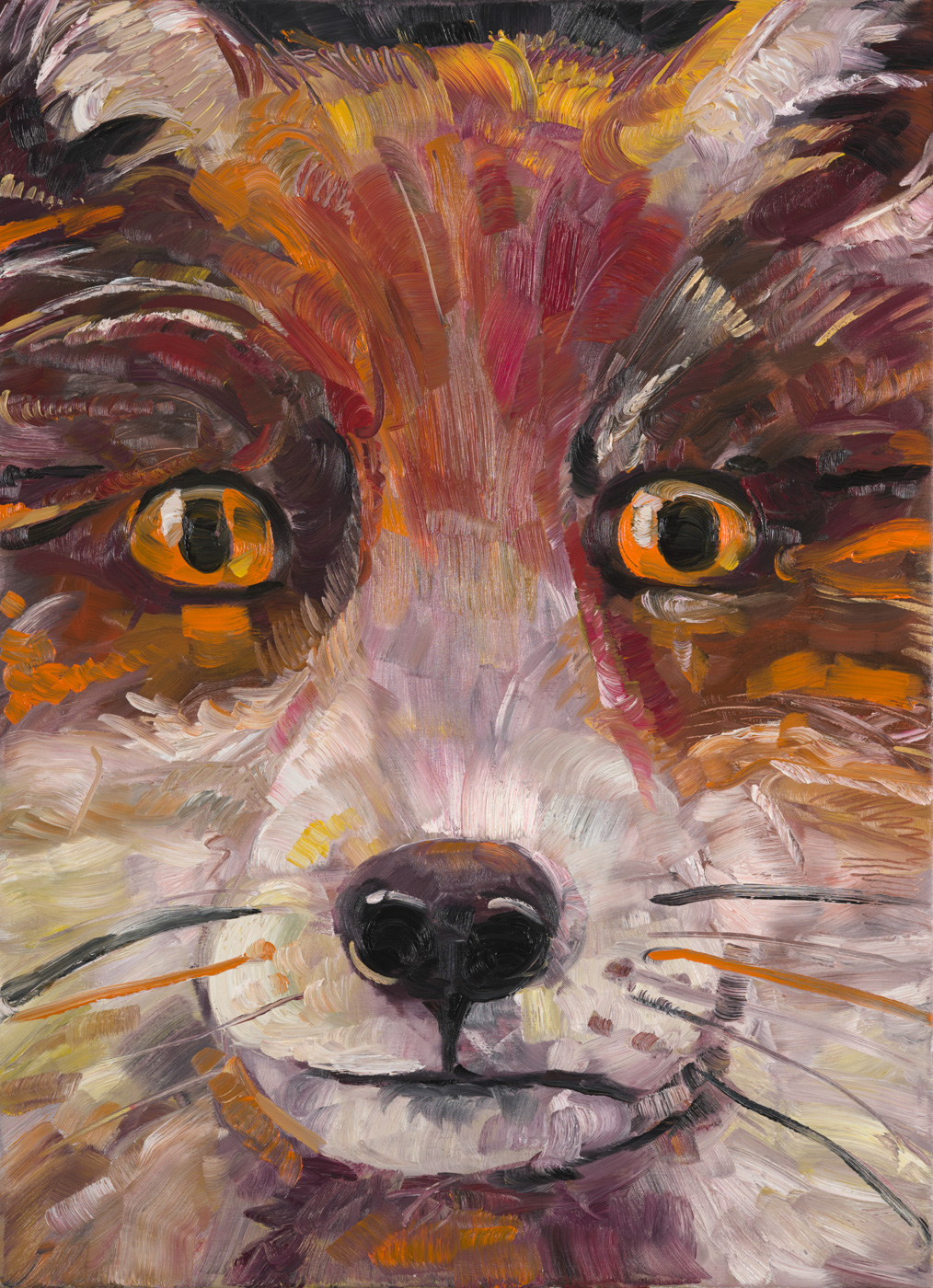
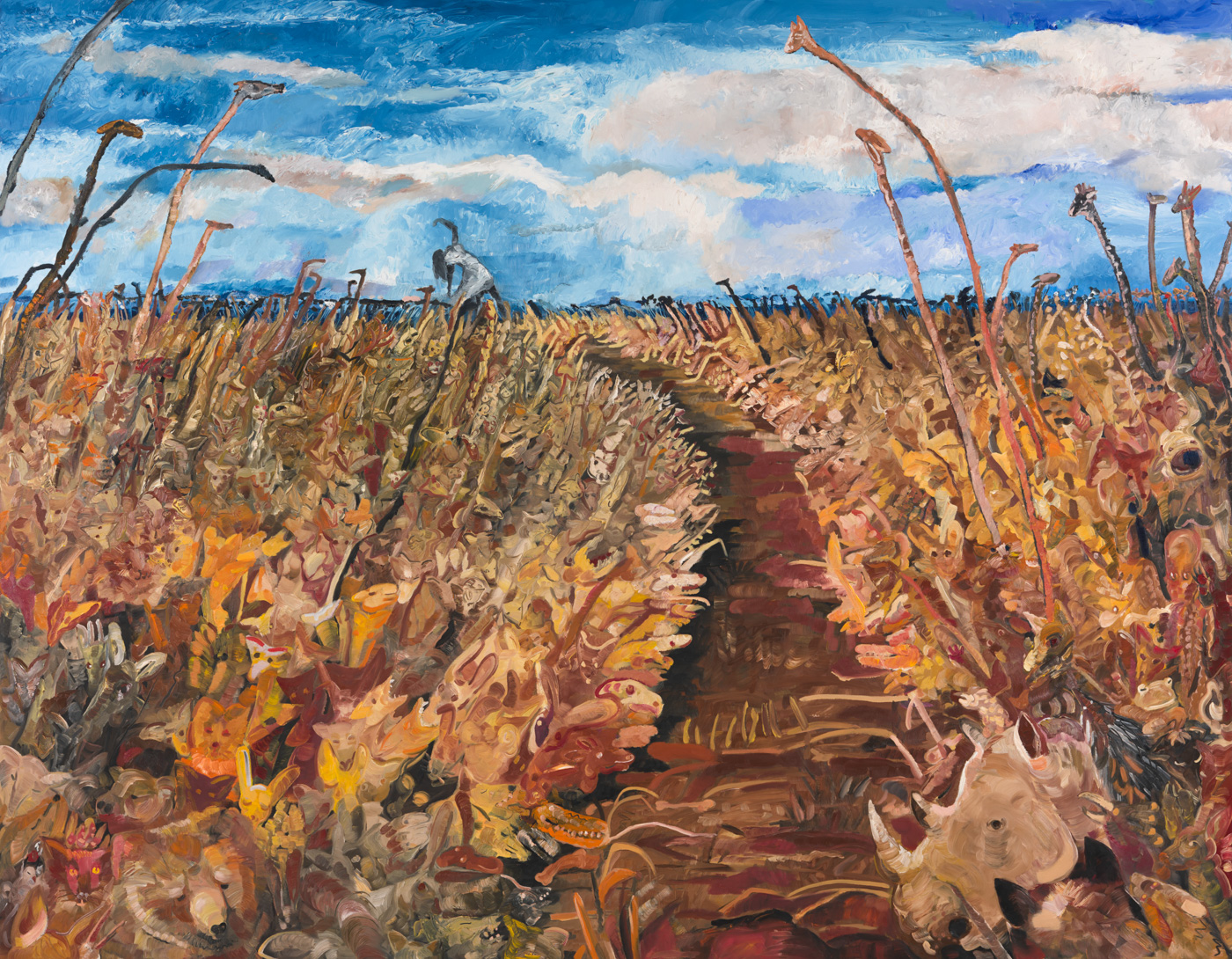
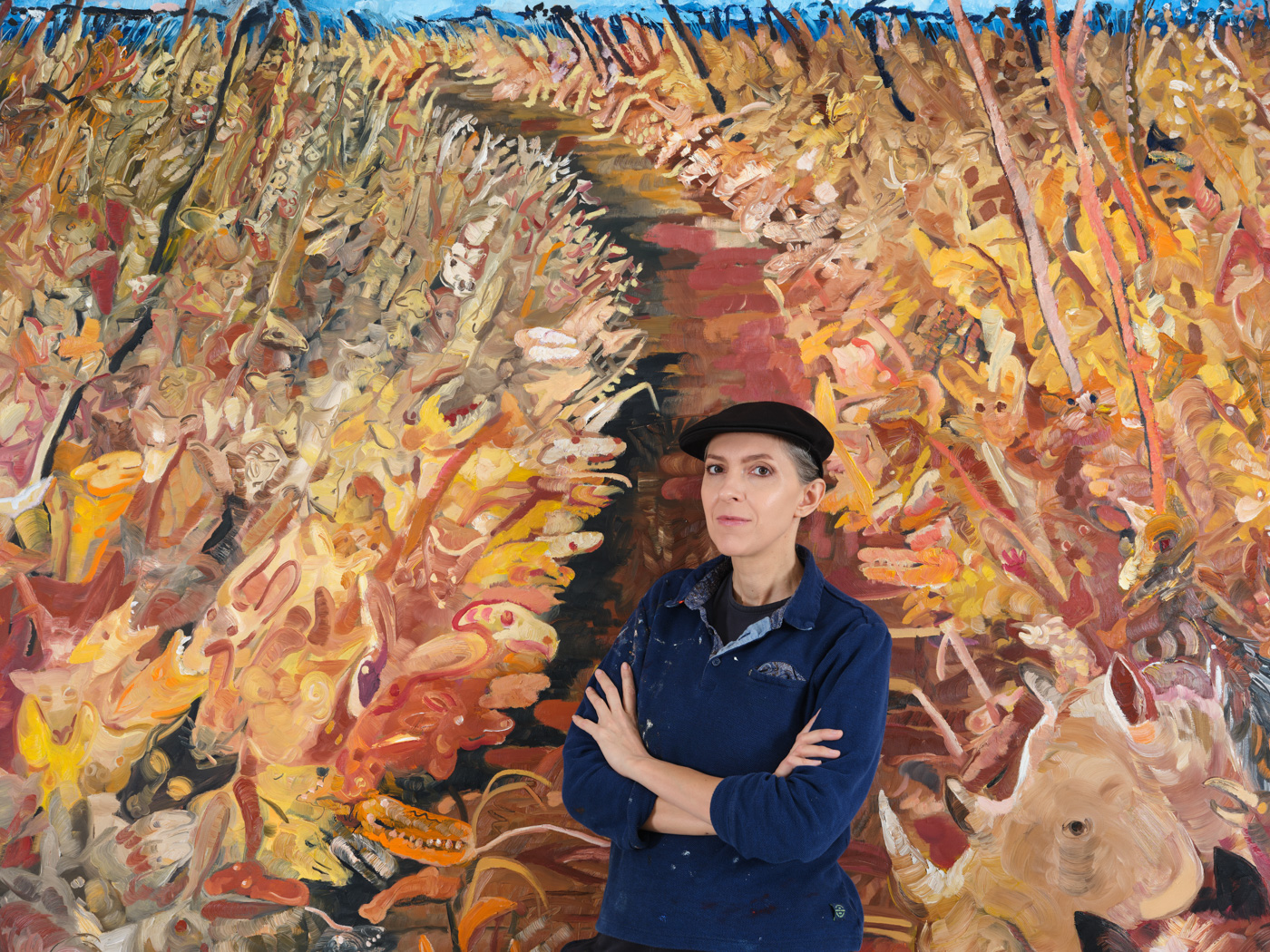
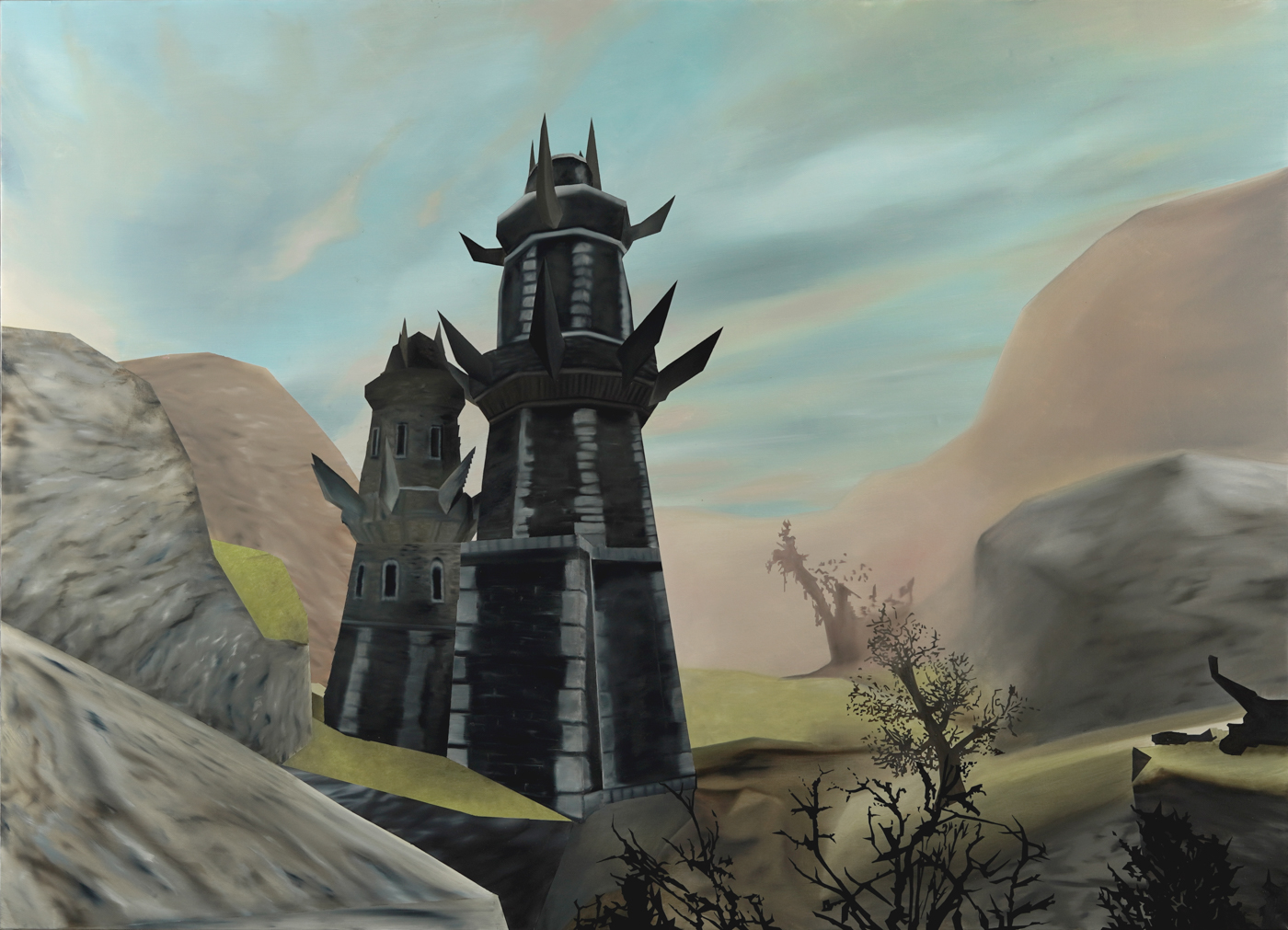
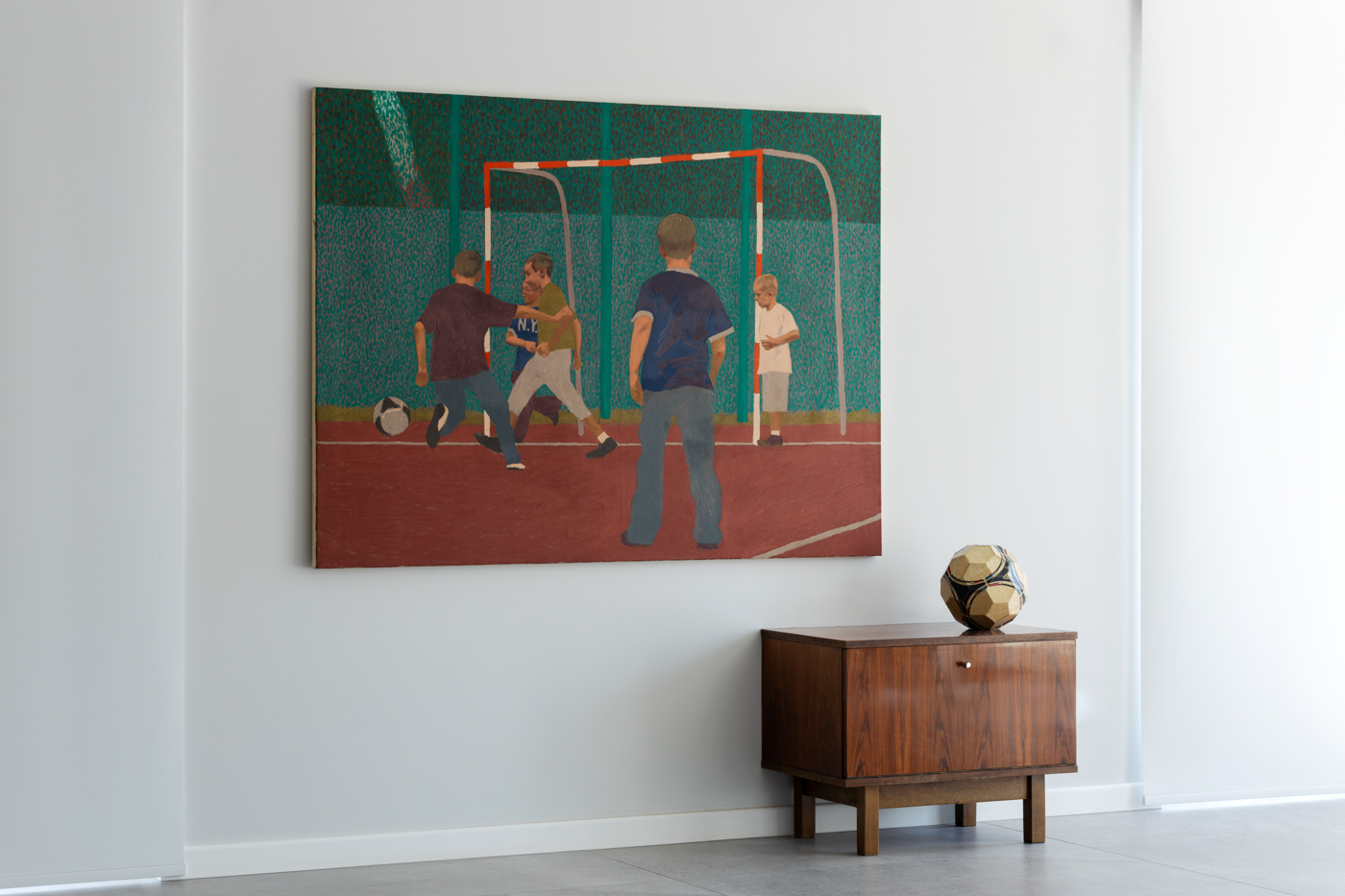
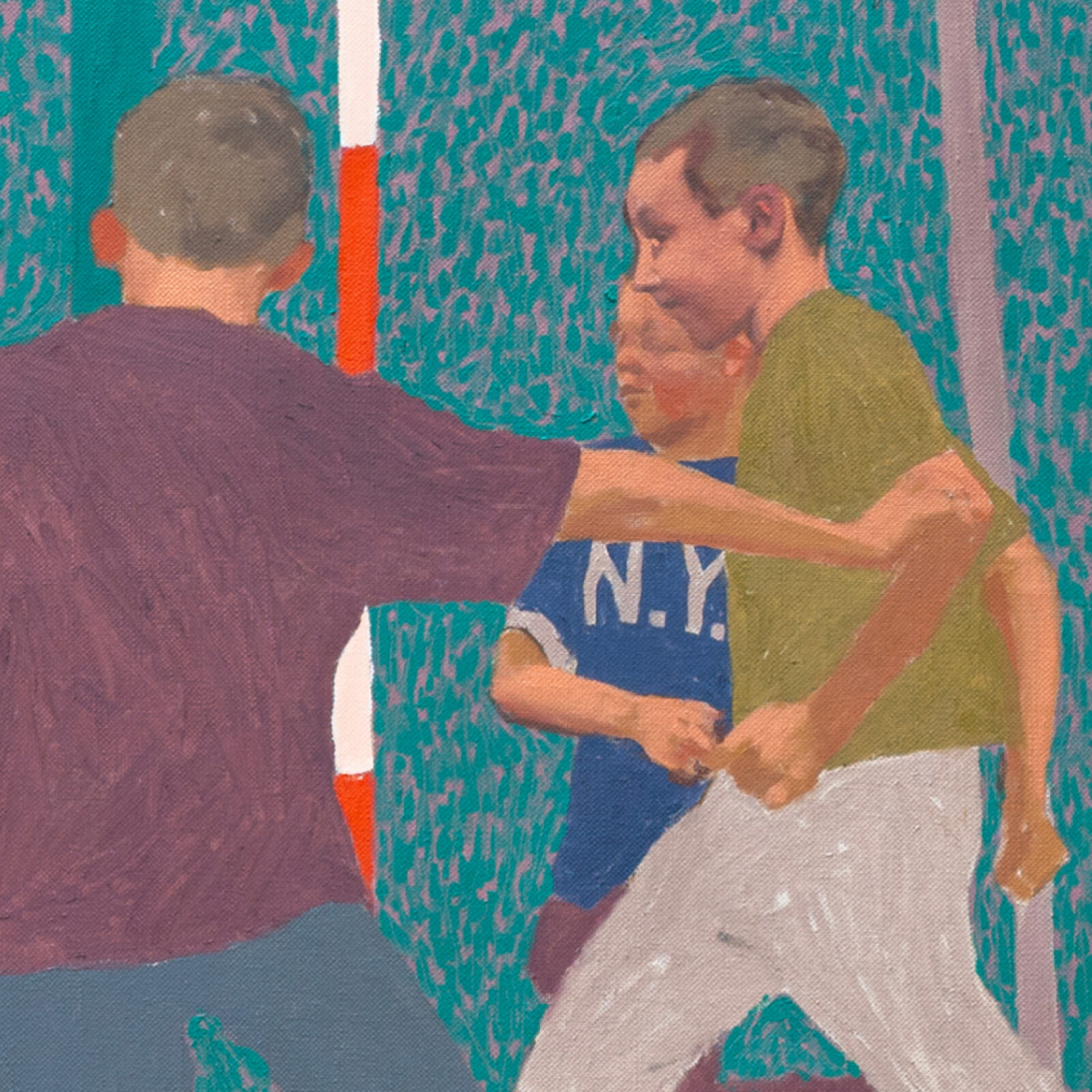
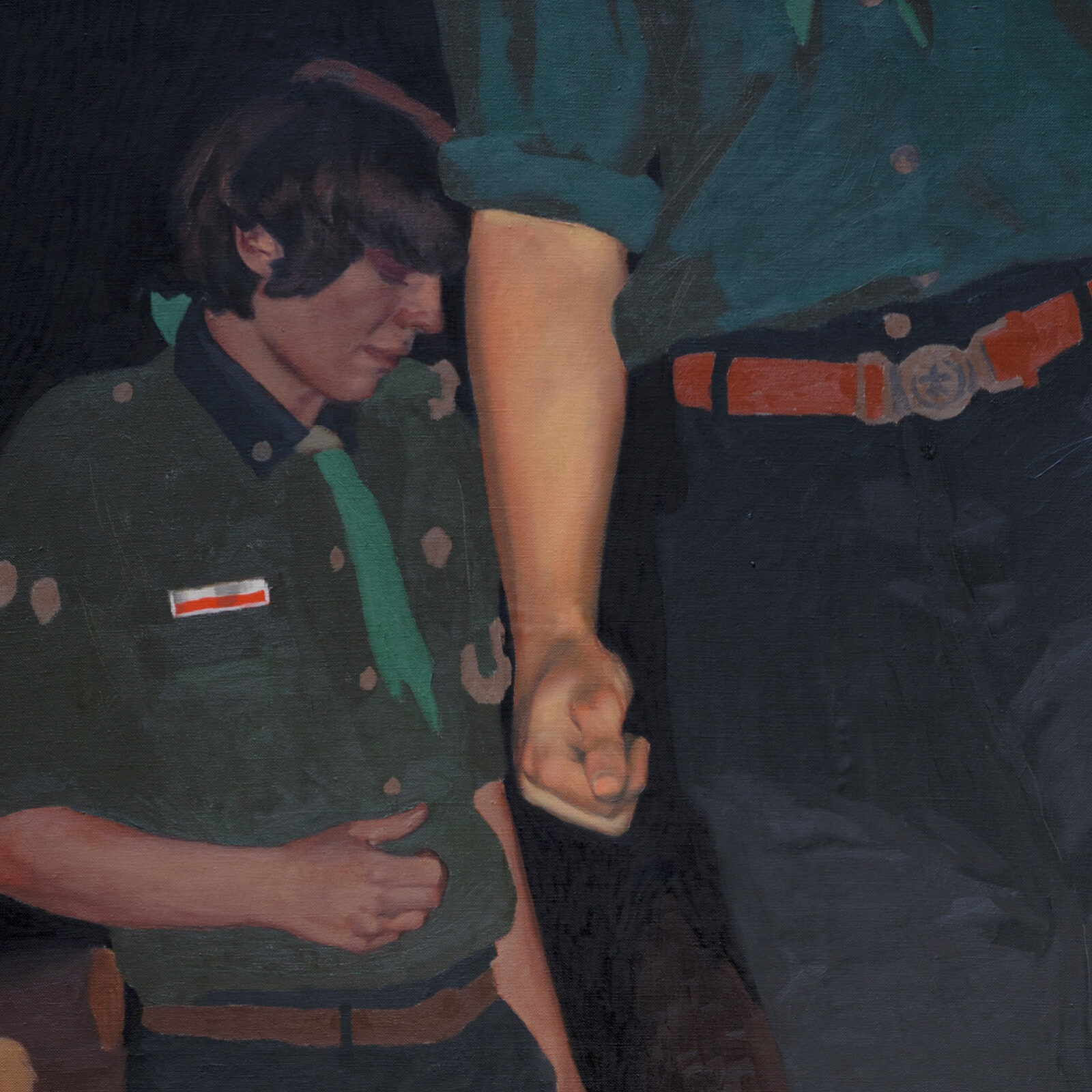
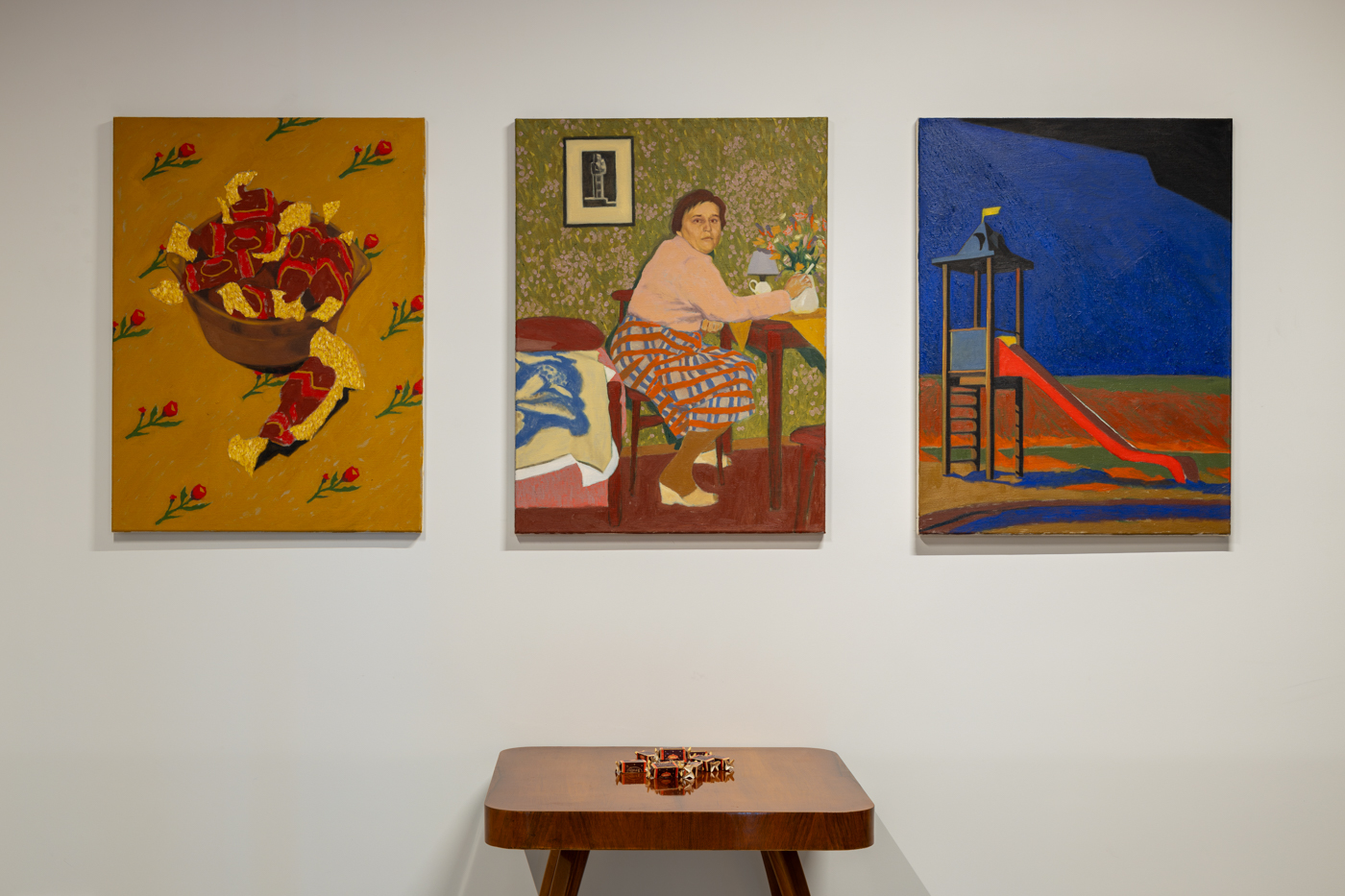
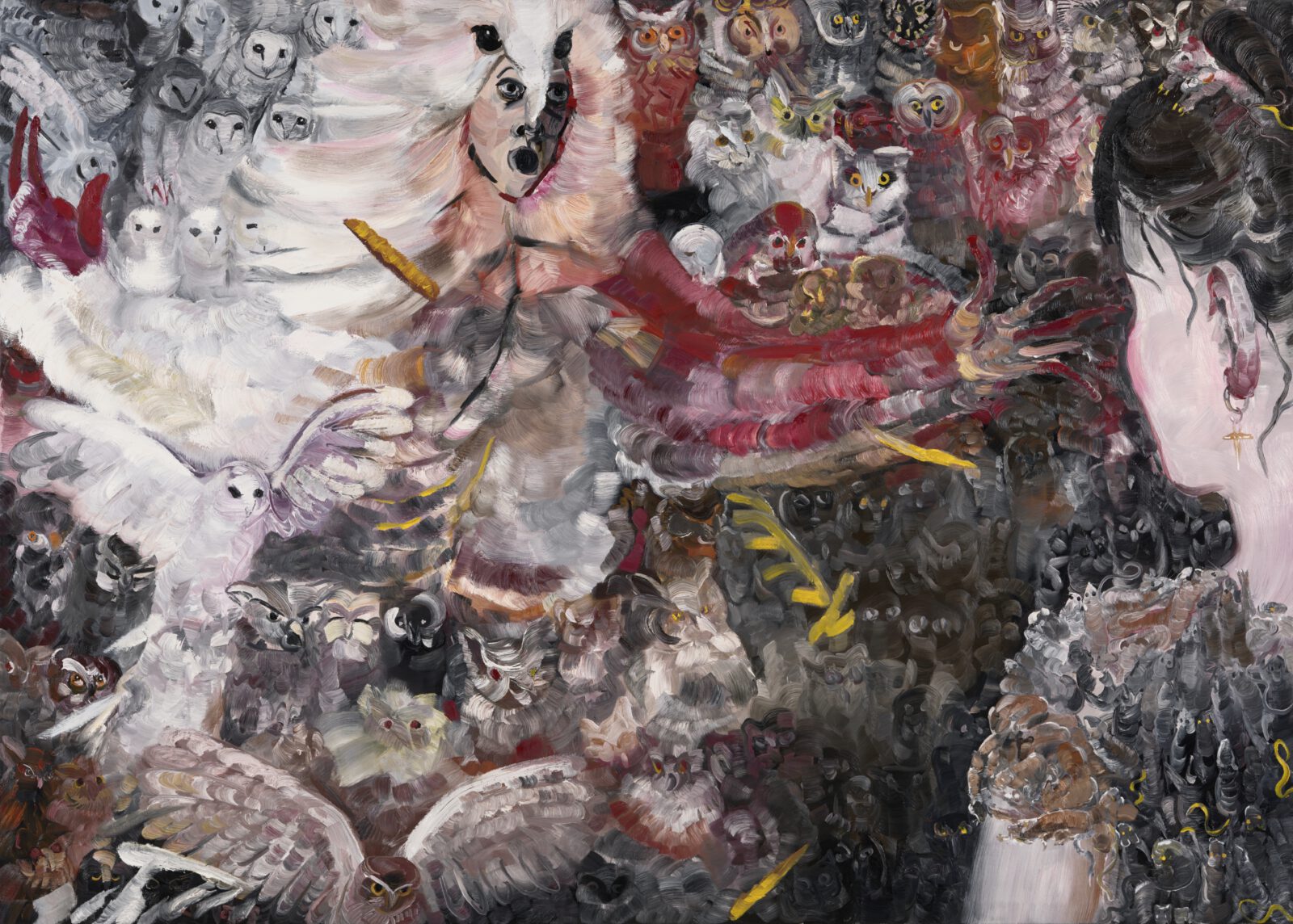
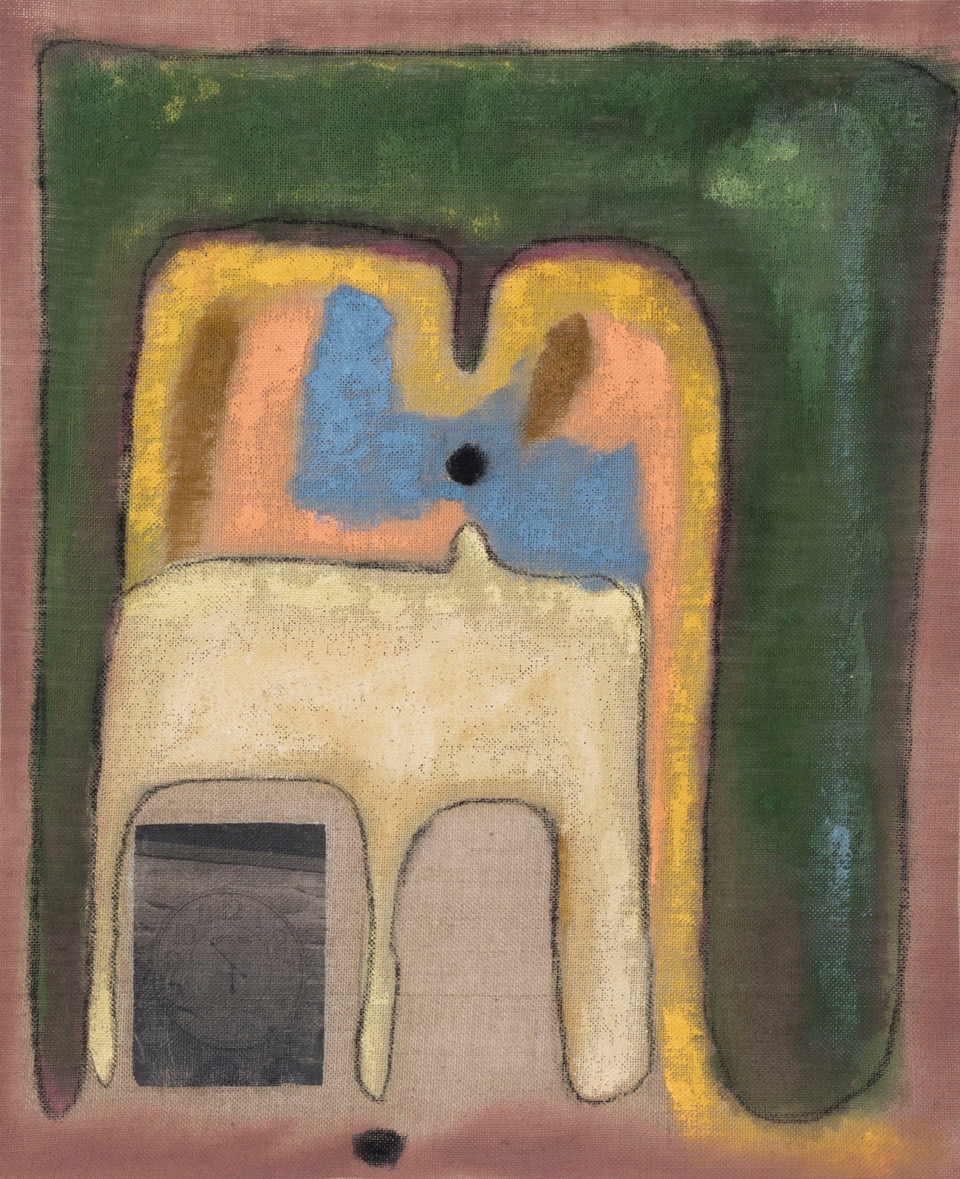
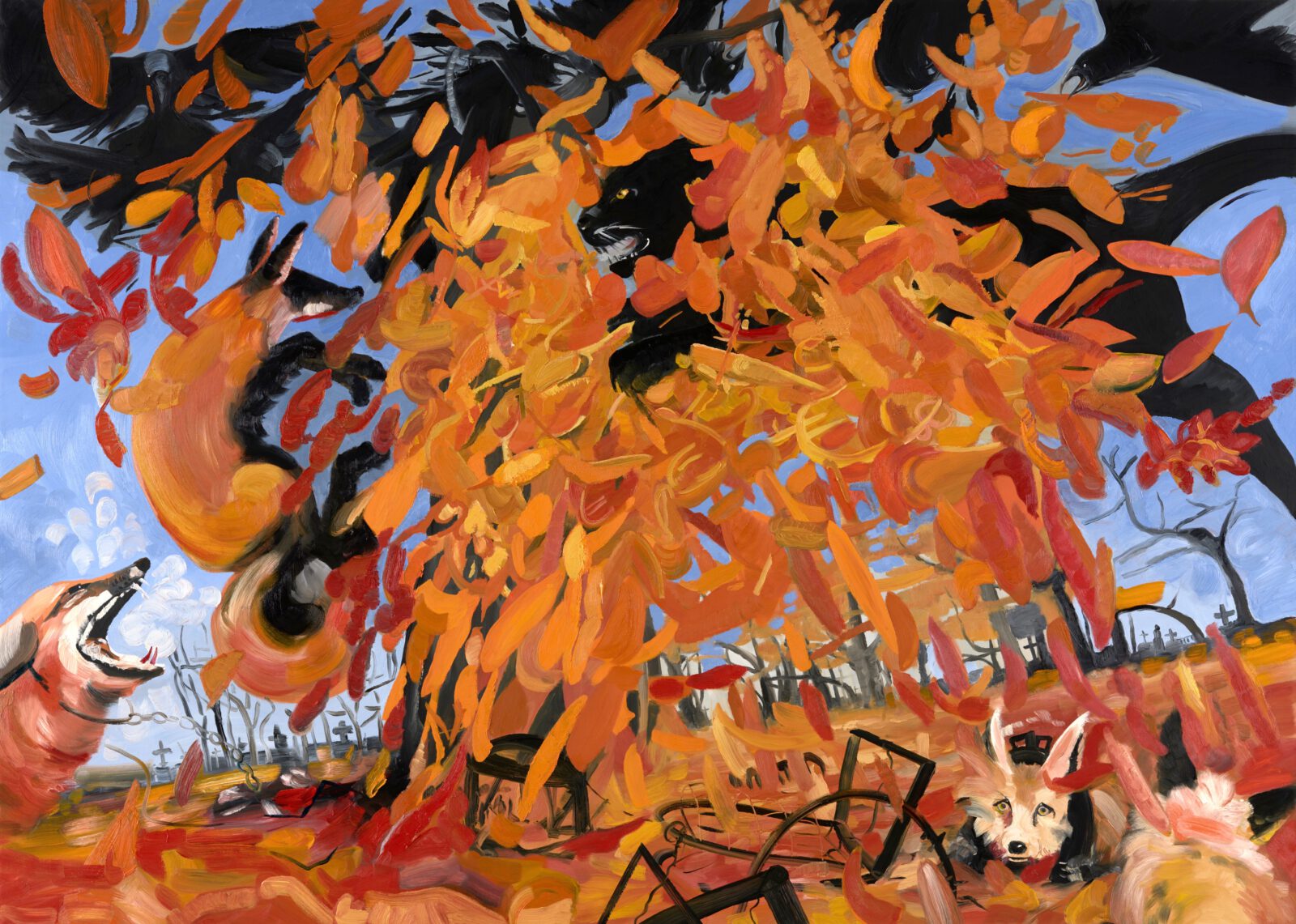
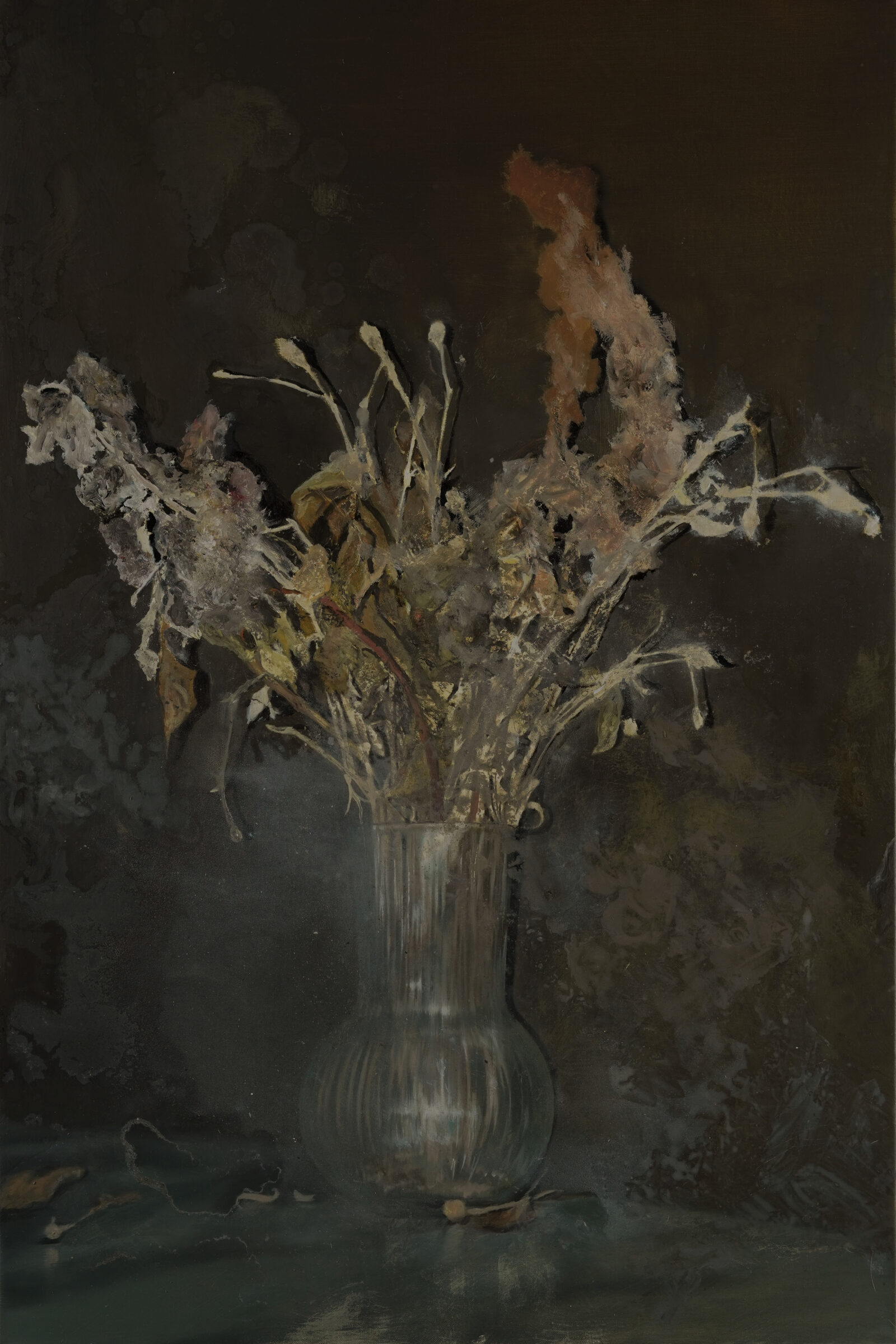
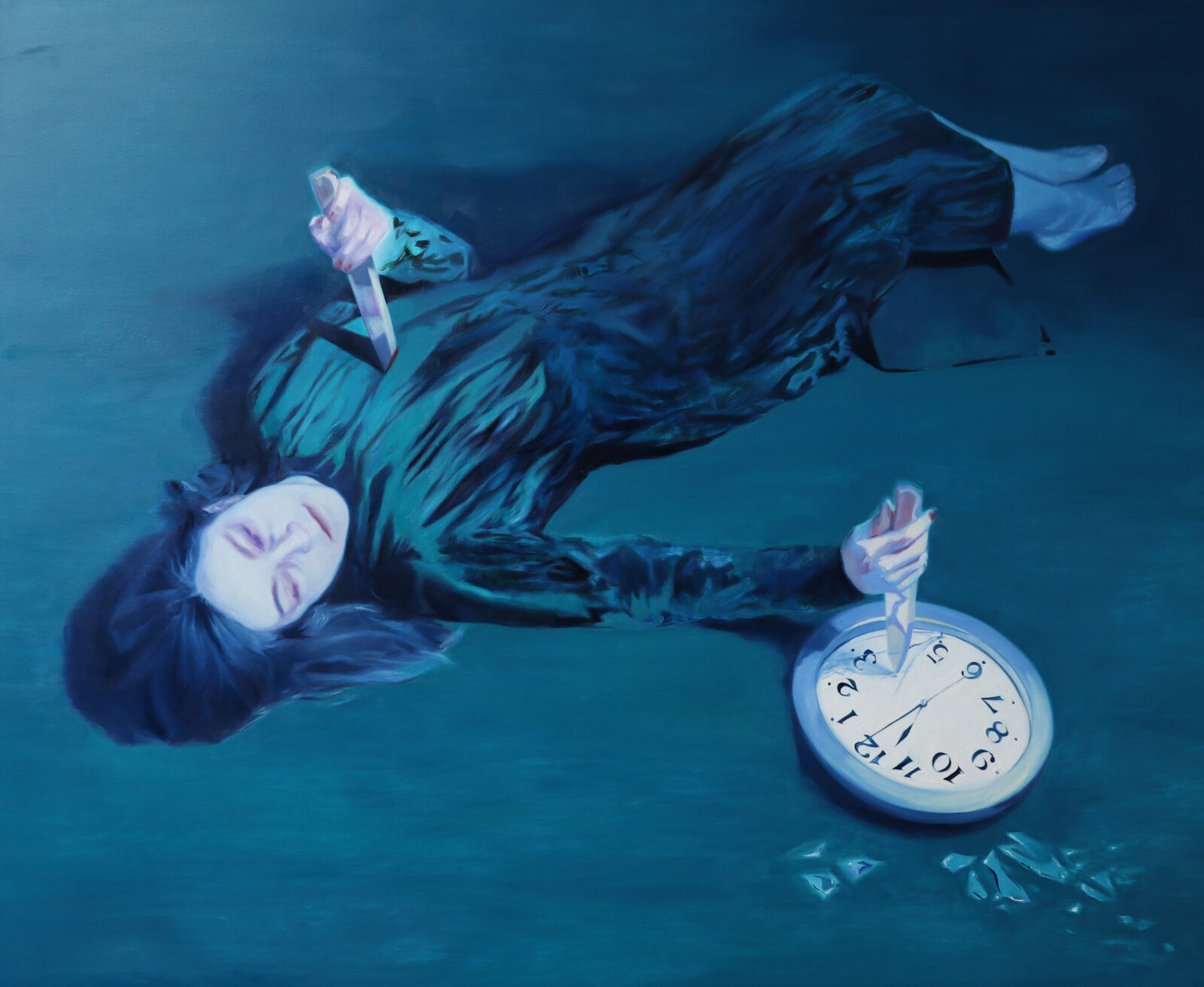
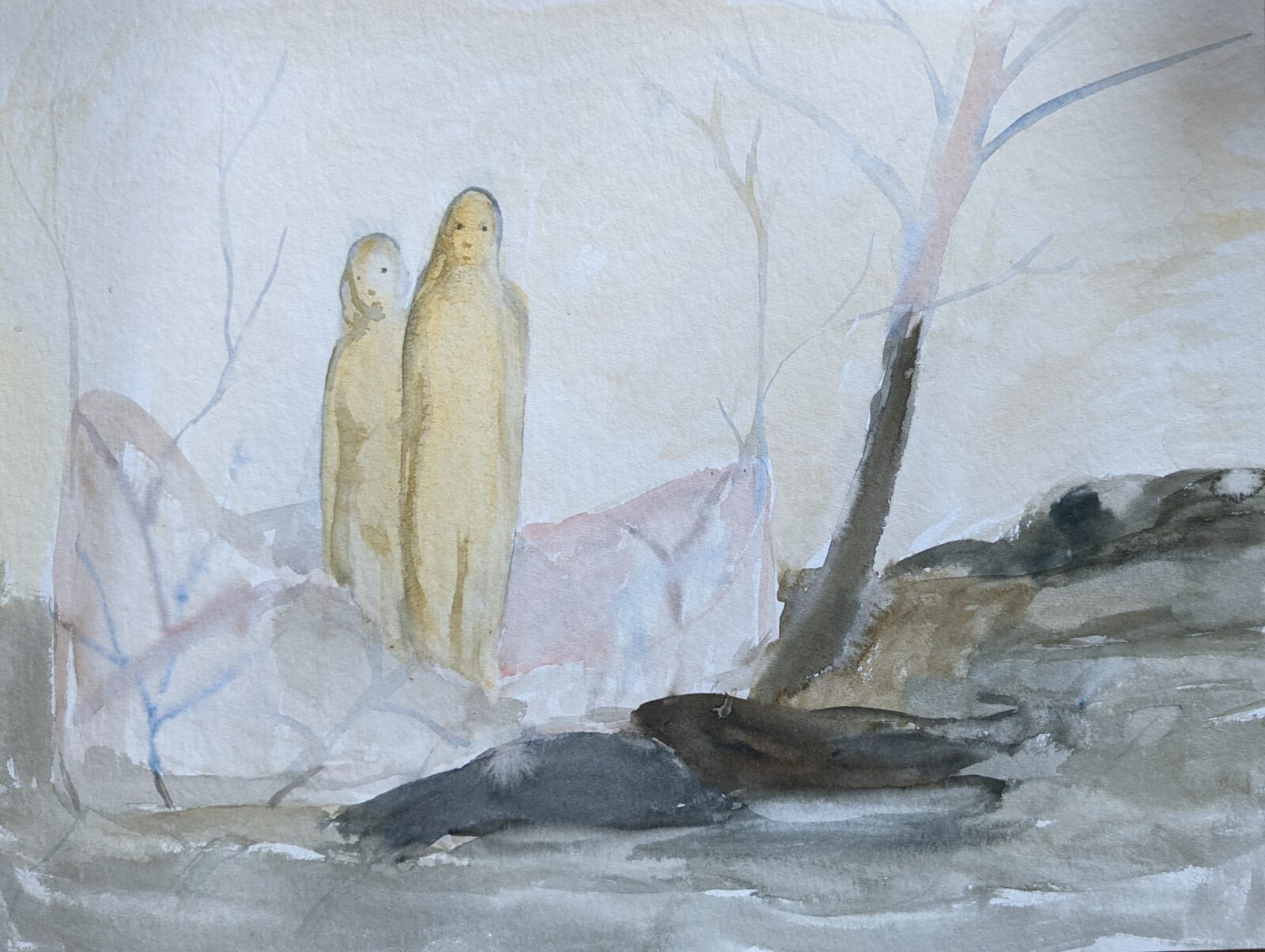
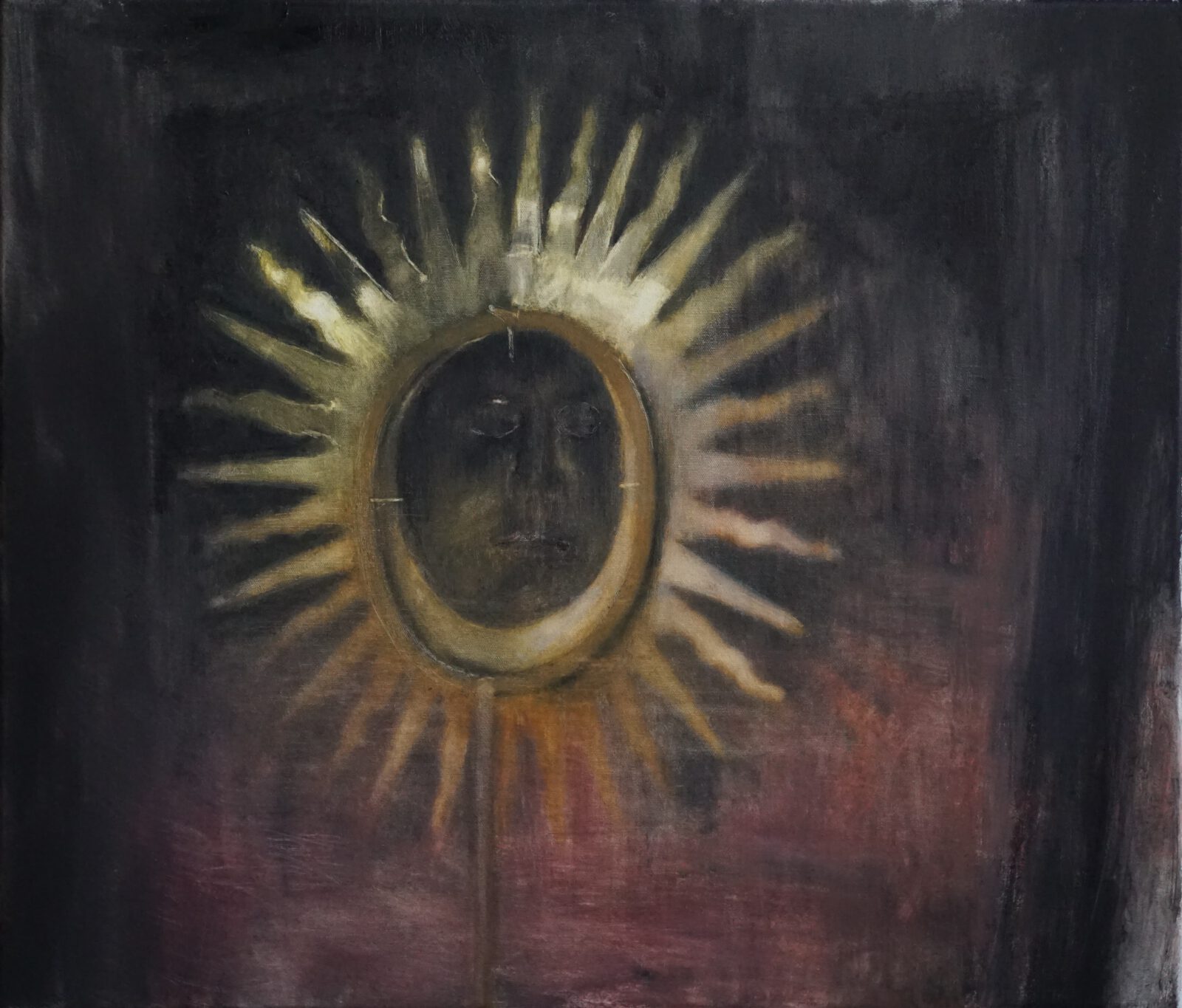
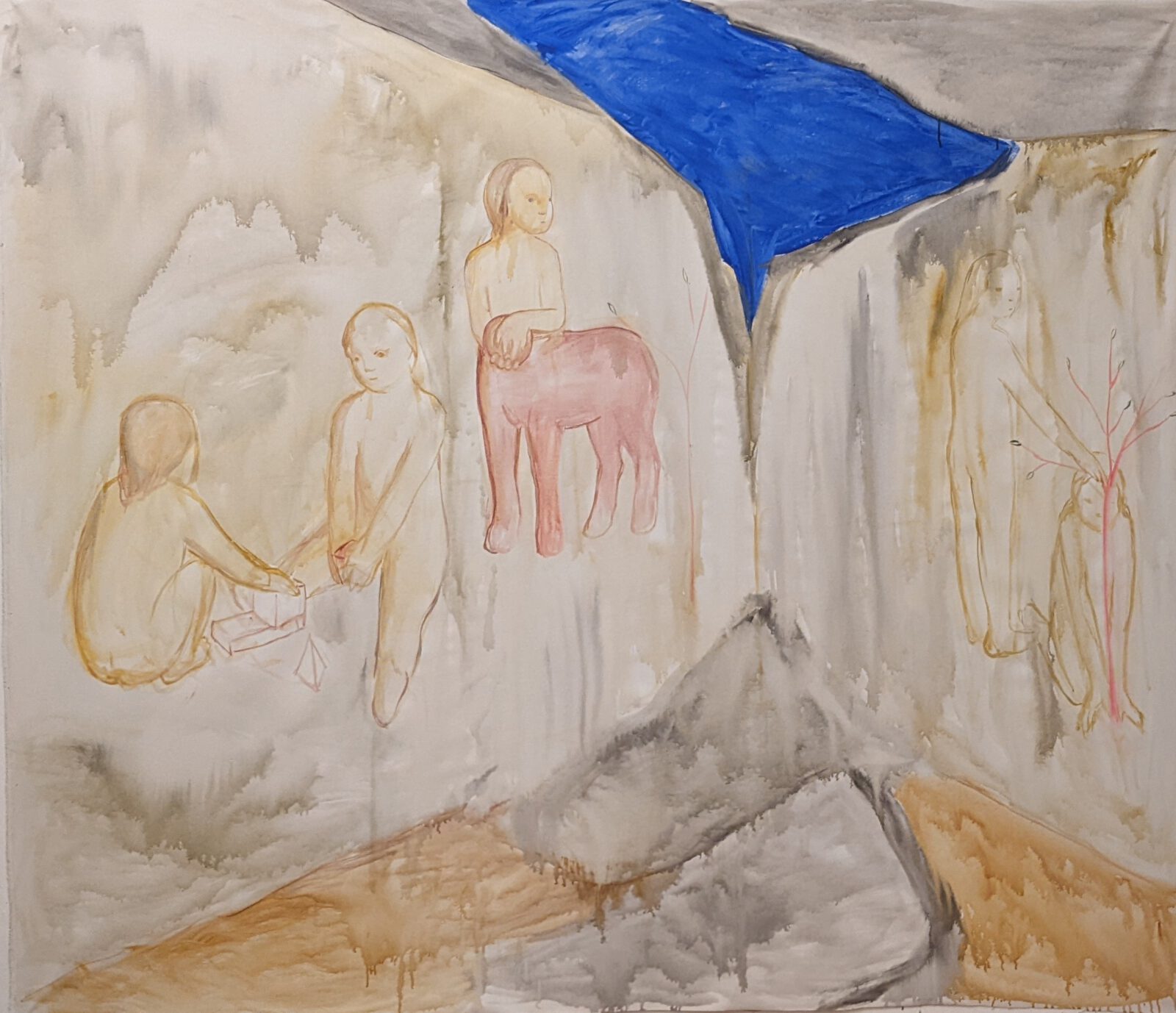
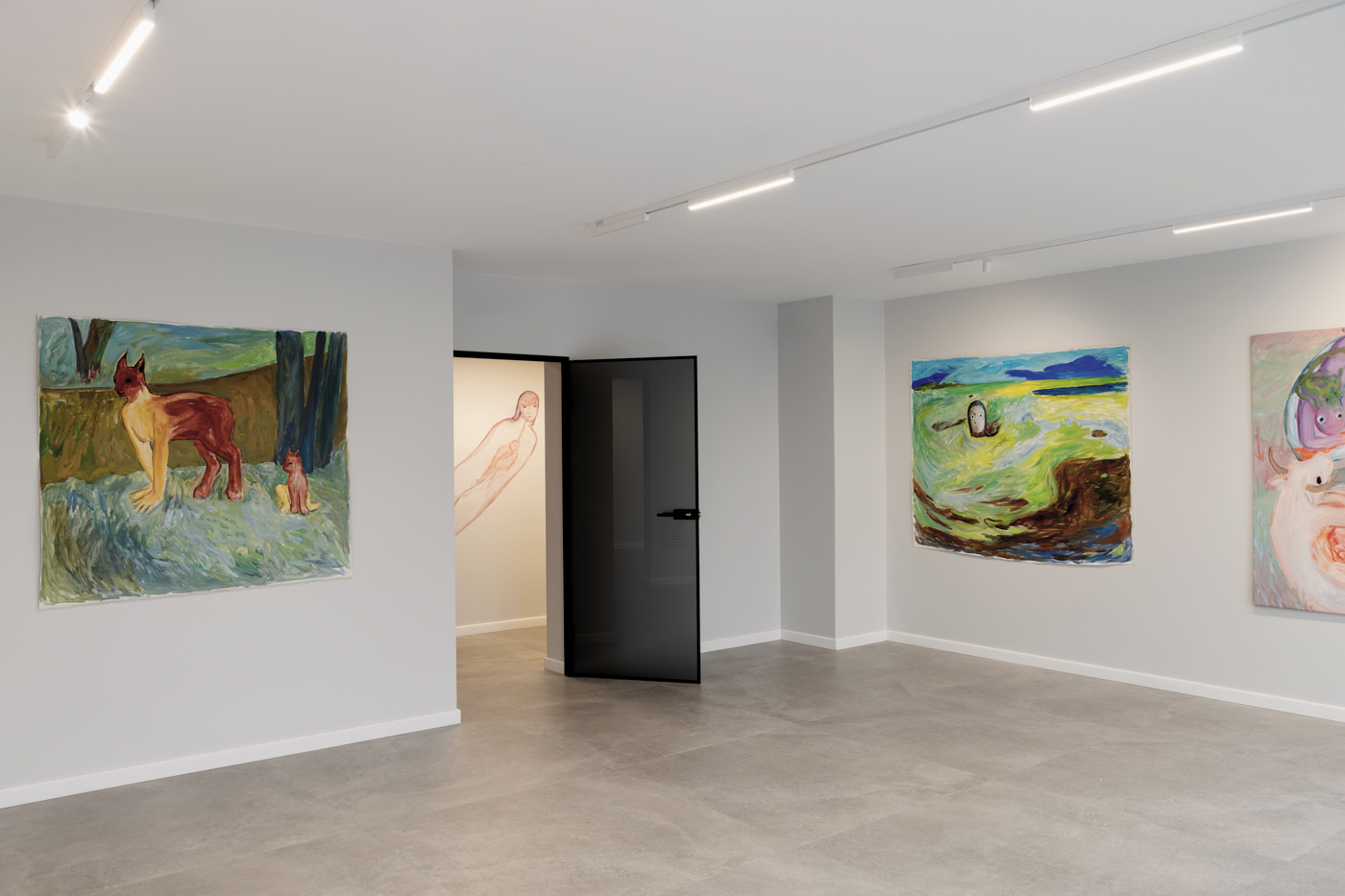
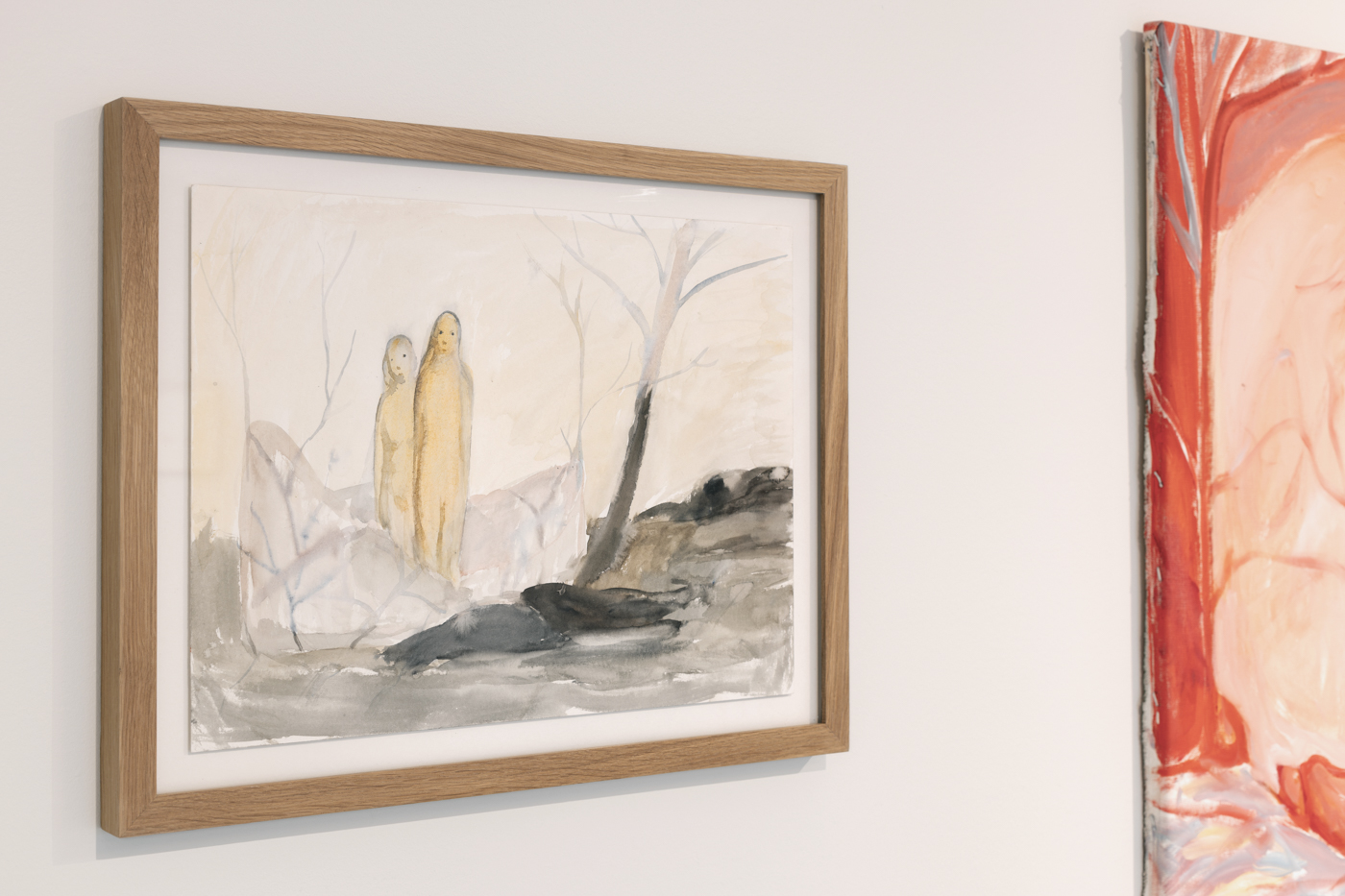
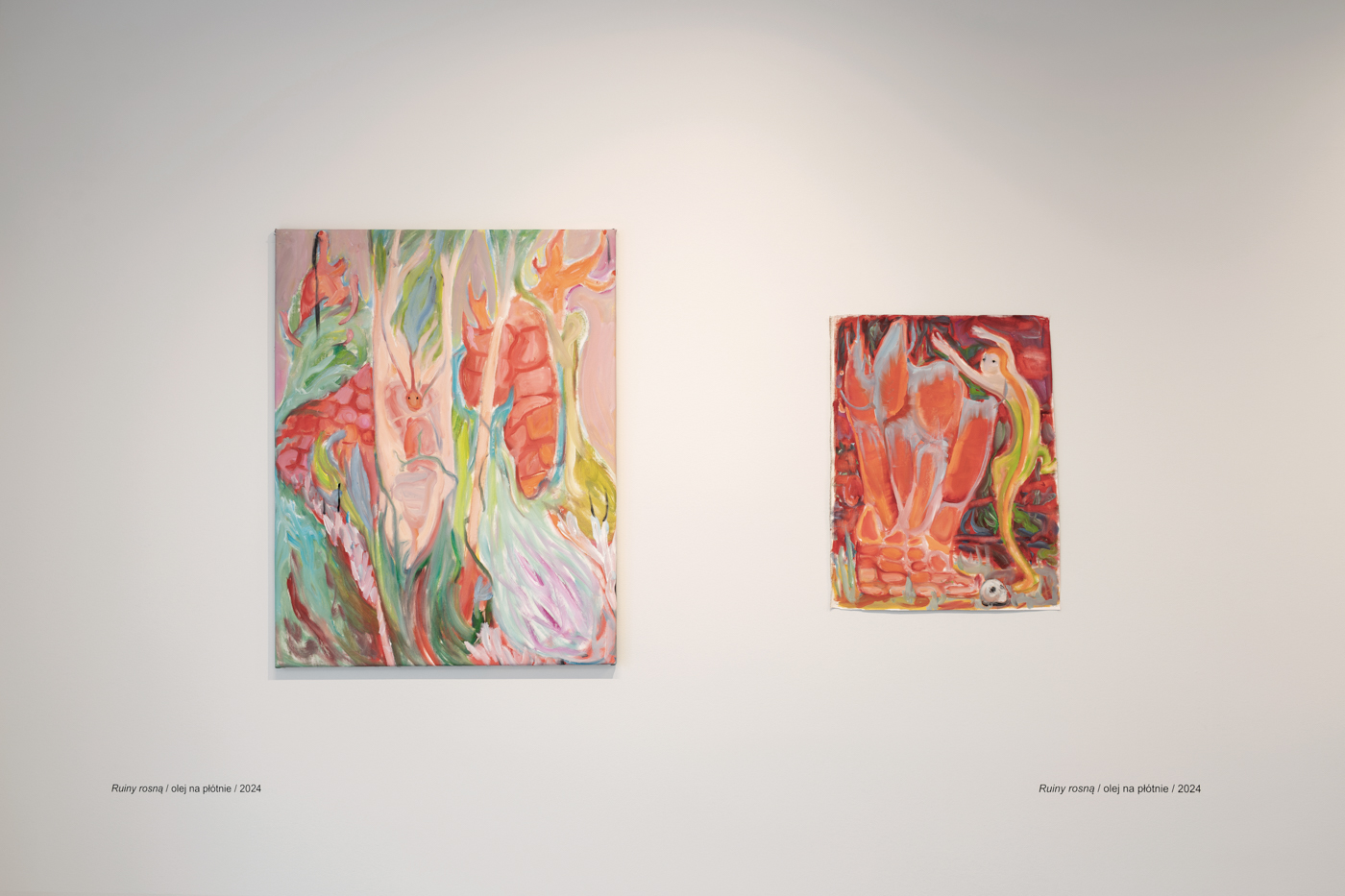
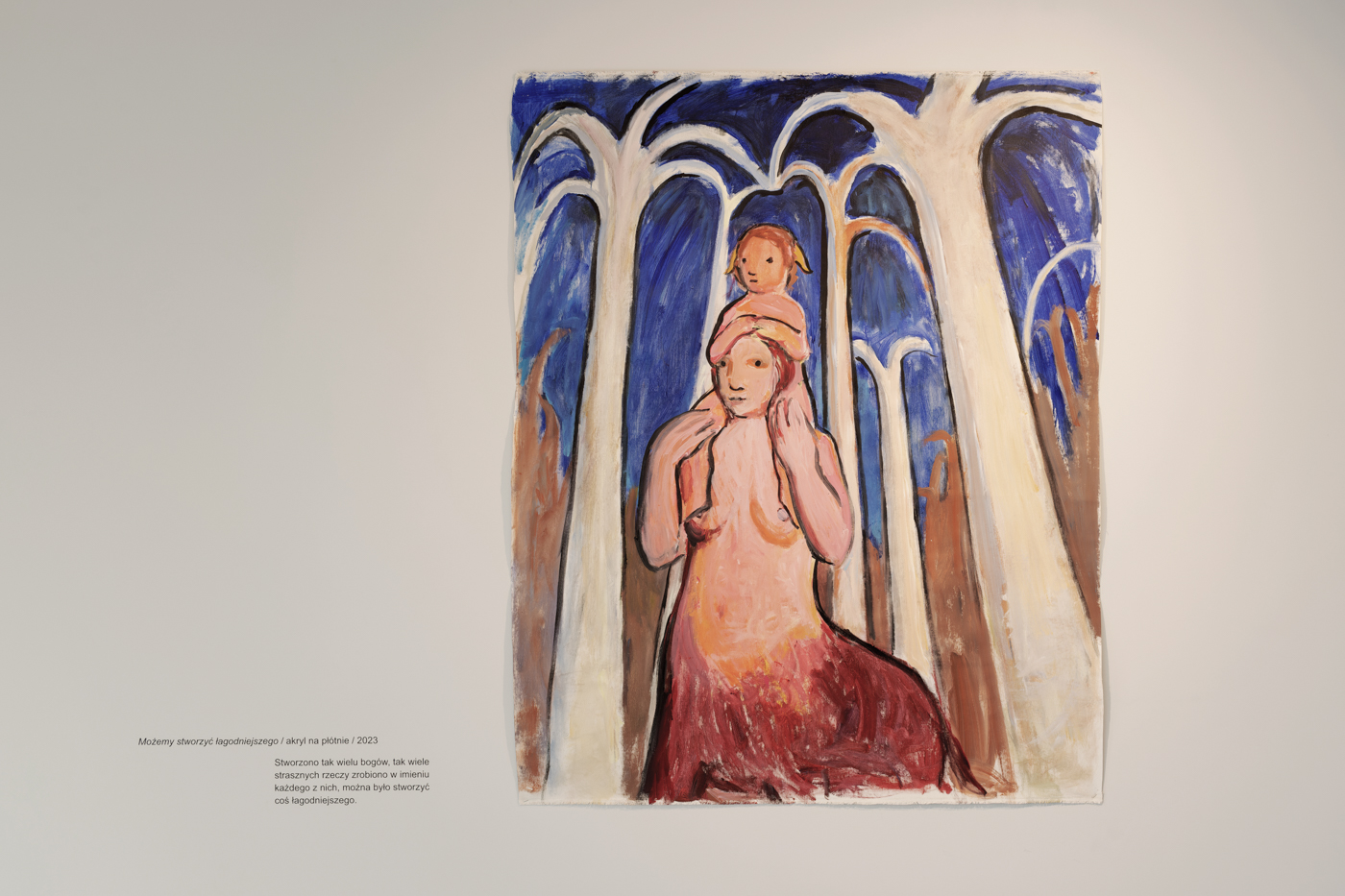
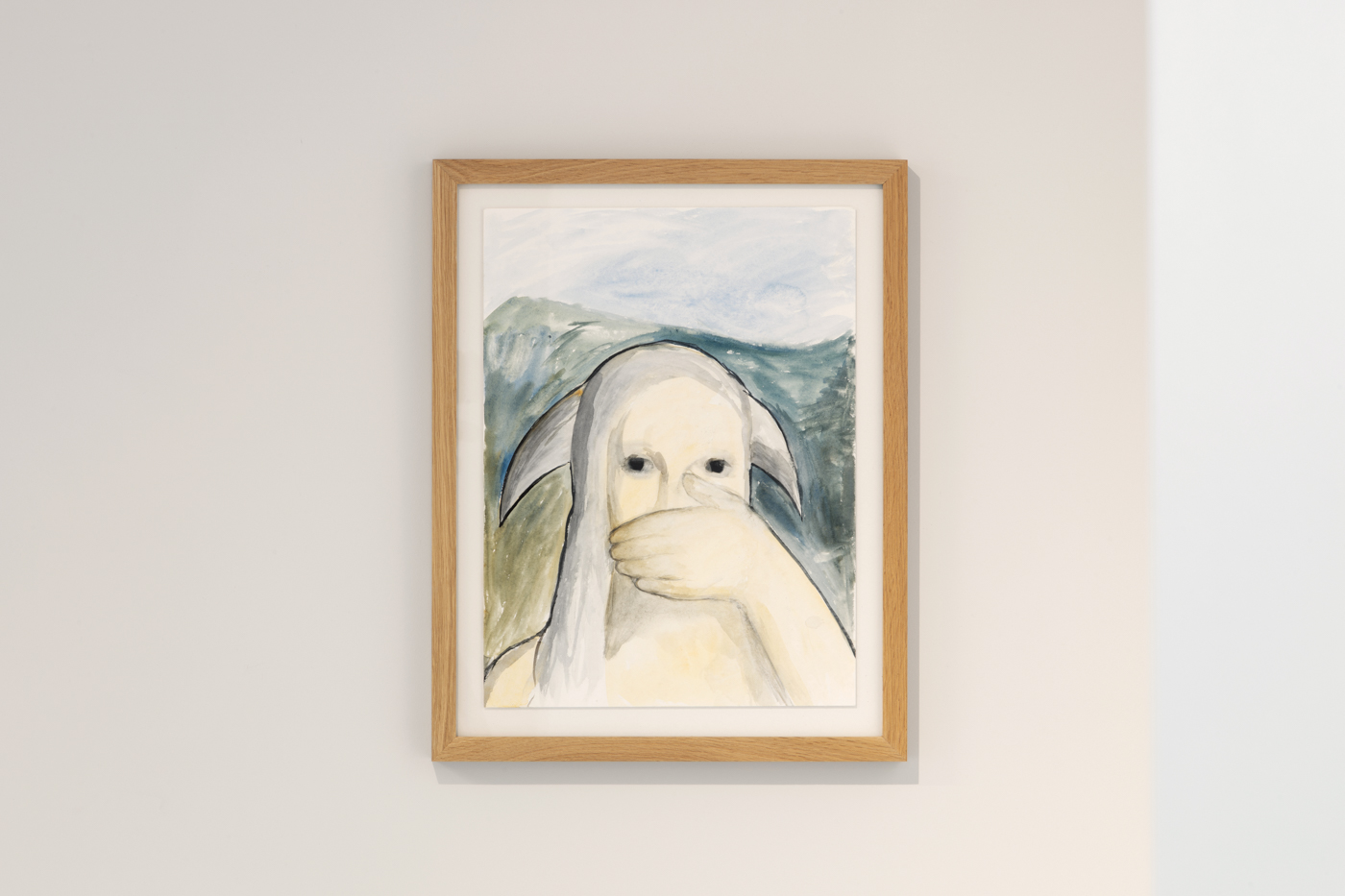
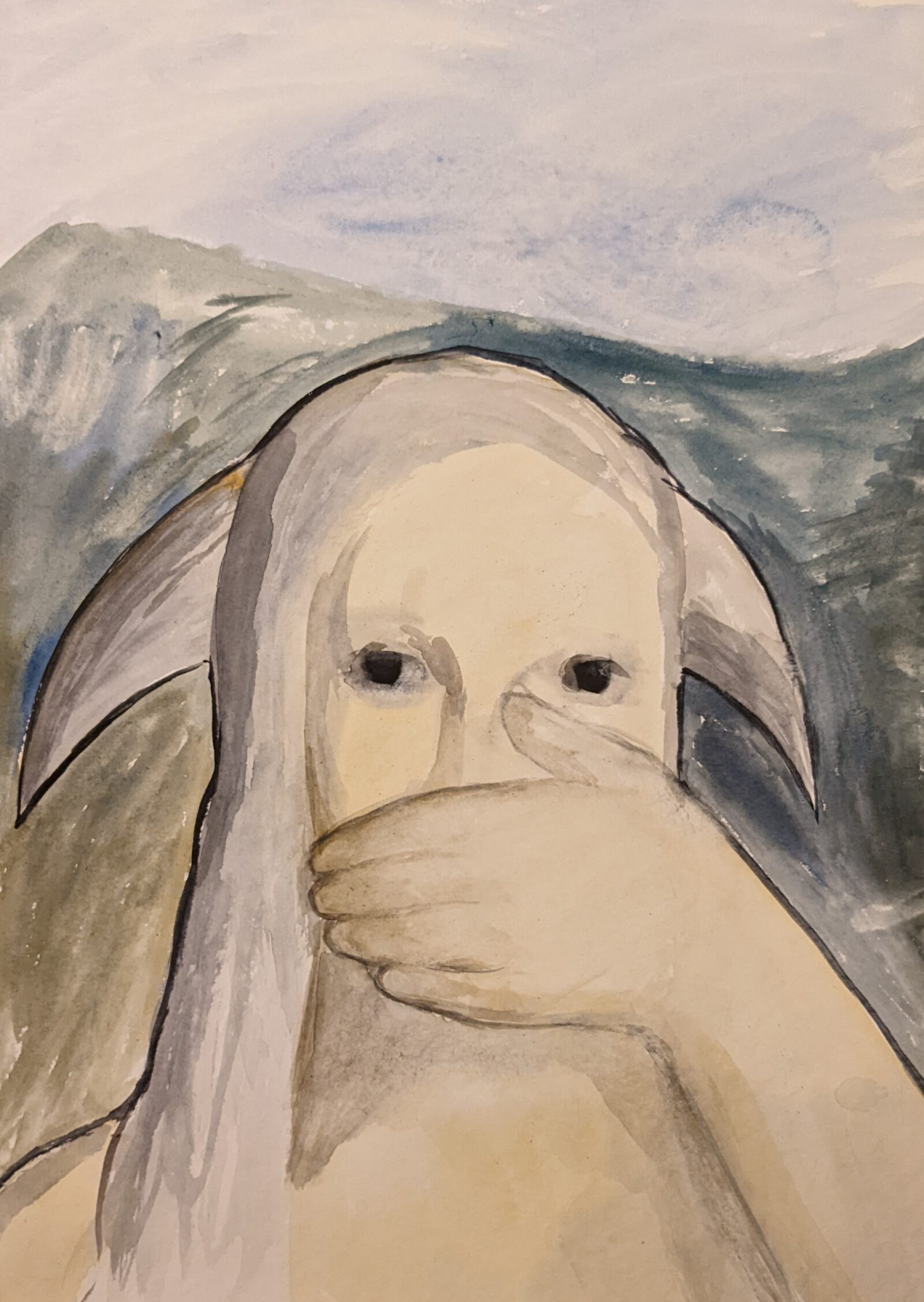
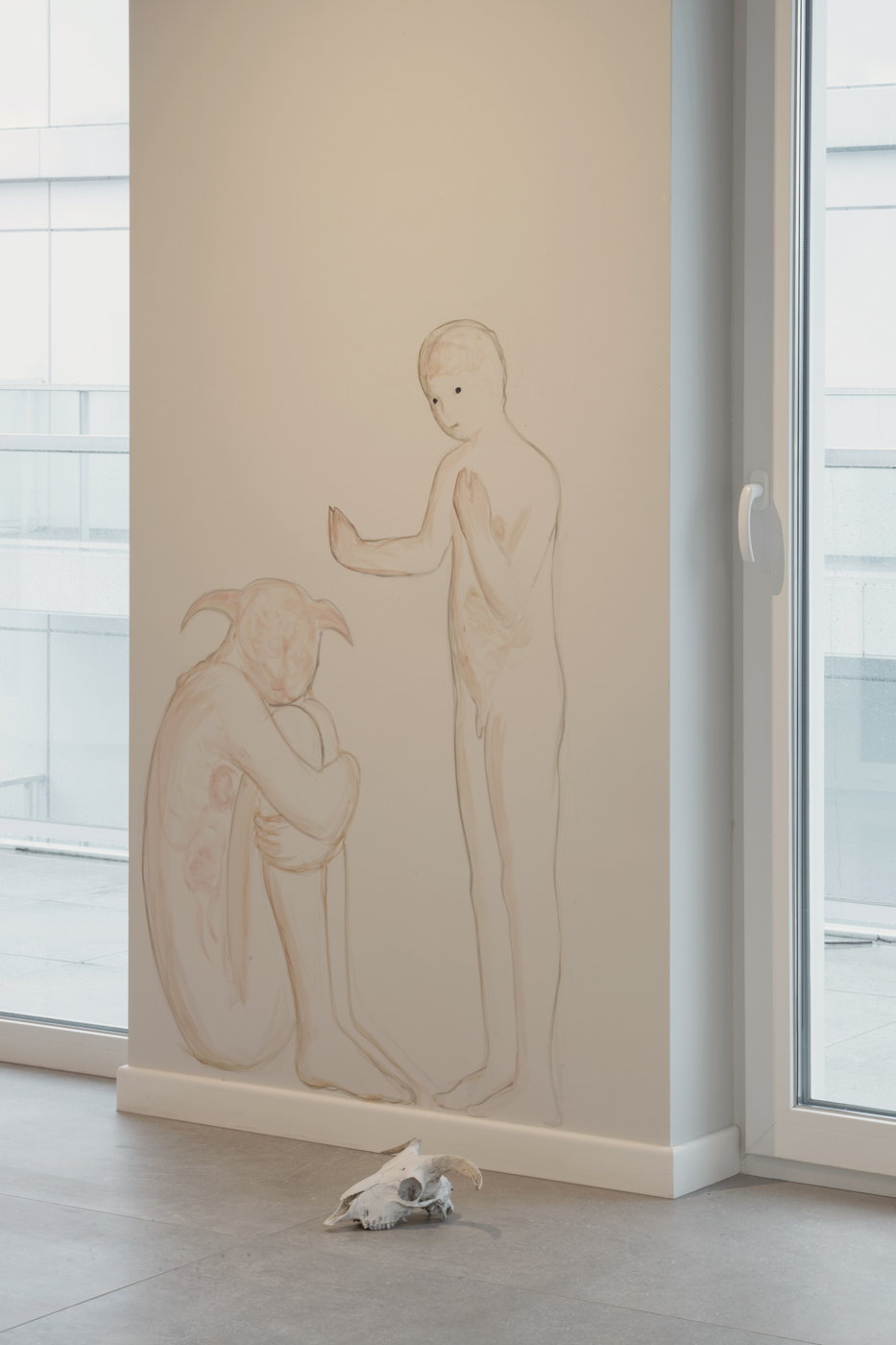
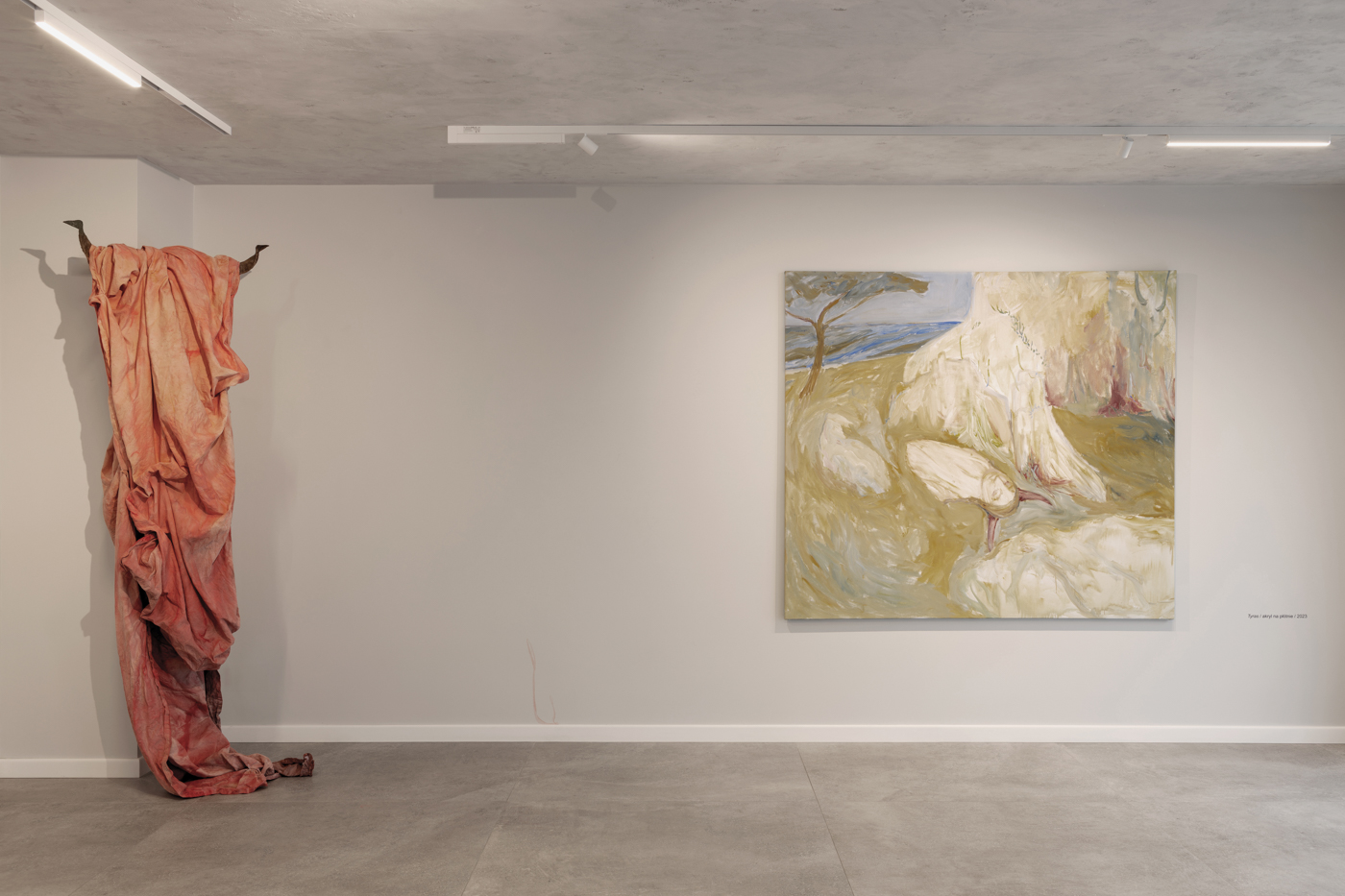
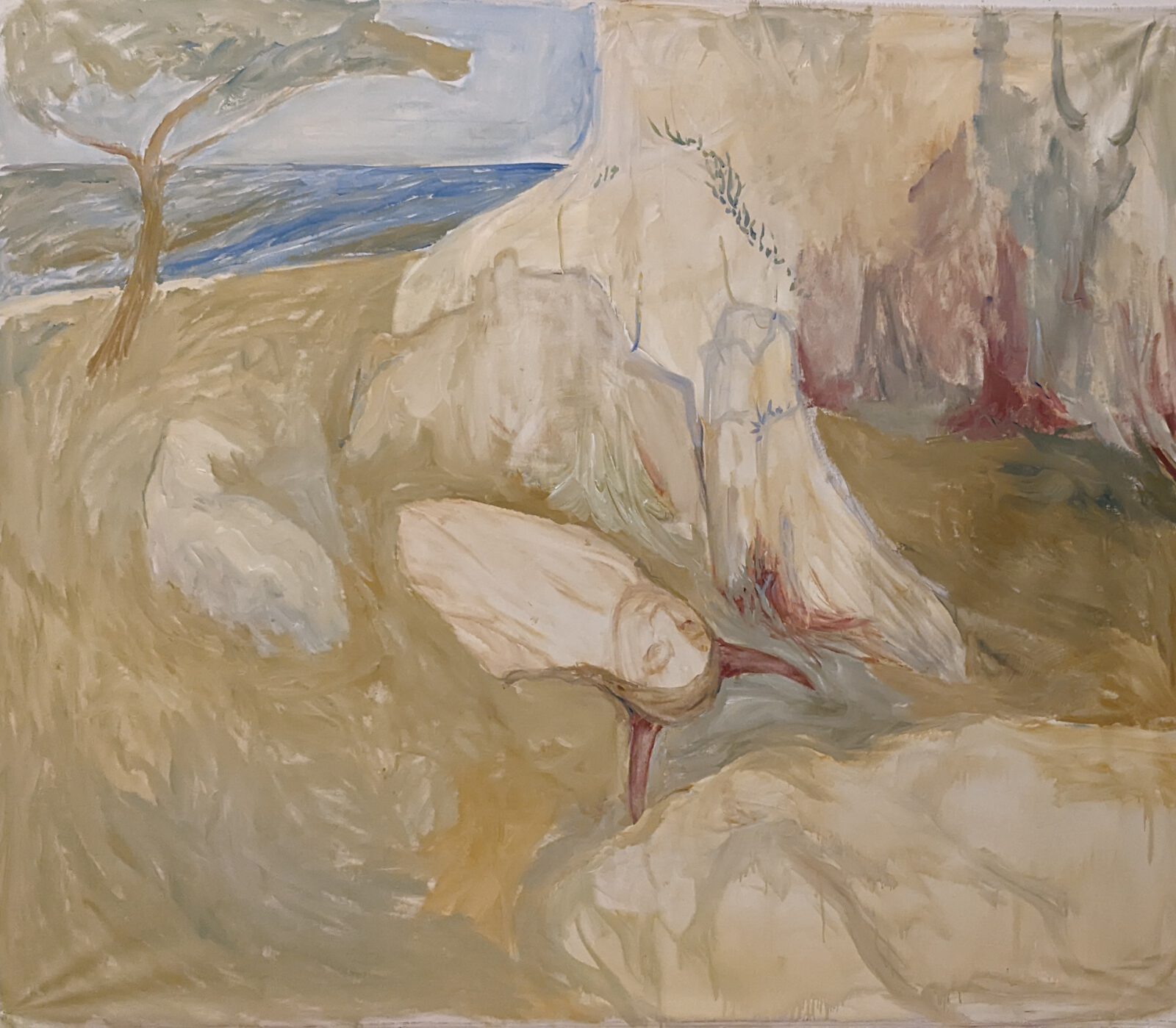
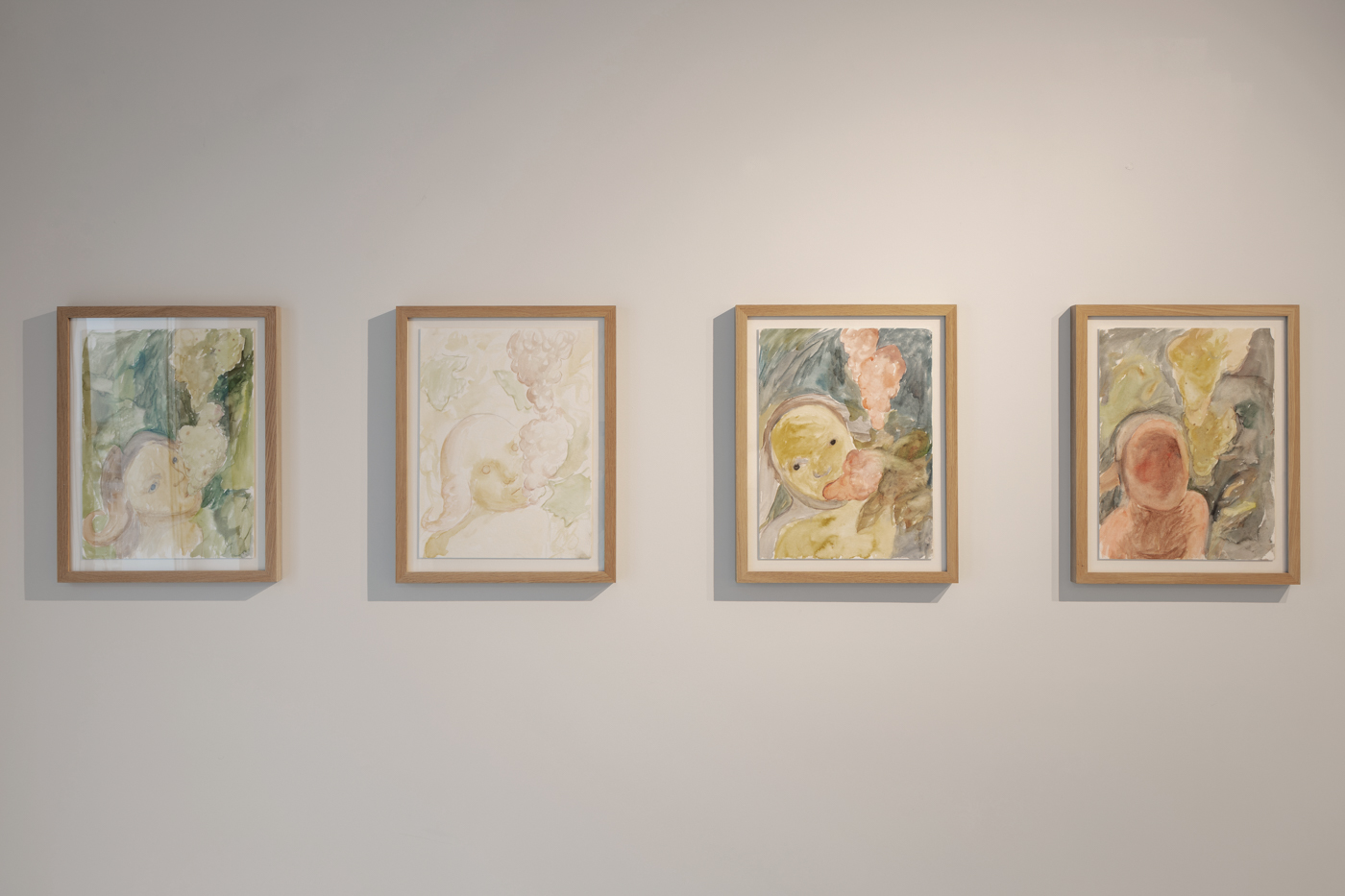
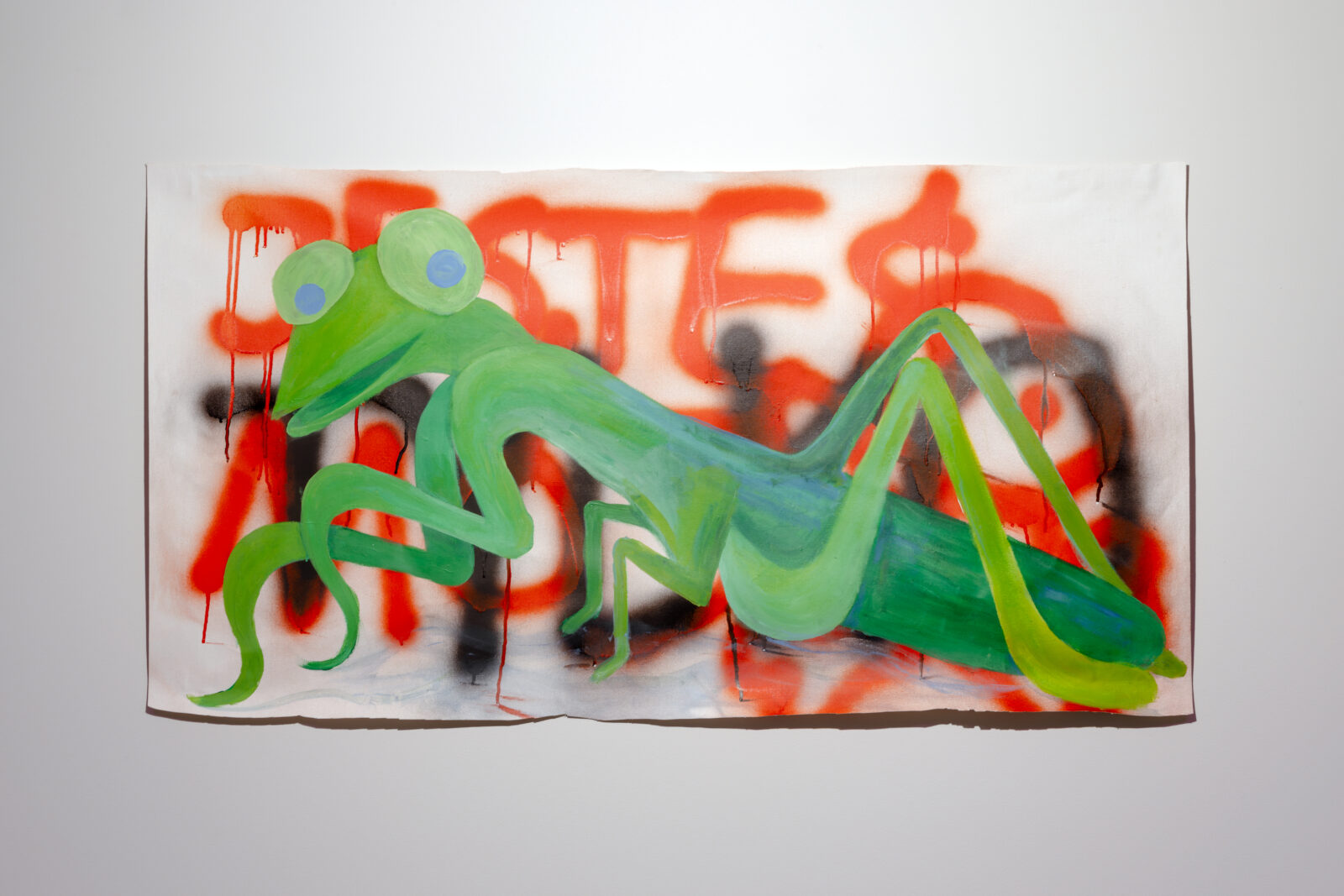
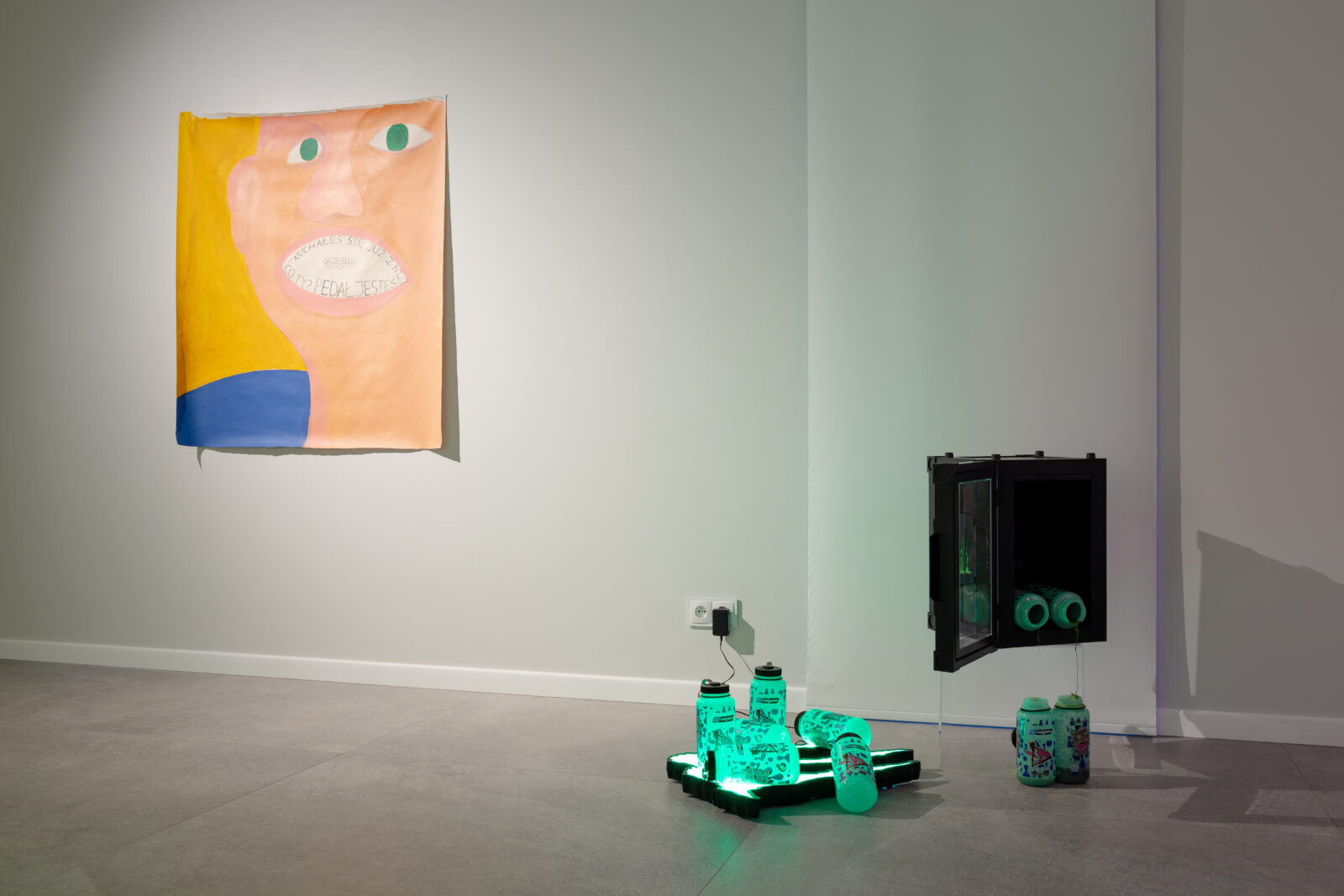
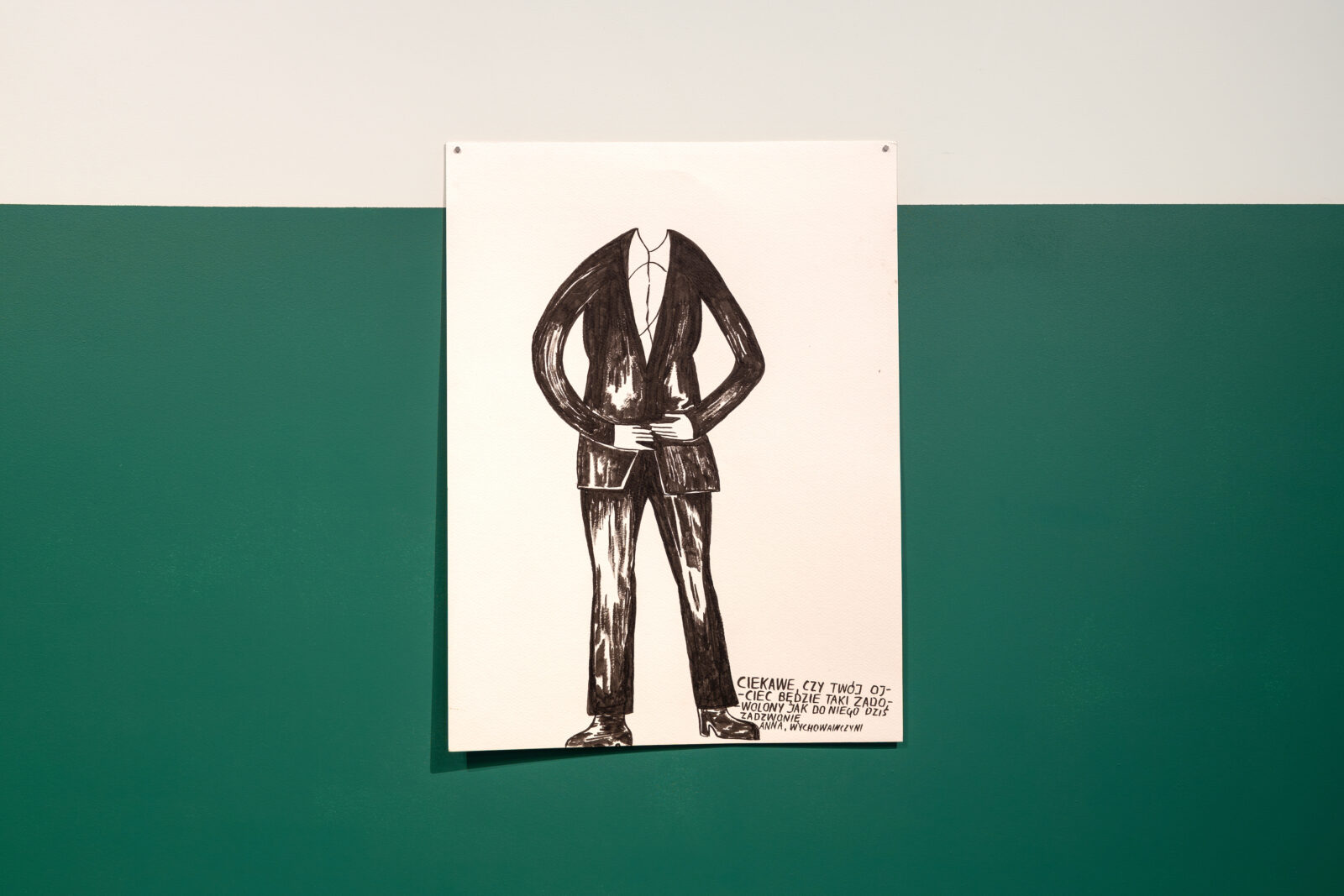
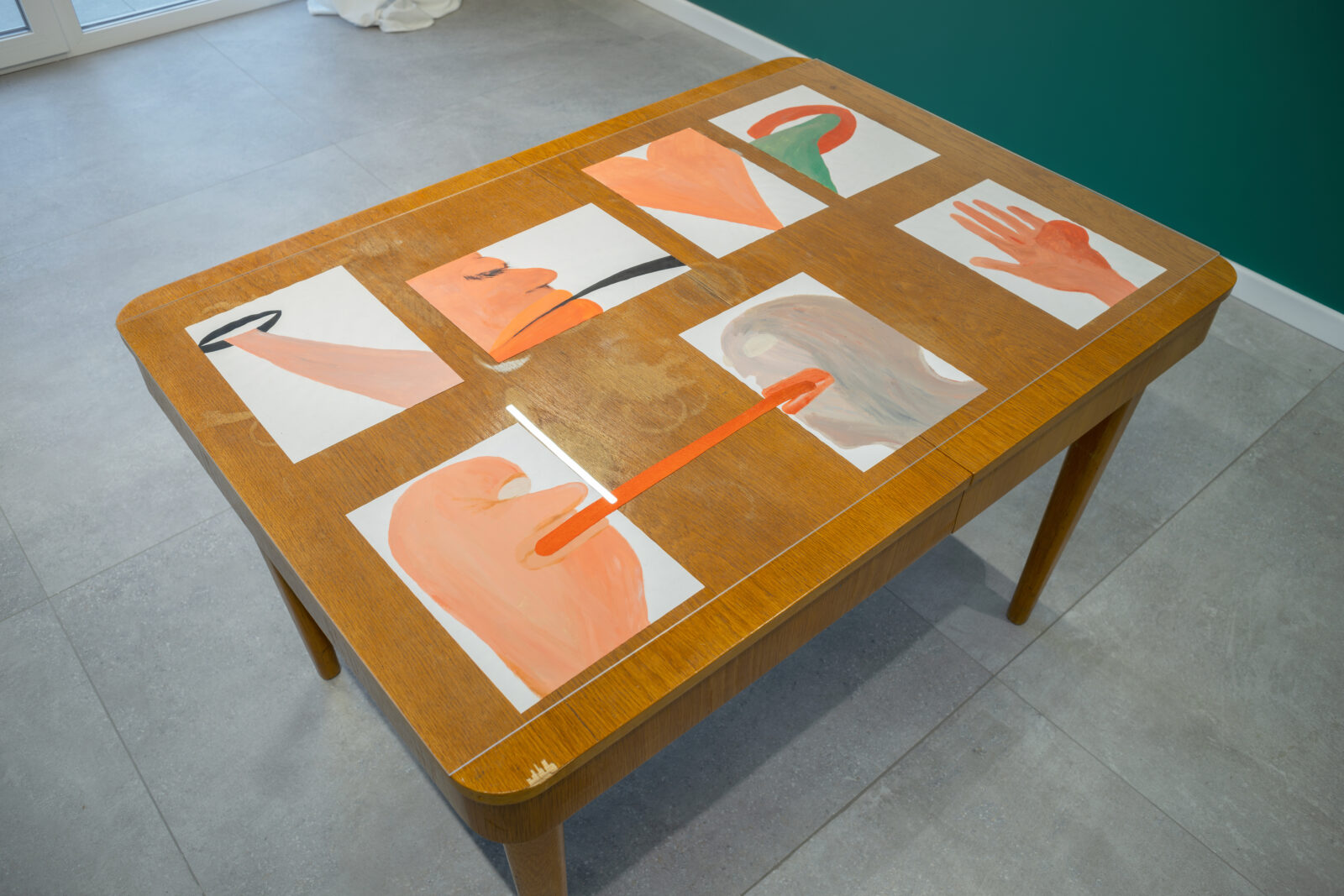
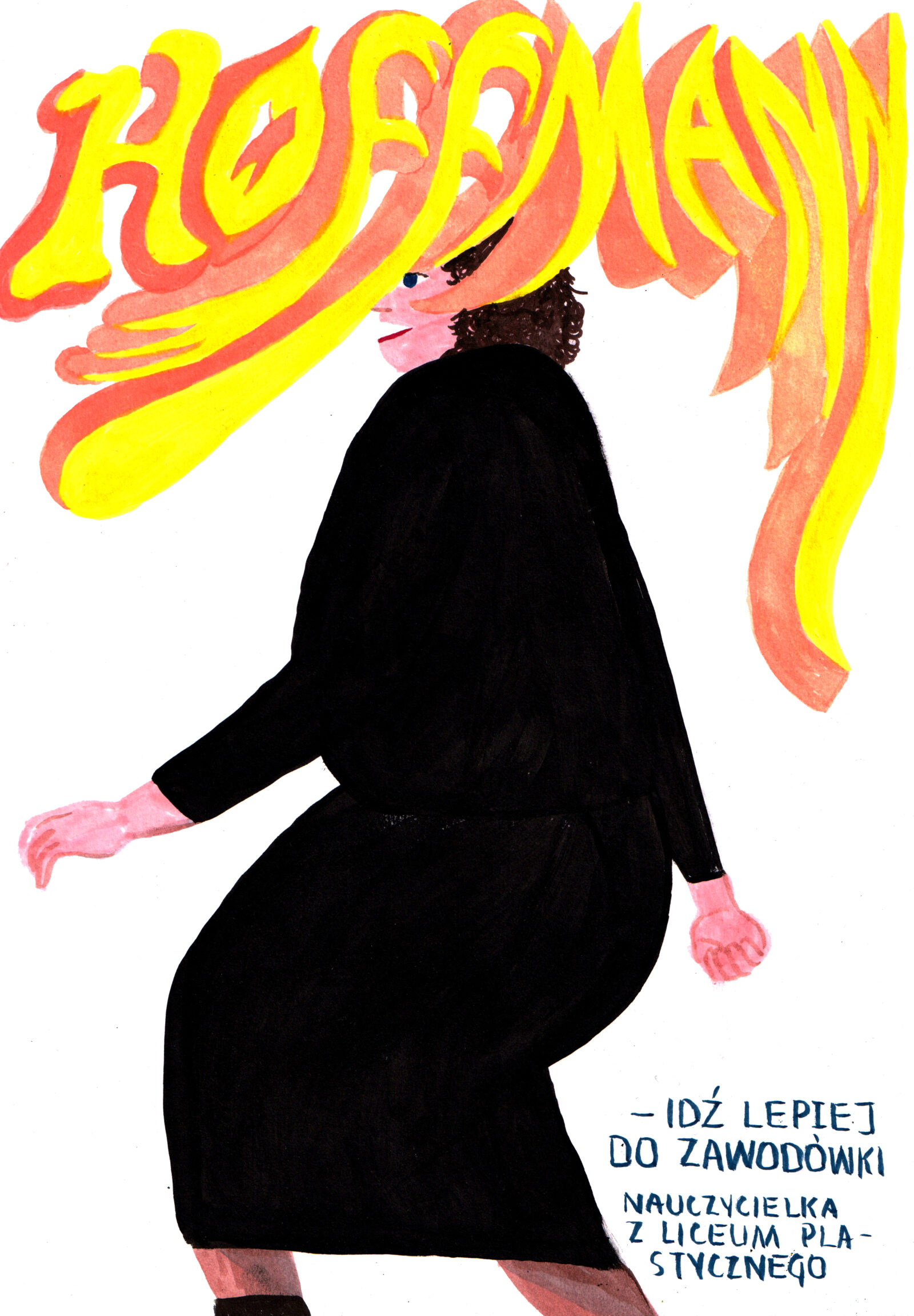
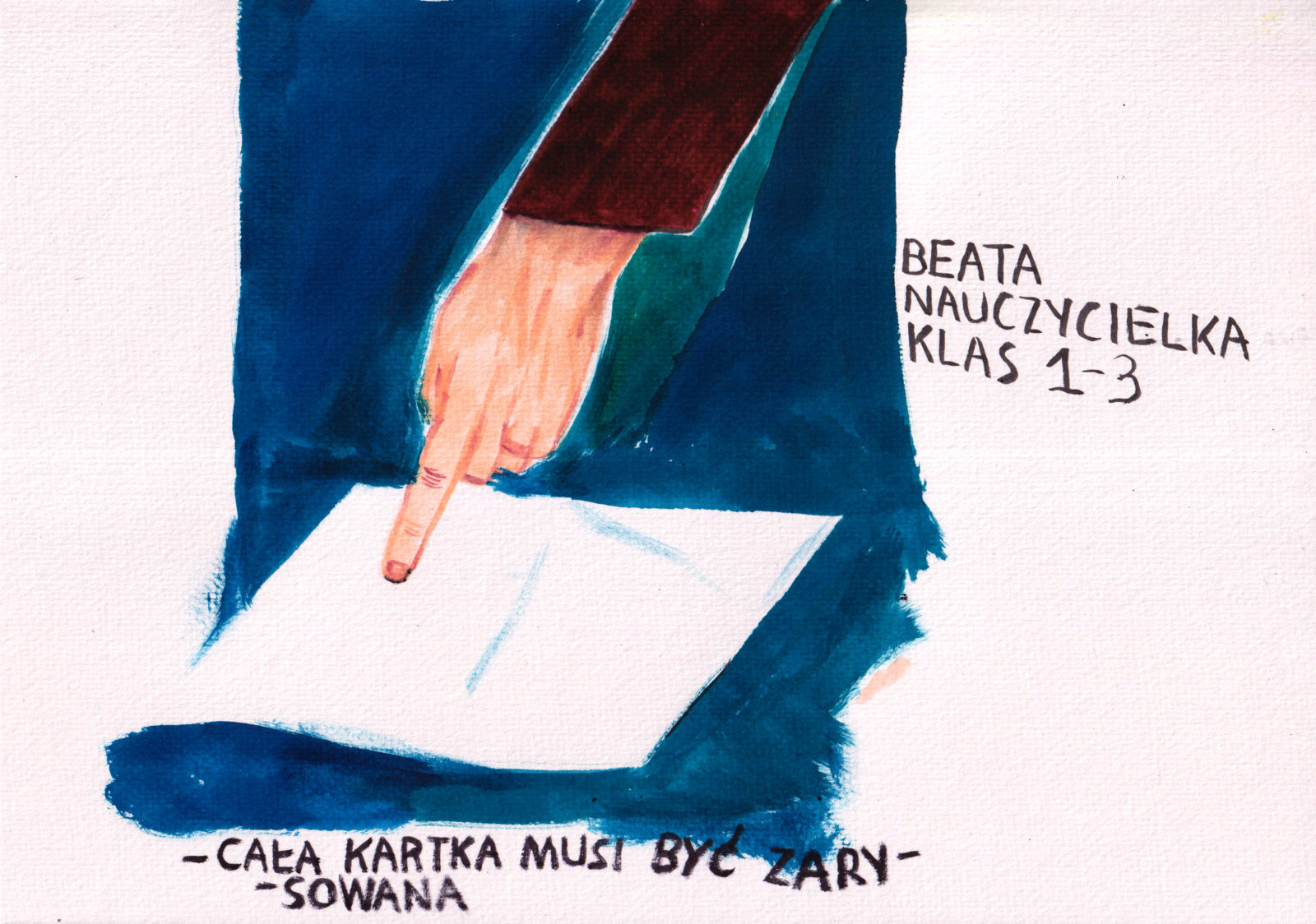
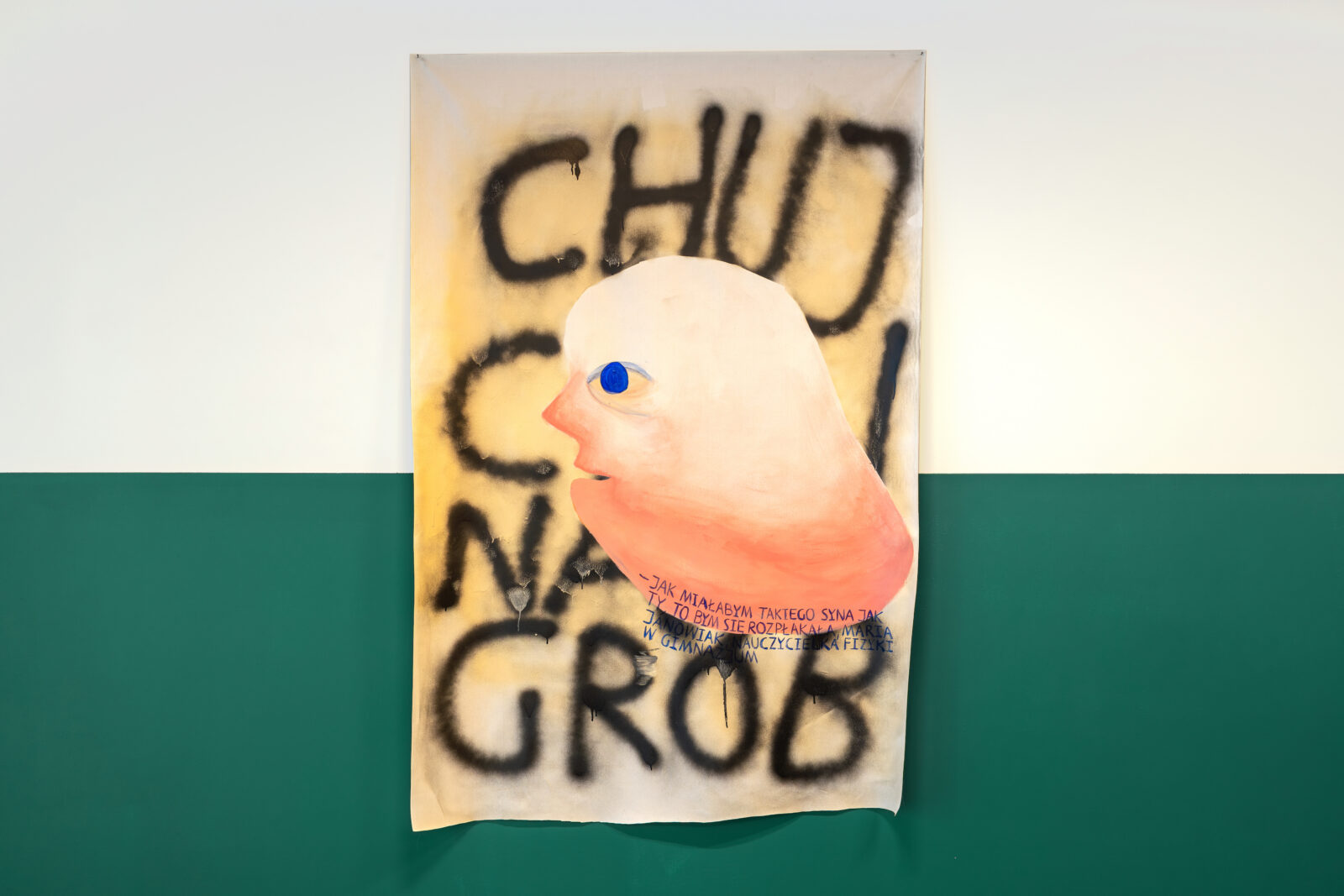
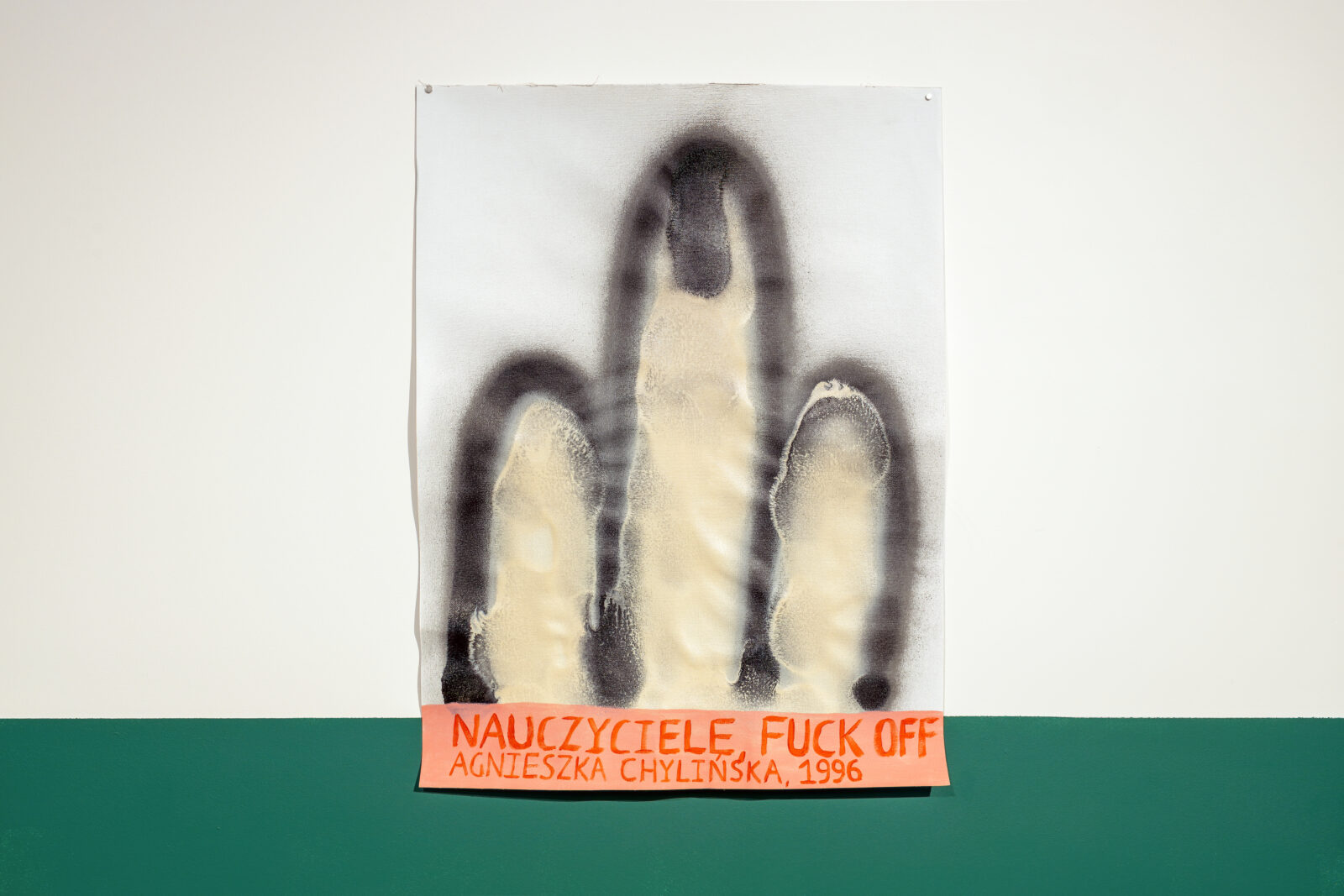
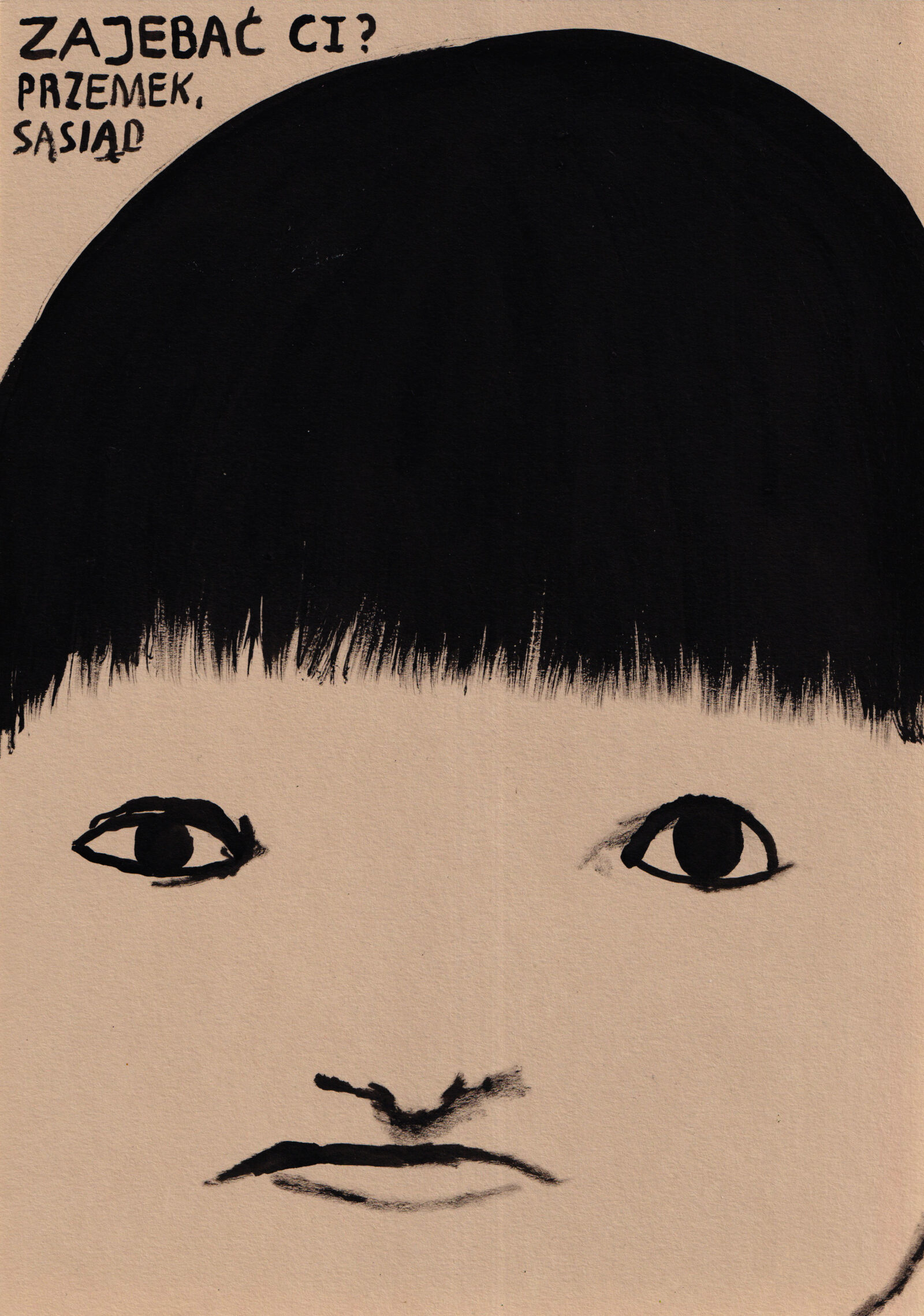
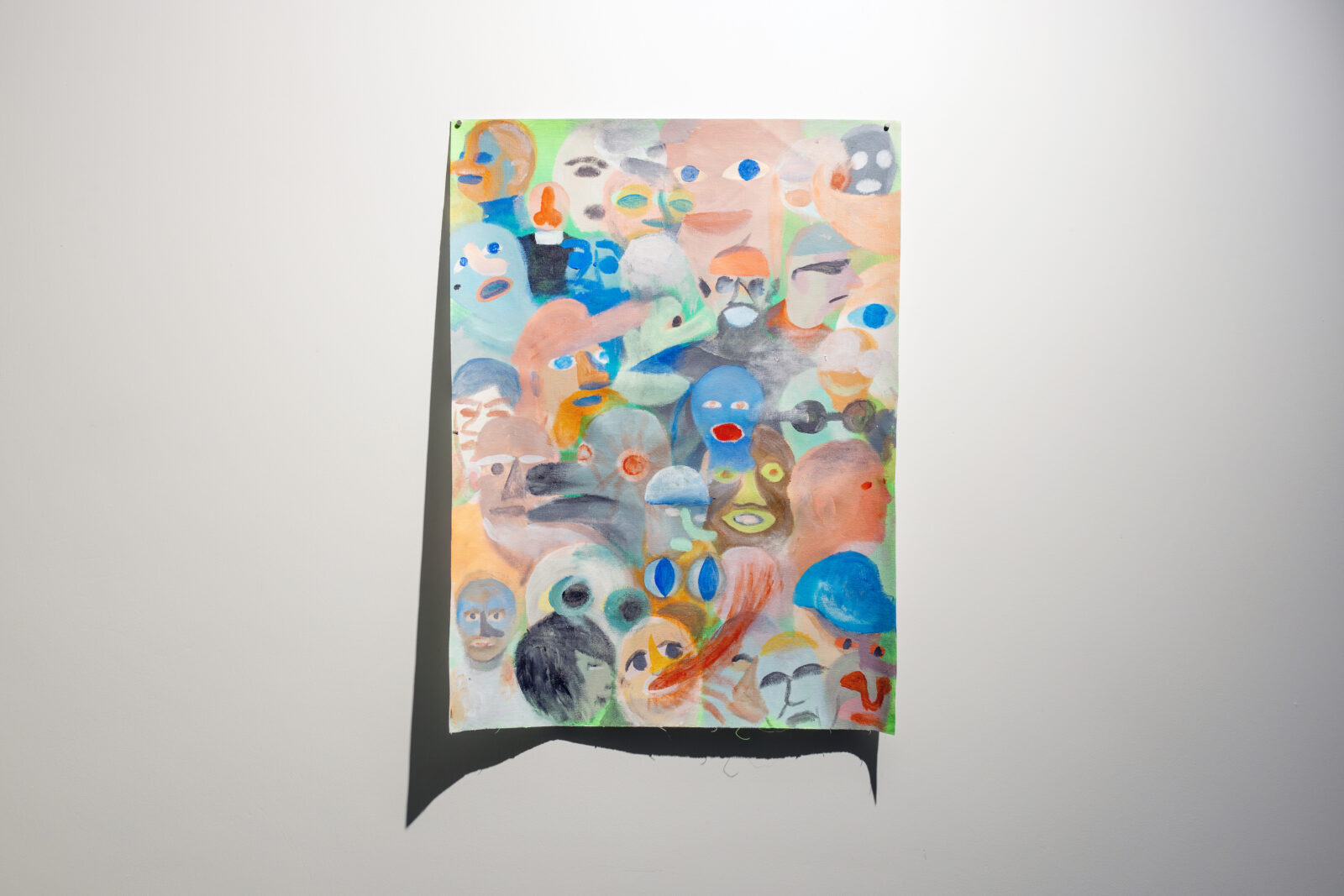
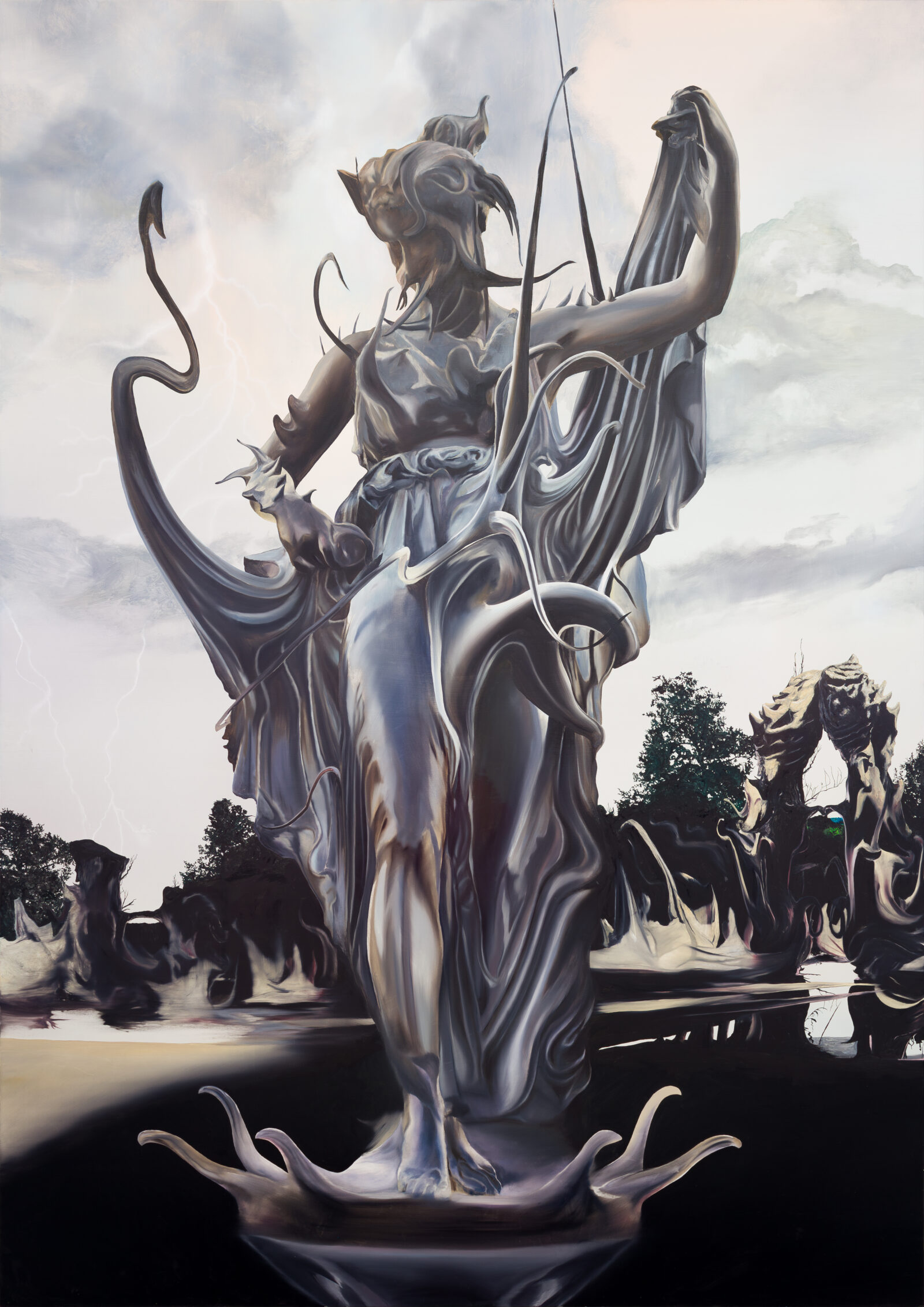
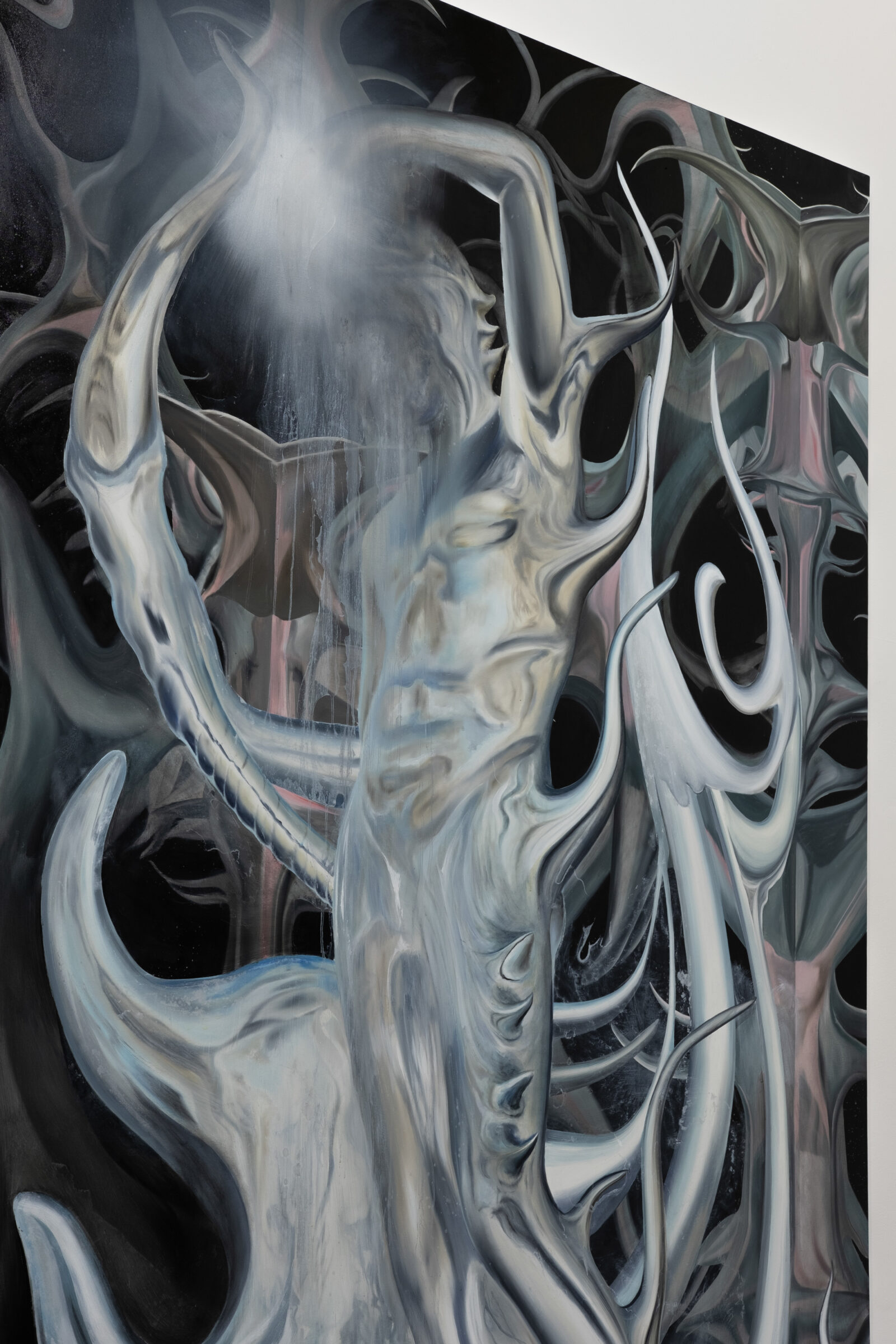
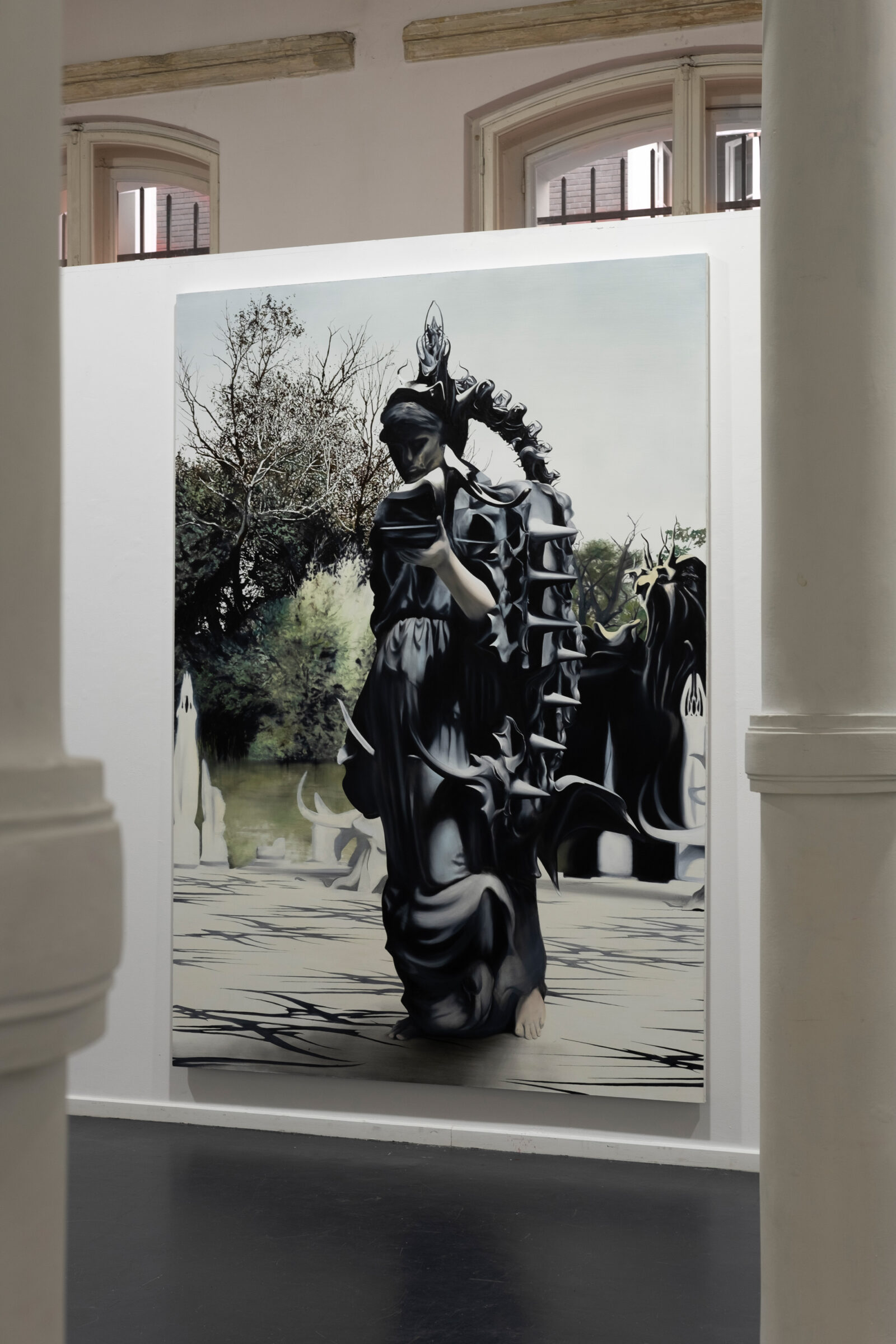
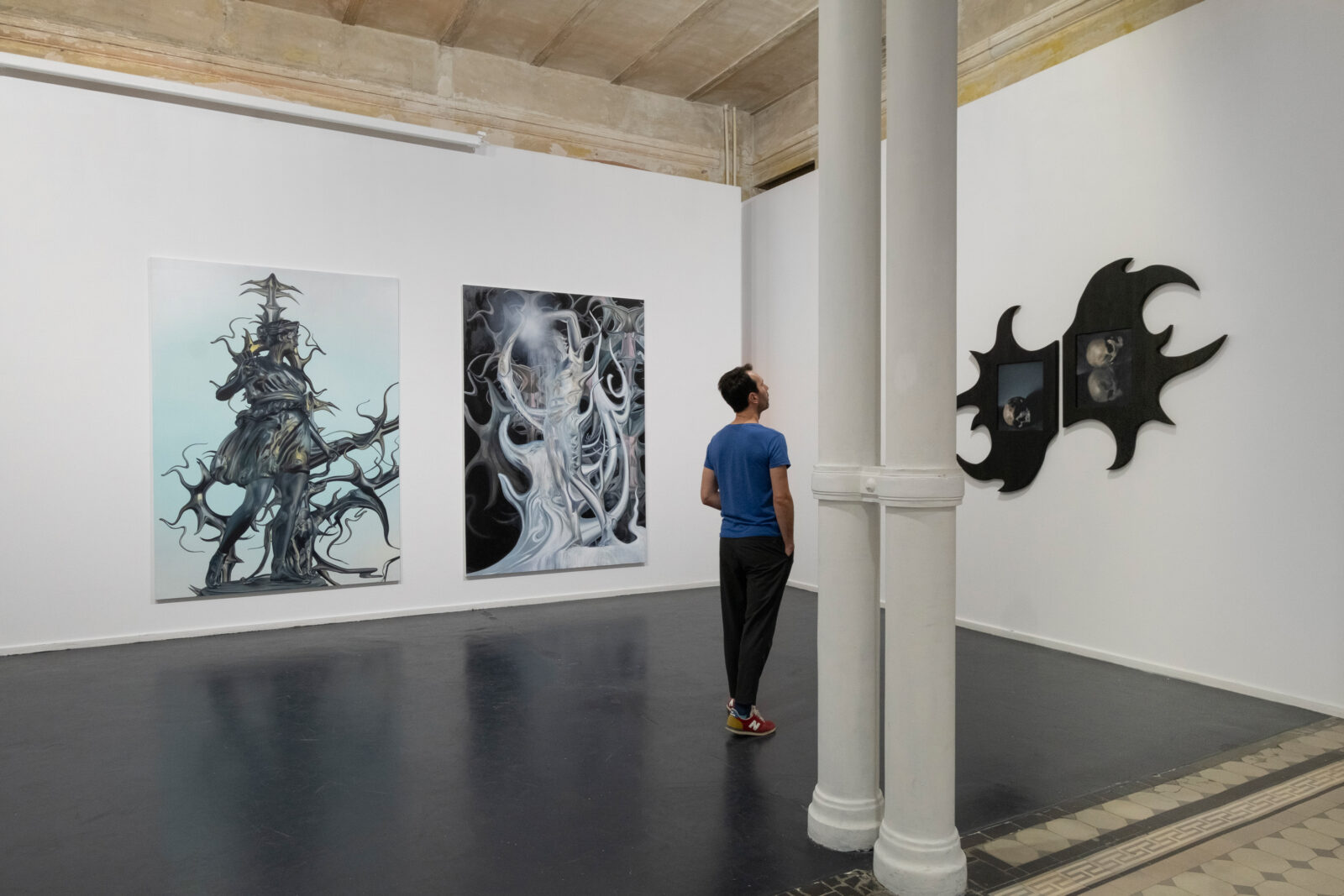
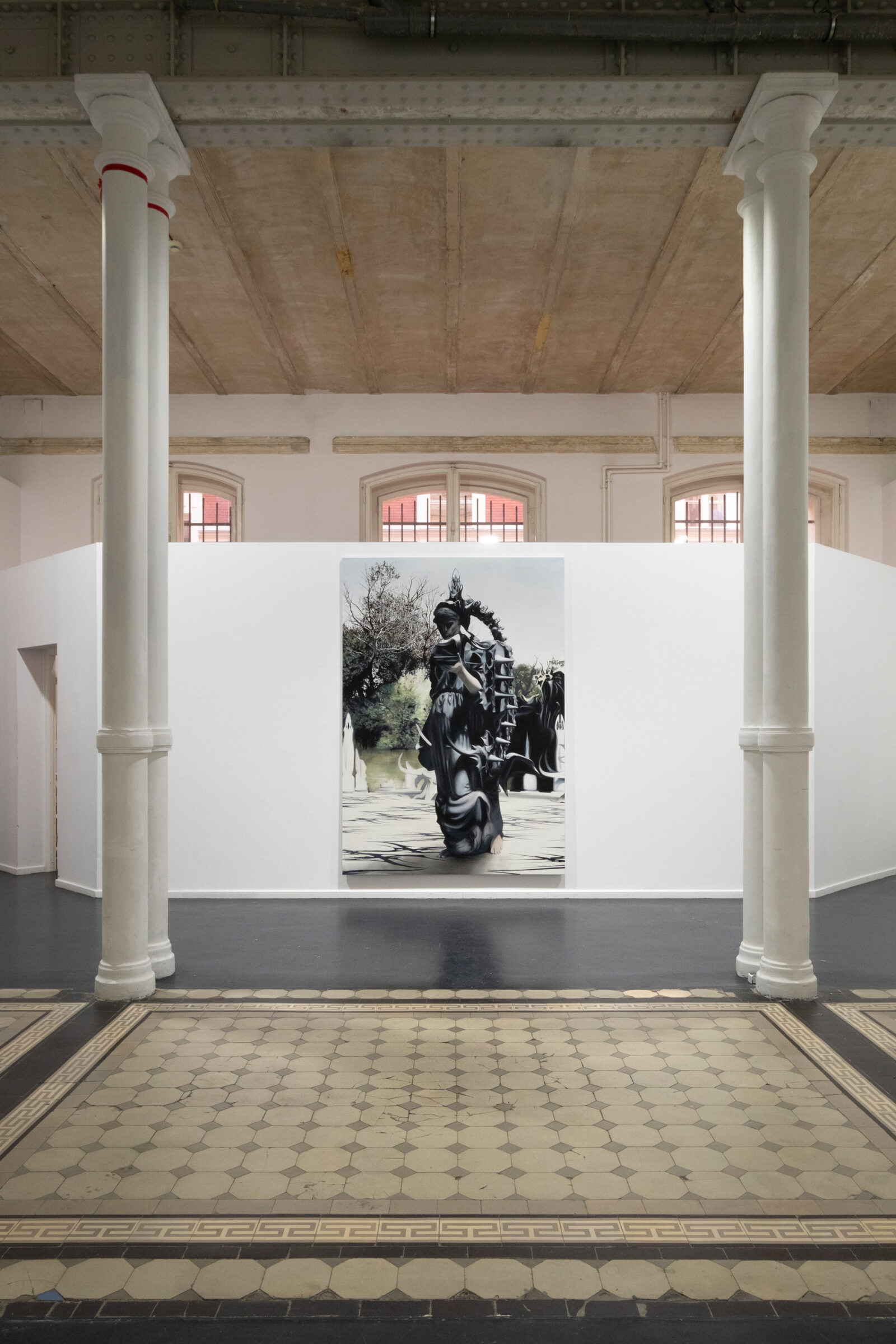
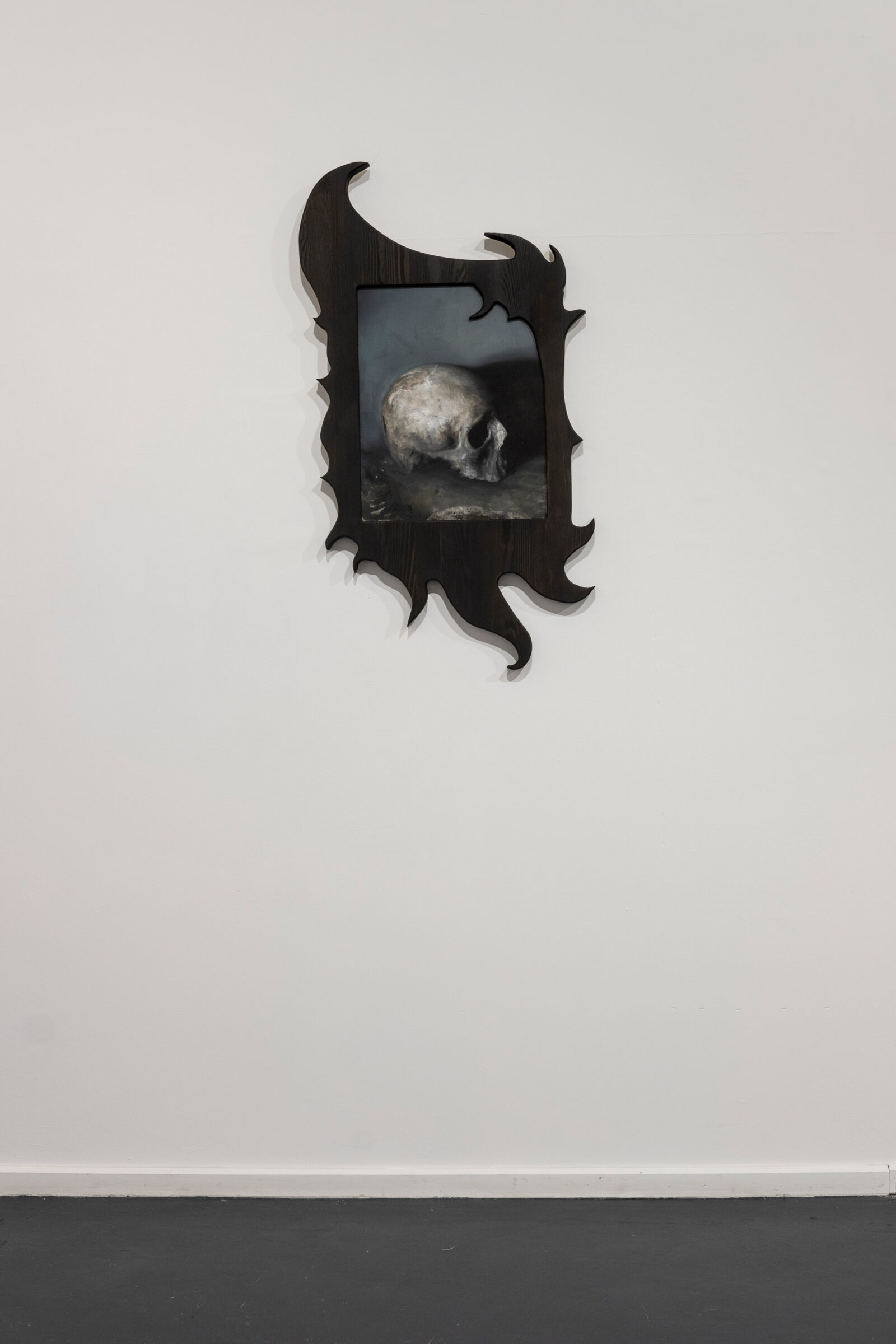
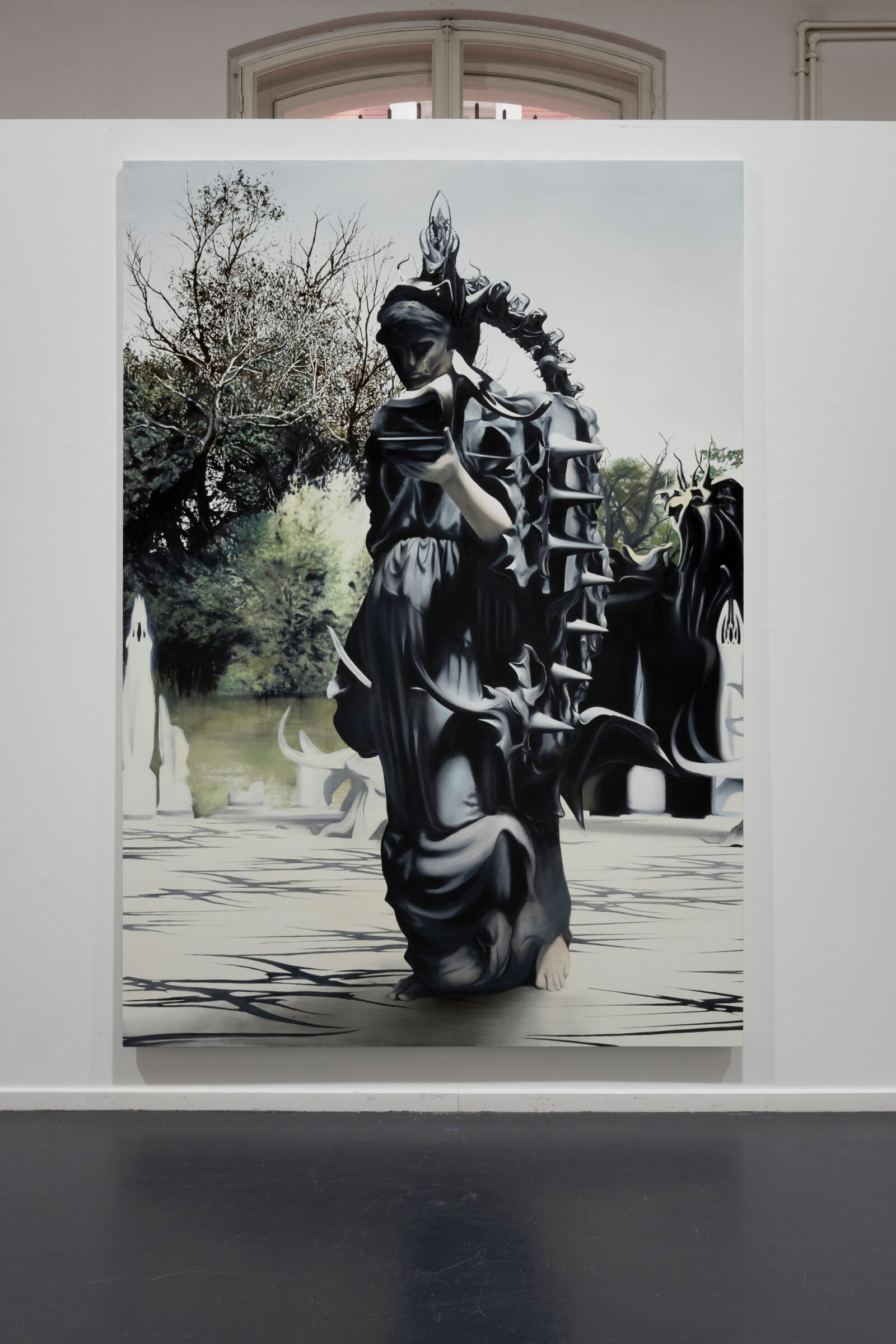
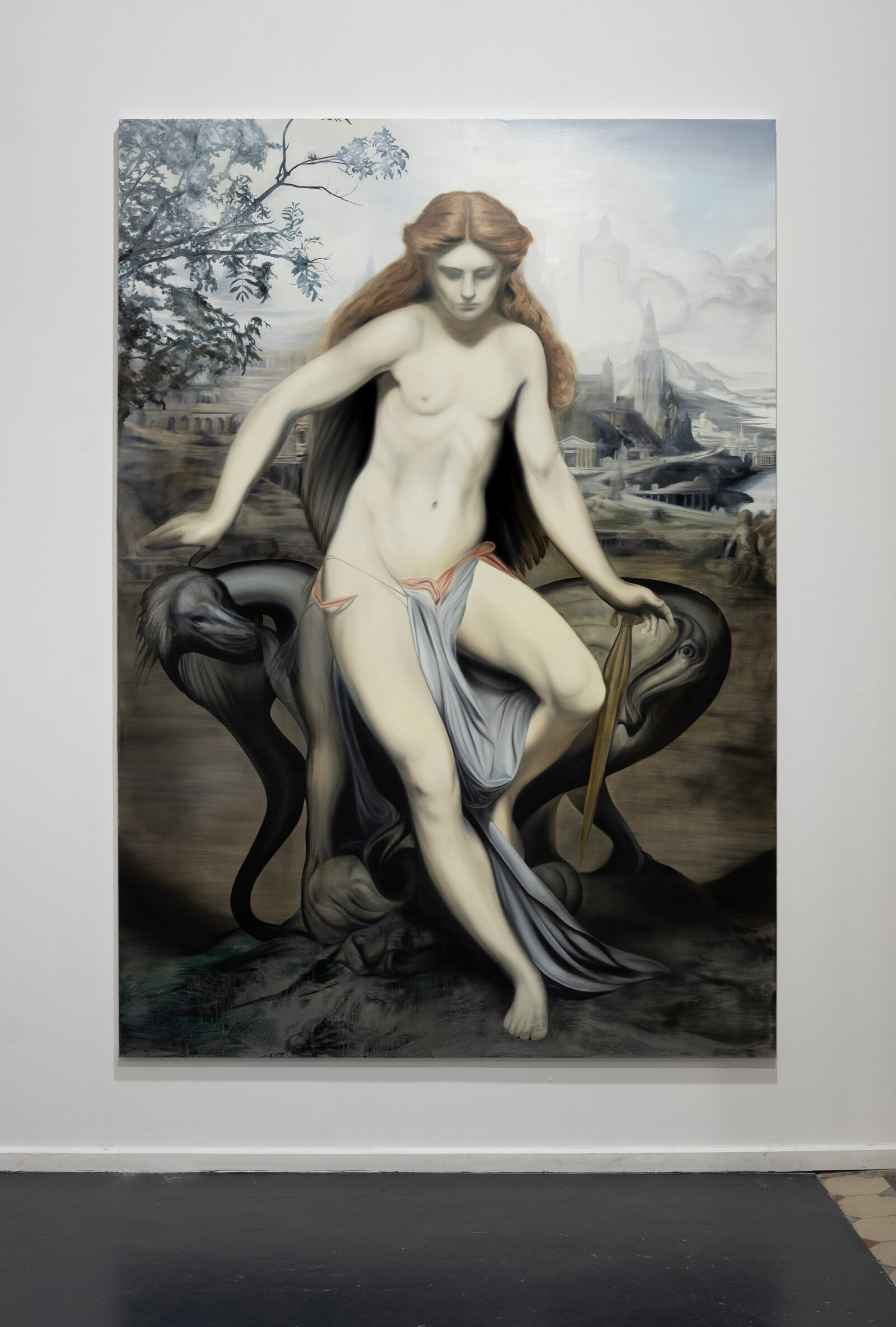
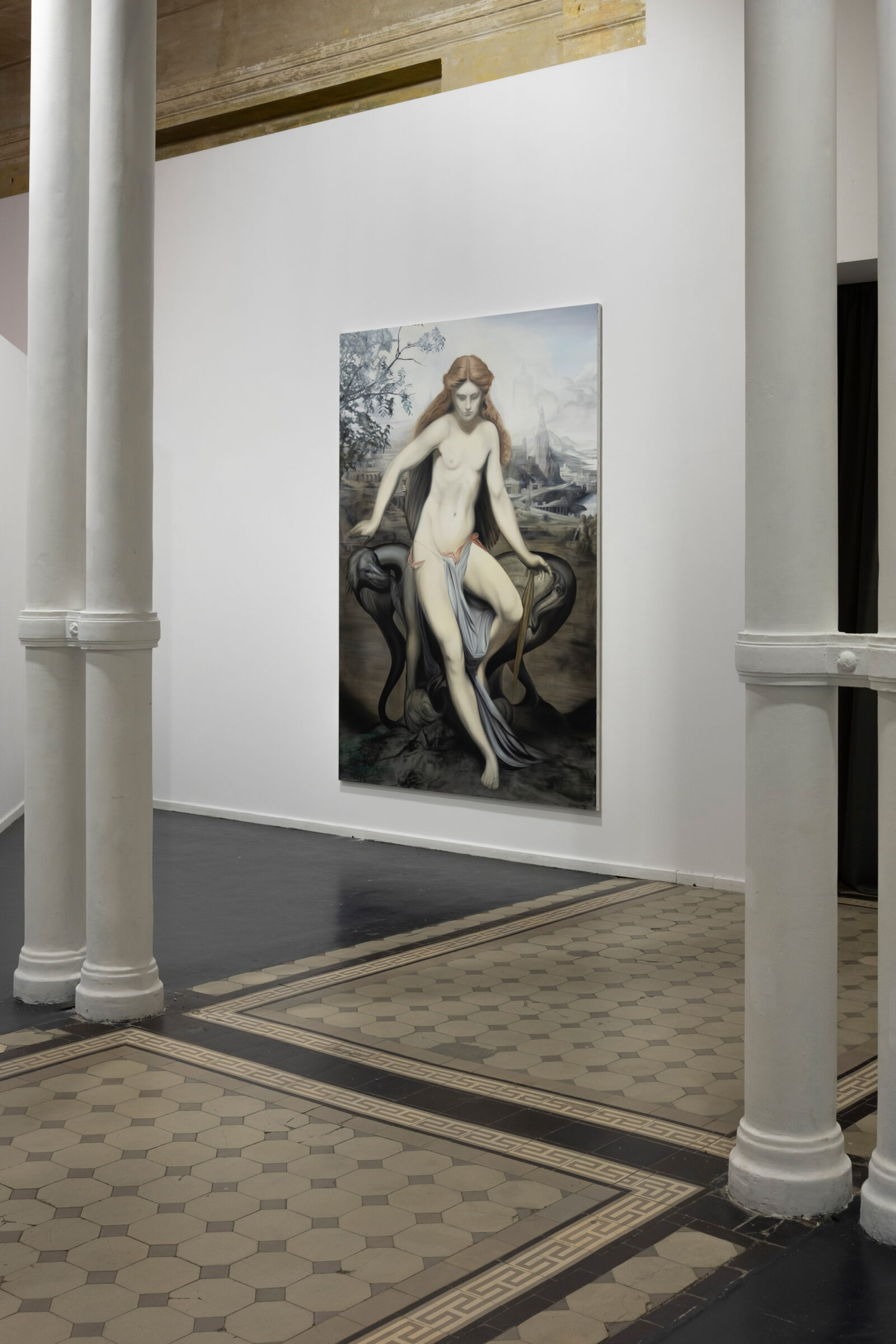
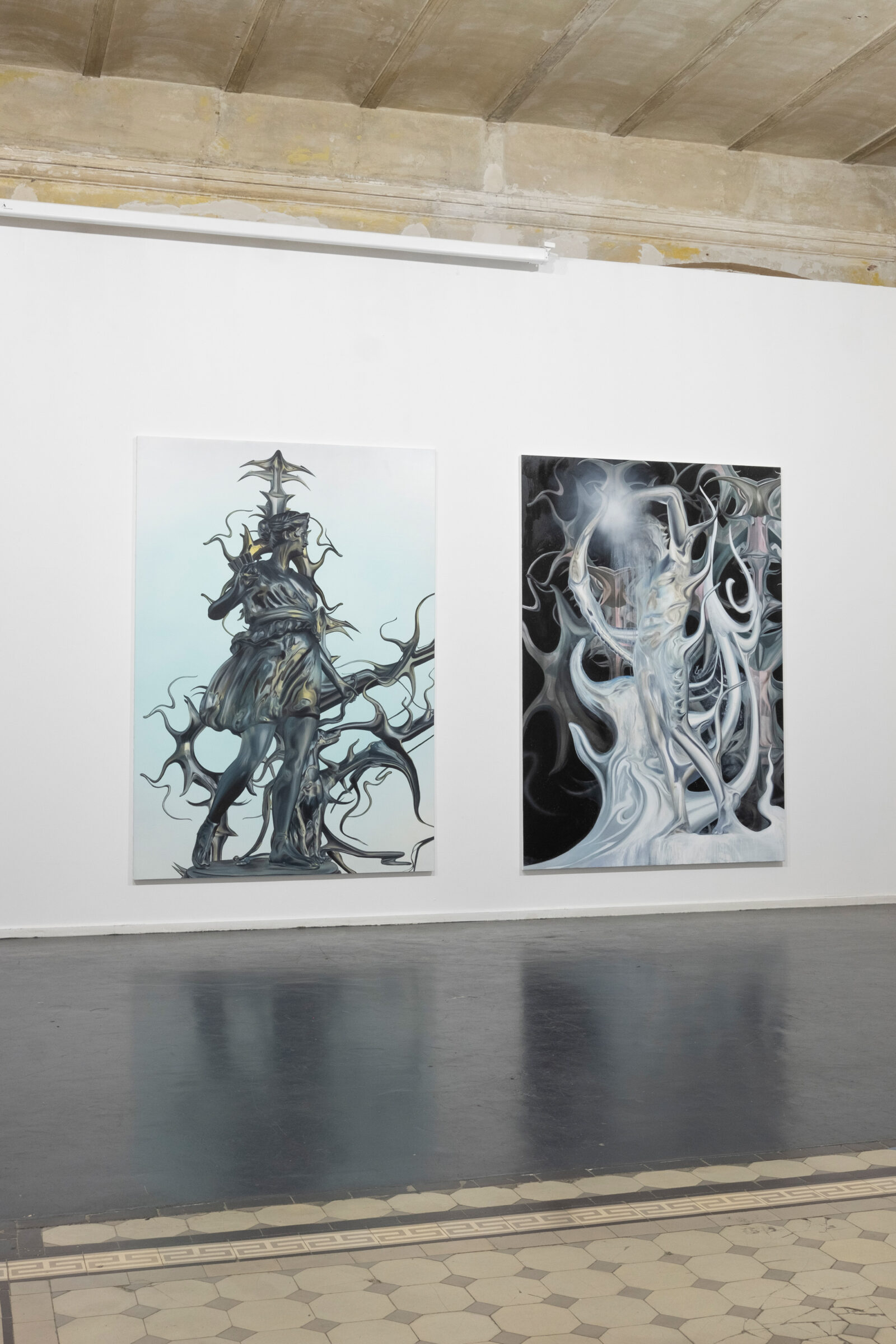
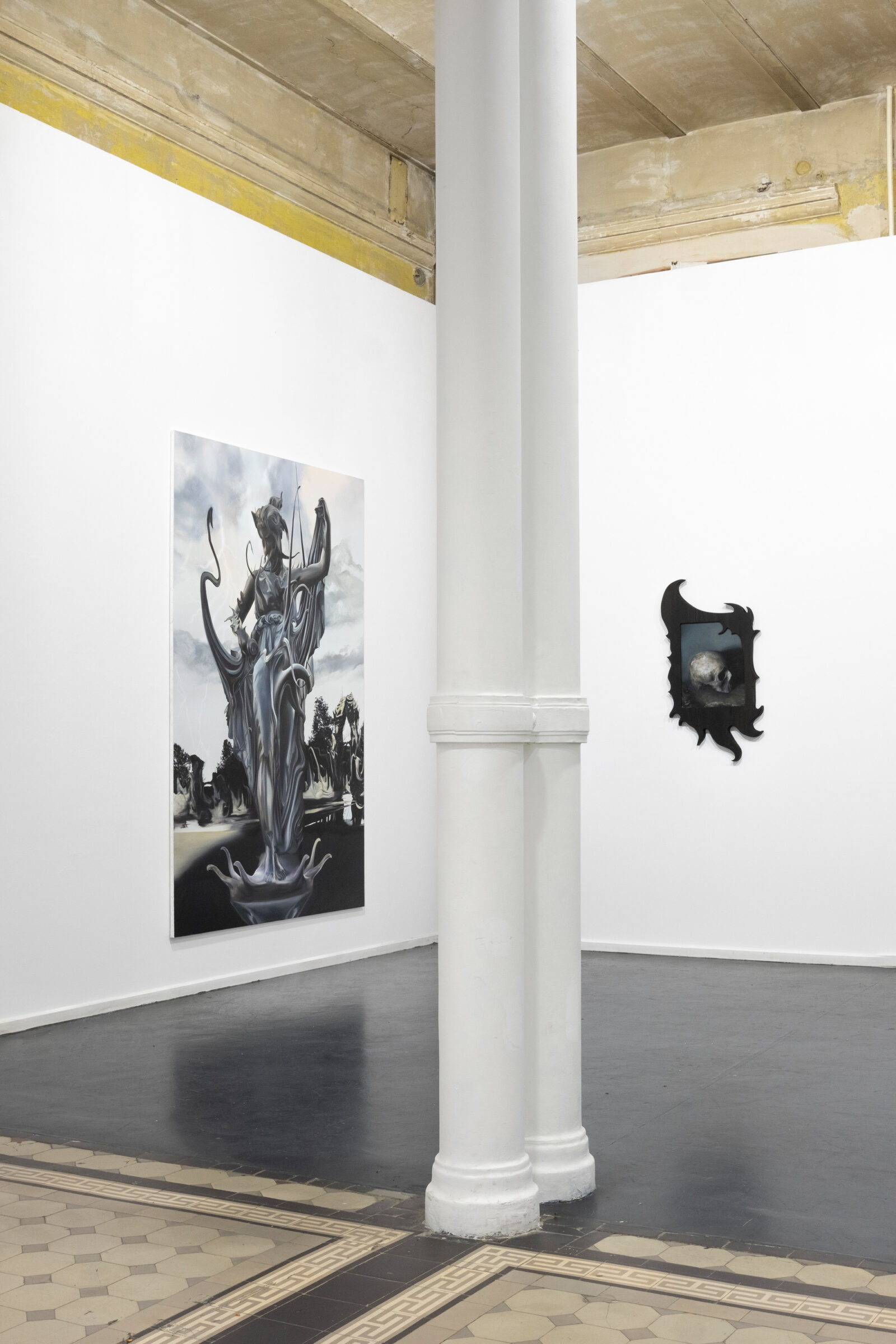
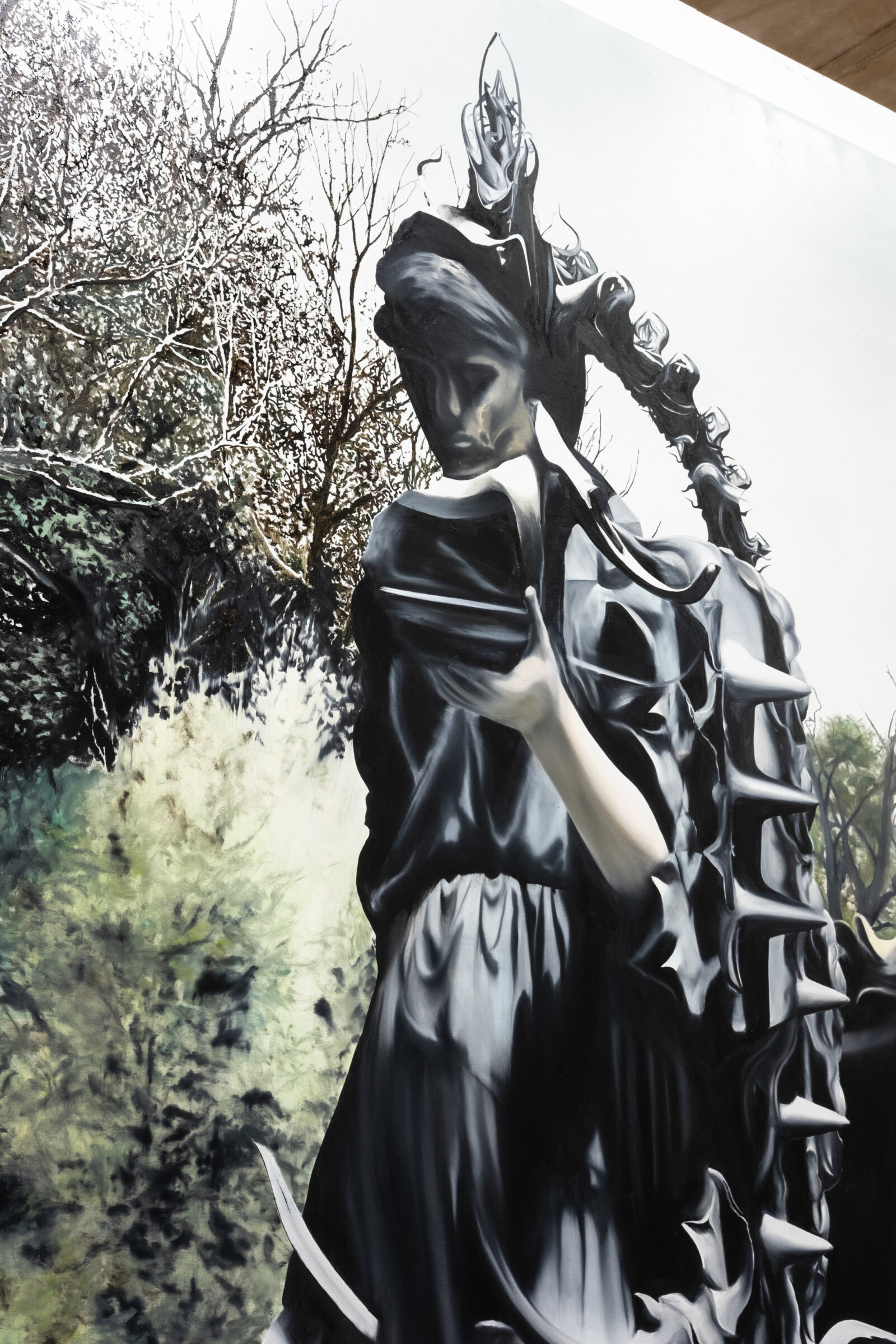
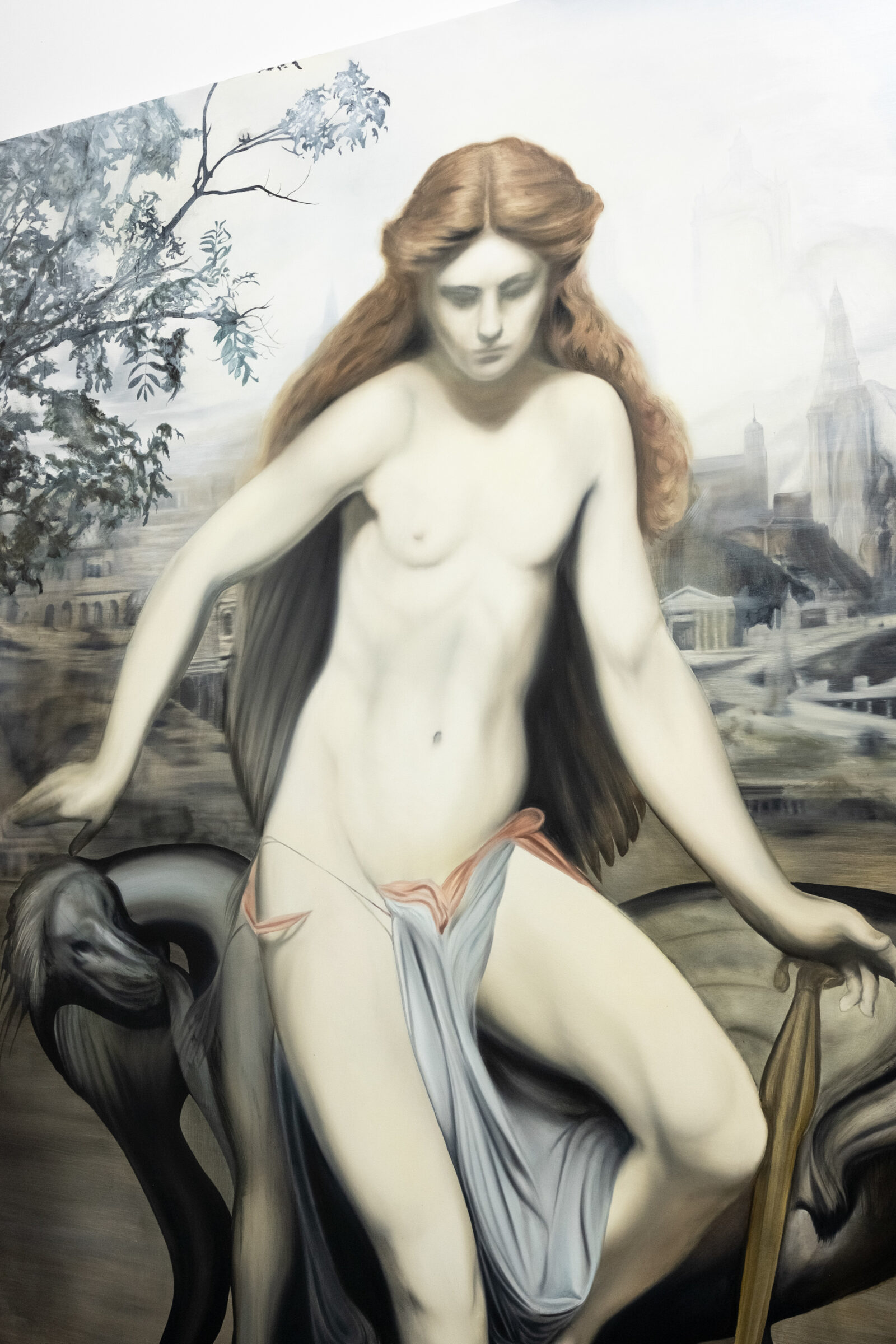
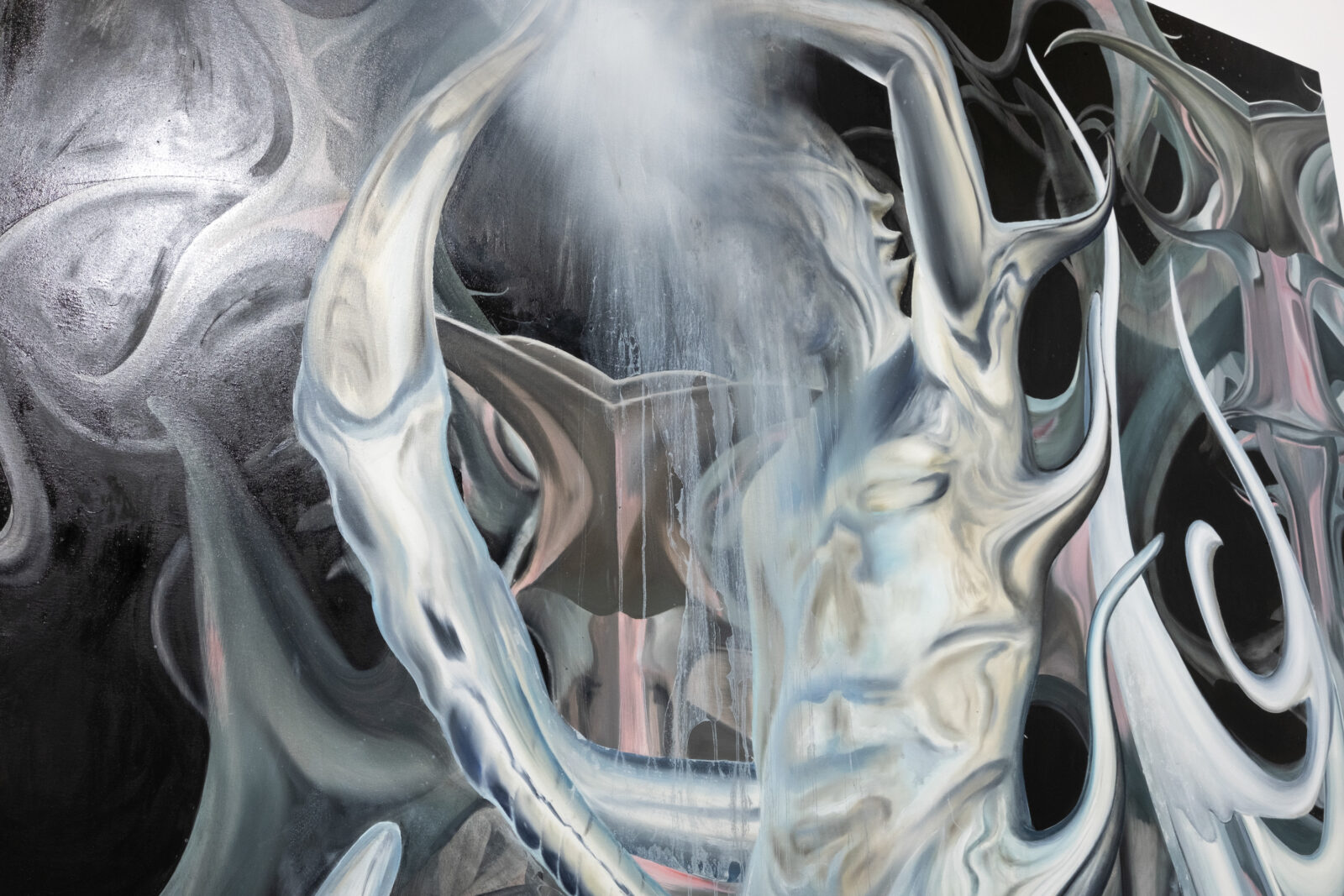
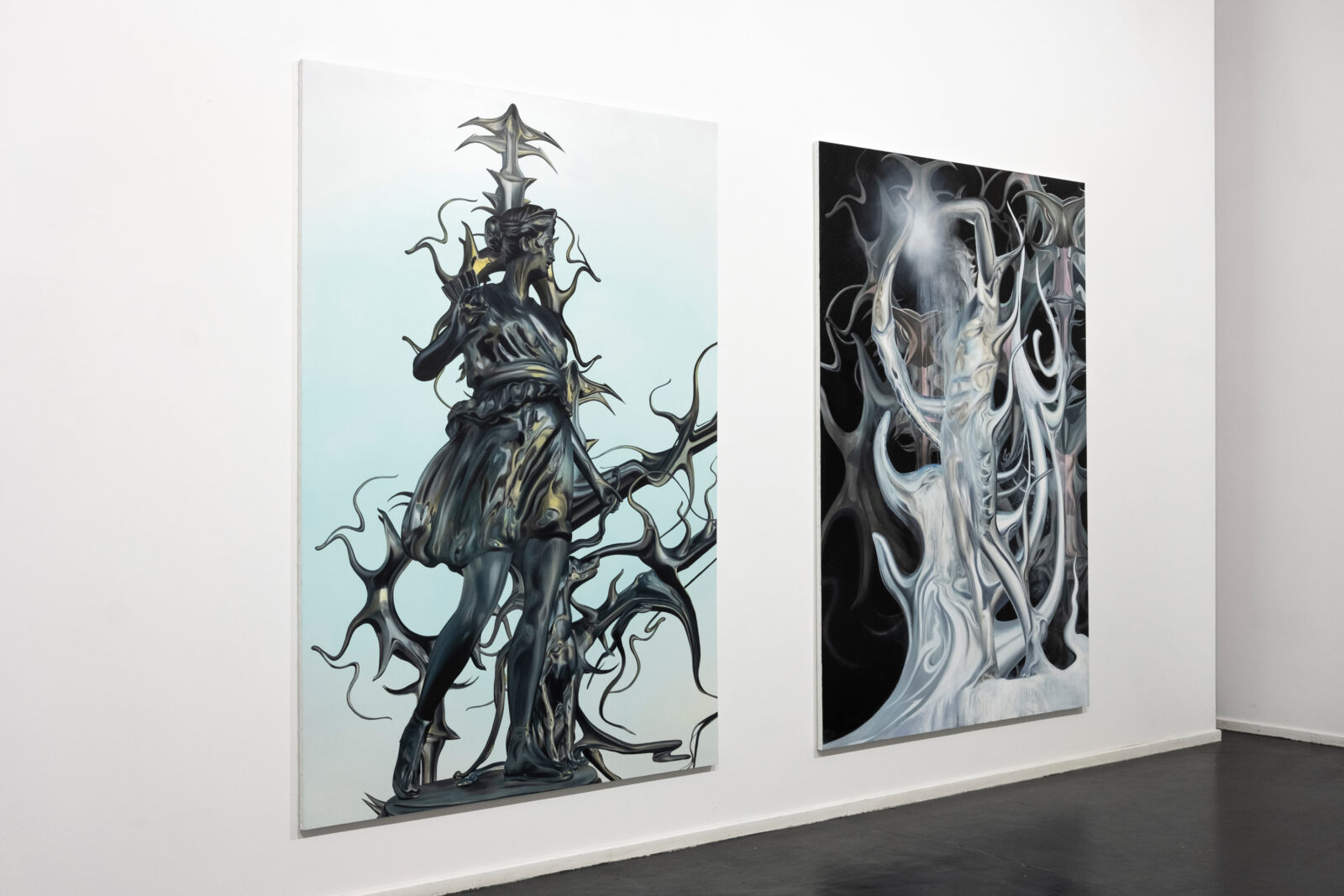
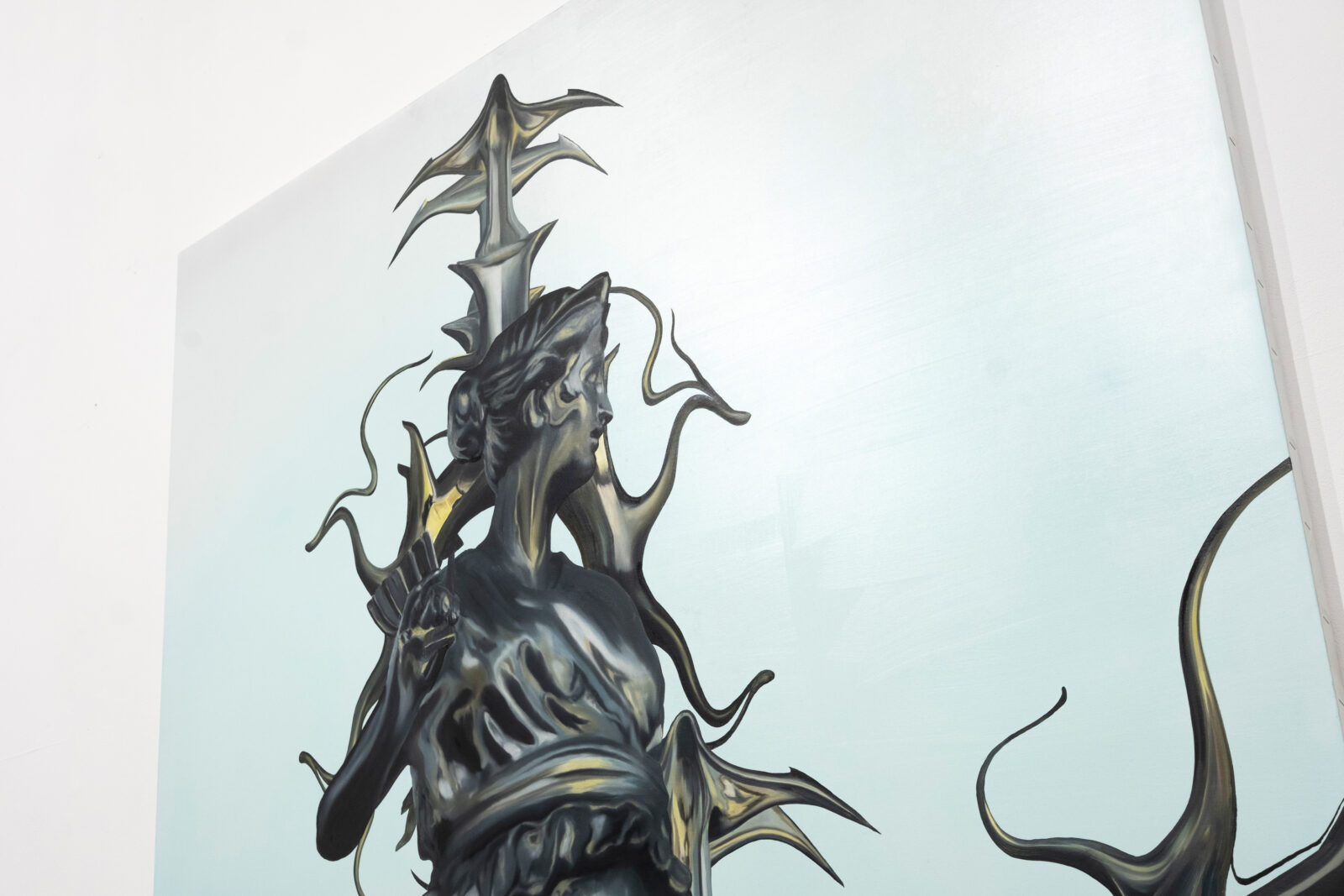
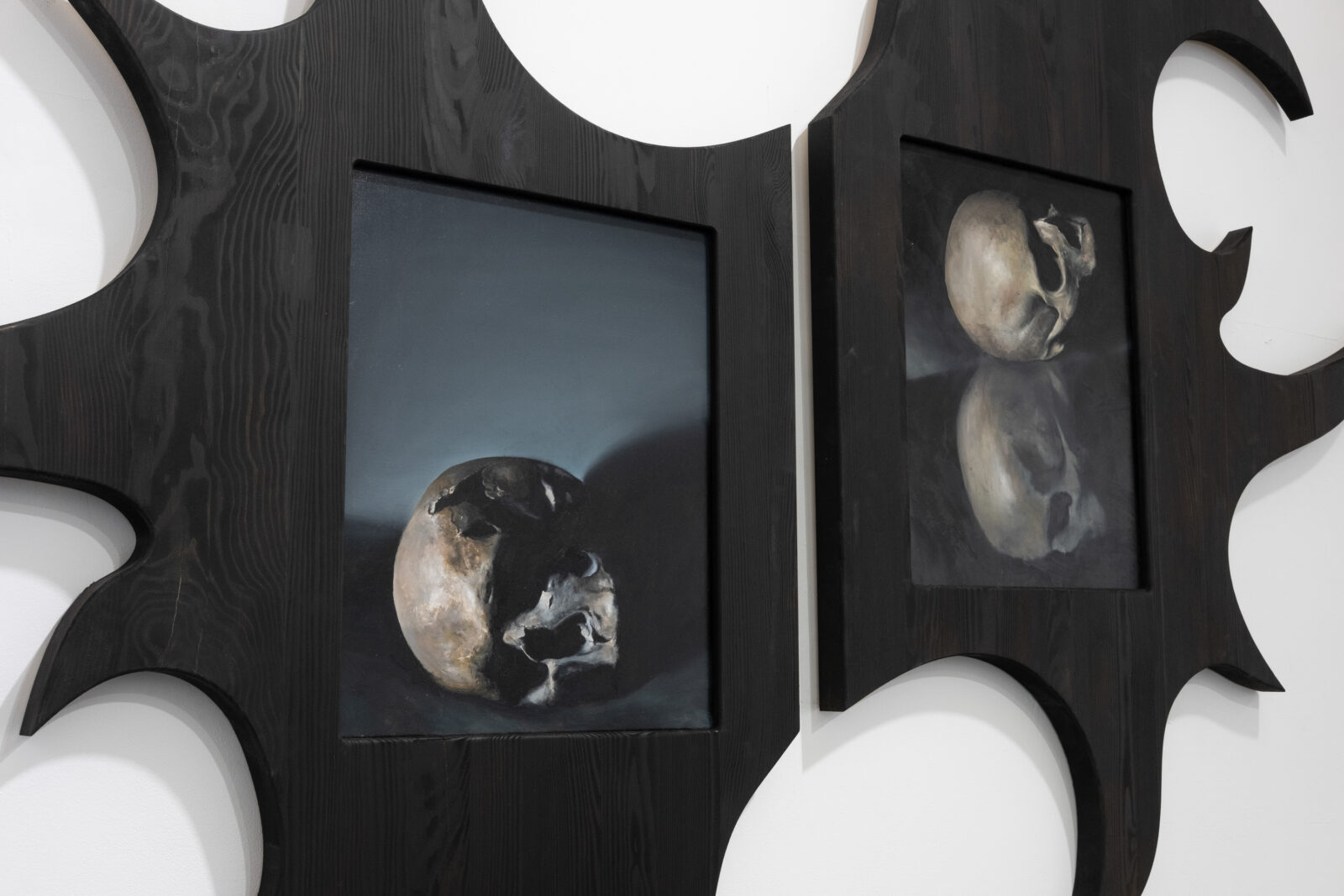
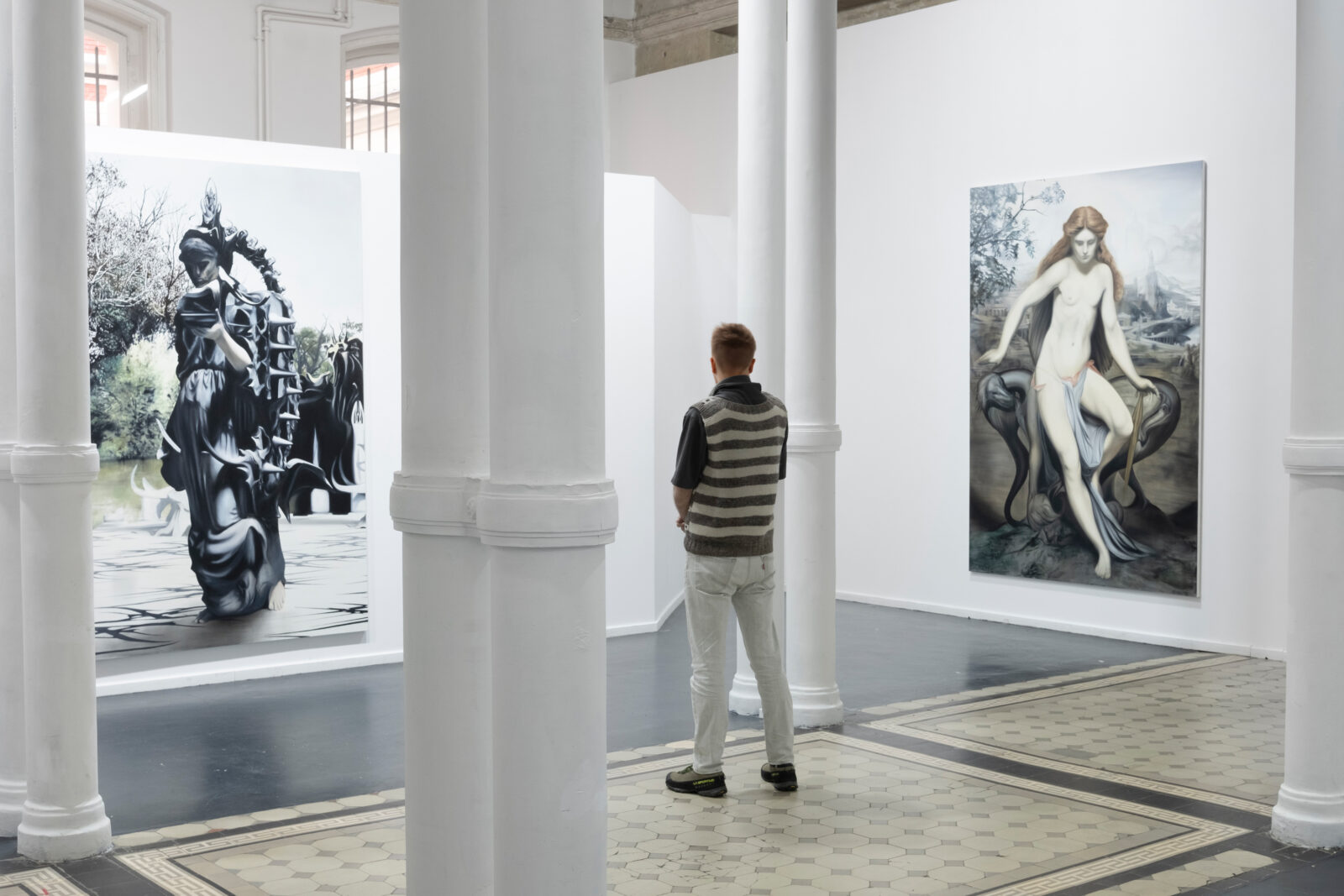
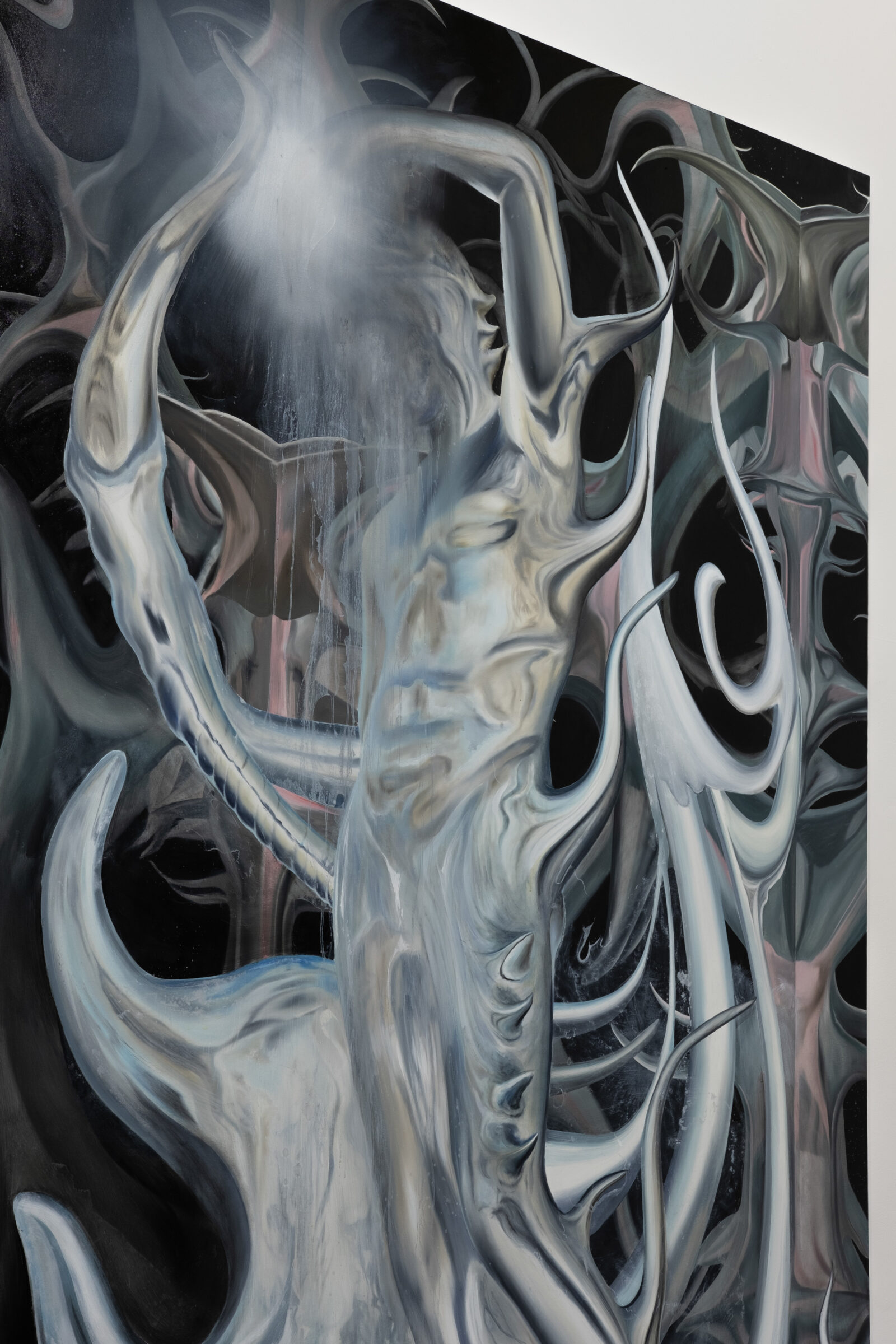
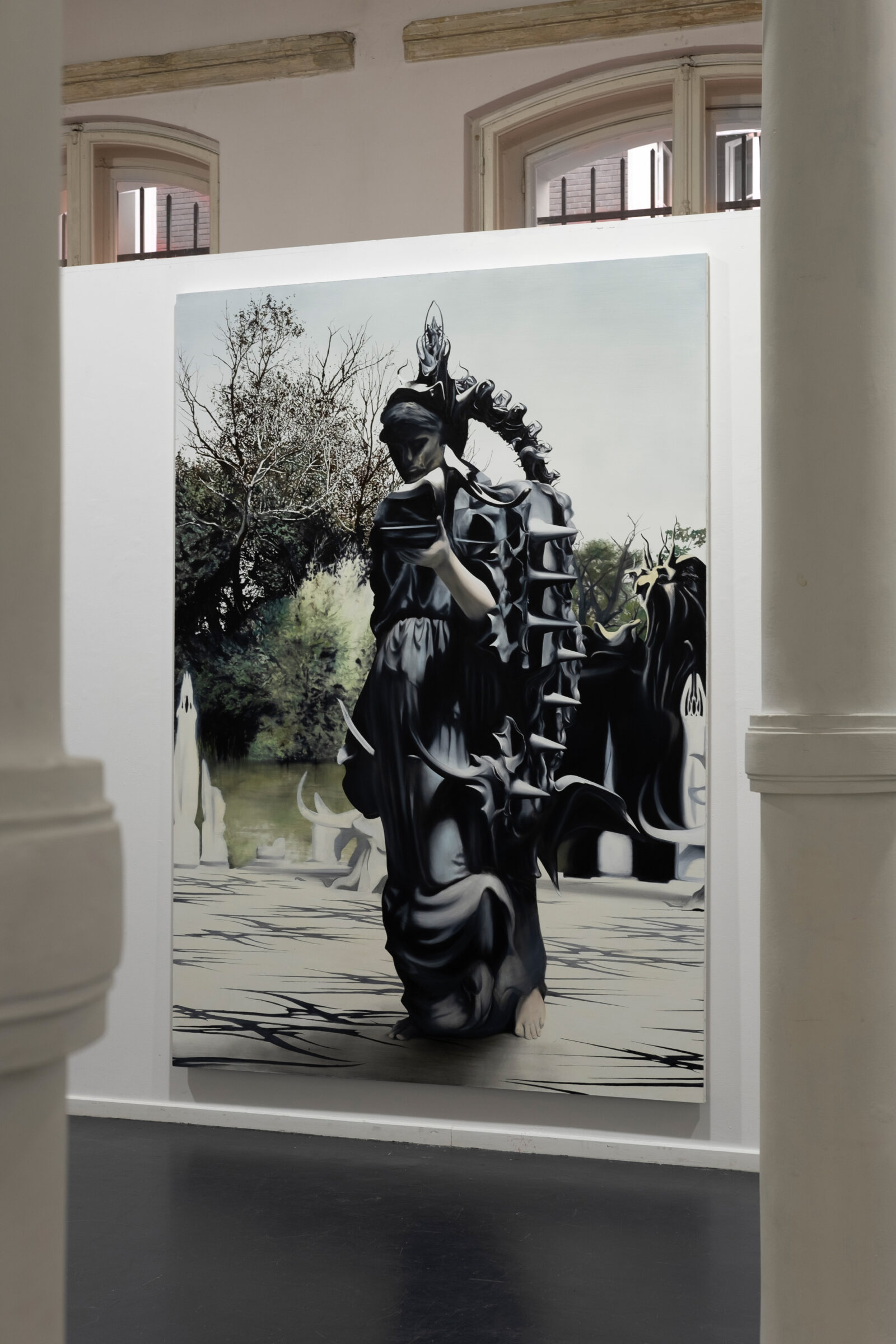
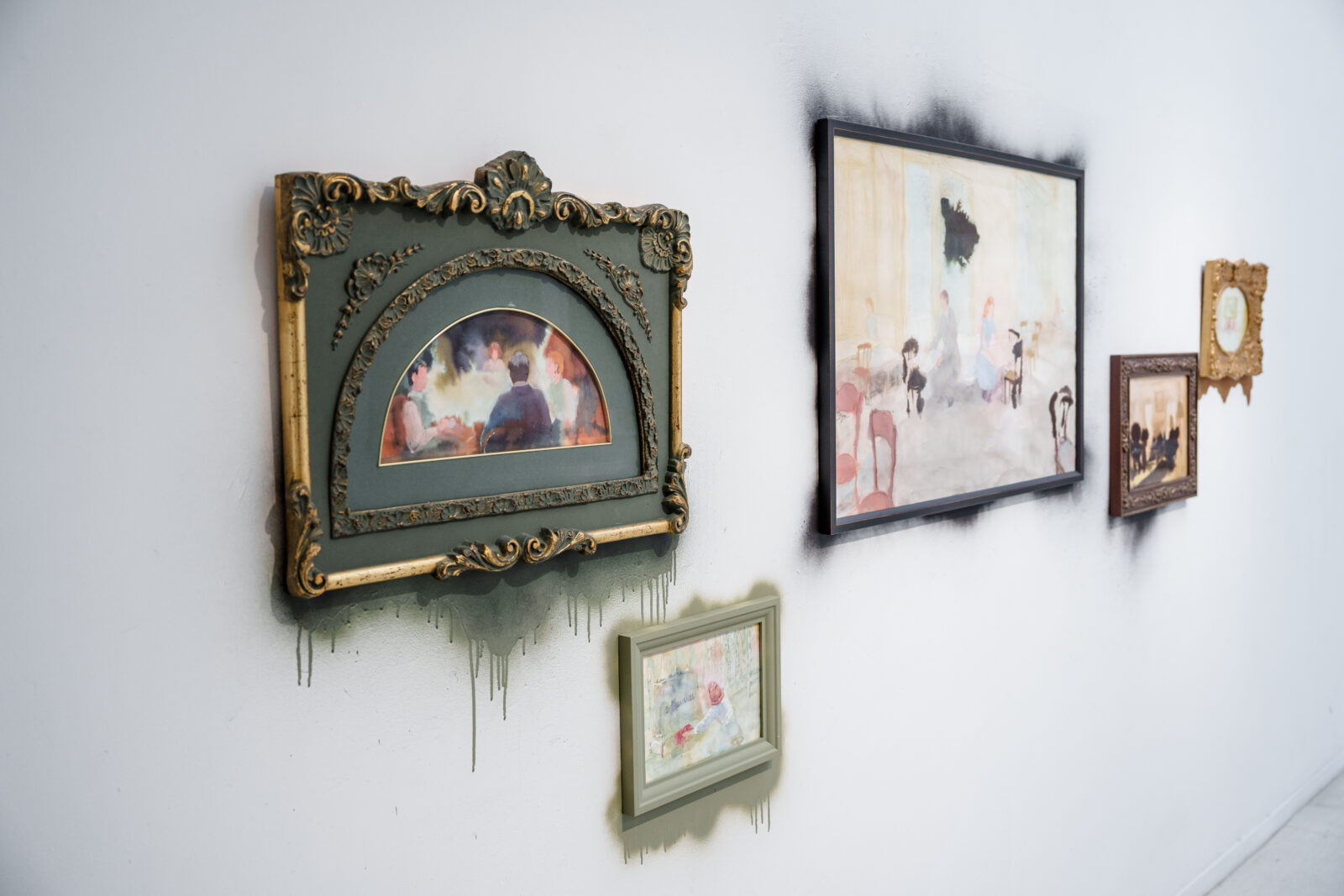
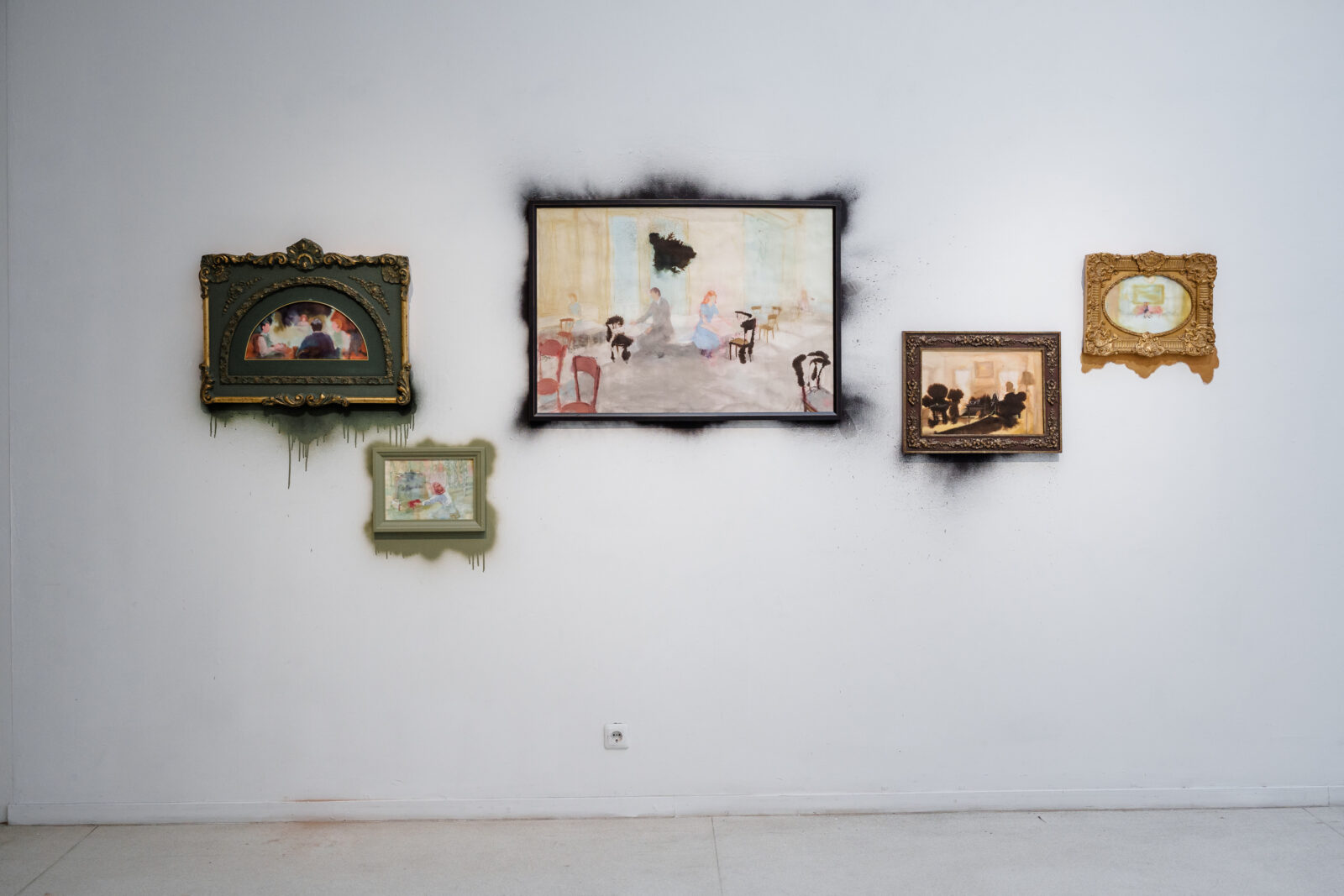
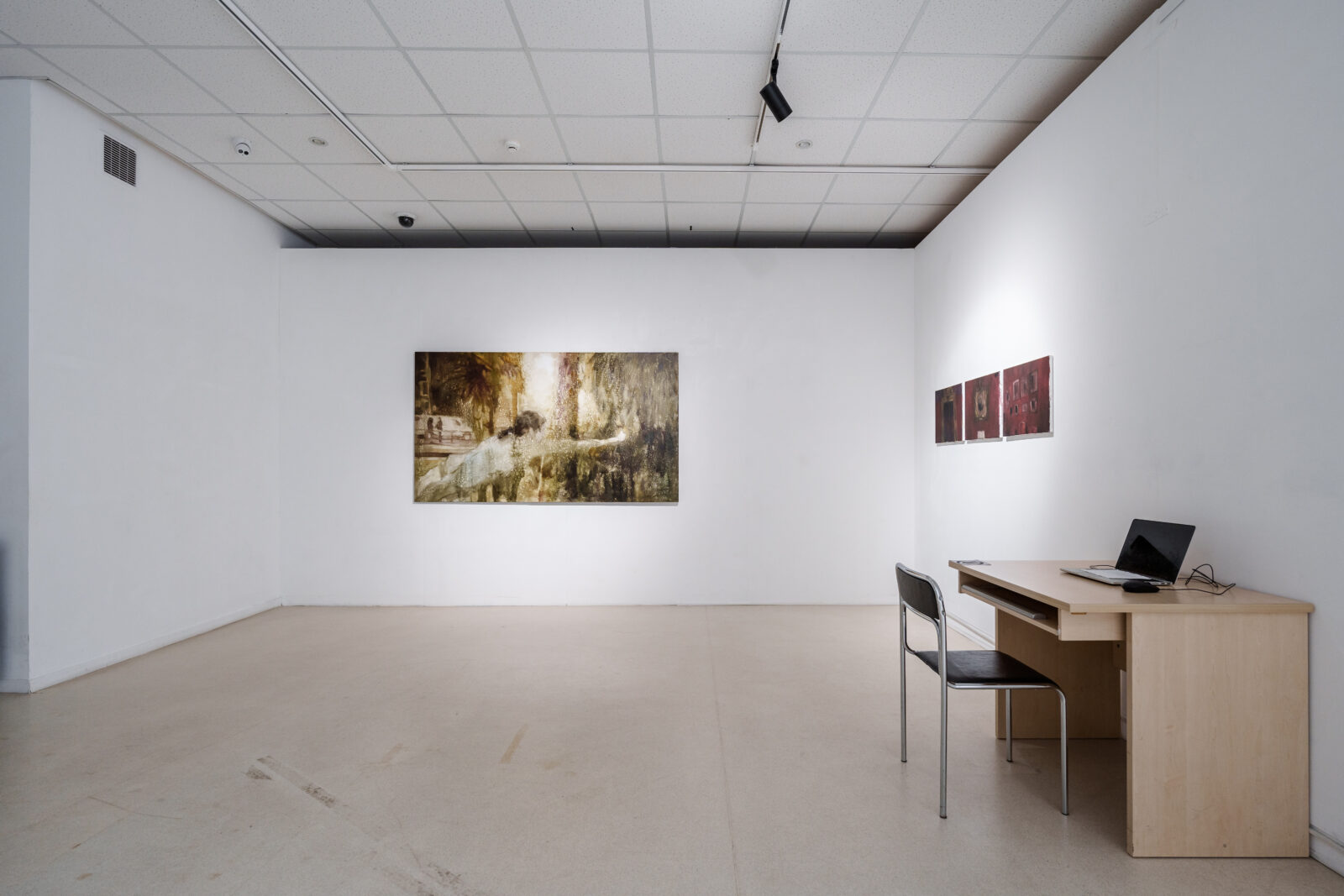
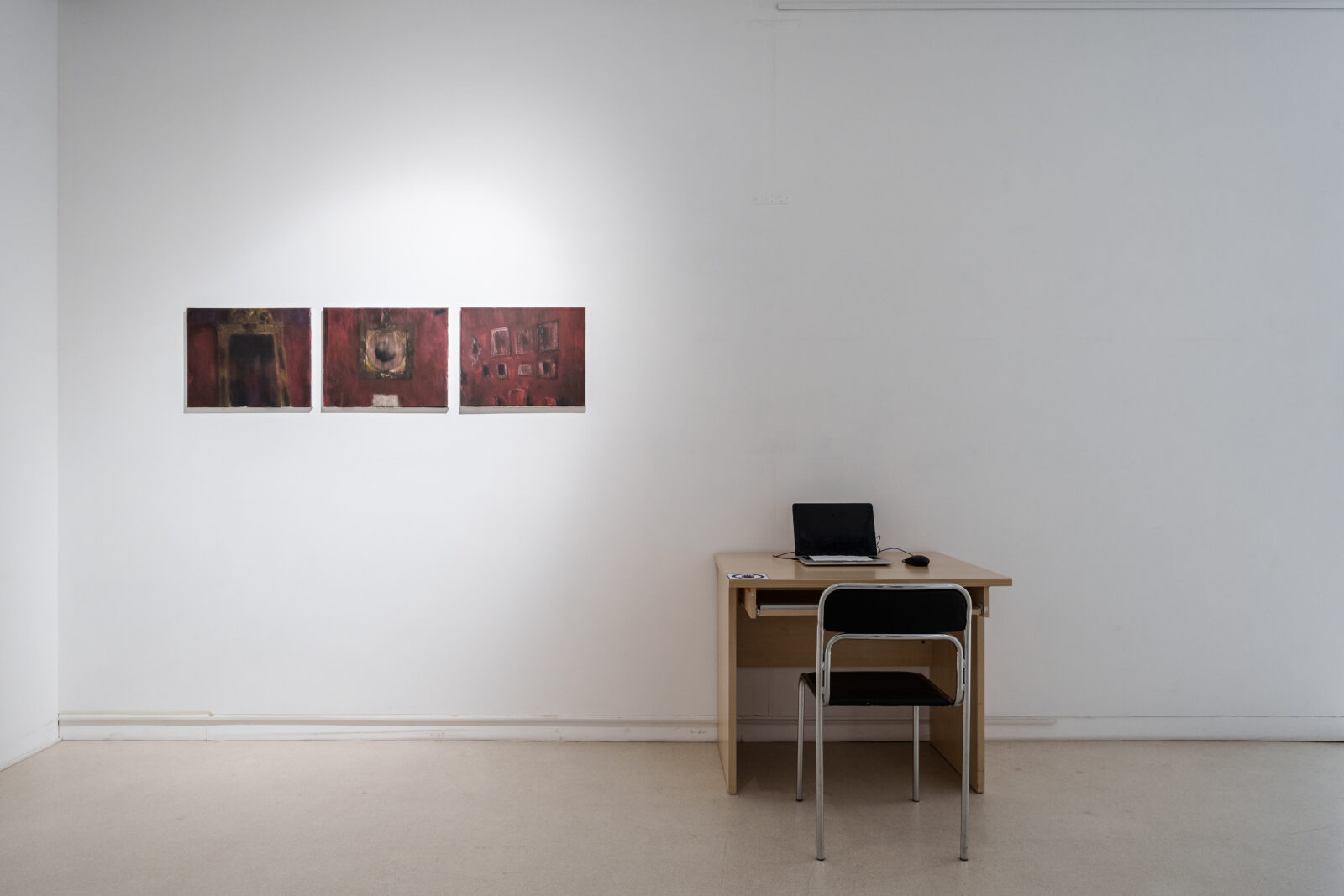
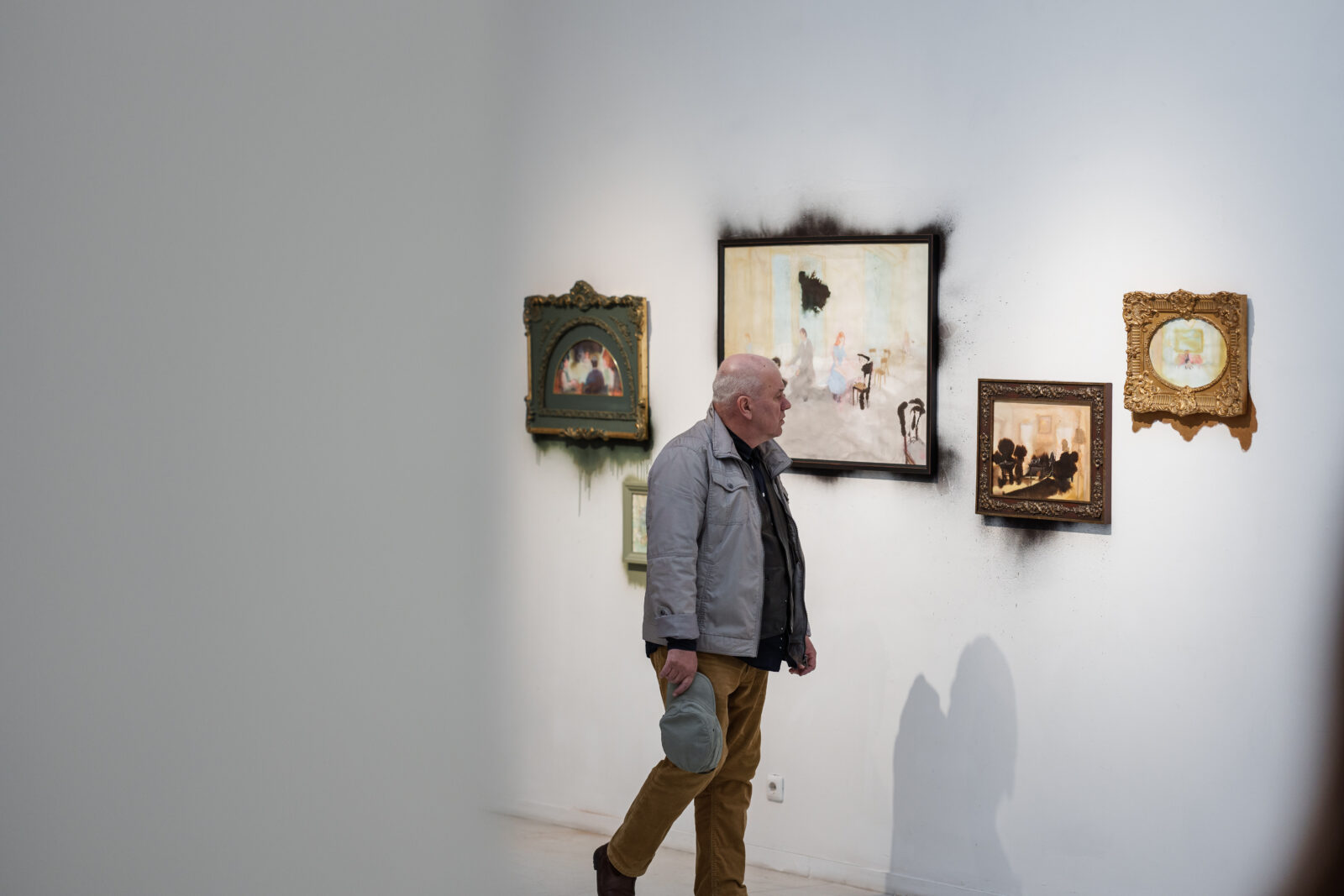
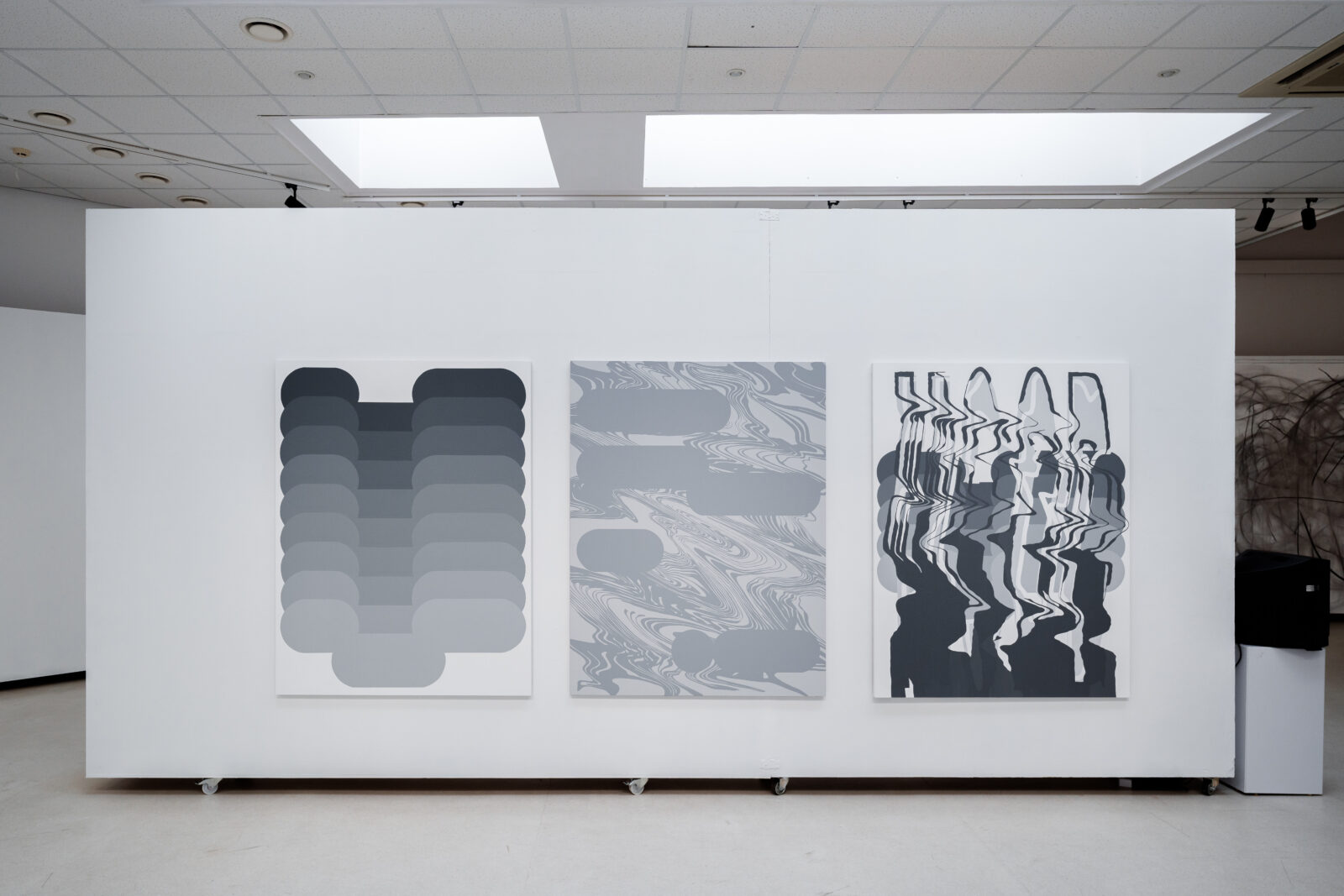
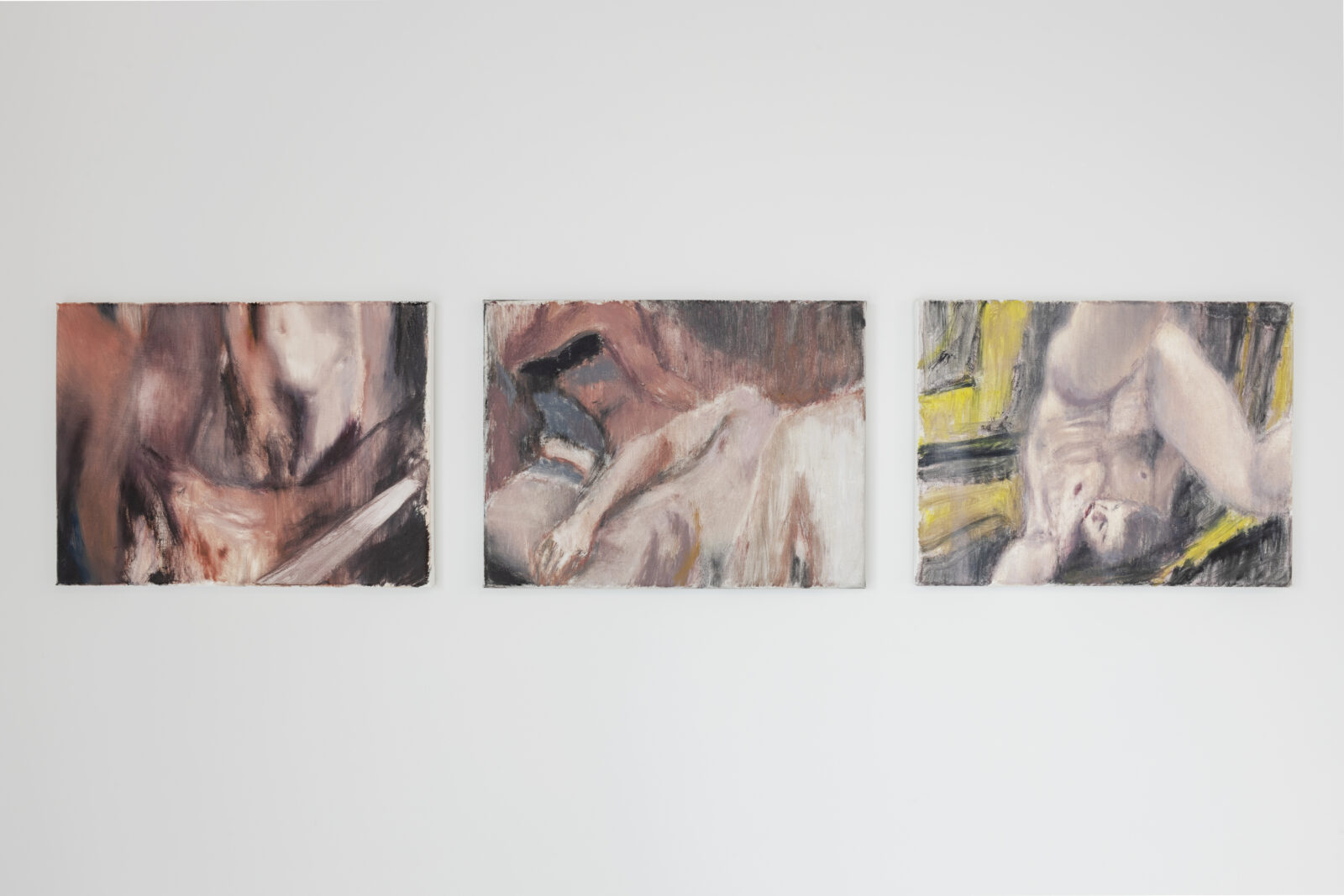
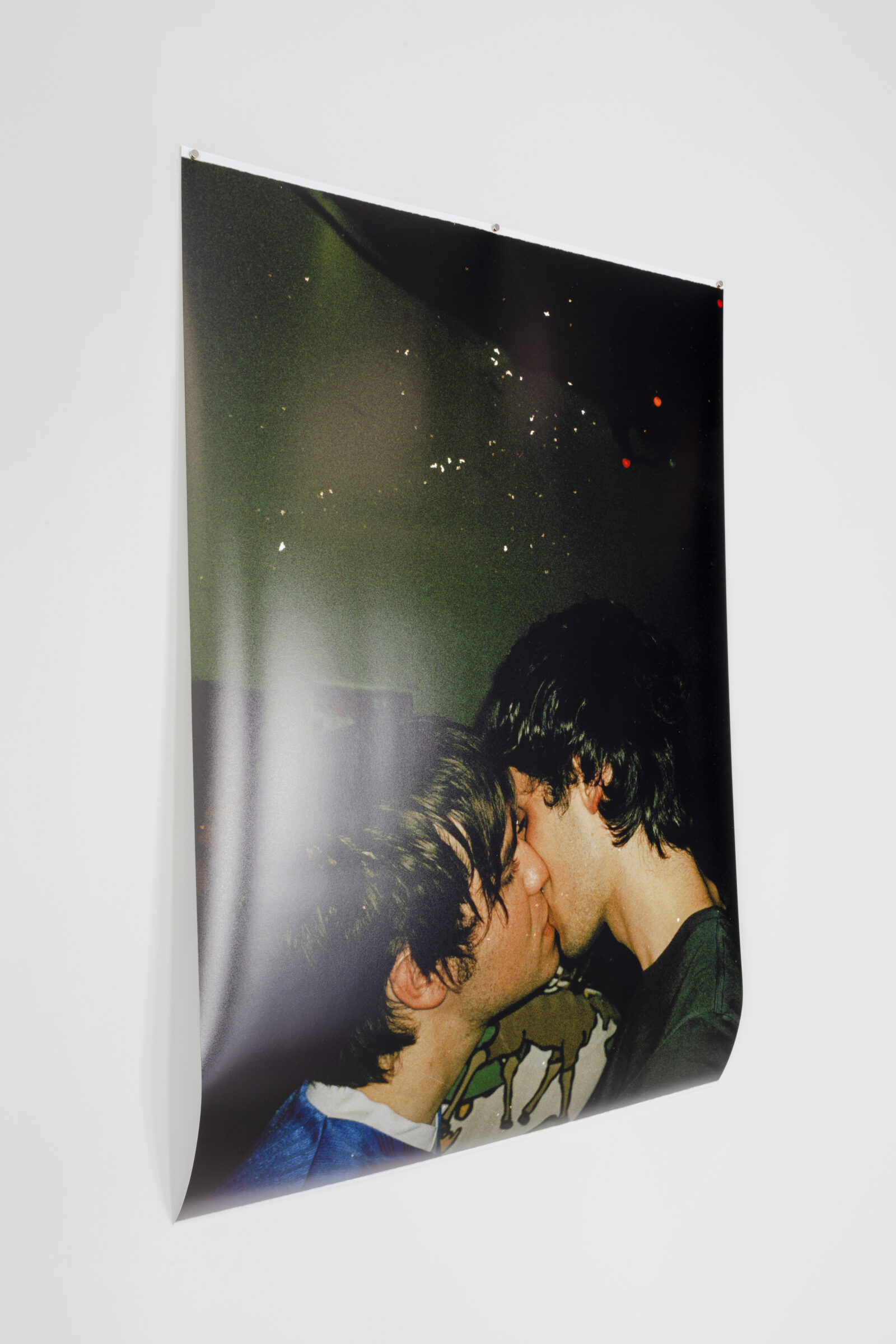
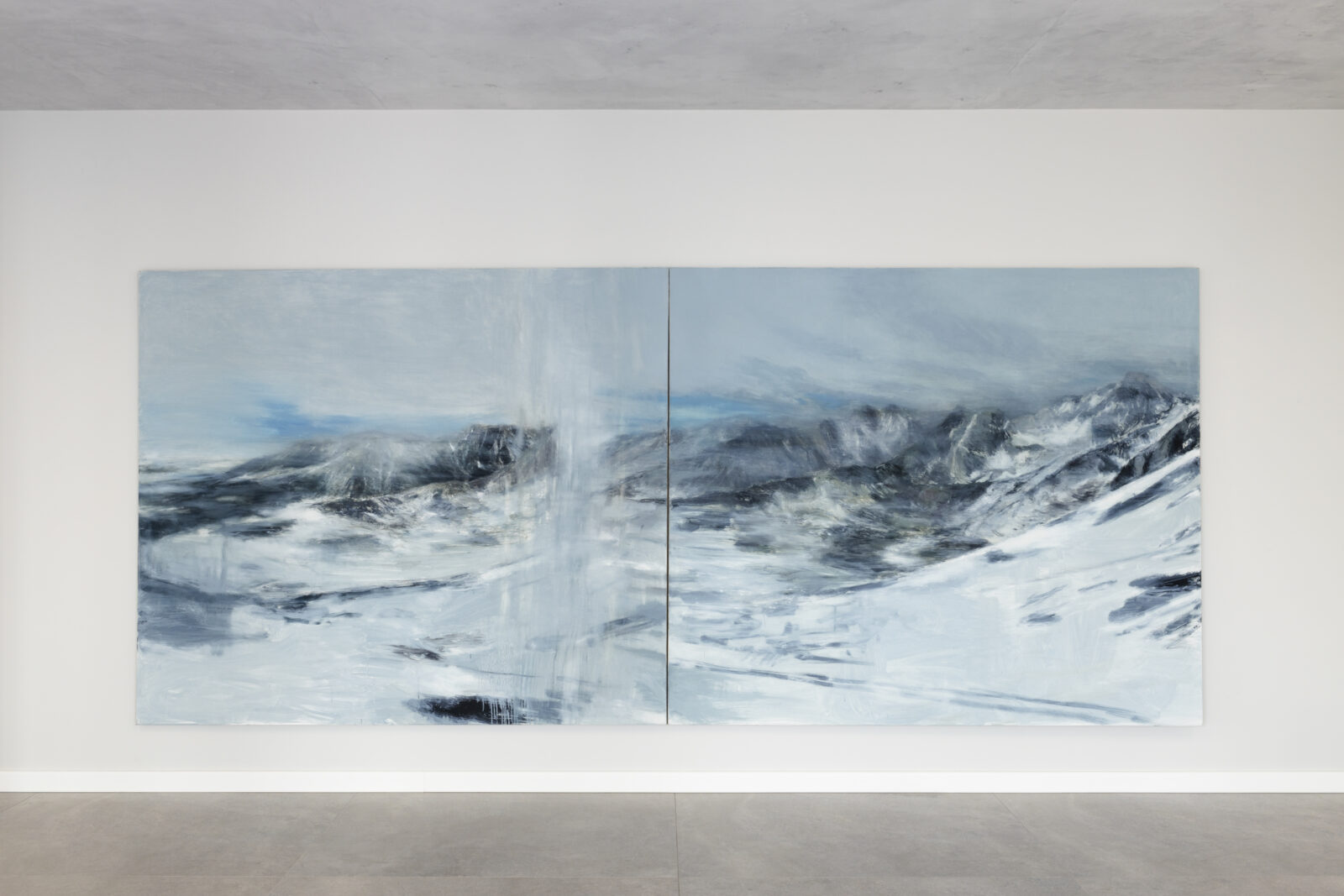
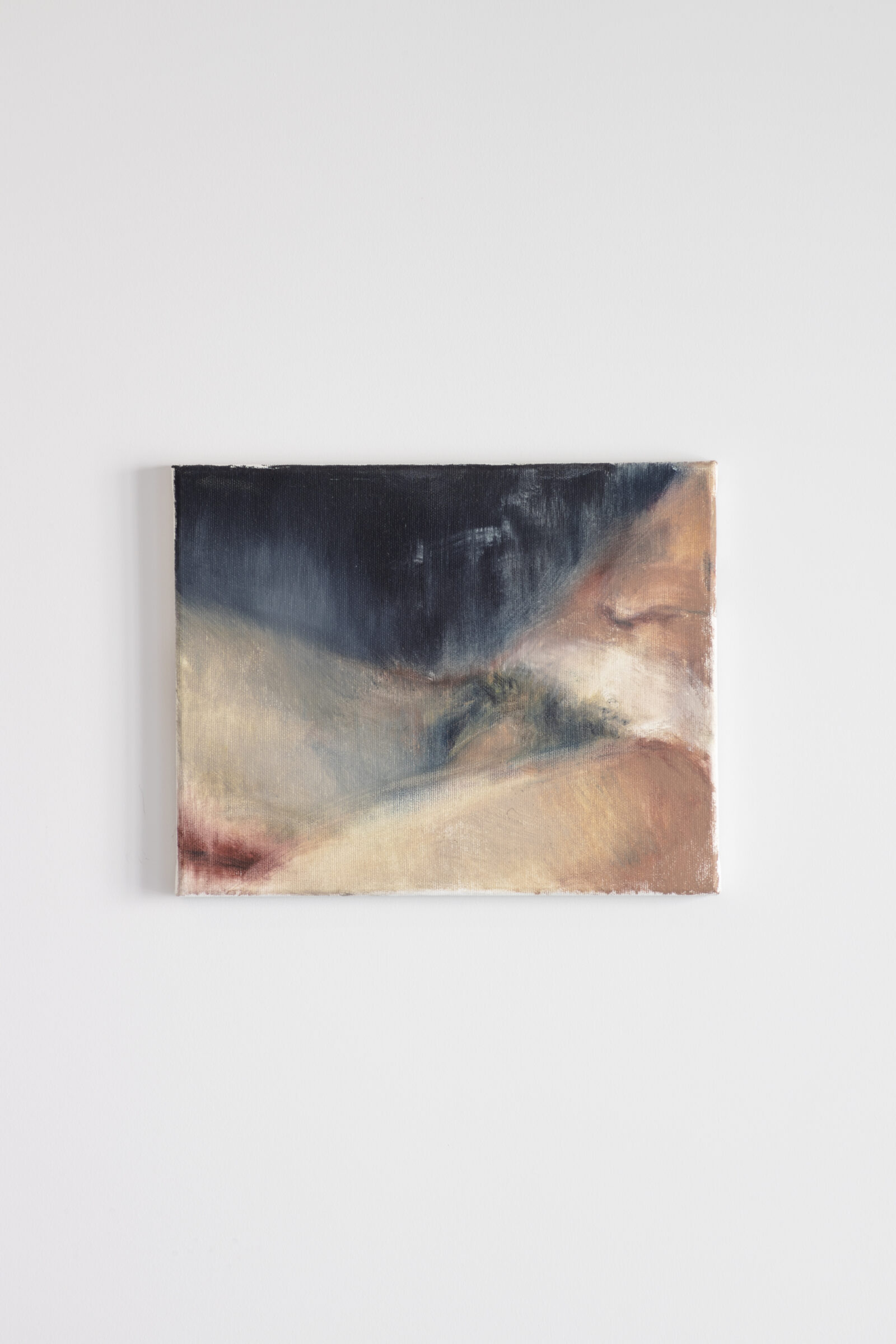
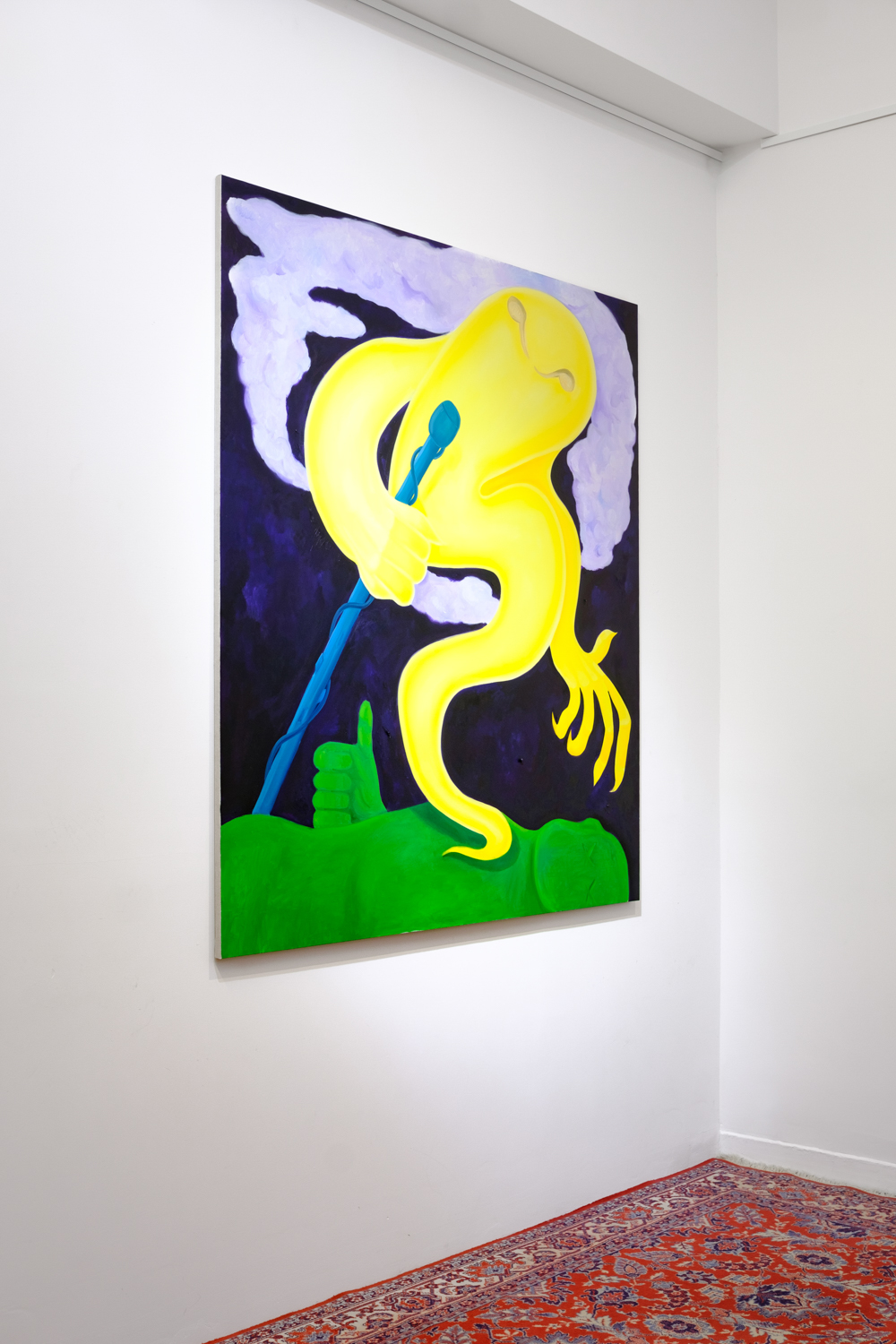
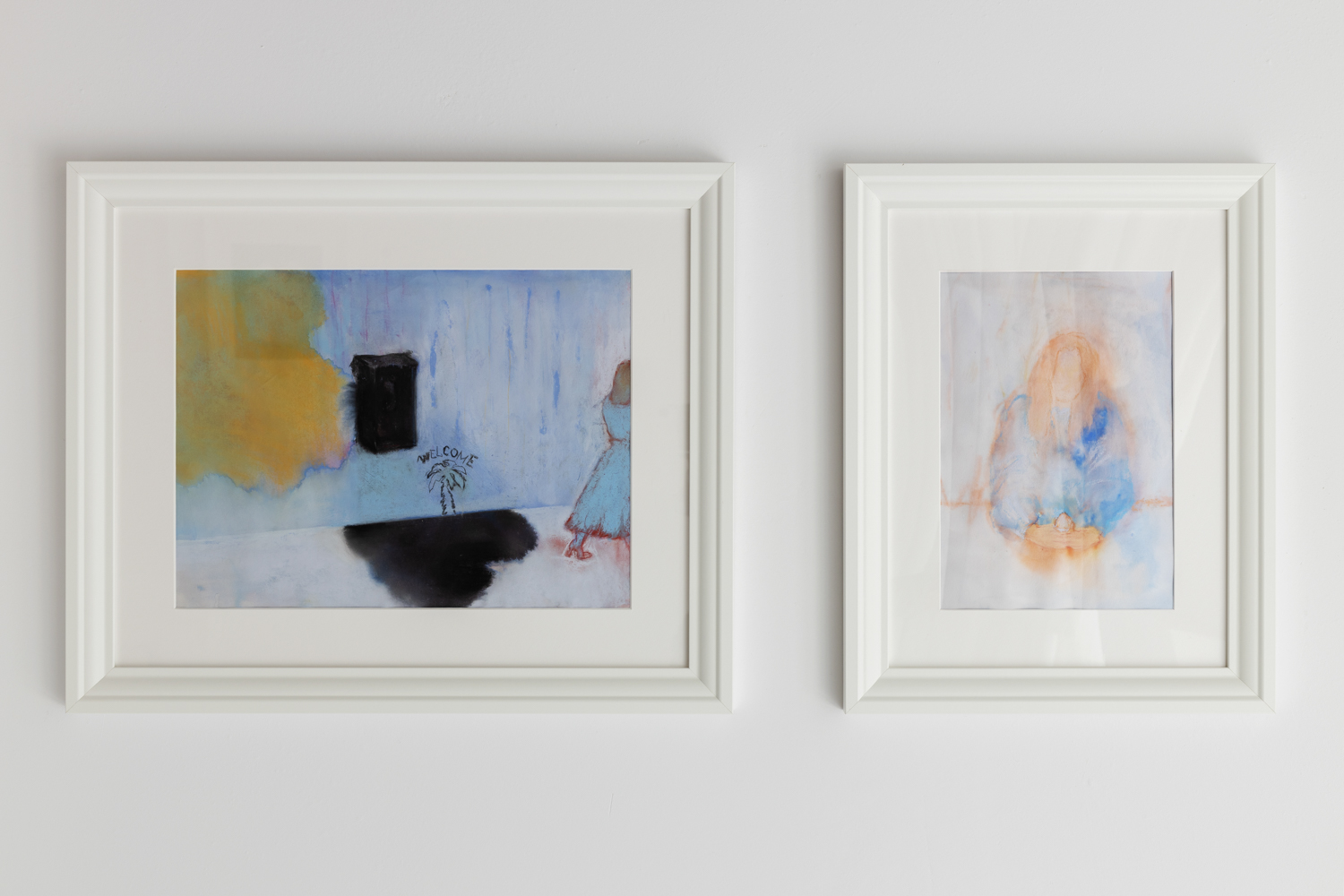
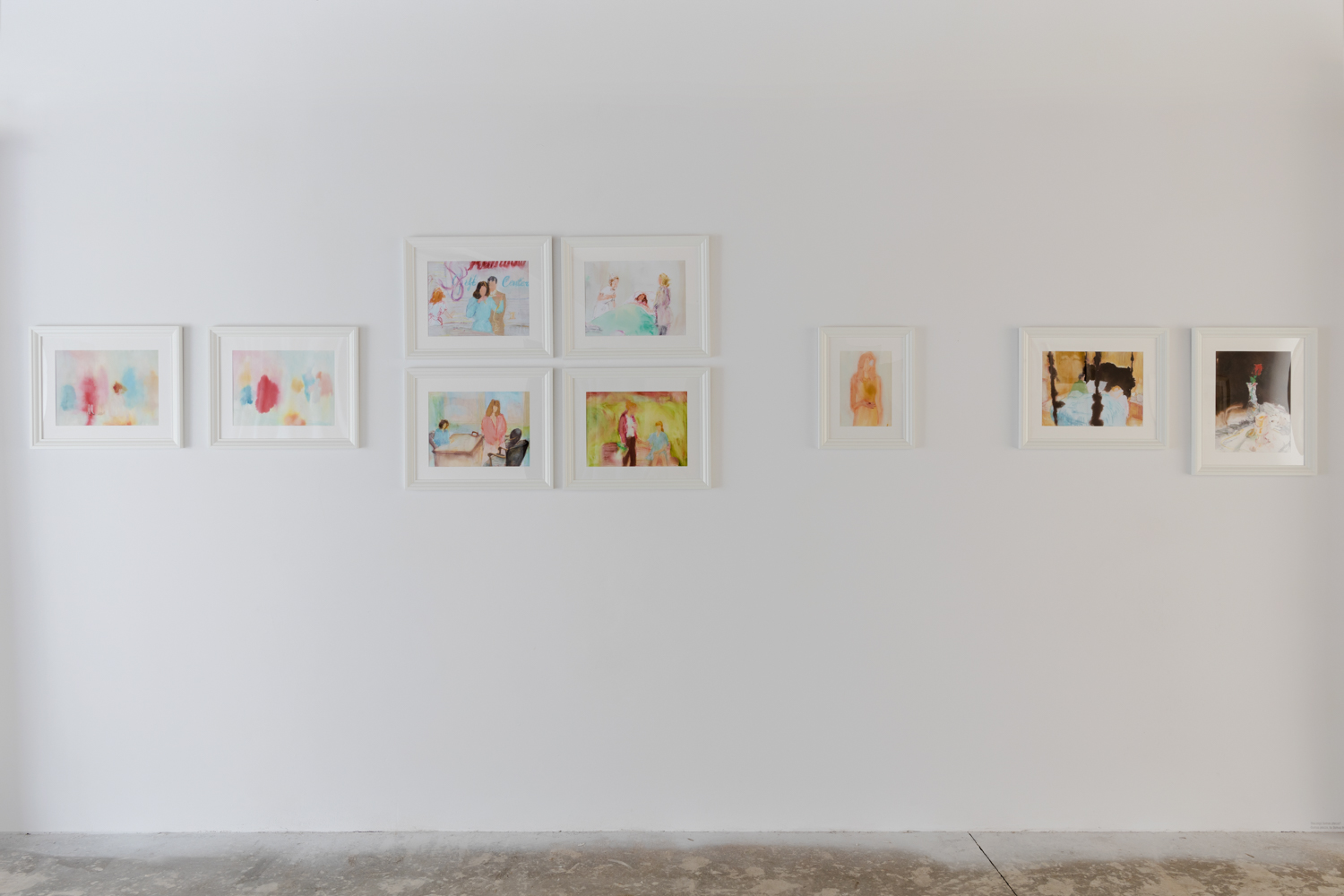
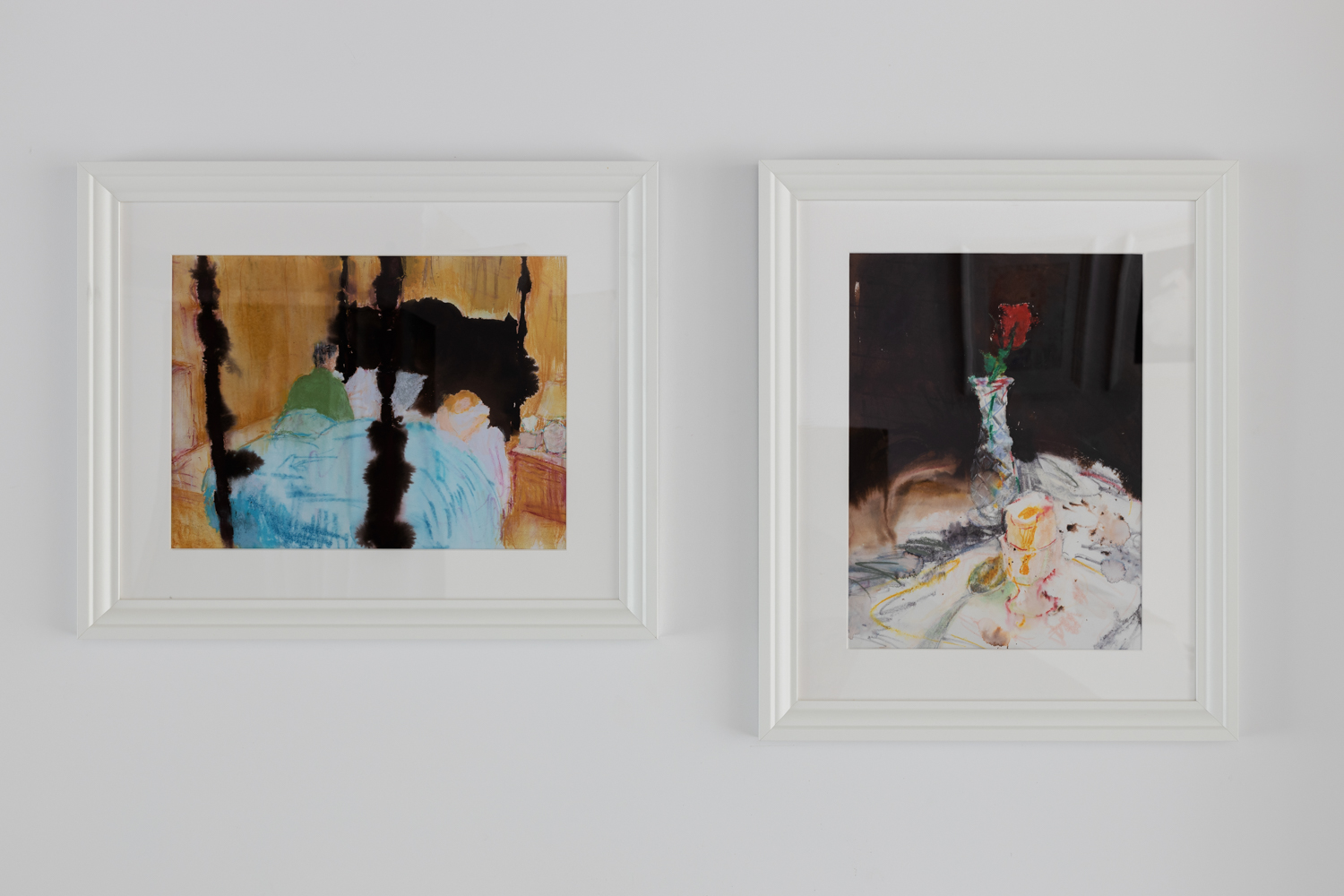
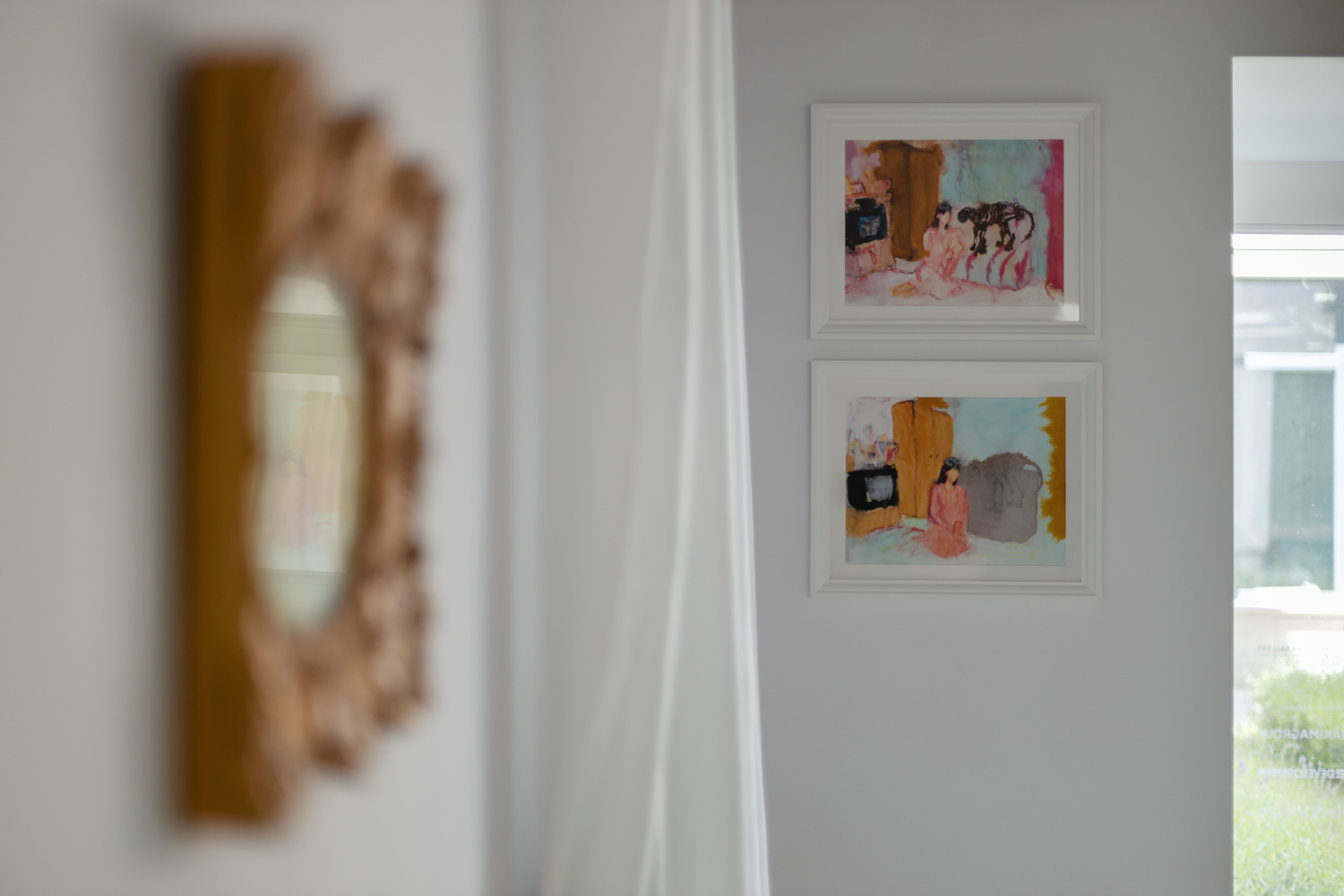
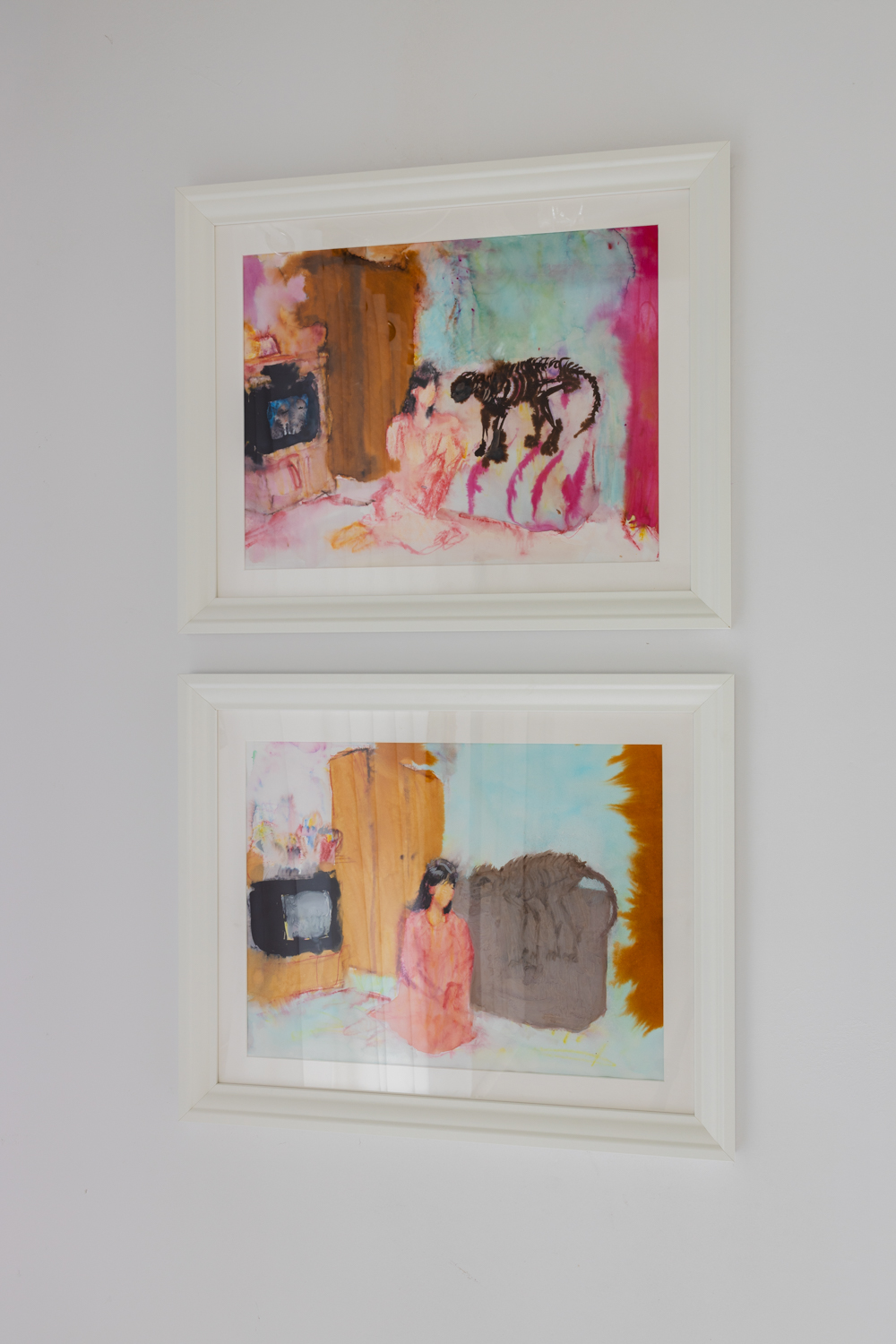
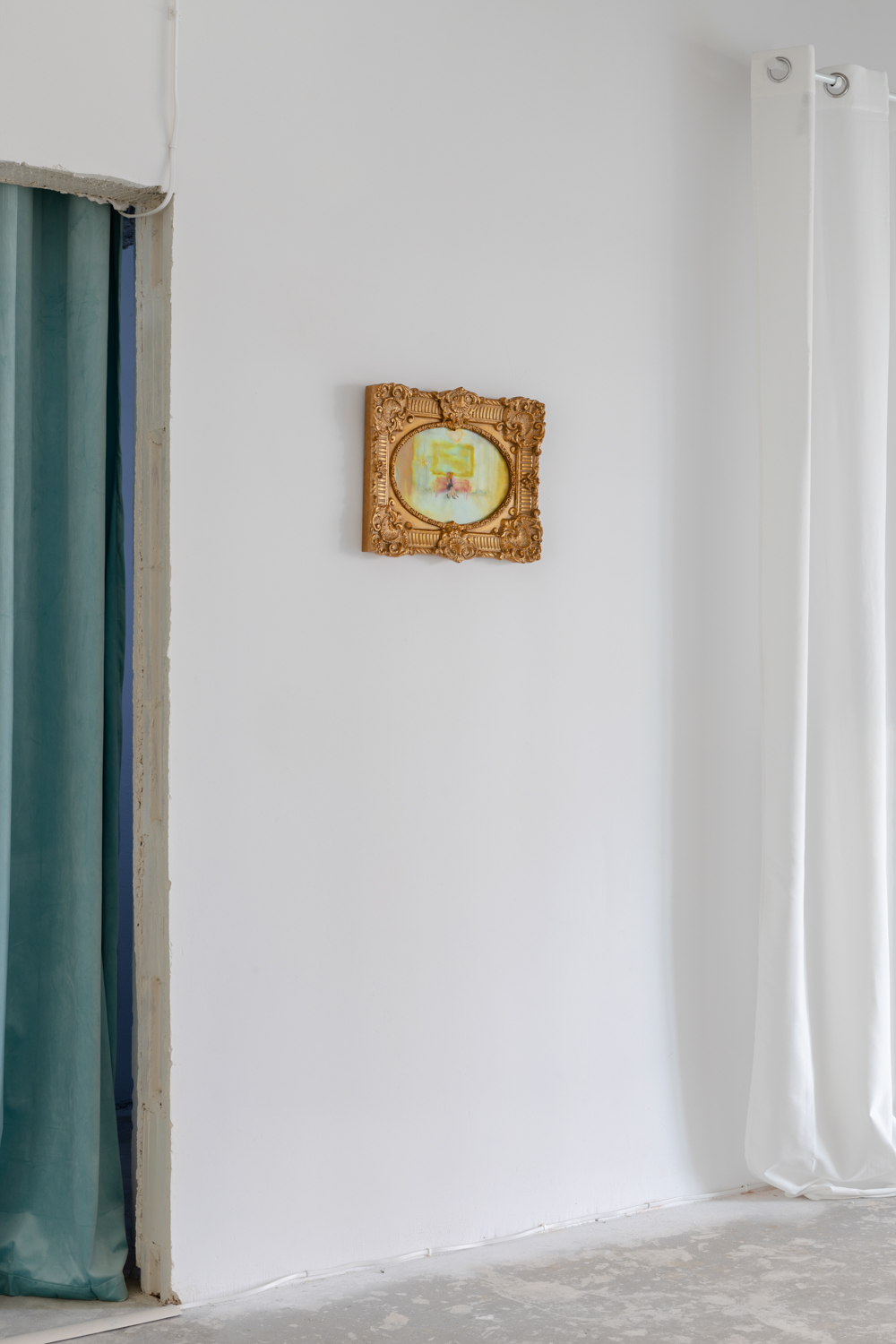
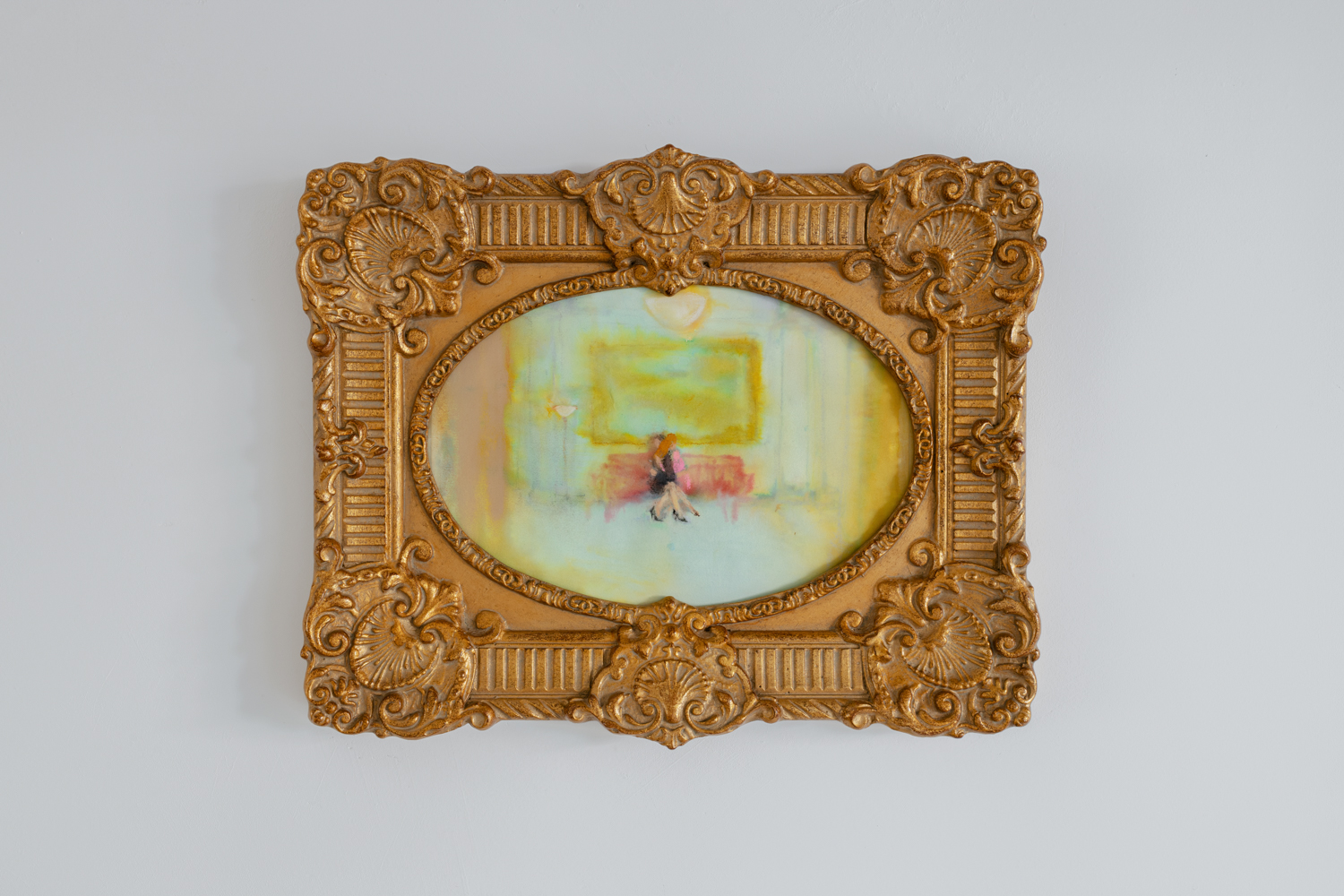
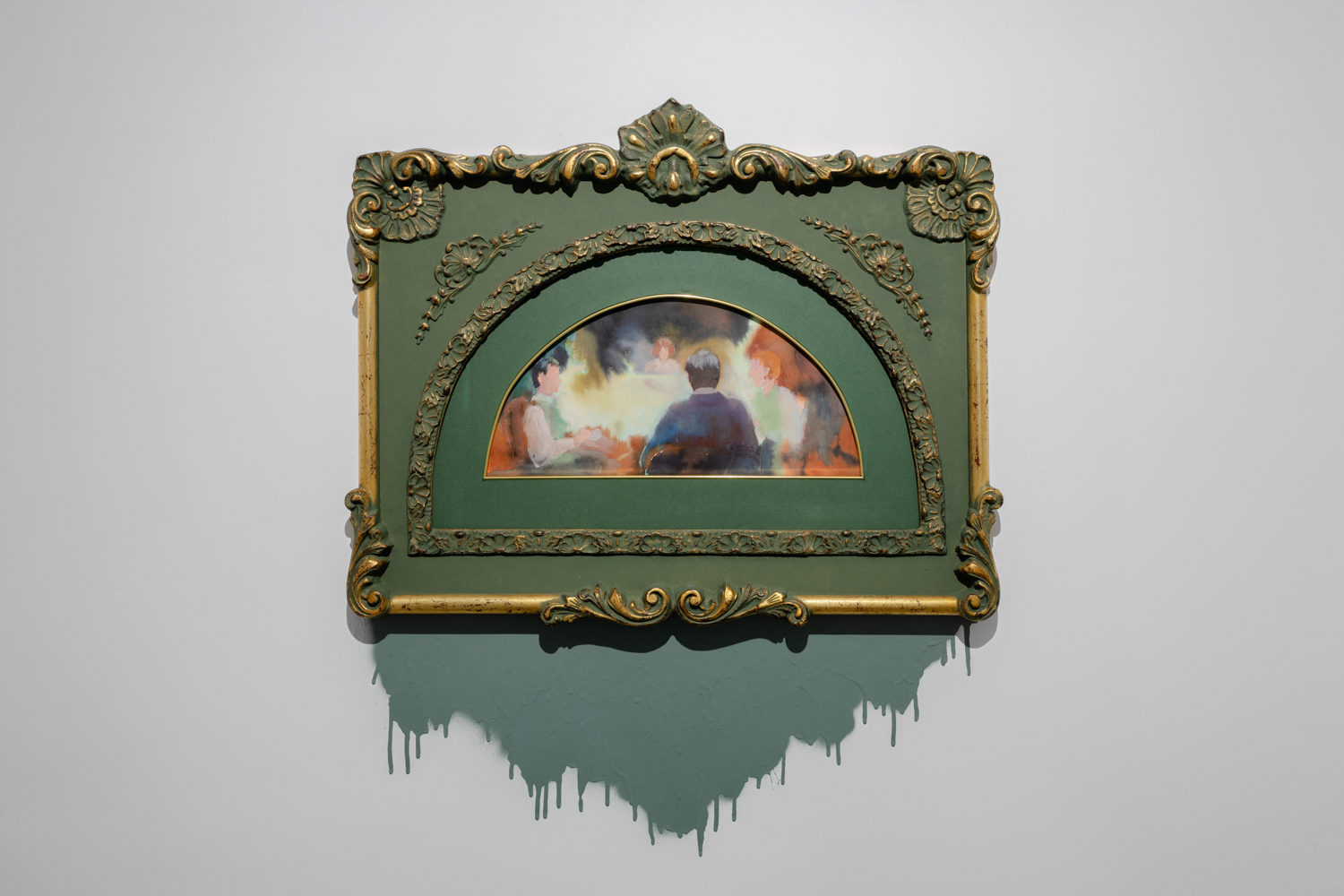
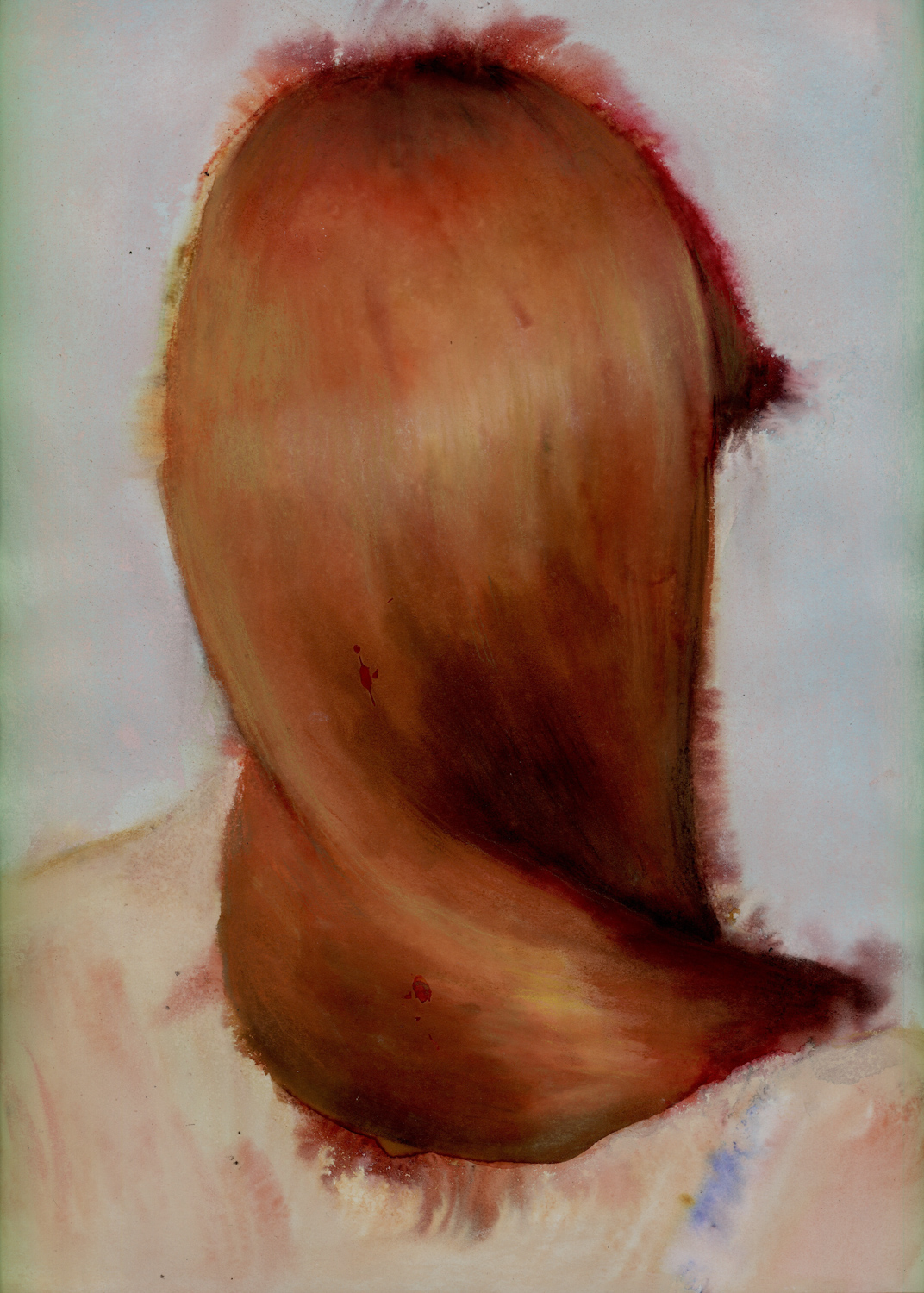
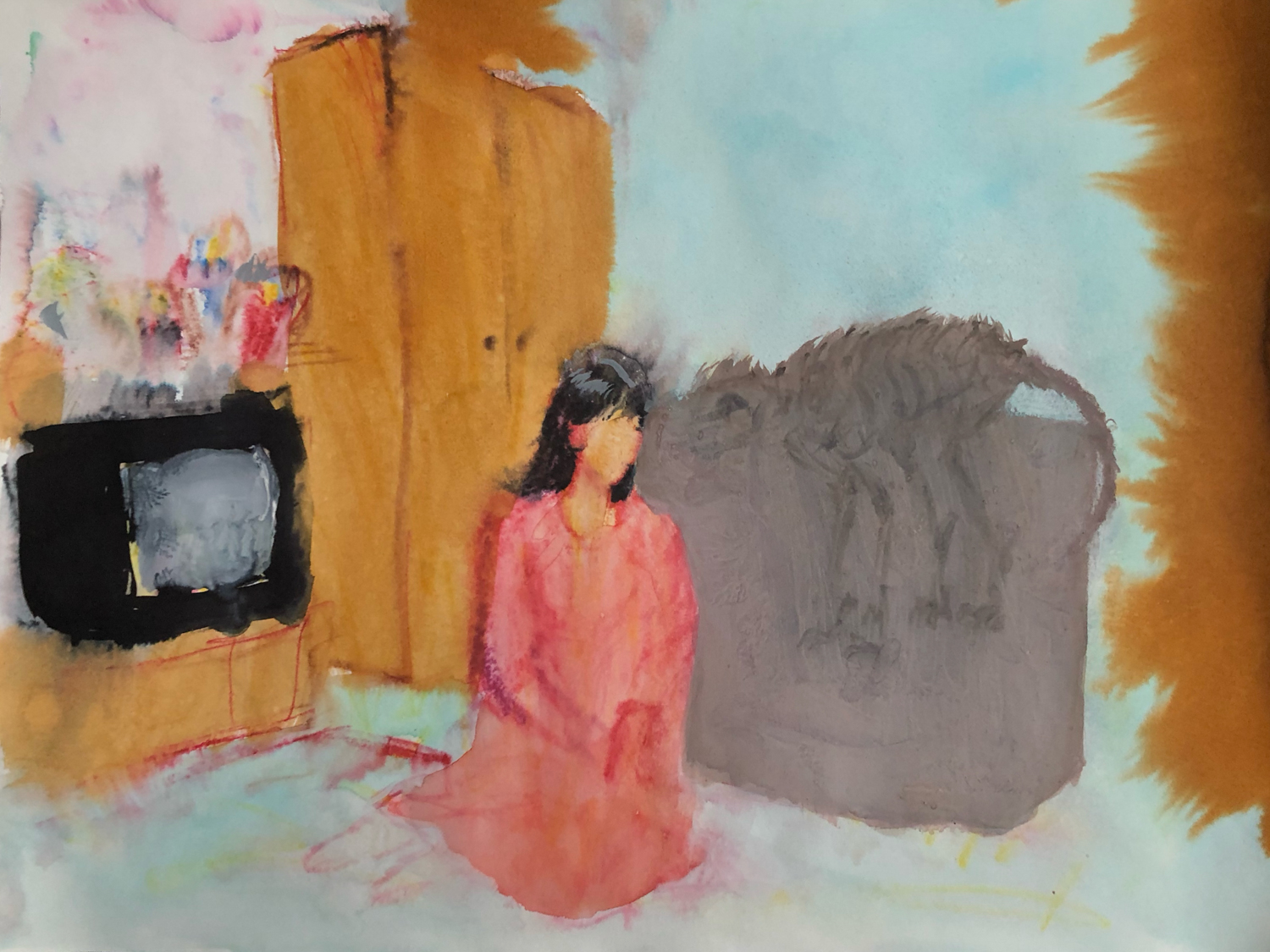
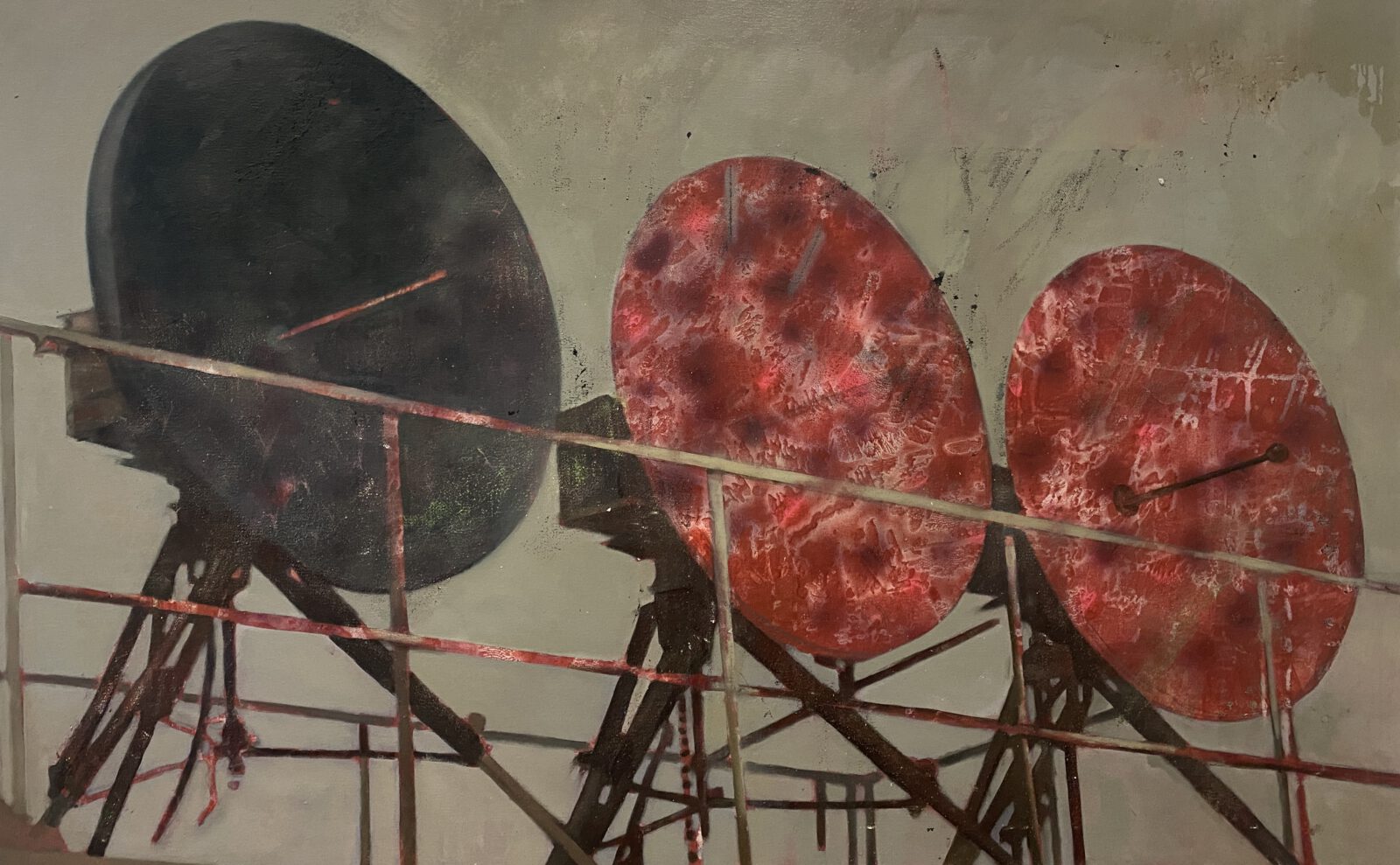
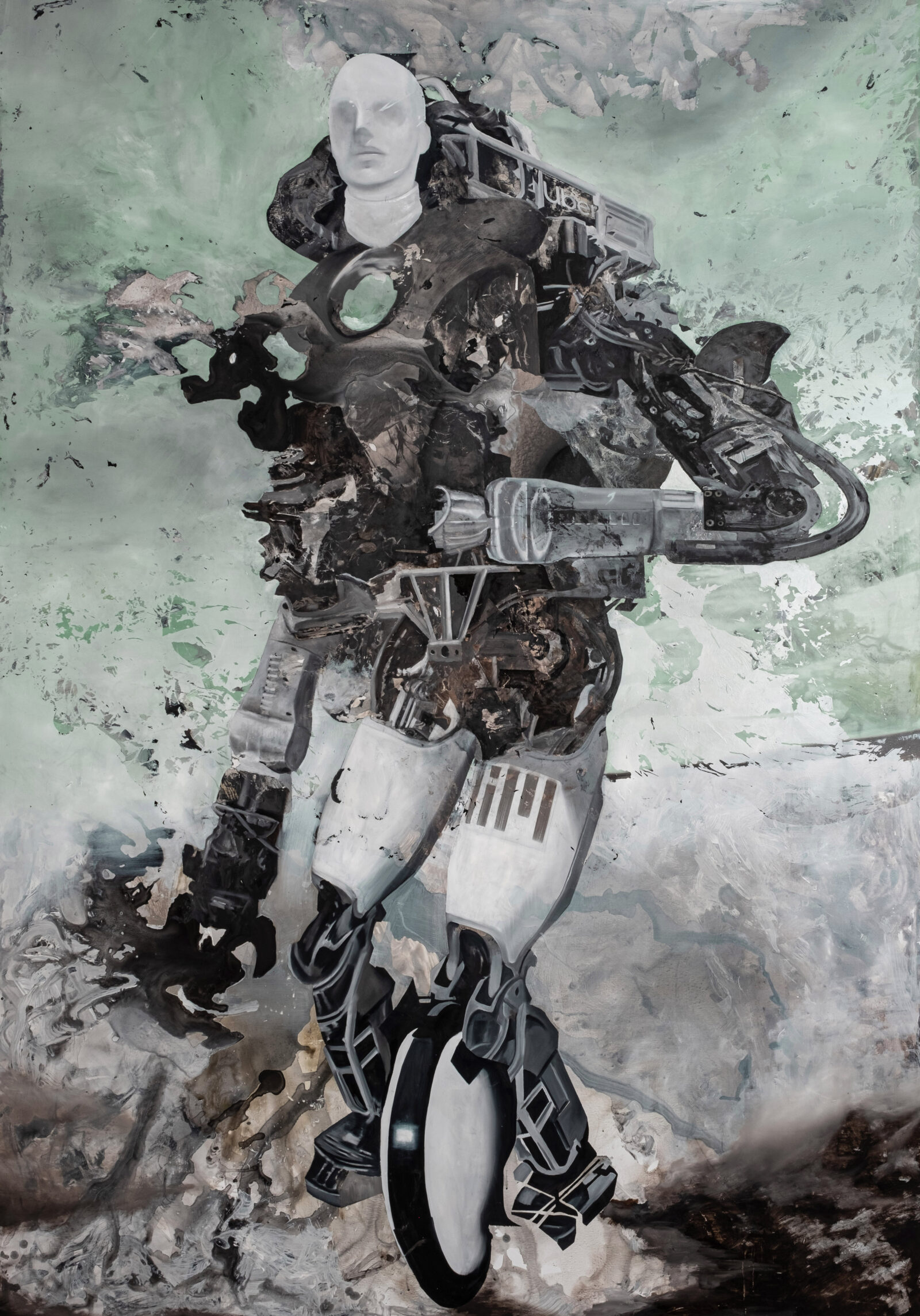
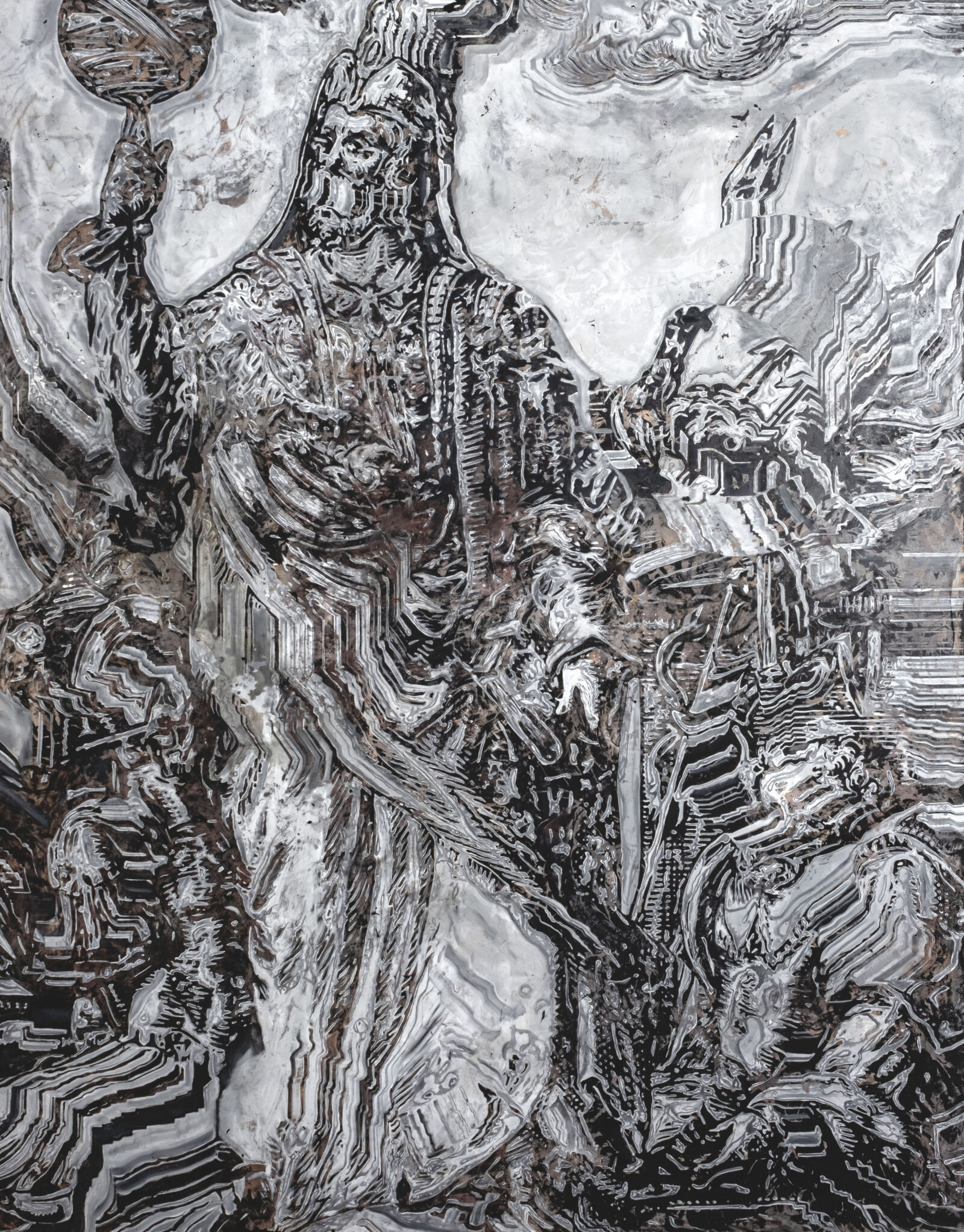
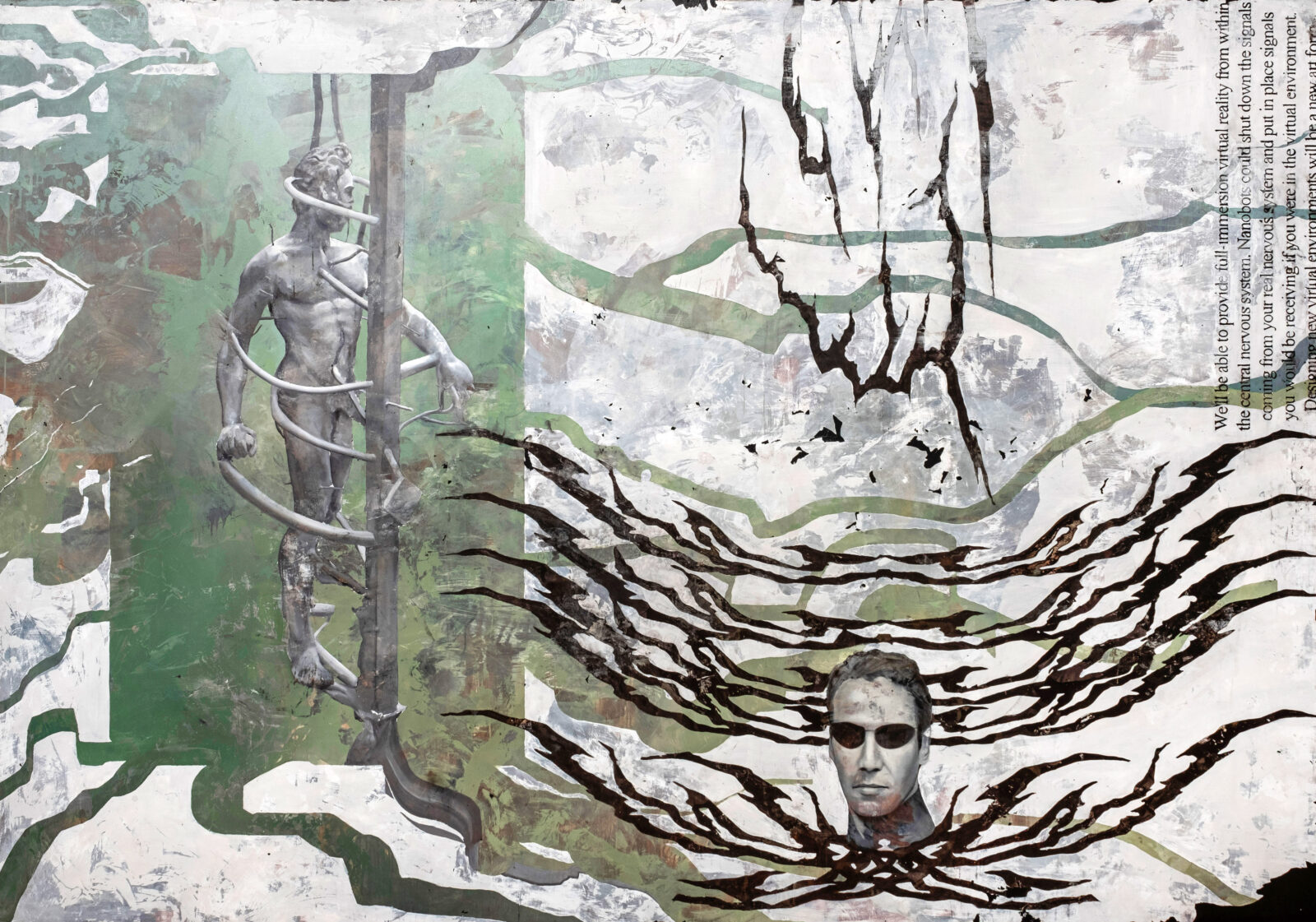
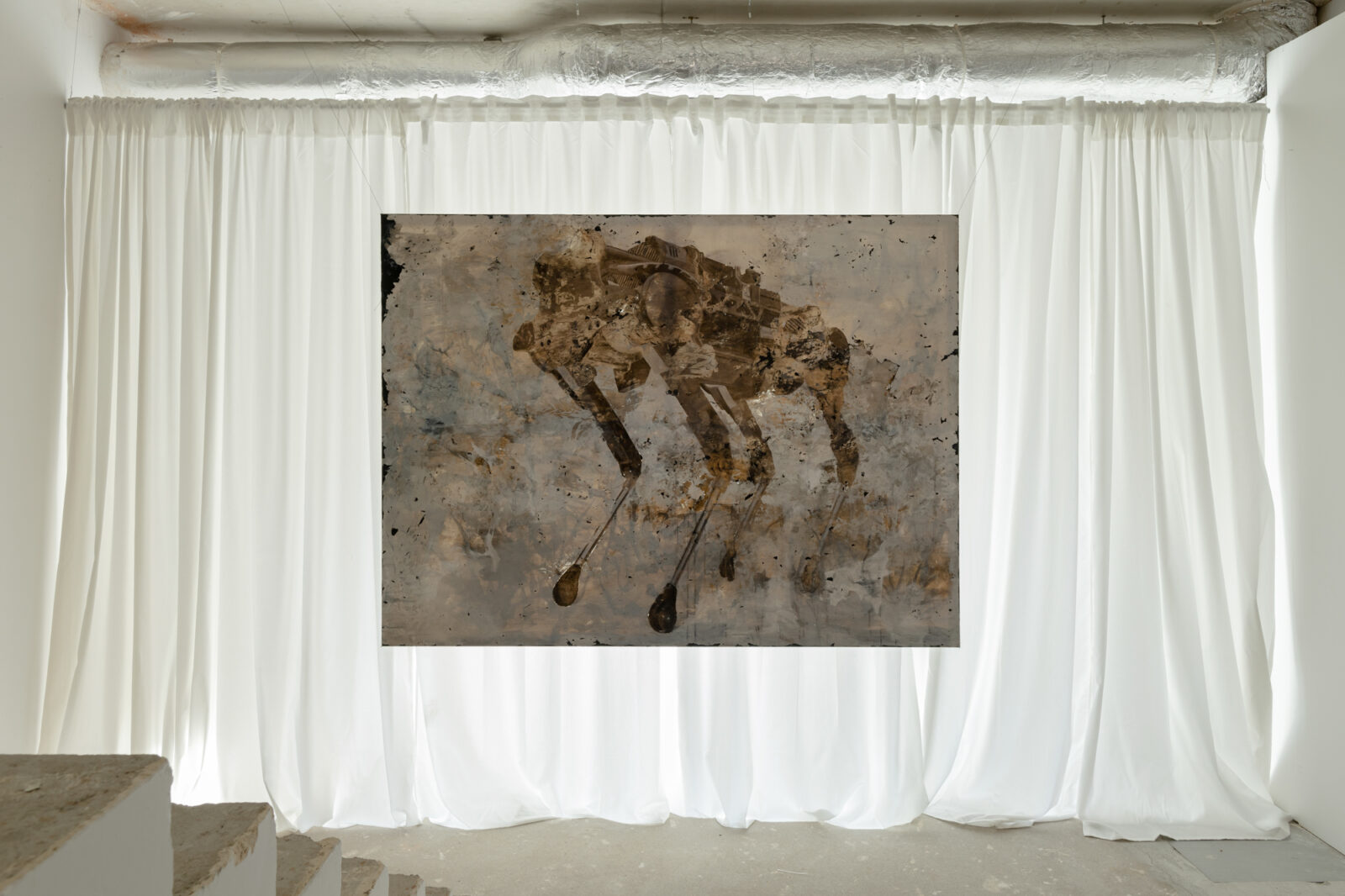
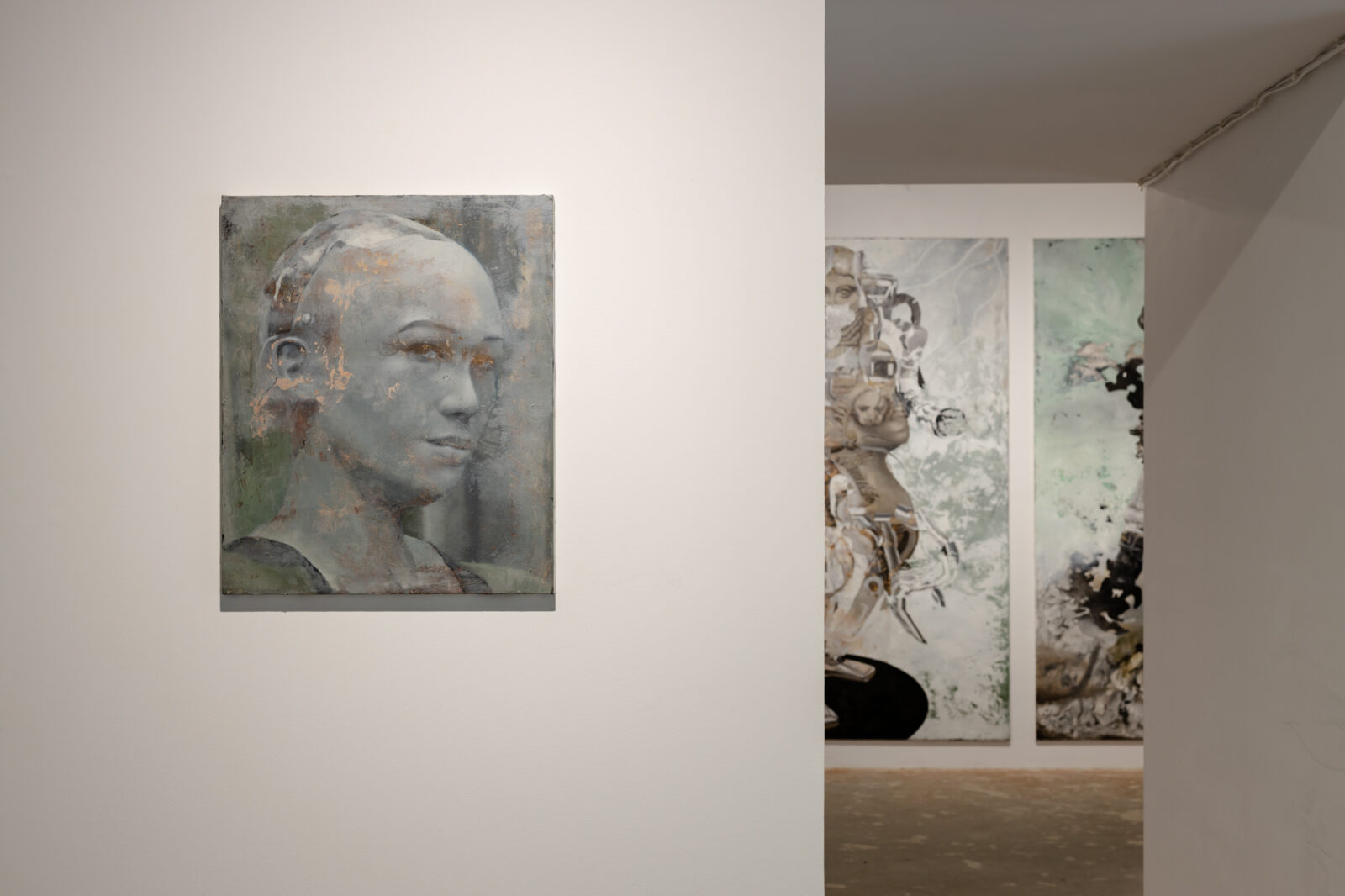
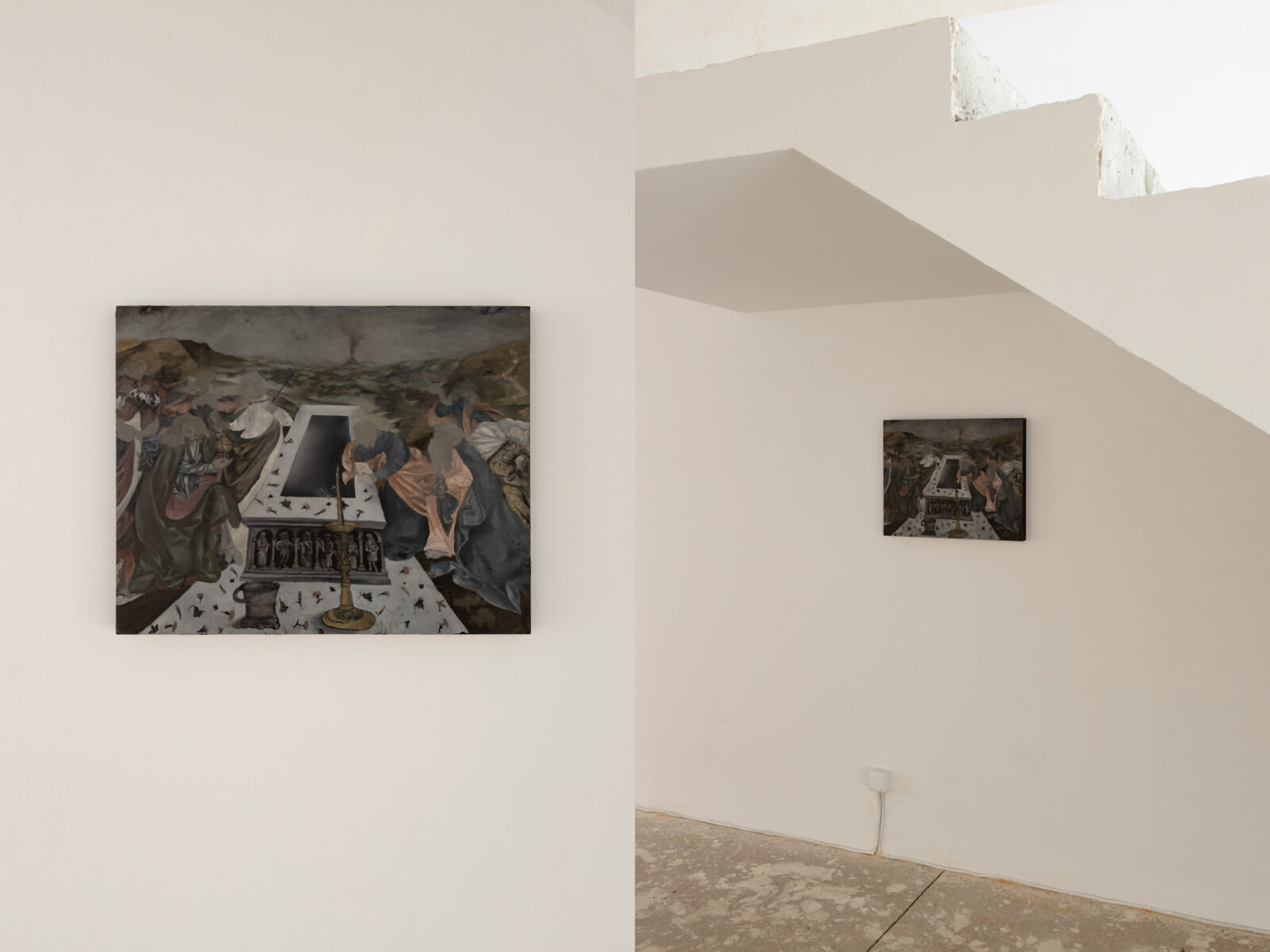
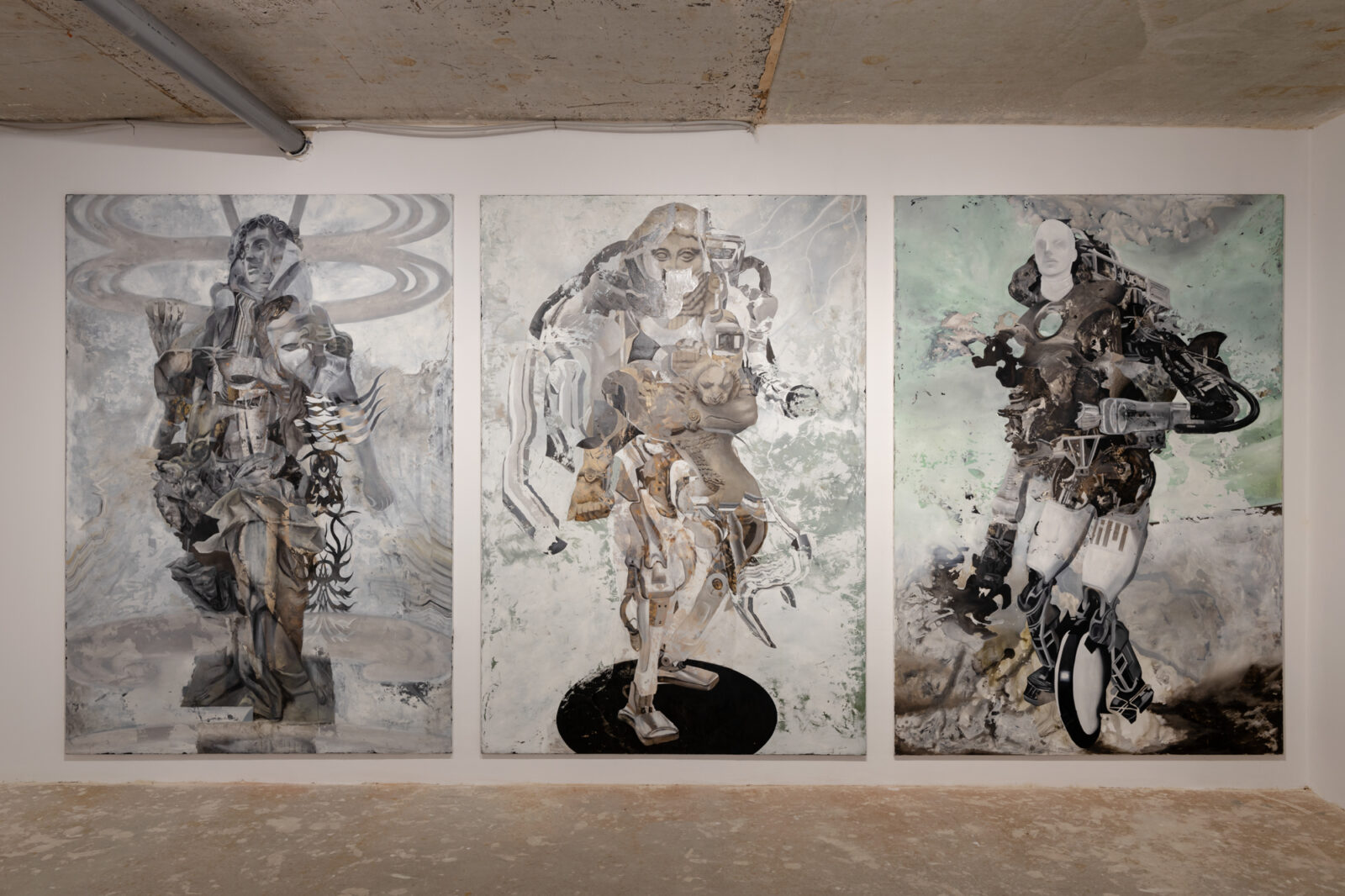
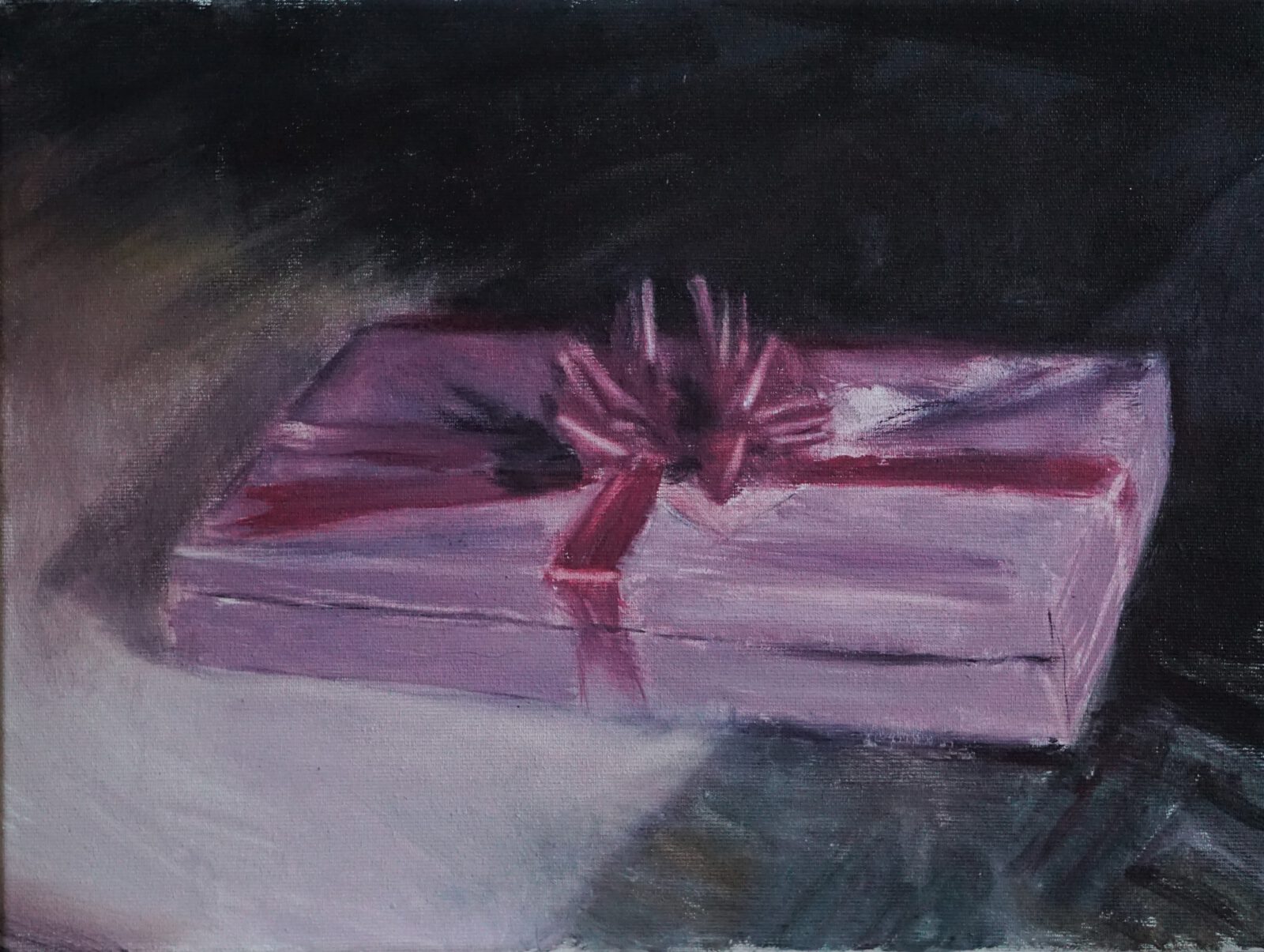
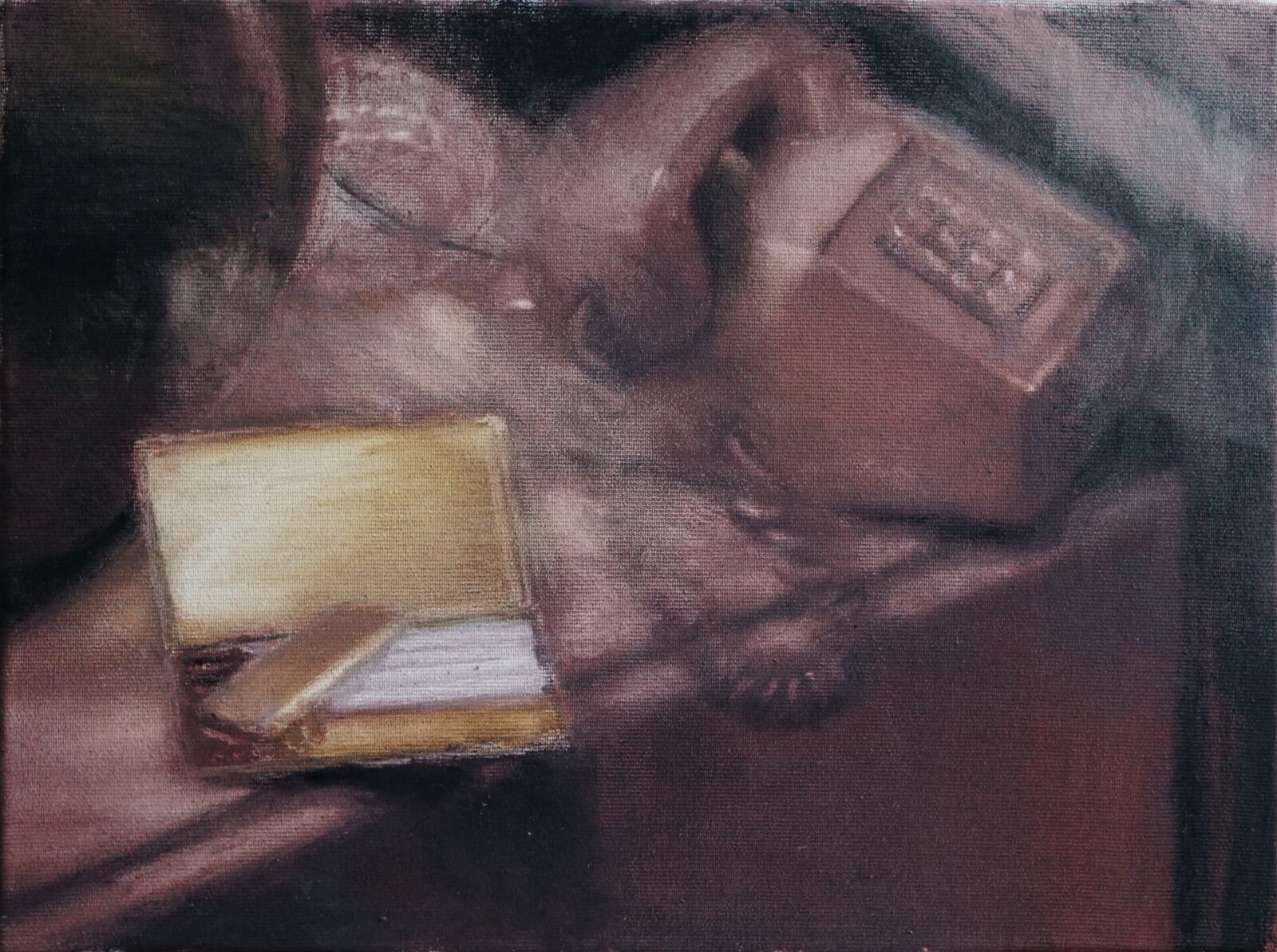
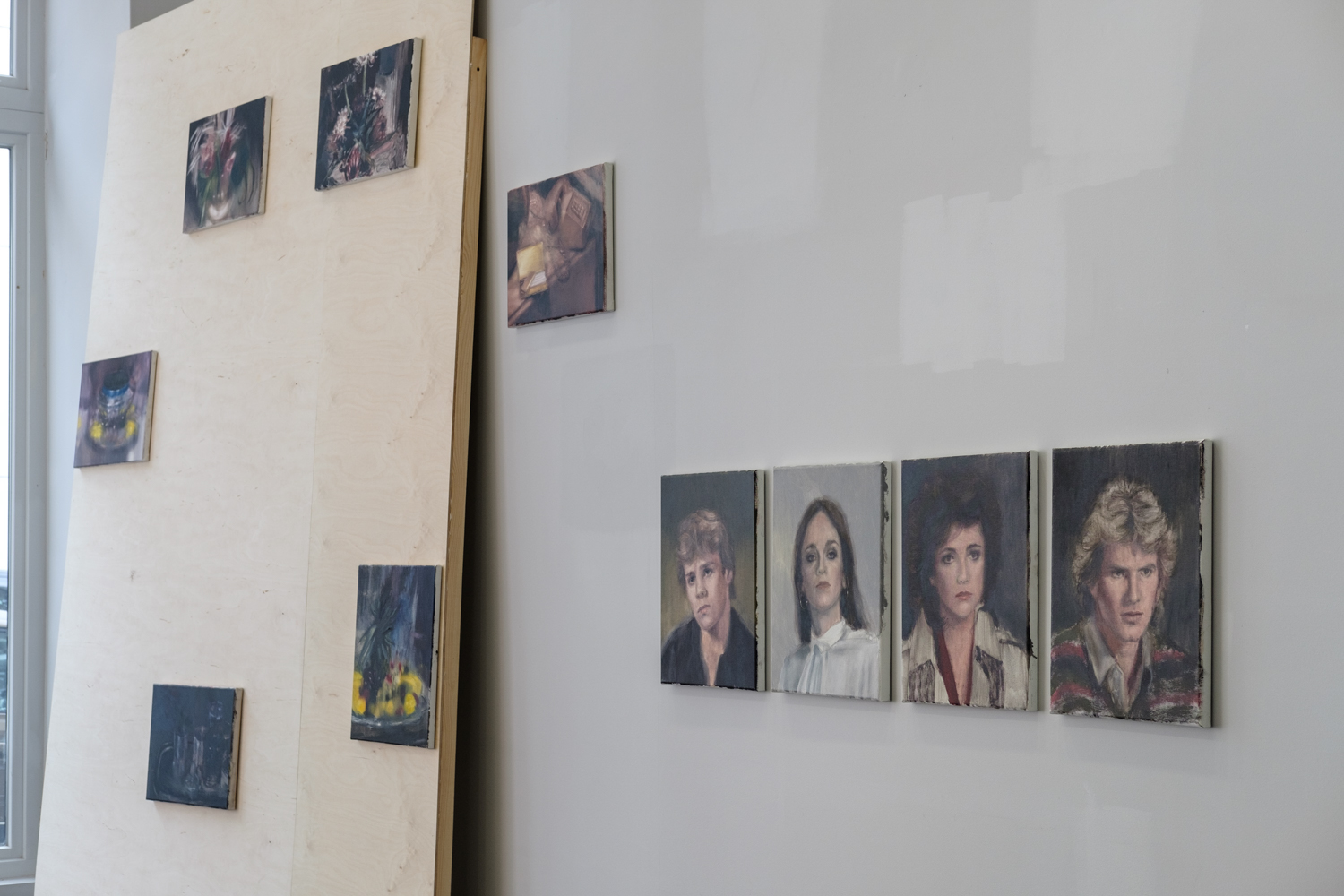
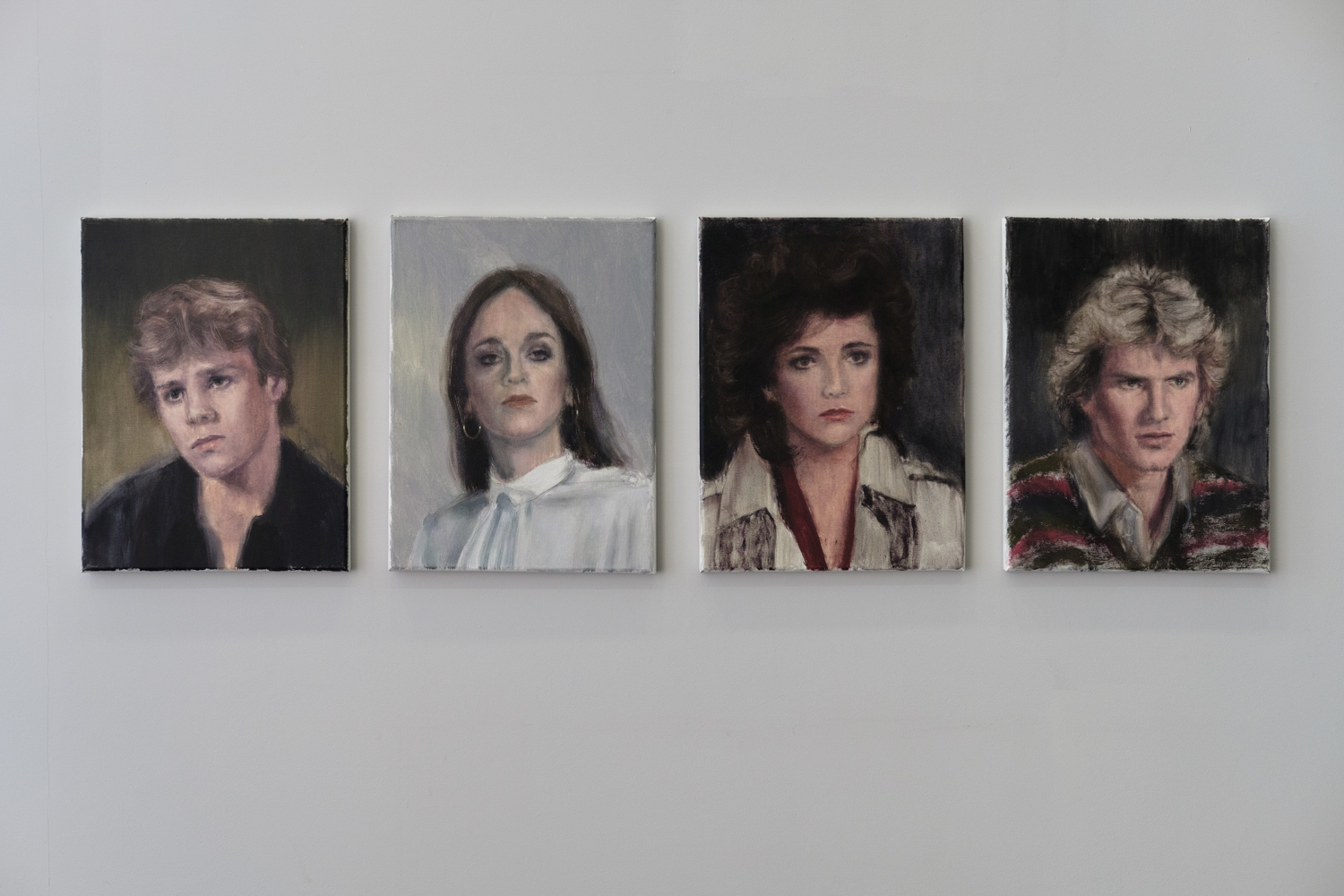
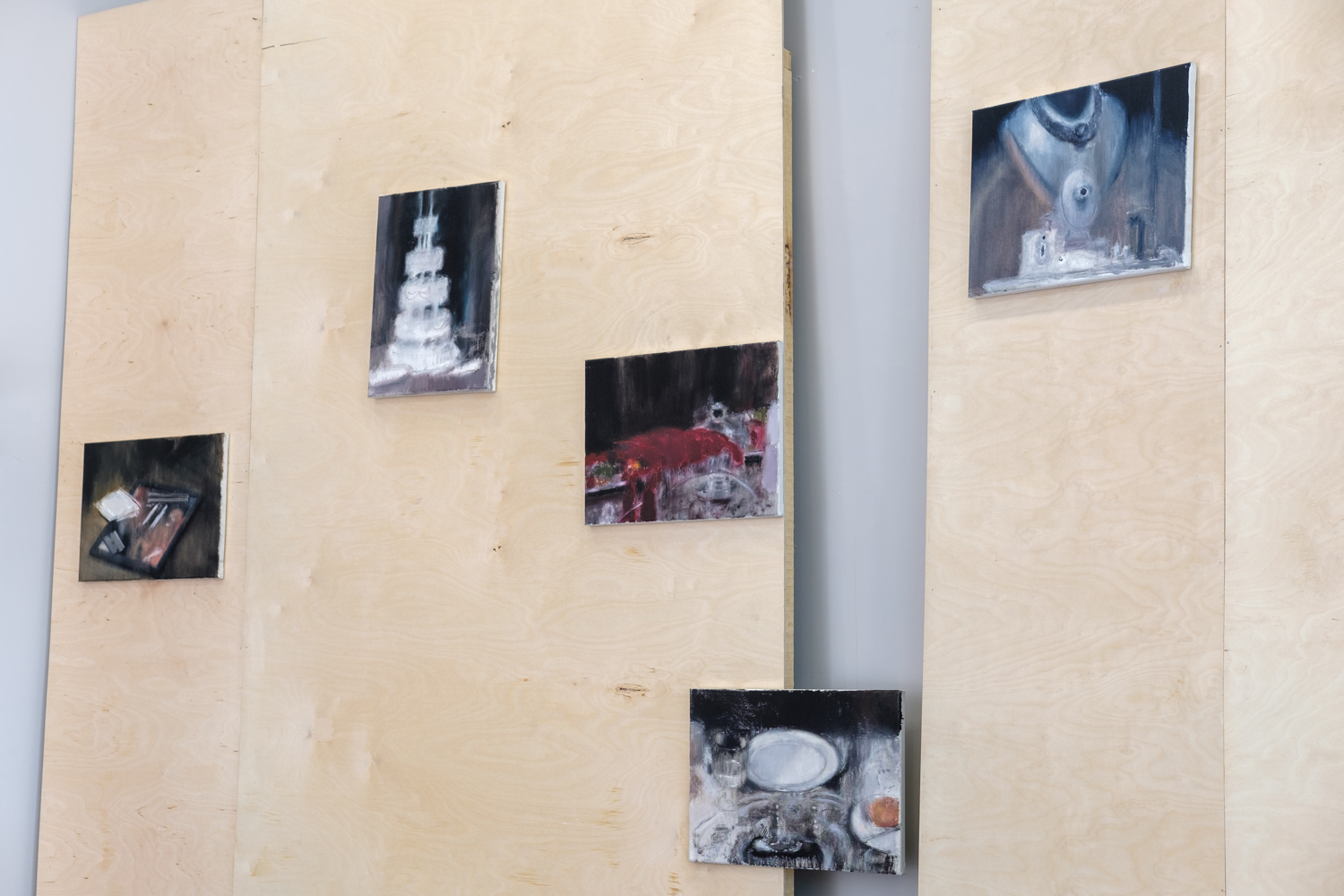
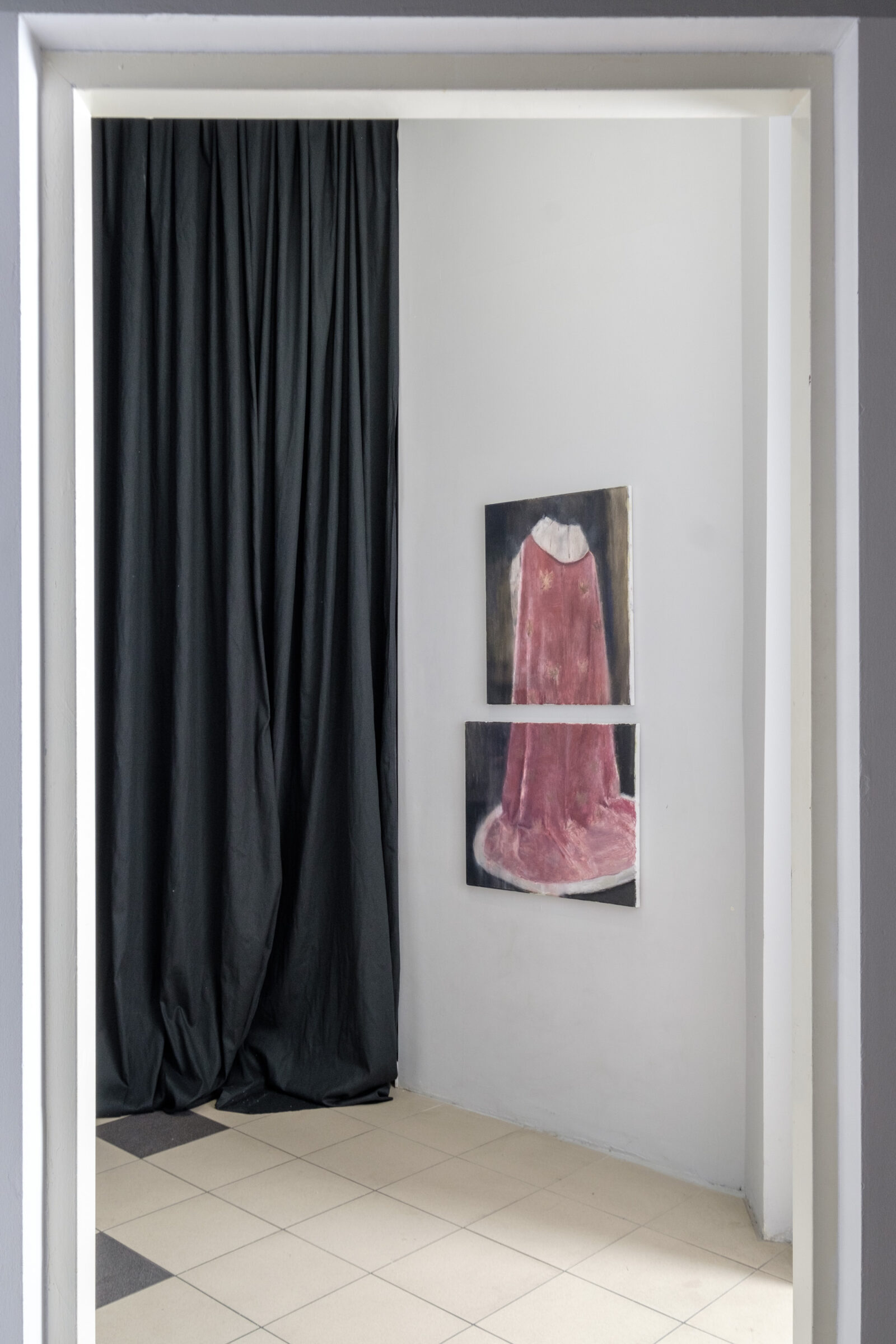
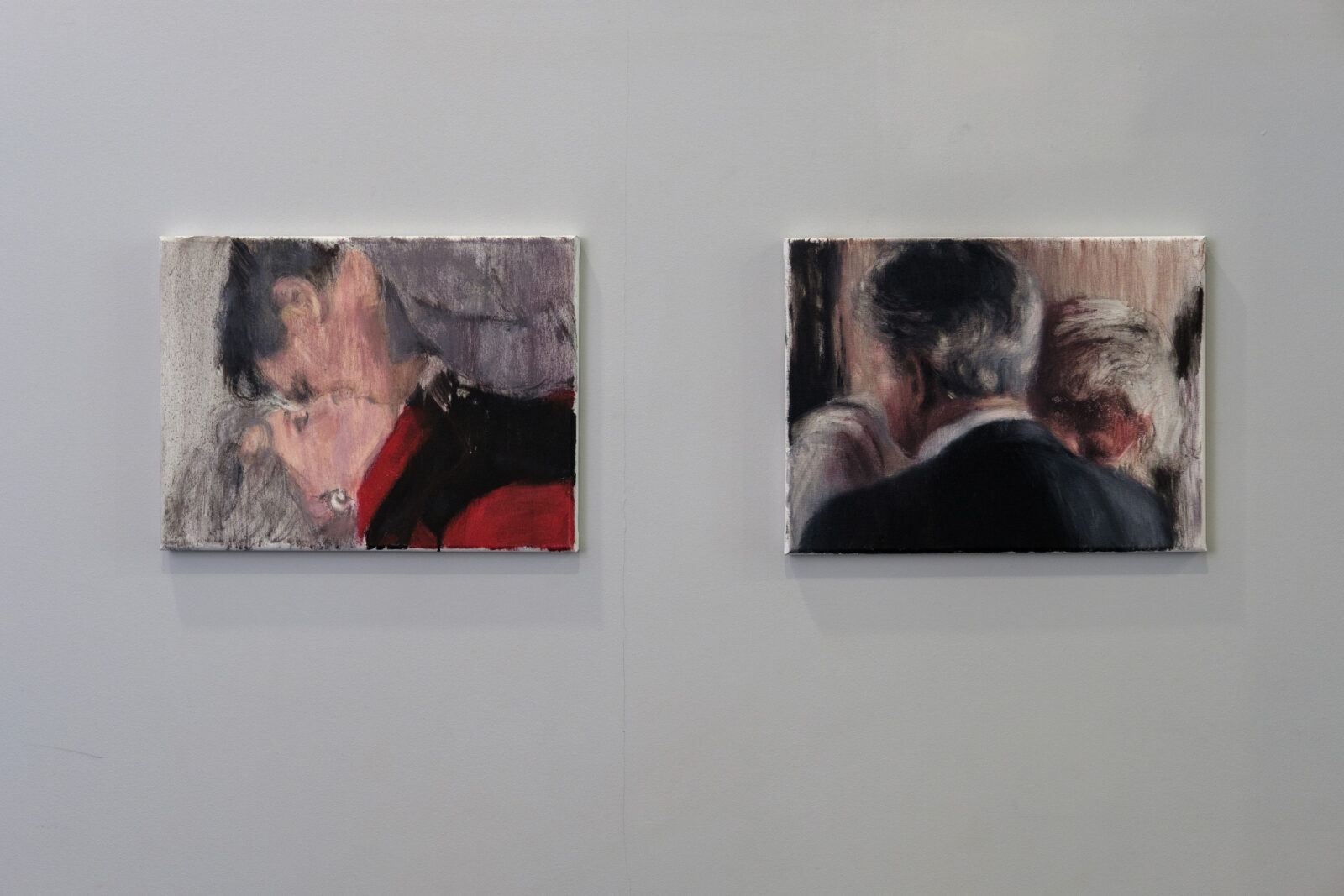
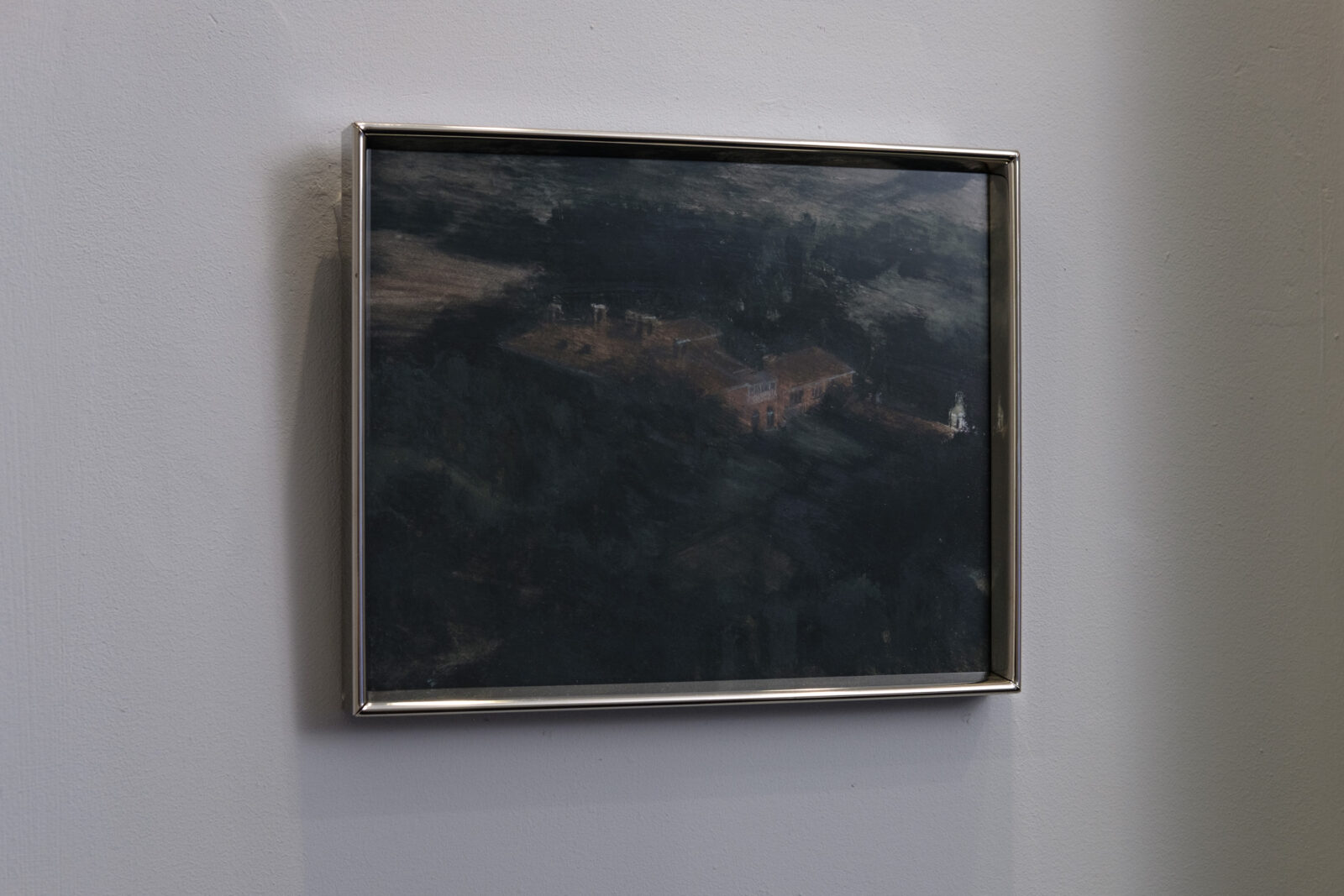
This continual rewriting of meaning becomes the point of departure for Kacper Wiatrak’s exhibition. A visual artist of the younger generation, Wiatrak combines the traditions of genre painting with elements of popular culture and surrealism.
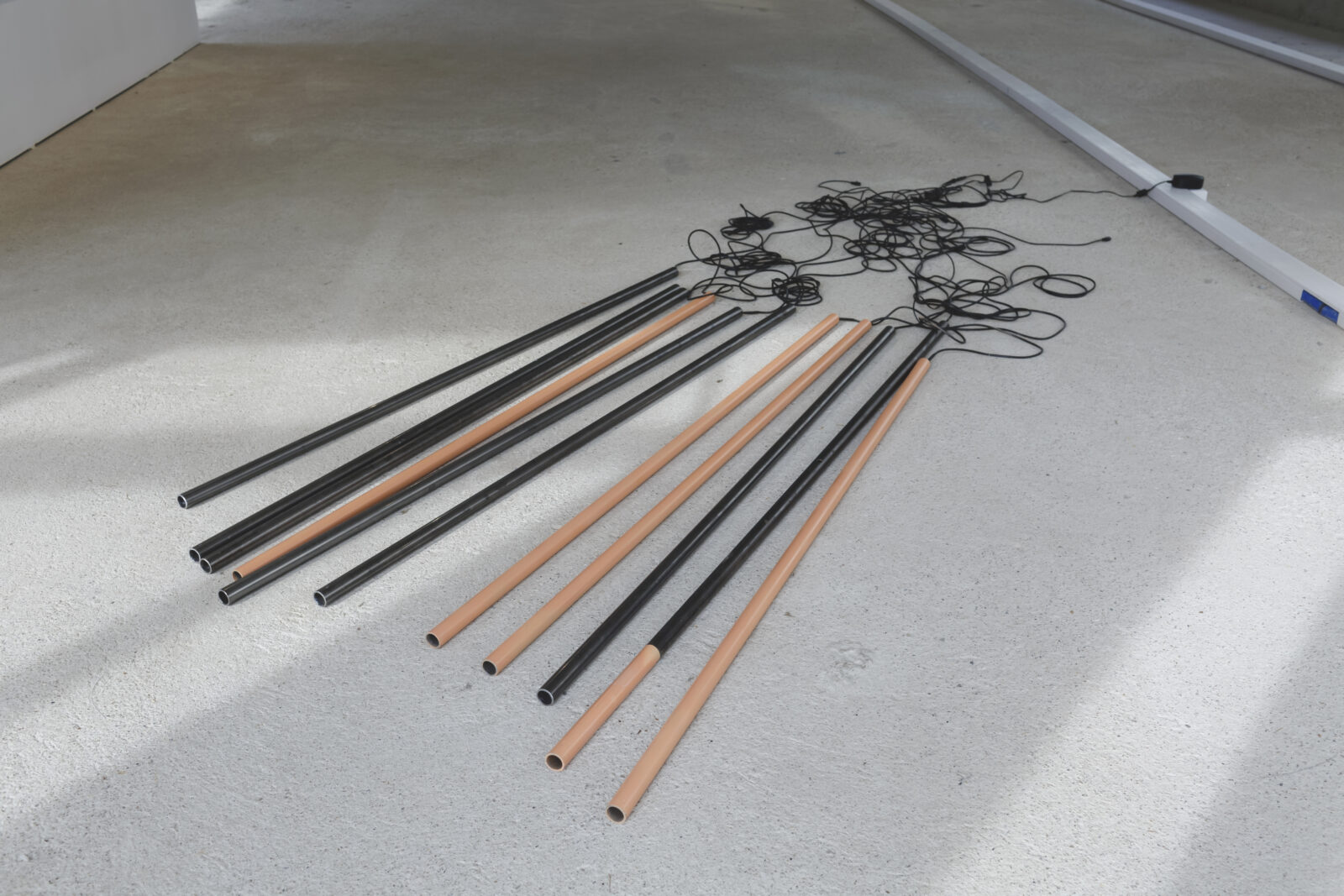
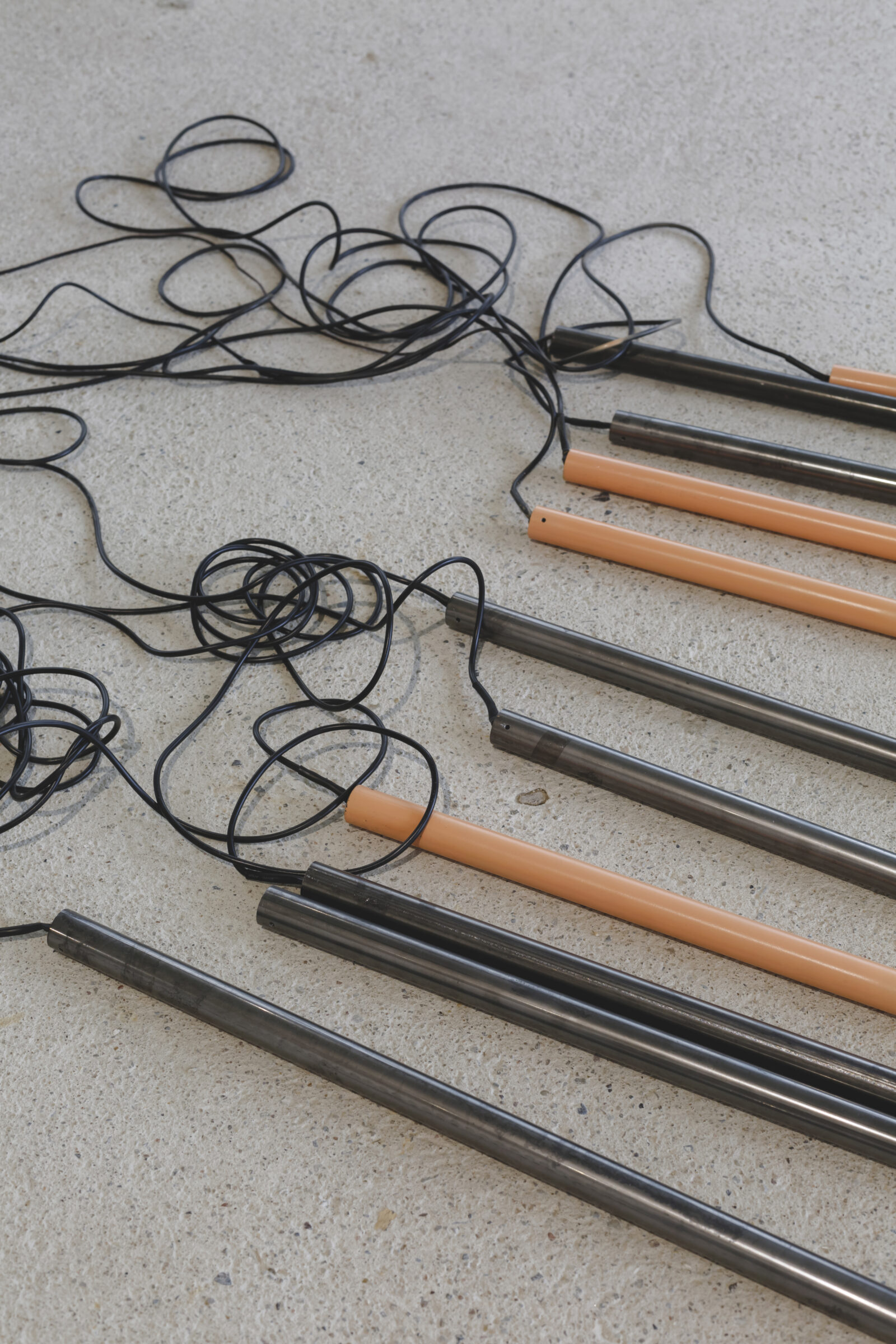
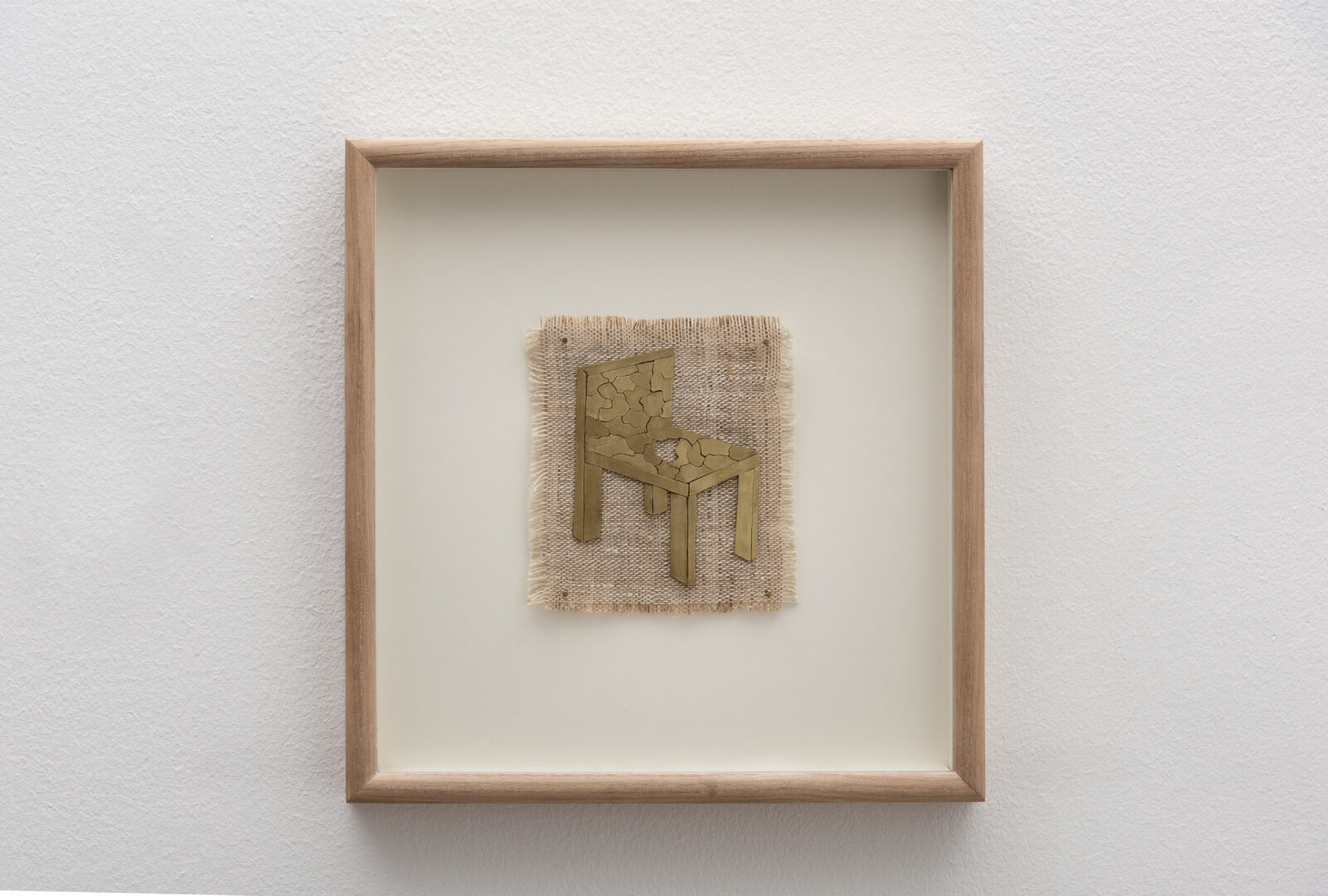
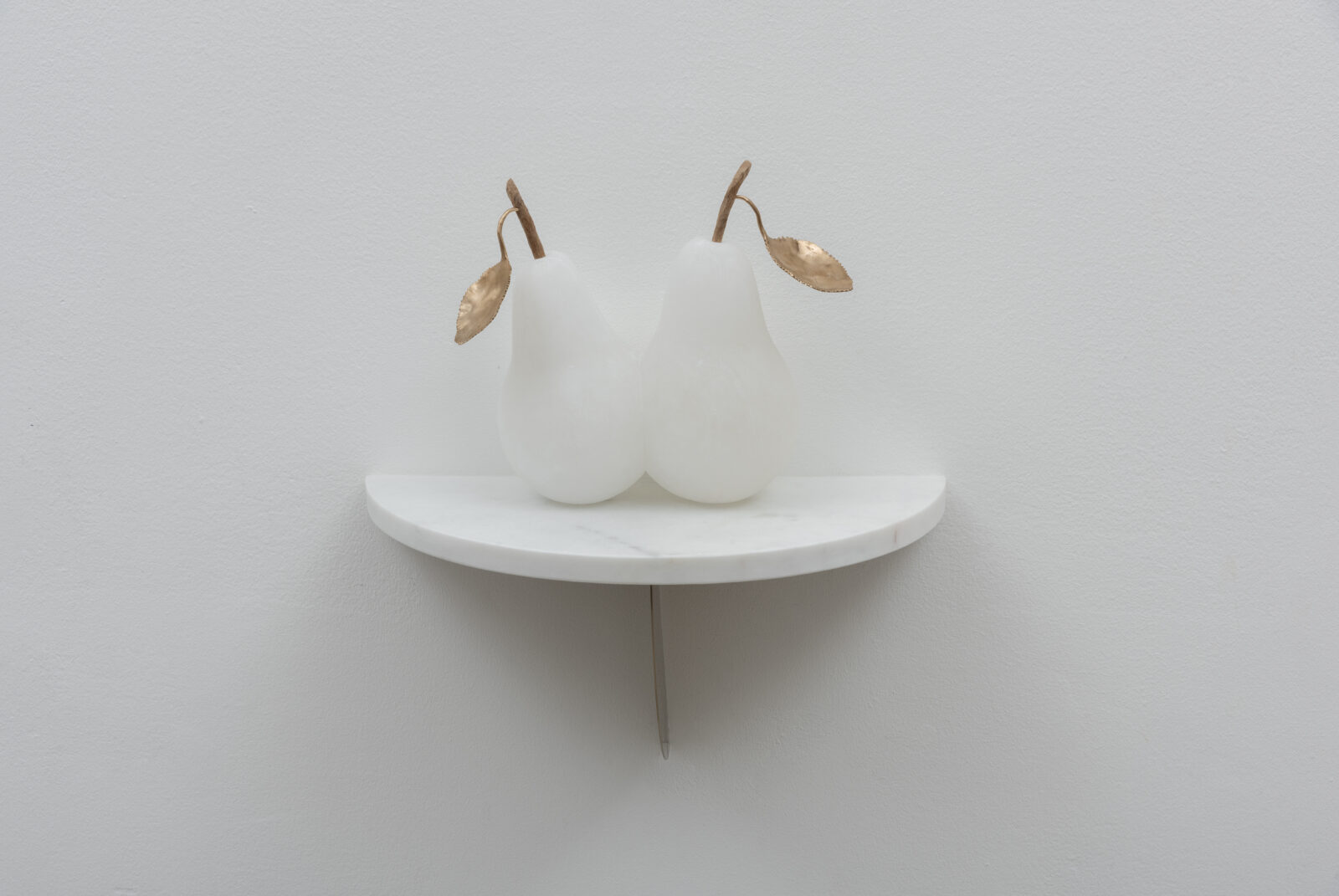
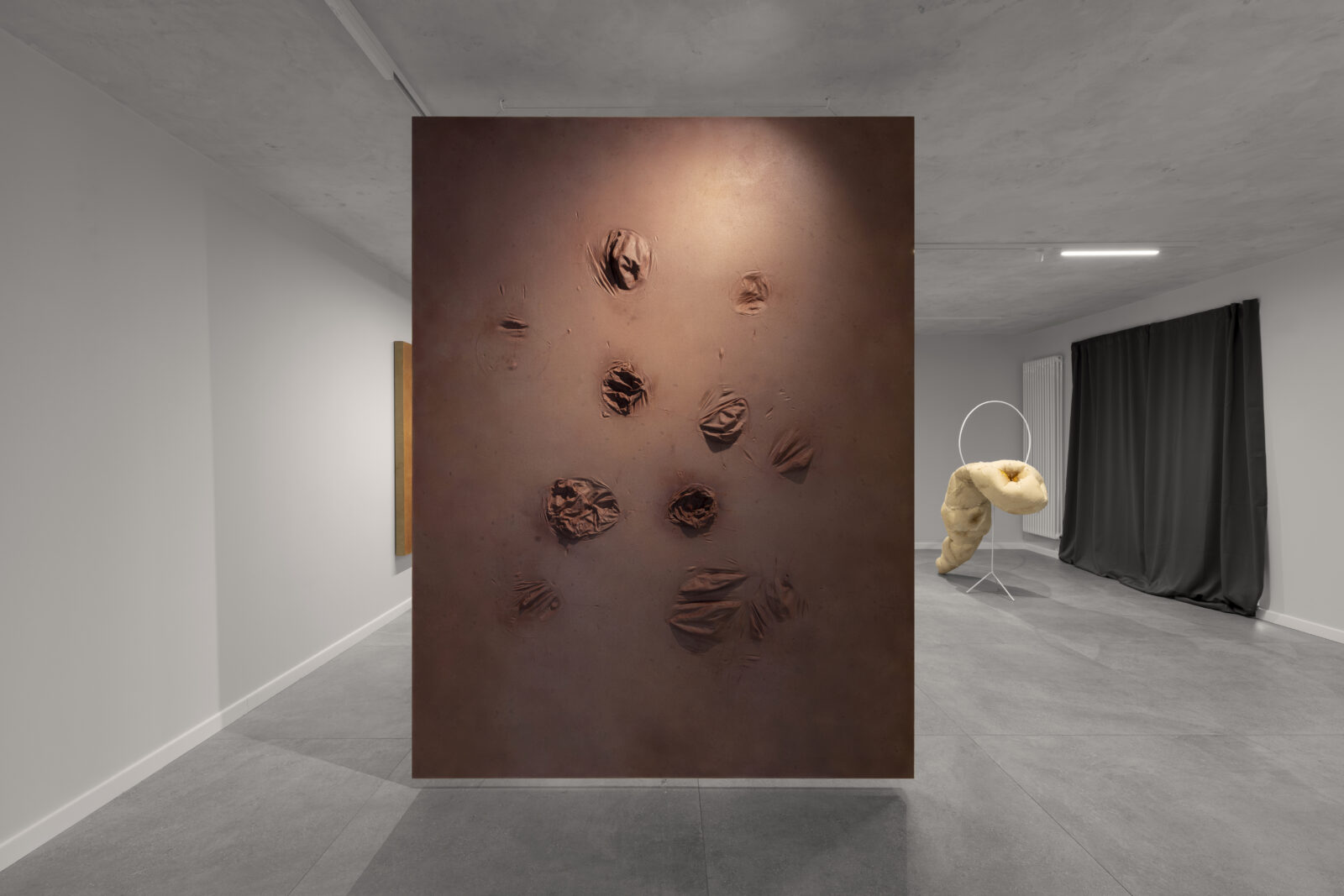
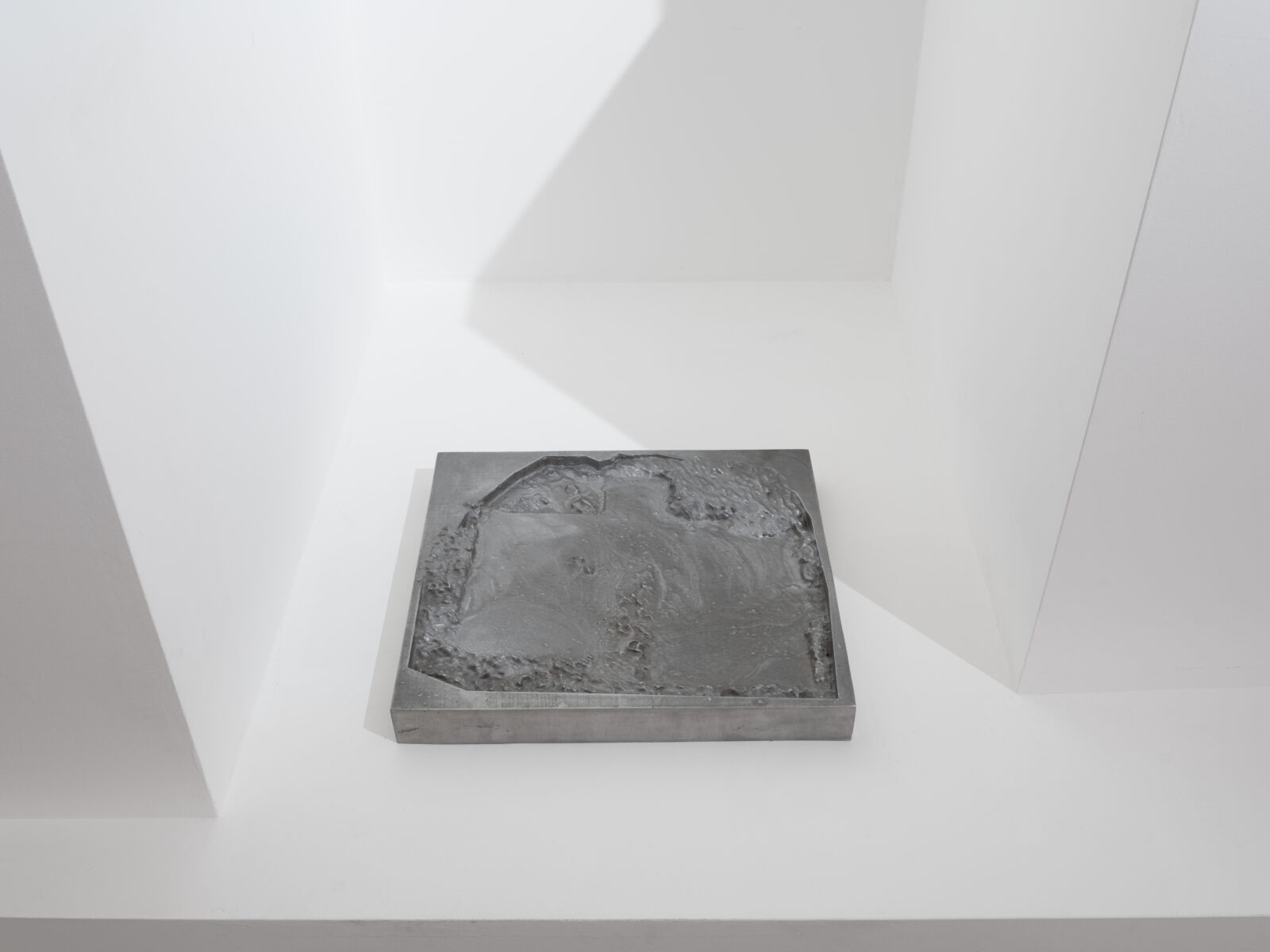
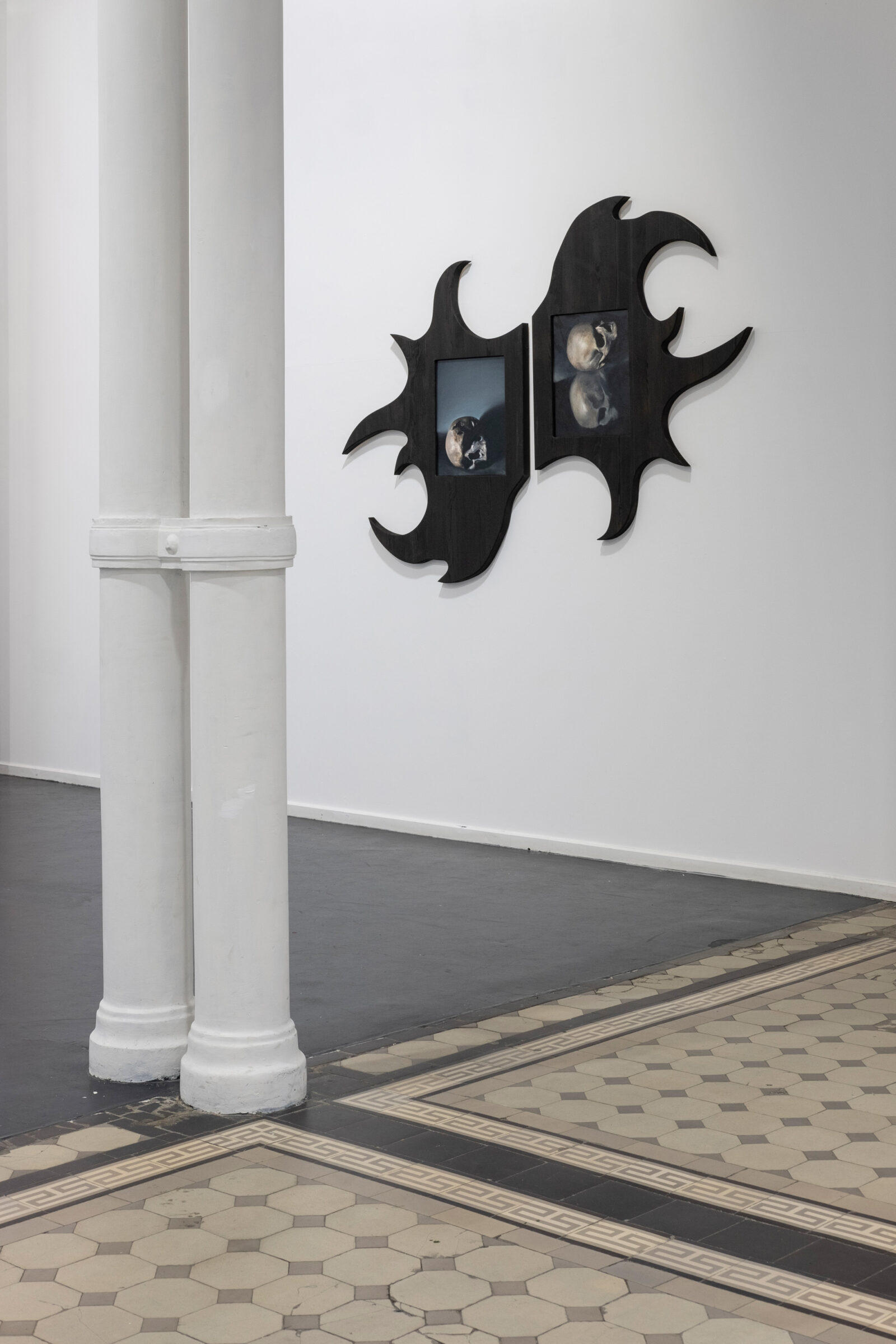
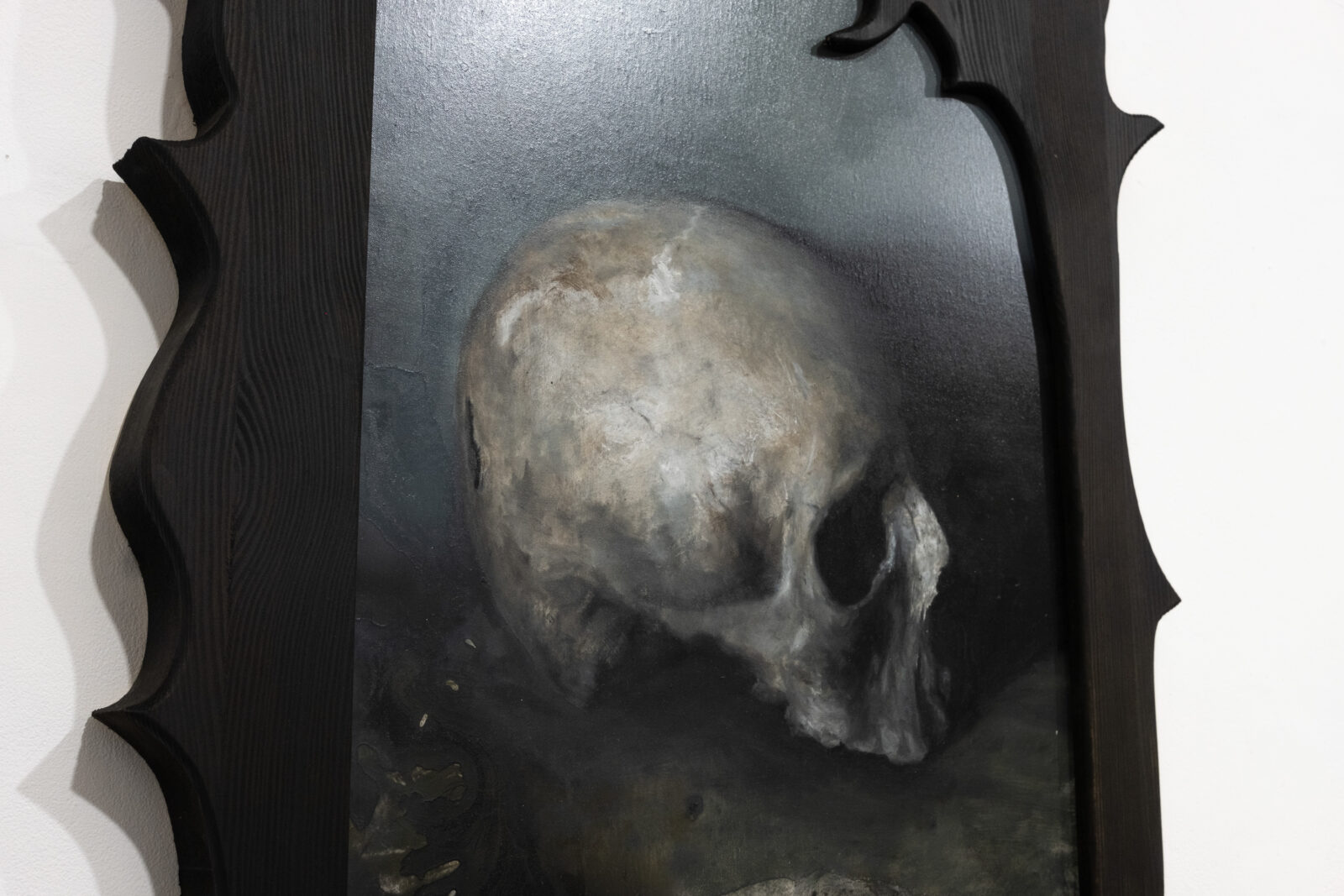
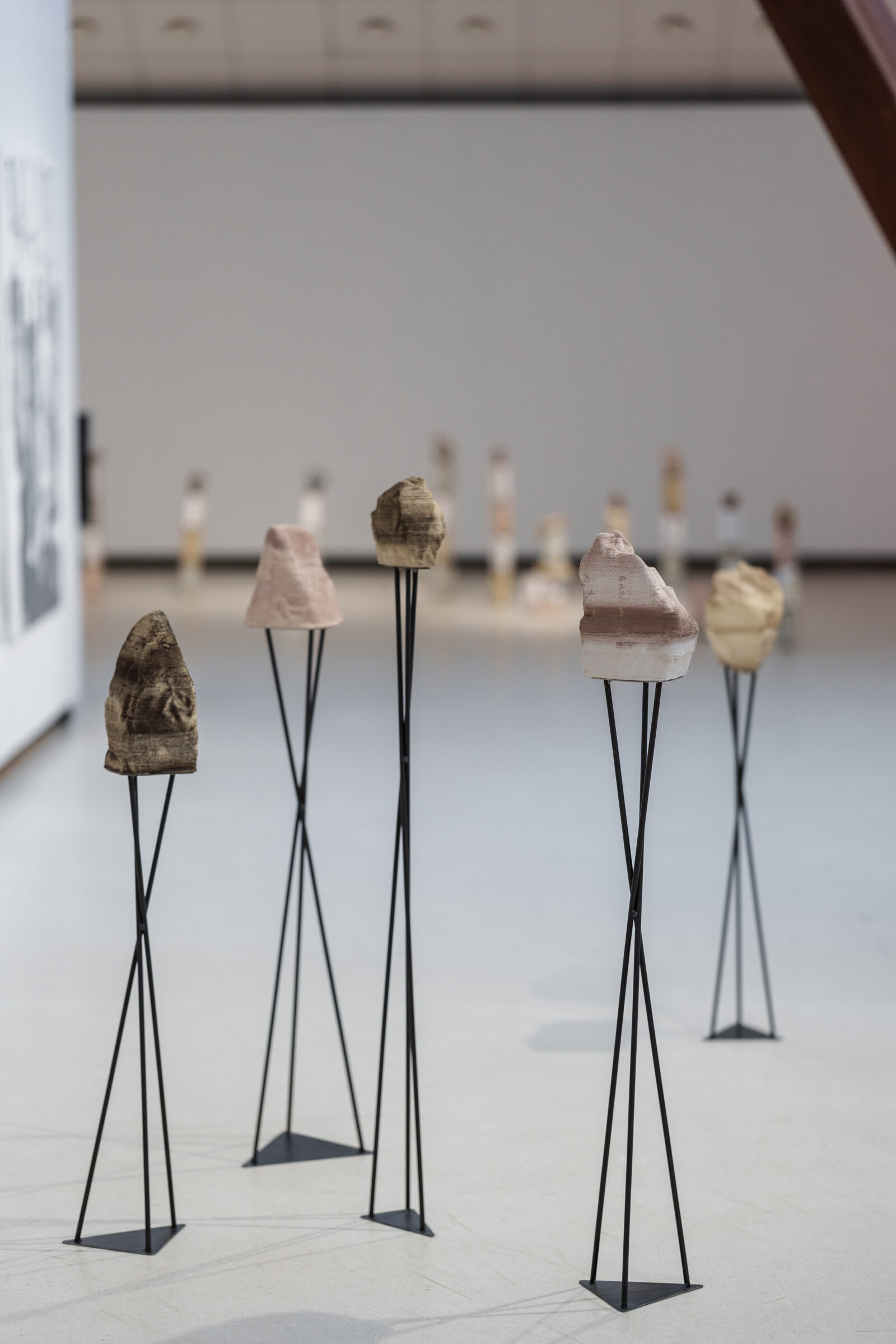
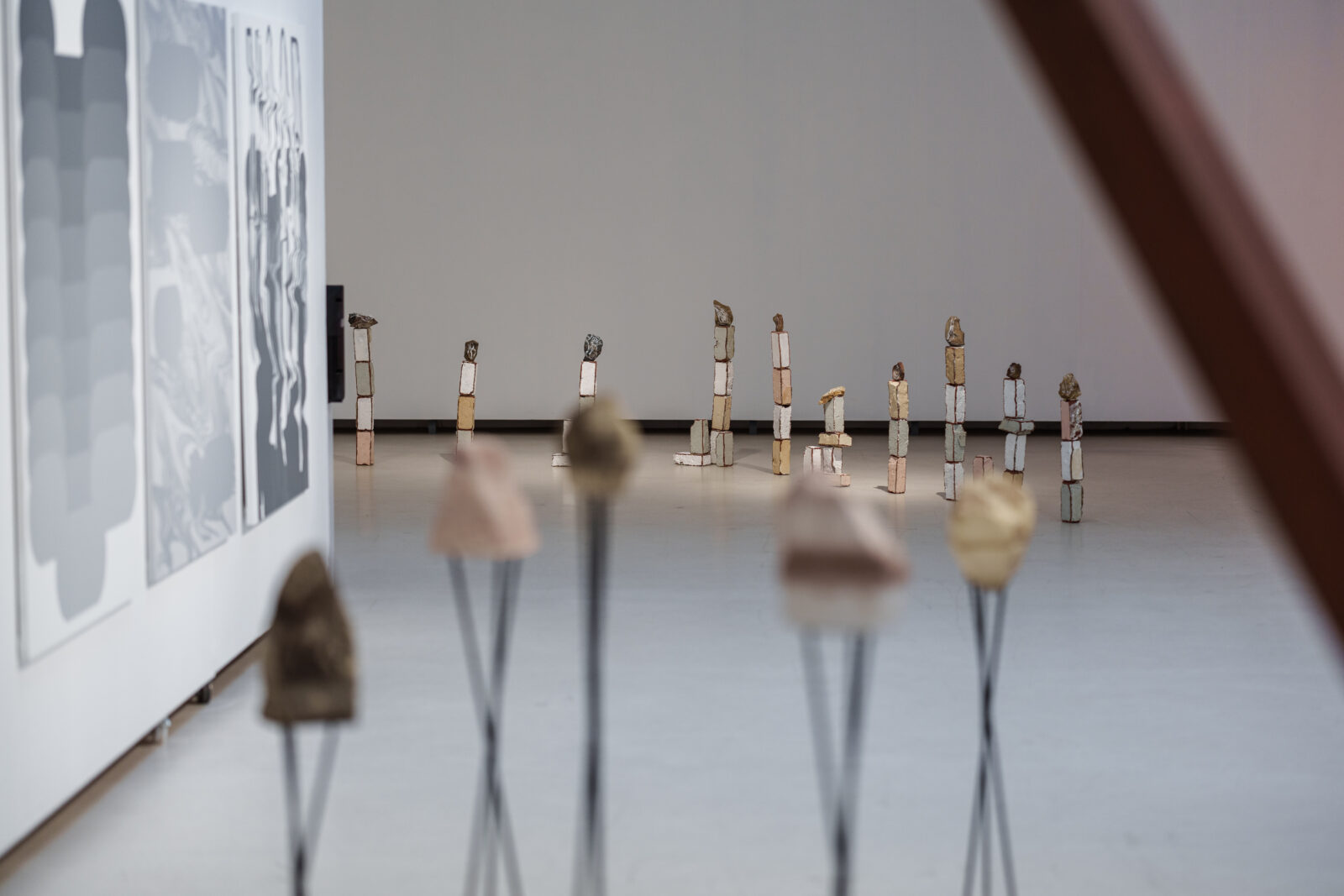
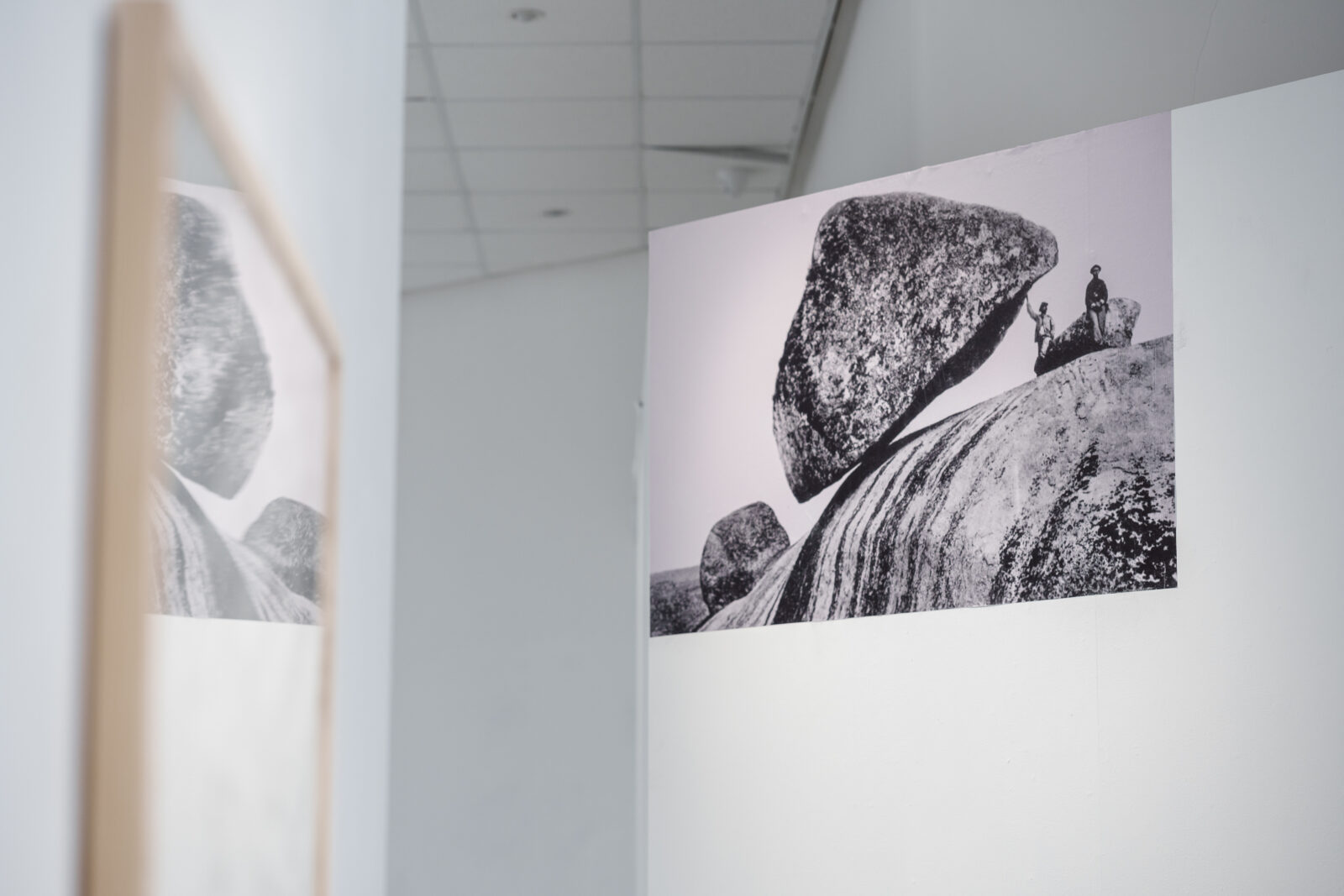
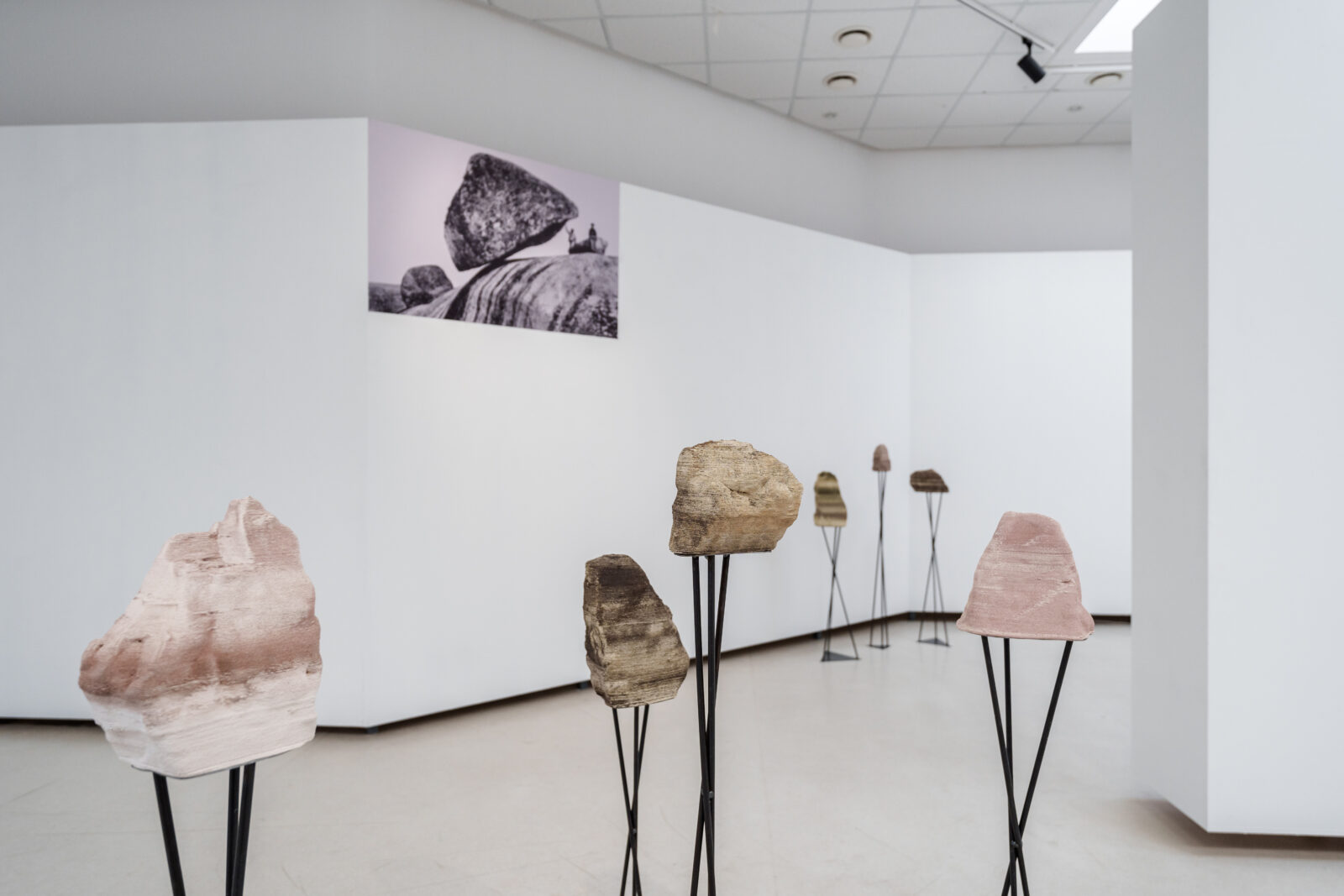
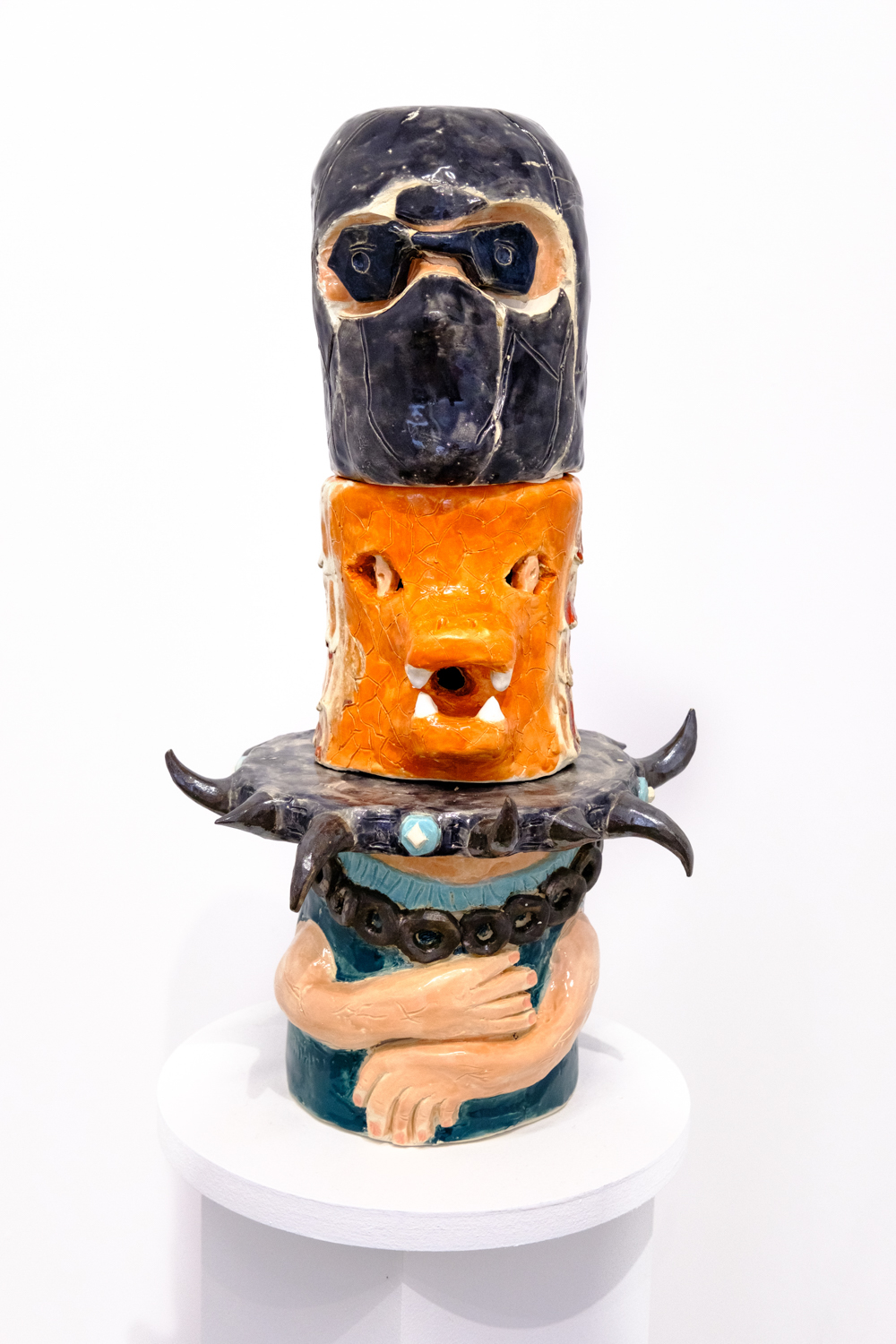
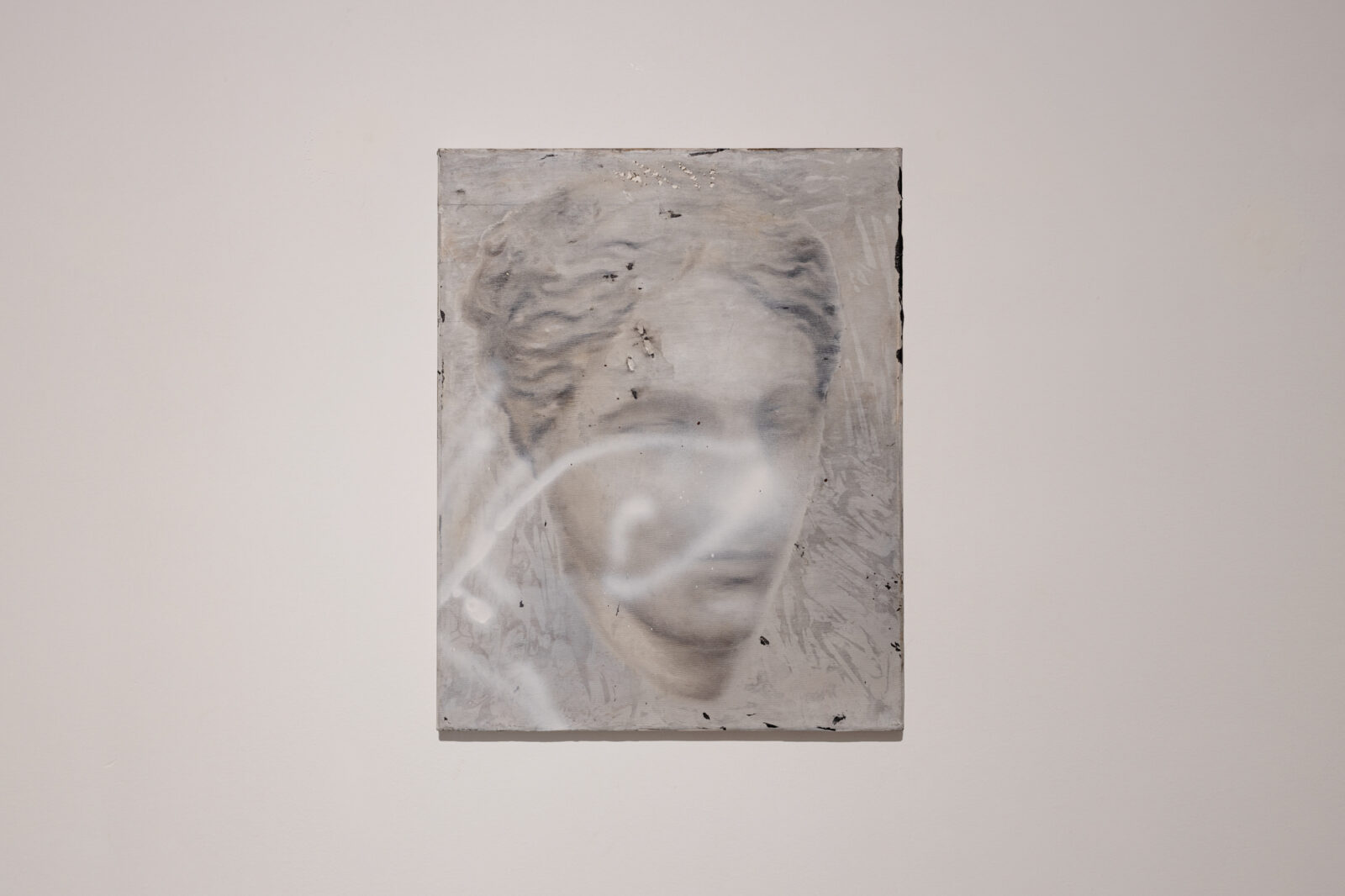
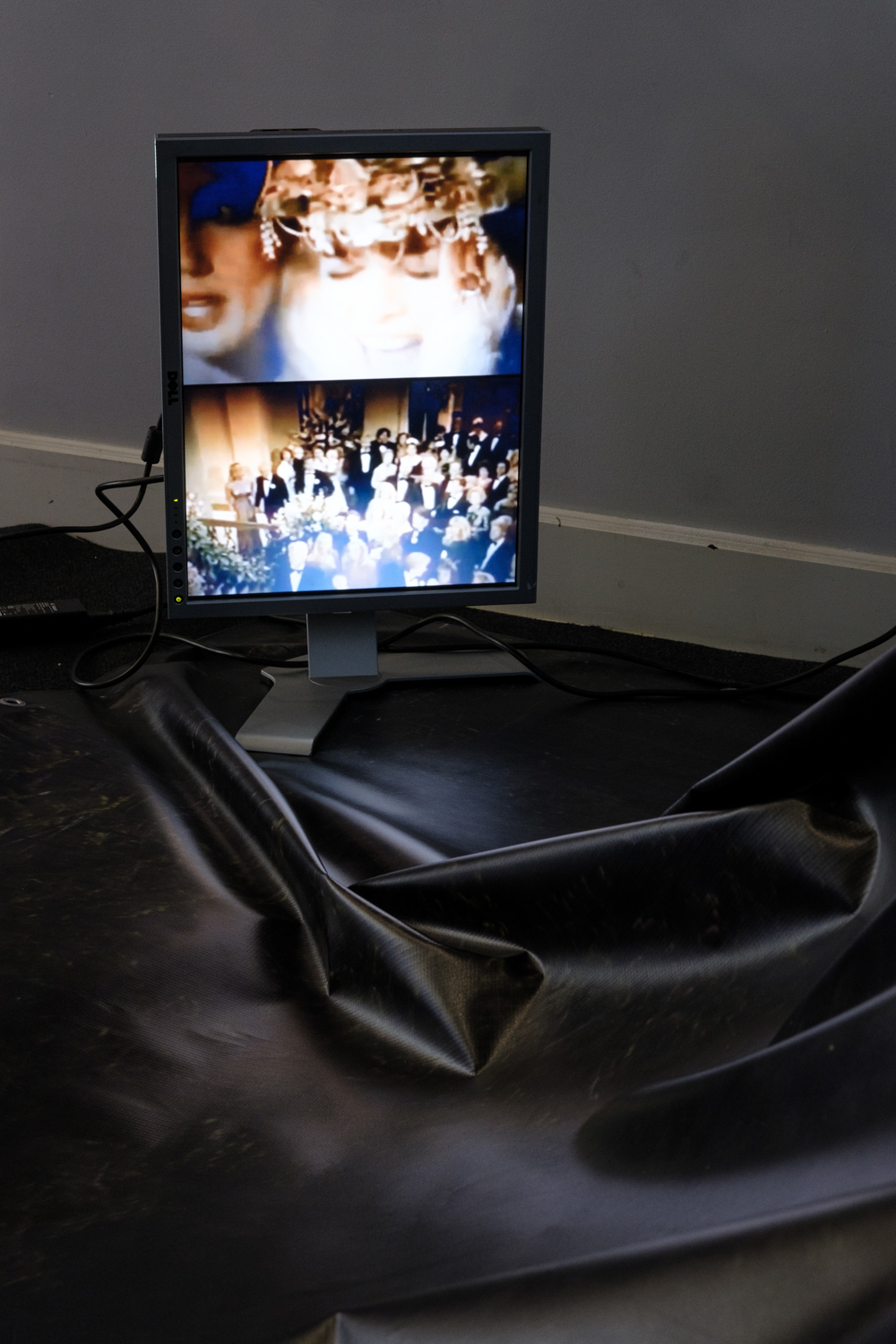
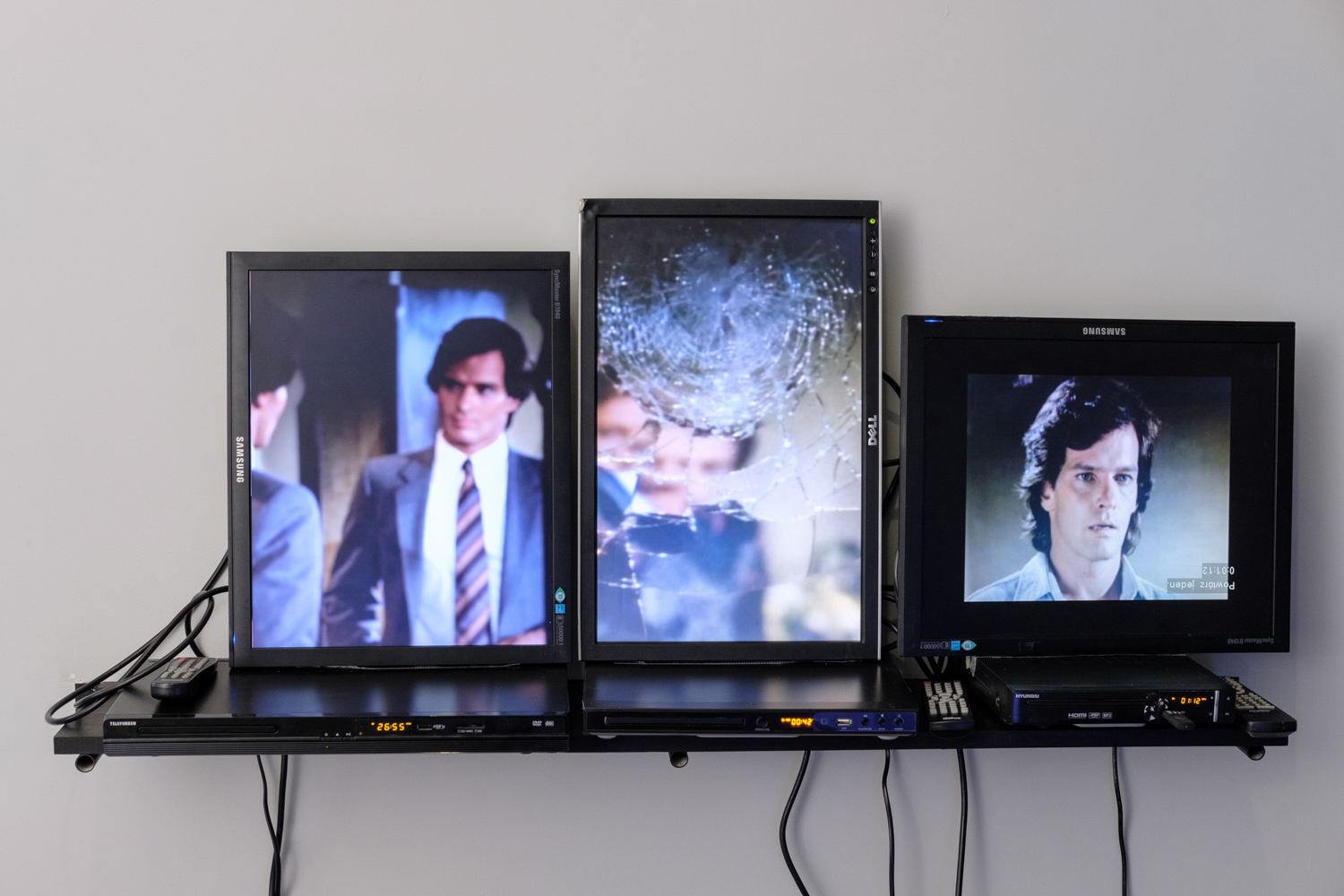
The exhibition reflects on ideas that, once abandoned in public space, gradually lose their clarity, merge with their surroundings and undergo a process of erosion. “Olympiad examines how historical forms are appropriated by new political agendas, and how the erosion of identity creates space for reinterpretation,” says Wiatrak.
Wrocław—a city whose history has been rewritten time and again—provides the ideal setting for this investigation. The exhibition traces the overlapping narratives of Prussian, Polish and late-capitalist histories as they compete for dominance, while simultaneously constructing a new narrative of its own through playful reinterpretation and an attempt to reclaim agency in the way we look at inherited public space.
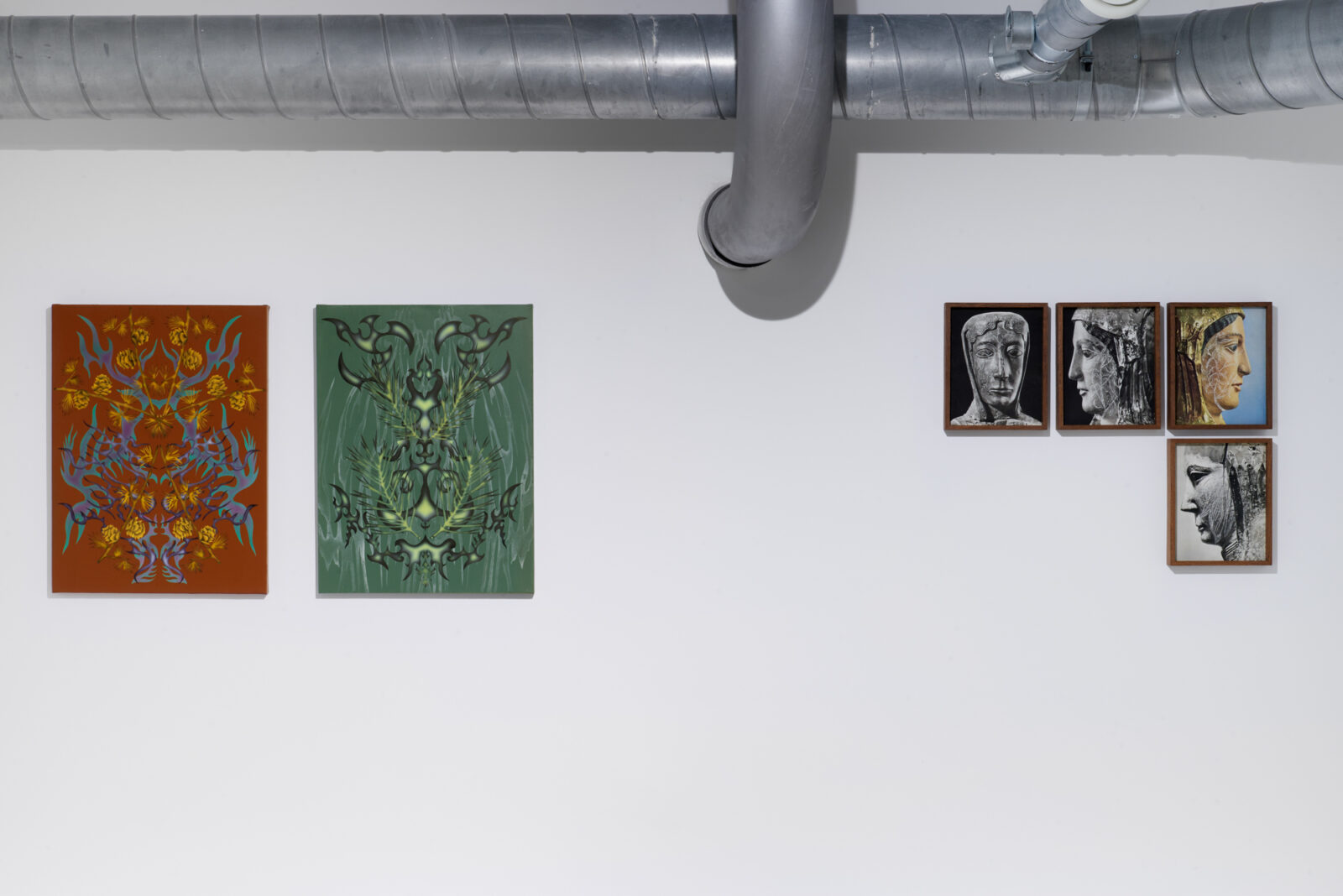
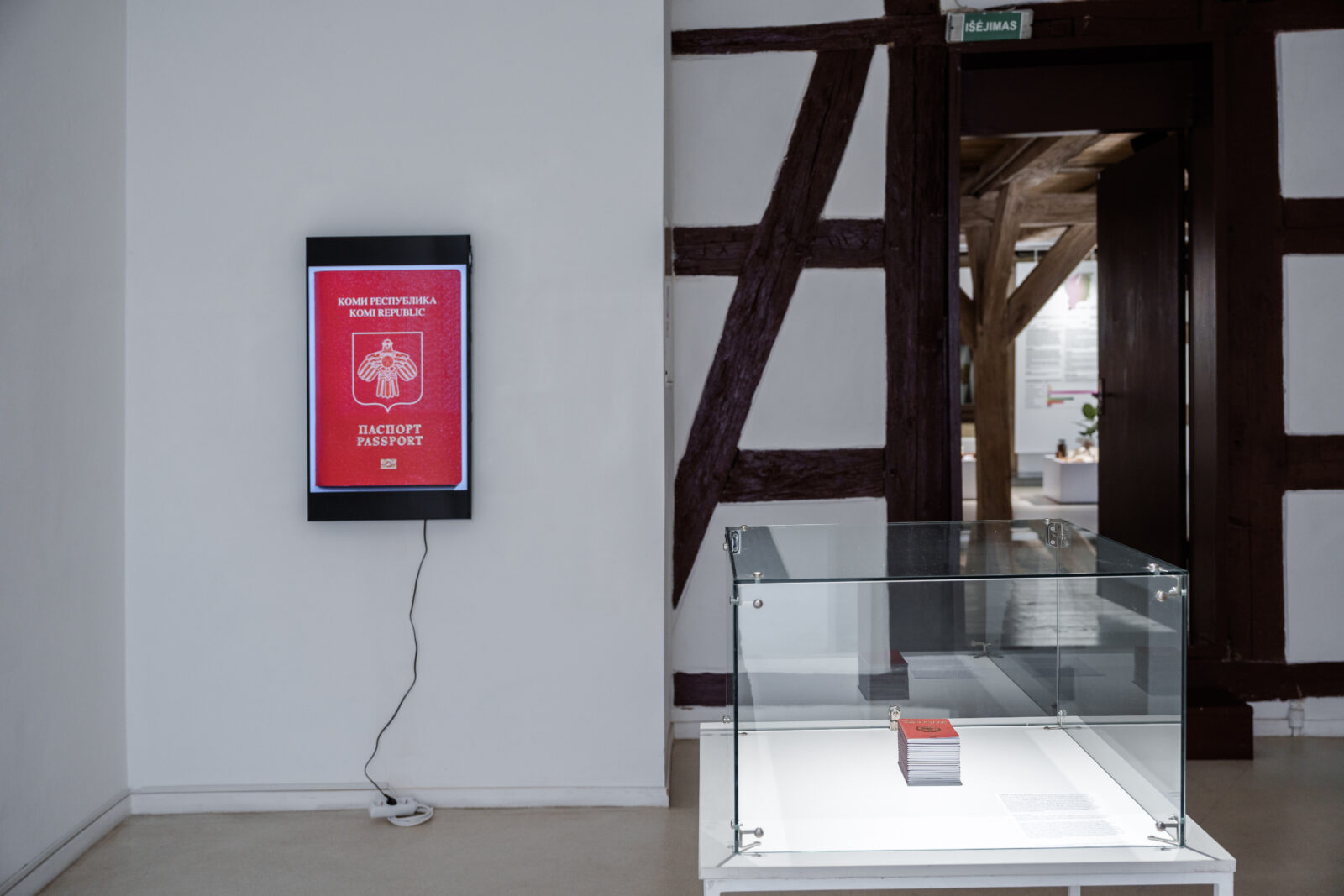
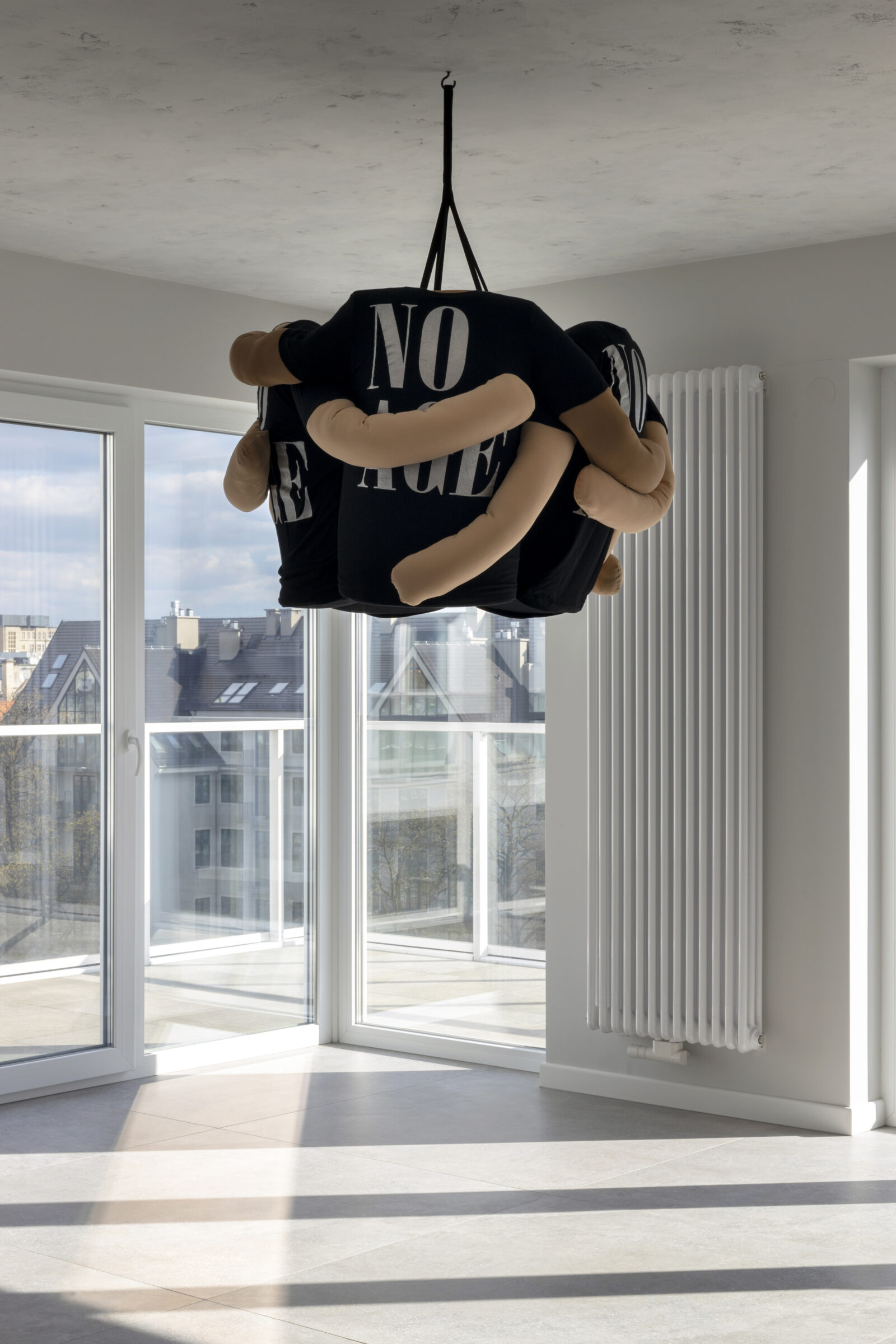
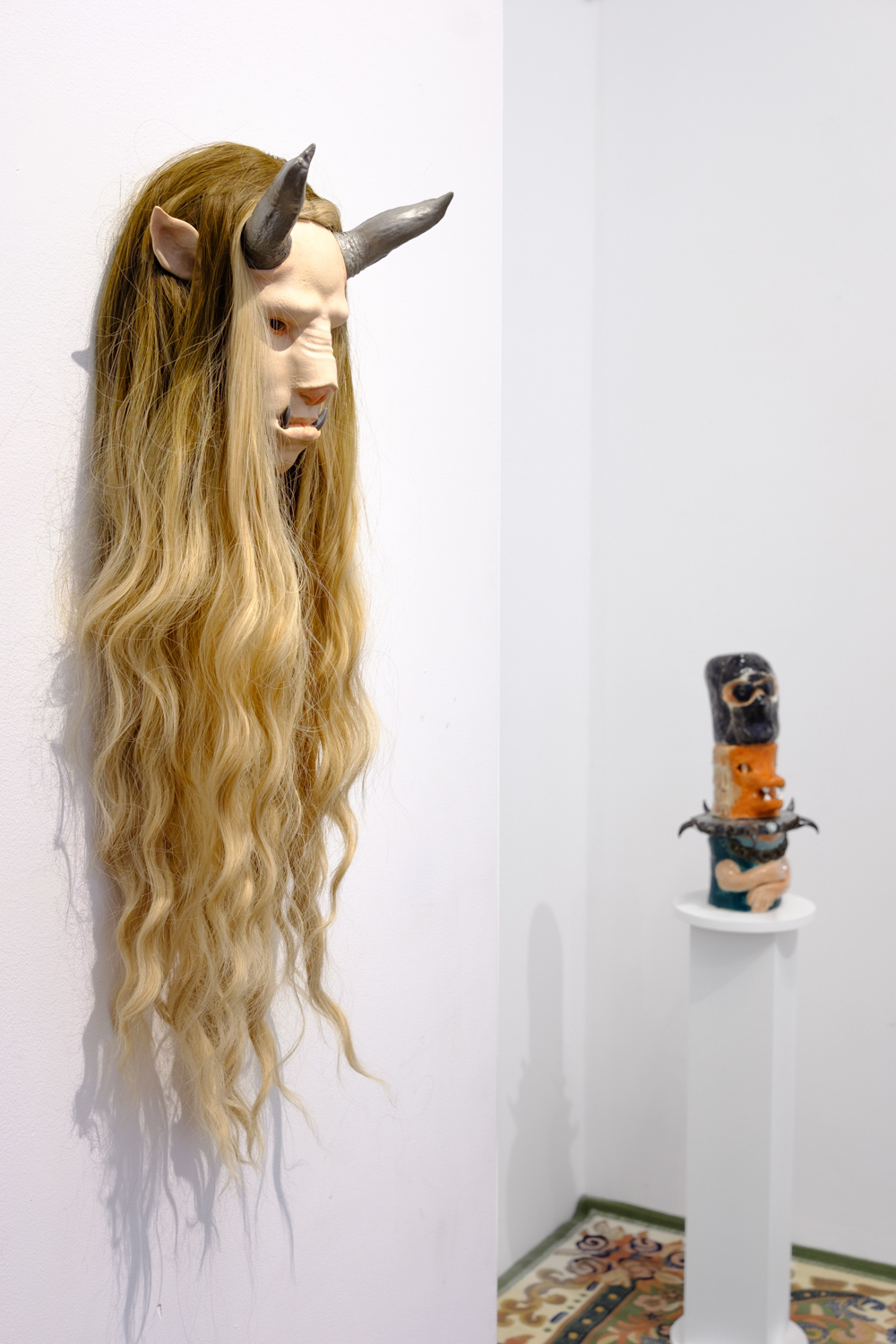
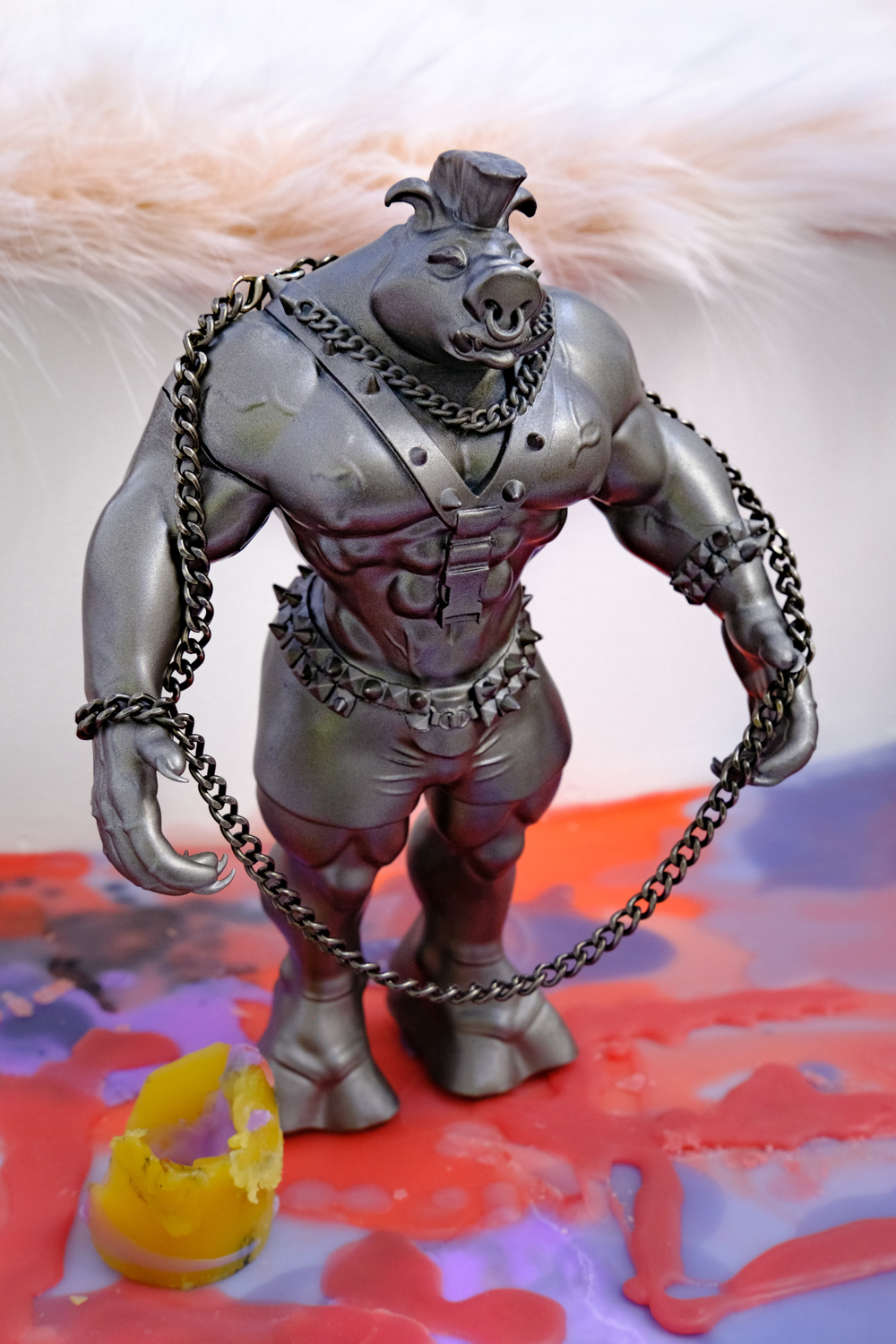
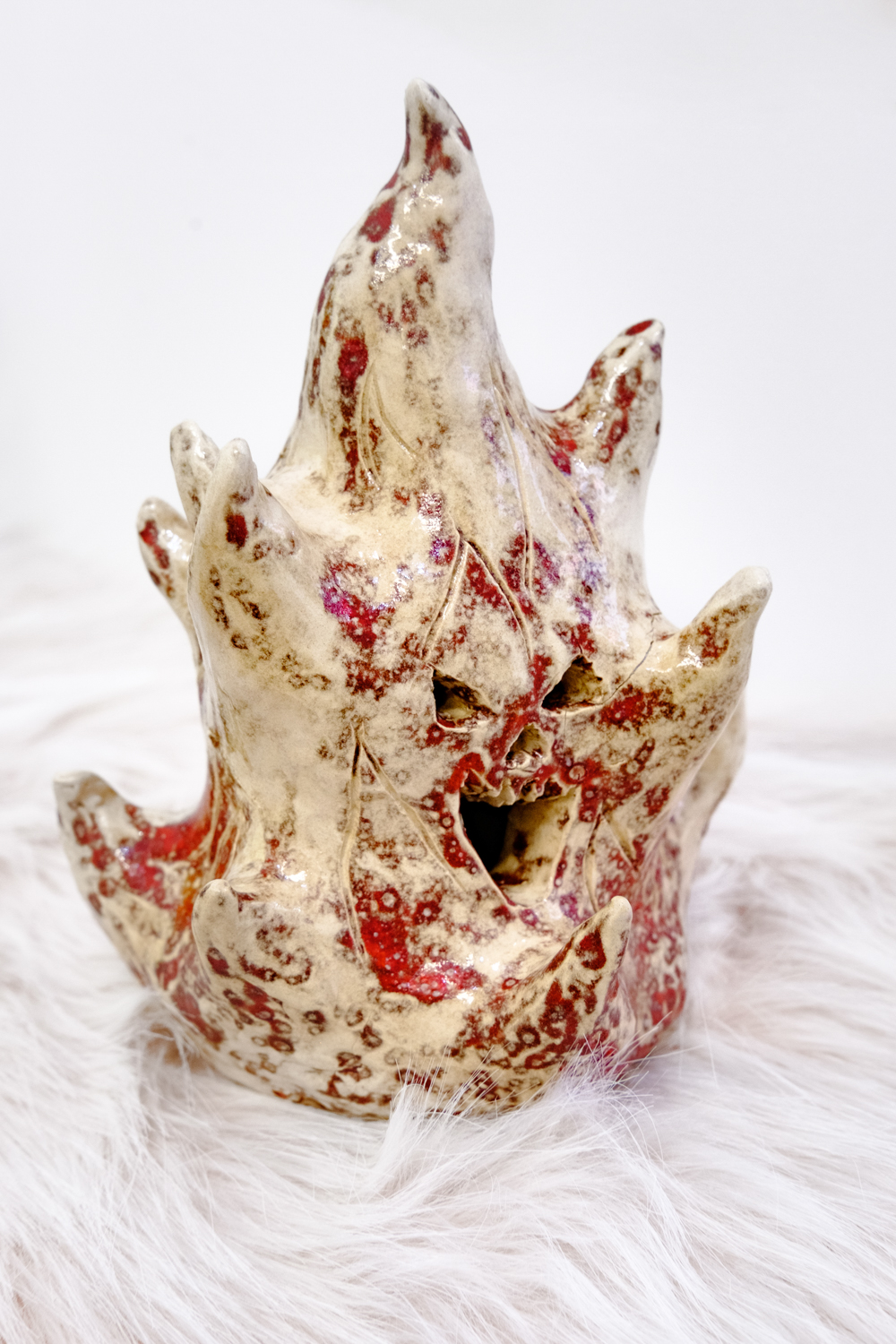
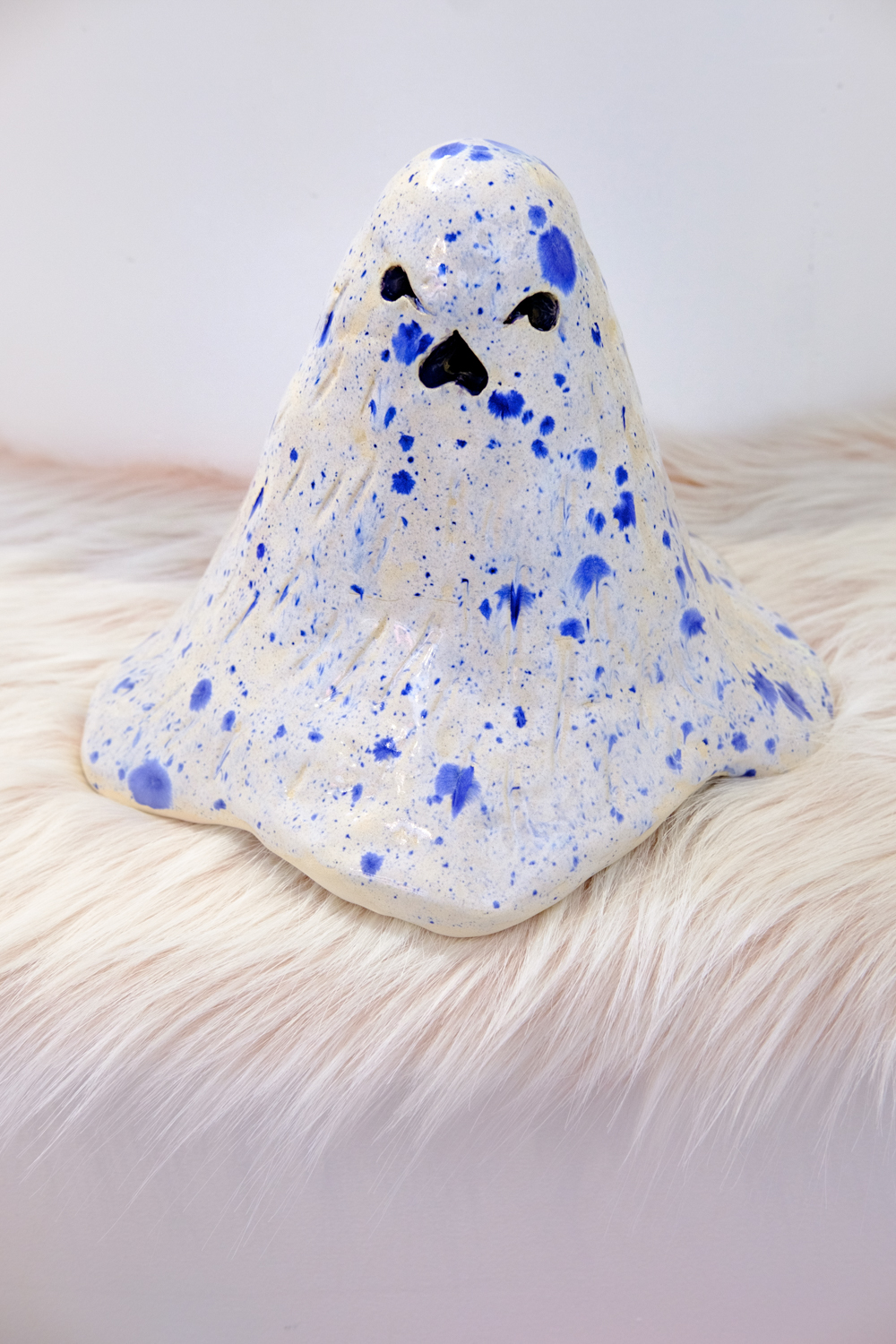
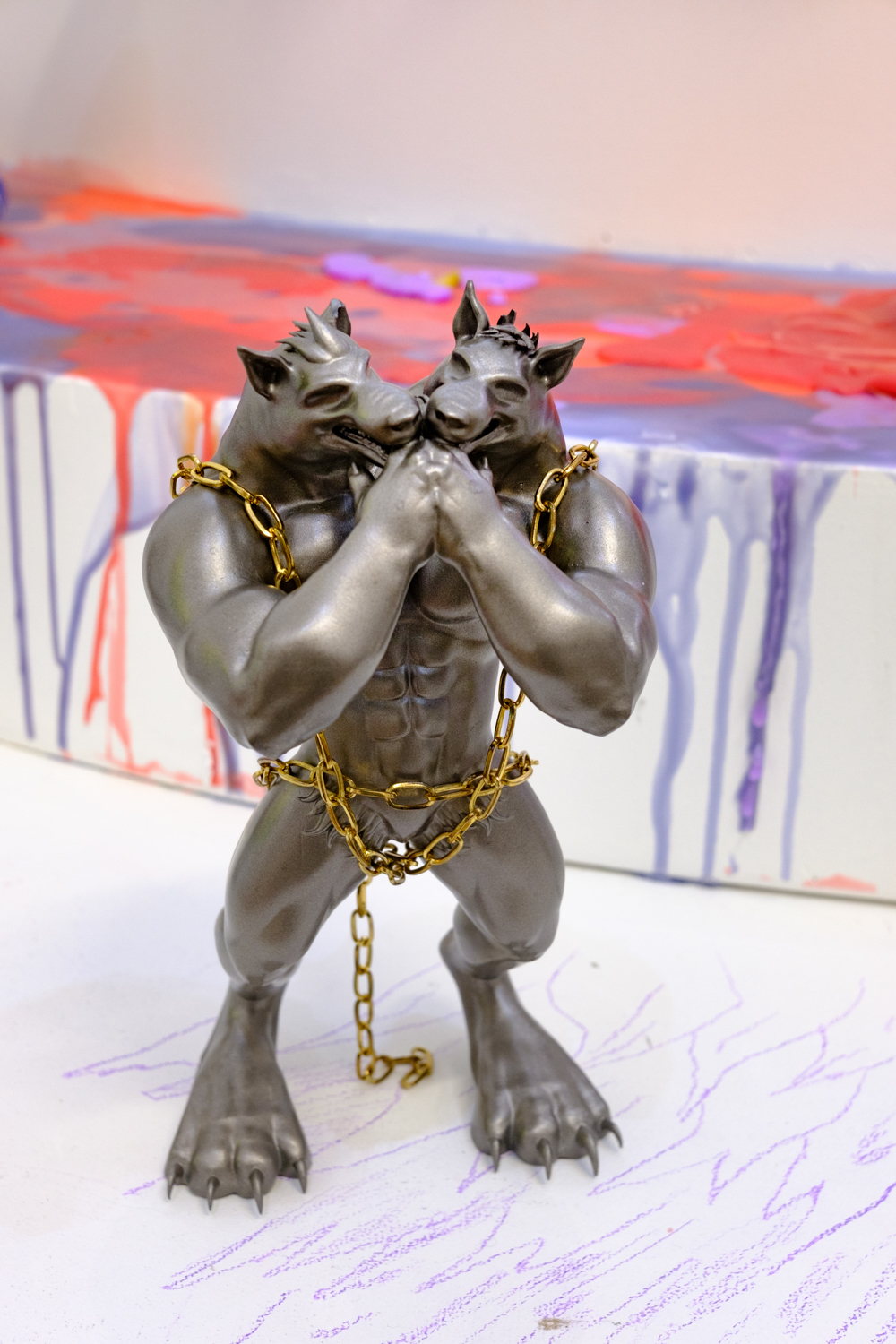
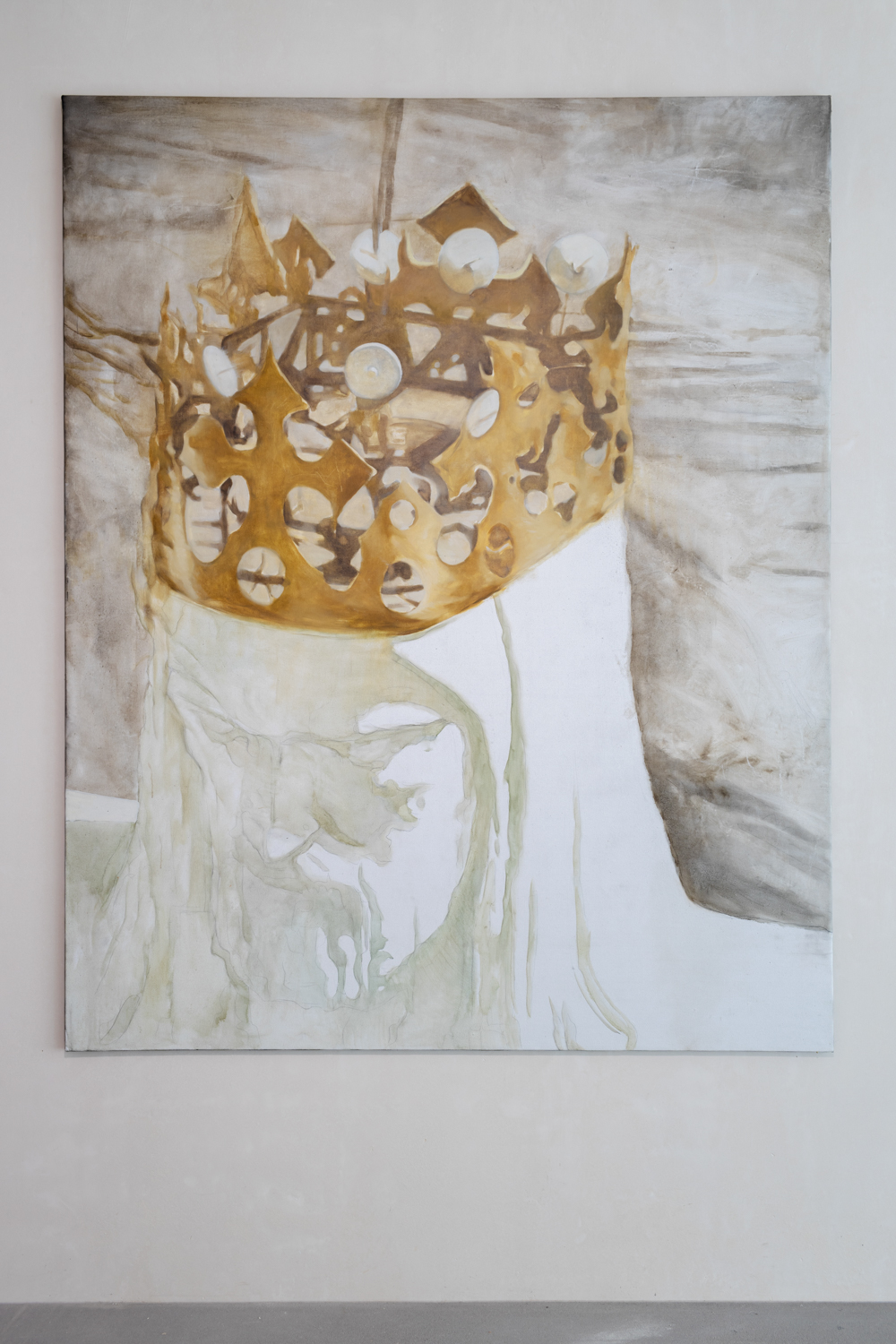
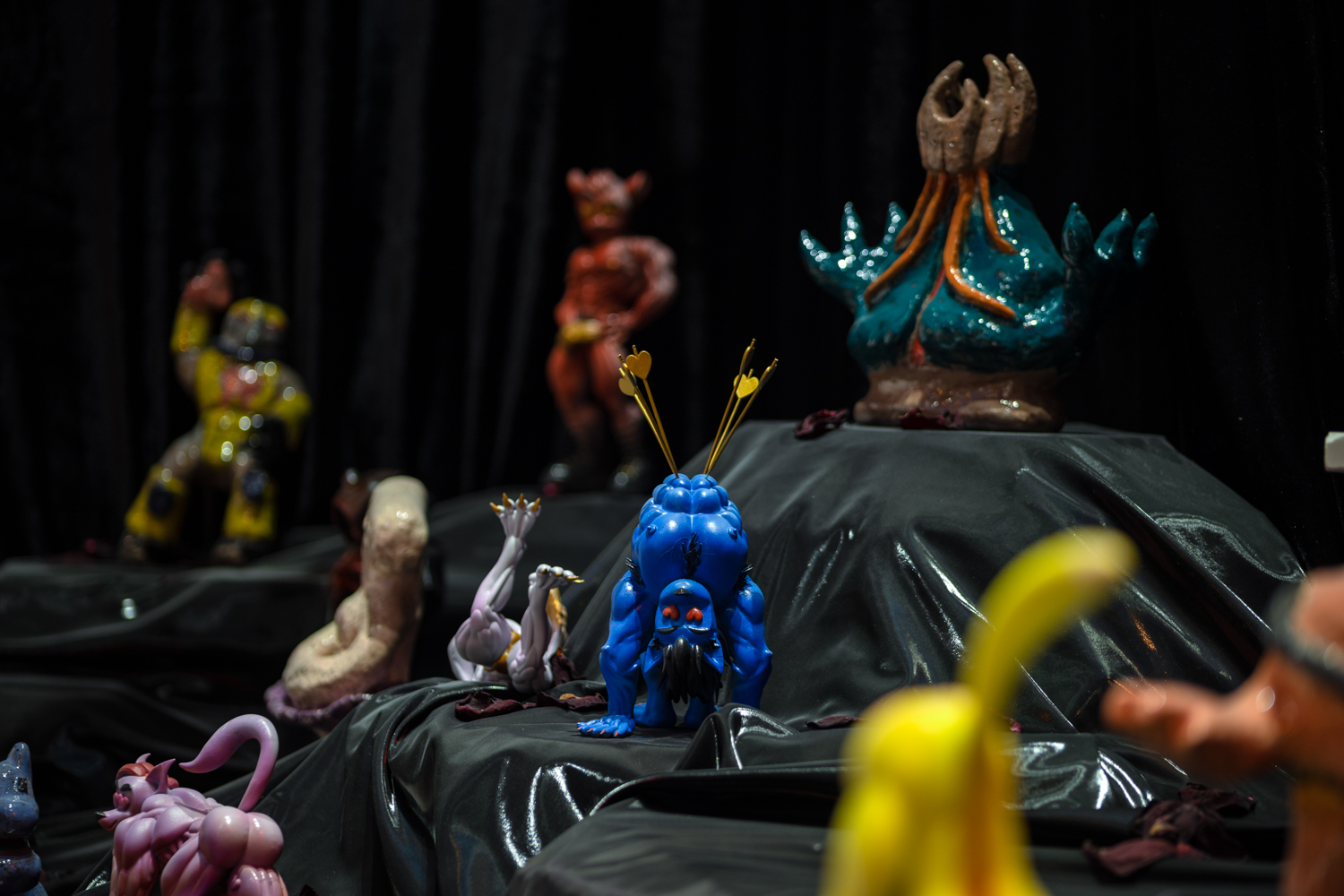
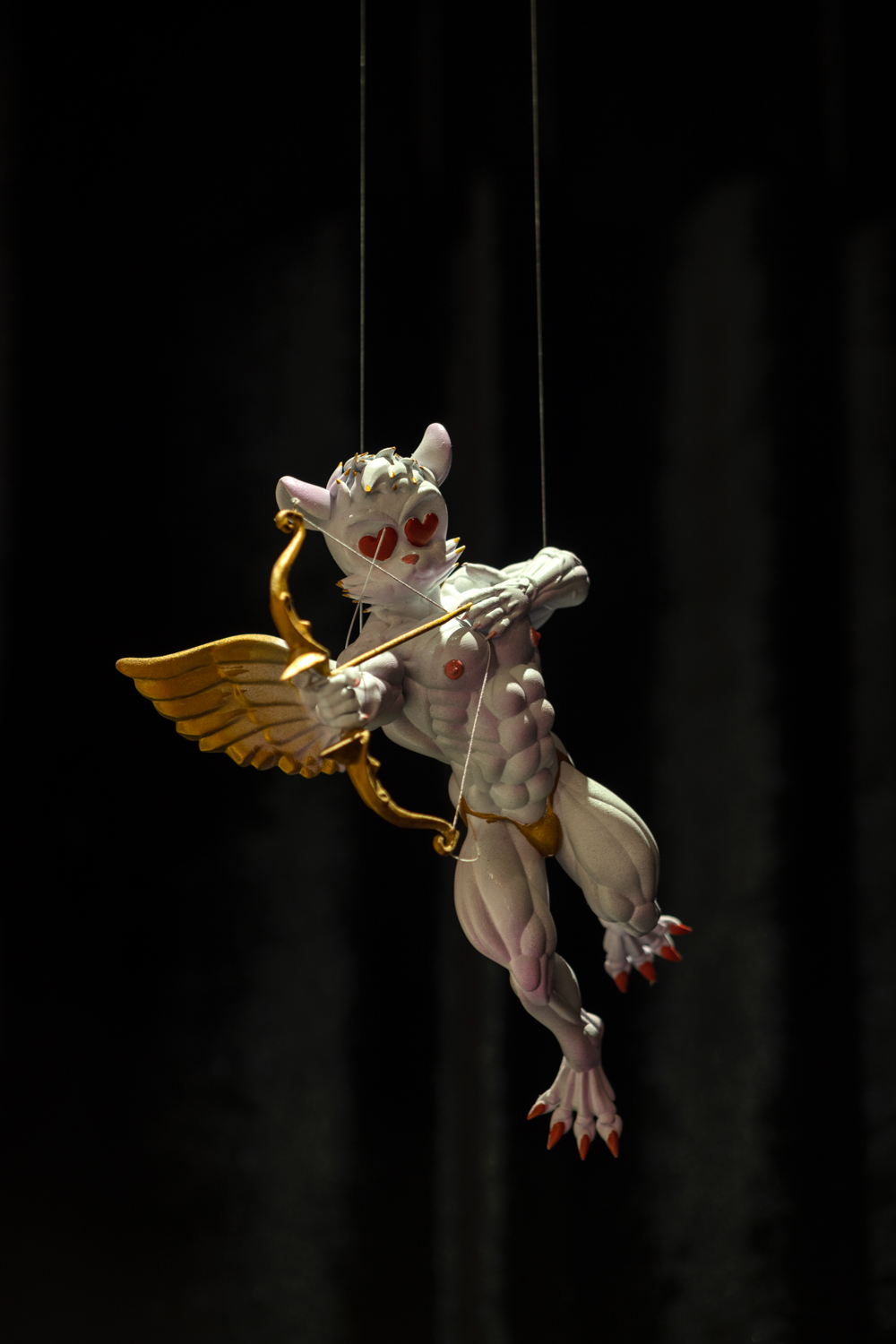
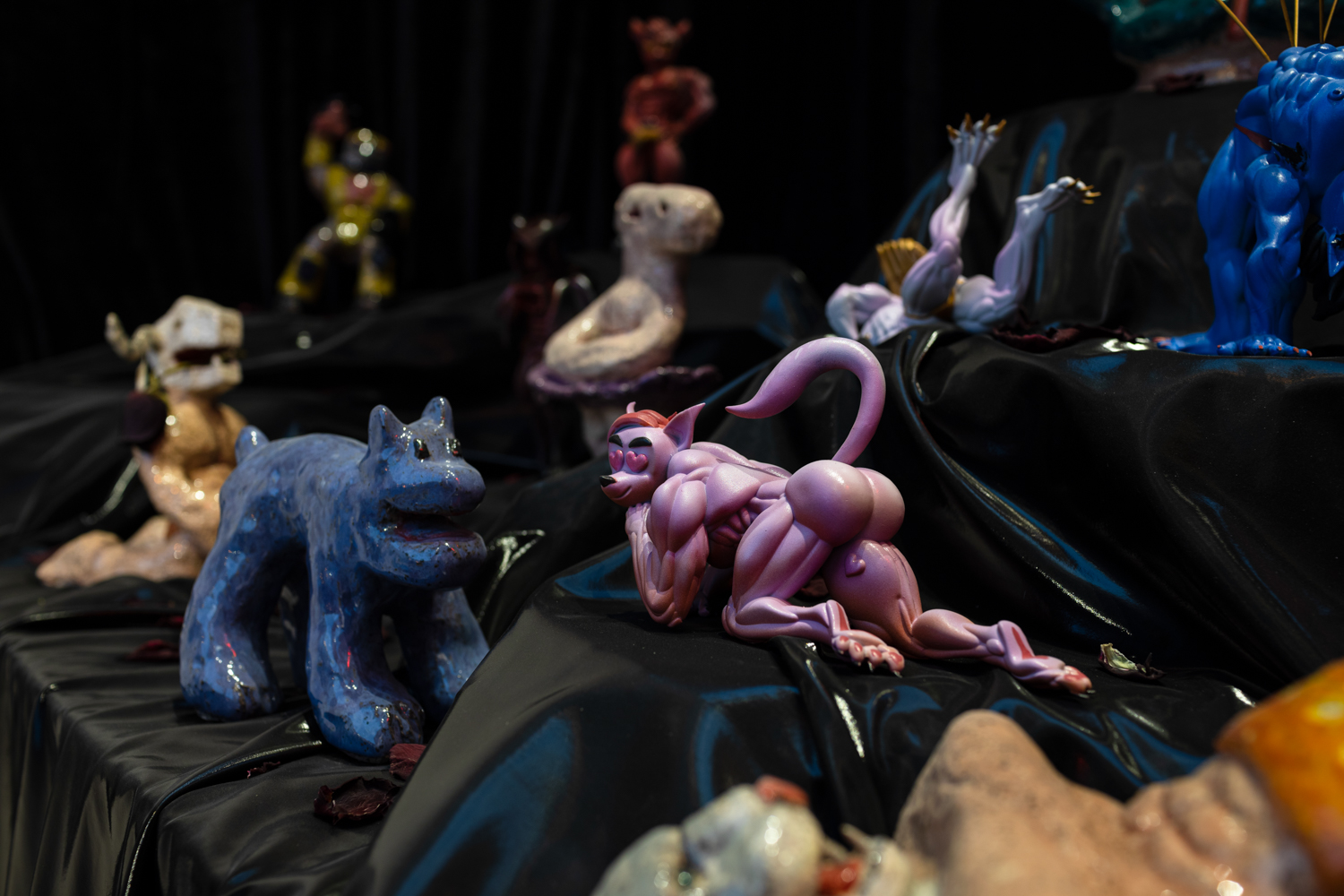
The title Olympiad alludes to the figures of the ancient pantheon, whose images have long served as visual vessels for ideological values: from saints and allegories, to socialist heroes, to contemporary cultural icons. When the underlying idea fades, only the form remains—sometimes seemingly innocent, sometimes perpetuating violence, shame or unattainable ideals. At the same time, the title playfully borrows the authority of antiquity to lend itself greater credibility.
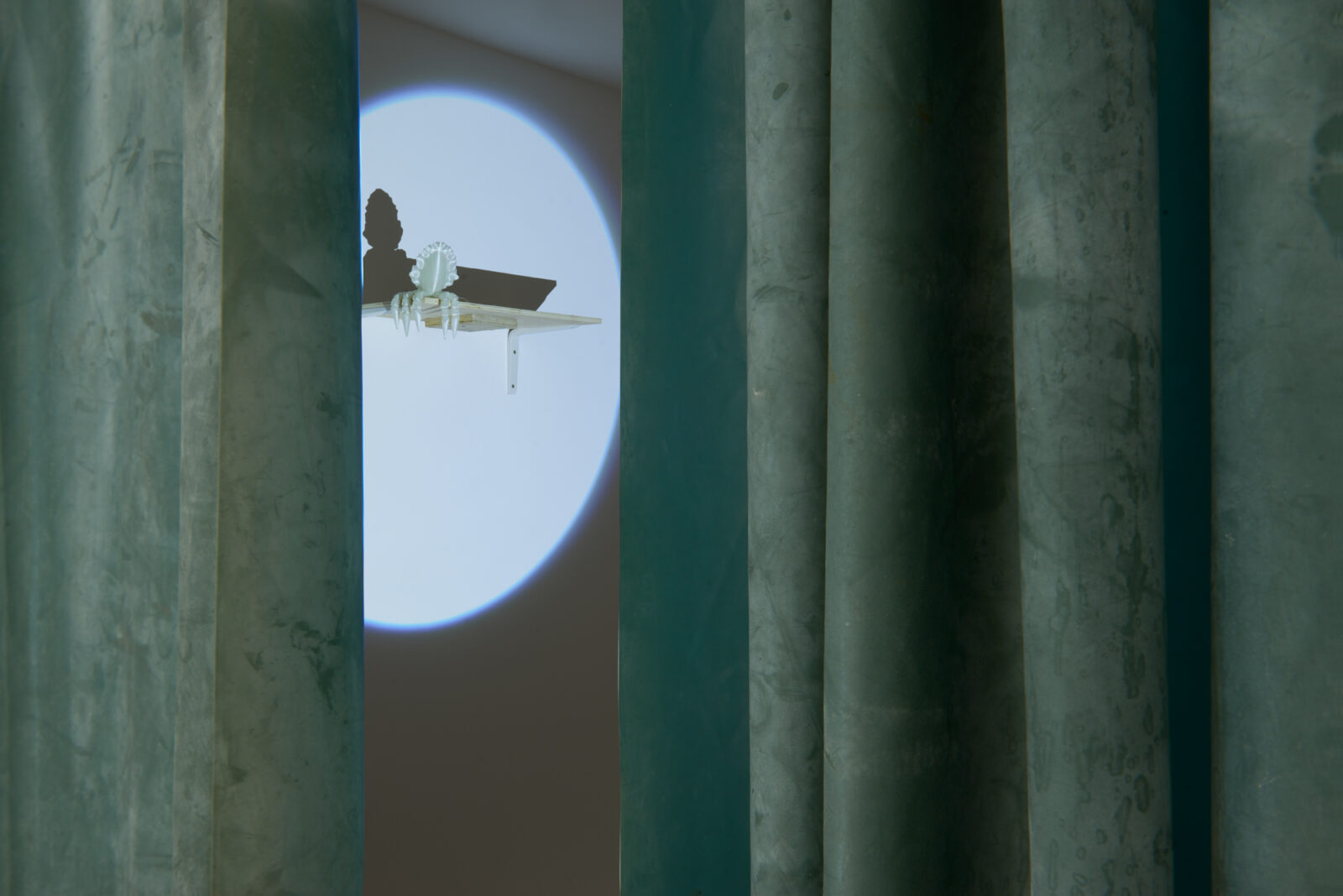
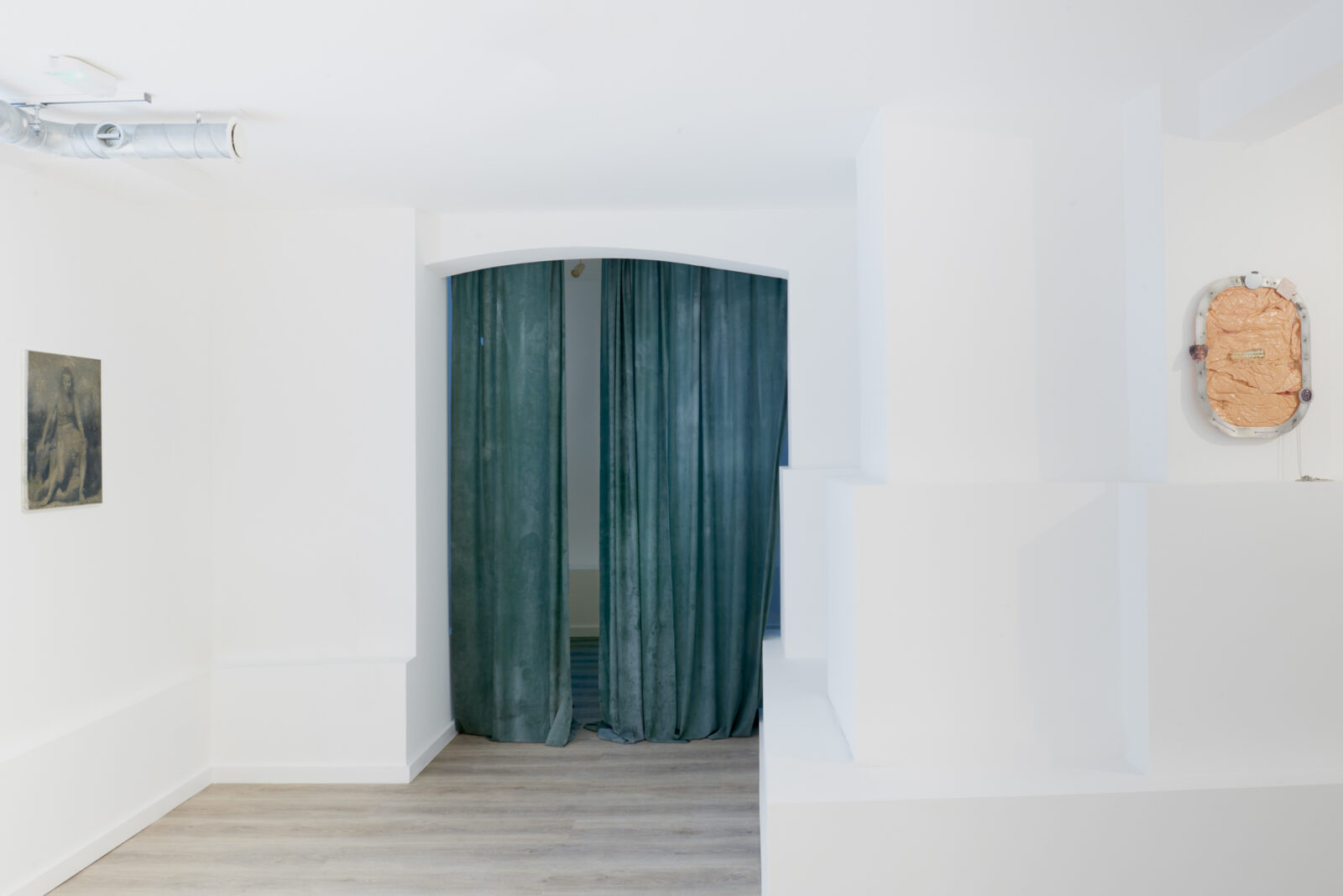
The exhibition invites viewers to see the world from the perspective of a monument displaced from both time and place—an object that has survived so many competing narratives that none can fully claim it anymore. By being presented successively in Wrocław, Warsaw and Gdynia, Olympiad I expands beyond a local history, revealing the universal mechanisms through which monuments, memory and ideology continue to shape one another.





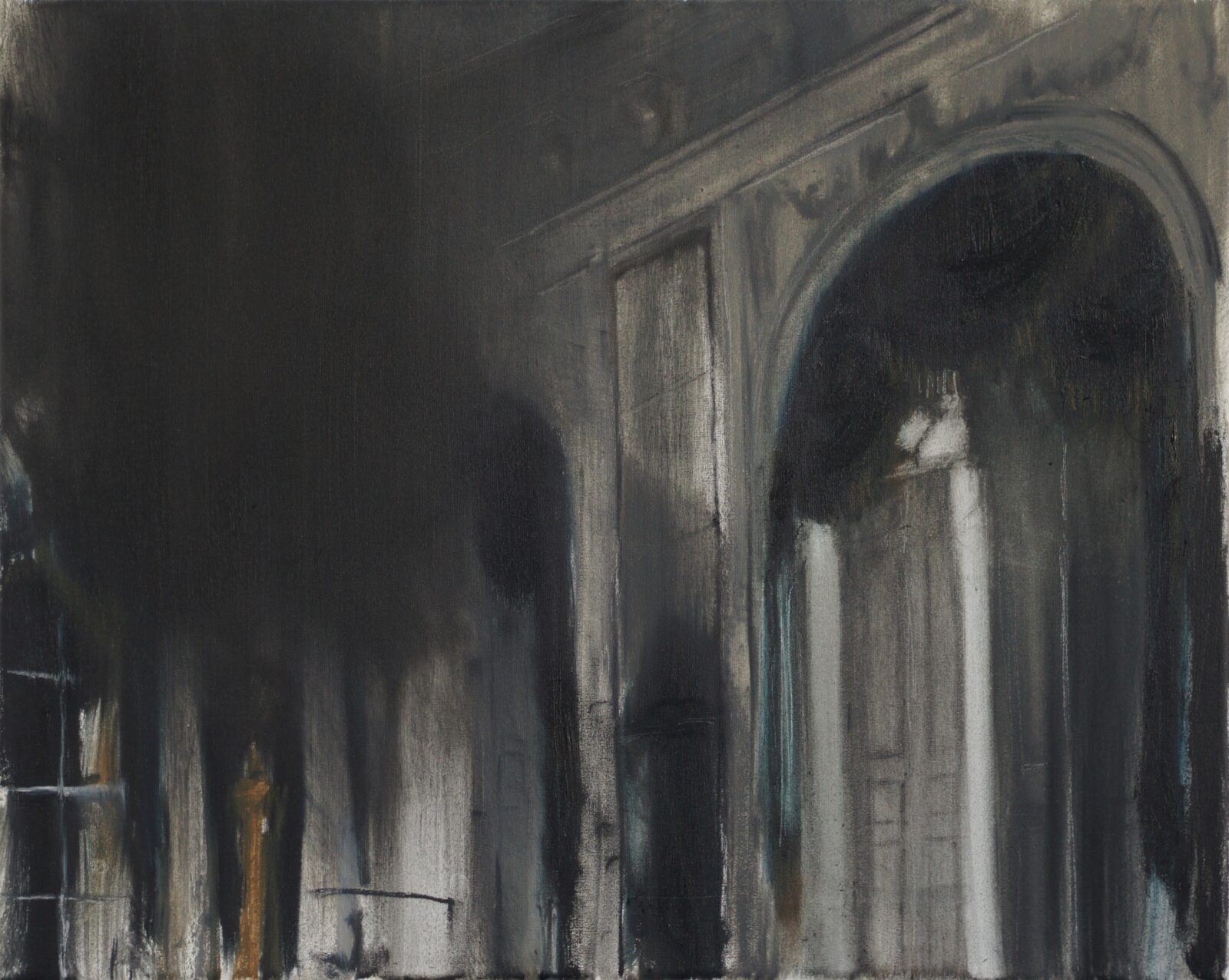




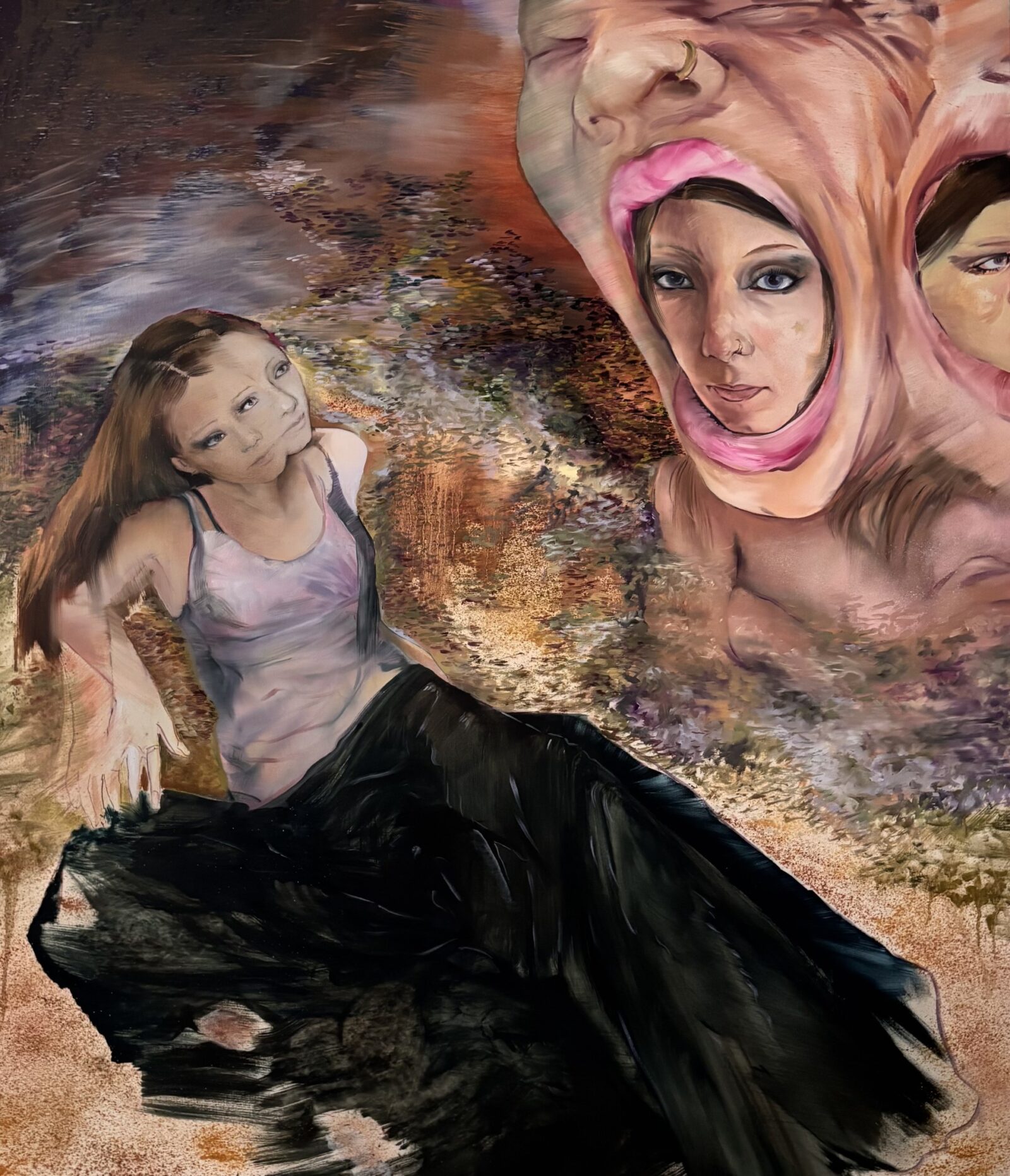















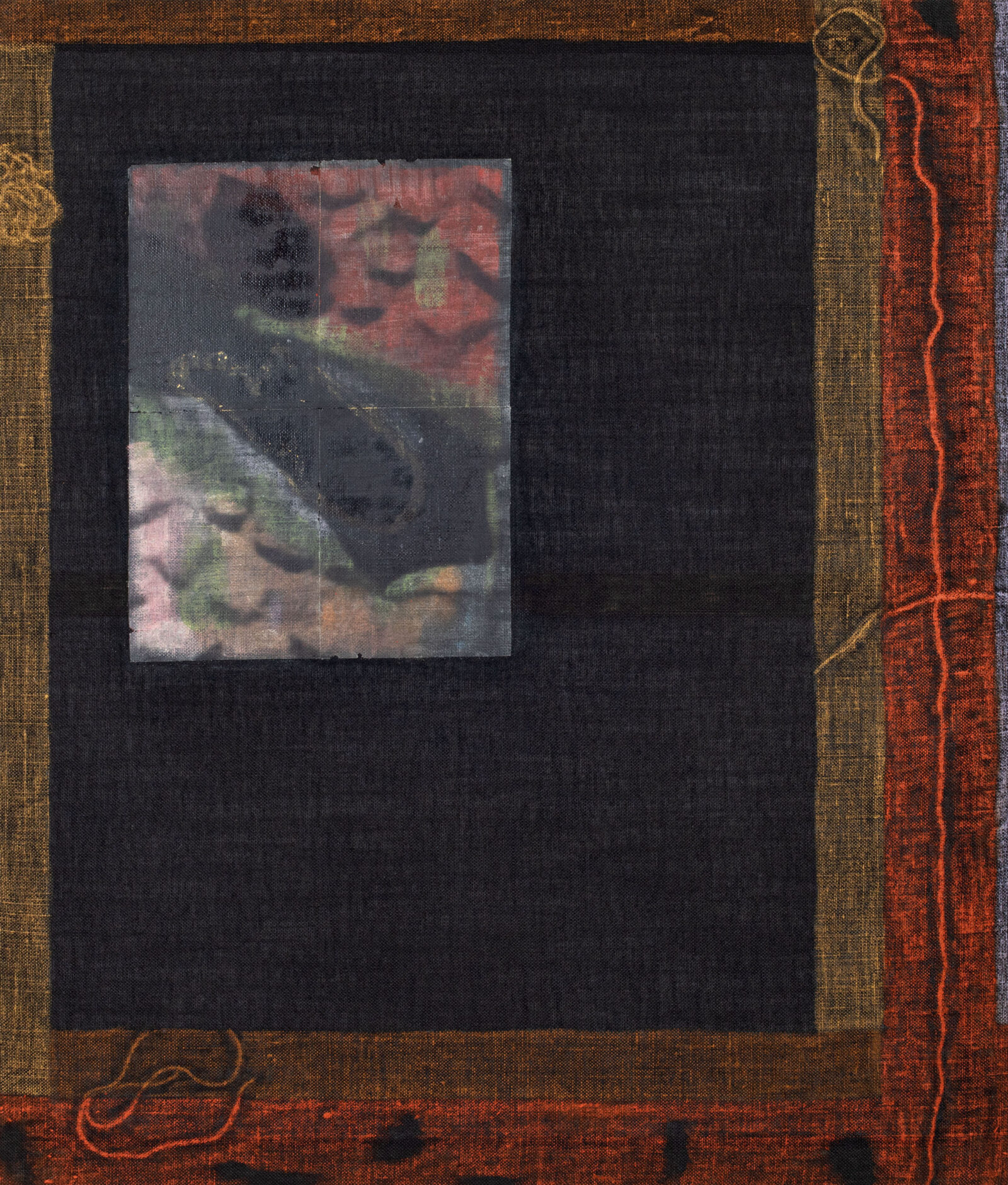

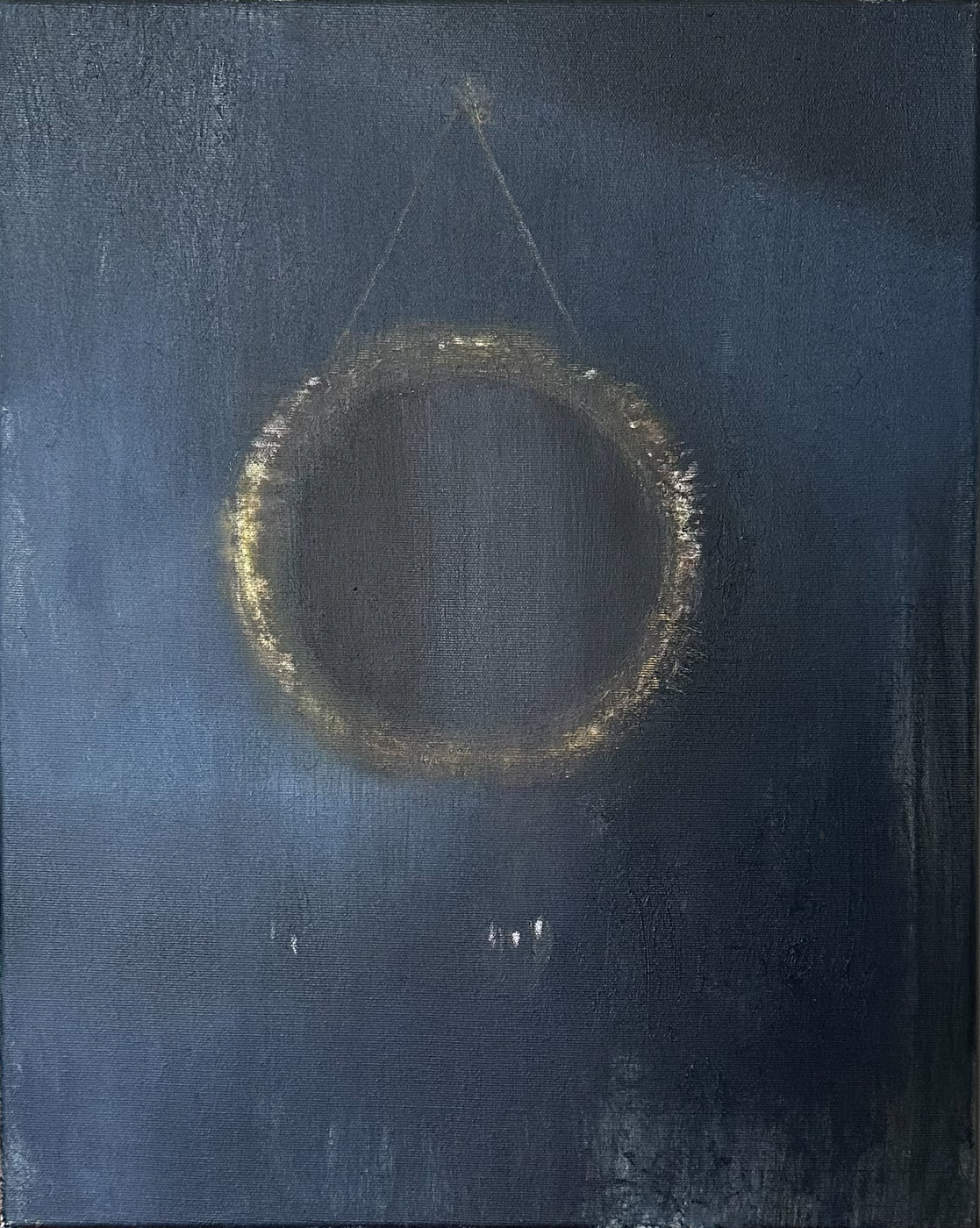
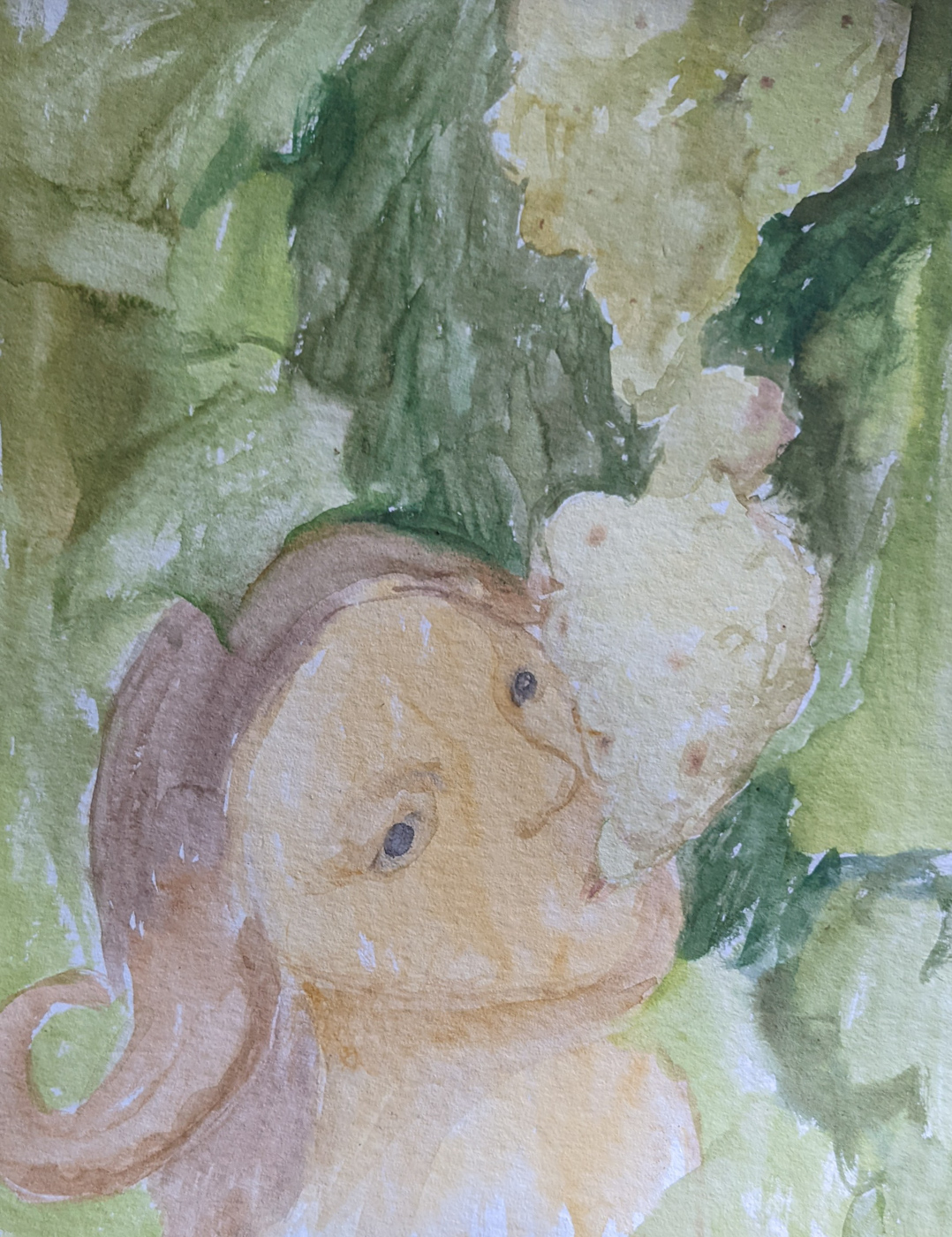




















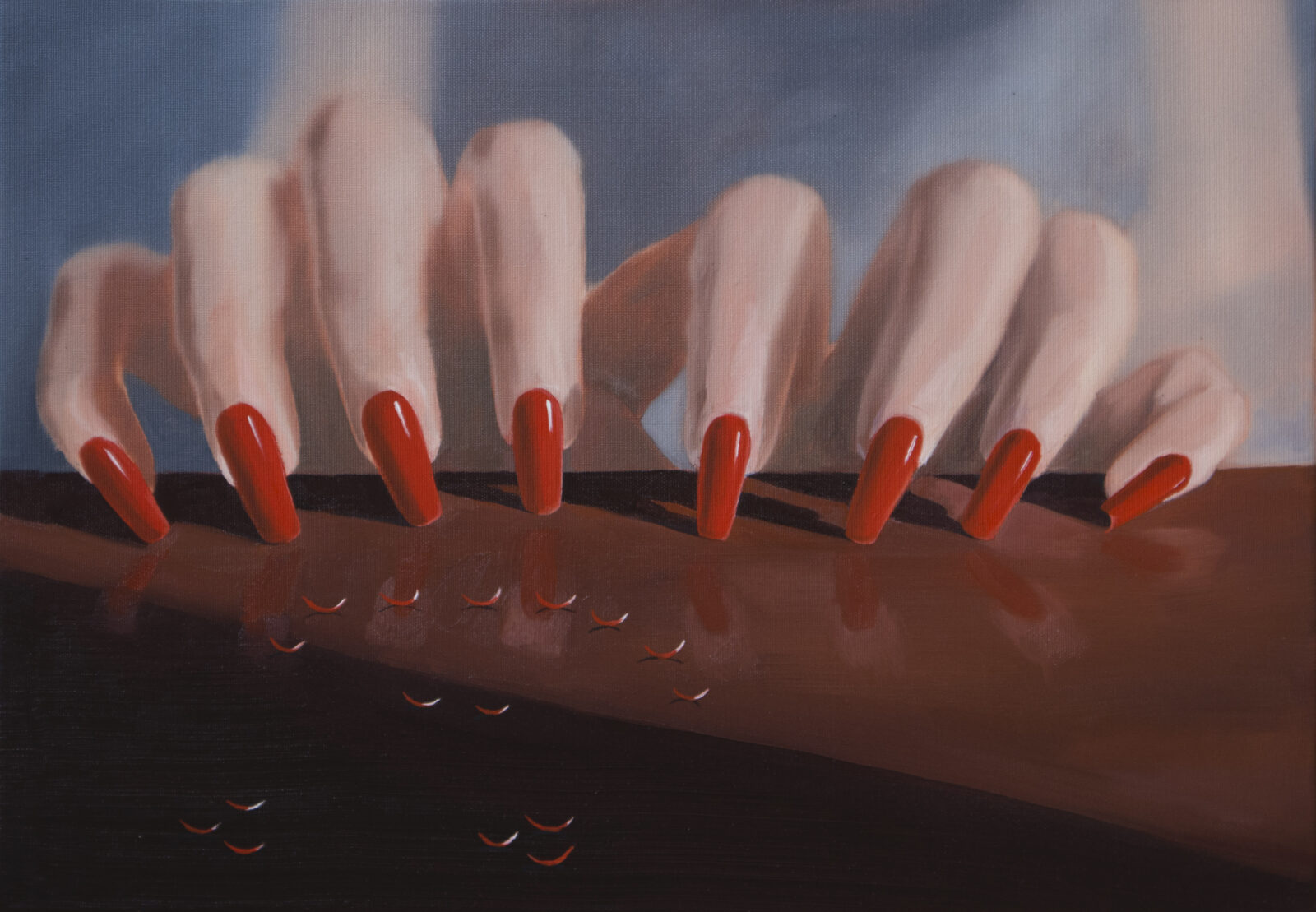
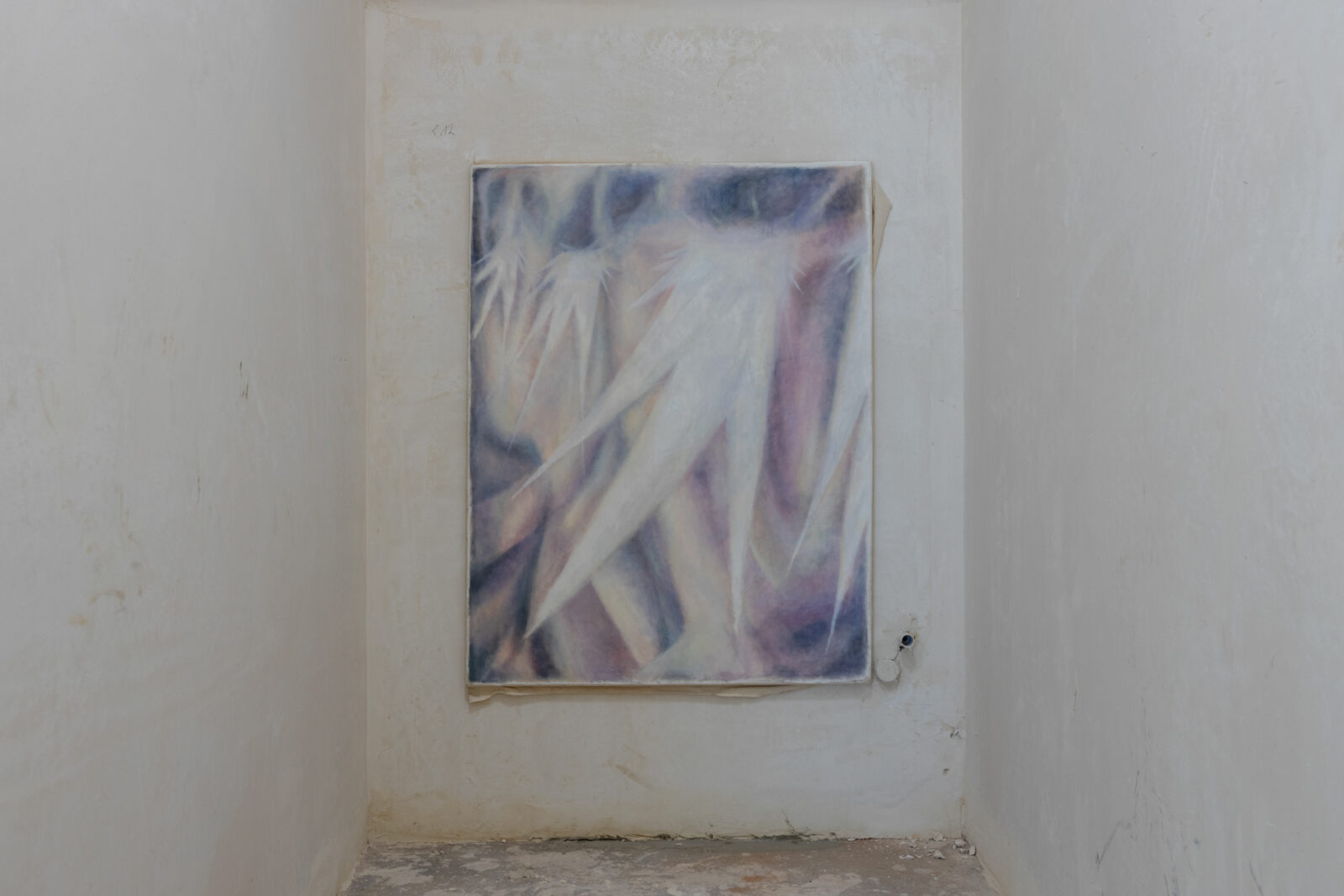
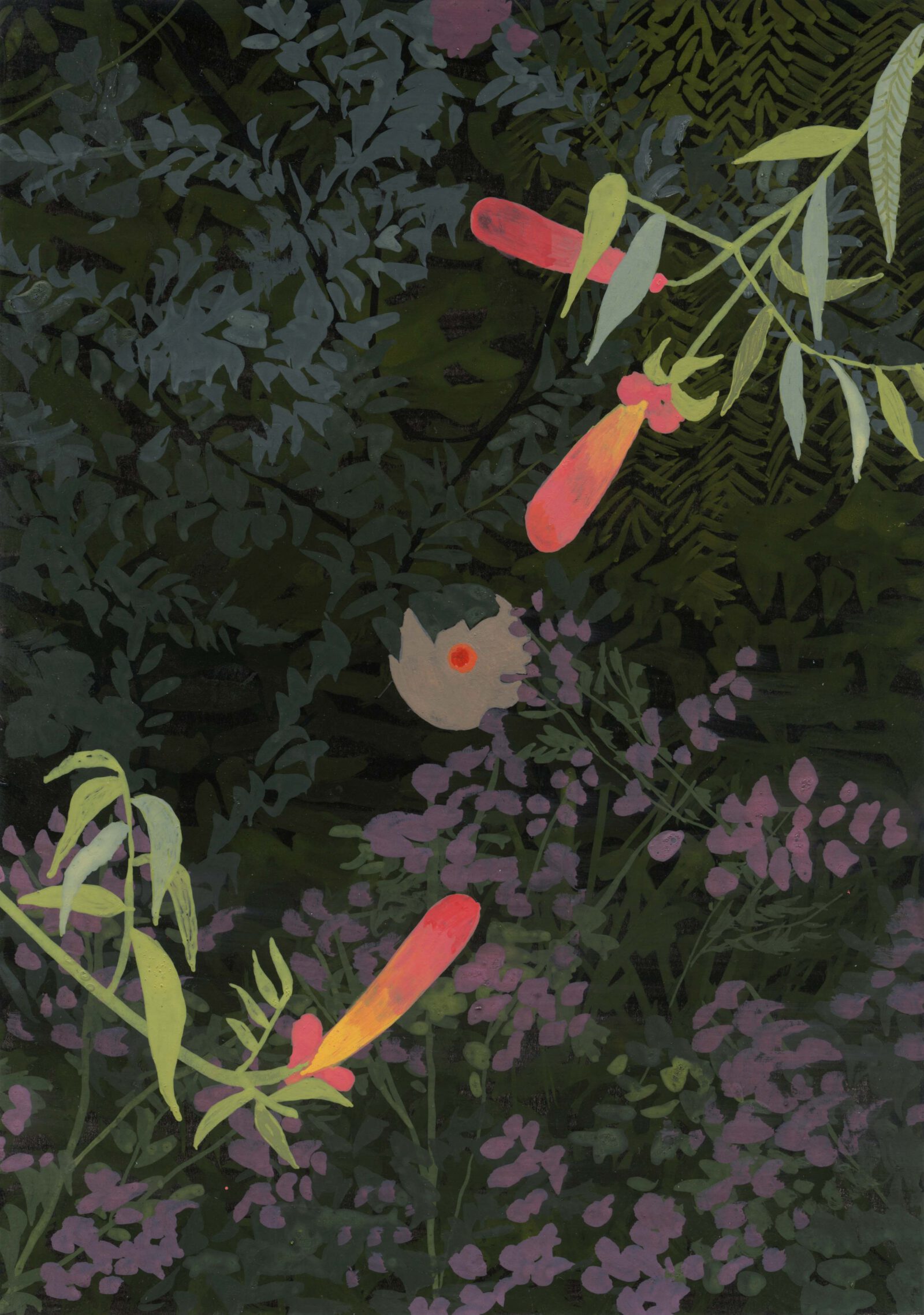
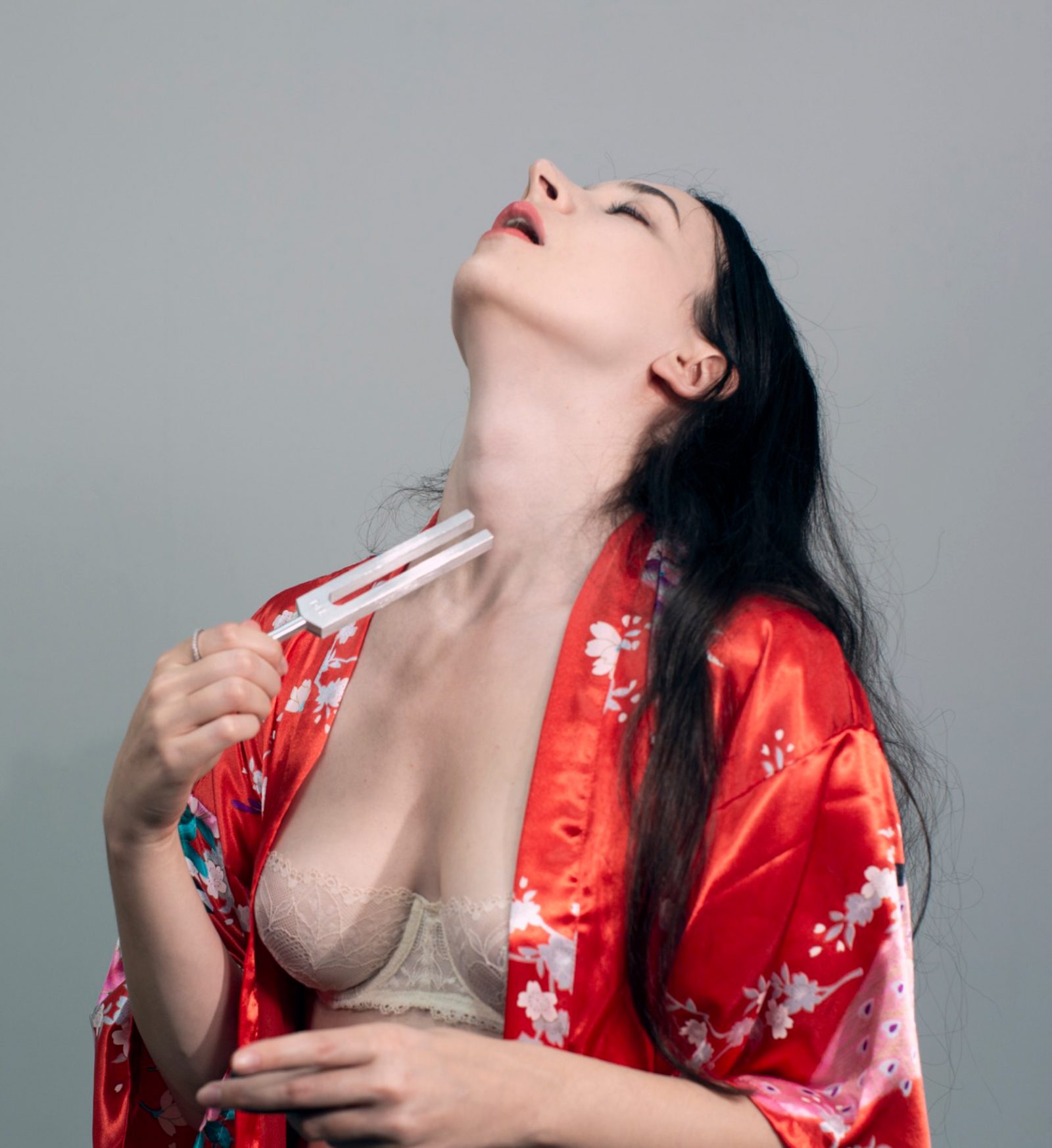
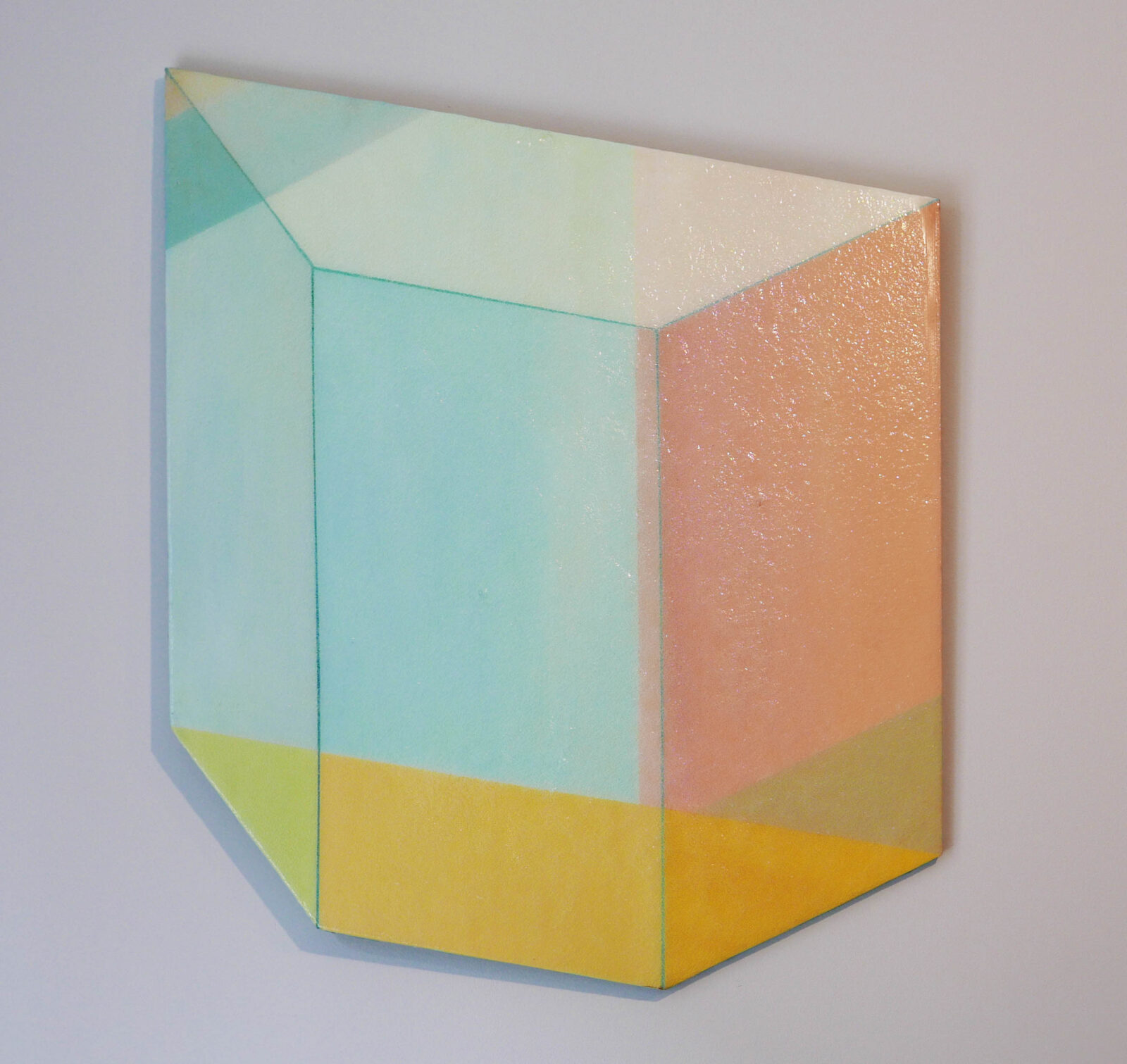
![Free Relationships of a Non-free Girl [Acacia, Old Town Park, Wrocław], oil on canvas, 73x92cm, 2021](https://krupagallery.pl/wp-content/uploads/2021/07/rozwiaxxzle-zwiaxxzki-zwiaxxzanej-dziewczyny-olej-na-ploxxtnie-2021-1600x2018.jpeg)