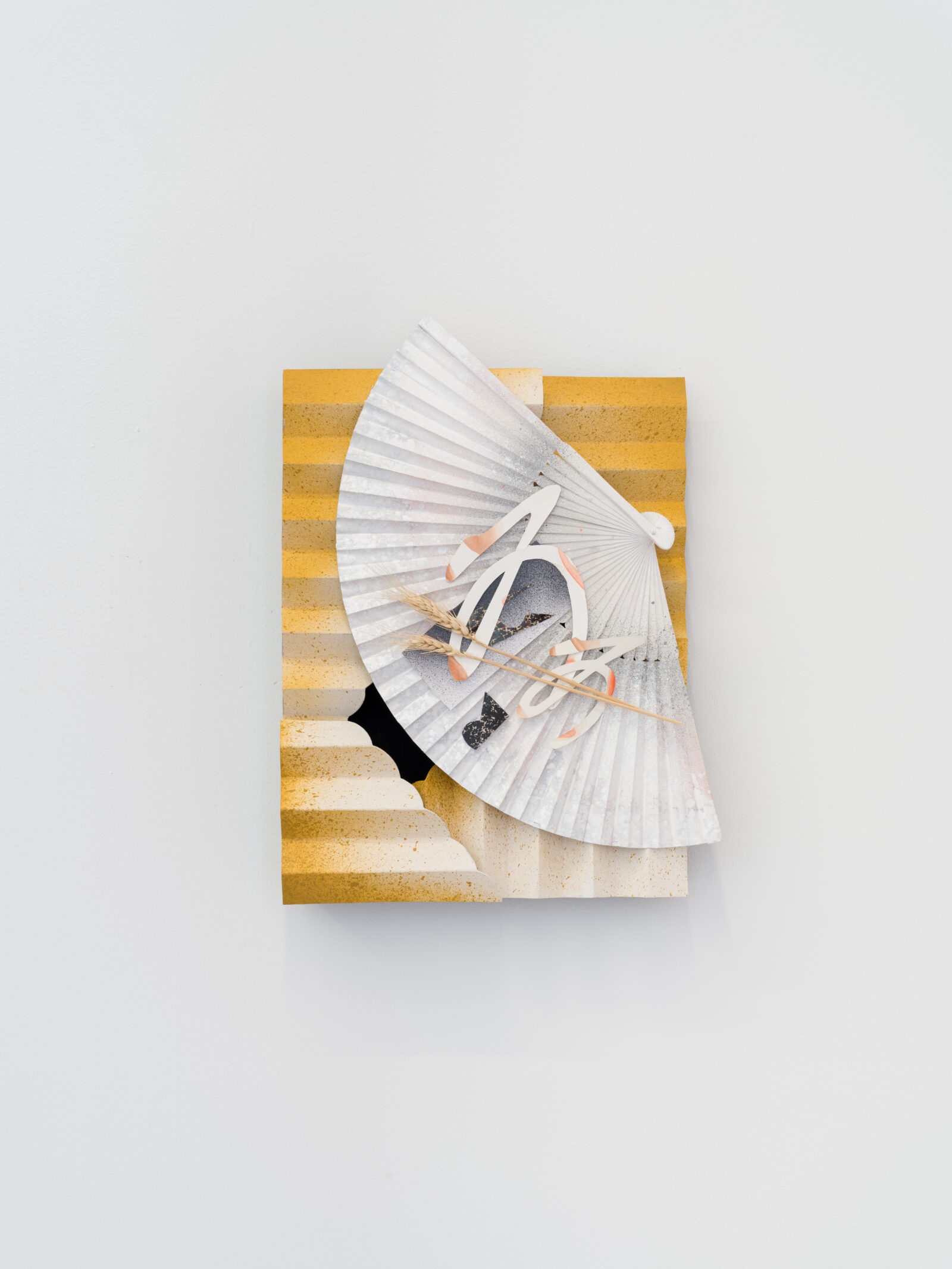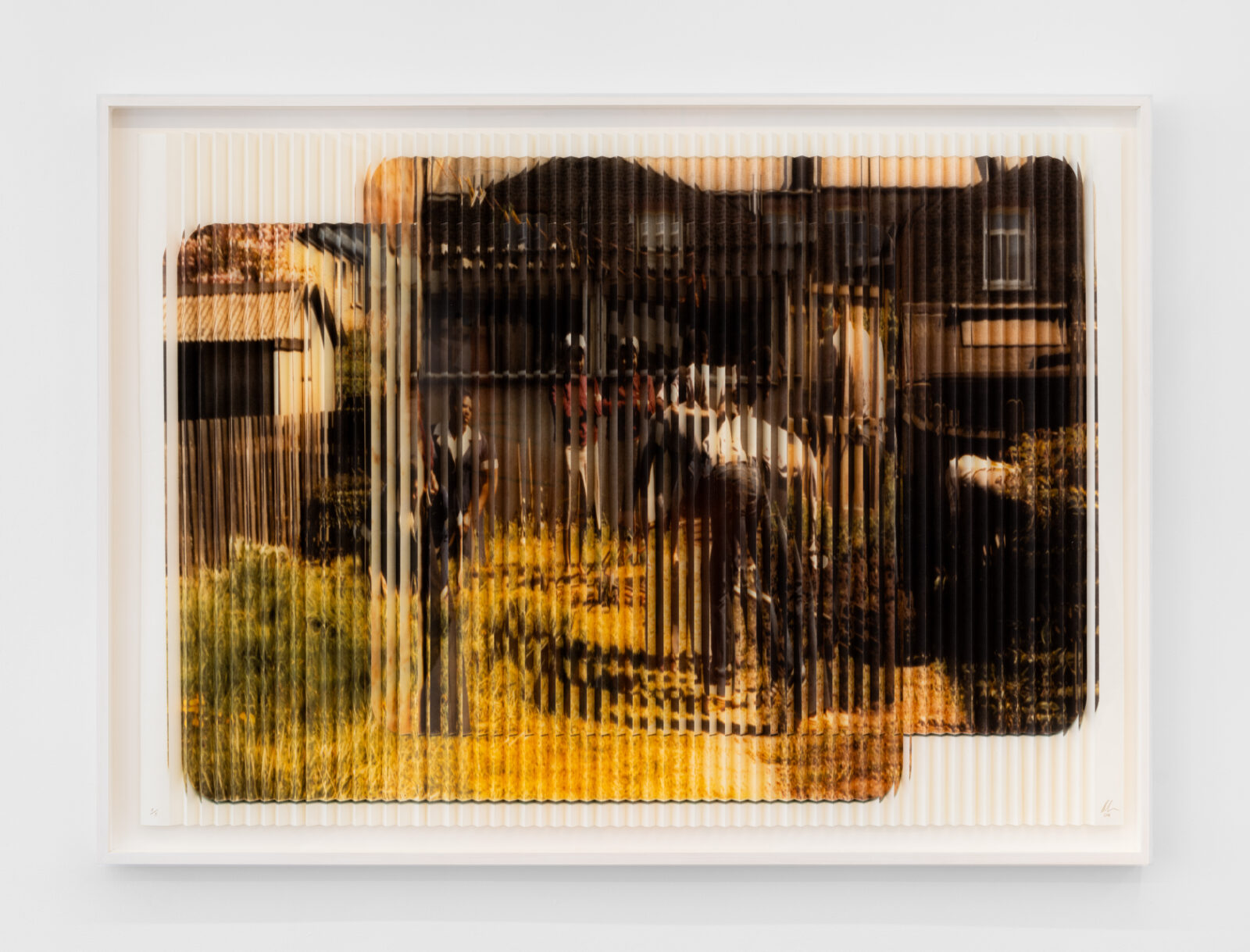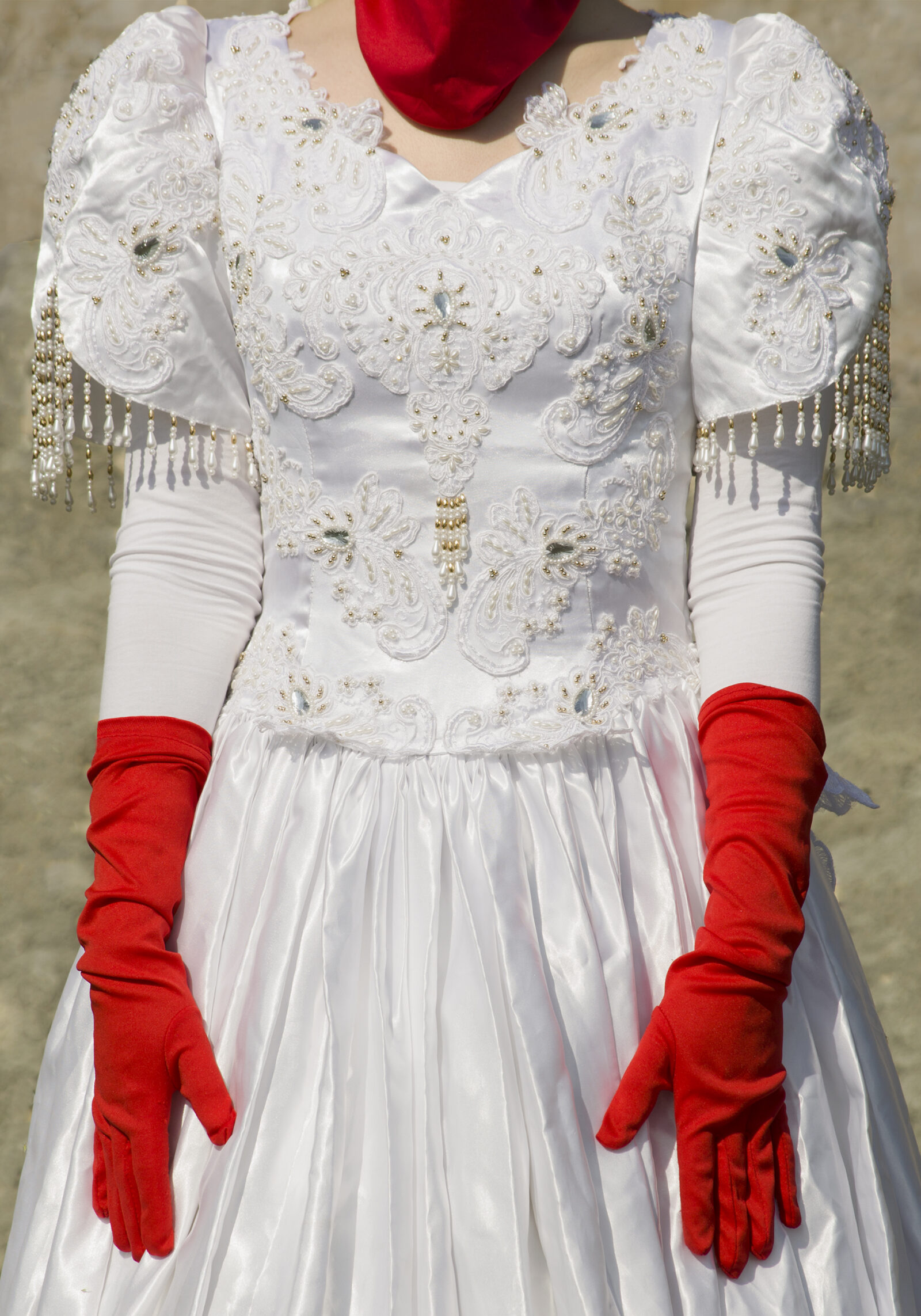
Logo Krupa Gallery
News
10 October 2025 – 22 March 2026

Address: National Museum in Gdańsk / “Zielona Brama” Branch
Długi Targ 24, 80-828 Gdańsk, PL

Opening hours:
Tuesday–Sunday: 10–5PM
Monday: closed
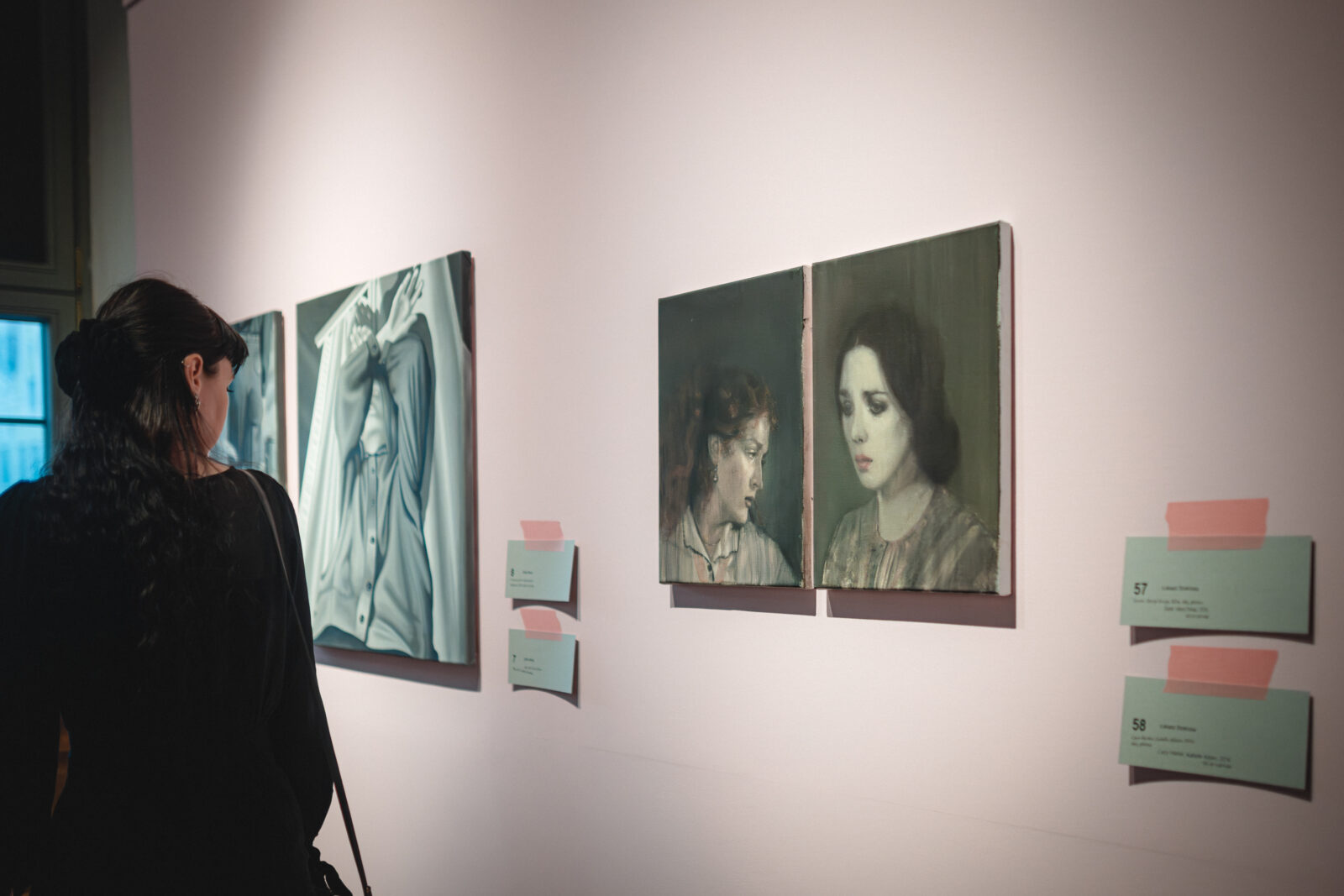
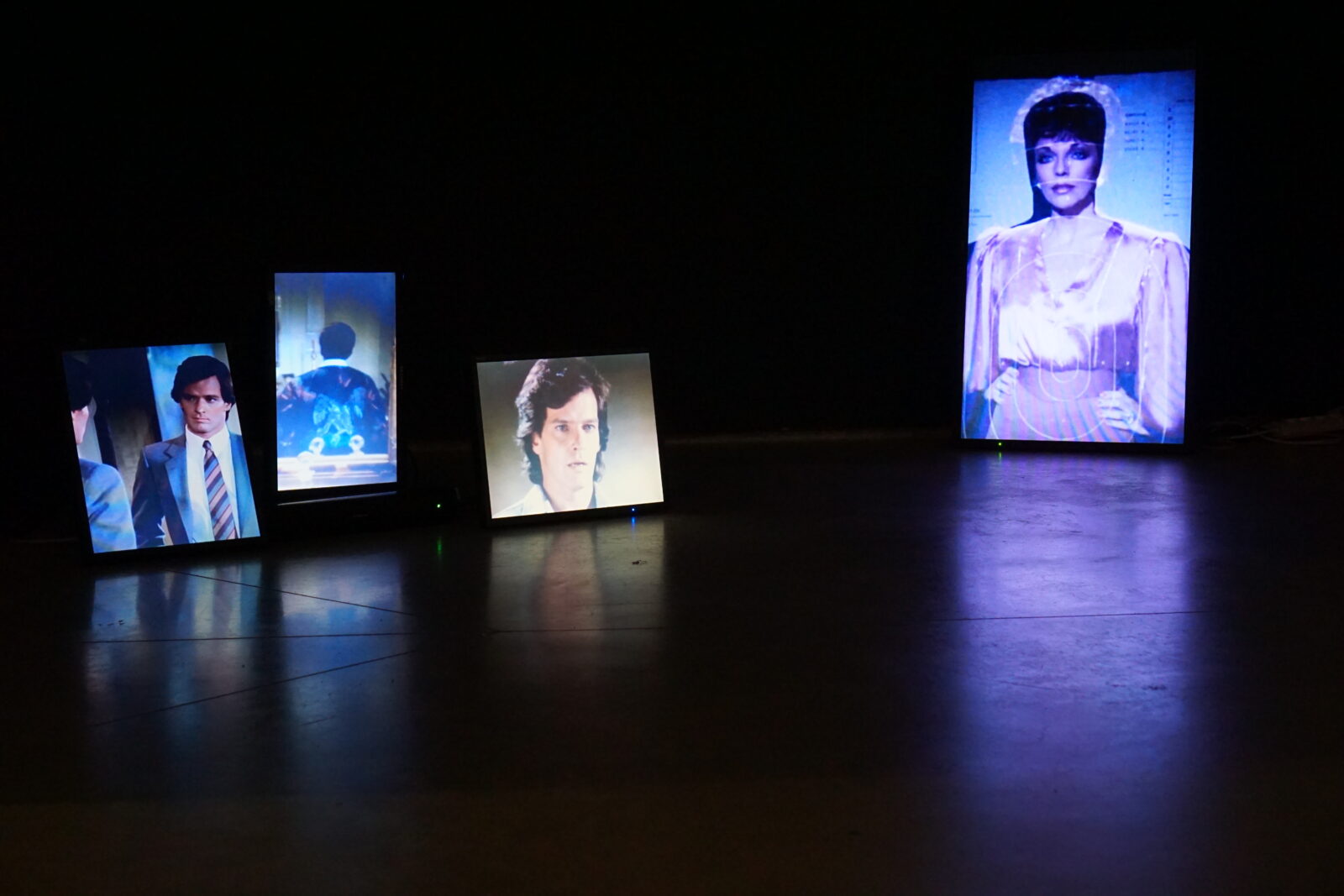
Exhibition view, courtesy of Nation Museum in Gdańsku, photo Tomek Kamiński Exhibition view, courtesy of Nation Museum in Gdańsku, photo Tomek Kamiński 
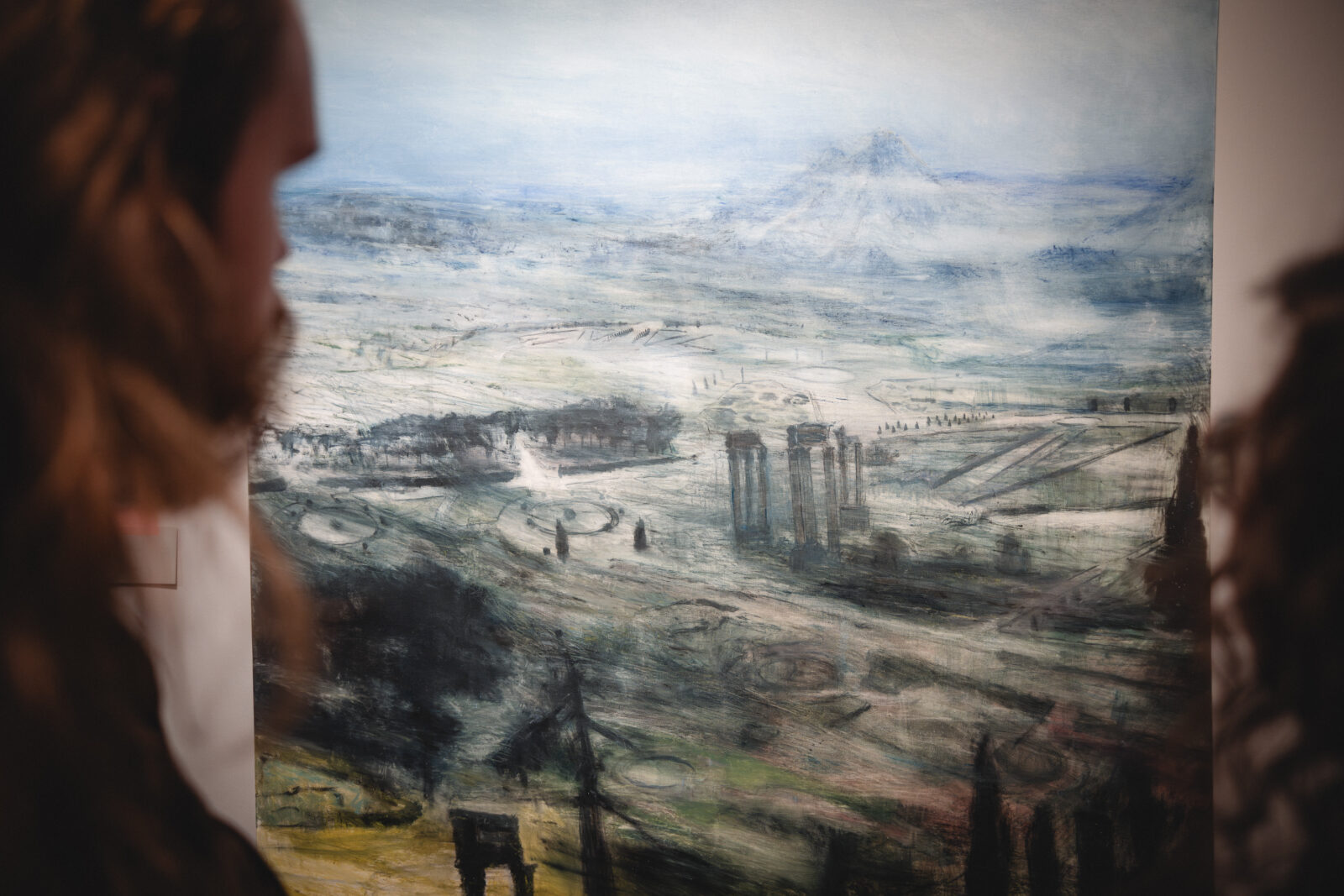
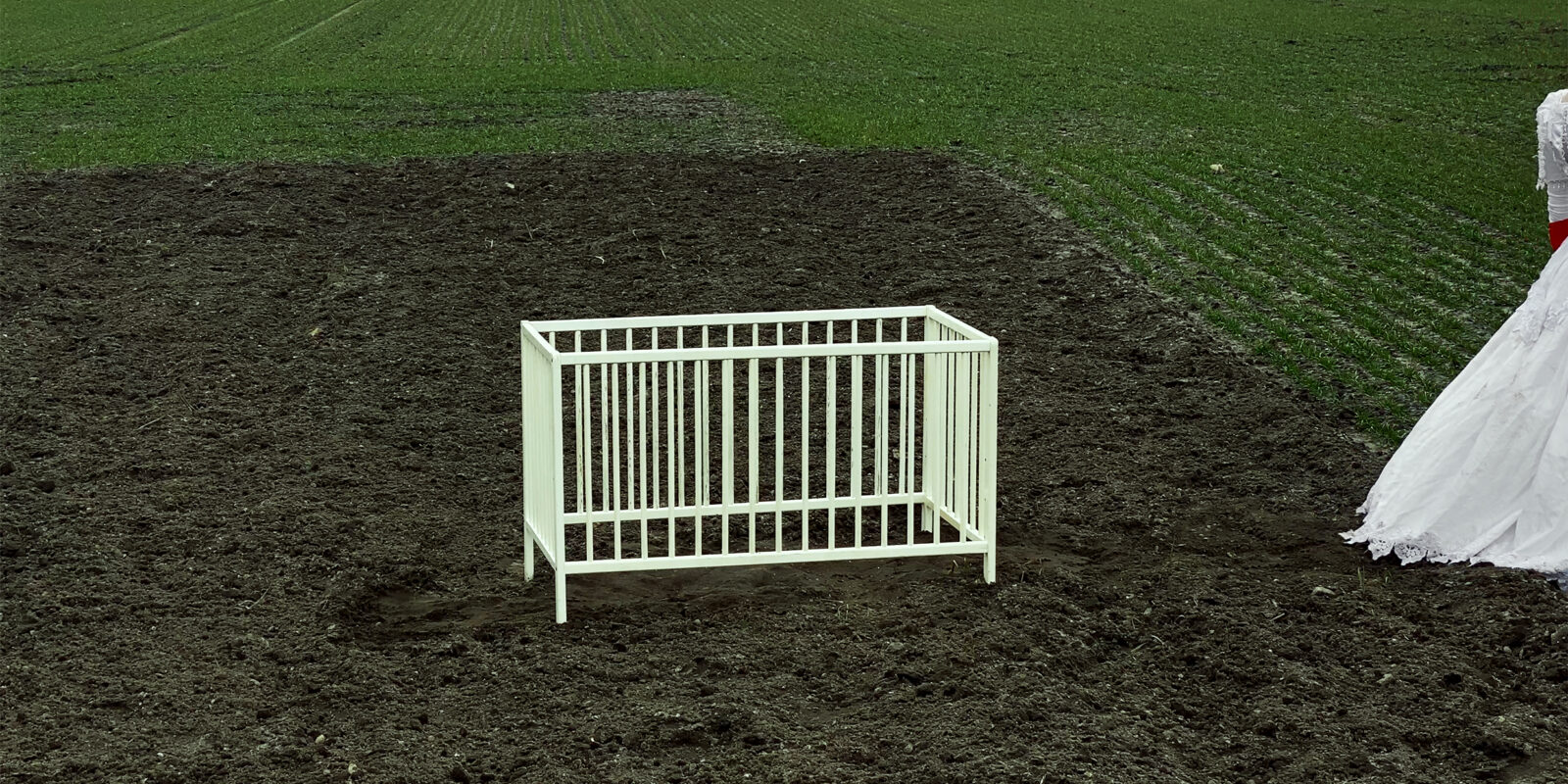
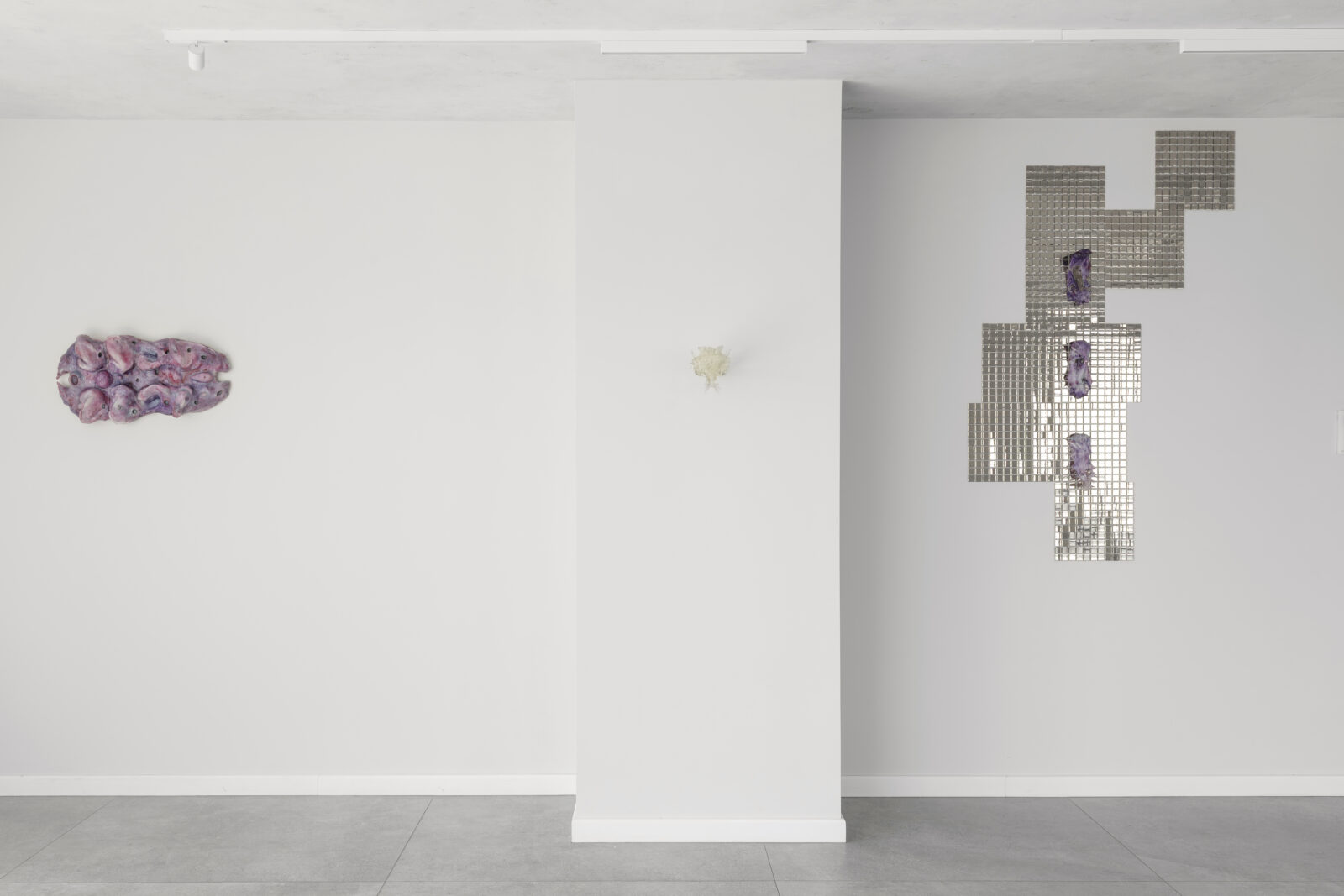
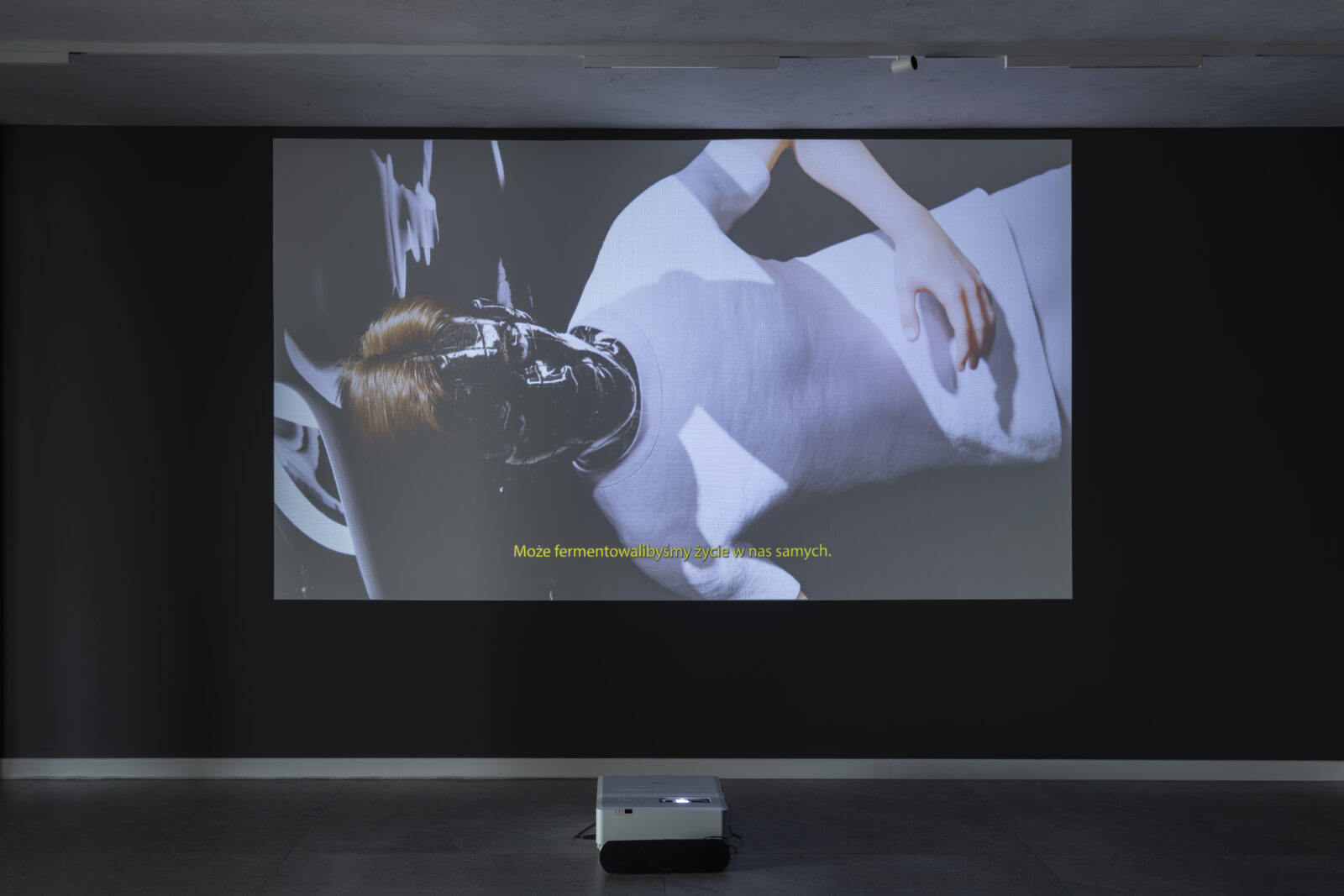
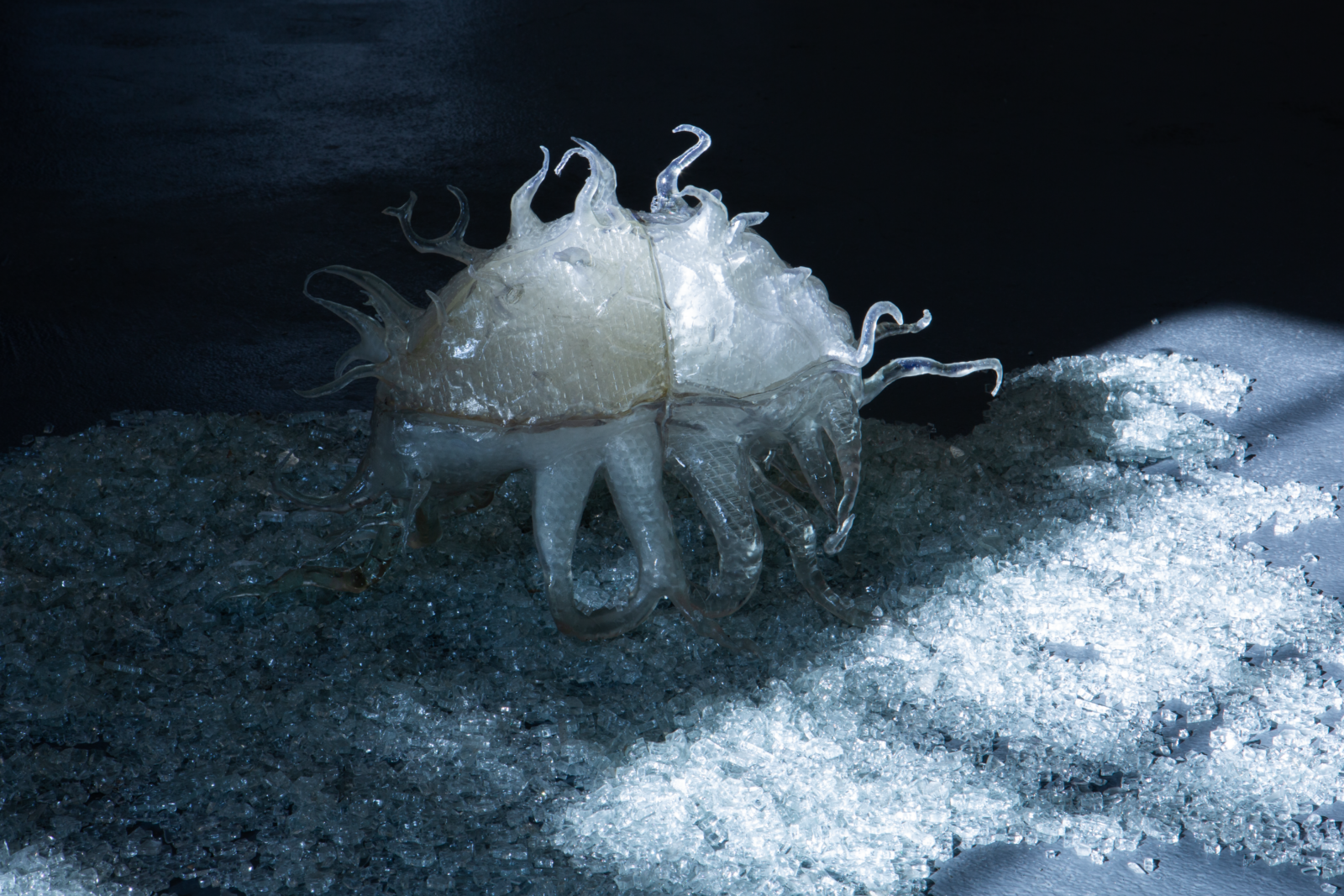
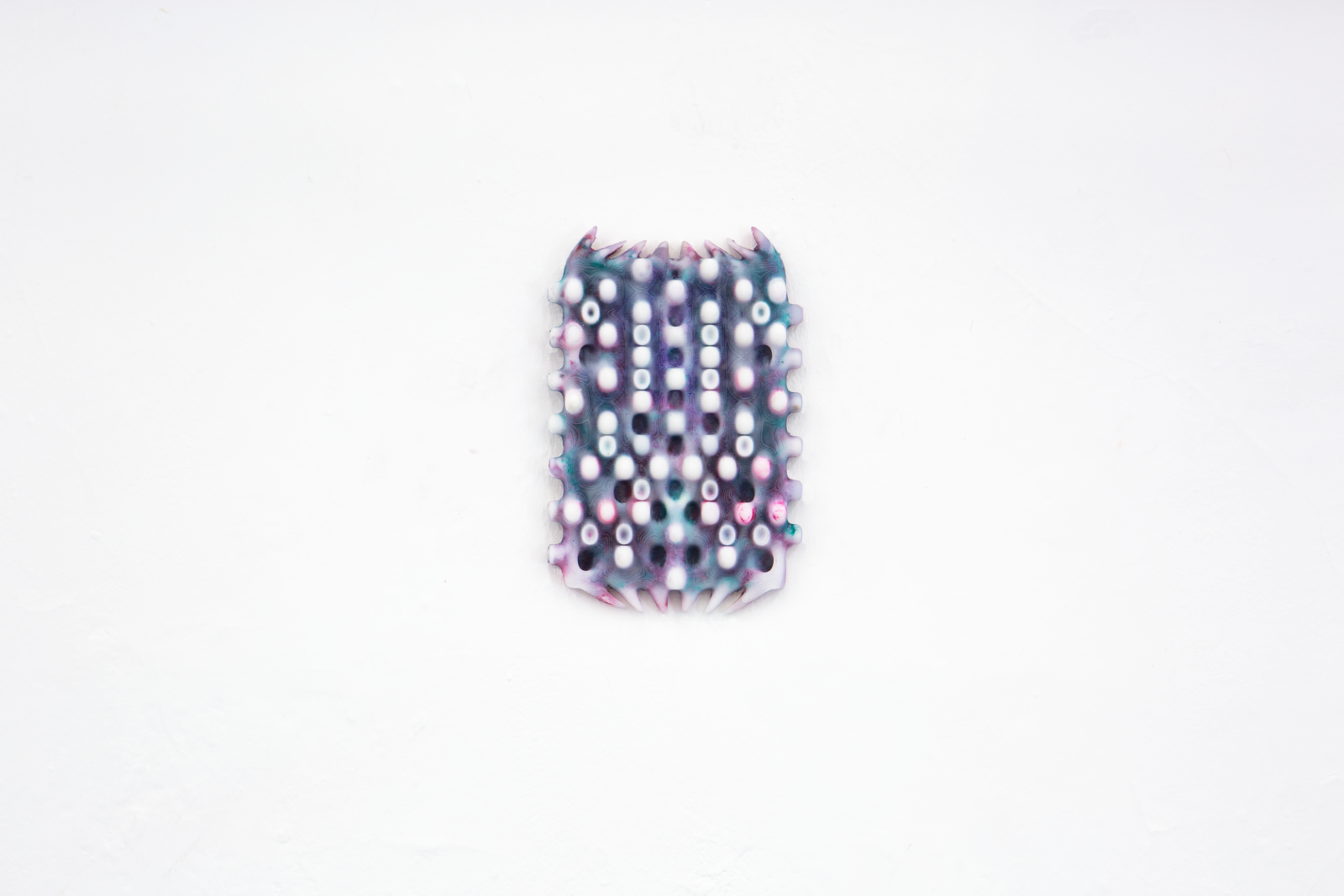
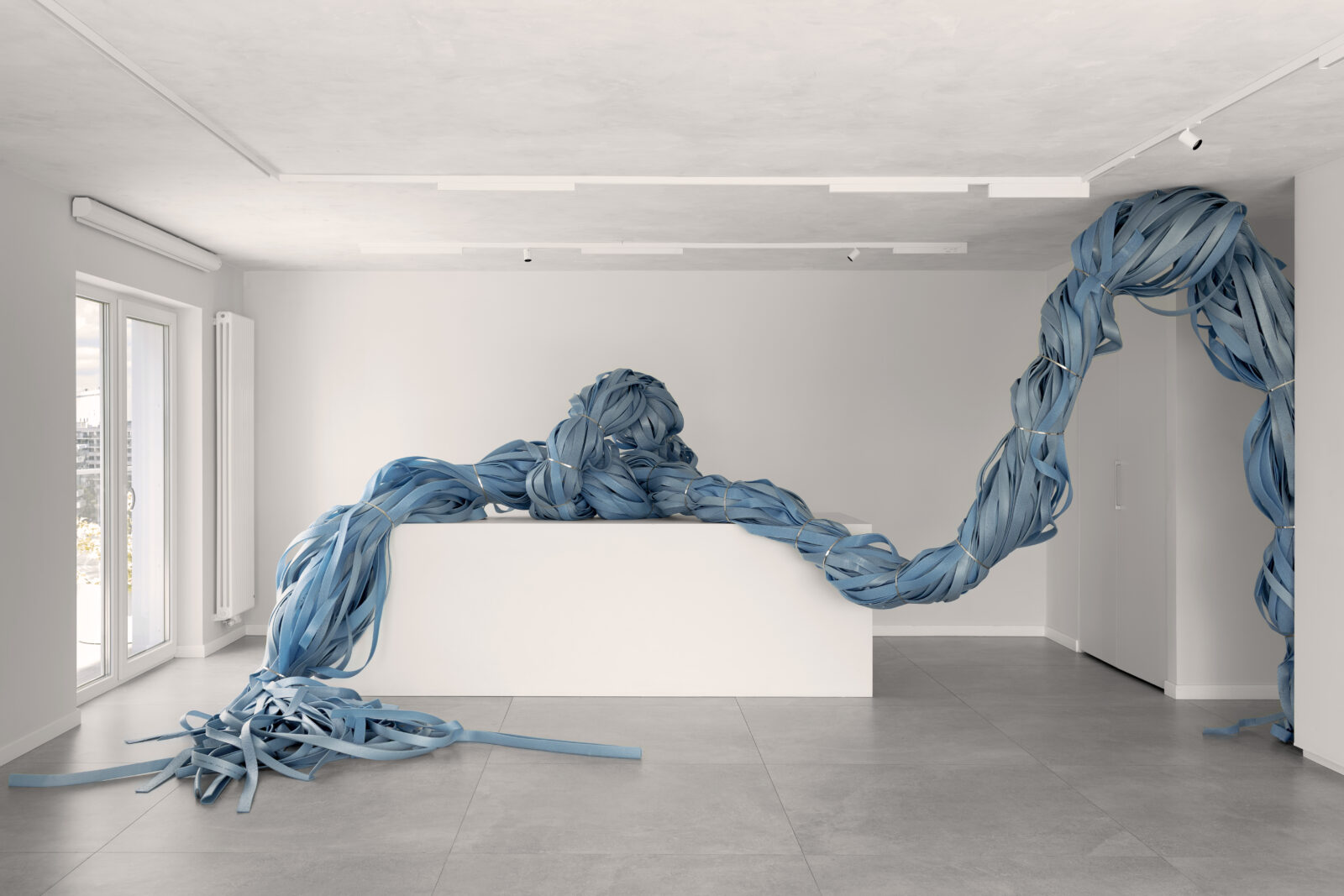
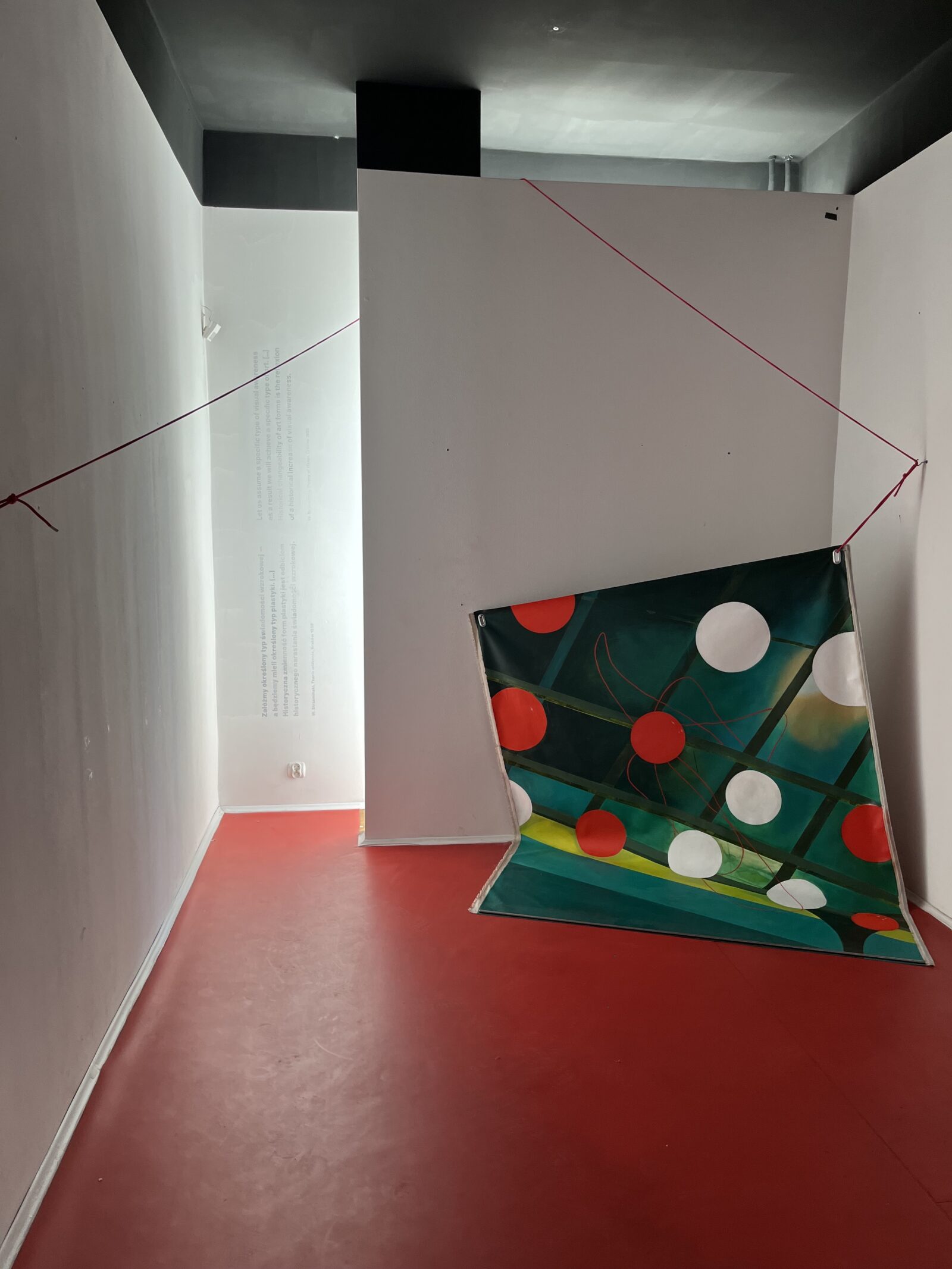
How do young artists respond to the contemporary world? Starting on 10 October, the National Museum in Gdańsk offers another opportunity to see reality through their eyes. The second edition of the exhibition featuring the collection donated to the museum by mBank focuses on the realms of emotion, myth, intuition, imagination, and memory. It is the voice of a generation that seeks not only form in art, but meaning as well

News
10 October 2025 – 8 February 2026

Address: Plac Zamkowy 4, 00-277 Warsaw, PL

Opening hours:
Tuesday–Friday: 10–5PM (last entry at 4PM)
Saturday–Sunday: 10–6PM (last entry at 4:30PM)
Monday: closed

Exhibition view, courtesy of Zamek Królewski in Warsaw Exhibition view, courtesy of Zamek Królewski in Warsaw 

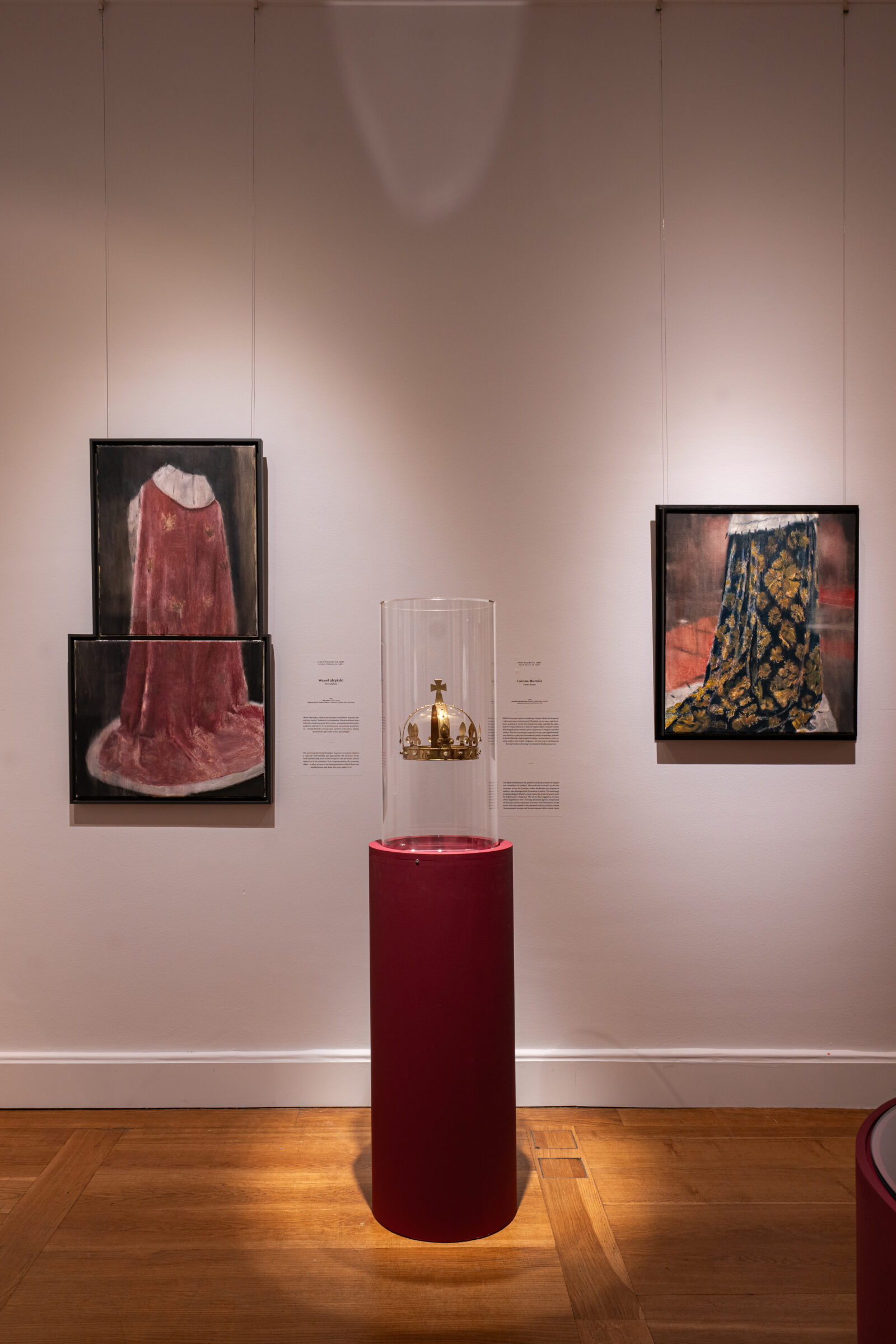
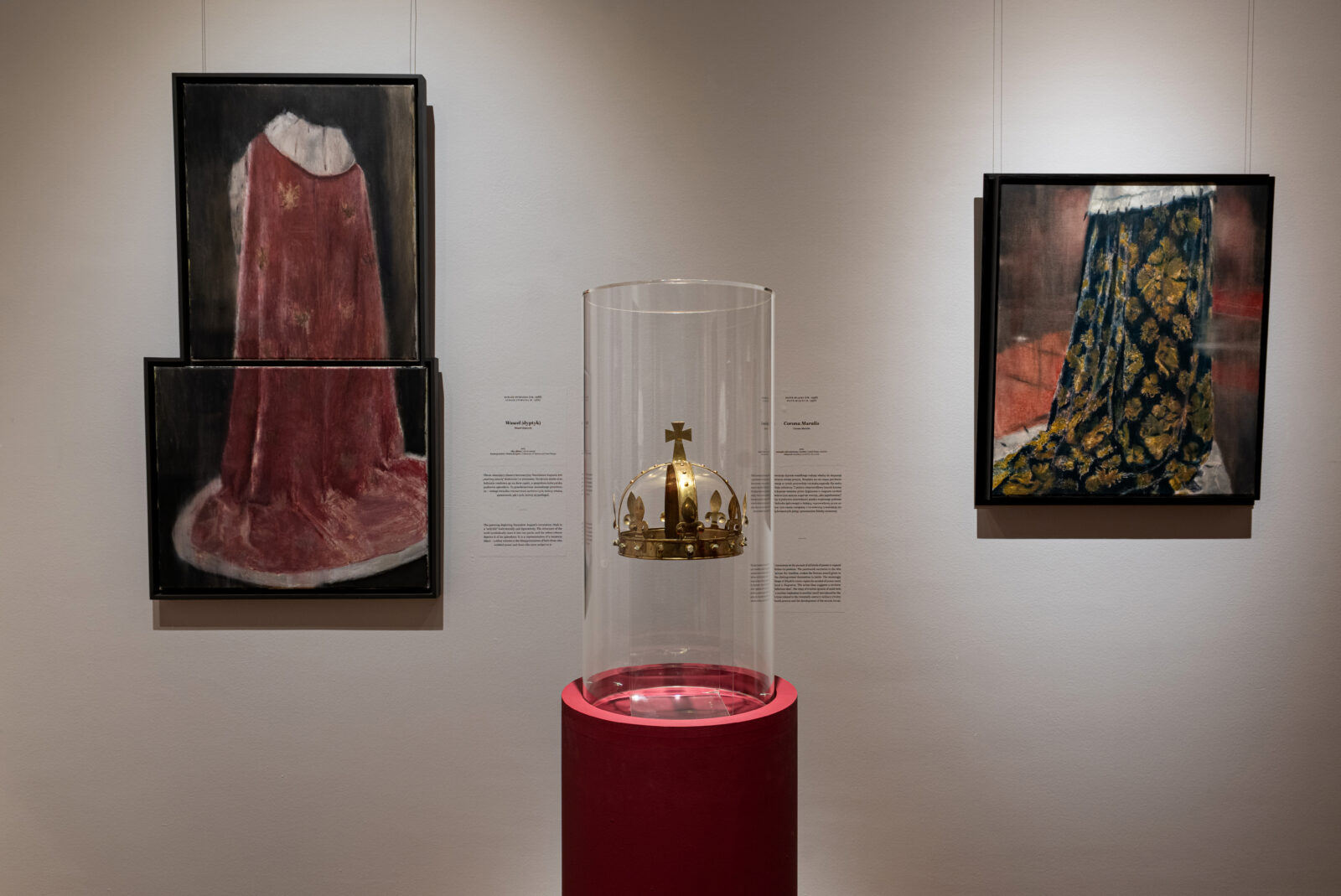
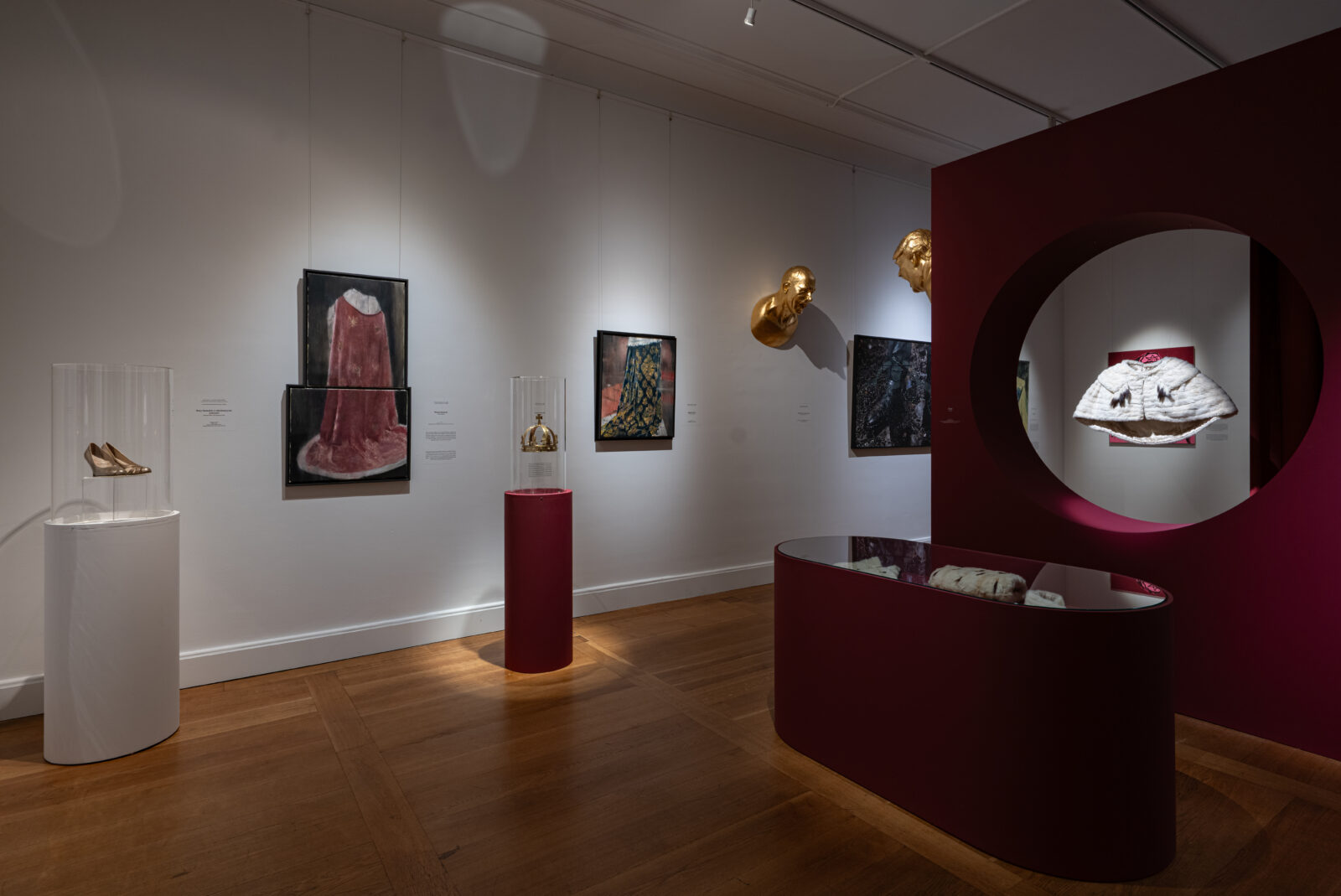
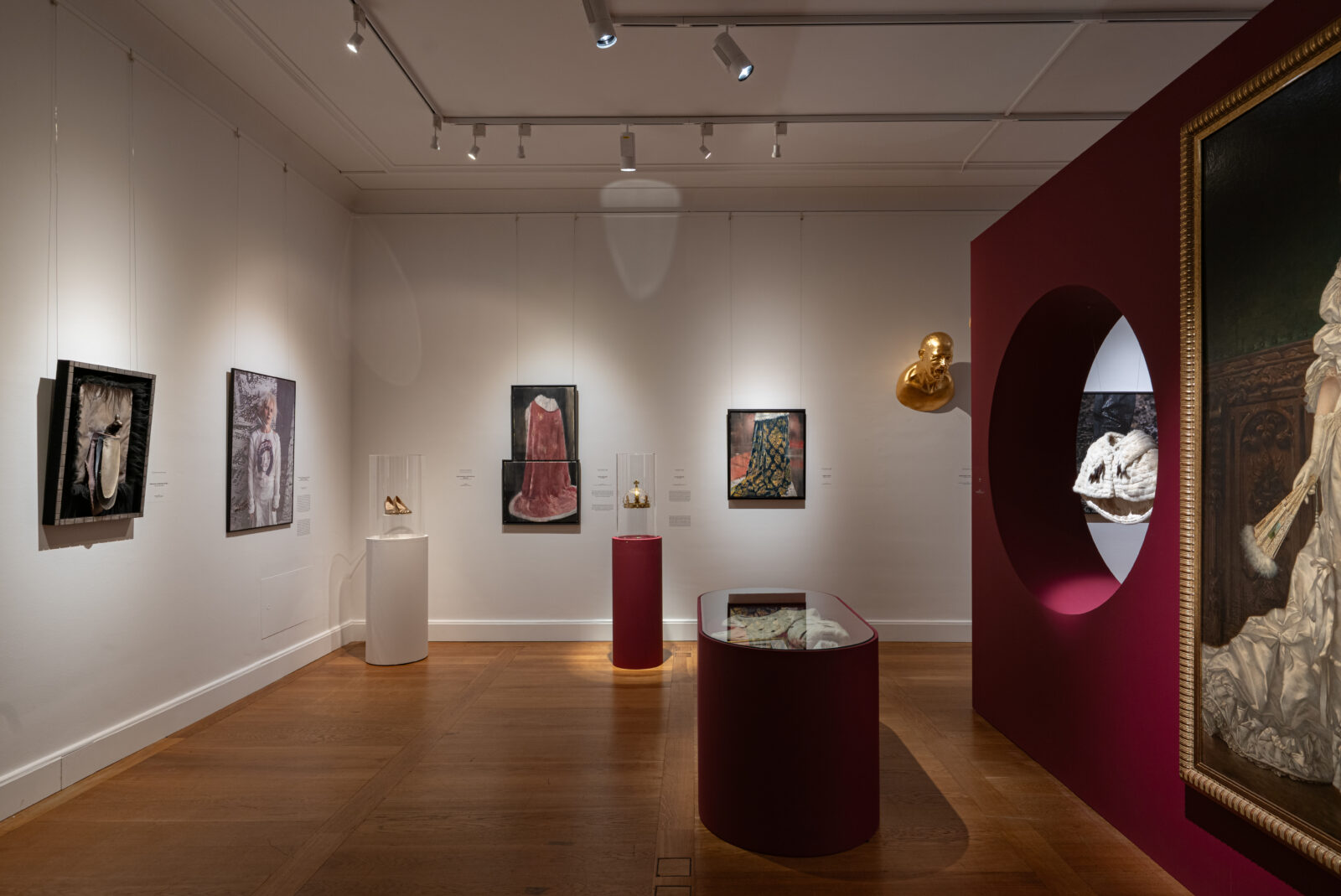
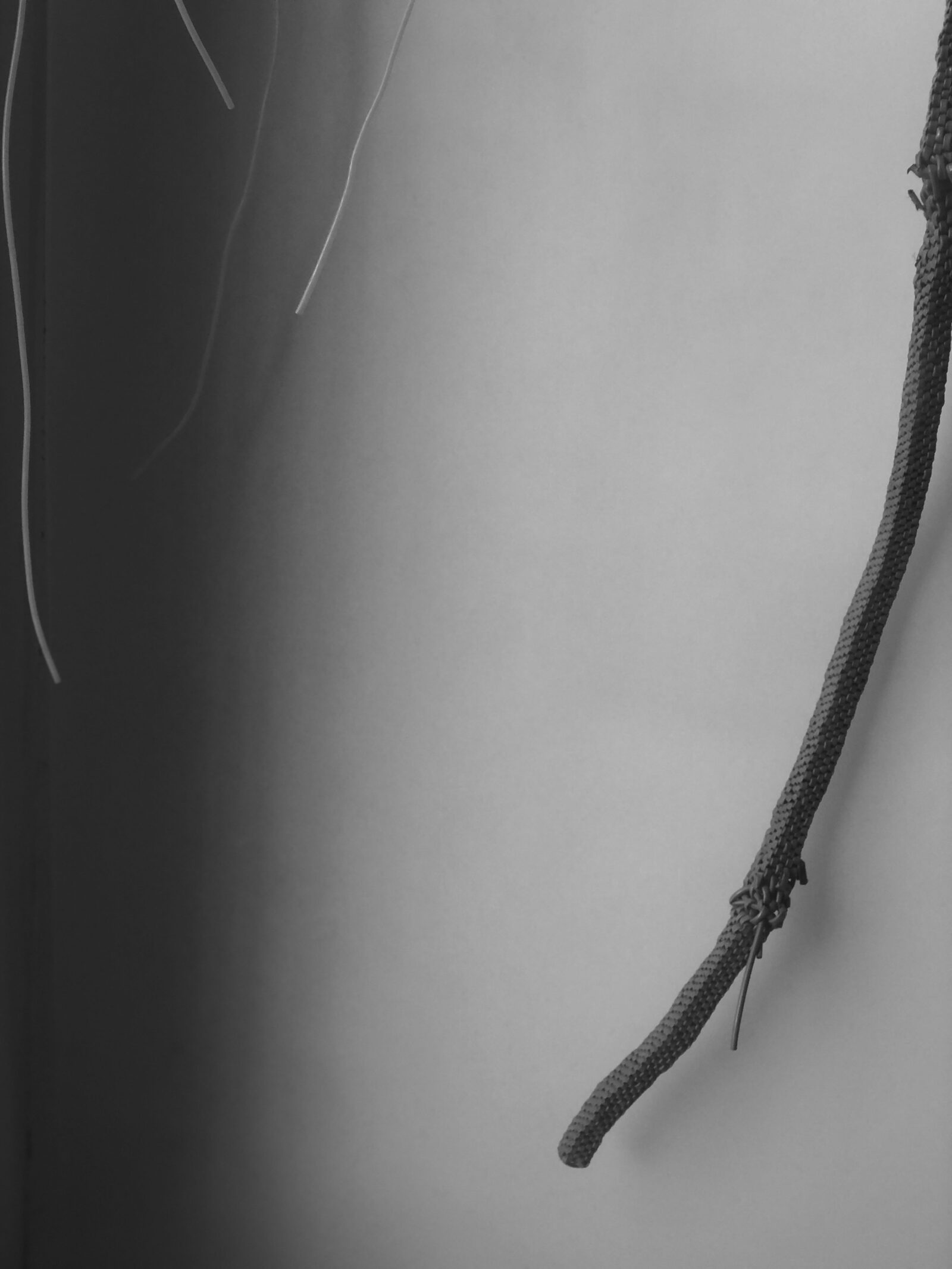
Łukasz Stokłosa’s artworks are currently on view at the Royal Castle in Warsaw as part of the 𝘓𝘦𝘵 𝘛𝘩𝘦𝘮 𝘚𝘦𝘦 𝘜𝘴! 𝘐𝘮𝘢𝘨𝘦, 𝘈𝘵𝘵𝘪𝘳𝘦, 𝘉𝘰𝘥𝘺 (𝘕𝘪𝘦𝘤𝘩 𝘯𝘢𝘴 𝘸𝘪𝘥𝘻ą! 𝘞𝘪𝘻𝘦𝘳𝘶𝘯𝘦𝘬, 𝘴𝘵𝘳ó𝘫, 𝘤𝘪𝘢ł𝘰) exhibition.

Clothing can function as a form of communication. From ceremonial garments worn by monarchs to the bold designs of today’s fashion innovators, what we wear continually conveys who we are – our identity, authority, social standing, aesthetic preferences, and beliefs.

This visual language can be unmistakably clear, yet it often reveals layers of meaning we may not intend to share. Clothing has the power to reinforce control and conformity, but it can just as easily become an expression of freedom and individuality. It mirrors shifts within society while remaining rooted in tradition, which it occasionally reinterprets with a touch of irony.

Exhibitions
28 November 2025 – 31 January 2026

Łukasz Stokłosa, Kamila Kamińska, Zuza Dolega, Anna Myszkowiak

I Will Reveal Myself To You Through My Gaze

I Will Reveal Myself To You Through My Gaze

Łukasz Stokłosa, Kamila Kamińska, Zuza Dolega, Anna Myszkowiak

28 November 2025 – 31 January 2026
Private view – 27 November 2025 at 6PM

Księcia Witolda 48/70, 8th floor
50-203, Wrocław, PL


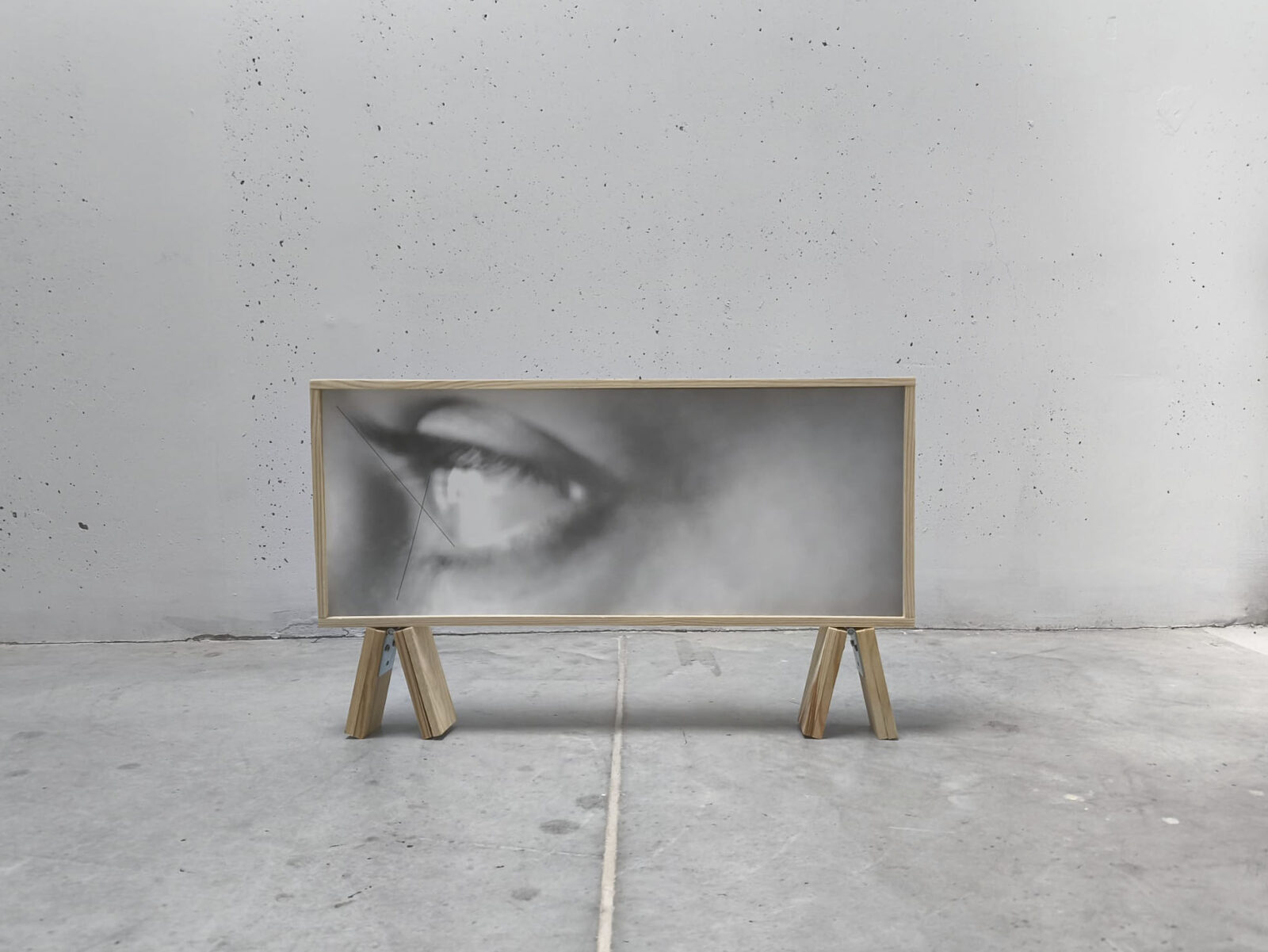
The tension between intention and interpretation builds a unique relationship between the creator and the viewer, but it can also become a kind of barrier that disrupts the freedom of communication. The exhibition I Will Reveal Myself Through My Gaze is an attempt to shorten this distance — an invitation to an encounter in which the artist and the viewer stand face to face in the honesty of a shared look.

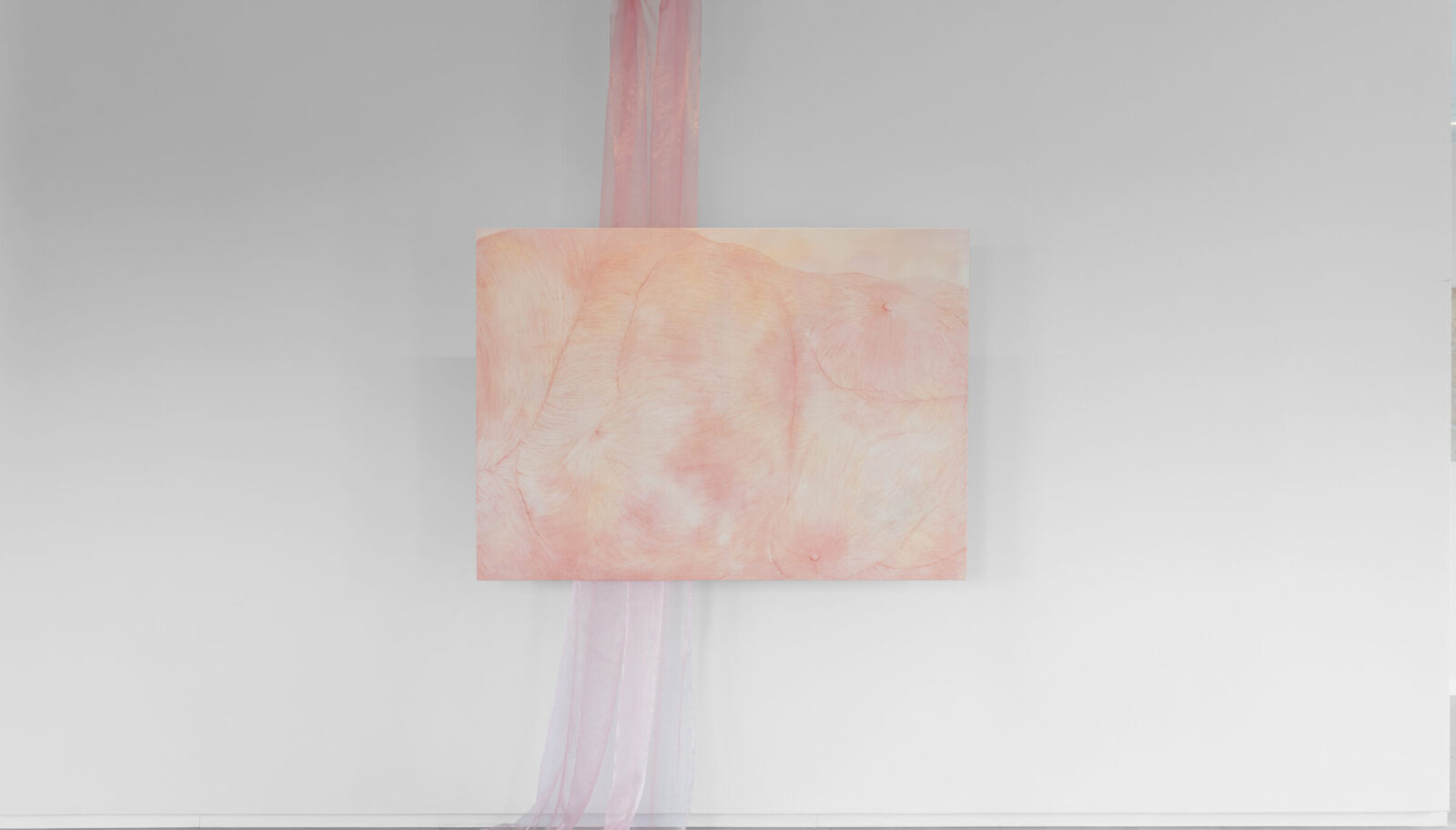
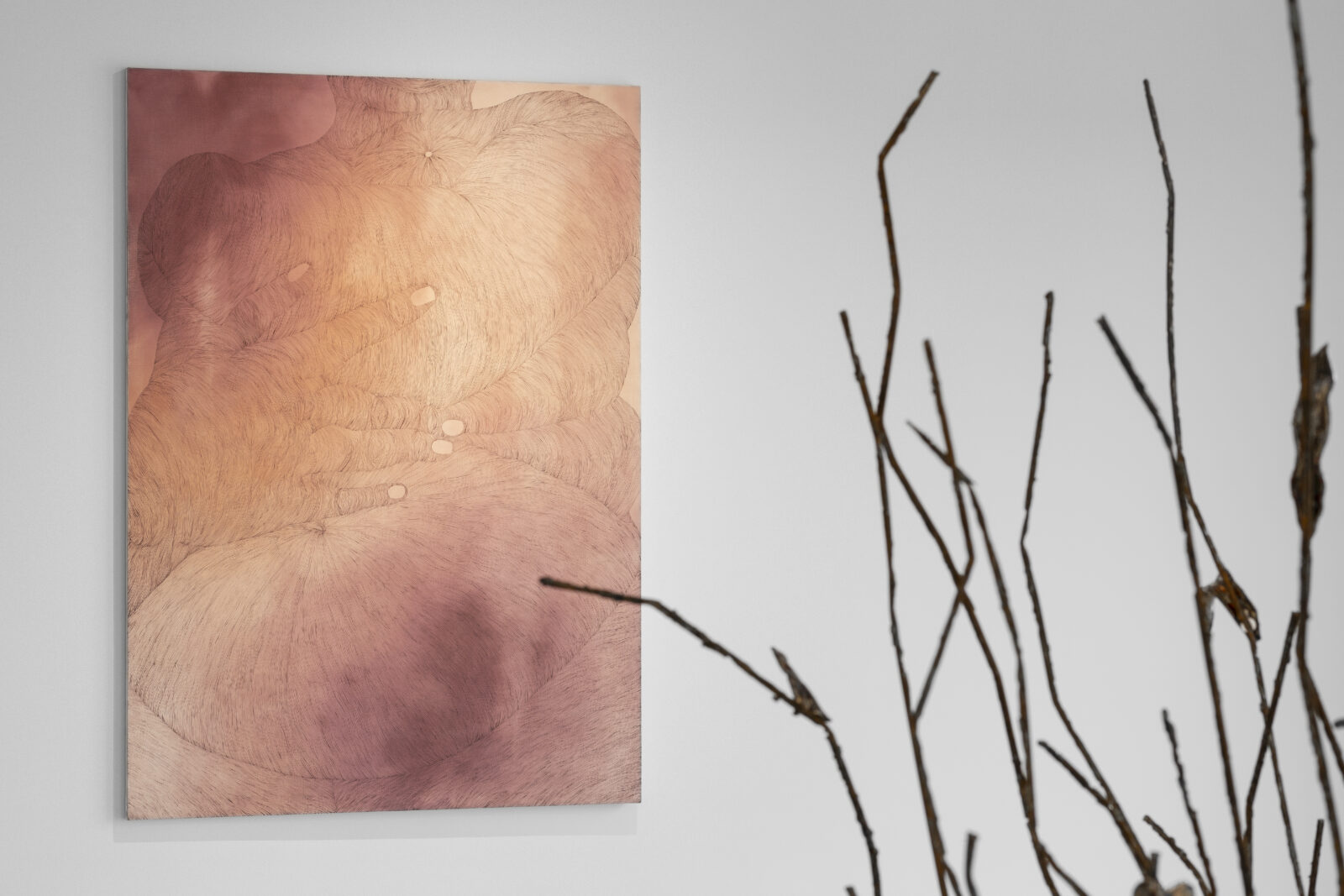
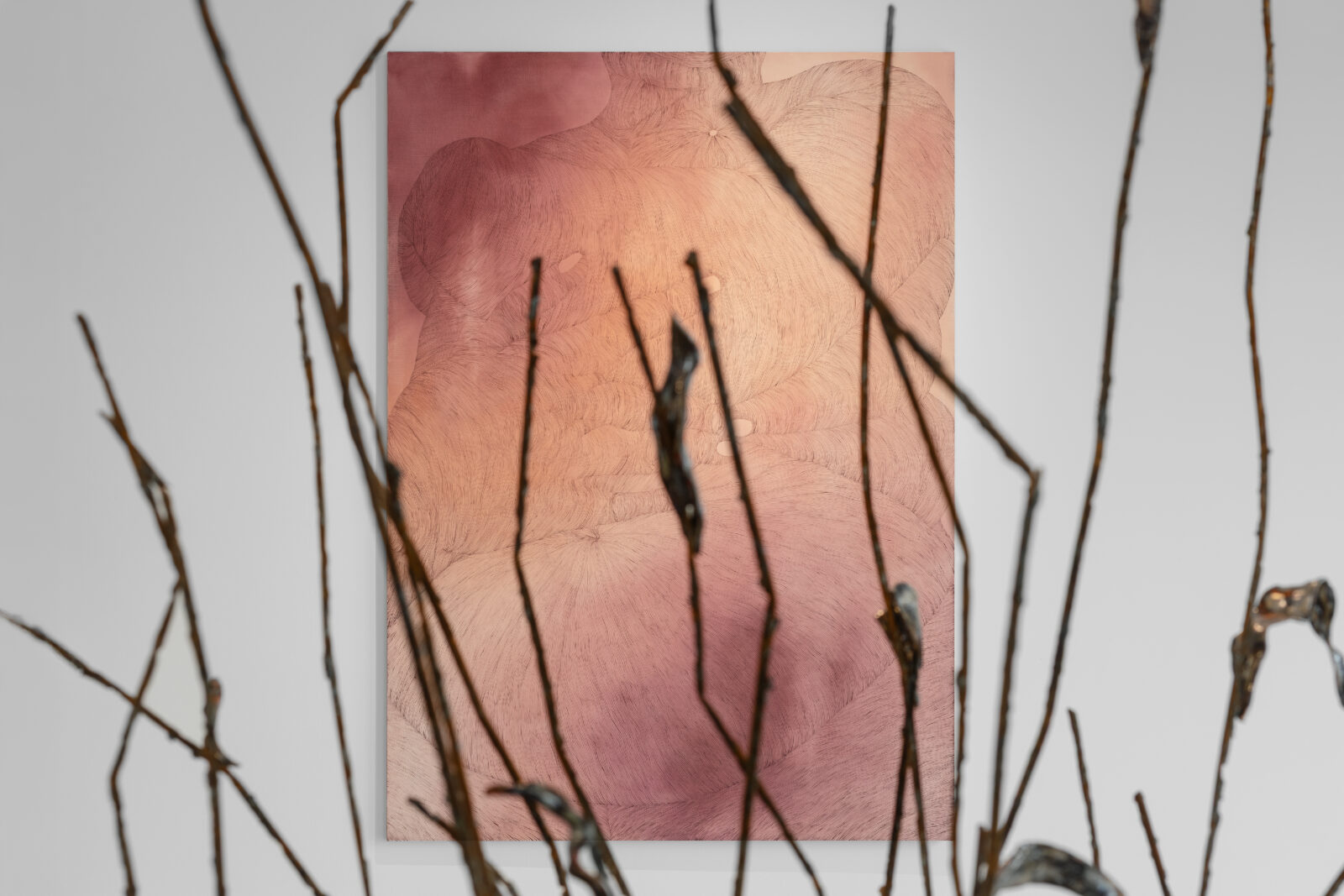
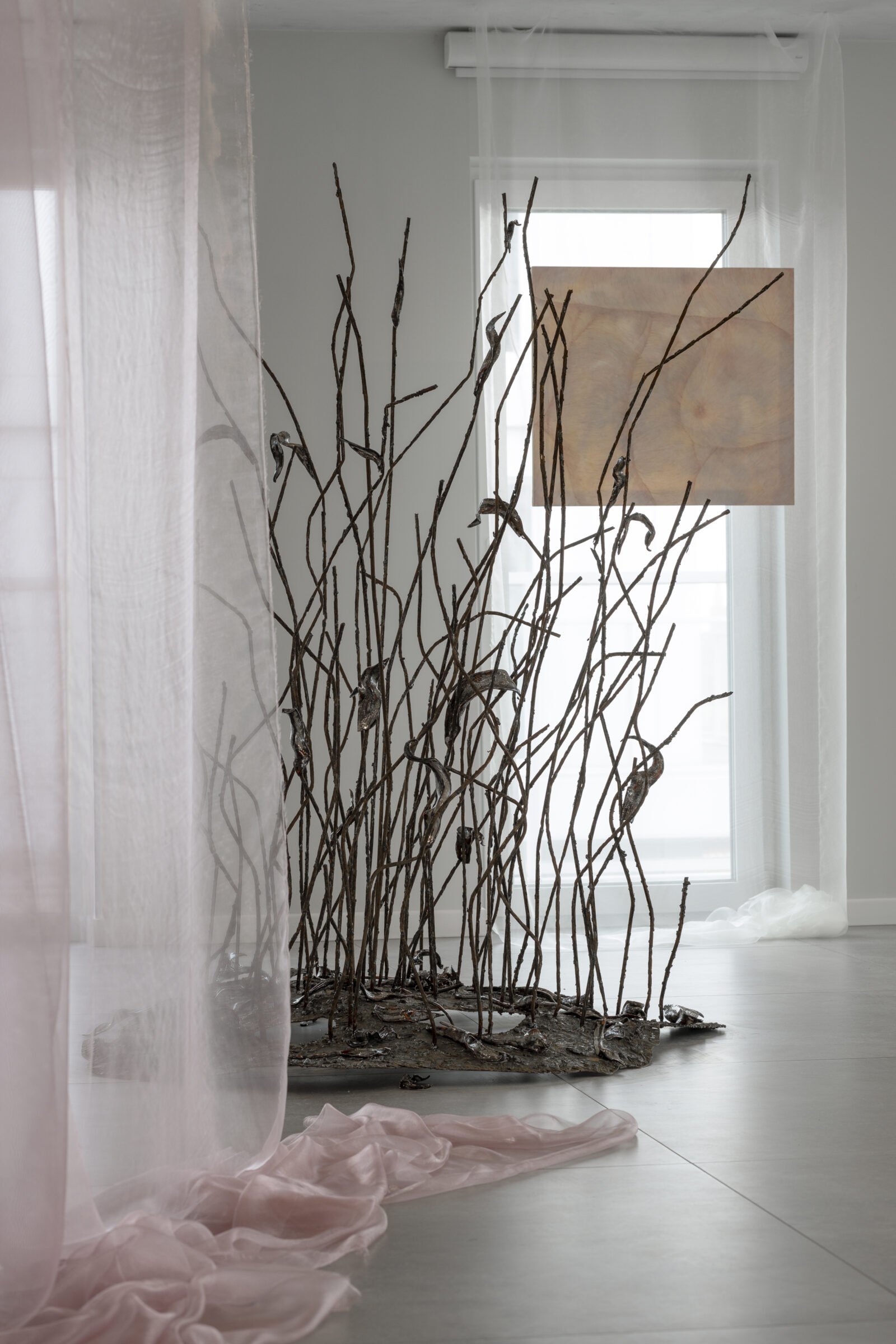
In this exhibition, Zuza Dolega, Anna Myszkowiak, Kamila Kamińska, and Łukasz Stokłosa engage in a dialogic constellation that explores the issue of the author’s presence within the work. Dolega burns words into paper, turning fire into a language of emotions. Myszkowiak lends material a tenderness and the weight of corporeality. Kamińska paints “cutaneous landscapes” — images that breathe and pulse with life. Stokłosa looks into the past, finding within it a reflection of contemporary sensitivity.

It is a story about authenticity and exposure — about art that does not hide behind form but reveals the human being, their emotions, memory, and gaze. The exhibition encourages the viewer to look into the artist’s eyes — and perhaps to catch a glimpse of themselves there.

News
11 & 13 September 2025

Adam Boyd, Lauren Godfrey, Holly Graham, Nadia Hebson, George Richardson, Maria Zahle

Curated by George Vasey
With a text by Salena Barry

10 July — 20 September 2025

1 Pakenham Street, London, WC1X 0LA, UK

September events at KRUPA London

Curator and Artist Tour
6.30-7.30pm, Thursday 11th September

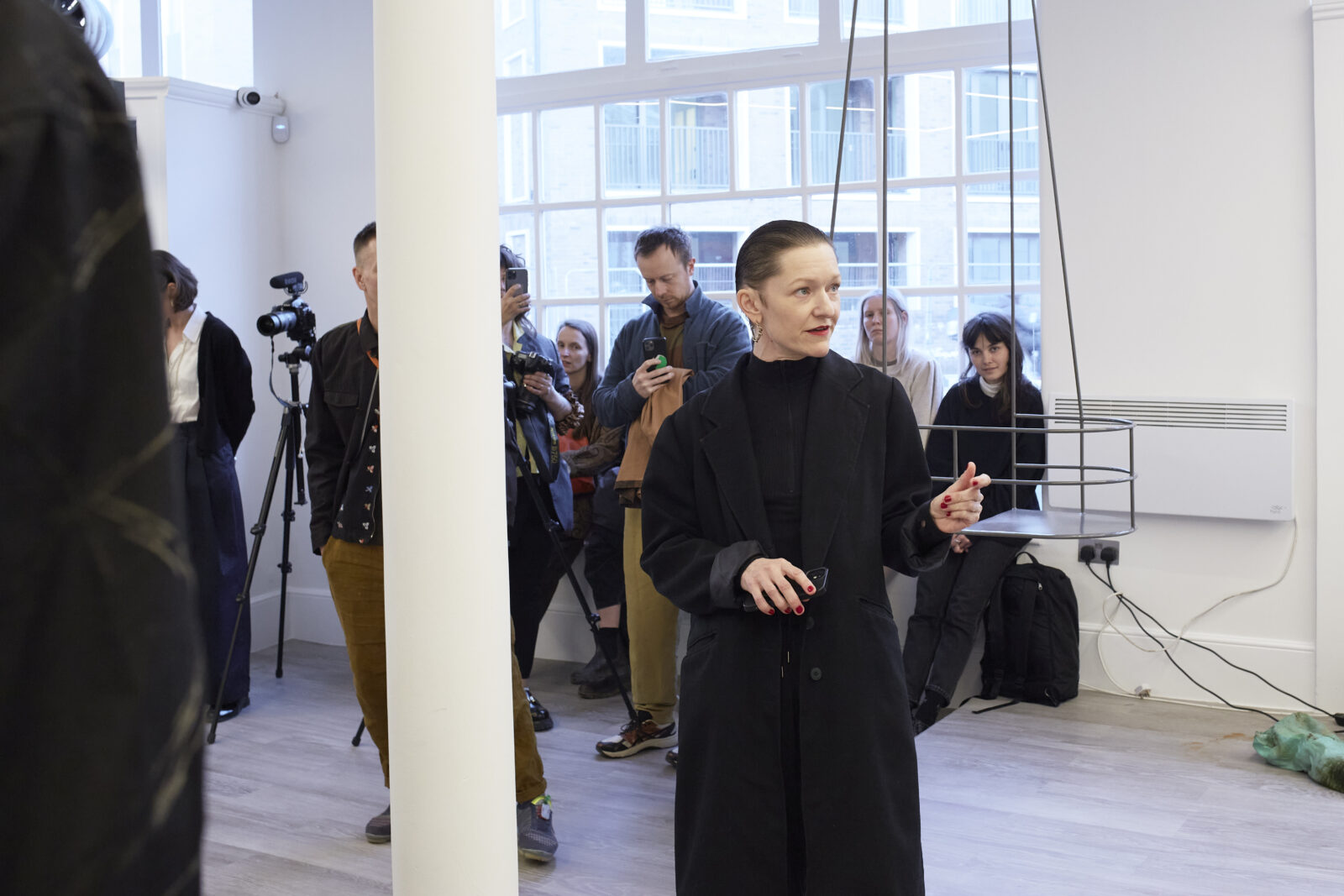
Join Curator George Vasey and the artists for a tour of the Harrow, March 31st2005… This will be an opportunity to hear about the ideas and inspirations behind the exhibition and artworks. The tour will last approximately 40 mins with time for conversation and questions.


Exhibition Brunch
10.30-12.30pm, Saturday 13th September

An opportunity to view Harrow, March 31st 2005… in a relaxed environment with coffee and pastries. The curator and some of the artists will be around for informal conversation and reflection on the exhibition.

News
30 April – 31 August 2025

Address: Szczepański Sq 3a, 31-011 Kraków, PL

Opening hours:
Tuesday – Sunday: 11–7PM

Exhibition view, courtesy of Bunkier Sztuki, photography: Rafał Sosin Exhibition view, courtesy of Bunkier Sztuki, photography: Rafał Sosin 
Exhibition view, courtesy of Bunkier Sztuki, photography: Paula Zarzycka Exhibition view, courtesy of Bunkier Sztuki, photography: Paula Zarzycka 

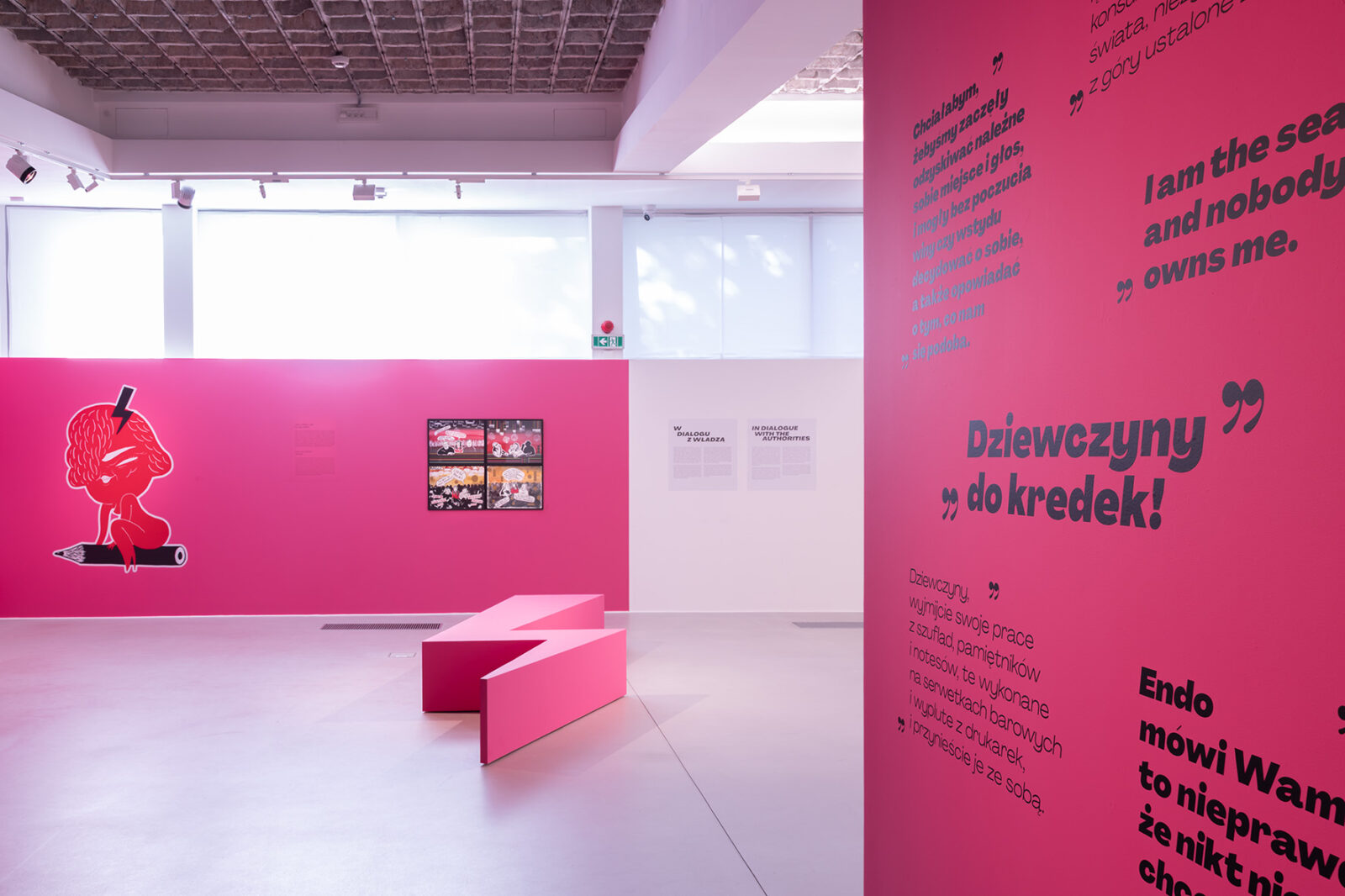
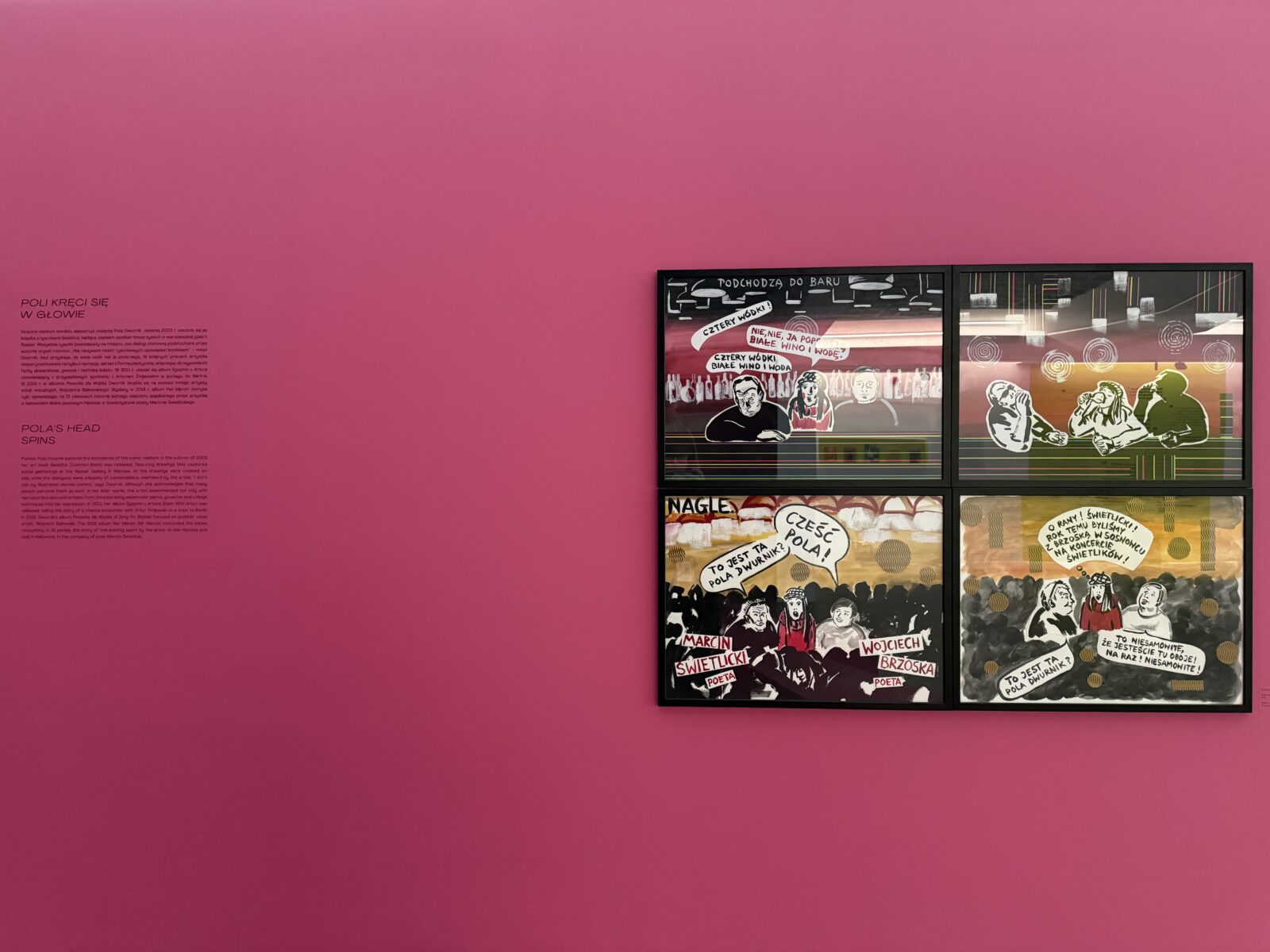
Although comics have a long history in Poland as part of popular culture, it is only in recent years that they have begun to be recognized as a fully fledged artistic medium. After 1989, the Polish comic scene entered a period of dynamic transformation—one that continues today—marked by a steady breaking of established conventions and dominant frameworks.

The exhibition In a Wide Frame offers a multifaceted account of these changes—from grassroots initiatives by artists seeking to capture and interpret social shifts, through the impact of the Internet, the blogosphere, and the emergence of a professional comics market, to works created for public institutions or social organizations that reflect specific political narratives.

News
24 April – 27 July 2025

Address: Rynek Starego Miasta 20, 00-272 Warsaw, PL

Opening hours:
Monday closed
Tuesday 10–5PM
Wednesday 10–5PM
Thursday 12–8PM
Friday 10–5PM
Saturday 10–5PM
Sunday 10–5PM

Courtesy of the Adam Mickiewicz Museum of Literature in Warsaw, photo by Maciej Bociański Courtesy of the Adam Mickiewicz Museum of Literature in Warsaw, photo by Maciej Bociański 
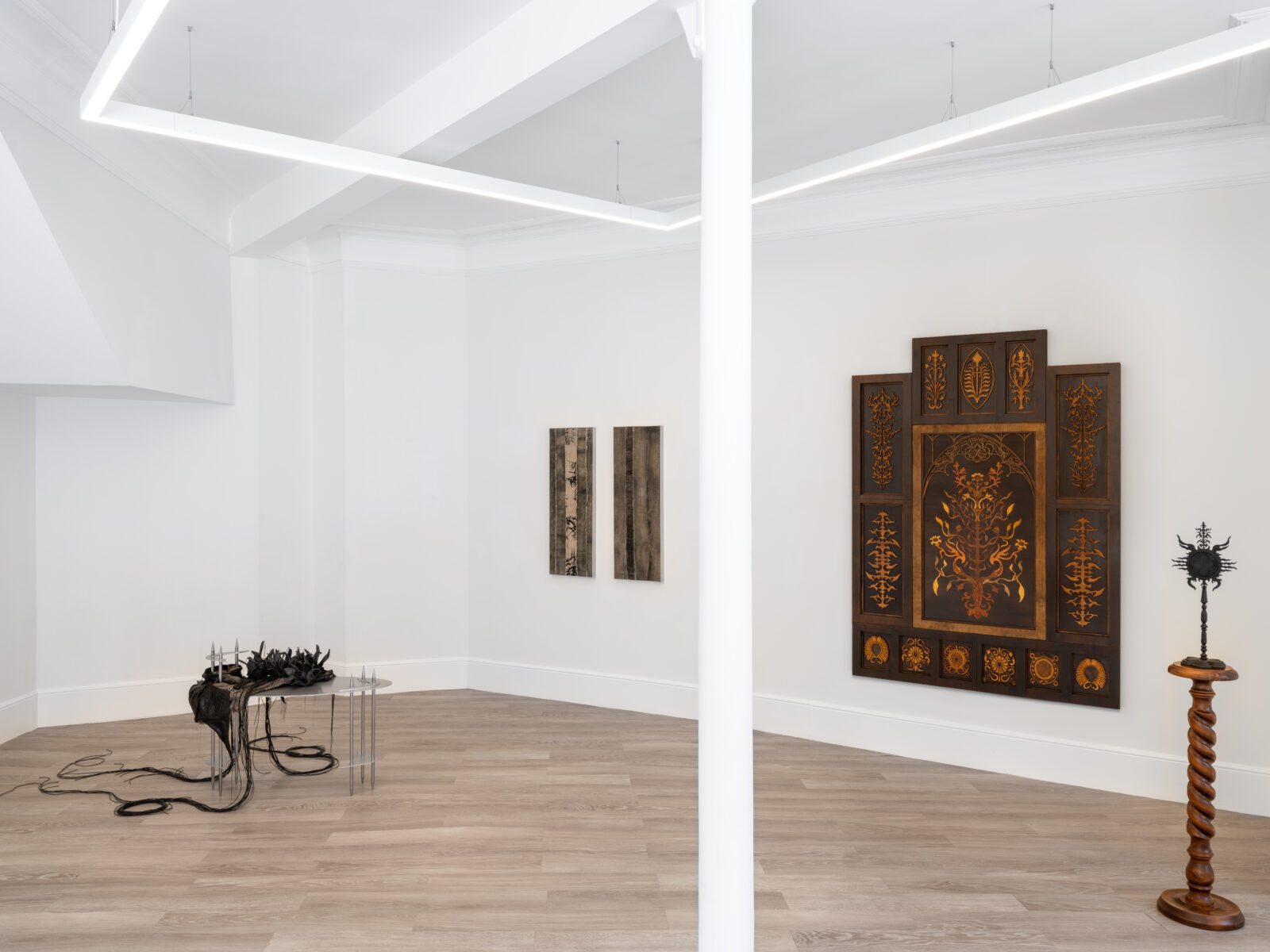
The Museum of Literature presents an exhibition devoted to the surprising relationships between the poetry book and the visual and audiovisual arts.

As the curators emphasize, a poem constantly moves between two natures. On the one hand, it refers to reality—indirectly, through meanings that lack physical form. On the other hand, once written down, it gains a tangible presence. When published as a book, it becomes an object that can function much like a work of art.

“Poems are not made of ideas but of words,” Stéphane Mallarmé reminded us. Yet when we speak about poetry, we often lose sight of this duality of its material. With the same language we use to ask for bread, we also construct poetic imagery. A poem can evoke intense, almost physical aesthetic sensations. Where does this sensory quality arise from? The sound of the words? Their notation? Their composition? Or perhaps from their texture, shape, or color? Could language possess properties similar to those of paint, ink, fabric, or resin?

News
24 April – 14 September 2025

Address: Lipowa 4, 30-702 Kraków, PL

Opening hours:
Tuesday–Sunday: 11–7PM
Monday: closed

Exhibition view, courtesy of MOCAK and the artist Exhibition view, courtesy of MOCAK and the artist 

The geopolitical events of recent years — armed conflicts, including the full-scale war in Ukraine, the COVID-19 pandemic, and their economic consequences such as inflation — have generated a widespread sense of uncertainty and a pessimistic outlook on the future.

In place of bold, futuristic visions, a turn toward nostalgia has emerged, resonating unexpectedly well with the present moment. Nostalgia, understood as a feeling of loss, in its reflective form combines longing with a sense of belonging. Svetlana Boym described it not only as “a longing for a home that no longer exists or has never existed,” but also as “a romance with one’s own fantasy.” The exhibition, featuring works by 22 artists connected to Kraków and born between 1979 and 2001, resembles a smile through tears — a gesture that, while masking sadness, can momentarily soften it.

The paintings, installations, and sculptures on display were created as an attempt to build a safe space for memories. They are returns to childhood experiences that may offer comfort. To a large extent, these are figurative works. The artists adopt distinctly narrative approaches, assuming the roles of storytellers of fairy tales, myths, urban legends, as well as stories drawn from films and television series.

Exhibitions
27 September – 15 November 2025

Anna Czarnota | No more lies after 3 a.m.

27 September – 15 November 2025
Private view – 26 September 2025

Księcia Witolda 48/70, 8th floor
50-203, Wrocław, PL


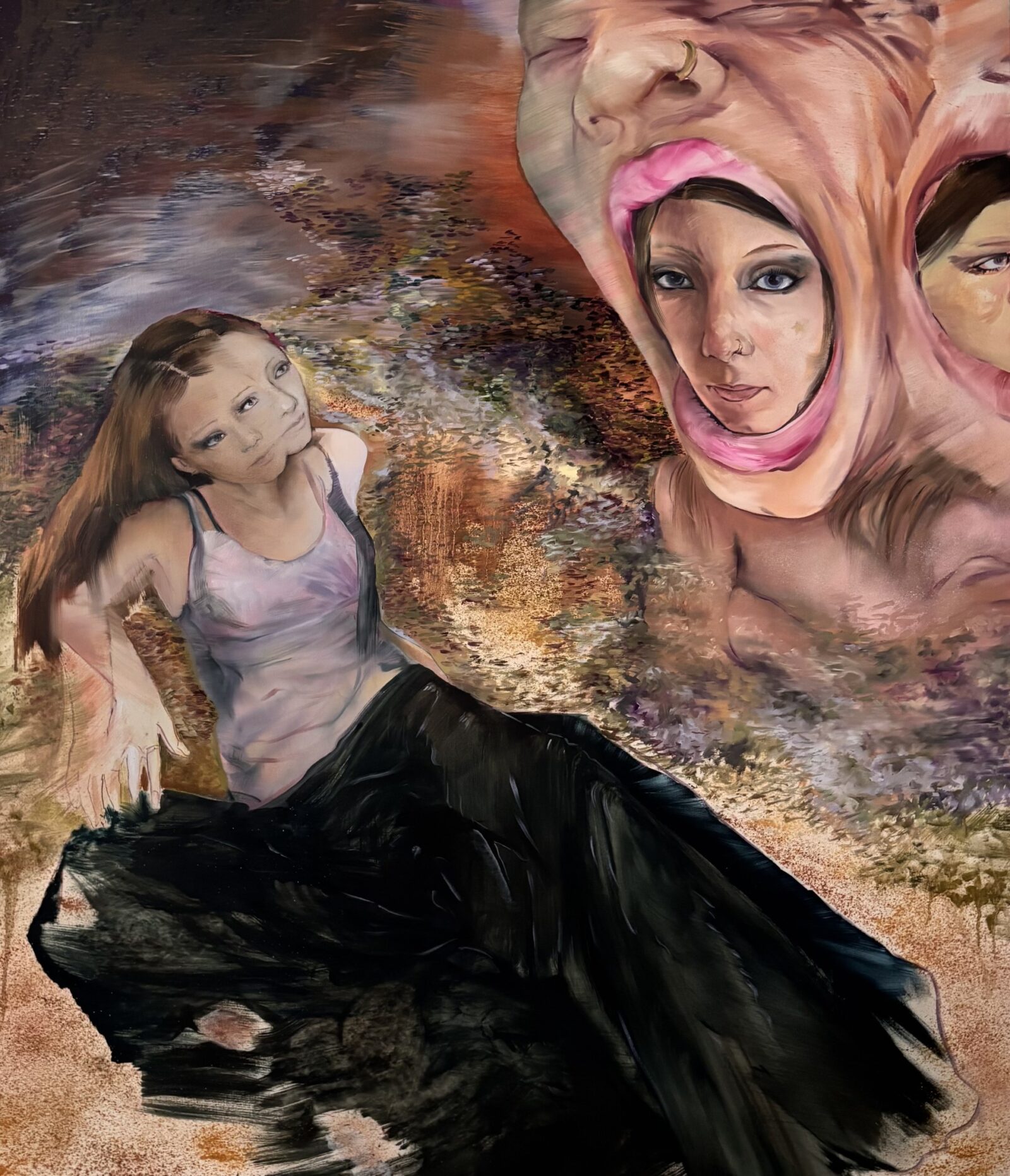
Anna Czarnota, Samosąd, 150x130 cm, oil on canvas, 2025 Anna Czarnota, Samosąd, 150x130 cm, oil on canvas, 2025 


Anna Czarnota is a painter born in 2000. In 2025, she completed her integrated Master’s degree at the Jan Matejko Academy of Fine Arts in Kraków. She has participated in numerous group exhibitions, including at the Zofia Weiss Gallery in Kraków, the Napiórkowska Gallery in Warsaw, and the Zbrojownia Gallery in Gdańsk, where she was one of the finalists of the Wojciech Fangor Student Painting Competition. There, she received an honorable mention from both the Mazovian Center for Contemporary Art “Elektrownia” and Krupa Gallery. In January 2025, she opened a solo exhibition at Elektrownia in Radom.

In her work, figures are often accompanied by additional elements such as heads or other external manifestations of what the portrayed individuals carry within. Heads, dogs, or transformations of the surrounding environment all serve the same purpose — to externally express, in a painterly way, emotions and internal states.

___

It’s three in the morning.

One o’clock at night, two o’clock at night, but three in the morning.

It is a symbolic hour in two ways. It is often called the “witching hour” or the “devil’s hour”: in neo-pagan beliefs, it is the moment when the boundary between the known and the unknown, the normal and the paranormal, becomes blurred.

For people suffering from insomnia, the same hour means something entirely different: a moment when we stop deceiving ourselves. The excuse of “I’m just going to bed late” gives way to sudden honesty with oneself. It is the time when day and night merge, and the awareness of the impossibility of sleep becomes clear. And then we stop lying to ourselves.

The title of the exhibition refers to this moment of honesty with oneself, not only in the context of insomnia, but also of the various thoughts that tangle in our heads during the day and in this moment of silence and calm, under the cover of night, resound loudly and forcefully, like the whimpering of a dog.

Just as three in the morning is a symbolic moment of change, so too was the year 2020, which was supposed to inaugurate a new decade with great celebration, but instead became a turning point, dividing contemporary history into what came before the pandemic and what came after.

One of the most radical changes was how we perceive the bed.

“The bed is for sleeping”, teenagers around the world had heard this for decades. It was not a place for eating or doing homework; it was supposed to serve the function of a place to rest. The pandemic, relocating all life into isolated spaces where we spent weeks on end, particularly altered the function of the bed. It became, especially for those finishing high school or studying at the time, the center of the entire world. It was a place of sleep and rest, of work, classes, and online meetings with friends, but above all, it was a safe space from which one could observe the world without letting it enter this sacral sphere.

Bed rotting became a form of self-care, but at the same time, a source of many problems: self-isolation and sleep disorders.

Anna Czarnota addresses in her practice themes of honesty with oneself, the thoughts that haunt us, and the meaning of rest in the 21st century, in the context of the constant bombardment of stimulating information (doomscrolling) and the blurring of the boundary between work and home.

Doomscrolling and bed rotting, two inseparable phenomena, are interesting not only from an etymological perspective, evoking grotesque visions of the end of the world and decomposition, but also from the perspective of the traditional symbolism of the bed in art, especially when, as in Anna’s work, they depict women in beds and in positions of rest.

A man in a bed was usually shown as bedridden, wounded, or dying, whereas a woman in bed was meant to symbolize eroticism and submission.

Fortunately, both times and art have changed, and with them also the symbolism of the bed. In Anna’s works, the bed, the sofa, and the poses of the figures speak about what rest and a sense of safety look like in the seeming calm of one’s own home, apartment, or bedroom. They also directly relate to the profession of the artist, which, like many independent professions, is a 24/7 job, always occupying a significant part of one’s thoughts regardless of place or time.

Physical rest contrasts with the lack of intellectual rest. Days when we feel tired but at the same time unsatisfied with the work we’ve done loop endlessly. The fragile boundary between relaxation and overwork, between calm and overstimulation, becomes tangled. And so, again, it is three in the morning.

Exhibitions
19 — 28 September 2025

Łukasz Stokłosa, Marko Obradović, Patryk Staruch

Warsaw Gallery Weekend+ 2025: The Gaze. Beyond.

Opening of the exhibition as part of Warsaw Gallery Weekend+ 2025

address: Studio8, ul. Krakowskie Przedmieście 79/111, 00-079, Warszawa
opening hours: 11:00-19:00
curator: Natalia Barczyńska

Photo: Bartosz Górka Photo: Bartosz Górka 
 
Photo: Bartosz Górka Photo: Bartosz Górka 
 
Photo: Bartosz Górka Photo: Bartosz Górka 
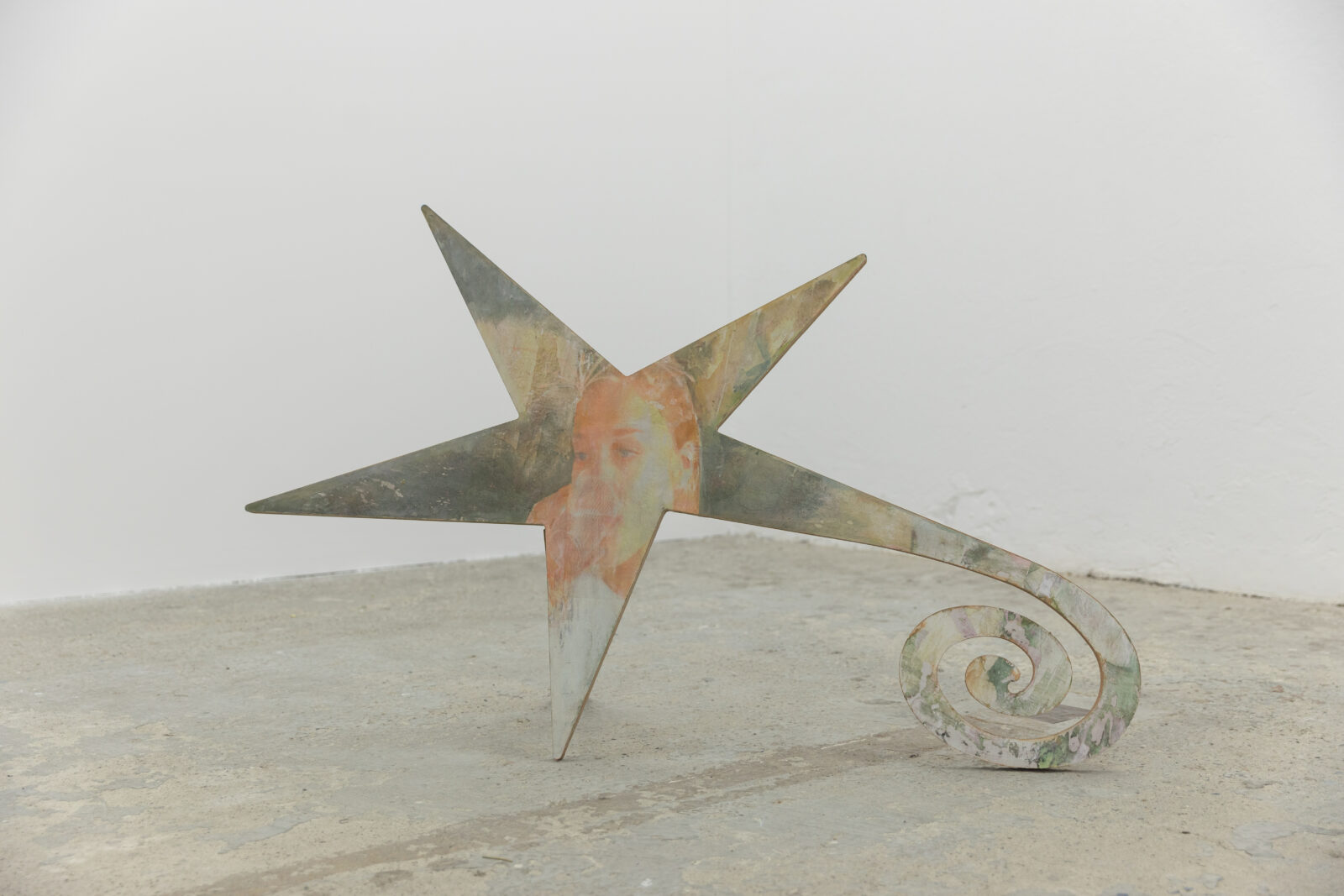
Marko Obradović, Heaven's rot (star), 2024, Mixed media and oil on wood panel Marko Obradović, Heaven's rot (star), 2024, Mixed media and oil on wood panel 

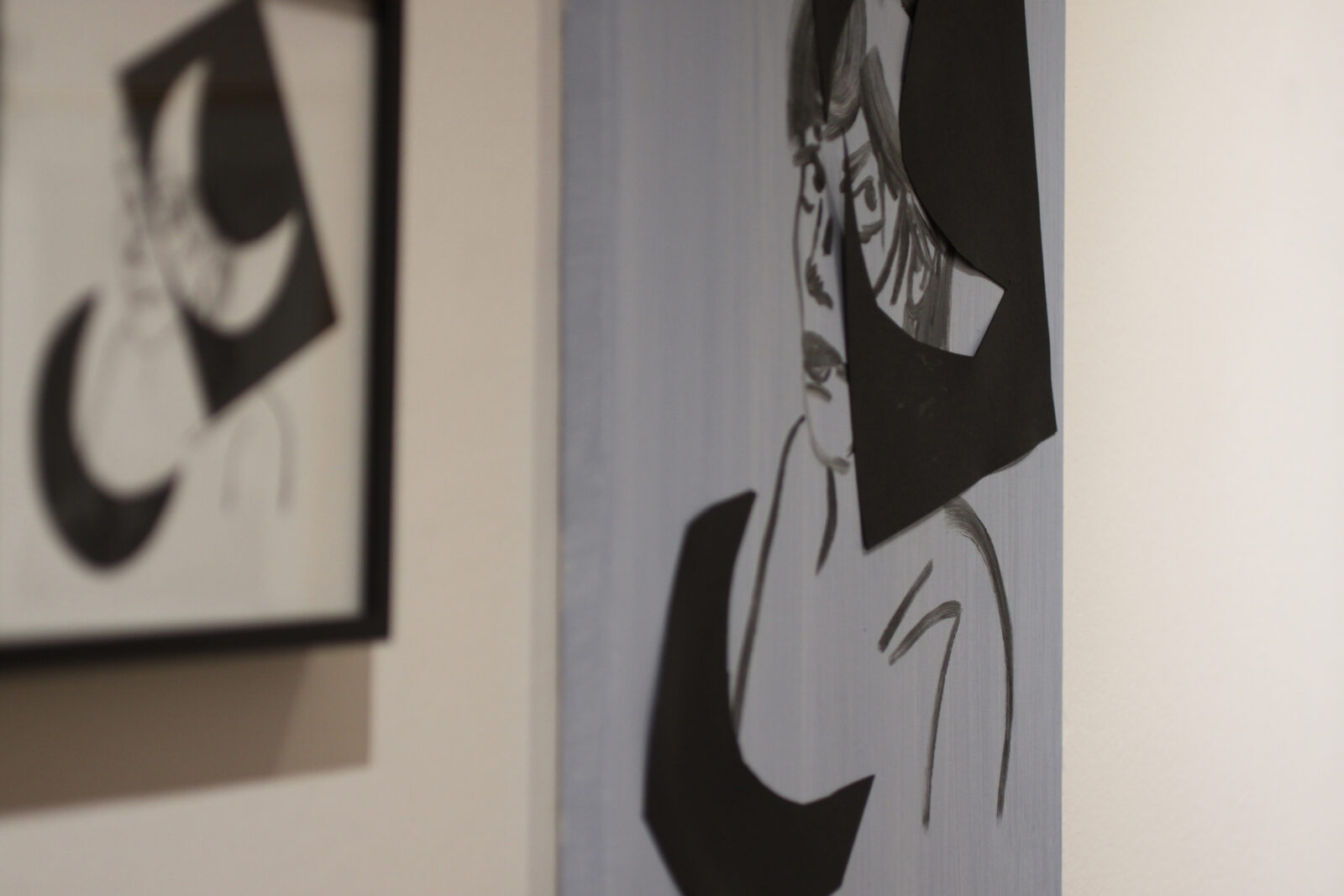
The works of the three artists – Marko Obradović, Patryk Staruch, and Łukasz Stokłosa – explore explore the role and subjectivity of the gaze, themes of alienation, the role of the observer and the observed, and the influence of pop culture on collective consciousness. It is a narrative without a clear beginning or end, leaving the viewer suspended between what is real and what is merely seen. It is a landscape shaped by fleeting impressions and emotional afterimages, where what is observed is always slipping away, and what remains is only a trace, a projection.

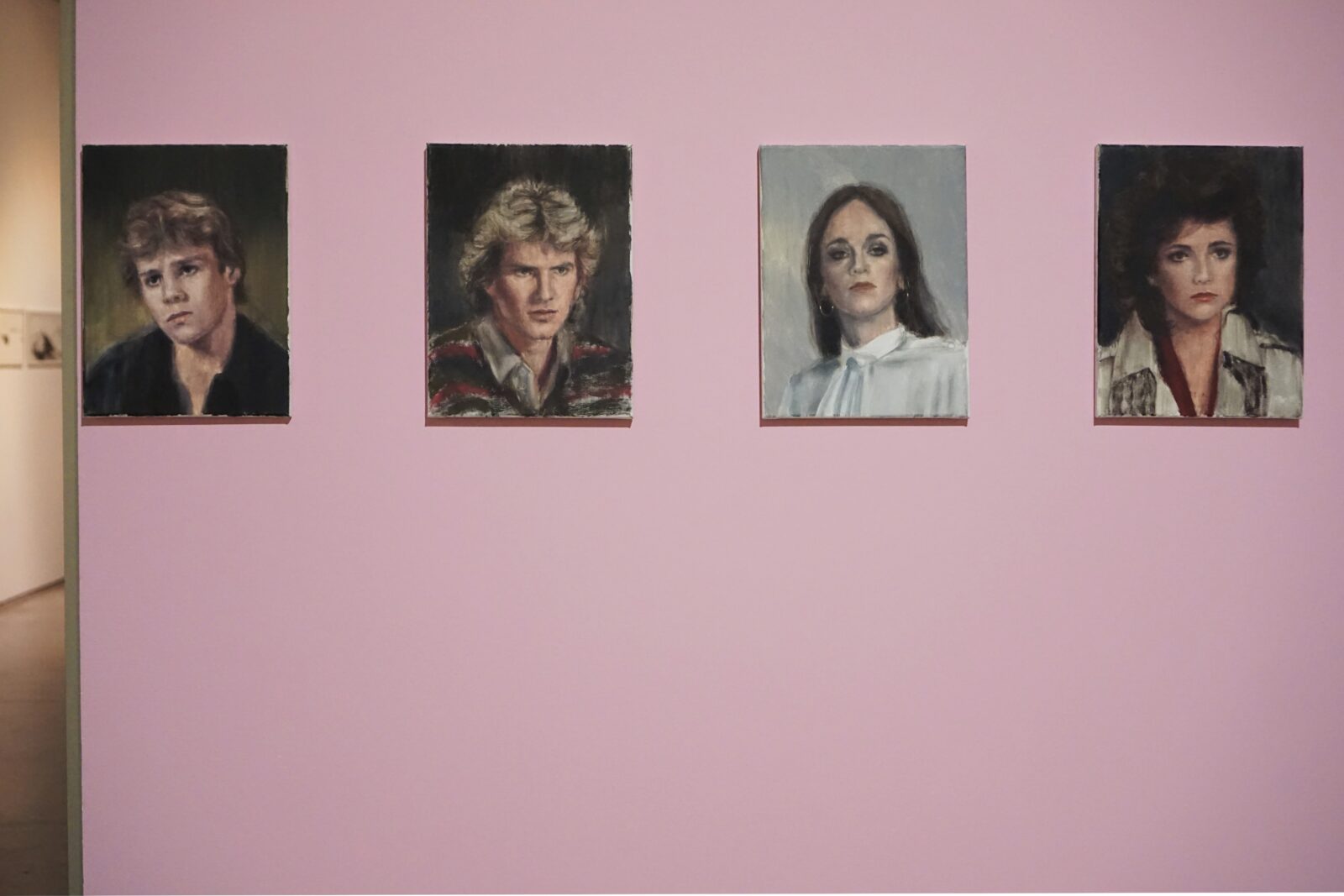
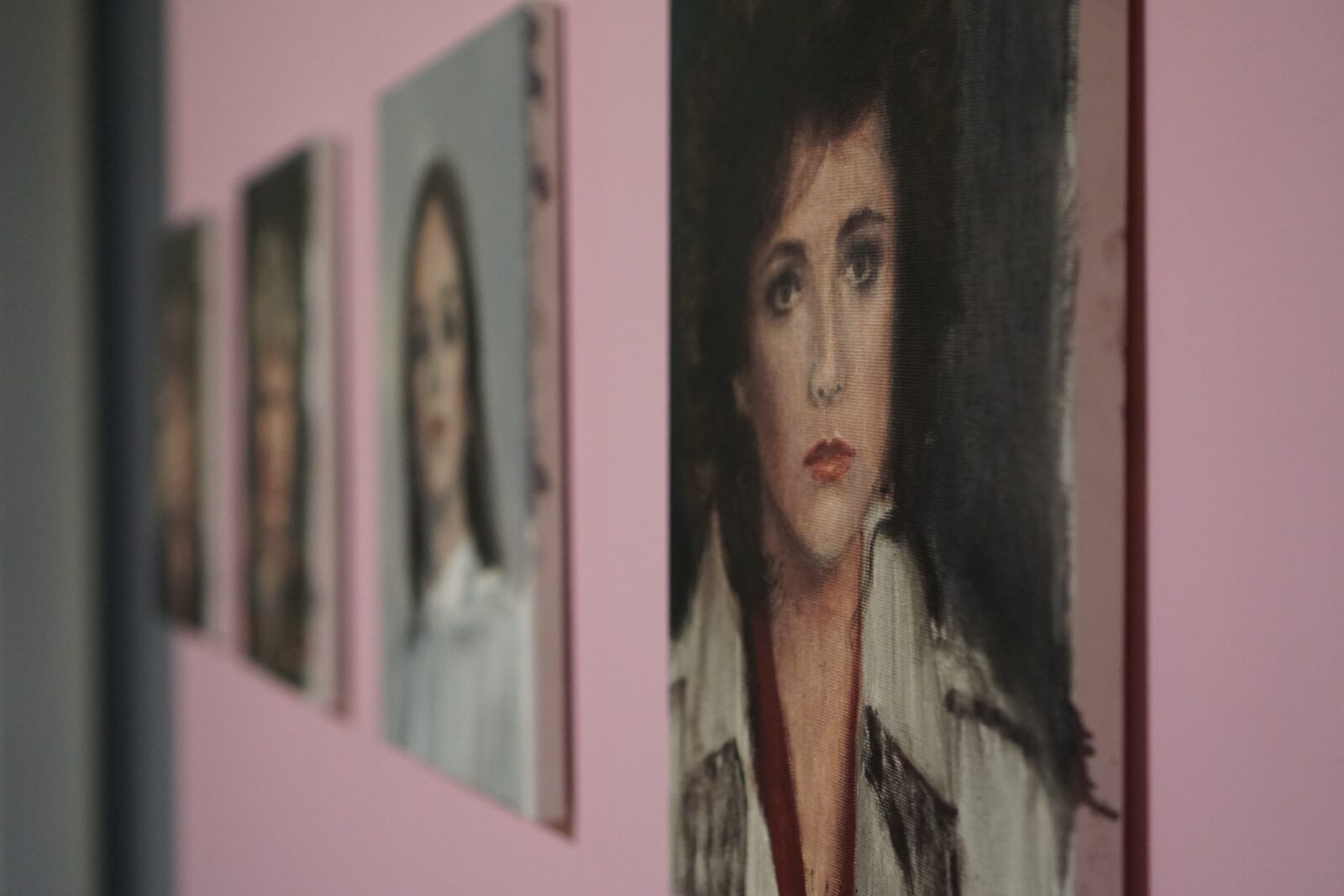
The works of Obradović, Staruch, and Stokłosa navigate these in-between worlds with distinct yet resonant approaches. Obradović’s practice, infused with themes of abjection, transhumanism, and esotericism, creates speculative narratives that examine the ephemeral nature of identity and spirituality. His pieces suggest feelings of melancholy and claustrophobia, hinting at spaces both intimate and inaccessible, offering the viewer a glimpse into realities that are deliberately obscured. Patryk Staruch delves into the psychoanalytical undercurrents of cinema. Reimagining memories and dreams through cinematic language, his paintings question the power dynamics of the gaze and the fragile construction of self-image. Staruch’s canvases operate as disconnected yet strangely coherent frames of a never-made film, populated by dreamers, watchers, and the dreamt. Łukasz Stokłosa’s work reflects on the aestheticized ghosts of late capitalist fantasy. His fragmentary, glitch-like images evoke the faded opulence of the 1990s, exploring how collective desires, visual culture, and memory shape — and ultimately haunt — our perception of self and other. His figures hover between presence and absence, between acting and simply existing, becoming mirrors of a world both hyperreal and spectral.

The exhibition loosely resonates with the psychological atmosphere of David Lynch’s Lost Highway, as well as the existential rebellion of the French New Wave. It examines alienation as a social reaction to an unstable reality, using dichotomies — life and death, reality and illusion, consciousness and unconsciousness — to unsettle our certainties. Rather than offering a linear narrative or a closed interpretation, exhibition invites viewers into a liminal zone: a space where reality is perpetually questioned, where memory merges with projection, and where the self becomes as fleeting and unfixed as the images that pass before our eyes and subconscious.

Exhibitions
10 July — 20 September 2025

Adam Boyd, Lauren Godfrey, Holly Graham, Nadia Hebson, George Richardson, Maria Zahle

Harrow, March 31st 2005…

Adam Boyd, Lauren Godfrey, Holly Graham, Nadia Hebson, George Richardson, Maria Zahle

Curated by George Vasey
With a text by Salena Barry

10 July — 20 September 2025

1 Pakenham Street, London, WC1X 0LA, UK

Private View: 10 July 2025, 6—8 PM

Summer break in London: 18 August — 3 September 2025

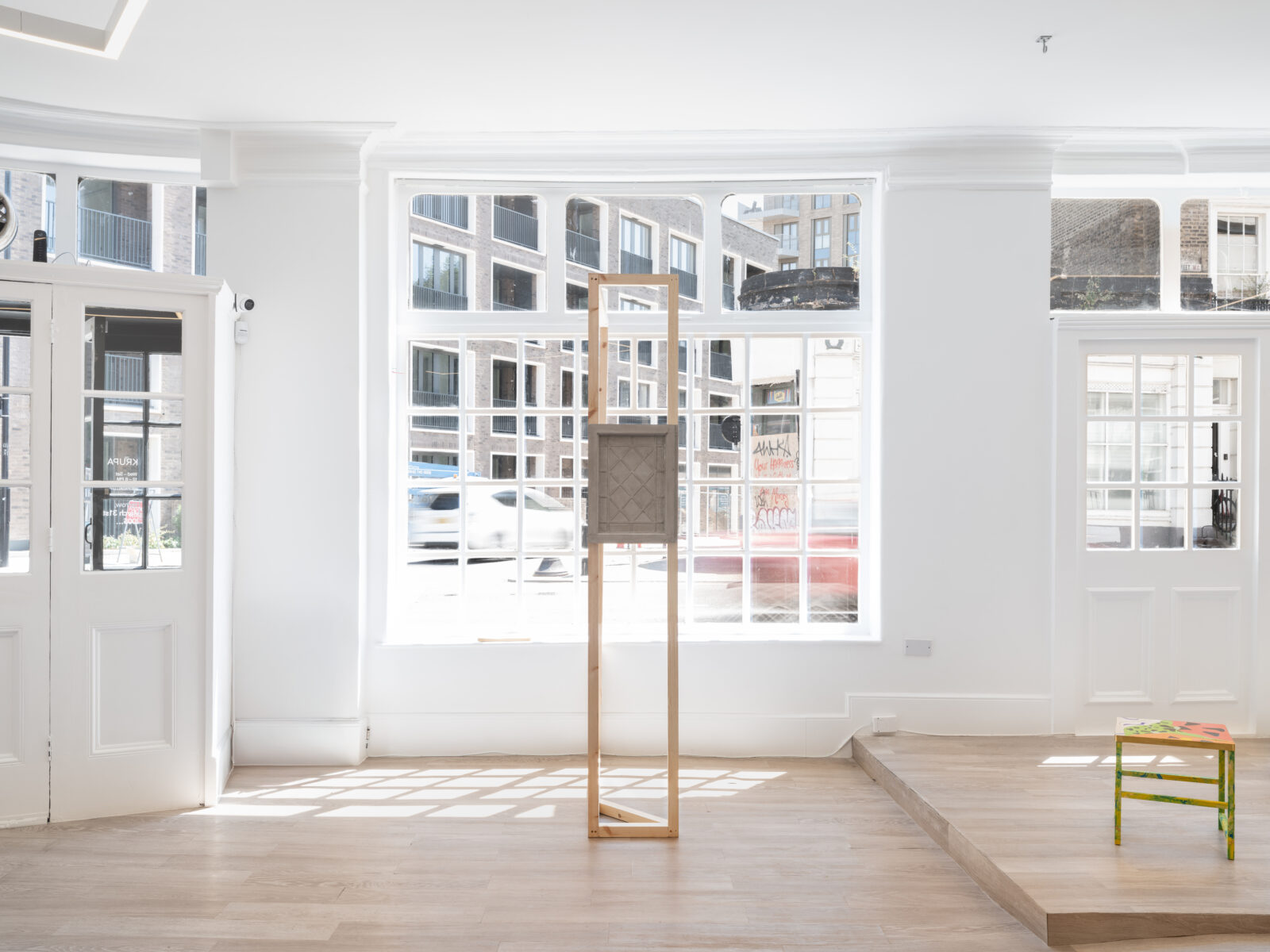
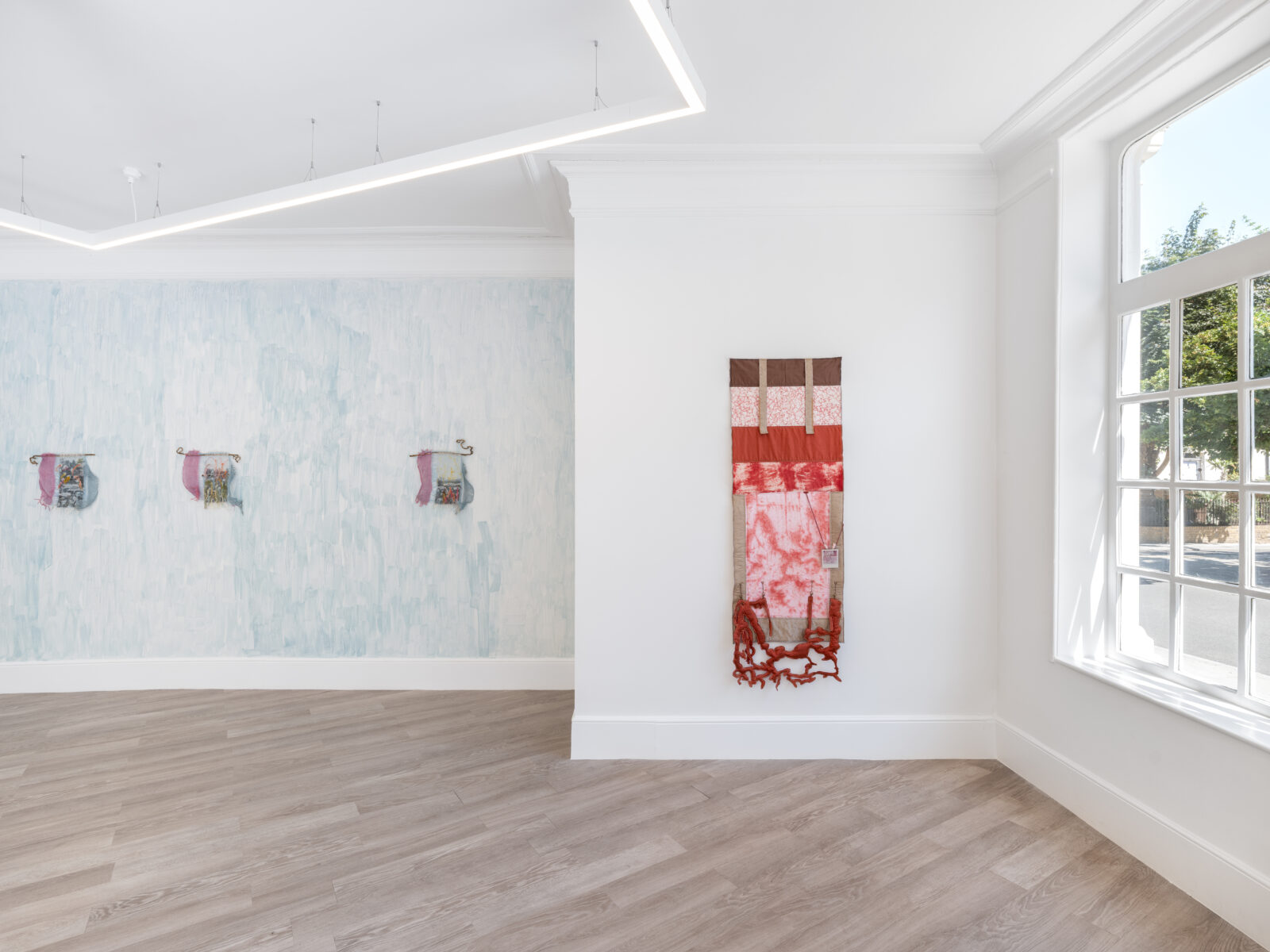
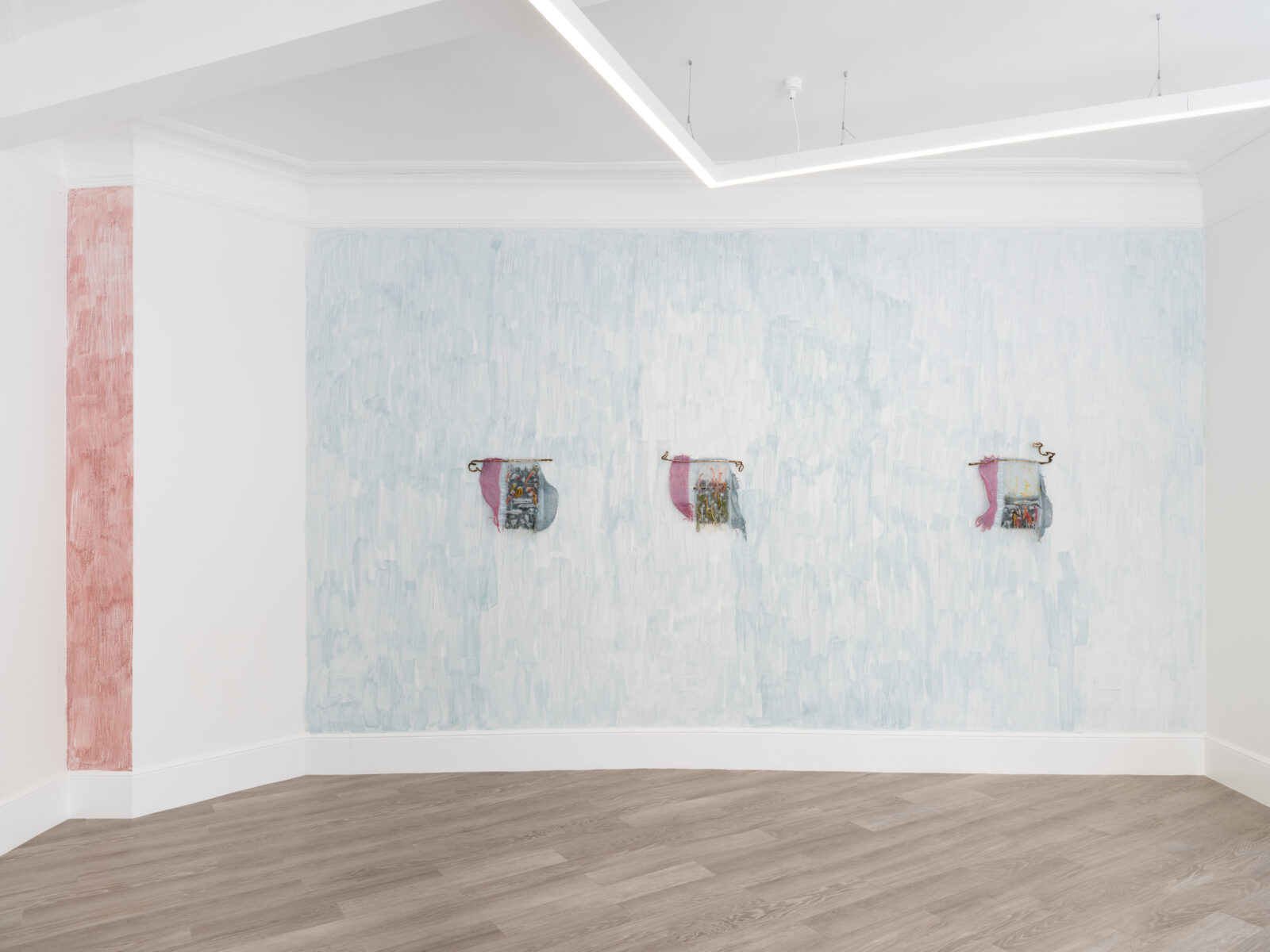
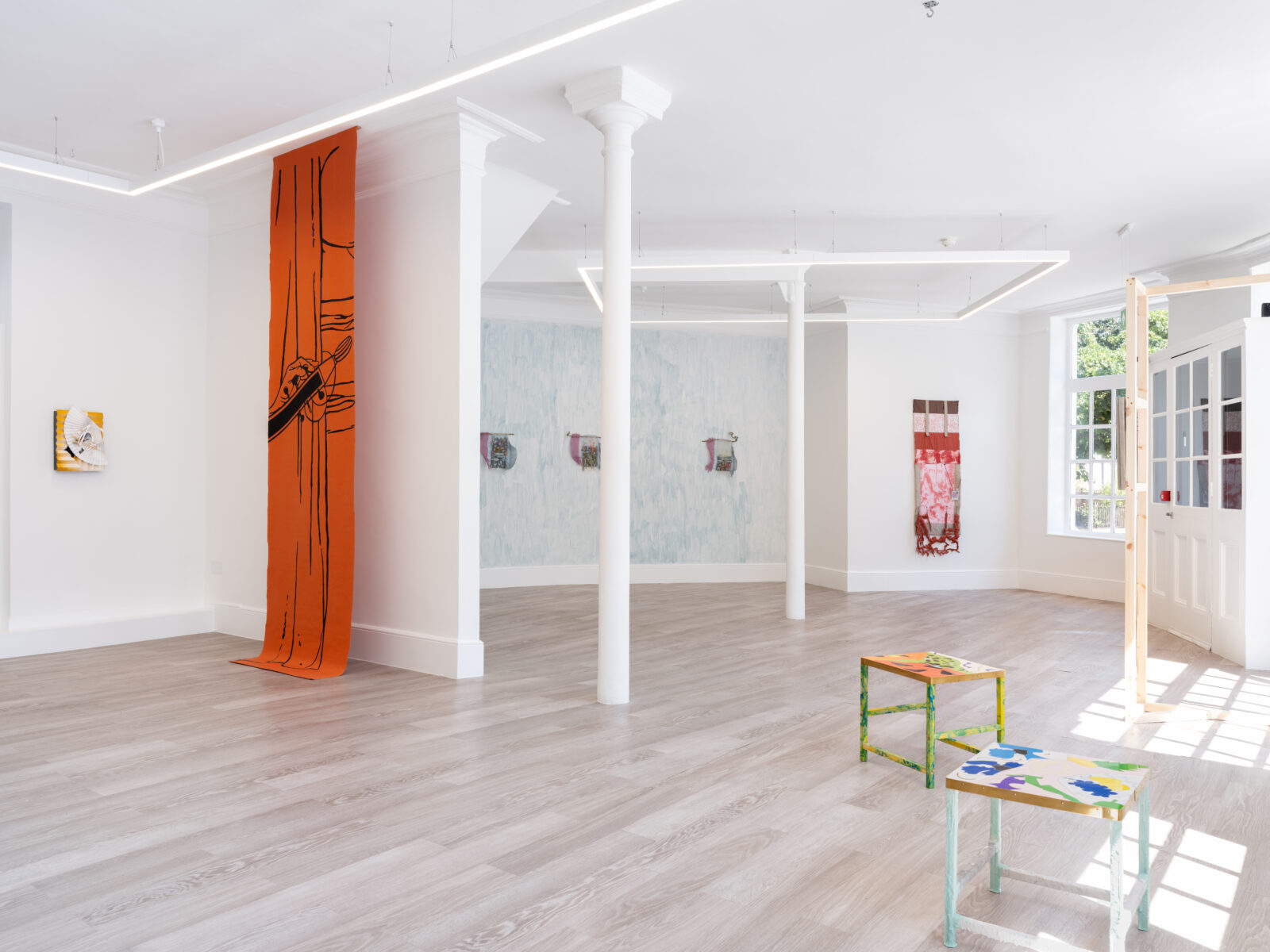
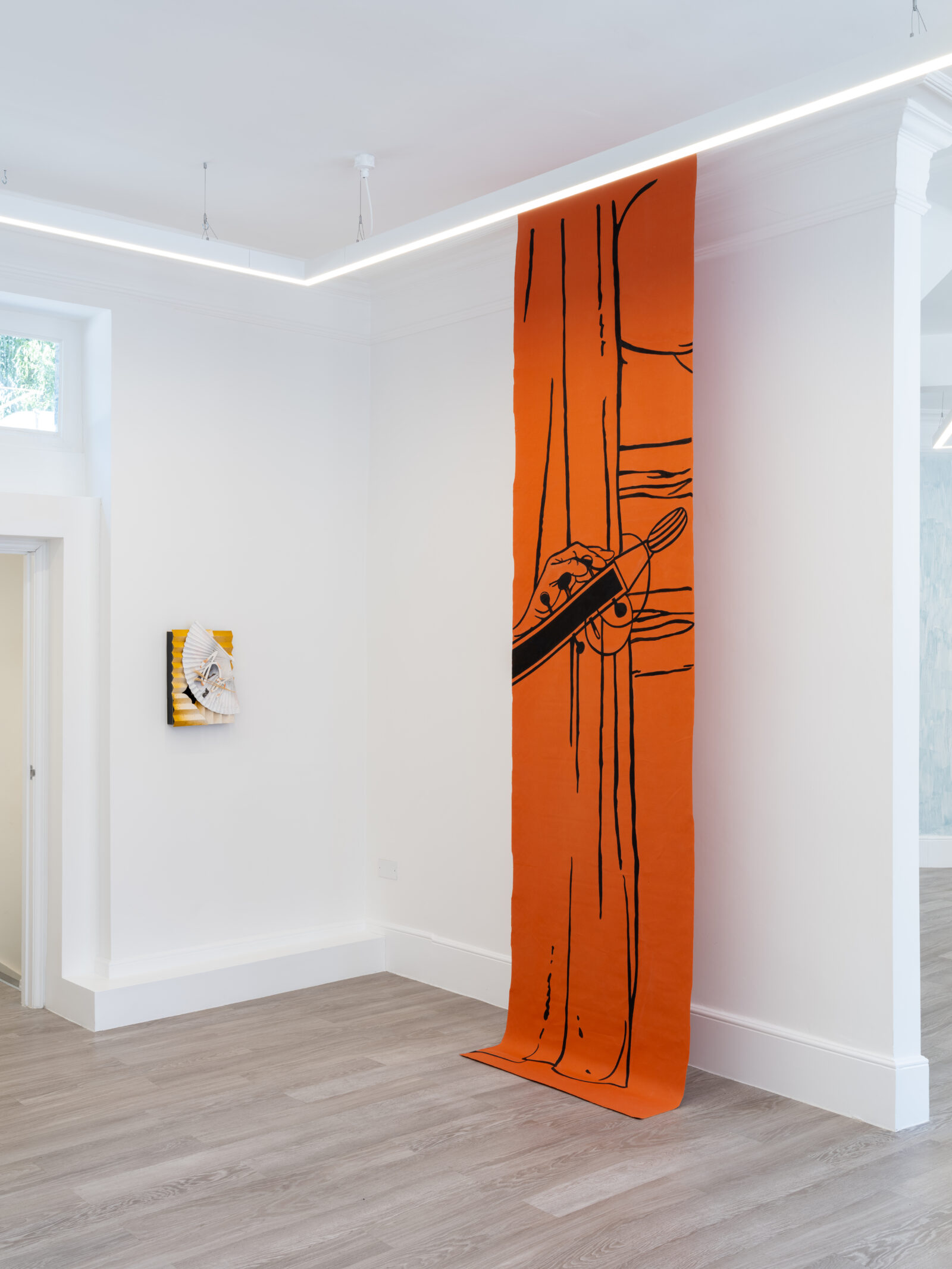
Harrow, March 31st 2005..., exhibition view, photo: JUDDartINDEX Harrow, March 31st 2005..., exhibition view, photo: JUDDartINDEX 
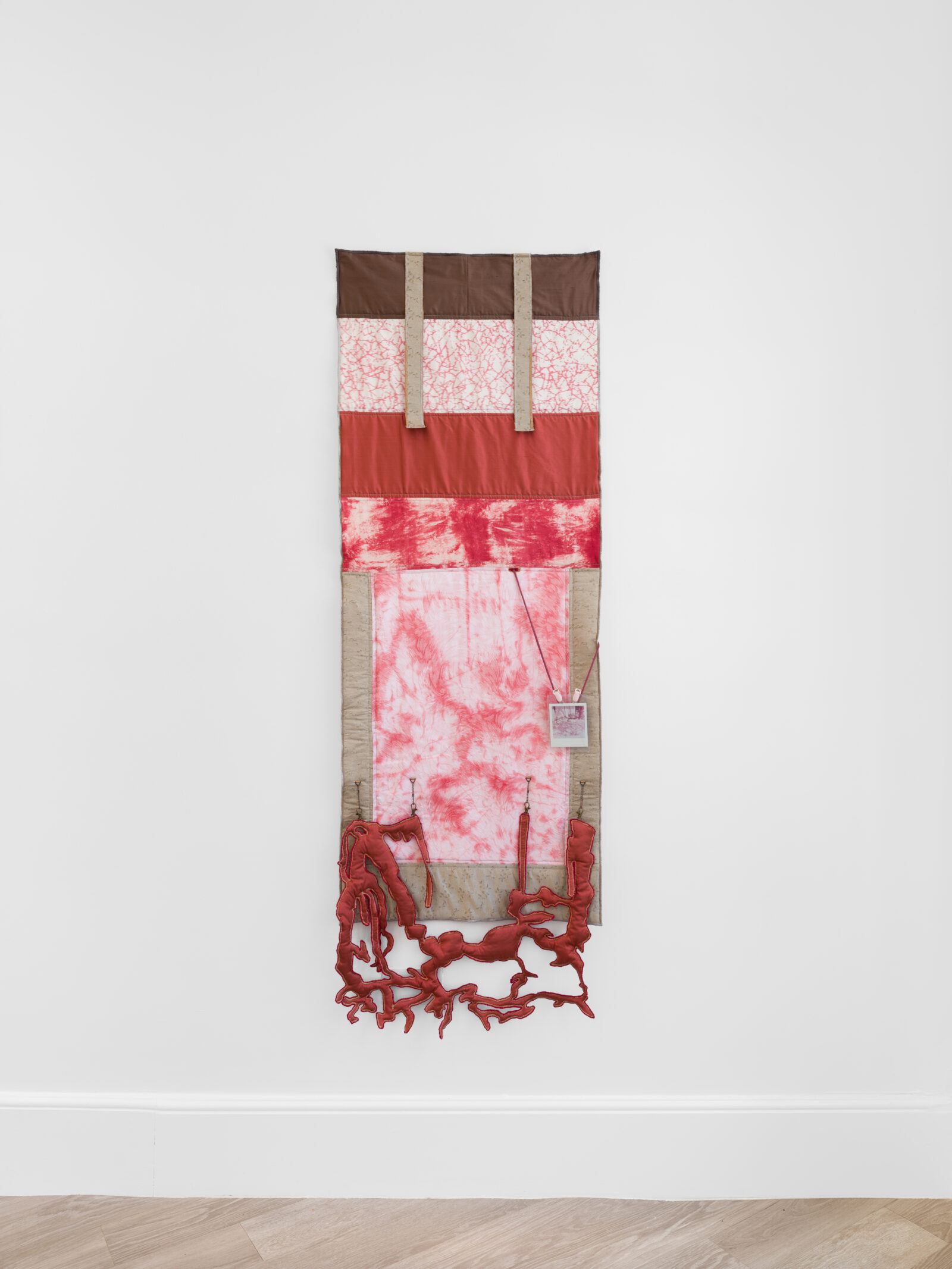
Adam Boyd, Alterity, inkjet collage on wood, hand dyed canvas, UV print on polyester, taffeta, wooden frame, varnish, thread, 2023, 102 x 89 x 31.5 cm | Image courtesy of Commonage Projects | Photography: Reinis Lismanis Adam Boyd, Alterity, inkjet collage on wood, hand dyed canvas, UV print on polyester, taffeta, wooden frame, varnish, thread, 2023, 102 x 89 x 31.5 cm | Image courtesy of Commonage Projects | Photography: Reinis Lismanis 

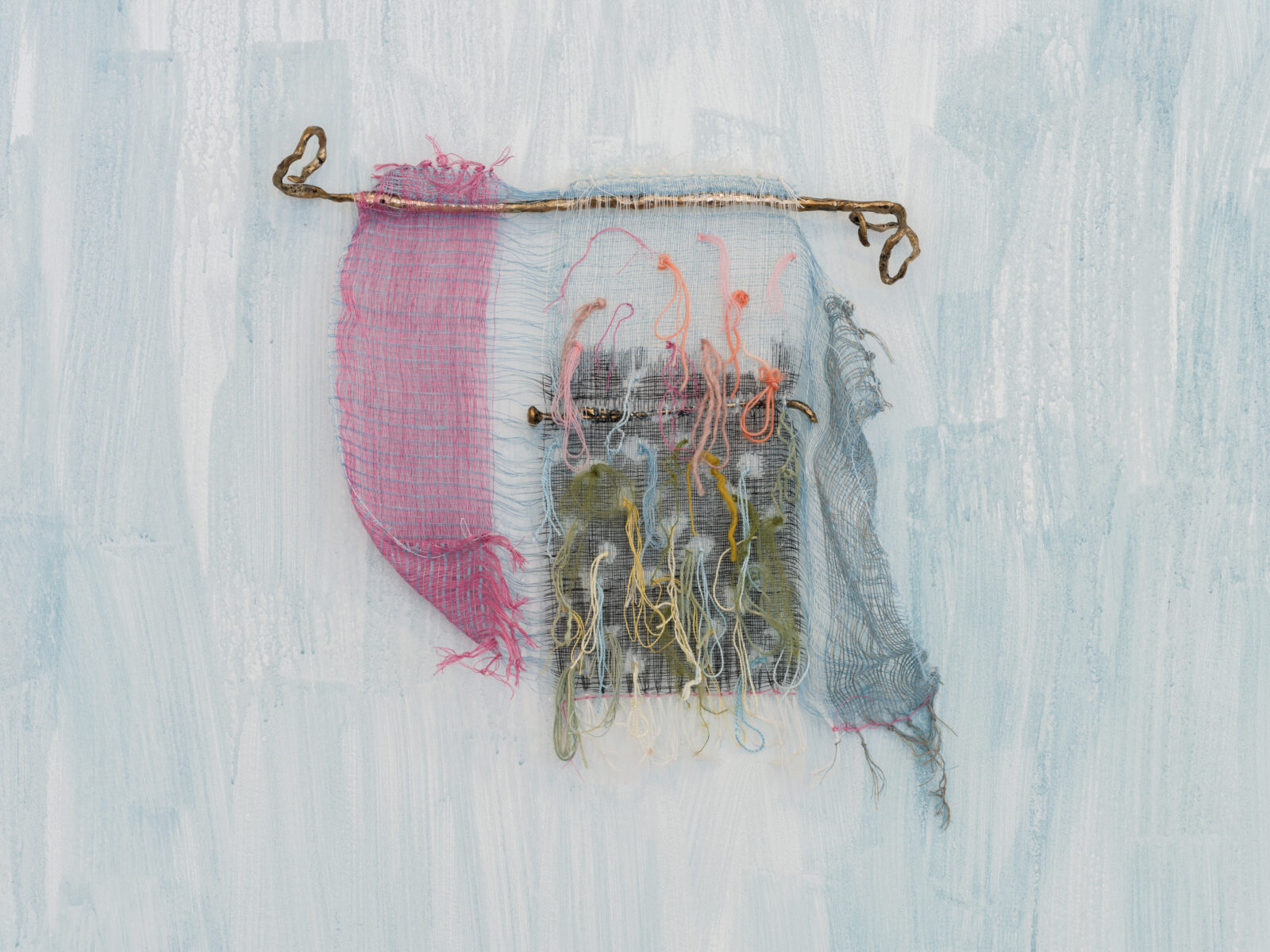
Roughly two years before the iPhone came out. Five years before Instagram launched, and twenty years as I write this text. Harrow, March 31st 2005… refers to the date that Kodak ceased production of photographic film in the UK. At its peak, the Harrow factory employed over 6,000 employees, eventually closing in 2016. In conjuring this moment, the exhibition title frames a defining shift from analogue to digital. In this time, photography has become increasingly computational, fugitive and networked. In convening these artists, the exhibition asks: what is lost in the rush towards a visual environment that emphasises immediacy, convenience, and abundance? In looking slowly, what and how might we see differently?

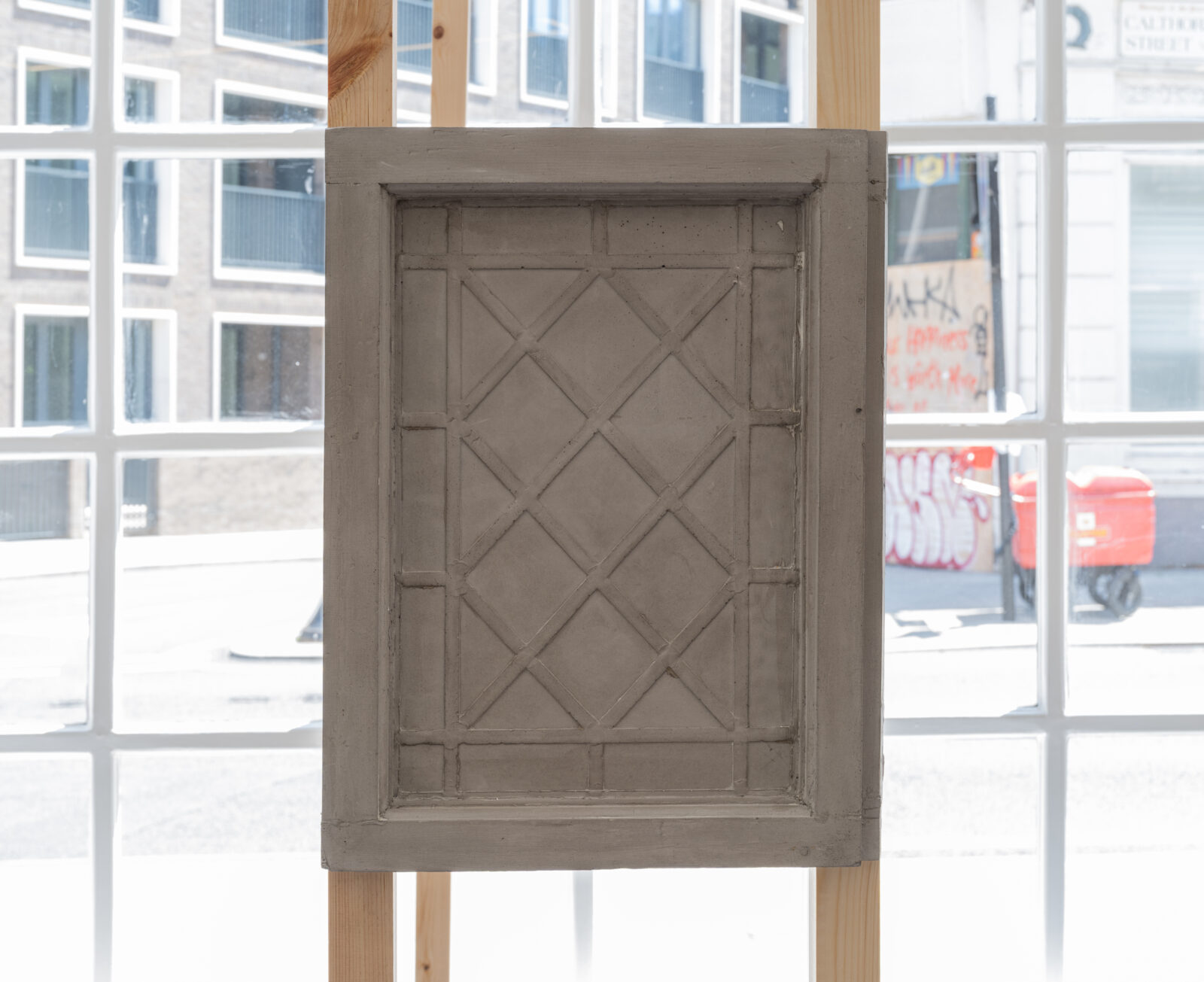
Harrow, March 31st 2005… reflects on archives and photography. Some works adopt archival and photographic approaches; others are more material and embodied. The diaristic title suggests an intimate and everyday encounter, with artworks on a scale close to the human body.  Artists weave, paint, carve, cut, collage, cast, pleat and print, imbuing their work with artistic conversations and familial anecdotes. Partially abstract but never fully, subjects and narratives are inferred.

From intervening in the family album, casting familiar childhood items, to tangentially evoking artistic antecedents and friendship, artworks embrace personal cosmologies and transform incidental iconographies. The artists in the exhibition understand that looking is an embodied, citational, and unreliable act. Seeing is material and social, refracted by memory and freighted by experience.


Text: George Vasey

News
20 July — 10 August 2025

Anna Maria Zuzela, Kacper Wiatrak

16th edition of The Best Artistic Diplomas organized by ASP Gdańsk

20 July — 10 August 2025

Opening hours: 12 — 6 PM

Address: Zbrojownia Sztuki, Targ Węglowy 6, Gdańsk

More info

source: ASP Gdańsk / fot.M. Pieniążek source: ASP Gdańsk / fot.M. Pieniążek 

Congratulations to Anna Maria Zuzela and Kacper Wiatrak for their outstanding accomplishments in the 16th Edition of Najlepsze Dyplomy Artystyczne (Best Artistic Diplomas), organized by ASP Gdansk!

Anna Maria Zuzela was honored with the Marshal of the Pomeranian Voivodeship Award (Nagroda Marszatka Województwa Pomorskiego) for her diploma project Imago, along with two solo exhibition prizes from PGS in Sopot and Artinfo.

Kacper Wiatrak received the Top Award – Rectors’ Prize (Nagroda Rektorów) for his diploma project Duchy (Spirits), as well as a solo exhibition award from Galeria Przypływ. 

Exhibitions
17 July — 28 August 2025

17.07 – 02.08
opening: 16.07, 8 pm
Lidia Tańska – “ULTRA”
Zofia Lompe – “I Have Big Eyes, So I Can See the Dust Well”   

08.08 – 23.08
opening: 07.08, 6 pm
Andrzej Staniek – “Absent Visitors”
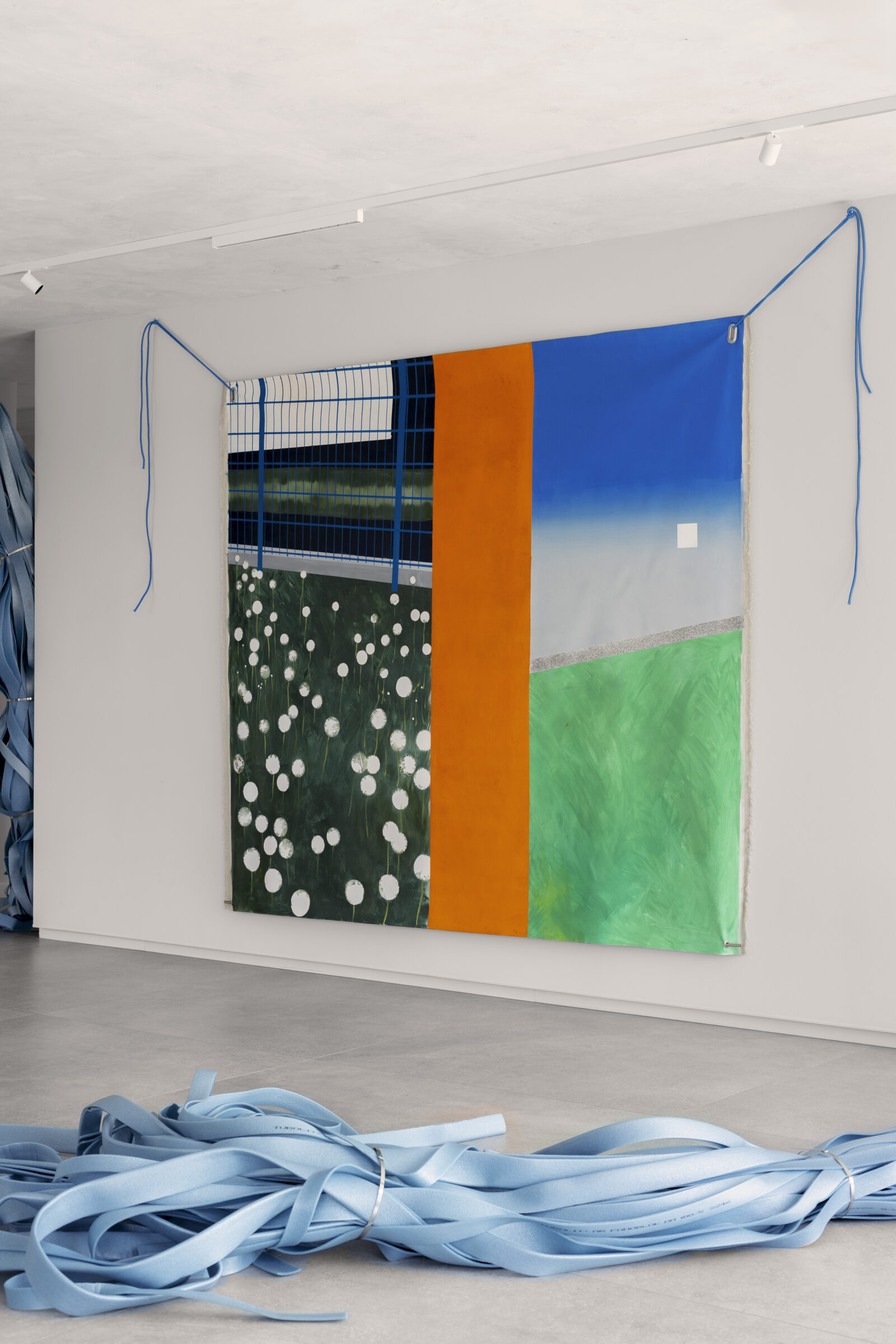
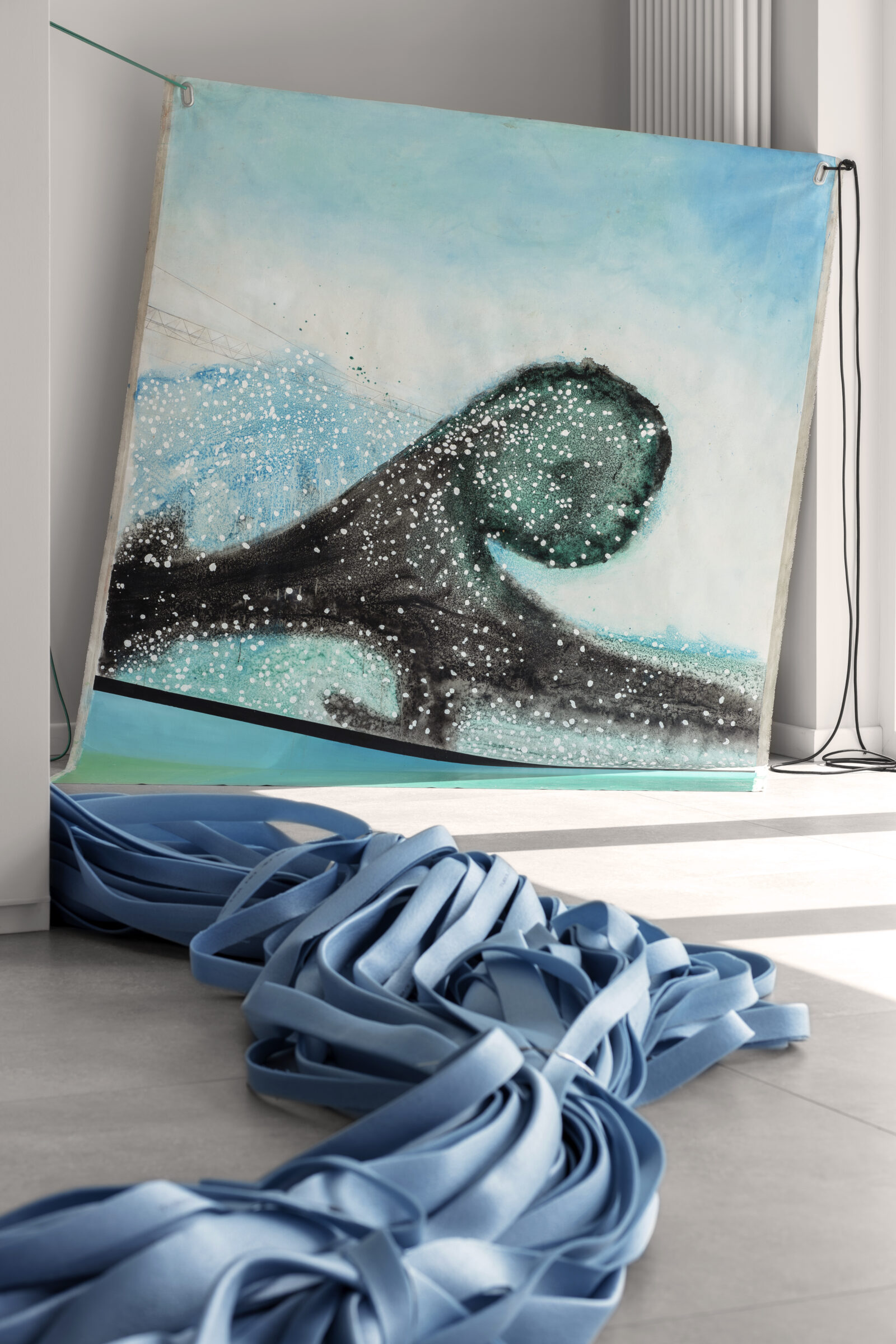
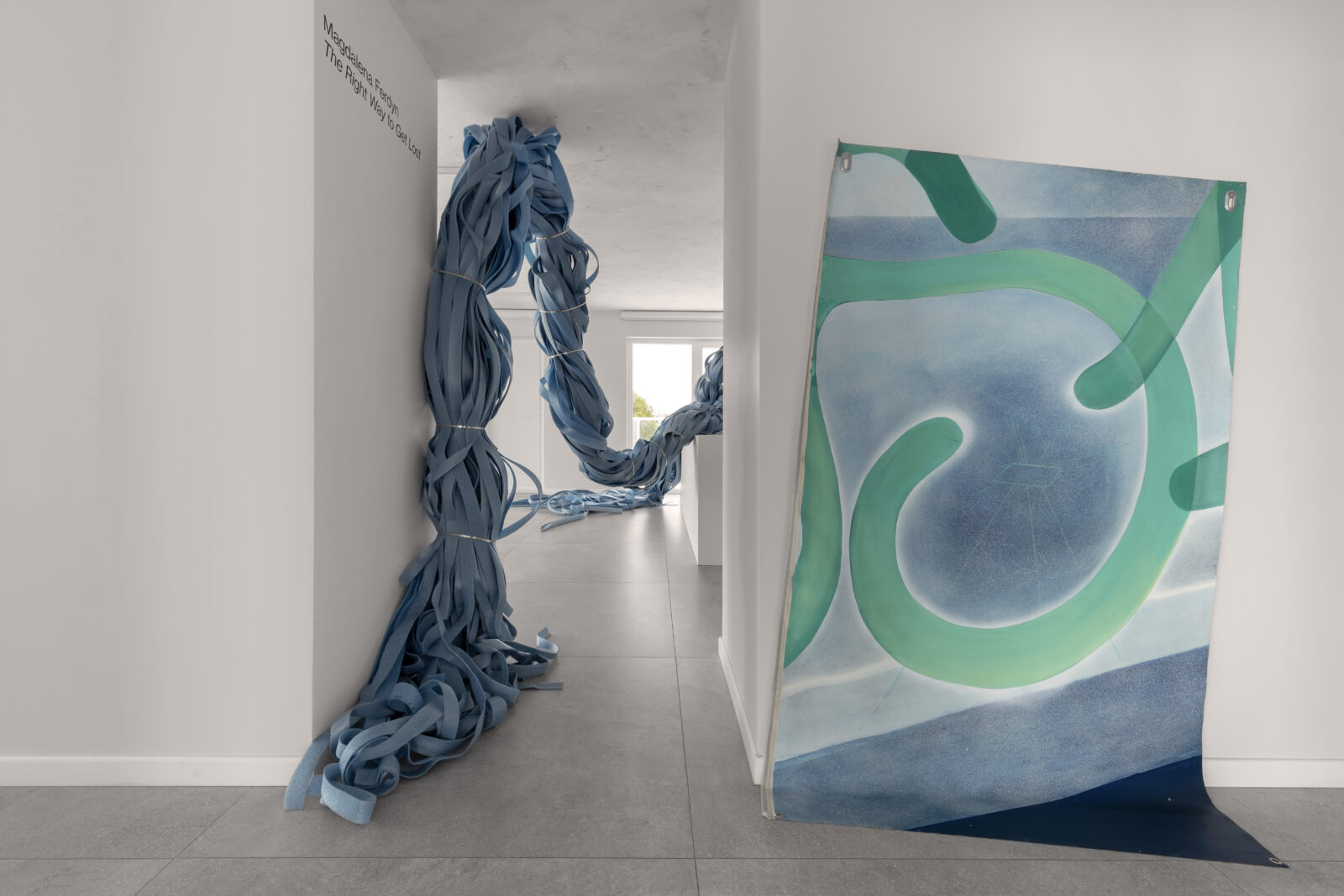
Magda Ferdyn – “The Right Way to Get Lost” 

address:
KRUPA Wrocław
Księcia Witolda 48/70, 8th floor
50-203, Wrocław, PL

Lidia Tańska – “ULTRA”, photo: Alicja Kielan Lidia Tańska – “ULTRA”, photo: Alicja Kielan 
Lidia Tańska – “ULTRA” Lidia Tańska – “ULTRA” 
Zofia Lompe – “I Have Big Eyes, So I Can See the Dust Well”, photo: Alicja Kielan Zofia Lompe – “I Have Big Eyes, So I Can See the Dust Well”, photo: Alicja Kielan 
Zofia Lompe – “I Have Big Eyes, So I Can See the Dust Well” Zofia Lompe – “I Have Big Eyes, So I Can See the Dust Well” 
Andrzej Staniek - “Absent Visitors” Andrzej Staniek - “Absent Visitors” 
Magda Ferdyn – “The Right Way to Get Lost” Magda Ferdyn – “The Right Way to Get Lost” 

4 artists
4 diploma presentations selected from the open call

After leaving academic institutions, young artists are confronted with the challenge of finding a suitable space to present their graduation projects to a wider audience. They also often face uncertainty, not only about where to present their work, but also how to navigate the unstructured and often precarious art world. To address their needs, and highlight these concerns, we are pleased to announce that this year KRUPA gallery is showcasing four diploma projects by Zofia Lompe (Academy of Fine Arts in Warsaw), Magdalena Ferdyn (Academy of Fine Arts and Design in Katowice), and Andrzej Stanek and Lidia Tańska (University of the Arts in Poznań).

The exhibition series LAST SUMMER responds to this moment — the in-between time after graduation and before what comes next. Though varied in form and focus, their works resonate with common concerns: memory, identity, ecological grief, social exclusion, and the unease surrounding personal and planetary transformation. LAST SUMMER refers to what is often called “the longest summer” — the liminal moment between student life and adulthood. For these artists, it becomes a metaphor for broader questions: What now? How do we move forward in a world facing crisis, collapse, and redefinition? Their works address the soil and the body, history and repetition, invisible labour, and deeply personal states of loss, confusion, and hope. 

Across these works, we see a reckoning with change, both intimate and global. The artists explore memory, repetition, roots, and rupture, questioning what it means to begin anew — as artists, citizens, and bodies in a world on edge. Whether through ritual, speculation, or resistance, they reflect a generation’s attempt to reclaim agency, voice, and a sense of ground in uncertain times. 

programme curator: Natalia Barczynska

Exhibitions
16 May — 3 July 2025

Inside Job (Ula Lucińska and Michał Knychaus), Justyna Baśnik, Paweł Baśnik

Æon

Æon | Inside Job (Ula Lucińska and Michał Knychaus), Justyna Baśnik, Paweł Baśnik

16 May — 03 Jul 2025

1 Pakenham Street, London, WC1X 0LA, UK

Private View – 15 May 2025

Æon, exhibition view, photo: JUDDartINDEX Æon, exhibition view, photo: JUDDartINDEX 
Justyna Baśnik, Omen (Solastalgia series), exhibition view, photo: JUDDartINDEX Justyna Baśnik, Omen (Solastalgia series), exhibition view, photo: JUDDartINDEX 
Justyna Baśnik, Larix decidua (I), (European Larch), Solastalgia series, exhibition view, photo: JUDDartINDEX Justyna Baśnik, Larix decidua (I), (European Larch), Solastalgia series, exhibition view, photo: JUDDartINDEX 
Æon, exhibition view, photo: JUDDartINDEX Æon, exhibition view, photo: JUDDartINDEX 
Inside Job (Ula Lucińska, Michał Knychaus), Identified Object , 2016 (2025) Inside Job (Ula Lucińska, Michał Knychaus), Identified Object , 2016 (2025) 
Justyna Baśnik, Tabernacle, exhibition view, photo: JUDDartINDEX Justyna Baśnik, Tabernacle, exhibition view, photo: JUDDartINDEX 
Paweł Baśnik, In His House at R’lyeh Dead Cthulhu Waits Dreaming, exhibition view, photo: JUDDartINDEX Paweł Baśnik, In His House at R’lyeh Dead Cthulhu Waits Dreaming, exhibition view, photo: JUDDartINDEX 
Inside Job (Ula Lucińska and Michał Knychaus), Untitled (From the Will Spread series), 2024, stainless steel, aluminum. Photo: Inside Job Inside Job (Ula Lucińska and Michał Knychaus), Untitled (From the Will Spread series), 2024, stainless steel, aluminum. Photo: Inside Job 

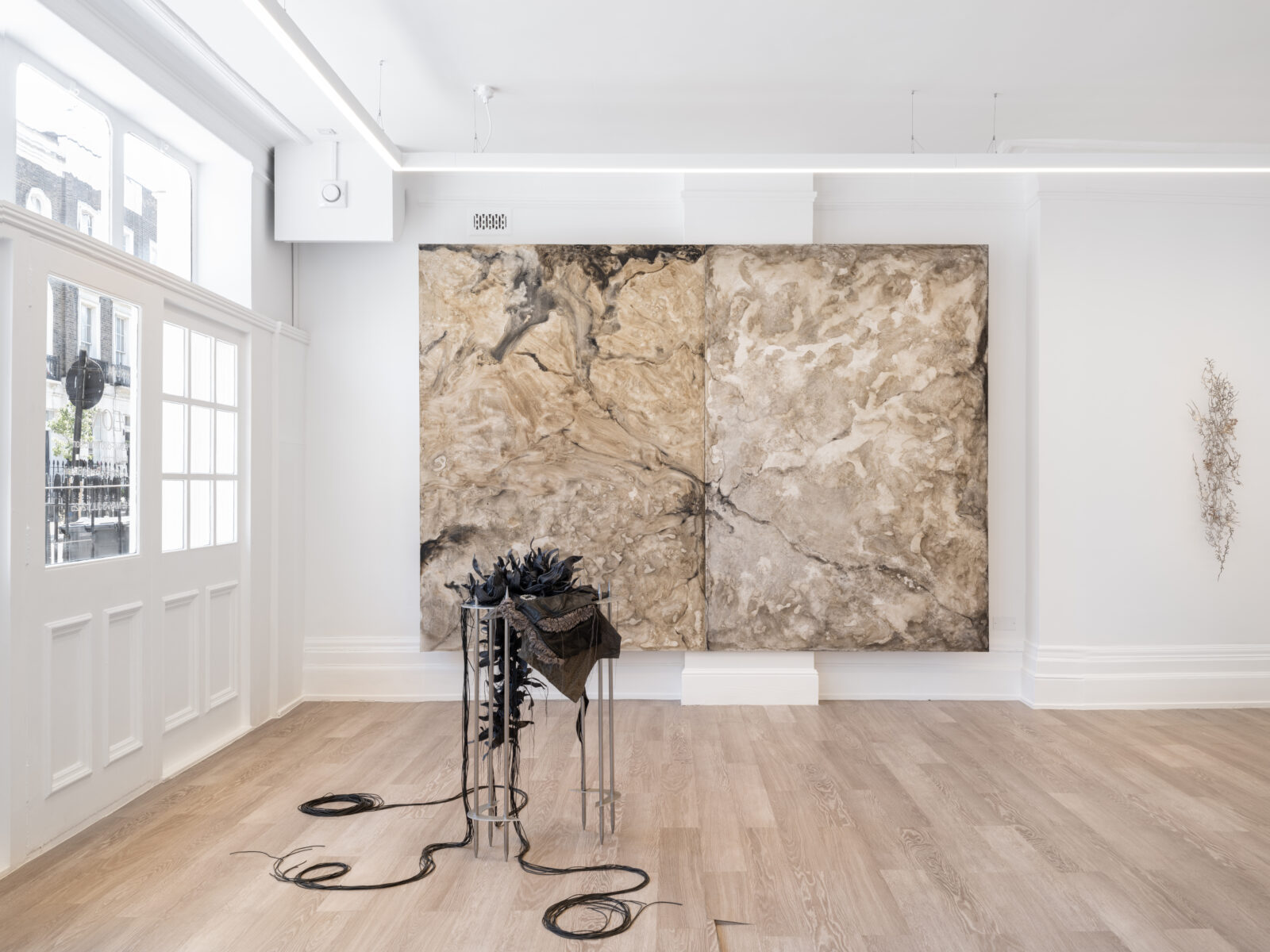
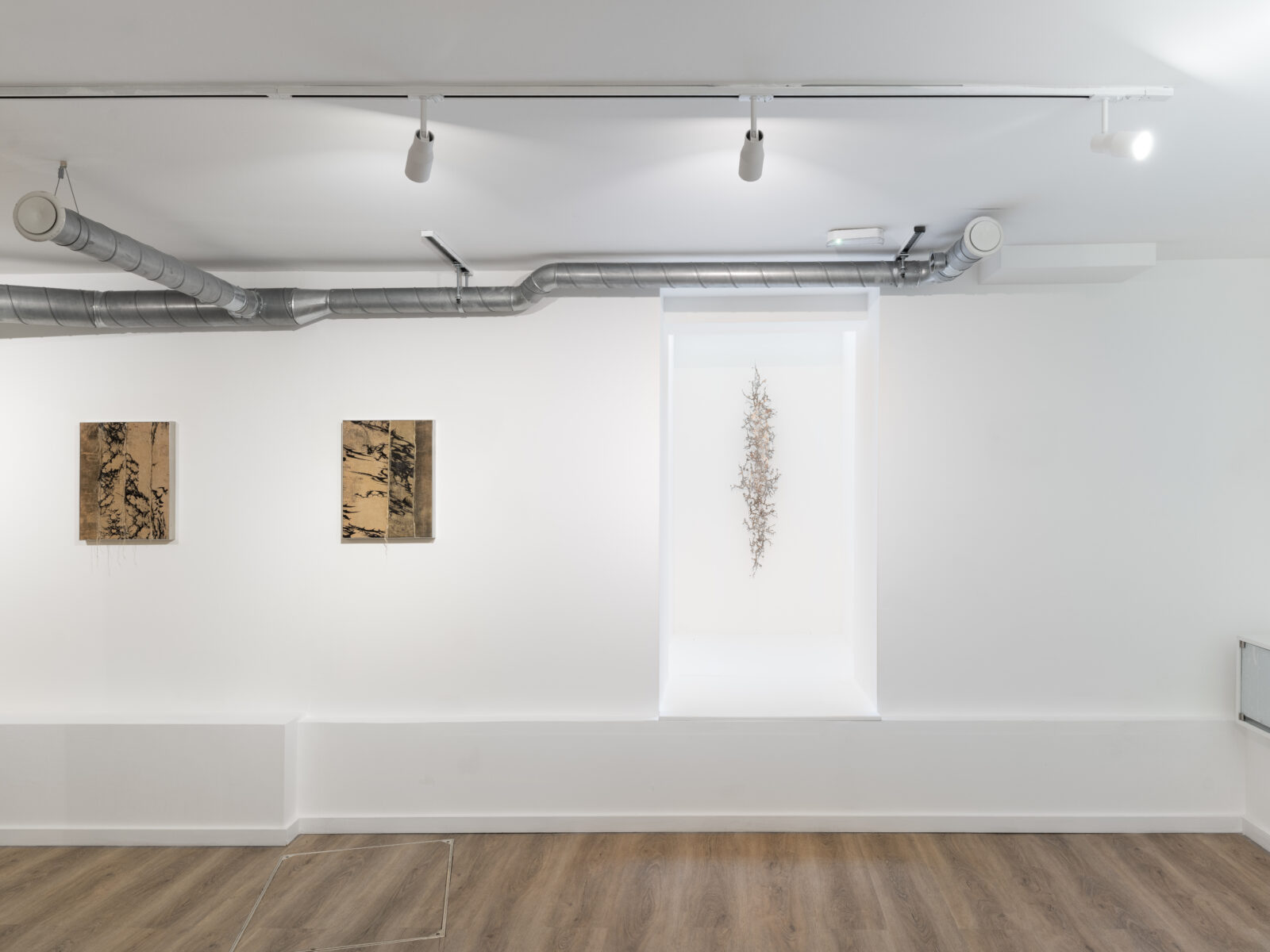
“We live on a placid island of ignorance in the midst of black seas of infinity, and it was not meant that we should voyage far.” With this sentence, H.P. Lovecraft opens The Call of Cthulhu—arguably his most iconic and mythologized short story. The rhetorical move here sets the stage for a worldview in which what is human is but a marginal sliver of a far greater whole. 

To construct this perspective, Lovecraft draws on the concept of the aeon—a geochronological unit encompassing eras that span hundreds of millions of years. Yet in his writing, the term transcends the spatiotemporal: it carries an existential charge. Aeons—those endless eternities—become something primordial, pre-human, and utterly incomprehensible. They operate on a scale that crushes our capacity for understanding and are wielded as instruments of cosmic horror—a horror that arises from revealing humanity’s insignificance in the face of vast, eternal forces. Lovecraft speaks of the aeon as a gulf of unimaginable archaic history, of ancient and godless cycles of life in which the world and our conceptions have no part. Elsewhere, he adds that within these temporal abysses, the human world seems but a transient and ephemeral episode. 

But these aeonic depths do not refer solely to the past—they may just as well belong to the future. What defines them is a continuity of being, in which the human is neither center nor measure, but something nearly accidental. 

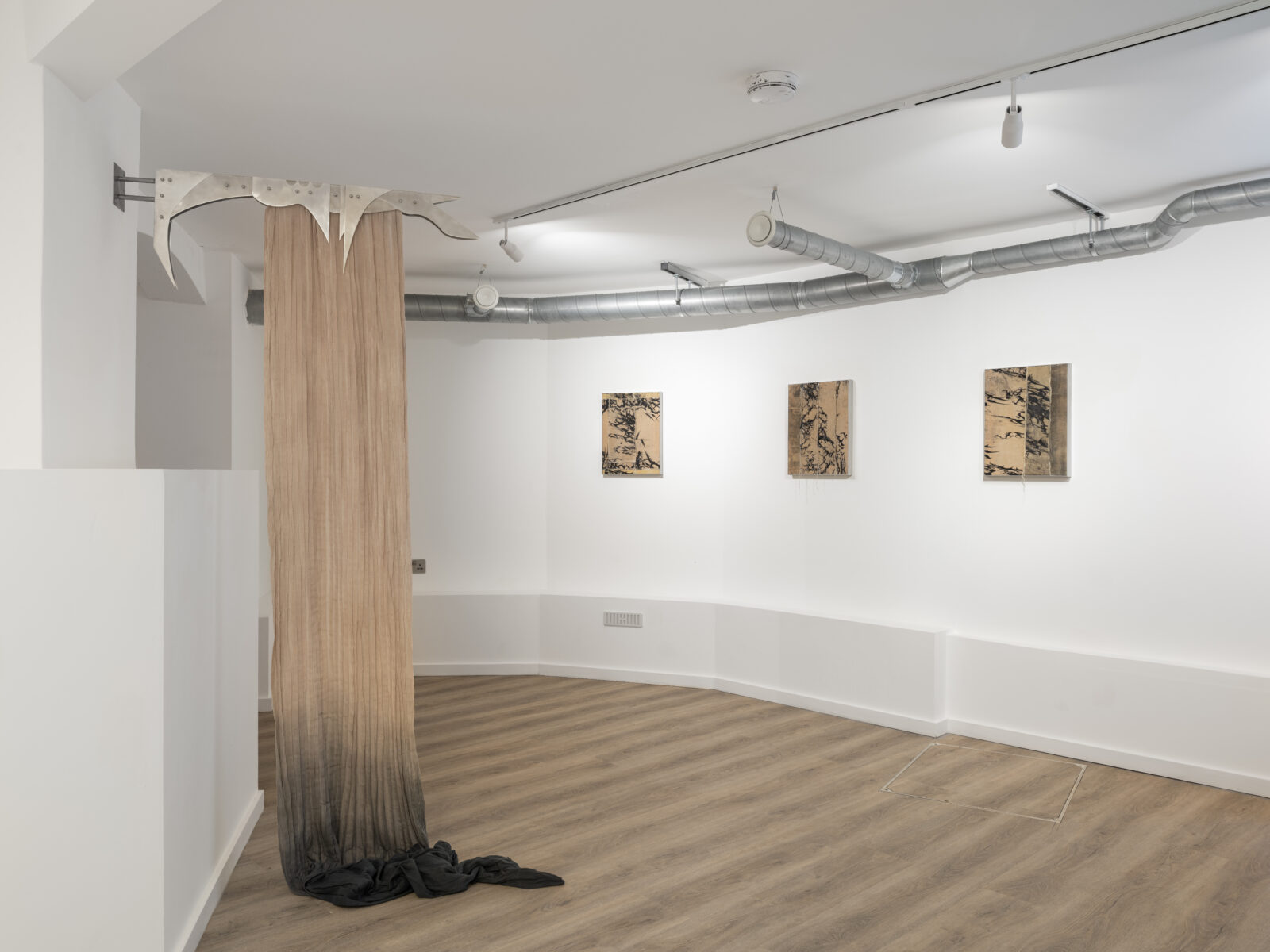
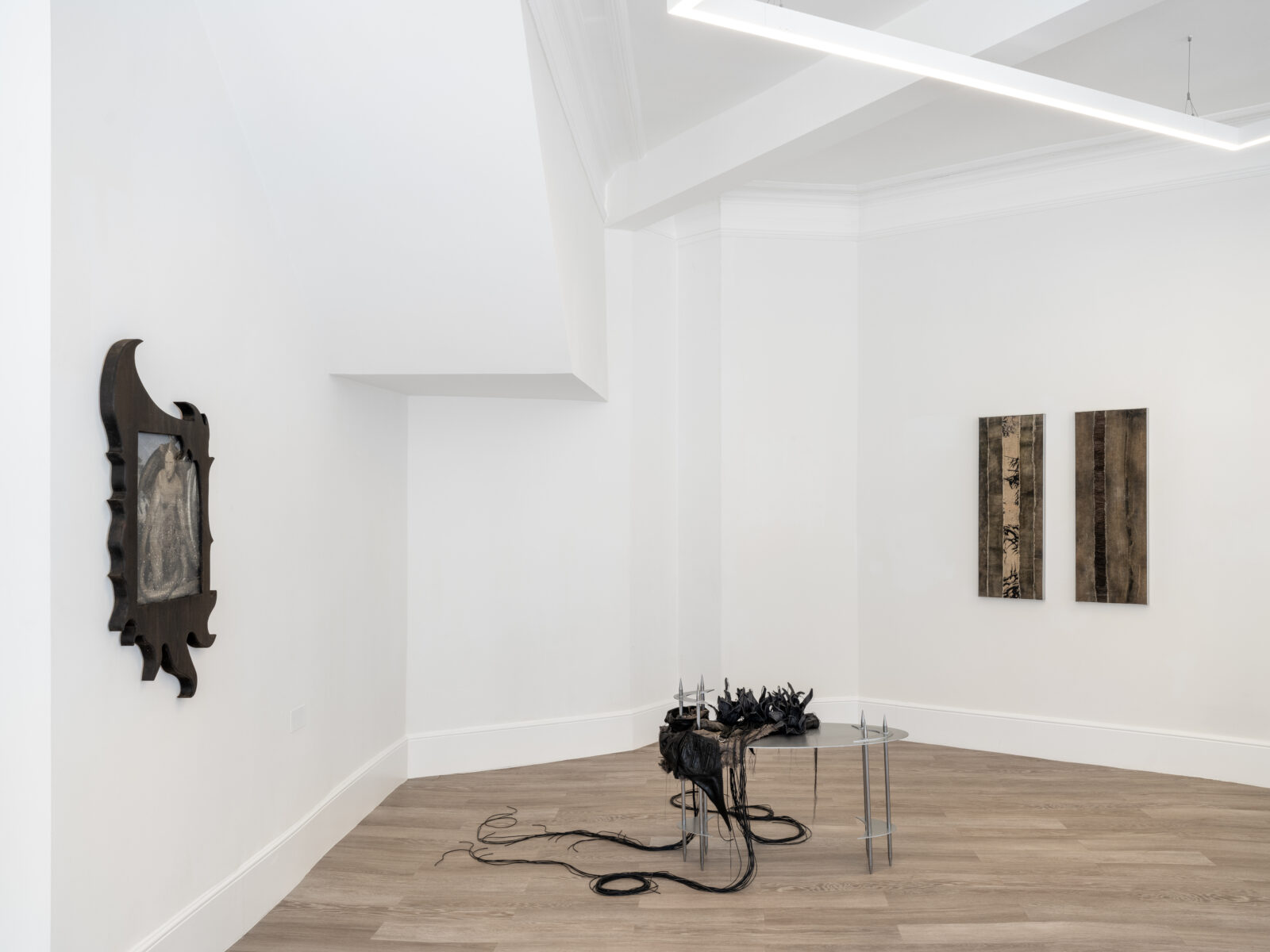
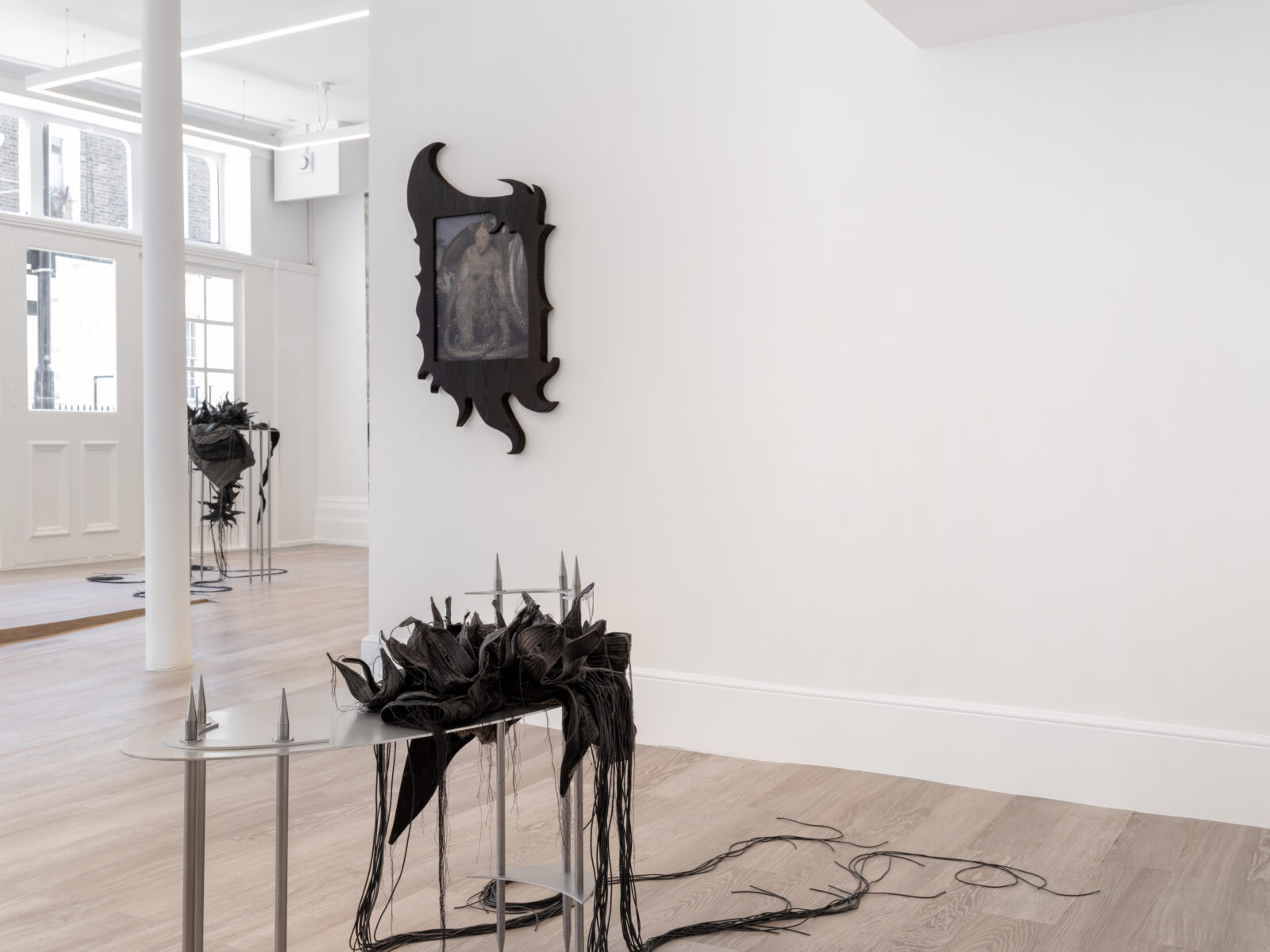
This mode of thought is echoed in the work of Justyna and Paweł Baśnik, as well as the artistic duo Inside Job (Ula Lucińska and Michał Knychaus). In their practices, human scale is contrasted with alternate temporalities—deep durations belonging to other life forms co-inhabiting the Earth. The images and objects they create seem to emerge from aeonic abysses, from suspended time zones we can neither map nor name. While the Baśniks’ works evoke a world before humans, Inside Job conjures visions of what might follow humanity’s end. Despite distinct aesthetic languages, their works form a continuum—one that feels grown from a single evolutionary process. 

The paintings and objects by Justyna and Paweł Baśnik draw from the visual language of ancient imagery, but they carry meanings that extend beyond the human realm. Many of Justyna’s works center around plants—both contemporary species and their archetypal ancestors. In Larix decidua (from the Solastalgia series), she portrays the silver birch, a tree native to temperate zones and now threatened with extinction due to global warming. The series title references a term for the homesickness caused by environmental loss—the longing for a natural world eroded by human impact. 

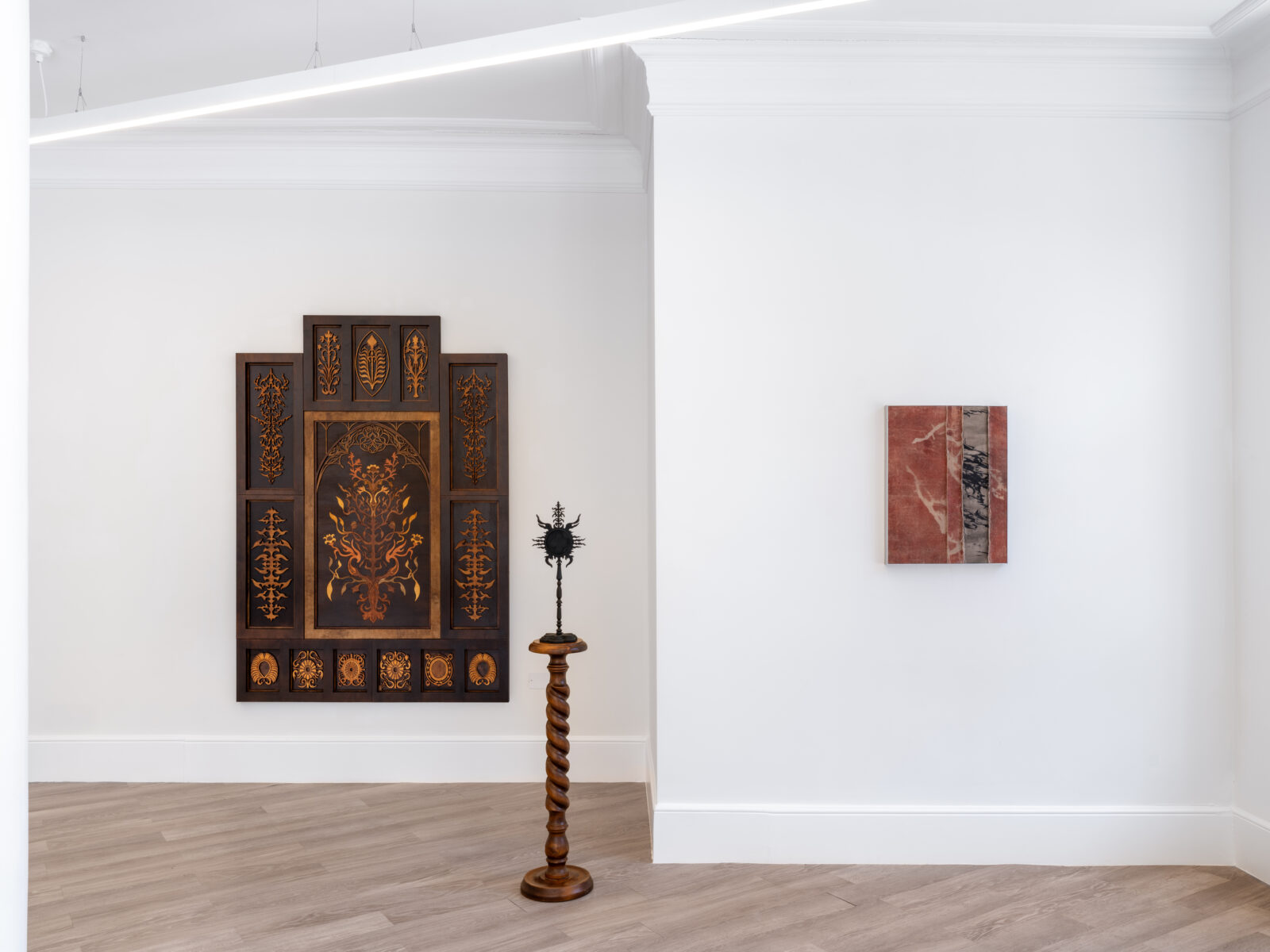
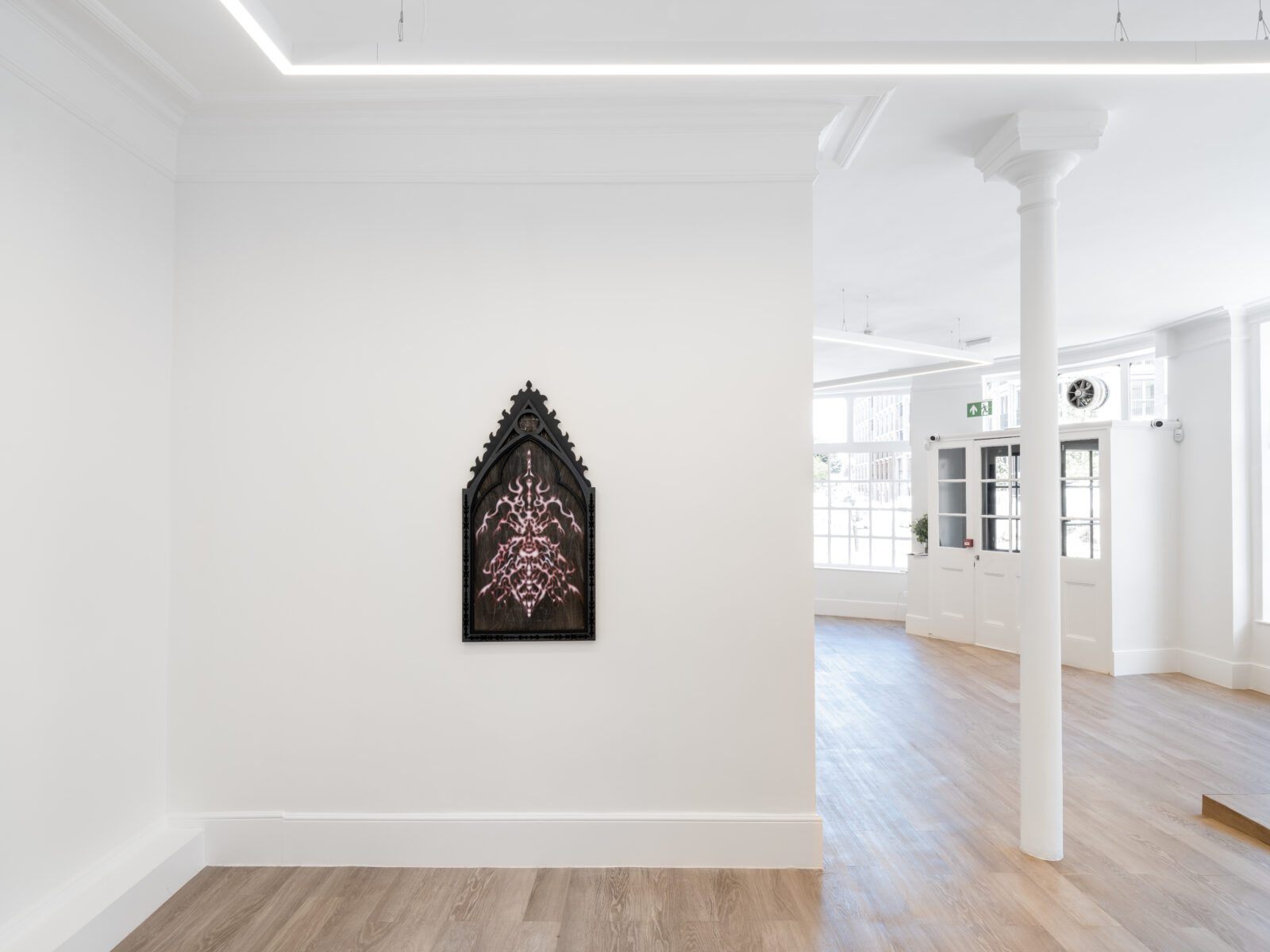
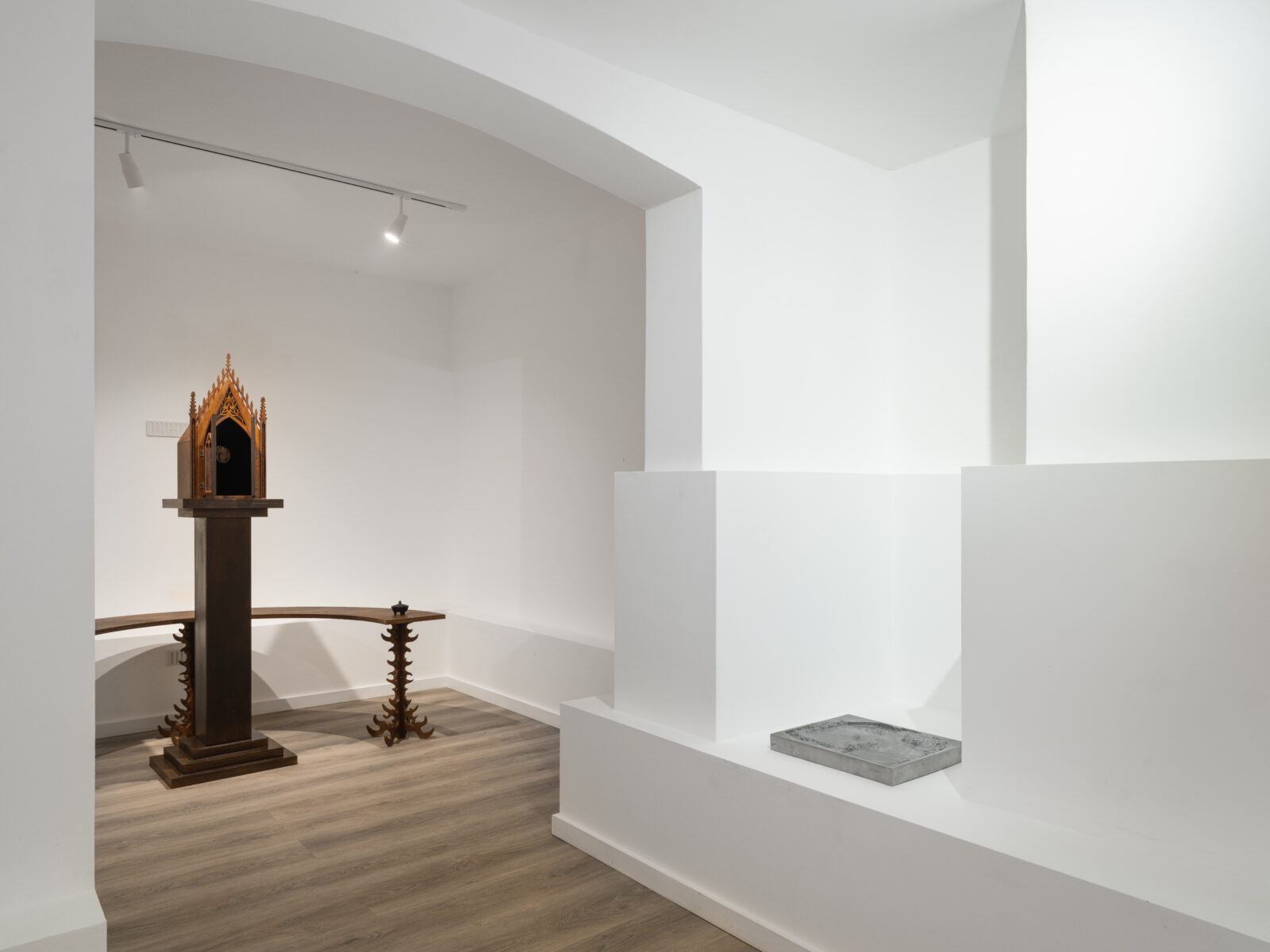
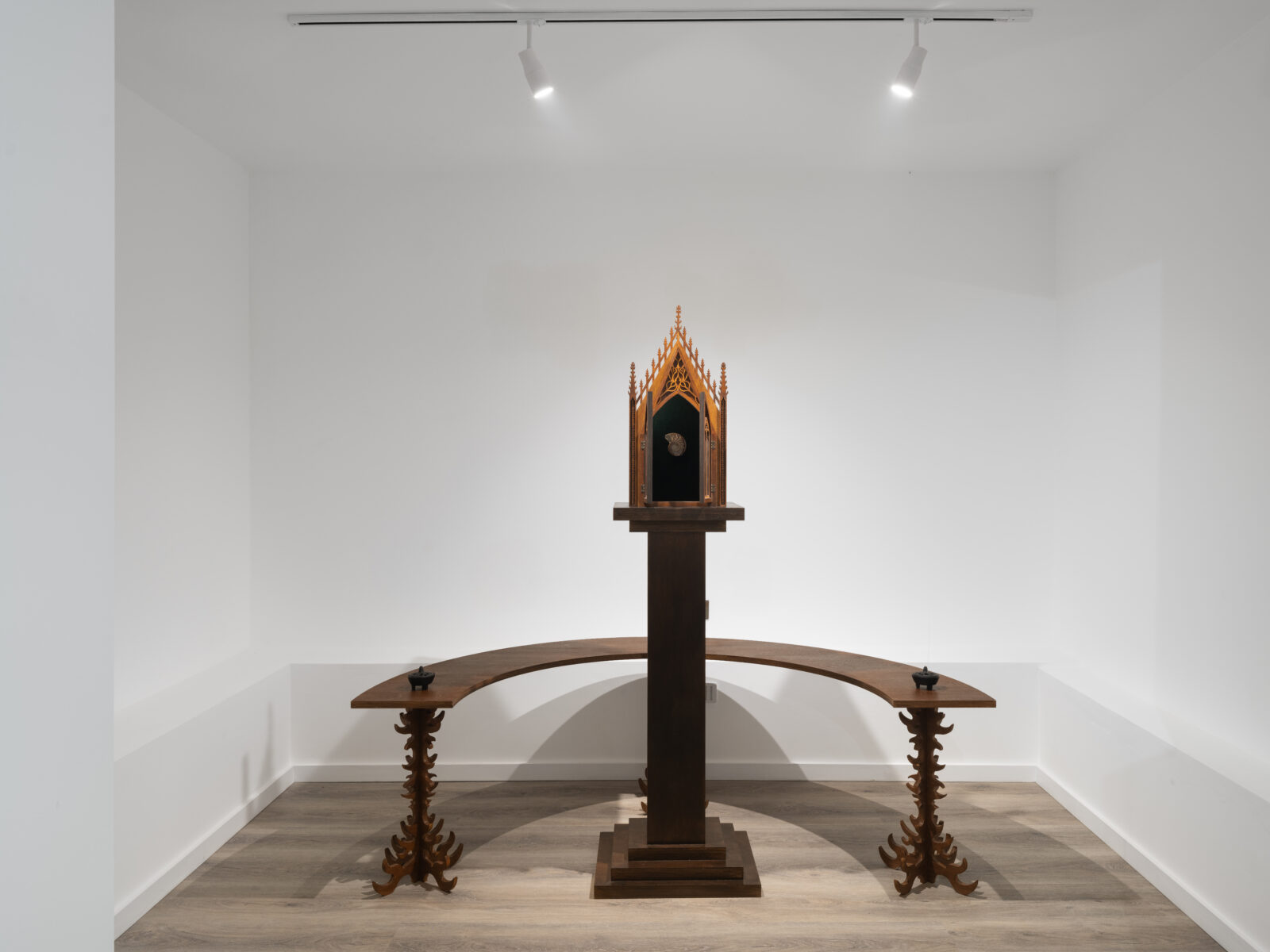
In her latest work, the artist reinterprets the medieval altarpiece. In place of the Tree of Knowledge, we find the titular Tree of Life—a motif rooted in pre-Christian mythologies, including those of Mesopotamia. It symbolizes the constant regeneration of nature and the transience of human life. In another variant, it becomes the Cosmic Tree—bridging the underworld, Earth, and the cosmos. The aeonic dimension is also present in Tabernaculum, where, in place of the eucharist, the central relic is a prehistoric fossil: the shell of a cephalopod from one hundred million years ago. 

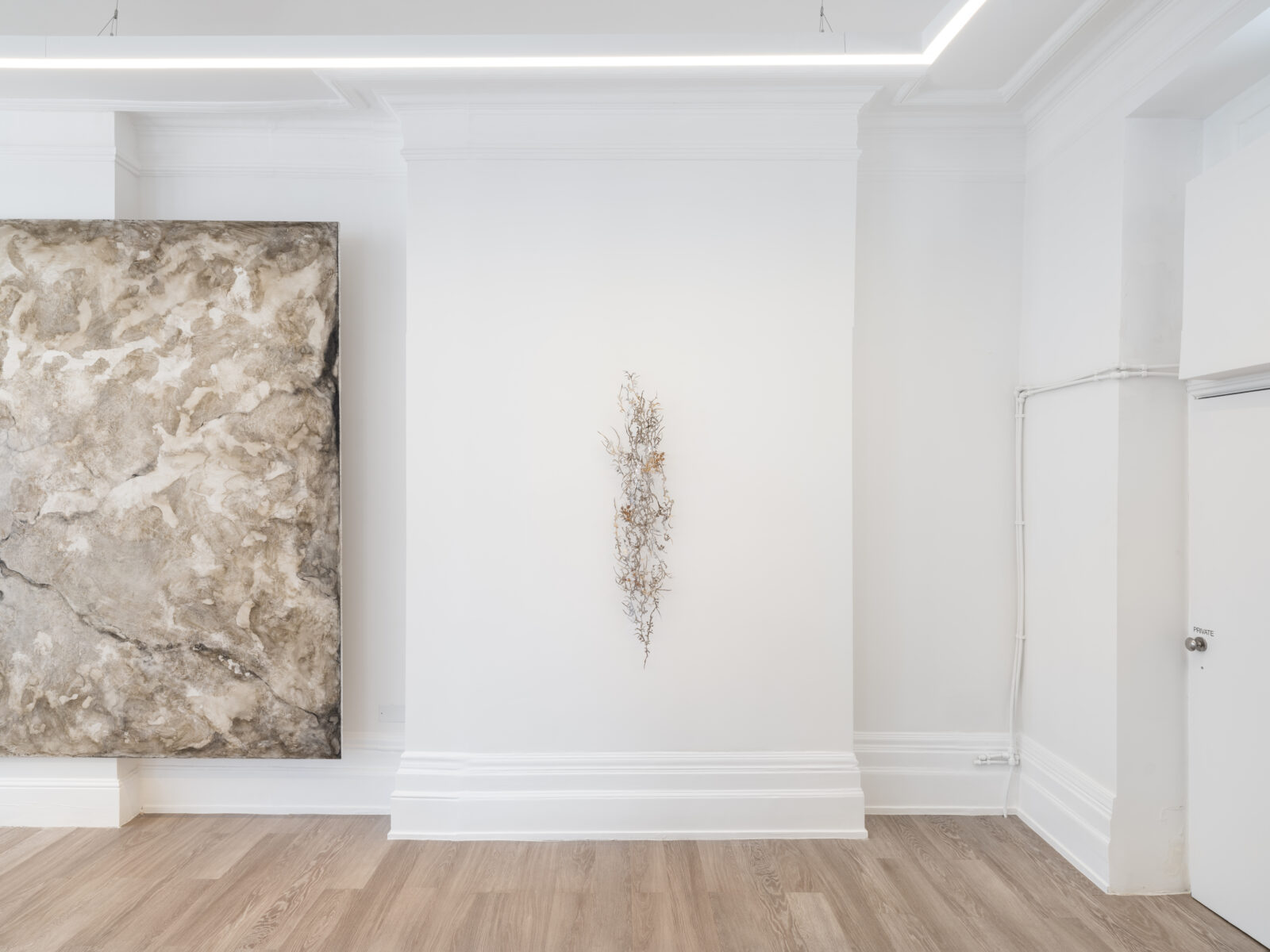
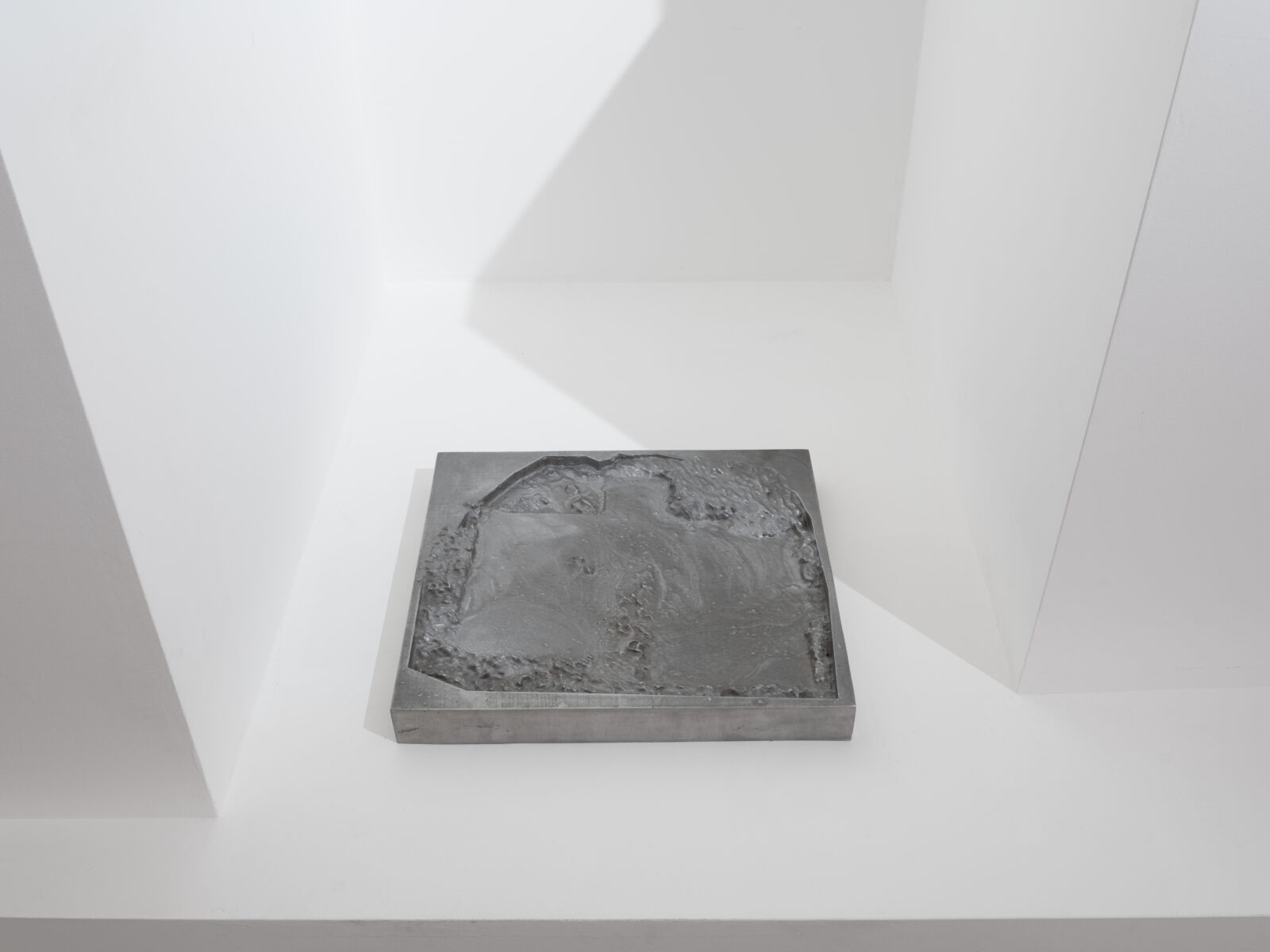
Inside Job’s Will Spread series of metal assemblages likewise engages with the longevity and adaptive capacities of plants. At its center is the silhouette of a thistle—a ruderal plant often found in human-disturbed areas—reworked through forms inspired by the Voynich manuscript. This mysterious document, filled with as-yet-unidentified flora, entwines botanical illustration with alchemy and astrology. 

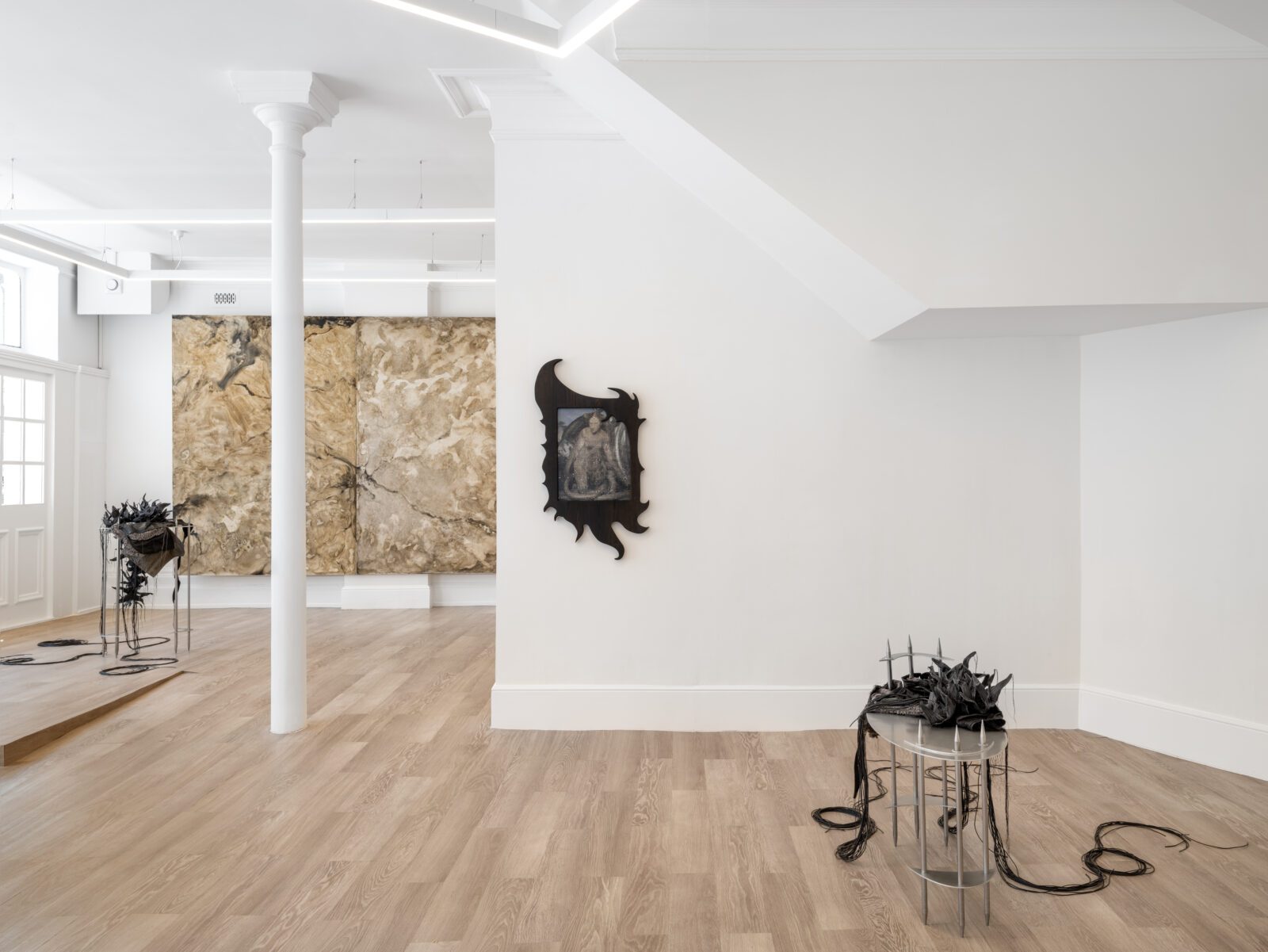
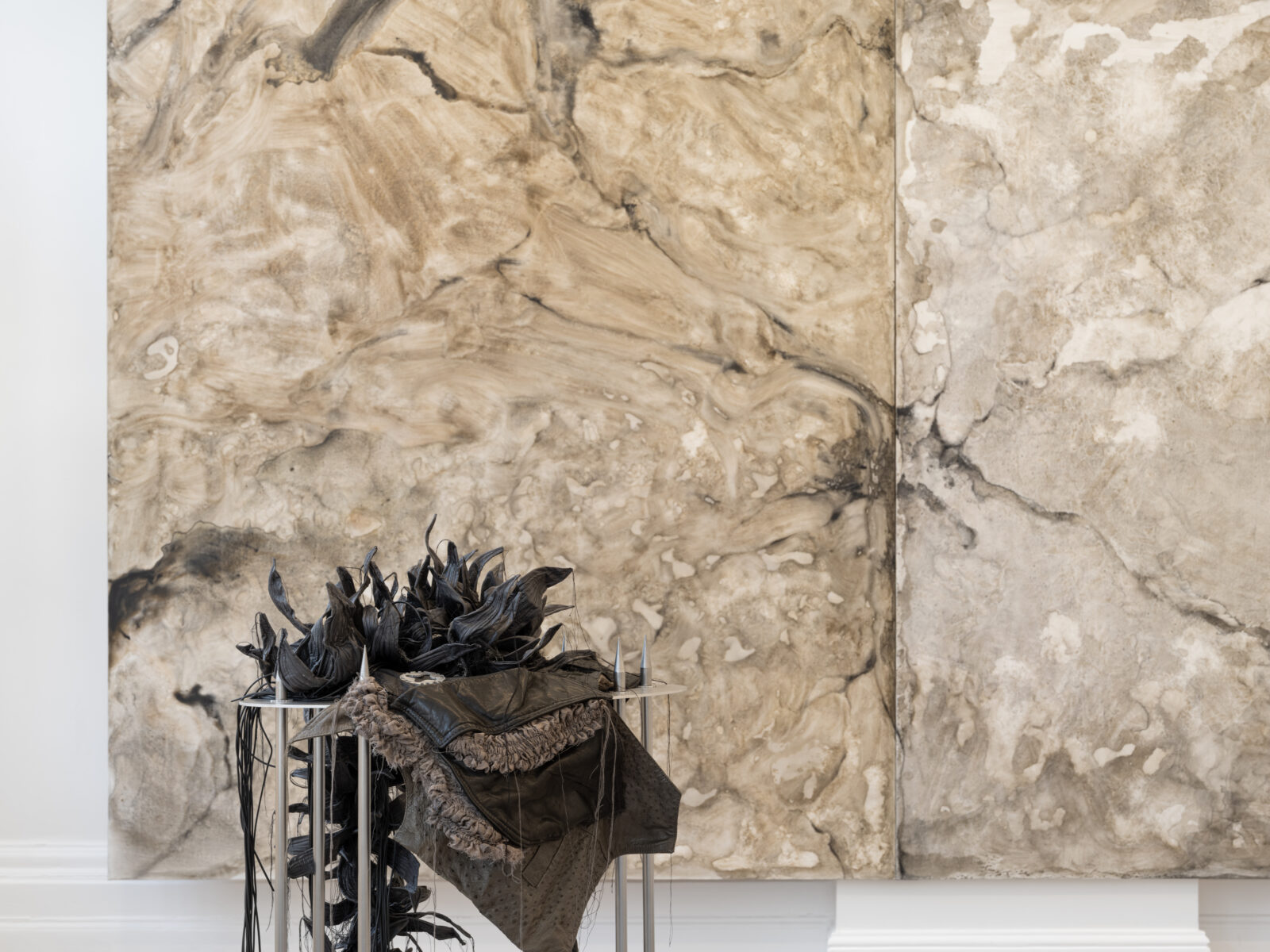
Their Antiya series introduces futuristic visions of hybrid entities growing amidst the ruins of civilization. Floral sculptures made from recycled leather and synthetic textiles sprawl across metal frameworks, resembling aquatic lilies. Though they rest upon industrial remnants, they assert dominance over them. Yet these forms are not purely botanical—they fuse biological and technological orders. Ula and Michał continually subject their forms to mutation, transforming earlier objects into new ones, crafting a fluid narrative in which nothing remains fixed. Their material choices also underscore this hybridity—as in Untitled (Resting Spores), where textile screens made from linen and cotton (plant-based in origin) are machine-woven and then hand-finished. The result: composite systems where natural, technological, and human cycles intersect. 

The aeonic emerges, too, in Paweł Baśnik’s painting. Earth resembles a geological record of transformation. The earthy pigment palette evokes timeless processes—rock stratification, erosion, tectonic pressure. The non-figurative composition unfolds through gravity-driven flows of paint and solvents. Pigments settle, accumulate, and give rise to organic formations—governed entirely by forces beyond human control. 

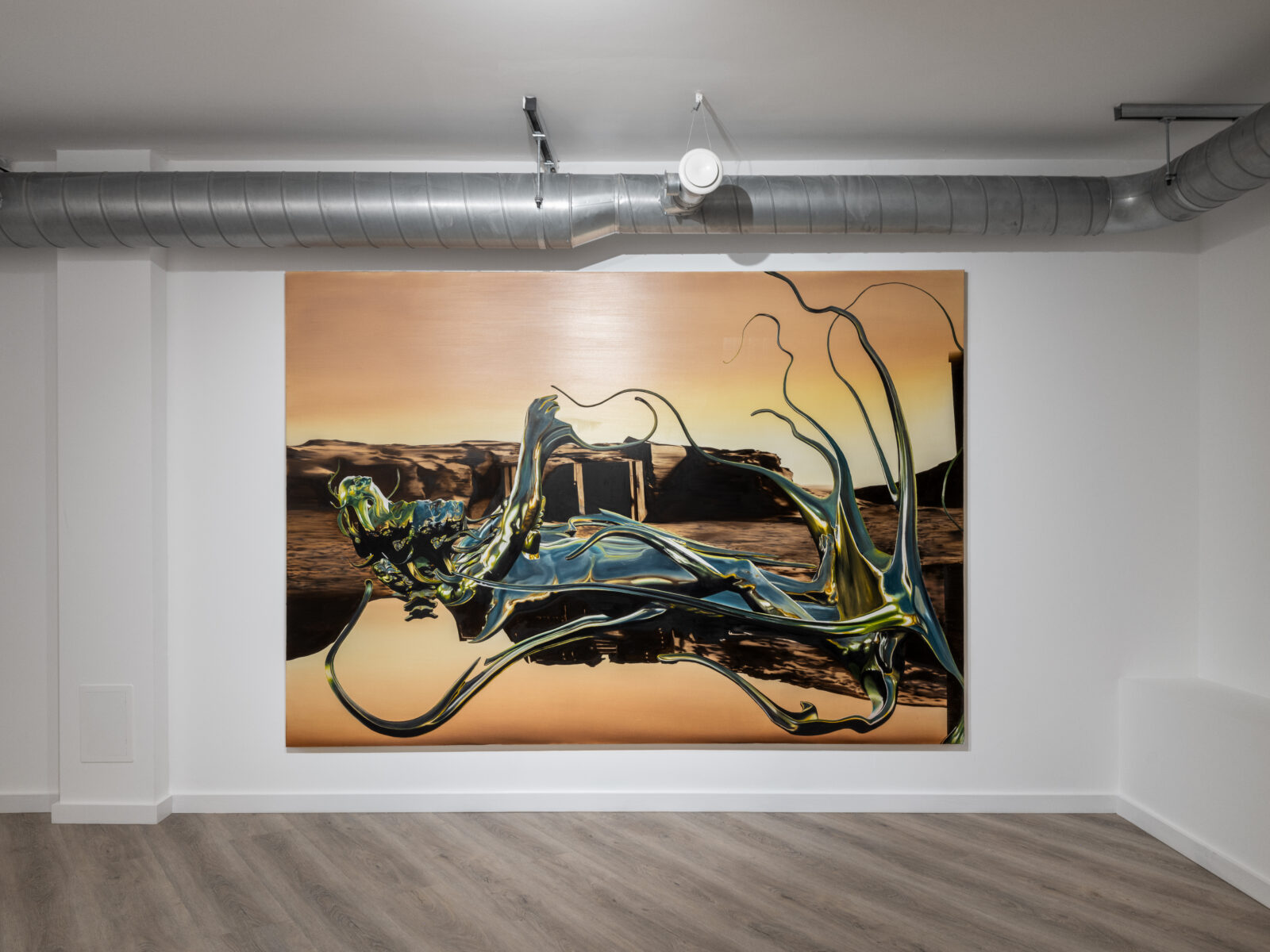
An image emerges from a similar process In His House at R’lyeh Dead Cthulhu Waits Dreaming—a direct reference to Lovecraft’s mythos. The canvas features an anthropomorphic statue caught mid-transformation. Blurred contours and fluid stains give it a dynamic, almost pulsating quality—as if the form were in slow motion, in a state of perpetual mutation. The shapes are irregular, organic, as if emerging from matter itself, forming an alien, unknowable geometry. It is the call of something that, as the artist notes, should neither be heard nor granted visible form. 

The practices of Justyna and Paweł Baśnik and Inside Job embody a way of thinking that displaces humanity from the center of the world. Time here does not run linearly, nor does it move toward any fulfillment—it stratifies, swells, mutates. Like pigment on canvas or hybrid forms rising from raw matter. Aeonic duration becomes a mode of seeing—a gaze in which humankind does not vanish, but becomes part of larger processes. 

These works do not offer easy answers, set boundaries, or provide consolation. They are like traces of something that once was—or of what we have not yet learned to recognize—survivals or omens. In this suspension of form, meaning, and temporality, a new language for narrating the world may be taking root. 

Text: Joanna Kobyłt 


Works presented by Justyna Baśnik and Paweł Baśnik were created as part of the Artistic Scholarship awarded by the Mayor of Wrocław.

Exhibitions
30 May 2025 — 12 July 2025

Anna Maria Zuzela | The Burden of Affirmation

30 May – 12 July 2025

Księcia Witolda 48/70 8th floor
50-203, Wrocław, PL

The Burden of Affirmation, exhibition view, photo: Alicja Kielan The Burden of Affirmation, exhibition view, photo: Alicja Kielan 
Anna Maria Zuzela, Too thick this clouds, love, The Burden of Affirmation, exhibition view, photo: Alicja Kielan Anna Maria Zuzela, Too thick this clouds, love, The Burden of Affirmation, exhibition view, photo: Alicja Kielan 
Anna Maria Zuzela - "Too thick this clouds, love", 2025, oil on canvas, 150 x 120 cm (detail) Anna Maria Zuzela - "Too thick this clouds, love", 2025, oil on canvas, 150 x 120 cm (detail) 
Anna Maria Zuzela - "I draw from it but I do not represent it-D.G", 2025, oil on canvas, 60 x 90 cm Anna Maria Zuzela - "I draw from it but I do not represent it-D.G", 2025, oil on canvas, 60 x 90 cm 

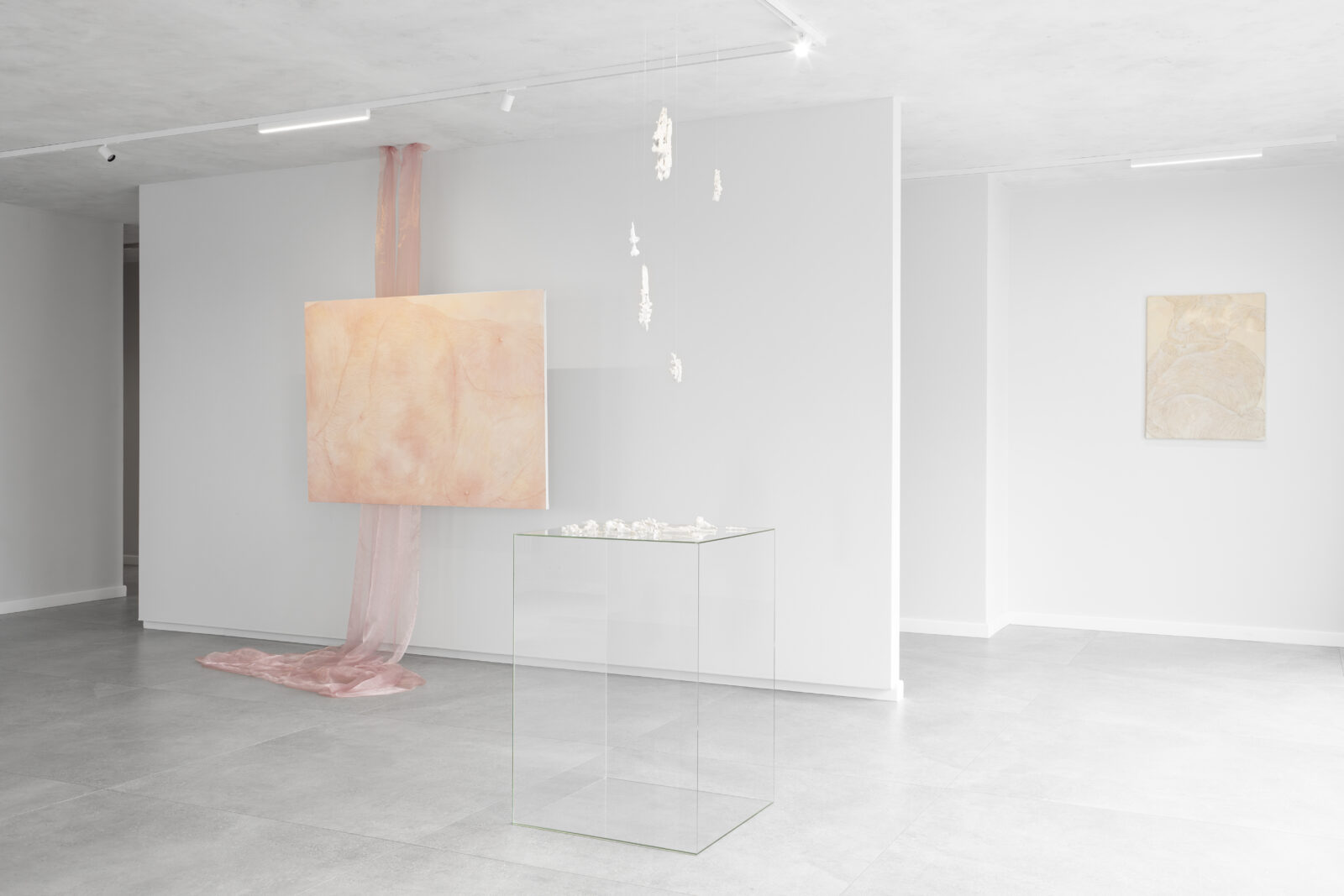
The burden of affirmation unfolds as a layered narrative, where the boundaries between the living and the artificial are blurred. This story explores intimacy, corporeality, and the tension between organic materials and man-made constructs. Anna Maria Zuzela’s works delve into themes of resilience and fragility through tactile forms. The artist addresses the themes of the body with remarkable sensitivity in response to contemporary dilemmas and the oppression faced by bodies—especially those culturally alienated and stigmatized.

The layered lines simulate the sensation of skin, a surface that absorbs, resists, and transforms. Zuzela often combines performative approaches with her artistic process, using materials such as ceramics, metal, or textiles to push the boundaries between the organic and the industrial, the ephemeral and the enduring, the human and the non-human.

This interweaving of forms proposes attentiveness in traversing the terrain of desire, vulnerability, and transformation, and an alternative view of time in which past and present collapse into a single, shifting narrative. Through Zuzela’s paintings and sculptural installations, the artist seeks to explore themes of materiality and transformation, using both controlled craftsmanship and the unpredictable nature of manual techniques to create a dynamic, tactile installation that bridges the organic and the industrial. These works pose critical questions about the nature of intimacy and the ways in which bodies, objects, and images occupy space and memory.

News
25 April 2025

Radek Brousil | What You See Is Not Here Tomorrow

25 April 2025

Księcia Witolda 48/70, 8th floor 50-203 Wrocław, PL

 
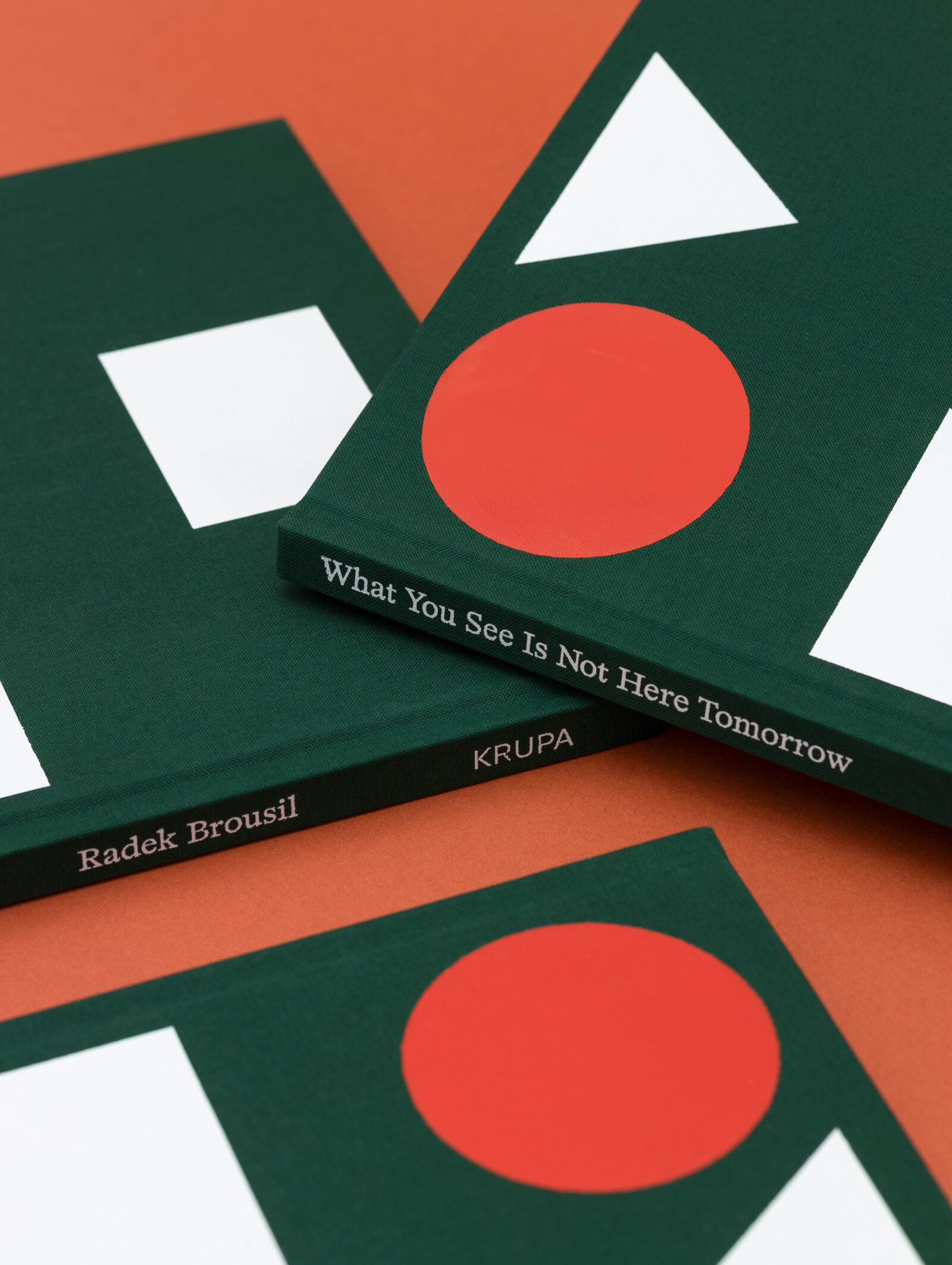
Book design Dan Solbach with Leon Stark Book design Dan Solbach with Leon Stark 

KRUPA warmly invites you to celebrate the launch of Radek Brousil’s catalogue for the solo exhibition What You See Is Not Here Tomorrow. 

Join us for this special occasion on 25 April, from 6–8 PM, at our Wrocław gallery. 

KSIĘCIA WITOLDA 48/70 8th FLOOR 
50-203, WROCŁAW, PL 

We are pleased to share that Radek Brousil will join us for the event; a guided tour of the exhibition with the artist will take place. Copies of the exhibition catalogue will be available at the venue. 

Exhibitions
22 — 25 May 2025

22 — 25 May 2025

Villa Gawrońskich
Al. Ujazdowskie 23
00-540 Warszawa, Polska

NADA Villa Warsaw exhibition view, photo: Bartosz Górka NADA Villa Warsaw exhibition view, photo: Bartosz Górka 
Lazy Loaf, NADA Villa Warsaw exhibition view, photo: Bartosz Górka Lazy Loaf, NADA Villa Warsaw exhibition view, photo: Bartosz Górka 
Twisted, NADA Villa Warsaw exhibition view, photo: Bartosz Górka Twisted, NADA Villa Warsaw exhibition view, photo: Bartosz Górka 
Fatal Seduction, NADA Villa Warsaw exhibition view, photo: Bartosz Górka Fatal Seduction, NADA Villa Warsaw exhibition view, photo: Bartosz Górka 
Diving, NADA Villa Warsaw exhibition view, photo: Bartosz Górka Diving, NADA Villa Warsaw exhibition view, photo: Bartosz Górka 
Exhibitions
7 — 11 May 2025

7 — 11 May 2025

The Starrett-Lehigh Building
601 W 26th Street, 3rd Floor
New York, NY 10001
(Enter on 11th Avenue)

NADA New York, exhibition view NADA New York, exhibition view 
Exhibitions
14.03.2025 — 30.04.2025


Radek Brousil | What You See Is Not Here Tomorrow

split-site solo show

14 March – 30 April 2025

1 Pakenham Street, London, WC1X 0LA, UK

Private View – 13 March 2025, 6–8 PM


14 March – 30 April 2025

Księcia Witolda 48/70, 8th floor 50-203 Wrocław, PL

Exhibition Tour – 14 March 2025, 5 PM

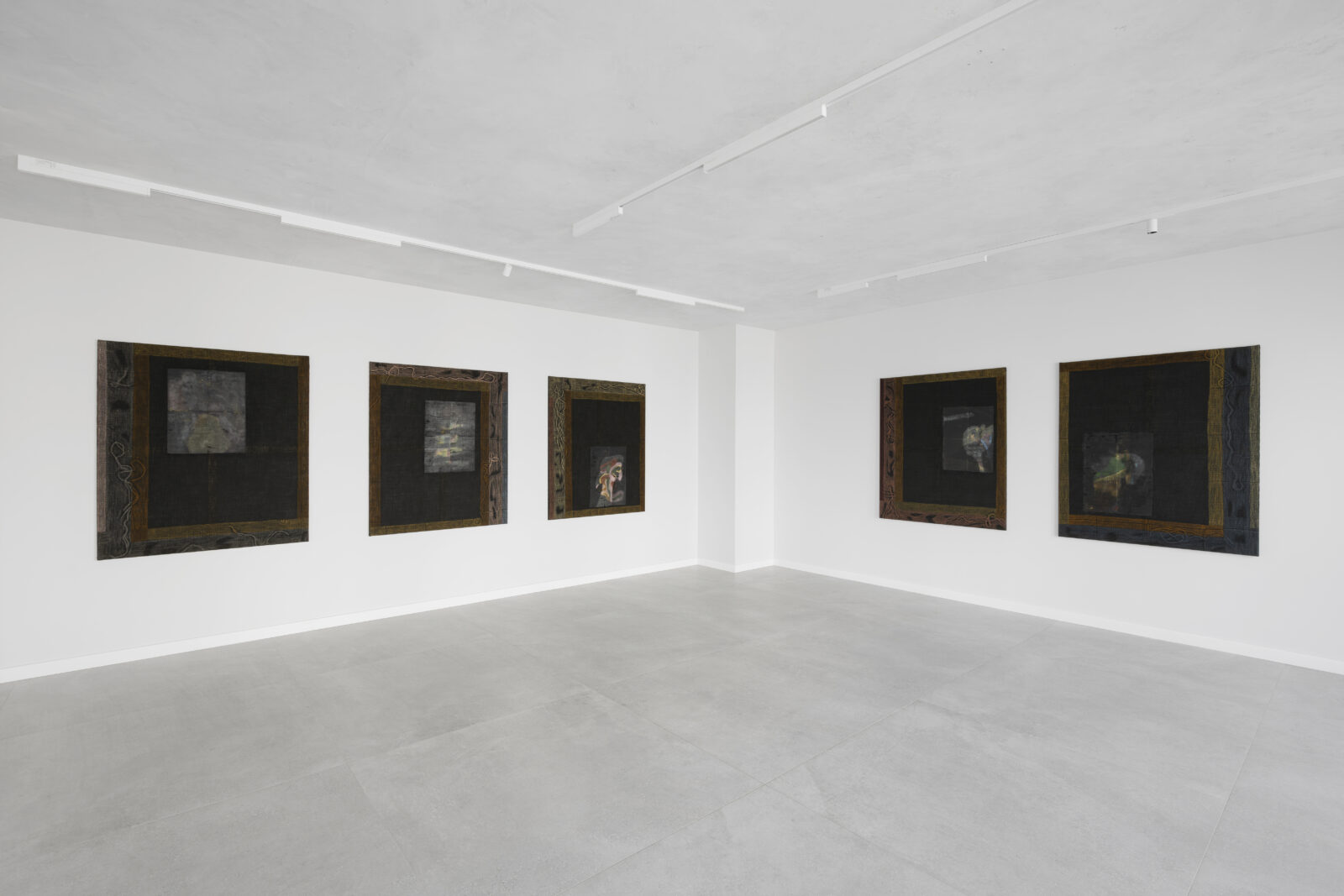
Radek Brousil, What You See Is Not Here Tomorrow, exhibition view in Wrocław, photo: Alicja Kielan Radek Brousil, What You See Is Not Here Tomorrow, exhibition view in Wrocław, photo: Alicja Kielan 
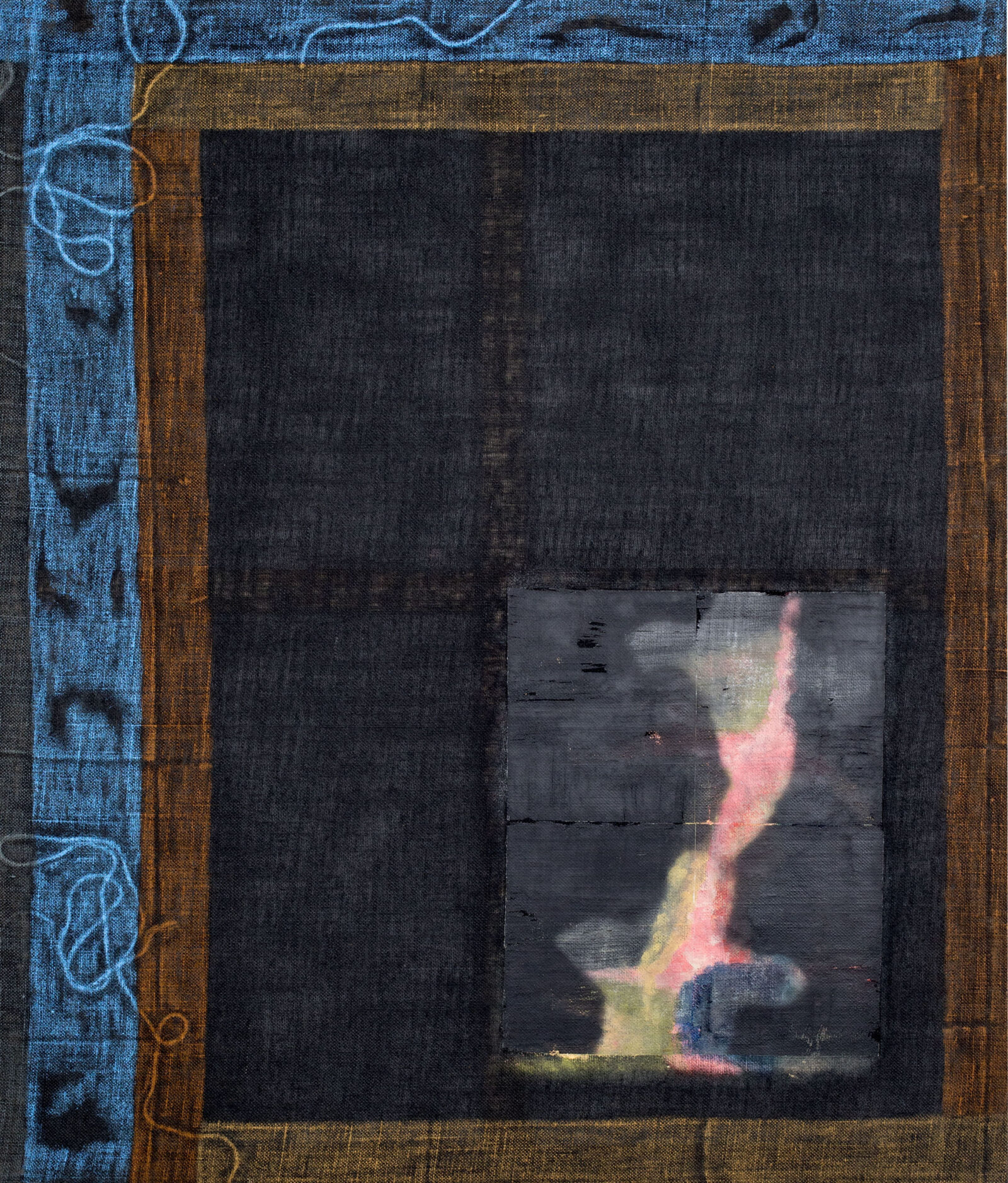
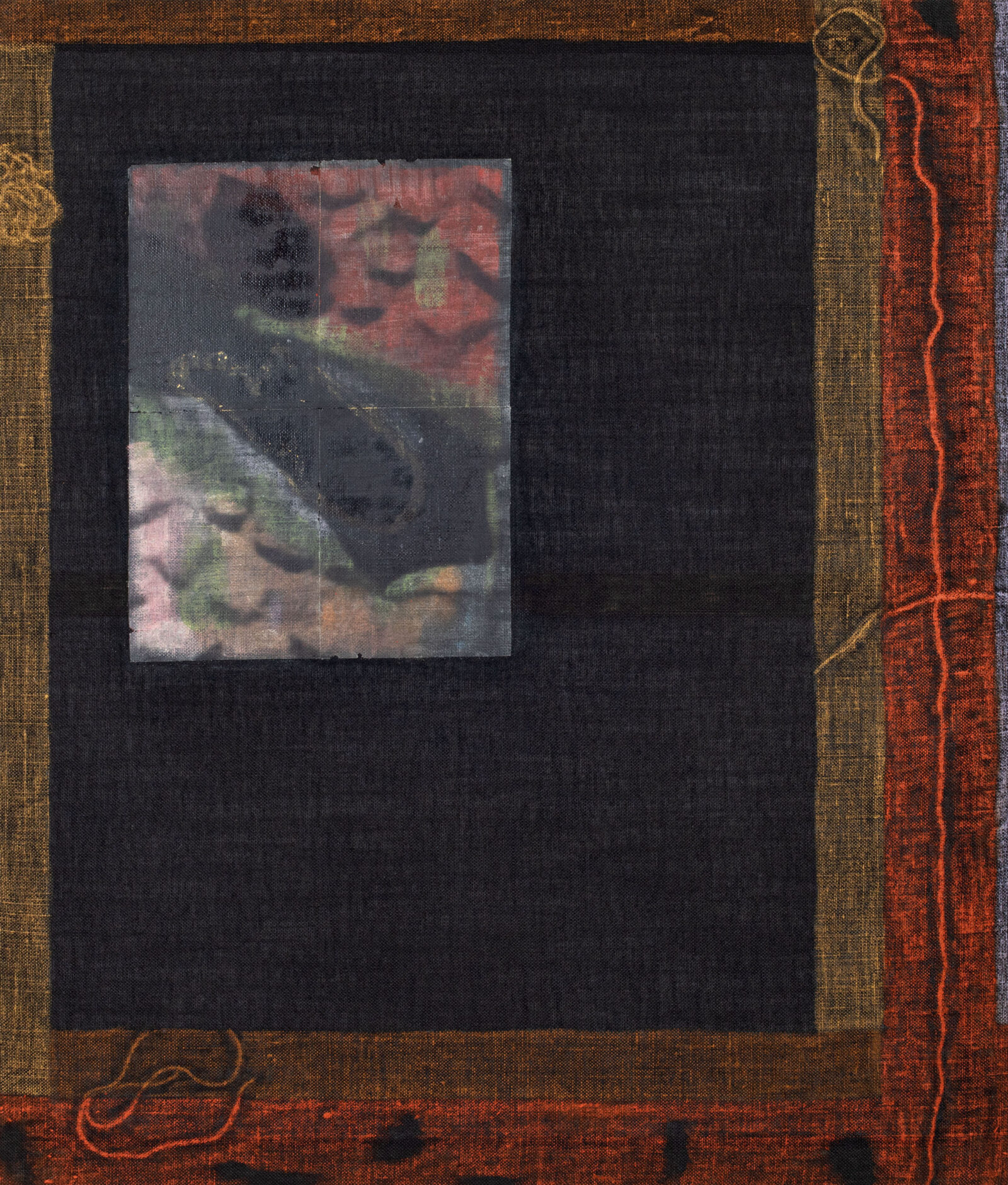
Radek Brosuil, From the series What you see is not here tomorrow, 2024, oil, acrylic, gouache, ink, oil stick on juta, 130 x 110 cm Radek Brosuil, From the series What you see is not here tomorrow, 2024, oil, acrylic, gouache, ink, oil stick on juta, 130 x 110 cm 
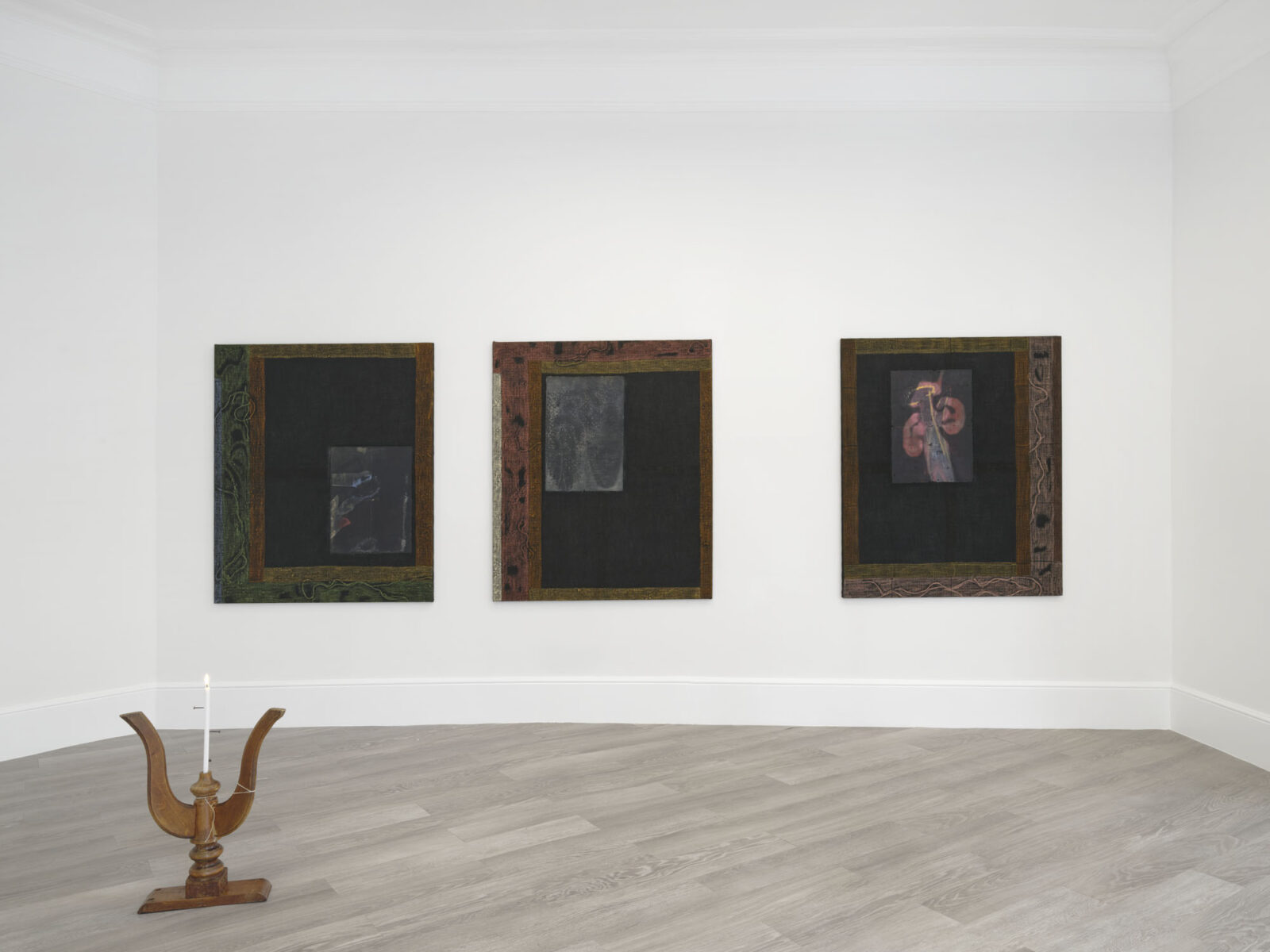
Radek Brousil, What You See Is Not Here Tomorrow, exhibition view in London, photo: Ben Westoby Radek Brousil, What You See Is Not Here Tomorrow, exhibition view in London, photo: Ben Westoby 

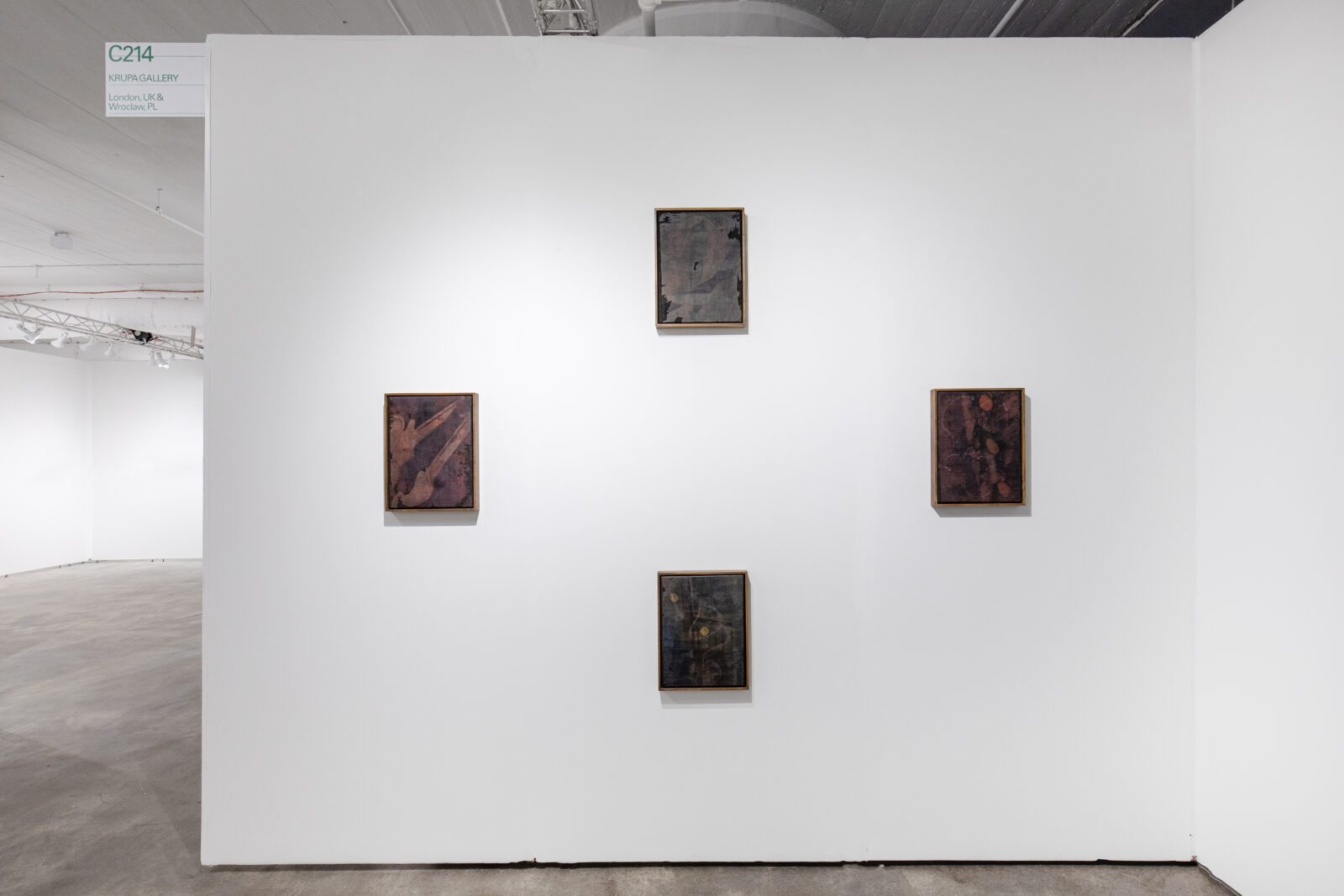
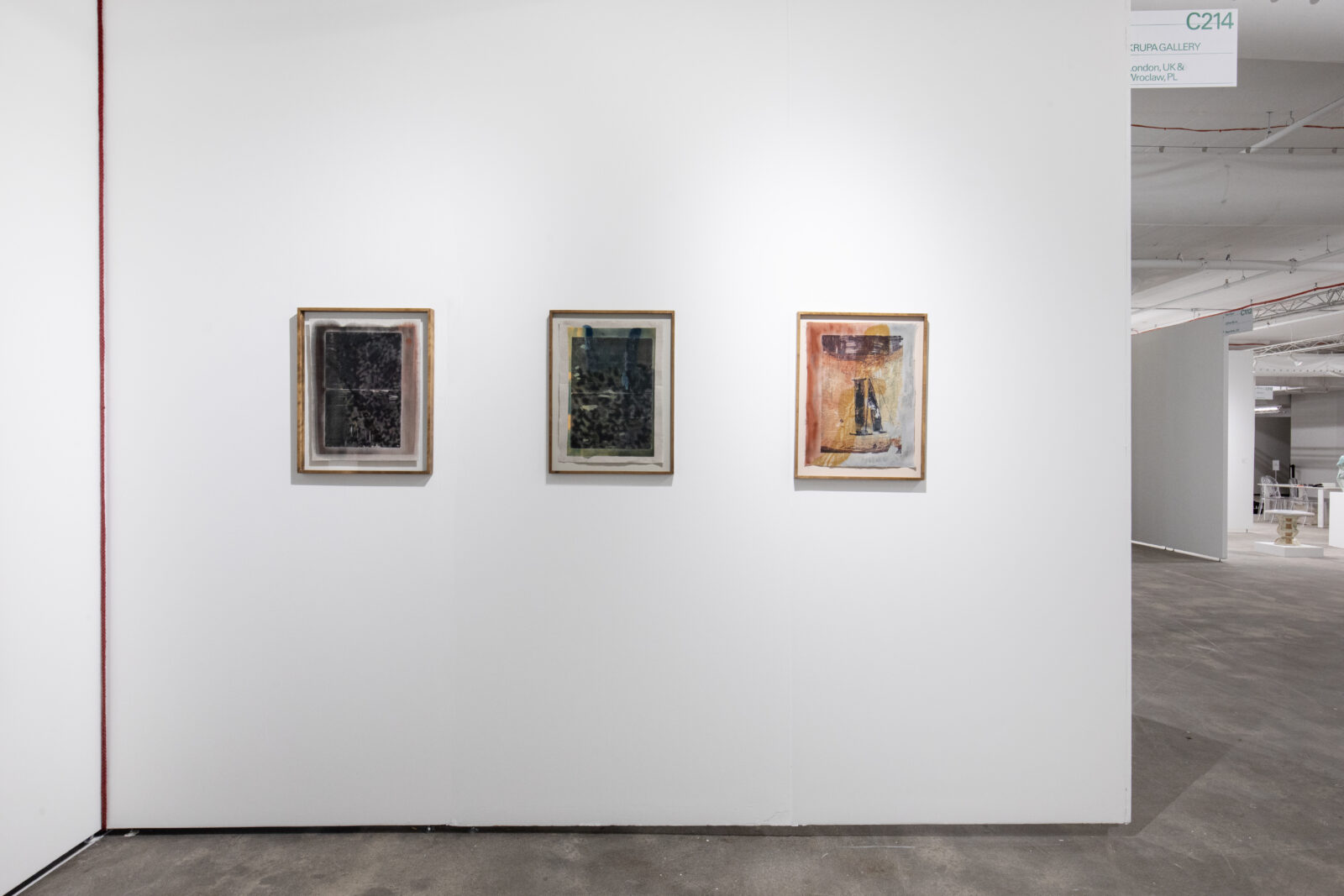
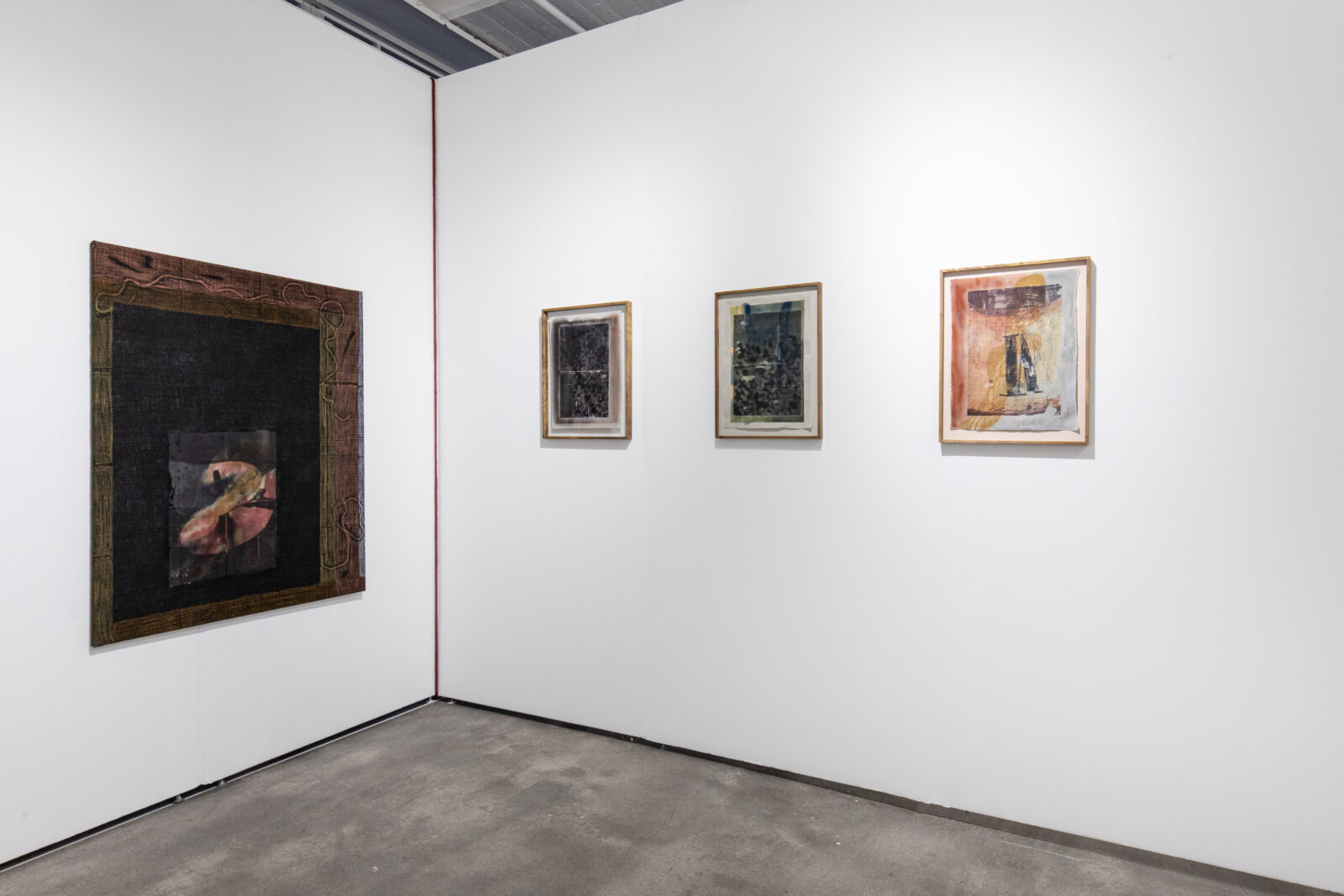
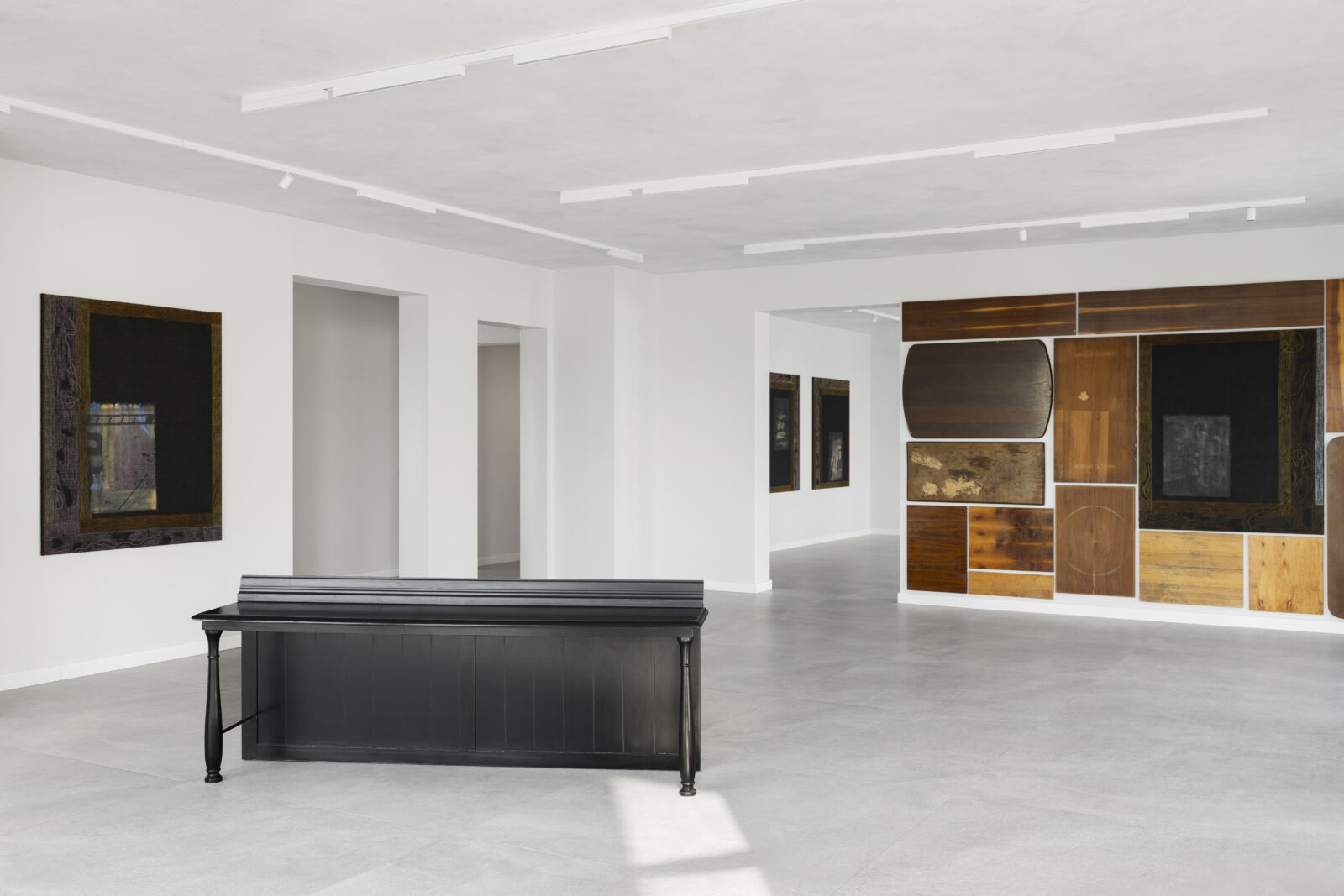
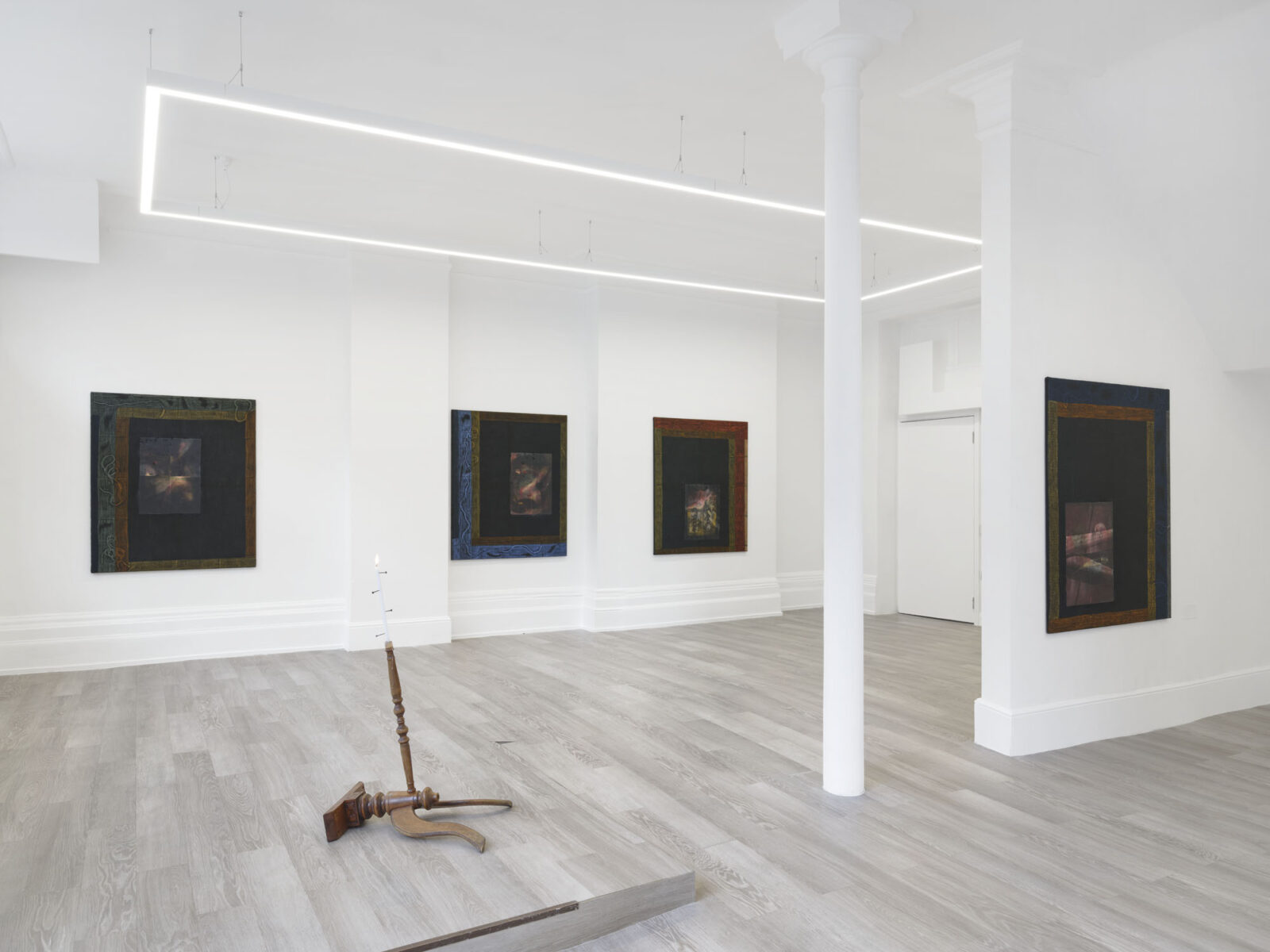
The exhibition spread across two locations, as a symbolic portal simultaneously separates and connects two spaces – KRUPA gallery in Wrocław, Poland and its newly opened venue in London – marking both the conclusion of one chapter and the beginning of another,  for Radek Brousil as well as for the gallery. In his latest series of works, Radek Brousil, returns to painting while simultaneously remaining faithful to his photographic past. By referring to chronopolitics (the politics of time) and selecting images from his own archives, the artist reflects on photography itself and the connection between conceptualism and the image, between the conscious and unconscious mind.

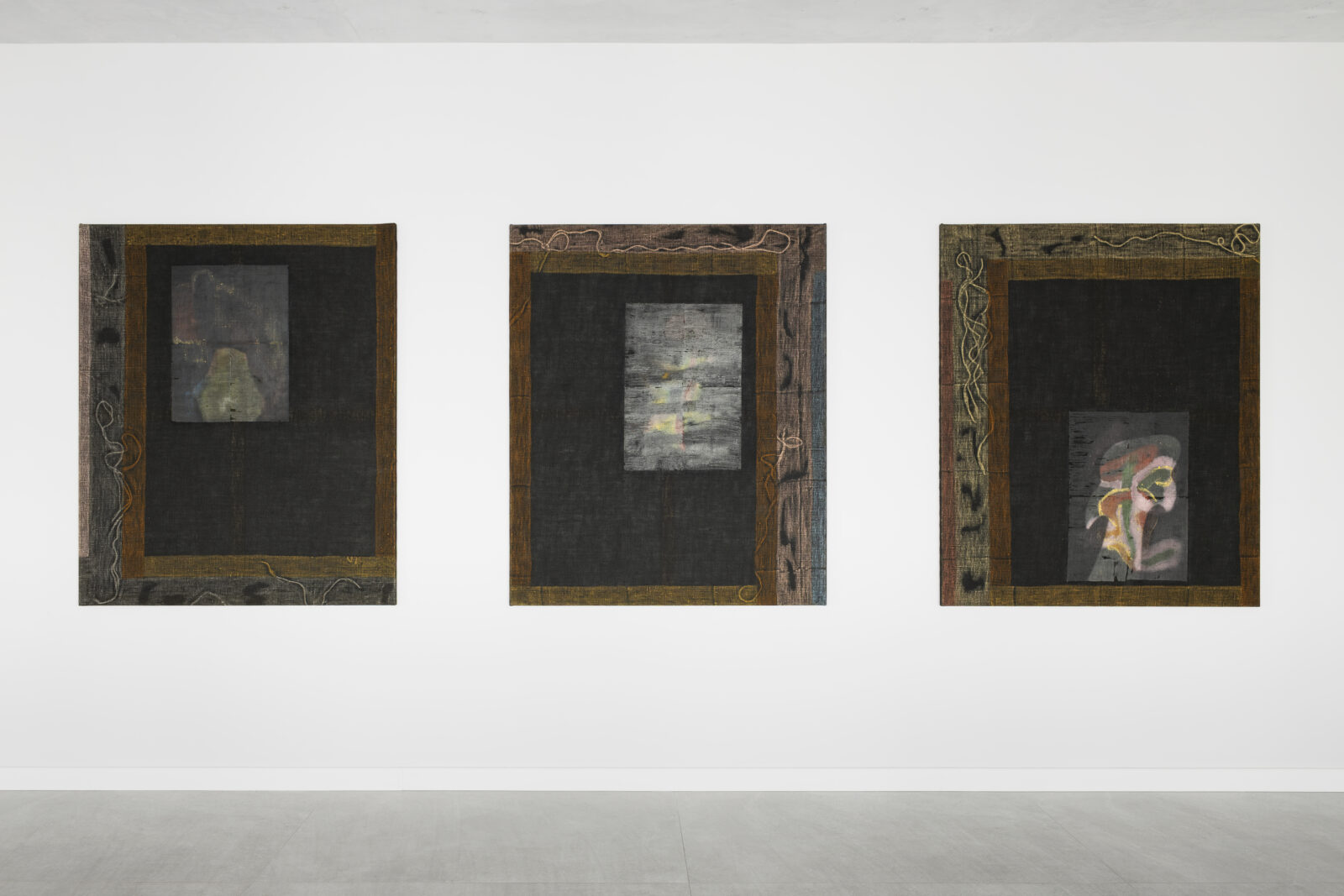
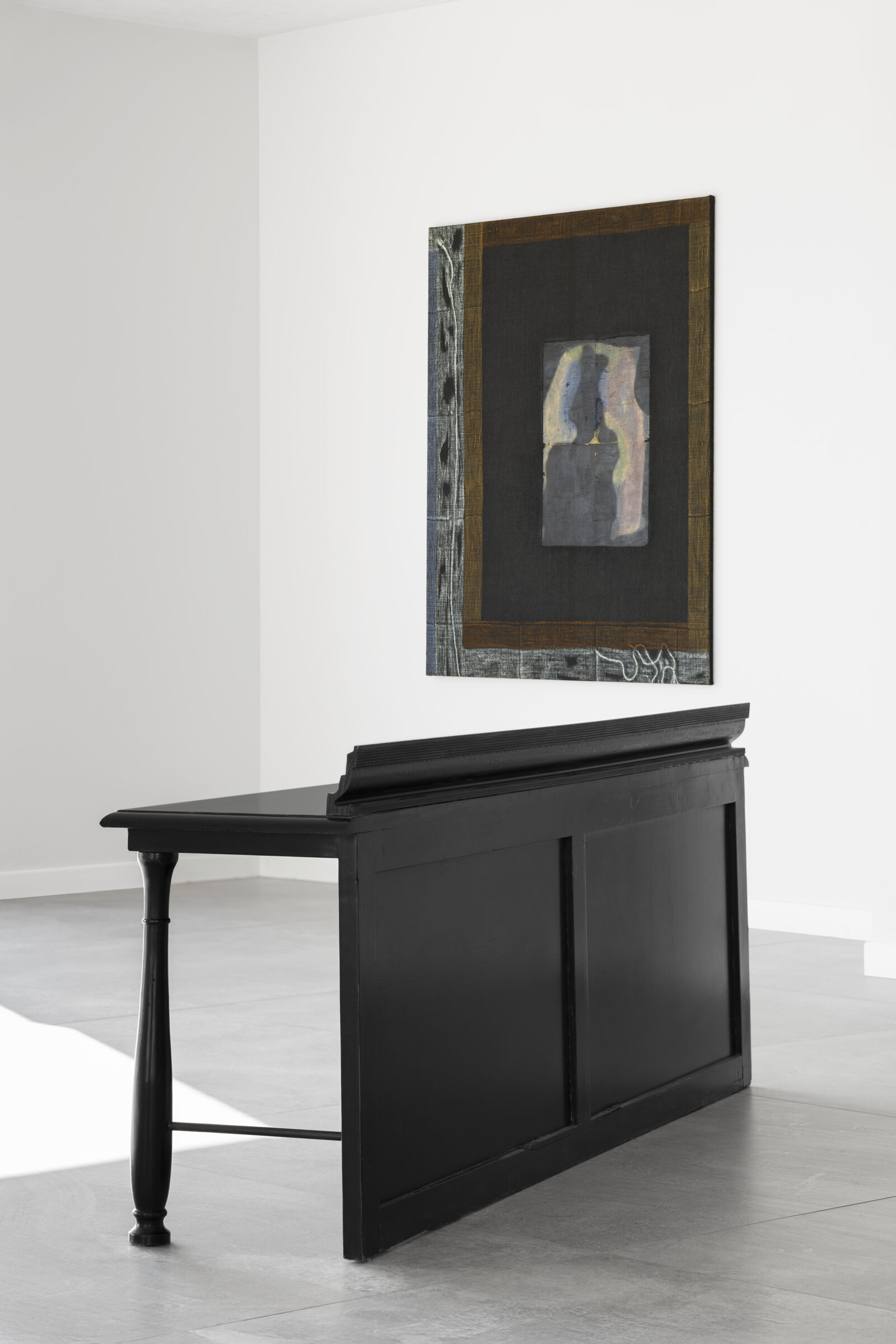
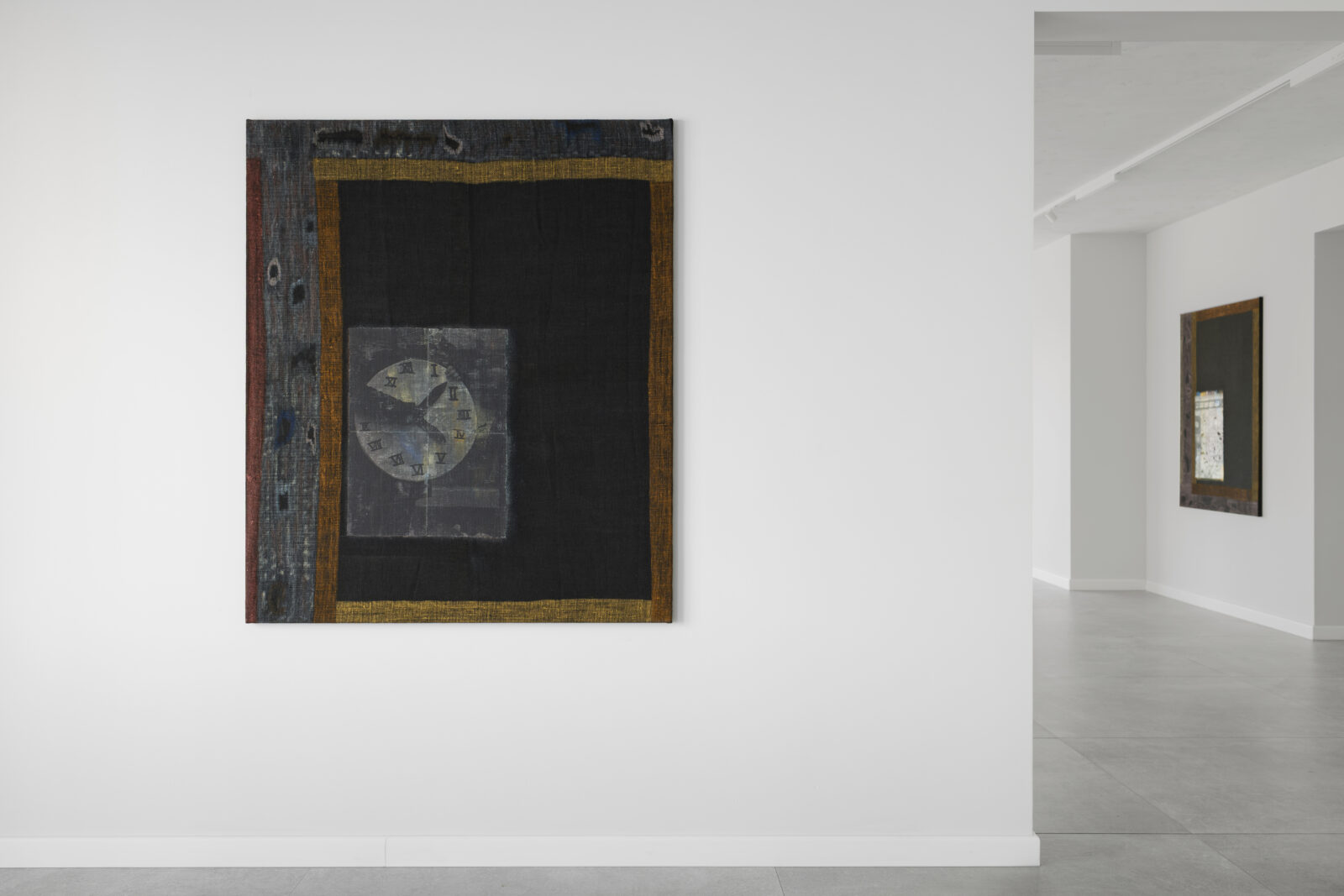
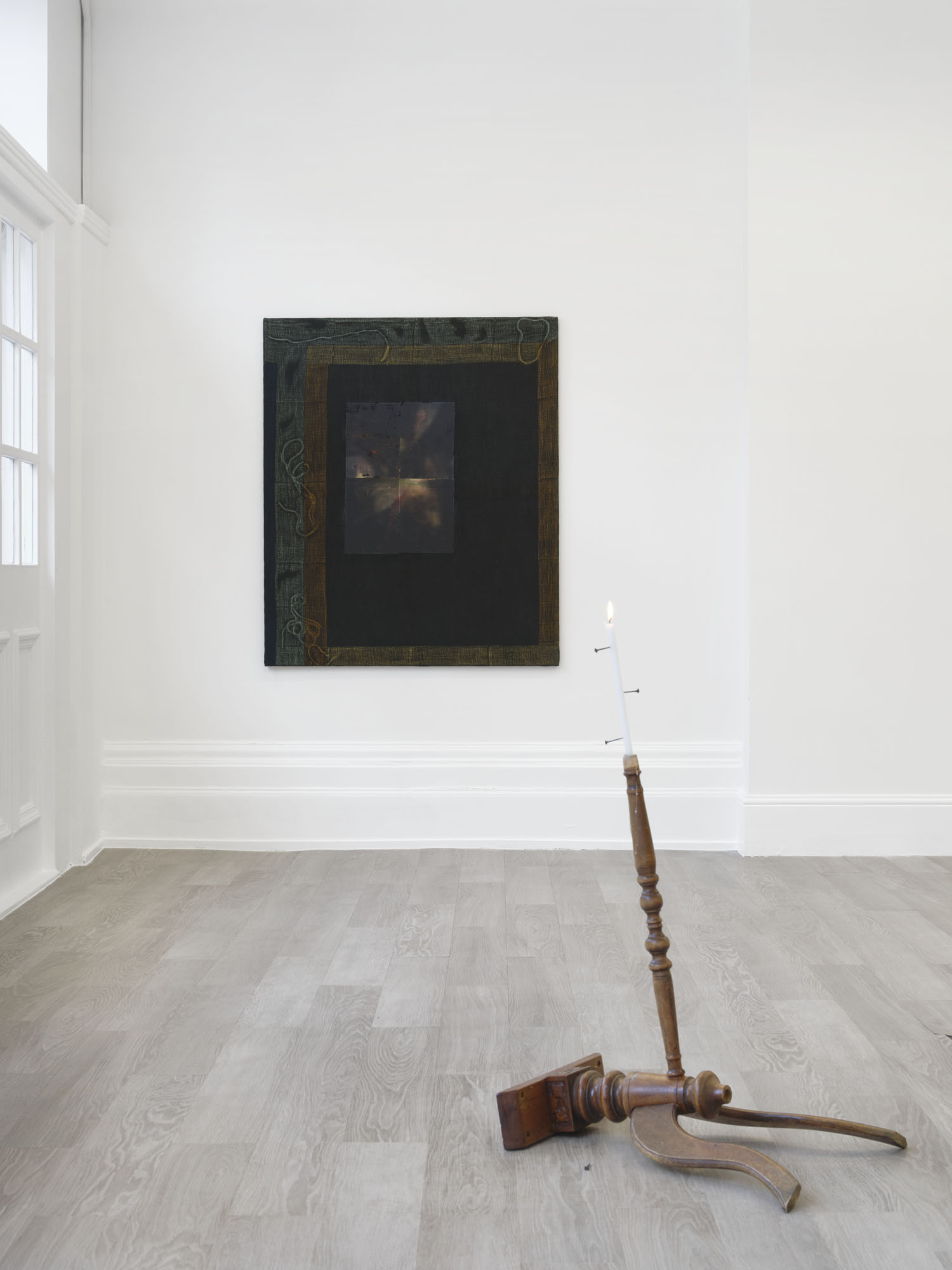
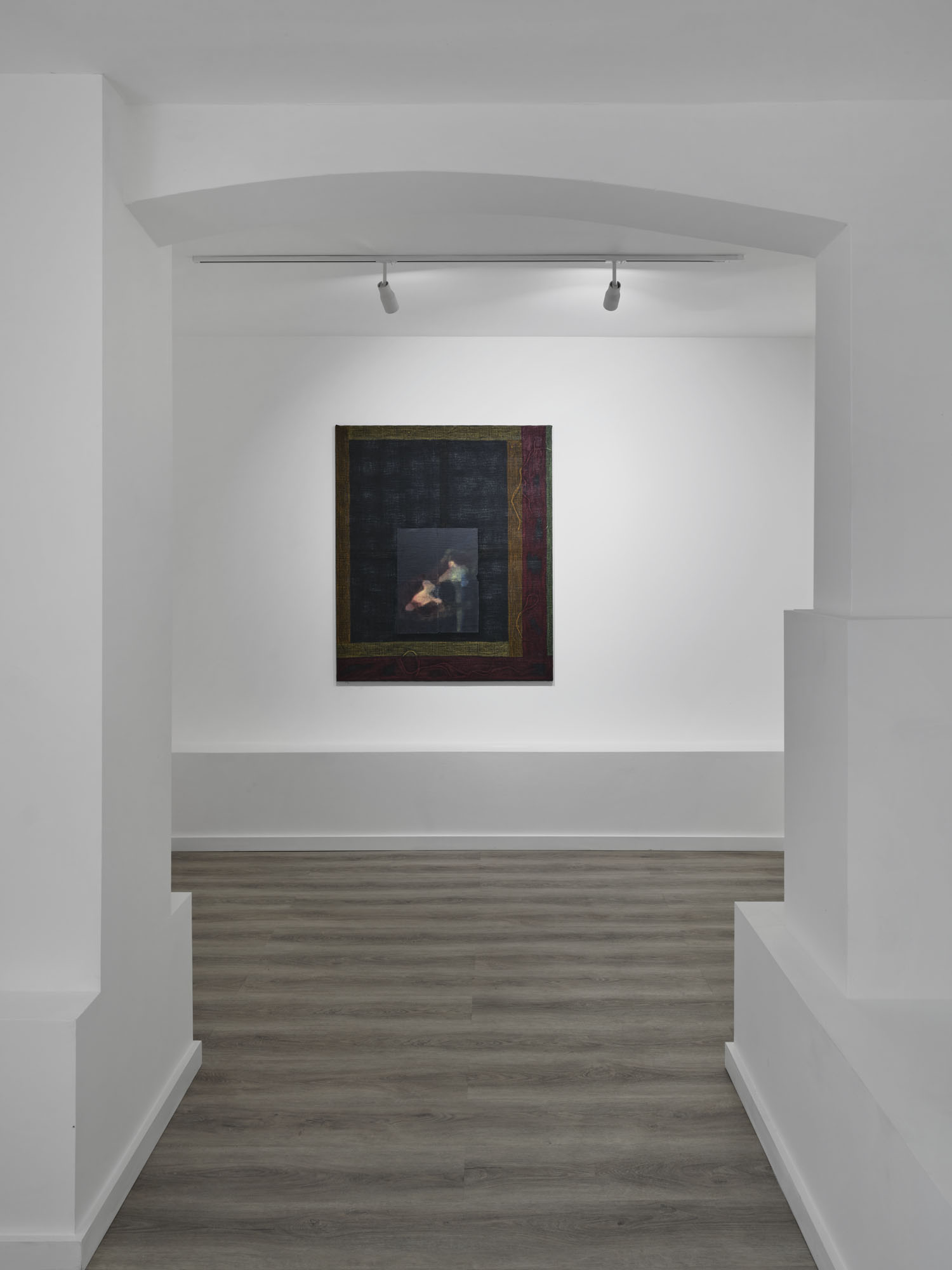
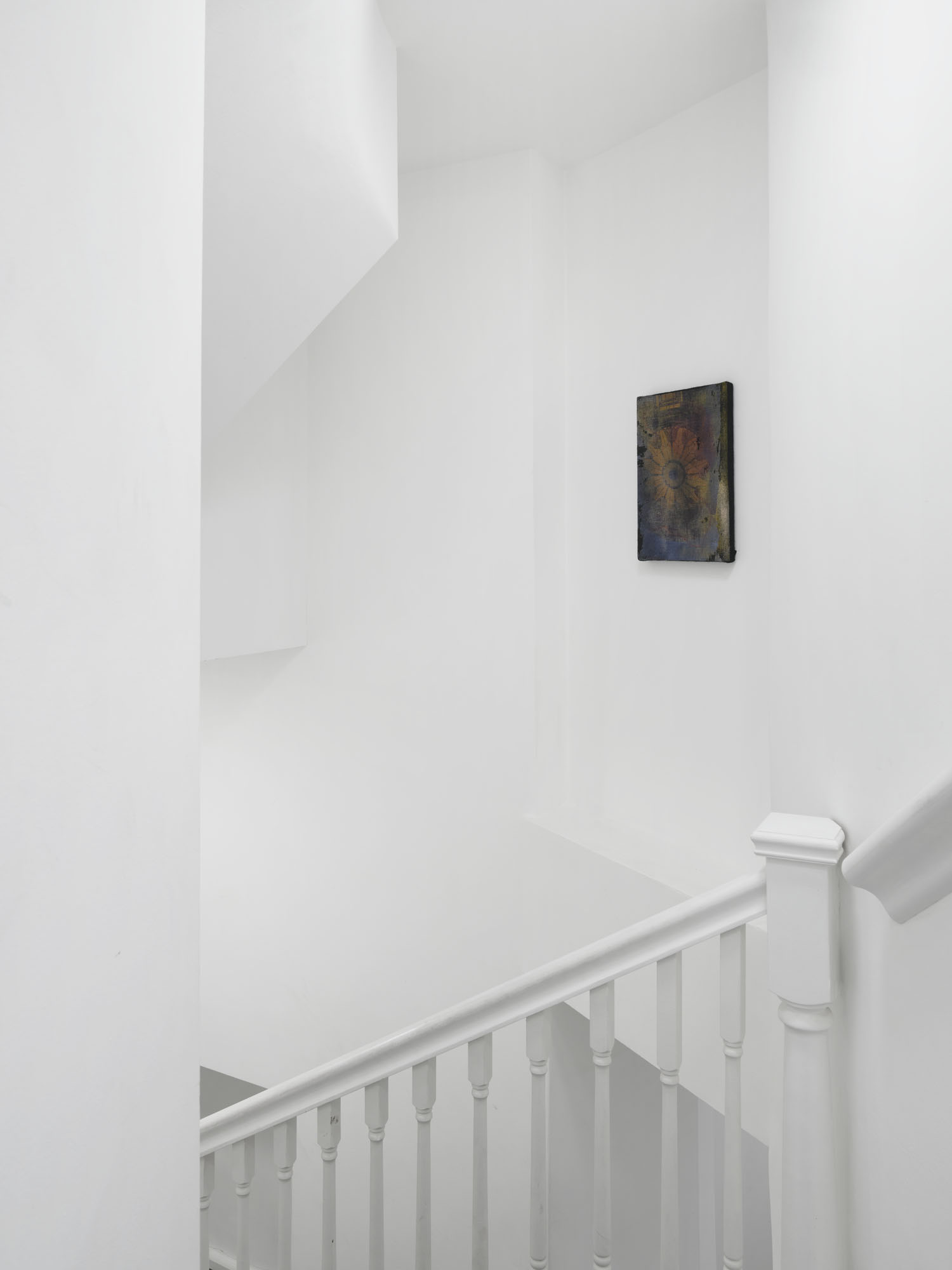
In this series, there are 25 large paintings (12 works in London, 13 in Wrocław)—one more than the usual 24 hours on a clock (in contrast to the 12-hour US time format)—which form a complete whole. Each element of the black oil paintings on jute is a carefully chosen reference to politics or personal and collective memory. These works also question the memory of the material and medium of photography. The artist creates a unique connection between oil underpainting and image transfers, including details of clock hands sourced mainly from the facades of churches. Each painting features a photographic transfer in a different position, freely referring to the rhythm of counterclockwise movement. Dark, empty, and raw, surfaces allude to the theory of black holes—a symbolic beginning and, at the same time, infinity—as well as the idea of invisibility. Some photographic transfers are more precise, revealing structures or specific clockwork elements, while others take on a more abstract and organic direction. In the London exhibition, the series is also accompanied by works in a detailed format with global underpainting and photo transfers where the entire surface of smaller canvases becomes a dialogue between the painting and photographic layers, leaving no empty space.

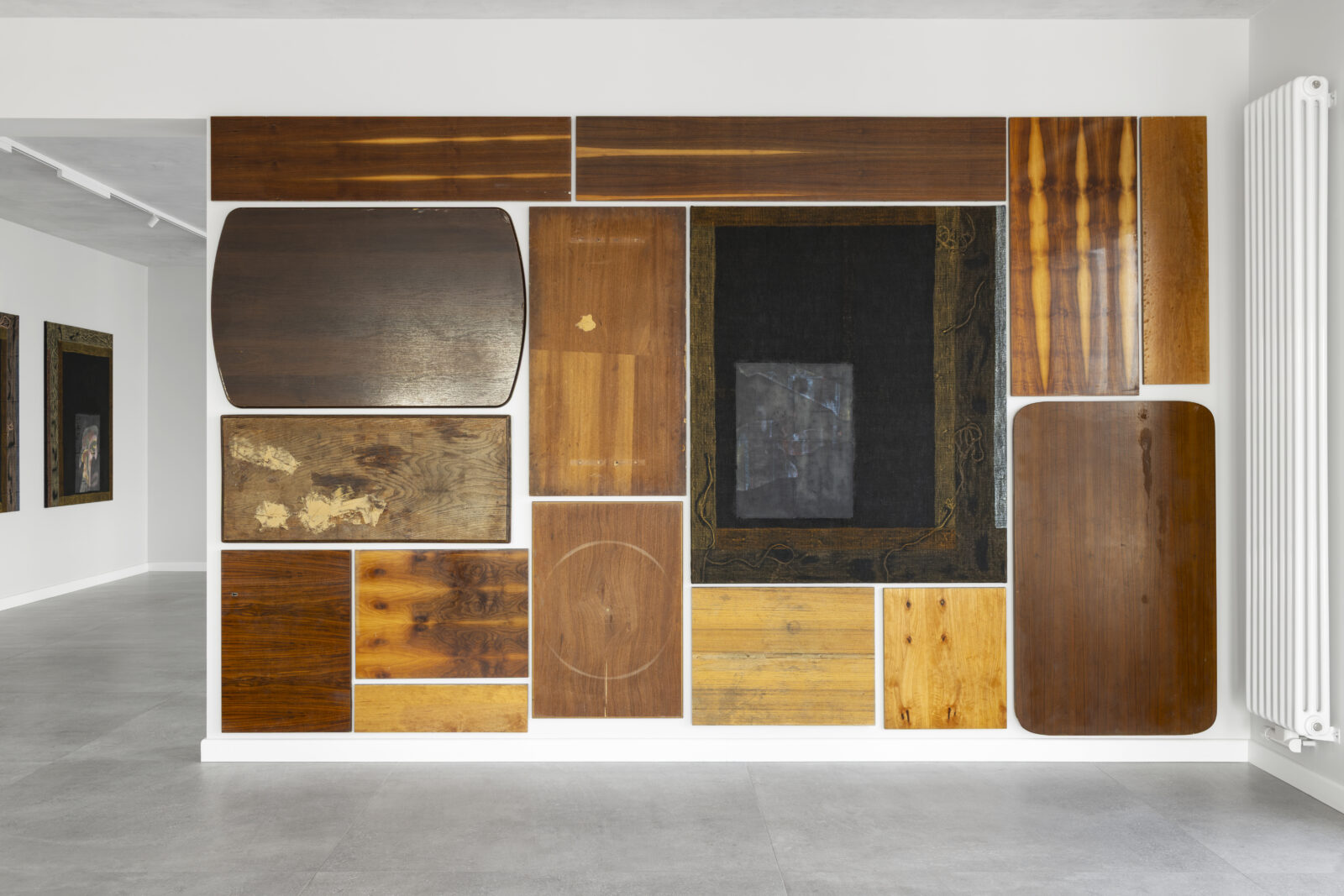
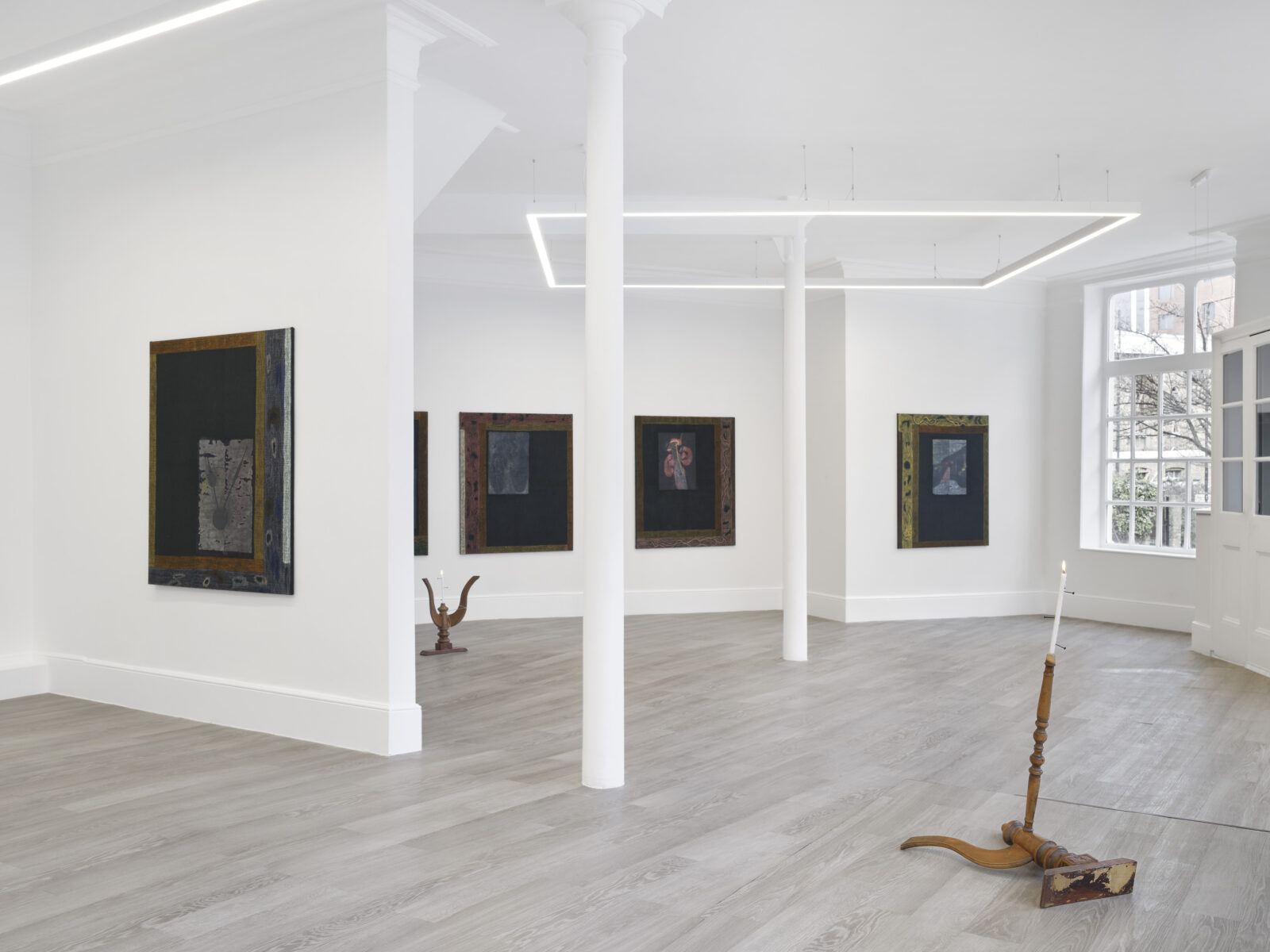
Made from old furniture, the site specific installation in Wroclaw and sculptures made from table legs in London create a bridge between these two exhibitions. In a world where manual and craft-based labor performed by humans is increasingly undervalued by society, and intellectual work is worshiped, free time and time spent at work are becoming ever more controlled—whether by ourselves or by large corporations. Productivity, efficiency, and the cult of intellectual labor, driven by the pursuit of higher social status, take precedence. Priceless, timeworn tabletops from historic and socialist-era (PRL) tables, bearing traces of work tools, provide an essential backdrop for a critical reflection on contemporary capitalist time constructs. The legs of one of the oldest objects served the artist as semi-organic forms functioning as stands for church candles. The candle clock, an ancient invention, was one of the early attempts made by man at measuring time. Transformed into a more precise tool, it was embedded with heavy nails, marking time like a timer. As the candle burned down to a set point, the falling nail would signal the end of a specific interval.

While working on the project, Radek took part in several residencies, including Residency Unlimited and ISCP in New York. It was there that he developed some elements of his new works – including detailed photo shoots of damaged, often bizarre or completely non-functioning clocks. Those that Brousil particularly observed were mainly in public spaces – on the clock towers of churches, synagogues, city halls and other symbols of political power. The photographs of clocks later became a starting point for his work on canvas, tools to tell the story of our relationship with the rules of time. Once functional in the city for practical purposes, these clocks today serve more as vestiges of history and decorative elements of old architecture, often being restored anew. The stark contrast between the dizzying pace of life in New York and the almost monastic focus he experienced at the Egon Schiele Art Center in the Czech town of Krumlov had a profound impact on his creative process. As he himself puts it, in Krumlov, he worked like a monk – immersed in a meditative rhythm, gradually uncovering what he truly wanted to express in his paintings. It was there that the foundation was laid for the exhibition spread across two spaces. The featured works are more than just the outcomes of artistic experiments; their process, stages, and movement between different places have become integral to this narrative. Unfolding over time, these two exhibitions move toward ideas with both political, systemic and spiritual dimensions.

Referring to the deconstruction of time, Brousil’s photographic transfers—poetic archives of the subconscious—fuse with the conscious narrative of images that follow a counter clockwise direction. Through subtly employed symbols of fallen regimes, the project brings us closer to fleeting occurrences and reflections on the consequences of human behavior, such as hidden racism, escapism, or the pressure to conform to the universal cycles of life in a patriarchal society. Jute bags for preserving, ropes and clocks for measuring, and architectural elements for subconsciously tracking traces of human history and power.

                                                         
                                                                                                                                                                                            text: Natalia Barczyńska

***

Radek Brousil is a Czech artist based in Prague. He works with textiles, alongside ceramics, film, photography and video. His themes address social testimony, presenting an activist expression on an uncertain future. Brousil defines social, cultural and environmental problems using unexpected interpretations and terminology, and chooses rather to look at these issues on a symbolic, personal and emotional level.

News
08.03.2025

8 March 2025 4-6 PM

hosted by Natalia Januła

Agnieszka Szczotka, The Ark finissage performance Agnieszka Szczotka, The Ark finissage performance 
Kieron, The Ark finissage performance Kieron, The Ark finissage performance 
Agnieszka Szczotka, The Ark finissage performance Agnieszka Szczotka, The Ark finissage performance 
Agnieszka Szczotka, Alphabet, 2023, Credit: Kieran Irvine Agnieszka Szczotka, Alphabet, 2023, Credit: Kieran Irvine 
Aprigoat and David Aprigoat and David 
Hollie Miller & Craig Scott, Sonic Archetypes, 2020 Hollie Miller & Craig Scott, Sonic Archetypes, 2020 
Karolina Lebek Image from rhythms of fire performance in collaboration with Susannah Stark, part of a solo exhibition Vatra _ Watra _ ватра in 2018 Karolina Lebek Image from rhythms of fire performance in collaboration with Susannah Stark, part of a solo exhibition Vatra _ Watra _ ватра in 2018 

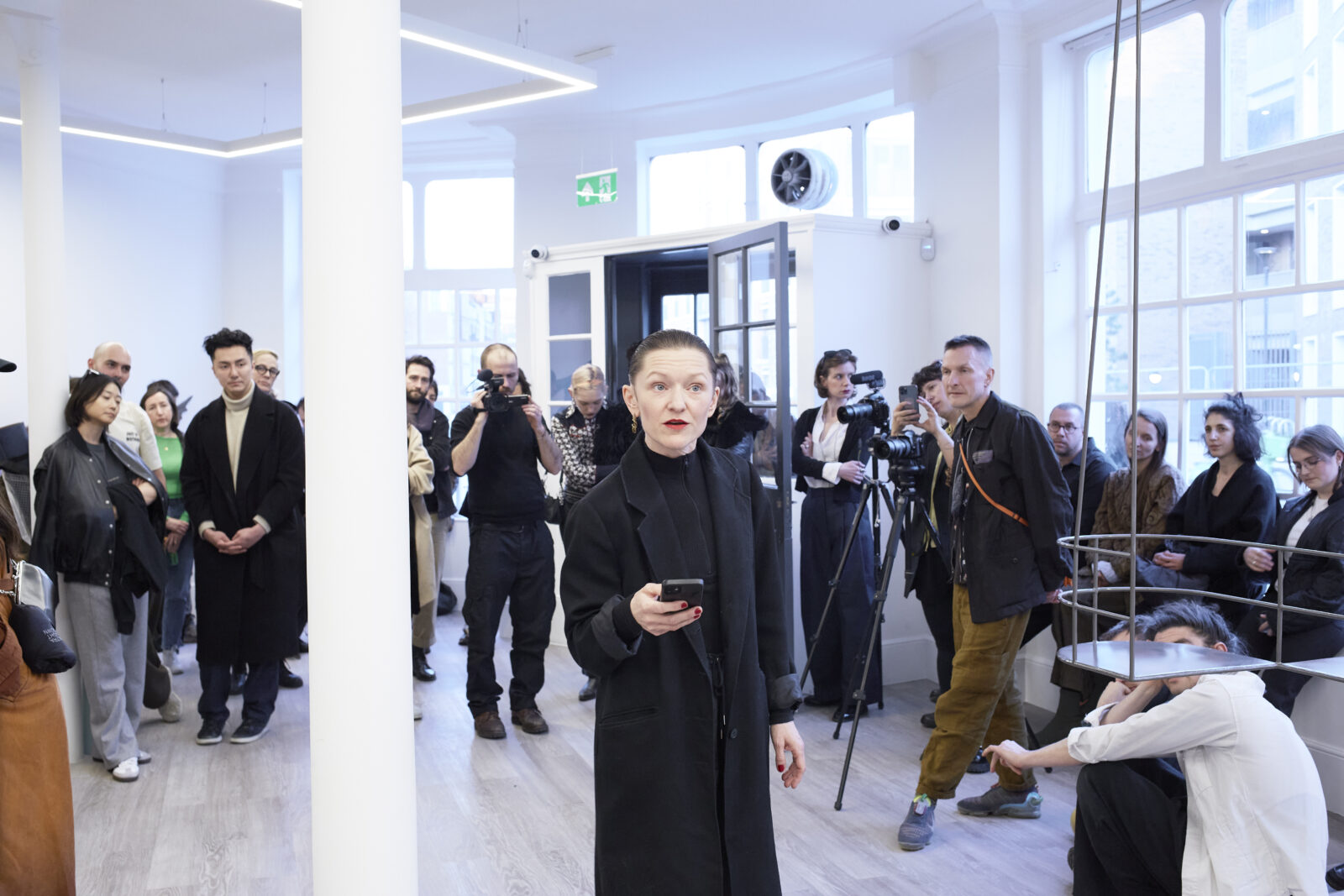
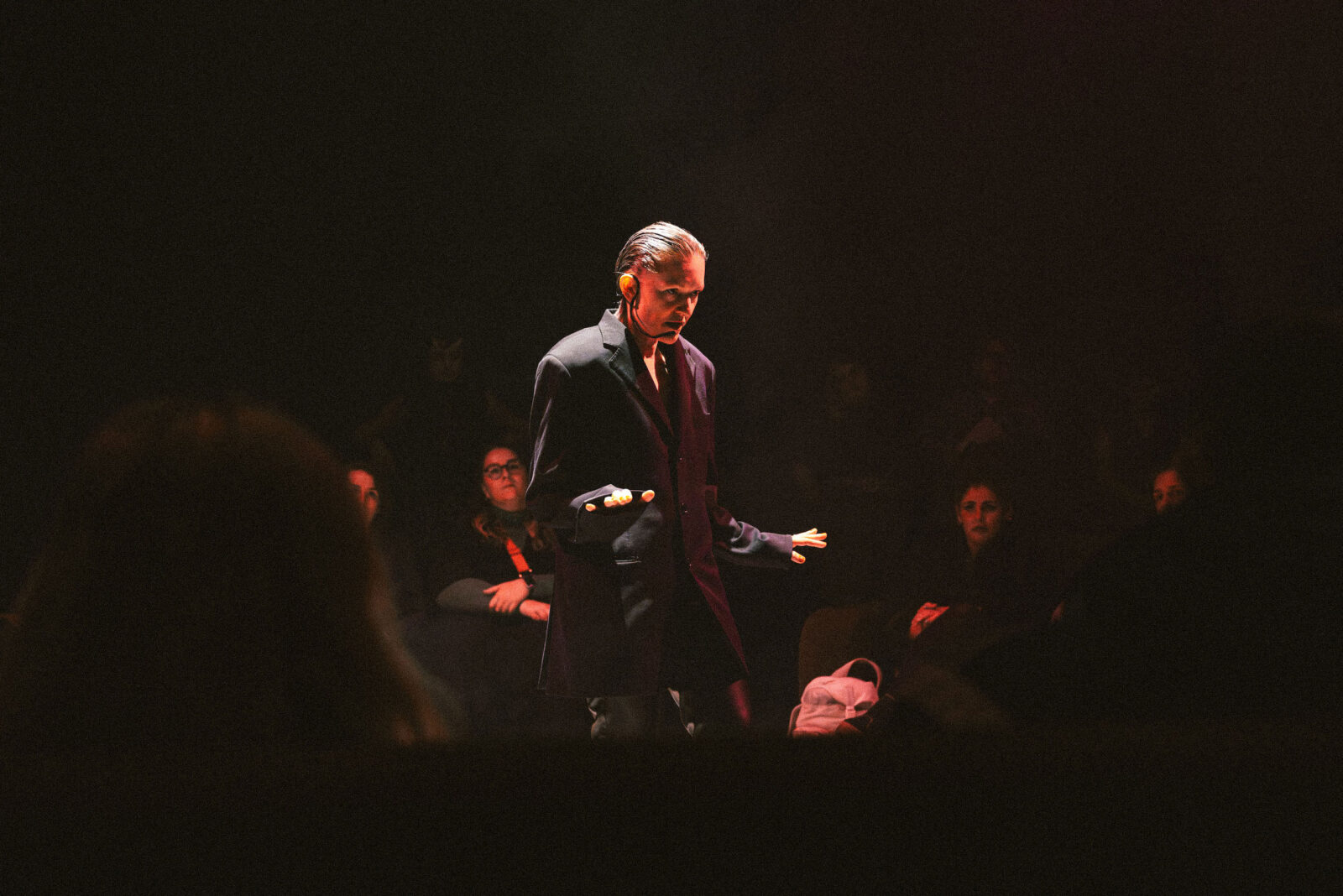
On the closing day of “The Ark” group exhibition, Krupa London presents four sound, voice, and movement performances hosted by one of participating artists Natalia Januła. Engaging bodies, space, and sonic landscapes, the event extends the artist’s interest in organic transformation and interconnected systems.

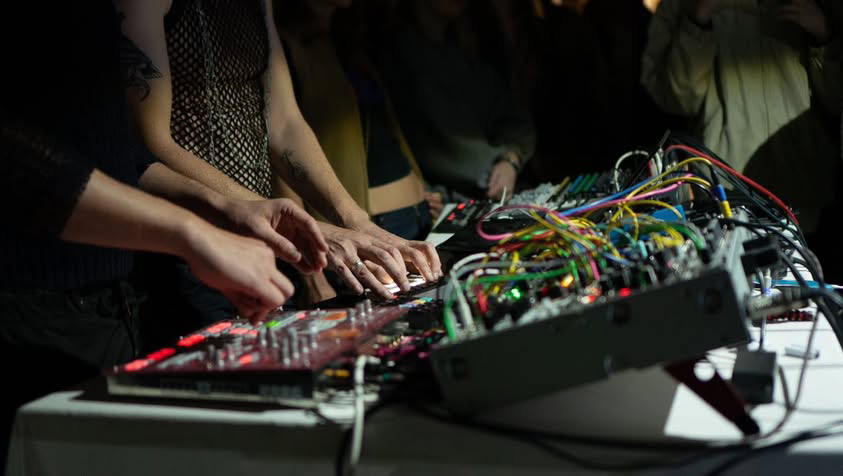
Hollie Miller & Craig Scott will explore the interplay of bodily movement and sound, using fetal motion sensors to activate an evolving sonic environment. Karolina Łebek will present an experimental composition intertwining folk instrumentation with digital soundscapes. Aprigoat & David will create a semi-improvisational performance merging modular synthesis and sample manipulation into surreal sonic narratives. Agnieszka Szczotka will perform a spoken word piece bridging memory, language, and presence.

Join us for activation of “The Ark”, where shifting forms and resonant bodies bring the exhibition into live motion.


THE ARK – closing event & performance programme 

Agnieszka Szczotka

Hollie Miller & Craig Scott

Aprigoat and David

Karolina Łebek

hosted by Natalia Janula

Sign up for our newsletter!
Keep up with our activities